Joined December 2024
- Tweets 172
- Following 51
- Followers 569
- Likes 15,807
20 Photos and videos

Jun 14
Bugün itibarıyla Ortadoğu’da 1798’den beri ilk defa Batılı bir devletin eliyle tasarlanmamış yeni bir denge oluşuyor.
Meseleyi ilerleyen günlerde derinlemesine analiz ederiz.
Gelen haberlere göre anlaşma taslağı aşağıdaki gibiymiş.
* Lübnan dahil olmak üzere tüm cephelerde derhal ve kalıcı ateşkes sağlanması.
* ABD'nin, İran'ın iç işlerine karışmayacağına dair taahhüdü.
* Deniz ablukasının sona erdirilmesi ve Hürmüz Boğazı'nın 30 gün içinde yeniden açılması.
* ABD ordusunun İran çevresindeki bölgelerden çekilmesi.
* Petrol odaklı yaptırımların askıya alınması ve İran'ın gelirlerine erişiminin yeniden sağlanması.
* ABD ve müttefikleri tarafından 300 milyar dolarlık yeniden imar planları ve finansmanı sağlanması.
* İran'ın nükleer programı ve kapsamlı yaptırımların kaldırılmasına odaklanan nihai anlaşma için 60 günlük müzakere süreci.
* İran'ın, Nükleer Silahların Yayılmasını Önleme Antlaşması (NPT) uyarınca nükleer silah geliştirmeyeceğini yeniden teyit etmesi.
* Müzakereler süresince yeni ABD askeri sevkiyatı veya yaptırımı olmaması.
* Müzakere sürecinde dondurulmuş 24 milyar dolarlık İran varlığının serbest bırakılması.
* Bir izleme mekanizmasının oluşturulması ve nihai anlaşmanın Birleşmiş Milletler Güvenlik Konseyi tarafından onaylanması.
* Füze programları ve İran'ın bölgesel müttefik gruplara verdiği desteğin müzakerelerin kapsamı dışında tutulması.
Kaynak: Mehr Haber Ajansı
Jun 14

Following intensive talks, we are pleased to announce that the Peace Deal between the United States of America and Islamic Republic of Iran has been REACHED. Both sides have declared the immediate and permanent termination of military operations on all fronts, including in Lebanon.
The official signing ceremony will be on Friday, 19 June in Switzerland.
We would like to thank the United States of America and the Islamic Republic of Iran for their commitment to finding a diplomatic solution to the conflict. We would also like to extend our sincere appreciation to our brothers in this mediation effort, the great leadership of State of Qatar, for their support in reaching this agreement. I would also especially thank the visionary leadership of Kingdom of Saudi Arabia and Republic of Türkiye for their immense contributions in this regard.
With the agreement now in place, mediators will facilitate a series of meetings this week. These pre-implementation discussions will lay the foundation for the technical talks and the official signing ceremony.
@realDonaldTrump
@JDVance
@SecRubio
@SteveWitkoff
@SEPeaceMissions
@drpezeshkian
@mb_ghalibaf
@araghchi
1
8
1,507
Jun 11
Suriye'deki büyük altüst oluştan beri her fırsatta söylemeye çalışıyorum.
İsrail-Türkiye meselesi retorik bir mesele değildir. Öyle olsa Davos'tan beri o kavga zaten yapılıyordu. Türkiye'nin o zamanki itirazı ideolojikti ve gerçekten retorik ve diplomatik düzeyde kalıyordu. Ama hiçbir zaman bu, gerçek bir çıkar çatışmasına ve güvenlik sorununa dönüşmemişti.
Suriye'de rejim devrildikten sonra bölge içinde bir alan hakimiyeti mücadelesi başladı. Konu retorikten devletlerin en önemsediği alana -güvenlik ve güç mücadelesine- kaydı.
İsrail'in temel güvenlik doktrini, bölgesel bir hegemonya kurmak ve kendisine karşı bir güç odağının yükselmesini engellemek üzerine kurulu. Dolayısıyla, İsrail'in stratejisi aslında basit. İsrail'e göre çevre devletler ya kendi siyasi yörüngesinde hizalanmalı ya da karşısında parçalı ve bölünmüş bir yapıda kalmalıdırlar.
En başta Mısır, daha sonra Irak'ta gözlemlediğimiz süreçler de tamamen bununla alakalıydı. Bu rejimler, hem yeteri kadar tehdit edecek bir kapasiteye ulaşma riski olduğu için hem de İsrail'in karşısında olmayı tercih ettikleri için hedef oldular. İran da bugün yine aynı kaderi yaşıyor.
Mısır Nâsır döneminde milliyetçi sosyalizm ile yönetiliyordu, Irak'ta Saddam seküler bir Baas partisinin başındaydı, İran ise bir Mollalar rejimi ile yönetiliyor. Ancak hepsinin ortak noktası, İsrail'in güvenliğini tehdit edebilecek bir kapasiteye ulaşma riskidir. Yanlış anlaşılmasın; ulaşması değil, buna dair bir riskin ortaya çıkması. Bu bile İsrail'in yıkım politikasını izlemesi için yeterli.
Dolayısıyla Türkiye, İsrail'e karşı hiçbir hasmane retorik kullanmasa bile, Filistin davasını hiç sahiplenmese bile, bölgede dominant güç olabilecek kapasiteyi geliştirmeye aday olursa tehdit haline gelir. Mesele bu kadar berrak. Bu nasıl görülemiyor anlamıyorum.
Çok daha somut söyleyelim.
Eğer Türkiye, Suriye hava sahasında İsrail'in F-35 uçaklarını yerli AESA radarlarıyla 150 km'den tespit edip kendi hava-hava füzeleriyle angajmana girme kapasitesine ulaşırsa, İsrail için hasım konumuna gelir. Bu durum ideolojik değil, tamamen doktrinel. Alan mücadelesi, güvenlik endişesi.
Çünkü İsrail'in 1967'den beri temel savaş doktrini hava üstünlüğü üzerine kurulu, en fazla yatırım yaptığı ve güvendiği güç hava kuvvetleridir. Hava kuvvetleri ciddi risk altına girdiğinde İsrail güvenliğini sağlayamaz. Eğer uçakları yüksek miktarda kayıp vermeye başlarsa, bu durum İsrail için konvansiyonel savunmanın sonu demektir ve geriye tek seçenek olarak nükleer caydırıcılık kalır. İran'ın hedef olmasının da ana sebebi, molla rejimi olmasından ziyade nükleer silah geliştirme teşebbüsüdür.
Umarım artık şu meseleyi saçma sapan BOP projeleri diskurlarından, ucuz siyasi atışmalardan çekip yaklaşan tehdidi görebilecek aklı başında doktrinler çerçevesinde tartışabiliriz.
Jun 11

Bu yolun taşları da, Schanzer’lar, Ciddi’ler gibi iki kuruşluk FDD gevezelerinin söylediği gibi TR tarafından döşenmedi. D. Akdeniz’de doğal gaz arama süreçlerinde TR donanması ile müdahale ettiğinde, kendi bölgesi bile olmayan TR güneyindeki EEZ için İsrail enerji bakanı
12
57
298
49,386
Jun 12
18 Apr 2025

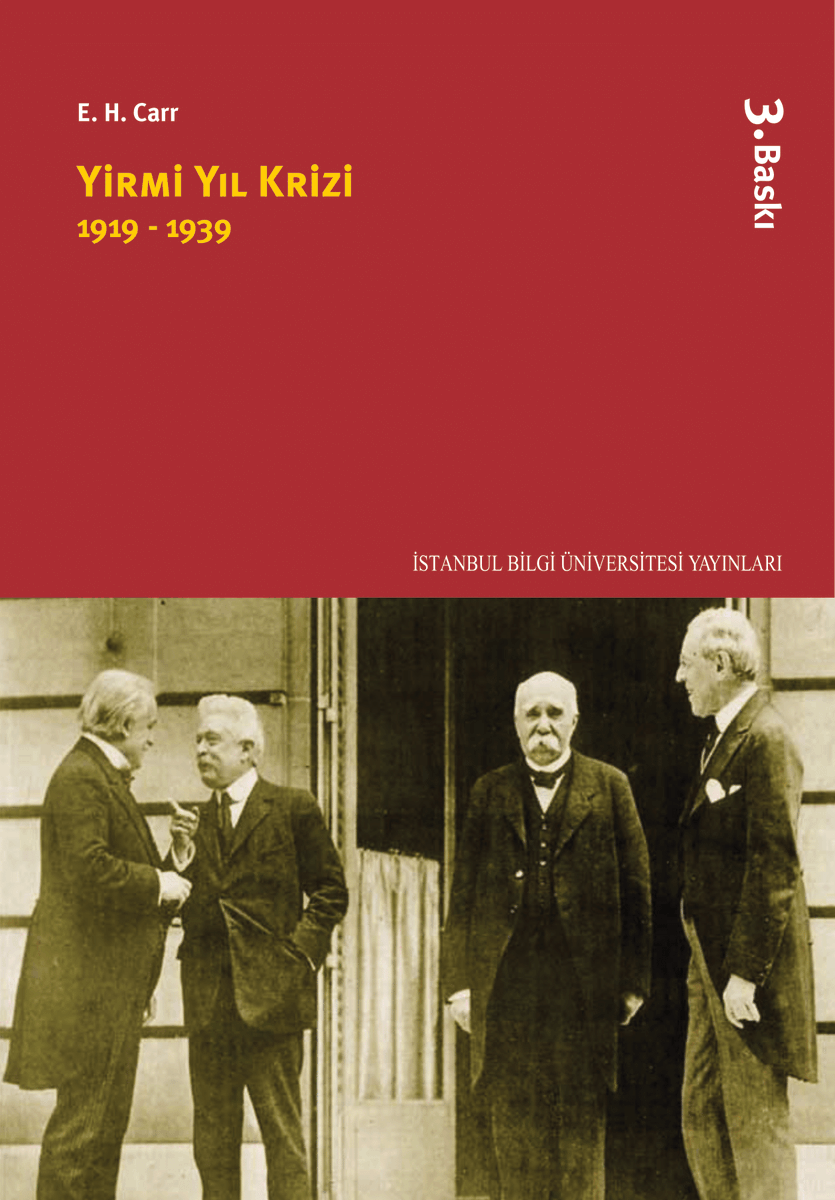
TÜRKİYE-İSRAİL İLİŞKİLERİNDE YENİ DÖNEM
"İdeolojik Kamplaşmadan Stratejik Rekabete"
8 Aralık 2024 tarihinde Şam’daki hükümetin devrilmesiyle birlikte bölgede yeni bir denklem oluştuğu gözlemleniyor. İran ve Rusya’nın azalan etkinliğini bölgede iki önemli güç olan Türkiye ve İsrail doldurmaya çalışıyor. Bu haliyle, Suriye siyasetinin önümüzdeki on yıllarını bölgenin en önemli iki gücünün mücadelesi belirleyecek gibi duruyor.
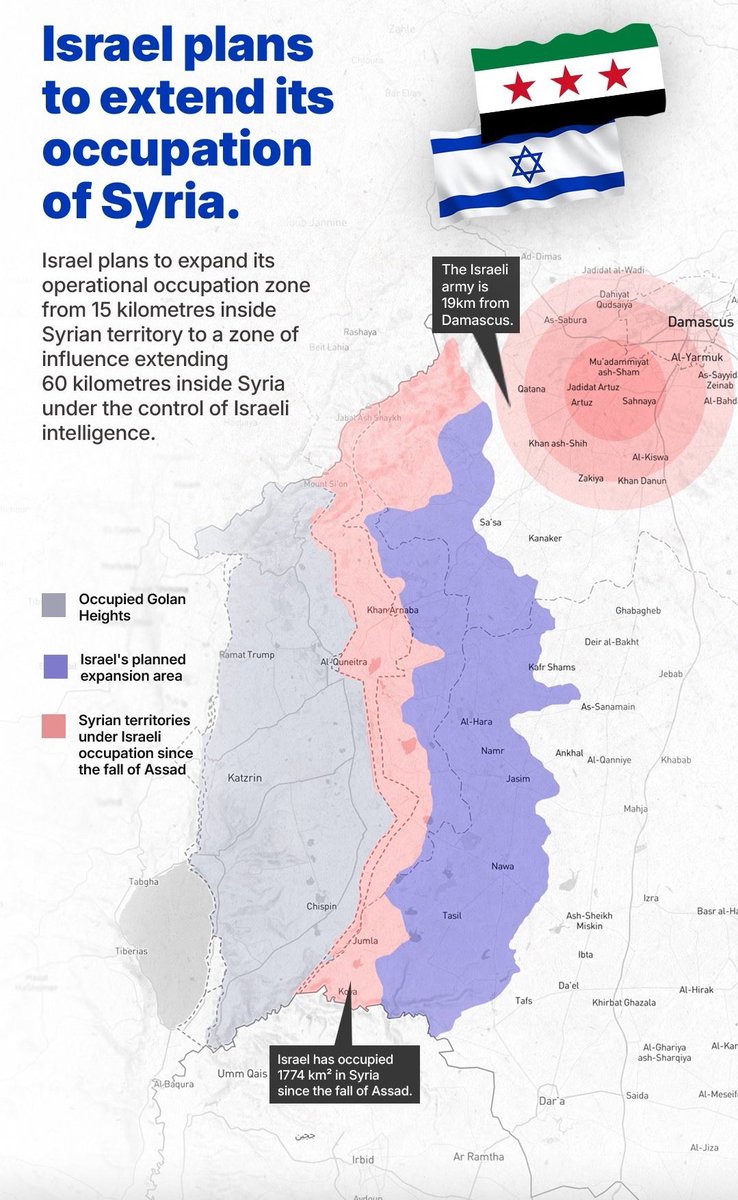
İsrail, Golan Tepeleri üzerinden geliştirmiş olduğu 1974 stratejisini ileri taşıyarak Suriye’nin Şam yönetimine bakan tüm tepelerinde ve Dürzilerin etkin olduğu Suveyda başta olmak üzere Dara ve Kuneytra illerinde sözü geçen tek aktör olmak istiyor. Bunun temel nedeni İsrail’in Suriye stratejisiyle alakalı. İsrail için 1974’ten beri parçalı bir Suriye olması stratejik bir öncelikti. İsrail tarihi boyunca asla istikrarlı bir komşu devleti yanında istemedi. (Ürdün ve Lübnan'ın siyasi yapıları buna güzel bir örnek)
Bu yeni oluşan denklemde de İsrail, hem İran’ın Irak, Suriye ve Lübnan üzerinden bölgede kendisine tehdit olmasını hem de Türkiye’nin Sünni Araplar üzerinden yeni bir ontolojik tehdit yaratmasını istemiyor.
Türkiye ise 2016 yılından beri devam ettirdiği aktif müdahaleci stratejisini bir adım öteye taşıyarak Suriye’nin bütünlüğünü ve birliğini savunan bir politikayı yeni rejim inşasında uygulatmak istiyor. Türkiye’nin buradaki en büyük çekincesi çoğunluğunu Kürtlerin oluşturduğu SDG yapılanması. Burada oluşabilecek bağımsız yapının orta ve uzun vadede Türkiye’de de yeni ayrılıkçı hareketlere yol açacağından endişe ediliyor.
Bu yeni gelişen yapısal faktörler ortaya konduktan sonra aktörlerin bölgedeki taktik ve operasyonel adımlarını takip etmek çok daha önem kazanıyor. İsrail ve Türkiye artık sadece ideolojik olarak karşı kamplarda değiller, aynı zamanda alan mücadelesinde stratejik rekabet içerisine de girmiş bulunmaktalar. Bu sebepten ötürü, özellikle İsrail medyasından ve hükümetinden gelen haberleri dikkatle takip etmemiz gerekiyor.
1
6
3,585
Jun 11
Tom Barrack'ın açıklamaları üzerinden BOP zırvalığını yayan muhalif bazı figürler var.
Son 10 yılın Orta Doğu politikasını her fırsatta eleştiren bu kişiler bazı sorulara yahut o zaman alternatifi neydi sorusuna net cevaplar vermesi gerekiyor.
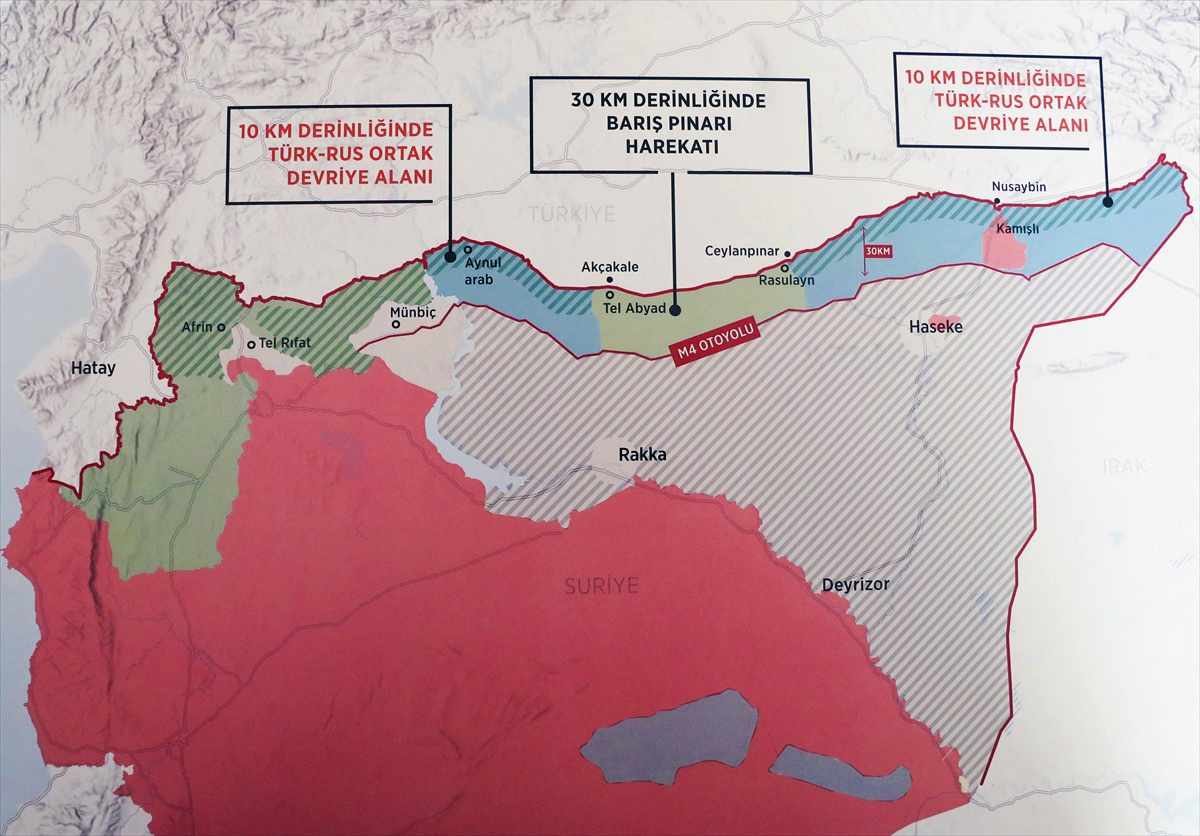
Türkiye, 2016 sonrası Fırat Kalkanı (El-Bab) operasyonu ile Kuzey Suriye’de bir cep açmasaydı; koalisyon güçlerinin desteğini alan YPG, bugün o bölgeyi IŞİD’den temizleyerek doldurmayacak mıydı?
TSK, 2018 yılında Afrin’e operasyon yapmasaydı; ABD destekli, Türkiye’nin güney hattının tamamını kuşatan ve Akdeniz’e açılan bir "Kuzey Kantonu" kurulmayacak mıydı?
Bahar Kalkanı ile 2020 yılından itibaren İdlib bölgesi tutulmasaydı ve orada güvenli bir hat oluşturulmasaydı; yeni bir göç dalgası yaşanmayacak mıydı? Rejimin hayatta kalması, YPG’nin Türkiye’ye karşı daimi bir denge unsuru olarak kullanılmasına yol açmayacak mıydı? Güvenli bölgeler ve kontrol noktaları oluşturulmasaydı bugün muhaliflerin meşhur ofansı ve rejimin devrilmesi söz konusu olabilir miydi?
Bugün ABD, bazı aktörler aracılığıyla bölgede Türkiye’nin de lehine olabilecek bir kurgu yapmaya çalışıyorsa, bunun en büyük sebebi 10 yıldır ödenen bedeller ve taviz verilmeyen noktalardır. Suriye meselesinde Türkiye tutumunu korumuş, değişen ise ABD politikası olmuştur. Dolayısıyla, ABD, Türkiye’nin durduğu yere yaklaşmıştır, Suriye parçalanmamış, bütünlüğünü korumuştur.
Somut gerçeklere odaklanalım. Suriye’de an itibariyle sahadaki etkinliğimiz İsrail ve hatta ABD'den bile fazla. Sahada en fazla askeri bulunan ve istihbarat açısından en etkin güç de Türkiye. Suriye sahasında kritik güvenlik konularında Türkiye'nin onayı olmadan adım atılamıyor, en somut örneğini YPG'nin lağvedilmesi sürecinde yaşadık.
Bu ABD ve İsrail'in bir etkisinin olmadığı veya hiçbir çıkarın örtüşmediği anlamına da gelmiyor. Ortaklaşan çıkarlar oldu tabiki. En başta İran Suriye'de iki taraf için de bir istikrarsızlık aktörüydü. Suriye'de esasen Irak'ta olduğu gibi organik sosyolojik bağı yoktu. Lübnan üzerinden Hizbullah aracılığıyla maceraya girişti. Bedelini de çok ağır ödedi.
Yıllarca bu ülkede, Suriye’deki ABD üslerini ve YPG ile aramızda bir tampon olduklarını konuşmadık mı? Elimizi kolumuzu bağlayan pek çok durum yaşamadık mı?
Bugün Suriye’de ABD askeri varlığı sıfırlandı. YPG otonomisi yok denecek seviyeye geldi, güvenlik riskleri minimize edildi. 40 yıllık terör tehdidi, ortadan kalkma aşamasına geldi.
Türkiye’nin elde ettiği net kazanımları görmeyip, hala "BOP projesi" gibi söylemleri tekrarlamak zırvalıktan başka bir şey değil.

ABD'nin Ankara Büyükelçisi Tom Barrack da aynı şeyi söyledi:
“Ulus devletten vazgeçin. Osmanlı millet sistemine dönün…”
-Bu “CHP” CHP değil.
Bu ifade, Atatürk’ün kurduğu partiye ait değil.
-Lütfen, “Altı Ok”u yakanızdan ve ambleminizden çıkarın. İkinci Cumhuriyetçilerle ve Tom Barrack’la kucaklaşın. Graham Fuller mezarında çok mutludur. Partinizin adı mesela, “Osmanlı Millet Partisi” olsun.
4
7
23
3,387
Mehmet Ali Samur retweeted

May 12
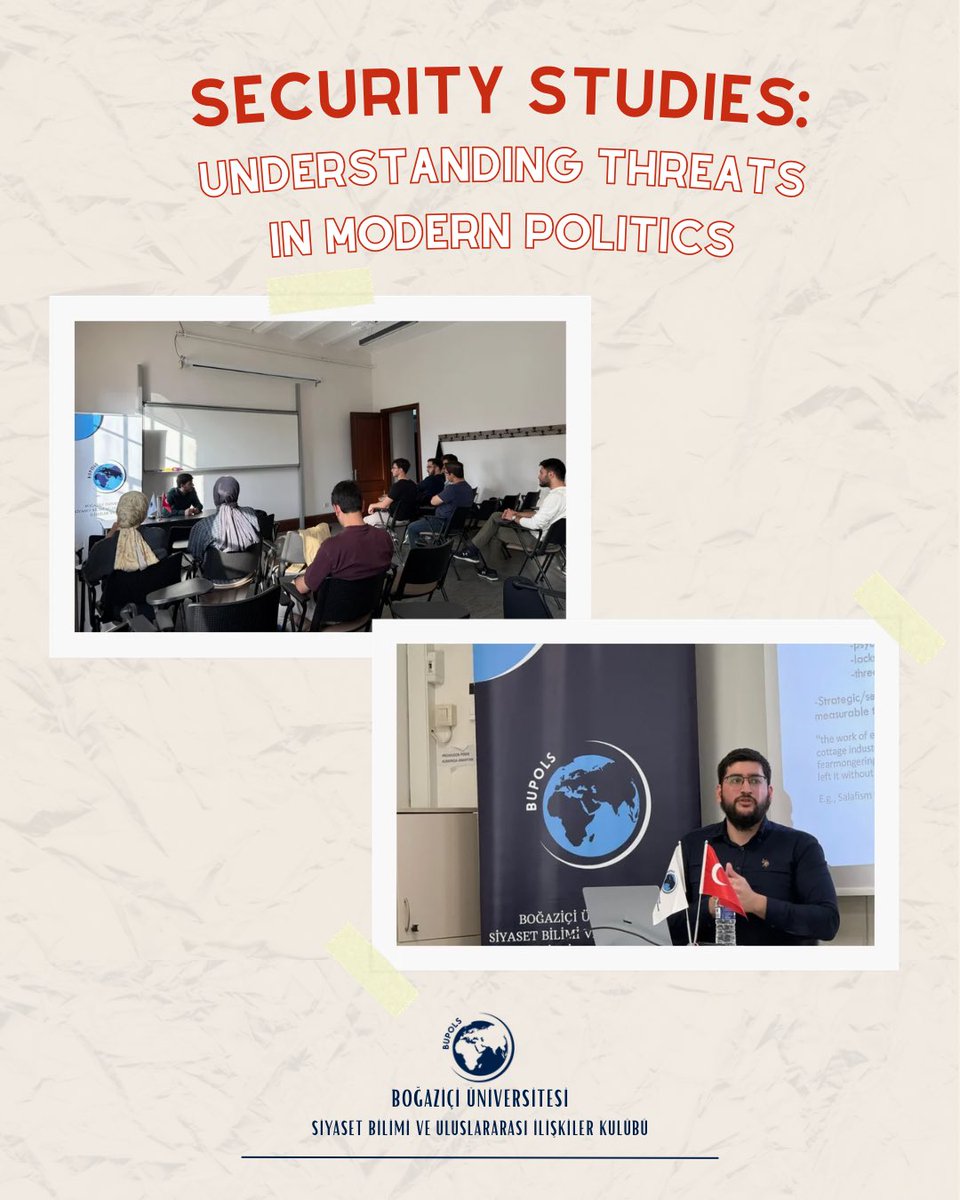
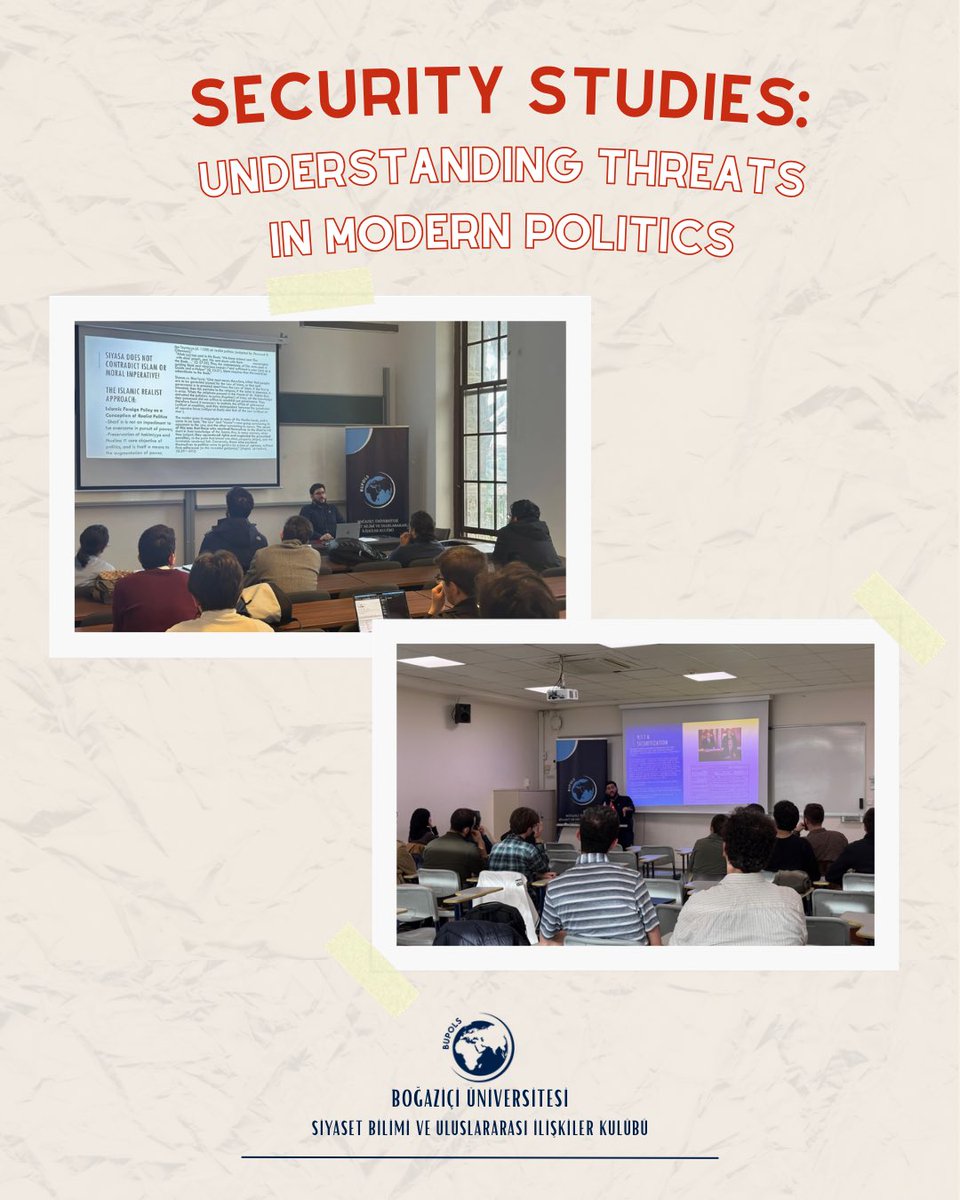
BUPOLS olarak düzenlediğimiz "Security Studies: Understanding Threats in Modern Politics" okuma atölyemizi tamamladık.
1
2
12
942
Jun 9
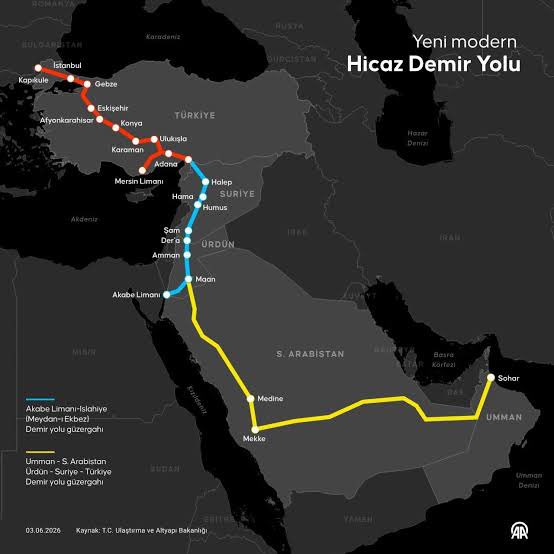
Hatlar çiziliyor, yeni dengeler kuruluyor. Suudi Arabistan-BAE uzaklaşması savaş devam ettikçe derinleşiyor.
Jun 9

Turkey and Saudi Arabia sign a deal on railway cooperation and connectivity today during meetings in Riyadh
The deal is a memorandum of understanding which could cover the plans to revive historic Hejaz railway.
1
7
1,026
Jun 9
Her ne kadar bolca niyet okuma ve saman adam safsatalarıyla dolu olsa da, sonunda tartışmanın kendisine dair birkaç cümle yazmayı başarmışsınız. Emeğiniz için teşekkürler.
Öncelikle, yazımdaki argümanı daha dikkatli incelerseniz Türkiye ve İngiltere'nin karşılaştırılamayacağını savunmadığımı görürsünüz. Bu iki ülkenin siyasal sistemleri daha geniş bir perspektiften elbette kıyaslanabilir. Ben, “demokratik standartlar” açısından yapılan kıyaslamanın kategorik bir hata olduğunu söyledim. Bunun sebebi, iki ülkenin siyasal tecrübelerinin kıyaslanamayacak ölçüde farklı tarihsel ve toplumsal koşullar içermesidir.
İngiltere'nin okyanus aşırı deniz ticareti sayesinde gelişen ticaret sınıfı, burjuvazinin ve Sanayi Devrimi'nin kökenleri, devletin Katolik Kilisesi'ne karşı kıta Avrupası'na kıyasla oldukça erken dönemde aldığı keskin tavır, bunun sonucunda ortaya çıkan çok sayıdaki Protestan mezhebin kendi aralarındaki ve Anglikan Kilisesi'ne karşı yürüttükleri yoğun mücadeleler, mezhep çatışmalarının siyaset üzerindeki etkisi nedeniyle dini çoğulculuk tartışmalarının erken başlaması, sömürge imparatorluğu tecrübesi, sınıfların erken ve belirgin biçimde oluşması ve sınıf çatışmalarının parlamenter mekanizmalar aracılığıyla yatıştırılmaya çalışılması gibi unsurların her biri tarihsel analizde ortaya çıkan ve karşılaştırmanın doğasını doğrudan etkileyen sosyal ve siyasal gelişmeler.
Benim anlatmaya çalıştığım şey tüm bunlar bir kenara bırakılarak, özellikle İkinci Dünya Savaşı sonrasında liberal akademinin kurduğu entelektüel hegemonya çerçevesinde comparative politics literatürüne modernleşme teorileriyle birlikte yerleşen demokrasi karşılaştırmalarının son derece problemli bir yaklaşım olması. Bu nedenle V-Dem veya Freedom House gibi demokrasi endekslerini örnek olarak zikrettim.
Ayşe Hocanın da, tıpkı bu endekslerin yaptığı gibi, Türkiye ve İngiltere'den seçtiği tekil örnekleri “freedom of expression” ve “academic freedom” gibi kriterler üzerinden benzer bir yöntemle kıyaslamaya çalıştığını gördüm. Oysa iki farklı ülkede yaşanan olaylar doğrudan karşılaştırılabilecek türden değildir.
Eğer mutlaka bir çalışma yapılacaksa, case study yaklaşımının buna daha uygun olacağını hatta İngiltere örneğinde theory-testing niteliği taşıyabilecek bir araştırmanın daha anlamlı olacağını söyledim.
Çünkü İngiltere'de demokratik standartların bu denli açık biçimde ihlal edilmesi ve ülke tarihinde nadir görülen ölçüde yüksek bir toplumsal tepkiye rağmen siyasal elitlerin bu taleplere karşılık verememesi son derece dikkat çekici bir vakadır. Buradaki temel soru şu. İngiltere'deki siyasal elitler, hangi kurumsal bağlar veya teşvikler nedeniyle kendi inşa ettikleri ve dünyaya siyasal norm olarak sundukları kurumların herkesin gözü önünde aşınmasını kabullenmektedir?
Bununla birlikte, Jaan hocanın iki ülke arasında demokratik standartlar açısından bir kıyaslama yaptığını görmüyorum. Eğer o da böyle bir girişimde bulunuyorsa, aynı şekilde yanlış yapıyordur. Sebebini hem yukarıda hem de ilk yazımda ayrıntılı biçimde açıkladım. Benim gördüğüm Jaan hoca önce kişisel bir tecrübesini paylaşmış, ardından da Turkish "public sphere'in" çok daha çeşitli olduğunu ileri sürmüş. "Public sphere" son derece geniş ve ölçülmesi zor bir kavram. Türk toplumunun çeşitliliğini ve sizin de belirttiğiniz gibi siyasal rekabetin yoğun yaşandığı bir ülkede bulunduğumuzu kabul edersek, bu değerlendirme tamamen temelsiz sayılmaz. Siyasetten örnek vermek gerekirse, kıta Avrupası'nın önemli demokrasileri düşünüldüğünde, parlamentoda hem fundamentalist Katoliklerin hem de ortodoks Marksistlerin temsil edildiği benzer bir örneği kolayca hatırlayamıyorum.
Son olarak, eğer politikayı hayatın her alanına nüfuz eden bir güç mücadelesi alanı olarak tanımlıyorsanız, akademisyenlerin de -genç veya kıdemli olmalarından bağımsız olarak- diğer insanlar gibi politik motivasyonlara sahip olabileceğini kabul etmeniz gerekir. Ancak buradaki asıl sorun, bu motivasyonların kişinin siyasal ve toplumsal altüst oluşlardan etkilenerek olayları olduğu gibi açıklama düsturundan vazgeçmesidir. Sonuçta aktivist değiliz, akademisyeniz. Bu nedenle size akademik hayatınız boyunca daha sakin kalmanızı ve herhangi bir argümana cevap vermeden önce kişisel bagajlarınızı tartışmanın üzerine boca etmemenizi tavsiye ederim.
Jun 9

Ok, I have my comprehensive exam tomorrow so spending my time on explaining someone who can't follow a debate properly is attractive at the moment.
M.A. Samur believes that Turkey never had a democratic tradition, unlike UK; thus, comparing UK and Turkey is categorical error.
1
2
9
1,203
Jun 8
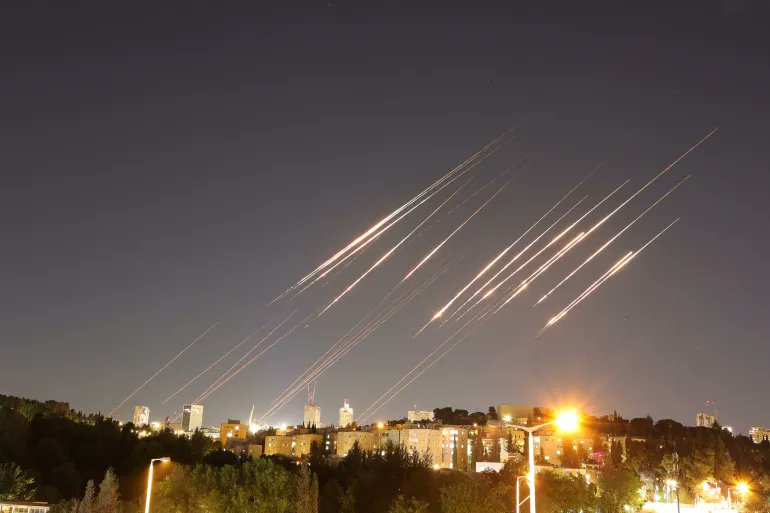
Dün gece savaşın gidişatında inanılmaz bir gelişme yaşandı. Dışarıdan bakan biri için füze salvoları sıradan bir sataşma gibi görünebilir.
Ancak İran-İsrail-ABD üçgenindeki güç mücadelesi açısından bakıldığında, ilk kez İran tırmanma dinamiğini kendi lehine çevirmeyi başardı. Bu ne demek, açıklıyım.
Birincisi, İran tarihinde ilk kez İsrail’in doğrudan kendisine saldırmasını beklemeden bir saldırı gerçekleştirdi. Dolayısıyla bu oyunu defanstan ofansif tarza geçirdiğinin bir işareti olabilir.
İkincisi ve daha önemlisi, saldırısının gerekçesi olarak İran anakarasına yönelik bir tehdidi değil, Güney Lübnan’daki İsrail operasyonlarını gösterdi.
Bu, aslında çok önemli bir stratejik mesaj içeriyor. İran diyor ki;
“Ben artık kendimi, yalnızca misilleme yapan bir aktör olarak görmüyorum. Gerekirse önleyici saldırılar da gerçekleştirebilirim. Bunun için gerekli kapasiteye ve siyasi iradeye sahibim. Ayrıca bu hamleyi yaptığımda savaşın daha üst bir seviyeye taşınmayacağını da hesaplıyorum.”
Mesaj bununla da sınırlı değil.
İran aynı zamanda kendisine dayatılan çatışma çerçevesini de reddettiğini ilan ediyor. Savaşın yalnızca İran topraklarını ilgilendiren bir mesele olmadığını, kendi nüfuz alanı olarak gördüğü coğrafyaları da kapsadığını ortaya koyuyor. Üstelik bunu yalnızca diplomatik söylemlerle değil, sahada somut askerî karşılıklar üreterek gösteriyor.
İran’ın bu saldırıyla vermek istediği temel mesaj tam olarak buydu.
Fakat asıl dikkat çekici gelişme bundan sonra yaşandı.
İran’ın yaptığı hesaplamanın önemli ölçüde doğru olduğu ortaya çıktı. Normal şartlarda İsrail’in, kendisine yöneltilen bu tür bir meydan okumaya çok daha sert bir karşılık vermesi beklenirdi. Böylece İran bir daha anlaşma masasını bozmaya cesaret edemesin.
Ancak bu kez ABD devreye girdi.
İran saldırısının hemen ardından Donald Trump’ın yaptığı açıklamalar dikkat çekiciydi:
“Each of them had their fun. Israel had its strike and Iran had its strike. We don’t need another one.”
Ve ardından şu ifadeyi kullandı:
“If Bibi strikes them back it’s just gonna keep going like the last 47 years, or the last 3000 years.”
Bu açıklamalar, Washington’un artık bölgesel savaşı daha fazla büyütmek istemediğine işaret ediyor.
Savaşın seyri açısından asıl önemli sinyal de burada yatıyor. ABD’nin önceliği giderek daha net biçimde çatışmayı sınırlandırmak ve yeni bir bölgesel savaşın önüne geçmek haline geliyor. Bu nedenle İsrail’in İran’a “pişman edici” ölçekte yeni bir misilleme gerçekleştirmesine sıcak bakılmıyor.
Bundan sonraki süreç büyük ölçüde Amerikan iç siyasetindeki güç mücadelesine bağlı olacak.
Bir tarafta İsrail’e koşulsuz desteği savunan, Siyonizmi destekleyen ve Cumhuriyetçi dış politika çizgisini temsil eden kadrolar bulunuyor. Diğer tarafta ise yeni MAGA hareketinin temsil ettiği, Ortadoğu savaşlarından uzak durmayı ve Amerikan kaynaklarını iç politikaya yönlendirmeyi savunan kanat yer alıyor.
Önümüzdeki dönemde savaşın yönünü belirleyecek temel faktör, Washington’daki bu mücadelenin hangi taraf lehine sonuçlanacağı olacak.
Jun 7

The magnitude of what just happened may take some time to sink in.
This is the first time Iran has struck Israel after Israel struck another country's territory (that is, not Iran).
This means that the battle lines have been moved.
Iran's deterrence had already been restored in the sense that Israel knew that any strike on it would be responded to.
But now, Iran has proven that it will also respond to Israeli strikes on Lebanon.
This is the first time in decades that a regional power has the means, capacity, and willingness to put hard power against Israeli military maneuvers or aggression against a third party.
Read full analysis here: tritaparsi.substack.com/p/th…
4
10
1,701
Jun 8
Dr.Ayşe and liberal or left-leaning academics like, fail to understand that the mistake lies in evaluating the UK and Turkiye through the same categorical lens of democratic standards.
As most Western academic accounts of democratic history narrate it, the United Kingdom represents the beginning of democratic politics crowned by the parliamentary victory of 1688, and the birthplace of freedom of expression articulated by thinkers such as John Locke, Mill and David Hume. It is not only that. In debates on republicanism and democracy, Britain is also presented as one of the rare democracies that retains a monarchy while functioning as an exemplary representative system.
Therefore, this is not simply a case of comparative politics measured by V-Dem or Freedom House. At a much deeper level, Britain represents one of the sociopolitical ideals embedded in historical and institutional knowledge production in western sense. Consequently, Britain’s apparent failure in its confrontation with Zionist networks (assuming there is even a genuine confrontation at all) becomes a far more interesting and theory-disrupting case from an academic perspective. isn't it? :)
So, in very basic terms, why is it that in the United States and the United Kingdom, even prime ministers, presidents, and their policies can be criticized, yet criticism concerning Zionism or alleged genocide is often subjected to intense suppression? Is that not a highly intriguing case to look at in itself?
Turkey, by contrast, has long framed itself differently. Even during the periods when it defined itself as most Western, secular republican-oriented, the guiding slogan was “reaching the level of contemporary civilizations.” without addressing fully democratic standards rather only highlighting the cultural and economic modernization projects. According to your assessment, the current experience of the government and the trajectory of Turkiye over the last twenty-five years have long surpassed the liberal democratic goal, and the situation has turned into a complete disaster.
First, if one were to take almost any period in the history of the Republic, one would struggle to find a genuinely sincere orientation toward liberal democracy as such. One-rule period, late Democrat Party, 60 coup afterwards, Evren's 80s, chaotic 90s and its Kemalist military-bureaucracy clientage relationship-led to 28 February? Which one does represent the democratic trajectory? Would you like to choose one to compare with Erdogan "regime"?
Second, especially after 2016-as with previous radical system changes, the system that has been constructed does not possess a vision, a rhetoric , or an ambition of becoming one of the world’s rare liberal democracies.
Instead, currently it seeks to build a new conception of state and nation relationship that minimizes the secular-religious and Turkish-Kurdish identity divisions under the unified nation-building framework. Whether this project can succeed remains to be seen over time. But there is simply nothing resembling the picture can be compared that Dr.Ayşe and other liberal-left academics portray right now.

What you are saying changes nothing. The problem is that you seem to recognize only one form of academic repression: the repression of pro-Palestinian voices in the UK (and the US).
Those cases are real and deserve attention. But academic repression does not suddenly stop being repression when the targets are critics of Erdoğan, opponents of the Turkish government, signatories of peace petitions, academics, journalists, students, or protesters.
You are describing one form of repression while ignoring (or excusing) another.
Do you know what has happened to academics, journalists, students, and ordinary citizens who criticized Erdoğan and his policies over the last decade or so? Do you know what happened to people who protested the government’s continued business relations with Israel while keeping a fake pro-Palestinian facade? I suspect you know this perfectly well. Which is why your attempt to present Turkey as some kind of haven for academic freedom is so difficult to take seriously.
As for income, weren’t you a postdoc at Oxford and aren’t you now a full-time faculty member at Boğaziçi? Comparing a temporary postdoctoral position in the UK to a permanent faculty appointment in Turkey is comparing apples and oranges. Even then, claiming that academics generally enjoy greater disposable income in Turkey than at Oxford, given inflation, currency collapse, and declining purchasing power, is simply not a serious argument.
You can criticize the UK (and the US) all you want. What is ridiculous is using those criticisms to whitewash what has happened to Turkish academia.
9
2
41
23,762
Jun 5
Muhalif kamusal figürler inanmak istemese de bugün Türkiye Cumhuriyeti'nde çerçevesi 2016 sonrasında inşa edilen yeni bir devlet aklı var.
Fakat bu akıl, ne devletin âli ve değişmez çıkarlarını gözeten gizli bir grubun eylemleri olarak açıklanmalı ne de tek başına Cumhurbaşkanı Erdoğan’ın şahsi siyasi ikbali olarak görülmeli.
Devlet aklı dediğimiz olgu, benim “tespih analojisi” üzerinden anlatmaya çalıştığım “hiyerarşik karar alma ittifakı” ile açıklanmalıdır.
Aşağıdaki yazımda kısaca örnekler üzerinden bu yeni siyasal mekanizmayı açıklamaya çalıştım.
7
1,522
Jun 2
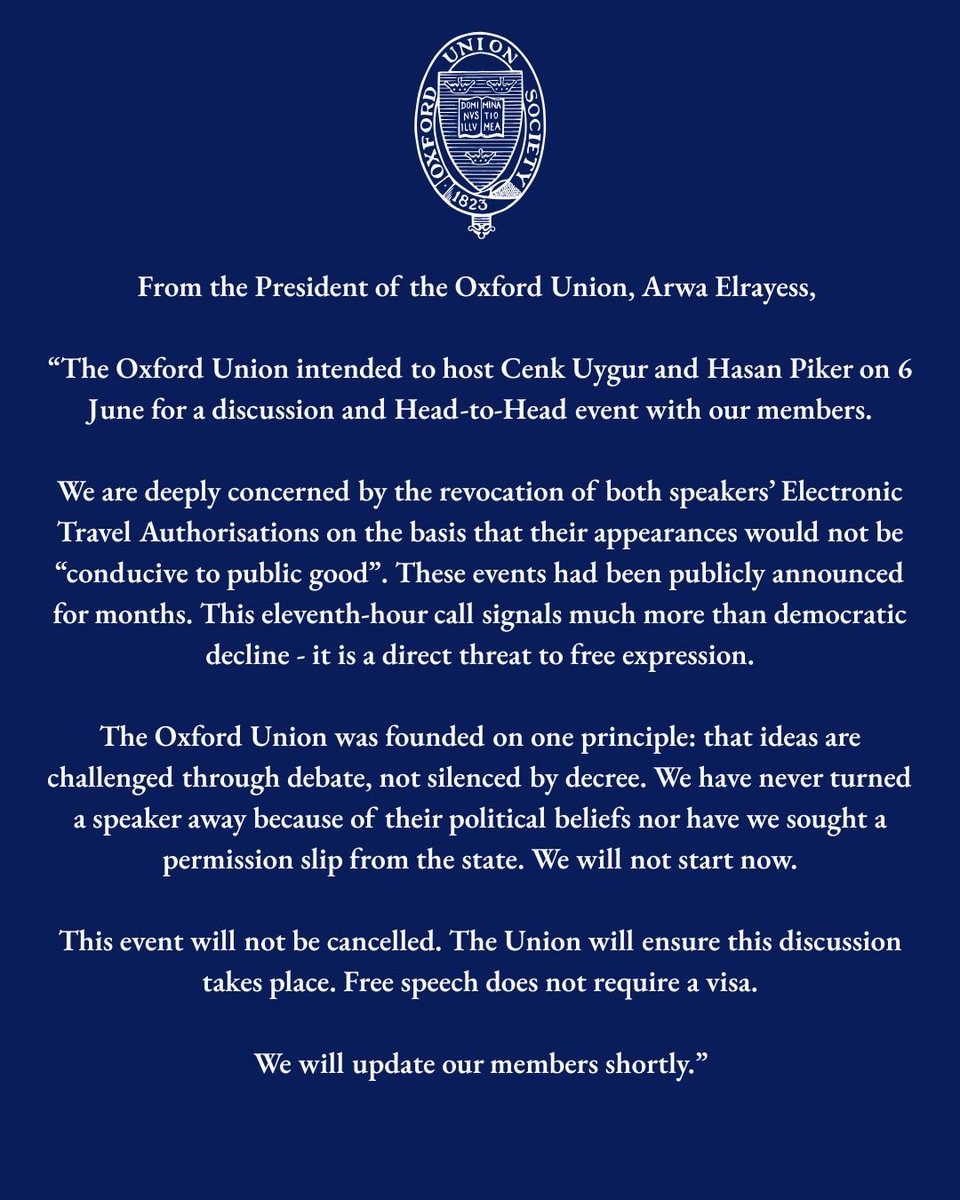
Does that count as de-democratization though?
Oh wait, that only applied to developing countries.

6
677
Jun 2
Açık olalım, bunun diğer ismi Türk-Kürt-Arap ittifakıdır. Kimse açık açık konuşamasa da CB Erdoğan ve Tom Barrack esasında aynı şeyleri söylüyor. Aynı jeopolitik hatta referans veriyor. Aynı dengeleme arayışını ifade ediyor. Tabii herkes kendi dili ve meşrebince bunu yaptığı için kimse bu iki ufku yan yana getirmek istemiyor.
ABD’nin elde etmek istediği maksat ‘paketle barıştır’ politikası. Üç ülkeyi aynı mozaiğin unsurları gibi düşün, onları bir paket halinde değerlendir. Daha sonra Türkiye önderliğinde bu unsurları birbirleri ile barıştır.
Çözüm sürecini de bu minvalde değerlendirmek gerekir. ABD niçin bir anda keskin bir dönüş ile 12 sene milyar dolarlık destek yaptığı YPG müttefikini 1 haftada “sattı”? Çünkü denge değişti ardından hızlıca oyun planı değişti.
Tabii aktörler bu konuda uzlaştığında aynı tehdit algılarıyla hareket etmiyor. İşte burası çok dillendirilmek istenmeyen bir ayrım.
ABD’nin derdi İran. Varıyla yoğuyla direniş eksenini parçalamak istiyor. Bunun da bu üçlü ittifaktan geçtiğine yürekten inanıyor. Türkiye ise bu aşamada İran’ı ana tehdit olarak algılamaktan çok uzaklaştı, belki 2015’te bu denklem geçerliydi artık değil.
Türkiye’nin artık Orta Doğu'da tek grand strategy'si var. O da İsrail’i dengelemek. Ne pahasına olursa olsun İran’da olanları önümüzdeki 10 yıl içinde yaşamamak. Gördüğün kadarıyla Türkiye bunu sağlamak için varını yoğunu ortaya koyuyor, ve esasen doğru da yapıyor. İsrail artık bir retorik değil, kapımızda her gün tehditler savuran ortalığı yıkıp dağıtan bir komşu.

In the tradition of those who have long studied the Levant and Anatolia — Iraq, Syria, and Turkey remain the strategic fulcrum upon which any enduring Middle East stability must pivot. Balancing these three nations requires a single, consistent point of American contact and leverage — transcending tribal, religious, or sectarian differences. This vital mission, embraced by President Trump, seeks to aid the region in aligning itself toward shared prosperity by weaving its disparate threads into one coherent tapestry of order and mutual interest.
1
7
977
May 31
Adama gidici dediler, daha sağlam oturdu.
May 31

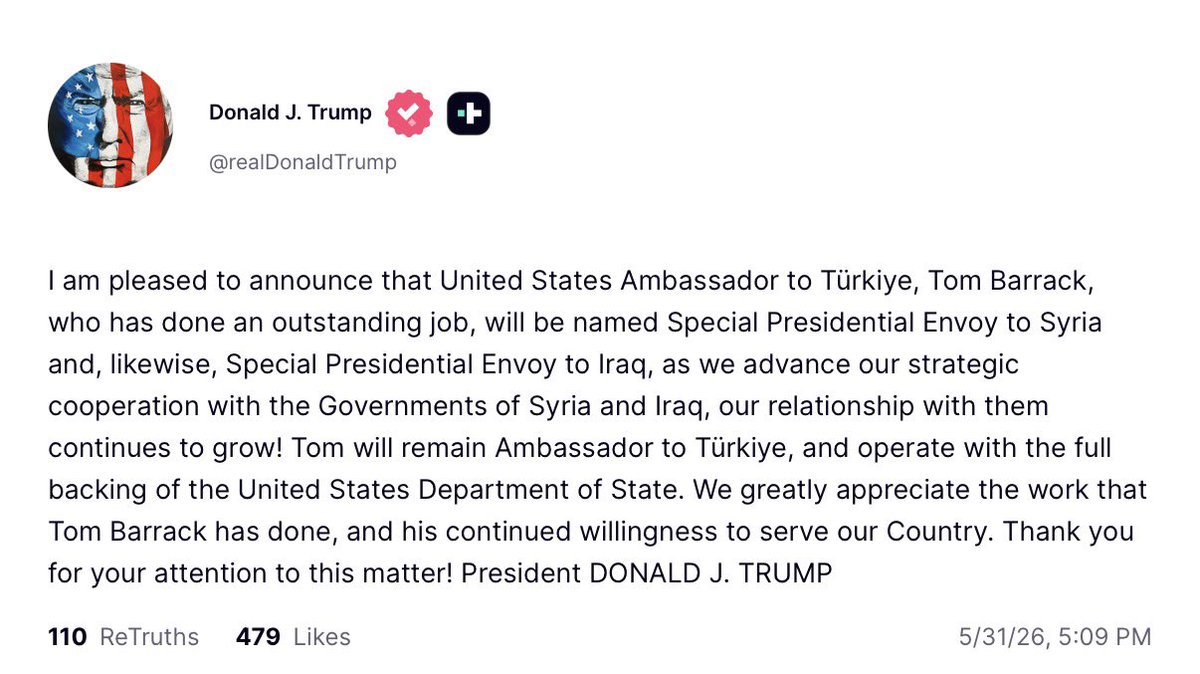
Trump:
I am pleased to announce that United States Ambassador to Türkiye, Tom Barrack, who has done an outstanding job, will be named Special Presidential Envoy to Syria and Iraq, as we advance our strategic cooperation with both Governments.
Tom will remain Ambassador to Türkiye, with the full backing of the State Department.
2
419
May 29
ABD, Çin ile olası bir savaşa gerçekten hazır mı?
CSIS’ten yeni çok çarpıcı bir rapor çıktı. ABD’nin en önemli düşünce kuruluşlarından olan CSIS’e göre cevap pek iç açıcı değil: “Uzun soluklu bir çatışmada ciddi zorluk çekeriz” diyorlar.
Asıl sorun şu: ABD’nin silah depoları zaten boşalmaya başlamıştı. İran’a yaptığı “Epic Fury” operasyonunda Tomahawk, ATACMS, GMLRS gibi kritik füzeleri ve Patriot-THAAD önleyicilerini inanılmaz bir hızla harcamıştı. Öyle ki THAAD stoklarının yarıdan fazlası bitmiş, üstelik önemli radarlarından bir çoğu da hasar görmüştü.
Şimdi yerine yenisini koymak ise biraz zor gözüküyor.
SM-3 füzesi 51 ay, Tomahawk 36 ay, THAAD önleyicisi 33 ay süreceği ifade ediliyor. Yani savaş çıksa ilk haftalarda cephane bitecek, yenisi yıllarca yetişmeyecek.
Ancak Çin ile savaşta en önemli unsur donanma. Medyada çok dillendirilmese de İran Savaşın’da ABD donanması bir hayli yıprandı: Yüzey filosunun yüzde 40’ı İran operasyonunda, yüzde 25’i Venezuela’da kullanıldığı ifade ediliyor. Gerald R. Ford uçak gemisinde yangın çıktığı, Girit’e demir atmak zorunda olduğu artık bilinen bir gerçek.
Öbür tarafta Çin ise tam gaz üretimde. Kara, hava, deniz, uzay… her alanda devasa hızda silah döküyor. ABD’nin Japonya, Guam, Filipinler’deki üsleri ise neredeyse savunmasız. Birkaç gün içinde yüzlerce füze ve dronla ezilebileceği tahmin ediliyor. İran Savaşıyla beraber buradaki bazı sistemler Orta Doğu'ya kaydırıldı. Bu durum savunmasızlığı daha da arttırdı.
Raporun en çarpıcı kısmı: Simülasyonda Tayvan savaşı çıksa ABD ilk haftada binlerce uzun menzilli füzeyi bitiriyor, Tayvan da kendi gemisavar stoklarını bir haftada tüketiyor.
Peki çözüm? ABD Hint-Pasifik Komutanlığı “Hellscape” (Cehennem Ortamı) diye bir planı var. Tayvan Boğazı’nı insansız hava, denizaltı ve su üstü araç sürüleriyle dolduracaklar. Bunlar mayın döşeyecek, keşif yapacak, Çin gemilerine saldıracak ve ana Amerikan kuvvetlerine zaman kazandıracak.
Ama bunun için acilen şu 4 şeye ihtiyaç var:
1.Daha fazla Virginia sınıfı denizaltı ucuz insansız sualtı araçları
2.Bombardıman uçakları ile birlikte yüz binlerce ucuz saldırı dronu
3.Milyon dolarlık füzeler yerine 250 bin dolarlık daha ucuz uzun menzilli mühimmat
4.Mikrodalga, lazer ve ucuz anti-drone sistemleri (Merops, Coyote gibi)
Sonuçta rapor net bir şekilde şuna dikkat çekiyor. İkinci Dünya Savaşı’ndaki gibi bir sanayi seferberliği lazım. Çok yıllı sözleşmeler, Tayvan’a bekleyen silahların hemen teslimi ve üslerin sığınaklarla güçlendirilmesi öncelikler arasında.
csis.org/analysis/united-sta…
1
264
May 28
Peki, gerçekten bir tur rehberi sadece “Muhammed” (s.a.v.) diye hitap edemez mi?
Hayır, edemez; çünkü bu ülkede yaşayan insanların kâhir ekseriyetinin tarif edilemez bir sevgi ve saygı beslediği Peygamberimize “kamusal alanda” asgari saygının gösterilmesi gerekir. Bu kişi İslam dinine mensup olmasa ve hatta hiçbir inancı olmasa bile bu durum geçerlidir.
Nasıl ki Cumhurbaşkanı hakkında konuşacak olsa “Recep” yahut “Tayyip” diyemeyecekse, Atatürk hakkında konuşurken “Mustafa” yahut “Kemal” demeyecekse; Efendimiz hakkında konuşurken de sadece ismini söylememesi gerekir.
Şahıs bir dost meclisinde veya tanıdıklarıyla bir arada olduğu bir aile ortamında konuşmuyor. Kamusal alanda, Ayasofya Camii’nin içinde, herkese hitap edecek şekilde tur rehberliği yapıyor. Her ne kadar özel bir gruba rehberlik yapsa da kamusal alanın içerisinde ve hatta Müslümanlarca kutsallığı olan bir mekânın içinde, diğer Müslümanların da rahatlıkla duyabileceği bir ortamda bunu yapıyor. Buna tepki gelmesinden daha doğal bir şey olamaz.
Bu durumun hukuki bir karşılığı olup olmadığını bilemiyorum —ki bence yoksa da olmalıdır— ancak en basit şekliyle toplumsal hassasiyetleri rencide edici bir saygısızlık olduğu muhakkaktır.
Ayrıca, bir tur rehberinin üzerinden para kazandığı ve tanıtımını yaptığı bir inancın veya kültürün en mukaddes değerine lakayt bir şekilde hitap etmesi de ayrı bir garabettir.
May 28

⚪️ Bayram gününde Ayasofya’da iki vatandaş arasında tartışma çıktı;
“Muhammed diyince askerlik arkadaşı gibi anlatıyor. ‘Ben Hz. Muhammed S.A.V demek zorunda mıyım?’ diyor. Demek zorundasın tabi, hayırdır ya!”
30
20
293
89,857
May 28
Samimiyetle anlamak isteyenlere,
Müslümanların bu konuyu neden mesele ettiğine gelecek olursak; bu durum, Peygamber Efendimize hürmet göstermenin aynı zamanda doğrudan ayet ve hadislerle emredilmiş olmasından kaynaklanıyor. Dolayısıyla, bu bir dini vecibe.
"Peygamberi çağırmayı (ona hitap etmeyi), kendi aranızda birbirinizi çağırmanız gibi tutmayın..." (Nûr Suresi, 63)
Bedevi Arapların, Efendimizin evinin yanına gelerek “Muhammed, Muhammed!” diye bağırmaları üzerine Hucurât Suresi'nin 4 ve 5. ayetleri nazil olmuştur.
Benzer şekilde, birçok sahih hadiste de isminin anıldığı yerde salat ve selam getirilmesi teşvik edilmiş (Müslim, Salât, 70); bunun yapılmaması ise "cimrilik" olarak nitelendirilmiştir (Tirmizî, Daavât, 100). Doğrudan isimle hitap etmek İslam dinince yadırganan ve kınanan bir davranış olduğu için, onu kasıtlı olarak sadece ismiyle anmak Müslümanları rencide eden bir hitap şeklidir.
Bundan dolayı Müslümanlar, doğrudan ismini zikretmek yerine ona birçok takdis edici isimle hitap ederler. İlim eserlerinde ve halk arasında "Resûlullah, Resûl-i Ekrem, Nebiyy-i Muhterem, Habîb-i Ekrem, Peygamberimiz, Peygamber Efendimiz" gibi ifadeler yaygın olarak kullanılması buna güzel bir işarettir.
Ayrıca ismi geçtiği zaman muhakkak salat ve selam getirilmesi de ayette açıkça bildirilmektedir.
"Şüphesiz Allah ve melekleri Peygamber’e salât ediyorlar. Ey iman edenler! Siz de ona salât edin ve tam bir teslimiyetle selam verin."
(Ahzâb Suresi, 56).
1
1
24
2,781
May 26
Türkiye’deki eli kalem tutan kimi İslami çevrelerin post-kolonyal düşünce ekseninde epistemik bir hat tutma faaliyetini, ben de büyük oranda oksimoron bir çaba olarak görüyorum.
Aslında eleştirim çok basit bir temele dayanıyor: Hiyerarşinin görmezden gelinmesi veya kabullenilmemesi.
İslami düşüncenin ve tarihsel pratiğin kılcal damarlarına kadar işlediğini düşündüğüm hiyerarşik düzen arayışı, kamusal alanı büyük oranda domine ediyor. Elbette bunun istisnaları vardır; inanç boyutu yahut teklife muhatap olan 'mükellef özne' kavramı bir anlamda eşitlik zemini sağlayabilir. Anladığım kadarıyla @yaktay da bundan bahsediyor.
Ancak yine de, aynı düşünce ailesinin üyesi olan eleştirel teoride olduğu gibi, post-kolonyal düşünce de toplumsal hayatı organize edici ve yasa koyucu hiyerarşik bir değerler setini kendi bünyesinde barındırmayı (veya meşrulaştırmayı) kabul etmeyecektir.
Asıl sorun ise bence mevcut durumda tarihsel ibrenin Batı'ya dönük olmasında ve sorumluluğun büyük oranda Batı tecrübesine yüklenmesinde yatıyor.
İbre Müslüman topluluklara yönelmeye başladığında, post-kolonyal düşünce ile Müslüman düşünürler arasındaki bu organik bağın hızlıca çözüleceğini düşünüyorum.
Öte yandan modern dönemde henüz Müslümanların evrenselini inşa eden bir epistemoloji ortaya çıkmadığından —ki burada yüksek ihtimalle Yasin Hoca ile ayrılıyoruz— ağırlıklı olarak post-kolonyal veya eleştirel okullardan destek aranıyor. Halbuki yirmi beş yıla varan bir iktidar tecrübesi göz önüne alındığında, bu durum biraz da gülünç bir destek arayışına dönüşmeye başladı.
Bugün ihtiyaç duyulan epistemoloji, esasında Batı evrenselliğinin kritiğinden ziyade yeni bir evrensel önerisi olmalıdır. Yeni yüzyılın kurucu dili yaşanmış mağduriyetler üzerinden değil; kuşatan ve düzenleyen normlar üzerinden inşa edilmelidir.
Bu bahsettiğim de tabi biraz cesaret isteyen bir çaba, güvenli zeminden taş atmak gibi olmayacaktır. Epey taşlanmayı da göze almak gerekir.
May 26

Liberalizm, sekülerlik, modern bireycilik veya ulus-devlet gerçekten tarihsiz ve nötr kategoriler midir? Bunlar da belirli Avrupa tarihsel tecrübelerinin ürünleri değil midir?
🖊 @yaktay
ysafak.com/4827162/p/x
2
473