FVM is non-partisan. We advocate for #ProportionalRepresentation in Manitoba. Honor Treaties 1, 2, 3, 4, 6, 10; Metis homeland. Join us: fairvotemb@gmail.com
Joined July 2019
- Tweets 18,759
- Following 1,520
- Followers 716
- Likes 2,053
1,369 Photos and videos



Pinned Tweet

Jun 12
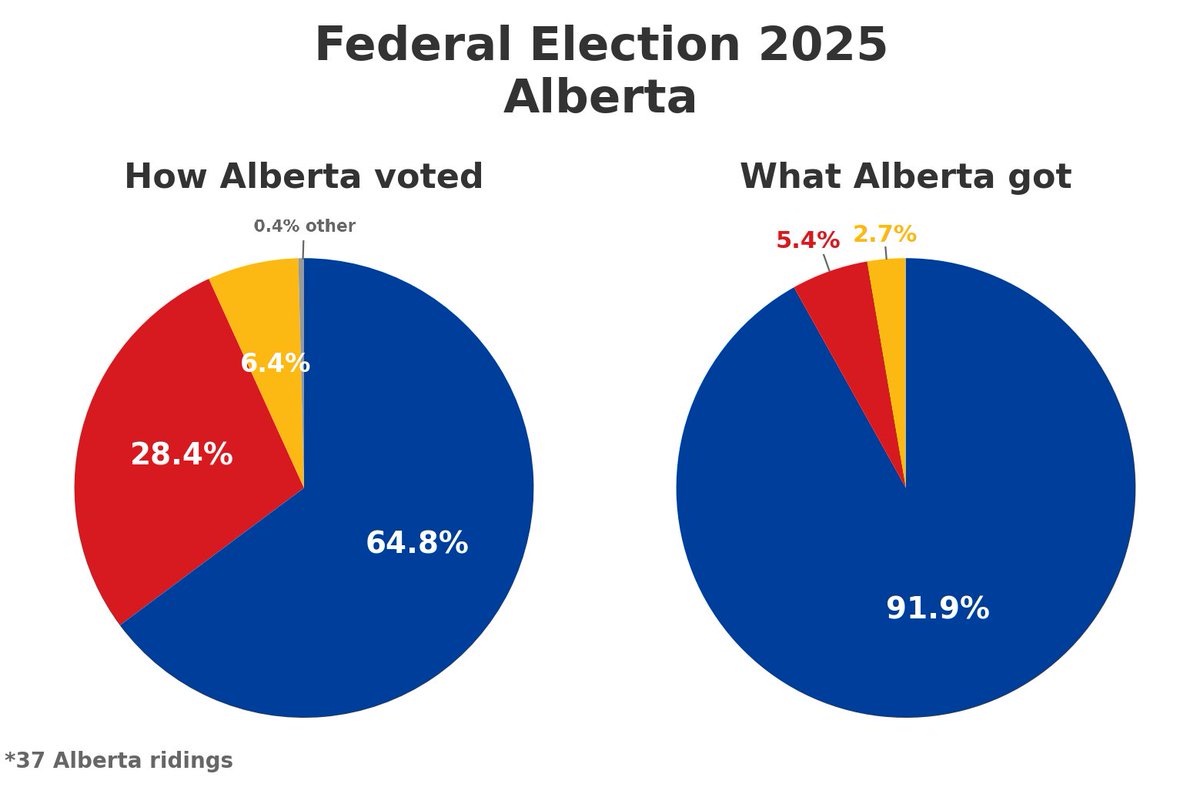
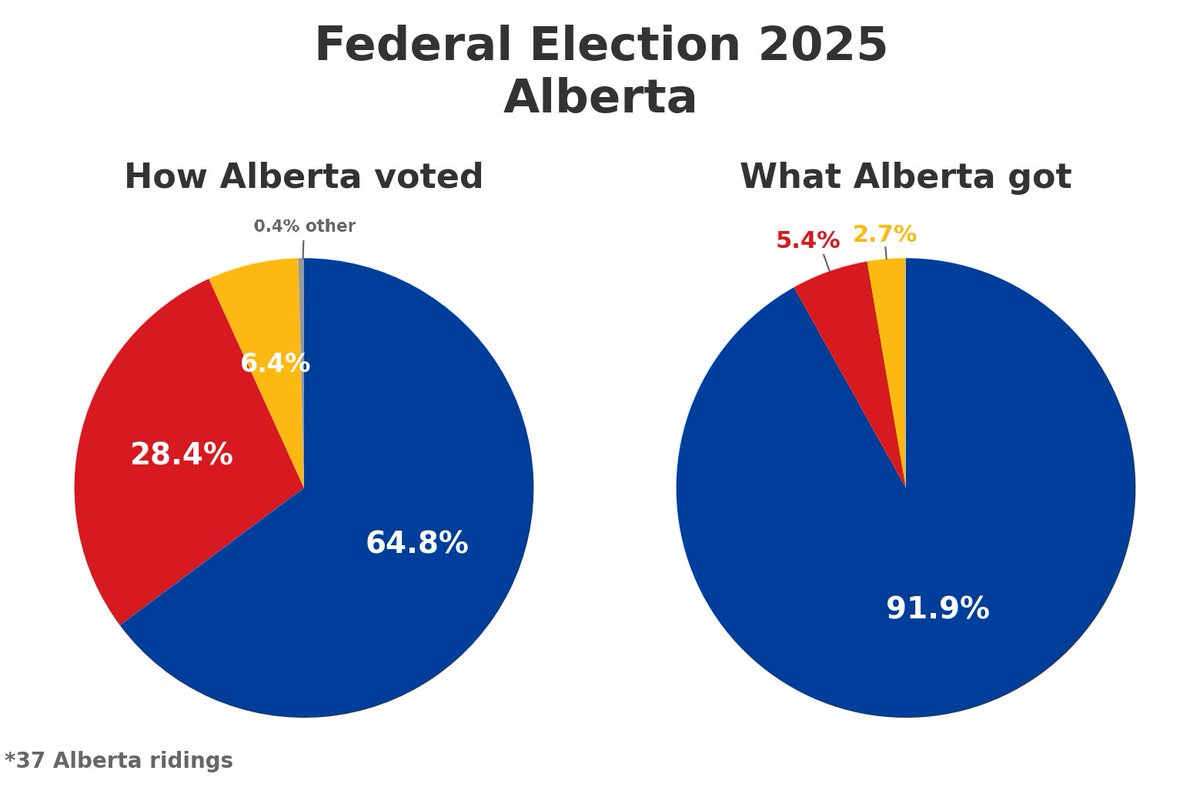
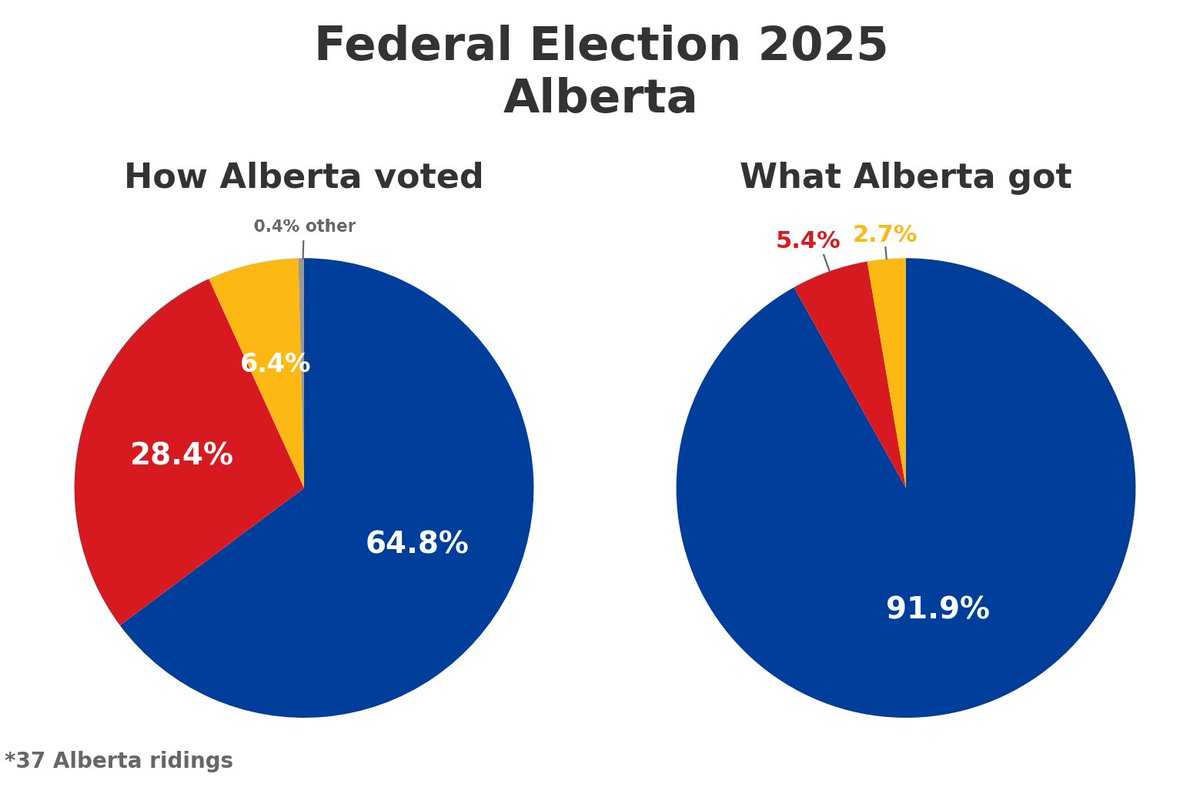
Read this. For those campaigning to remain in Canada, proportional representation would make sure Albertans are part of every government in the House of Commons and also end the election-decided-in-eastern-time- zones-before-the-west-votes complaint.
#abpoli
onthetrail.info/latest/the-o…
23
Let's examine the nature of the questions Premier Smith will put to a referendum and those upon which Albertans will not have a say.
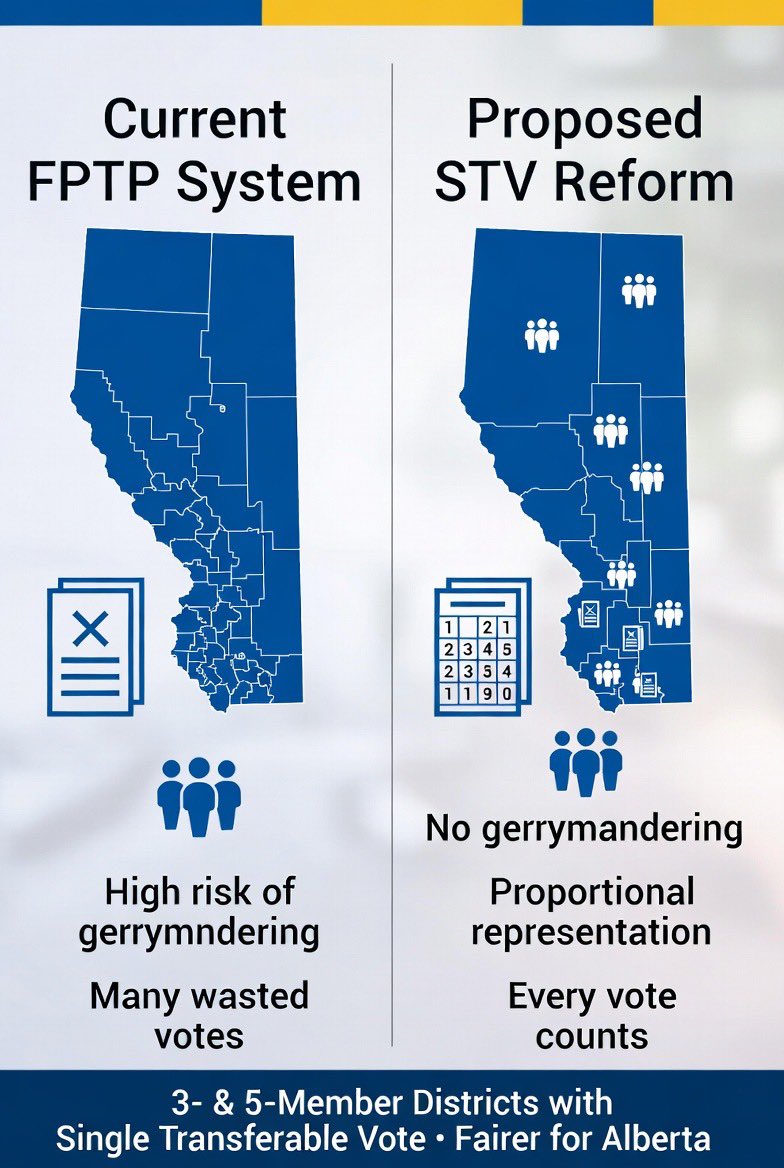
Albertans will not have a say in a change to partisan redistricting. Did Premier Smith run on a promise to change redistricting?
Partisan redistricting acts in favor of the premier's party. That's not fair.
Partisan redistricting will make some voters much more powerful than others. That's antidemocratic.
Gerrymandering will rip away the ability of voters "to throw the bums out". The government will be able to enact in perpetuity all manner of policies against the wishes of the people. This does not look like democracy.
None of this could happen with proportional representation.
For PR a referendum must be called.
We rest our case as to who is really in charge of our elections and referenda. (Hint it's not voters.) It's politicians conniving to rig things in their favor.
#abpoli
#alberta
2
2
27
Fair Vote Manitoba retweeted

This shows the flaw in our current system: a single party without majority support can unilaterally dismantle oversight.
Proportional representation dilutes unchecked executive power, ensuring human rights and trade watchdog positions are built on lasting, broad consensus.
Jun 12

Canada is eliminating the watchdog office that investigated abuses by Canadian mining and oil companies overseas.
cbc.ca/news/politics/carney-…
7
14
437
Serve citizens by stopping the self-serving, politically self-interested way we vote.
Proportional representation puts voters in charge.
@markjcarney
Jun 14

Carney: What one can't do at this point in a rapidly shifting world order is rely on one set of institutions, one grouping, one country to provide the answers. You have to know what you want, what you need, how you serve your citizens, and then go and get it.
1
2
2
103
Ireland and most of Europe elect representatives using a vote that counts.
Make our votes count Prime Minister @MarkJCarney.
Proportional repesentation would soften the east-west divide reinforced by first-past-the-post, so it strengthens Canadian unity, too.
@liberal_party
Jun 14
Carney: The rules-based order is eroding, the values we cherish are under threat, and as reliable partners become fewer, those that remain matter ever more. Canada believes that this moment of rupture can only be answered by positive, purposeful action, by building what comes next. So we look first to our closest allies. That's Europe, that's Ireland.
25

"Representation might be strengthened w/ proportional representation, through which seats are allocated according to vote share in each district rather than on a winner-take-all basis."
– @BrennanCenter on reforms to "unstick" Congress
brennancenter.org/our-work/p…
5
11
304
Jun 14
The hard thing we need done which is to dissolve the east-west divide dug up by first-past-the-post, threatens the special place first-past-the-post makes for Liberals & Conservatives, aka our ruling political elite.
Alas were stuck with empty finger-pointing.
Remember this. The ruling elite puts their interests ahead of ours and it will all become clearer.
This unity crisis is mere grist for their partisan mill. Voters are spectators without proportional representation.
Jun 14

Give this a listen. "Realpolitik" is not speaking out of both sides of your mouth, depending on which country you're in. It's doing hard things even when unpopular. Our country needs consistent, active leadership that advances Canada's interests, not European cosplay. #cdnpoli
16
Jun 14
First-past-the-post widens divides.
FPTP exaggerates the divide between east-west and pits Liberals against Conservatives.
Proportional representation would dissolbe the divide and create majority governments supported by a majority of voters to boot (something our political elite and media elite likes to ignore).
The greater divide is between the people and their elected representatives. It gets played out in the House of Commons where Conservatives and Liberals carry on afraid of how a vote that counts would mess with their hegemony, even in a time of a national unity crisis.
No political will to solve the electoral divide FPTP creates that pits east against west. Indeed it looks like parties seek partisan advantage.
Jun 13

The underappreciated divide shaping Canadian politics
A recent academic paper revisits an old question in Canadian politics: Does where one works shape how one votes?
Drawing on data from 16 federal elections between 1968 and 2019, the authors find evidence that Canada’s so-called “sectoral cleavage” remains alive and may even be growing stronger. Public-sector workers are generally more likely than their private-sector counterparts to hold Left-leaning economic views and support parties such as the NDP. The differences are especially pronounced among public-sector professionals and managers.
The paper cannot tell us exactly why these differences exist. It may be that people with more interventionist political preferences disproportionately choose careers in government. It may also be that employment itself shapes political attitudes over time. Most likely, both factors are at work.
Yet the findings are notable because they connect to several of the most important debates in contemporary Canadian politics.
For years, political scientists have understood Canadian politics through the lenses of region, language, class, and ideology. The paper suggests that the employment sector deserves a place on that list. Public- and private-sector workers increasingly appear to constitute distinct political constituencies with different interests, incentives, and policy preferences.
Readers of The Hub will recognize this theme. We’ve explored it previously in debates over the public-sector compensation premium, work-from-home policies, pension arrangements, and government workforce growth.
What often appears on the surface as a dispute about pay, workplace flexibility, or management practices can reflect a deeper divide between those whose livelihoods depend primarily on government spending and those whose livelihoods are more directly exposed to market forces.
This helps explain why debates over government spending, regulation, taxation, and public-sector compensation often feel so contentious. They’re not merely ideological disagreements. They increasingly involve groups whose livelihoods are tied to different parts of the economy.

The findings also resonate with insights from public choice economics, which emphasizes that political actors respond to incentives just as market actors do. The point of course isn’t that public servants are uniquely self-interested. It’s that the interests of those who depend primarily on public budgets may not always align with those whose livelihoods depend on competitive markets, entrepreneurship, investment, and business formation.
Recent controversies over public-sector work-from-home policies offer a useful example. What began as a debate about workplace flexibility quickly became a broader argument about accountability, productivity, and the obligations associated with taxpayer-funded employment. Beneath the surface lay competing assumptions about the role and purpose of public institutions themselves.
None of this means that public- and private-sector workers are destined to be political opponents. But as government employment grows and public spending occupies an ever-larger share of economic activity, the divide identified in this paper may become increasingly important for understanding Canadian politics.
Where one earns a paycheque may not determine one’s political views. But it appears to matter more than many observers once assumed.
2
53
Fair Vote Manitoba retweeted

Jun 13
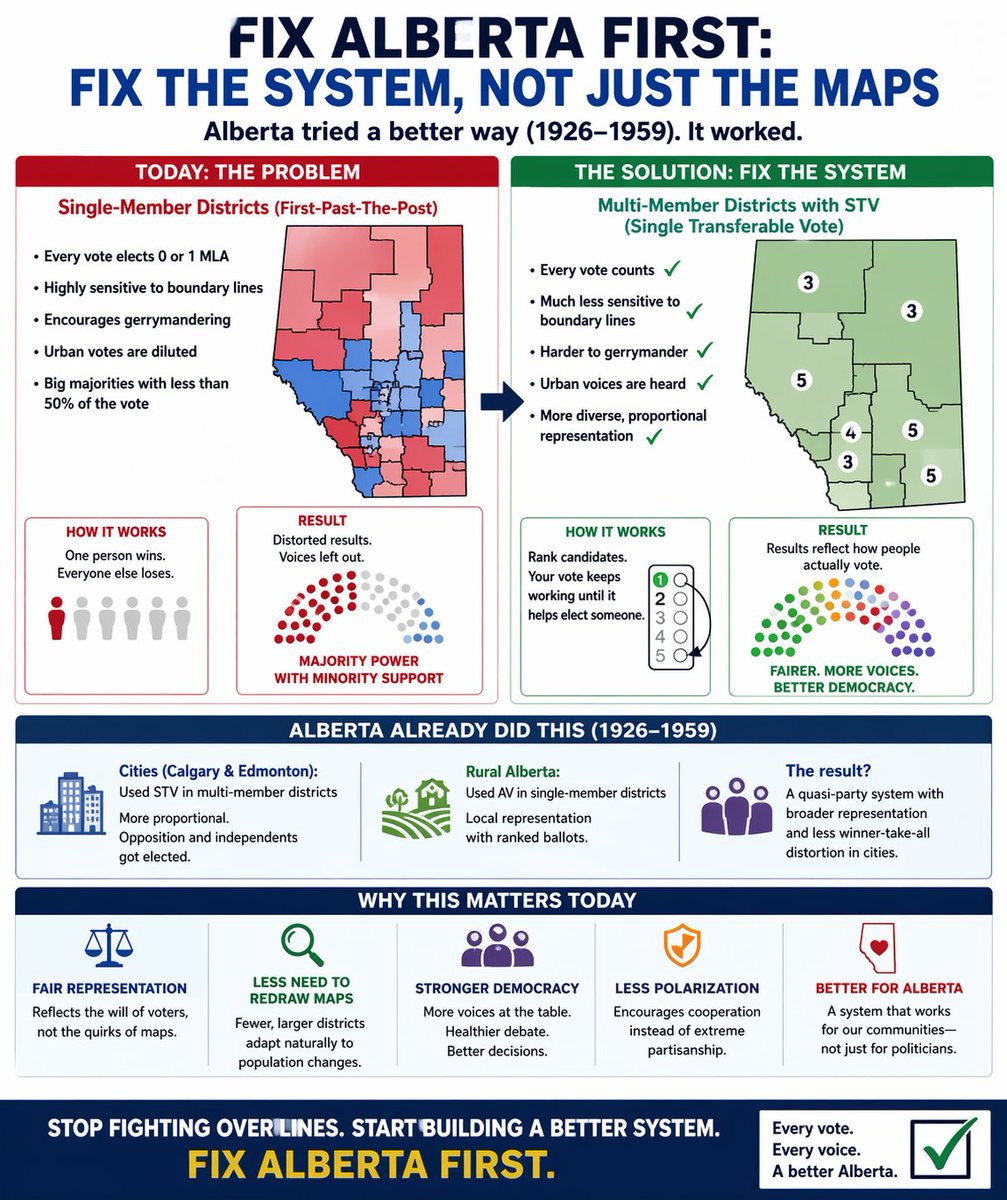
In the 1920s Alberta had a wrong winner election and changed the voting system to try make it more fair.
That lasted until the 1950s when a Social Credit changed it back to FPTP as they feared losing the next election.
🗳️
Reminds me of what is happening today Alberta.
1
1
9
209
Fair Vote Manitoba retweeted

Jun 13
I would definitely like to see a better voting system in Alberta.
2
2
194
Jun 13
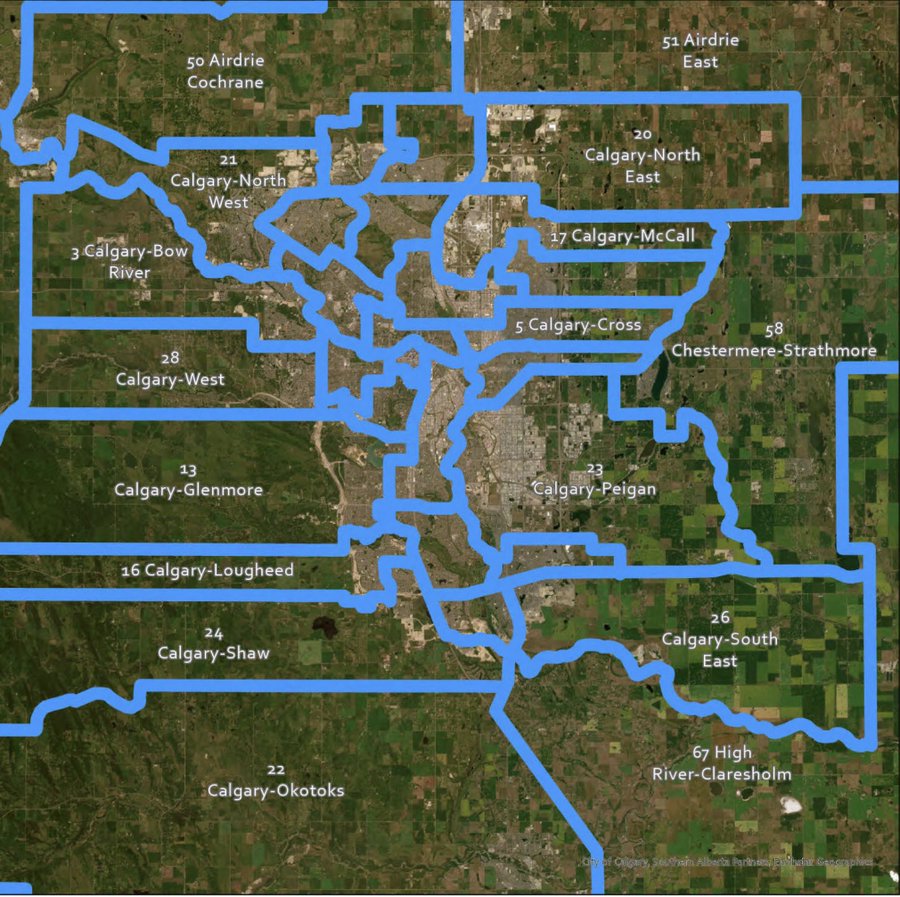
Good to hear that Albertans are writing Ryan Jesperson about electoral boundary changes that would look like gerrymandering.
They're trying to steal your right to vote, sums it up well.
Proportional representation makes gerrymandering go away.
@RealTalkRJ
youtube.com/watch?v=ZOiwluUC…
1
1
3
71
Fair Vote Manitoba retweeted

Jun 13
⏰ The time for Proportional Representation has come
🚀 Today, we're launching a new Labour members and affiliates campaign to push for action on electoral reform
🌹 Sign the launch statement 👇
labourforanewdemocracy.org.u…
2
9
15
632
Fair Vote Manitoba retweeted

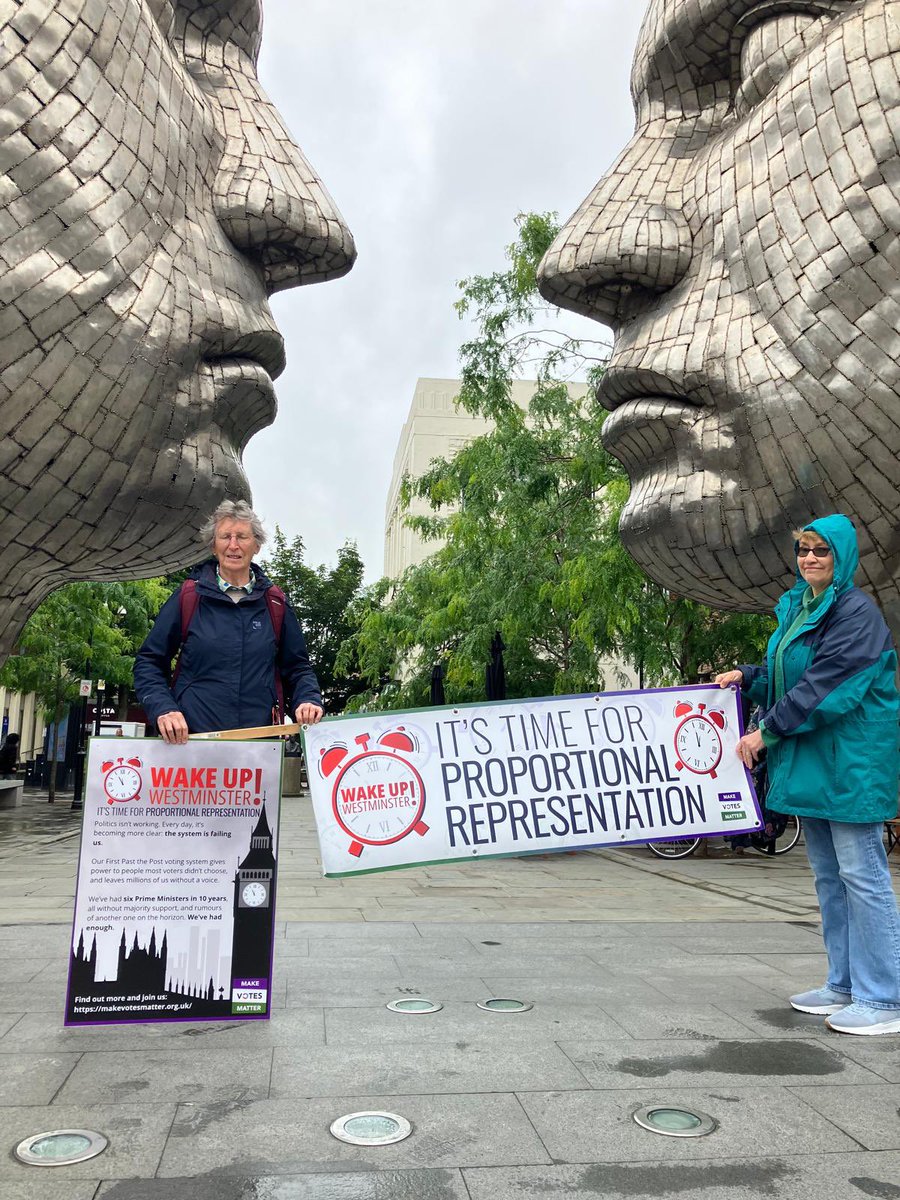
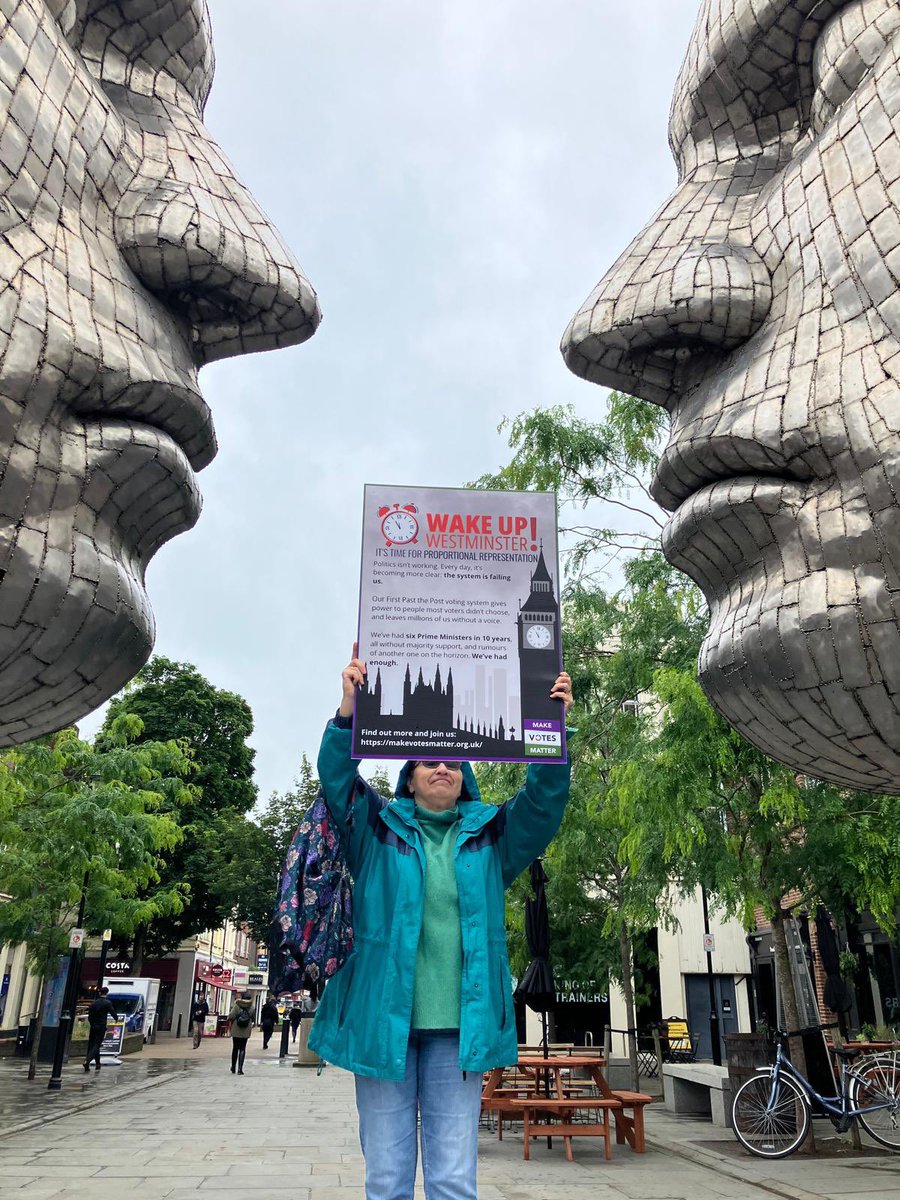
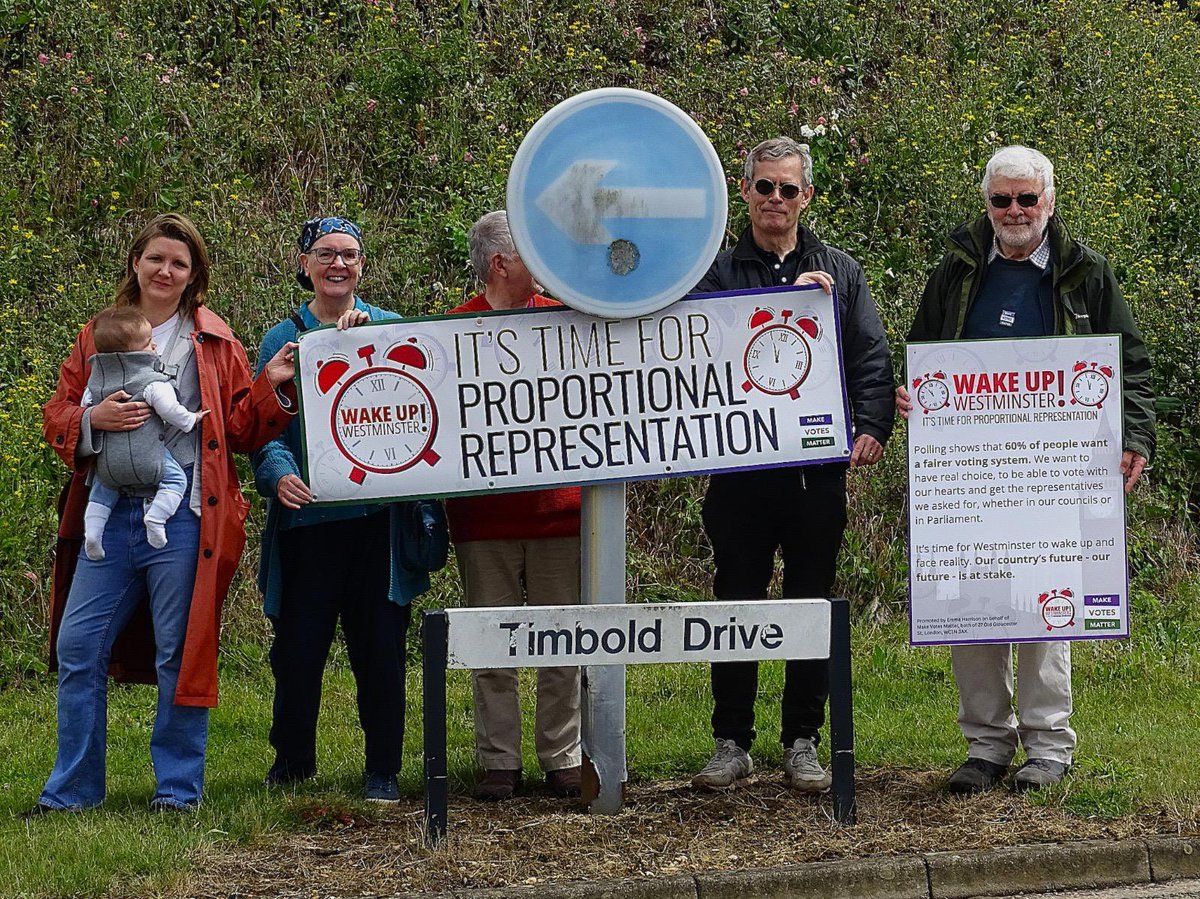
⏰ We're kicking off our Wake Up Westminster weekend of action!
In communities up and down the country, our campaigners are telling politicians to wake up to the crisis facing our democracy.
Electoral reform can't wait. The time to change the system is now.

1
10
19
598
Fair Vote Manitoba retweeted
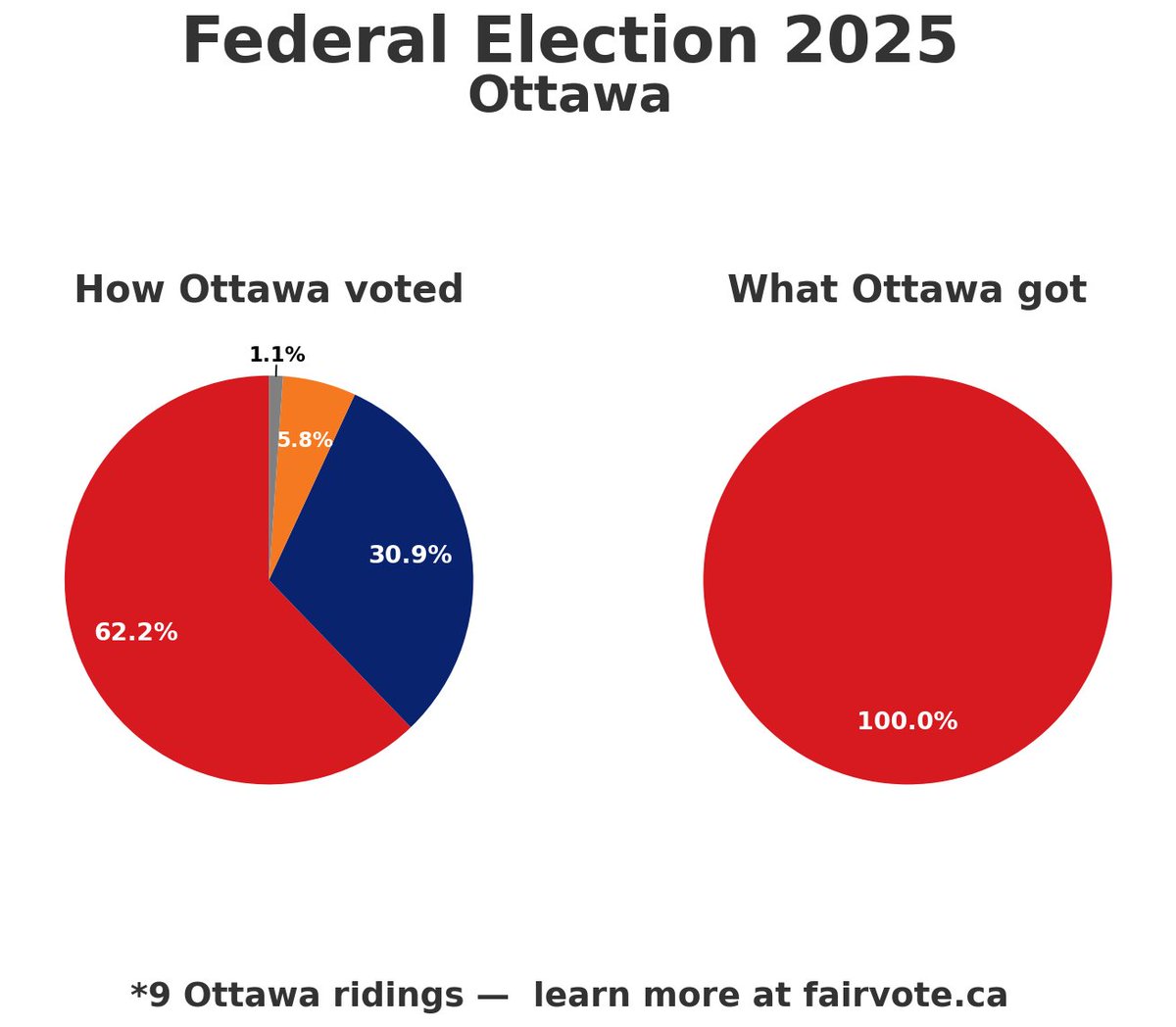
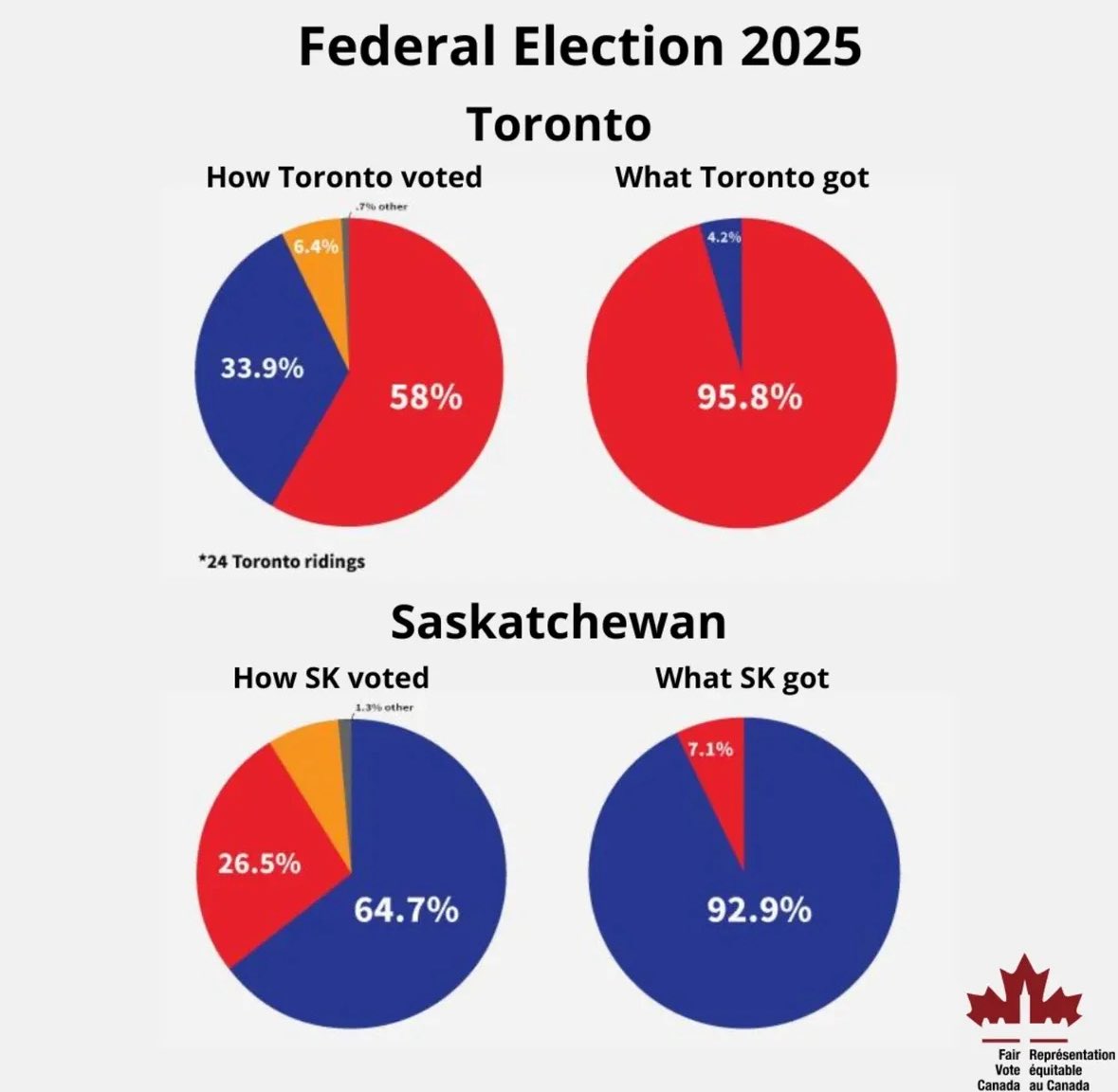
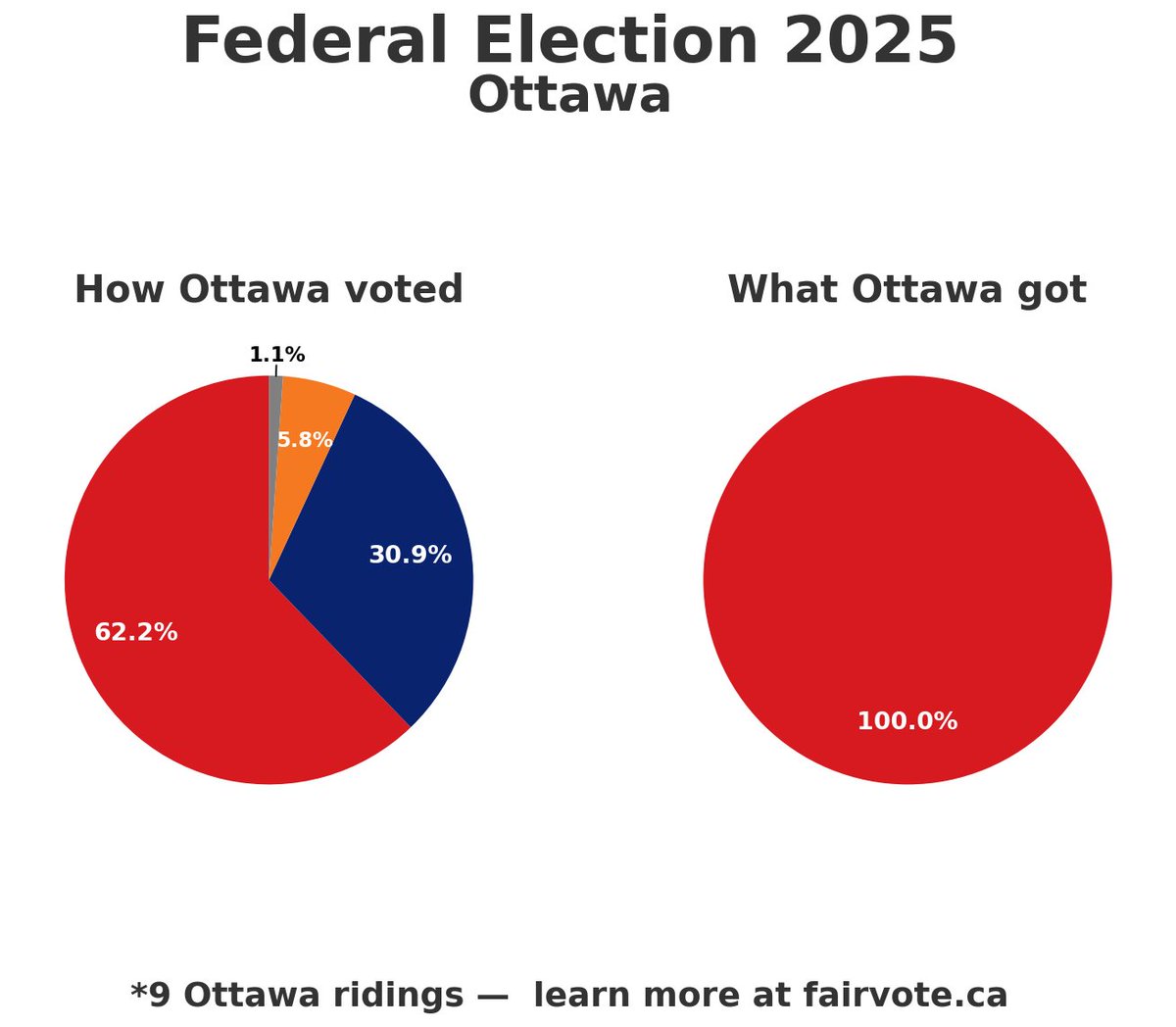
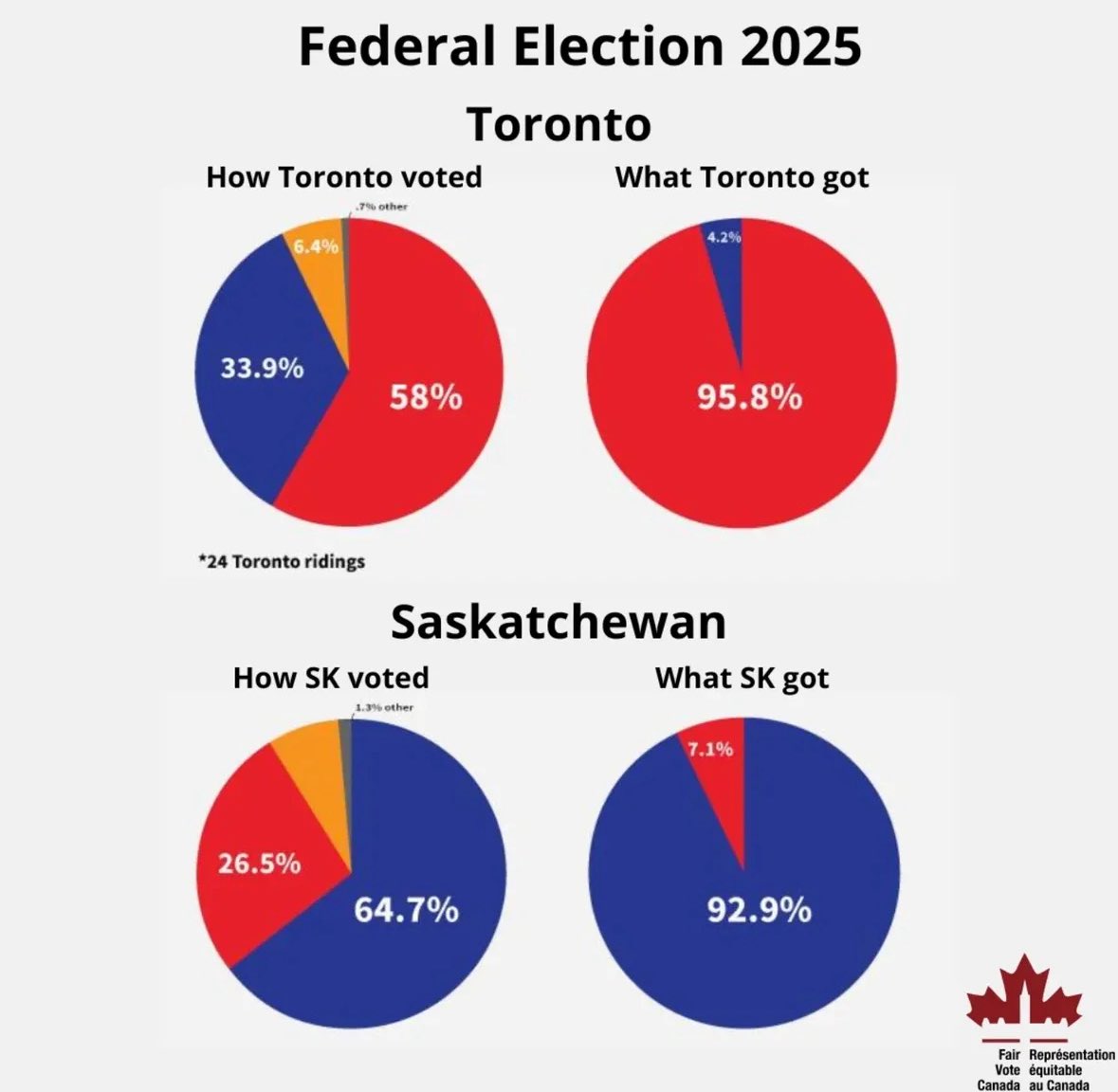
First-past-the-post fuels regional tensions by overrepresenting the West's Conservatives and the East's Liberals.
Proportional representation defuses this friction, ensuring Alberta Liberals, Toronto Conservatives, or voters anywhere else get the representation they vote for.
3
10
15
598
Fair Vote Manitoba retweeted
Jun 12
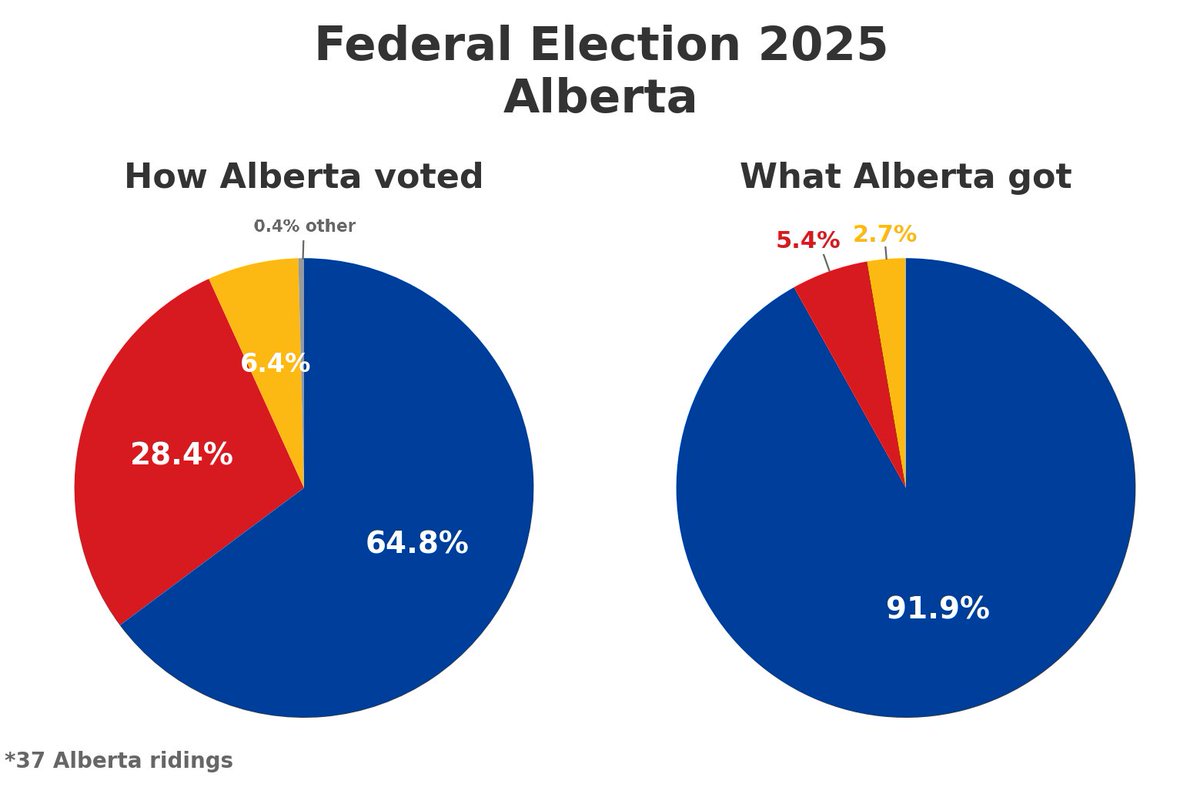
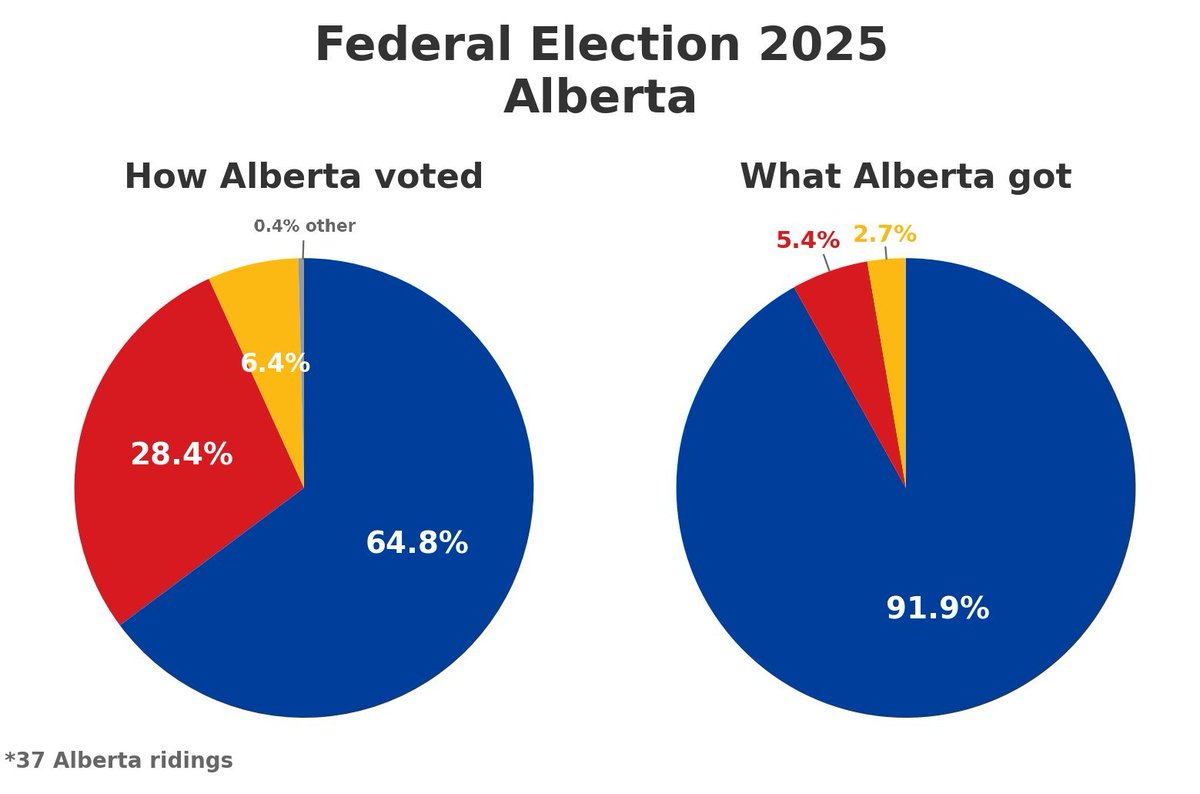
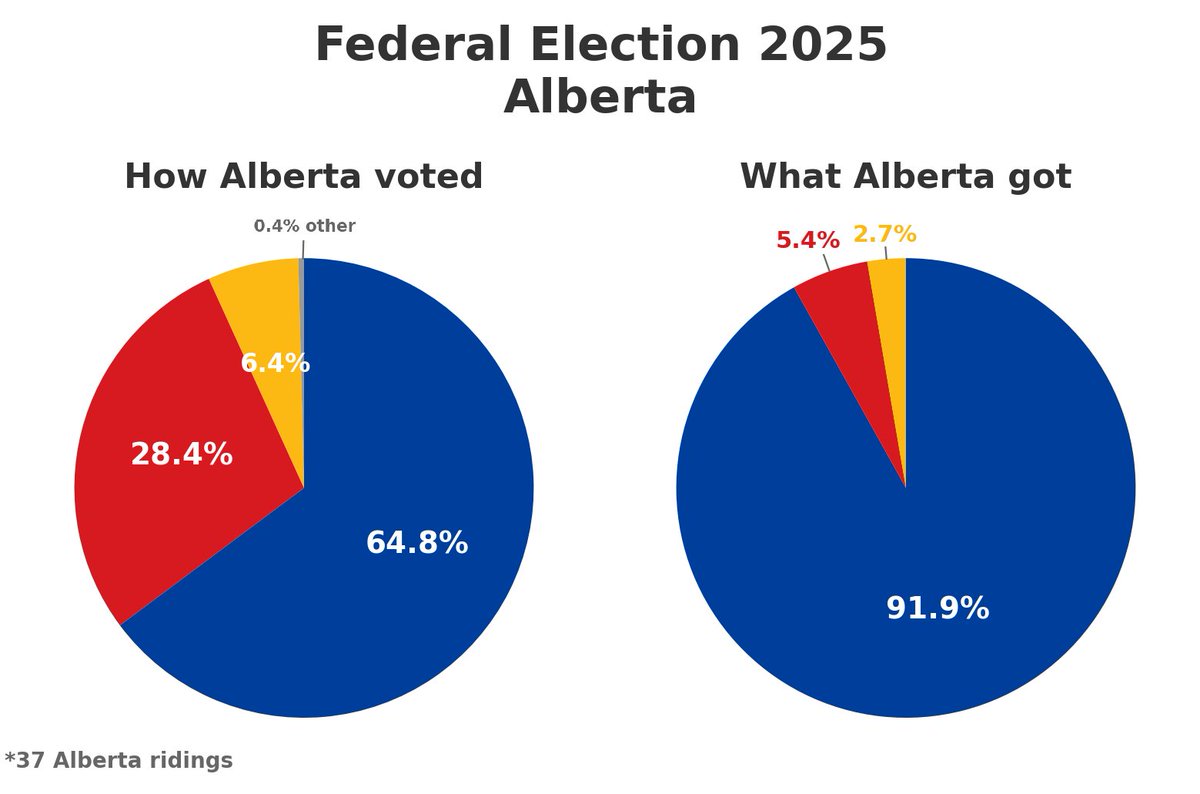
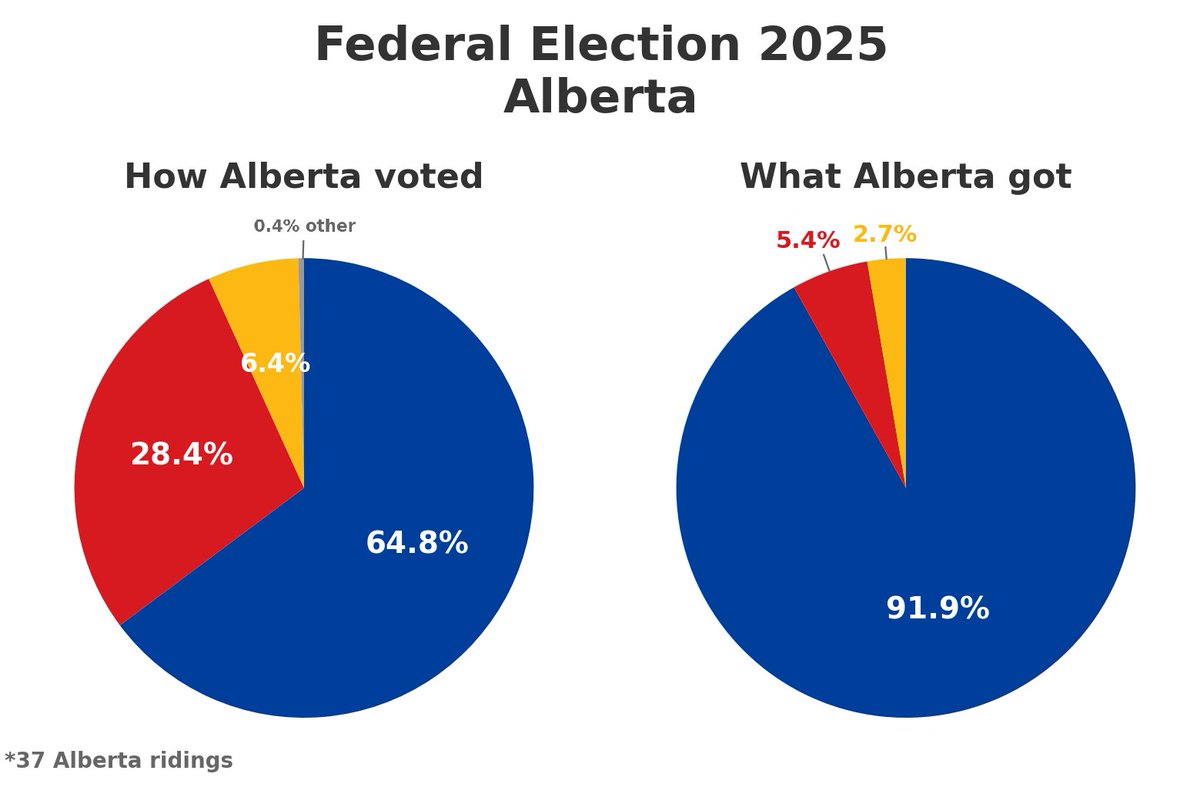
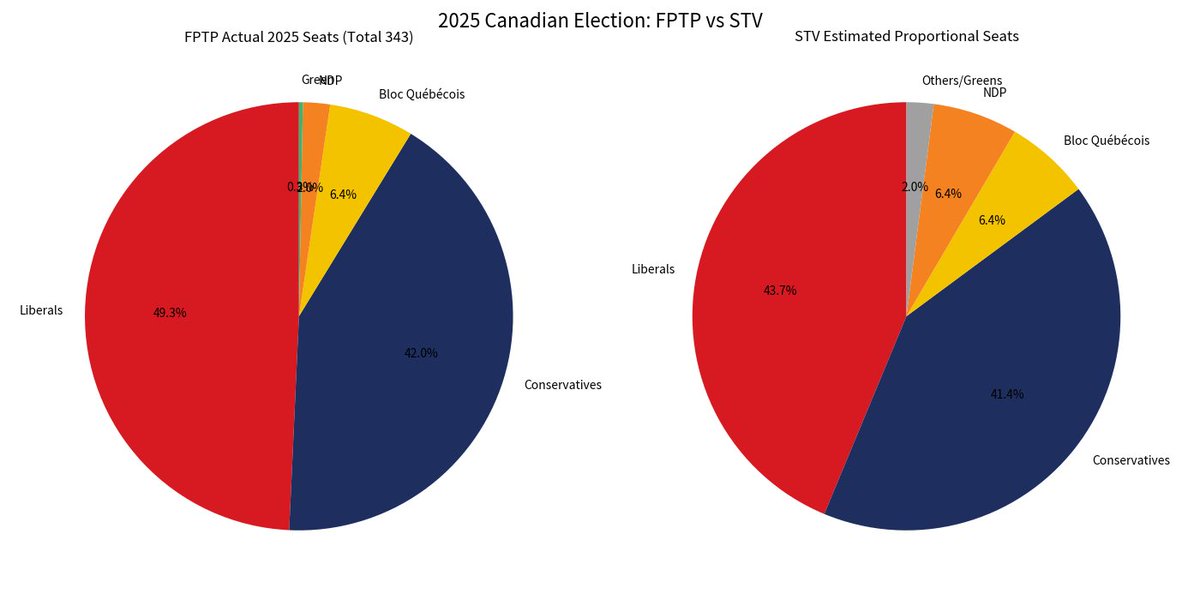
Keith wants Alberta to separate because of the outcome of the 2025 election.
Listen to his comment above.
The pie charts below shows the 2025 Federal election outcome in terms MPs elected.
Just change the electoral system & improve democracy.
FPTP versus Proportional
2
74
Jun 12
8
Fair Vote Manitoba retweeted

Voici pourquoi nous militons pour une réforme du mode de scrutin! Nous souhaitons que chaque vote compte réellement!
youtu.be/1I6l2LE3Thg
3
1
49

Jun 12

6