
401 Photos and videos

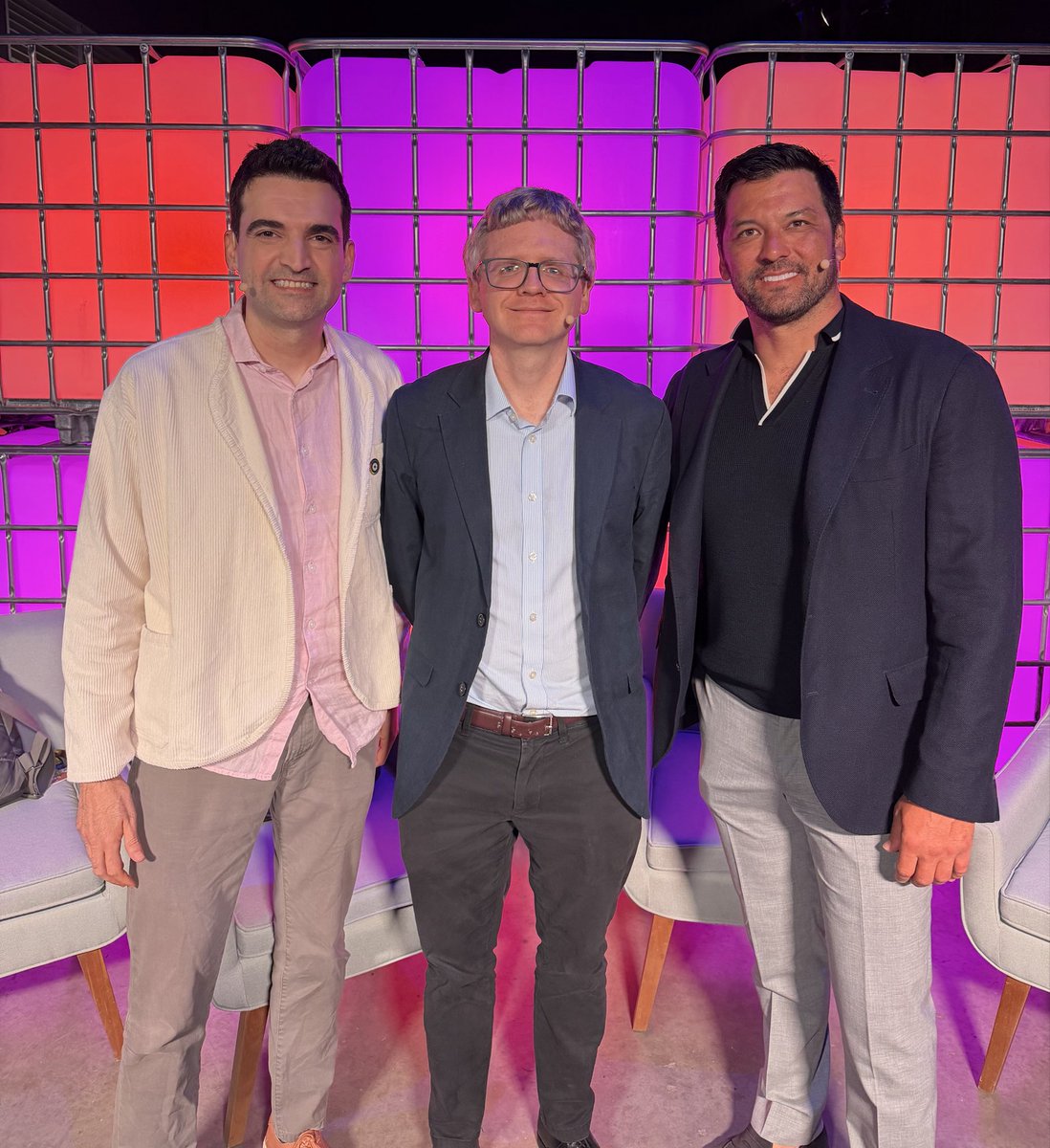

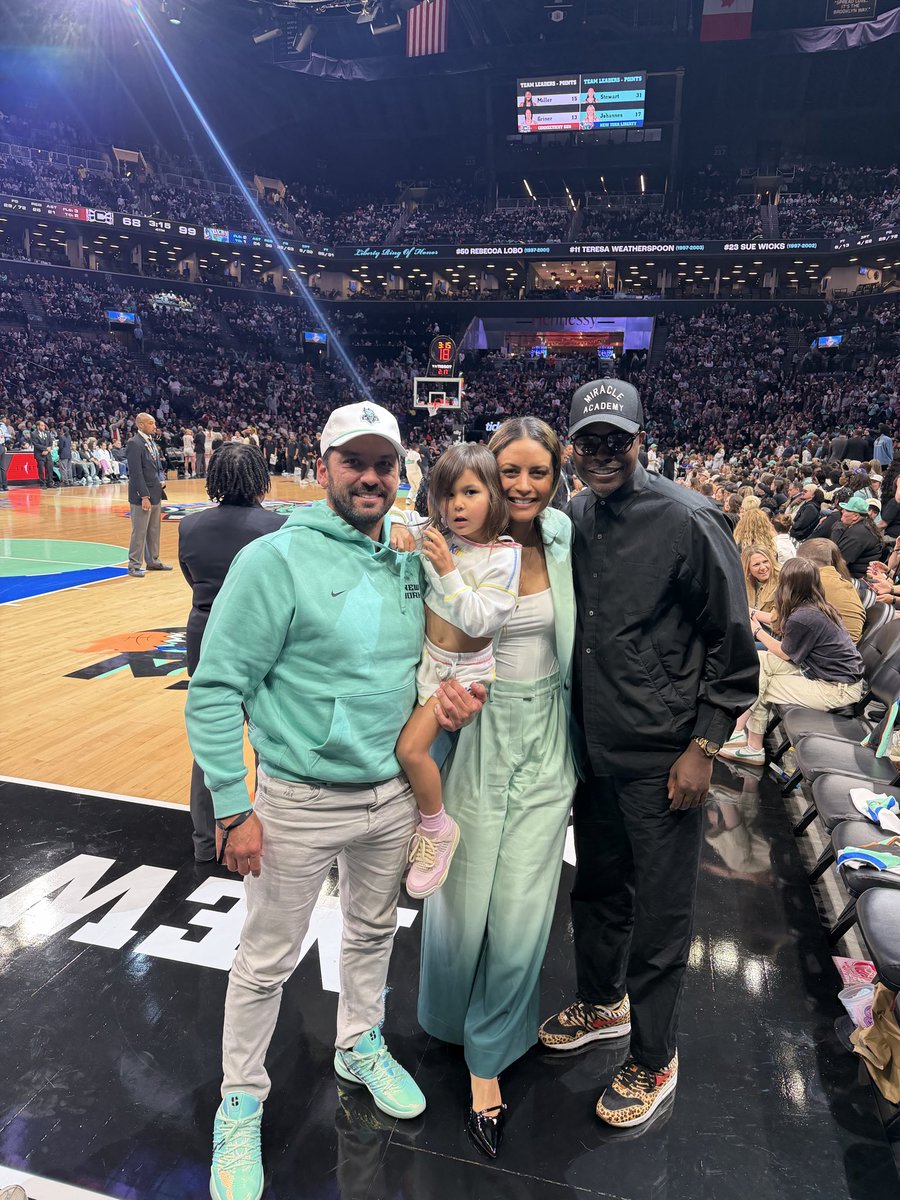

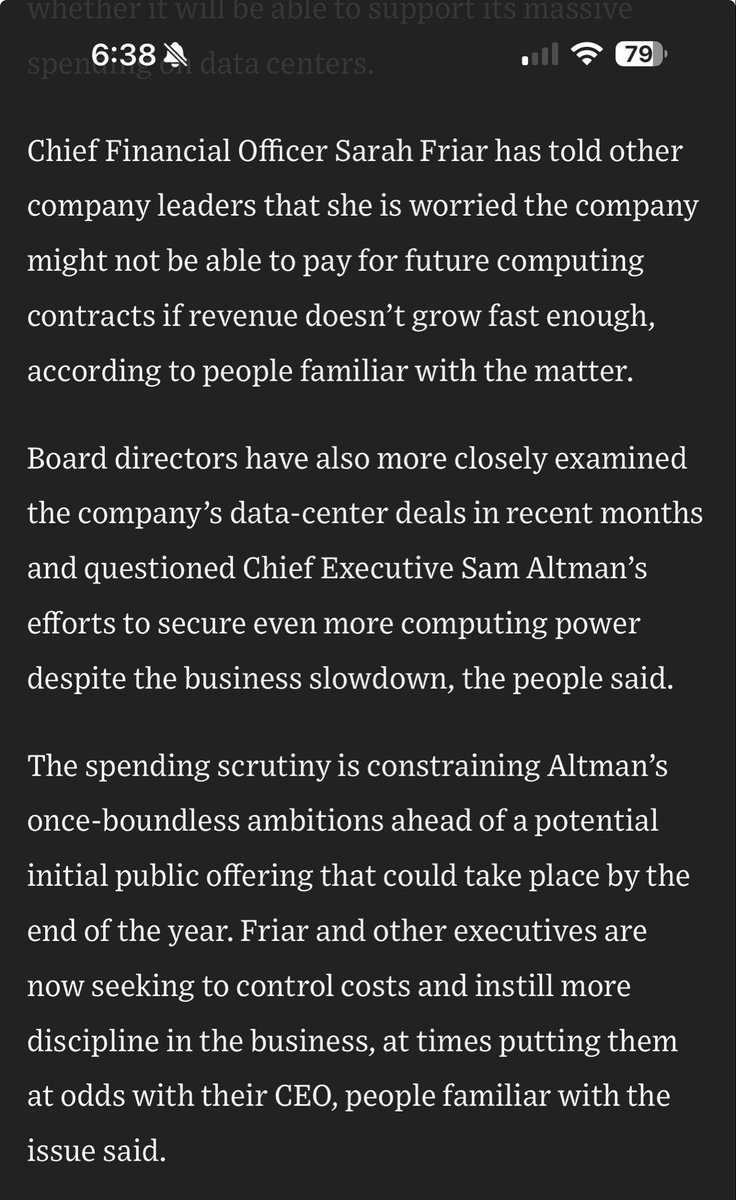




The @sophaller and Caitlyn Clark duo is one of the most exciting in all of sports and you can’t convince me otherwise. It’s pure entertainment every time they take the floor.

“He was running his mouth the whole f***ing game”
Caitlin Clark got her technical for trolling the Sun’s coach 😭
1
507

Jun 13
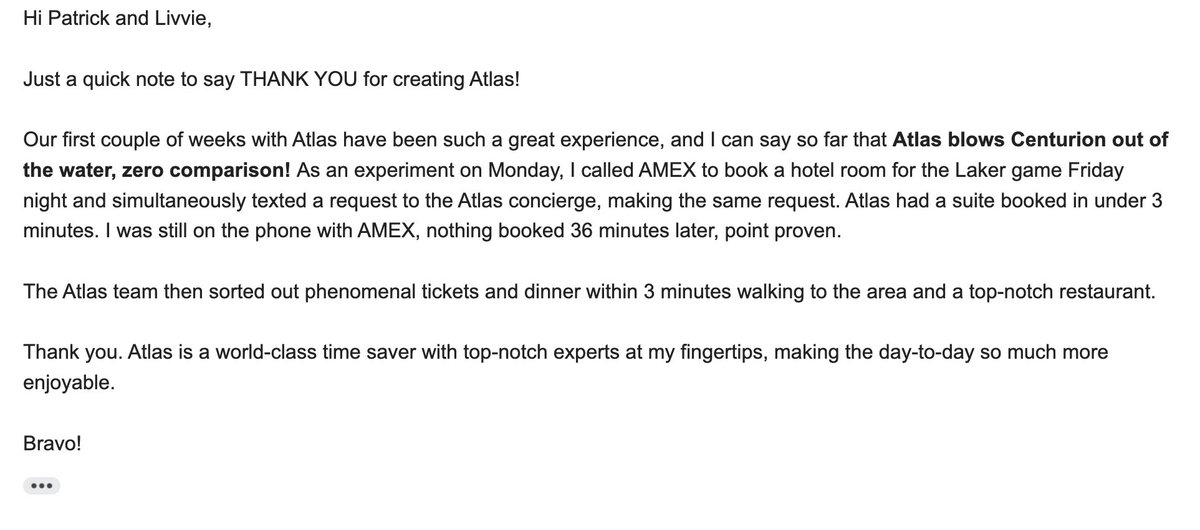
Even the bash bros know that there are 22M millionaires growing 8% annually that own -
~65% of the annual $4.5T of credit card TPV and the incumbents are slowly dying on a higher than avg fwd GP multiple
Please don’t apply but CC @atlascardhq
Jun 13

Whatever you do, do not apply for the American Express platinum card.
16
12,720
Michael B. Gilroy retweeted

Jun 13
THE TOKEN HANGOVER
@matanSF (Matan Grinberg), CEO and co-founder of @FactoryAI , interviewed by @HarryStebbings (@20vcFund )
This is a special for me since I've been an investor in @FactoryAI since their seed round, and think Matan is a very very special founder.
Summary: Grinberg argues the next 24 months in enterprise AI are a resource-allocation problem: tokens, dollars, and people. Most CIOs are now waking up to bills they cannot justify. The fix is to spend frontier tokens only on the 10-20% of work that requires planning intelligence, run the other 80-90% on open models, and rebuild teams around load-bearing polymaths who own business outcomes. The single-frontier-monopoly fear is fading: four roughly-equivalent labs is the emerging reality, which puts pricing power back in the application layer.
1. The Token Hangover. Enterprise AI adoption ran through three phases this year: boards yelling at CEOs about AI strategy, "token maxing" with AI usage written into perf reviews, and now the morning-after bill. One CIO Grinberg spoke to was spending hundreds of thousands of dollars a month on engineers asking Opus 4.8 things like "how's it going" and "what are my macros from lunch." The frontier model became the default surface for every question, no matter how trivial. Phase 3 is the moment routing matters: every call to a frontier model needs to earn its price.
2. Resource Allocation Is the Job. For the next 24 months every C-suite is solving the same problem: how to allocate dollars, tokens, and headcount against business outcomes. Engineering teams used to be judged by features shipped per quarter, a metric with no link to revenue, market share, or retention. A logistics company adding more engineers to ship more features was always solving the wrong problem; AI made the misallocation visible. Tie every person's work to the metric that actually moves the business, then re-allocate.
3. Load-Bearing Individuals. The "10x engineer" frame measures lines of code, the wrong unit. Grinberg's unit is the load-bearing individual: the person whose absence breaks something. With AI the load-bearing few compound roughly 10,000%; the others get close to nothing, so any org enforcing one token-spend-per-engineer number is painting with too wide a brush. Average token spend per engineer will land on the same order of magnitude as their salary within three years, with a wildly bimodal distribution.
4. Frontier for Decisions Only. 80-90% of software development tasks can run on open models; the remaining 10-20% is planning, where the frontier still wins. This mirrors how human orgs work: leadership is a tiny share of total hours but decides the company's fate. The ego trap is engineers assuming their work is too important for an open model. The router decides better than the engineer, and the cost curve falls only if you wire the routing.
5. The Kirkland Mistake. Kirkland & Ellis announced a $500M, five-year internal AI build, which Grinberg reads as validation for Harvey rather than a threat. Building AI is not a law firm's core competency, and Kirkland's spend will teach them how hard it is. The general rule: just because you can build it does not mean you should, and the discipline is naming the few things you and your team own end-to-end. Outsource everything else, even when you technically know how to do it yourself.
6. Model-App Separation. When the model provider also sells the app, the incentives split: an API business wants you to spend more tokens. A healthy market keeps the application layer independent, so model providers compete on price, speed, and quality every week. Enterprises do not want to vendor-lock again; every CIO carries scars from the cloud era's three-year discount-then-jack-the-price trap. The application layer survives precisely because it forces that competition.
7. Sales as Product. Name a legendary company with a weak sales or marketing team. You can't. The Silicon Valley fallacy that research sits at the top and sales is "dirty work" produces companies that win the gold rush and then collapse when gravity returns. At Factory, engineers and salespeople sit intermixed; when sales closes, engineering says "we closed"; when engineering ships, sales says "we shipped." Atrophied sales muscles will not regrow once enterprise buyers stop saying yes to everything.
8. Polymath Era. Da Vinci, Newton, Euler could be polymaths because their fields were shallow. By the 2010s a theoretical physicist needed 50 years to reach the frontier before contributing anything new. AI collapses that catch-up time, so one person can push forward developer marketing, token-caching infrastructure, and solution engineering at once. The engineer of the future is a GM who owns marketing copy, product metrics, and sales enablement.
9. Build the Factory. Factory's name is literal: engineers in the next era design the assembly line that produces software. The DevX investments that used to scale linearly with headcount (good docs, CI/CD, linters, pre-commit hooks) now scale with the number of agents you run, which is 10x or 100x larger. Every dollar spent making agents production-ready compounds against thousands of PRs a week. Humans move up the stack, from writing code to designing the system that writes code.
10. Seal Team Six. Mandating beds in the office is a hiring failure dressed up as commitment. Grinberg's image: a basketball game judged by who sweat the most, when the scoreboard is what counts. Factory bought eight sleeps for all 30 team members at the time, because recovery is where the gains come from when work requires every ounce of brain power. If your load-bearing engineer can do their best work on two hours of sleep, they were not doing load-bearing work in the first place.
11. Four Frontier Labs. Grinberg's biggest mind-change this year: a single dominant model is unlikely, and four roughly-equivalent frontier providers is the more probable steady state. That outcome is the win for humanity. A one-lab monopoly was the dangerous scenario, and four equivalent labs is also the structural bull case for the application layer because it forces real ongoing price competition. Every CIO Grinberg meets has already decided not to throw their lot in with a single provider.
12. Dario's Self-Serving Doom. "AI will take your jobs" was the pitch that helped raise hundreds of billions, and Grinberg thinks it damaged public psychology and fed the slow-AI lobby. Watch the rhetoric flip at IPO: humans will suddenly become important again, because humans are the ones buying the stock. Founders who never needed to raise that money, like Zuckerberg and Hassabis, never made that argument. Incentives drive the labor-displacement rhetoric more than philosophy does.
27
61
525
243,320
Michael B. Gilroy retweeted

Jun 13
Outstanding distillation. Explains why you can’t skip this podcast.
Jun 13

THE TOKEN HANGOVER
@matanSF (Matan Grinberg), CEO and co-founder of @FactoryAI , interviewed by @HarryStebbings (@20vcFund )
This is a special for me since I've been an investor in @FactoryAI since their seed round, and think Matan is a very very special founder.
Summary: Grinberg argues the next 24 months in enterprise AI are a resource-allocation problem: tokens, dollars, and people. Most CIOs are now waking up to bills they cannot justify. The fix is to spend frontier tokens only on the 10-20% of work that requires planning intelligence, run the other 80-90% on open models, and rebuild teams around load-bearing polymaths who own business outcomes. The single-frontier-monopoly fear is fading: four roughly-equivalent labs is the emerging reality, which puts pricing power back in the application layer.
1. The Token Hangover. Enterprise AI adoption ran through three phases this year: boards yelling at CEOs about AI strategy, "token maxing" with AI usage written into perf reviews, and now the morning-after bill. One CIO Grinberg spoke to was spending hundreds of thousands of dollars a month on engineers asking Opus 4.8 things like "how's it going" and "what are my macros from lunch." The frontier model became the default surface for every question, no matter how trivial. Phase 3 is the moment routing matters: every call to a frontier model needs to earn its price.
2. Resource Allocation Is the Job. For the next 24 months every C-suite is solving the same problem: how to allocate dollars, tokens, and headcount against business outcomes. Engineering teams used to be judged by features shipped per quarter, a metric with no link to revenue, market share, or retention. A logistics company adding more engineers to ship more features was always solving the wrong problem; AI made the misallocation visible. Tie every person's work to the metric that actually moves the business, then re-allocate.
3. Load-Bearing Individuals. The "10x engineer" frame measures lines of code, the wrong unit. Grinberg's unit is the load-bearing individual: the person whose absence breaks something. With AI the load-bearing few compound roughly 10,000%; the others get close to nothing, so any org enforcing one token-spend-per-engineer number is painting with too wide a brush. Average token spend per engineer will land on the same order of magnitude as their salary within three years, with a wildly bimodal distribution.
4. Frontier for Decisions Only. 80-90% of software development tasks can run on open models; the remaining 10-20% is planning, where the frontier still wins. This mirrors how human orgs work: leadership is a tiny share of total hours but decides the company's fate. The ego trap is engineers assuming their work is too important for an open model. The router decides better than the engineer, and the cost curve falls only if you wire the routing.
5. The Kirkland Mistake. Kirkland & Ellis announced a $500M, five-year internal AI build, which Grinberg reads as validation for Harvey rather than a threat. Building AI is not a law firm's core competency, and Kirkland's spend will teach them how hard it is. The general rule: just because you can build it does not mean you should, and the discipline is naming the few things you and your team own end-to-end. Outsource everything else, even when you technically know how to do it yourself.
6. Model-App Separation. When the model provider also sells the app, the incentives split: an API business wants you to spend more tokens. A healthy market keeps the application layer independent, so model providers compete on price, speed, and quality every week. Enterprises do not want to vendor-lock again; every CIO carries scars from the cloud era's three-year discount-then-jack-the-price trap. The application layer survives precisely because it forces that competition.
7. Sales as Product. Name a legendary company with a weak sales or marketing team. You can't. The Silicon Valley fallacy that research sits at the top and sales is "dirty work" produces companies that win the gold rush and then collapse when gravity returns. At Factory, engineers and salespeople sit intermixed; when sales closes, engineering says "we closed"; when engineering ships, sales says "we shipped." Atrophied sales muscles will not regrow once enterprise buyers stop saying yes to everything.
8. Polymath Era. Da Vinci, Newton, Euler could be polymaths because their fields were shallow. By the 2010s a theoretical physicist needed 50 years to reach the frontier before contributing anything new. AI collapses that catch-up time, so one person can push forward developer marketing, token-caching infrastructure, and solution engineering at once. The engineer of the future is a GM who owns marketing copy, product metrics, and sales enablement.
9. Build the Factory. Factory's name is literal: engineers in the next era design the assembly line that produces software. The DevX investments that used to scale linearly with headcount (good docs, CI/CD, linters, pre-commit hooks) now scale with the number of agents you run, which is 10x or 100x larger. Every dollar spent making agents production-ready compounds against thousands of PRs a week. Humans move up the stack, from writing code to designing the system that writes code.
10. Seal Team Six. Mandating beds in the office is a hiring failure dressed up as commitment. Grinberg's image: a basketball game judged by who sweat the most, when the scoreboard is what counts. Factory bought eight sleeps for all 30 team members at the time, because recovery is where the gains come from when work requires every ounce of brain power. If your load-bearing engineer can do their best work on two hours of sleep, they were not doing load-bearing work in the first place.
11. Four Frontier Labs. Grinberg's biggest mind-change this year: a single dominant model is unlikely, and four roughly-equivalent frontier providers is the more probable steady state. That outcome is the win for humanity. A one-lab monopoly was the dangerous scenario, and four equivalent labs is also the structural bull case for the application layer because it forces real ongoing price competition. Every CIO Grinberg meets has already decided not to throw their lot in with a single provider.
12. Dario's Self-Serving Doom. "AI will take your jobs" was the pitch that helped raise hundreds of billions, and Grinberg thinks it damaged public psychology and fed the slow-AI lobby. Watch the rhetoric flip at IPO: humans will suddenly become important again, because humans are the ones buying the stock. Founders who never needed to raise that money, like Zuckerberg and Hassabis, never made that argument. Incentives drive the labor-displacement rhetoric more than philosophy does.
3
9
227
108,450
Michael B. Gilroy retweeted

Jun 12
Our CEO, @ggiaco took the main stage to talk about building a fintech heavyweight in LatAm, navigating high rates, selective capital, and what it really means to build for this region.
youtube.com/watch?v=yNcFKebK…
1
1
2
1,338
Jun 12
The typical American hasn’t launched stuff into outer space either
Jun 12

Elon Musk just became the world's first trillionaire.
The typical American household would have to work more than 11 MILLION years to make Elon Musk's level of wealth.
We need a wealth tax.
3
1
21
2,092
Jun 12
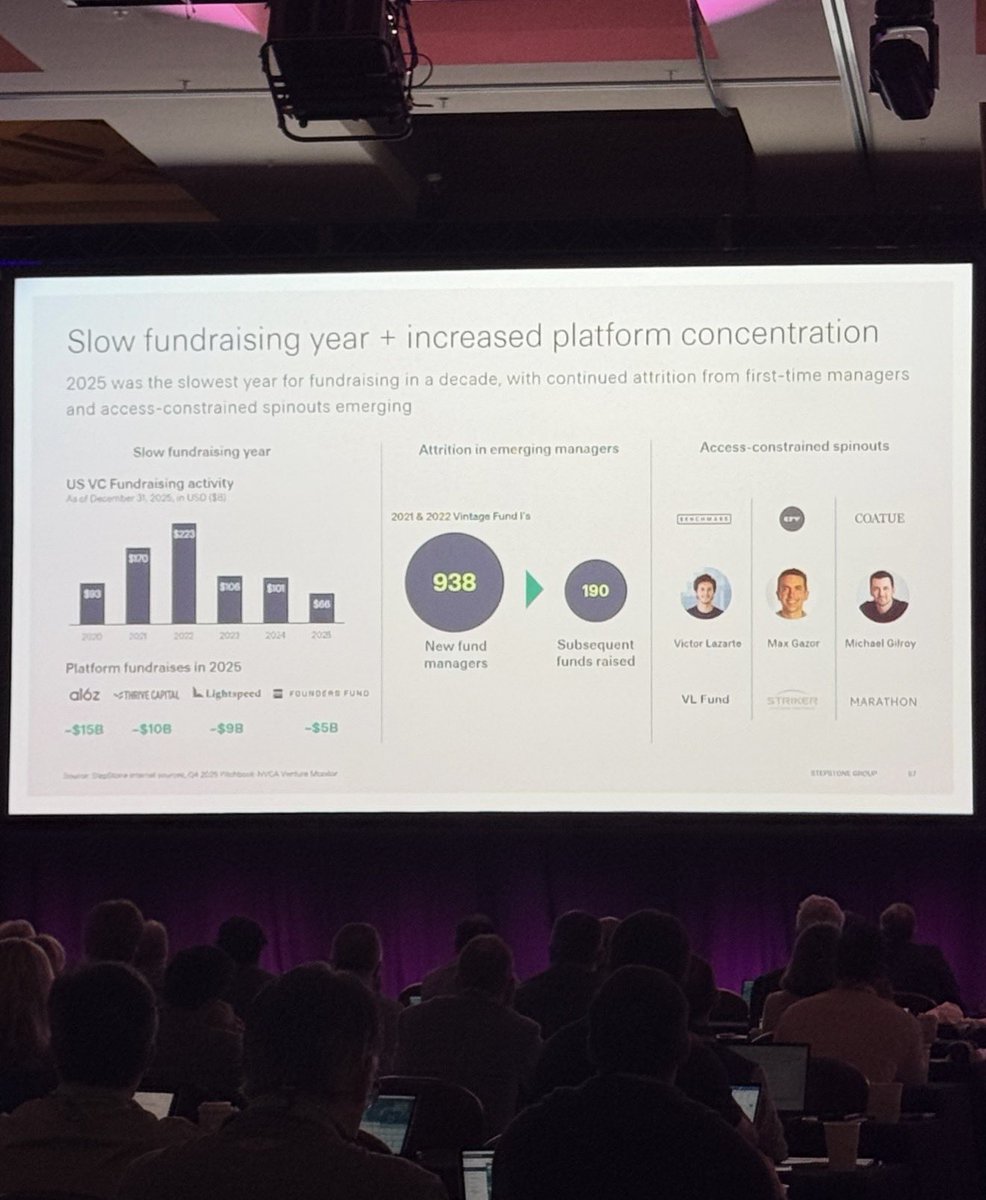
This framing reminds of ZIRP when some investors confused employee headcount growth with a strong business
Jun 12

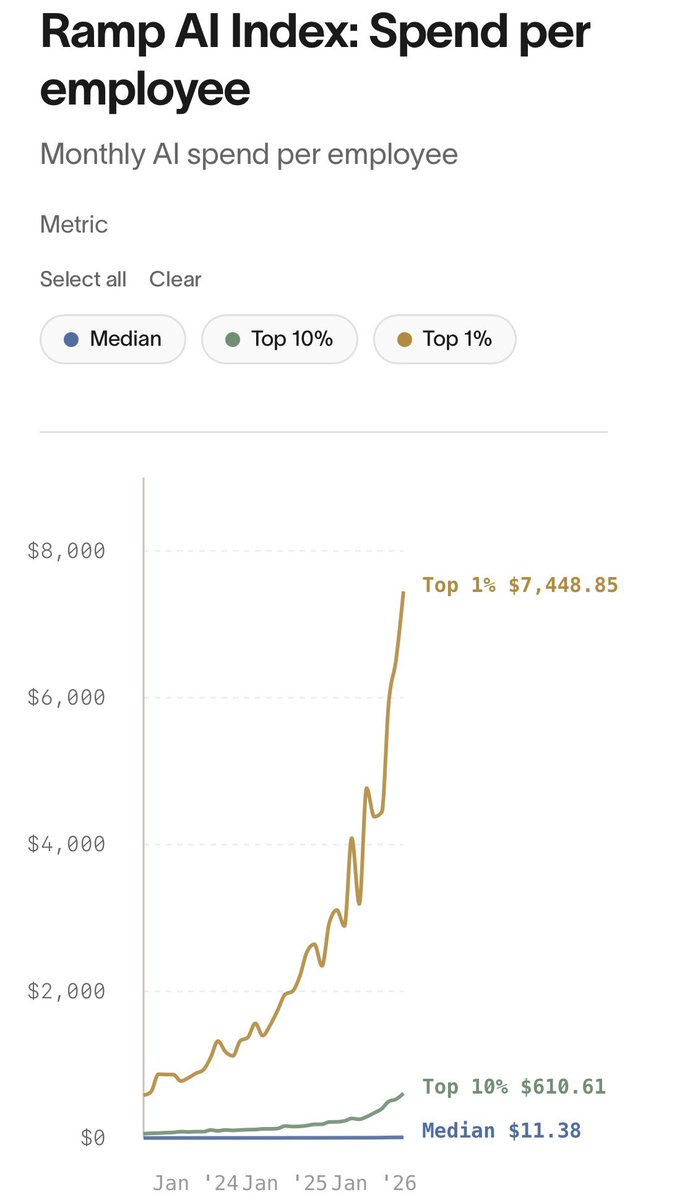
AI spending is massively skewed toward a small share of power users.
3
697
Michael B. Gilroy retweeted

Jun 10
Barcelona, you win. Sagrada Família. Just incredible.
Watch the whole thing with the sound on
419
8,354
48,776
4,687,164
Jun 10
⛳️💁🏽♀️
Jun 10

🚨📈📺 #RATINGS BOOST — NBC Sports announces that more than 2 million people tuned in for Nelly Korda’s win at the U.S. Women’s Open, resulting in a viewership increase of 78% compared to last year and delivering the 2nd largest Sunday audience for the event in the past decade.

347
Jun 10
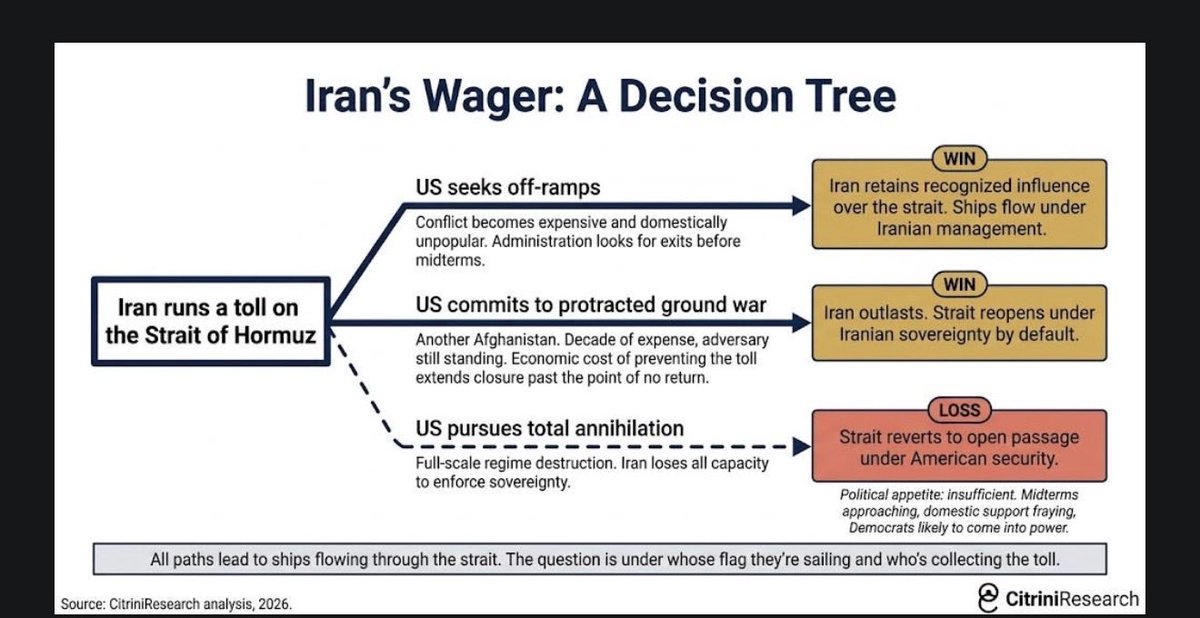
It’s truly impressive how he’s managing to upset literally everyone. Winning favor with socialists while upsetting Knicks fans and furthering destruction of Iran which not a single person *in America* wanted. And it’s only Wednesday!
Jun 10

JUST IN: Trump announces the government will seek equity stakes in top AI companies to make the public “very rich”
3
1,109
Michael B. Gilroy retweeted

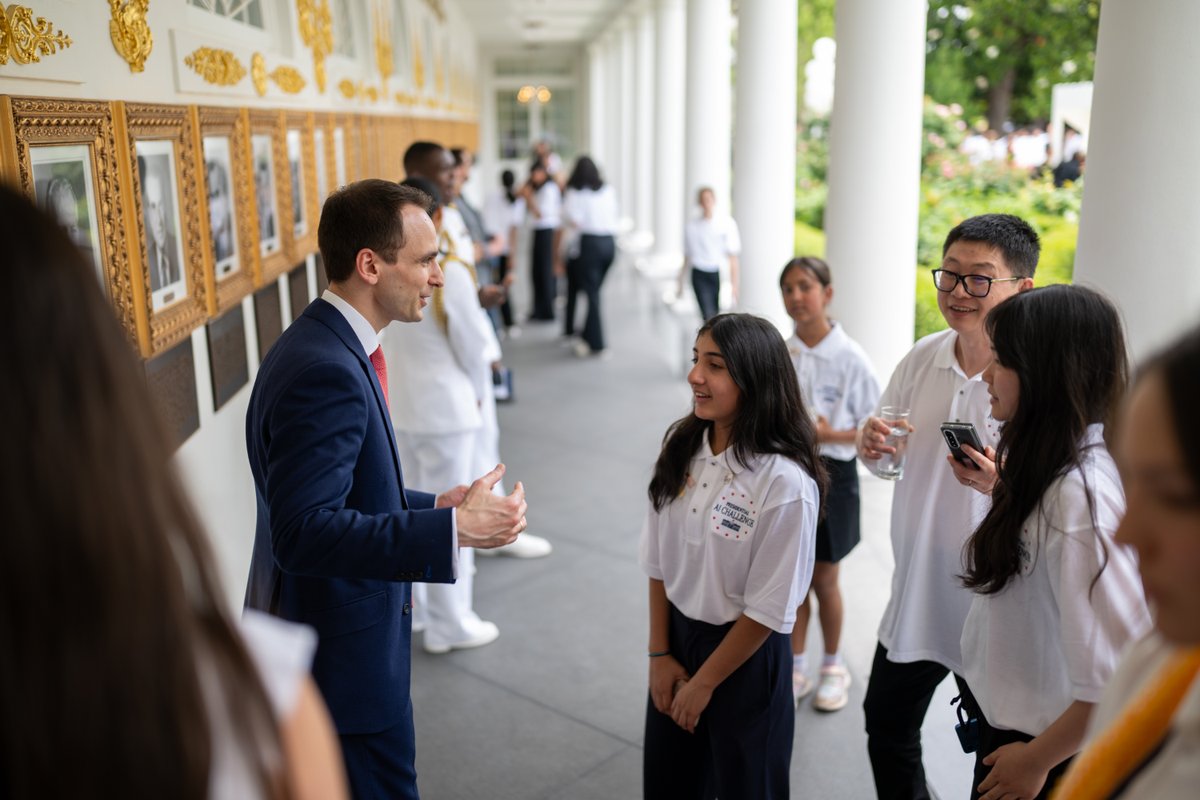
Thank you @FLOTUS for leading the Presidential AI Challenge and inspiring so many students across the country to dream, build, and innovate with AI.
Was honored to announce the 2026 National Champions at the @WhiteHouse today. Their creativity and ambition are extraordinary.



6
17
68
3,972
Jun 9
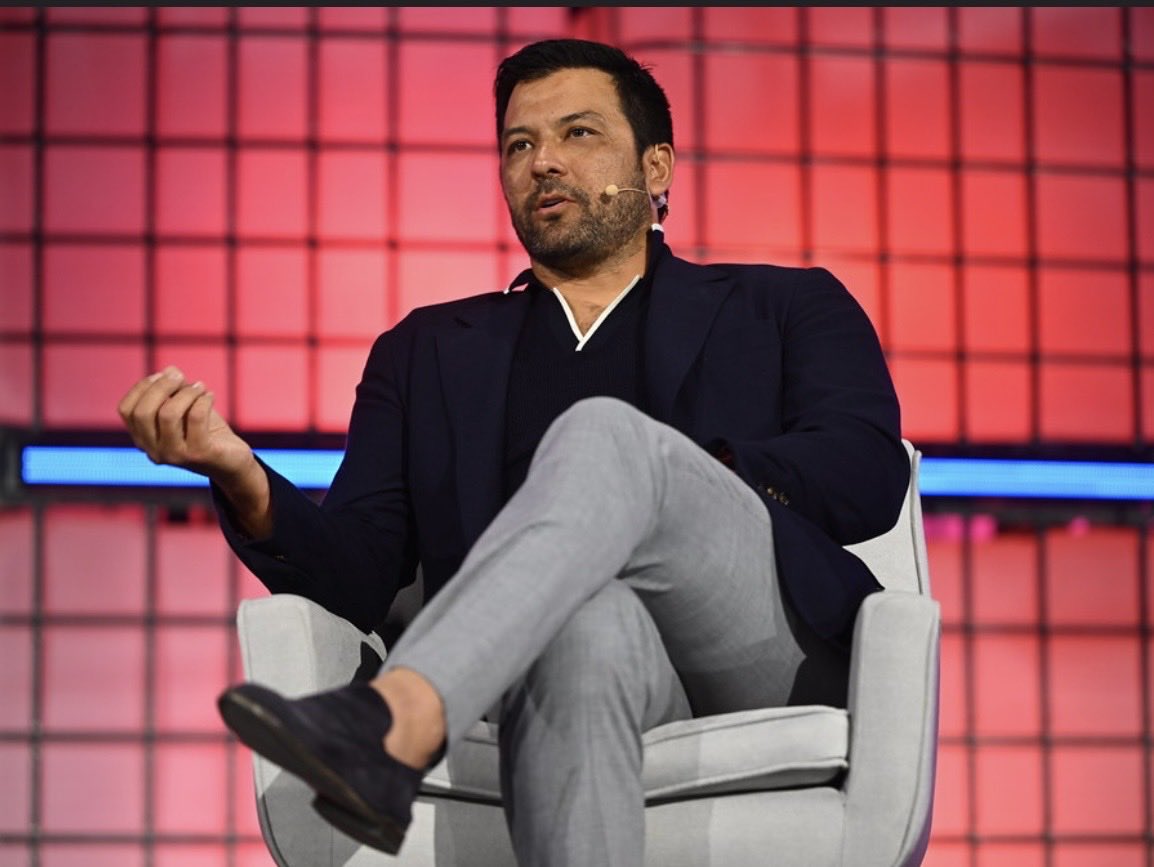
The LatAm tech ecosystem is special. I’ve had the privilege of partnering with @GetClaraCard @cloudwalk and @Bitso over the years. The genuity and grit of these founders are unmatched.
Thank you @WebSummit for allowing me to share the stage today with my good friend @ggiaco and @FT finest @Michael_Pooler.
1
12
1,231
Michael B. Gilroy retweeted

Jun 8
you’re always welcome to be a backstage baddie hunter
Jun 8

Thank you, John! Would love to catch one of your live sets soon
130
911
22,818
1,725,236
Jun 8
I’ve seen one, maybe two VC dunking tweets that deserved to see the light of day. The rest just show how pampered and entitled society has become. No one owes you anything & I hope you’re prepared for every recruit & customer to tweet about your bad days at the office.
Work harder and be better, no one is coming to save you.
2
2
30
3,178
Jun 7
One of my favorite things about golf is that you learn a lot about your guests in the first hour on property. How are they greeting and treating staff and caddies, let alone how they conduct themselves while playing. Gaby is a class act and 4 holes away from an Open Championship 👌🏽

4
936

The @nyliberty win at home as they defeat the Fever 83-75 for their fourth straight win 👏
Breanna Stewart: 30 PTS | 8 REB | 4 STL | 2 AST
Satou Sabally: 13 PTS | 5 REB
Pauline Astier: 12 PTS | 3 REB | 3 AST
#WNBASeason30 | 2026 WNBA Commissioner’s Cup | @coinbase
17
30
210
153,280
Michael B. Gilroy retweeted

Jun 7
Closed out the home stretch with a DUB 🙂↕️
LIBERTY WIN 🗽
LIBERTY WIN 🗽
LIBERTY WIN 🗽
LIBERTY WIN 🗽
LIBERTY WIN 🗽
#SEAFOAMSZN | #LIGHTITUPNYL🔥
21
196
727
11,647
Jun 7
Another GREAT team win but Stewie showed out! 7-4 with a new system and no Sabrina. 🗽 is winning that 🚢 @nyliberty

499
Jun 3
Greatness always has severe adversity in the background. You can be a victim of your circumstance, or a hero of your circumstance. @jalenbrunson1 is a hero.
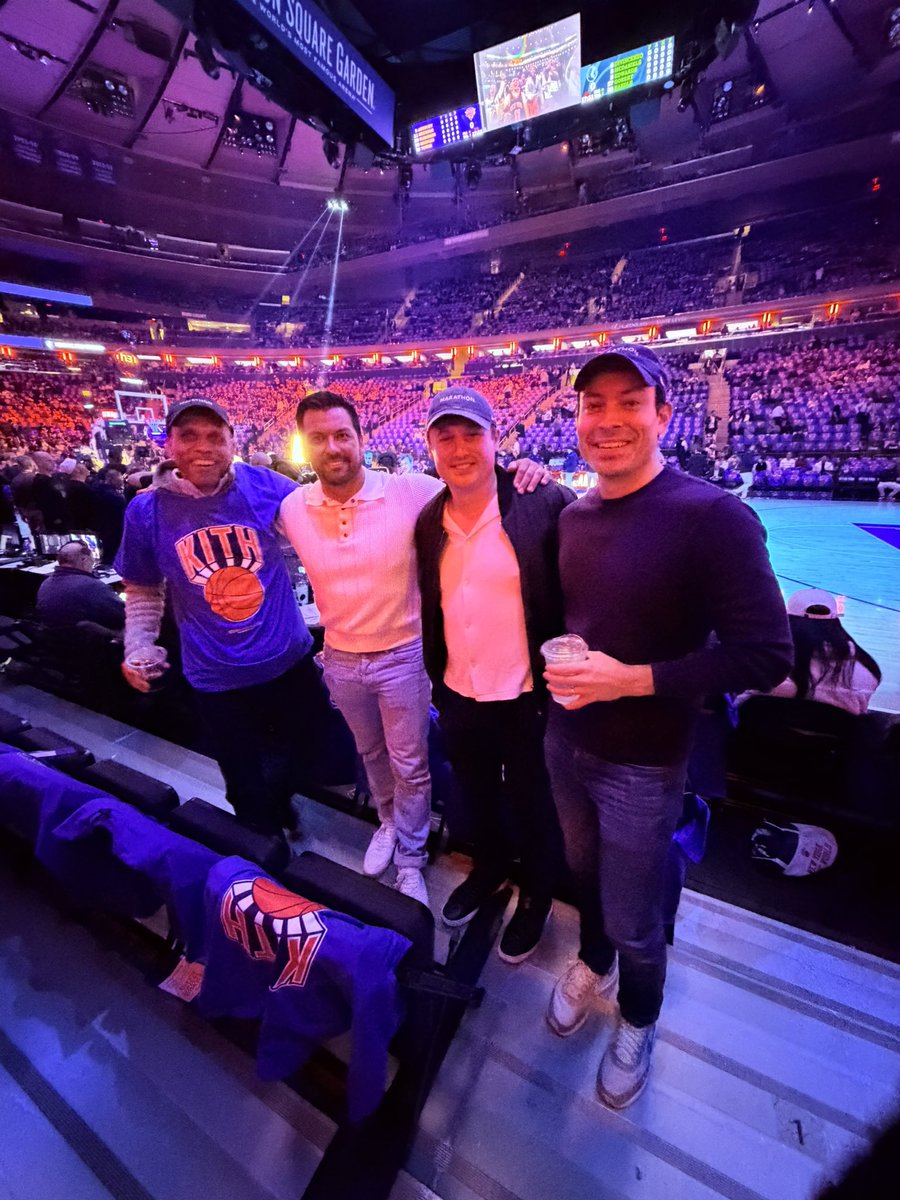
I don’t think I have ever been this excited about a non @warriors Finals. 🗽🗽🗽

We are witnessing one of the most legendary stories in NBA history.
Go prove 'em wrong one more time @jalenbrunson1
3
7
1,782
Jun 2
Venture capitalists all over the world pointing to their fellow generalist lemming
Jun 2

Lawyers, the generalist era is over. The barbell is here. Elite specialists on one end. Volume commodity shops on the other. The middle is dangerous.
3
329