
Joined June 2009
- Tweets 209,520
- Following 1,290
- Followers 2,786
- Likes 4,882
4,031 Photos and videos


Pinned Tweet

6 Jan 2022
May I never forget to be grateful, to the Most High, Almighty God. My life is nothing short of a scripted show from the Heavens. I give thanks.
2
15
18
We all know someone who should listen to Mutoriahs Nakuombea keenly but we wont play it when they are around.
9
Check out this thread on kenyan music artist Virusi Mbaya

The breakout artist of the year 2026 is a relaunched career... This year has been a Virusi Mbaya year... #wastedgang
8
How many Mutoriah songs are here?
Jun 11

If you wanted to introduce someone to amazing Kenyan music, which song would it be?
1
1
1
25
Franz Kafka, AKA (Monkey Beats) retweeted

The Boers came to Eldoret 40 years before Apartheid escaping the Brits and even the word Kenya did not exist for about a decade yet. OMG you people want to be guilty so bad don't you?😭😭.
Jun 12

Kenya also hosted the Boers in Eldoret. Always on the wrong side of history
1
7
33
3,542



Franz Kafka, AKA (Monkey Beats) retweeted

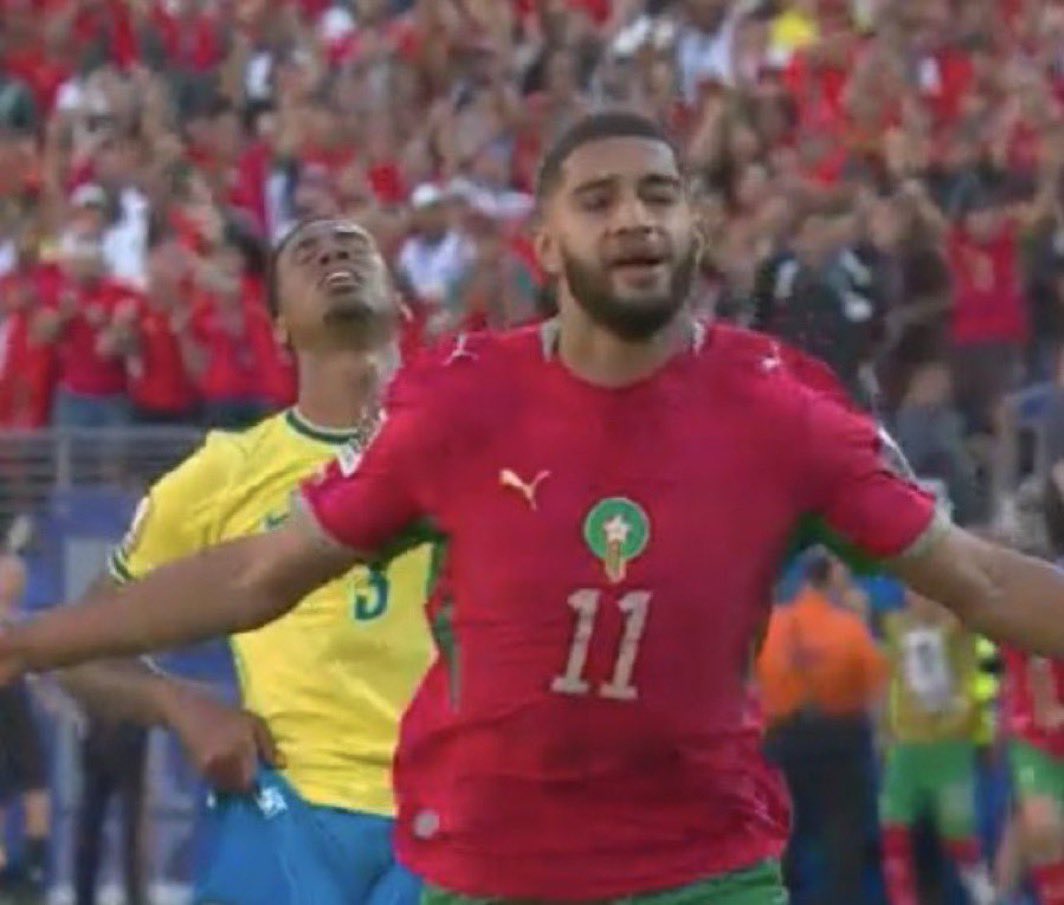
Peter Drury: “Morocco haven’t lost a game since they lost to Kenya last year in Nairobi.”
🇰🇪❤️

32
735
4,696
41,756
Franz Kafka, AKA (Monkey Beats) retweeted

20h
See the kind tools David Beckham put for my hand😂😂

The Hollywood Walk of Fame has a new icon.
⭐️ Sir David Beckham ⭐️
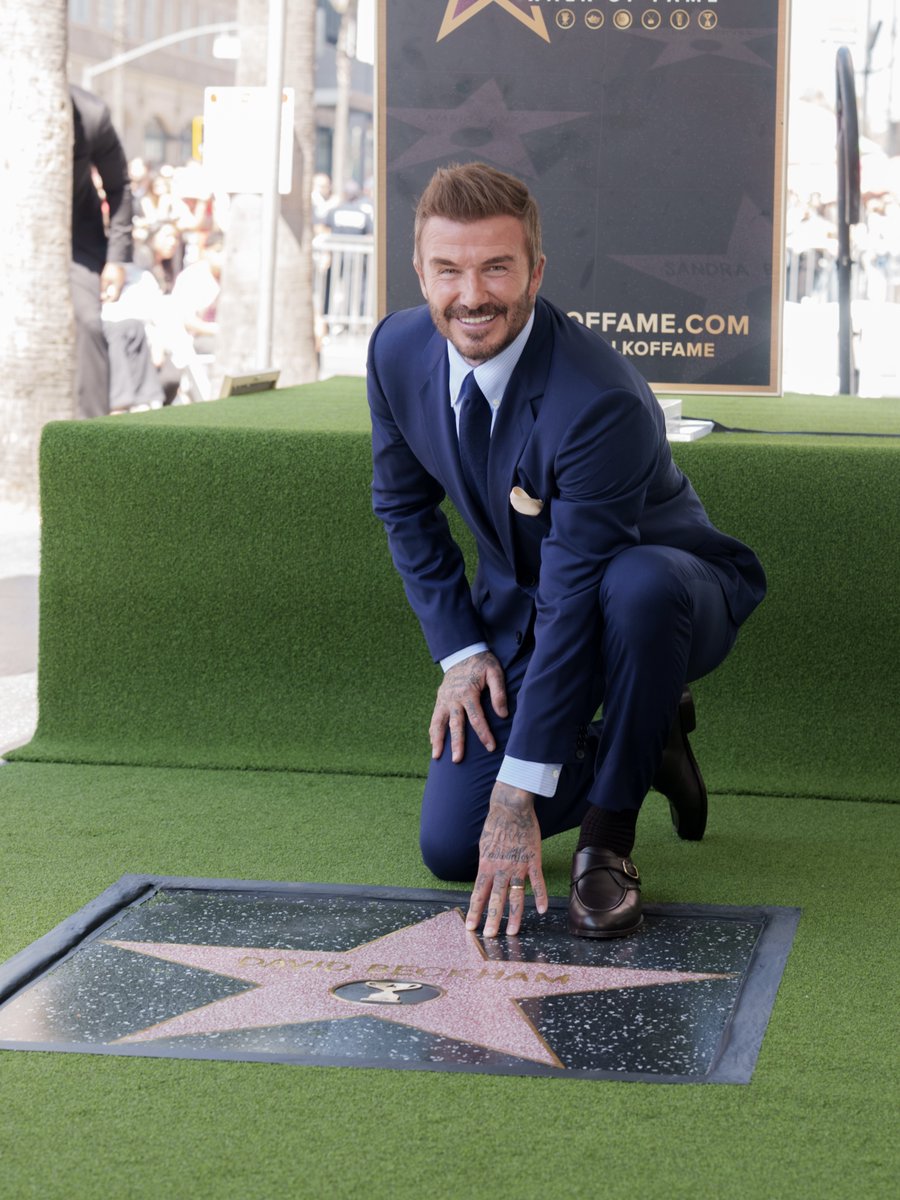
ALT Sir David Beckham in a navy suit kneeling and touching a star on the Hollywood Walk of Fame during a ceremony.
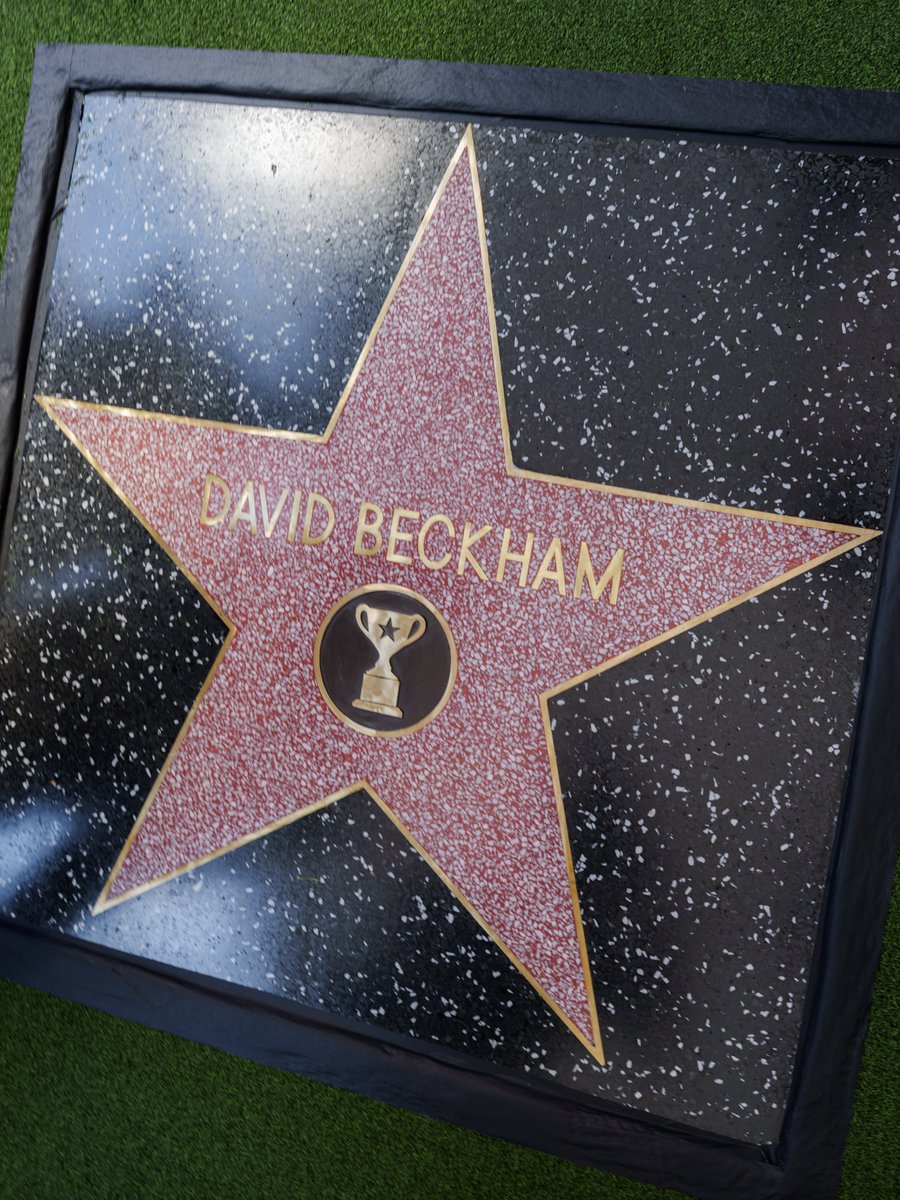
ALT David Beckham's Hollywood Walk of Fame star embedded in a black terrazzo tile with gold lettering and a trophy emblem in the centre.
25
156
1,460
64,500
Franz Kafka, AKA (Monkey Beats) retweeted

15h
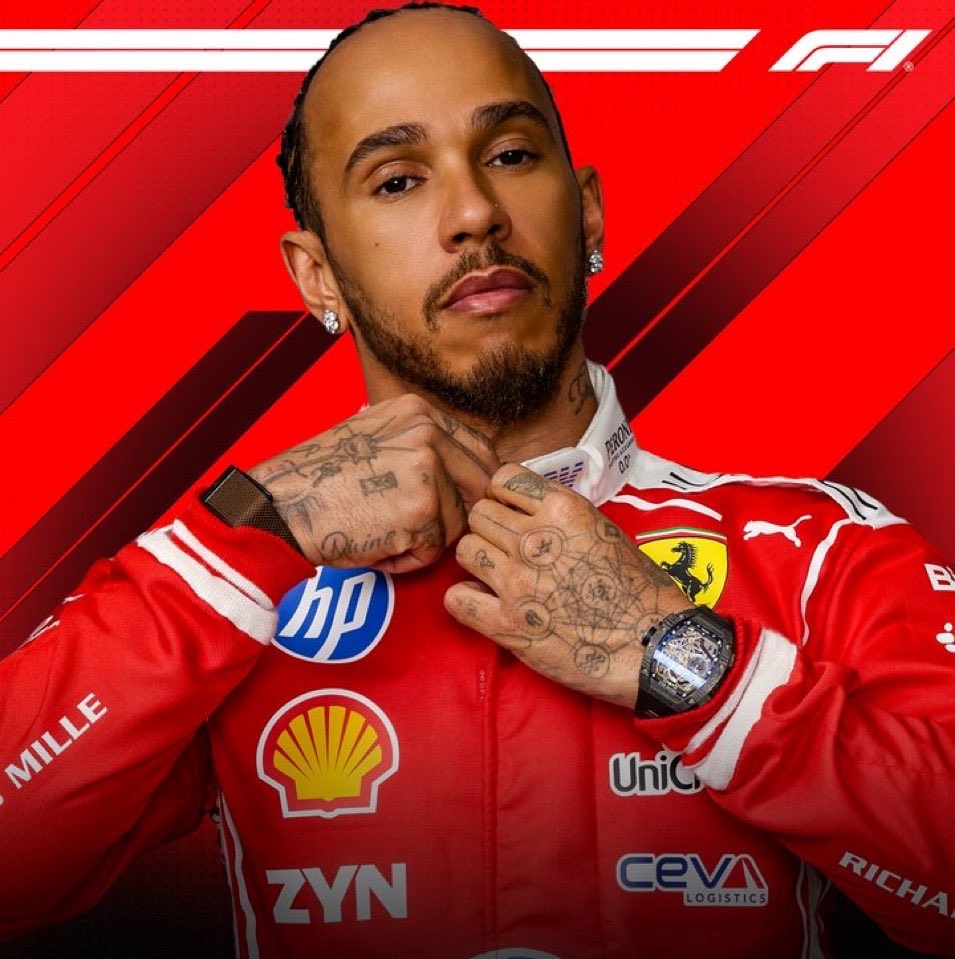
Lewis Hamilton since ditching the Ferrari simulator 📈
37
761
18,138
230,860
Franz Kafka, AKA (Monkey Beats) retweeted

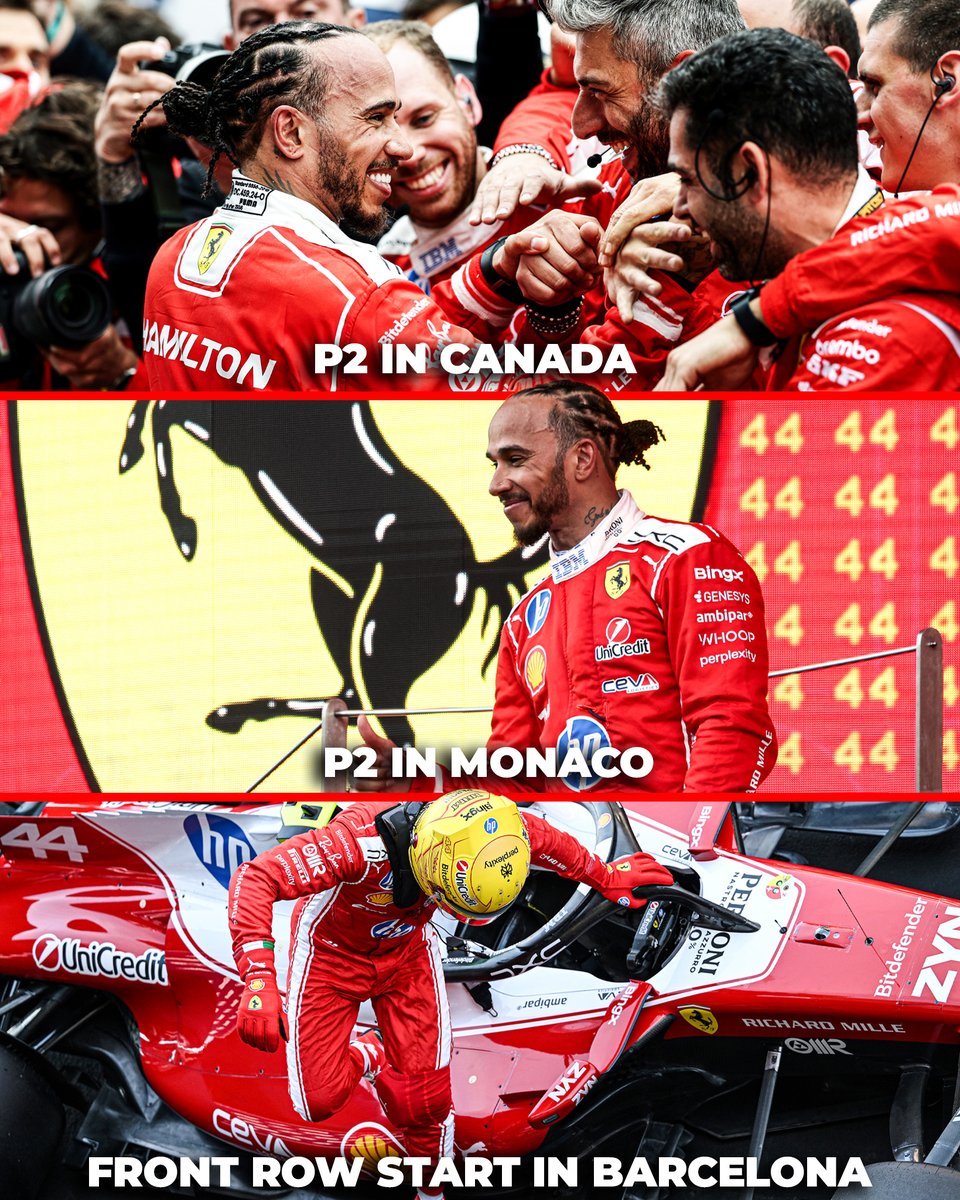
🙌 FRONT ROW BABYYYYYYYY!!
🔥 P2 LEWIS
80
736
12,298
80,799
Franz Kafka, AKA (Monkey Beats) retweeted

Jun 12
The Iranian flag was Raised at the National Team's Residence in Tijuana, Mexico
Thank you Mexico for Showing Respect to the REAL FLAG of Iran.
185
3,437
25,017
263,867
Franz Kafka, AKA (Monkey Beats) retweeted

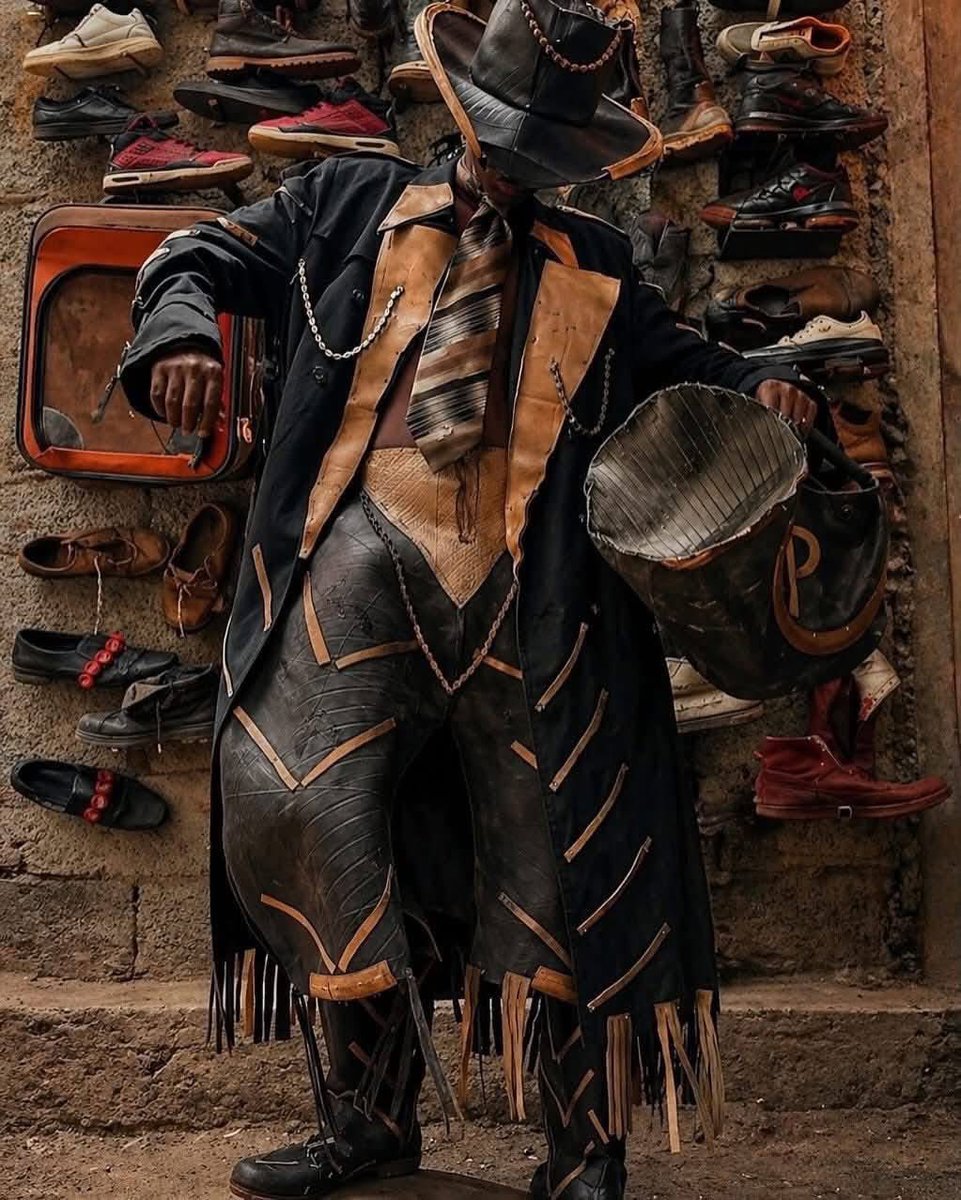
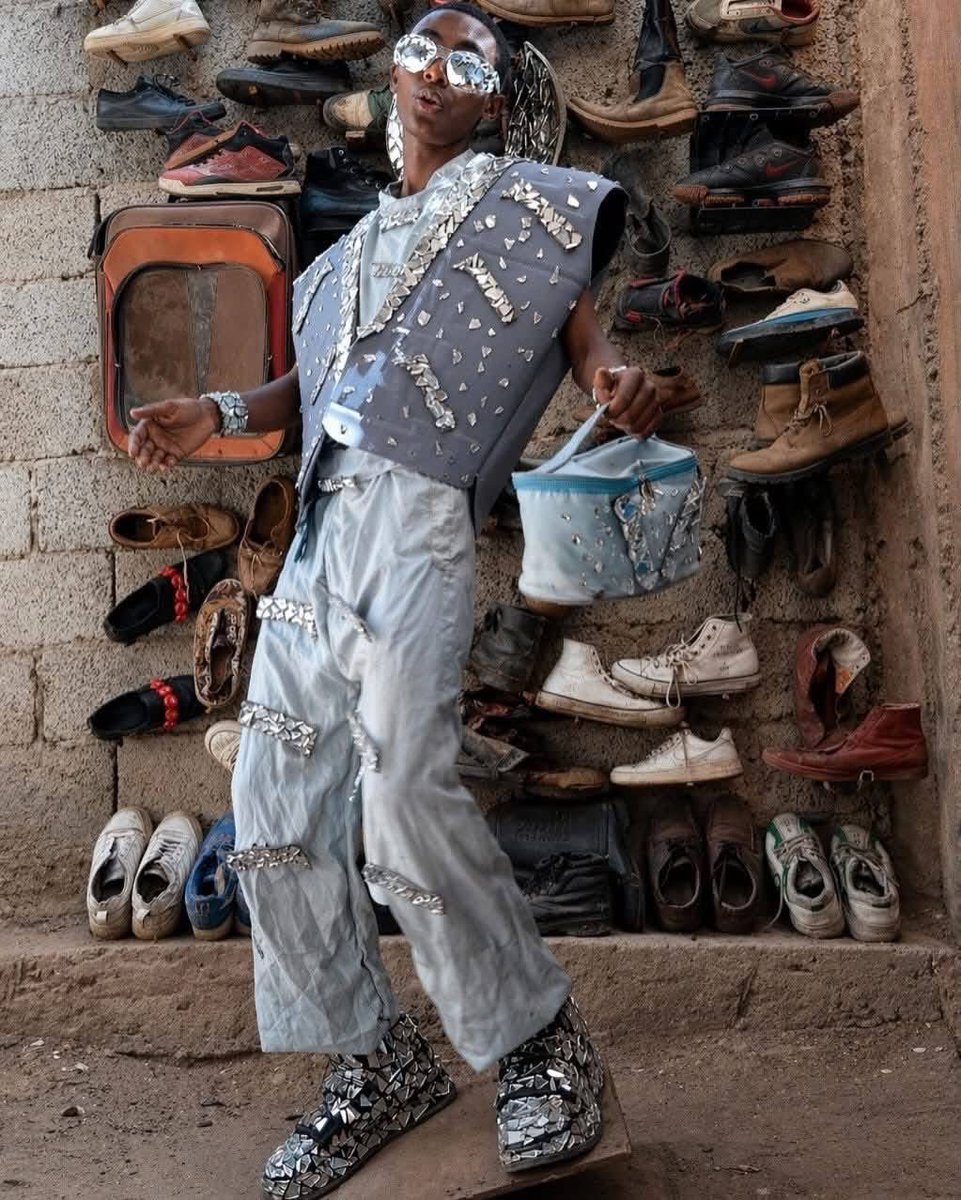
Bro is already going places with his unique style. Congratulations to him.
May 6

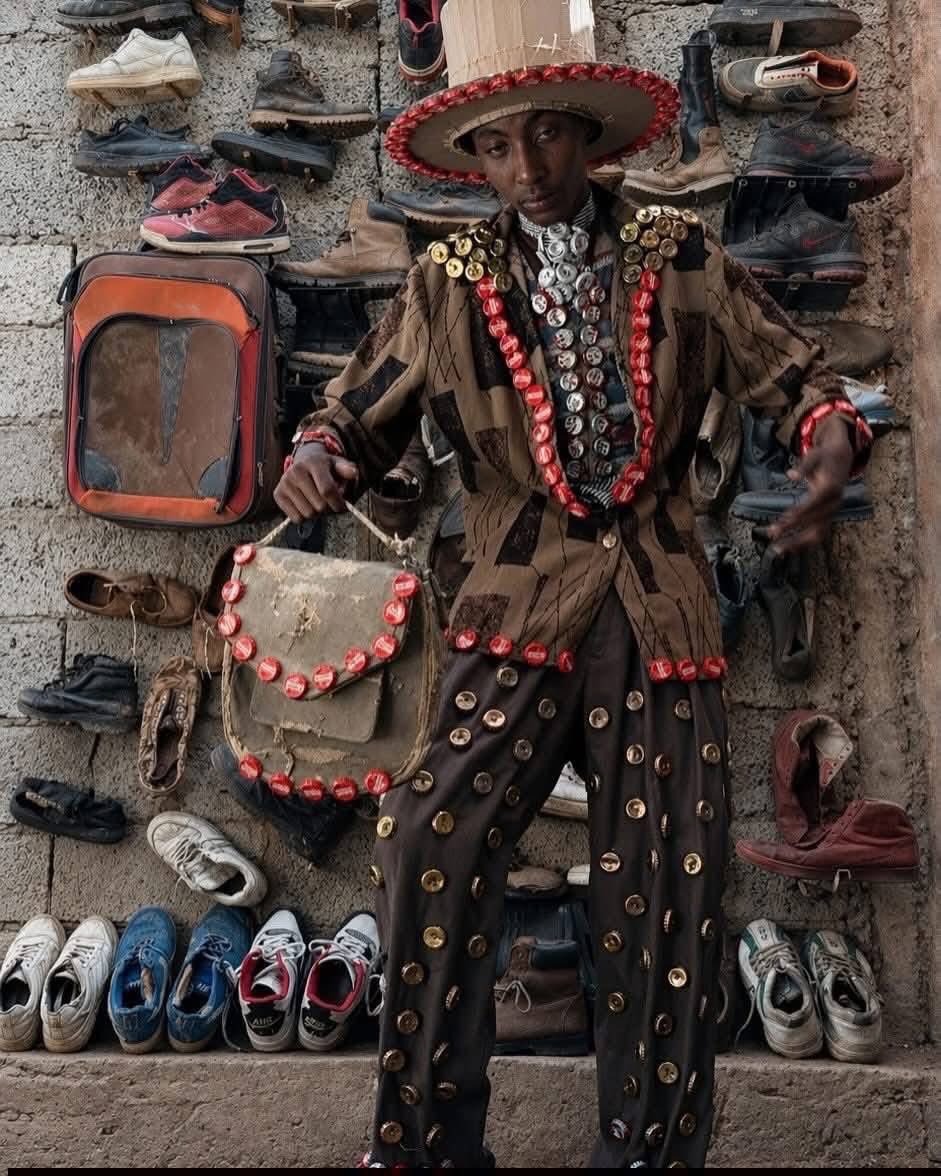
This Ethiopian boy is very creative, he will go places with his craft.

83
354
5,470
1,292,590
Franz Kafka, AKA (Monkey Beats) retweeted

Jun 13
Nikipeleka Bosco yangu kwa hii shule niko sure bado itapata E. Buana hio mbwa ni mjinga ajabu!
15
49
296
9,345
Franz Kafka, AKA (Monkey Beats) retweeted

57
939
2,114
68,322
Franz Kafka, AKA (Monkey Beats) retweeted

Jun 12
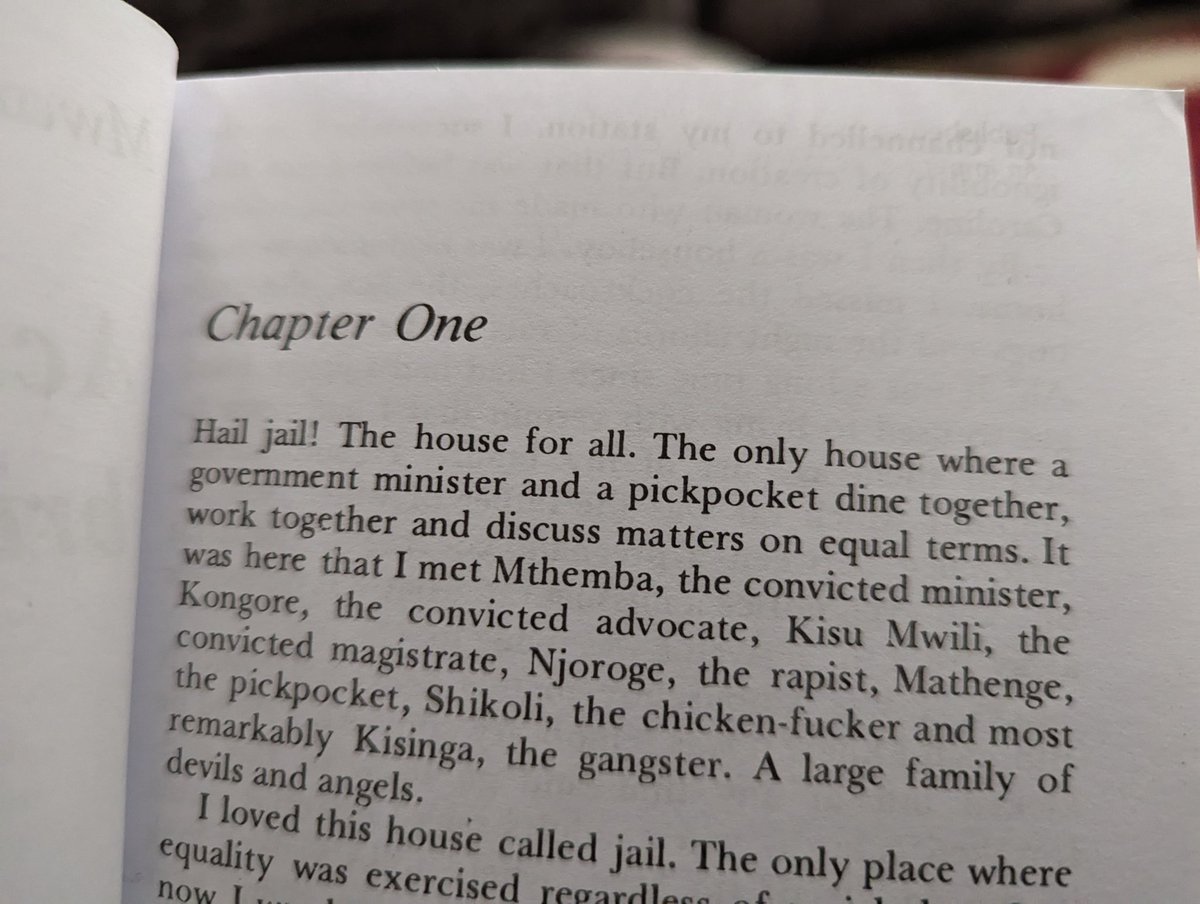

which Kenyan writer do you think is unbelievably good with words?
37
164
618
28,056
Franz Kafka, AKA (Monkey Beats) retweeted

Jun 13
Ruto hatutaki chai yako na mandazi! Ni Kibaki alitujegea barabara wewe ni uwongo tu" Marsabit residents lecture Ruto after being kicked out of State House for booing him.
13
464
1,782
64,303
Franz Kafka, AKA (Monkey Beats) retweeted

Jun 12
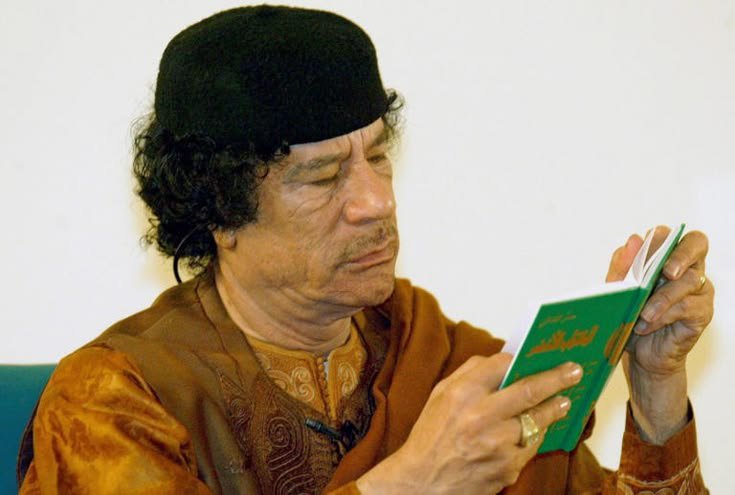
In 1975, Muammar Gaddafi published The Green Book, a slim volume that became the ideological foundation of Libya's political system.
It was presented as an alternative to both Western capitalism and Soviet communism.
It was a "Third Universal Theory"
Gaddafi argued that representative democracy was a fraud. According to The Green Book, parliaments, political parties, and elections merely transferred power from the people to elites. He famously claimed: "Representation is fraud." In his view, citizens should govern directly.
His proposed solution was a system of Basic People's Congresses and People's Committees, where ordinary citizens would supposedly make decisions without intermediaries.
Libya officially called itself the Jamahiriya, which translates to "the state of the masses."
The book fiercely attacks political parties, describing them as instruments of dictatorship because they allow a minority to rule in the name of the majority. Gaddafi believed parties inevitably divide society and create permanent political classes.
On economics, Gaddafi rejected both wage labor and private monopolies. He argued that workers should collectively own and manage the enterprises in which they work.
The Green Book also rejected landlordism. Gaddafi insisted that "the house belongs to the one who lives in it," arguing that owning property merely to rent it out allowed one person to exploit another's need for shelter.
On agriculture, he declared: "Land belongs to no one." Individuals had the right to use land and benefit from it, but not to monopolize or speculate on it. The book envisioned a society where productive resources were held and used collectively.
Beyond politics and economics, The Green Book ventured into social theory. It discussed family, education, women, sports, and culture.
Gaddafi defended traditional family structures while also arguing that women should participate fully in public life, though often within roles he saw as "natural."
Education, according to Gaddafi, should not be imposed from above. He criticized standardized schooling and argued that forcing a curriculum on students was a form of dictatorship. He also opposed the commercialization of knowledge and culture.
The text was translated into dozens of languages and distributed widely across Libya, Africa, and the Global South.
20
383
905
19,203
The stop campaigning to get one

5
Franz Kafka, AKA (Monkey Beats) retweeted

Three years later, we can see that the monkeys that snatched the car key from the owner are still unable to drive it. The car is still where the owner left it.
210
2,829
8,623
194,880