Joined November 2025
- Tweets 420
- Following 9
- Followers 17
- Likes 179
351 Photos and videos




Pinned Tweet

Apr 3
🎁Free Samples Alert!✨
Try them for free and unlock your essential MedChemExpress products! 🔬
🌎North America 🇺🇸 🇨🇦
Unlock 12 categories, including Bioactive Molecules, Natural Products, ADC-Related, Recombinant Proteins, Antibodies, and Kits.
🔗ow.ly/lQJN50YCM2o
⬆️Click the links to explore your favorite products and claim yours today!
#LifeScience #LabTools #DrugDiscovery #Biotech #ResearchMadeEasy #MCEReagents #FreeSamples
3
7
232
Jun 12
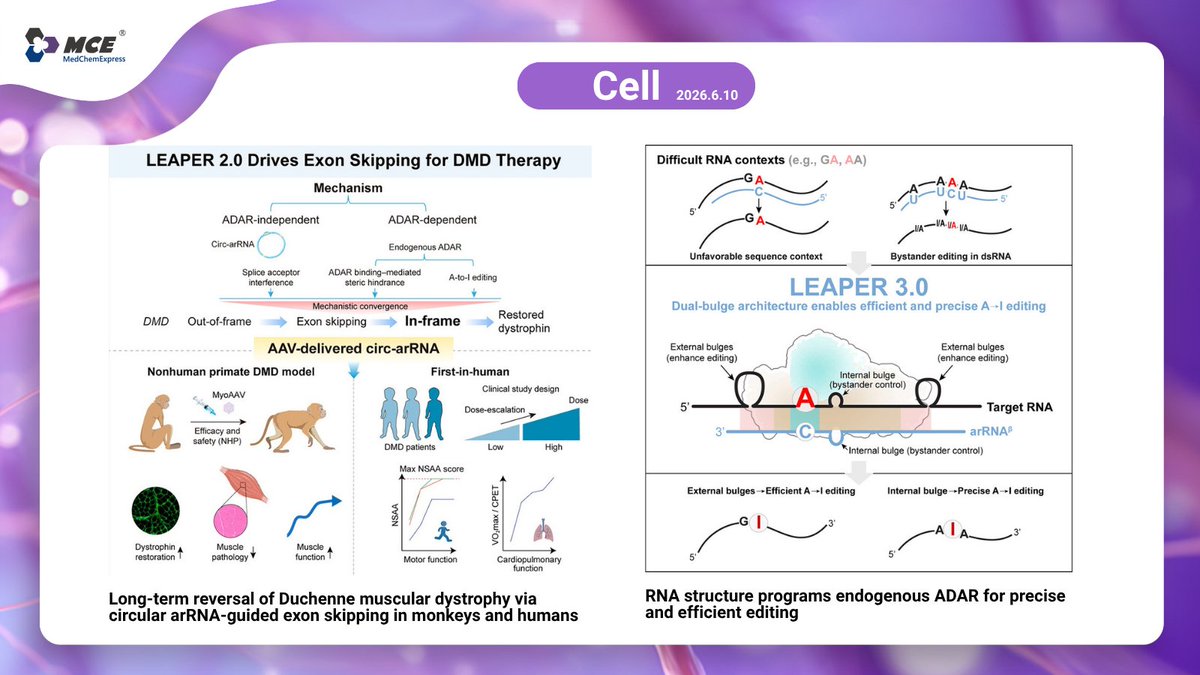
#Cell publishes two LEAPER studies, marking a shift from proof-of-concept to structurally engineered, clinically relevant RNA editing systems. These studies highlight a new paradigm where endogenous ADAR activity can be programmed for therapeutic RNA editing.
🧪 Many genetic diseases have defined mechanisms and actionable targets, creating strong opportunities for precision therapies such as RNA editing. Progress in this field relies on robust tools, including antibodies, recombinant proteins, and oligonucleotides.
👉 Explore more: ow.ly/6lgC50ZaXG3
Jun 12

🔥Hot Off the Press | LEAPER 2.0 & 3.0
#Cell (10 June 2026) publishes two LEAPER studies, marking a shift from proof-of-concept toward clinically relevant and structurally engineered RNA editing systems.
LEAPER 2.0 advances endogenous adenosine deaminase acting on RNA (#ADAR)-mediated exon skipping in Duchenne muscular dystrophy (#DMD), extending it into nonhuman primate and early human studies. It shows durable dystrophin restoration, sustained functional benefit in NHPs, and early safety/efficacy signals in patients after a single AAV-delivered dose.
✔️ Circ-arRNAs enable exon skipping via endogenous ADAR activity
✔️ Durable dystrophin restoration in DMD NHPs without immune response
✔️ First-in-human data show safe, dose-dependent exon skipping
LEAPER 3.0 introduces a structure-guided framework for programmable A-to-I RNA editing. By defining how RNA secondary structure regulates ADAR activity, it transforms arRNA design from empirical optimization into a rational, engineering-based process.
✔️ RNA structure (bulges and geometry) dictates ADAR efficiency and specificity
✔️ Protein-free, AAV-compatible, programmable RNA editing platform
🚀 Together, these studies highlight a new paradigm in which endogenous ADAR activity can be rationally programmed for therapeutic RNA editing.
🧪Some genetic diseases have well-defined mechanisms and actionable targets, creating strong opportunities for precision therapies such as RNA editing. Advancing RNA biology and genetic disease research relies on robust tools, including antibodies, recombinant proteins, and oligonucleotides.
👉Explore how we can support your research: ow.ly/6lgC50ZaXG3
#RNAEditing #LEAPER #RNAtherapeutics #GeneticDisease #Biotech #PrecisionMedicine
2
2
15
Jun 12
🔬New Releases | 1,000 novel research molecules
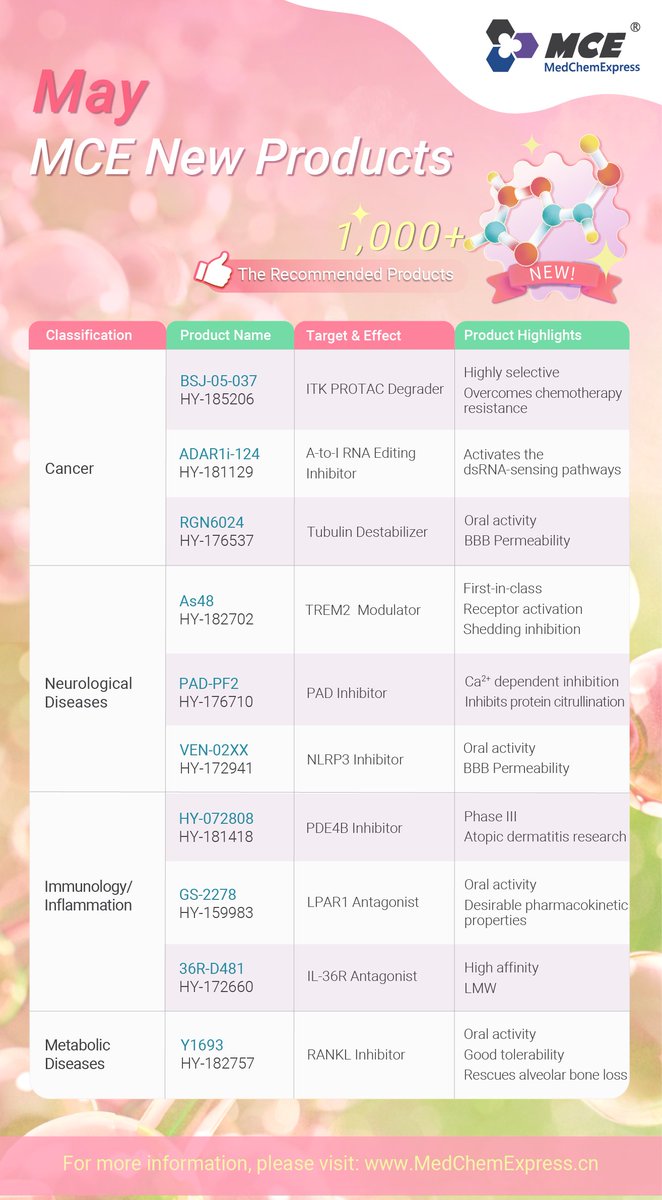
Expanding #Oncology, #Neurology, #Immunology & Inflammation, and #MetabolicDisease for drug discovery and basic research. Includes #PROTACs, #ADAR1 RNA editing, neuroinflammation targets (TREM2/NLRP3), inflammatory pathways, and bone metabolism (RANKL).
Jun 12
🔬New Releases | 1,000 Novel Research Molecules Now Available
This release strengthens key areas across #Oncology, #Neurology, #Immunology & #Inflammation, #MetabolicDisease, supporting a broad range of drug discovery and basic research needs.
Featured research areas include:
✔ #PROTAC-mediated targeted protein degradation
✔ RNA editing regulation (#ADAR1)
✔ Neuroinflammation & innate immunity (TREM2, NLRP3)
✔ Inflammatory signaling pathways (PDE4B, IL-36R, LPAR1)
✔ Bone metabolism regulation (RANKL)
Many of these compounds feature desirable drug-like properties, including oral bioavailability, blood–brain barrier (#BBB) penetration, high selectivity, and favorable pharmacokinetic profiles—supporting target validation, mechanistic studies, and early-stage drug discovery.
🔬Empowering breakthrough research with high-quality bioactive molecules. medchemexpress.com/
#DrugDiscovery #Neuroinflammation #SmallMolecules #ResearchTools
2
2
26
Jun 10
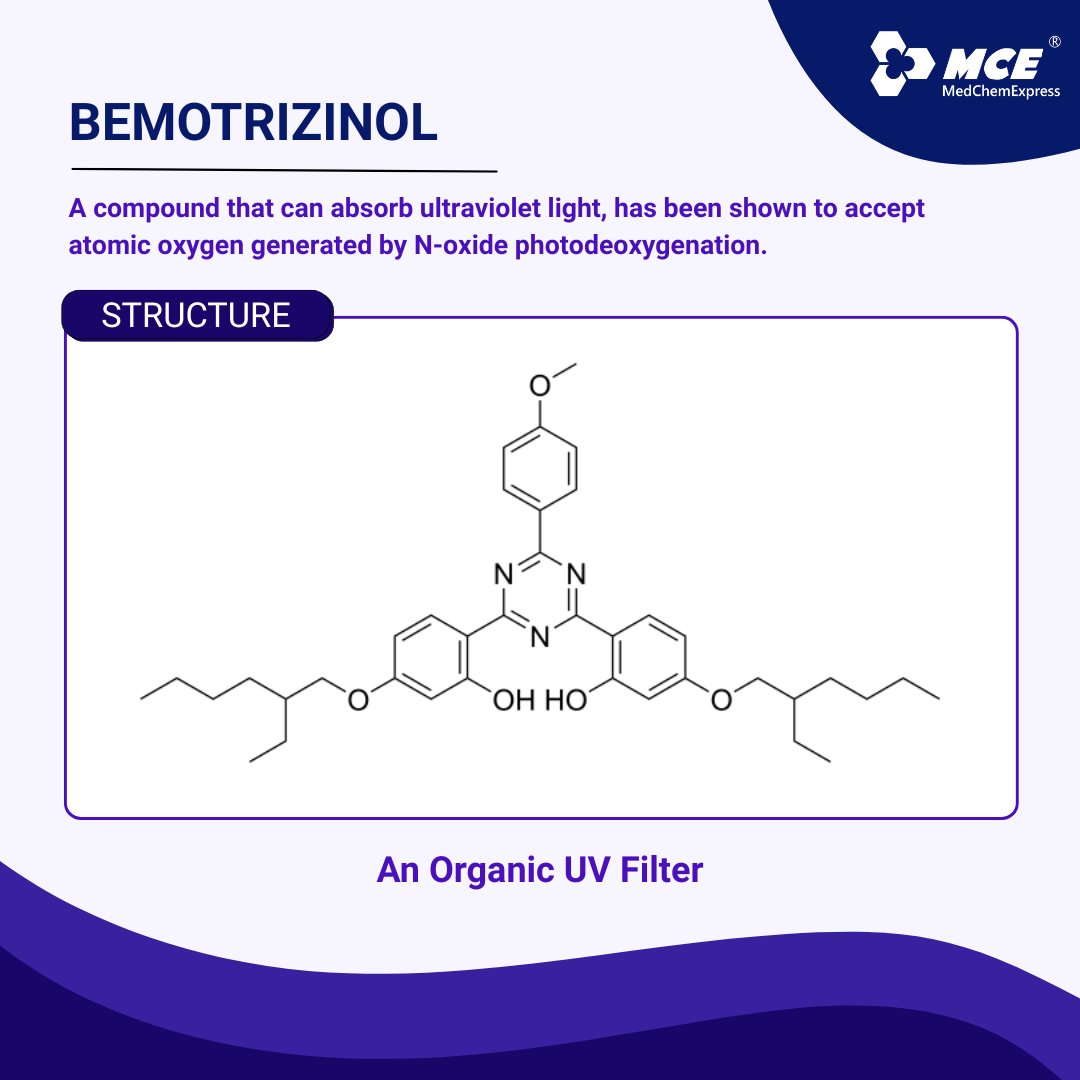
☀️#Bemotrizinol (#BEMT) | The #FDA's first expansion of sunscreen active ingredients in over two decades.
#FDAApproval #Dermatology #Photobiology #DrugDiscovery #FormulationScience #MedicinalChemistry
Jun 10
💡#FDA Approval Update | The FDA has approved #bemotrizinol (#BEMT) as the first new #sunscreen active ingredient added to the U.S. #OTC monograph in more than 20 years.
🧬Bemotrizinol is a broad-spectrum #UV filter that protects against both UVA and UVB radiation, exhibits low skin absorption, and has been widely used in Europe and other global markets for years.
🧪MedChemExpress offers bemotrizinol for research use only: medchemexpress.com/bemotrizi…
#FDAApproval #Dermatology #Photobiology #DrugDiscovery #FormulationScience #MedicinalChemistry
4
4
66
Jun 9
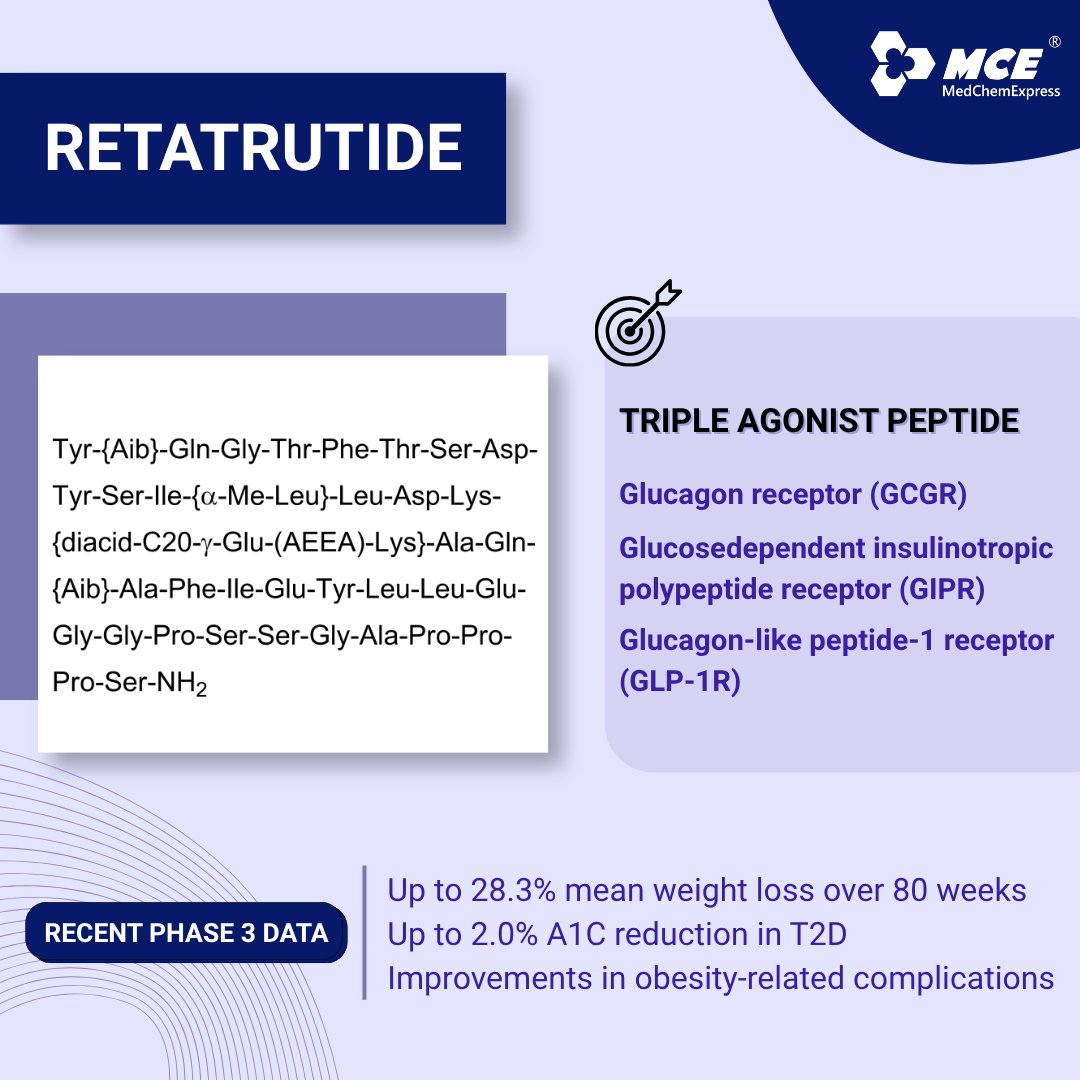
🧬Molecule of the Moment | #Retatrutide
The obesity field is evolving beyond single-target biology.
#GLP1 #GIP #glucagon in one moleculeand the clinical data continue to attract attention across #obesity, #diabetes, sleep apnea, and osteoarthritis research.
#ADA2026 #Metabolism #DrugDiscovery #T2D
🧬Molecule of the Moment | #Retatrutide continues to stand out as one of the most closely watched candidates in metabolic disease research.
Unlike GLP-1 receptor agonists, retatrutide is a first-in-class triple hormone receptor agonist that simultaneously targets:
🧬#GLP1
🧬#GIP
🧬#Glucagon
Recent Phase 3 data showed:
📉Up to 28.3% mean weight loss over 80 weeks
📊Up to 2.0% A1C reduction in #T2D
🦴Improvements in obesity-related complications including knee osteoarthritis pain and obstructive sleep apnea
🧪MedChemExpress offers retatrutide for research use only: medchemexpress.com/retatruti…
As obesity research expands beyond weight reduction alone, multi-receptor incretin therapies are emerging as a major area of innovation.
#ADA2026 #ADA #EliLilly #Obesity #Type2Diabetes #Metabolism #DrugDiscovery #MedicinalChemistry
4
4
114
Jun 9
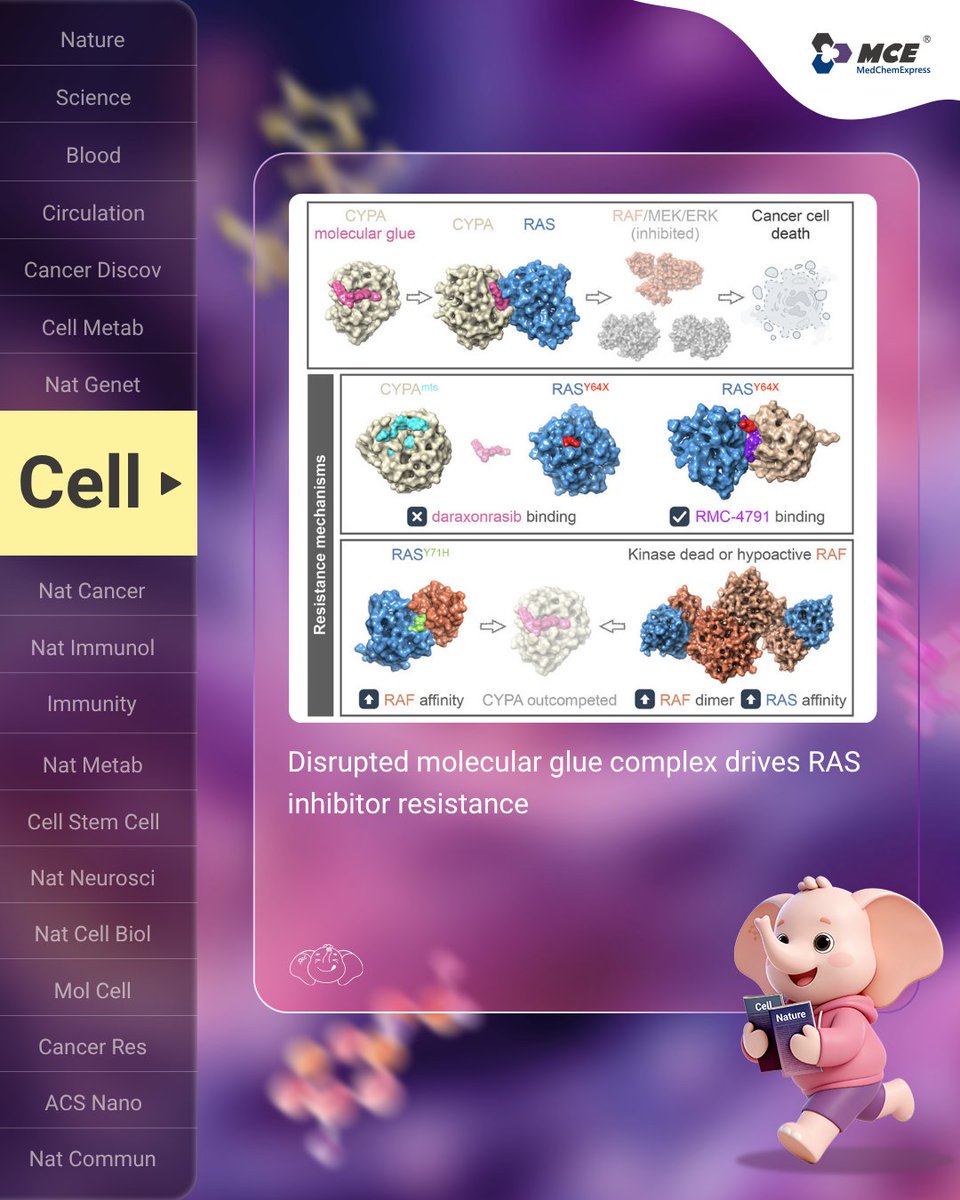
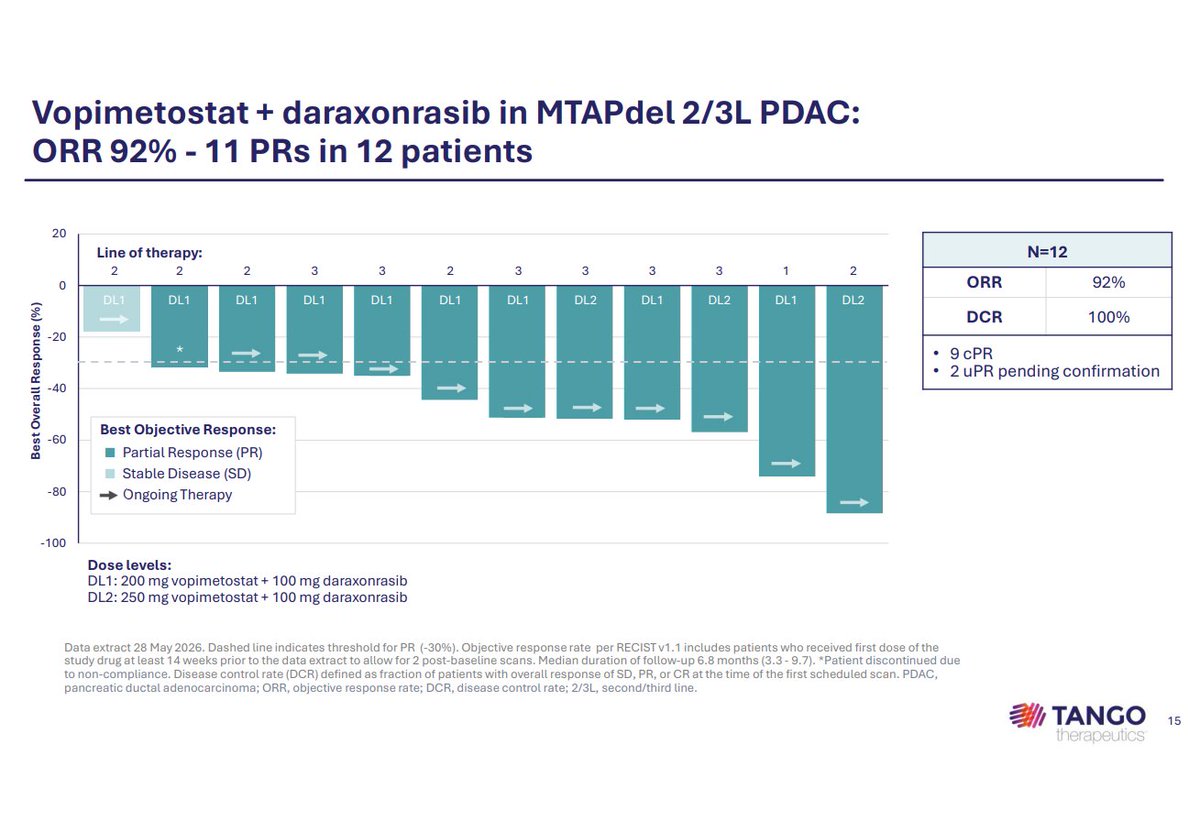
🧬Exciting early clinical signal in #MTAP-deleted, #KRAS-mutant #PDAC:
#Vopimetostat (PRMT5 inhibitor) #daraxonrasib (RAS(ON) inhibitor) showed strong early Phase 1/2 activity in metastatic pancreatic cancer: 92% ORR (11/12 patients)
Early days, but promising for a historically hard-to-treat cancer type.
🔬MedChemExpress supports oncology research and drug discovery, enabling studies of key targets and emerging cancer pathways; for research use only, not for use in patients.
Vopimetostat 👉 medchemexpress.com/tng-462.h…
Daraxonrasib 👉 medchemexpress.com/rmc-6236.…
🧬Molecule of the Moment | #vopimetostat #daraxonrasib
@TangoTxOncology reported encouraging early Phase 1/2 data for vopimetostat (#PRMT5 inhibitor) in combination with Revolution Medicines’ RAS(ON) inhibitor in #MTAP-deleted, RAS-mutant metastatic pancreatic ductal adenocarcinoma (#PDAC).
📊Key signals:
• 92% ORR (11/12 patients)
• 100% DCR
• ~90% 6-month PFS
In a tumor type long defined by therapeutic resistance, these results suggest true combination synergy rather than incremental benefit. Mechanistic rationale is converging:
• #RAS(ON) inhibition → dampens oncogenic signaling
• PRMT5 inhibition (MTAP-del context) → exploits synthetic lethality/metabolic vulnerability
• Together → collapse of both signaling survival buffering
⚠️Still early: small cohorts, with key questions remaining around durability, resistance, and tolerability.
The outcome goes beyond tumor shrinkage—hinting at early durability signals driven by combination biology. If validated, MTAP-del KRAS-mutant PDAC may become a case where tumor genotype defines a combination backbone, not just drug eligibility.
Overall, the broader direction is becoming clearer: from single-node targeting → to coordinated pathway suppression in genomically defined tumors.
🔬MedChemExpress supports oncology research and drug discovery, enabling studies of key targets and emerging cancer pathways; for research use only, not for use in patients.
Vopimetostat 👉 medchemexpress.com/tng-462.h…
Daraxonrasib 👉 medchemexpress.com/rmc-6236.…
#KRAS #PrecisionOncology #PancreaticCancer
2
2
143
Jun 9
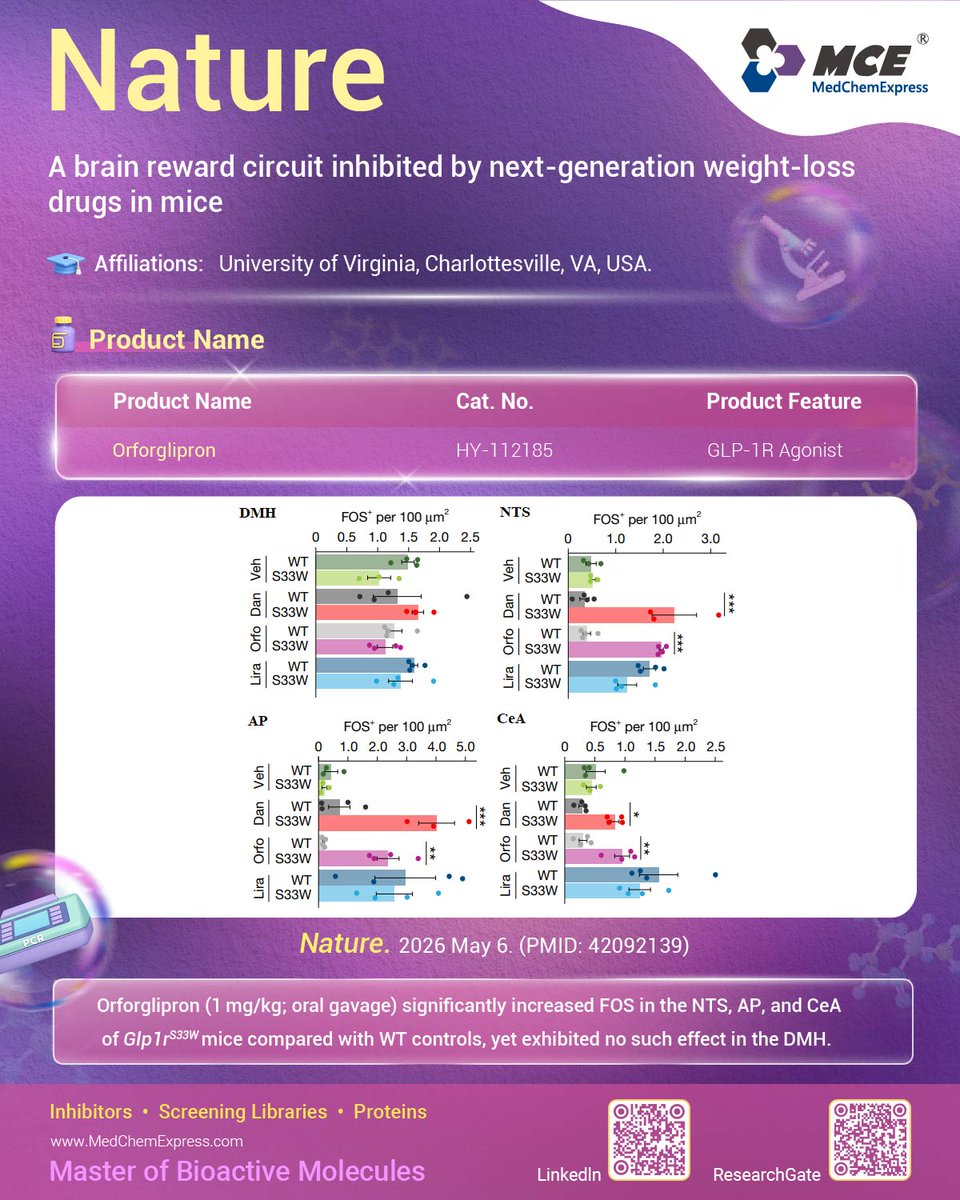
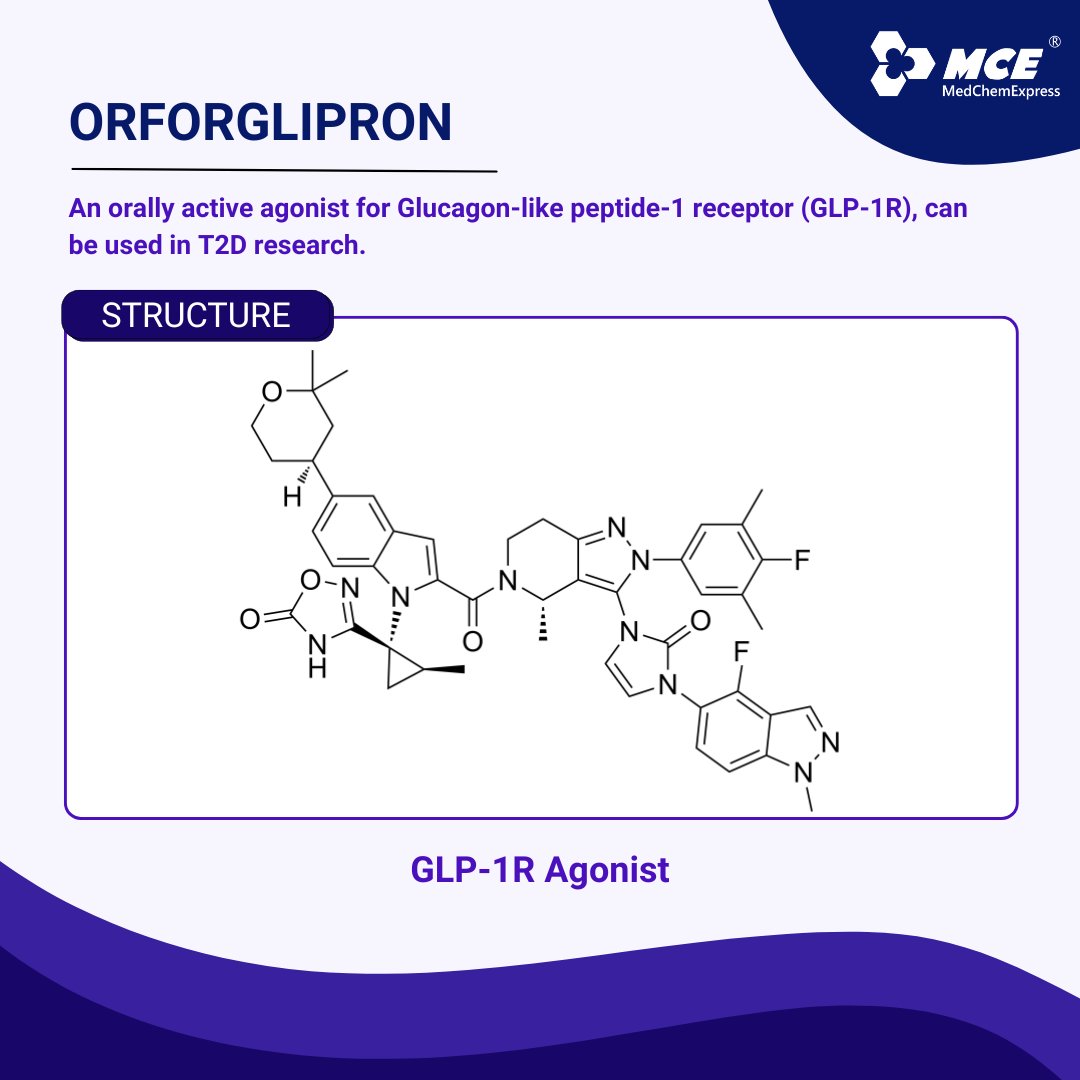
💡Lilly's oral GLP-1 receptor agonist #orforglipron achieved superior A1C control and weight loss versus oral semaglutide in the ACHIEVE-3 trial presented at #ADA2026.
#Type2Diabetes #GLP1 #Obesity #T2D #PharmaNews #Biotech #MedicinalChemistry #Foundayo
🧬Molecule of the Moment from #ADA2026 | @EliLillyandCo's #Foundayo (#orforglipron), a non-peptide oral GLP-1 receptor agonist, delivered positive results across three pivotal Phase 3 #ACHIEVE trials in type 2 diabetes.
📊ACHIEVE-3
🔹Superior A1C reduction vs oral #semaglutide
🔹Superior weight loss vs oral semaglutide
📊ACHIEVE-2 & ACHIEVE-5
🔹Significant improvements in glycemic control
🔹Meaningful weight reduction across diverse patient populations
💡Unlike currently approved oral GLP-1 therapies, orforglipron is a small-molecule GLP-1 receptor agonist that can be administered without food or water restrictions.
📈Highlights the growing potential of oral, non-peptide incretin therapies
As the #incretin field continues to evolve, oral GLP-1 receptor agonists remain one of the most closely watched areas in metabolic disease research.
🧪Explore GLP-1 receptor research tools from @MedChemExpress: medchemexpress.com/orforglip…
#Type2Diabetes #GLP1 #Obesity #Endocrinology #DrugDiscovery #PharmaNews #Biotech #MedicinalChemistry
5
6
172
Jun 5
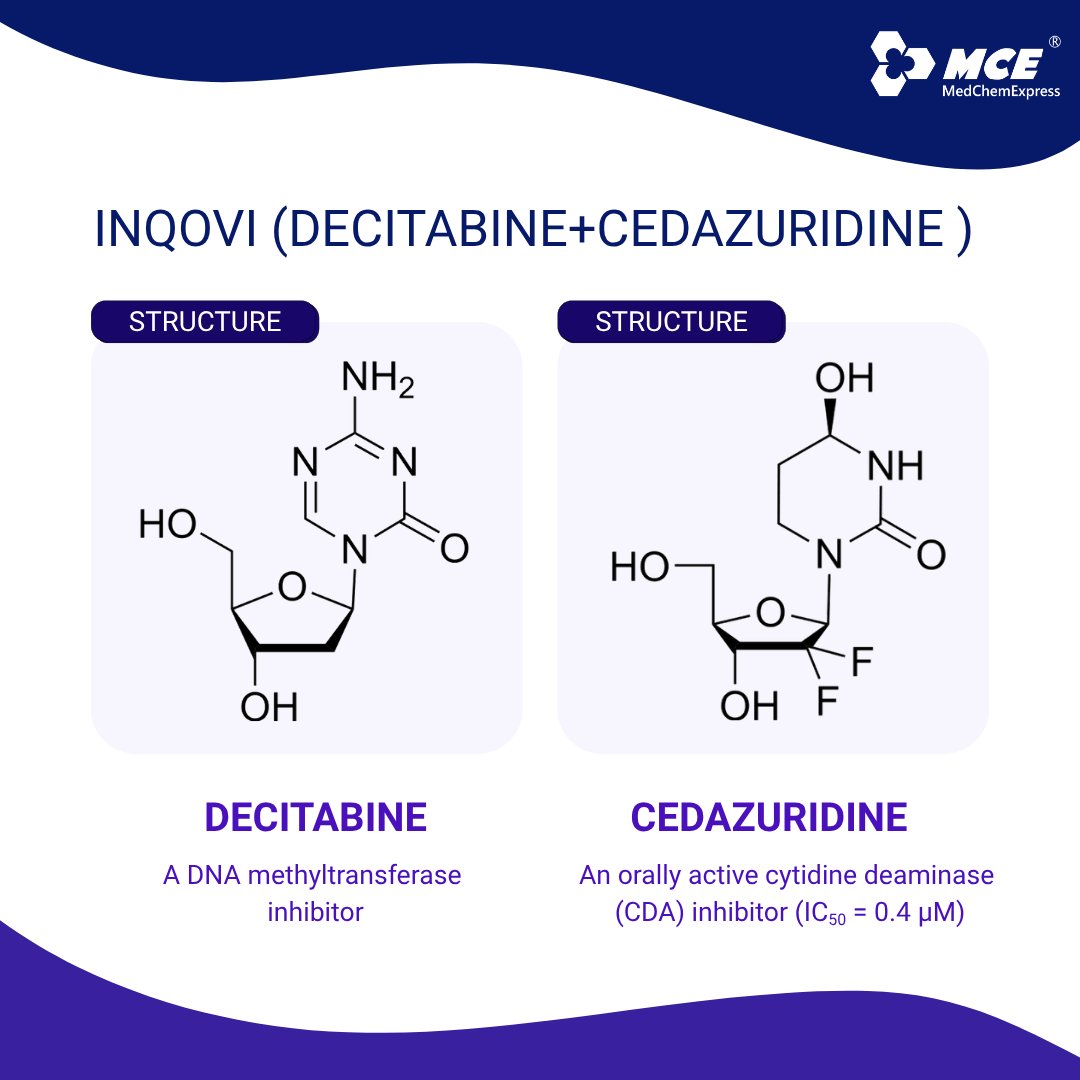
The FDA approval of #INQOVI (#decitabine #cedazuridine) #venetoclax marks another important step toward more flexible treatment options for #AML patients.
#Leukemia #AcuteMyeloidLeukemia #Hematology #Oncology #PharmaNews #DrugDiscovery #CancerResearch #MedicinalChemistry
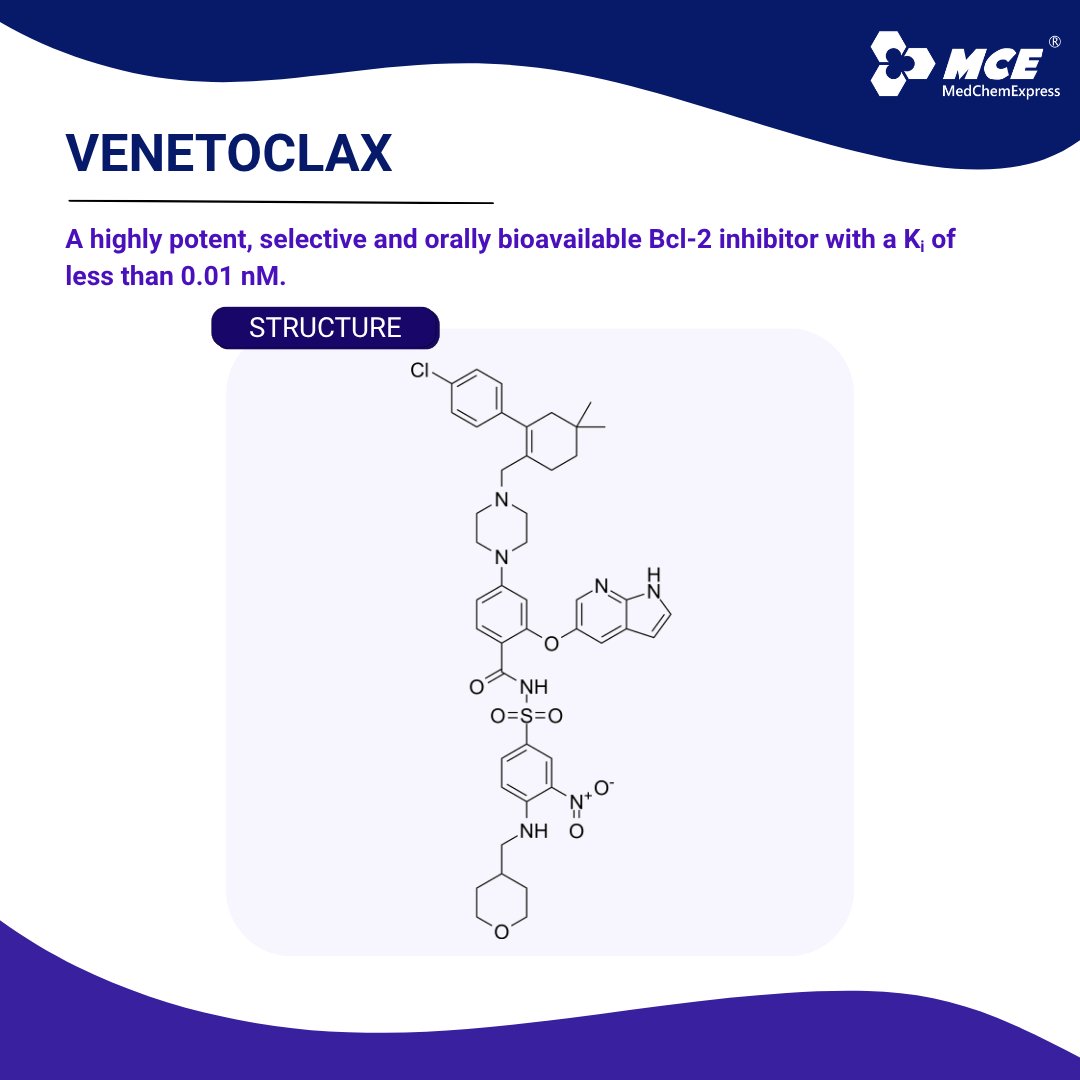
💊#FDAApproval Update | The FDA has approved #INQOVI (#decitabine #cedazuridine) in combination with #venetoclax for adults with newly diagnosed #AML who are 75 years or older or ineligible for intensive induction chemotherapy.
🩸This approval marks the first and only all-oral treatment regimen for this AML patient population, potentially simplifying treatment and reducing reliance on infusion-based therapies.
📊The ASCERTAIN-V study:
🔹Complete remission (CR) rate: 41.6%
🔹Median time to CR: 2 months
🔹Median duration of CR was not reached at the time of analysis
MedChemExpress offers decitabine, cedazuridine and venetoclax for research use only:
medchemexpress.com/Decitabin…
medchemexpress.com/cedazurid…
medchemexpress.com/ABT-199.h…
#Leukemia #AcuteMyeloidLeukemia #Hematology #Oncology #PharmaNews #DrugDiscovery #CancerResearch #MedicinalChemistry
4
4
49
Jun 4
#XOCOVA (#ensitrelvir) becomes the first oral antiviral approved to prevent symptomatic COVID-19 after exposure
#FDAApproval #LongCOVID #Antivirals #InfectiousDiseases #Virology #DrugDiscovery #PharmaNews #MedicinalChemistry
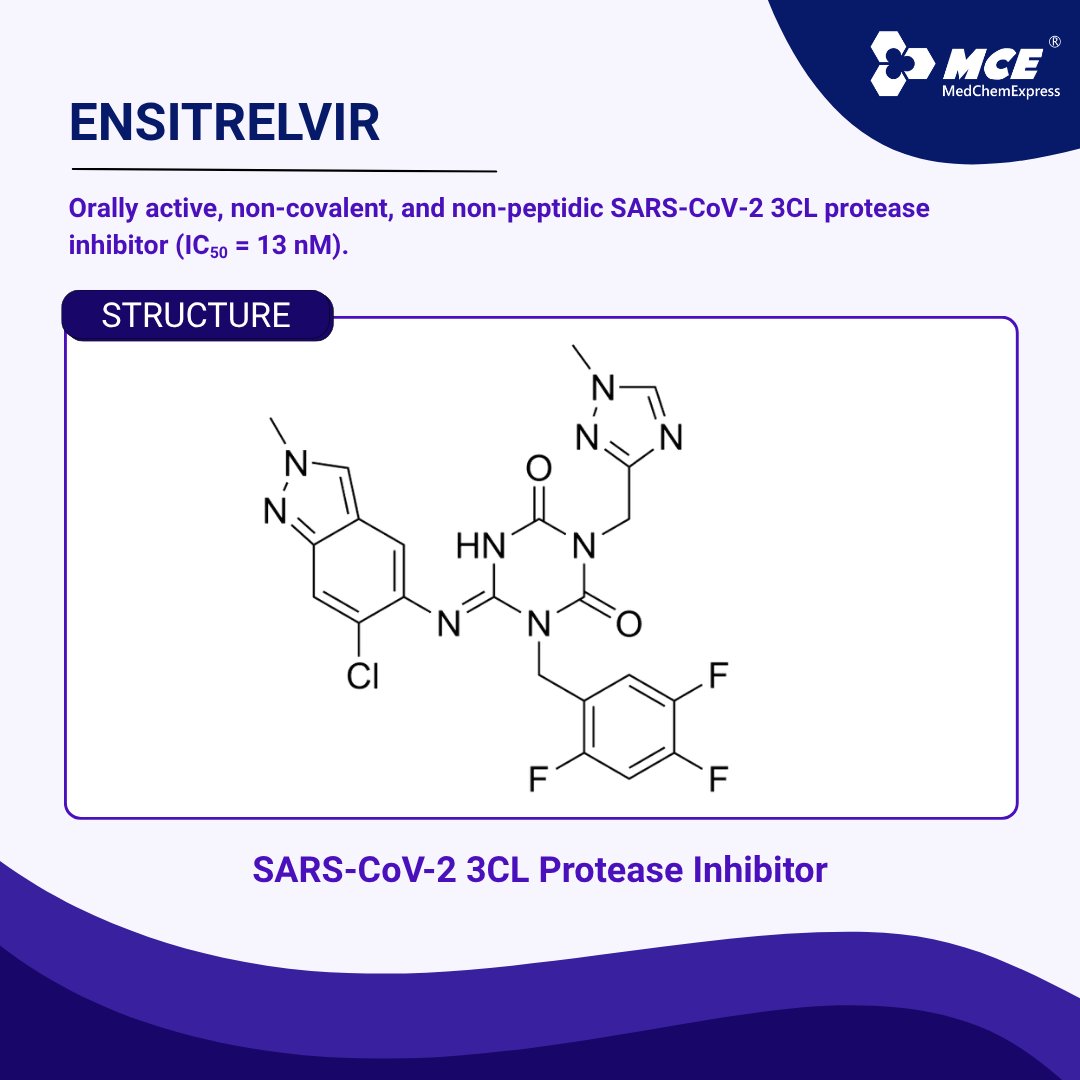
💊#FDAApproval Update | Shionogi's #XOCOVA (#ensitrelvir) has been approved by the FDA as the first and only oral antiviral for post-exposure prevention of #COVID19🚨
💡XOCOVA is designed to help prevent symptomatic COVID-19 following exposure by blocking SARS-CoV-2 replication during the critical window before symptoms develop.
📊In the Phase 3 SCORPIO-PEP trial:
🔹Reduced the risk of symptomatic COVID-19 by 67% vs placebo
🔹First oral antiviral to meet its primary endpoint in post-exposure prophylaxis
🔹Effective regardless of vaccination status or prior immunity
MedChemExpress offers ensitrelvir for research use only: medchemexpress.com/ensitrelv…
#FDAApproval #LongCOVID #Antivirals #InfectiousDiseases #Virology #DrugDiscovery #PharmaNews #MedicinalChemistry
4
5
183
Jun 3
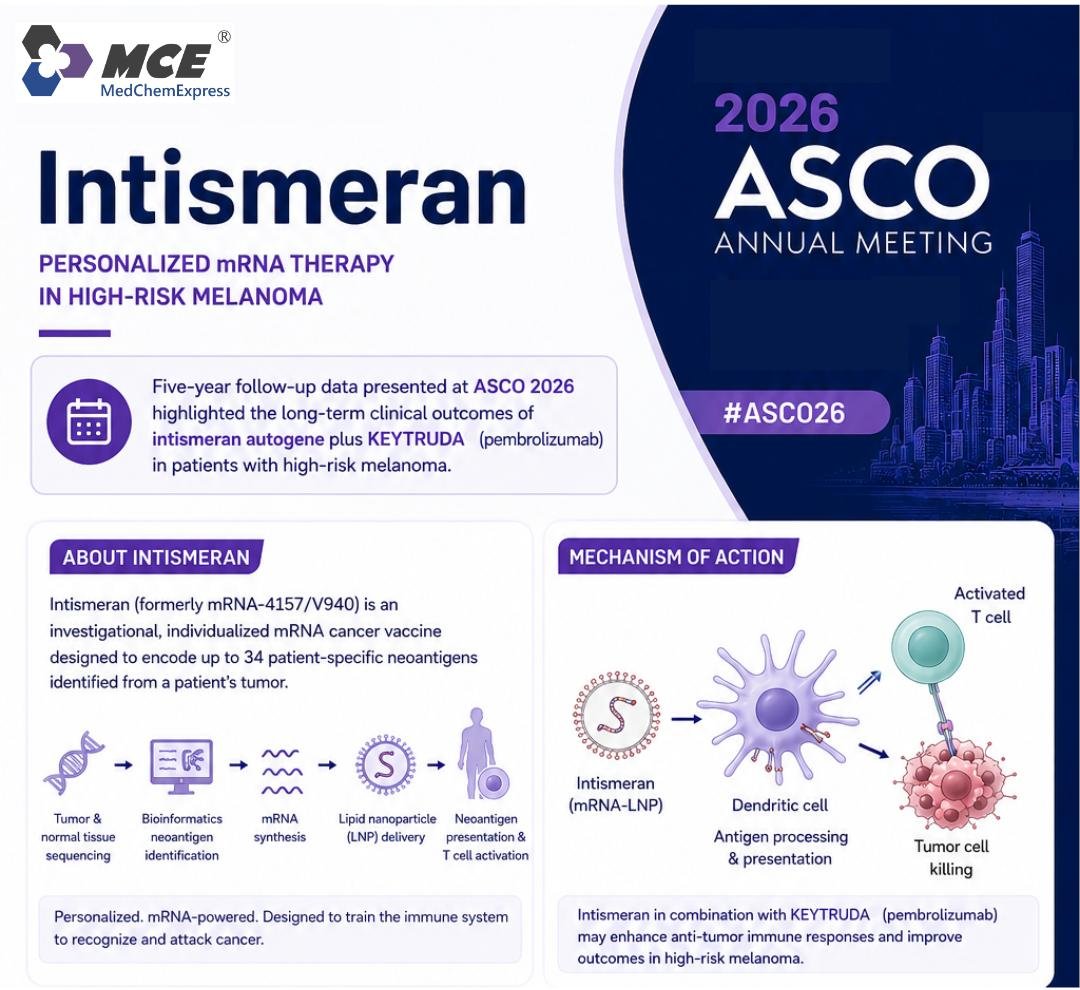
🧬Five-year data for intismeran autogene KEYTRUDA continue to support the promise of individualized cancer vaccines in melanoma.
#Melanoma #CancerVaccine #mRNA #Immunotherapy #Oncology #Biotech #ASCO #ASCO26
🧬#ASCO2026 Update | Personalized cancer vaccines continue to deliver
At 5 years of follow-up, #Intismeran autogene (mRNA-4157/V940) #KEYTRUDA (#pembrolizumab) demonstrated:
🔹49% reduction in risk of recurrence or death
🔹59% reduction in risk of distant metastasis or death
🔹Encouraging trend toward improved overall survival
🚀Could individualized neoantigen vaccines become the next pillar of cancer immunotherapy?
🔗Read more: ascopubs.org/doi/10.1200/JCO…
#Melanoma #CancerVaccine #mRNA #Immunotherapy #Oncology #Biotech #ASCO #ASCO26
2
3
86
Jun 2
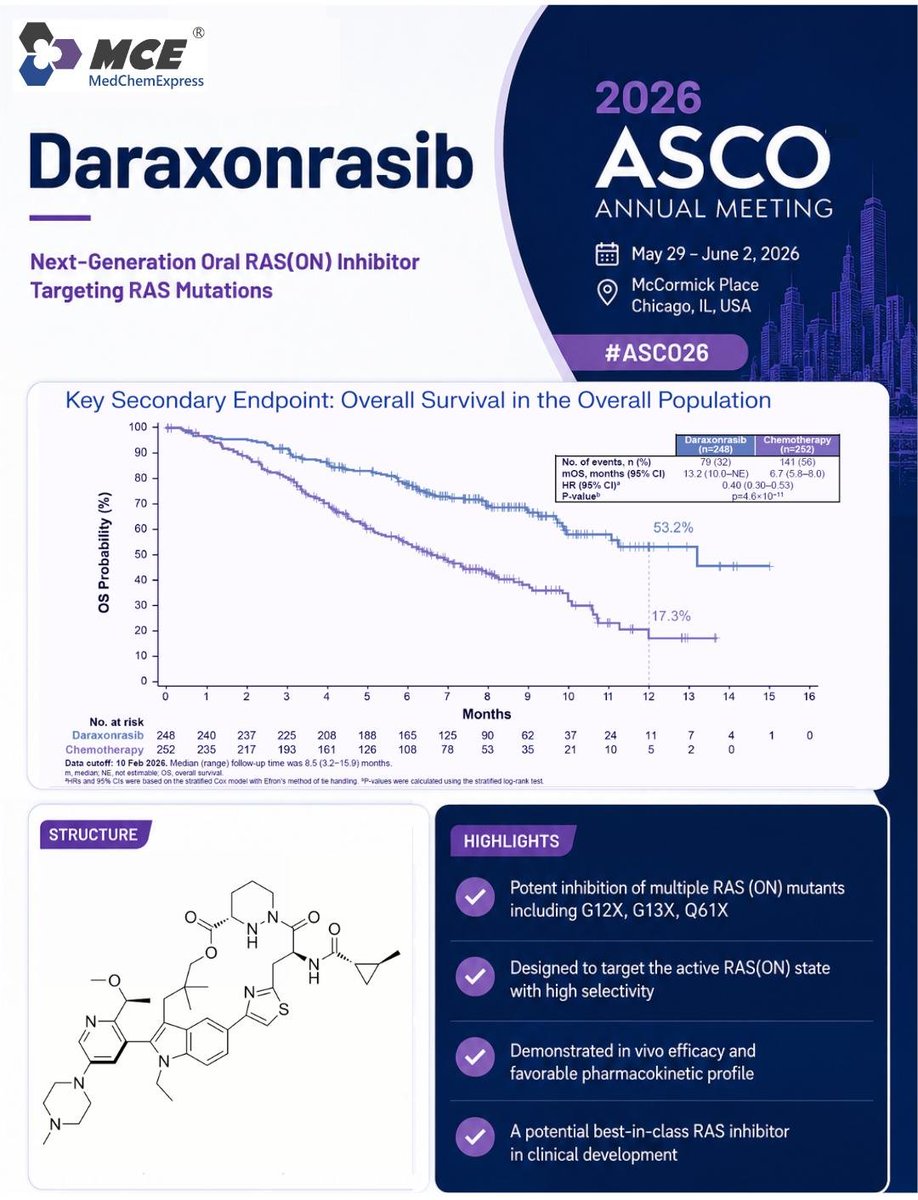
#Daraxonrasib doubled both median OS and PFS in previously treated metastatic pancreatic cancer patients at #ASCO2026.
#PancreaticCancer #ASCO26 #ASCO #RASON
🧬Molecule of the Moment from #ASCO2026 | #Daraxonrasib, a pan-#RAS inhibitor, delivered a significant survival benefit in previously treated metastatic pancreatic ductal adenocarcinoma (#PDAC).
📊 Phase 3 #RASolute 302:
🔹 Median OS: 13.2 vs 6.7 months
🔹 Median PFS: 7.2 vs 3.6 months
🔹 Significant improvement over standard chemotherapy
RAS was once considered "undruggable".
Today, a RAS-targeted therapy is showing a near doubling of overall survival.
🌟MedChemExpress offers daraxonrasib for research use only: medchemexpress.com/rmc-6236.…
#PancreaticCancer #KRAS #Oncology #CancerResearch #DrugDiscovery #TargetedTherapy #Biotech #ASCO #ASCO26
4
6
208
Jun 1
This review highlights the latest technical advances, key applications, and future directions of #organoid –immune co-culture systems in translational oncology research. ow.ly/MqnP50Z50wm
📚 MedChemExpress Digest | Tumor Organoid–Immune Cell Co-Culture Models
Tumor #organoids have emerged as powerful 3D models for #CancerResearch and drug screening, but conventional systems often fail to fully recapitulate the complexity of the tumor microenvironment (#TME).
To address this challenge, researchers have developed advanced organoid–immune co-culture platforms, including submerged co-culture, air-liquid interface (#ALI) systems, and microfluidic chip technologies. These models provide a more physiologically relevant view of tumor–immune interactions.
They are now widely used to study immune evasion, evaluate immunotherapy responses, and advance personalized cancer treatment strategies.
💡This review highlights the latest technical advances, key applications, and future directions of organoid–immune co-culture systems in translational oncology research. ow.ly/MqnP50Z50wm
#Immunotherapy #TumorMicroenvironment #ImmunoOncology #CellTherapy #DrugDiscovery #PrecisionMedicine #TranslationalResearch #Microfluidics
3
3
42
May 30
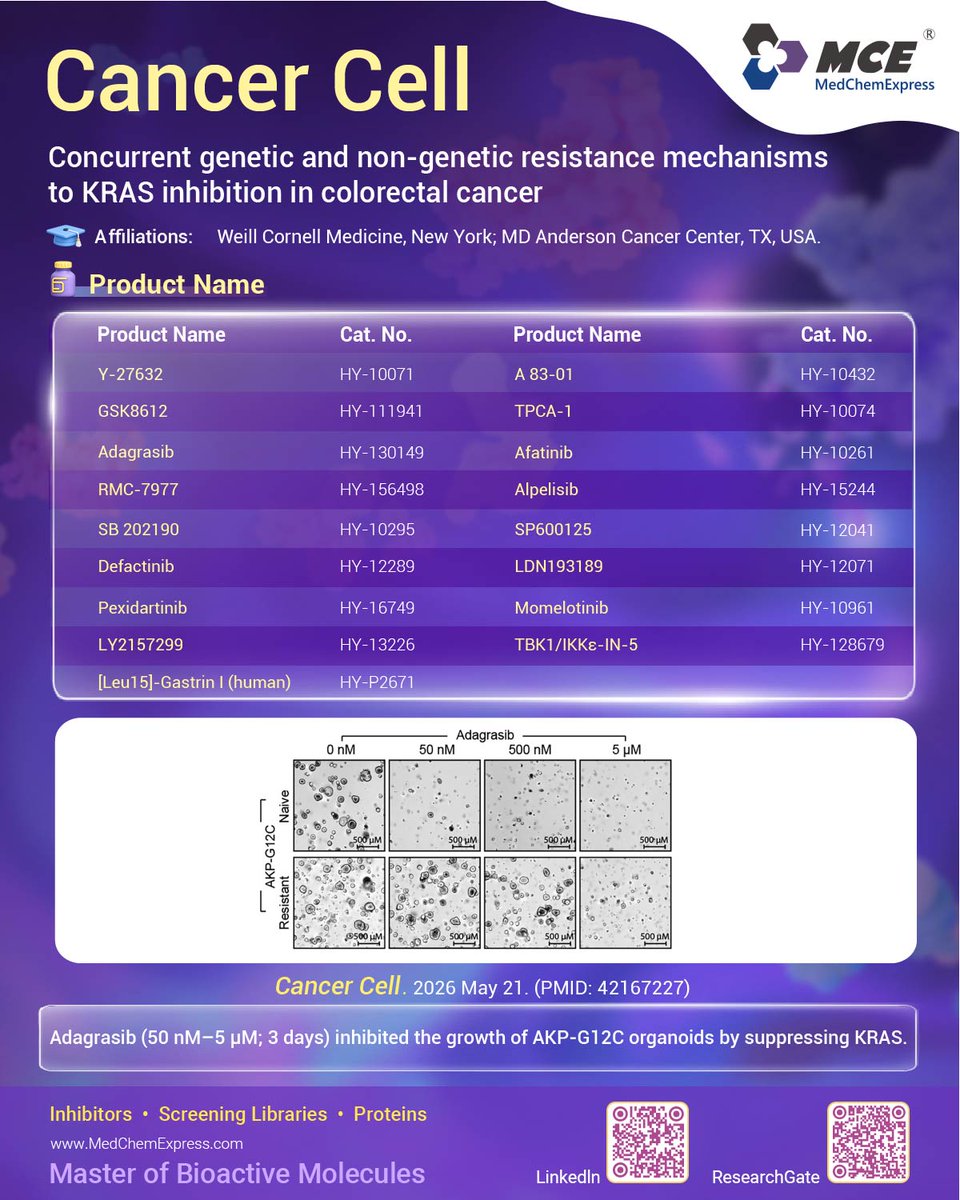
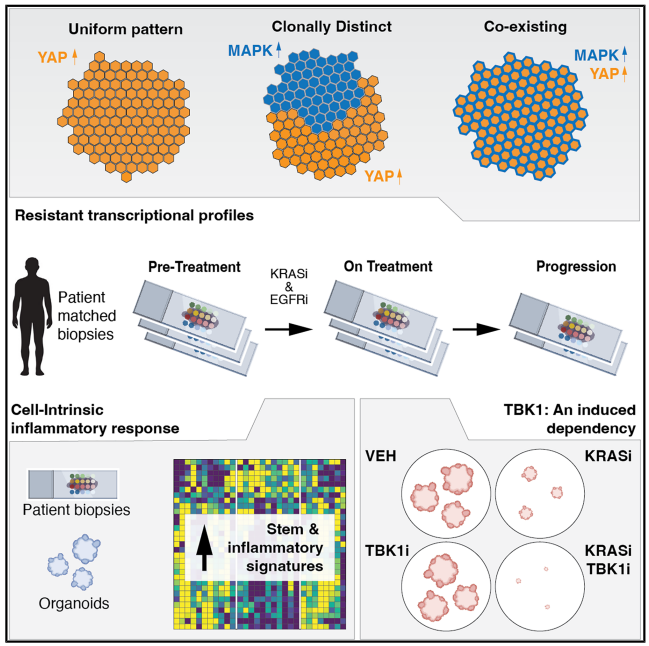
🚀From Bench to Paper | A Cancer Cell study uncovers how colorectal tumors develop resistance to #KRAS-targeted therapy.
By integrating spatial transcriptomics with patient biopsy sequencing, researchers show that resistant tumors transition into diverse adaptive states—such as mesenchymal and fetal-like programs—alongside key genetic alterations. Notably, early treatment triggers inflammatory signaling that later drives therapy #resistance.
💡Encouragingly, blocking #TBK1 suppresses this adaptive inflammation and improves the response to KRAS inhibitors
#CancerCell #ColorectalCancer #DrugResistance #CRC #CancerResearch
2
2
40
May 29
📚MedChemExpress Digest | Cellular Senescence in Cancer
#CellularSenescence, once considered a permanent tumor-suppressive growth arrest, is now recognized as a dynamic and context-dependent state.
Within the tumor microenvironment, senescent cells can both inhibit and promote cancer progression through #SASP -mediated immune modulation and tissue remodeling.
💡This review highlights the dual role of senescence in cancer, its cellular plasticity, and emerging therapeutic strategies targeting senescent cells. ow.ly/BexQ50Z4ZL9
#CancerResearch #TumorMicroenvironment #AgingResearch #Oncology #DrugDiscovery #CellBiology #ImmunoOncology
2
2
18
May 28
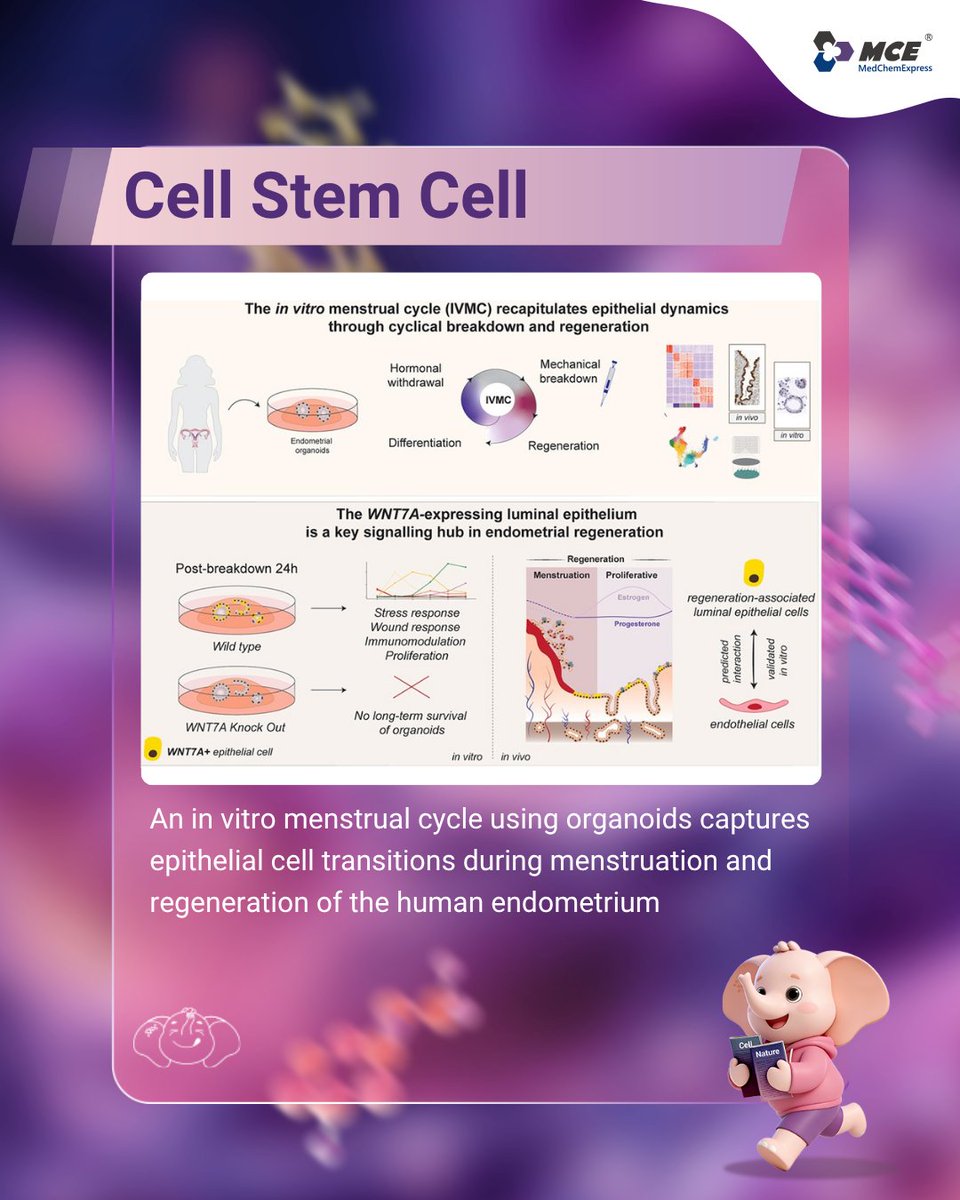
🔥Hot Off the Press | A Human Menstrual Cycle Model Built with Organoids
#Menstruation is a unique biological process in which the human endometrium sheds and regenerates without scarring. However, the cellular states and mechanisms driving this remarkable cycle have remained difficult to model—until now.
This study establishes an in vitro menstrual cycle model (#IVMC) using human endometrial organoids, successfully recapitulating cyclical epithelial breakdown and regeneration.
🔬 Key highlights:
• The #organoid -based IVMC faithfully models endometrial breakdown and regeneration in vitro
• Tissue breakdown induces a regeneration-associated luminal epithelial state marked by WNT7A
• Loss of WNT7A compromises long-term maintenance of endometrial organoids
• Regenerating epithelium communicates with endothelial cells to promote tissue repair
💡 These findings highlight the regenerating epithelium as a key signaling hub coordinating cross-talk with the vasculature during repair. This work provides a powerful platform to study scarless endometrial regeneration, with important implications for reproductive health and disease.
MedChemExpress offers a wide range of products. From tissue viability preservation and normal/tumor tissue digestion to organoid dissociation, cryopreservation, and functional assays, we provide comprehensive reagents to support every step of your experimental workflow. ow.ly/ll6A50Z4ZfZ
#Endometrium #MenstrualCycle #RegenerativeMedicine #CellBiology #StemCells #DevelopmentalBiology #ReproductiveHealth #WNTSignaling #SingleCellGenomics
2
2
40
May 26
#MedChemExpress continues to follow emerging research trends to support advances in drug discovery research.
#DrugDiscovery #DrugDevelopment #OrganOnChip #ArtificialIntelligence #PrecisionMedicine #TranslationalMedicine #Biotech
May 26
🔥Hot Off the Press | Human-Centric Drug Development
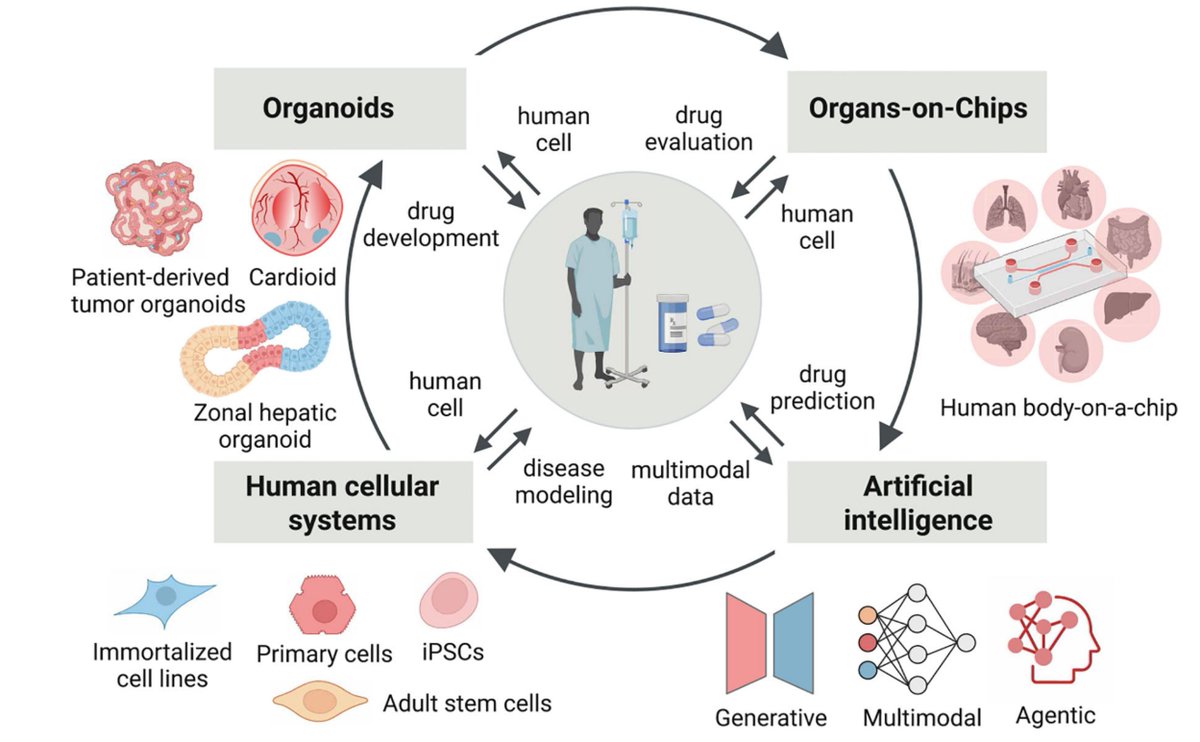
Are animal models enough for next-generation therapeutics? As #oligonucleotides, #ADCs, and targeted protein degraders advance, the translational gap widens. Many drug targets and pathways are human-specific, reducing the predictive power of traditional preclinical models.
🧬A recent review highlights a new paradigm: human-centric drug development, powered by New Approach Methodologies (#NAMs).
1️⃣Human cell systems🧫—including primary cells, immortalized cell lines, and #StemCell –derived models—provide the biological foundation for studying drug efficacy, pharmacokinetics, and toxicity in human-relevant contexts.
2️⃣Advanced microphysiological systems⚙️, such as #organoids and organs-on-chips, further recreate tissue architecture and organ function, bringing in vitro models closer to human physiology.
3️⃣Artificial intelligence🤖 serves as the computational engine, integrating imaging, omics, and functional datasets to uncover mechanisms, generate hypotheses, and predict drug responses.
Together, these technologies enable a closed-loop workflow where patient-derived data, predictive models, and human-based experimental systems continuously inform one another—shifting drug discovery from better animal models toward more predictive models of human biology.
MedChemExpress continues to follow emerging research trends to support advances in drug discovery research.
#DrugDiscovery #DrugDevelopment #OrganOnChip #ArtificialIntelligence #PrecisionMedicine #TranslationalMedicine #Biotech
2
2
28
May 26
🚀#ASMS2026
Stop by Booth #1202 to explore our latest innovations and connect with our team! @asmsnews
May 26
🚀#ASMS2026 | Meet MCE at Booth #1202
We’re thrilled to be part of the American Society for Mass Spectrometry (#ASMS) in California, USA, from May 31 to June 4. @asmsnews
MedChemExpress empowers mass spectrometry and drug discovery research with:
✔️ 12,000 isotope-labeled compounds
✔️ 10,000 reference standards
✔️ 2,500 ADC-related products
✔️ 8,000 PROTAC-related products
Stop by Booth #1202 to explore our latest innovations and connect with our team!
#MassSpectrometry #Proteomics #Metabolomics #DrugDiscovery #ADC #PROTAC #ResearchTools

2
4
89
May 25
This study identifies a novel SG– #ferroptosis axis, positioning stress granules as key regulators of iron metabolism and a therapeutic vulnerability in glioblastoma.
🔗MedChemExpress research tools & reagents used in this study
4-HNE antibody, #CWJC3, adenosine amine congener, aucubin, puromycin, liproxstatin-1, #temozolomide (TMZ), DFO, chloroquine, bafilomycin A1, γ-linolenic acid, α-eleostearic acid, ferrostatin-1, PROTAC-MLKL, GSK2606414, G3Ia, G3Ib, A769662
May 25
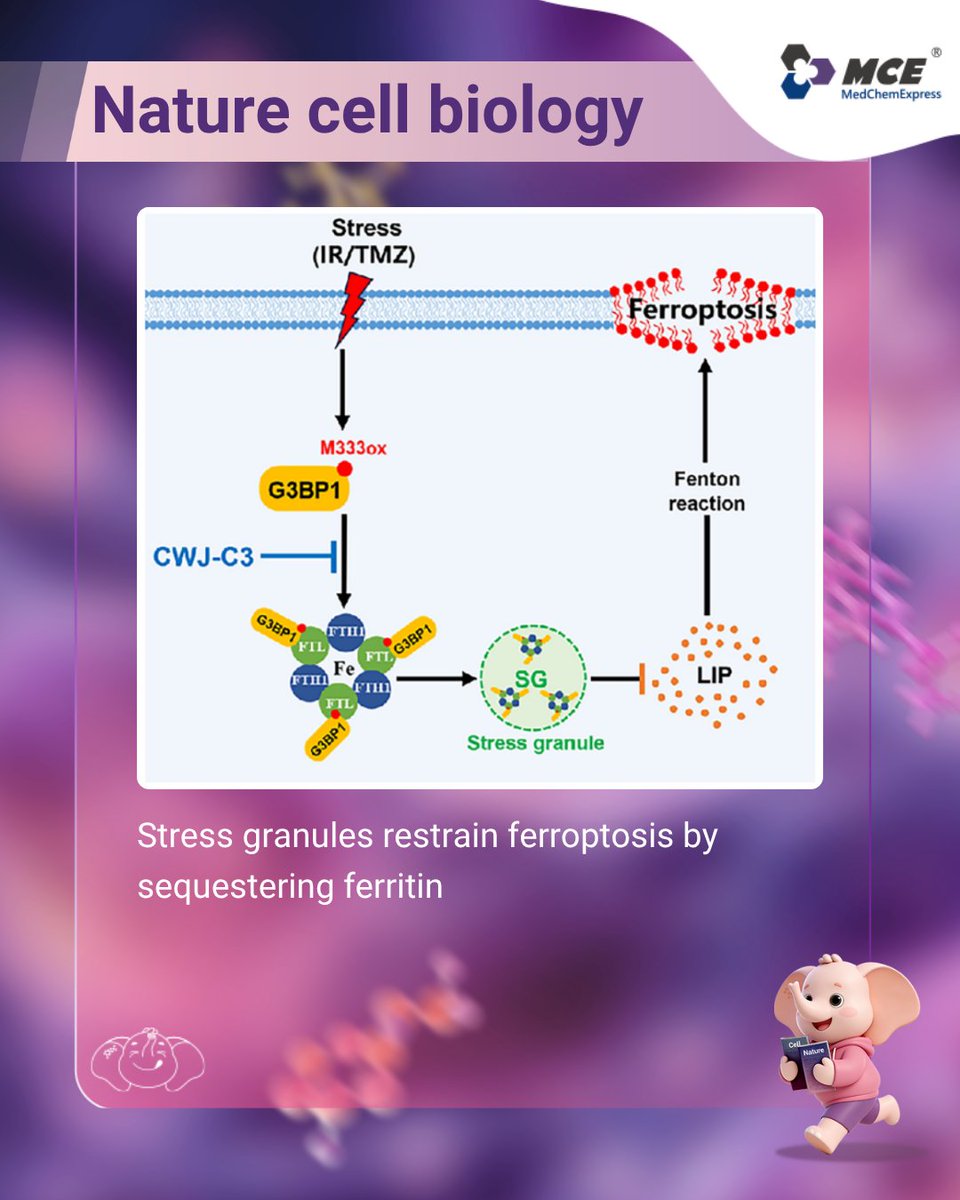
🚀From Bench to Paper | Can stress granules control ferroptosis?
#Glioblastoma #StemCells (GSCs) are highly resistant to irradiation (IR) and temozolomide (TMZ), driving treatment failure and recurrence. This study reveals a previously unrecognized link between #StressGranules (SGs) and #ferroptosis.
⚙️Disrupting SGs sensitizes GSCs to IR/TMZ by promoting ferroptosis. SG profiling reveals enrichment of iron-related proteins, including ferritin. Mechanistically, the SG core protein G3BP1 binds ferritin light chain in an IR/TMZ-induced methionine-333 oxidation–dependent manner. This promotes ferritin sequestration into stress granules, leading to:
→ reduced labile Fe²⁺ pool
→ suppression of ferritinophagy
→ inhibition of ferroptosis
🧬A screened small molecule, #ciwujianoside C3, disrupts the G3BP1–ferritin interaction:
√ restores ferroptotic sensitivity
√ resensitizes GSCs to IR/TMZ
√ shows efficacy in both in vitro and in vivo models
Overall, this study identifies a novel SG–ferroptosis axis, positioning stress granules as key regulators of iron metabolism and a therapeutic vulnerability in glioblastoma.
🔗 MedChemExpress research tools & reagents used in this study
4-HNE antibody, #CWJC3, adenosine amine congener, aucubin, puromycin, liproxstatin-1, temozolomide (TMZ), DFO, chloroquine, bafilomycin A1, γ-linolenic acid, α-eleostearic acid, ferrostatin-1, PROTAC-MLKL, GSK2606414, G3Ia, G3Ib, A769662
#CancerResearch #NeuroOncology #CellDeath #DrugDiscovery
2
2
60
May 25
📢#FDAApproval | A landmark advance in hepatology and antiviral drug development, highlighting continued progress in tackling high-unmet-need infectious diseases.
🌟Explore high-quality research tools with MedChemExpress.
#Hepatology #HepatitisDelta #Virology #PharmaNews #DrugDiscovery #InfectiousDiseases
May 25
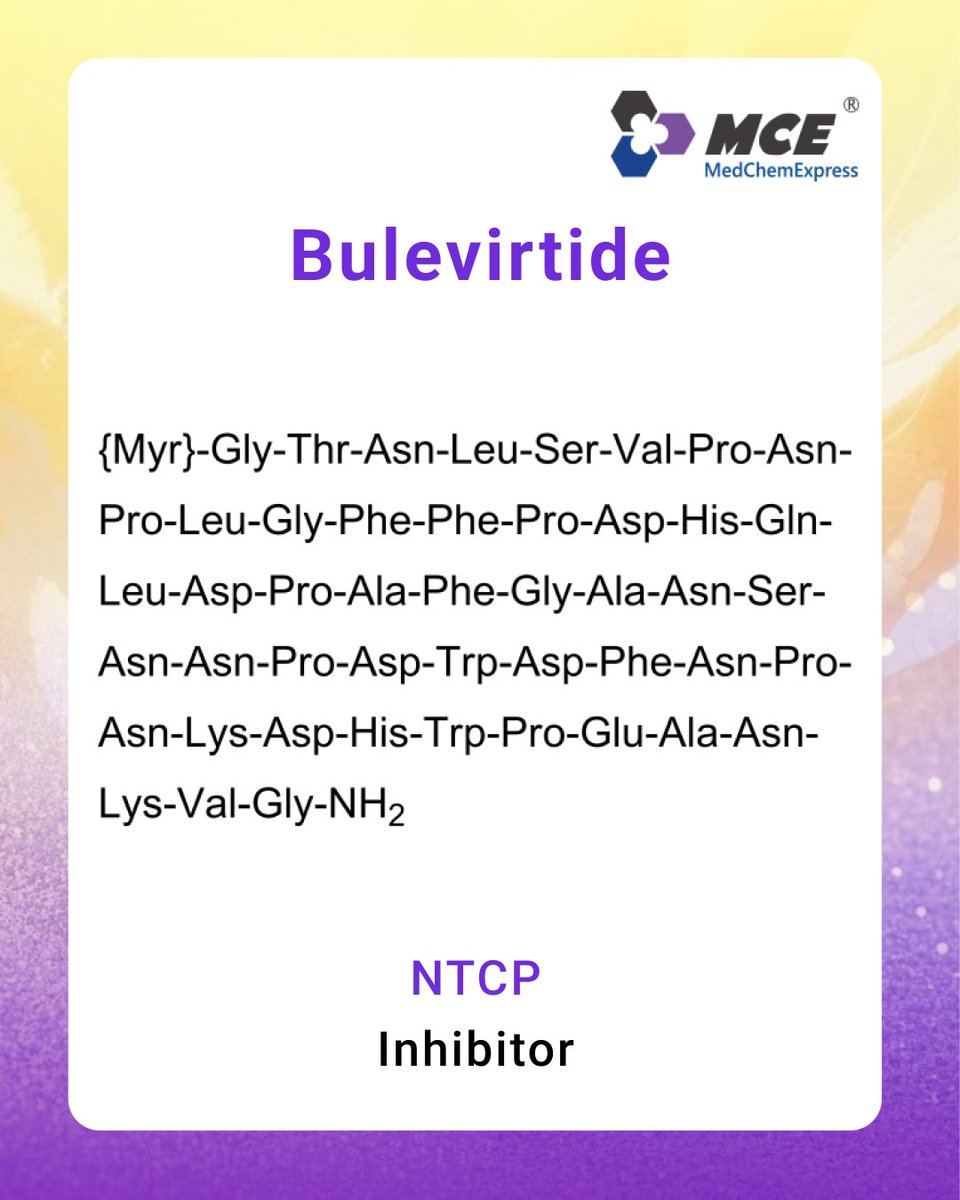
💊FDA Approval Update | The #FDA has approved #Hepcludex (#bulevirtide-gmod) as the first treatment for chronic #Hepatitis Delta Virus (#HDV) infection.
🦠HDV is the most severe form of viral hepatitis and only occurs in individuals already infected with Hepatitis B virus (#HBV), often leading to rapid progression to cirrhosis, liver failure, and hepatocellular carcinoma.
💡The newly approved therapy works by blocking viral entry into hepatocytes, representing the first targeted mechanism specifically addressing HDV infection.
Why this matters:
🧬A historic milestone in viral hepatitis therapy
📈Addresses a rare but highly aggressive and life-threatening disease
💊Offers a new treatment pathway for a patient population with extremely limited options
🧪Explore @MedChemExpress's bulevirtide for research use: medchemexpress.com/bulevirti…
🧪More hepatitis virus-related research tools: medchemexpress.com/disease-a…
#FDAApproval #Hepatology #HepatitisDelta #Virology #PharmaNews #DrugDiscovery #InfectiousDiseases
2
2
21
May 25
MedChemExpress provides #Puromycin, #LY294002, and #MG132 to support this study, along with 5,000 PROTAC-related reagents and one-stop services covering design, synthesis, optimization, and evaluation, empowering and accelerating your scientific research.
May 22
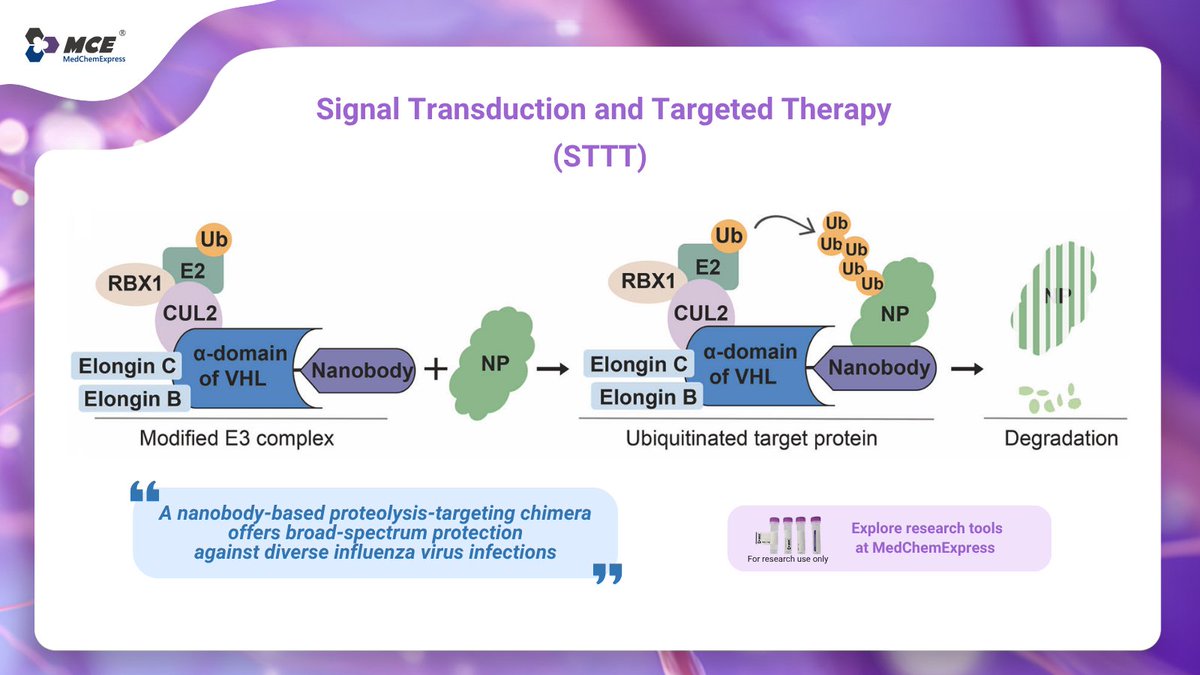
🔥Hot Off the Press | Nb-PROTAC Enables Broad-Spectrum Anti-Influenza Breakthrough
#InfluenzaA viruses continue to pose a major global health challenge due to rapid mutation and frequent drug resistance. A new study introduces a nanobody-based #PROTAC (Nb-PROTAC) strategy that shifts antiviral therapy from functional inhibition to targeted viral protein degradation.
🚀By fusing NP-specific nanobodies with the VHL E3 ligase component, the system directly drives degradation of the highly conserved influenza nucleoprotein (NP), offering a novel antiviral modality.
✔️ Pan-subtype NP degradation across all 16 influenza A subtypes (H1–H16)
✔️ Strong inhibition of H1N1, H3N2, H5N1, H7N9, and H9N2 replication
✔️ In vivo AAV-LungM3 delivery achieved 90% (H1N1) and 80% (H5N1) survival in lethal models
✔️ Mechanistically involves the autophagy–lysosome pathway, with OPTN participation
Nb-PROTAC represents a modular and programmable antiviral platform with strong potential for broad-spectrum and next-generation infectious disease control.
MedChemExpress provides #Puromycin, #LY294002, and #MG132 to support this study, along with 5,000 PROTAC-related reagents and one-stop services covering design, synthesis, optimization, and evaluation, empowering and accelerating your scientific research.
#NbPROTAC #TargetedProteinDegradation #AntiviralResearch #Influenza #DrugDiscovery #Biotechnology #Virology #ScienceNews #Biomedicine
2
2
52
May 22
🔬GC7 sulfate is a widely used tool in eIF5A-related studies and hypusine biosynthesis research.
MedChemExpress offers GC7 sulfate and a variety of other reagents to support diverse research applications.
May 22
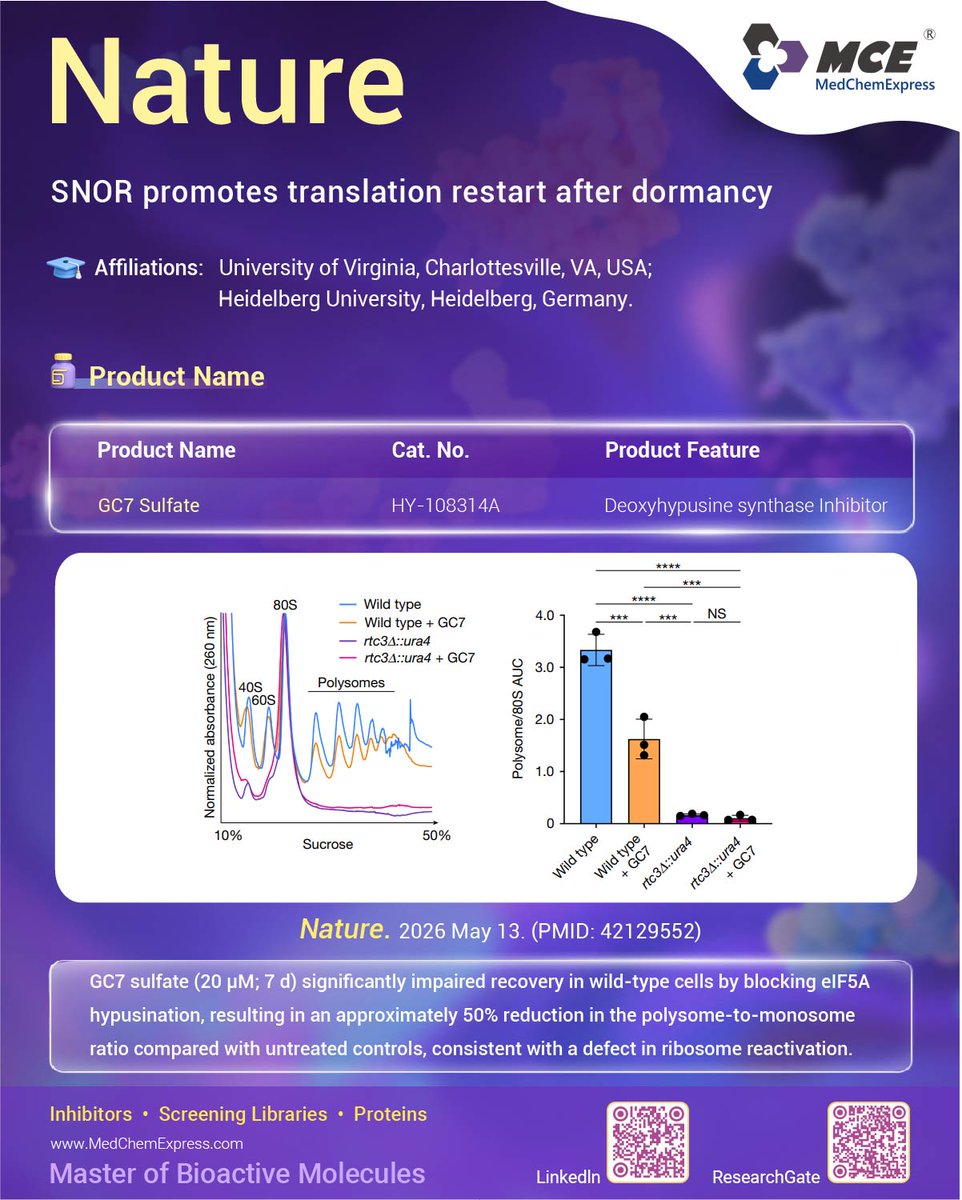
🚀From Bench to Paper | Dormant Ribosomes Wake Up Faster with #SNOR
How do cells rapidly resume protein synthesis after nutrient starvation? Using in situ cryo-electron tomography (cryo-ET), researchers identified SNOR, a ribosome-associated factor that binds the peptidyl transferase center during glucose deprivation.
Rather than acting as a canonical hibernation factor, SNOR functions as a licensing factor that prepares ribosomes for rapid reactivation. Upon glucose replenishment, SNOR cooperates with #eIF5A to rebuild polysomes, restart translation, and drive exit from cellular dormancy.
🧬These findings reveal a stress-responsive ribosome restart module that links carbon-source limitation to active-site surveillance and efficient reactivation of protein synthesis. ow.ly/tkAz50Z314a
🔬MCE offers GC7 sulfate, a widely used tool for eIF5A-related research. ow.ly/rMlY50Z3145
#RibosomeHibernation #TranslationalRestart #NutrientLimitation #CryoET #MCE #MedChemExpress
2
2
45