History, Wargaming (tabletop) Crows, Motor Racing, Cricket, Sci-Fi , Aussie politics (sorry), US politics (even sorrier - until no more Trump)
Joined March 2009
- Tweets 67,155
- Following 2,783
- Followers 1,143
- Likes 35,989
5,668 Photos and videos













Michael retweeted

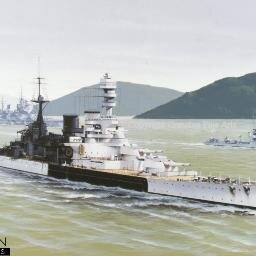
As HMS Prince of Wales and HMS Repulse were heading to the Pacific, the brand new aircraft carrier HMS Indomitable was undergoing trials in the Caribbean. A common story holds that she was to accompany Force Z to the Pacific, but an accidental grounding forced her to be held back, denying them crucial protection that might have saved them.
Now, how much of this story is actually true? Matthew Wright (@MJWrightNZ ) examines rare and unknown documents to separate fact from fiction. In the process, he tracks down the origins of the rumors to dispel one of naval history's longest-standing myths.
navygeneralboard.com/history…
4
15
86
14,666
Michael retweeted

Jun 4
🚨 BREAKING - Fans Are Rallying to #SaveStargate After Amazon Cancels the New Series!
Variety has reported that Martin Gero's new #Stargate series is not moving forward.
Fans have responded with petitions, social campaigns and even a GoFundMe to fly a banner over Amazon HQ!

34
291
1,191
11,675
Michael retweeted

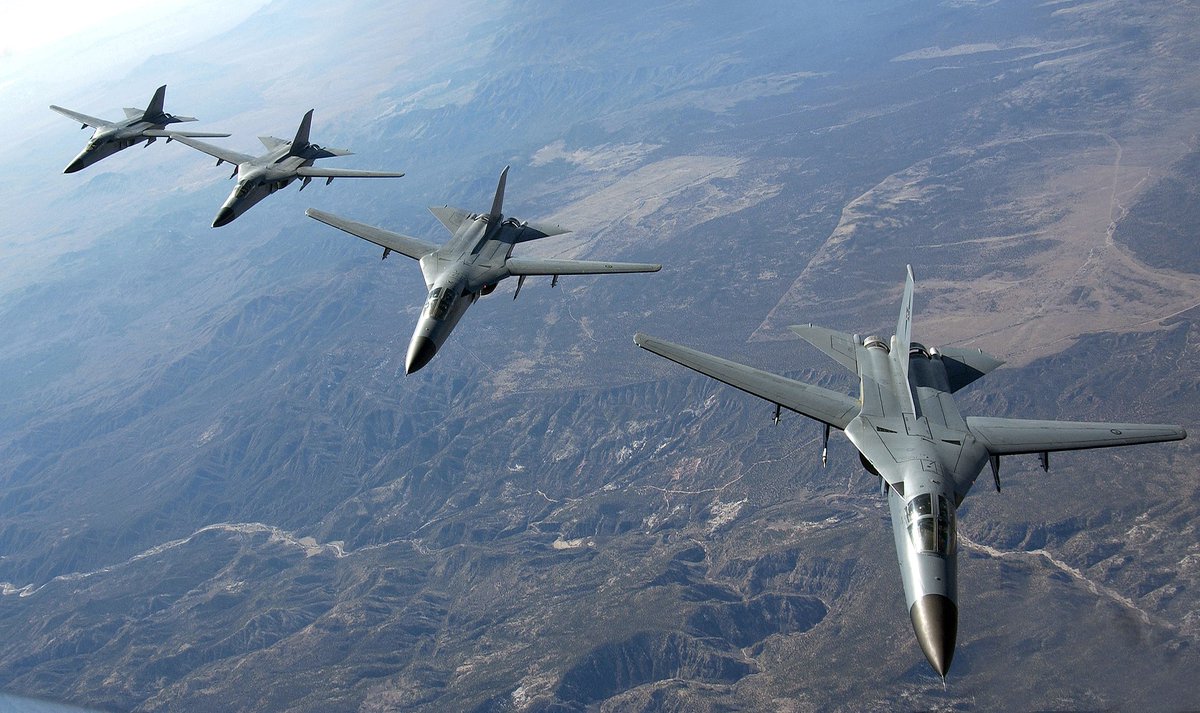
Four Australian F-111s flying towards Nellis Air Force Base after a refueling exercise during Red Flag 2006
1
17
104
3,284
Michael retweeted

The Italian Savoia-Marchetti S.66, designed and built in 1931 by Savoia-Marchetti as an enlarged S.55 with three Fiat engines. It served Ala Littoria on Mediterranean routes before military use with the Regia Aeronautica until 1943. 👀
16
159
962
40,385
Michael retweeted
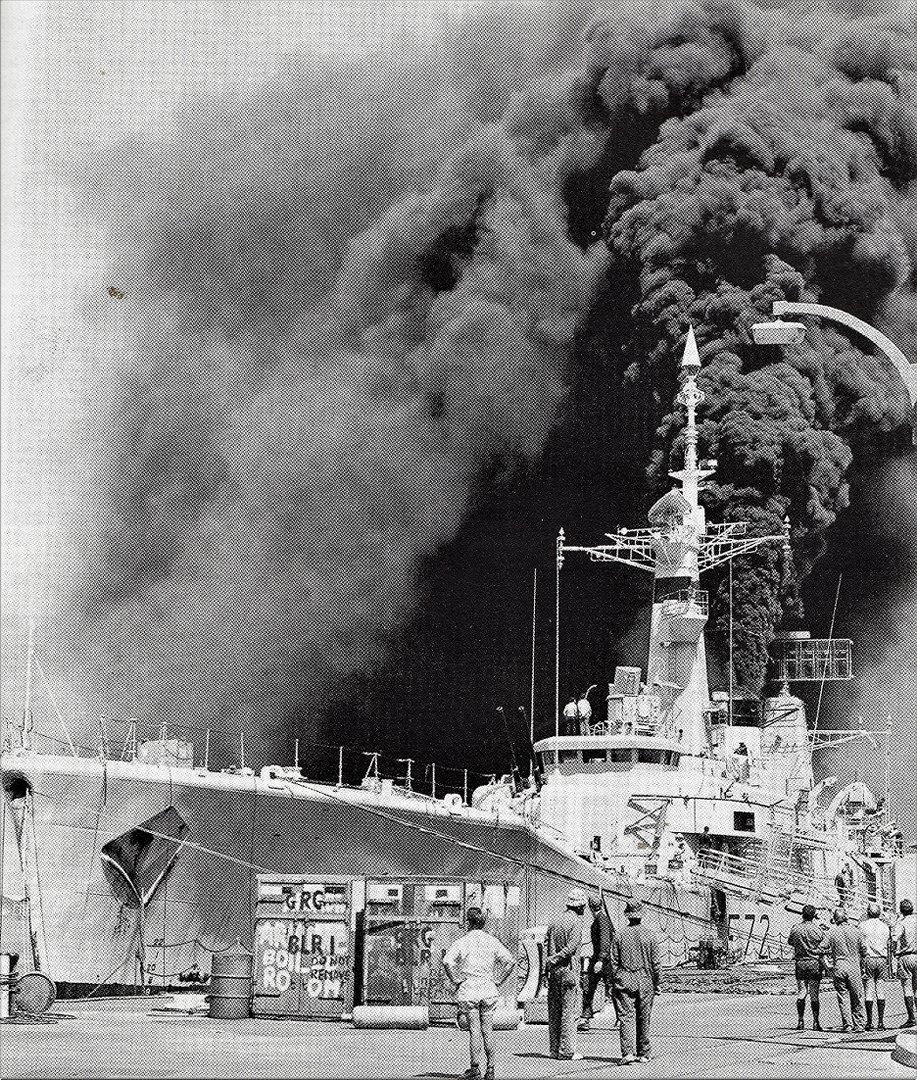
The frigate HMS Ariadne producing a think plume of smoke in October of 1980.
The Leander class frigate had just completed a refit at Gibraltar and was in the process of lighting her boilers. This amount of smoke was typical as boilers were lit. Once the air to fuel mixture was optimized and the proper temperature achieved, the smoke would largely disappear.
3
34
253
7,330
Michael retweeted

May 27
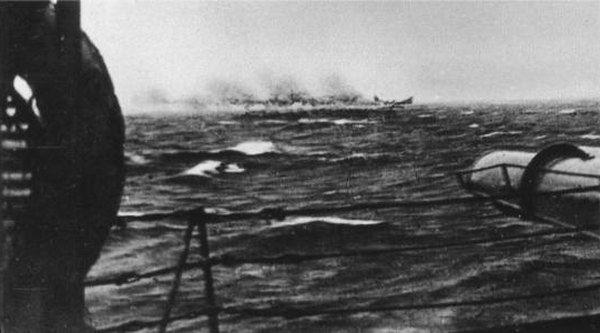
This photo, taken from the cruiser Dorsetshire between 1036-1038 hours on 27 May 1941, shows the Bismarck about to capsize sinking by the stern.
7
35
284
7,456
Michael retweeted

May 25
The War was cold, but accidents happened...
May 25 1968: a Soviet Air Force Tu-16 "Badger" [Reg. Unknown] crashes 150 mi West of Norway, all 6 aboard die.
Jet made a low pass near US Navy aircraft carrier USS Essex (CV-9), flying just 50 ft above the sea, when the wingtip hit a wave that sent the bomber into a cartwheel. The accident was captured in camera by a US film crew that was aboard the ship. More info below ⬇️ 🧵
‘I was there and watched the entire thing while working on the flight deck. I was a helicopter mechanic in HS-9 at the time. When it overflew the flight deck you could feel the heat and smell at jet exhaust. After the flight deck overfly (starboard to port) he continued to fly away from the ship at low level.
He gained a little altitude and started to make a left turn, leveled back out, lost altitude and just when it looked like he was going to make a controlled ditching his left wing dipped and hit the water and then he cartwheeled in a ball of flame.. Our helicopters were in the air already and made a beeline for the crash, hovered in the smoke but no one survived.’
Extra info with statements by an eyewitness are from an article from "The Aviation Geek Club" (will add link to their full article later
15
94
975
140,656
Michael retweeted

May 24
Luftwaffe 6. Seenotstaffel Dornier Do 24 N flying boat operating from Sicily on search and rescue duty circa early 1942
6
36
344
13,587
Michael retweeted
May 21
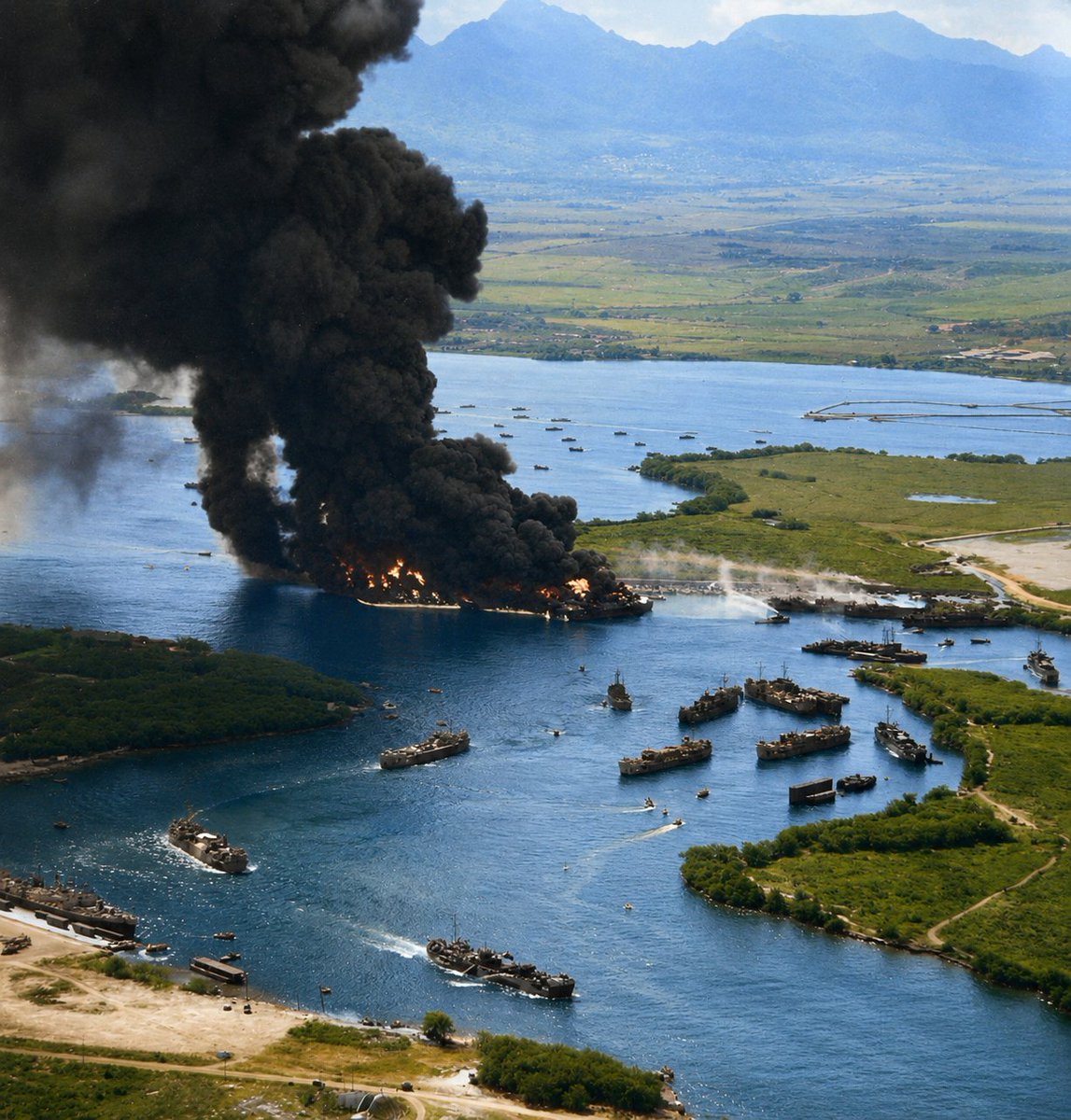
Fully laden United States Navy LSTs burning furiously while other ships flee in Pearl Harbor’s West Loch after massive chain-reaction explosions in what became known as the West Loch Disaster, 21 May 1944.
5
42
371
12,036
Michael retweeted

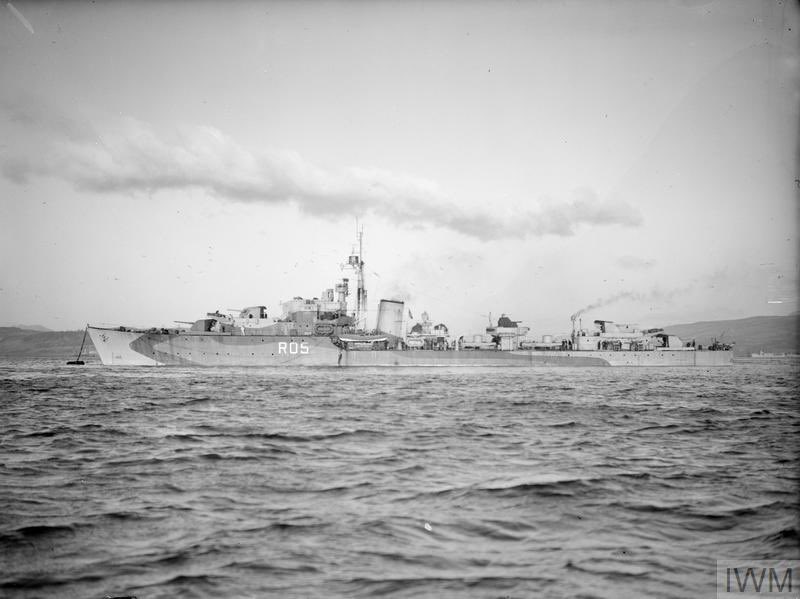
U class destroyer HMS Urania (R 05): Launched at Vickers Armstrong Barrow-in-Furness, England 19.05.43.
Greenock January ‘44.
7
45
505
Michael retweeted

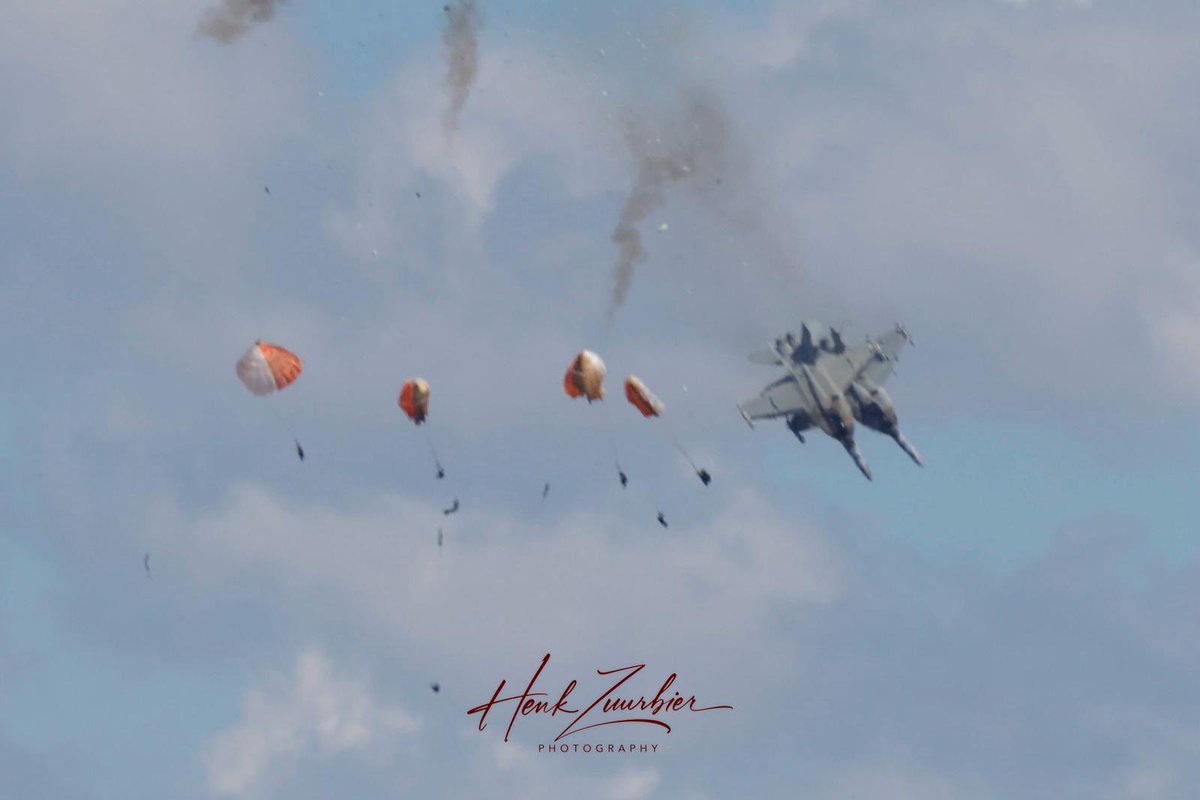
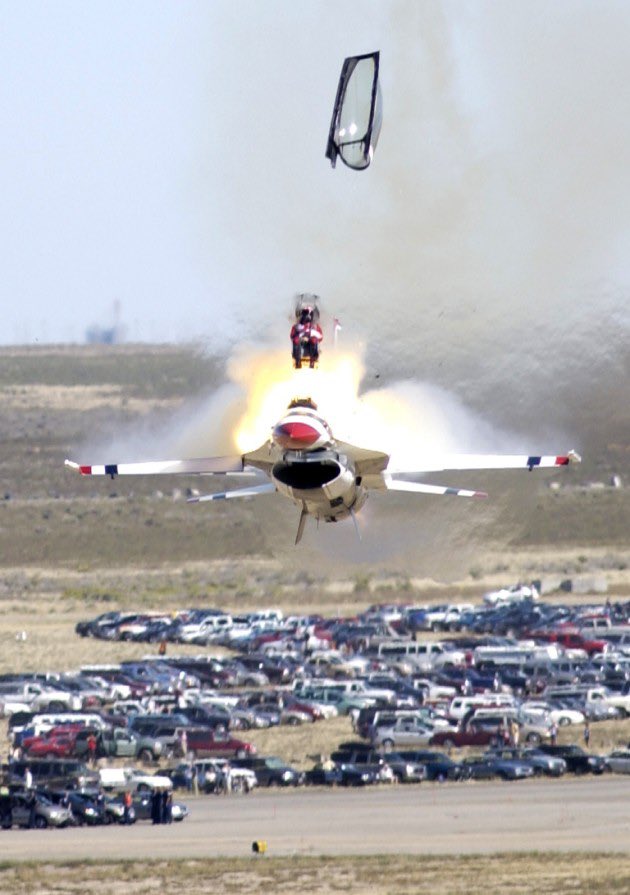
I got some questions regarding ejection seats in yesterday’s accident. So, here are answers.
I’m not an expert, having only flown the T-37 & T-6 ejection seats (I flew in others for ride alongs), but I don’t see anyone else stepping in so I’ll give it a shot.
A common question was whether the seat can detect an obstacle in the path of the ejection…like if the jets had been directly on top of each other rather than slightly misaligned.
The answer is no. The seat will fire when the handle is pulled & if something is in the way, you will hit it. This sadly killed a T-6 instructor in 2024 when his gear got caught up in the handle & pulled it on the ground, parked under a sun shade. A safety pin is installed on the ground that prevents the handle from moving, but in this case it had been only partially installed.
Another question was what “Zero / Zero” means. In this case, it means you can eject on the ground while parked with *zero altitude* & *zero airspeed*. The ejection seat will still guarantee you a full parachute before you hit the ground…but not for long, you may only be under it a second or two.
This does NOT mean the ejection seat will always be able to save you. In some situations, your orientation & velocity will be “outside of the ejection envelope” meaning the seat is unlikely to give you a full parachute before you meet the ground. The flight manual usually has a graph that tells you, but it can be higher than you’d think. In the T-6, I want to say something like 6,000’ above the ground if in a spin was the limit, anything lower & you were outside the envelope (don’t quote me on that number though).
If outside the ejection envelope, may as well try anyway.
Those were the two most common questions. Here are some other neat facts:
Many ejection seats have straps that automatically pull your legs in to prevent injury. You put them on when you strap in.
Some seats work differently depending on altitude. At lower altitudes, the entire ejection sequence – from pulling the handle to having a full parachute – can take as little as around 1 second, while at higher altitudes it can take around 2.5 seconds or more.
Ejecting subjects the pilot to around 12-14 G’s for about 0.25 seconds. This compresses the spine & some pilots will be around an inch shorter than they were for the rest of their lives.
The seat is “catapulted” up guide rails by a telescoping tube, but the canopy has to go first. Some jets use explosive bolts to force the canopy off, others use detonation cords to blow the canopy apart (which is faster). If the canopy fails to go, a small spike on top of the seat is supposed to break it.
Once the seat is near the top of its catapault, the rocket fires.
Most modern seats contain the parachute…you don’t have to put it on like we did in the T-37. So, when putting on your harness in the jet, you’re actually strapping on the parachute. The seat will cut itself away from those straps in an ejection.
Modern seats use a rocket to fire a drogue parachute which stabilizes the whole setup.
Most seats contain a survival kit & even a raft if so equipped. When the seat separates itself from you, it leaves this parting gift attached to you.
They also contain an oxygen supply lasting maybe 5 minutes or so, to keep you conscious at altitude.
Many seats will deploy probes to sense airspeed & are able to tell their orientation to the ground, then behave differently based on this information.
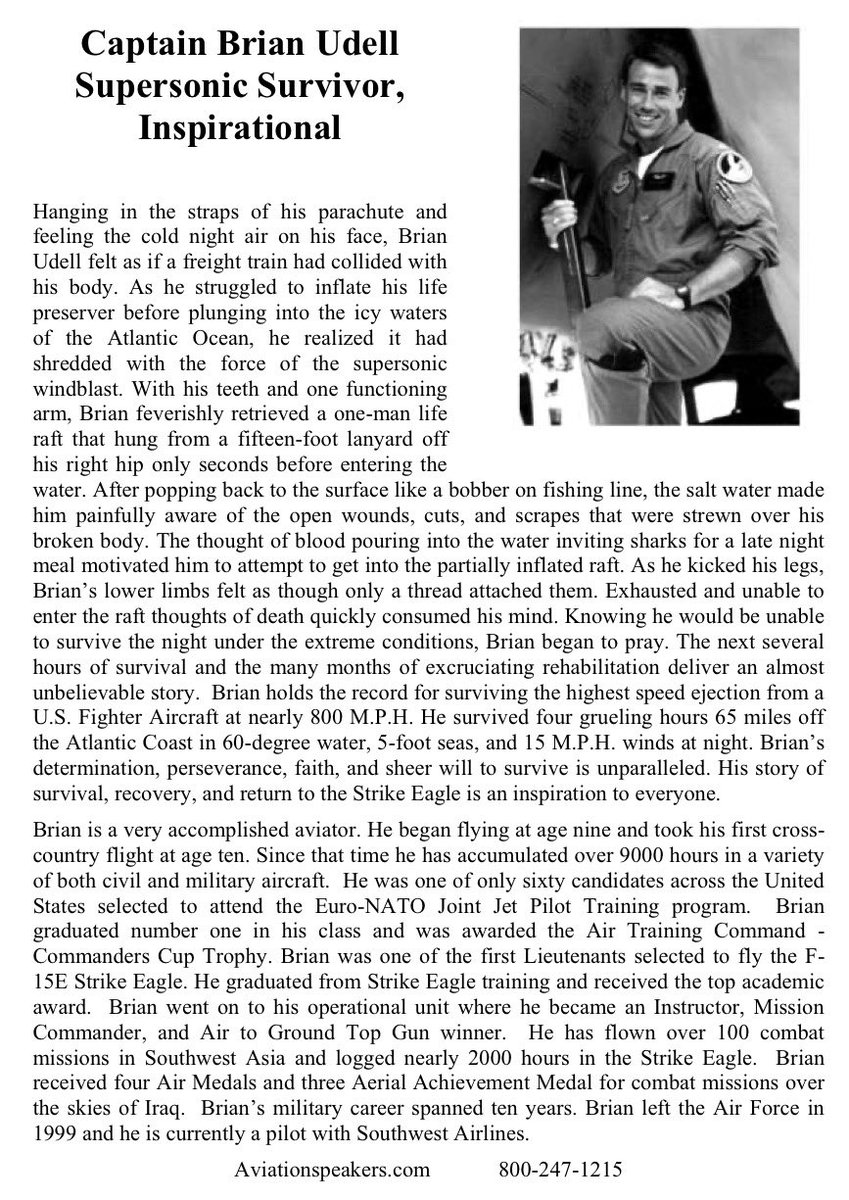
Ejecting at higher speeds increases the injury probability. The wind can cause limbs to flail around & even break bones. Captain Brian Udell holds the record at more than 800 mph…supersonic. Now a Southwest pilot.
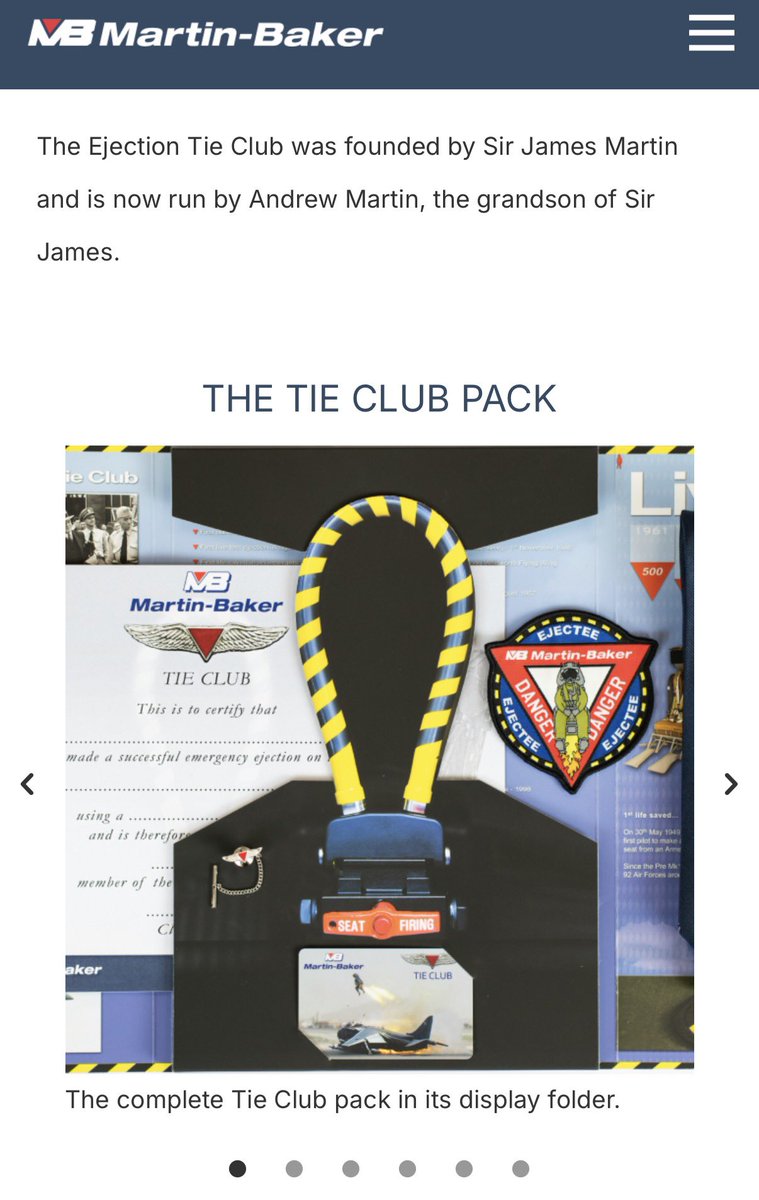
Martin-Baker is the big name. They claim a success rate of more than 90%. If you eject & survive, you get to join the “Tie Club” (see pic), get a certificate, tie, tie pin, a patch for your flight suit and are eligible to buy a special watch from Bremont.
I’m out of space. Hope that helps!
65
117
1,119
56,393
Michael retweeted
May 16
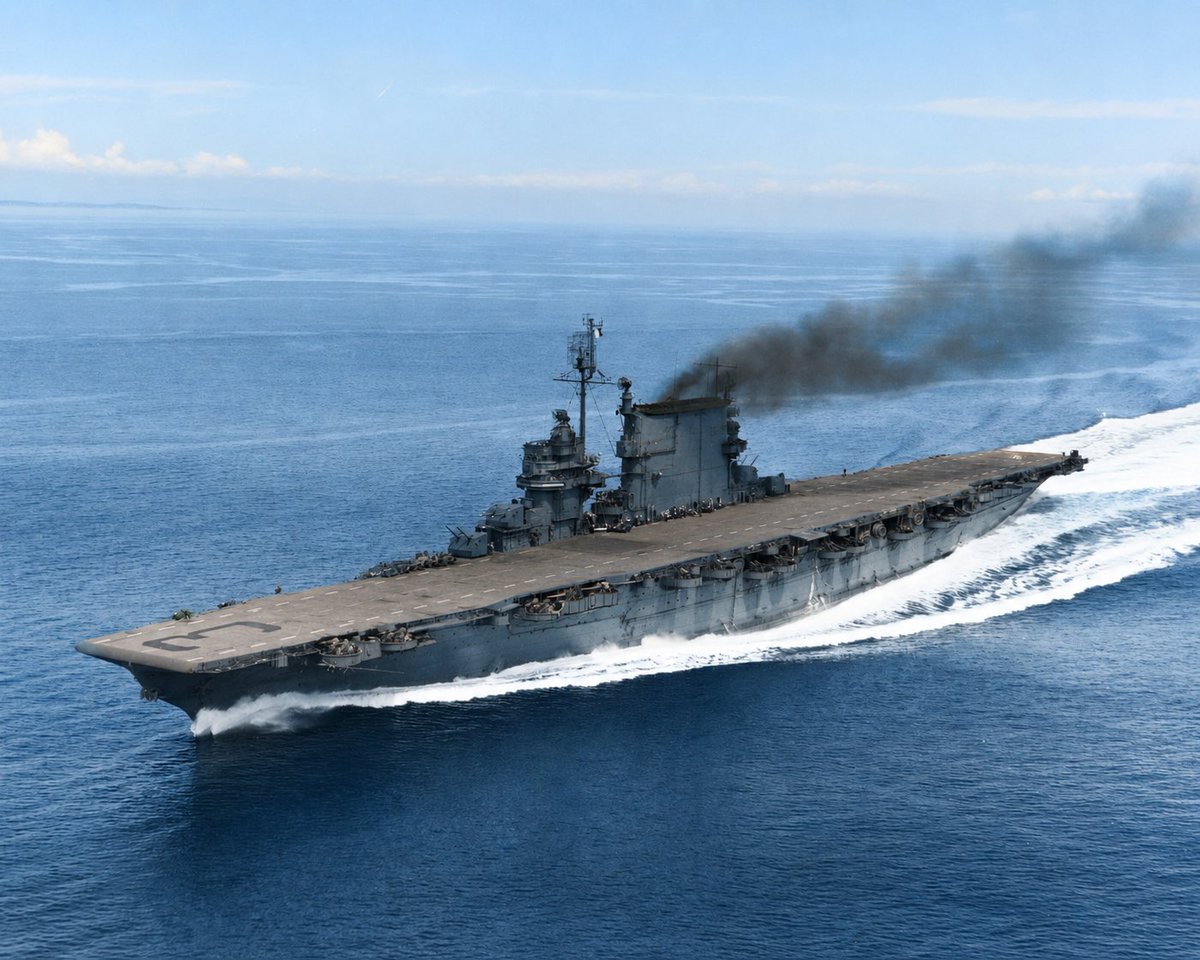
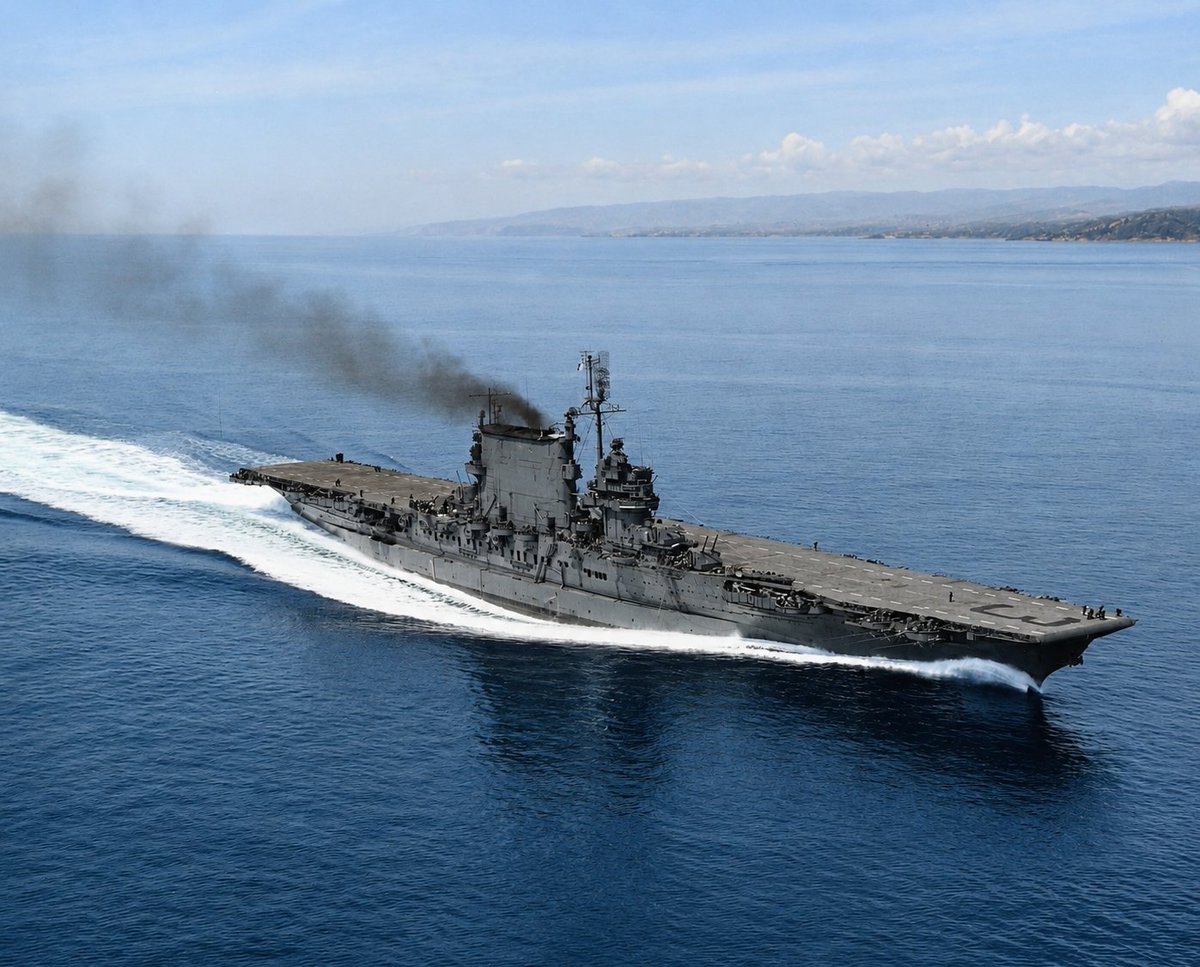
Saratoga running full power trials in Puget Sound, Washington, United States, following battle damage repairs, 15 May 1945.
4
41
409
14,842
Michael retweeted
May 15
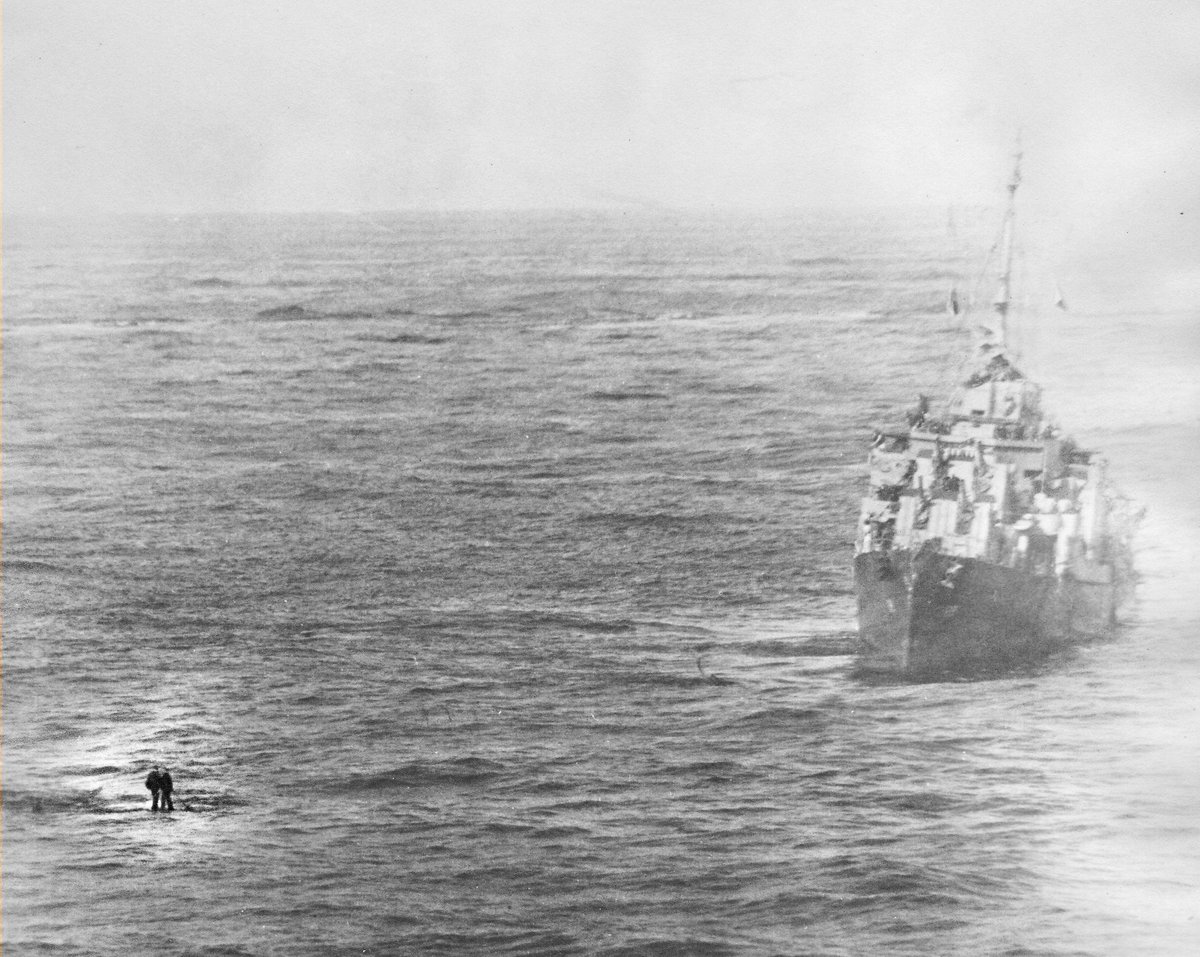
Two sailors from USS Enterprise stand on a section of the forward elevator awaiting rescue from USS Waldron after being blown into the water by the same explosion that sent the elevator high into the air, 14 May 1945.
6
73
628
20,930
Michael retweeted
Maidstone class Submarine Depot Ship HMS Forth (F 04) Capt. William Derek Stephens, RN: Commissioned 14.05.39.
Built by John Brown Shipbuilding & Engineering Company Ltd. Clydebank, Scotland

9
38
387
Michael retweeted
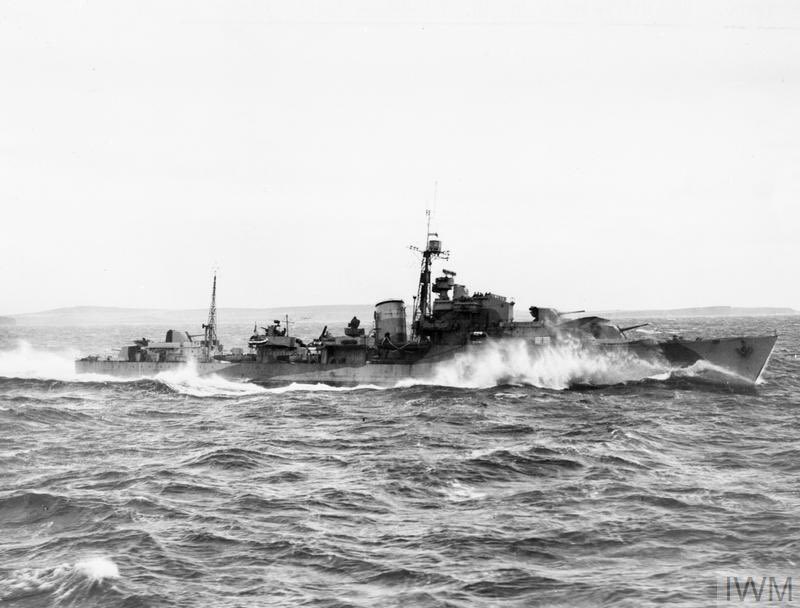
V (Flotilla Leader) class destroyer HMS Hardy (R 08): Laid down at John Brown Shipbuilding & Engineering Company Ltd. Clydebank, Scotland 14.05.42.
North Atlantic December ‘43.
11
47
441
Michael retweeted
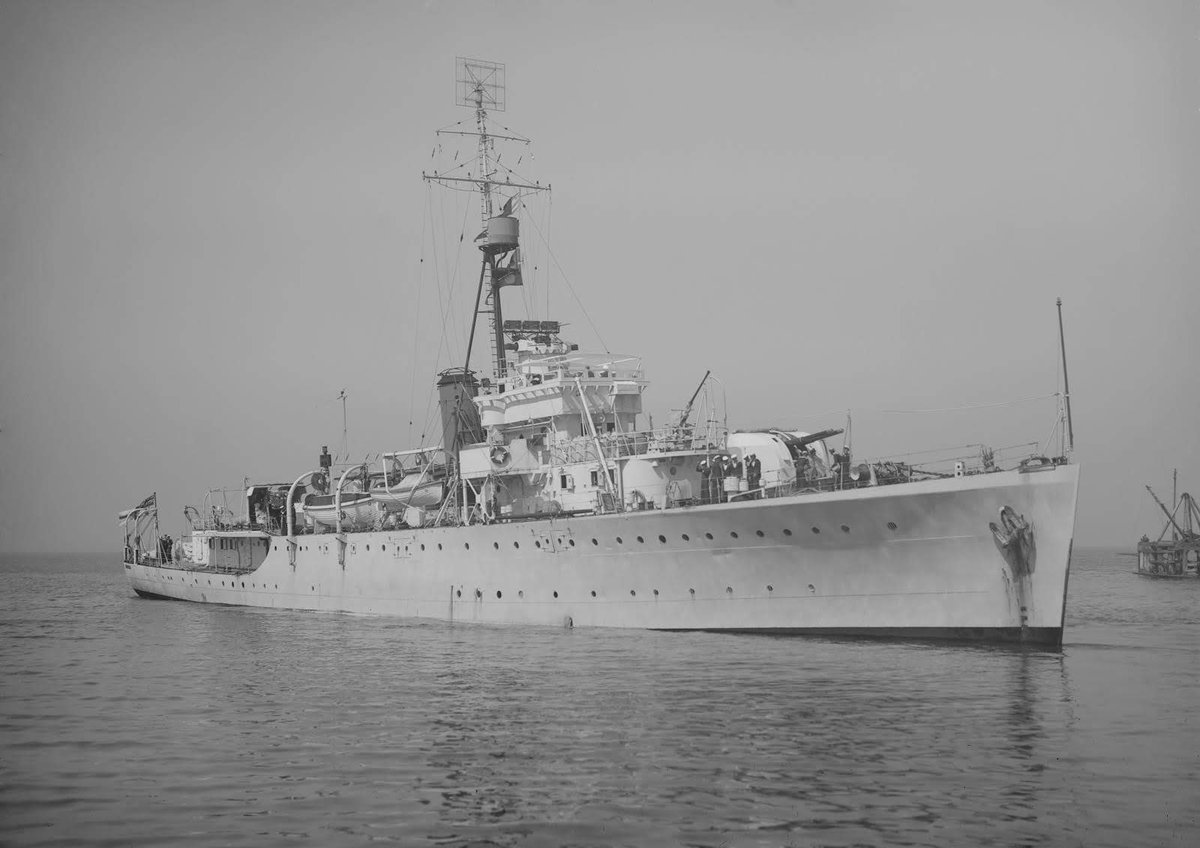
Grimsby class sloop HMAS Warrego (L 73/U 73): Laid down at Cockatoo Docks and Engineering Co. Ltd. Sydney, New South Wales 15.05.39.
9
34
272

Michael retweeted
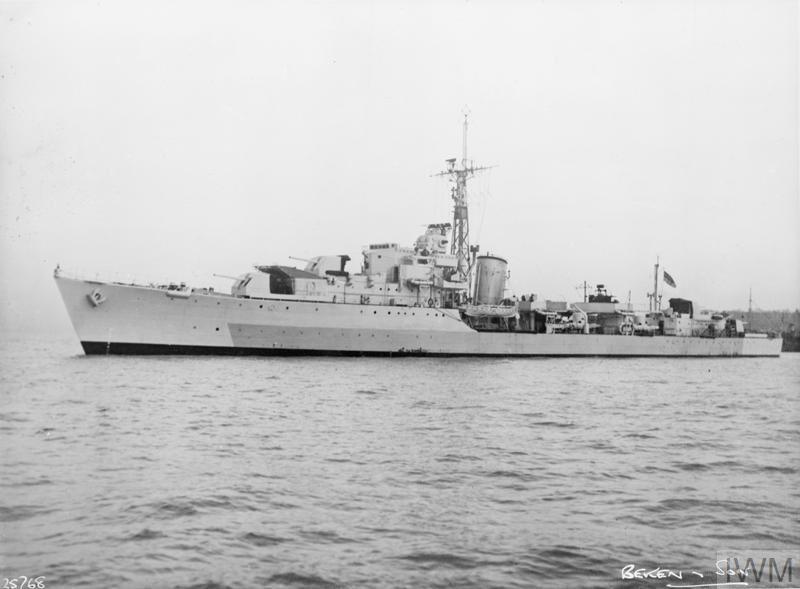
Ca class destroyer HMS Carysfort (R 25): Laid down at J.S. White & Co. Cowes, England 12.05.43.
6
34
392
Michael retweeted
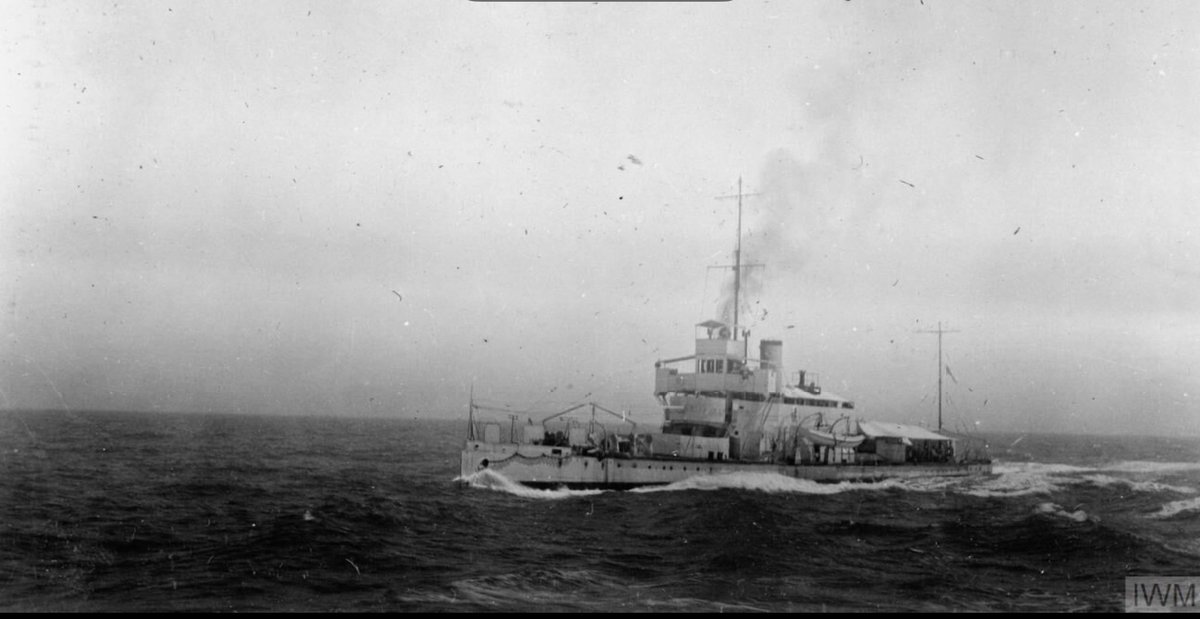
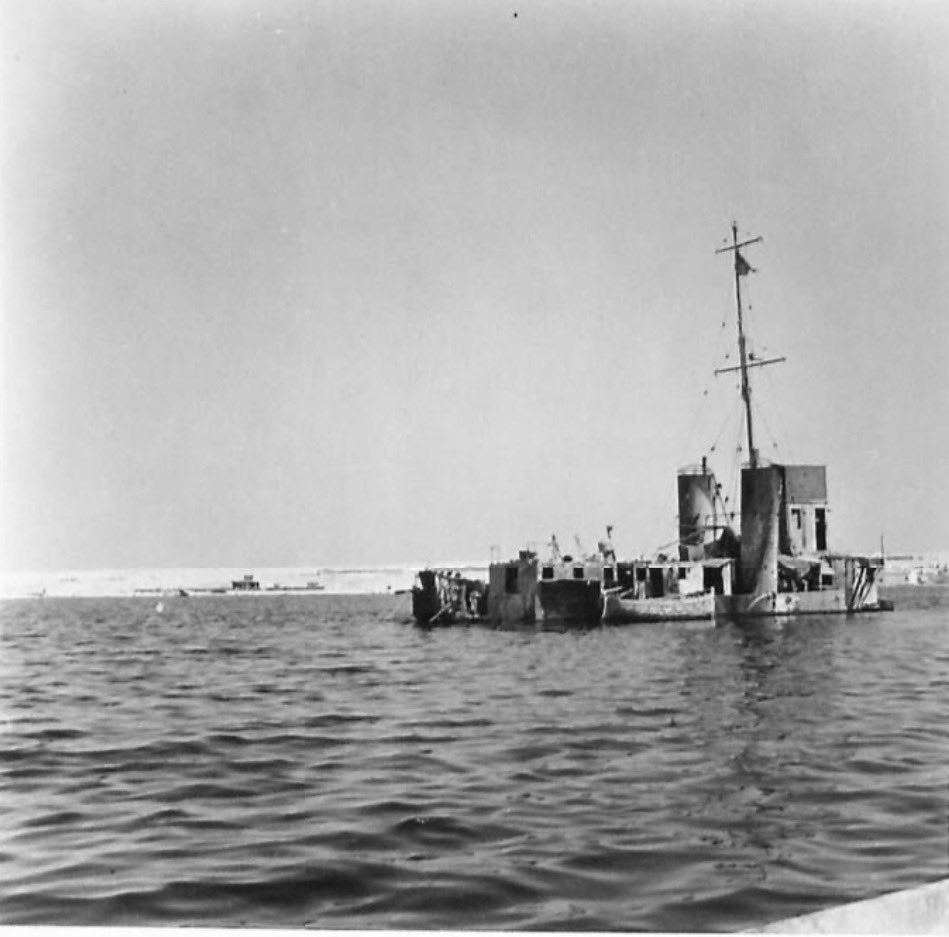
Insect class river gunboat HMS Ladybird (T 58) Lt.Cdr. (Retired) John F. Blackburn, RN: Lost 12.05.41.
Bombed & severely damaged by 3 Ju 87’s in Tobruk Harbour.
One bomb hit her stern & a second penetrated the upper deck to detonate in the boiler room. This blow her sides out. She sank on an even keel in 3m of water. Still above water, her 3-inch gun was used as an AA gun.
4 of her crew were sadly lost.
4
13
58
2,075
Michael retweeted
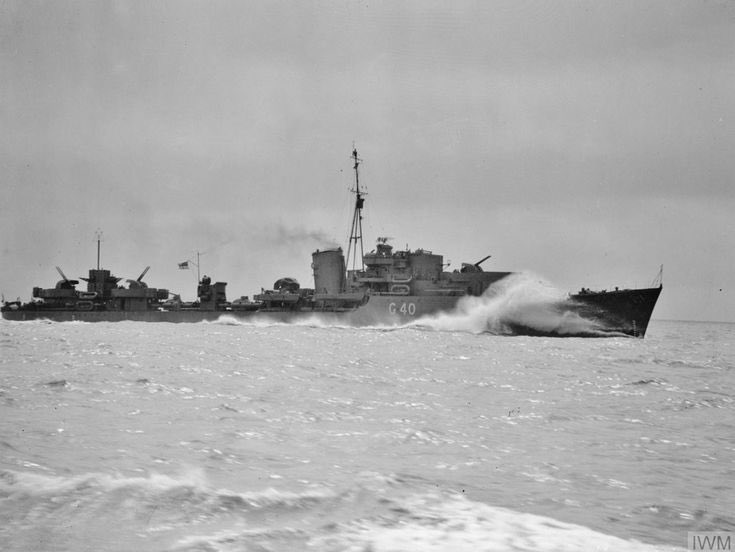
L class destroyer HMS Lively (G 40) Lt.Cdr. William Frederick Eyre Hussey, DSC, RN: Lost 11.05.42.
Bombed & sunk by Ju-88 & Fiat BR 20 a/c 100 miles NE of Tobruk in position 33º24'N, 25º38'E.
One bomb went through B gun deck, exploding in the mess deck below. She immediately heeled over to starboard and went bow down. More bombs exploded close alongside. Within a minute she was on her beam ends, her screws still turning. She lay like this for a few minutes before she sank.
66 of her crew were sadly lost.
1
12
71
990