Brazilian scientist doing science on DNA damage tolerance in the US 🇧🇷👩🔬🇺🇸 • MSc, PhD • Currently a postdoc @WoodgateLab at NICHD/NIH •
Joined February 2023
- Tweets 103
- Following 188
- Followers 120
- Likes 608
25 Photos and videos

Apr 15
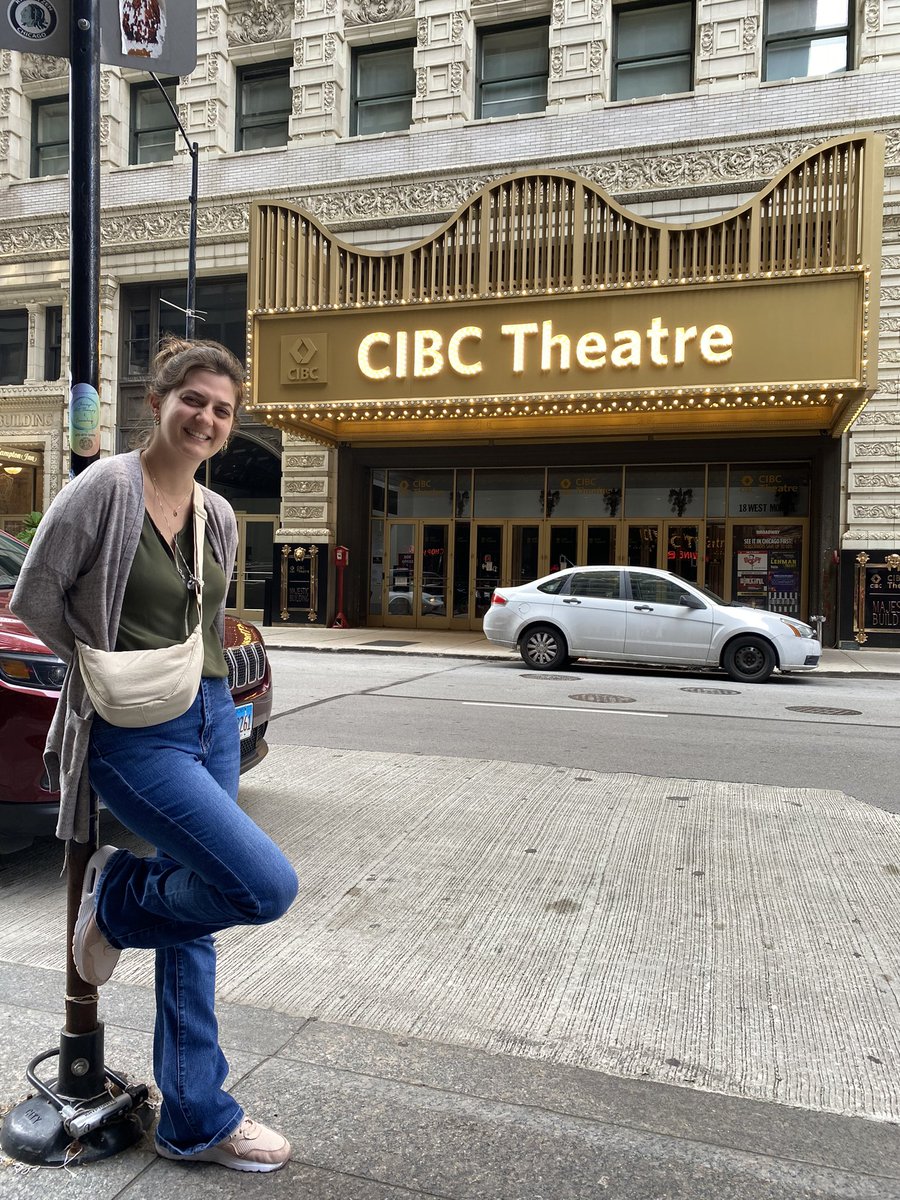
We’ve been calling RecA730 “constitutively active”… but what does that really mean? In our new @repair_dna @Sciencedirect paper, we show: SOS is induced without damage, but not fully ON in lexA⁺. It’s not ON vs OFF… but how ON it is! Read more here: sciencedirect.com/science/ar…
1
22
Marcela, PhD retweeted

14 Jul 2025
For all DNA repair and mutagenesis enthusiasts: the 7th edition of Fundamental Aspects of DNA Repair and Mutagenesis (VII FARM-DNA) is coming!🧬🛠
Registrations are open until July 31! To register and submit your abstract, visit: farmdna2025.com.br/
See you there! 😉

4
5
306
1 Mar 2025
Ever read a drug label and checked its mechanism of action? That’s basic research! And without government funding for this science, there are no safe and effective medicines for your illness. Cutting funding means cutting treatments.
2
48
Marcela, PhD retweeted

16 Jan 2025
My lab at UVA is looking to hire a Postdoc to study mechanisms of DNA repair in chromatin using biochemical, biophysical, and structural biology approaches!
Feel free to share with anyone you think may be interested.
jobs.virginia.edu/us/en/job/…
1
18
24
4,066
19 Jul 2024
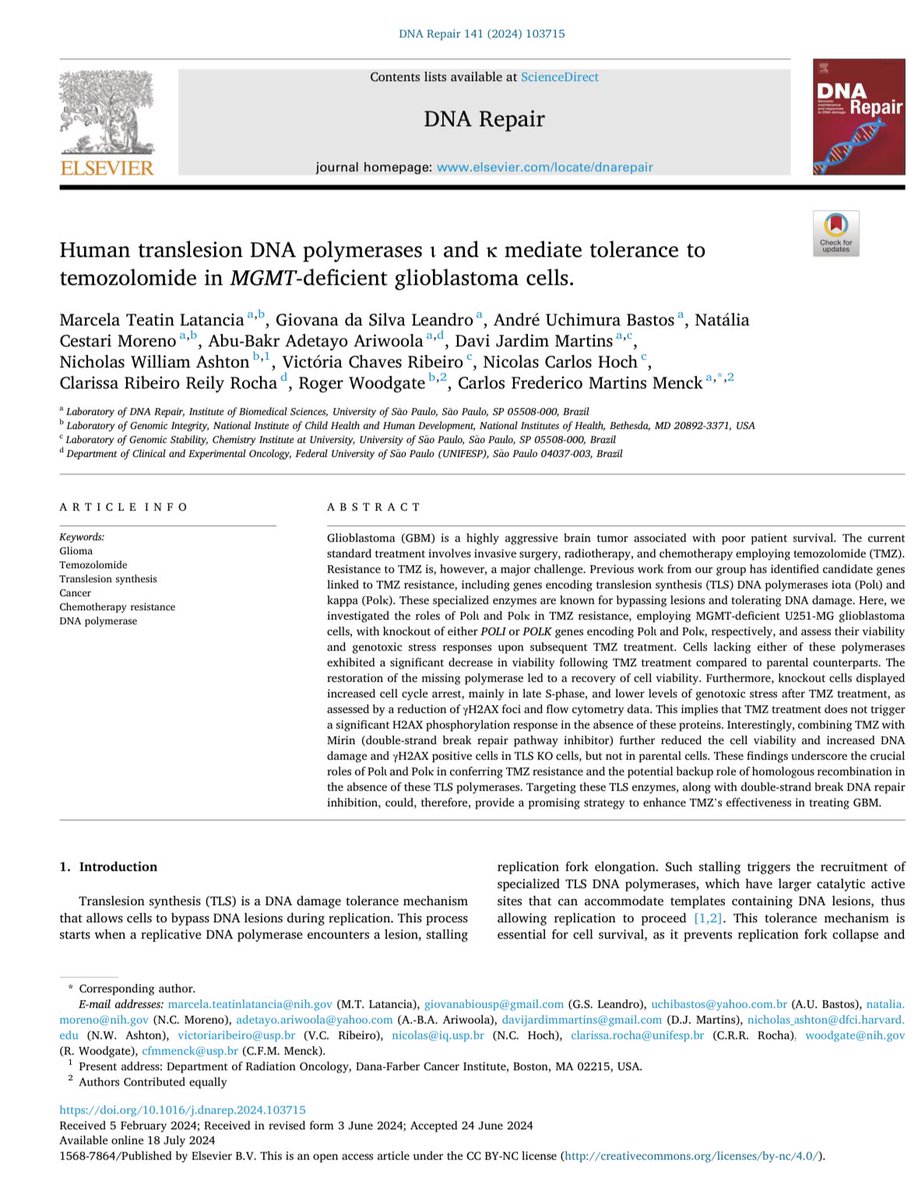
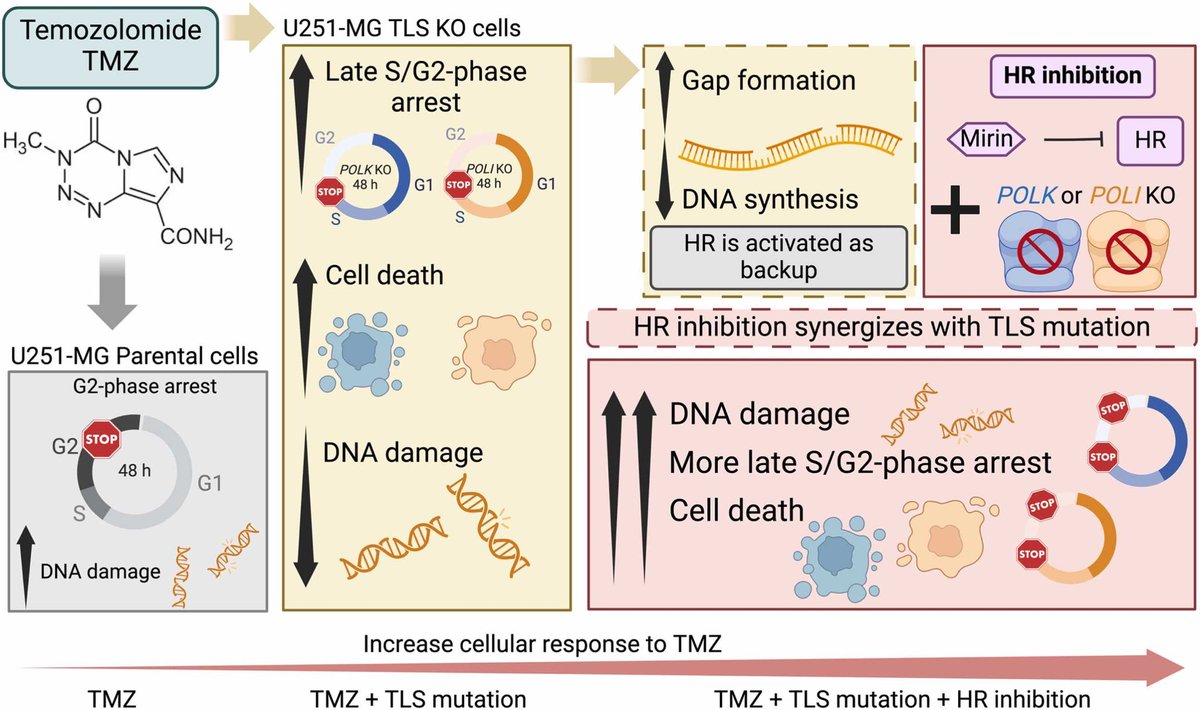
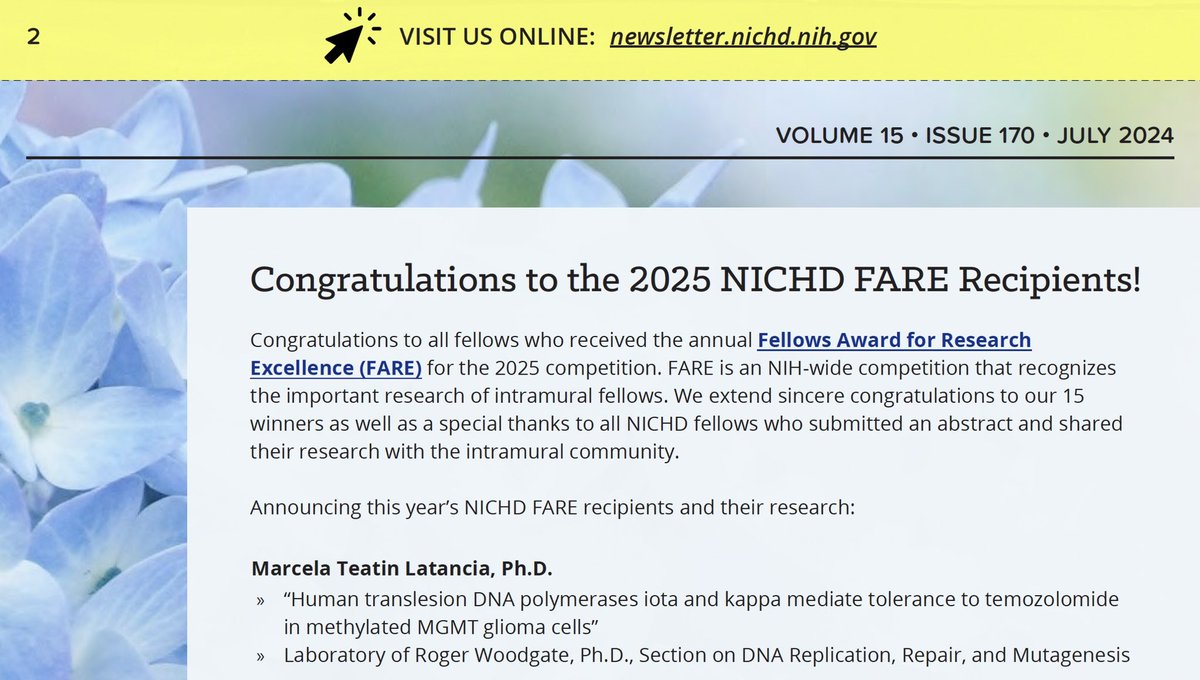
Excited to share our new publication in @repair_dna @Elsevier_Sci! We reveal the roles of Polɩ & Polκ in TMZ resistance in MGMT-deficient glioblastoma. Targeting these enzymes may boost TMZ's effectiveness.
Huge thanks to Dr. Menck & @WoodgateLab for their support!!
3
3
21
978
Marcela, PhD retweeted

12 Jul 2024
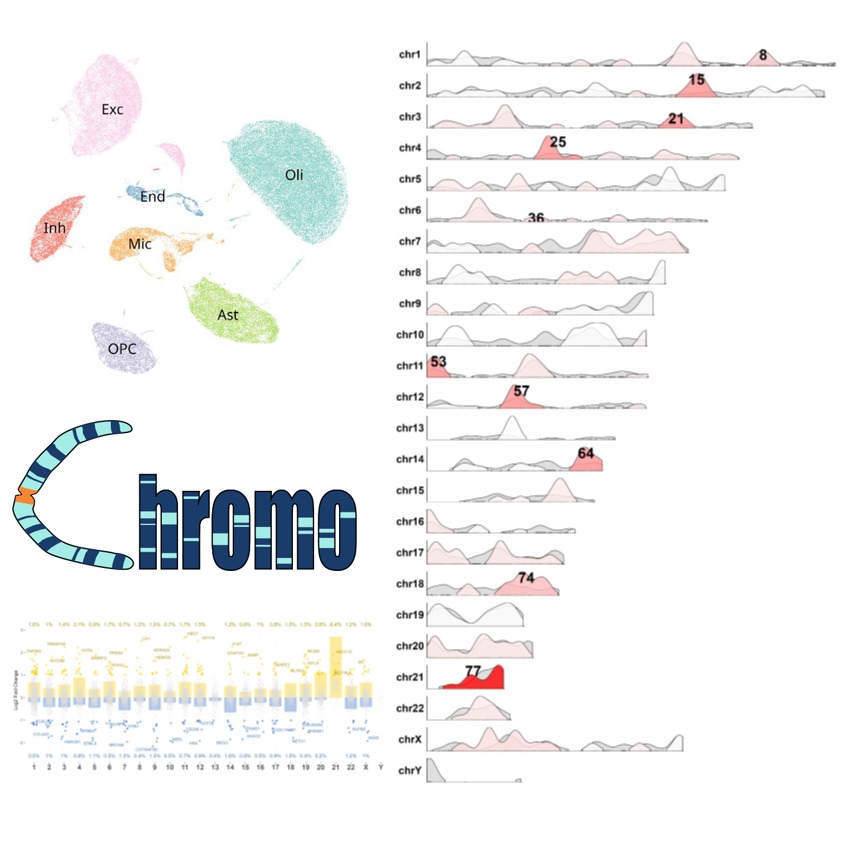
Introducing Chromo, our new package for performing differential analysis in chromosome regions. Chromo works with any type of quantitative data, including RNA-seq, single-cell RNA-seq, ATAC-seq, ChIP-seq, and more. It will be available soon
1
33
235
25,063
26 Jun 2024
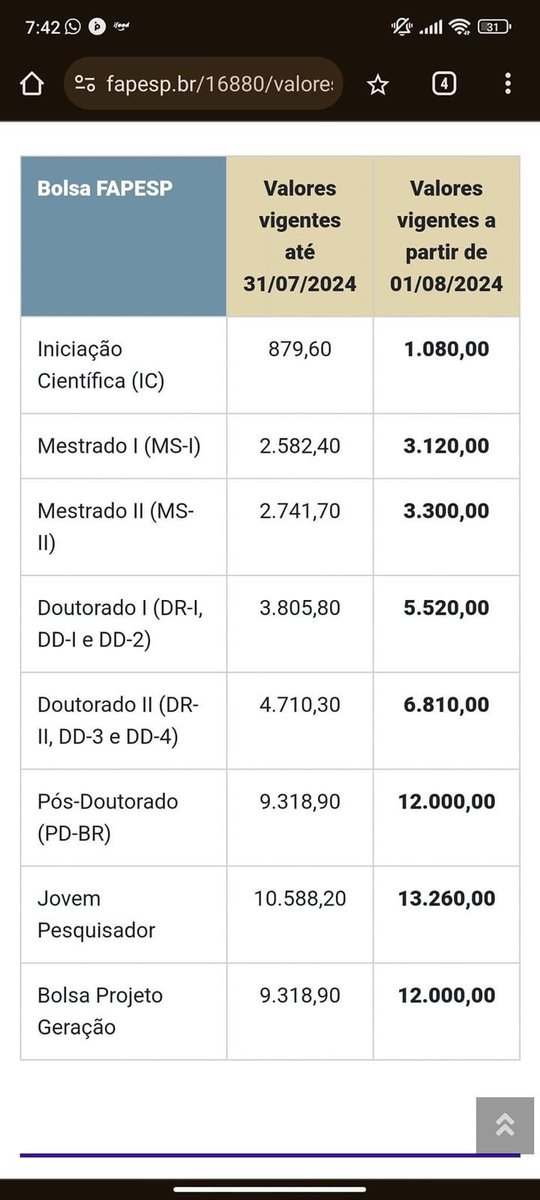
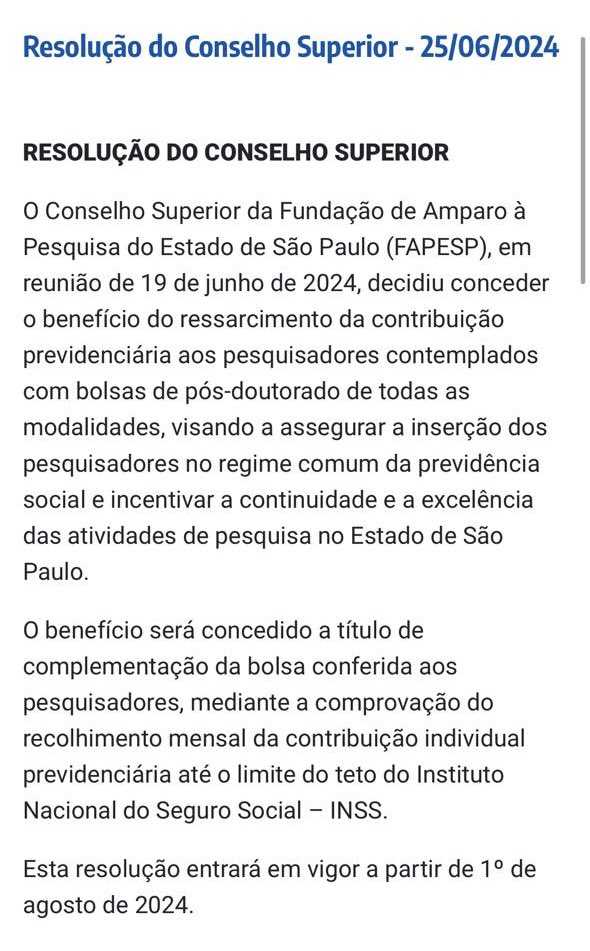
A agência de financiamento a pesquisa de São Paulo (FAPESP) anunciou um reajuste de até 45% nas bolsas. Mas não é só isso, agora quem tiver doutorado concluído e bolsa FAPESP vai ter também ressarcimento de previdência social! Que mudança importante para a carreira no Brasil ❤️
1
1
13
1,189
26 Jun 2024
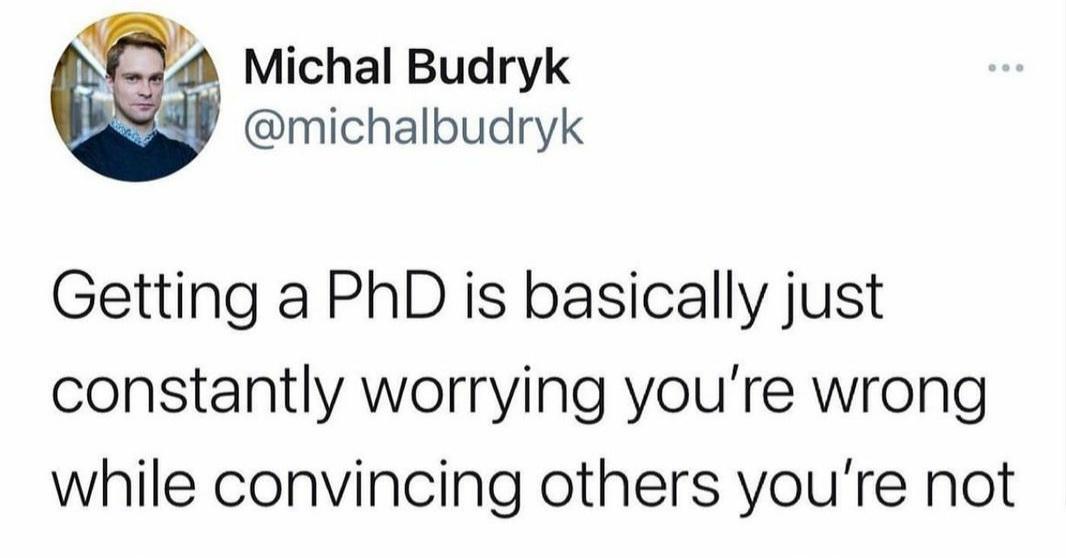
Corrigindo: pra carreira em São Paulo. Ainda esperamos que as agências federais possam acompanhar o passo, bem como as questões salariais pra professores em federais e estaduais! Pq não adianta nada melhorar o salário de pós doc, se o passo seguinte como professor não acompanha..
113

Marcela, PhD retweeted

21 Jun 2024
Writing the discussion section of your paper
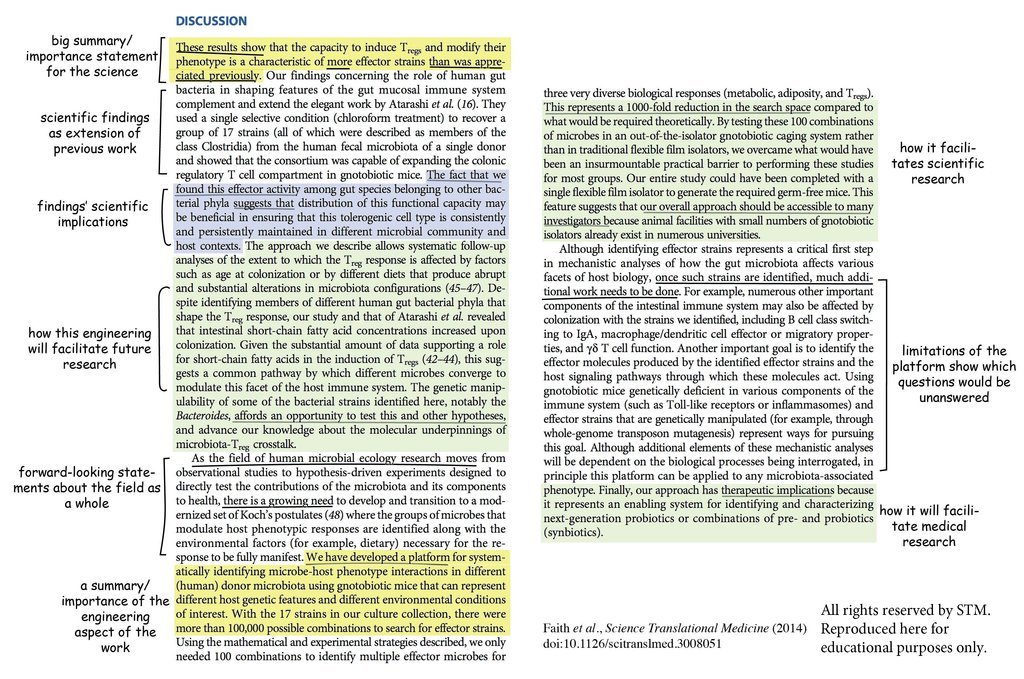
ALT Annotated parts of the discussion section: big summary/ importance statement for the science, scientific findings as extension of previous work, findings' scientific implications, how this engineering will facilitate future research, forward-looking statements about the field as a whole, a summary/importance of the engineering aspect of the work, how it facilitates scientific research, limitations of the platform show which questions would be unanswered, how it will facilitated medical research.
10
1,087
6,807
1,146,191
Marcela, PhD retweeted

16 Jun 2024
The importance of stupidity in scientific research
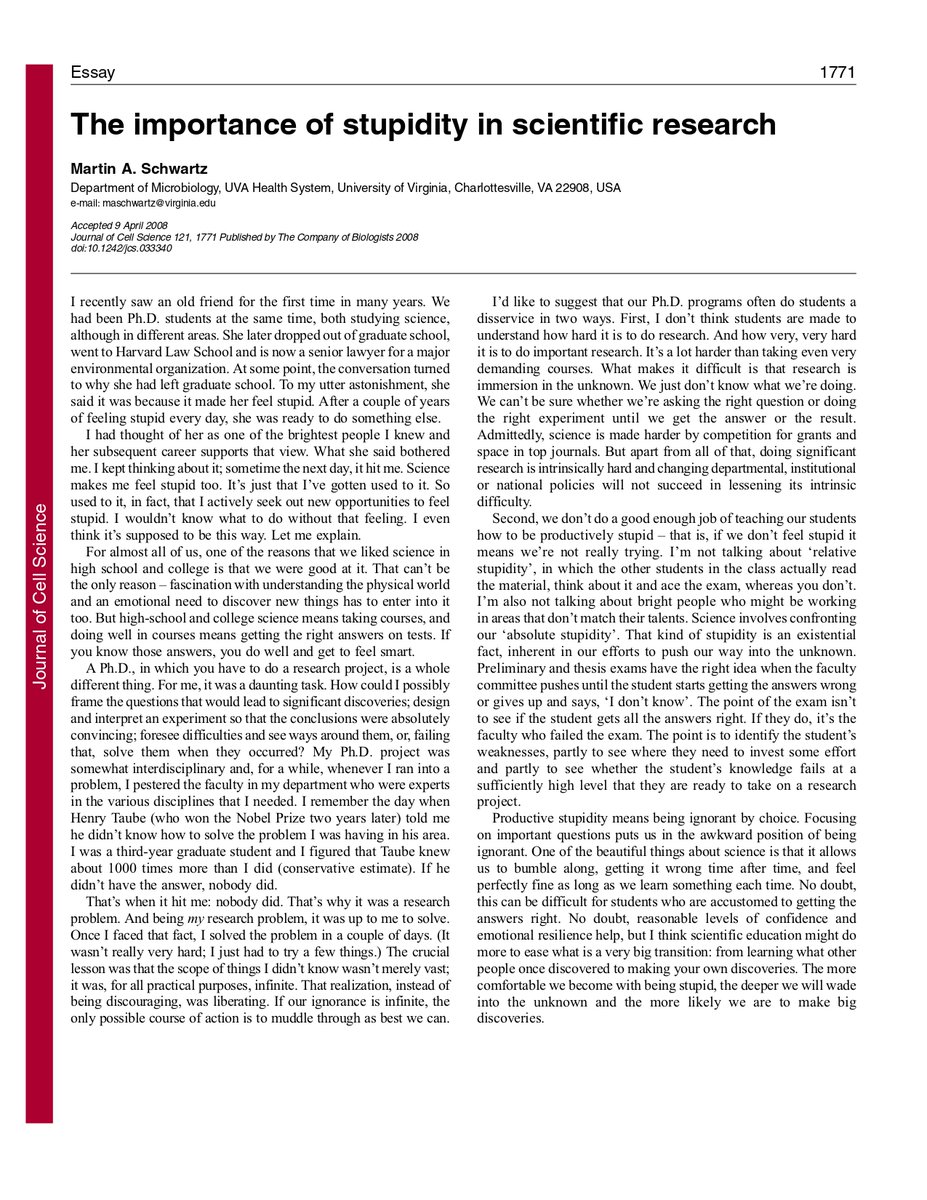
19
819
3,687
625,542
16 Jun 2024
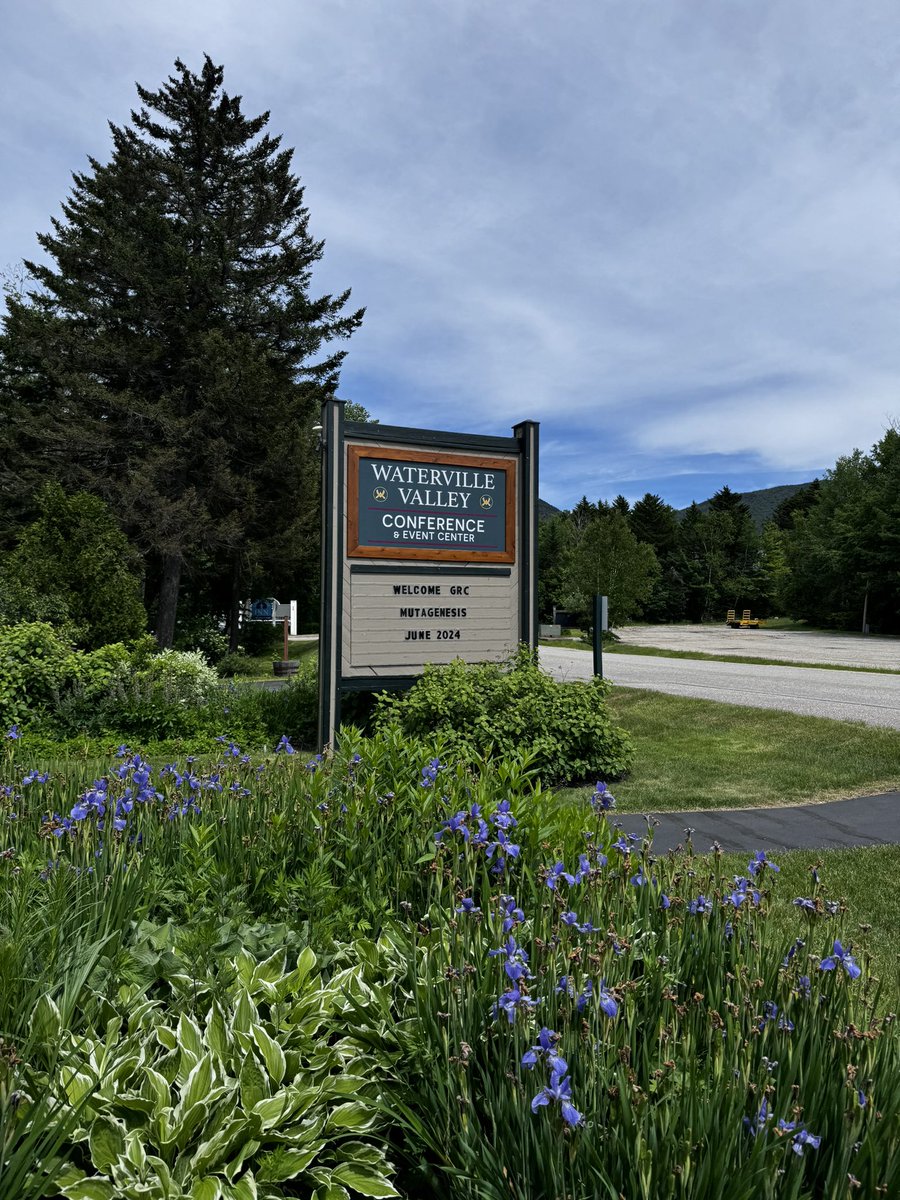
Kicking off the GRC Mutagenesis meeting today in Waterville Valley. Looking forward to insightful discussions and new connections. 😊
6
427
Marcela, PhD retweeted

Regular abstract submissions for #EMGS2024 are being accepted through Wednesday, May 15th! Accepted abstracts will be published in a special issue of EMM. Late breaking abstracts will be accepted through August 15th.
Submit an Abstract Now: app.oxfordabstracts.com/stag…

3
4
1,409
28 Jan 2024
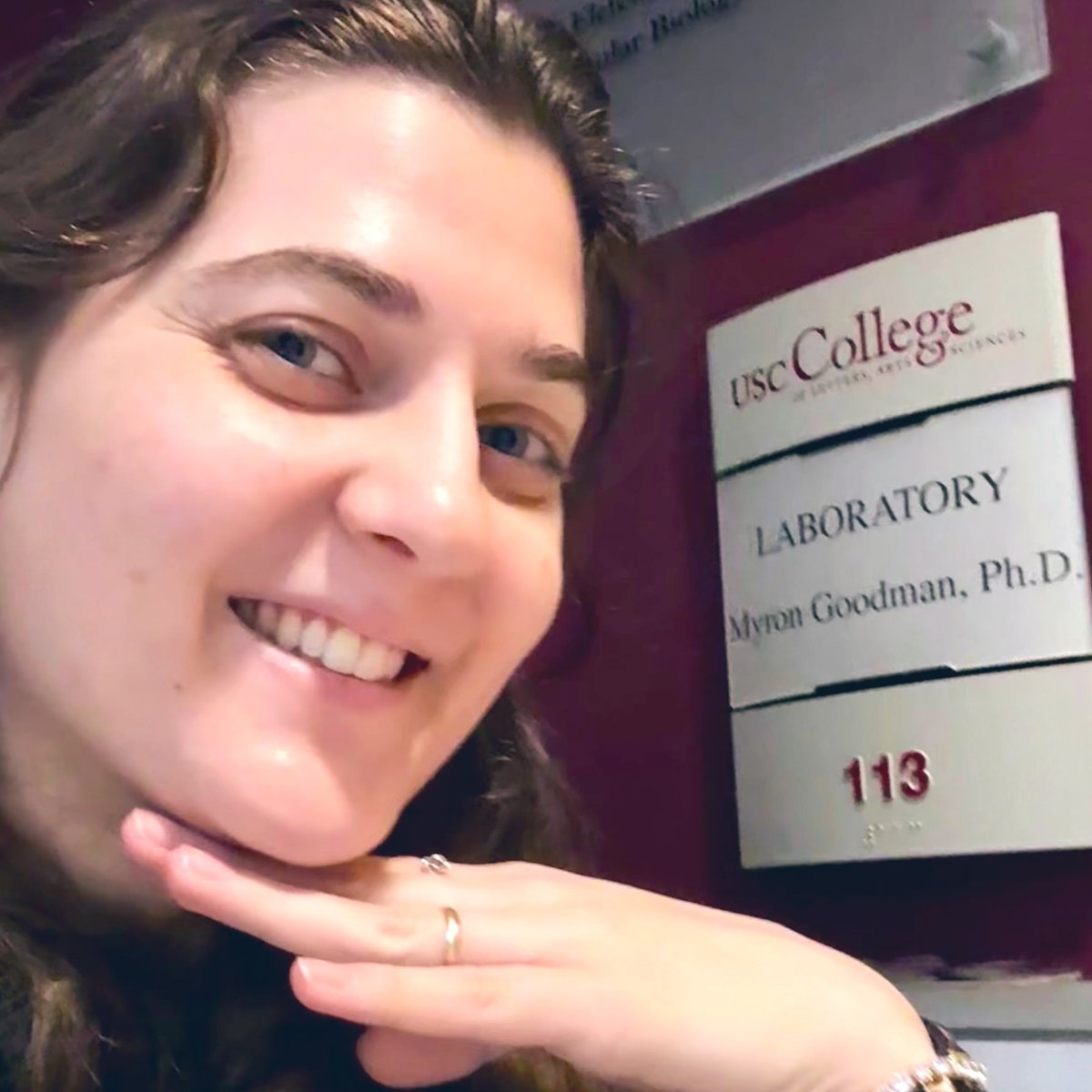
Such a pleasure to spend the past week at Myron’s lab learning new things ♡ going back home and ready to transform and apply it at @WoodgateLab 🧬
1
110
Marcela, PhD retweeted

11 Jan 2024
"Based on these findings, the majority of PhDs would be financially better off if they skipped the postdoc entirely"
nature.com/articles/nbt.3766
23
165
842
265,449
Marcela, PhD retweeted

29 Dec 2023
From AI to the Y chromosome (and everything in between)
Our editors pick their favorite research articles from 2023 go.nature.com/3uMSHnm
rdcu.be/duKJ3

4
71
217
34,831
Marcela, PhD retweeted

21 Dec 2023
What a great application of AI, much needed breakthroughs for new antibiotics! nature.com/articles/s41586-0…
5
15
1,759
Marcela, PhD retweeted

21 Dec 2023
A list of papers that were rejected before going viral
( = winning a Nobel Prize).
It just shows how #science works sometimes.
▫️
1. Richard Ernst, Chemistry (1991), for NMR spectroscopy
The paper that described our achievements was rejected twice by the Journal of Chemical Physics to be finally accepted and published in the Review of Scientific Instruments.
▫️
2. Andre Geim, Physics (2010), for graphene
“First, we submitted the manuscript to Nature. It was rejected and, when further information requested by referees was added, rejected again. According to one referee, our report did 'not constitute a sufficient scientific advance'."
▫️
3. Paul Boyer, Chemistry (1997), for enzymatic mechanisms underlying the synthesis of ATP
His proposed resolution of a major unsolved problem in biochemistry threatened to "change the paradigm," Boyer remembers, and "the leading journal" in his field - The Journal of Biological Chemistry - declined to publish his work.
▫️
4. Herbert Kroemer, Physics (2000), for semiconductor heterostructures
"I wrote up the idea and submitted the paper to Applied Physics Letters, where it was rejected. I was talked into not fighting the rejection, but to submit it to the Proceedings of the IEEE, where it was published, but ignored. I also wrote a patent, which is probably a better paper than the one in Proc. IEEE."
▫️
5. John Polanyi, Chemistry (1997), for describing the dynamics of chemical elementary processes
PRL rejected the paper as lacking scientific interest. Shortly thereafter they rejected T. Maiman's report of the first operating laser, on the same grounds. Polanyi read about this second rejection, quite by chance. [Later] he submitted the identical manuscript to the Journal of Chemical Physics, where it was promptly published.
▫️
6. Kary Mullis, Chemistry (1997), for the PCR method (!!!!)
"And Dan Koshland would be the editor of Science when my first PCR paper was rejected from that journal and also the editor when PCR was three years later proclaimed Molecule of the Year."
▫️
7. Rosalind Yalow, Medicine (1977), for the radioimmunoassays of peptide hormones
From the rejection letter: “The experts in this field have beer particularly emphatic in rejecting your positive statement that the "conclusion that the globulin responsible for insulin binding is an acquired antibody appears to be inescapable”.
▫️
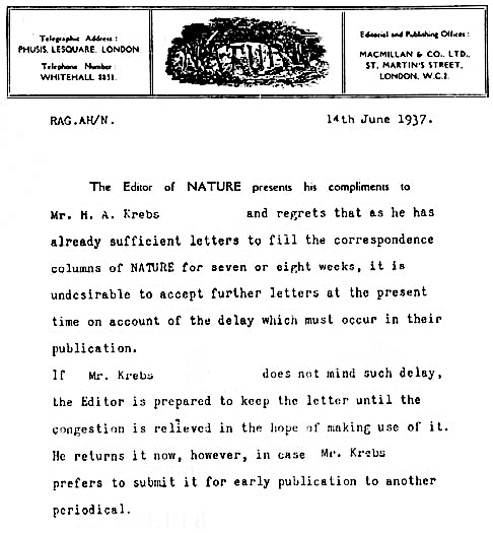
8. Hans Krebs, Medicine (1953), for the citric acid cycle
The rejection letter from Nature is in the picture. 🤦♂️
▫️
❗ My point is simple:
Rejections by editors are NOT rejections by the research community.
Believe in your results. Bring them to the public. Post your study as a preprint.
Show it to the world and let the world decide.
▫️
(This list compiled by Josh Nicholson bit from me).
#AcademicTwitter #phdlife
10
182
462
77,956