
keep learning
Joined November 2022
- Tweets 2,526
- Following 1,988
- Followers 238
- Likes 13,749
42 Photos and videos









Pinned Tweet

25 Nov 2023
I just invested into some 151 Pokemon UPC boxes. Not stocks, not bonds, not wine, not bags, not watches, BUT Pokemon cards. I do have a thesis for this and why I believe this set is investable. Maybe will write about it.
5
1
7
1,186
Mad Equities retweeted

Jun 12
𝗪𝗵𝗼 𝗠𝗼𝘃𝗲𝗱 𝗠𝘆 𝗘𝗱𝗴𝗲?
Most investors spend 95% of their time analyzing numbers.
Revenue growth.
Margins.
Guidance.
Valuation.
The problem is that everyone can see the same numbers.
Twenty years ago, investors like Warren Buffett could build an edge by reading financial statements better than almost everyone else.
Information moved slowly. Data was expensive. Analysis was limited.
Ten years ago, investors like Bill Ackman were still generating outsized returns through deep fundamental research, activism, and understanding businesses better than the market.
Today, every filing is instantly available to everyone.
Hedge funds, analysts, retail investors, and now AI systems can process the same information within minutes.
The market evolved.
Information evolved.
AI evolved.
Investors who didn’t evolve underperformed.
Even Bill Ackman’s most famous trade wasn’t finding a hidden line item in a balance sheet. It was recognizing a risk the market was largely ignoring and buying protection before COVID.
The edge moved.
I haven’t used Excel or a calculator in over 10 years.
Yet during that time I have outperformed the market by thousands of percentage points.
Not because numbers don’t matter.
But because numbers alone rarely provide an edge anymore.
If you’re only chasing valuations, you’re chasing information everybody already knows.
You can scroll through X all day and see endless posts saying:
“Bitcoin is so cheap.”
“PayPal is so cheap.”
And my personal favorite:
“This is the cheapest valuation in the company’s history.”
I probably see 10 posts like that every day.
So what?
Everybody can see the same valuation metrics.
Everybody knows the stock is trading at 8x earnings, 1x sales, or whatever ratio is being promoted that day.
If the opportunity is obvious to everyone, why would that be an edge?
In fact, some of the cheapest stocks get even cheaper.
The question isn’t whether something looks cheap.
The question is: what does the market believe that makes it cheap, and what is the market getting wrong?
One of my favorite edges is understanding the actions of the people who know a business best.
Not blindly following them.
Understanding why they’re doing what they’re doing.
In my latest three recommendations, $STAA, $WGS, and $IMDX, the numbers weren’t particularly attractive. Analysts were negative, and the last quarters weren’t great.
Yet within a few months, all three were up between 50% and 100%.
Almost nobody was talking about them.
You couldn’t scroll through X and find endless threads about how cheap they were.
At the same time, some of the people who knew these businesses best were buying aggressively.
That’s where I started paying attention.
Not because someone bought.
Because I wanted to understand why they bought.
There are entire funds and ETFs built around insider buying.
They scan thousands of companies, track insider transactions, apply statistical models, and buy based on those signals.
And they’re not wrong.
But that’s still only one piece of the puzzle.
Insider buying is not the thesis.
It’s one facet of the diamond.
It’s a clue.
The real work starts after you see the purchase, not before.
Who is buying?
How much are they buying?
What do they know?
What are their incentives?
Why are they acting now instead of six months ago?
Those are the questions that matter.
If you read the hedge fund letters on $STAA, you understood the thesis.
If you listened to the conference calls on $WGS and paid attention after insiders committed roughly $100 million of their own capital, you understood where the opportunity was.
Same thing with $IMDX.
The market is very good at pricing today’s numbers.
It’s much less efficient at pricing human behavior, incentives, and conviction.

18
15
199
16,249
Mad Equities retweeted

14h
Everyone on the wire is talking about the US government cracking down on Anthropic.
But didn't Amodei literally ask for this with his nonstop doomer marketing?
He was the one preaching AI needs heavy regulation and goverment should have the teeth to shut down models if necessary.
They’re getting exactly what he engineered, so why is he throwing a tantrum on the tape, crying about why OpenAI gets a free pass while Anthropic takes the full hit?
Asking for a friend.
15
10
135
13,018

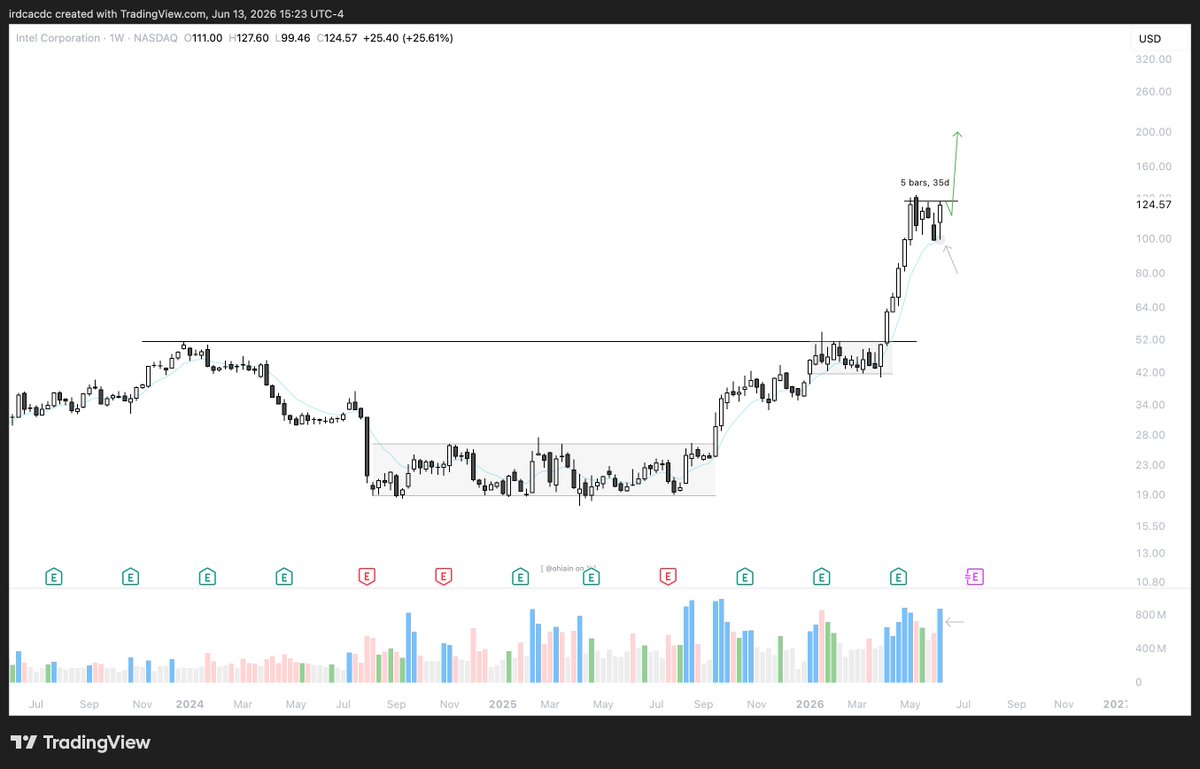
If a leader is going to HOLD UP, it usually tells me right at the 9week.
After studying prior leaders...over and over again, the biggest leaders of every cycle tend to respect the 9week during healthy uptrends.
If you go back and study stocks like $ARM, $MU, $SNDK, or countless other recent market leaders, you'll notice something very, very interesting... after breaking out of large bases, they rarely move in a straight line. Instead, they advance, digest, pull back into support, find buyers, and then continue higher.
More often than not, that support area ends up being somewhere around the 9week.
That's why I pay so much attention to this area on leading names. The 9week is where I start asking questions:
"Is this just normal profit taking?" or...
"Is institutional demand beginning to disappear?"
I do believe both questions answer different concepts.
I've picked up that the majority of traders on X see a pullback and immediately assume something is wrong, but I often see PBs as an opportunity. If a stock has already proven itself as a leader, is part of a strong theme/group, and has been outperforming the market for weeks or months, a pullback into the 9week is usually the first place I become interested again an a range move. But here's the catch...
I don't blindly buy the 9week.
I STALK the reaction.
Think about the psychology of buyers sellers... after a strong run, people begin taking profits. Short-term traders get nervous, weak hands start selling, and the stock pulls back into an area where institutions have previously supported price.
Now the question becomes:
"Do buyers show up again?"
Simply put...that's what I'm watching.
If a stock slices through the 9week with heavy selling pressure and can't reclaim it, I take note. If sellers push it into the 9week and buyers immediately begin defending the area, that makes my eyebrows perk.
The REACTION matters MORE to me than the level itself.
This is where my lower timeframe execution comes into play. Once a leading stock reaches the 9week, I immediately move down to the 15 30min TF. I'm looking for evidence that momentum is beginning to shift.
Things like...
> Undercuts and reclaims
> 15/30 min bullish pivots
> Intraday VWAP reclaims
> Higher TF failed breakdowns
> Higher lows starting to form
> Buyers defending weekly support
These are all clues that selling pressure may be exhausting itself.
My favorite entries usually come when sellers flush price below an obvious level, trap late sellers, and then buyers step in aggressively to reclaim it. Once a 15 or 30min pivot forms, I can enter with a tight stop underneath the low and/or LOD.
That's what creates the asymmetric opportunity.
I'm not trying to buy because the stock is down. I'm buying because buyers are proving they're willing to defend an area (I'm watching) that already matters on the weekly chart.
Something I've learned from studying hundreds of market leaders is that the best stocks often make it difficult to get in. They like to shake people out and create doubt. They pull back just enough to make people question the trend before continuing higher.
IMO, the 9week is often where that battle takes place.
Here's a SIMPLE process to backtest yourself:
1) Identify a leading stock with strong RS.
2) Wait for a PB into the 9week/50EMA confluence.
3) Monitor volume price behavior around support.
4) Drop down to the 15/30min charts.
5) Wait for buyers to prove they're stepping in.
6) Enter on a pivot high support reclaim.
7) Risk against the low and/or LOD.
Don't just take my words as truth... give it a try yourself!
This is the focus: to put myself in a position where risk is small, the trend is still intact, and institutions are potentially showing their hand again.
That's why I love the 9week, and again it's not an entry signal by itself. It's an area of interest where some of the best "low-risk" opportunities in leading stocks tend to develop.
I write all of this to say, watch the 9week!
Charts: $INTC, $AMKR, $AEVA, $OUST.
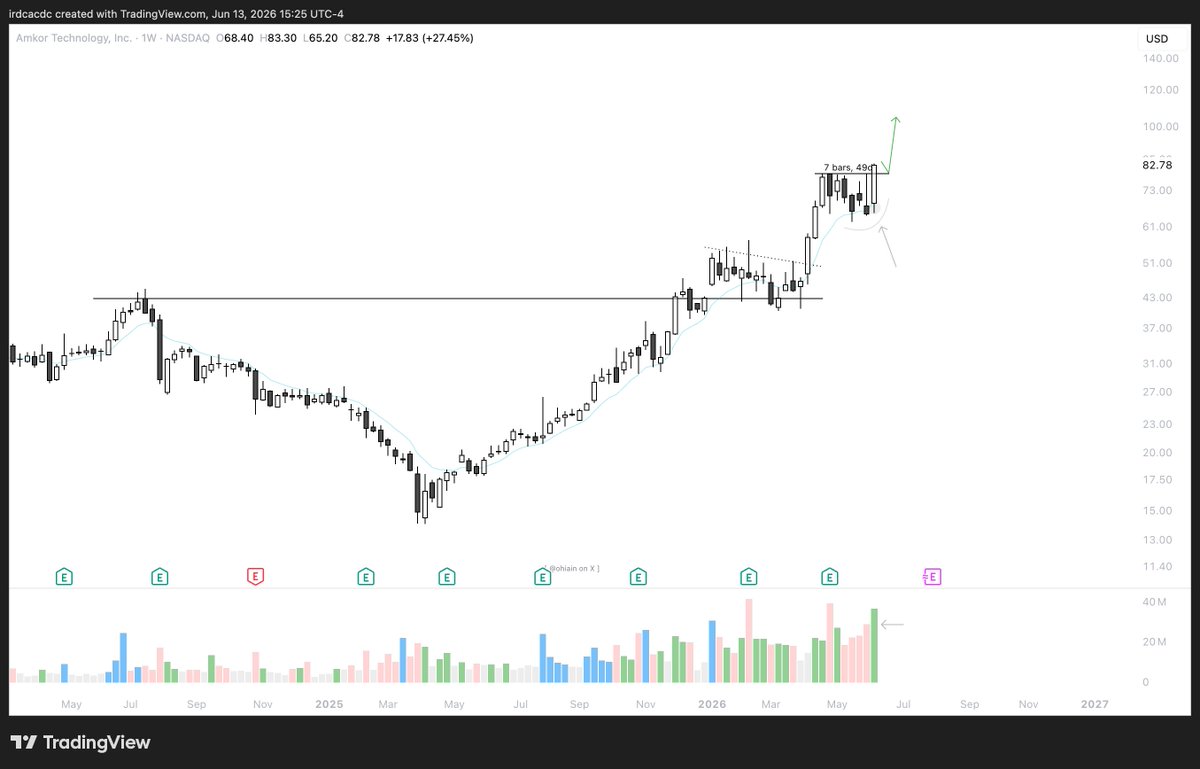
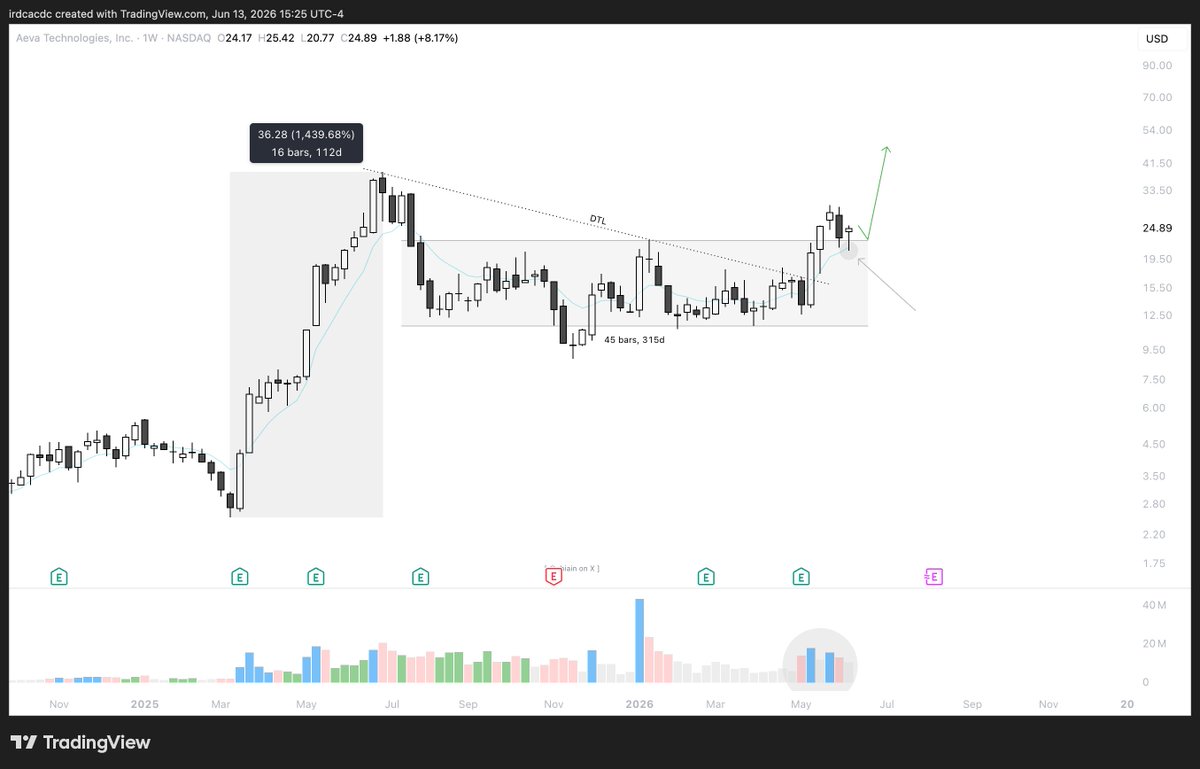
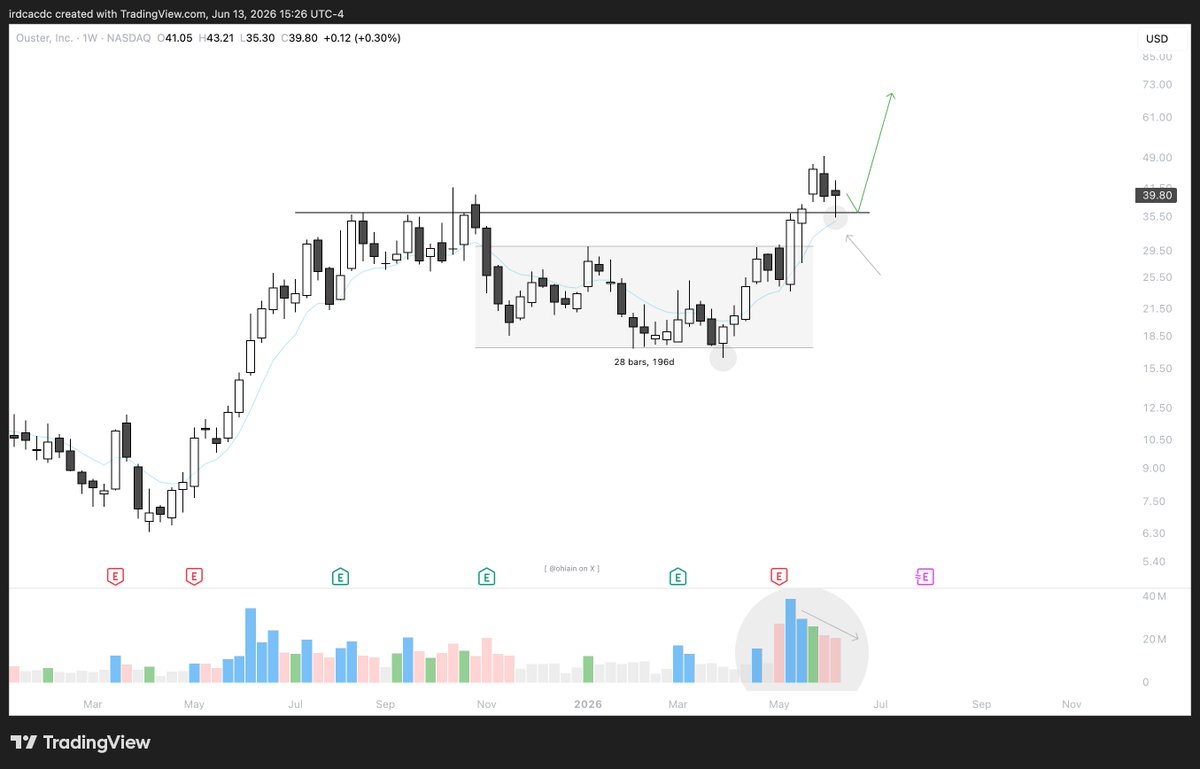

It took me years to understand that some of the best opportunities show up when multiple timeframes start telling the same story.
A setup immediately gets my attention when a leading stock starts tightening up around the daily 50EMA while simultaneously sitting on the weekly 9EMA. That area tends to attract a lot of eyes from trend followers & swing traders to larger institutions, all evaluating risk around the same spot.
When relative strength remains constructive, volatility starts contracting, and buyers continue defending that confluence of support...that's usually my cue to zoom into the smaller TFs and pay very close attention.
I just need to recognize that the stock is building pressure, building up the right side, and if expansion comes, the risk/reward can become very attractive.
This is something I pay attention to.
14
27
320
26,477
Mad Equities retweeted

17h
This is the oil bear thesis here

April 2020 neg prices was caused by the Saudis RAMPING capacity to 12 mmbpd into global lockdowns because of a falling out with Russia
The lowest cost producer will sit on a balanced market but when prices soften they will rationally not sit or be the one to take off capacity and let competitors scale - they do the opposite and ram supply higher to push prices down and the worst cost structures out
Basically the Saudis have single handedly kept prices down by under pumping post 23 and at least OPEC was stable
now when 1) UAE has already said fuck it they are done 2) other opec countries sustained damage under the support of the Saudis 3) us majors are ripping supply on far lower prev cycle breakevens 4) Iran likely pumps above prev capacity 5) Venz likely ramps 6) China demand is actually structurally not going to be great -
I think they all say fuck it and rip supply higher until we actually get a true cycle again. Great balance sheets are a double edged sword in commodities because though it keeps you out of distress, it also can elongate a cycle because people will try to absorb some losses before giving up (see trucking last 5 years)
So I see reflexive downside. War gets a deal. Supply is going to come back, prices go down, OPEC fractures as people want to pump to rebuild, they all go, and prices crash
There is a little out of consensus oil content for ya on a Saturday
5
5
74
26,097

Mad Equities retweeted
MSFT-如此悲壮!
ORCL-如此悲壮!
PLTR-如此悲壮!
CRM-如此悲壮!
天哪,颈线高点连线假突破还全部打回原位!好惊悚啊,不得不又想起来Leopold对于软件的观点。
曾经做过CRM,害怕浮盈可能要被清洗的,立即逃之夭夭,没想到回到原点。想起来我亲哥评价我做股票杀伐果断。
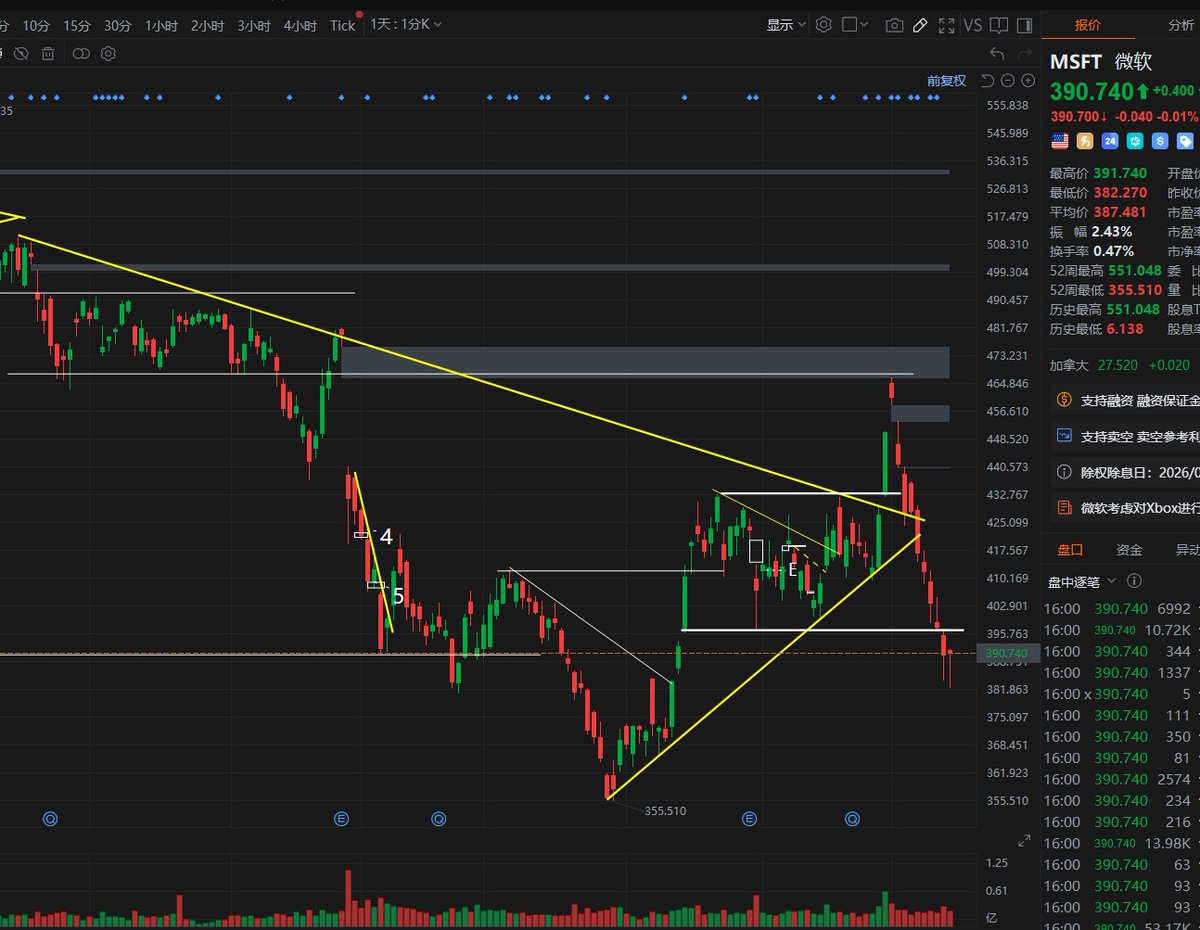
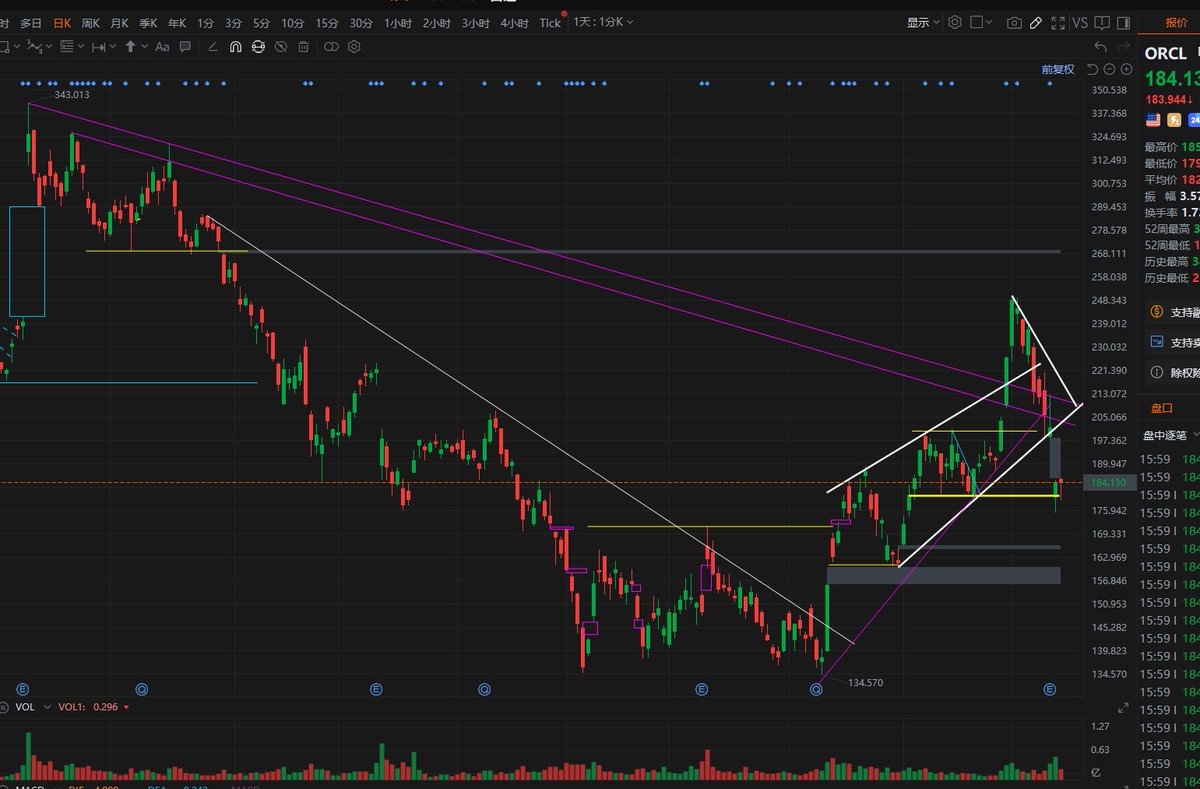
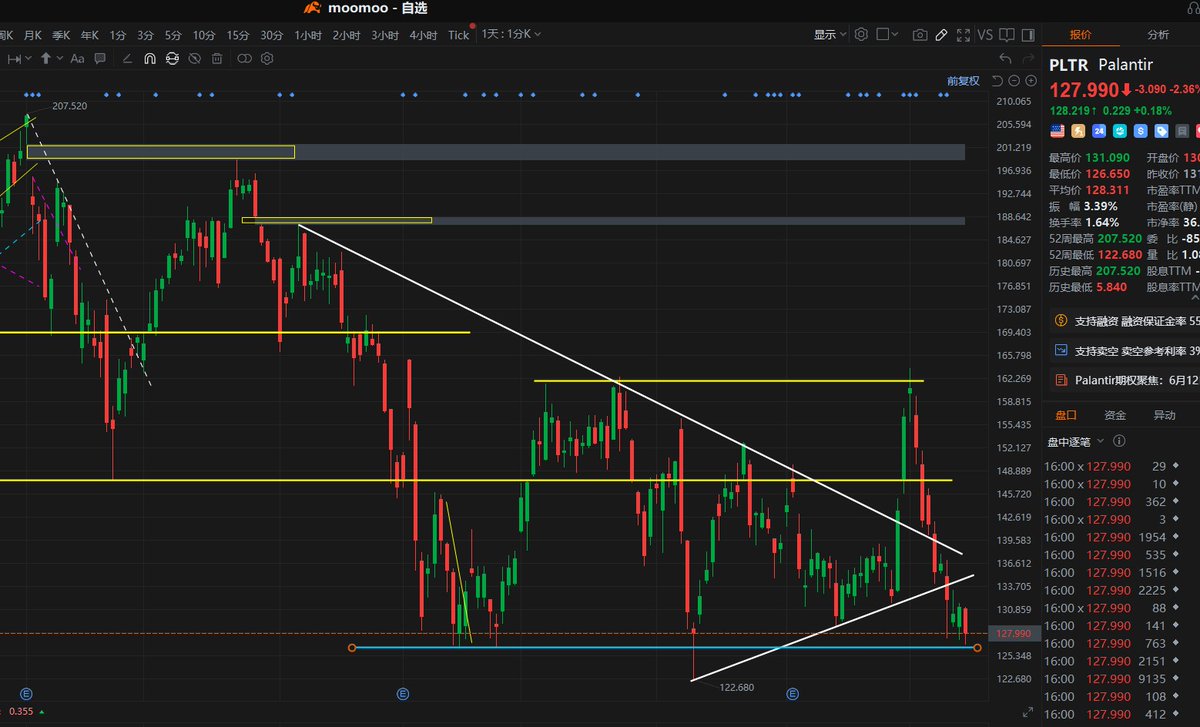
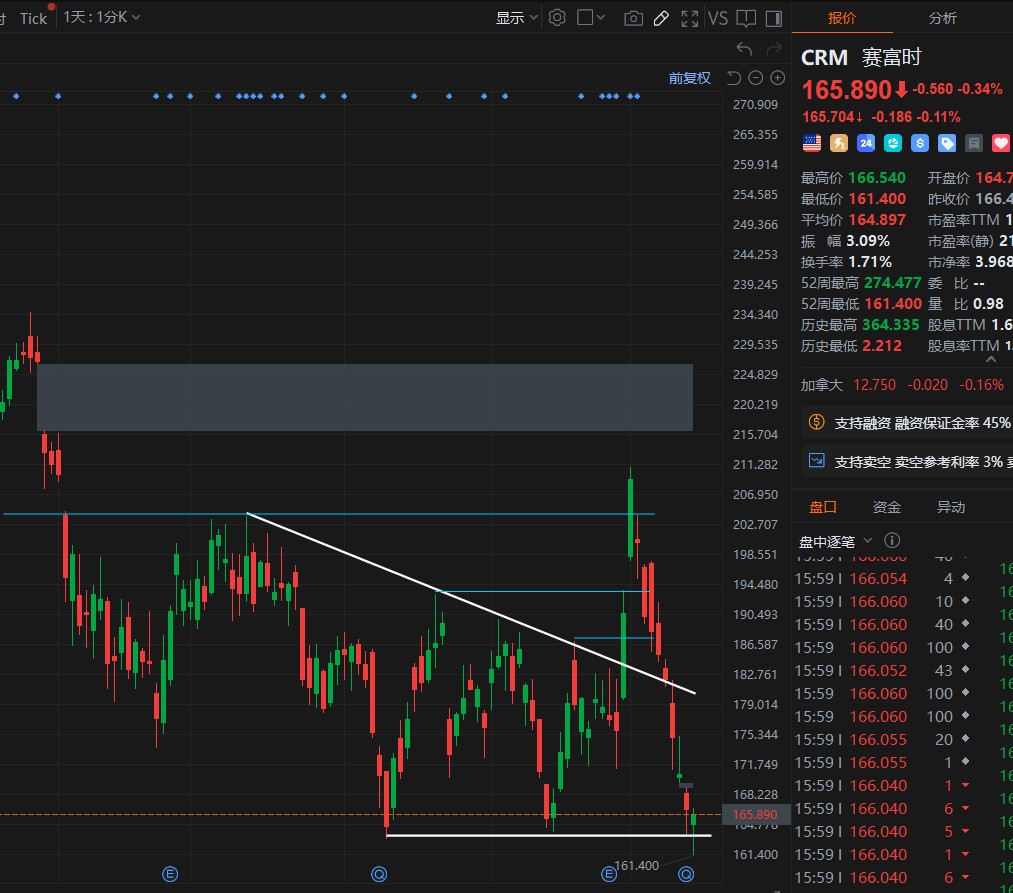
Jun 13

软件gg?
5
3
17
8,500
Mad Equities retweeted
BREAKING: Iran directly rejects Trump's new claim of a deal being signed tomorrow, saying the insistence on signing the deal on specifically Sunday is engineered around his own birthday, calling it a "propaganda event" that Trump is trying to turn into a unilateral "symbolic occasion" for himself, along with his UFC White House event, per Fars.
The Iranian negotiating team says it "will not permit such a media and ceremonial manoeuvre," explicitly stating that the memorandum of understanding has not been finalized and no signing will happen.
928
5,735
20,463
1,739,682
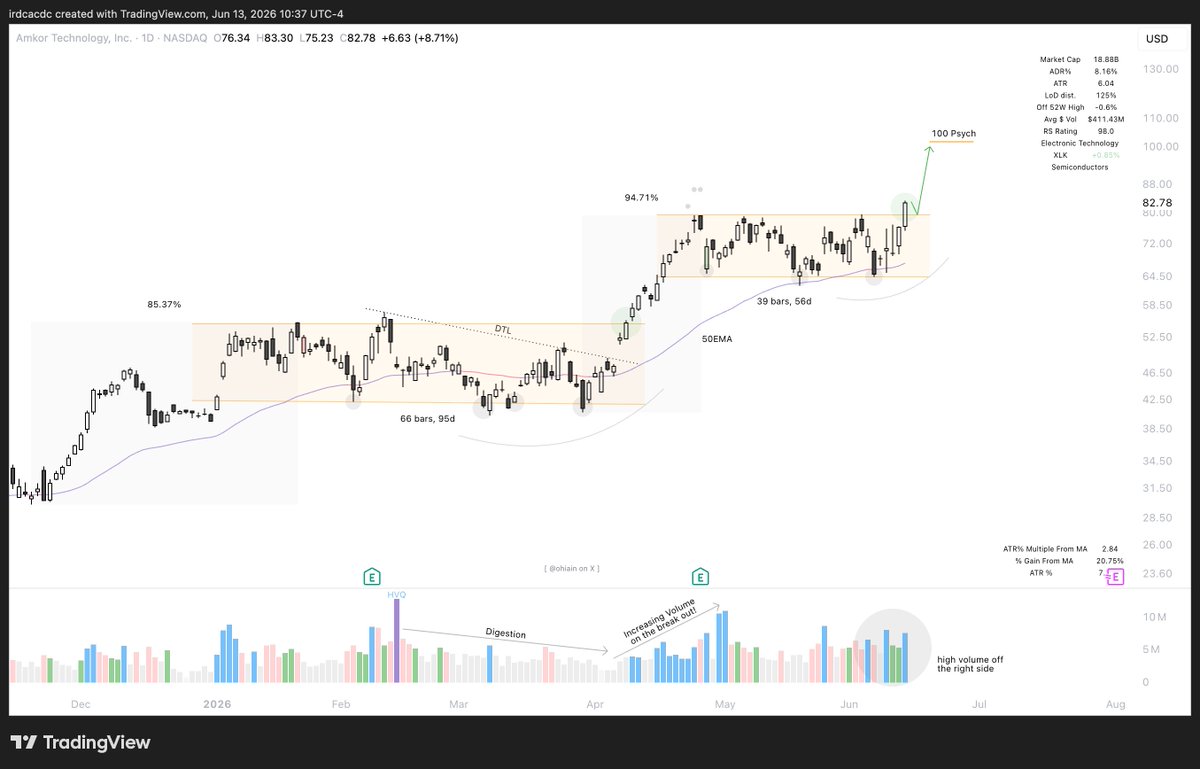
I've realized the majority of my profits have never come from buying the breakout itself.
It's come from buying the pullback after the breakout.
Almost every trade I take starts with a stock coming out of a large base. I'm talking about names that have spent months, and sometimes years, moving sideways while institutions accumulate.
Then eventually something changes... maybe it's earnings, or it's a new product cycle. Maybe it's a theme gaining momentum? Whatever the catalyst is, price finally starts leaving the range.
And funny enough, that's where the 99% get excited.
Ironically, that's where I usually become patient.
The breakout gets my attention, but the pullback is often where I get involved.
1 of my favorite setups is the first pullback after a major base breakout. If I miss that one, I'll usually focus on the second consolidation. In my experience, these are often the "highest quality" opportunities because the stock has already proven it can break out, institutions have already shown their hand, and now I'm simply waiting for the market to give me a lower-risk entry.
I like to think about it this way:
- A breakout is the market making a statement.
- The pullback is the market asking a question.
"Are buyers actually willing to defend this area?"
That's what I'm trying to figure out.
When a stock pulls back after breaking out of a large range, I'm paying very close attention to how it behaves. Does it immediately fall apart? Or does it hold key levels and refuse to give back much ground?
When it comes to behavior, I look for TIGHTNESS.
If a stock breaks out 20%, then spends the next two weeks trading in a very tight range while volume dries up, that's constructive behavior to me. Sellers are becoming exhausted while buyers continue absorbing supply. The tighter the action becomes, the more interested I become!
Volume is another huge clue.
During the breakout, I want to see volume expand. That's evidence that institutions are participating. Then during the pullback or consolidation, I want volume to contract. If volume is exploding on every red day, that's usually not what I want to see. But if volume starts drying up while price remains near highs, that's often a sign that selling pressure is becoming limited.
1) Price tells me what happened.
2) Volume tells me how much conviction was behind it.
I also spend a lot of time studying the personality of a chart.
Some stocks are constructive, and some stocks are sloppy.
Some names respect the 9EMA for weeks months. Others constantly undercut and reclaim support before moving higher. Some stocks have violent shakeouts. Others grind methodically higher.
This is why I constantly study prior winners.
I'm trying to understand how a stock behaves when it's healthy.
> Does it respect moving averages?
> Does it recover quickly after pullbacks?
> Does it close near highs?
> Does it show relative strength on market weakness?
> Does it stay tight?
Those are the little nuances that I look for from a potential leader.
A simple list I look for:
1) Find a stock breaking out of a large base.
2) Confirm relative strength v.s. the market sector.
3) Wait for the first or second pullback.
4) Watch volume dry up.
5) Look for tightness near major support.
6) Execute on 15 or 30min pivot reclaim.
7) Risk against the low.
Most people think the money is made by finding the perfect breakout... but I've found the money is usually made by finding the strongest stocks and then having the patience to wait for the first real opportunity to join the trend.
If the stock is truly a leader, the breakout is often just the beginning.
The first pullback is where the real asymmetric opportunity tends to show up. That's where I want to be positioned. That's where risk is usually the smallest.
And if the trend continues, that's often where the biggest winners begin!
Chart: $AMKR.
18
47
462
18,959
The majority think discipline is hard because selling a stock at -8% hurts.
But here's what actually happens...
Down -8%: "I'll give it a little room."
Down -15%: "Still looks fine."
Down -25%: "I'm investing now."
Down -40%: "I really believe in the company."
No, you don't... you're in a HOSTAGE situation.
I've done it, and I'd be willing to bet my entire life savings that most traders have.
The market offered me a small loss, a few ounces of pain & a quick hit to my ego. A chance to admit I was wrong and move on.
Instead of listening, I negotiated with REALITY.
I searched for bullish tweets, read earnings reports I didn't care about, started talking about the company's future instead of the chart sitting right in front of me.
Anything EXCEPT taking the LOSS.
The irony is that the loss never gets easier by getting bigger. The emotional pain compounds faster than the financial loss...
A -10% loss stings.
A -40% loss keeps you awake at night.
That's why I've become obsessed with protecting capital drawdown control. When I first found trading, I was solely focused on how much money I could make. Now I'm far more focused on how much I can lose... this shift in my obsession quickly became one of the turning points after 3 years.
Discipline "feels expensive" in the moment because you pay immediately.
Regret sends the invoice later... and the market charges interest.
Take the small loss and move on!
18
16
210
25,773
Mad Equities retweeted

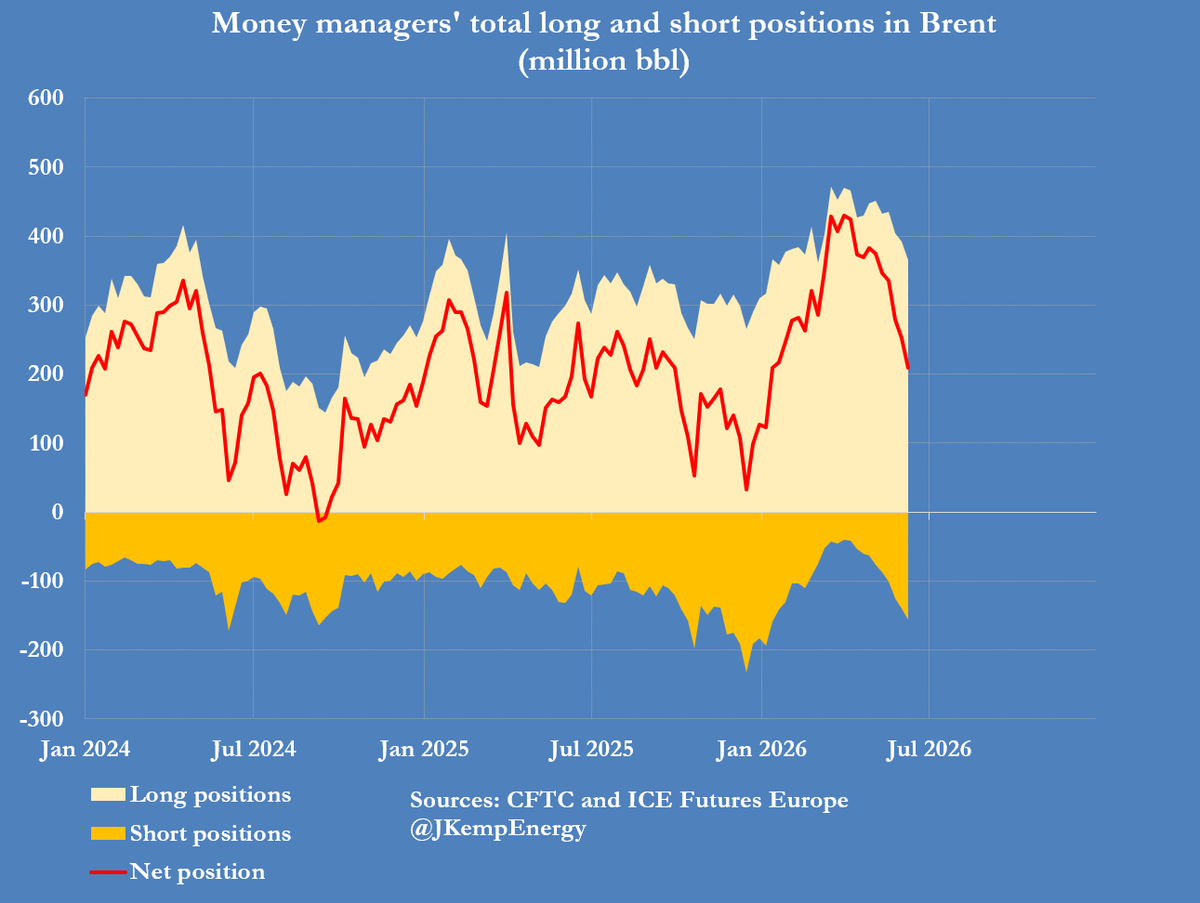
Oil Prices Slide as Funds Ready for Gulf Exports to Resume
Investors have halved their position in Brent anticipating a pickup exports through the Strait of Hormuz as talks between the United States and Iran intensify and more vessels proceed through the waterway under cover of darkness.
Hedge funds and other money managers sold the equivalent of another 44 million barrels of futures and options in the ICE Brent contract over the seven days ending on June 9, according to position records filed with the exchange ...
9
20
93
22,698
Mad Equities retweeted
Mostly in cash and occasional shorts. When Market bottomed on March10th 2009 it was best three years of money making opportunity.

Just to get your views, you must have been trading during the 2008 bear market. Those times would have difficult for someone like you who relies on momentum to make money. How did you navigate that phase?
5
2
71
10,230
RT @DrJStrategy: I am in the camp that believes a deal with Iran will get done. And when it does, oil will drop, interest rates will follow…
3
2
Mad Equities retweeted

We are closer to a peace deal than ever before. With finalisation likely expected in the next 24 hours, Pakistan is preparing for the electronic signing of the peace deal immediately after, followed by technical level talks next week.
We would like to thank United States of America and Islamic Republic of Iran for their ongoing commitment during the negotiations, and we extend our sincere appreciation to our brothers in the region for their support. We are confident that this historic peace deal will form a strong foundation for lasting peace.
@realDonaldTrump
@JDVance
@SecRubio
@SteveWitkoff
@SEPeaceMissions
@drpezeshkian
@araghchi
2,473
3,251
13,494
1,837,739
Mad Equities retweeted

Jun 13
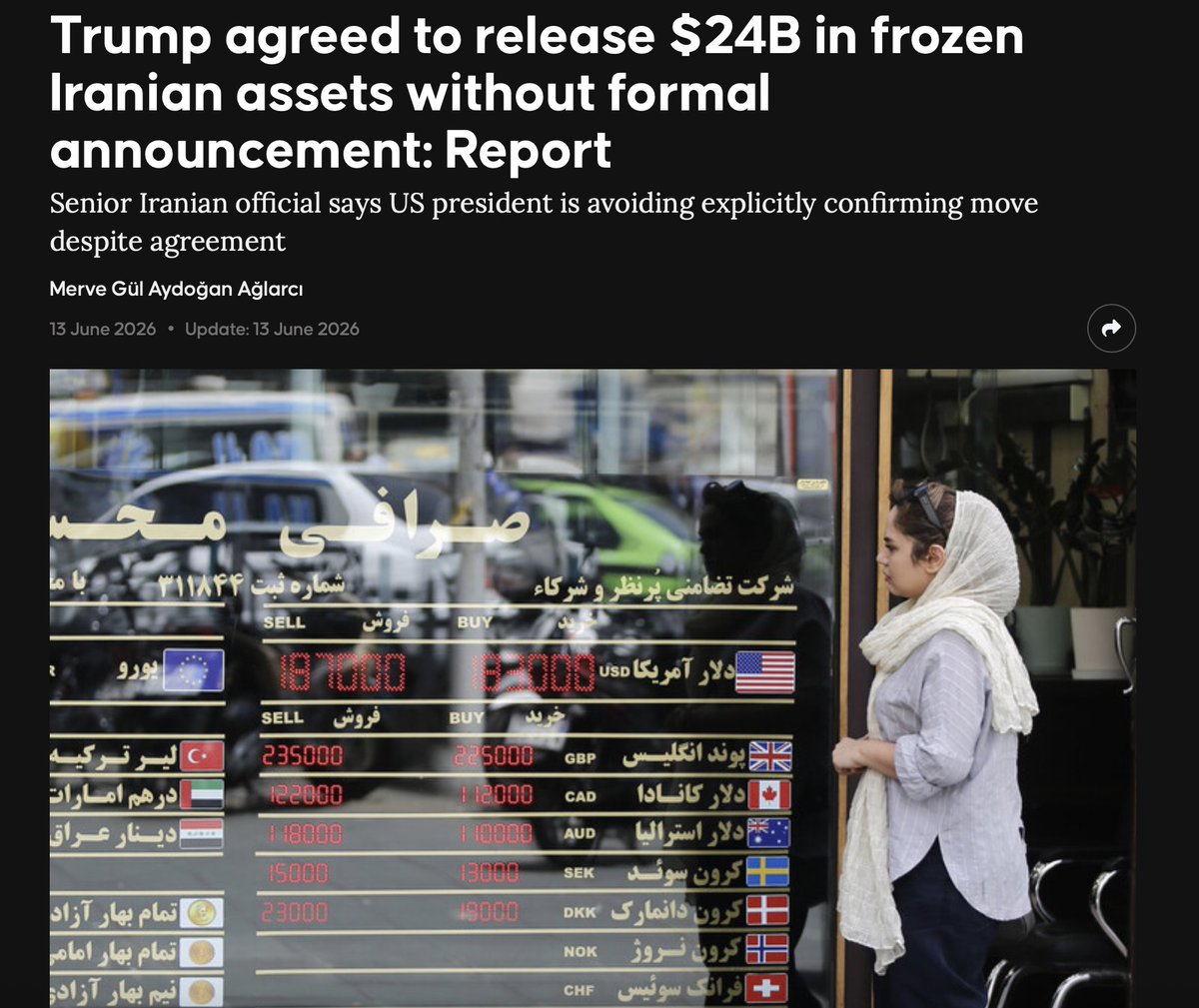
Trump agreed to release $24B in frozen Iranian assets without formal announcement: Report
Senior Iranian official says US president is avoiding explicitly confirming move despite agreement
source:
aa.com.tr/en/middle-east/tru…
1
8
1,537
Jun 13
RT @ed_fin: “The situation around Hormuz has shifted: recent developments indicate that Iran is losing some of its leverage, while the US i…
30
Mad Equities retweeted

Jun 12
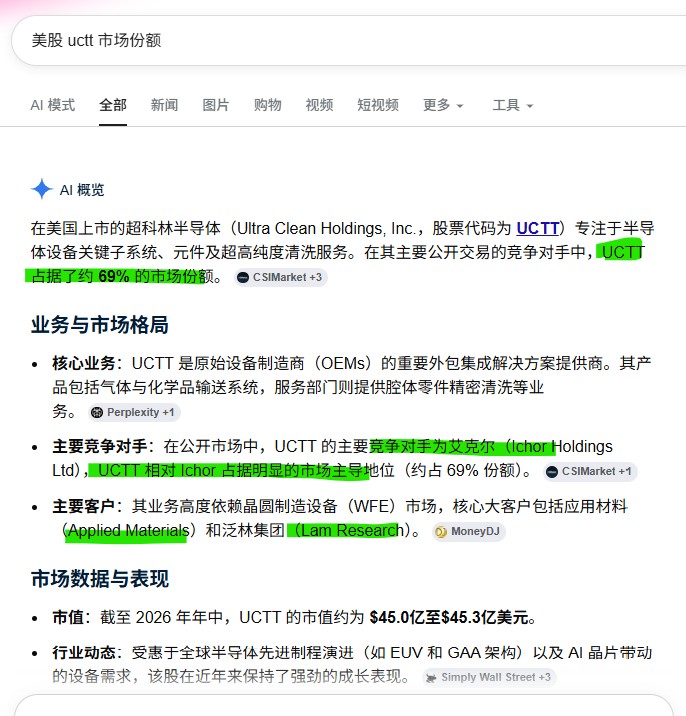
先结婚后了解
让大家见笑了
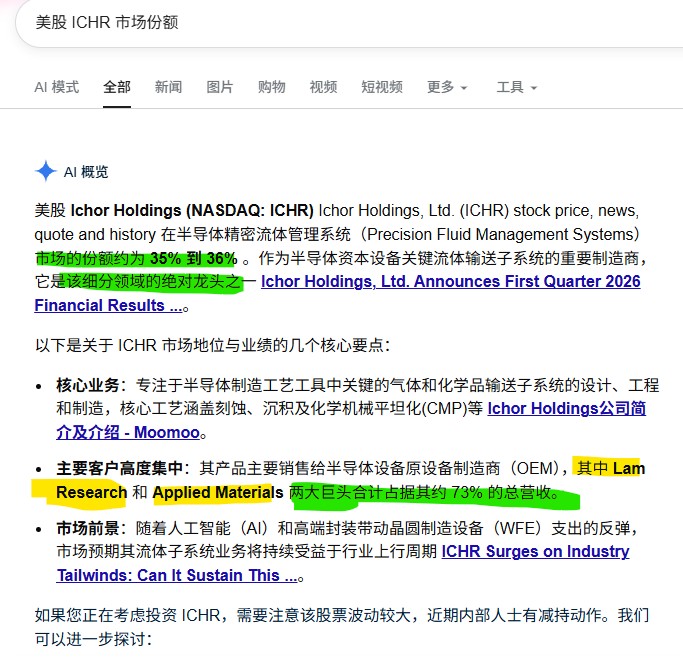
AMAT / LRCX / UCTT / ICHR 是一回事
1
2
17
3,844
Mad Equities retweeted

Jun 13
Who owns the Straits?
Try the US.
Jun 13

Iran launched multiple one-way attack drones in an attempt to strike commercial ships transiting the Strait of Hormuz. U.S. forces have downed all of them in recent hours as traffic flow through the strait continues unimpeded. The international trade corridor remains open for transit.
16
17
224
20,379
Mad Equities retweeted

Jun 12
This might be the best indication a deal is close in a good while.
Trump got mad at the bad MOU terms leaked that basically gave Iran everything they wanted.
Araghchi coming out to say this means Trump must have threatened to pull out once more and given the Iranian mindset we have seen over the 24h to not confirm any agreement this is a 180.
One that gives us more certainty a deal is close and also the intent from the Iranian side to actually sign... Not even mentioning the better than expected terms.

The Islamabad Memorandum of Understanding has never been closer. Pending its finalization, the media should refrain from entering speculation about its content.
In line with our responsible and transparent approach, all details will be shared with the public in due course.
18
3
107
33,487
Mad Equities retweeted

Jun 12
You buy a price break from a tight area early, and volume comes in later. Look at SNDK yesterday, by the time volume confirmation came in, the stock had already run up, against that early anticipatory entry, there was a low risk.
Jun 12

So is it a bit of leap of faith, levels and in hindsight knowing it was a good entry based on volume?
11
11
180
17,201
Mad Equities retweeted

Jun 12
BREAKING: Iran rejects Trump’s plan of a weekend deal-signing ceremony with Vance, saying any plan about signing in Geneva, Switzerland or a face-to-face meeting is nothing but a “mistaken understanding of US proposals and wishes,” due to the absence of a final deal, per Fars.
198
1,124
5,131
481,446