
Joined January 2010
- Tweets 80
- Following 243
- Followers 96
- Likes 169
Photos and videos
Maddipati Lab retweeted

23 Jul 2025
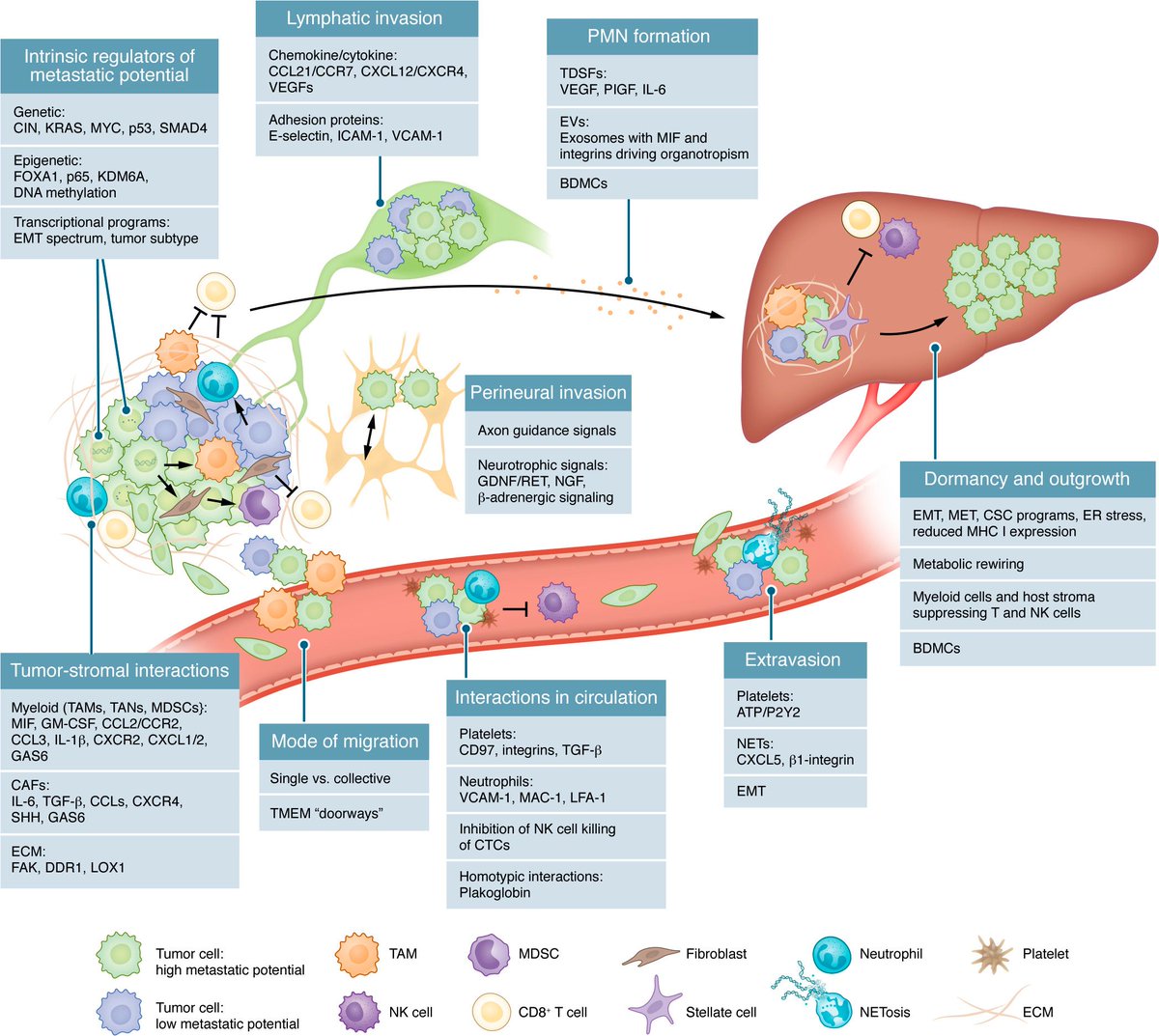
Conventional therapies often fail in metastatic pancreatic cancer.
@MaddipatiLab @utswcancer reviews tumor-stroma interactions that shape metastatic progression in PDAC and highlight potential stage- and site-specific therapeutic opportunities for intervention: jci.org/articles/view/191943
8
29
5,088
Maddipati Lab retweeted

3 Oct 2023
How does the location of a tumor influence #healthoutcomes? Check out @UTSWInternalMed researcher and #NIHHighRisk New Innovator Awardee Dr. Ravikanth Maddipati and his work to better understand #cancer. @UTSWNews utsouthwestern.edu/newsroom/…
2
5
3,544
Maddipati Lab retweeted
3 Oct 2023
Early-stage investigators proposed innovative high-impact research ideas for the @NIHDirector’s New Innovator Award. See the projects the awardees will pursue: commonfund.nih.gov/newinnova… #NIHHighRisk
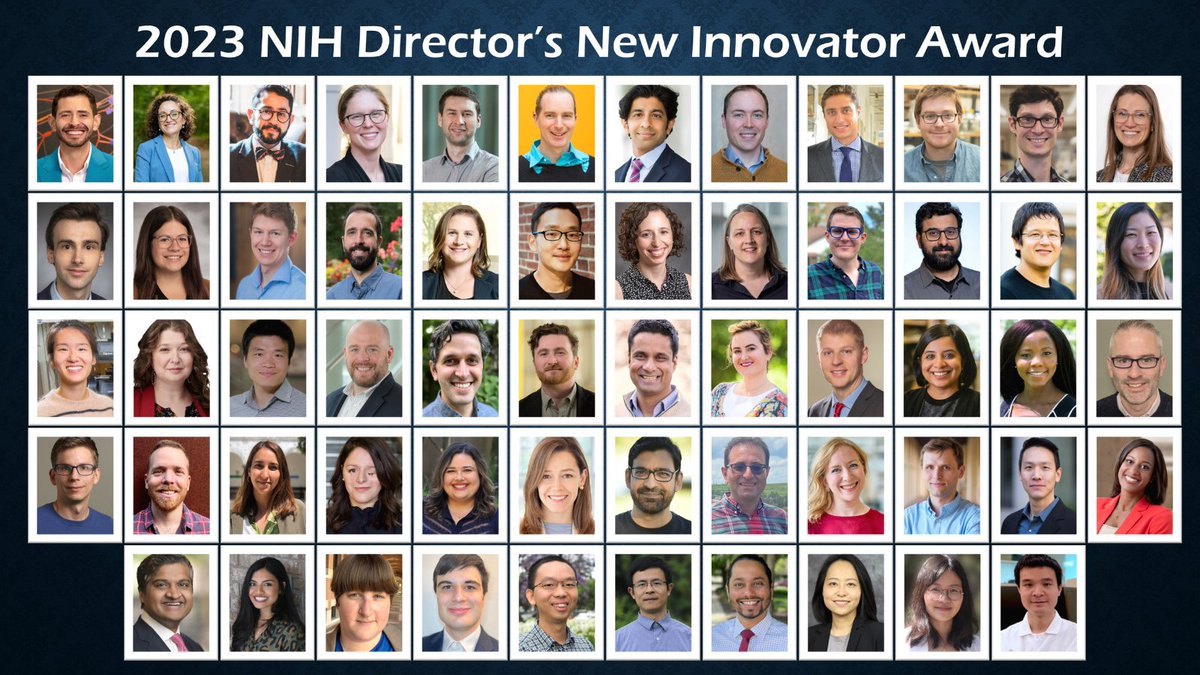
ALT Collage of photos of all the 2023 NIH Director's New Innovator Awardees
28
65
411
766,505

3 Oct 2023
Excited to be one of the NIH New Innovator Award recipients! It is an honor and privilege to be in the company of so many innovative young scientists.
Looking for good post-docs to help carry the project forward!
x.com/NIH_CommonFund/status/…
3 Oct 2023

How does the location of a tumor influence #healthoutcomes? Check out @UTSWInternalMed researcher and #NIHHighRisk New Innovator Awardee Dr. Ravikanth Maddipati and his work to better understand #cancer. @UTSWNews utsouthwestern.edu/newsroom/…
5
1
17
2,462
Maddipati Lab retweeted

2 Oct 2023
Katalin Karikó and Drew Weissman – awarded the 2023 #NobelPrize in Physiology or Medicine – discovered that base-modified mRNA can be used to block activation of inflammatory reactions and increase protein production when mRNA is delivered to cells.

16
779
2,155
355,003
Maddipati Lab retweeted

6 Apr 2023
"This work has opened the door for a decade’s worth of research." -@timofran1
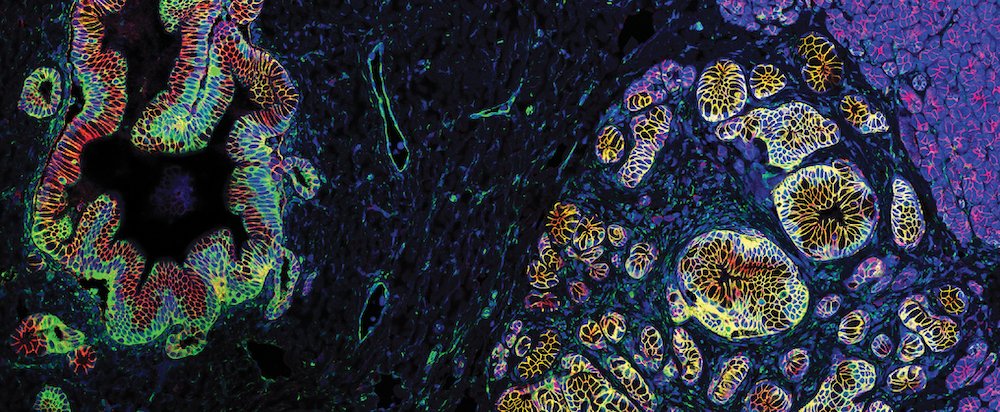
@umichmedicine & @GiftofLifeMich project shows PanIN lesions more common than previously thought, opening new pathway to understanding progression of pancreatic cancer. ⬇️⬇️⬇️
medicine.umich.edu/dept/surg…
12
23
5,137
Maddipati Lab retweeted

3 Mar 2023
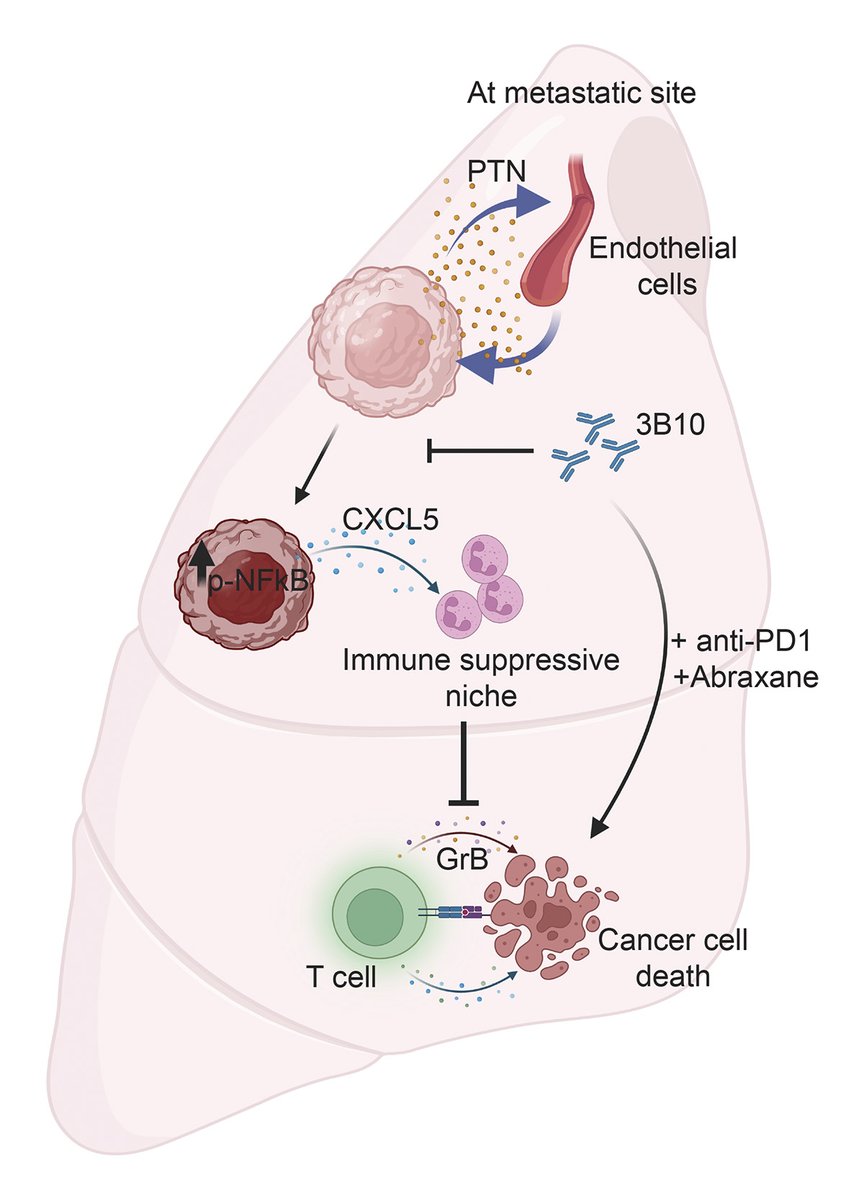
Pleiotrophin drives a prometastatic immune niche in #BreastCancer, say Debolina Ganguly @debog93, Rolf Brekken @brekkenlab et al @utswcancer @UTSWNews: bit.ly/3IRSdB9
@gilbertzmurimwa @FaValdesMora @dgallegoortega
#TumorImmunology #metastasis
9
31
3,794
Maddipati Lab retweeted

13 Sep 2022
Excited to share our latest work highlighting the role of cell competition in shaping metastatic latency and relapse @CD_AACR !! A collaborative effort with @PayalKapur5 @JBrugarolas and @brekkenlab
@ElizSMcKenna - Appreciate all the support !!
13 Sep 2022

Now online in @CD_AACR: Cell Competition Shapes Metastatic Latency and Relapse @KangsanKim_UTSW @MalladiLab @UTSW_Pathology @UTSWCancerBio @utswcancer @UTSWNews aacrjournals.org/cancerdisco…

35
27
111
Maddipati Lab retweeted

1 Sep 2022
@aguilera_md @NiuSanford @drdavidpalma @Dr_AliHosni @TAMERMR @ldawsonmd @BobTimmermanMD
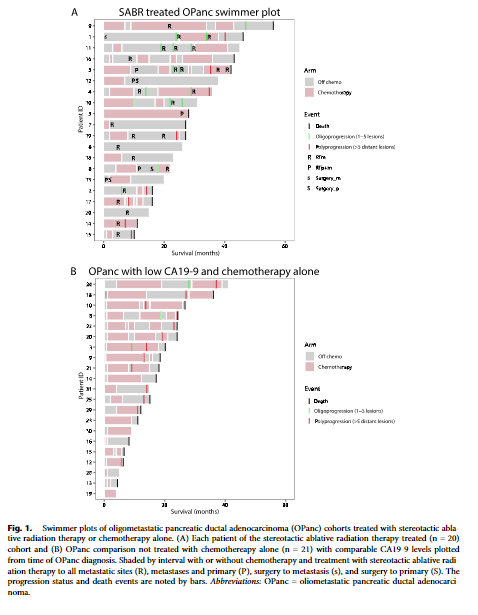
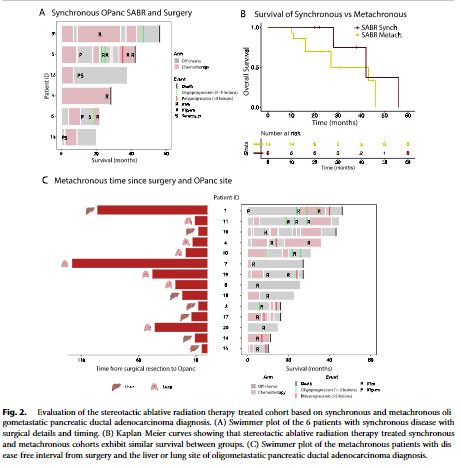
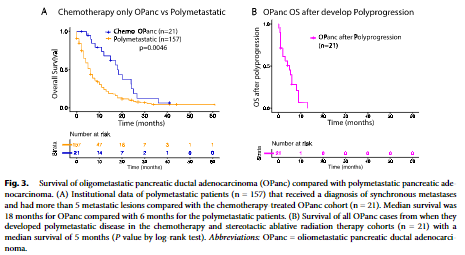
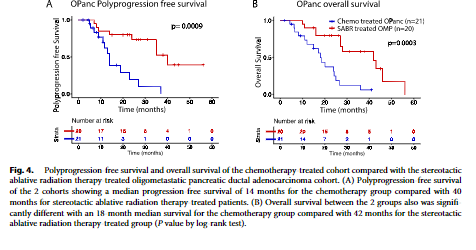
A series of SABR ttt PDAC oligomets (OPanc) (1-5 mets) published in Red Journal. Retro, small n & selection bias limiting, but SABR doubled OS with less time on CTH.
authors.elsevier.com/c/1fgzw…
1
11
31
Maddipati Lab retweeted

26 Aug 2022
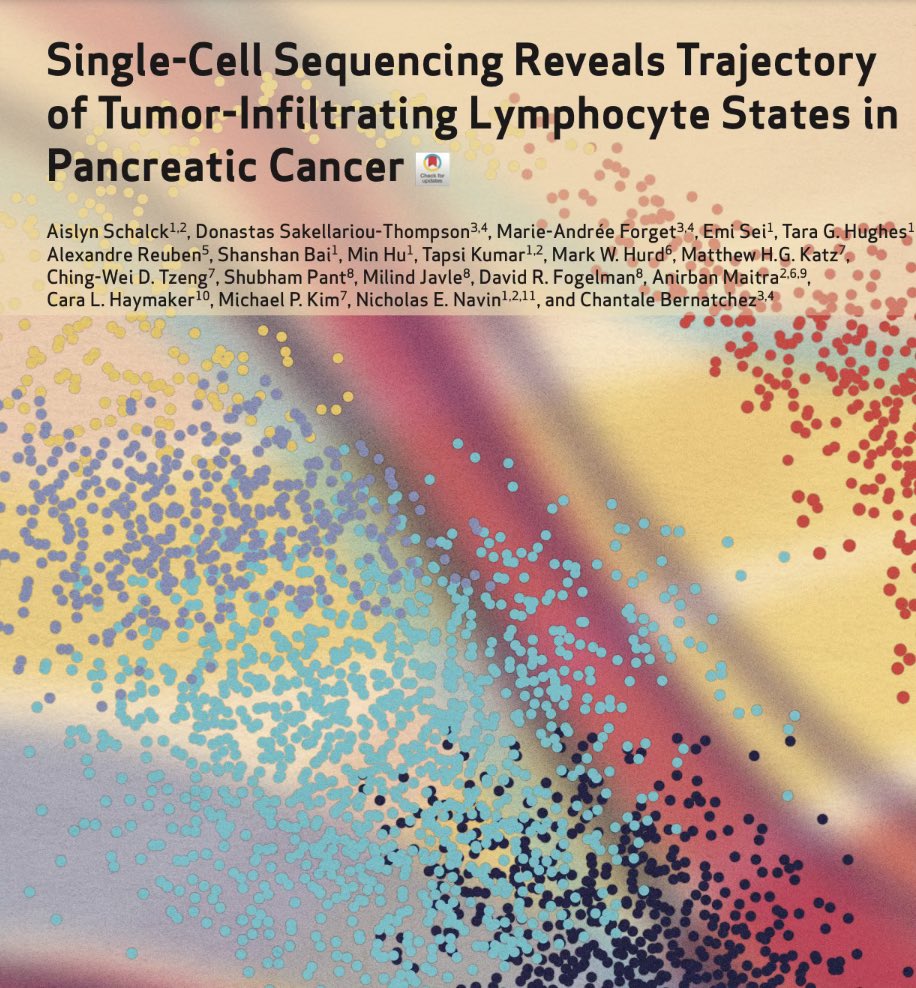
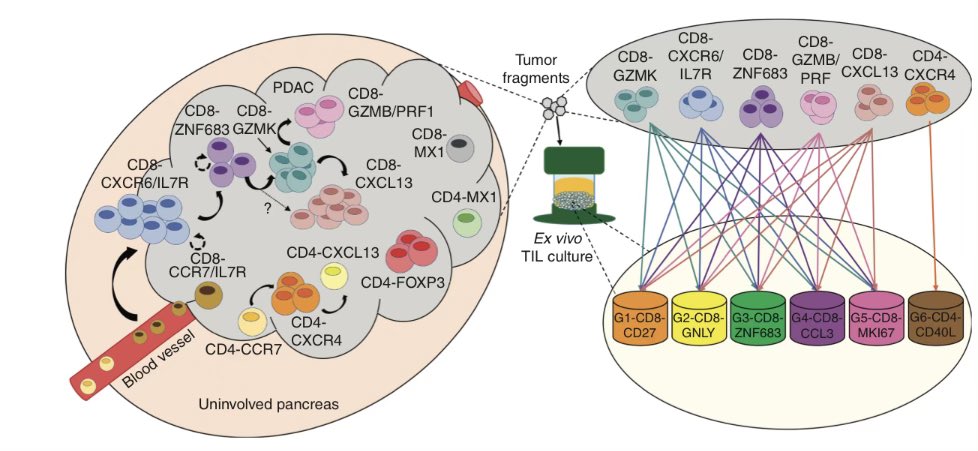
ICYMI: Final version of the @CD_AACR paper on T cell trajectories in pancreatic cancer is now online. Magnum opus from the @MDAndersonNews #PancreaticCancer #Moonshot team. Single cell RNAseq & TCRseq on 80,000 T cells, treasure trove for mining targets!
aacrjournals.org/cancerdisco…
5
60
191
Maddipati Lab retweeted

5 May 2022
If you are interested in apCAFs in PDA give this paper from Huocong Huang a read. @utswcancer @UTSWCancerBio @UTSW_Surgery He had wonderful help from @TurleyLabGNE Mesothelial cell-derived antigen-presenting cancer-associated fibrobla... sciencedirect.com/science/ar…
18
18
87
Maddipati Lab retweeted
16 Mar 2022
New paper resulting from a large collaborative effort btwn brekken/minna/fu/li labs @UTSWNews, @utswcancer. Lead author is another outstanding @UTSWCancerBio trainee. cell.com/cell-reports-medici…
8
21
93
Maddipati Lab retweeted

1 Mar 2022
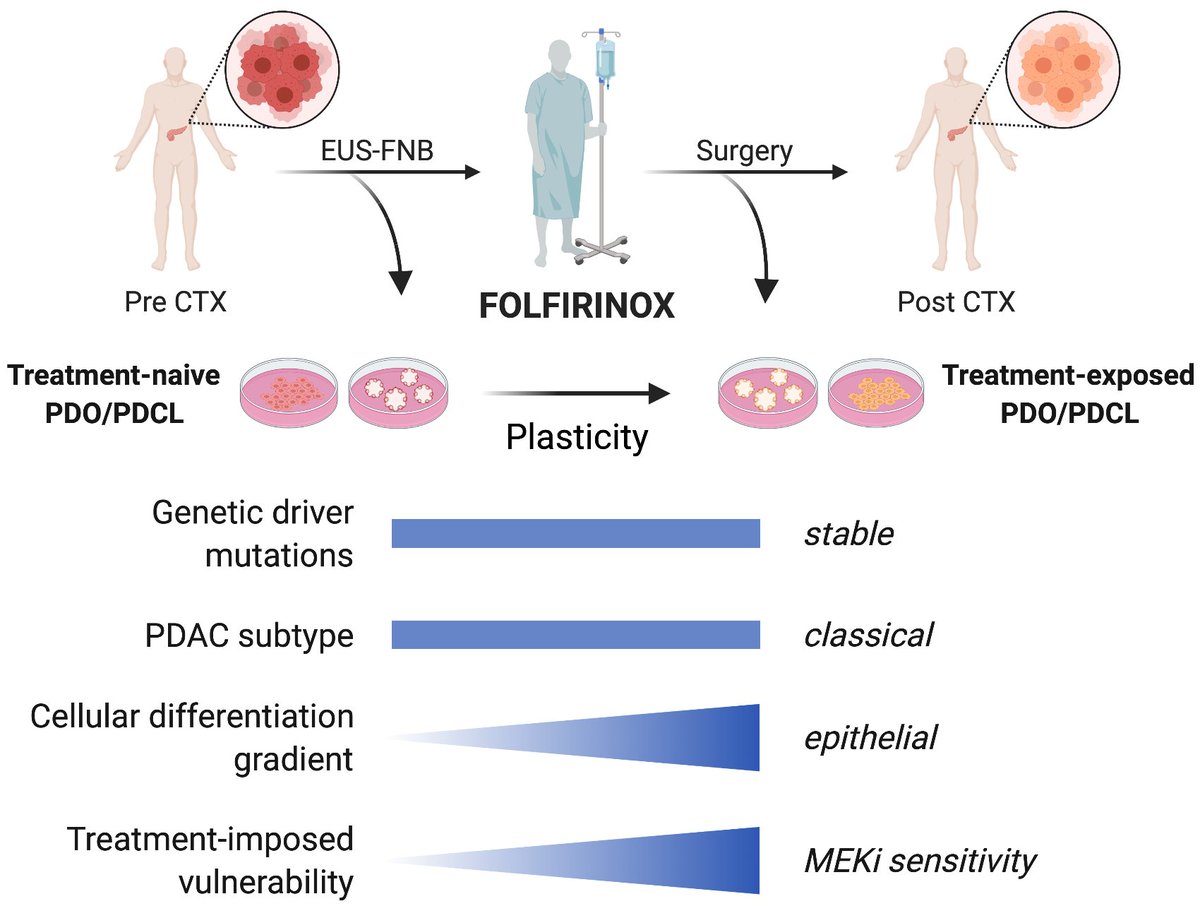
Our latest publication together with @SchneiderG_Dr lab in @EmboMolMed: Identification of treatment-induced vulnerabilities in pancreatic cancer patients using functional model systems
embopress.org/doi/full/10.15…
@MaxReichertMD @sfb1321 @TU_Muenchen
1/4
2
6
21
28 Feb 2022
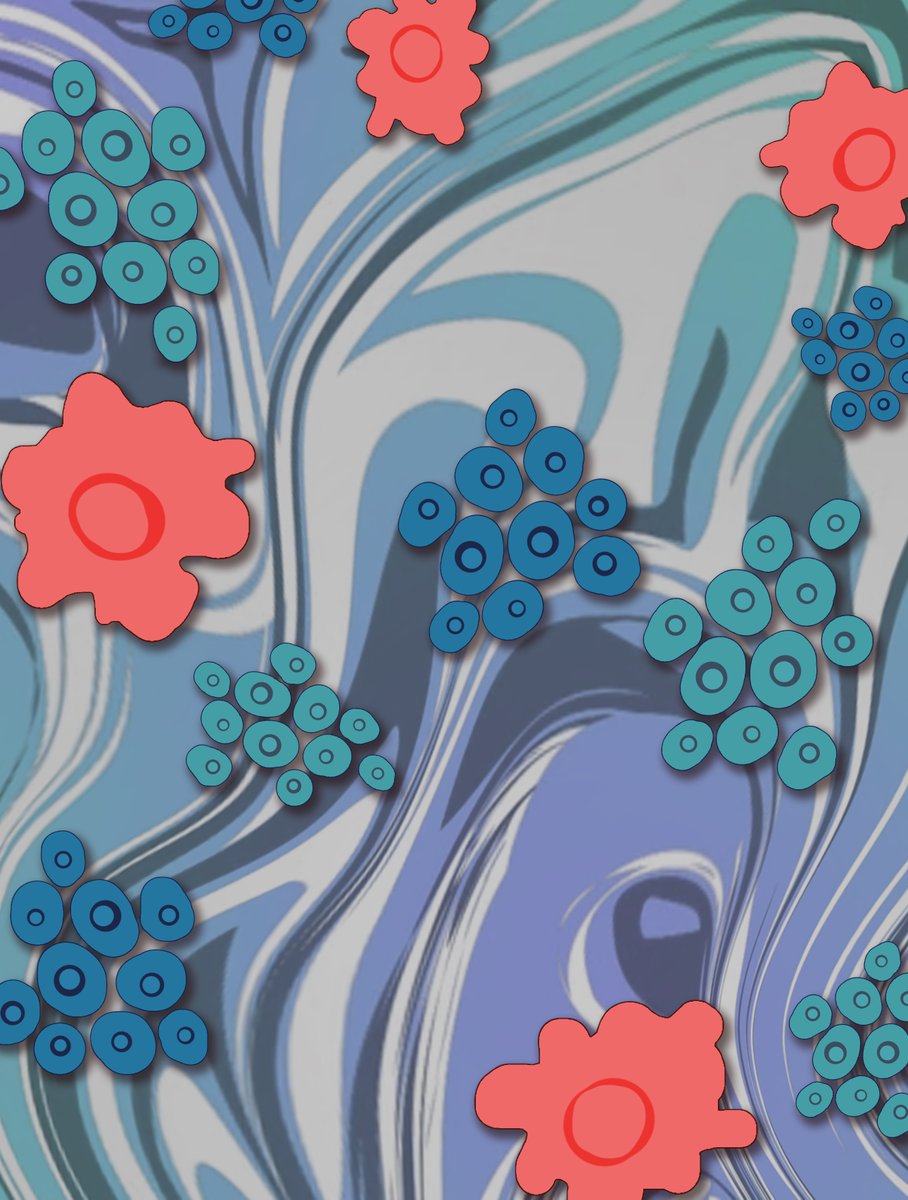
Check out our paper on the drivers of metastatic heterogeneity in pancreatic cancer, finally out in Print @CD_AACR.
28 Feb 2022

From the February issue: #MYC levels regulate #metastatic heterogeneity in pancreatic adenocarcinoma by @MaddipatiLab, Ben Stanger et al. bit.ly/3HvYcHV
@utswcancer @PennMedicine @PennCancer
5
13
46
28 Feb 2022
Part 5: Similar analysis in a large cohort of paired human primary PDAC tumors and metastasis provided further evidence that MYC can function as a driver of metastatic heterogeneity, independent of its role in primary tumor growth.
1
1
28 Feb 2022
Part 6: Furthermore, we found that MYC exerts its pro-metastatic effects in part through recruitment of pro-invasive Tumor associated macrophages and that this could be targeted to limit metastatic spread.
1