
AI is eating the world and I'm quite hungry.
Joined December 2010
- Tweets 4,342
- Following 3,085
- Followers 1,035
- Likes 2,779
368 Photos and videos




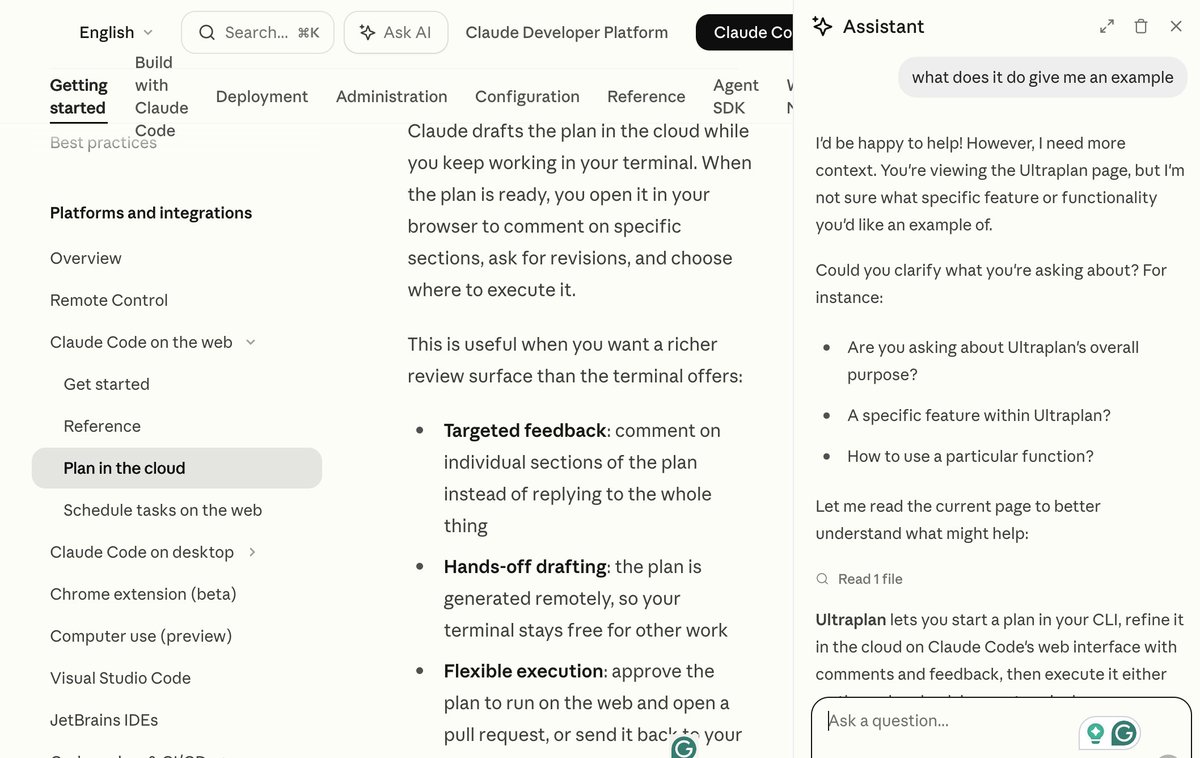
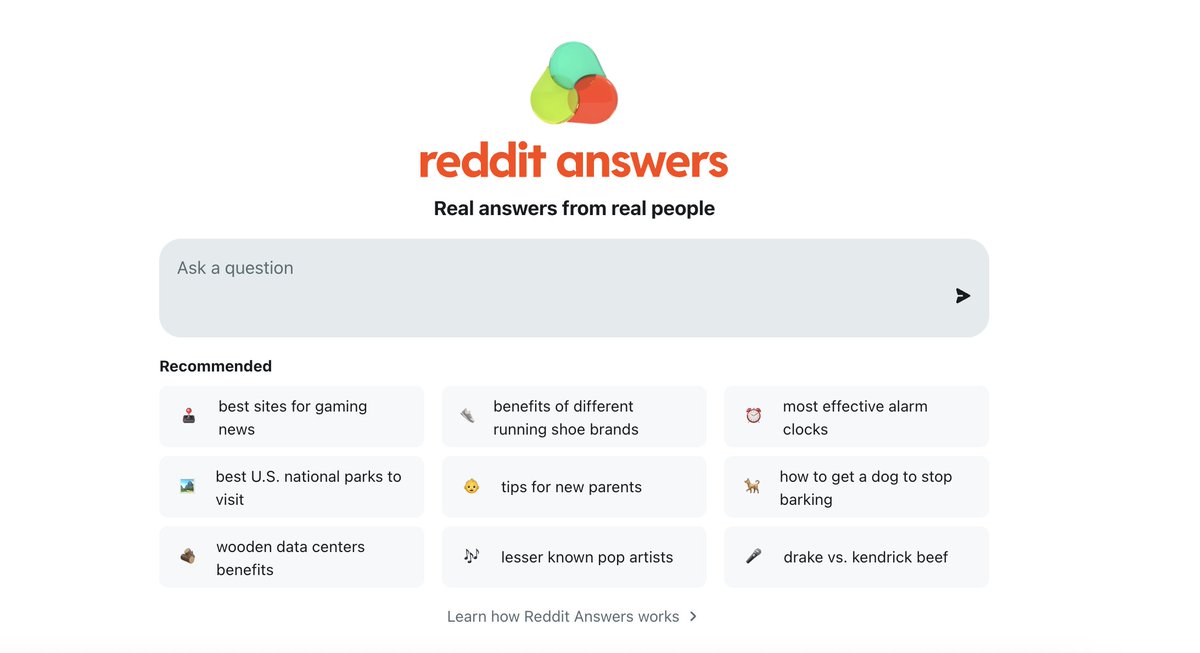
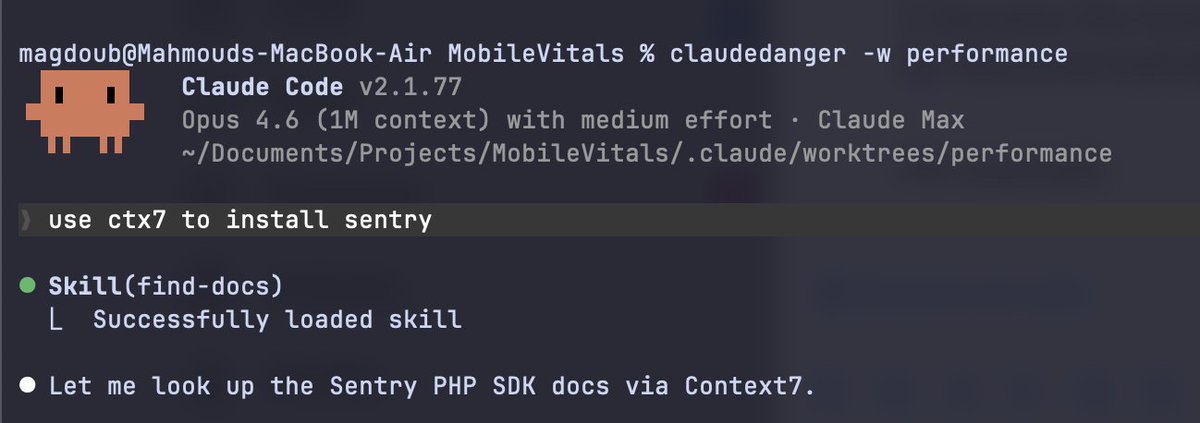

Jun 10
The 2026 World Cup homepage is a disgrace. I don't even know where to start. That's one hell of a bad design
58
Mahmoud El Magdoub retweeted

May 22
Seeing @openai emails signing up for your product is one of those moments that gives you a little extra motivation as a founder.
Even if it means absolutely nothing.
1
5
146
May 19
Yasser is setting the bar high 🔥
May 18

We just crossed $10M in ARR at @Chatbase! 🎉 🎉
And today, we're launching Chatbase as the full harness for customer-facing AI agents.
Similar to how Claude code is a harness for coding agents, Chatbase is the harness for customer experience agents.
That means we give the model the context, tools, workflows, guardrails, and human-in-the-loop systems to be the best ambassador for your brand.
It's going beyond just solving issues and is giving your customers the best experiences across every channel.
This is a milestone I have been thinking about and obsessed with since day 1, and I am super excited to bring my vision for customer facing agents to life with Chatbase.
Thank you to every one of our customers and to the amazing Chatbase team for getting us here!
Next stop: $100M ARR
3
115
May 14
Great move from Notion. All software companies should do the same
May 13

Introducing: the Notion Developer Platform
New building blocks that help you (and your coding agents) sync any data source, build any tool, and orchestrate any agent.
Follow along 👇 x.com/i/broadcasts/1AJEmOArr…
3
112
Mahmoud El Magdoub retweeted

I hated how bad agents are at design
I hated how Codex can't access Mobbin
So I created Lazyweb
- 257k screens (apps/web)
- 6 opinionated design research skills
- 1 MCP (Claude/Codex)
100% Free...AI native...no rate limits...no subscriptions..
Enjoy (and tell a friend) 🫡
187
380
5,469
333,470
Apr 5
Writing = Thinking
Apr 4

You need to write more.
Without AI. Without templates. Without knowing what you're writing about. Just you, an idea, and enough time to do the difficult cognitive work necessary to reach true understanding. If you don't, your ability to think will drastically decline.
1
146
Apr 5
I’ve been trying this setup, it’s extremely helpful. Specially when you are joining a new project/company
With time the agent becomes much smarter than you because it knows all the context
Apr 2

LLM Knowledge Bases
Something I'm finding very useful recently: using LLMs to build personal knowledge bases for various topics of research interest. In this way, a large fraction of my recent token throughput is going less into manipulating code, and more into manipulating knowledge (stored as markdown and images). The latest LLMs are quite good at it. So:
Data ingest:
I index source documents (articles, papers, repos, datasets, images, etc.) into a raw/ directory, then I use an LLM to incrementally "compile" a wiki, which is just a collection of .md files in a directory structure. The wiki includes summaries of all the data in raw/, backlinks, and then it categorizes data into concepts, writes articles for them, and links them all. To convert web articles into .md files I like to use the Obsidian Web Clipper extension, and then I also use a hotkey to download all the related images to local so that my LLM can easily reference them.
IDE:
I use Obsidian as the IDE "frontend" where I can view the raw data, the the compiled wiki, and the derived visualizations. Important to note that the LLM writes and maintains all of the data of the wiki, I rarely touch it directly. I've played with a few Obsidian plugins to render and view data in other ways (e.g. Marp for slides).
Q&A:
Where things get interesting is that once your wiki is big enough (e.g. mine on some recent research is ~100 articles and ~400K words), you can ask your LLM agent all kinds of complex questions against the wiki, and it will go off, research the answers, etc. I thought I had to reach for fancy RAG, but the LLM has been pretty good about auto-maintaining index files and brief summaries of all the documents and it reads all the important related data fairly easily at this ~small scale.
Output:
Instead of getting answers in text/terminal, I like to have it render markdown files for me, or slide shows (Marp format), or matplotlib images, all of which I then view again in Obsidian. You can imagine many other visual output formats depending on the query. Often, I end up "filing" the outputs back into the wiki to enhance it for further queries. So my own explorations and queries always "add up" in the knowledge base.
Linting:
I've run some LLM "health checks" over the wiki to e.g. find inconsistent data, impute missing data (with web searchers), find interesting connections for new article candidates, etc., to incrementally clean up the wiki and enhance its overall data integrity. The LLMs are quite good at suggesting further questions to ask and look into.
Extra tools:
I find myself developing additional tools to process the data, e.g. I vibe coded a small and naive search engine over the wiki, which I both use directly (in a web ui), but more often I want to hand it off to an LLM via CLI as a tool for larger queries.
Further explorations:
As the repo grows, the natural desire is to also think about synthetic data generation finetuning to have your LLM "know" the data in its weights instead of just context windows.
TLDR: raw data from a given number of sources is collected, then compiled by an LLM into a .md wiki, then operated on by various CLIs by the LLM to do Q&A and to incrementally enhance the wiki, and all of it viewable in Obsidian. You rarely ever write or edit the wiki manually, it's the domain of the LLM. I think there is room here for an incredible new product instead of a hacky collection of scripts.
2
206
Apr 4
That’s a great trend
Apr 3

Most tech companies break out product management and product marketing into two separate roles: Product management defines the product and gets it built. Product marketing wires the messaging- the facts you want to communicate to customers- and gets the product sold. But from my experience that's a grievous mistake. Those are, and should aways be, one job.
There should be no separation between what the product will be and how it will be explained- the story has to be utterly cohesive from the beginning. Your messaging is your product. The story you're telling shapes the thing you're making.
I learned story telling from Steve Jobs. I learned product management from Greg Joswiak. Joz, a fellow Wolverine, Michigander, and overall great person, has been at Apple since he left Ann Arbor in 1986 and has run product marketing for decades. And his superpower- the superpower of every truly great product manager- is empathy. He doesn't just understand the customer. He becomes the customer.
So when Joz stepped into the world with his next-gen iPod to test it out, he fiddled with it like a beginner. He set aside all the tech specs- except one: battery life.
The numbers were empty without customers, the facts meaningless without context.
And, that's why product management has to own the messaging. The spec shows the features, the details of how a product will work, but the messaging predicts people's concerns and finds way to mitigate them.
- #BUILD Chapter 5.5 The Point of PMs
1
171
Apr 3
I was very big on plan mode in claudecode. Tried living without it today and it has been a much better experience!
Sometimes we are trapped in our own thinking
Apr 2

I never use plan mode.
The main reason this was added to codex is for claude-pilled people who struggle with changing their habits.
just talk with your agent.
1
2
242
Mahmoud El Magdoub retweeted

Mar 31
This is my playbook for bootstrapping an AI agent business to $9M ARR.
The most important thing is that you need something repeatable and scalable, something where if you do more of, you get more money. You need the equation where you can arbitrage every dollar you spend into more dollars on the other end.
Here is how you get there:
1. if you're in B2B, just do the B2B stuff.
self-serve is very hard to make work in B2B. it's so much easier to build a sales team, teach them the product, and let them sell it, instead of building a very intuitive platform and hoping people figure it out.
that's why all these bigger companies are mainly doing "book a demo with us." they charge customers a lot more because there's no public pricing, and they can set the product up for them. you cannot rely on a middle manager at a non-tech company to put in the effort to use your platform, even if it's extremely intuitive.
if you're bootstrapping, you can't hire a sales team on day one. so you need momentum from self-serve customers first. but the goal is to layer in sales as fast as possible, get on demo calls, set up the product for bigger customers, and invest in building an intuitive platform at the same time.
2. content is non-negotiable, even if you're sales-led.
good content gets you brand visibility and brand awareness, and that makes all the other channels work much more efficiently. paid ads work much better if people recognize your brand. if they click on your page and see content that people are engaging with, good quality content, it compounds everything.
here's what that looks like:
video: it depends on your ICP, but we all know video is hard to do, and that's a good thing because it makes the barrier to entry much higher. you can signal that you are a serious business if you do good quality video content.
be creative within video, but don't get too creative with the kinds of videos. the kinds of videos you should be doing are product videos and customer videos. that's it. you can be creative in telling your customers' story, you can be creative in launching a product, but don't do the stunt thing, the office content, the random skits. they can work, but you only do them after you do the things that you know will work.
hire a videographer in-house. agencies are so expensive (this is just a good rule of thumb).
text personal brands: you need personal brands for everyone in the company. EGC (employee-generated content) needs to be a non-negotiable. everyone on the team posting at least twice a week.
3. warm outbound is the lowest-hanging fruit.
warm outbound = outbounding people who have already seen your product. people who interacted with your LinkedIn posts. people who visited your site but haven't signed up. people who created an account but never finished onboarding.
these people are the lowest-hanging fruit. email them, call them, put them in a sequence until they become customers. you can have very clear KPIs for your team on this.
4. cold outbound, if your ICP is big enough.
be good at writing cold emails and managing your own infrastructure. don't go through an agency. build a system where you can send emails profitably. if it works, send more. if that works, send more. scale it until it doesn't make sense to continue. also do this in-house if it's an important channel.
5. SEO and AEO are extremely important.
whenever I want to try a new product, I ask Claude. AI search is a non-negotiable channel now. you need to show up there.
that means a lot of Reddit, a lot of review websites, a lot of talking to blogs and backlinking sites to make sure they write what you want with the messaging you want.
6. expansion: be friends with your biggest customers.
get on a call with them. know them by name. they need to have your number. they need to be advocates for you. build community around the customer.
a lot of founders do not see their customers as friends or a community. they just see them as revenue. that's so bad. your customers need to enjoy spending time with you and talking with you.
7. pricing is the fastest lever.
you need to find a good sweet spot for packaging and pricing. incentivize people to spend more money and make sure it's a good deal for them. there's no shortcut, you talk to customers, see what they care about, see what they get a lot of value out of, and capture some of that value while making sure they're successful.
8. margins don't matter early on.
if you have a $10M ARR business but you spend $10M to run it, that's fine. you can always cut costs. revenue is the most important metric. it's easier to cut costs than to make more money, so in the beginning, focus on making more money.
That's how we built @chatbase to where it is today. Most of this will continue to scale with us as we go to 100M ARR.
Mar 30
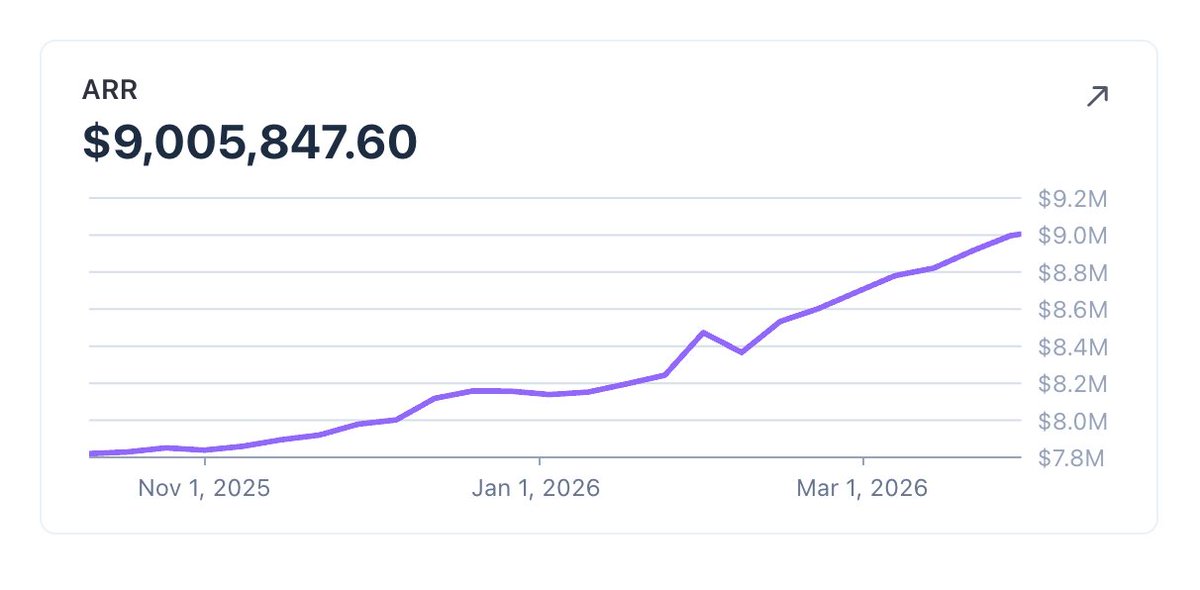
9M ARR 🥳
So happy!
@Chatbase is going to be a $100M ARR company.
Some days I feel it's inevitable, we're past the hardest part, it's almost too easy. Some days it feels too hard and I need a miracle.
Constantly moving between "I am a genius, how come no one is doing this" to "I don't know anything about anything".
Follow to watch the journey, you will never be this early.
71
70
1,335
223,246
Mar 31
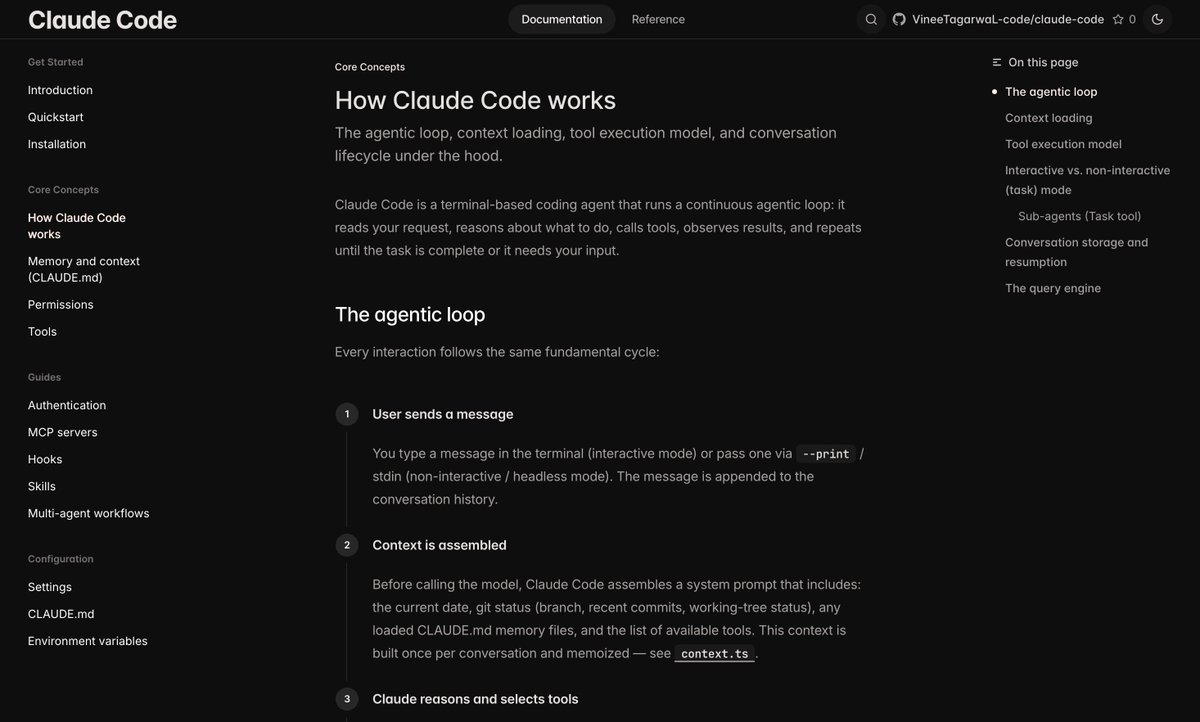
Claude code’s source code got leaked. This guy created a full fledged documentation after 1 hr of the leak.
We live in fun times!
Mar 31

I created documentation over Claude Code's Codebase, which explains
- Its pipeline
- How it works
- How it handles Context
- How it handles Memory
& More
Read it here - mintlify.com/VineeTagarwaL-c…
1
2
295
Mar 31
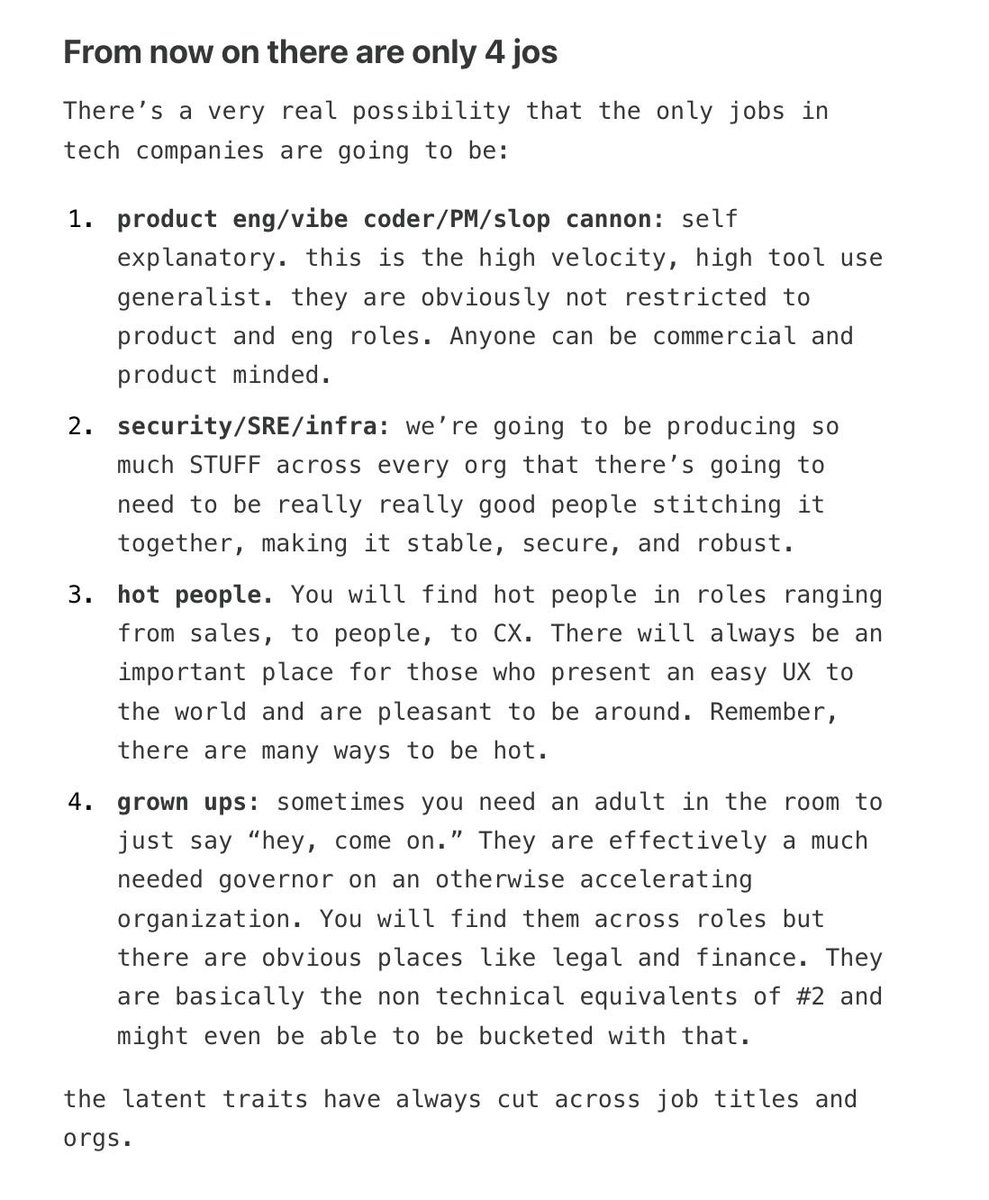
That's true

4
226
Mar 30
Great Designers to follow
@raphaelsalaja
@JohnPhamous
@designgurra
@abjt14
@smintfy
@KMkota0
@flornkm
@pranathiperii
@jakubkrehel
@henryheffernan
1
3
216
Mar 27
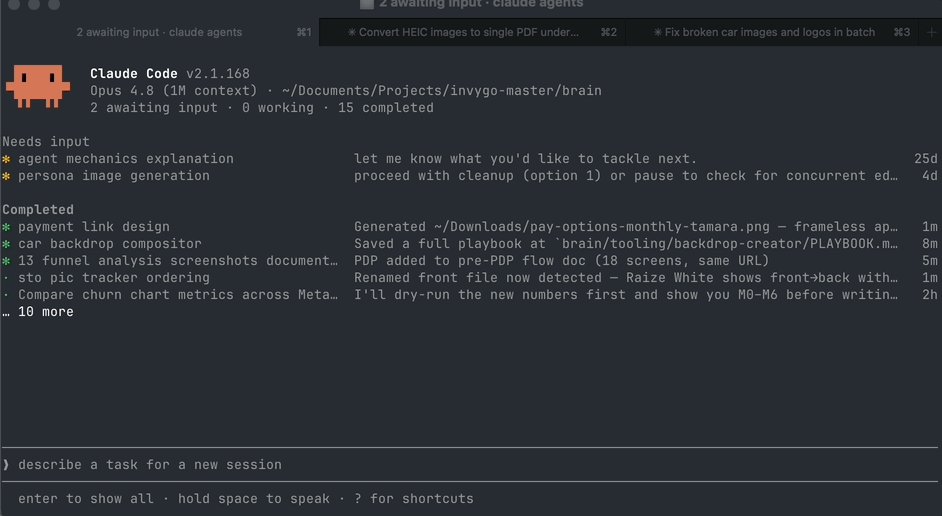
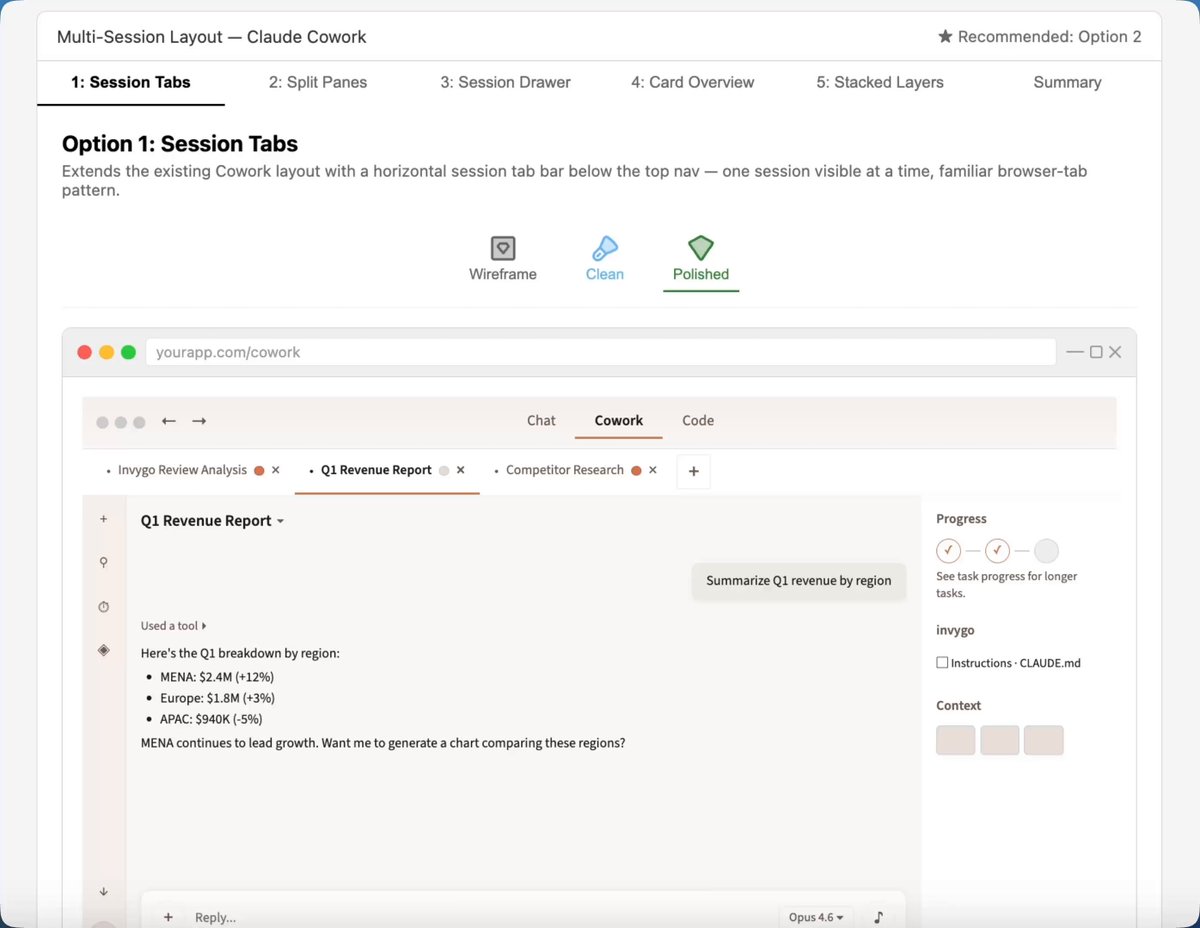
@amorriscode I love claude cowork. Yet, I miss the multi-tab/pane TUI experience with CC.
Here are some rough ideas that I'm sharing on how it can look visually.
2
2
157
Mahmoud El Magdoub retweeted

Mar 26
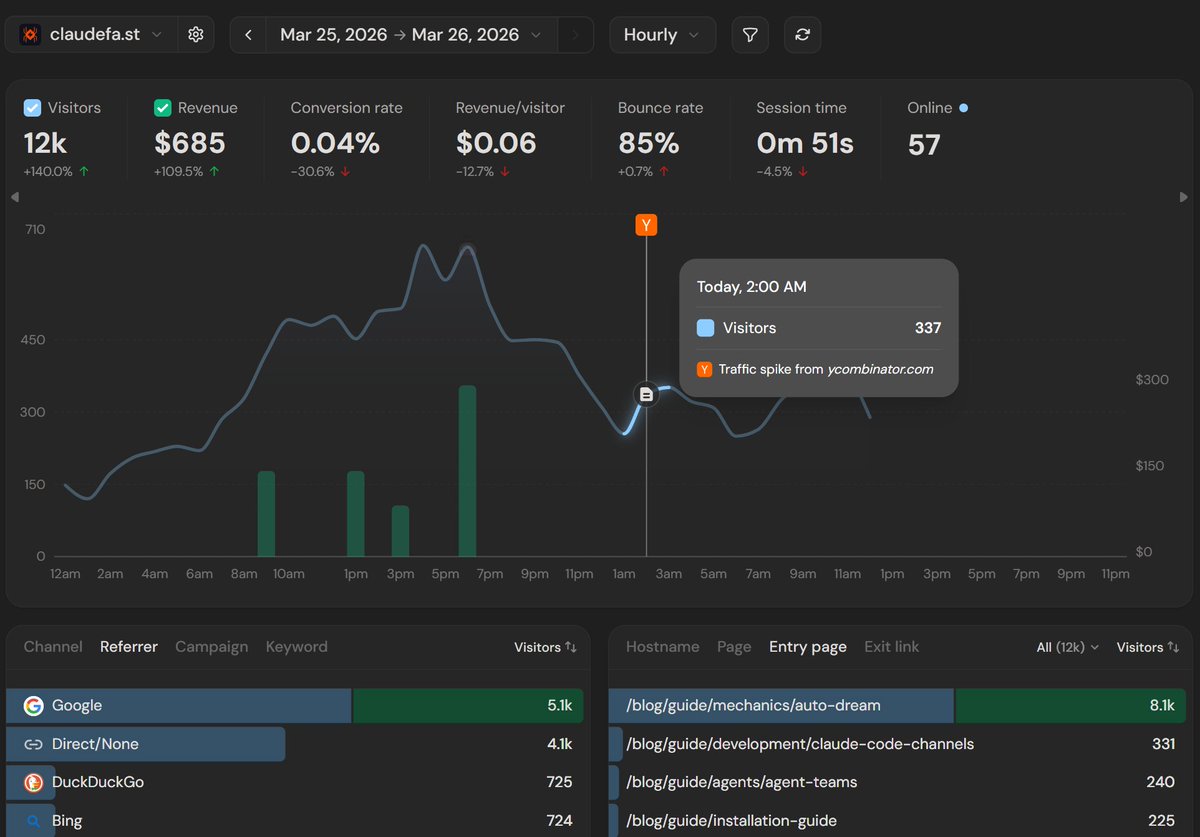
Yesterday Claude code wrote a post using CF's growth kit that produced 8k visits, 700$ in revenue and a HN appearance.
1
4
332
Mar 26
Great read
Mar 25

I'm usually not one to write thought pieces without much technical depth. But here we go.
Slow the fuck down.
mariozechner.at/posts/2026-0…
134