
Pain Educator/Chiropractor/Mentor with BCAMN/cyclist/movement optimist/he/him 🚵♂️🏃🤓
Joined February 2018
- Tweets 1,075
- Following 409
- Followers 298
- Likes 1,649
60 Photos and videos




RichardMcIlmoyle,DC retweeted

19 Oct 2024
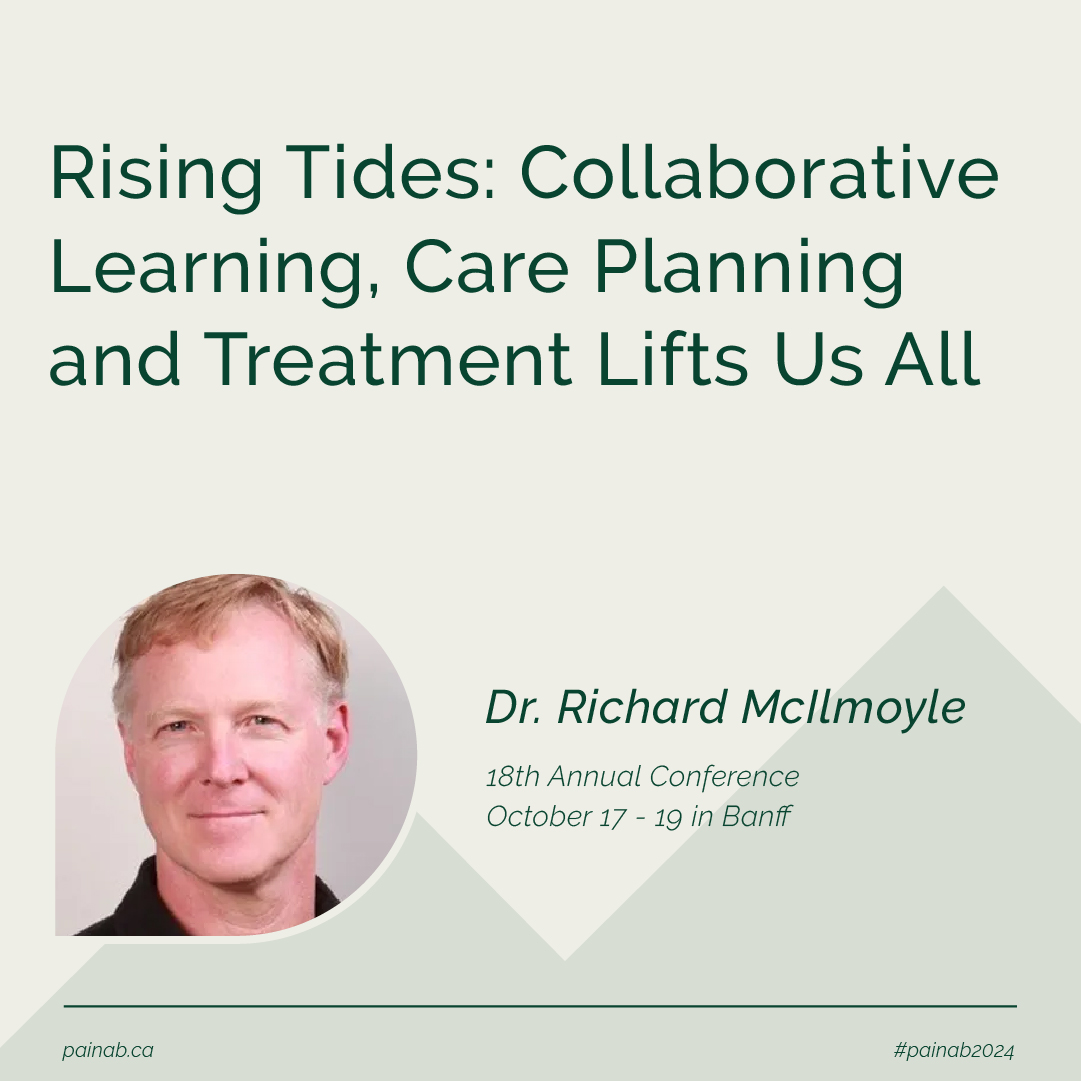
⏰ Happening NOW in the Wildrose Ballroom:
Rising Tides: Collaborative Learning, Care Planning and Treatment Lifts Us All with @maleablemind at #PainAB2024.
1
2
74
RichardMcIlmoyle,DC retweeted
25 Sep 2024
Meet our extraordinary speakers at the 18th Annual Conference! 🎤✨
Secure your spot at painab.ca/annualconference.
#PainAB2024 #PainSocietyofAlberta @maleablemind @suesobeyfawcett @JasonWBusse @MargieMcNeely @Linda_E_Carlson @ElenaLopatin @drivonnehernan @DrAlbino
2
4
180
RichardMcIlmoyle,DC retweeted

26 May 2024
Orthopedic Truths: Part 3
Labral "tears" of the shoulder are incredibly common.
Especially superior or SLAP tears.
If you're over 40-50, odds are that you have one.
It's rarely the cause of pain.
They're not even tears per se.
The easiest way to find an excuse to operate on a shoulder in adults is to get an MRI.
Labral tears in adults are usually just age-appropriate changes.
Do not assume it is the cause of your pain.
Labral tears in kids are different animals.
Adults are not kids... even though they may act like them ;-).
There are different types of labral tears.
All the above assumes no recent dislocation due to trauma.
Adults can still get traumatic anterior or posterior labral tears that result in instability- or dislocations.
There is a good reason to fix those tears if the shoulder remains unstable.
Superior or SLAP "tears" do not cause gross instability in adults.
I don't even like the phrase tears here.
"Tearing" implies trauma or injury.
Age-appropriate changes are just that.
A few SLAP tears now and then in adults might, repeat, might hurt...
An adult might occasionally want surgery for a superior labral tear, but this should be a very rare event.
The vast majority of the time, it is not the cause of your pain.
When fixing a rotator cuff tear in an adult, we often find superior labral "tears" and ignore them—aside from removing loose, frayed tissue.
There's a reason why we ignore them.
Actually repairing SLAP tears in adults is not recommended. We have alternatives if need be.
Why?
The tissue is of poor quality.
It can lead to significant stiffness.
Despite having a superior labral tear, you can continue to lift weights and play tennis or pickleball, etc.
Determining the cause of pain in a shoulder can be challenging.
The decision-making that goes into how to treat the many issues we see in a typical adult MRI can also be challenging.
It can be challenging for you to forget or unsee your MRI result.
As usual... these topics are far more complicated than they appear at face value...
29
61
453
153,766
RichardMcIlmoyle,DC retweeted

15 May 2024
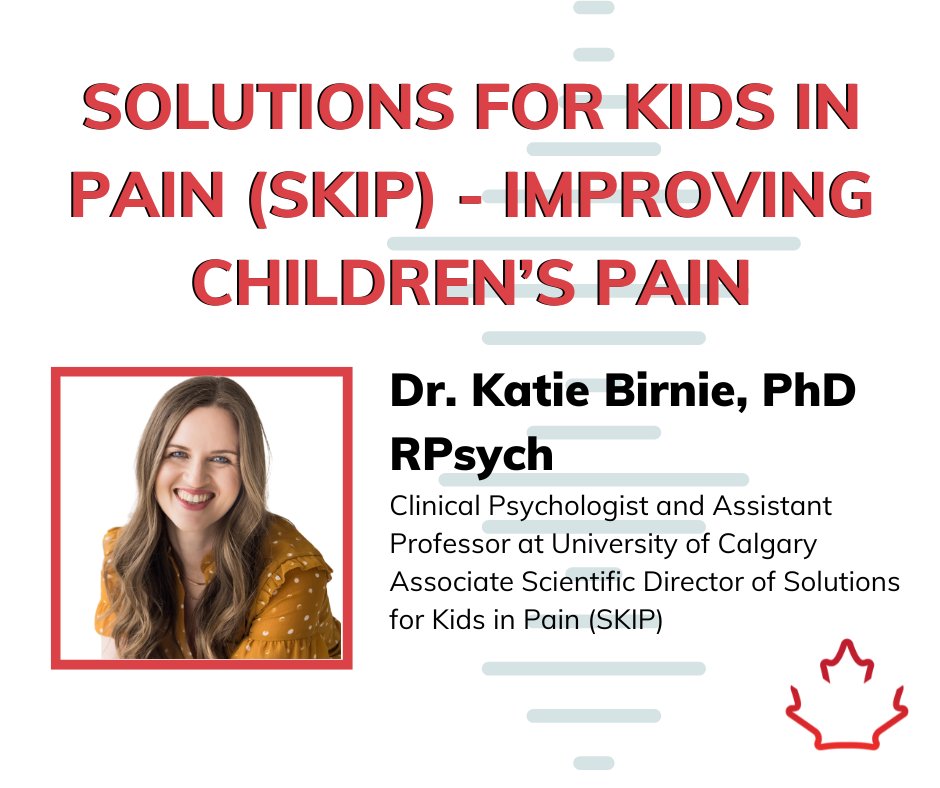
In most of our previous episodes, we have had experts talk about chronic pain in adults, but what about chronic pain in children? There is a high number of children suffering from pain, but what resources are available for children? One organization is @KidsInPain (SKIP).
1
5
11
2,033
RichardMcIlmoyle,DC retweeted

7 May 2024
Had to put it here for y’all to see n’ hear. HIND’S HALL
#FreePalestine 🇵🇸 #HandsOffRafah
14
262
1,025
87,311
RichardMcIlmoyle,DC retweeted

21 Apr 2024
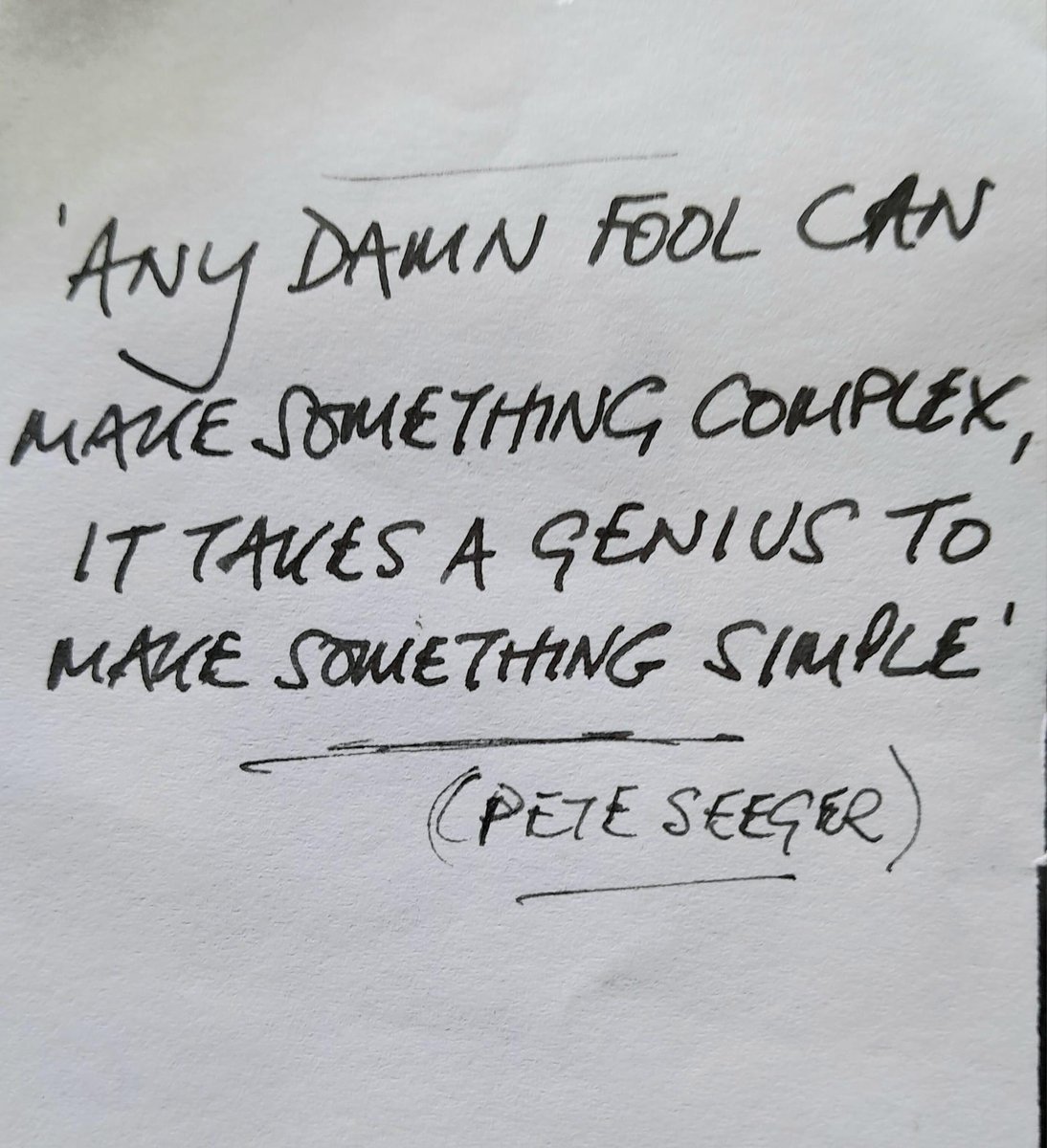
A tip for Physios from a folk singer
4
17
73
5,427
RichardMcIlmoyle,DC retweeted

15 Mar 2024
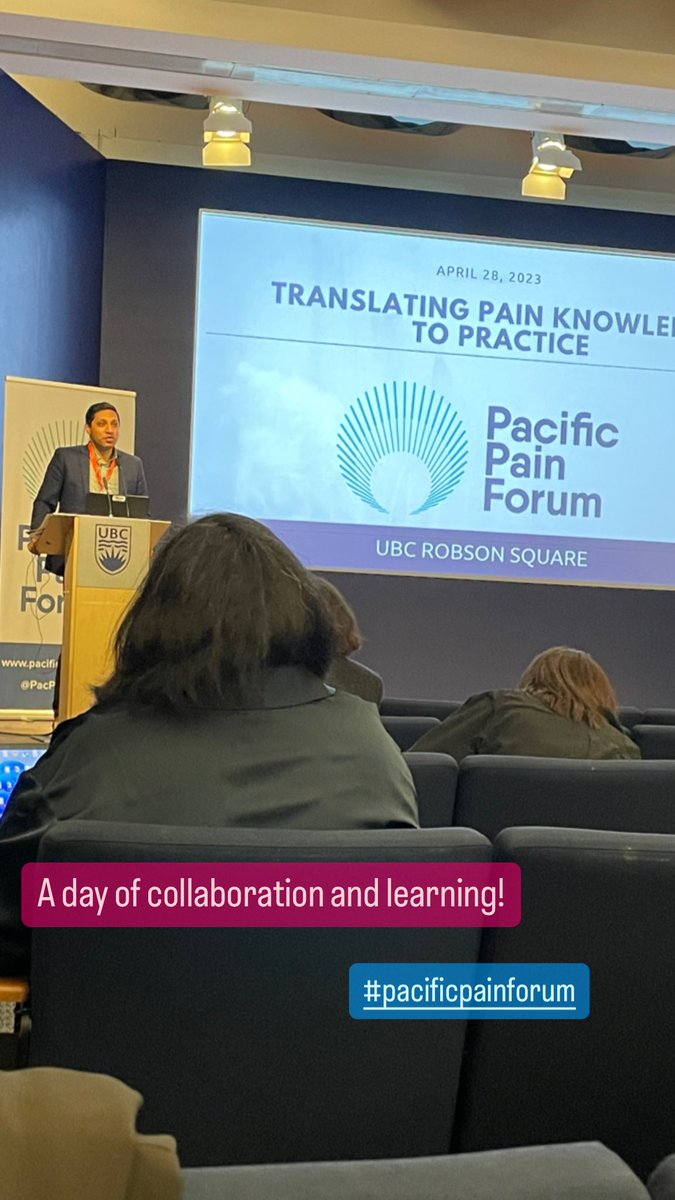
Are you attending the Pacific Pain Forum 2024 Conference?
If not, it's time to secure your ticket - pacificpainforum.ca/register…
50%
Yes!
50%
Attending online!
0%
Buying tickets today!
2 votes • Final results
1
2
3
202
RichardMcIlmoyle,DC retweeted

14 Feb 2024
Amazing paper by @FadelZeidan colleagues reporting that mindfulness REDUCES CHRONIC PAIN via non-opioidergic neurological processes🧠
TL/DR: Mindfulness can be an EFFECTIVE INTERVENTION for chronic pain (not pseudoscience). 👏😃🔥
nature.com/articles/s41386-0…
#MedTwitter #MedEd
2
15
45
4,755
RichardMcIlmoyle,DC retweeted

9 Feb 2024
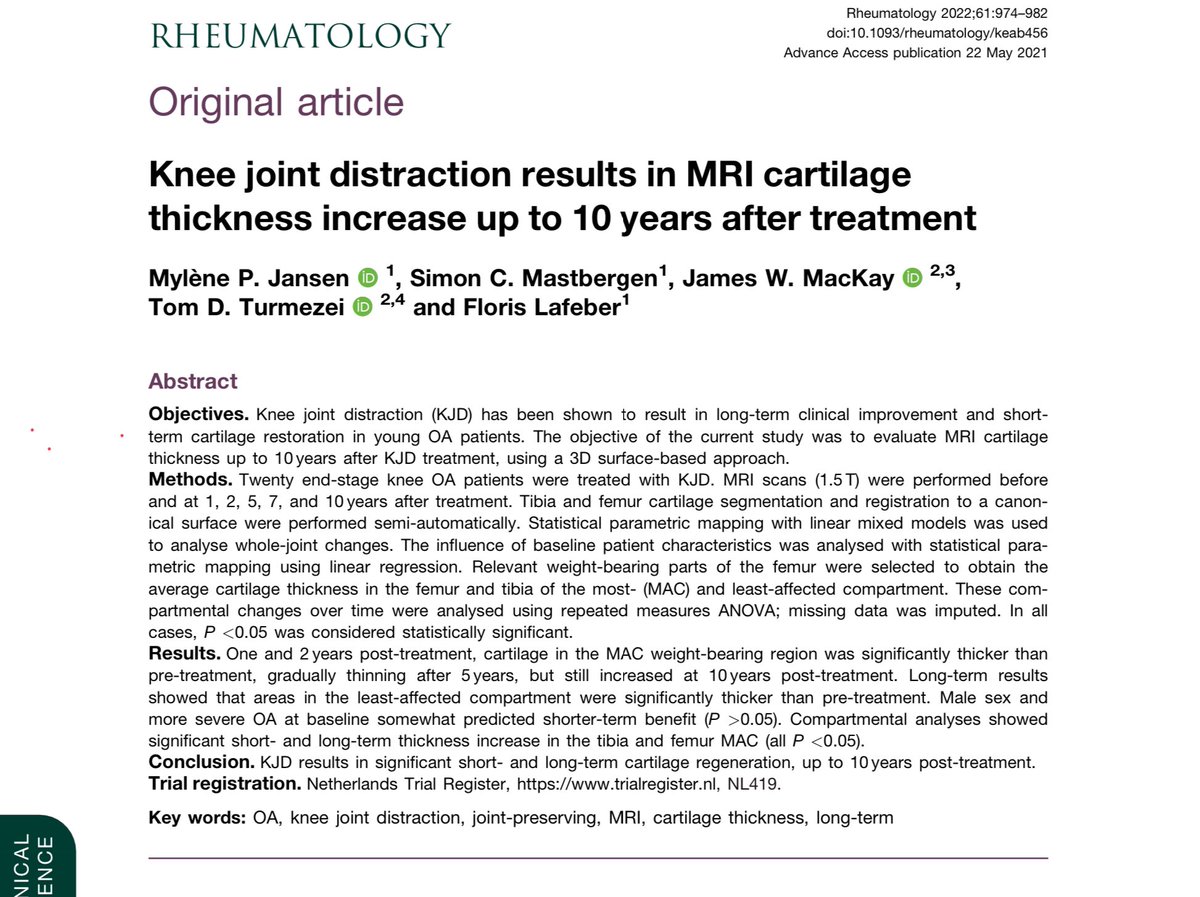
Knee joint distraction results in MRI cartilage thickness increase up to 10 yrs after treatment ncbi.nlm.nih.gov/pmc/article…
in these young end-stage knee OA patients,KJD treatment results in significant short-term cartilage regeneration in the MAC, effects still be seen after 10yrs
4
17
79
17,670
RichardMcIlmoyle,DC retweeted

6 Feb 2024
First Movement Optimism Podcast just dropped this morning with guest Bret Contreras (@bretcontreras ).
Get it where you get your podcasts!
6
13
78
13,612

17 Jan 2024
Glad to see our public broadcaster presenting evidence based info on persistent pain.
The Current with Matt Galloway - Jan. 17, 2024: How reframing chronic back pain could bring relief cbc.ca/listen/live-radio/1-6…
1
43
RichardMcIlmoyle,DC retweeted
2 Jan 2024
Happy New Year! We are excited to announce the 2024 Pacific Pain Forum - Integrating Pain Care. Incredible speakers you don't want to miss - Register today for in person or virtual attendance! See you there @PJMatrasCNSPain @VarshneyMD @Providence_Hlth @PainBC @keith_meldrum

1
6
9
1,521
RichardMcIlmoyle,DC retweeted
29 Dec 2023
Every knee arthritis patient needs to hear...
- pain does not always imply harm
-it's ok to run/walk/weight train
-yes, PT can be helpful.
-steroids are not typically helpful and might harm u
-it's helpful to remain active
-ignore the x-ray and focus on remaining active.
-don't try stem cells
They shouldn't hear.
- you have bone on bone
-you have the knee of a 90 year old
- you should stop exercising
-rest, or you'll need a TKR
- come back every 3 months for an injection
68
157
777
163,854
RichardMcIlmoyle,DC retweeted

22 Dec 2023
3 commonly used clinical tests for an ACL deficient knee demonstration beautifully here during examination under anaesthesia 🔥🔥🔥
1. The Pivot Shift Test
2. The Lachmans Test
3. The Anterior Drawer Test
2
143
542
129,824
RichardMcIlmoyle,DC retweeted

14 Dec 2023
Time to revisit a 40-yr-old theory on brain reorganization
We longitudinally scanned patients with planned hand amputations and see highly stable hand and face cortical representations before and after arm amputation
@plasticity_lab @Chris_I_Baker
🧵1/13
biorxiv.org/cgi/content/shor…
12
88
253
74,785
RichardMcIlmoyle,DC retweeted

23 Nov 2023
Power stays w/white cis het men,because other men only value their voices & use their power to further their own power
Notice how many cis white het men in physios R now expert in the 'soft skills' they ridiculed 5 years earlier?
Who is excluded?
Stop inviting the same 11 men.
4
3
25
7,345
RichardMcIlmoyle,DC retweeted

16 Nov 2023
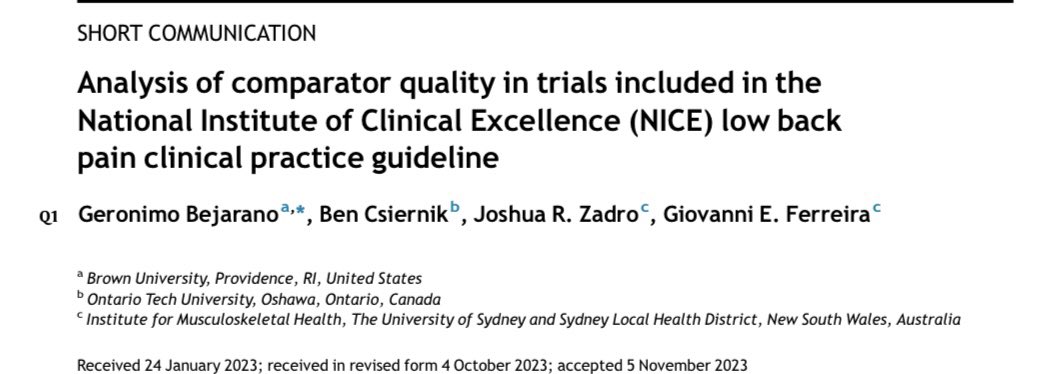
🚨New publication! We assessed the comparators in all 424 RCTs that inform the NICE LBP guidelines and evaluated the potential for comparator bias impacting the recommendations.
Amazing mentorship from co-authors @zadro_josh @Bcsiernik @giovanni_ef
sciencedirect.com/science/ar…
2
17
50
7,457