
Research Assistant Professor @NUFeinbergMed @NorthwesternU @Penzes_Lab. Interested in genetics and neurobiology of autism, schizophrenia and epilepsy.
Joined November 2019
- Tweets 103
- Following 436
- Followers 140
- Likes 561
7 Photos and videos
Marc Forrest retweeted

Mar 19
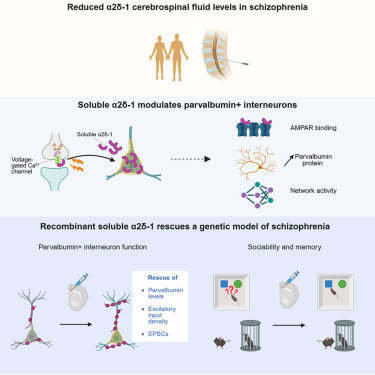
Online now: Soluble α2δ-1, altered in disease CSF, modulates network homeostasis and rescues deficits in a neuropsychiatric mouse model dlvr.it/TRb1cx
6
18
2,446

Mar 25
Congrats to @MarcDosSantos3 for his incredible work on developing a potentially new therapeutic for schizophrenia. Fortunate to have been part of this work.
news.feinberg.northwestern.e…
1
2
78
Marc Forrest retweeted

Congrats to @MarcForrest7 , Ph.D., on receiving a 2025 BBRF Young Investigator Grant for innovative mental health research.
Read more: bbrfoundation.org/content/br…
1
88
Marc Forrest retweeted

28 Sep 2024
Akap11 mutations greatly increase risk for #bipolar disorder and #schizophrenia. Not much was known about this gene when we started. Here’s what we learned!
biorxiv.org/content/10.1101/…
Thanks to Morgan Sheng, @ajgrange, Yang Ge, Borislav Dejanovic & crew @broadinstitute
1
8
22
2,358
Marc Forrest retweeted

5 Oct 2024
Come see new work from penzes lab members #sfn2024. Saturday afternoon "synapses", poster session B.
Jessica Christiansen on novel regulatory sites in schizophrenia risk gene TRIO - poster B67.
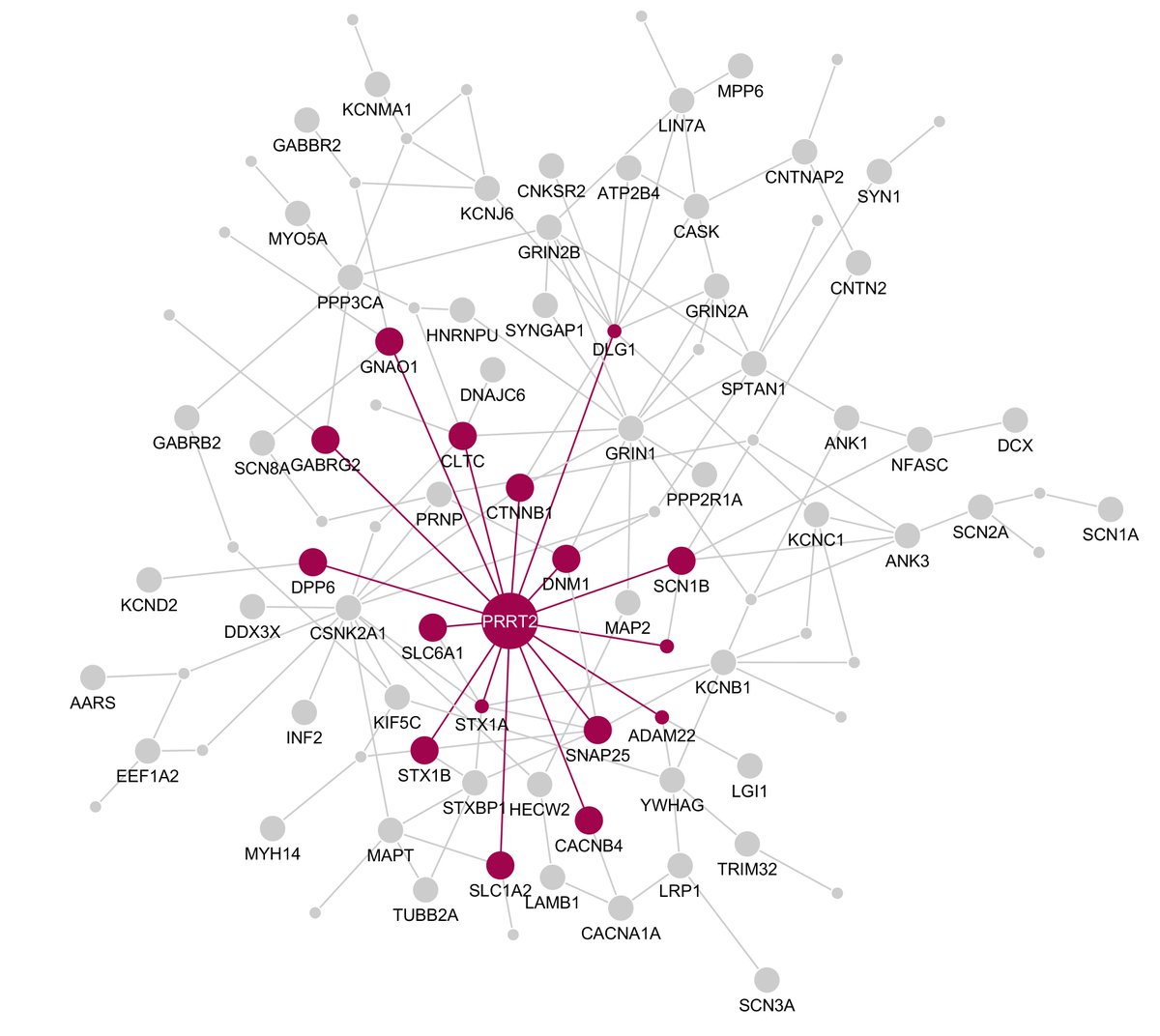
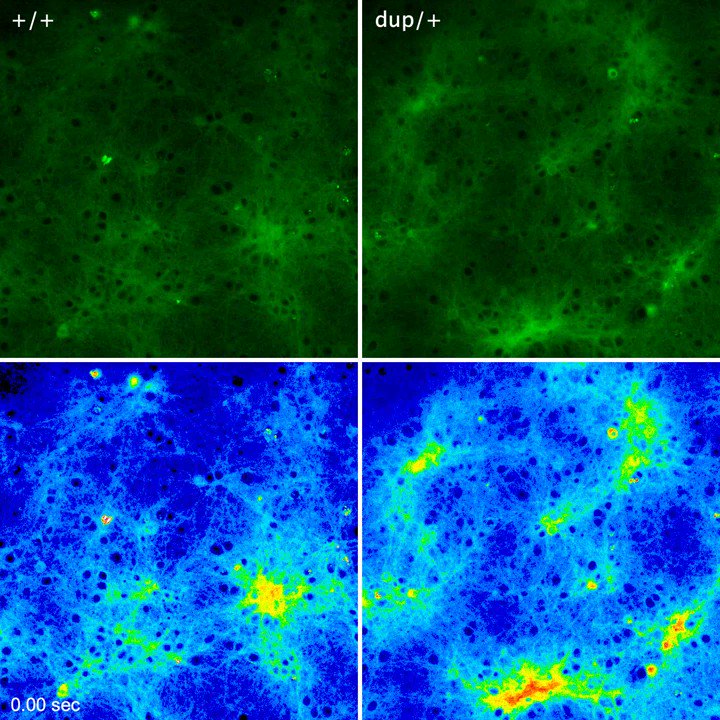
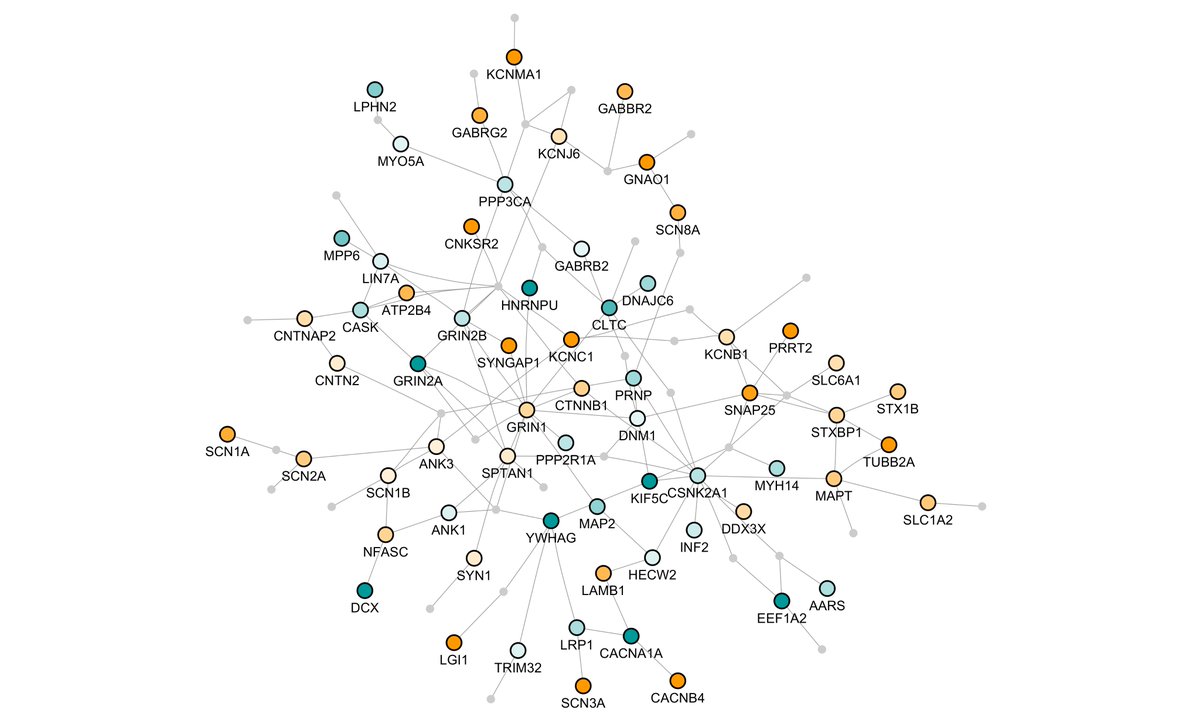
@MarcForrest7 on homeostatic plasticity in 16p11.2 duplication - poster B68.
1
4
174
Marc Forrest retweeted

17 Aug 2024
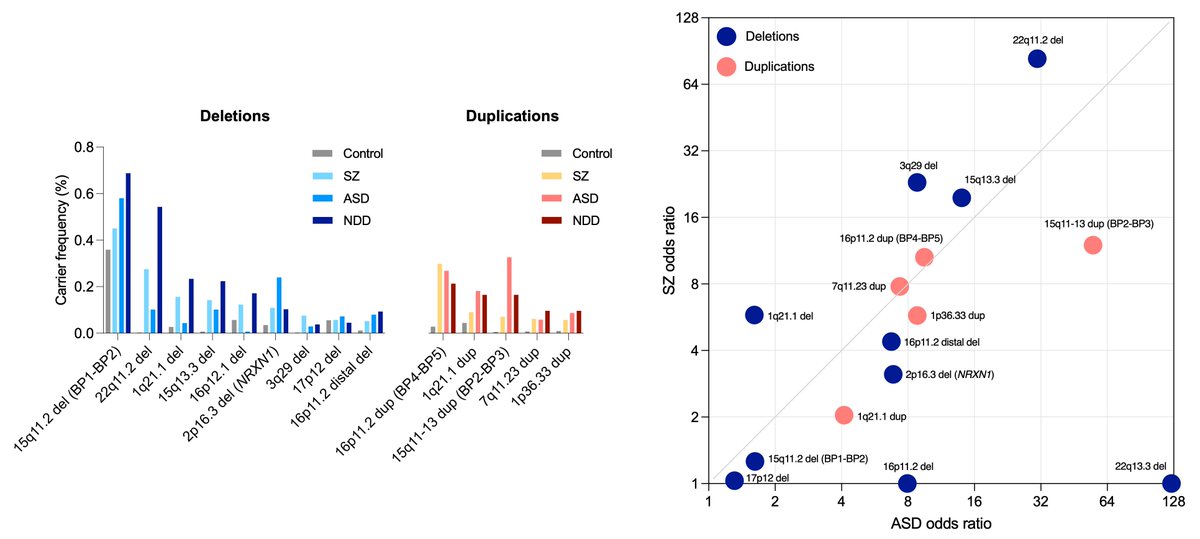
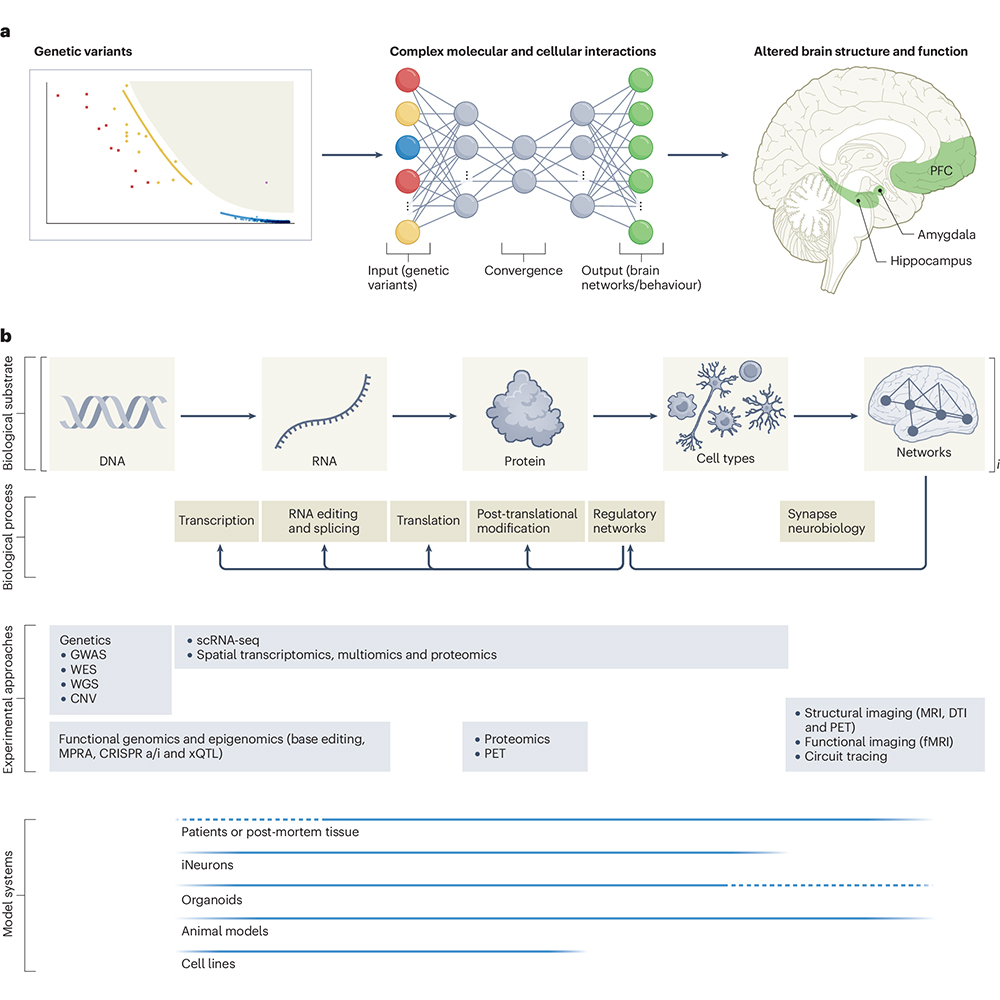
A Review in @NatRevNeurosci describes our current understanding of the complex genetic architecture of schizophrenia and considers how the genomic findings can be interrogated to boost our understanding of the neurobiology of the disorder. 🔒 go.nature.com/3zZpKY6
1
31
90
26,143
Marc Forrest retweeted

10 Jun 2024
Five autism-associated transcriptional regulators target shared loci proximal to brain-expressed genes dlvr.it/T84fwQ
22
65
11,523
Marc Forrest retweeted

Northwestern Medicine scientists have been awarded a $17 million grant to study genetic causes of #autism and #schizophrenia, with the aim of developing new drugs to treat the conditions.
spr.ly/6019eLusT
1
10
22
2,724
Marc Forrest retweeted

28 Nov 2023
Whole brain(!) in vivo gene editing to correct a point mutation in a ASD mice model.
Li, Zhang, et al. Nat Neuro
nature.com/articles/s41593-0…
15
90
22,713
Marc Forrest retweeted

12 Jan 2024
Very good to see this very large study countering strong claims that maternal infection increases risk of autism in offspring. They found no evidence of an association.
12 Jan 2024

Findings "strongly imply that there is no specific link between maternal mental illness or maternal infection during pregnancy" & neurodevelopmental disabilities (including autism) in offspring cambridge.org/core/journals/… free
1
10
38
17,057
Marc Forrest retweeted
23 Feb 2024
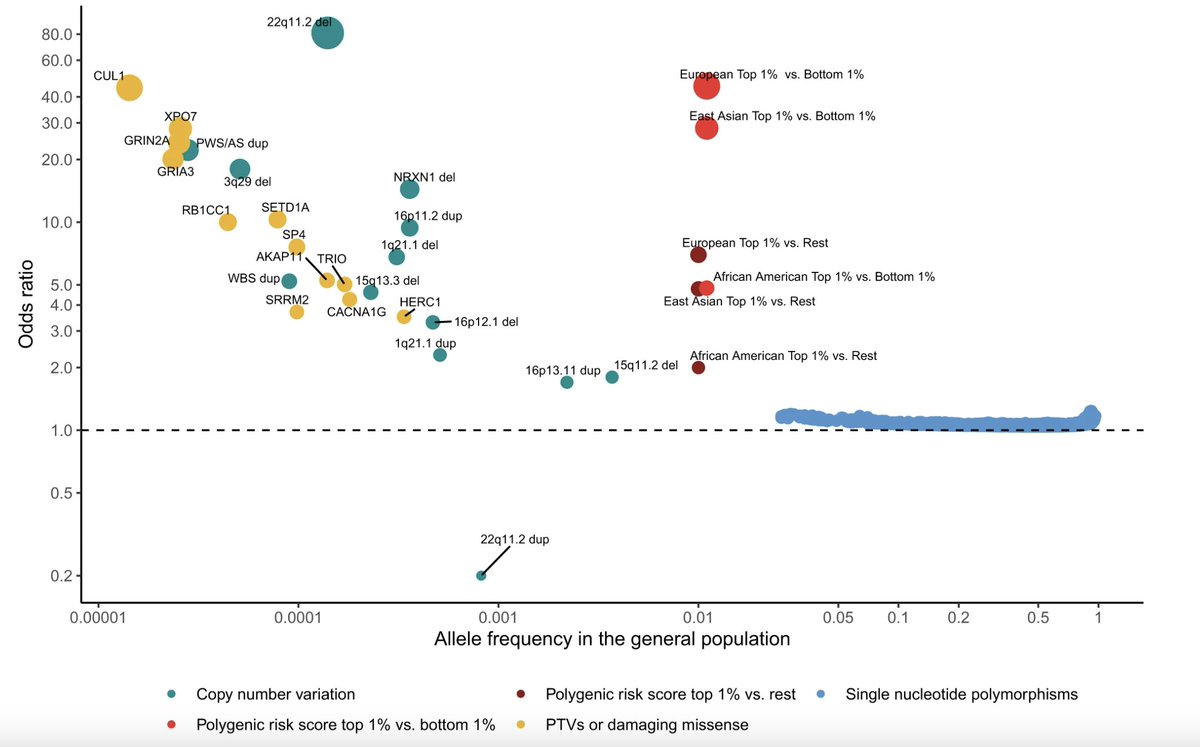
Glad to see the psychiatric genetics researchers introducing the practice of adding polygenic score effect sizes in the MAF vs effect size plot
x.com/doctorveera/status/171…
21 Oct 2023

Genetic risk factors of schizophrenia and their effect sizes--common variants, rare variants, CNVs and polygenic risk.
I love the addition of the effect size of the top 1% of polygenic risk to the plot. It highlights the importance of cumulative risk of common variants and reminds us that polygenic risk can be equivalent to monogenic risk factors.
From a recent review article by the experts in schizophrenia genetics (Owen, O'Donovan et al. Mol Psych)
nature.com/articles/s41380-0…
1
3
5
2,114
Marc Forrest retweeted
23 Feb 2024
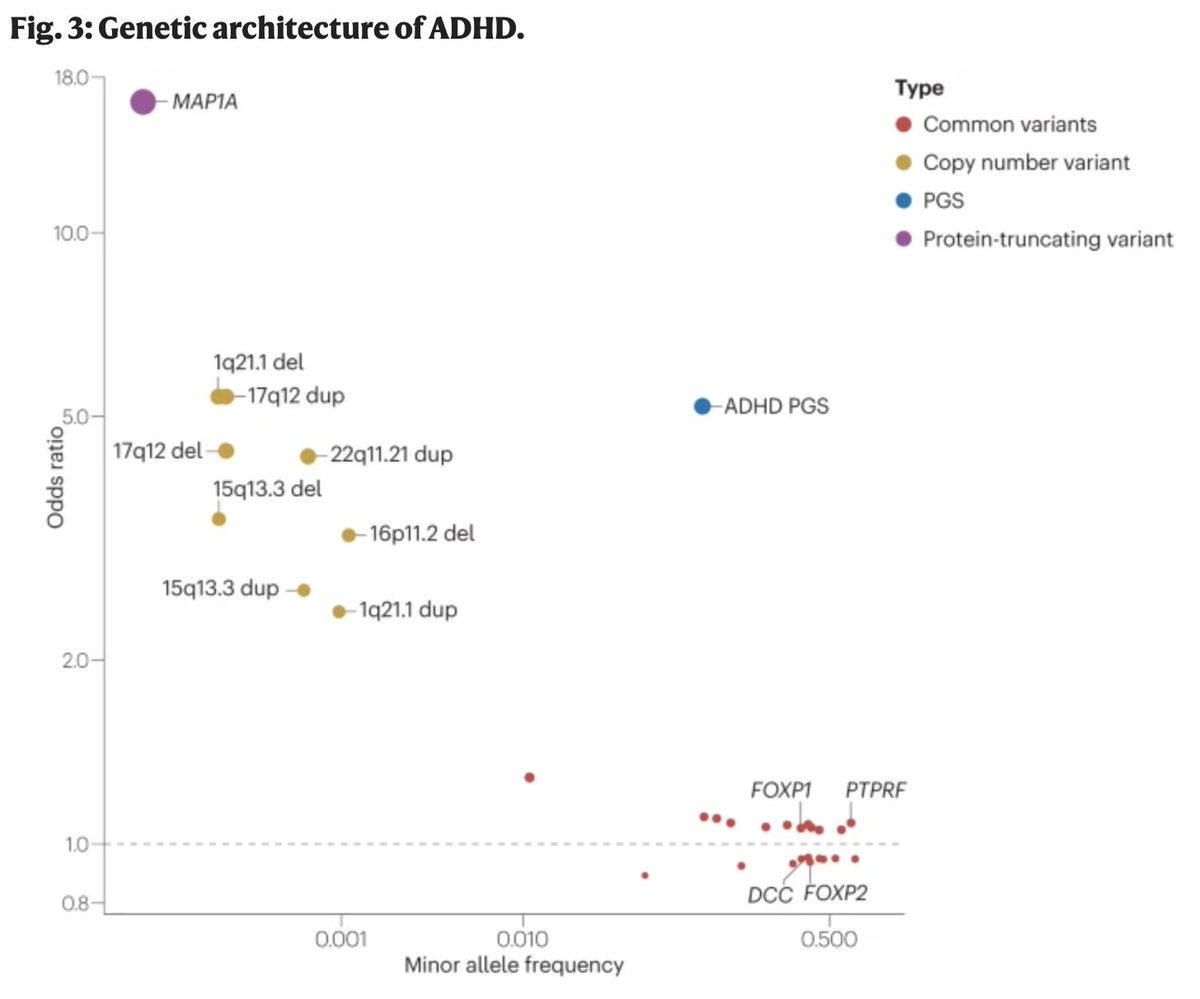
Nice plot visualizing the effect sizes (vs carrier frequency) of common variants, rare variants, CNVs and polygenic score (top vs bottom decile) associated with ADHD.
From a new Nat Rev Dis Primer on ADHD by Faraone et al.
nature.com/articles/s41572-0…
3
12
58
8,796
Marc Forrest retweeted

18 Jan 2024
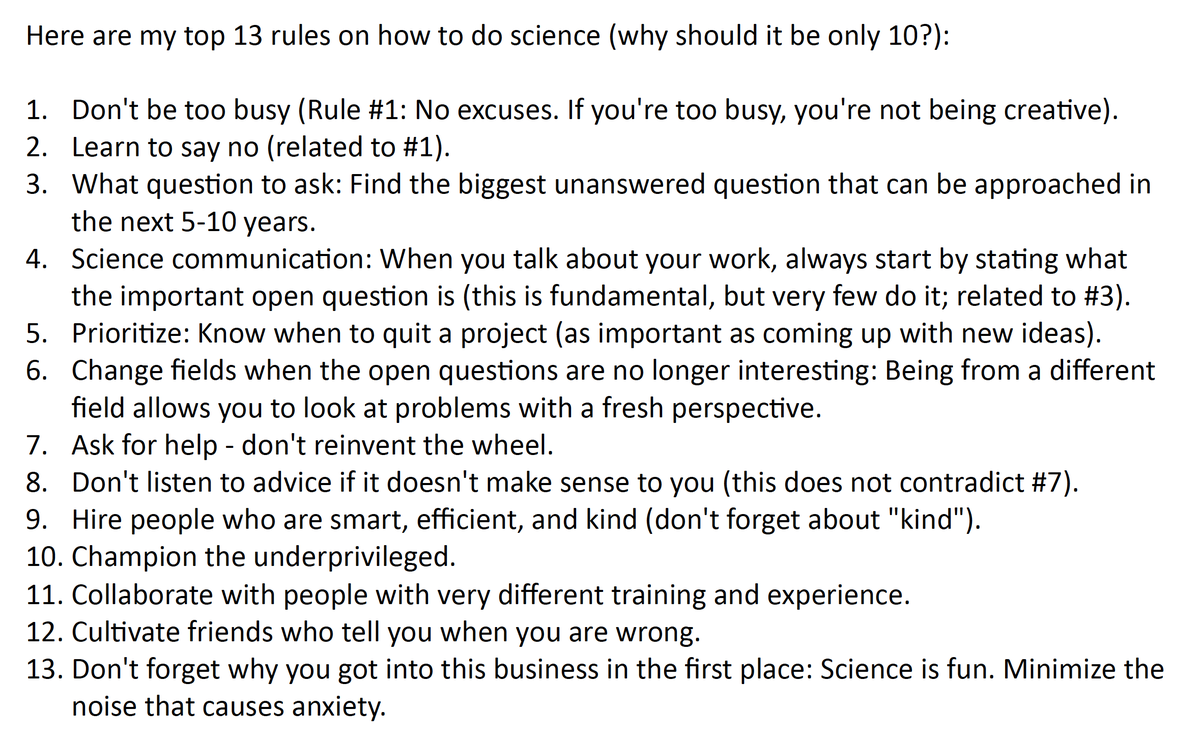
I wrote down my rules on how to Science. I hope you find it useful!
64
1,920
7,035
1,610,134
21 Dec 2023
Essay from a medical student suffering from bipolar disorder: "It left me wondering if society has the wrong idea [...] Yes, it may enhance aspects of creativity and productivity at times, but that does not detract from the struggle of living with a chronic illness."
190
Marc Forrest retweeted

13 Dec 2023
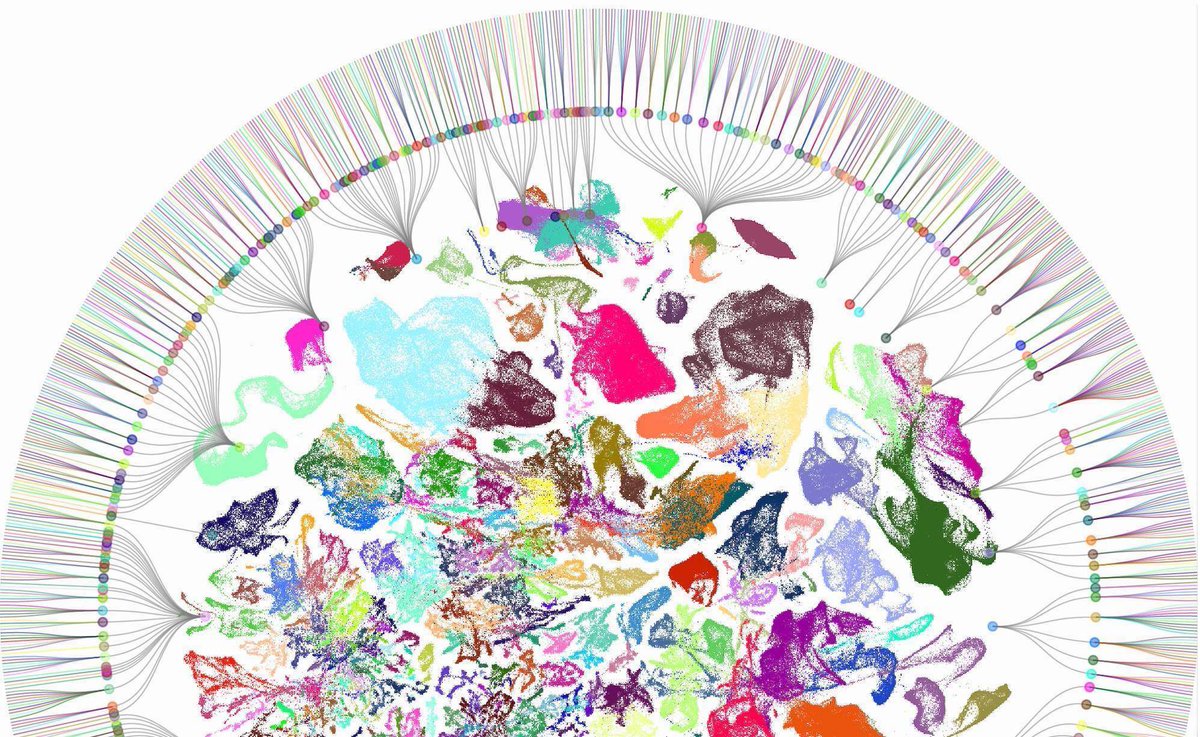
The first cellular map of a mammalian brain is here. 🧠✨
Over 6 years and 32 million cells in the making, the complete adult mouse brain cell-type atlas reveals astonishing diversity and regional specificity.
Dive deeper: alleninstitute.org/scientist…
@nature #studyBRAIN #BICCN
8
599
1,550
272,315
20 Dec 2023
New Center for Psychiatric Neuroscience being created at @NUFeinbergMed. Even got mentioned in the new release! 😁

We're diving into mysteries of the mind. 🧠
Our newly launched Center for #PsychiatricNeuroscience is breaking down barriers and uniting scientists across disciplines to unravel the complexities of #MentalHealth.
spr.ly/6011RparL
1
3
1,359
Marc Forrest retweeted

16 Dec 2023
An NIH advisory group announced today that they're recommending the agency boost its minimum #postdoc salary to $70,000, up from the current $56,484. Many postdocs feel "underpaid and overworked," a co-chair said.
My latest for @ScienceInsider:
science.org/content/article/…
30
457
2,154
875,292
Marc Forrest retweeted

12 Dec 2023
A new review summarizing my current thoughts on the neurobiology of schizophrenia: authors.elsevier.com/a/1iF29…
4
47
211
27,893
Marc Forrest retweeted

11 Dec 2023
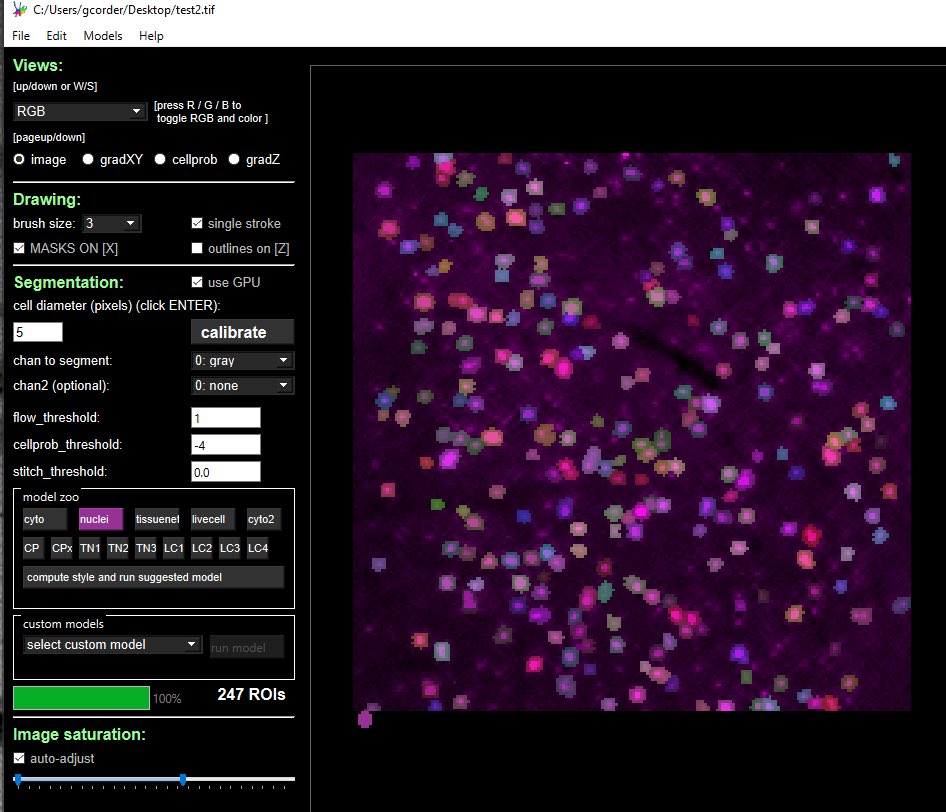
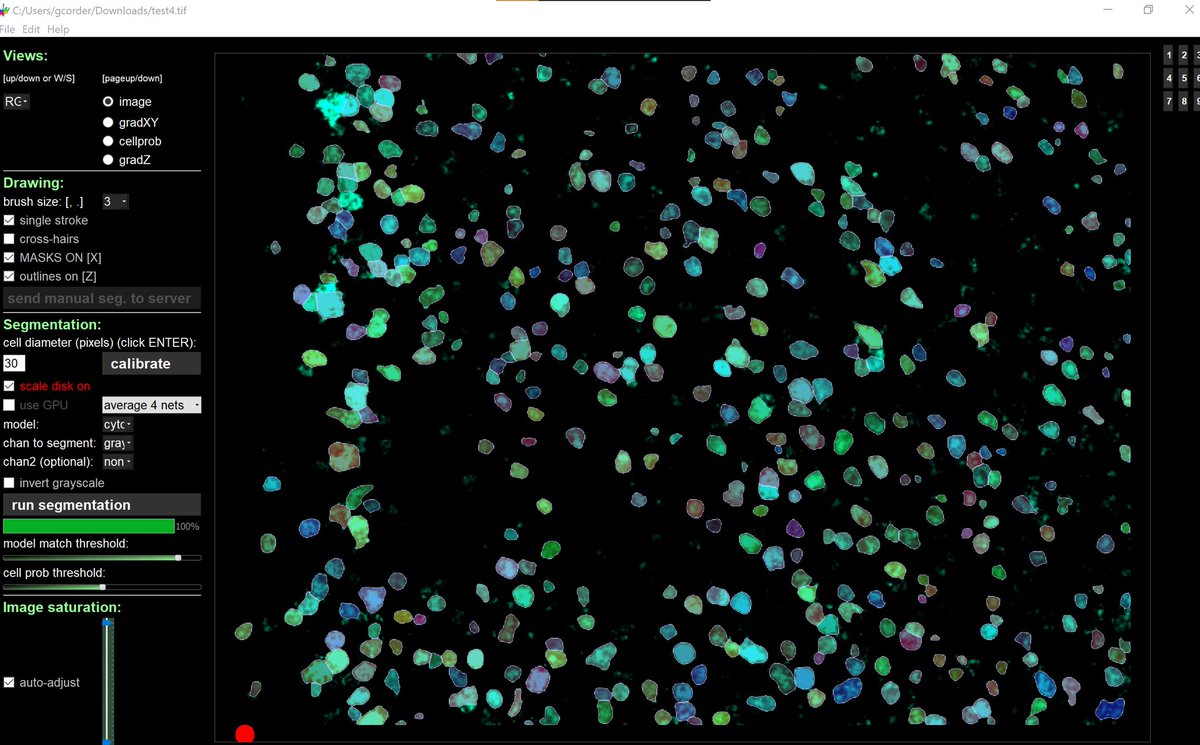
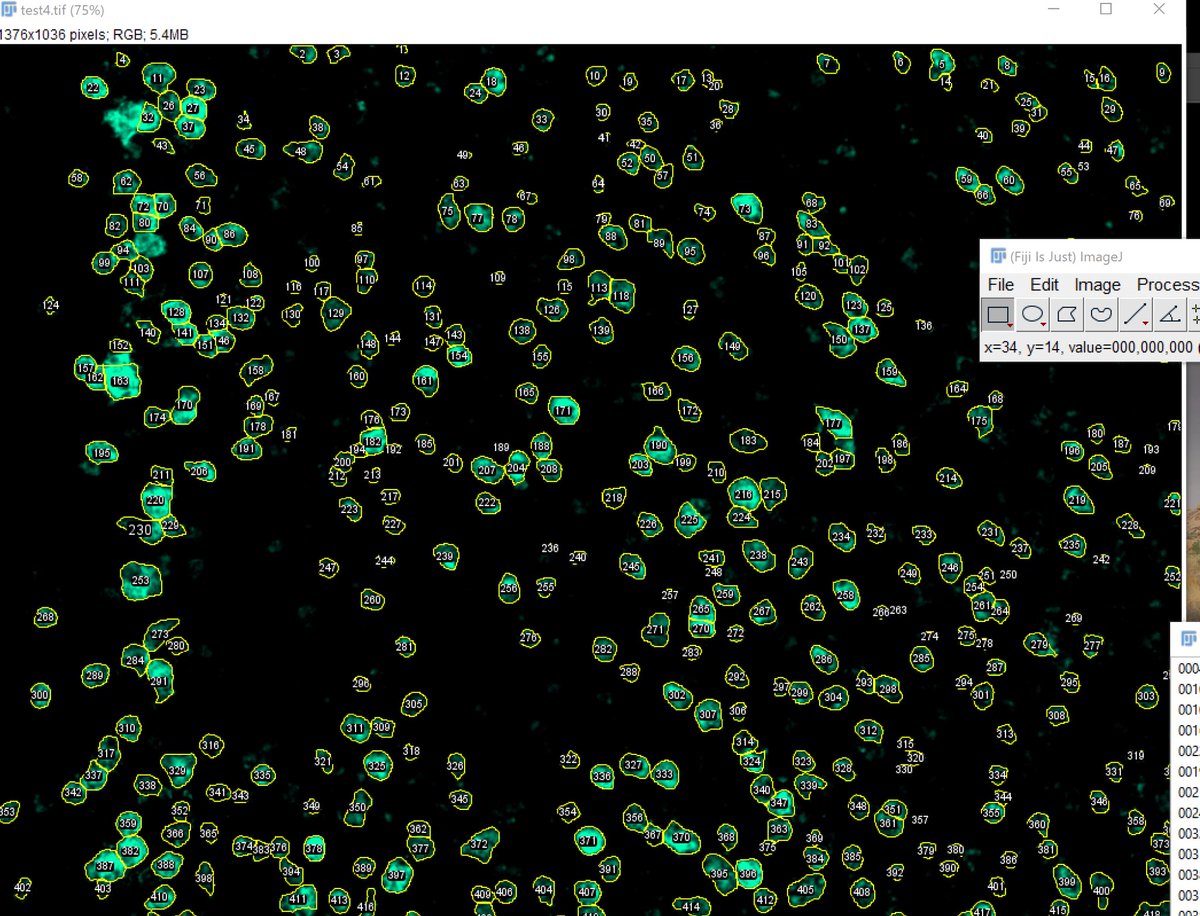
Just a reminder that Cellpose2.0 is a great, free, fast option to quant all kinds of histology from immediate early genes to RNAscope etc.
Counted cFos for n=12 mice across n=19 brain regions, totaling over 20k cells in ~2hrs
github.com/mouseland/cellpos…
17 Dec 2020

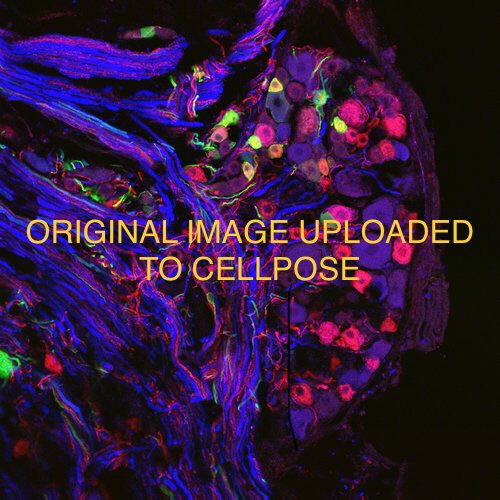
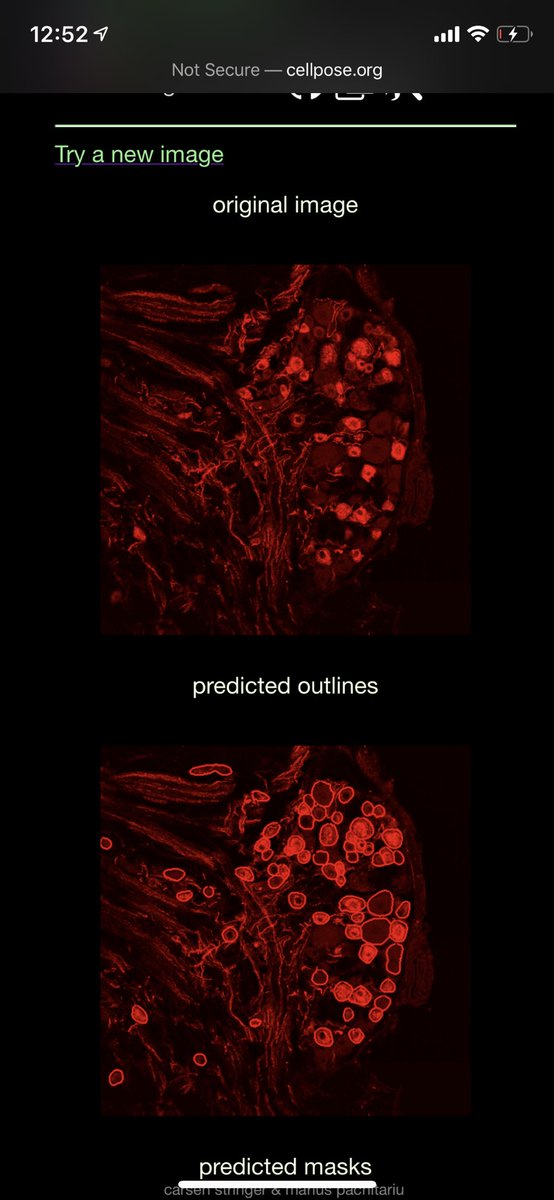
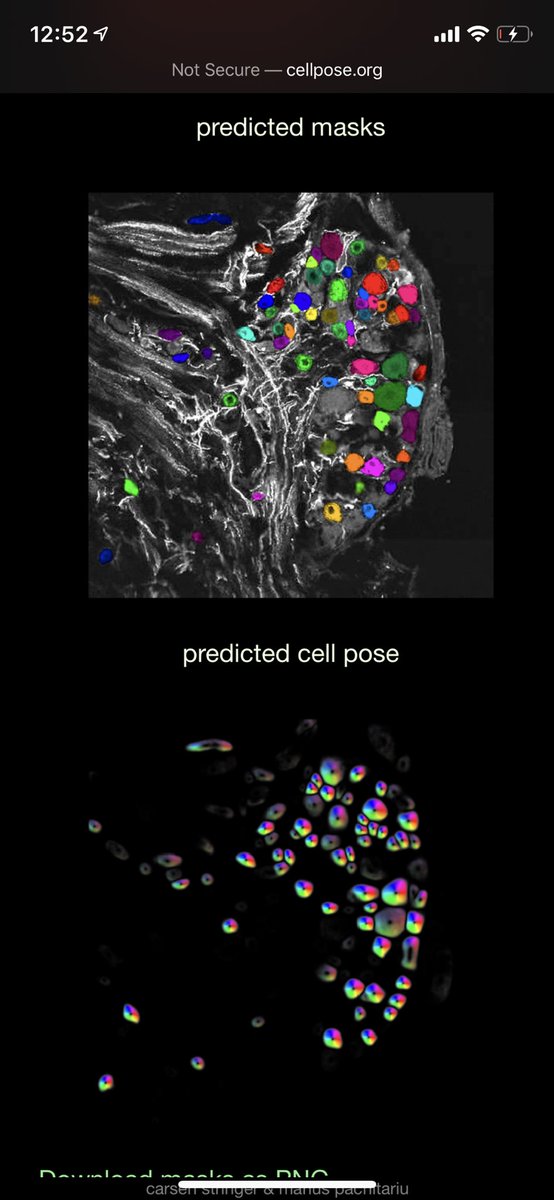
This is ah ma zing .. first attempt, in less than 1-min from my phone I copied a low-res multi-channel image of DRG from our lab website, uploaded to cellpose.org, selected red channel and boom ... 🤯
7
51
371
111,246
Marc Forrest retweeted
10 Dec 2023
AI reviewing GWAS literature. Looks pretty cool. May be its time for me to retire. 😅
youtube.com/watch?v=sPiOP_CB…
3
6
40
8,316