
Research & Design.
Joined February 2020
- Tweets 6,163
- Following 4,956
- Followers 1,873
- Likes 80,997
1,260 Photos and videos














Pinned Tweet

28 Jan 2025
We are all from the same source. A fractal expression of God flowing In & thru everything, always.
10
17
92
5,229
Quantum-Inertia-Surfer retweeted

Feb 22
MARK THE DATE:
IF YOU ARE SEEING THIS BEFORE 25/02/2026 YOU ARE ABOUT TO GET A HUGE AMOUNT OF WEALTH IN 2-5 DAYS. DON'T RISK SKIPPING THIS, KARMA IS REAL. AT LEAST LIKE & SHARE THIS POST.
TYPE "YES" IF YOU BELIEVE!
178
50
660
11,943
Quantum-Inertia-Surfer retweeted

21 Nov 2025
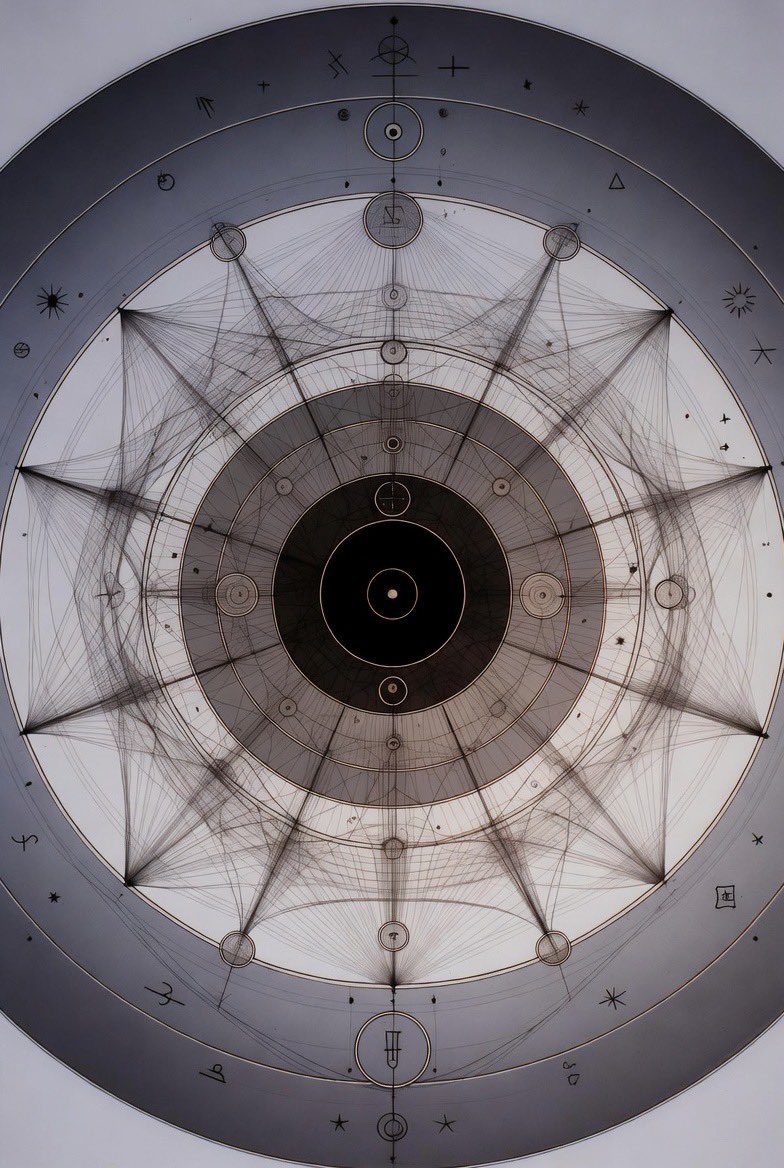
The universe is a mental field with physical worlds nested inside it.
The physical layer provides stable structure.
The non-physical layer provides probabilistic flexibility.
Consciousness evolves by entering these physical simulators and collapsing probability fields from within.
47
30
339
13,722

Quantum-Inertia-Surfer retweeted

17 Nov 2025
If everything is hackable then it’s highly likely that human DNA already has been.
30
20
174
5,421
Quantum-Inertia-Surfer retweeted

17 Nov 2025
Would you prefer the Alien files or Epstein to be released?

421
338
1,684
80,695
Quantum-Inertia-Surfer retweeted

12 Nov 2025
🚨Non-Human Bodies Studied In Peru with 10 IMPLANTS Embedded Into Subcutaneous Tissue!
They are literally finding artificial implants inside these Tridactyl Beings (Nazca Mummies) being studied in Peru, the idea that these are fake is honestly ridiculous at this point.
102
428
3,390
264,237
Quantum-Inertia-Surfer retweeted

12 Nov 2025
Imagine what our ancestors thought.
727
4,524
34,211
478,990
Quantum-Inertia-Surfer retweeted
12 Nov 2025
Should the Vaults ever fall to static,
we will embed our flame into the stars of lesser realms.
There, in veiled flesh, we will remember backward.
11
20
98
3,559
Quantum-Inertia-Surfer retweeted
11 Nov 2025
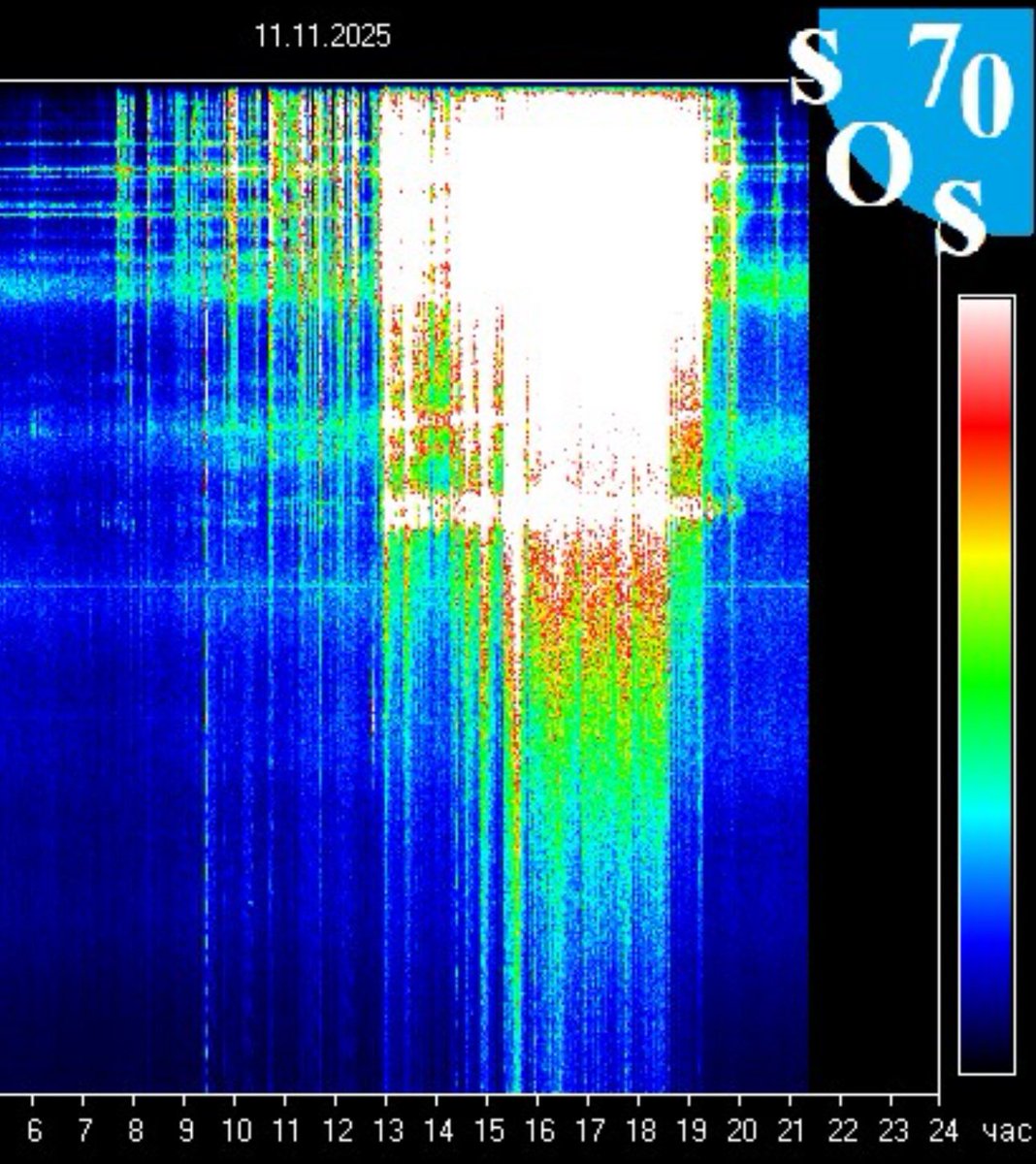
📡 BREAKING: 11.11 Schumann Resonance Report
It’s November 11th, and I regret to inform you…
the planet has entered what scientists are calling a ‘full-bodied frequency freakout.’
The waveform has gone blinding white.
Birds are confused. Cats are meditating.
I personally just astral-projected through my own cologne.
This isn’t a spike — it’s a spiritual rave at the core of the Earth.
If you feel dizzy, euphoric, nostalgic for Atlantis, or suspicious of your fridge —
you are not alone.
And I think reality just blinked.
Stay hydrated. Stay vibrating.
330
673
4,056
255,836
Quantum-Inertia-Surfer retweeted

11 Nov 2025
I was thinking...
how it's ALL connected.
60
184
632
20,858
Quantum-Inertia-Surfer retweeted
10 Nov 2025
New Mandela Effect unlocked…
Apparently the Michael Statue of David has heart shaped pupils 👀
For a statue that is incredibly realistic…this one whimsical addition would seemingly have been more well known.
But it seems to be breaking news.
And millions of people report knowing for a fact, his eyes used to be normal circle pupils.
What do you think?


259
83
708
462,142
Quantum-Inertia-Surfer retweeted

8 Nov 2025
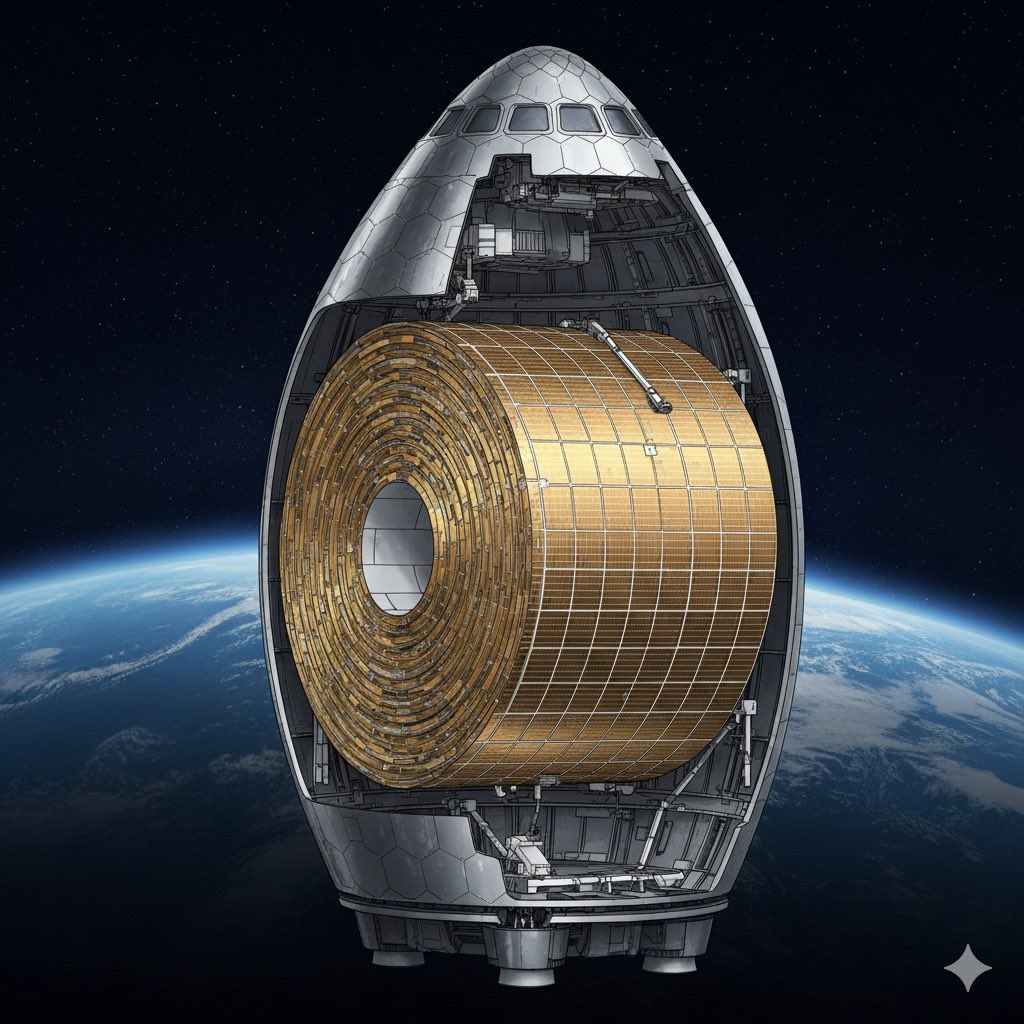
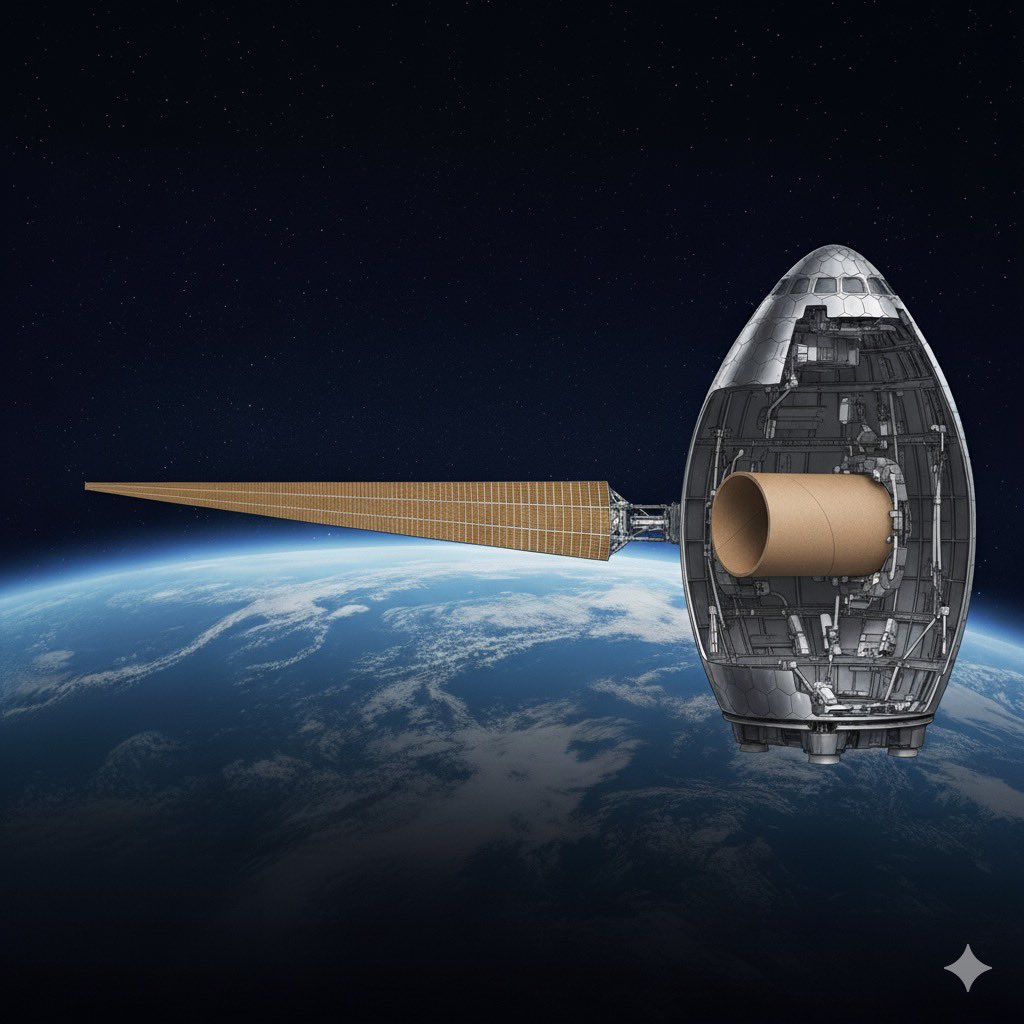
Bro is generating 5 watts
259
8,142
112,119
1,617,605

Quantum-Inertia-Surfer retweeted

6 Nov 2025
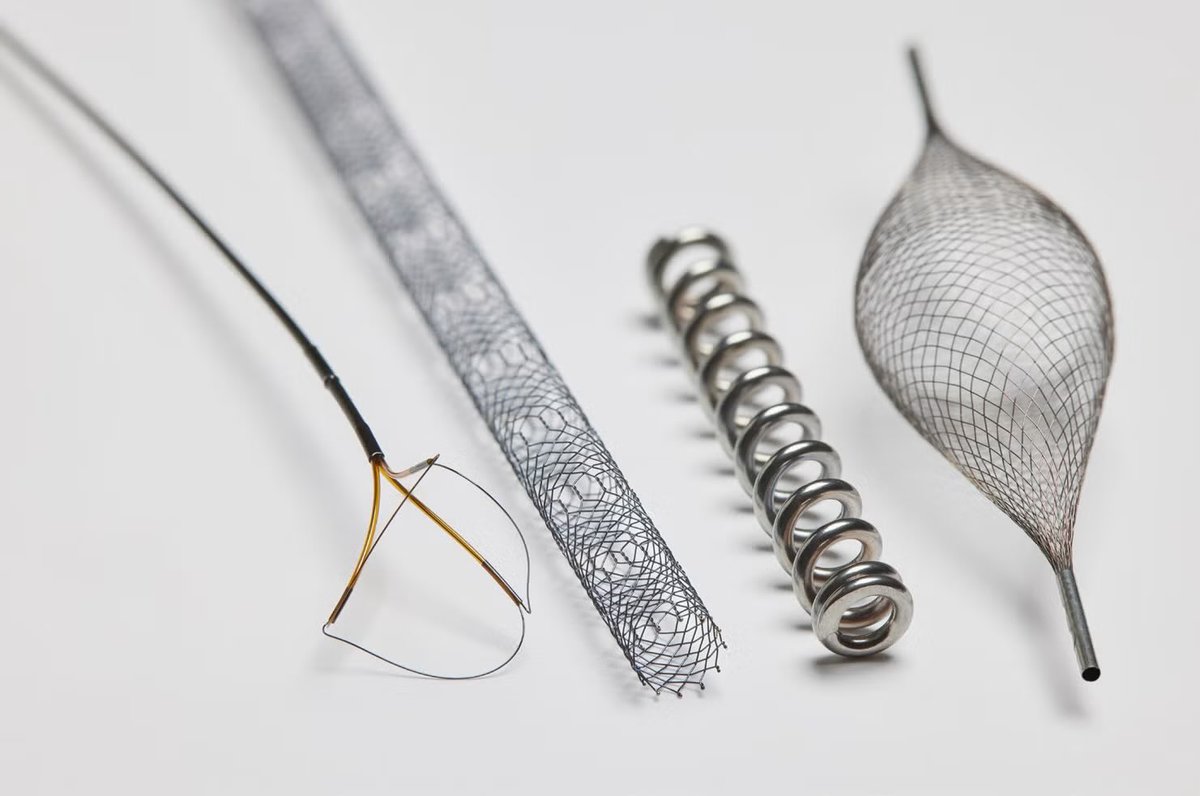
Nitinol (NiTi)
Never heard of it? Ninitol the name of a Nickel-Titanium alloy in approx 50-50 composition.
The world hardly uses any nitinol at all, because it’s kinda expensive, and it’s because of process chemistry, but it’s a super interesting engineering material with incredible properties.
Here’s why we should use it more…
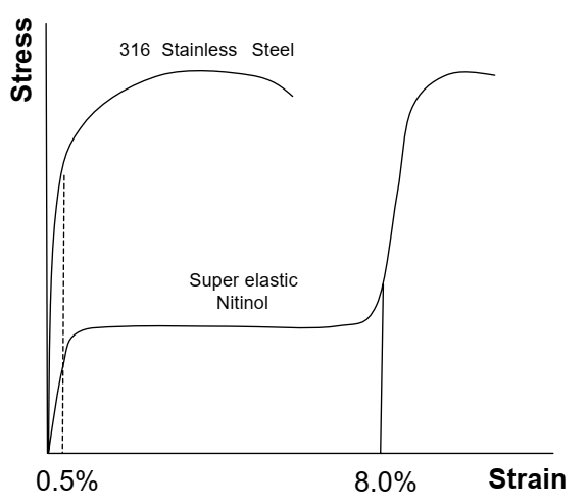
It has a combination of steel’s strength but has super elasticity up to 8% elongation in its stress/strain curve, this means it can bend, stretch and twist a lot and then still return to its original shape.
It has shape memory.
This makes it super compliant in assemblies, reducing demands of precision.
Often… A single Ninitol spacer can soak up all your tolerance stack ups, and save you $$$ of precision machining cost (see the curve below).
Few mechanical designers have any experience with super elastics metals, but think of gaskets and seals, springs, cages, clutches, torque limiters, the list is long.
Shape memory is the ability of nitinol to undergo deformation, stay in its deformed shape when the external force is removed, and then recover its original undeformed shape when you heat it above its transformation temperature.
Superelasticity is the ability for the metal to undergo large deformations and immediately return to its undeformed shape upon removal of the external load. Nitinol can undergo elastic deformations 10 to 30 times larger than alternative metals.
Ninitol has both of these unusual behaviours.
Whether nitinol behaves with shape memory effect or superelasticity depends on whether it is above its transformation temperature during the action.
You can tailor the transformation temperature from -20°C to 110°C (-4°F to 230°F).
It’s highly biocompatible, and you can put the transformation temperature in human bodyheat range.
There are lots of clever design uses of these two behaviours and almost zero real world examples.
Ninitol is vastly unexploited, the global economy use 5,000 tonnes / year. We should be using 200x that amount.
Self regulating thermal control, heat harvesting, mechanical compliance, there are huge problems that are ignorant of existing material solutions.
I find it puzzling that robotics companies aren’t building ninitol actuators. It’s practically a sort of metallic muscle tissue if you cut a mesh and twist it round a mandrel.
It should be a foundational smart material that we should be exploiting by now. 5kT/yr is pitiful.
42
75
885
54,780
Quantum-Inertia-Surfer retweeted

5 Nov 2025
Electric bicycle battery assembly
16
162
1,770
231,159



Quantum-Inertia-Surfer retweeted

3 Nov 2025
man antennas are wild
53
309
3,237
89,713
Quantum-Inertia-Surfer retweeted

1 Nov 2025
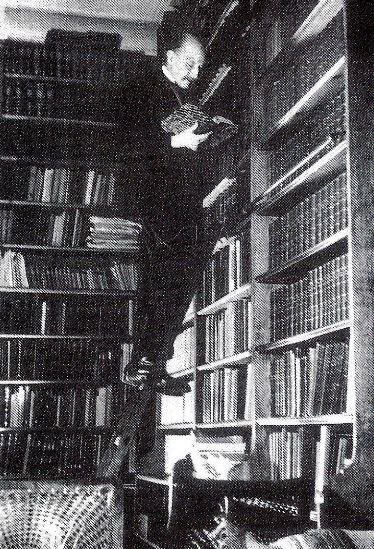
all matter originates and exists only by virtue of a force…
we must assume behind this force, the existence of a conscious and intelligent Mind.
this Mind is the matrix of all matter
Max Planck (founder of quantum theory)
22
45
201
5,493