
Teacher | Working to Optimize Mathematics A’o (teaching and learning) | @PunahouSchool | @uhethnomath | @modernclassproj DMCE & expert mentor | (he/him)
Joined July 2018
- Tweets 3,798
- Following 1,430
- Followers 956
- Likes 6,765
457 Photos and videos





Pinned Tweet

14 Apr 2021
Thank you, @edutopia and @MarvaAHinton for helping me share a part of my instructional practice.
Feel free to check it out.
edutopia.org/article/using-s…
3
3
37
Joseph Manfre retweeted

4 Oct 2025
What is formative instruction?
T @MathManfre defines it this way: "Students come into class and immediately have the opportunity to show how they’re incorporating prior knowledge and insights by applying them to the material of that day’s lesson. That gives me the opportunity to assess their current conceptions from the quality of their work – not just whether they got the right result – and teach directly in response to the questions and observations their work is communicating."
More here: teacher2teacher.education/20…
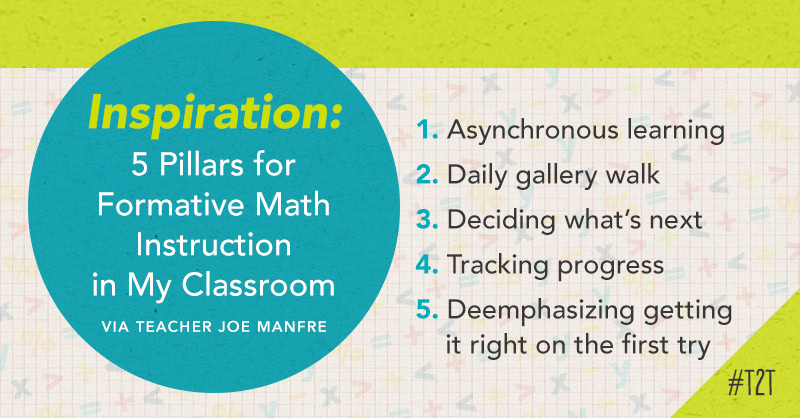
ALT Inspiration: 5 Pillars for Formative Math Instruction in My Classroom, via Teacher Joe Manfre
2
9
2,186
13 Oct 2025
Mathematicians work to create math that have yet to exist. Is this how we see K-12 learners engaging with math?
Come join me in Thursday afternoon’s workshop as we’ll collaboratively engage in the practice of creating mathematics and explore its applicability K-12.
1
68
17 Feb 2025
Grateful to reflect on and share something that brings me and my students so much joy - student-created demonstrations of learning. Student video creations are embedded in the article. Enjoy! Thank you for this opportunity, @edutopia. edutopia.org/article/bring-m…
72

No student lacks knowledge. This is the whole ballgame, folks. x.com/SamAltarac/status/1848…
21 Oct 2024

I’m not sure that’s a useful reframe. I think people disagree with what to do for students who lack knowledge. Explicit instruction vs minimally guided instruction is a debate about the role of the teacher not what prior knowledge students have and accessing it…
4
7
35
12,836
18 Oct 2024
Is niche construction the greatest motivator for excellence and innovation?
59
Joseph Manfre retweeted

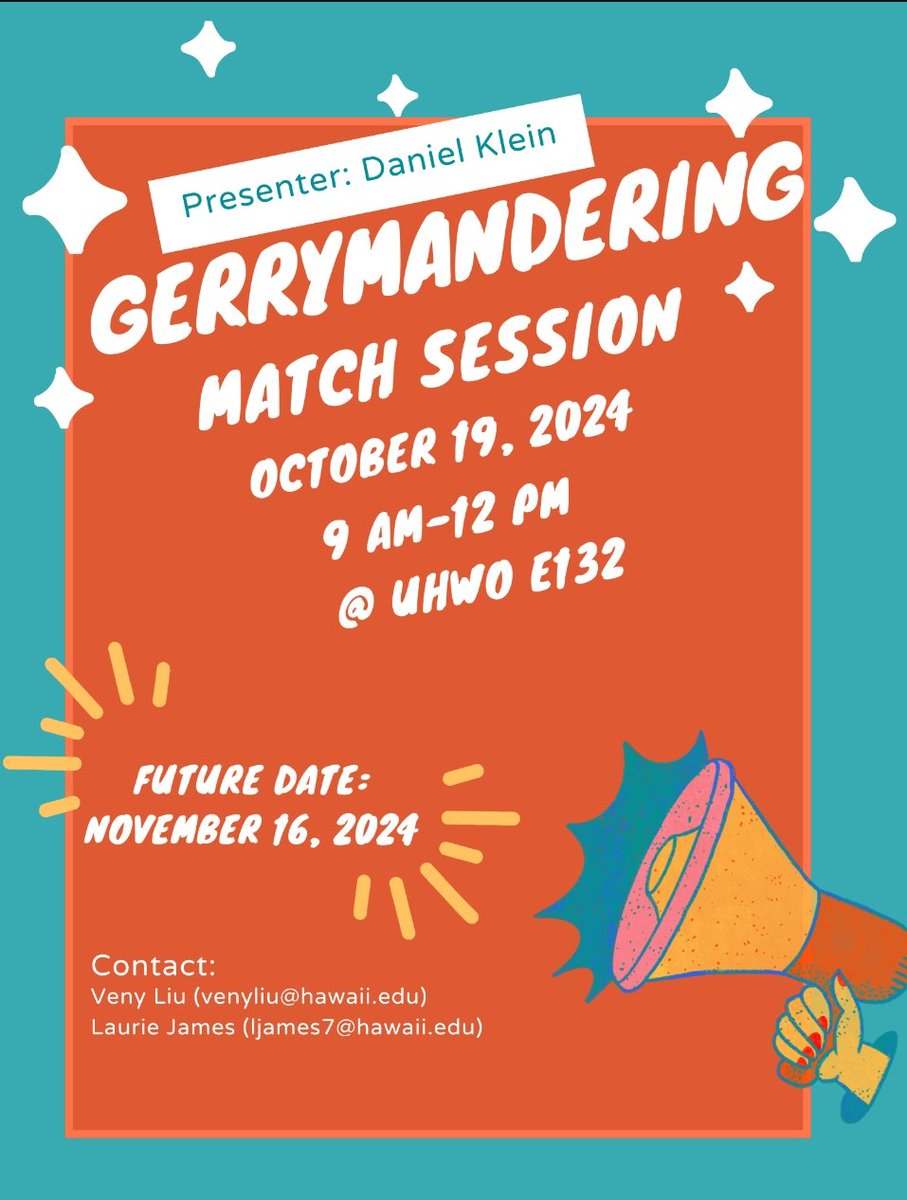
Anyone can attend. Bring snacks. @ UH West Oahu.
1
1
54
13 Oct 2024
I don’t do brain breaks.
I have purposeful and intentional transitions between progressions of learning modalities that incorporate movement AND help set students up for success by framing upcoming learning verbally and visually.
1
2
114
Joseph Manfre retweeted
22 Sep 2024
1
1
107
Joseph Manfre retweeted

22 Sep 2024
A “Share What Works” Experience in Your School Community edutopia.org/article/build-a…
Thank you @biblio_phile for sharing #ShareWhatWorks with @RSW95 & me
@Lausensei has organized tech lunches that have brought our faculty together & teachers walk away with useful ideas #808educate
4
10
7,537
15 Sep 2024
As a teacher, one of, if not my greatest fears is teaching students something they already know.
Thank you @teacher2teacher for capturing how I ensure in-class instructional time is worthwhile for all students with the variability of content knowledge they have coming in.
15 Sep 2024

T @MathManfre's Ss arrive with varying prior knowledge. Here's how he offers each one meaningful instruction, wherever they are on their learning journey: teacher2teacher.education/20…
1
2
158
12 Sep 2024
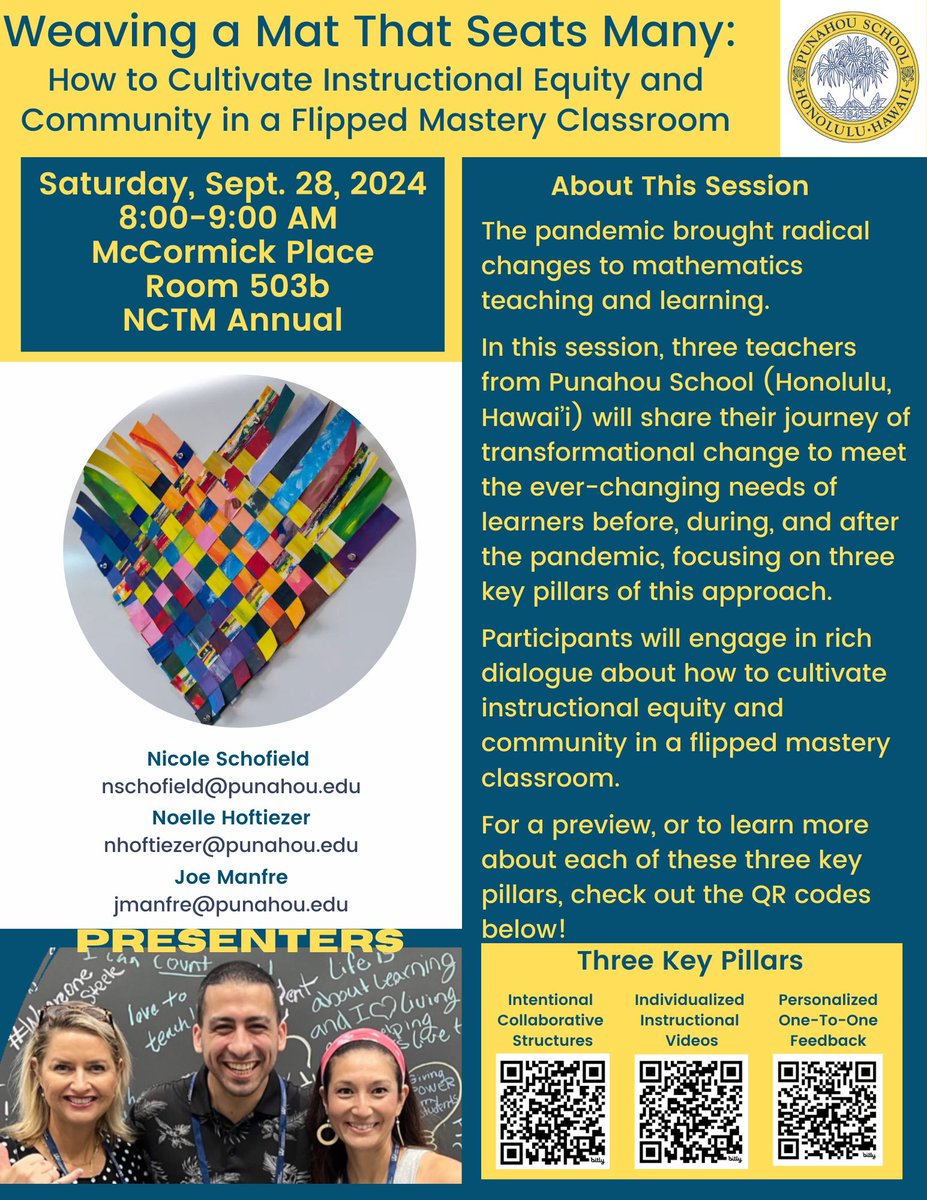
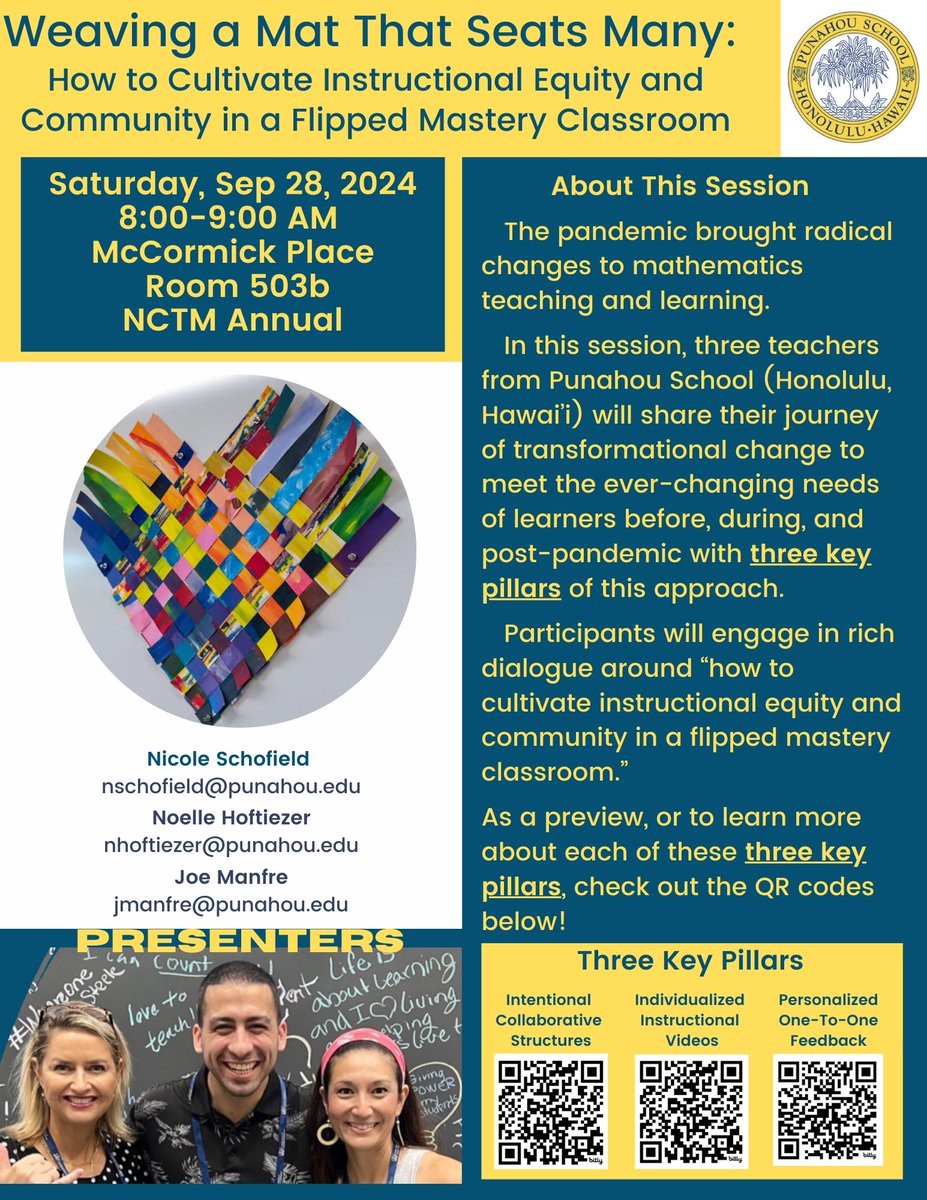
Optimizing pedagogy cannot be this simple, can it?
1. Intentional Collaboration
2. Individualized Instruction
3. Personalized Feedback
33
7 Sep 2024
Register here! home.edweb.net/webinar/learn…

#edWebinar 9/12 Building Thinking Classrooms in a Self-Paced Learning Environment @mathmanfre @classroomflex @modernclassproj home.edweb.net/webinar/learn…
1
63
5 Sep 2024
2 minutes.
That’s all it took to introduce imaginary numbers to my 7th grade pre-algebra students. 2 minutes.
Now as they learn about “real numbers” they know what they are and what they aren’t, instead of waiting until algebra 2 to get introduced to what they’re not.
1
58

#edWebinar 9/12 Building Thinking Classrooms in a Self-Paced Learning Environment @mathmanfre @classroomflex @modernclassproj home.edweb.net/webinar/learn…
2
4
262
30 Aug 2024
Can’t wait to co-host this webinar on “Building Thinking Classrooms in Self-Paced Environment” on September 12th. Join us!
Building Thinking Classrooms in a Self-Paced Learning Environment 9/12 #edWebinar @mathmanfre @classroomflex @modernclassproj home.edweb.net/webinar/learn…
1
3
153
25 Aug 2024
I don’t teach mathematics.
I teach reification, through the use of mathematics.
As byproduct of reifying, students also learn mathematics.
2
68
25 Aug 2024
“Grade-level” skills are redundant in the age of information/technology. They track individual development to a comparative generalization.
It’s much more appropriate to look at Domain Continuums, as in, this is where a student is within a specific domain.
1
62
18 Aug 2024
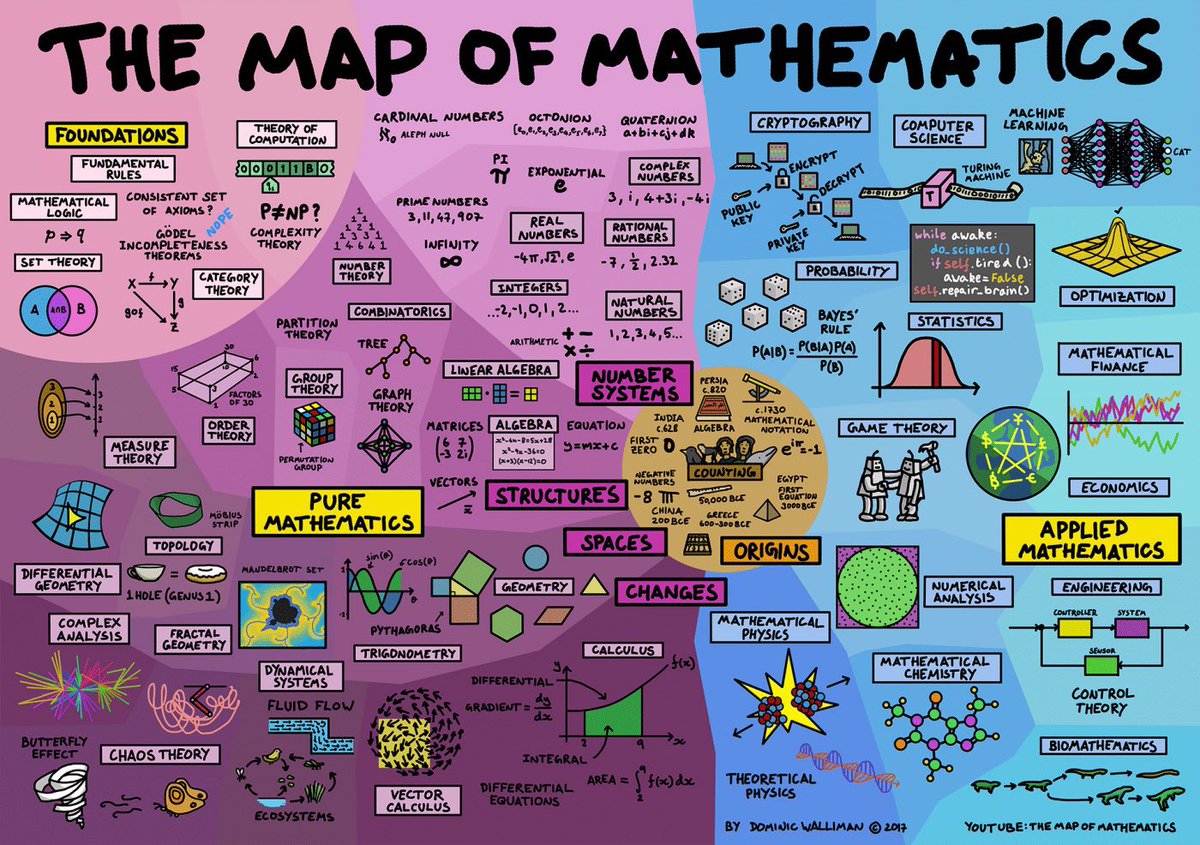
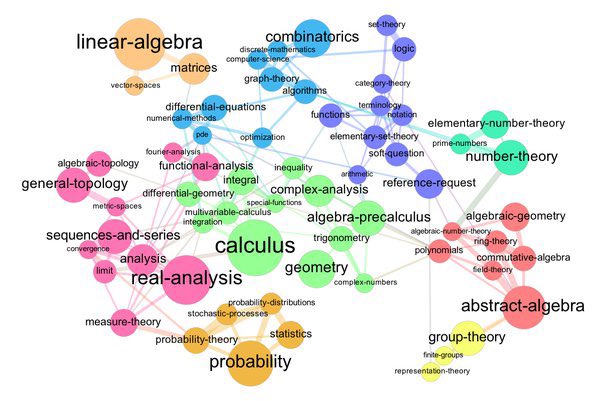
It’s embarrassing how the Common Core State Standards for Math is (A) still sequential and (B) not revised since 2009.
Mathematics is a web, not a ladder. Posing it as a ladder promotes gatekeeping and elitism of and within the mathematics community.
2
2
130