
Neurologist, Neuroimager, Pedant
Joined December 2019
- Tweets 85
- Following 175
- Followers 131
- Likes 35
Photos and videos
Matthew Brier retweeted

25 Apr 2023
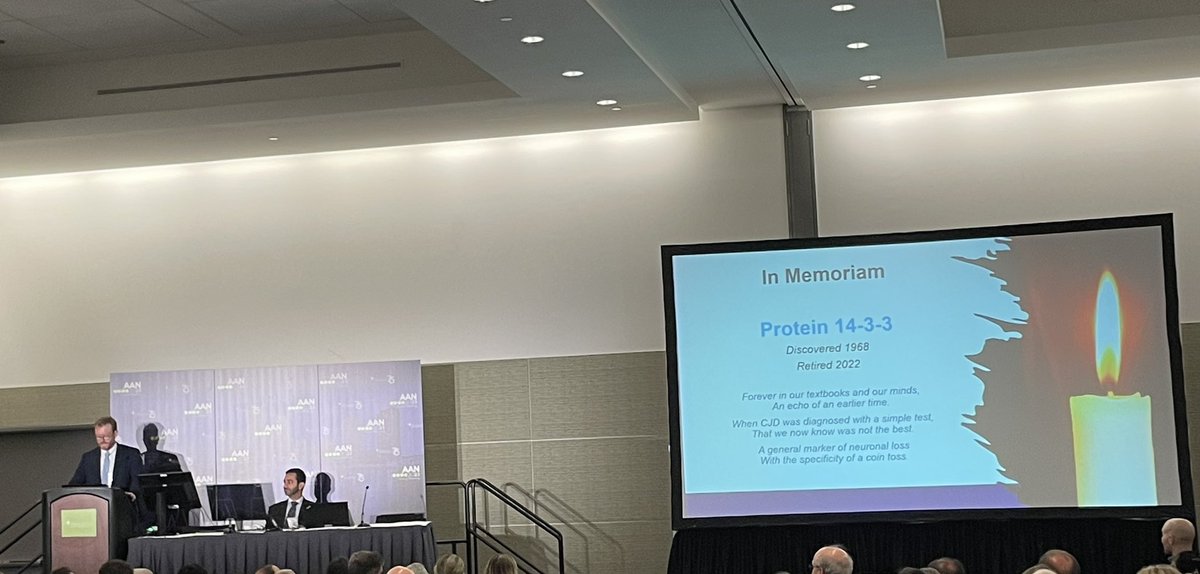
@GDay_Neuro a.k.a. Poet Laureate of #AANAM with a moving ode to 14-3-3 in rapidly progressive dementia @MayoClinicNeuro
4
16
1,296
Matthew Brier retweeted

We congratulate #WUPhysicianScientist Dr. Pamela Woodard as she becomes the next Head of the Department of Radiology and Director of the Mallinckrodt Institute of Radiology on July 1! @PamelaWoodardp @MIRimaging

22
24
186
16,372
Matthew Brier retweeted

24 Apr 2023
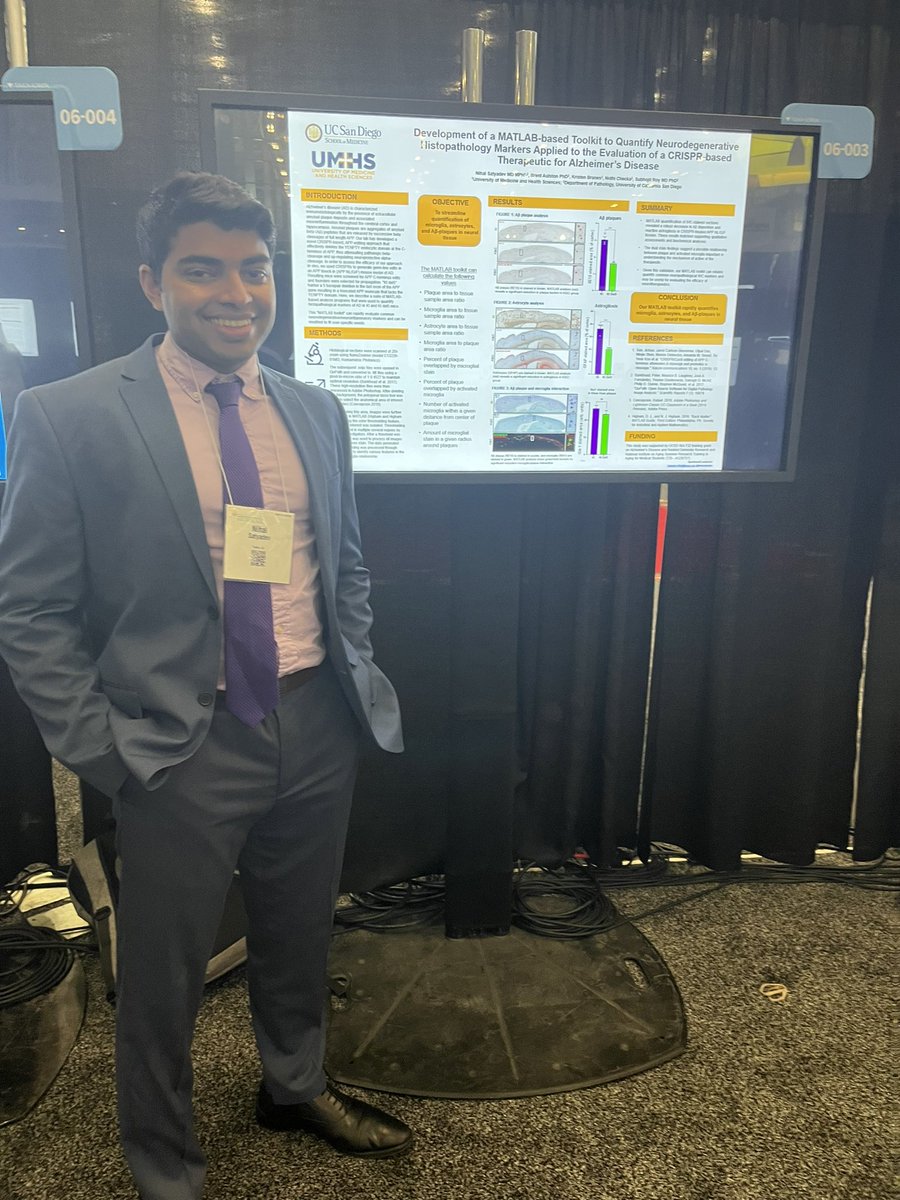
First #AANAM poster! @AANmember
Happy to share our #MATLAB toolkit for high thorough-put histology analysis from my time @Roy_Lab_Thinks; funded by @NIHAging @UCSDHealthAging.
Appreciate everyone that stopped by!
1
11
724
Matthew Brier retweeted
23 Apr 2023
Come by tomorrow to Neighborhood 12 to discuss strategies for earlier recognition and treatment of Rapidly Progressive Dementia ( patients who go from baseline to #dementia in 1-2 years 😮😧😦)
#AANAM @AANmember
@GDay_Neuro @MayoClinicNeuro

4
5
1,030
Matthew Brier retweeted

25 Feb 2023
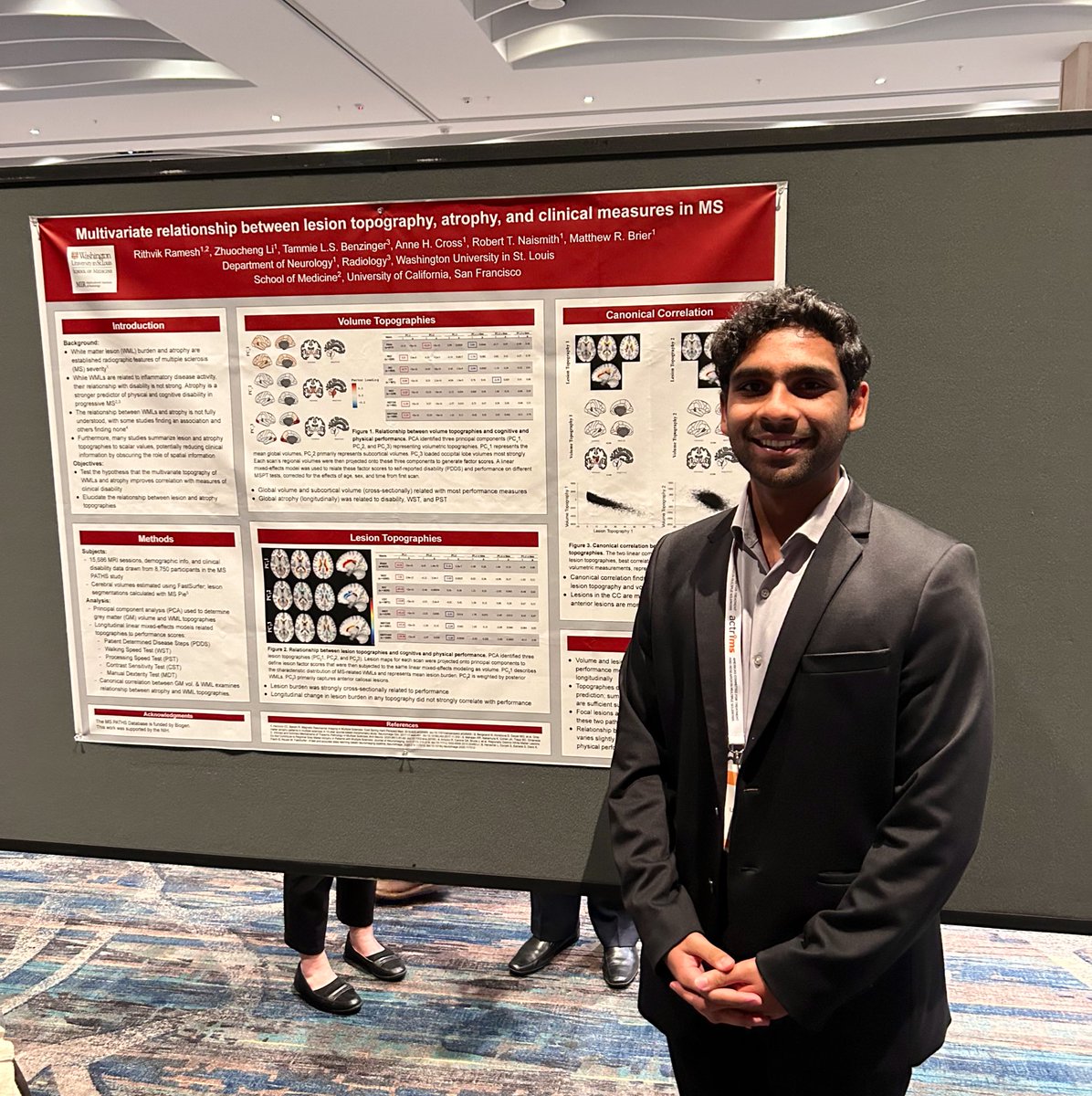
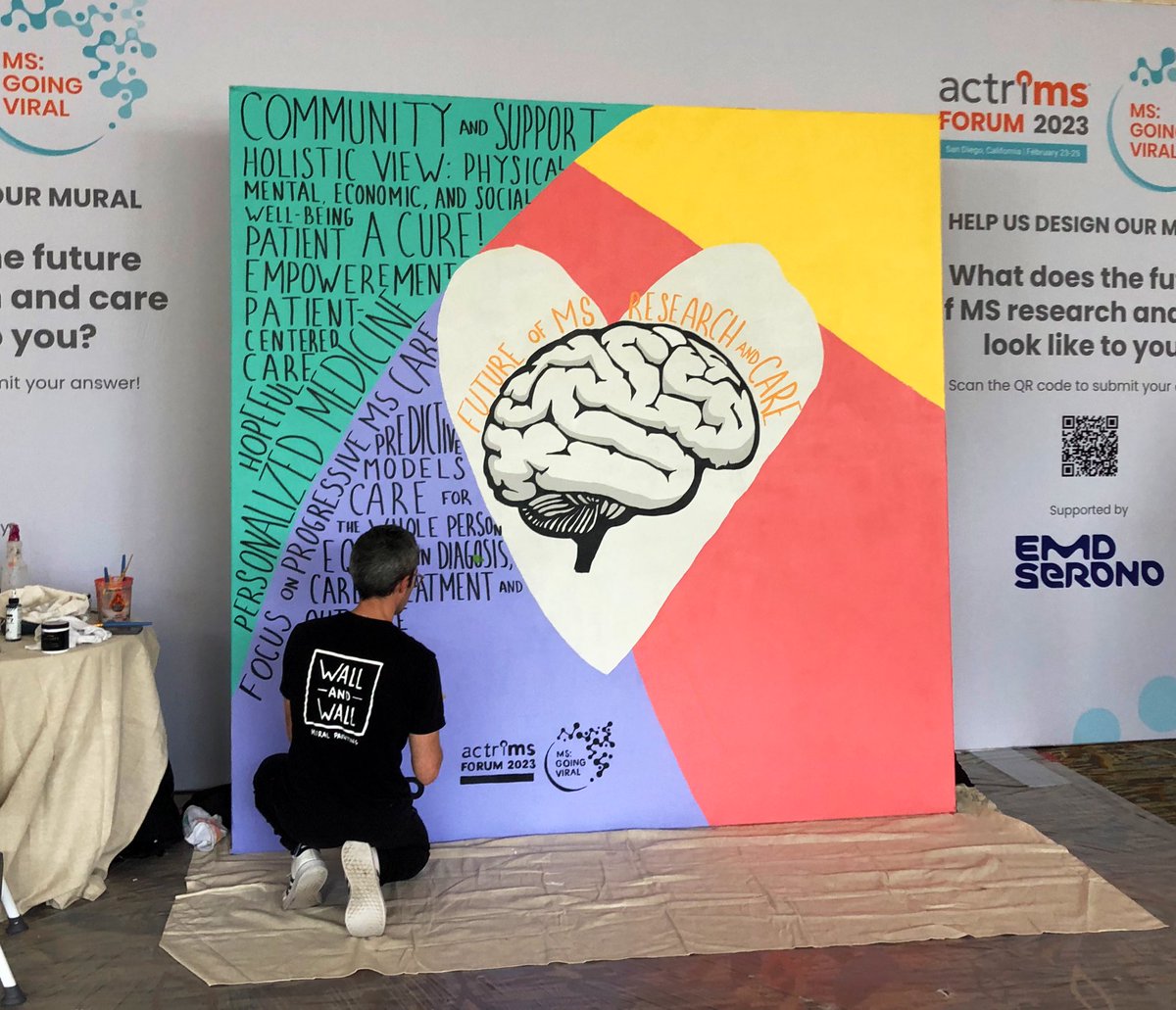
So grateful for the opportunity to present my undergrad work on lesion and atrophy topographies in multiple sclerosis at #ACTRIMSForum! Great chance to reflect on the luck of finding a mentor as dedicated and encouraging as @MatthewBrier four years ago!
3
14
1,046
Matthew Brier retweeted

24 Feb 2023
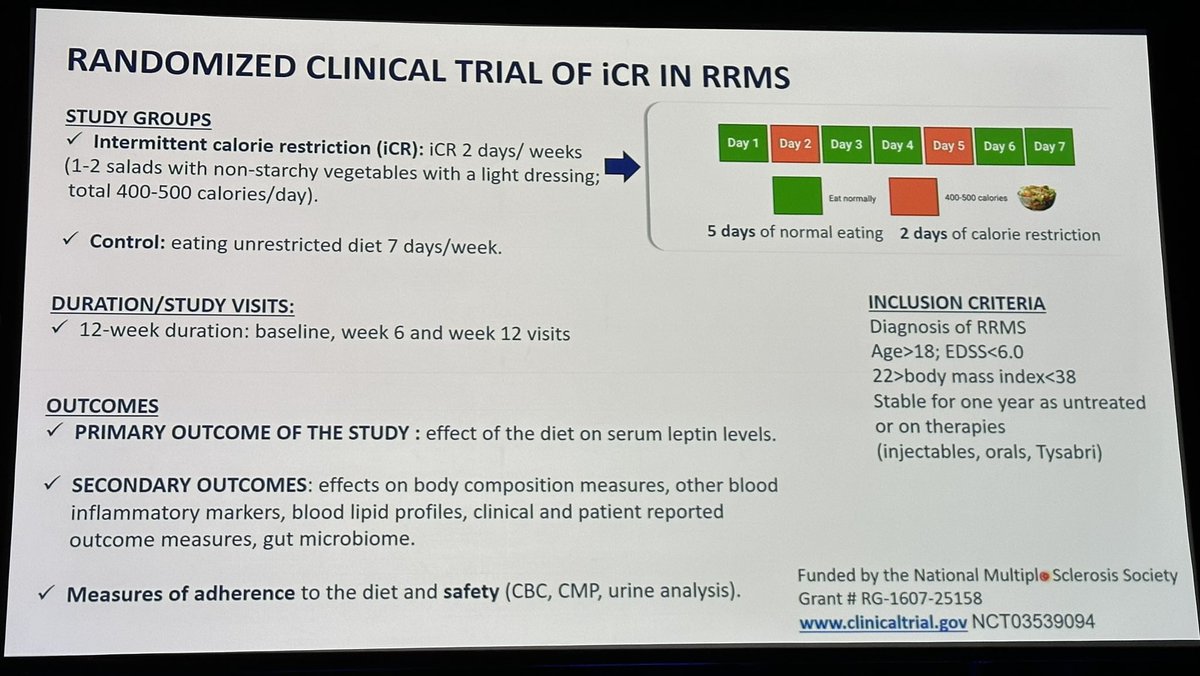
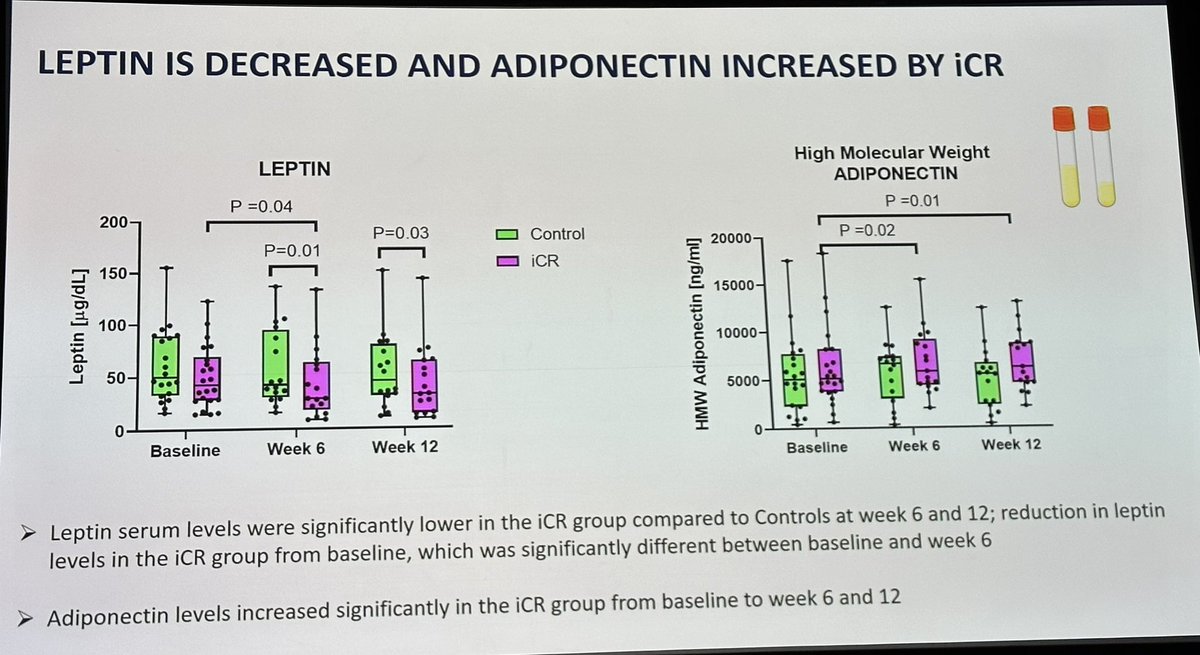
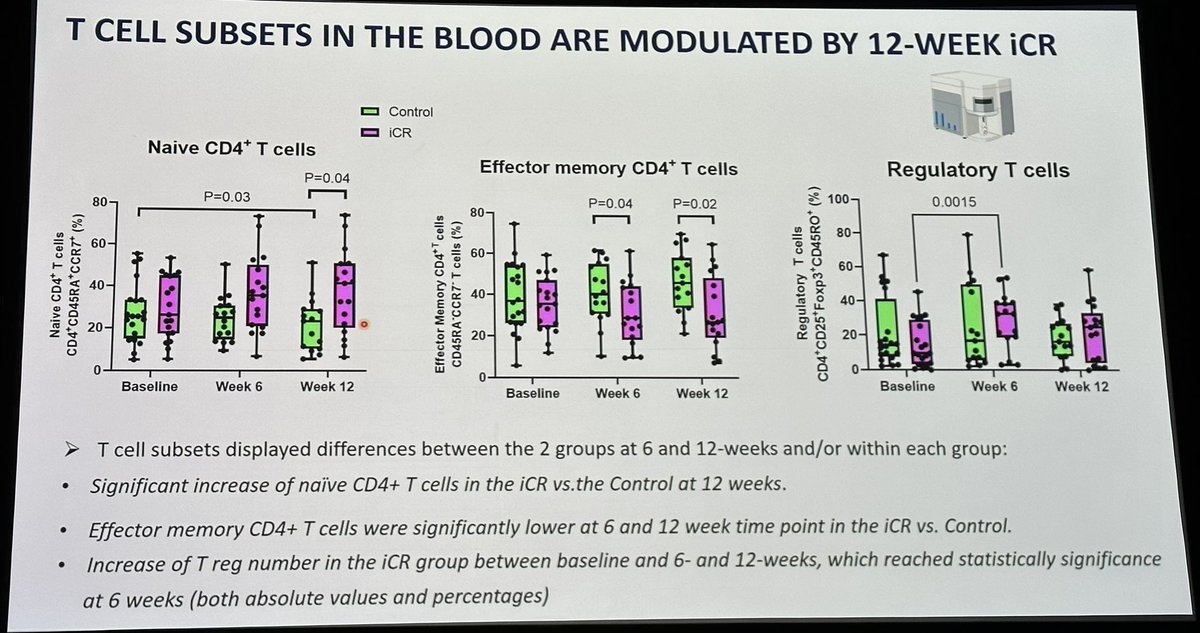
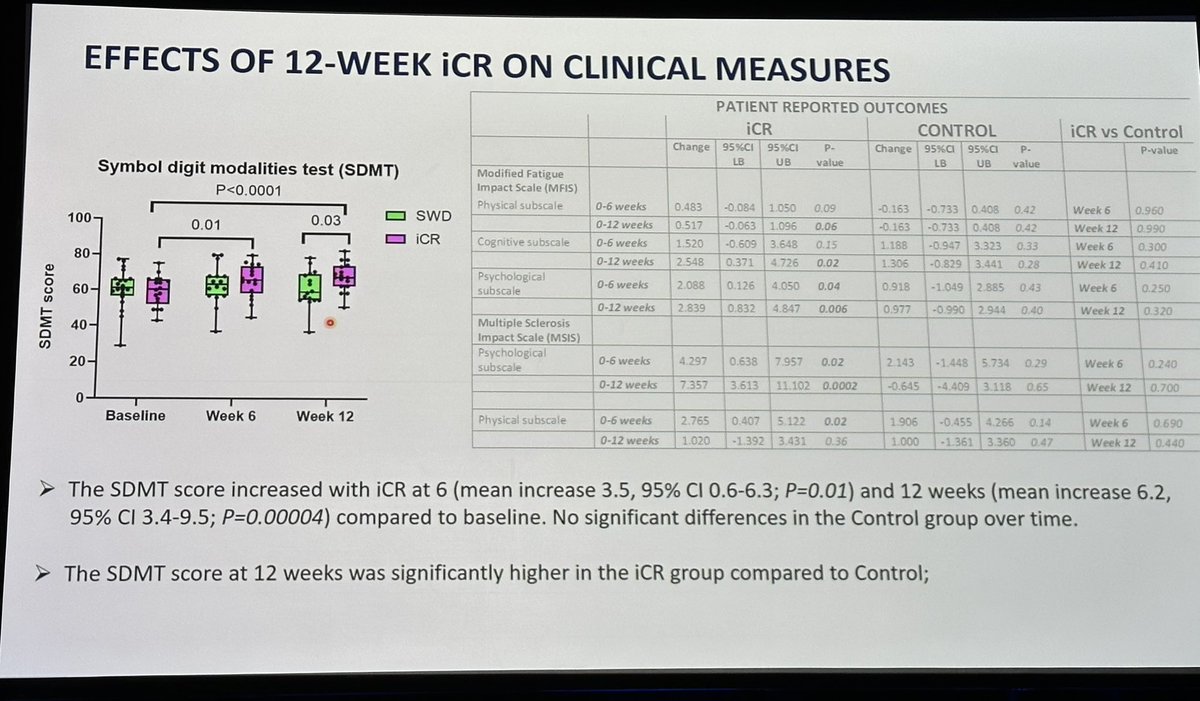
Piccio: Randomized Clinical Trial of Intermittent Calorie Restriction in People with #MS. 2 days a week of 400-500 caloric restriction associated with decrease #BMI, lower pro-inflammatory #leptin, increase in T regulatory cells & better SDMT scores.
#ACTRIMS2023 #ACTRIMSForum
1
10
50
6,654
Matthew Brier retweeted
We congratulate #WUPhysicianScientist Dr. Gregory Wu on his election to @the_asci! Dr. Wu studies how the immune system is dysregulated in multiple sclerosis (MS) and related autoimmune neurological conditions. @MS_ResearchDoc @WashUNeurology

10
7
58
4,906
Matthew Brier retweeted

22 Dec 2022
Ever wondered if your interesting brain-behavior correlation was affected by head motion, but were afraid to ask? We’ve created a motion impact score for detecting spurious brain-behavior associations. Excited to share my 1st preprint on Science Twitter! biorxiv.org/cgi/content/shor…
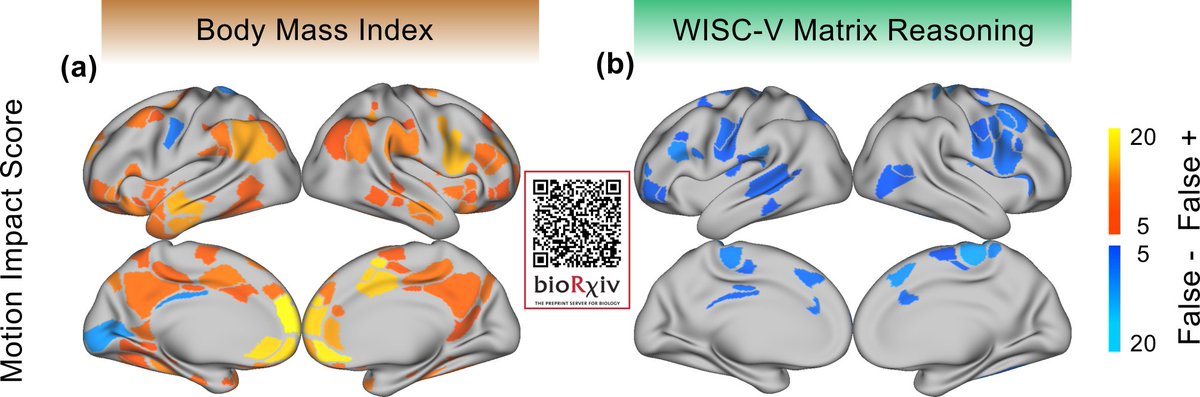
ALT You can see how and where residual motion artifact is affecting your connectivity matrix. For example, body mass index (data from the ABCD study) had a mostly false positive motion impact score, indicating that motion inflated brain-behavior correlations. WISC-V matrix reasoning had a mostly false negative motion impact score, indicating that its brain-behavior correlations would actually be bigger if not for motion artifact!
4
49
166
36,551

14 Nov 2022
RT @AncesLaboratory: Congratulations to @MatthewBrier, MD, PhD and colleagues for publishing his article "Increased white matter glycolysis…
6
Matthew Brier retweeted

10 Nov 2022
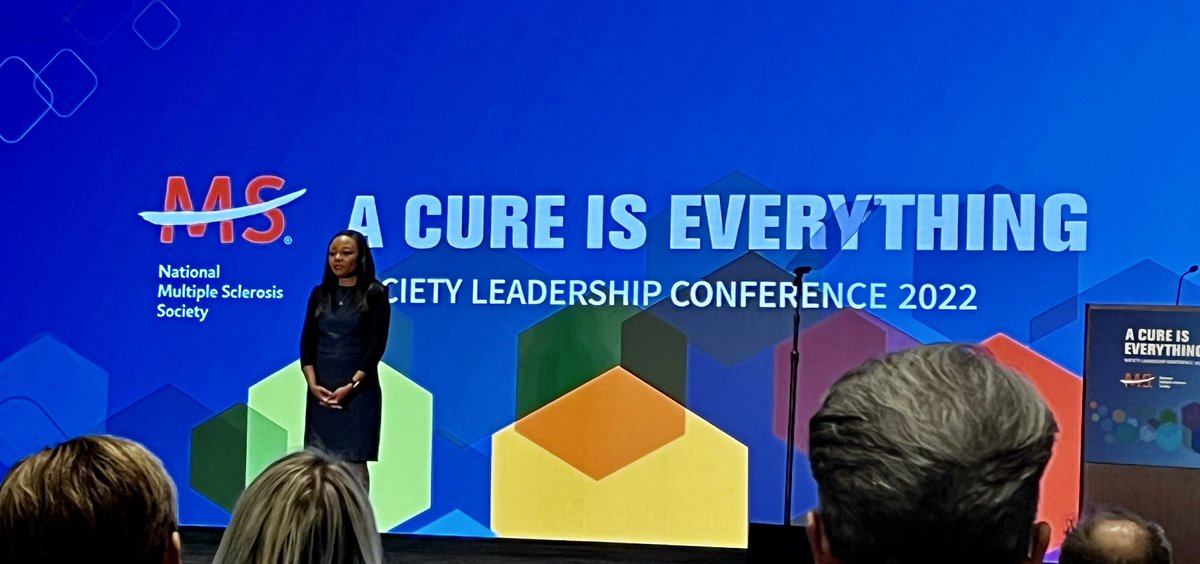
Hopkins representation continuing today with Dr. Harrison talking about racial disparities in treatment among people with MS.
#curems #nmss #HopkinsMSCenter
2
6
10 Nov 2022
We are going to address these limitations in the future but in the mean time are very excited to share this work. Thanks to all the patients who participated and the mostly twitter-less collaborators.
1
3
10 Nov 2022
WMLs in SVD appear in a stereotypical pattern. We looked the metabolism in these regions and found that the areas where WMLs form tend to be less glycolytic than areas that are relatively protected.
1
2
10 Nov 2022
There are some important caveats. These data were collected on lower resolution PET scanners than what is available now which is why so much effort is dedicated to partial volume correction. Additionally, this is qualitative and not quantitative PET.
1
2
10 Nov 2022
We hypothesize that glycolysis plays an important role in the resiliency of tissues to injury and may re-emerge in a repair or mitigation type process in the face of pathology.
1
1
10 Nov 2022
This suggested that glycolysis was in some way reactive but its impossible to tell from that results if its helpful or hurtful.
1
2
10 Nov 2022
We studies older patients with SVD as well as younger and older controls. Each subject underwent MRI and multi-tracer PET to measure cerebral metabolic rate of glucose (CMRglc), CMRO2, and glycolytic index, a measure of relative amounts of glycolysis.
1
1
10 Nov 2022
One idea was that there may be a penumbra around the WMLs where glycolysis was increased but what we found was that glycolysis was increased throughout the WM of SVD patients. This was shown using a number of different numerical assumptions for PET analysis.
1
3
10 Nov 2022
We reproduced prior work showing that glycolysis declines with age and extended that finding to the WM where its less studied in humans. Interestingly, glycolysis was relatively increased in the WM of SVD patients.
1
1
10 Nov 2022
Very happy to announce a new paper that just came out in @NatureAging. A brief overview below! Here is the link:
nature.com/articles/s43587-0…
2
7
24
10 Nov 2022
Specifically we were interested in glycolysis because WM relies on glycolytic metabolism to provide trophic support as well as to repair damage caused by e.g. SVD.
1
1
10 Nov 2022
In SVD a lot of the focus is (rightly) on the lesions themselves which demonstrate signs of ischemia. However, mounting evidence demonstrates that the white matter (WM) around these lesions is also structurally and metabolically abnormal.
1
1