
Meme Pusher. #PopCulture Guy. Blogger(1,308,593Vws). Prof (Industrial Sociology). Author: Latest Book (Amazon)~Rock of The Boat (Poems). On: Facebook, LinkedIn
Joined February 2009
- Tweets 77,901
- Following 4,375
- Followers 6,309
- Likes 3,667
1,345 Photos and videos

9 Dec 2023
Mauri Yambo: UNASHIG's Share Price and Market Capitalization of... mauriyambo.blogspot.com/2023…
1
131
2 Dec 2023
Mauri Yambo: UNASHIG's Share Price and Market Capitalization of... mauriyambo.blogspot.com/2023…
138
25 Nov 2023
Mauri Yambo: UNASHIG's Share Price and Market Capitalization of... mauriyambo.blogspot.com/2023…
#NSE #NairobiSecuritiesExchange #Safaricom #EquityBank #KCB #KenGen #Centum #CarbAcid #KenyaPower #TurkanaWindFarms
211
Mauri retweeted

25 Nov 2023
NASA managed to record the sound of a black hole. This sonification is unlike anything done before, what we are hearing is quadrillions' of times louder than its original frequency.
x.com/i/status/1728198469104…
323
1,421
7,353
1,357,267
24 Nov 2023
Mauri Yambo: UNASHIG's Share Price and Market Capitalization of... mauriyambo.blogspot.com/2023…
#NSE #CDSC #CapitalMarkets #EmergingMarkets #EmergingTech #OnlineTrading #Kenya #Kenyan #AfricanMarkets
81
Mauri retweeted

23 Nov 2023
Family
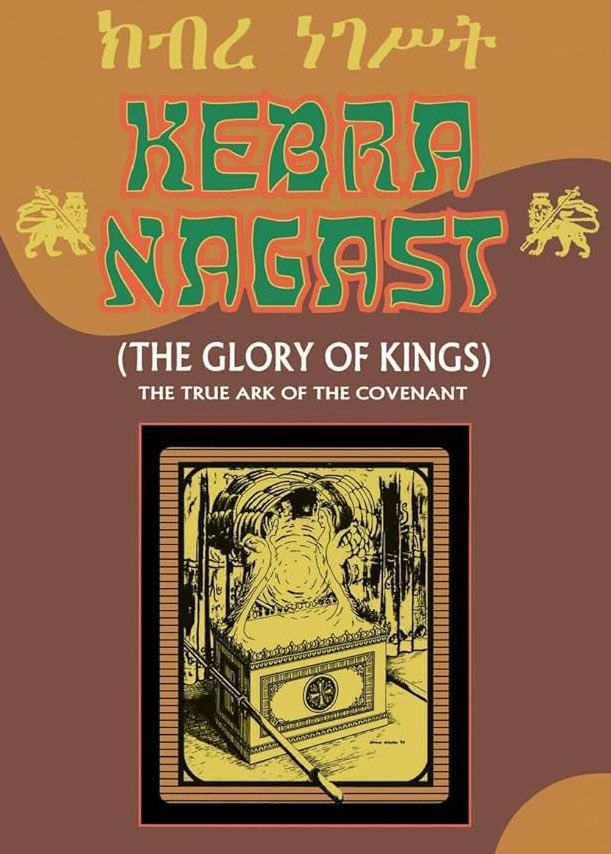
I was thinking about getting this book in order to further my personal study on Mother Ethiopia.
What do you think?
22 Nov 2023

The Kebra Nagast or “The Glory of the Kings”, is a 14th-century epic of Ethiopia, written in Ge'ez. The text is over 700 years old and is considered by Ethiopian Orthodox Christians to be a historically reliable work of the genealogy of the Solomonic dynasty
22
16
77
7,673
24 Nov 2023
Mauri Yambo: UNASHIG's Share Price and Market Capitalization of... mauriyambo.blogspot.com/2023… #HarvestingRain #RainHarvesting #Rain #ElNino
75
Mauri retweeted
21 Nov 2023
Black art matters

Sometimes we fall🧎🏽♀️, but we must always remember to get back up🏃🏽♀️. Still I Rise 🙌🏽🌎 #StilliRise🤸🏾♀️ #GrandRising 🌍

8
61
381
12,312
Mauri retweeted
18 Nov 2023
This is one of the oldest rocks in existence. It is approximately 4,600,000,000 years old and existed before the Earth itself had completely formed. It is called The Murchison Meteorite.

142
742
4,710
406,350
20 Nov 2023
Mauri Yambo: UNASHIG's Share Price and Market Capitalization of... mauriyambo.blogspot.com/2023…
39
16 Nov 2023
Mauri Yambo: UNASHIG's Share Price and Market Capitalization of... mauriyambo.blogspot.com/2023… #RIPMohbad #mohbad #trees #Gaza
81
13 Nov 2023
TENI FEAT. MOHBAD - Where I for dey (full song) youtu.be/ozRAslcL8RQ?si=jF1P… via @YouTube #RIPMohbad
1
64
Mauri retweeted

13 Nov 2023
A lady charging her electric car, 1912

345
3,070
28,966
7,759,396
13 Nov 2023
TENI FEAT. MOHBAD - Where I for dey (full song) youtu.be/ozRAslcL8RQ?si=jF1P… via @YouTube
151
13 Nov 2023
1
54
Mauri retweeted

13 Nov 2023
Photo of the day. Let's show him some appreciation with a round of likes. #TreePlantingDay.

19
90
2,582
63,582

In June 1988, Stevie Wonder was scheduled to perform at Nelson Mandela's 70th birthday celebration at the Wembley stadium. As fate would have it, Stevie encountered unexpected technical glitches. In the meantime, to the crowd engaged, the event organizers called on stage a relatively unknown 24-year-old girl from Cleveland, Ohio – Tracy Chapman.
Chapman appeared a bit shy on stage, as evident in Youtube videos. Initially shaky and off-key during the first moments of her performance of "Fast Car," she gradually found her voice, captivating the crowd. It was at that moment she tapped into her greatest assets—her voice and eyes: through her voice, she spoke of a revolution, being behind the wall, and across the lines; and with her eyes, she conveyed a yearning, transporting the audience to better days.
This seemingly small opportunity marked the emergence of one of the most underrated music geniuses, Tracy Chapman.
Born in 1964 in Cleveland, Ohio, Tracy grew up in a middle-class family. Raised by her mother after her father's abandonment, Tracy, a quiet child, developed an interest in music when her mother played it at home. Recognizing Tracy's love for music, her mother bought her a ukulele at the age of 3.
At 7 or 8, Tracy watched a Country Music Television Show, inspiring her to try the guitar. Her mother granted her wish, and Chapman began writing music about her surroundings, addressing everything she came across. Experiencing racial abuse in the 70s during the integration of the Ohio school district fueled her music with themes of justice and revolution.
Despite facing challenges, Chapman excelled academically, earning a scholarship to a Connecticut boarding school and later admission to Tufts University, where she pursued a degree in Anthropology with a concentration in West African Cultures.
Chapman's breakthrough came at Tufts, where she performed in coffee shops and the streets to pass time. That’s how she gained the attention of classmate Brian Koppelman. Through Brian, she met his father, Charles Koppelman, the head of a major music publishing company. Impressed, Charles facilitated Chapman's recording contract with Elektra Records in 1986.
With a request to delay signing for six months to complete her studies, Chapman released her debut album in early 1988, selling 200,000 copies. The turning point occurred at the 1988 Wembley Nelson Mandela concert, reaching over 600 million people in 66 countries and boosting album sales of her album to over 2 million copies.
"Fast Car" ranked 167th on Rolling Stone's greatest songs list and won a Grammy in 1989 for Best Female Pop Vocal Performance. Chapman, now Dr. Tracy Chapman, received an honorary doctorate from Tufts University in 2004, acknowledging her impactful storytelling.
Isitoshe,
Chapman's career boasts four Grammy wins, including Best New Artist in 1989, with four platinum and two gold-certified studio albums.
Last week, Tracy Chapman was honored with Song of the Year for "Fast Car" at the Country Music Awards, becoming the first Black songwriter to ever win the award.
May the day break
mukurima.com
#tracychapman #countrymusic #motivation #musiclovers

16
112
282
32,502