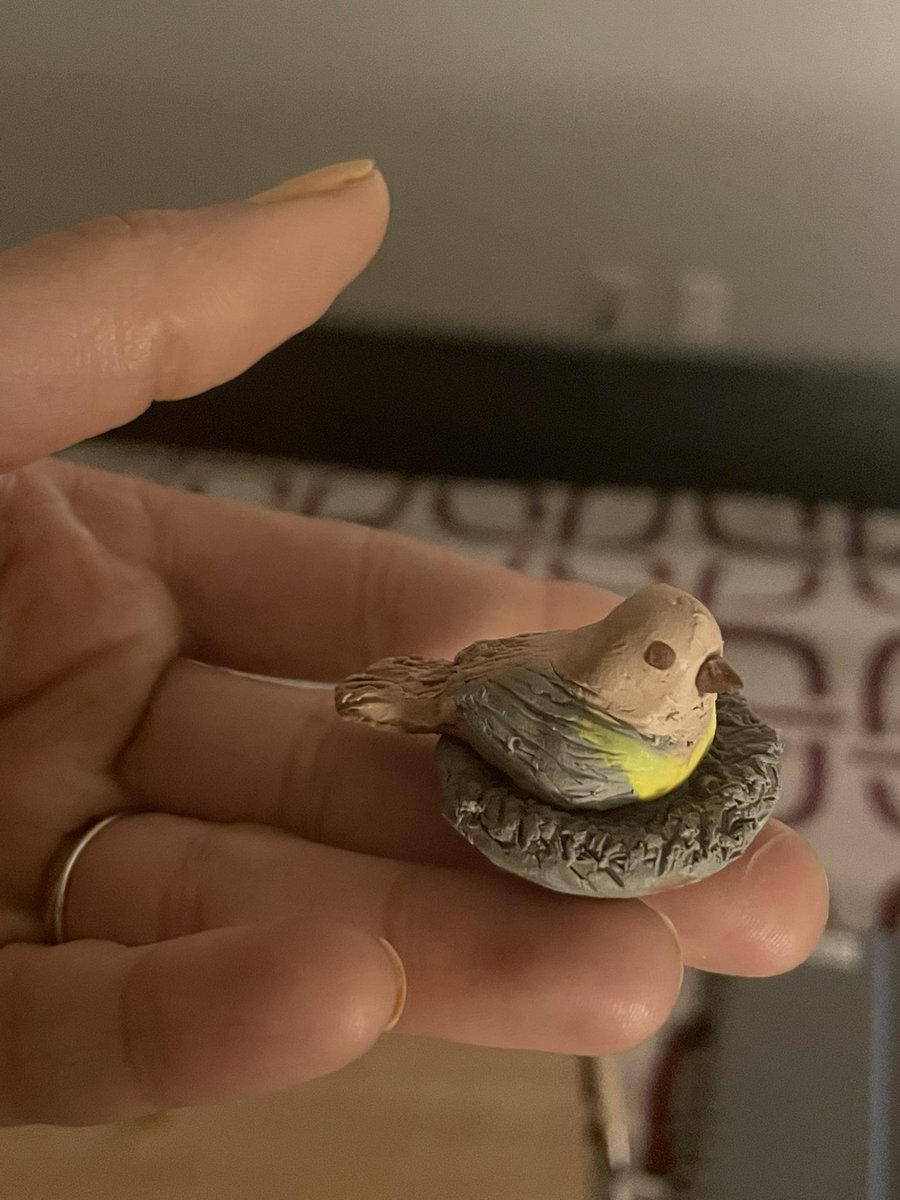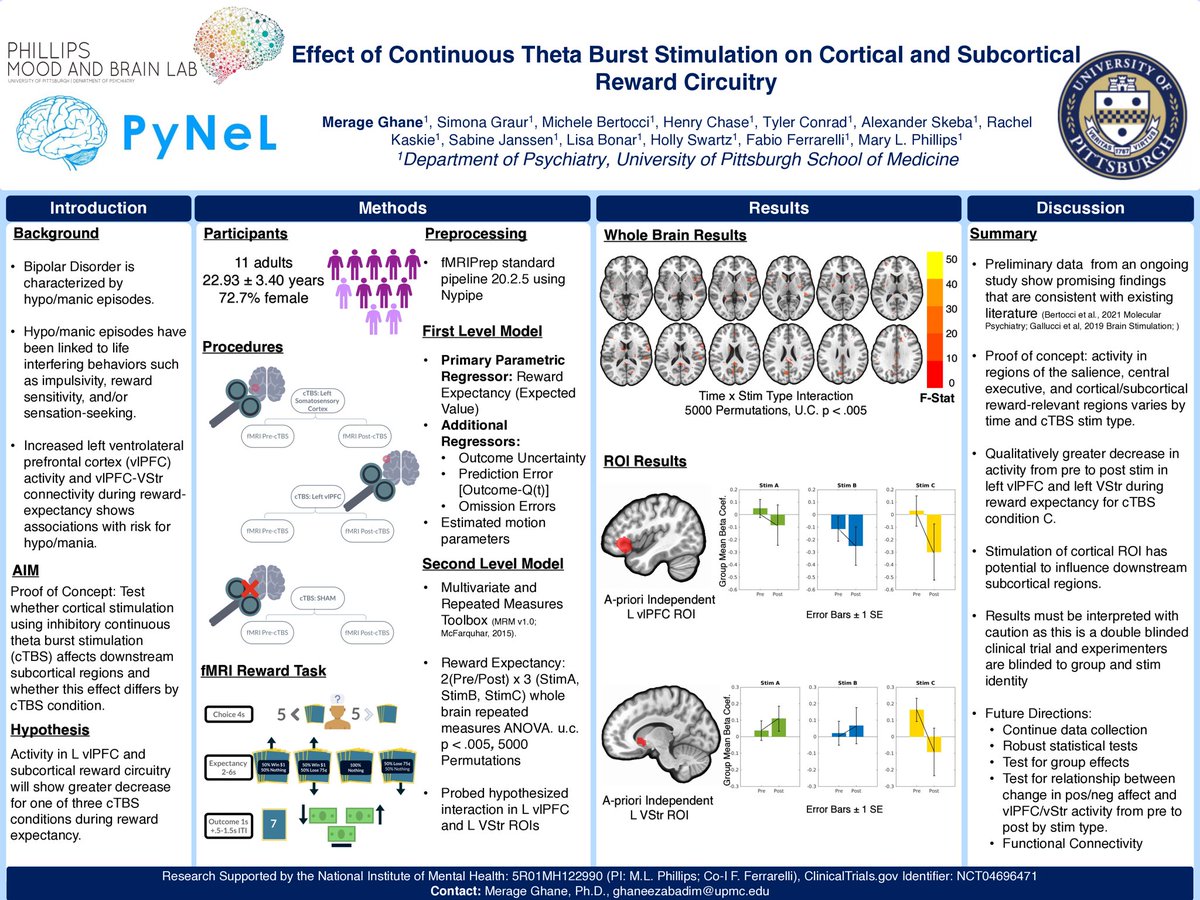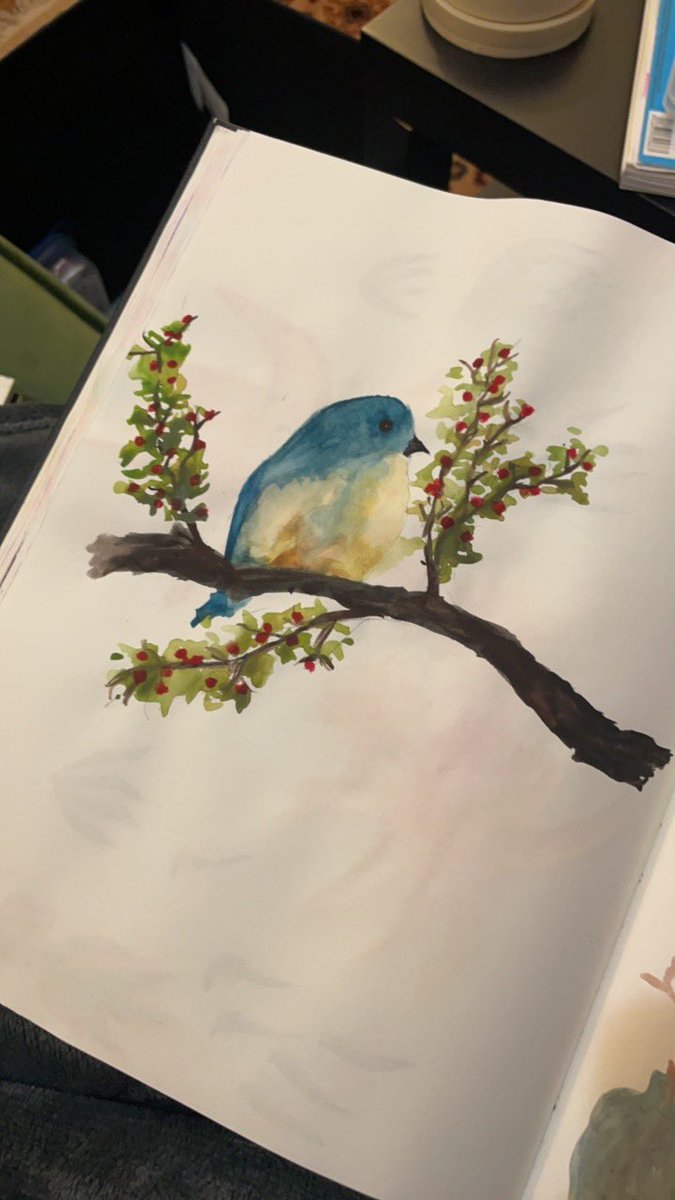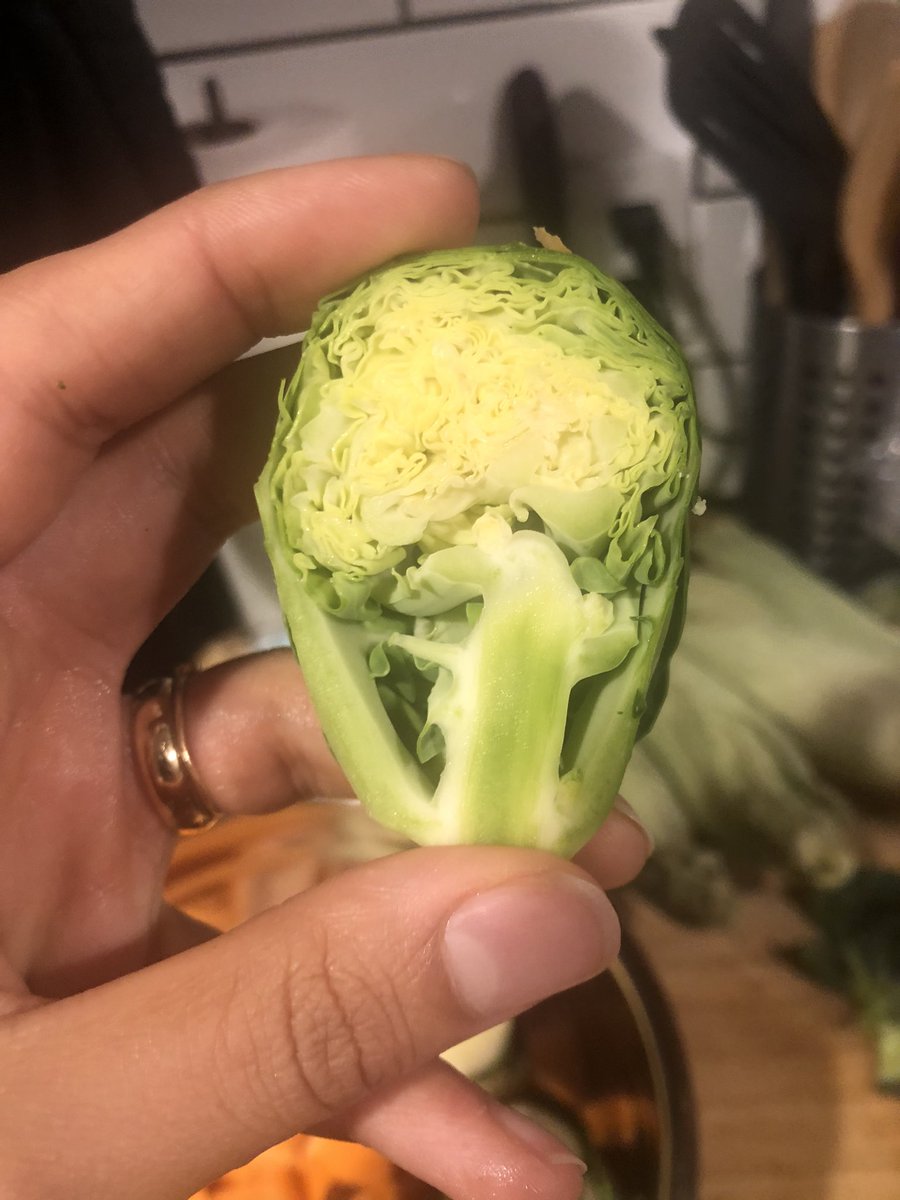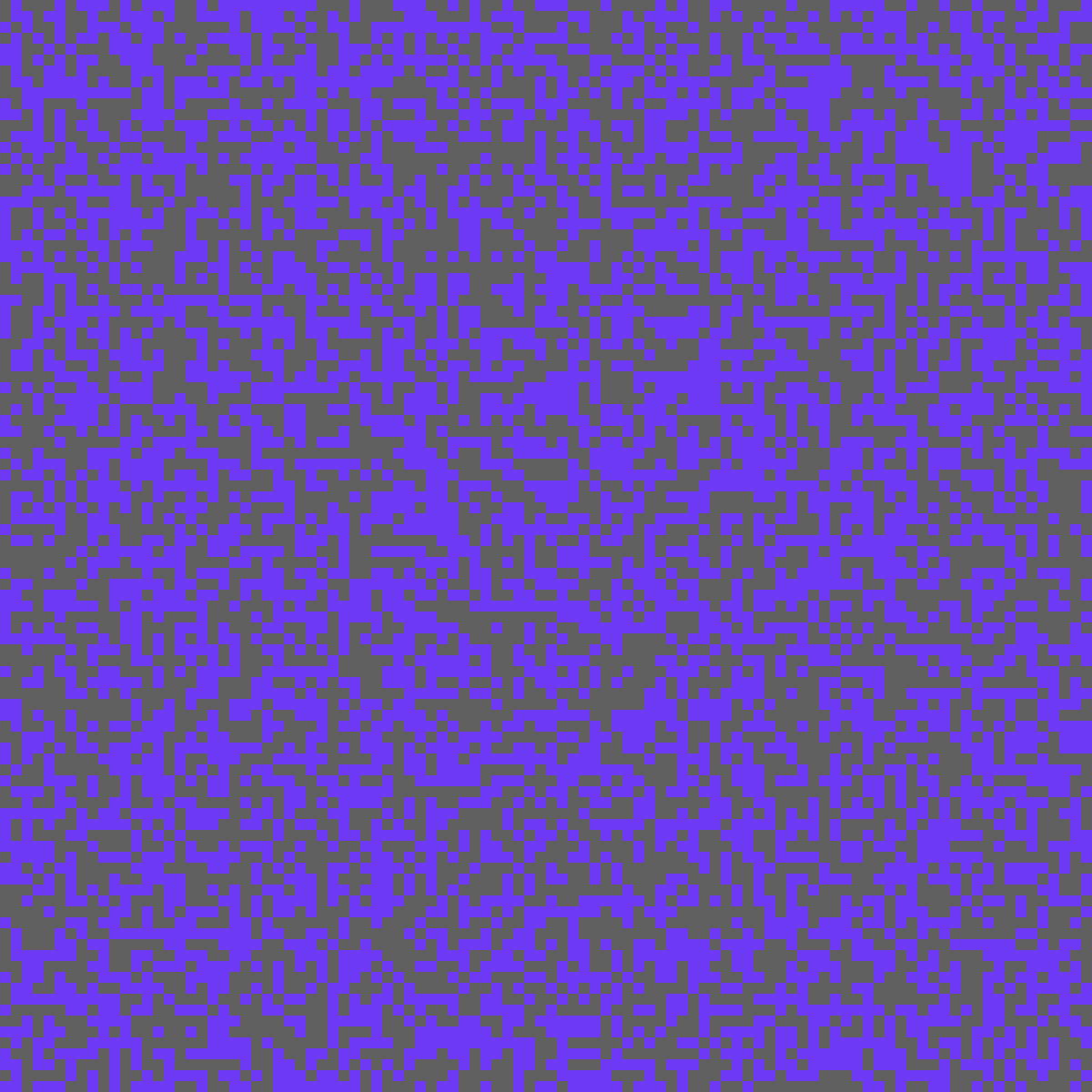
You can see where you are looking! This image by @AkiyoshiKitaoka lets you see your own eye movements, which create a little light-gray 'spotlight' wherever you point your eyes. The spotlight isn't really there; your mind is making it!
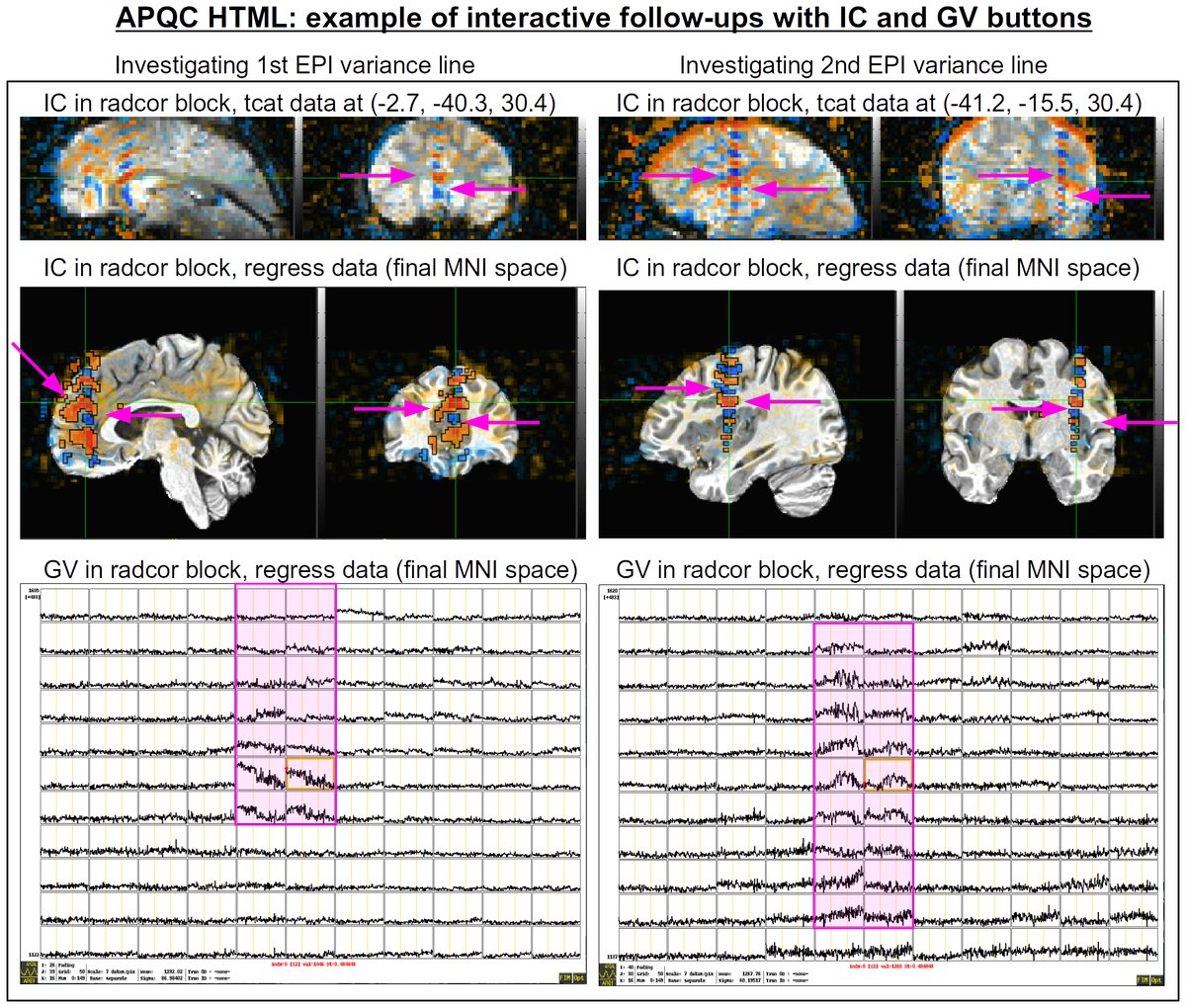
Got FMRI data? Got QC? A 🧵about quality control tools in AFNI, including both quantitative/scriptable and qualitative/visual ones, now described here:
biorxiv.org/content/10.1101/…
Fun work with @gangchen6, @AFNIman, @thanayik, @shotgunosine, C Rorden, J Rajendra, D Glen & R Reynolds!
I'm seeing more & more people use partial correlation during model comparison to identify the contribution of a model to prediction *after controlling* for other models. However, the correct approach is *not* to use partial correlation. A brief explanation. 🧵 1/n
Effects of theta burst stimulation on reward processing and decision-making in bipolar disorder: A Pilot Study brainstimjrnl.com/article/S1…@brainstimj Grateful to have contributed! @FabFerrare @MaryPhillips23 work led by Ahmad Mayeli (not on Twitter)
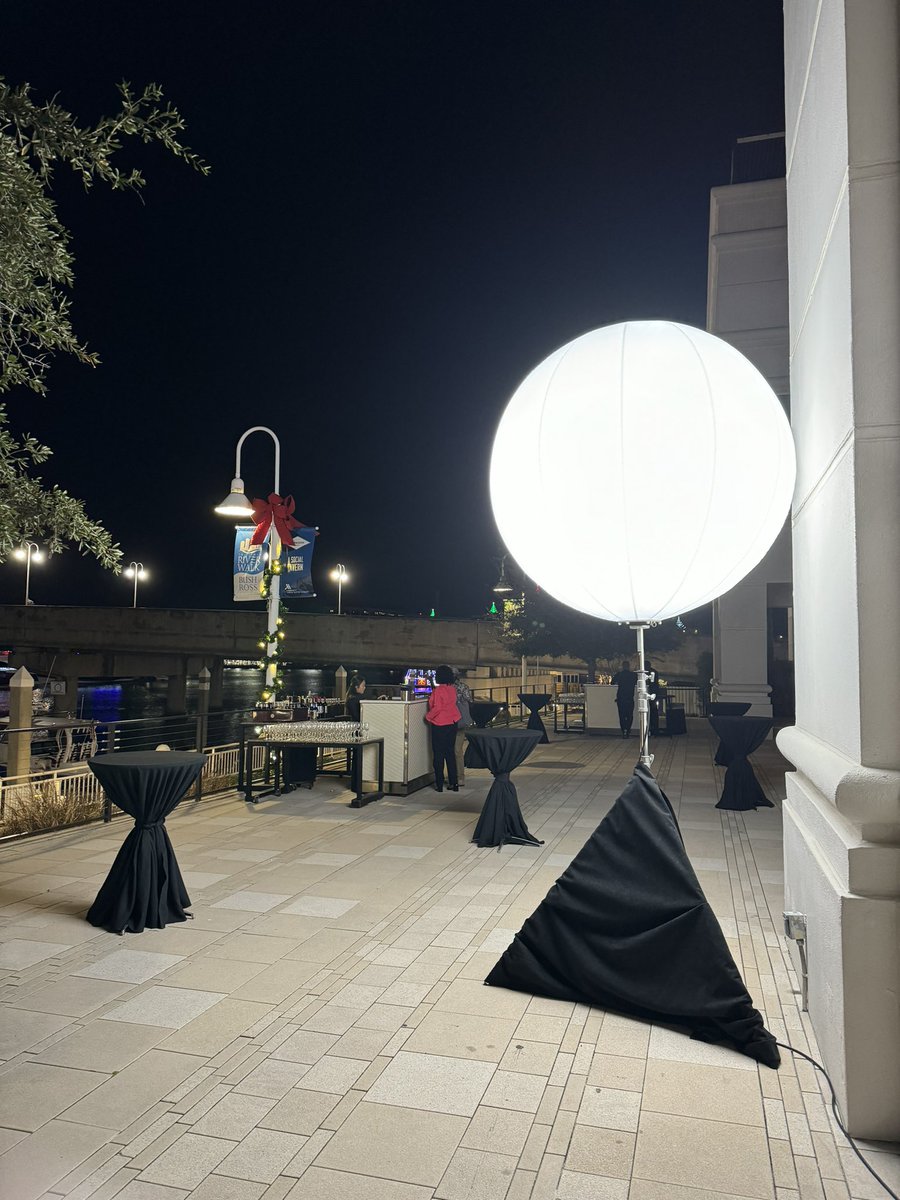
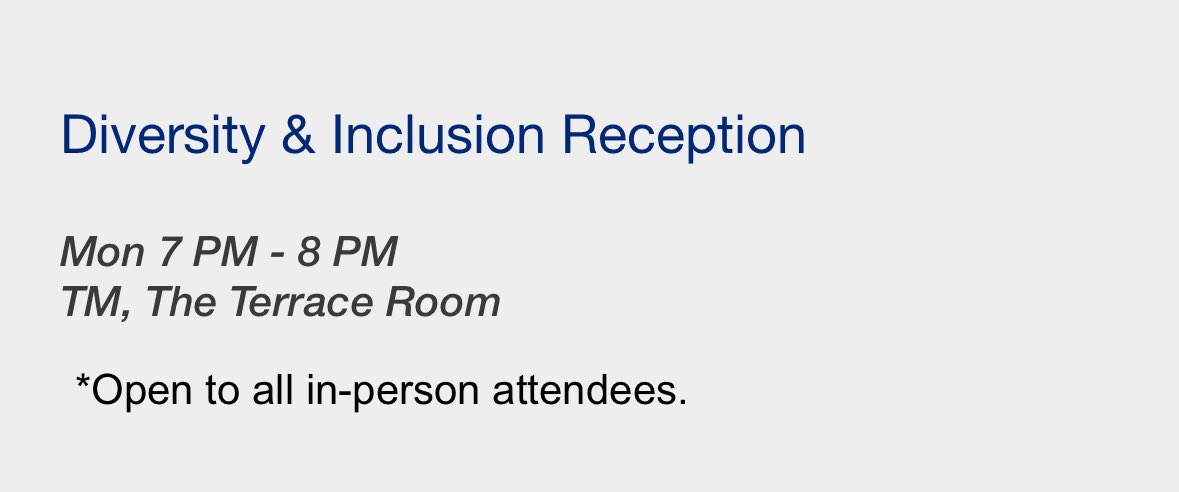
Join us after the poster session for networking, food, drinks, and music!
Intersectional Social hosted by the BIPOC, LGBTQIA2S , Hispanic/Latin American Sub-Committee
The social runs from 7-8pm (TM, Terrace). It’d be great if you could join before your dinner plans :) #ACNP2023
Do you want to understand how to specify individual-level (random) effects in hierarchical modeling? The LME guru @gangchen6 has some helpful advice on that, in Stats with Gang:
discuss.afni.nimh.nih.gov/t/…
Preregistered study (after initially finding surprising results) highlights publication bias and culture surrounding antidepressant studies (eg authors w COI publish in higher impact journals and report fewer negative effects).
Our new meta-research paper out in the prestigious Journal of Clinical Epidemiology @JClinEpi with Martin Plöderl @PloederlM and Simone Amendola
Read it here:
jclinepi.com/article/S0895-4…
Main findings summarized in thread below
A couple nice examples of hemodynamic response modeling for those who enjoy FMRI, courtesy of @gangchen6. A foray into some individual- and population-level approaches in AFNI, to help increase detection sensitivity:
discuss.afni.nimh.nih.gov/t/…#statswithgang
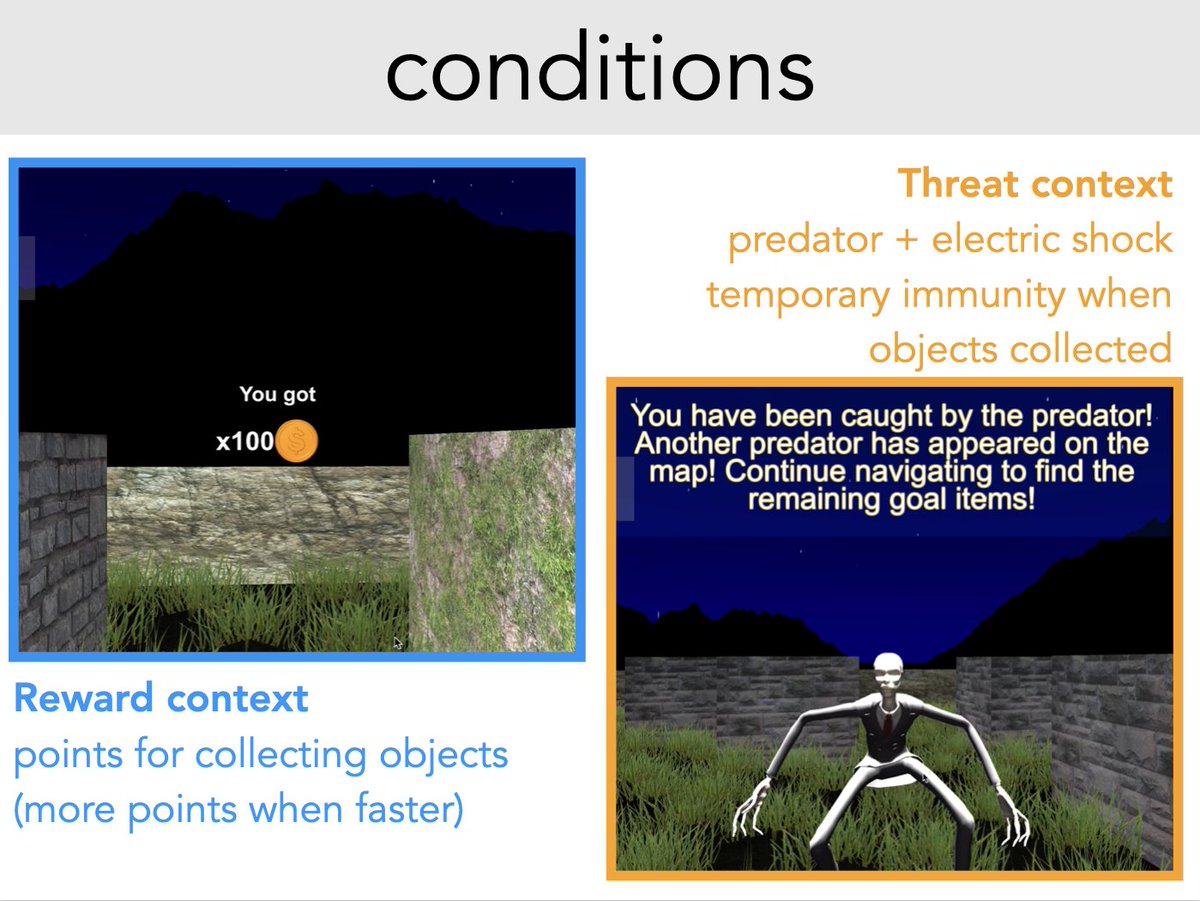
How well are you able to navigate while facing imminent threat?
Being pursued by a predator hurts our ability to navigate efficiently and take flexible new paths when unexpected obstacles are encountered.
Thrilled our work finally out!
link.springer.com/article/10…
ALT Two of the experimental conditions in the study. Participants navigated through virtual reality environments to find goal objects. In the reward context, they received points for collecting the objects. In the threat context, they were chased by a predator and received electric shock when captured. Collecting objects led to temporary immunity from the predator. The images show the virtual reality environment, the coins depicting points in the reward context, and a Slenderman-like predator in the threat context.
ALT Results for Detour trials, in which participants' paths were unexpectedly blocked by an obstacle, forcing a detour. Graph shows Detour path length to the goal objects on the y-axis and the experimental conditions on the x-axis. Path length is longer for the Threat vs. Reward condition. Take-home point is that threat impairs navigation efficiency on Detour trials, even after controlling for performance on Non-detour trials,
New preprint from the @MoghaddamLab
No eXplanation of the data on this site so you just have to read the paper to learn how different cortical regions change their activation of reward-motivated actions in a model of learned anxiety
biorxiv.org/content/10.1101/…
A colleague challenged ChatGPT to write a poem about AFNI. Here is the impromptu work:
=======
AFNI, oh software of the brain,
Your tools and functions drive us insane,
But we can't deny your power and might,
For you help us see the brain in a new light.
1/5
Got one into neuron! LMK if you don't have access, but here's the link sciencedirect.com/science/ar…, and I'll explain why I think we're onto something big below:
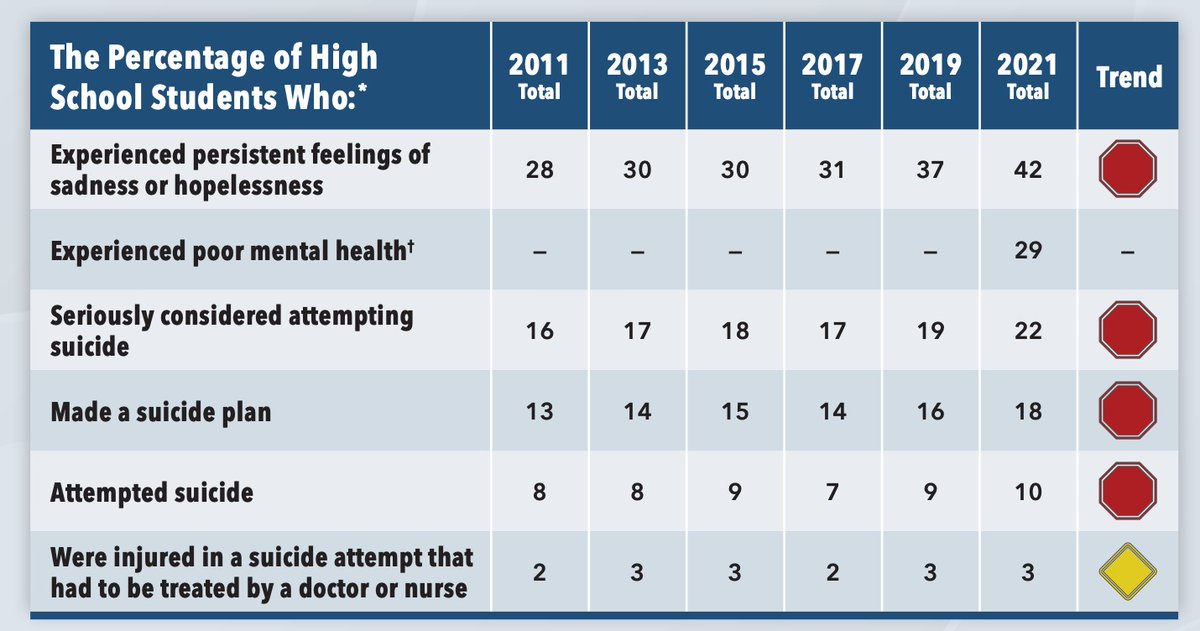
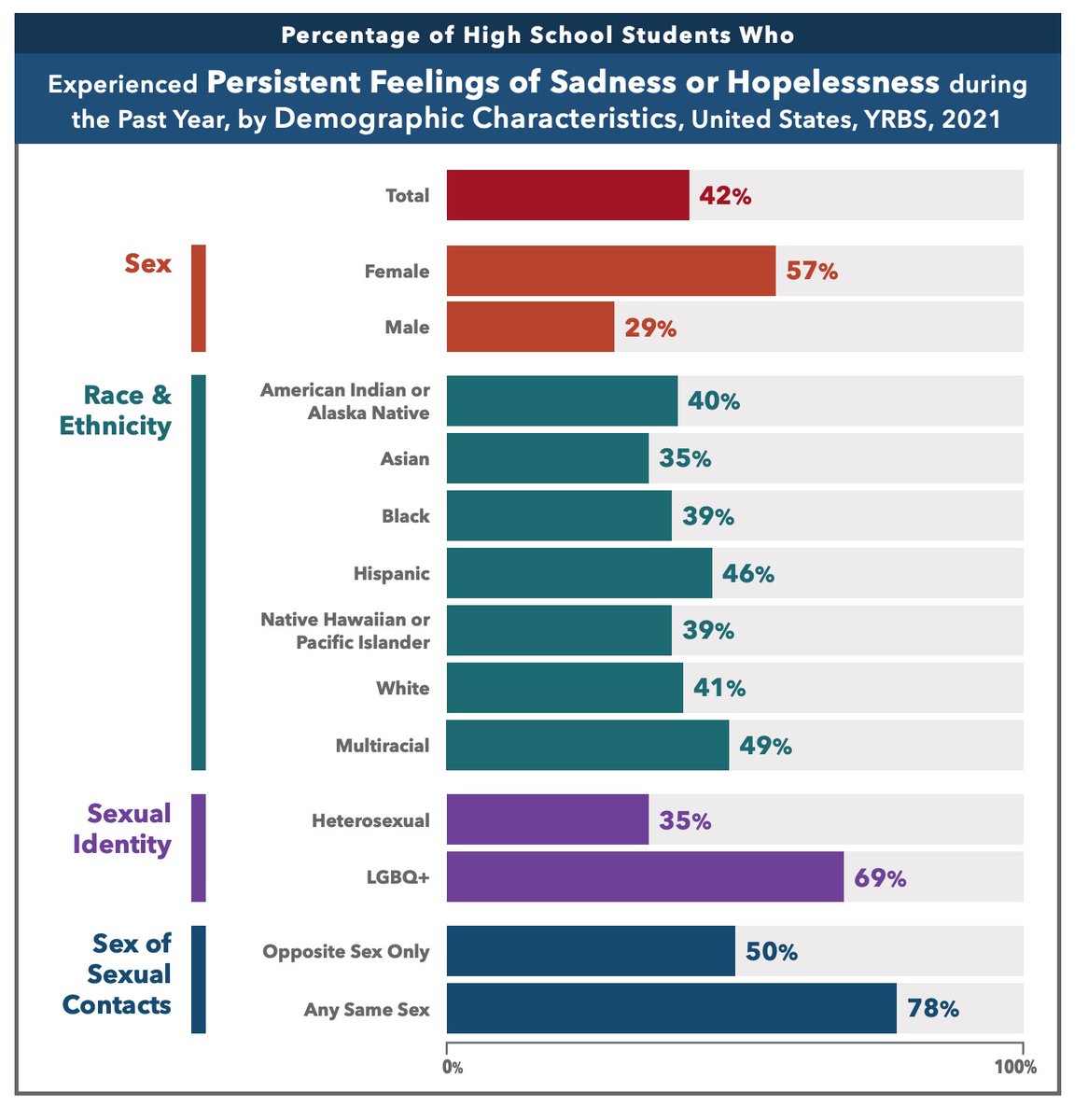
New data from the Youth Risk Behavior survey was just published, reinforcing the *very* concerning trends around teen mental health. Virtually all areas related to depression and suicide have been trending significantly worse over time - please see the table and graph below.
[preprint] Encoding of predictive associations in human prefrontal and medial temporal neurons during Pavlovian conditioning biorxiv.org/content/10.1101/…