
Your default ED doc. I share interesting ECGs and EM cases.
Joined March 2016
- Tweets 834
- Following 258
- Followers 215
- Likes 3,400
19 Photos and videos


Mert Avsever retweeted
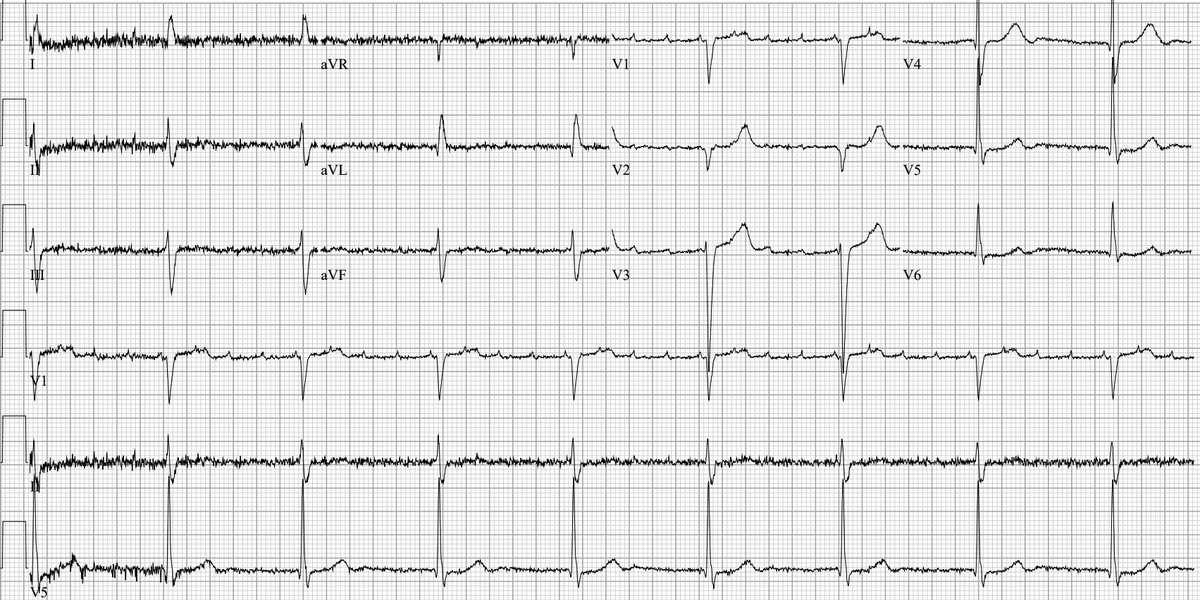
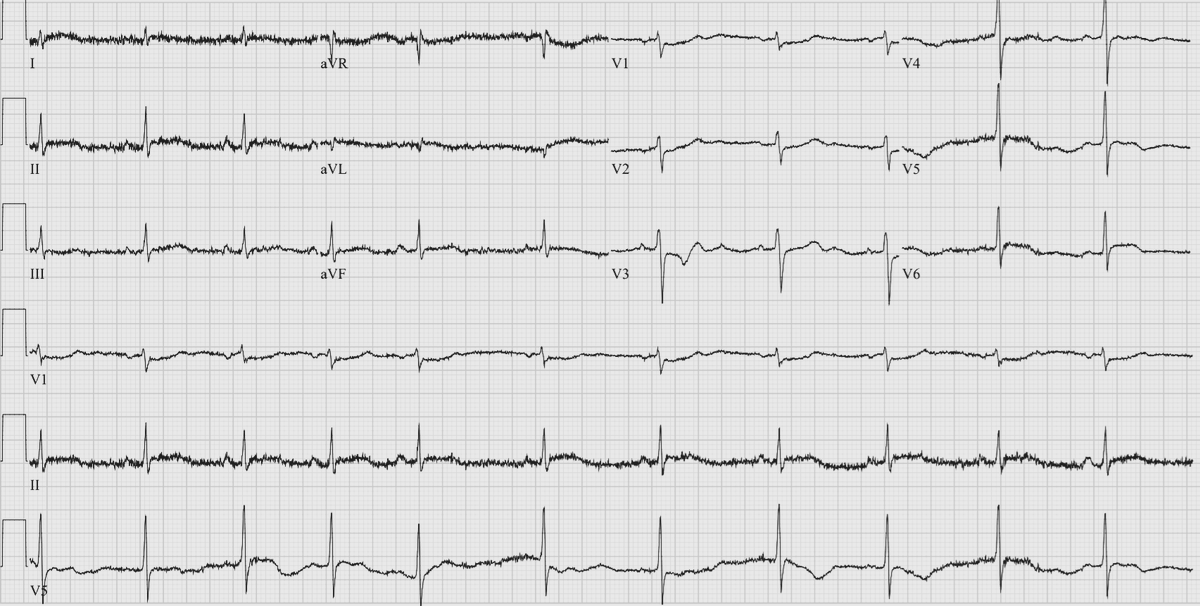
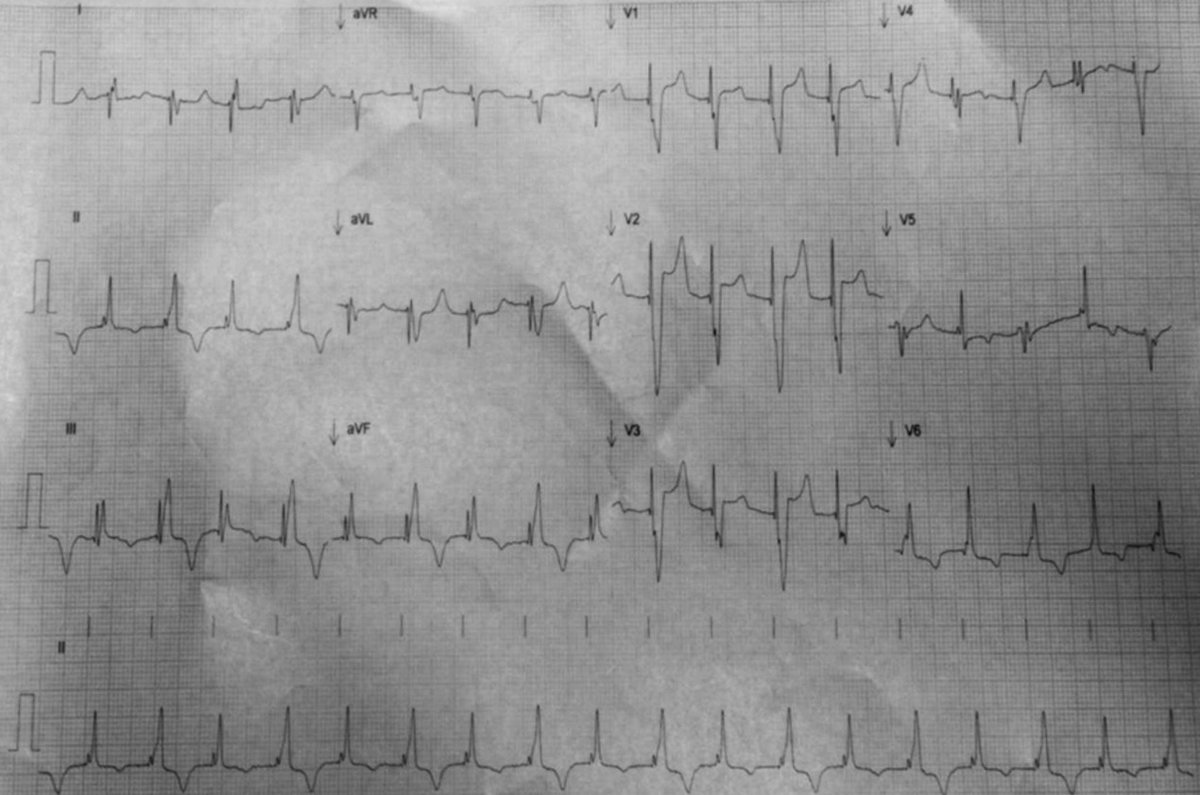
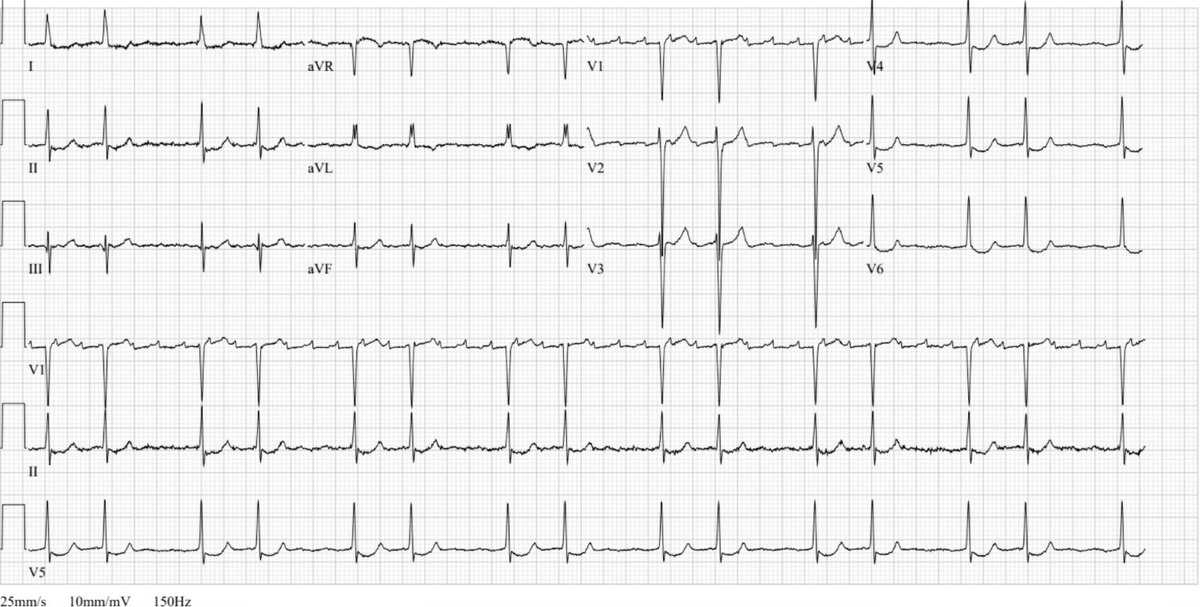
Dyspnea in a young female
drsmithsecgblog.com/dyspnea-…
@MagnusNossen
5
16
46
4,427


Mert Avsever retweeted
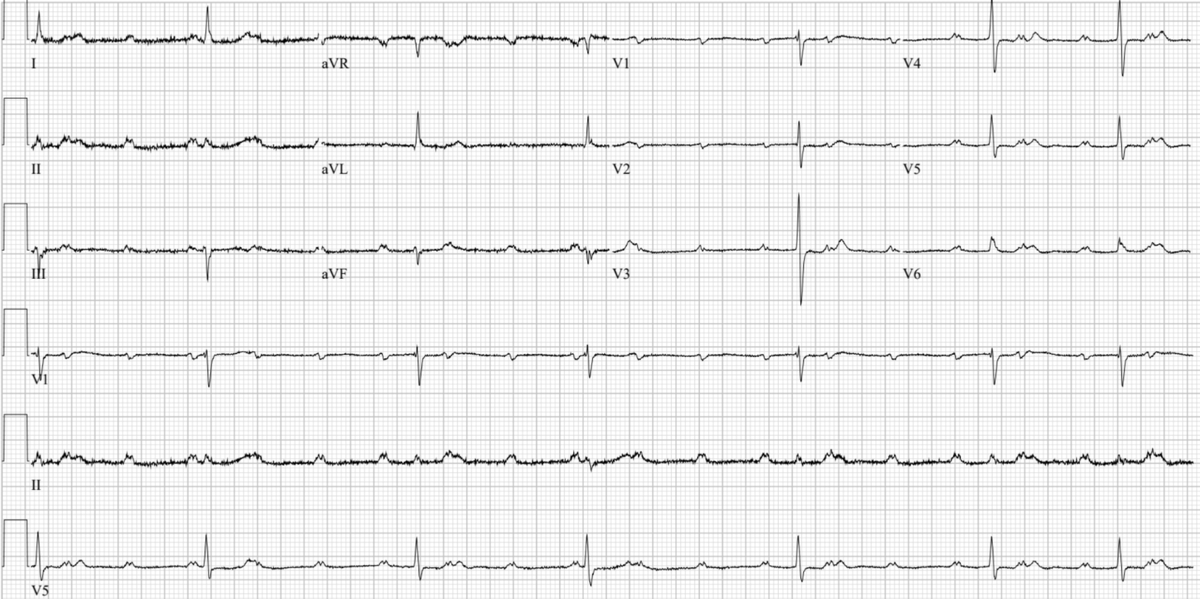
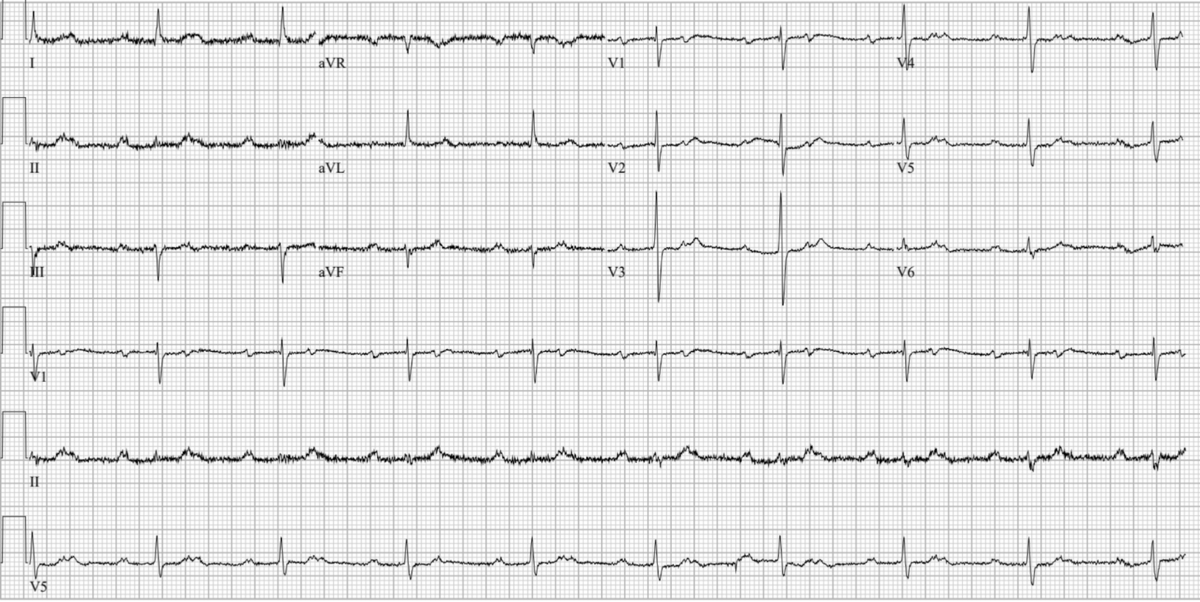
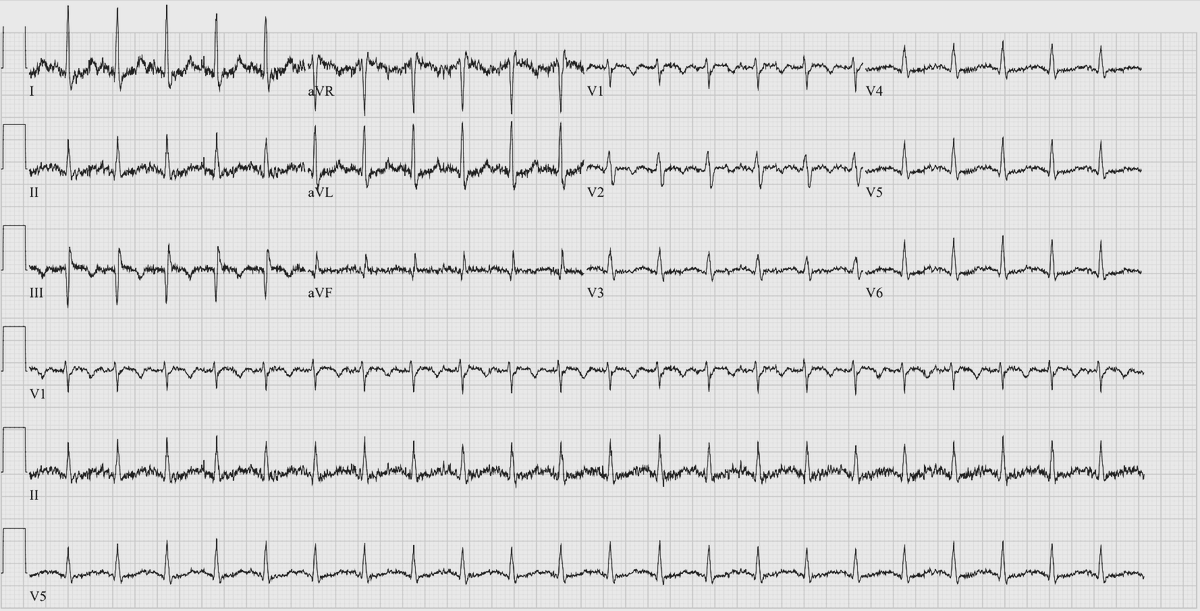
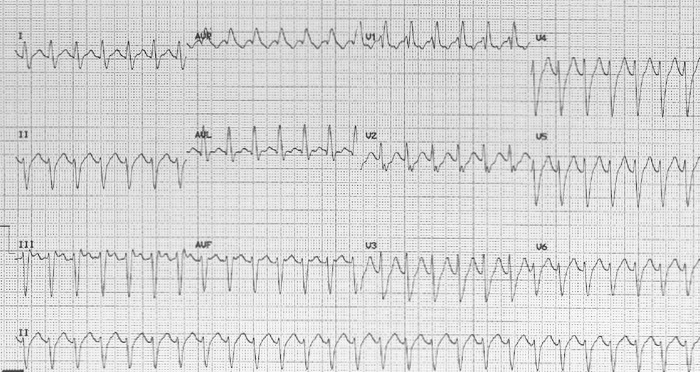
A Quiz on 10 ECGs (by Magnus Nossen, with help of Ken Grauer)
drsmithsecgblog.com/a-quiz-o…
@MagnusNossen @ekgpress
20
60
6,086
Mert Avsever retweeted

Jan 12
New publication in #AEM: Pitfalls of posterior leads for posterior #OcclusionMI. onlinelibrary.wiley.com/doi/…. @AcademicEmerMed #ECG
4
4
350
Mert Avsever retweeted
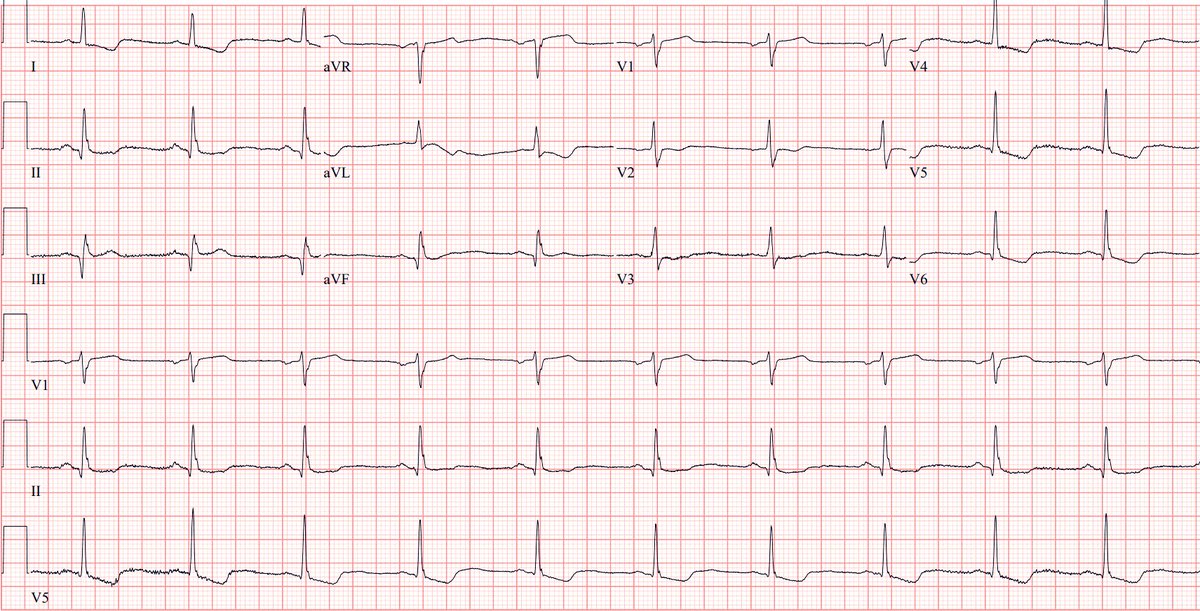
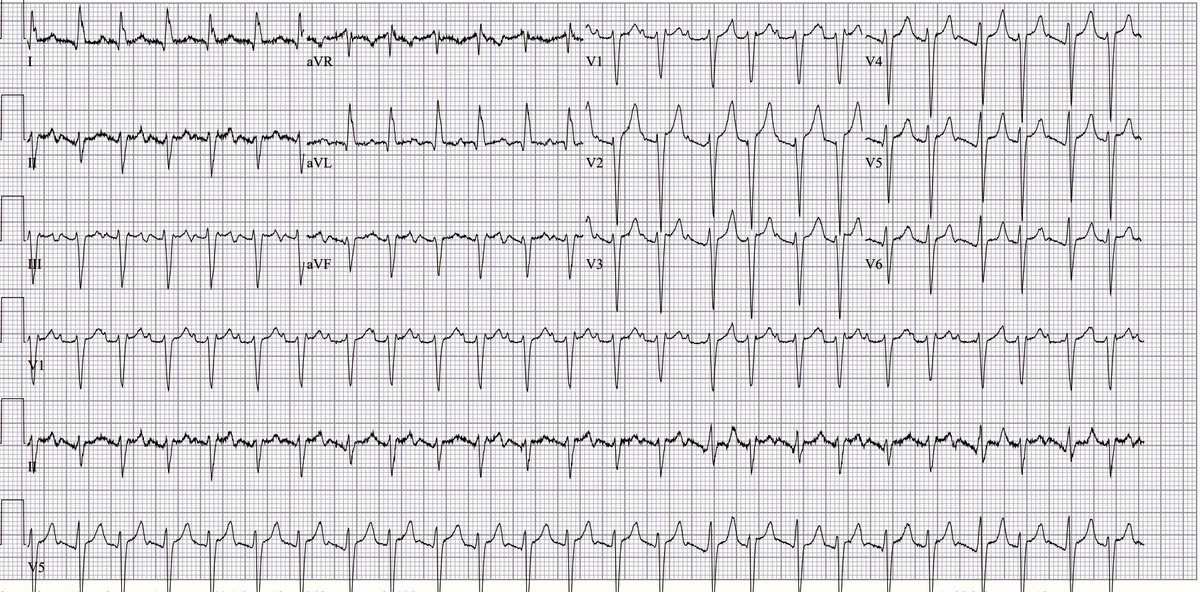
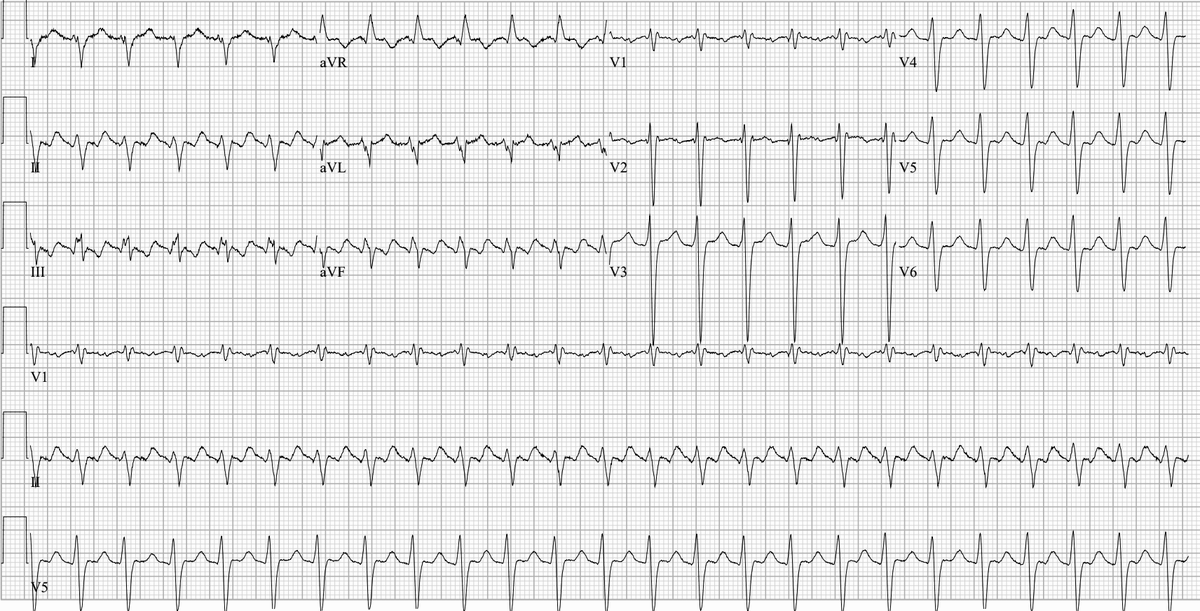
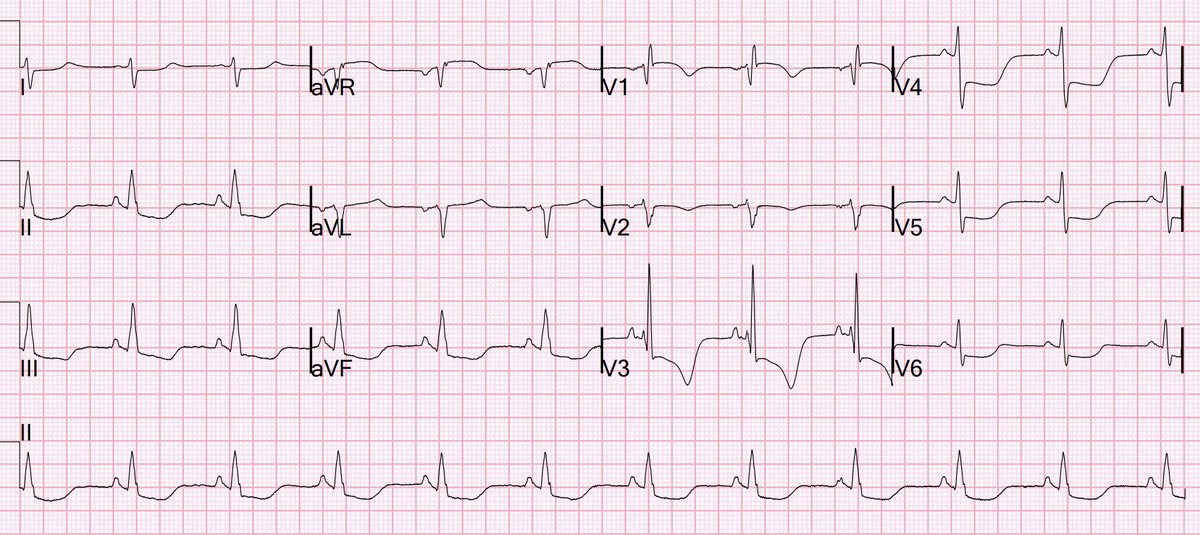
COPD exacerbation, followed by cardiac arrest.
drsmithsecgblog.com/copd-exa…
8
15
81
10,803




Mert Avsever retweeted

19 Jul 2025
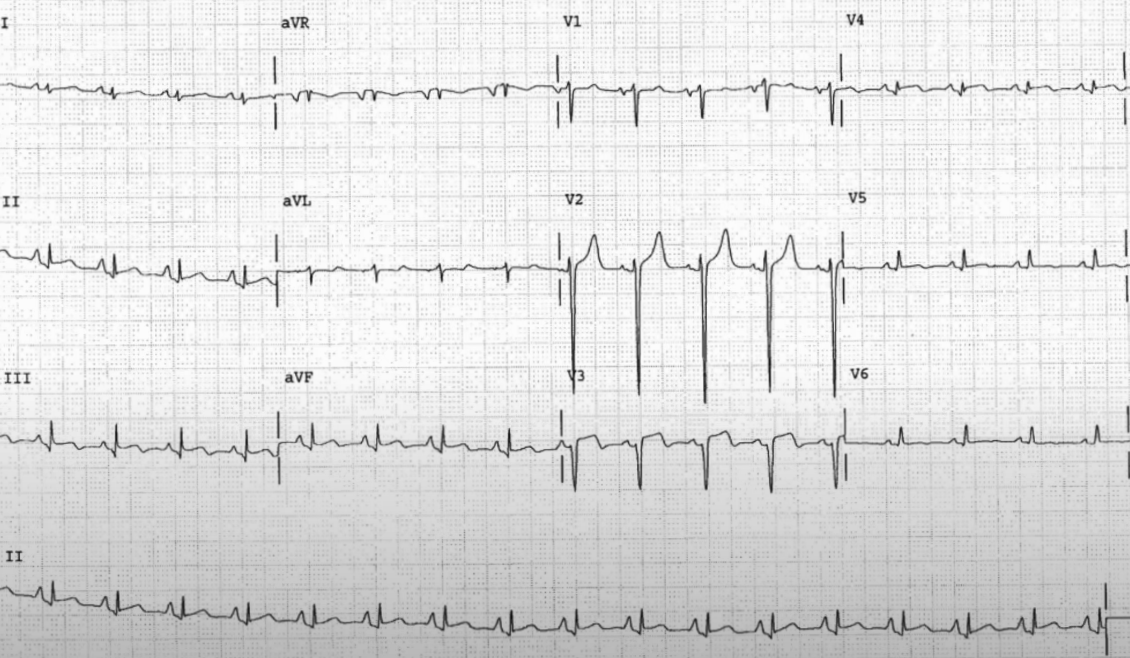
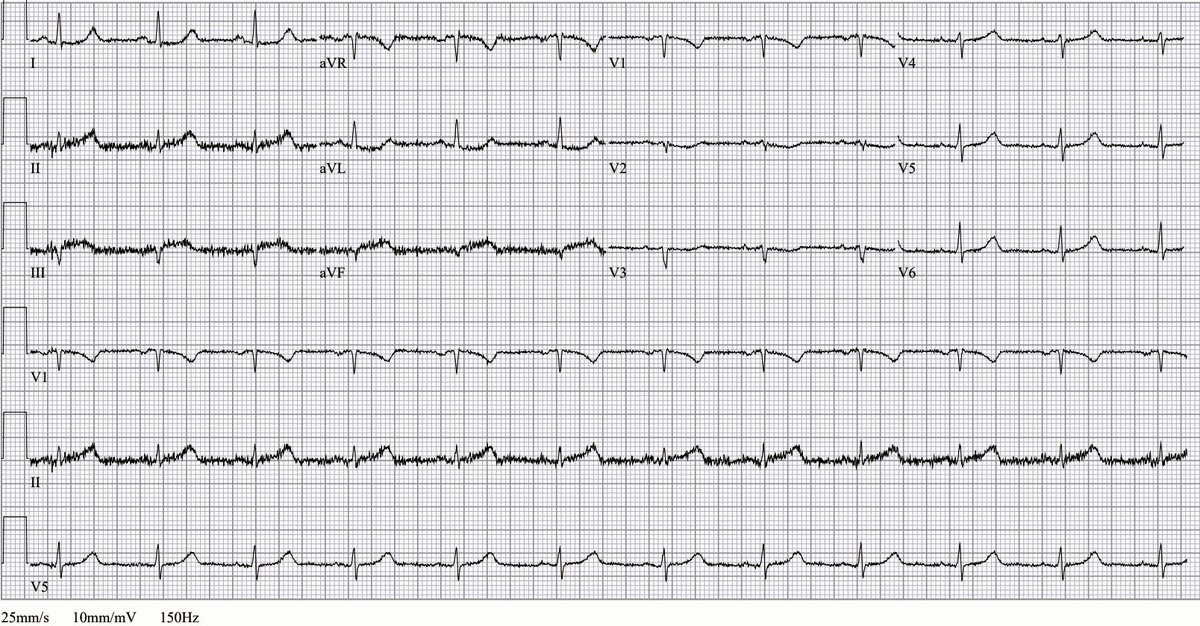
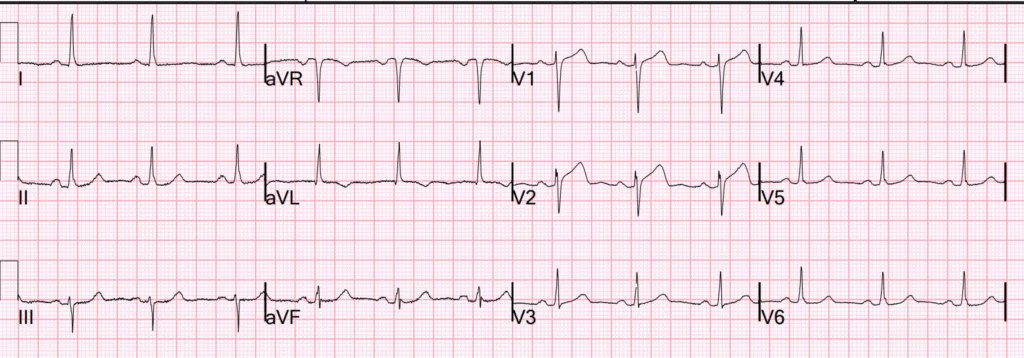
chest pain in a 40-something woman.
drsmithsecgblog.com/even-omi…
11
21
60
12,312
Mert Avsever retweeted

16 Jun 2025
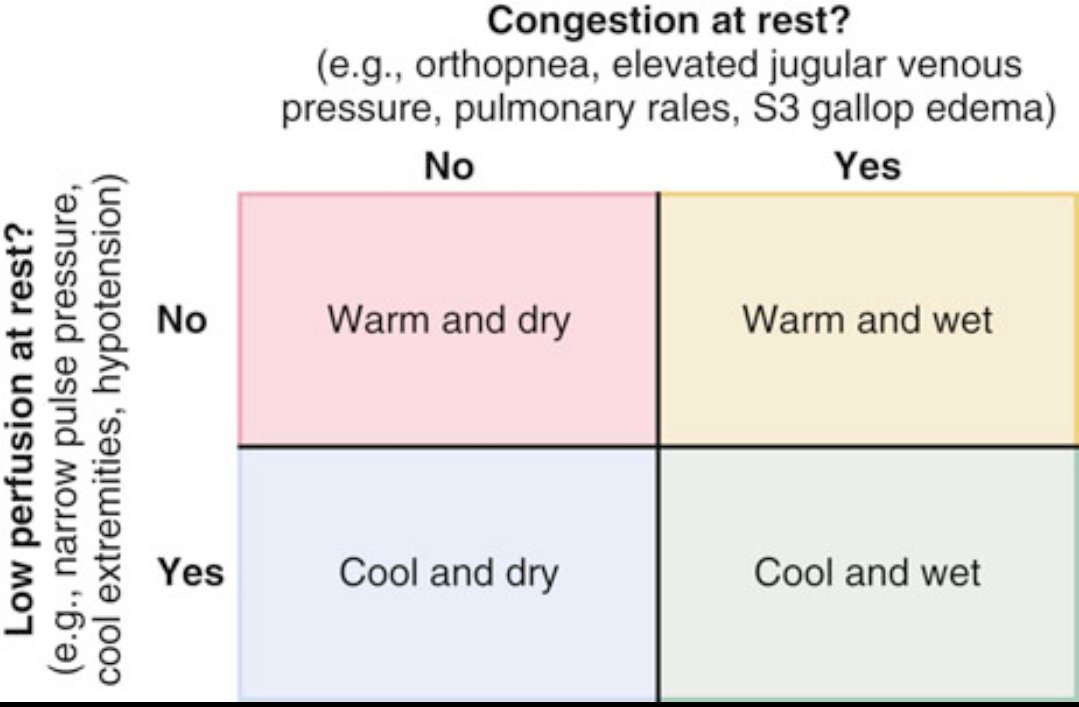
How do we classify heart failure patients at the bedside?
This 2×2 table is a simple clinical tool used to assess patients with heart failure based on two key questions:
1️⃣ Is there congestion at rest?
Look for signs like orthopnea, elevated jugular venous pressure, pulmonary rales, S3 gallop, or leg swelling.
2️⃣ Is there low perfusion at rest?
Check for signs like narrow pulse pressure, cold hands/feet, dizziness, low blood pressure, or fatigue.
Based on yes or no to each, patients fall into one of four profiles:
🔴 Warm and dry
• Good perfusion, no congestion
• This is the ideal, compensated state
🟡 Warm and wet
• Good perfusion, but fluid overload
• Most common in acute decompensated HF
• Needs diuretics and afterload reduction
🔵 Cool and dry
• Poor perfusion, but no fluid overload
• Often seen in advanced HF
• Needs inotropes or optimization of volume
🟢 Cool and wet
• Poor perfusion and congestion
• Worst prognosis
• Requires urgent intervention: diuresis inotropes ± mechanical support
✅ This simple classification helps guide initial treatment decisions and is widely used in emergency and inpatient settings for managing acute heart failure.
34
108
10,094
Mert Avsever retweeted

14 Jun 2025
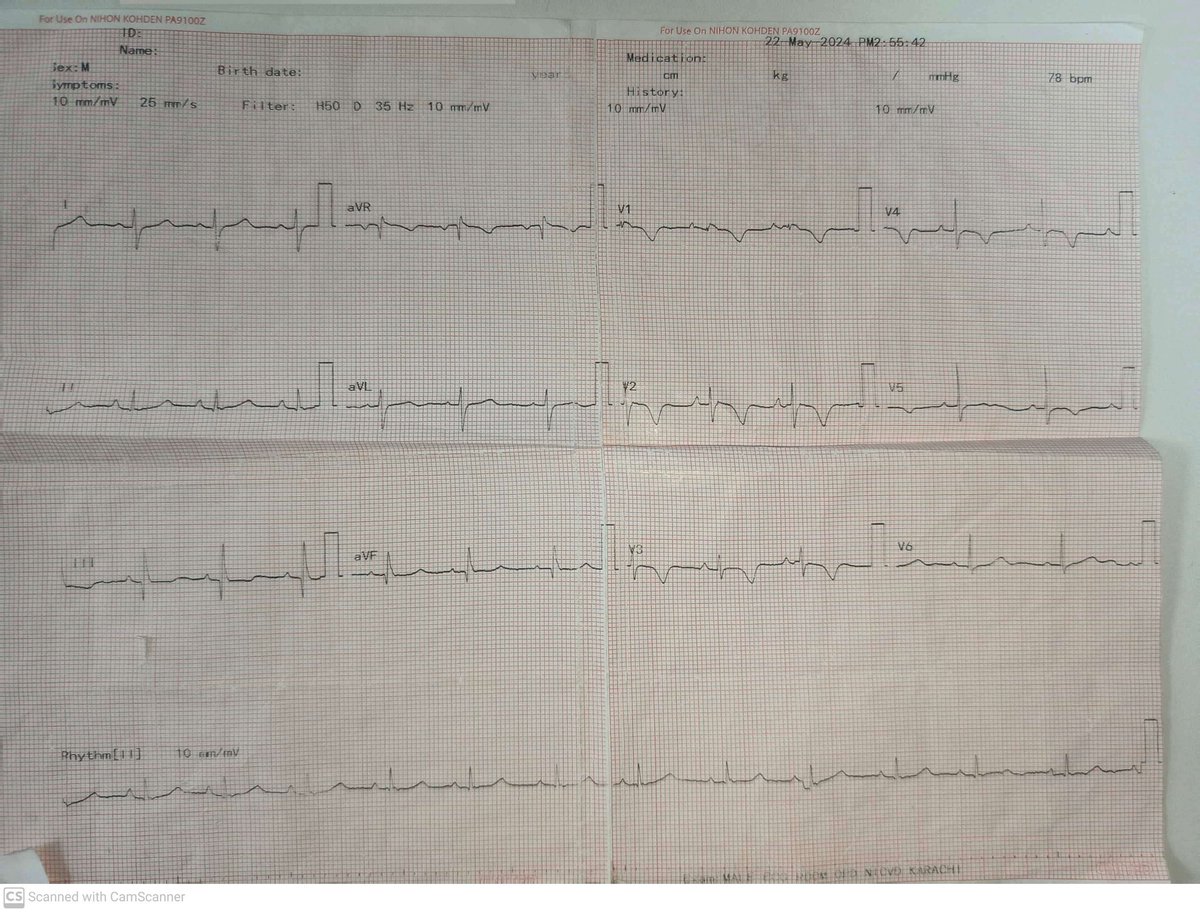
Young male with syncope.
Hx of SCD in two siblings.
What is the diagnosis?
7
5
17
1,786

13 Jun 2025
82F. Syncopal episode with no prodrome and lightheadedness on exertion.
Rhythm?
13
4
22
2,715

13 Jun 2025
@BerkBmf @Ecgloverr @koggelnoggel @FibrilloFlutter @XkeiT5stoD53218 @IBBI_2501 @The_Nanashi_O
@Ecgloverr @chi_no_usagi @DrRazi4 @makkyecg @AbdulazizM2669 @ecgandrhythmRoe
3
211
10 Jun 2025
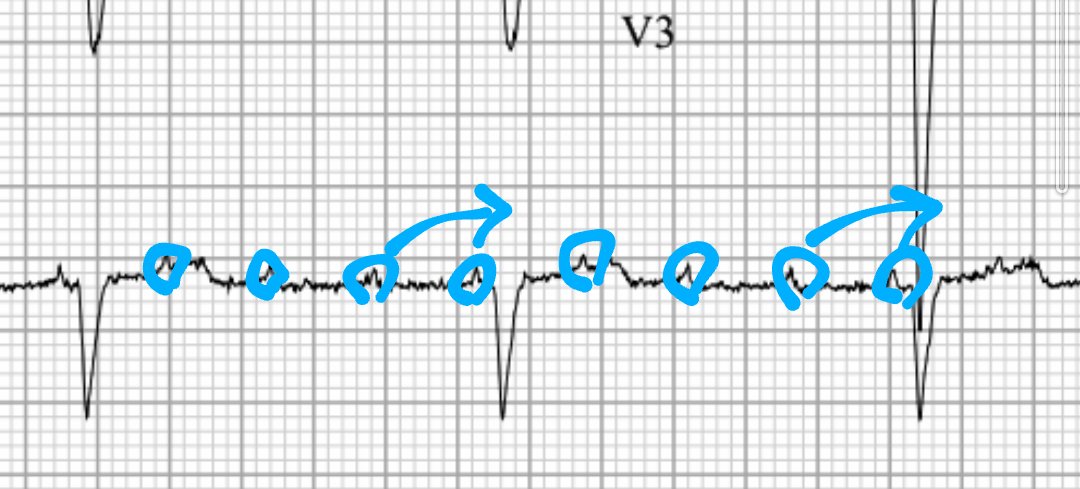
72M. x4 fainting episodes today.
What's your take?
10
3
16
1,785
12 Jun 2025
Answer: CHB with accrochage. Below is the second ECG which was recorded ~15 mins later. It clearly shows CHB.
1
71
Mert Avsever retweeted

10 Jun 2025
Considering how the P waves superimposed on T waves appear to shift in and out of the T waves, this is CHB with accrochage.
3
1
2
232
10 Jun 2025
@BerkBmf @Ecgloverr @koggelnoggel @FibrilloFlutter @XkeiT5stoD53218 @IBBI_2501 @Ecgloverr @chi_no_usagi @DrRazi4 @makkyecg @AbdulazizM2669 @ecgandrhythmRoe
4
147
Mert Avsever retweeted
1 Jun 2025
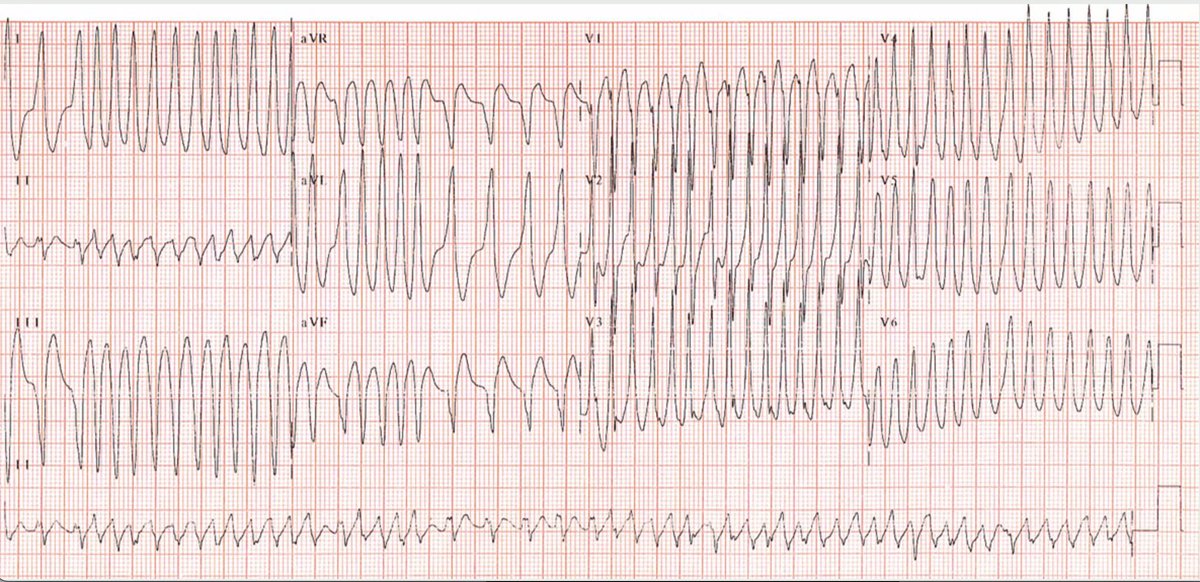
#ECG sent to me with no context.
What's the rhythm? What's the diagnosis
12
12
79
14,797