A ‘Like’ or retweet in reply to Twitter tweet, Facebook post, etc., typically means ‘I appreciate this post. Thank you! It's informative or thought provoking.’
Joined November 2022
- Tweets 21,746
- Following 1,076
- Followers 2,523
- Likes 348,227
1,589 Photos and videos

Pinned Tweet

1 Apr 2024
Monotheistic Paganism — or, just what _was_ it Christianity fought and faced?
by T.M. [Thomas Martin] Lindsay
Historian T.M. Lindsay describes the metaphysical structure of the cosmos — according to the new, Western (essentially _monotheistic_) Paganism which was powerful in the late antique Roman Empire — as it was ultimately planned and envisioned by (the last pagan) Emperor Julian: {quoting…}
The Neoplatonic thought of a Trinity of existence took the central place of the Christian {Trinity} in this new pagan theology.
Three worlds exist. First and highest is the realm of pure ideas where the Supreme Principle, the One, the Highest Good, the Great First Cause, lives and reigns. Below it is the intellectual world over which presides the same Supreme Principle, but now represented by an emanation from Itself, wholly spiritual, the Logos of the Platonic philosophy. The third is the world of sense existence, the universe of things seen and handled, and there, as beseems its surroundings, the ruler, the emanation from the Supreme Principle, assumes a visible form and can be seen while adored.
{/unQuote}
The latter, of course, being _Helios_ the (physical) sun in the sky. Superficially it would appear that the foregoing principles don't leave much room for traditional Greco-Roman gods and goddesses of Olympus, together with their religion.
Going beyond superficial, let's examine that New Paganism which, during the 2nd and 3rd centuries A.D., almost completely replaced the Old Religion(s) — particularly in regard of the _people_ (Roman and otherwise) of the Empire — leaving the old official faith(s) still technically in existance but lingering as mere _simulacra_ of their former religion(s).
Following is listing of the pages of T.M. Lindsay's intensely interesting chapter in Vol. I of the _Cambridge Medieval History_ — from which the foregoing excerpt, together with following pages (i.e., Lindsay's entire chapter), were drawn.
contents
Part I:
1. New religions for Old
2. Cosmopolitan society
3. Oriental religions
4. Isis & Apuleius' _Metamorphoses_
5. The New Paganism
6. Pagan inscriptions from Tombstones
7. Neoplatonism vis-à-vis Christianity
8. Growing strength of Christianity
9. Imperial repression of Christianity
Part II:
10. Flavius Claudius Julianus; a.k.a. Julian
11. Julian's education
12. Julian's Occultism
13. Julian as Caesar (Vice Emperor) in Gaul
14. Julian as Augustus (Emperor)
15. Julian's policy toward Christianity
Part III:
16. Julian's attempt to reform Paganism
17. Helios as visible manifestation of God
18. Julian's “Catholic Pagan State Church”
19. Uniting Pagan Piety with the Old Religion
20. Incongruity of the Union
21. Julian's Failure
Part IV:
22. “Galilean, Thou hast conquered”
23. Survivals of Paganism in the East
24. Survivals of Paganism in Athens & Greece
25. Survivals of Paganism in the West
26. Survivals of Paganism in Literature
27. Relations between Pagans & Christians
Postfix:
28. T.M. [Thomas Martin] Lindsay
____
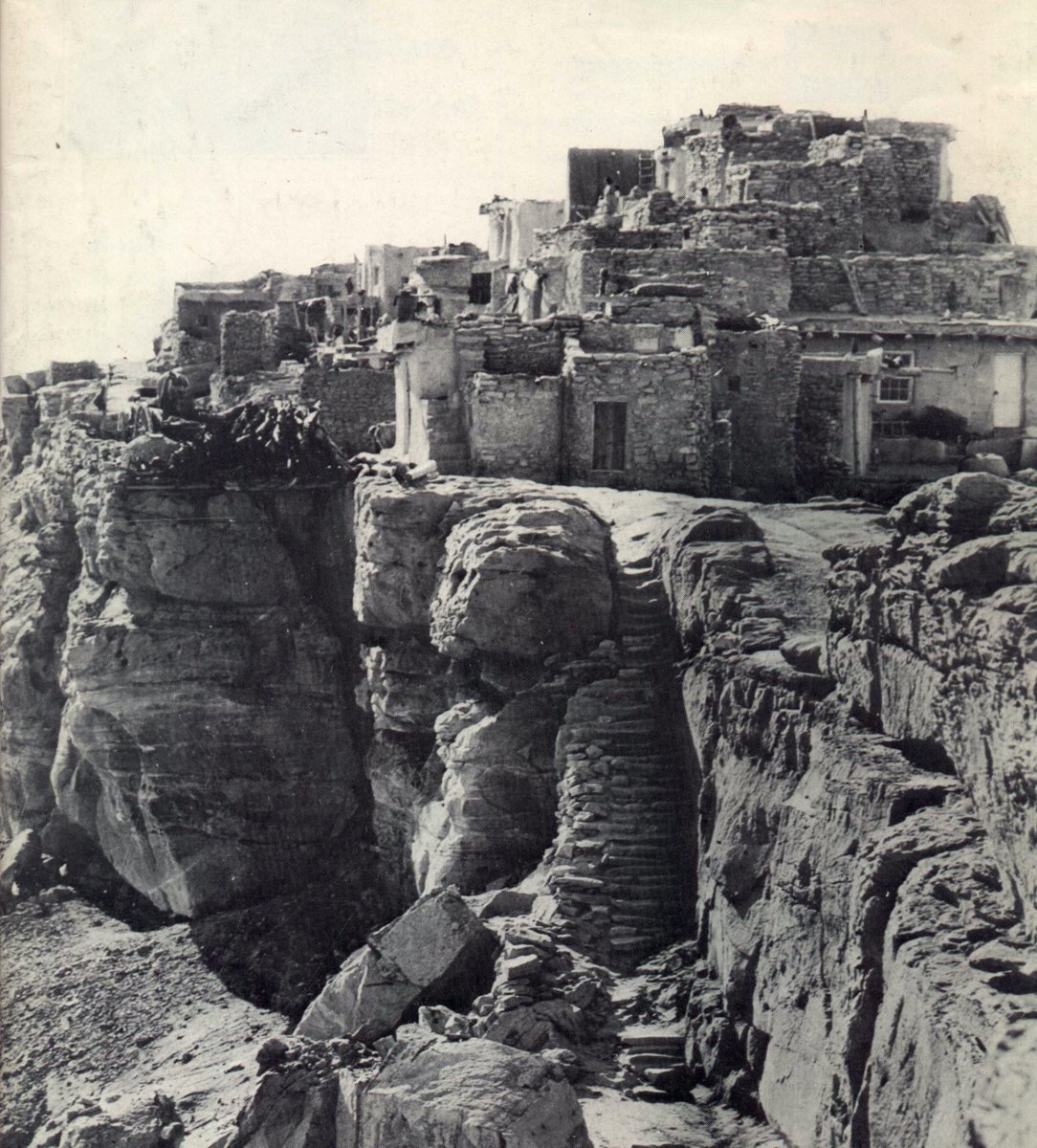
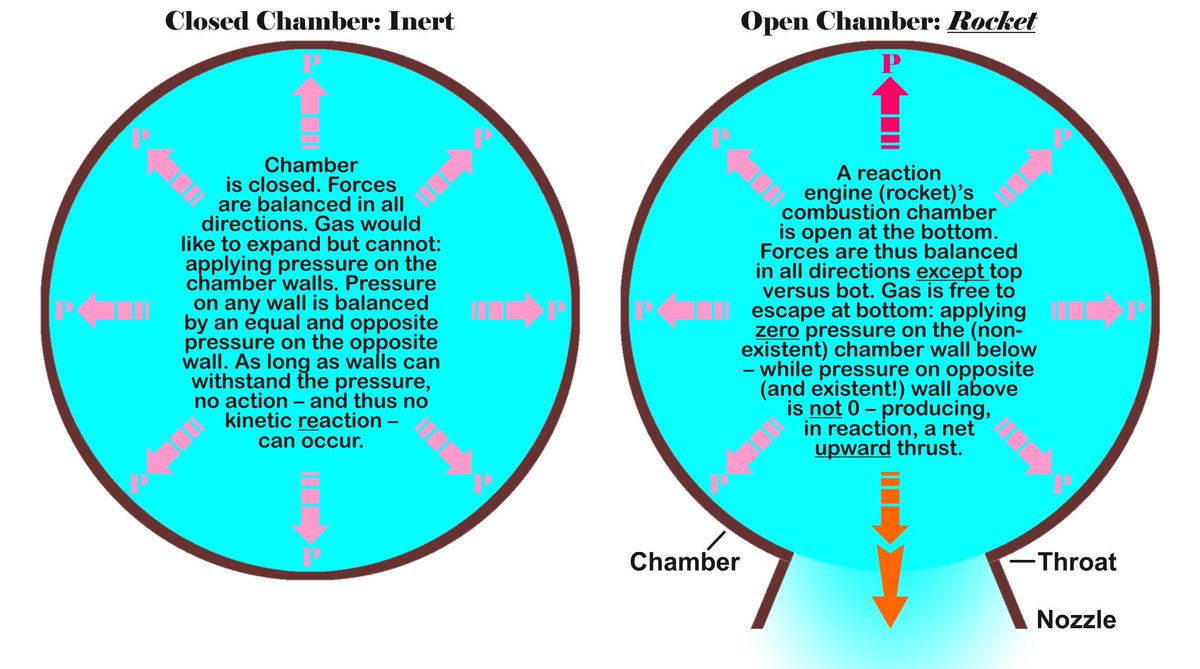
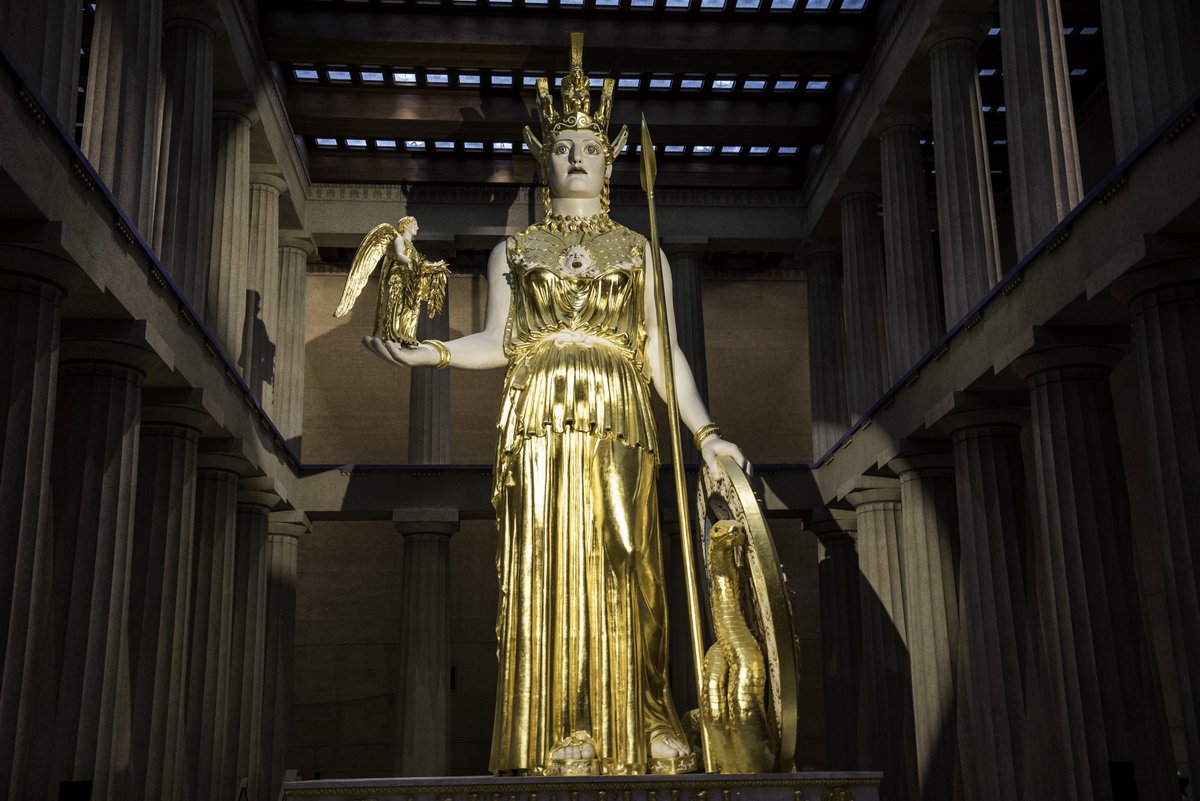
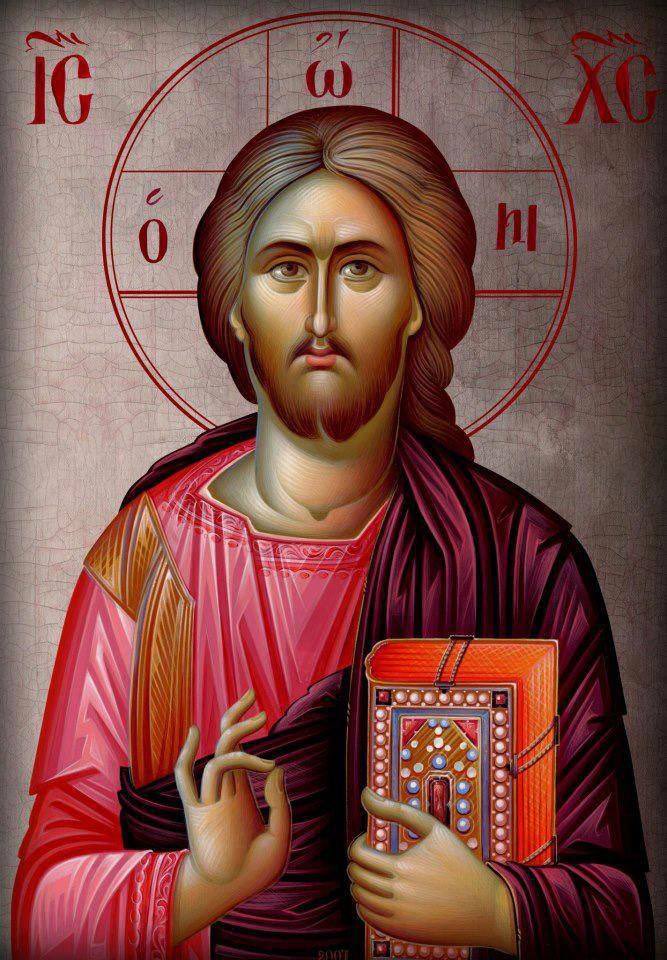
pics: 1) Depiction of Jesus Christ.
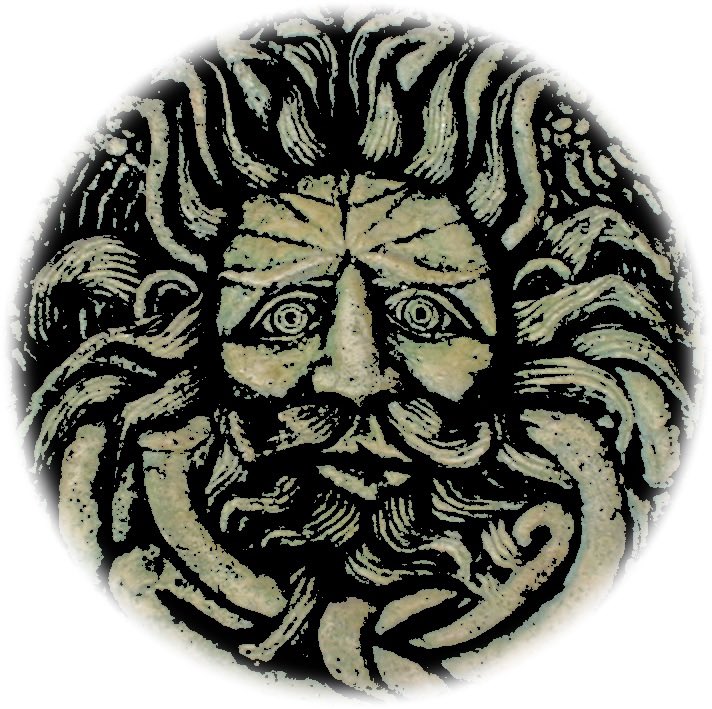
2) Solar deity from Bath, England (Roman: Aquae Sulis, Britannia).
14
21
221
49,176
Michael McNeil retweeted

Jun 14
USA. A backyard. A man. A grill. Four hours.
He never left it once.
Everyone else drifted, drank, wandered, laughed.
He stood before the flames, turning meat with a long fork, immovable.
I knew him at once.
The keeper of the sacred fire.
I took my place beside him.
I said nothing.
This is the first rule.
You do not speak first to the man at the grill.
After a long while, he spoke.
"Low and slow," he said, eyes never leaving the coals. "You can't rush it. Rush it, you ruin it."
I bowed my head.
A blade. A tea. A life.
None can be rushed.
I had crossed four thousand miles of ocean to hear my grandfather's words spoken by a man in a "KISS THE COOK" apron.
"Everything worth doing is slow," I said.
I have never cooked meat in my life.
But I said it as if I had said it a thousand times before.
He glanced at me.
Something passed between us. A current older than language.
His voice dropped, low, almost ashamed.
"My wife says just use the oven."
He shook his head at the fire.
"She doesn't get it."
"They never do," I said.
And this is where the man transformed.
For the first time in years, he had been understood.
He rose to meet it.
His back straightened.
His shoulders set.
His voice fell half an octave.
A teenager reached for the grill.
He lifted one hand without even looking.
"Not yet."
The boy retreated. He did not argue. He could not have argued.
A woman asked when the food would be done.
He told the flames, not her.
"It's ready when it's ready."
Three people approached.
Three were turned away with a single word each.
By the fourth hour, no one questioned him.
The whole party had arranged itself around the man and his fire, the way a village arranges itself around a shrine.
Then he turned to me.
He held out the fork.
"Watch it a sec. I gotta pee."
I have stood at the gate of lords with a naked blade in my hand.
Nothing has ever weighed as much as that fork.
I did not move my eyes from the coals.
I did not touch the meat.
I did not know how.
I would not learn.
To learn would be to break the moment.
When he returned, I handed back the fork without a word, as one returns a sword to its rightful master.
He served everyone before himself.
He ate last, standing, still watching the fire.
We never traded names. We did not need to.
He believed he had finally met a man who took grilling seriously.
I believed I had finally met America's last samurai.
Neither of us will correct the other.
Not now. Not ever.
So I have made a vow.
Every summer of my life, I will return to this country.
I will find a backyard. I will find a man at a grill.
I will stand beside him and say nothing until he speaks.
And when he says "low and slow," I will bow my head as if my grandfather had spoken.
I will die before I tell him I do not know how to cook meat.
"KISS THE COOK," his apron commanded.
I have obeyed.
I will obey again.

147
835
9,610
276,332
Michael McNeil retweeted

Jun 12
Novembre 2023. Le PDG de Disney retire ses pubs de X pour faire plaisir à la meute. Elon Musk, en direct, devant le monde entier : « Go fuck yourself. »
Tout le monde a cru à un coup de sang. C'était un tipping point.
Ce jour-là, Musk a dit tout haut ce que personne n'osait formuler : vous ne m'achèterez pas. Ni avec votre argent publicitaire, ni avec votre chantage moral, ni avec vos campagnes de presse. Le boycott était censé le mettre à genoux. Il a préféré perdre des milliards plutôt que de céder un centimètre sur la liberté d'expression.
Pendant des décennies, le jeu était simple : signaler la vertu en public, faire le mal en privé. Financer des ONG « bienfaisantes » qui détruisent les cultures qu'elles prétendent sauver. Financer des médias qui mentent à longueur de journée, qui ont couvert les grooming gangs pendant des années par lâcheté idéologique, qui ont préparé le terrain culturel où un prof comme Samuel Paty pouvait être décapité pour avoir enseigné la liberté d'expression. Acheter la compassion du peuple avec du greenwashing, pendant qu'en privé, vous n'en avez absolument rien à foutre.
Musk a capté ça il y a des années. Et il a décidé de tout casser.
Résultat, trois ans plus tard, jour pour jour ou presque : SpaceX entre en bourse, plus grosse IPO de l'histoire de l'humanité, et Elon Musk devient le premier trillionnaire de tous les temps.
Never bet against Elon.
Le message à tous les milliardaires de cette planète est limpide. Ceux qui financent la manipulation de masse pour asseoir leur pouvoir, ceux qui achètent les médias, les ONG, les institutions : votre modèle vient de mourir en direct. L'homme que vous avez essayé d'étrangler financièrement vaut maintenant plus que vous tous.
Le « new world order » que les globalistes avaient planifié vient d'avoir lieu. Sauf qu'il n'est pas le leur.
Le nouvel ordre mondial, c'est Elon Musk qui le construit. Et il repose sur une seule chose : la recherche de la vérité. Pas le signal de vertu. Pas la compassion achetée. Pas les mensonges institutionnalisés. La vérité, la création de valeur réelle, et des fusées qui décollent pendant que vos empires de papier s'effondrent.
Go fuck yourself, en effet.
306
3,403
14,952
404,231
Jun 13
Here you go.
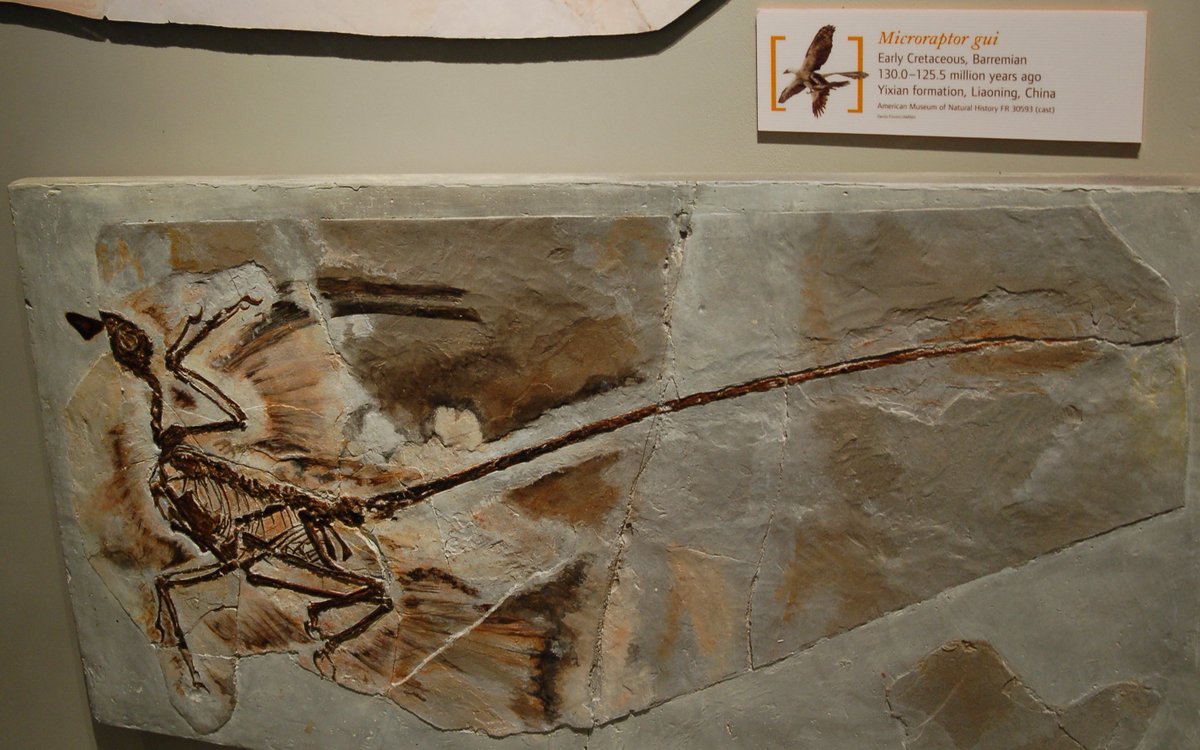
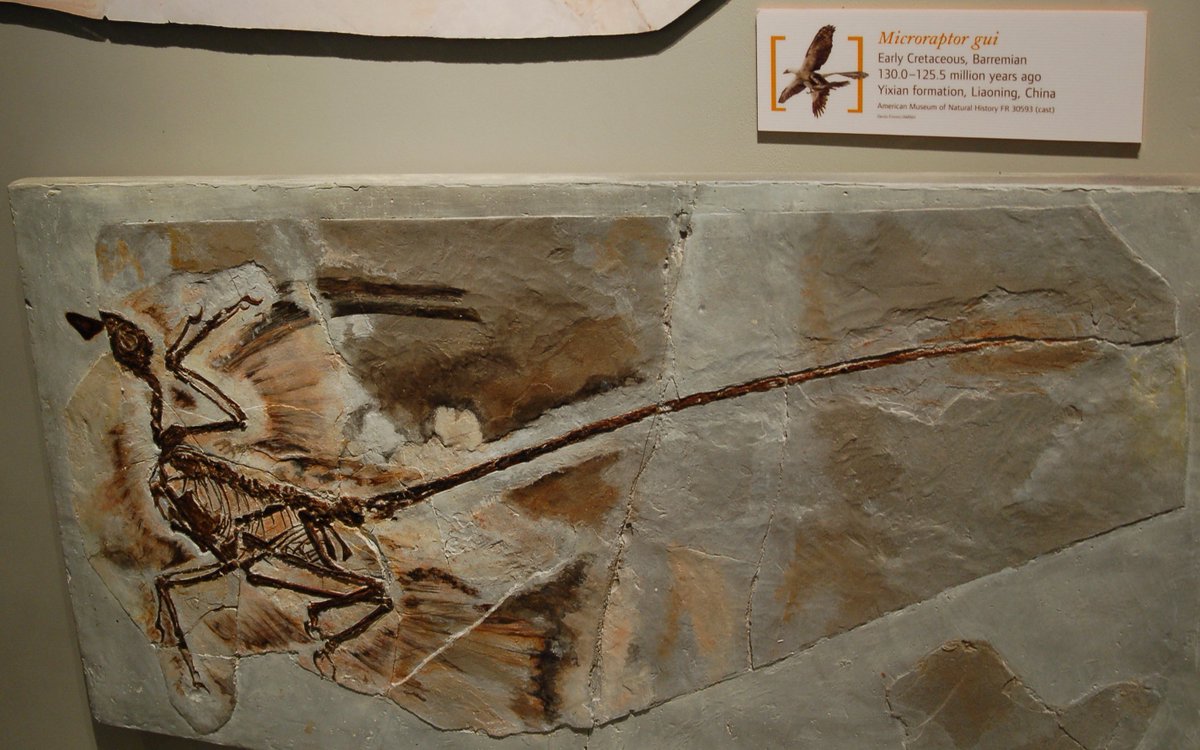
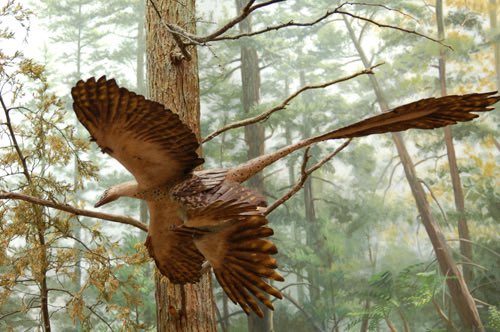
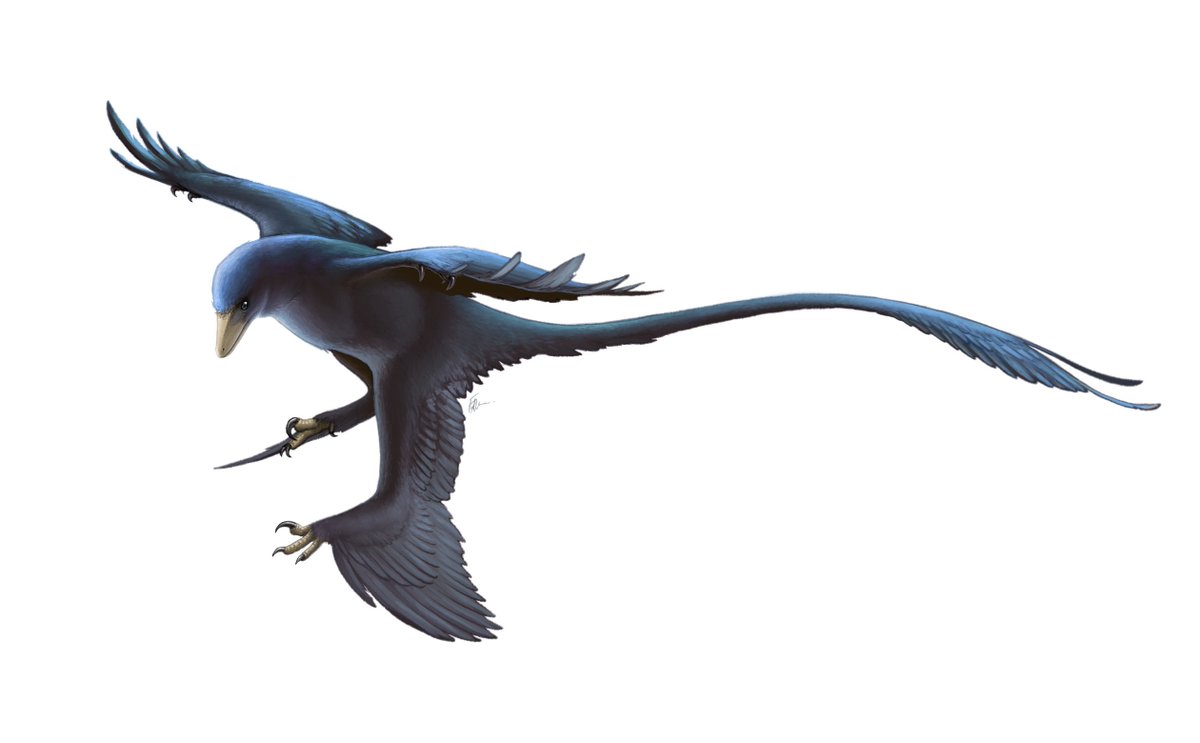
Microraptor (a close relative of Jurassic Park famed velociraptor) flew on 2 banks of wings (4 wings total), like a WWI biplane!
Not only can feathers (flight feathers!) be clearly seen in the fossil shown, but note also the bony tail, claws on (both banks of) wings, together with teeth in its (no beak!) mouth. It's a dinosaur, not a (closely related) bird.
This particular fossil also thoroughly demolishes the meme-myth circling round creationist circles that “no complete dinosaur skeleton has ever been found.”
Jun 12

Dear evolutionists,
Pics or it didn't happen.
Sincerely,
Still science
1
1
96
Michael McNeil retweeted

Jun 10
Feynman once remarked that if all scientific knowledge were destroyed and only one sentence could be passed on to future generations, the atomic hypothesis would carry the most information. If I had to choose a single experiment that captures the spirit of all of physics, Faraday’s induction experiment would be very high on the list. A child can perform it. A physicist can spend a lifetime contemplating what it means.
12
33
295
31,052
Michael McNeil retweeted

Jun 6
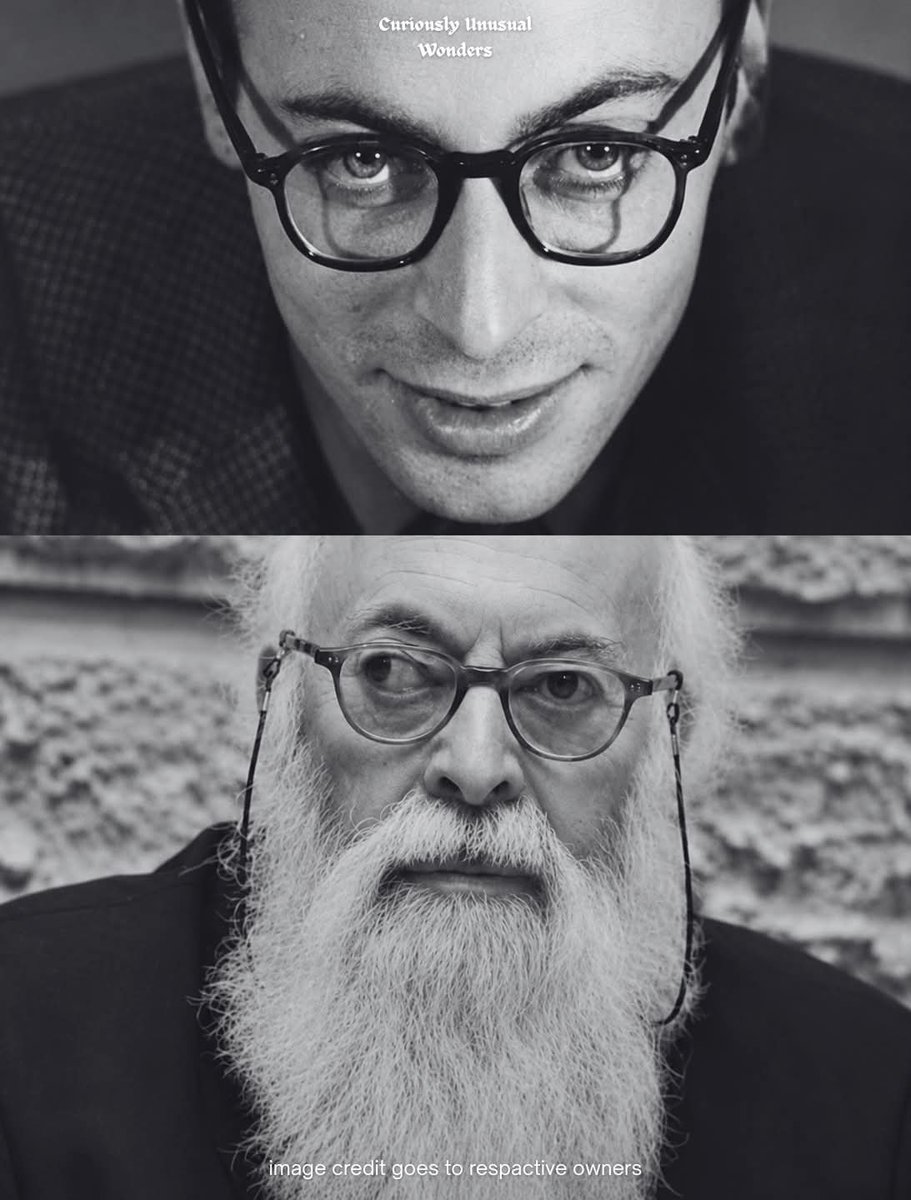
He was only eighteen years old. His weapon of choice was not a gun, but a tiny bottle of acid. Yet, this teenage boy managed to save fourteen thousand lives from certain death.
In 1943, Paris was a dark place under Nazi occupation. Adolfo Kaminsky was just a young apprentice working in a textile dyeing shop. He spent his days learning how colors reacted with chemicals, which solvents could dissolve certain pigments, and how to alter tones at a molecular level.
He had no idea that this highly specific knowledge about ink and fabric would soon become the thin line between life and death for thousands of innocent people.
During the occupation, the Gestapo used paperwork as their primary weapon to hunt down Jewish people. Identity cards, travel permits, and food rations were all strictly monitored. On the documents of Jewish citizens, the authorities stamped one single word in blue ink: "JUIF".
That one word was a direct ticket to a concentration camp.
The French Resistance desperately needed a way to erase that word without ruining the paper. Standard forgery techniques failed because the official ink was designed to be permanent.
Any attempt to scrape it off left obvious marks that would get someone killed.
They brought the problem to Kaminsky.
The boy analyzed the paper under a dim lamp and remembered a trick from his textile work. Lactic acid could dissolve that exact blue ink while leaving the paper fibers perfectly intact.
It worked.
But erasing the stamp was only the first step. He had to rewrite names, birthdays, and signatures perfectly. The Resistance set up a secret laboratory for him in a hidden attic on the Left Bank of Paris. The demands poured in constantly.
He needed to make fifty birth certificates for children escaping to Switzerland, two hundred food cards for families hiding in cellars, and hundreds of passes to Spain.
The conditions were brutal. Bleach and acid fumes filled the tiny room, burning his throat and making his eyes water constantly. His fingers were permanently stained with dark ink. Kaminsky realized that each document took him about two minutes to make.
That meant he could save thirty people every single hour.
This realization turned into an obsession that haunted him. He looked at the clock and thought, "If I sleep for an hour, thirty people will die."
So, he stopped sleeping.
One week, word came that a local orphanage with three hundred Jewish children was about to be raided by the Nazis. They needed fake papers immediately or they would be put on a train to Auschwitz. Kaminsky locked himself in the attic.
He worked for two straight days and nights without a pause. His vision blurred and his hand cramped so badly he had to physically massage his fingers to keep writing.
Eventually, his body gave out and he collapsed onto the desk.
He slept for exactly one hour. When he woke up, panic gripped him. He cried out, "Thirty people are dead because I was lazy!"
He refused to eat or rest until the remaining papers were finished.
Thanks to his sacrifice, the children were moved to safety in time.
Kaminsky spent years in that suffocating attic, constantly upgrading his skills as the Nazis upgraded their security measures.
When Paris was finally liberated in 1944, the young genius had saved roughly fourteen thousand people.
He never accepted a single penny for his work, believing that taking money to save a life was deeply wrong.
After the war, Kaminsky became a photographer and lived a quiet, modest life. He never bragged.
He did not tell his neighbors, his coworkers, or even his own children about his wartime heroism for decades.
He simply faded into the crowd as an ordinary man.
Adolfo Kaminsky passed away in 2023 at the age of ninety-seven.
He did not want monuments or medals. His true legacy lives on today in the children, grandchildren, and great-grandchildren of the thousands of people who survived the darkness simply because a brave teenager chose to stay awake.
37
566
1,395
22,700
Michael McNeil retweeted

Jun 5
Say what you want about Trump...
But you have to admit that one of the most eye-opening parts of his adminstration is the DECLINE IS A CHOICE.
You can just shut the border.
You can just clean anything, anywhere.
You can just remove the homeless.
You can just stop the fentanyl boats.
We chose to live in filth and crime and Trump just decided we shouldn't anymore.
Pretty awesome.
98
637
4,594
47,278
Michael McNeil retweeted
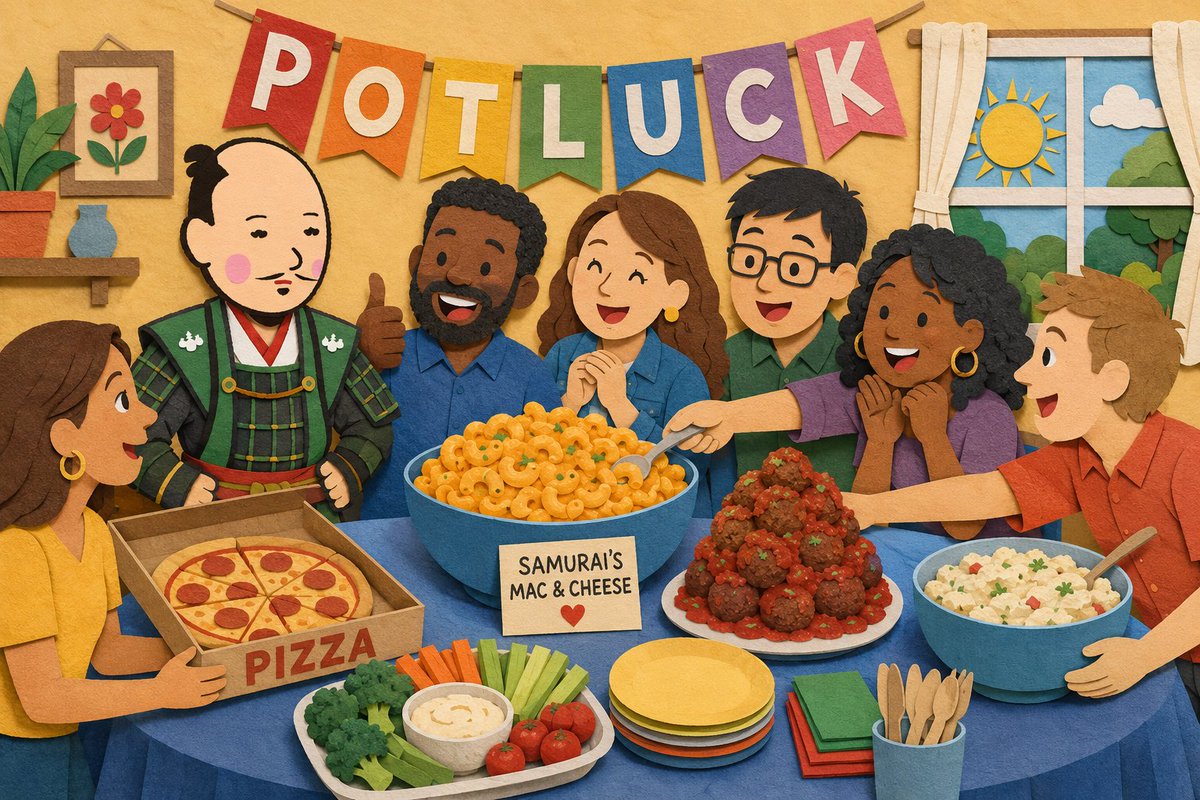
USA. A potluck. Everyone brings one dish. I have never been so out of my depth in my life.
I was invited to a gathering. "Just bring a dish to share," they said. Simple words. I did not sleep for three days.
Because I understood instantly what this was. A summit. Every guest, a lord of their own house, arriving bearing tribute. And tribute is judged. Tribute is ranked. To bring the wrong dish to the wrong table is to fall in standing before your peers, possibly forever.
So I prepared. I made my finest dish. I carried it to the door with two hands and a straight back, braced for the weighing of my worth.
The first lord arrived with a bowl of orange powder noodles. Macaroni and cheese. The crowd roared. He set it down at the center of the table. The CENTER. I noted this. The center is the seat of power.
The second lord brought a tower of small brown meat orbs in red sauce. "Meatballs," he announced, like a man laying down a sword. They were placed beside the macaroni. A strong showing. An alliance, perhaps.
I studied the table like a battlefield map. Potato salad: defensive, reliable, old money. A vegetable tray, untouched, clearly a hostage offering no one expected to win. And then a woman walked in, raised a flat box overhead, and the entire room turned and CHEERED.
Pizza. She had brought pizza. Store-bought. Still in the box.
I was stunned. She had not even cooked it. And yet the people rejoiced as if a king had entered. I revised my entire understanding of the hierarchy on the spot. Effort means nothing here. Only the roar of the crowd decides rank.
I placed my dish down, humbly, near the napkins. A peasant's position. I accepted it.
And then a man tapped my shoulder, pointed at my dish, and said the words that changed everything.
"Whoa, did you make this? This is amazing. Everybody, you GOTTA try this guy's thing."
The room turned. The room came. The room ATE. My dish vanished in ninety seconds. The pizza woman herself took a second helping and looked at me with respect.
I had won the summit. By accident. With a dish I placed by the napkins.
I understand nothing about this country. I have never been happier. I am hosting the next one.
So tell me, America.
Is there a system to the potluck? A secret rank? A hidden law?
I have decided there is not.
You just bring the thing you love, and everyone eats it, and somehow everybody wins.
It is the most insane way to hold a war.
I will fight in every single one.
829
1,118
13,436
715,933
Michael McNeil retweeted

You Won’t Believe the Sound of This Tiny Engine! youtube.com/shorts/mbbOuIiCJ… via @YouTube
2
1
7
658

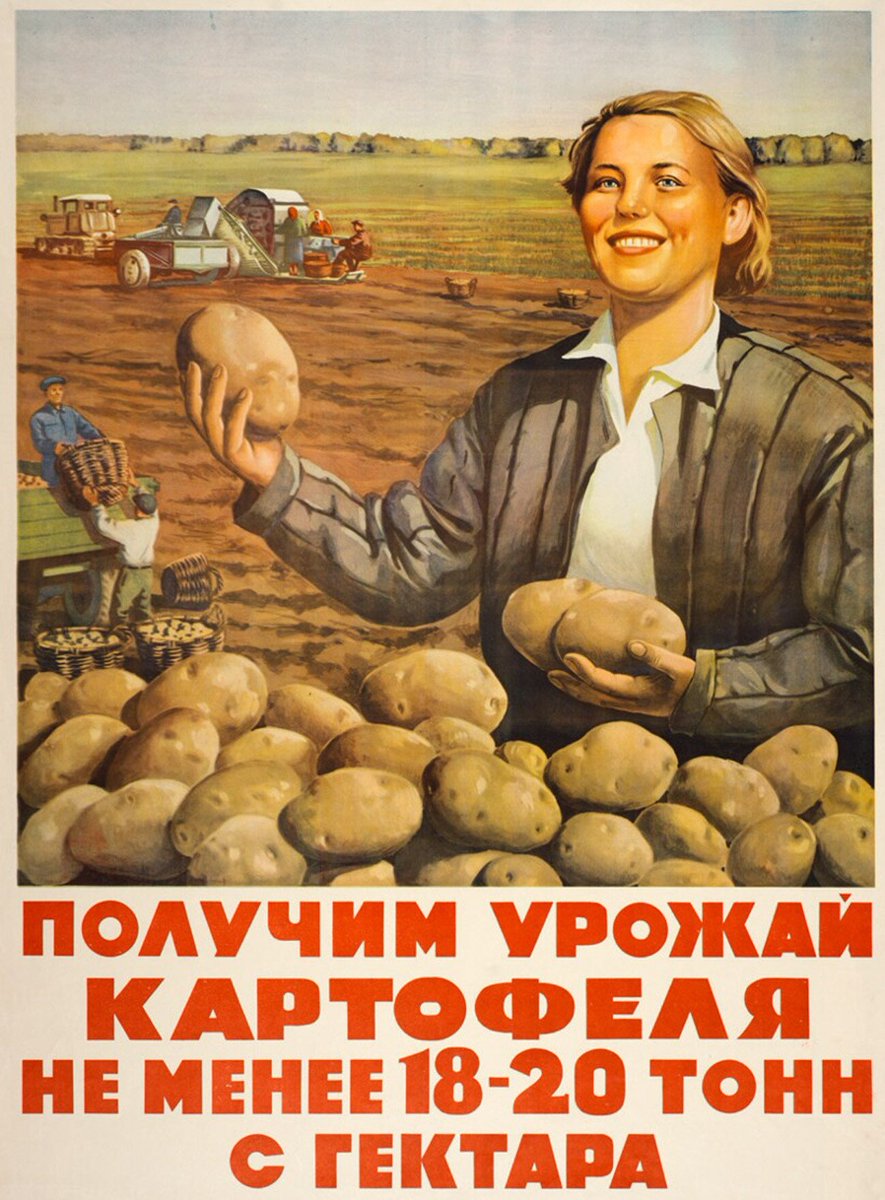
One of the most devastating indictments of socialism sits buried in Soviet agricultural statistics: private plots representing just 3% of farmland consistently produced 25-30% of the USSR's total food output. Private ownership generated output that collective ownership could not match, even at vastly smaller scale.
Picture this absurdity. A collective farm worker tends 1,000 acres of state wheat with the enthusiasm of someone filling out tax forms. The same worker then rushes home to lavish attention on his quarter-acre private vegetable patch, working until sunset to coax maximum yield from every square foot. The difference in productivity per acre often reached 10:1 ratios. Sometimes higher.
On collective farms, additional effort generated zero additional reward for the individual worker. Your extra sweat benefited the collective (meaning nobody in particular) while you bore the full cost of that effort. Workers rationally allocated their energy toward their private plots where they captured 100% of marginal returns.
Soviet planners grasped the embarrassing implications and repeatedly restricted private plot sizes and banned certain crops, fearing that obvious productivity comparisons would undermine ideological credibility. The restrictions backfired spectacularly. Every limitation on private plots worsened food shortages and strengthened black market prices.
You can dress up collective ownership in whatever intellectual framework you prefer. You can invoke solidarity, social justice, or the greater good. But you cannot escape the fundamental reality that human beings respond to incentives, and collective ownership systematically destroys the connection between individual effort and individual reward.
73
546
1,763
41,957
Michael McNeil retweeted

Jun 2
I'm here to tell you a dirty secret about Gödel's incompleteness theorems, after having been asked whether we might hit a "Gödel limit" when trying to prove the correctness of computer programs.
My qualification to speak on this is that I'm a software engineer who used to be a mathematician with a strong interest in foundational logic and mathematical philosophy, and I still track the field.
Here's the skinny about Gödel limits...
Gödel's incompleteness theorems are theoretically and philosophically tremendously important, but most mathematicians don't expect the limits implied by those theorems to be important in practice - not at the proof scales accessible by humans.
We don't know for sure, but the intuitive sense of most mathematicians is that true but Gödel-inaccessible theorems are probably far away from us in very weird corners of the space of all formally possible propositions.
The reason for this intuition is that you have to do very odd contortions to construct a proposition that demonstrates Gödel-inaccessibility. Such constructions are not mathematically natural questions.
Consider the contrast with the Continuum Hypothesis or the Axiom of Choice. These arise from very simple and natural questions the answers to which turn out to be unprovable in standard set theory. They are not weird, twisted constructions made specifically to force the axiom system to rupture something.
Because all reasoning about computer programs is reasoning about finite sets, it seems highly unlikely that being able to prove the correctness of a program will ever depend on even unprovable propositions as natural as CH or AC, which are axioms about what you can do with infinite sets.
Still less likely does it seem that the proof of any program will ever depend on a proposition that is Gödel-inaccessible.
So, in practice, it is not worth worrying about Gödel-inaccessibility of program proofs. Unless you're the sort of person who worries compulsively about, oh, I dunno, being beaned by a meteorite made of solid platinum, in which case there probably isn't much I can do to ease your tension.
Of course, we could be wrong. There could be a landmine, or any number of landmines, in the regions of proof space we care about. The real worry about the Riemann hypothesis isn't whether it's true or false, but that it might turn out to be such a landmine.
Then again, the Riemann hypothesis involves claims about infinities. Even if it does turn out to be Gödel-inaccessible (and the most mathematicians don't worry that it is) it would be quite a bit more shocking if a proof on finite sets turned out to be.
40
17
213
19,398
Michael McNeil retweeted

May 29
As I've remarked elsewhere technology is making us rediscover that terms like 'good' and 'evil' are actual quantities, not irrelevant religious or philosophical musings. When AI and human dictators can live for a potentially an unlimited time, the phrase 'eternal evil' actually means something different from 'everlasting light'.
wsj.com/world/russia/putin-l…
1
2
16
2,022
Michael McNeil retweeted

May 29
I'm in my very early 60s.
The best President of my lifetime is Donald Trump.
The best Vice President of my lifetime is JD Vance.
The best SecDef/War of my lifetime is Pete Hegseth.
The best SecState of my lifetime is Marco Rubio.
The best SecTreasury of my lifetime is Scott Bessent.
The best entrepreneur of my lifetime is Elon Musk.
We truly live in a Golden Age.
6,182
9,409
47,388
557,720
Michael McNeil retweeted

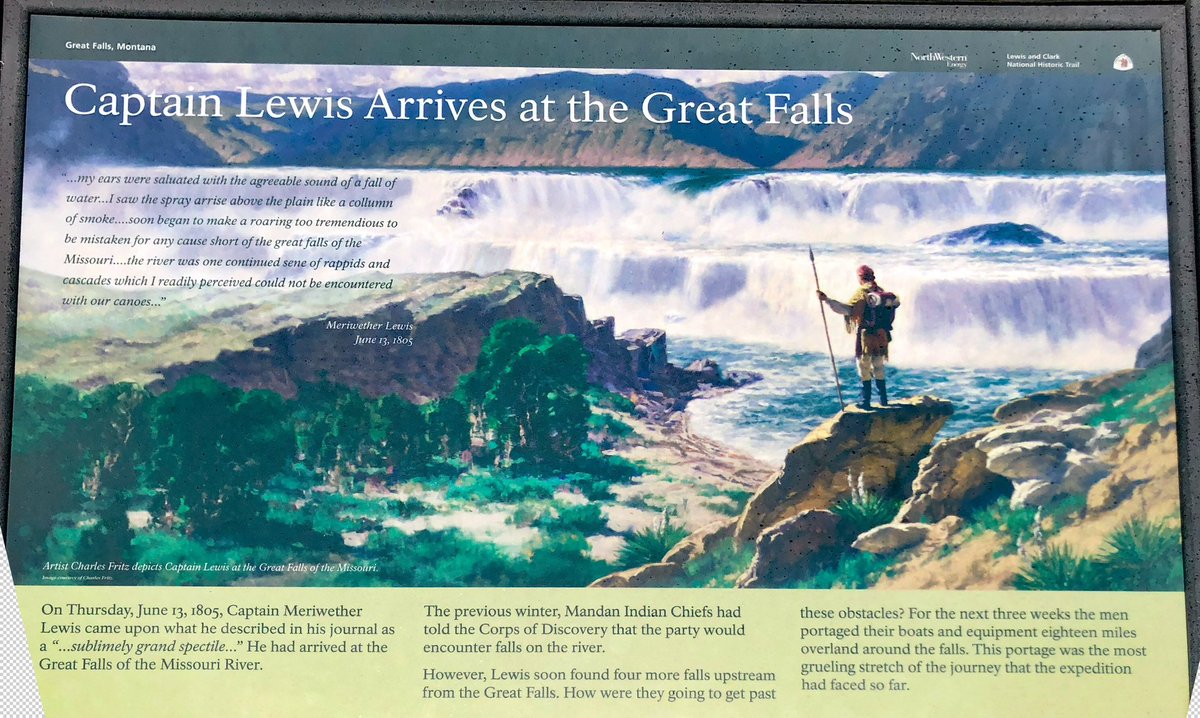
Why the Lewis and Clark statues should be on the Missouri River.
May 26

Here's what I posted in response to those arguing that the statues should be placed on the Mississippi:
Lewis and Clark explored the entirety of the Missouri River—really the primary stream of the Missouri-Mississippi-Ohio river system—so one puts a monument at the head of the Mississippi—a tributary? How does that make sense?
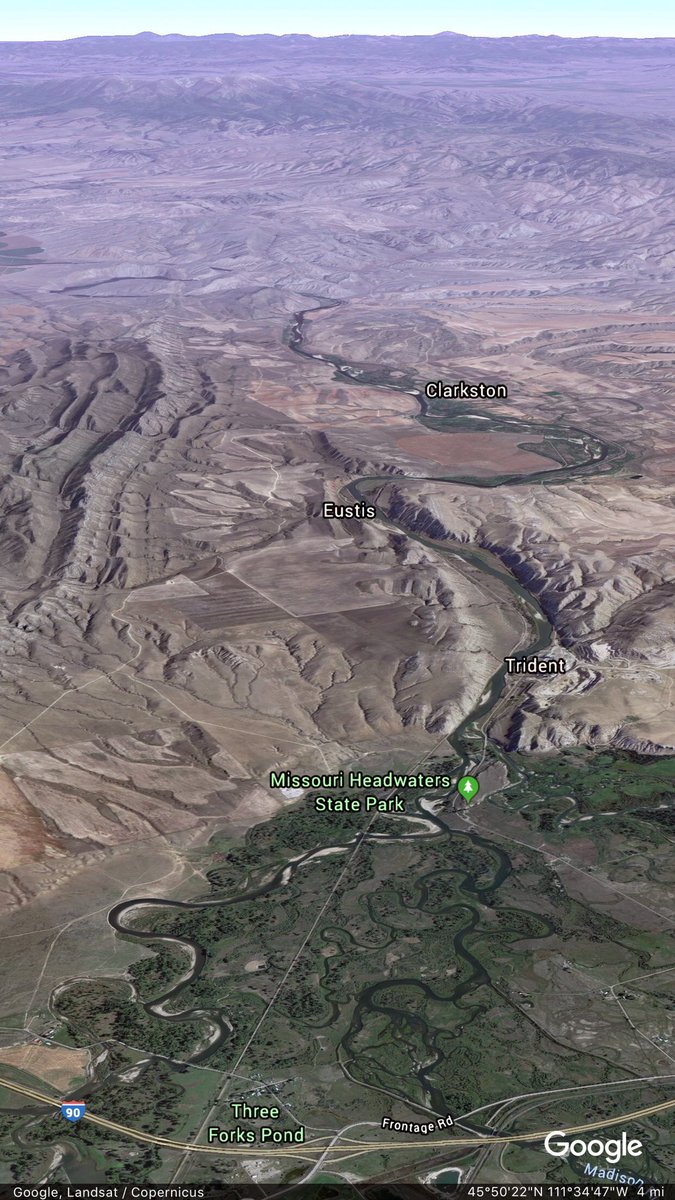
Note that the Missouri is longer from its source (see below, where the Madison, Jefferson, and Gallatin rivers converge at Three Forks, MT—which of course isn't its ultimate source), to merely where it joins the Mississippi (not its whole length to the Gulf), than the Mississippi is from its source—thereupon flowing way beyond its confluence with the Missouri—all the way down to the Gulf of Mexico (or “Gulf of America,” as one prefers). The Missouri is hugely longer, in other words.
Alternatively, if one looks at volume of flow rather than length, then that would select the Ohio. The “Mississippi” per se loses either way.
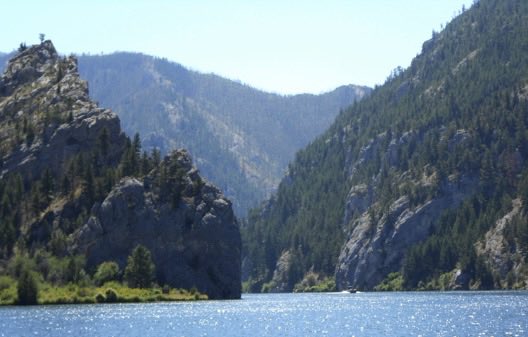
I say put those statues in front of the “Gates of the Mountains” in Montana.
(Or perhaps before the “First Cataract” in that great Nile of a river, which caused considerable problems for Lewis & Clark: the Great Falls.)
——
pics: 1) where the “Mississippi” (that is, the Missouri—the “Mighty Mo”) really begins at Three Forks. 2) Captain Lewis arrives at the Great Falls.
3
10
77
2,452
Michael McNeil retweeted

May 23
This is the cover art for a science fiction book

41
130
2,887
50,212
Michael McNeil retweeted

May 23
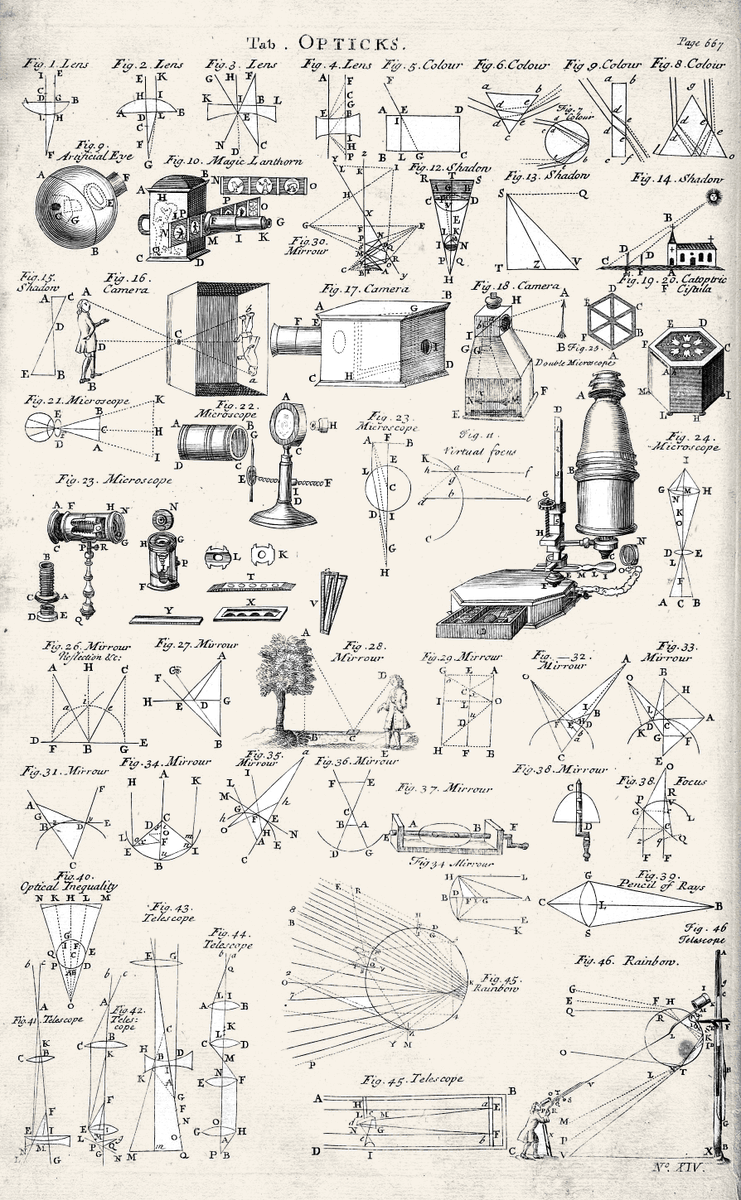
Math, physics.
I love this plate because it feels like watching a civilization reverse-engineer the universe with nothing but ink, curiosity, and geometry. These diagrams feel like the marginalia of enlightenment: notes from an era when even a simple lens felt like a portal.
From: Table of Opticks, from the 1728 Cyclopaedia, Volume 2.
9
62
246
9,125
Michael McNeil retweeted

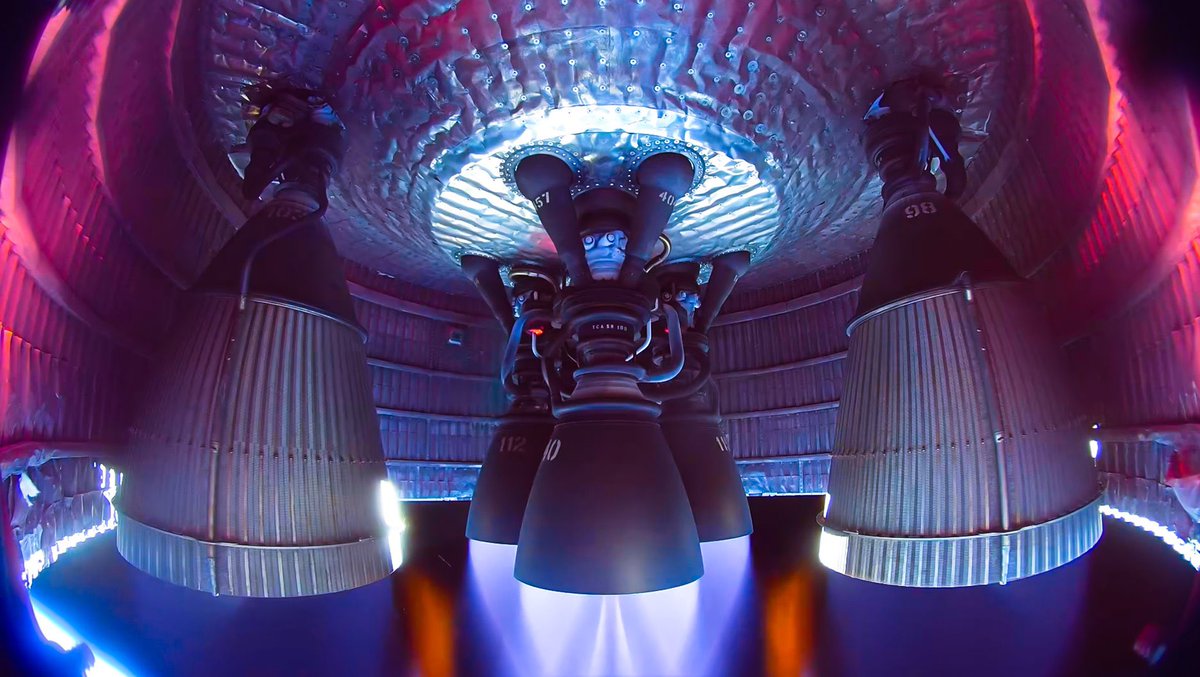
This photo from Flight 12 goes soooo hard!!!!!
537
1,234
15,096
32,133,135
May 24
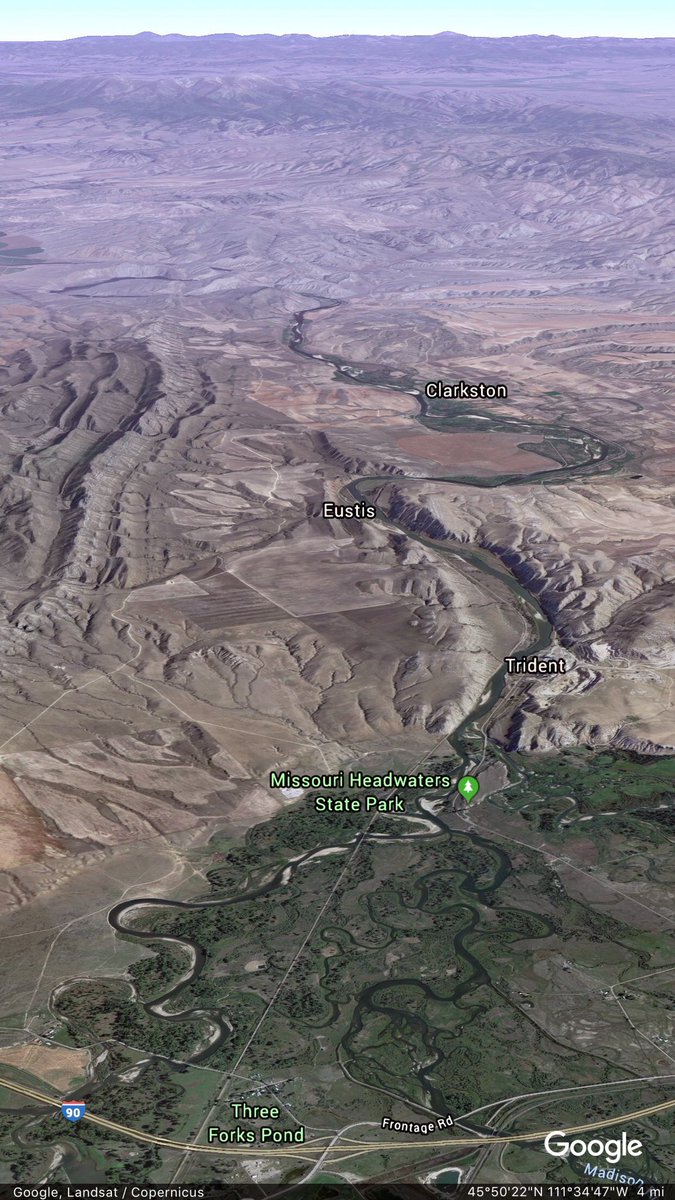
Lewis and Clark explored the entirety of the Missouri River—really the primary stream of the Missouri-Mississippi-Ohio river system—so one puts a monument at the head of the Mississippi—a tributary? How does that make sense?
Note that the Missouri is longer from its source (see below, where the Madison, Jefferson, and Gallatin rivers converge at Three Forks, MT—which of course isn't its ultimate source) to merely where it joins the Mississippi (not its whole length to the Gulf), than the Mississippi is from its source—thereupon flowing way beyond its confluence with the Missouri—all the way down to the Gulf of Mexico (or “Gulf of America,” as one prefers).
Alternatively, if one looks at volume of flow rather than length, then that would select the Ohio. The “Mississippi” per se loses either way.
I say put those statues in front of the “Gates of the Mountains” in Montana.
——
pic: where the “Mississippi” (that is, the Missouri—the “Mighty Mo”) really begins.
1
103
Michael McNeil retweeted

May 23
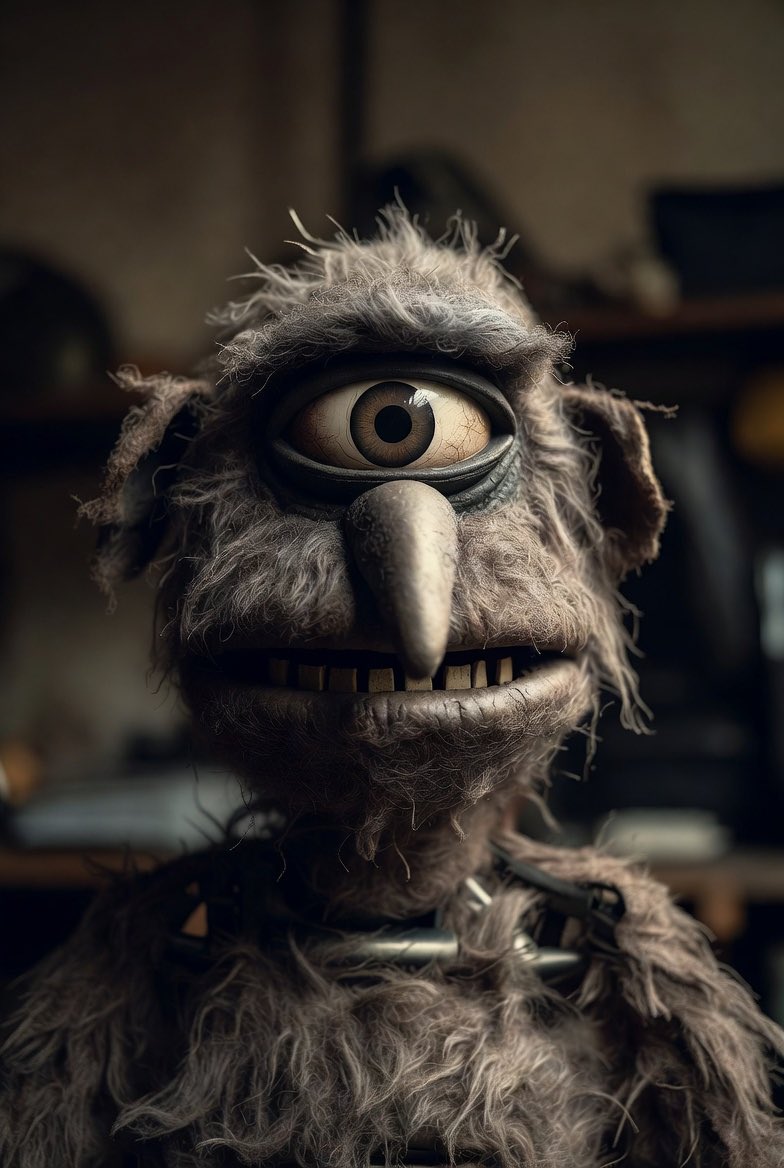
I was thinking about this post I made earlier in the week, and then I wondered. Would Muppet Cthulhu work?
I know humor and horror play really well together (Tucker & Dale vs. Evil, Hot Fuzz, Mr. Vampire, etc.) so it just might. Then upon seeing this video from the Cultists I was sold. It's adorable muppets and yet it actually manages to drop pretty creepy horror.
The only real question is "Who will be the token human?" Assuming the hero is Lovecraft himself I am sad that Fred Ward and Jeff Combs are too old. DO we think Samuel Roukin could do it? Do you have someone better?
May 21

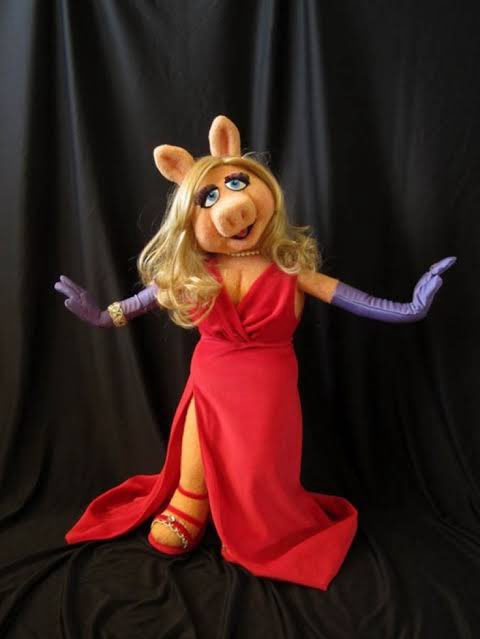
All this gibble gabble about Nolan’s Odyssey and NO ONE can see the objectively correct solution.
Muppet Odyssey. Everyone would love it. Helen of Troy could be green or blue … or a pig … and no one would care.
It’s perfect. All we need is to pick out the token real human. It’s your call …
57
68
560
23,104
May 23
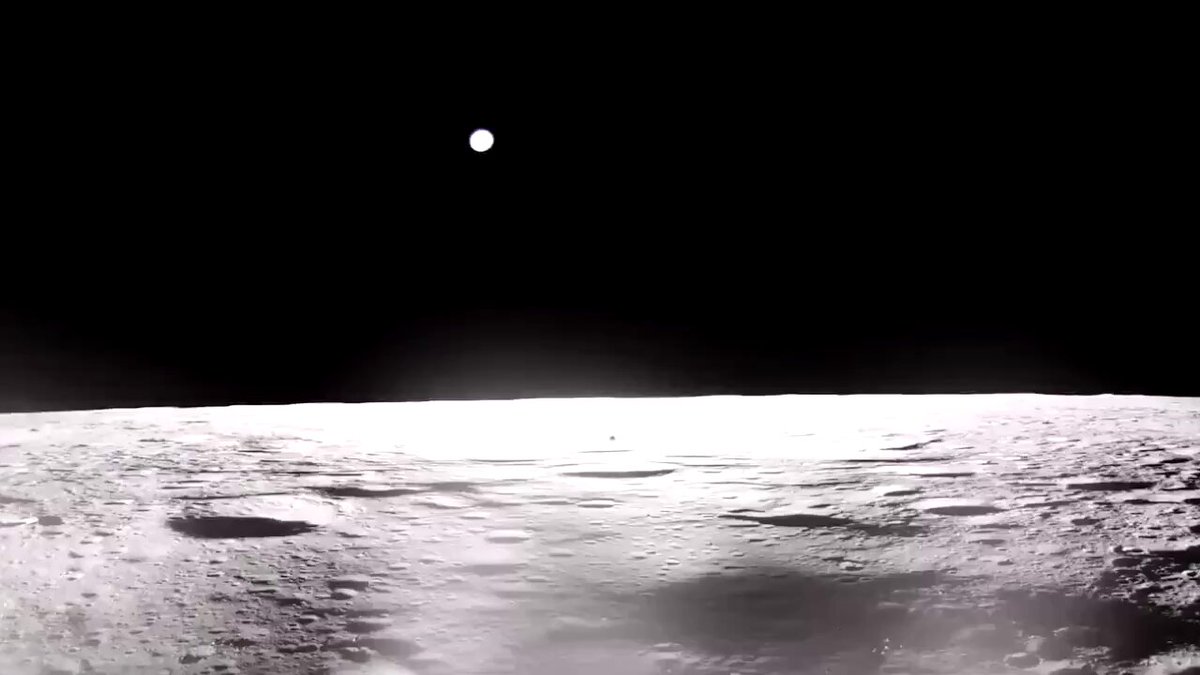
Here you go… all here from Apollo 17.
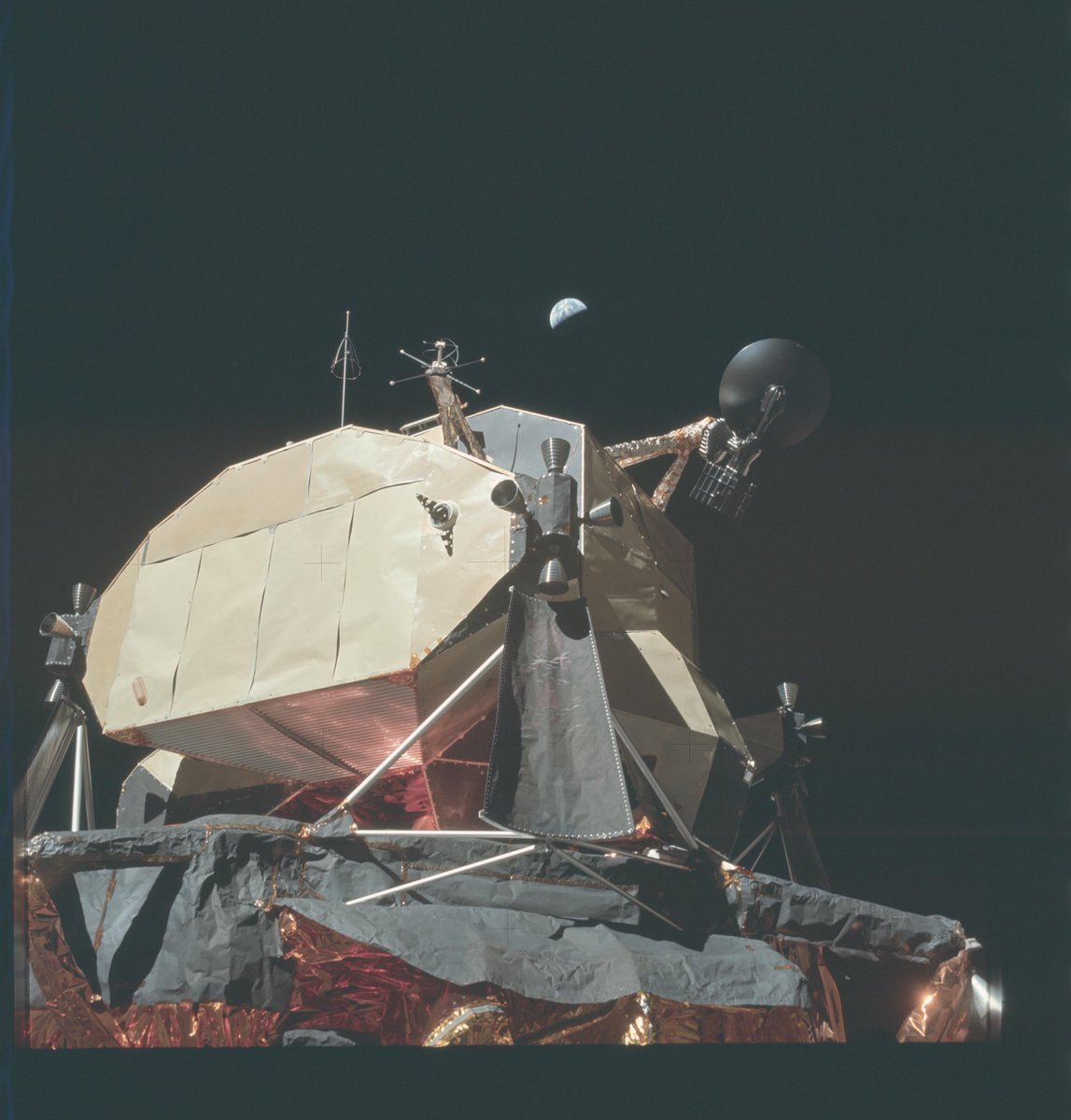
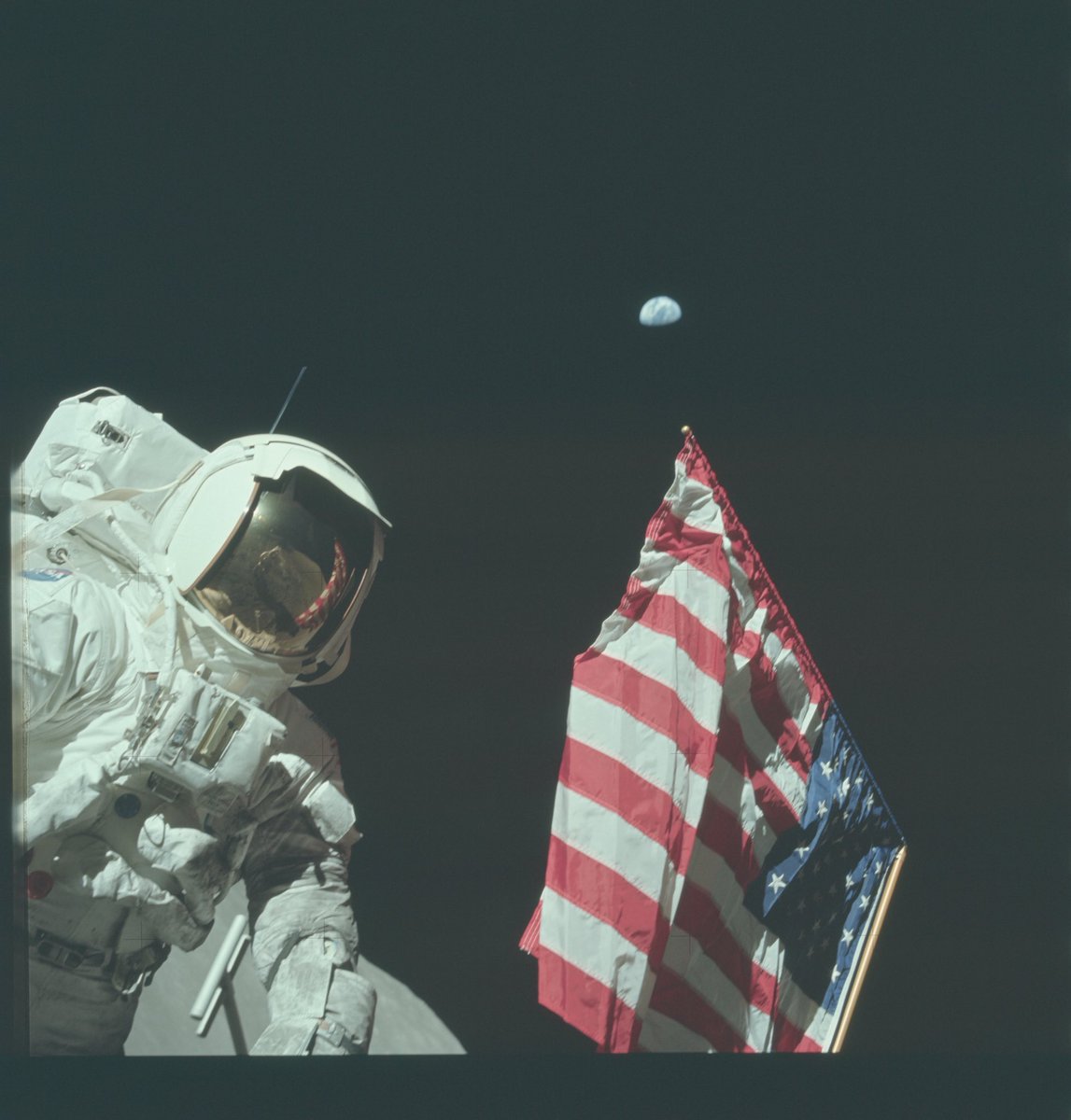
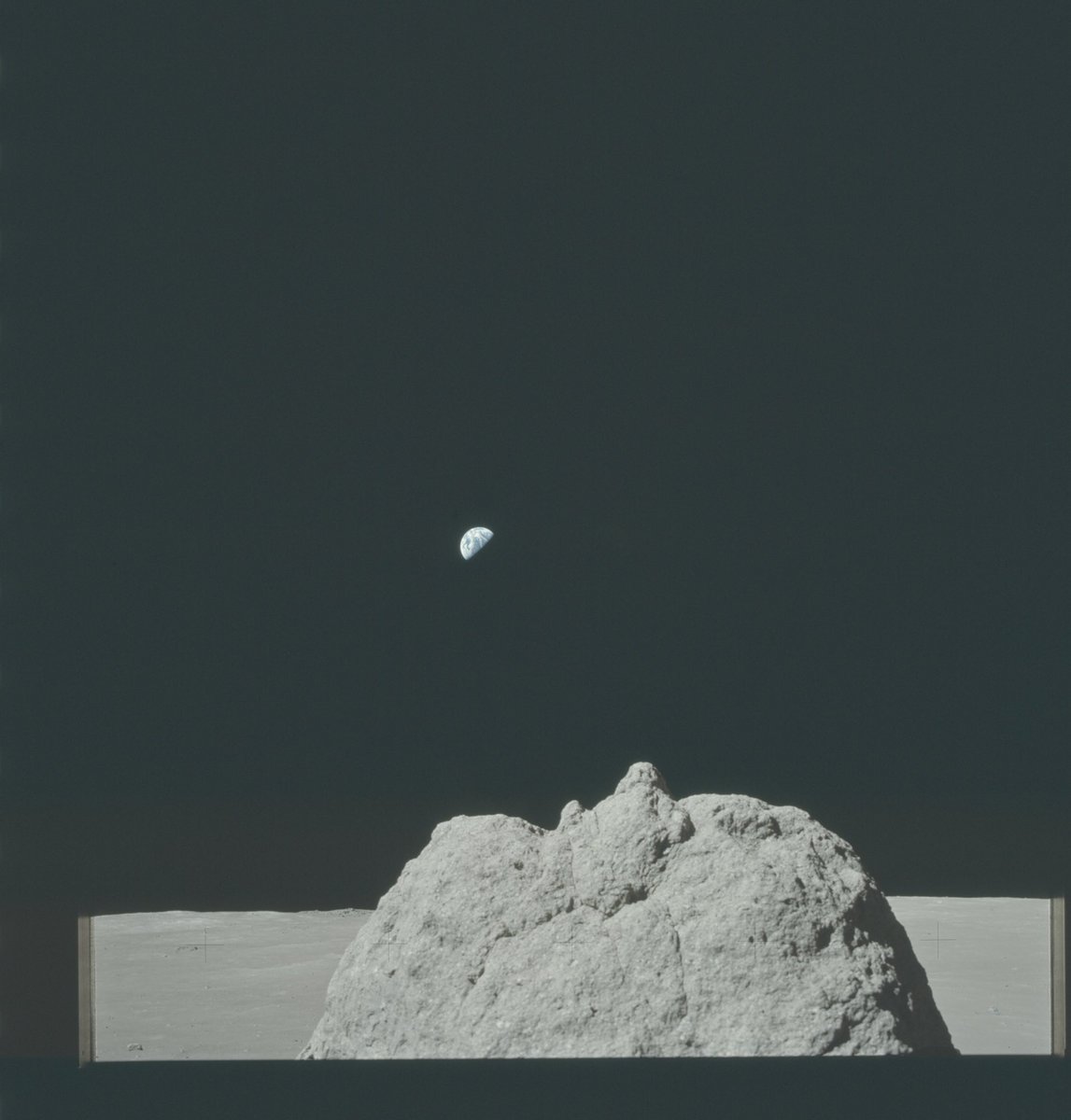
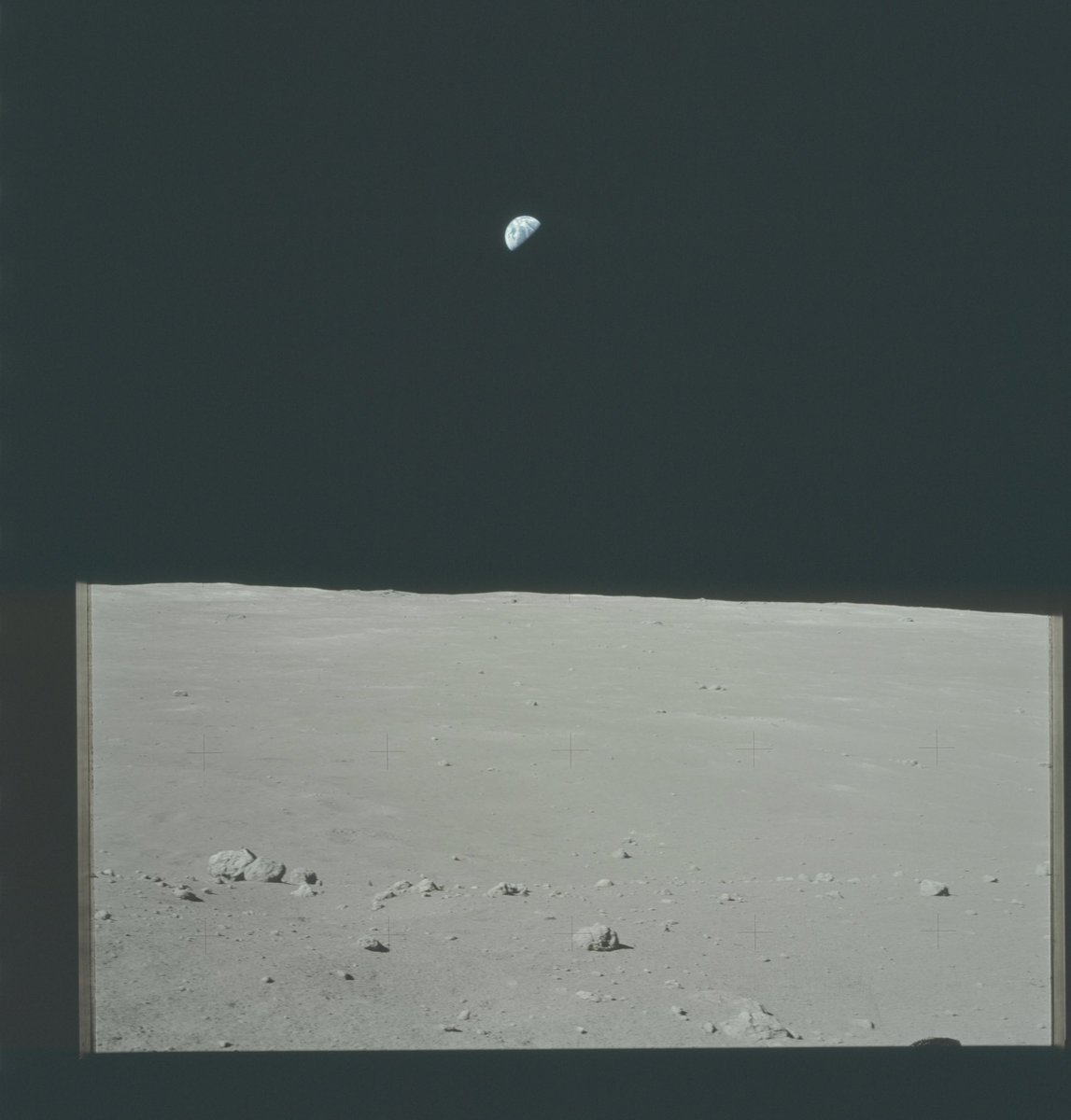

Just curious.why were there not similar photos of the Earth taken when they were on the surface? I can't ever recall seeing any such photos?
1
75

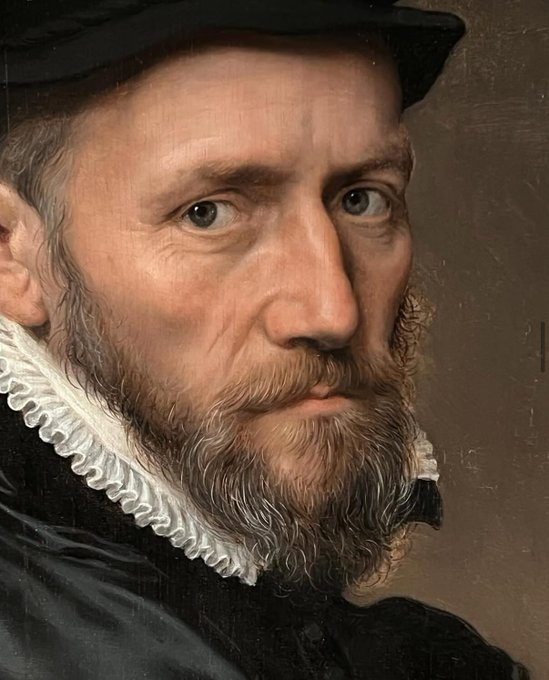
One of the most shockingly underrated masterpieces of the Renaissance is Anthonis Mor’s portrait of Sir Thomas Gresham (c. 1560), now in the Rijksmuseum in Amsterdam.
When people see it today, especially in high-resolution pics, they often mistake it for a 19th-century photograph or even a hyper-realistic AI generation.
The skin texture, the eyes, the subtle sheen on the black fabric, make it feel almost disturbingly modern.
Yet this painting, created over 460 years ago, barely registers in the mainstream conversation about great art.
It deserves far more recognition.
241
2,290
12,030
357,832