
Joined July 2021
- Tweets 1,064
- Following 1,685
- Followers 1,130
- Likes 1,727
575 Photos and videos



Pinned Tweet

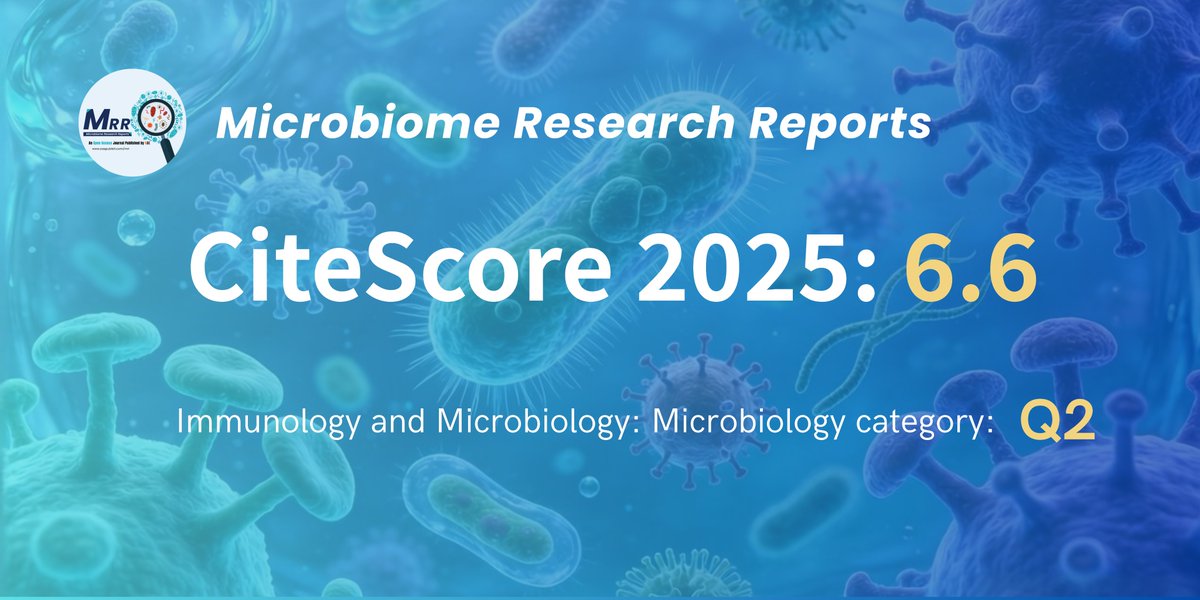
🎉Great news! #Microbiome Research Reports (#MRR) hits a new milestone with its 2025 #CiteScore jumping from 3.3 to an impressive 6.6!
Rising international standing lands the journal in Q2 for Immunology and Microbiology: Microbiology. Grateful to all authors, reviewers & readers
3
83
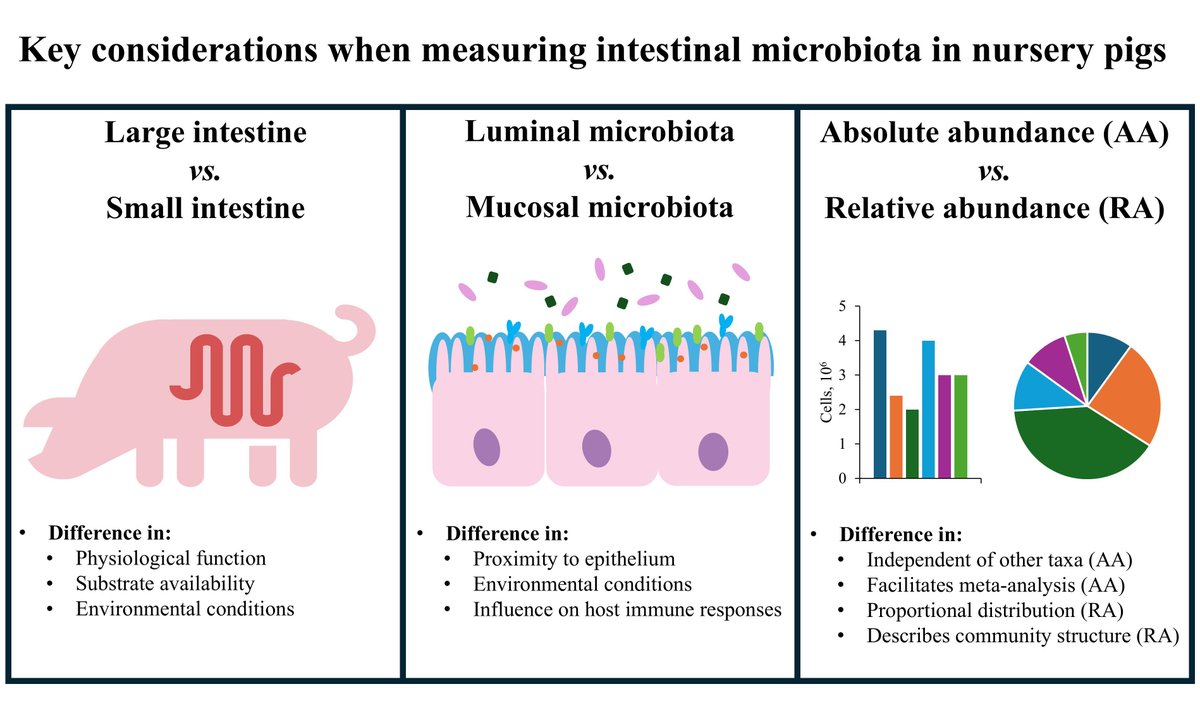
📄New Commentary out in #MRR!
🔍Key insights: Spatial variations in gut microbiota, distinct functions of luminal and mucosal microbes, and pitfalls of relative abundance analysis. Combining absolute abundance improves data reliability.
📖Full text: oaepublish.com/articles/mrr.…
43
We are excited to announce our partnership with #WCAG2026 as a Media Partner! 🤝
Ageing and gerontology research is evolving fast, and the microbiome is proving pivotal for healthy longevity 🦠. Can’t wait to meet researchers, clinicians and innovators from across the globe 🌍
22
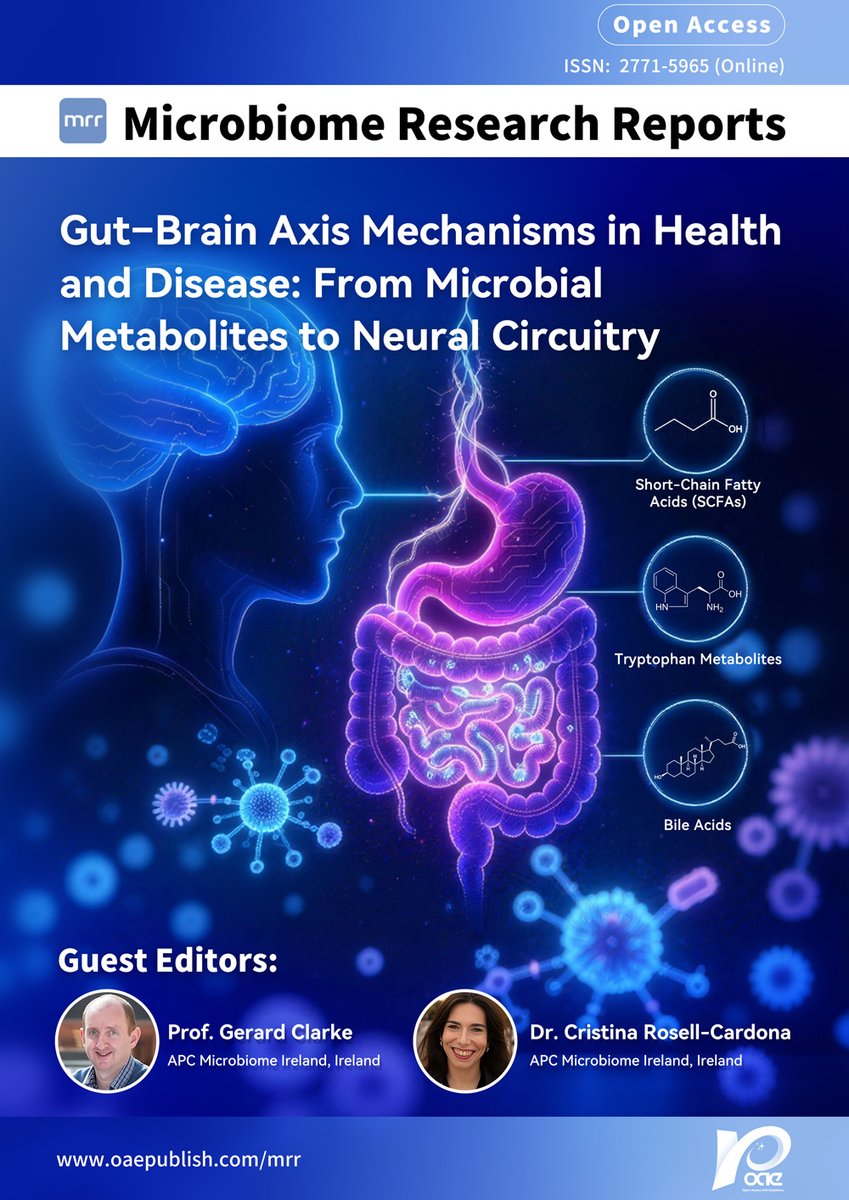
📢 New Special Issue!
🧠🦠 Gut–Brain Axis Mechanisms in Health and Disease: From Microbial Metabolites to Neural Circuitry
🔗oaepublish.com/specials/mrr.…
Prof. Gerard Clarke & Dr. Cristina Rosell Cardona
📅 Submission Deadline: 31 December 2026 #GutBrainAxis #Microbiome #MRR
1
2
161
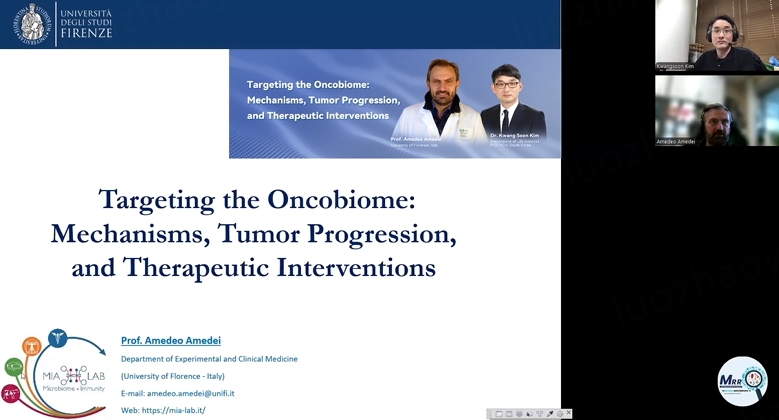
Missed the live #webinar?
🎥The recording of the #MRR webinar is now available!
🧬Targeting the #Oncobiome: Mechanisms, Tumor Progression, and Therapeutic Interventions
▶️ Watch the replay: oaepublish.com/webinars/mrr.…
#MRR #Microbiome #CancerResearch #TumorMicroenvironment
44
🆕Published in #MRR
oaepublish.com/articles/mrr.…
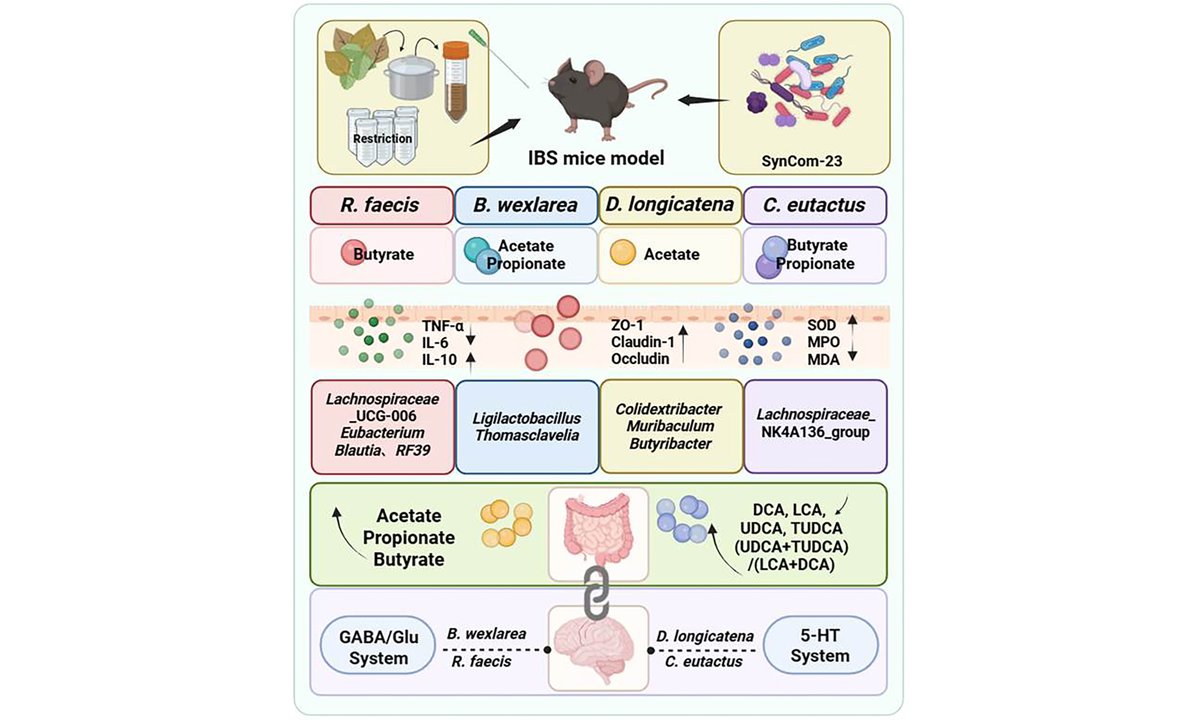
🦠Different #Lachnospiraceae strains alleviate #IBS through distinct gut-brain pathways.
🔬The study shows strain-specific regulation of GABA/glutamate and serotonin signaling, improving gut ecology and reducing IBS symptoms.#Microbiome
2
5
304
🆕Published in #MRR
oaepublish.com/articles/mrr.…
🦠Different #Lachnospiraceae strains alleviate #IBS through distinct gut-brain pathways.
🔬oaepublish.com/articles/mrr.…
#GutBrainAxis #Microbiome #GutMicrobiota #MicrobialTherapy
1
78
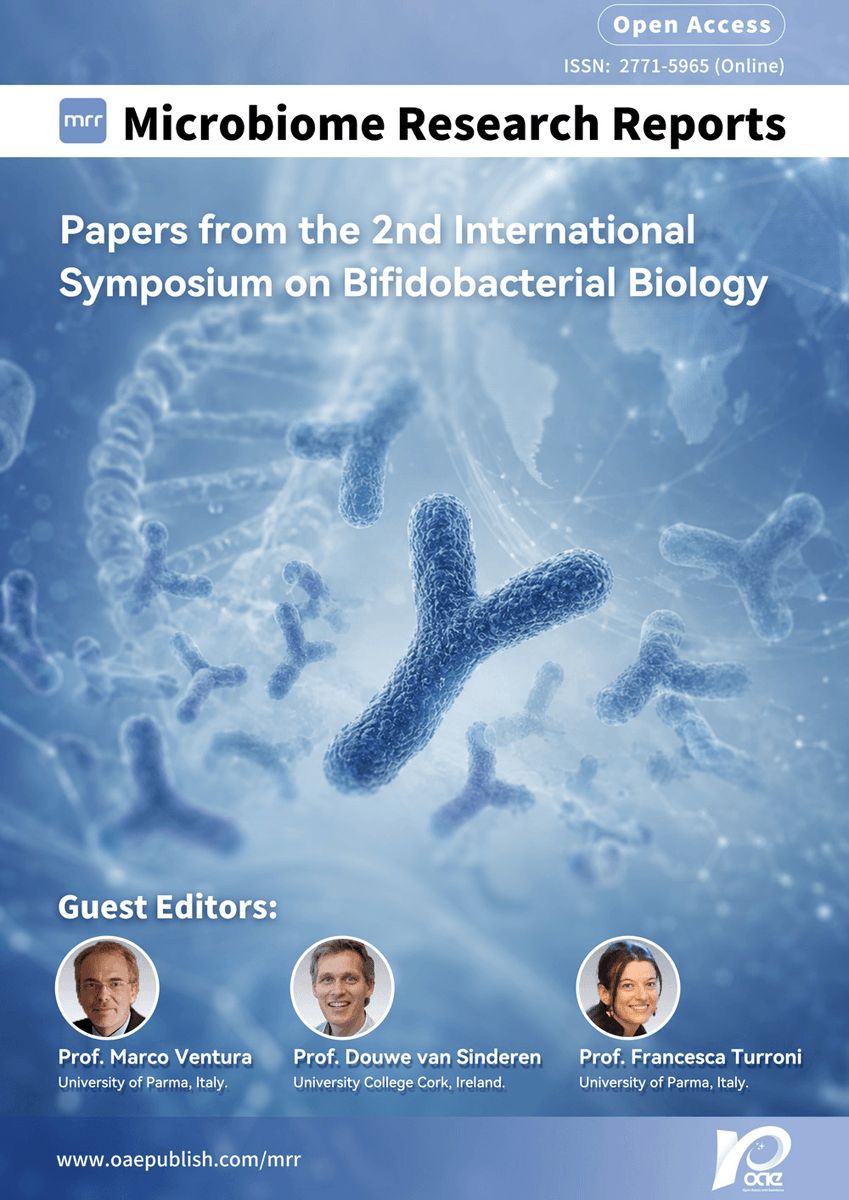
📢We are delighted to launch the collaborative Special Issue:🦠“Papers from the 2nd International Symposium on #Bifidobacterial Biology”
🎉We warmly welcome researchers to join the symposium and submit their outstanding work to this #SpecialIssue!#Microbiome #GutMicrobiota #MRR
1
39
⏳ 1 Day to Go! #MRR #Webinar
🧬 Targeting the #Oncobiome: Mechanisms, Tumor Progression, and Therapeutic Interventions
🎤 Speaker: Prof. Amedeo Amedei
🎙️ Moderator: Prof. Kwang Soon Kim
📅 May 26, 2026
⏰ 10:00 AM (Italy/Spain Time)
⏰ 4:00 PM (Beijing Time)
#Microbiome
1
1
145
Microbiome Research Reports retweeted

May 21
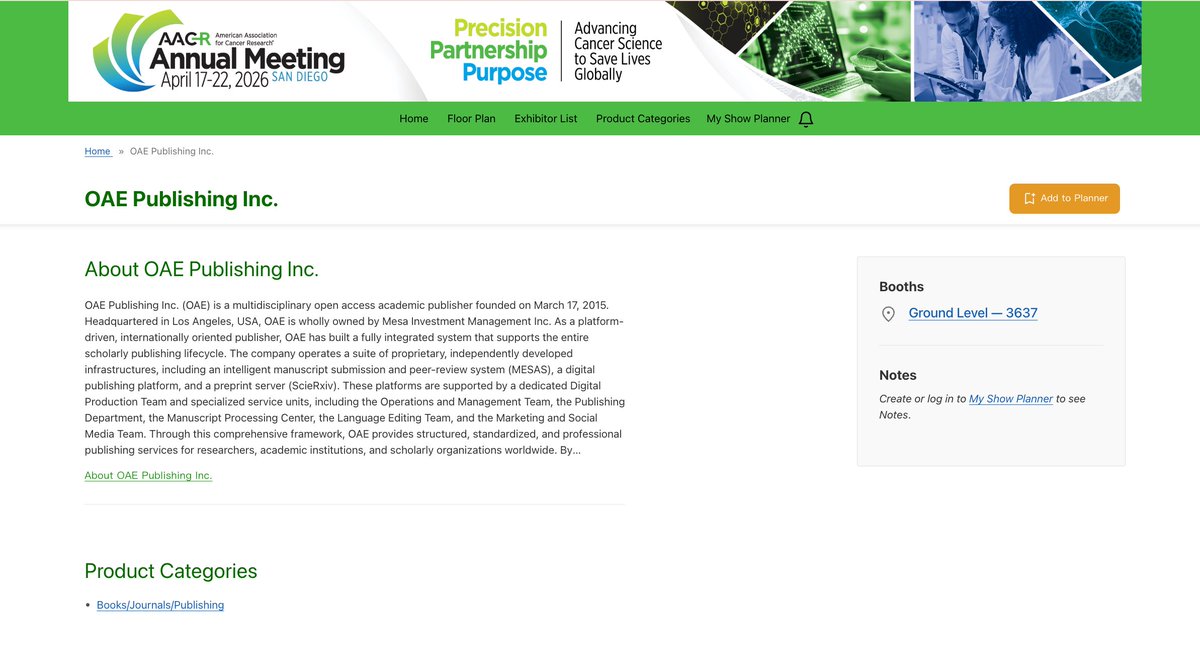
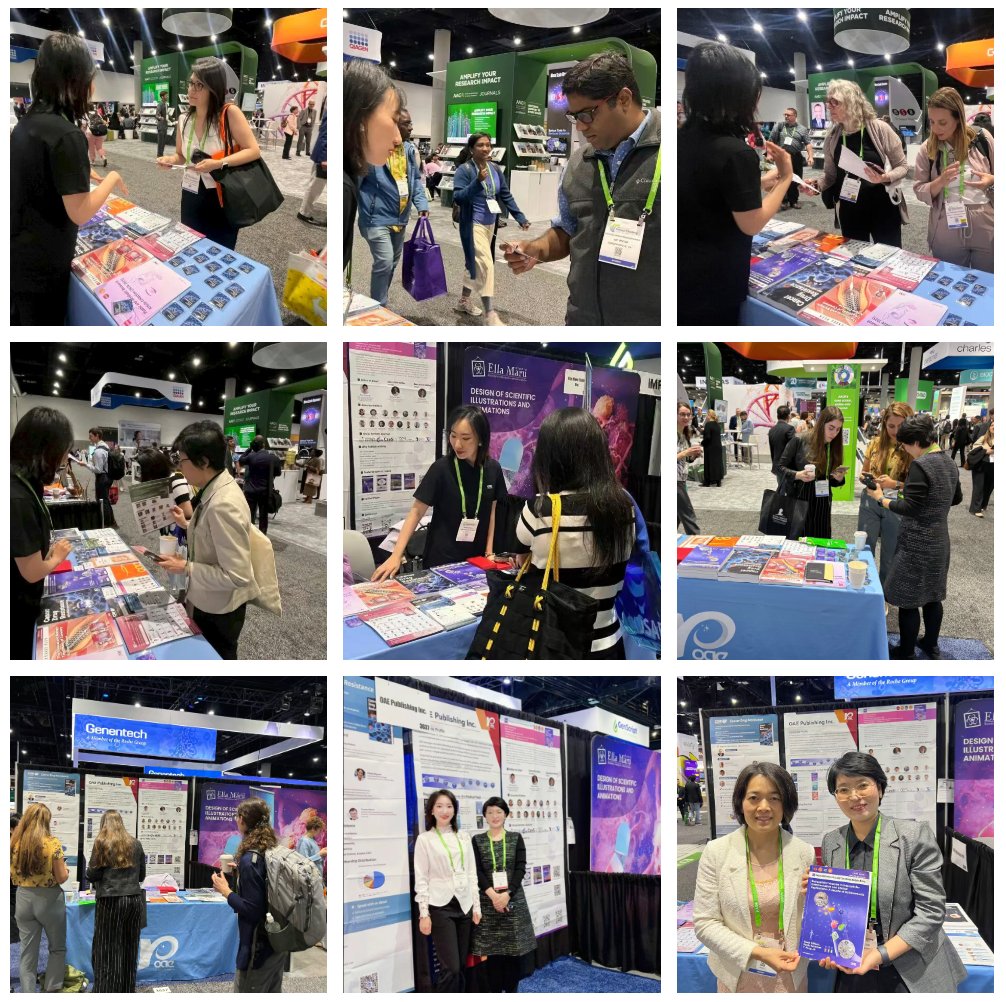
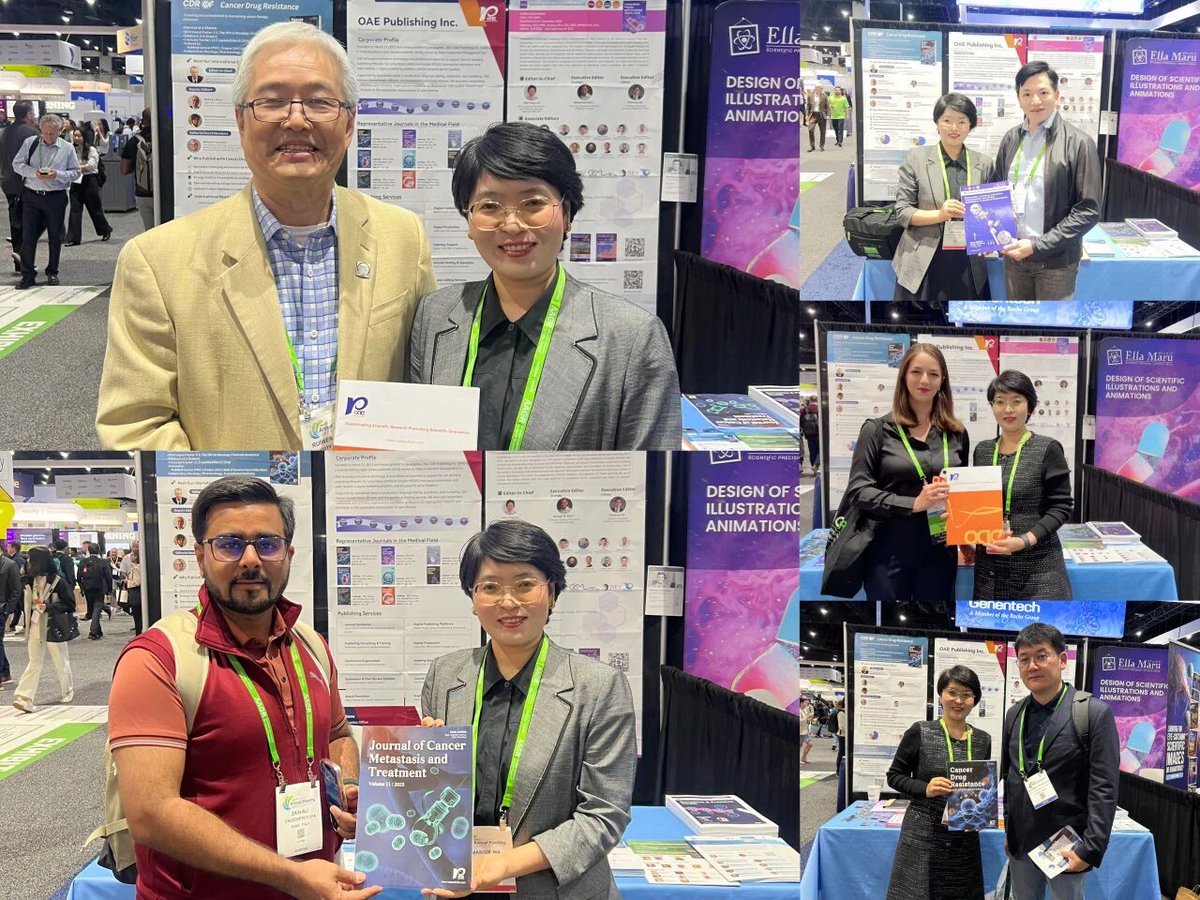
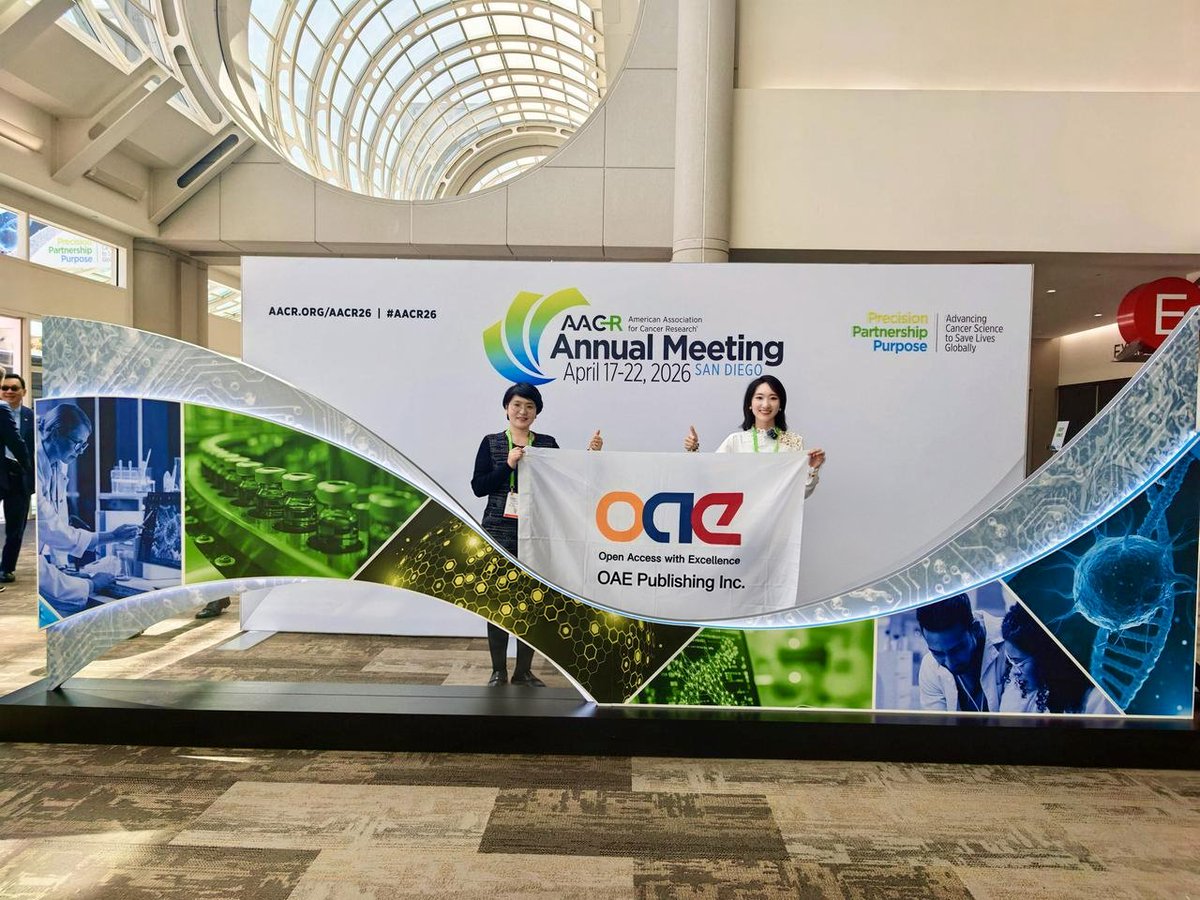
At #AACR2026, OAE’s medical journal cluster engaged with the global oncology community on tumor evolution, liquid biopsy, and therapeutic resistance. Grateful for conversations at the CDR booth. Looking forward to #ESMO2026 in Madrid and preparations for #AACR2027.
2
4
137
Microbiome Research Reports retweeted

May 19
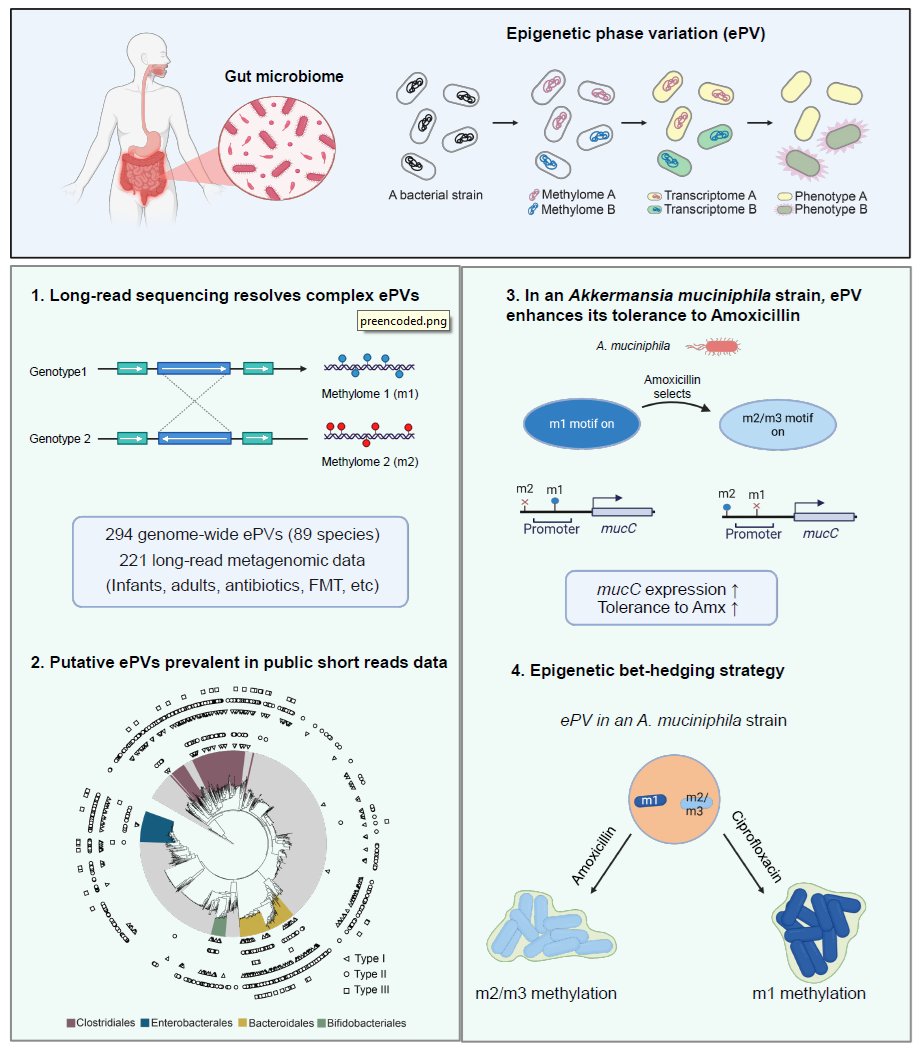
How do bacteria hedge their bets 🎲 in your gut? Our paper is out today in @cellhostmicrobe
A baby received a routine course of amoxicillin. In that infant's #gut 💩, we could see something remarkable, already present **before** the antibiotic arrived: a single strain 🦠 of #Akkermansia muciniphila was already running a quiet experiment. A small subpopulation, 1%, had certain genes switched on that the rest of the population did not. #Importantly, no changes in DNA sequence, yet some genes turned on or off through chemical marks on the DNA. Under antibiotic pressure, that 1% minority expanded and took over. When the antibiotic changed, the population would shift in the opposite direction.
This is #epigenetic #bet-#hedging: bacteria preemptively diversifying into distinct subpopulations so that when uncertain stress comes next, some fraction is already prepared. Our paper presents the first systematic study of this phenomenon across the human gut microbiome, spanning 2,345 metagenomic samples and over 1,300 bacterial species.
#Akkermansia is one of the most studied next-generation probiotics, implicated in metabolic health and cancer immunotherapy response. We were genuinely surprised by its complexity: even within a single strain of Akkermansia, the level of #epigenetic #heterogeneity was striking: many coexisting subpopulations, each with different genes switched on, potentially responding differently to the same environment. Our findings suggest we need to study it at a much deeper level, understanding its #within-strain epigenetic diversity may be key to maximizing its therapeutic potential.
Thanks to #longread #metagenomic sequencing (both #pacbio and #nanopore), which can simultaneously read DNA sequence and methylation at single-molecule resolution. We hope this paper helps make the case for bringing long-read approaches into microbiome research more broadly.
Special 👏 to our first author @Fannimi2001, for his creativity, perseverance and rigor over this entire journey. Science like this does not happen without people who stay committed to a hard problem for the long haul.
Also big thanks to Katerina Junker, @Yujie_L, @fanyu48696214, Yangmei Li, Wanjin Qiao, @Xue_Song__Zhang, @MagdalenaKsi, Edward Mead, @_Alan_T who helped Mi consistently in this journey.
Very much grateful to our collaborators: @lauren282012 at the University of Victoria, @valdi001 at Duke University, Martin Blaser at Rutgers University and my colleague @jiang_wenyan at @SinaiGenetics. This work was truly a team effort!
LINK: cell.com/cell-host-microbe/a…
#epigenetics
#microbiome
#antibiotics
#probiotics
6
26
90
5,949
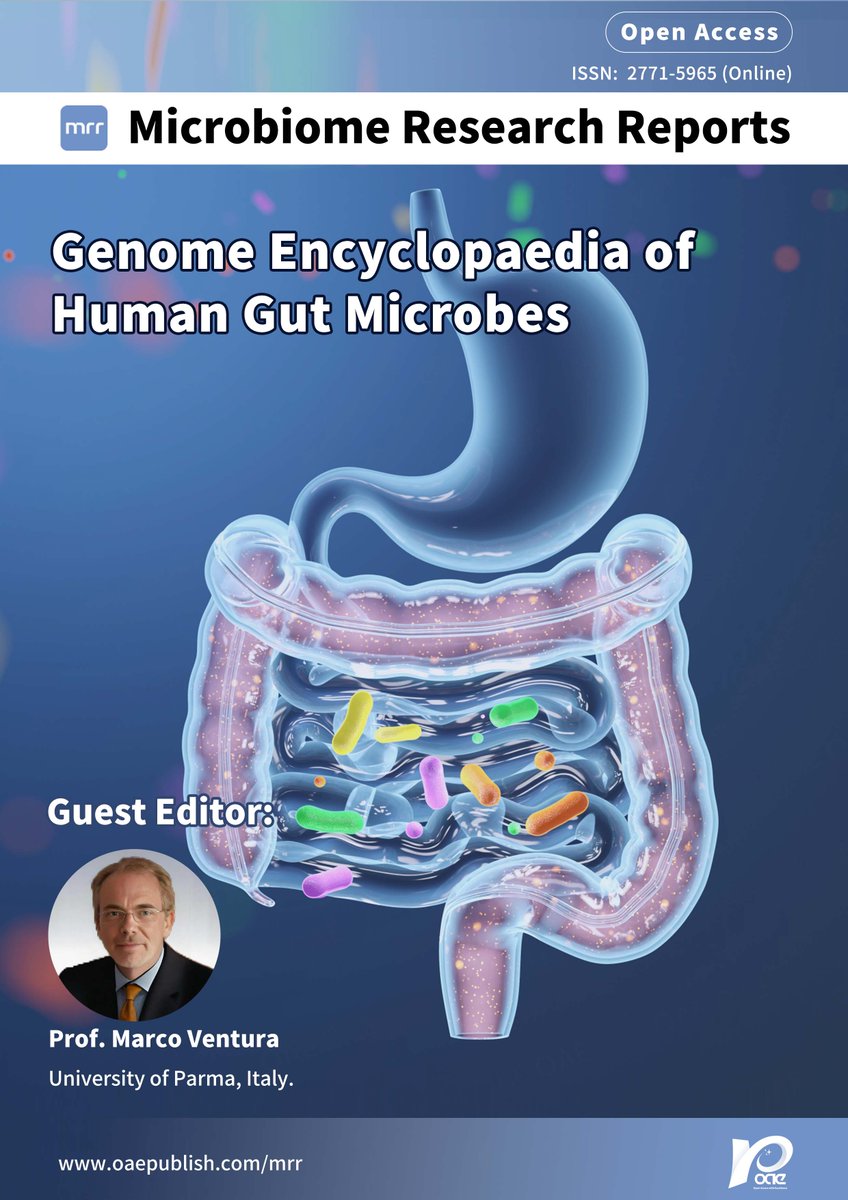
📢Call for Papers
🧬“Genome Encyclopaedia of Human #GutMicrobes”
Guest Editor: Marco Ventura
Human gut microorganisms: taxonomy, physiology, metabolism, ecological roles, and host interactions of individual microbial species or functionally relevant groups.oaepublish.com/specials/mrr.…
1
1
122
We are delighted to announce that #Microbiome Research Reports (#MRR) is now an official supporting journal of the 2nd International Symposium on #Bifidobacterial Biology (#ISBB2026)! 🎉
📍 Parma, Italy
📅 September 17 (Thu) – 19 (Sat), 2026
🔗bifidosympo26.it/#key-dates
1
68
Microbiome Research Reports retweeted

May 12
I am happy to share our work that came out in Nature Microbiology @NatureMicrobiol
'Acarbose redirects gut microbiome utilization of dietary carbohydrates to suppress anaphylaxis in mice'
nature.com/articles/s41564-0…
4
11
37
4,504
✨🦠New in #Microbiome Research Reports ✨
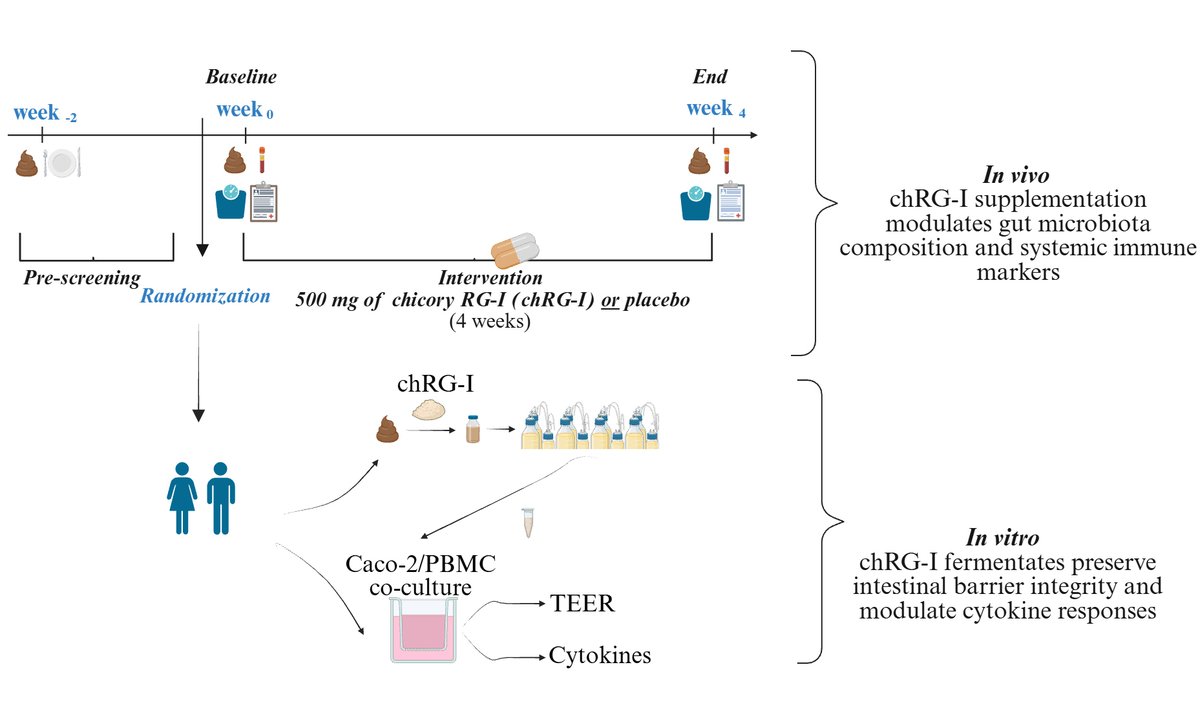
“Dietary chicory rhamnogalacturonan-I modulates #gutmicrobiota and #immune responses in healthy adults” 🌱🥗
Corresponding author: Evangelia N. Kerezoudi
Dive into the fascinating connections between nutrition, microbiota, and immunity!
1
1
90
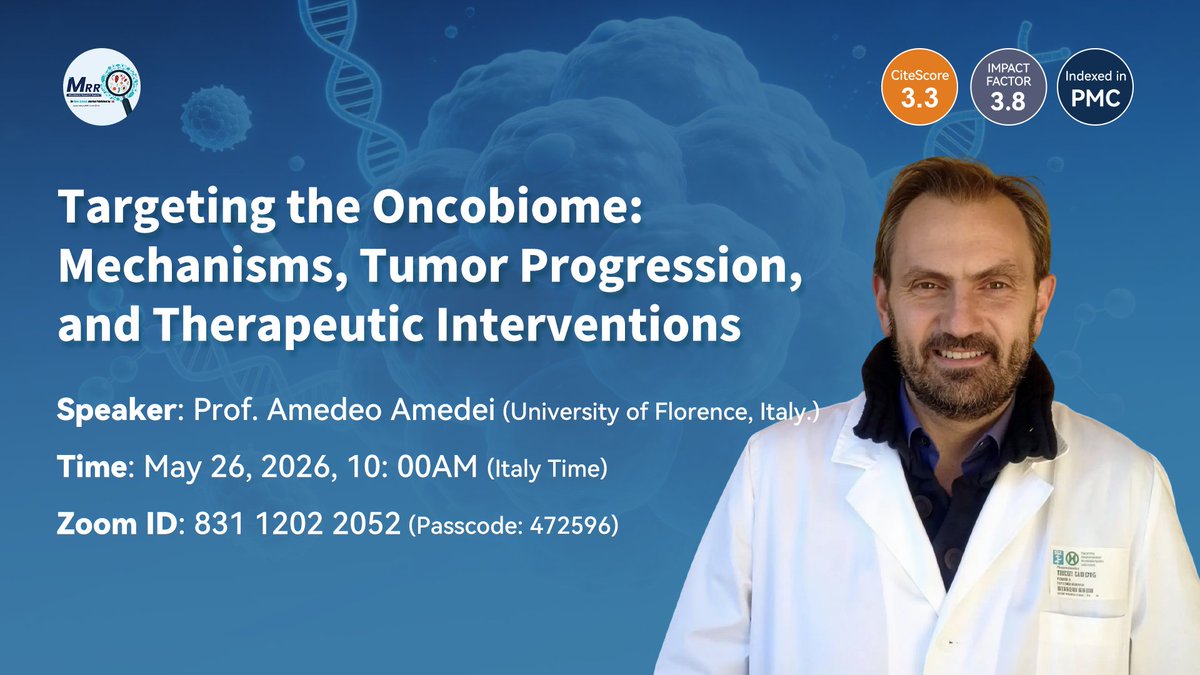
🚨 Upcoming #MRR #Webinar
🧬 Topic: Targeting the #Oncobiome: Mechanisms, Tumor Progression, and Therapeutic Interventions
🎤 Speaker: Amedeo Amedei
🎙️ Moderator: Nuria Salazar
📅 May 26, 2026
⏰ 10:00 AM (Italy/Spain Time)
⏰ 4:00 PM (Beijing Time)
#Microbiome #CancerResearch
1
1
139
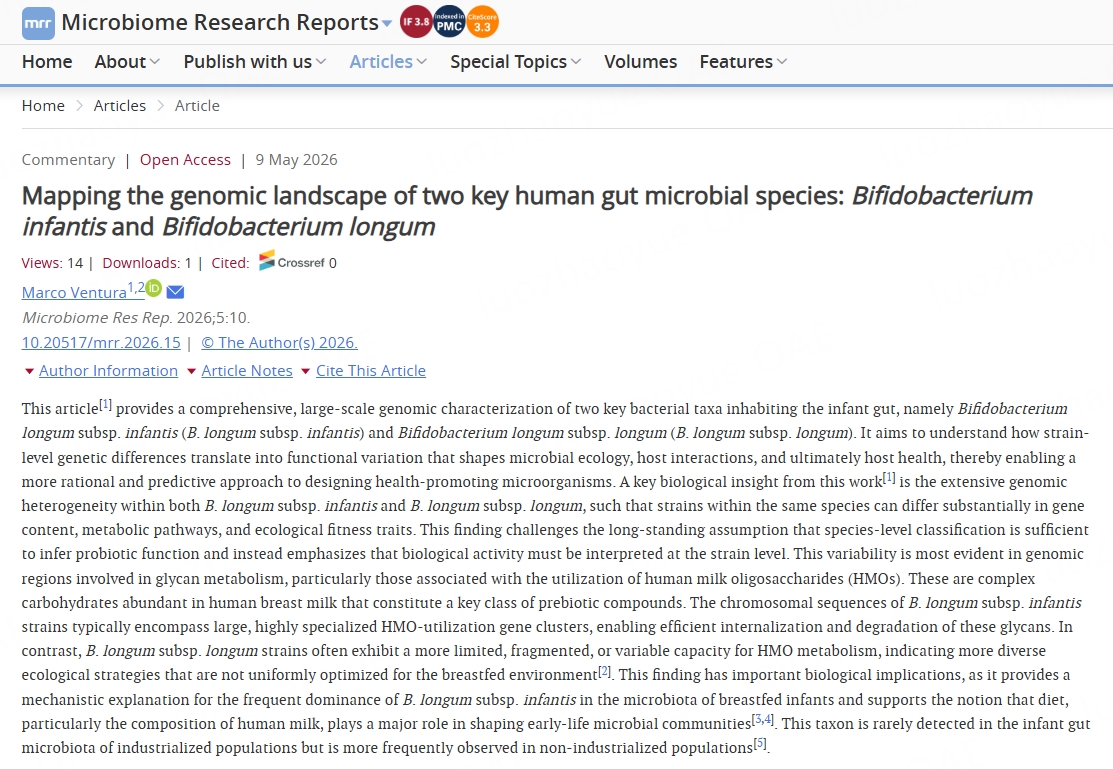
Excited to share a new #Commentary by Marco Ventura, a leading figure in the field of #Bifidobacterium research:
“Mapping the #genomic landscape of two key human #gutmicrobial species: Bifidobacterium infantis and Bifidobacterium longum”
Read👉oaepublish.com/articles/mrr.…
#Microbiome
1
2
255
Microbiome Research Reports retweeted

Mom passes on more than love… she also passes on microbes! 🤱🦠♥️
Excited to share our new cool story, now out in @cellhostmicrobe
shorturl.at/XXu3i
We discovered that maternal helminths rewire the microbiota to boost offspring antiviral immunity.🧵👇
2
8
33
3,035
🦠New #Research in #Microbiome Research Reports (#MRR)
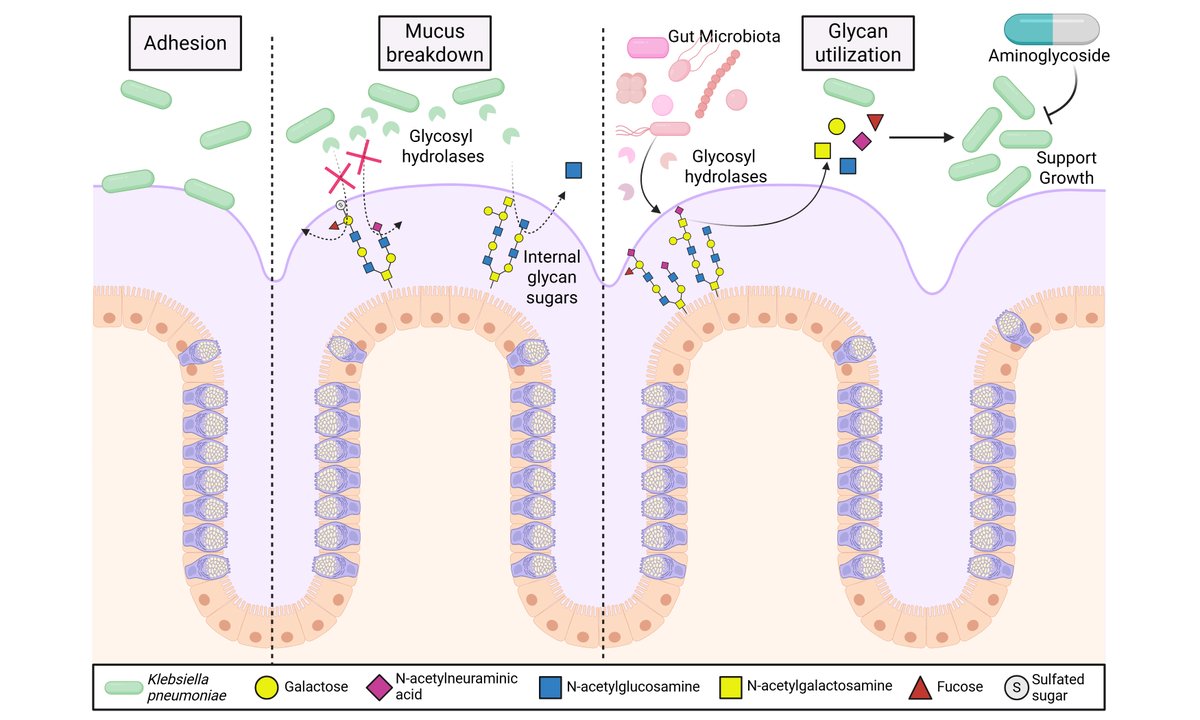
#Intestinal mucus is more than just a barrier—it serves as both a nutrient source and signaling cue for #Klebsiella pneumoniae.
📢By Melinda A. Engevik and colleagues
🔗Read the article: oaepublish.com/articles/mrr.…
#GutMicrobiota
144
Microbiome Research Reports retweeted

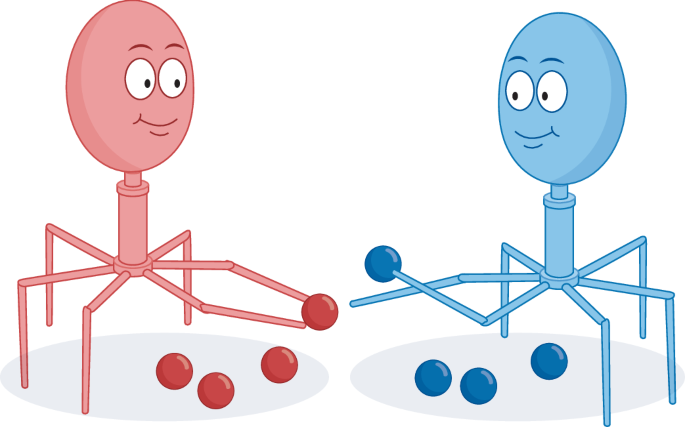
New online! Shared signals shape phages’ lifestyles dlvr.it/TSFmbk
19
66
4,540