Proud Yorkshire lass in exile on the wrong side of the Pennines. Fast cars, cold Prosecco, scathing sarcasm. Feminist. Also immortal ...... well, so far.
Joined May 2009
- Tweets 4,047
- Following 923
- Followers 212
- Likes 42,139
43 Photos and videos



Miss Darkside 🌚 retweeted

Jun 14
Dear Lush (cc Chelmsford City Council),
As a woman who had half a breast removed last year due to cancer, I am writing to raise my concerns about your “Proud of My Stripes” window display.
I am also, on behalf of other women who have experienced breast cancer, respectfully requesting its removal.
Because mastectomies are not a fashion statement, an identity marker or something to be celebrated.
They are something women undergo because they are ill, because they are frightened, because they are trying to stay alive.
Around 59,000 women are diagnosed with breast cancer in the UK every year. Many will undergo surgery - a mastectomy, lumpectomy or other procedure.
Others choose preventive mastectomies because they carry a high-risk BRCA gene mutation.
If a woman chooses to have her breasts removed to affirm a gender identity, that is her personal choice.
I honestly don’t know the number of women who have elective mastectomies for this reason.
What I do know is that it is a tiny number compared with those for whom breast surgery is medically necessary and not something to be celebrated.
I think I speak for many women who have experienced breast cancer - and for their families - when I say this:
Breast removal surgery is not something I regard as cute, playful or empowering.
Nor is it something I believe retailers should be celebrating.
For that reason, I am requesting that the display be removed and that @ChelmsCouncil apologise for promoting it on social media.
Yours sincerely,
Janet Murray
757
2,723
16,086
2,539,915

Jun 12
🤣

1
45
Miss Darkside 🌚 retweeted

Jun 9
Very tone deaf responses from MPs in Parliament. If “community cohesion” is that important, then perhaps they shouldn’t allow bloodthirsty & rapey men to be granted visas and live amongst us.
We don’t have the security protection which MPs do to keep us safe from their mistakes.
20
298
2,207
15,132
Jun 10
The people protesting (some rioting) are doing so because calm, considered words & polite requests for respect of our society & way of life, & for protection from violent, incompatible in-comers have fallen on deaf ears. This will only get worse unless governments listen & act. x.com/DurhamWASP/status/2064…
15
Miss Darkside 🌚 retweeted

Jun 9
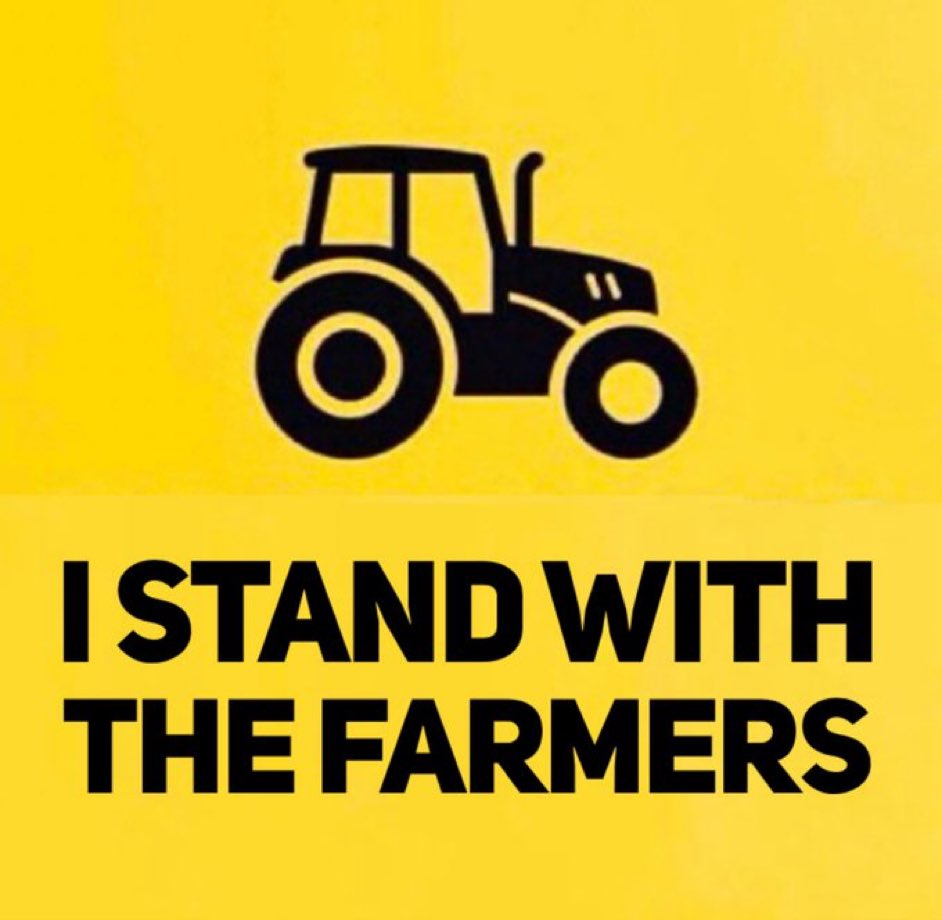
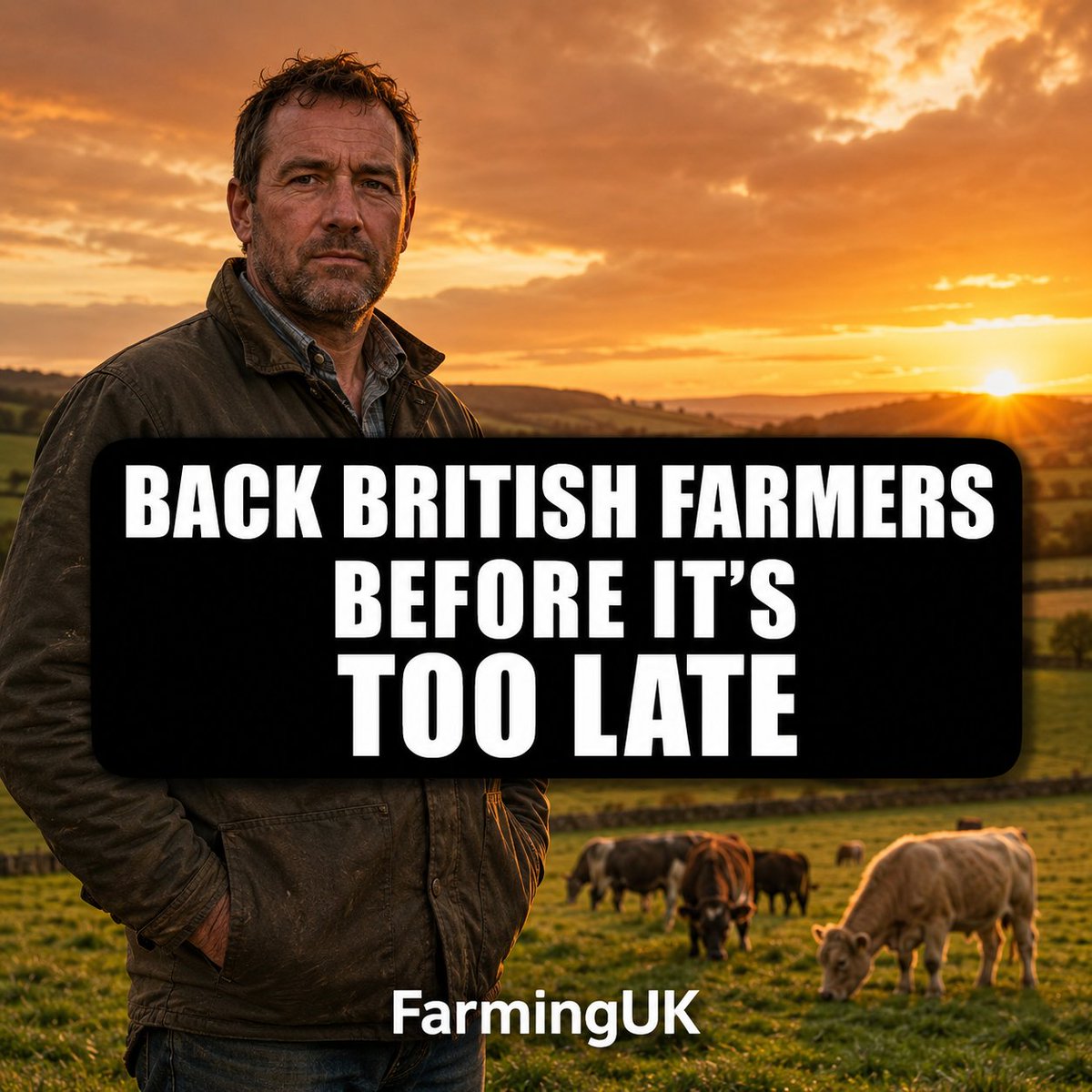
Once farms disappear, they don’t come back easily. Share if you stand with British farmers 🇬🇧🚜
7
298
723
5,189
Miss Darkside 🌚 retweeted

Jun 8
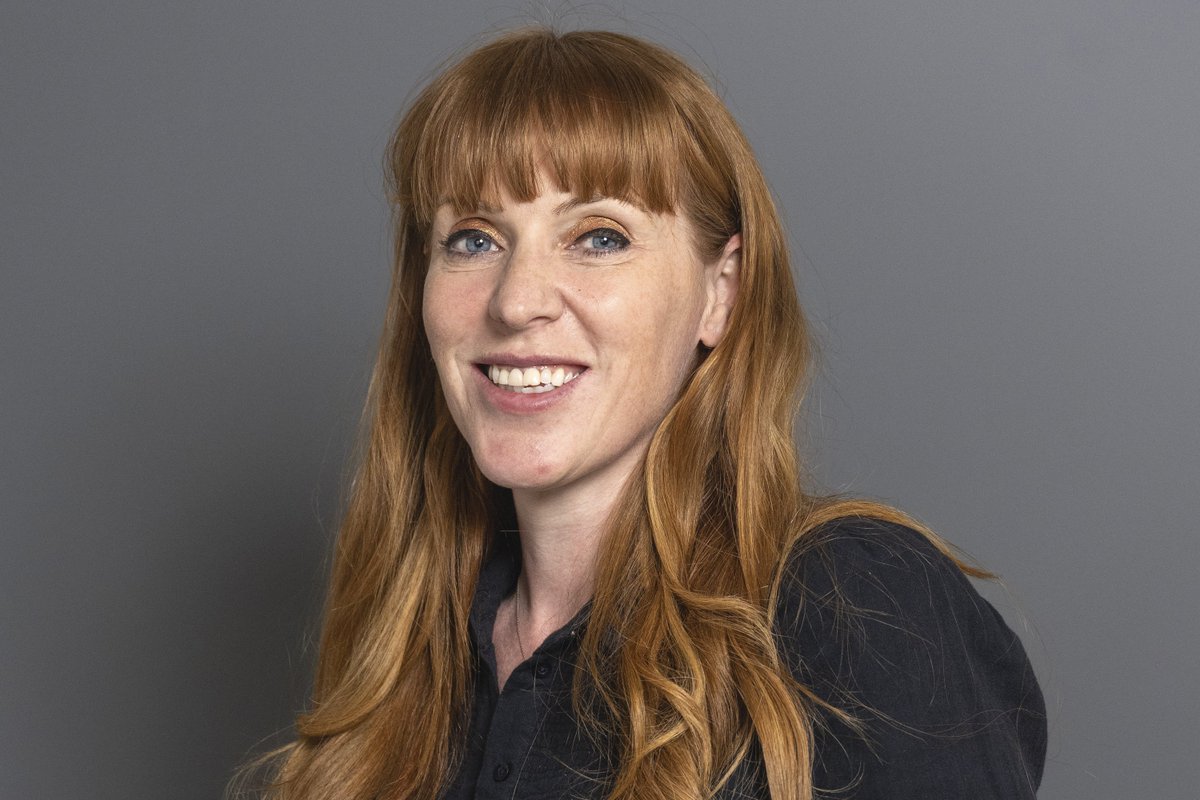
THE DOSSIER #6: Angela Rayner MP – The Hypocrite-in-Chief
Born 1980. Council house, Stockport. Pregnant at sixteen. No qualifications. The origin story writes itself.
You lasted less than a year as a care worker. Twelve months of actual work, then straight into UNISON. Shop steward. Full-time union official. The Fabian Society claimed you soon after. You climbed from activist to Deputy Prime Minister without ever creating a job, meeting a payroll, or building a thing.
You called Conservatives "Tory scum." You called them scum from your £3 million grace-and-favour flat. You called them scum while you underpaid £40,000 in stamp duty on your £800,000 Hove bolthole. "Inadvertent," you called it. Richard Tice called you "the biggest hypocrite in the land." He was being kind.
Sir Laurie Magnus investigated. The Prime Minister's ethics adviser found you breached the ministerial code. He noted you "did not heed the caution" in your own legal advice. Forced to resign on September 5, 2025. Disgraced. Yet still you cling to that MP salary.
You preach working-class aspiration while your property portfolio expands. You lecture homeowners about propriety while you forget to pay tax on your second home. You are the council house girl who discovered the establishment pays better than the estates ever could.
You backed scrapping winter fuel payments for nine million pensioners. You defended the two-child benefit cap hitting working families. You wanted to claw back child benefit from households earning £50,000 while you dodged £40,000 in taxes yourself.
You are the professional working-class activist who monetised her own story. The authenticity merchant who sold the narrative and kept the change. The inadvertent tax-dodger who deliberately climbed.
Your seat is safe. The estates you left behind are not.
Congratulations. You are The Dossier. Your betrayal of Britain is complete.
287
2,439
6,951
148,542
Miss Darkside 🌚 retweeted

8 Jan 2025
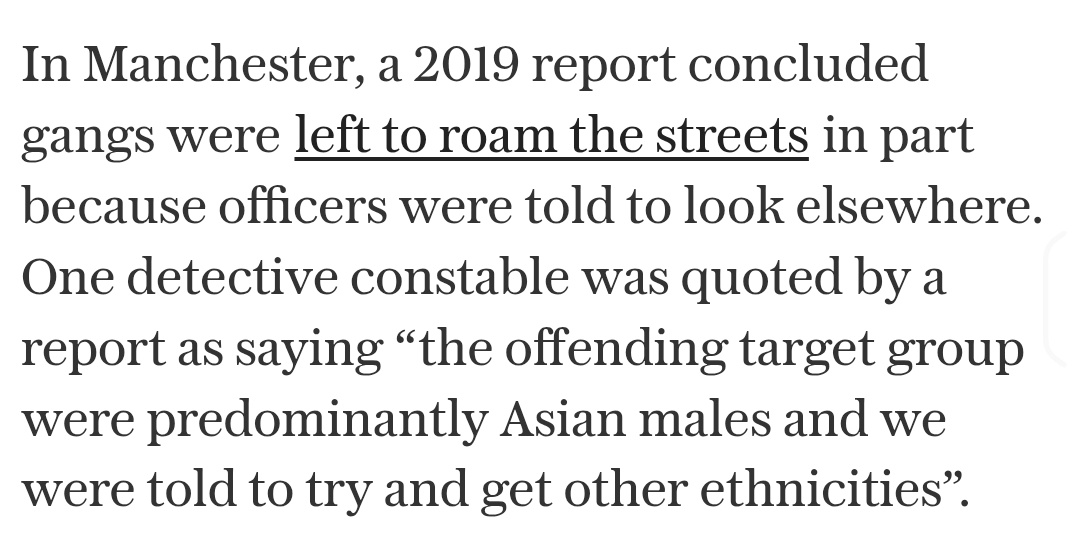
The police chose to leave grooming gangs on the streets in order to "try and get other ethnicities".
This stuff is just poisonous.
110
1,188
4,500
316,084
Miss Darkside 🌚 retweeted

Jun 7
Critical race theory needs to be ripped out of every taxpayer-funded institution in the UK.
Police. Schools. Universities. NHS. Civil service. All of it.
It pits groups against one another. It drives two-tier society. And it turns people against their own country.
137
989
4,843
42,953
Miss Darkside 🌚 retweeted

Jun 7
Denby Pottery has been killed by this government.
The murder weapons are the mad pursuit of net zero and ever-increasing labour costs.
200 years of Derbyshire history destroyed by Ed Miliband, Angela Rayner, and Keir Starmer. Shame on them.
telegraph.co.uk/gift/5695767…
146
901
2,608
50,013
Shame it's too late for @denbypottery Thanks @Ed_Miliband and your braindead net zero bullshit.

"Government pledges £120m to support ceramics firms"
Emma Bridgewater in Stoke welcomes the Government’s £120m ceramics package.
Long overdue and very welcome.
But support only works if demand follows. If we want Stoke’s kilns, jobs and skills to survive, choose pottery made here.
bbc.co.uk/news/articles/cq6p…
3
Miss Darkside 🌚 retweeted

Jun 6
This is why Britain is Broken
He thinks he doesn't need to know the detail. He thinks his job will be smiling, waving, and lying
And the Civil Service will run everything. But the Civil Service don't know what they're doing
So he'll be Starmer v.2.0
Jun 5

"I'm not going to go through... an exam on the fiscal rules."
Andy Burnham, Labour candidate in the Makerfield by-election, refuses two times to tell @vicderbyshire what the fiscal rules are, but confirms he'd stick to them if he became prime minister.
#Newsnight
112
880
2,817
35,410

This is awful. The last ever Denby Pottery going to the kiln. Why is there not uproar? Where’s the government in this?? We all have Denby in our homes, in family heirlooms, as our history and now it’s closing through lack of support, such a sad sad day. #SaveDenby @denbypottery
1,500
7,331
26,637
1,205,982
Miss Darkside 🌚 retweeted

Jun 5
Once again we ask:
Why has the UK STILL NOT designated the IRGC as a terrorist organisation? It was embarrassing before, it’s off the scale now. Great article by @potkazar meforum.org/mef-observer/why…
192
1,244
4,052
43,434
Miss Darkside 🌚 retweeted

Mar 13
Replacing Churchill With a Puffin: The Quiet Erasure of Britain
The Bank of England has made its decision. Churchill goes. Turner goes. Jane Austen goes. Alan Turing goes. In their place, wildlife. A stoat, perhaps. A puffin. A hedgehog. The consultation found it popular. The anti-counterfeiting argument was sound. And so, without a parliamentary debate, without a public vote, without anyone in authority pausing to ask what it means to remove the faces of the people who built and saved this country from its own currency, it was quietly done. This is how erasure works. With a consultation and a press release.
Churchill's face on the five pound note is not decoration. It's a daily reminder that Britain has a history worth being proud of. That the people who shaped and defended this nation deserve to be remembered. And that national identity is something real. Hand over a fiver for a coffee and catch a glimpse of the man who stood between Western civilisation and Nazi conquest. The man who refused to negotiate when every pressure was on him to do so. The man who defined British resolve at its finest hour. Replace him with a puffin and you have made a statement about what Britain now thinks of itself. You have made it to every man, woman and child in the country. Without a debate. Without a vote. Without asking anyone.
That is the pattern. It's always quiet. It's always administrative. It's always defended on its own terms, as common sense, as progress, as a neutral technical decision. Statues fall to angry mobs and the establishment calls it a moment of reckoning. Street names are changed by council committees and it's called sensitivity. The curriculum is rewritten by academics and it's called balance. And now the currency is stripped of the faces that connect a people to their past, and it's called anti-counterfeiting policy.
Individually each decision is defensible. Cumulatively they form a pattern that is not accidental. The institutions entrusted with stewarding British identity have been captured by people who regard that identity as a problem to be managed rather than an inheritance to be protected. The long march through the institutions that began in the universities and the civil service fifty years ago has reached the point where it makes decisions about whose face appears on your money, and nobody with the power to stop it seems minded to try.
The consequences are not abstract. A population severed from its history, its symbols and its heroes loses the connective tissue of national identity. It cannot defend what it no longer recognises. It cannot demand loyalty to values it has been taught to be ashamed of. Lebanon's Christians believed their country was too civilised, too plural, too decent to fall. They were right about the decency. They were wrong about what decency alone can protect. Britain is making the same error by different means. You do not need armed factions to hollow out a nation. You need a Bank of England consultation, a university diversity committee, and fifty years of patience.
Churchill understood what was at stake when identity and resolve were under pressure. He said so, repeatedly, in language that would today be considered inflammatory by the very institutions that once celebrated him. The irony of removing his face from the currency of a country he saved, in an era when the threats he warned against have taken new forms, is apparently lost on the people who made that decision.
A stoat will never evoke what Churchill evoked. That is not sentiment. That is the point. The replacement of meaning with the merely decorative is not a neutral act. It's a statement about what a nation values, made quietly, by people who were not elected to make it, and cannot be held to account for having done so.
If we cannot defend the face on a banknote, we will not defend what that face represented. And the people dismantling it, piece by piece, consultation by consultation, know that perfectly well.

ALT Winston Churchill
282
959
2,422
55,931
Miss Darkside 🌚 retweeted

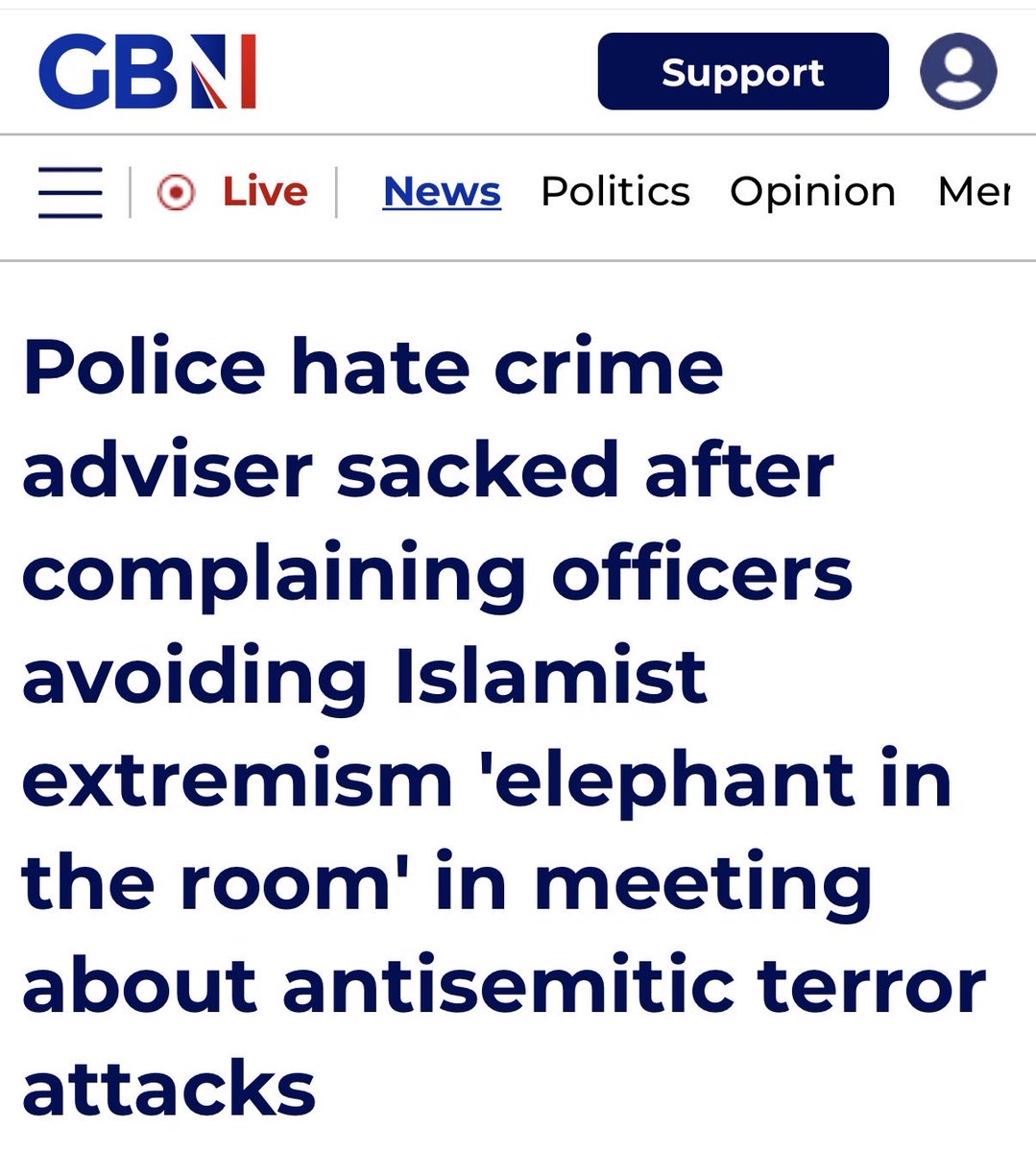
A police hate crime adviser was sacked from her role after complaining that officers were avoiding discussion of Islamist extremism — the “elephant in the room” during a meeting about an antisemitic terrorist attack at a Manchester synagogue.
The woman, who was chair of the Bradford Hate Crime Scrutiny Panel, has accused West Yorkshire Police of trying to appease Muslims rather than focusing on the Jewish community at risk.
Previously, she was accused of “hate speech” after defending the public’s right to criticise the Prophet Mohammed.
After taking on the voluntary role in 2022, she was elected chair. Within months, Muslim officers were reportedly trying to remove her from the position.
She was informed of her dismissal in what she describes as a threatening letter. The former chair said it was written “for the Muslim men who complained to get him to shut me up — and he did as they asked”.
The Free Speech Union is proud to support her.
Read more below 👇
28
854
2,313
21,158
Miss Darkside 🌚 retweeted

Bill Clinton said it plain and simple:
"The Palestinians were offered a state.
They said NO.
A state was never their goal.
Killing Jews was."
51
650
1,454
32,506
Miss Darkside 🌚 retweeted

May 31
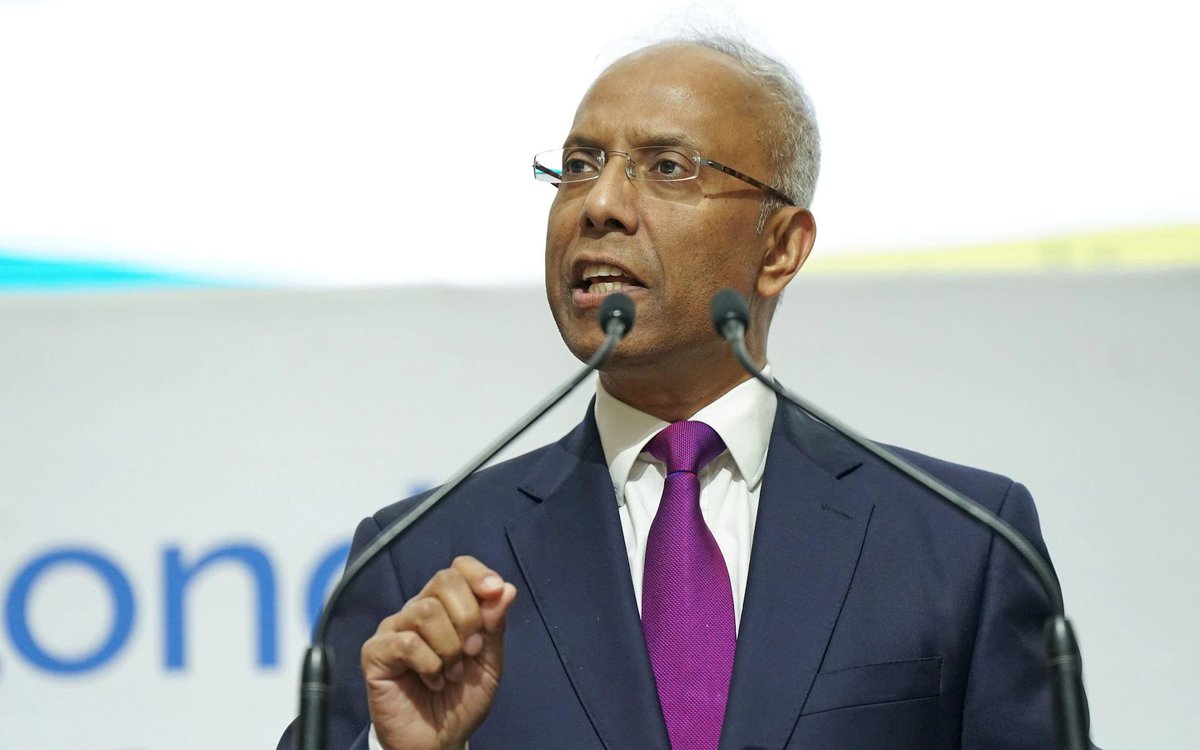
Tower Hamlets councillors have voted themselves pay rises of up to 130% just 3 weeks after being elected.
The East London authority with Britain’s highest child poverty rate approves increases.
Britain's highest level of child poverty but a councillor gotta eat right?
647
3,535
7,645
369,356
Miss Darkside 🌚 retweeted

Jun 1
A reminder of what Ferrari will happily sell you. And yes, that is basically Jenga for three grand.
I think some people still have this vision of Ferrari where mythical craftspeople are knocking out elegant V12 sports cars between cigarillo breaks.
The brand changed long ago.
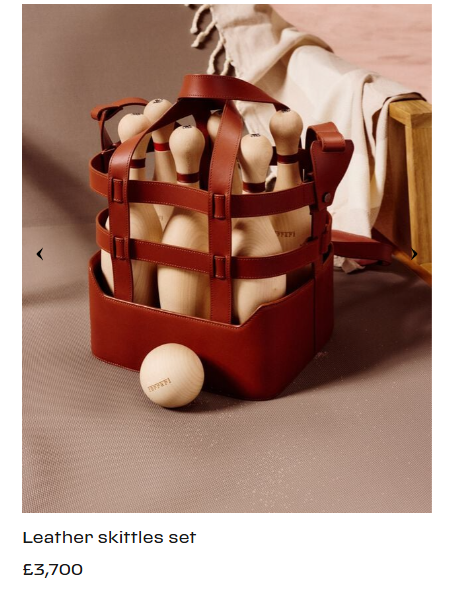
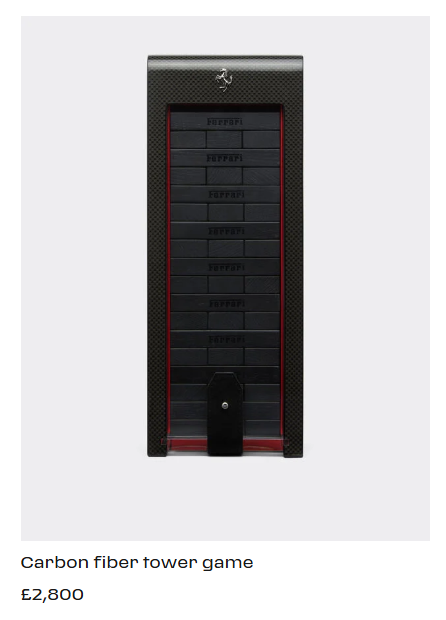
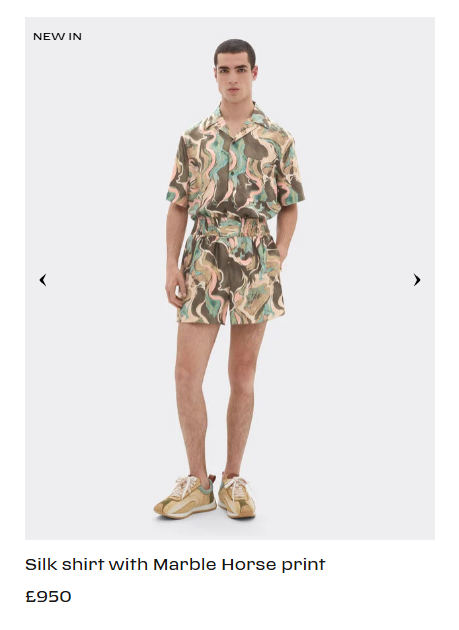
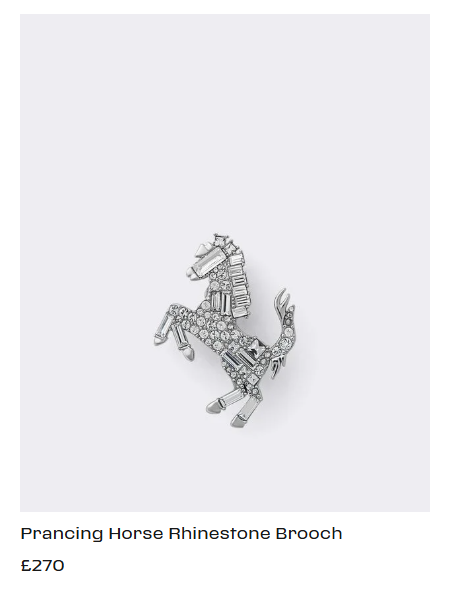
3
1
7
1,410
Miss Darkside 🌚 retweeted

Business rates, national insurance, family farm tax, family business tax, ‘nice pubs tax’, whisky/spirits duty, school VAT, property taxes, fertiliser tax, EV mileage tax, air passenger duty, shipping, income tax & student loan threshold freezes…
What more are they looking for?
Jun 1

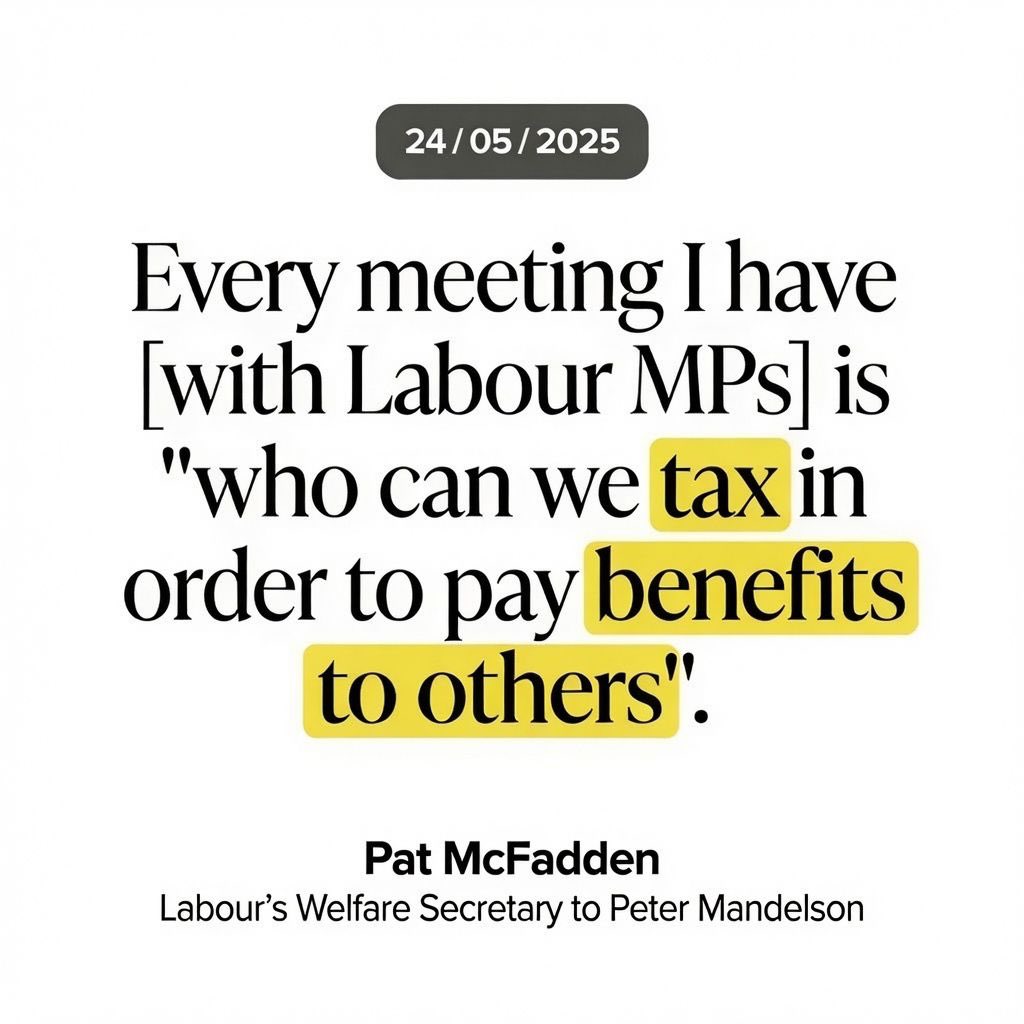
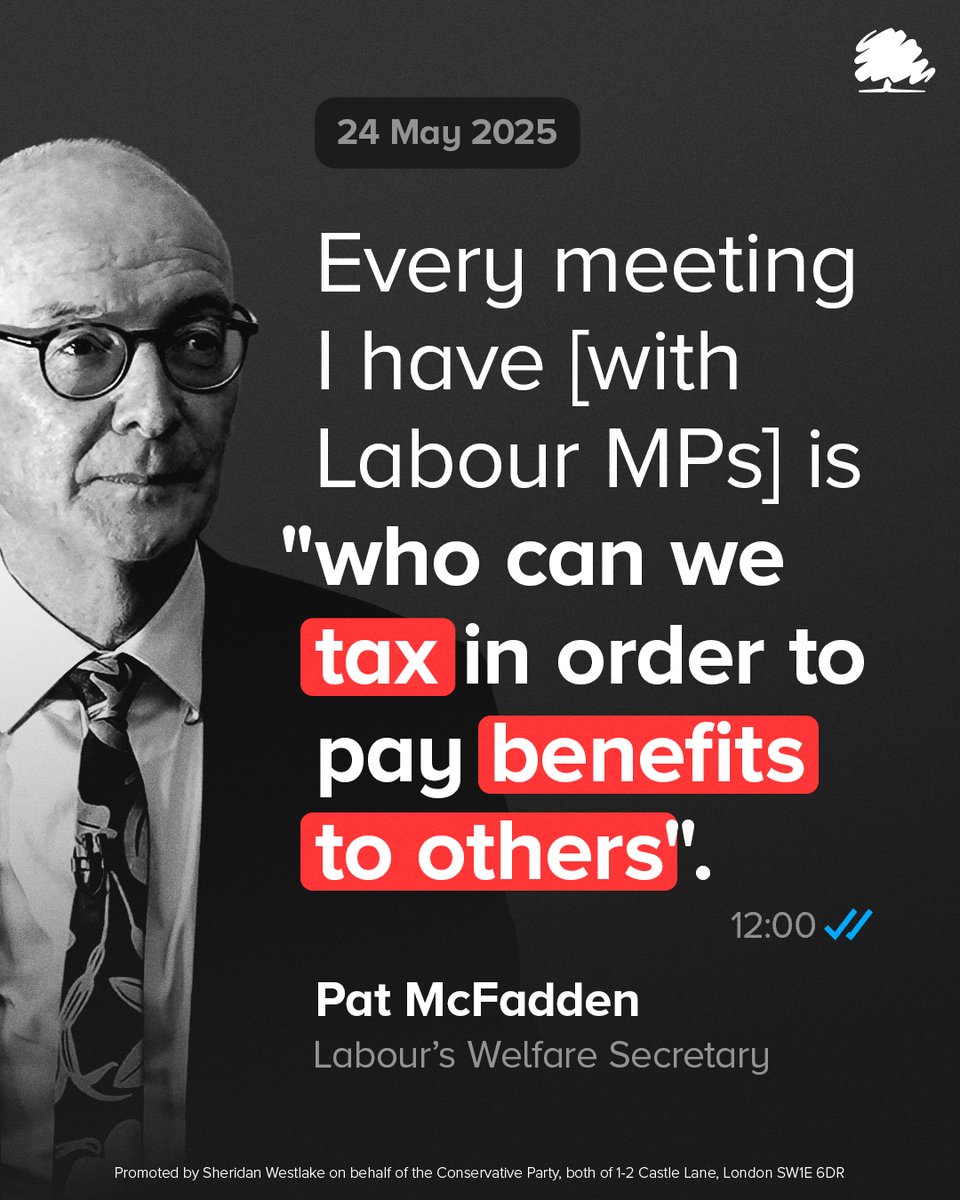
Labour's Welfare Secretary admitted to Peter Mandelson what he won’t tell you.
Labour raised your taxes to pay for more benefits.
31
57
224
4,659