
PhD Development Economics
Joined August 2018
- Tweets 29,567
- Following 2,442
- Followers 10,414
- Likes 30,314
4,082 Photos and videos





Pinned Tweet

6 Oct 2018
We are witnessing the end of once mighty @ZANUPF_Official. Political illegitimacy is now too heavy. Local & international community have rejected ED. The econ. crisis makes it impossible 4 patronage.
Tava kumagumo!
Pliz screen shot this.
Mai Mujuru vanoti 'Batai Mazwi aya"
13
61
201
Jun 13
By the way, ED is NOT God.
When he is wrong, we should be free to criticise him.
On CAB3 he got it completely wrong.
He should either withdraw the bill or refuse to sign.
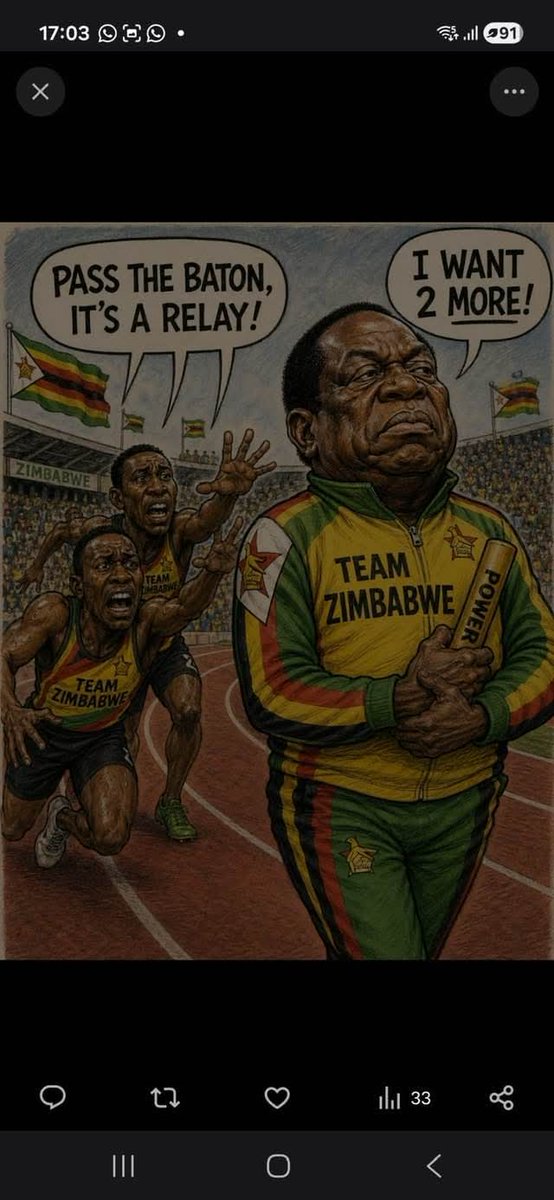
This is actually a referendum on his performance. He hasn't done anything to deserve even an extra day!

MY ADVICE TOWARDS THE SOCIAL MEDIA ATTACKS AGAINST THE PRESIDENT
An objective analysis of the current political landscape reveals that public criticism directed toward His Excellency, President ED Mnangagwa, is rarely rooted in genuine animosity toward his person or dissatisfaction with the monumental developmental milestones achieved since 2017. There is a broad, undeniable consensus regarding the success of the Second Republic, and public sentiment strongly aligns with the continuation of this vision beyond 2030 under the CAB3 banner.
The primary vulnerability lies not within the presidency, but within our own conduct as individuals close to the presidium. When our private business transactions and professional engagements lack meticulous execution or worse, when disputes arise and are left unresolved—they invariably spill into the public domain. These individual, unresolved commercial grievances are frequently weaponized by detractors, creating unnecessary political noise that unfairly tarnishes the President's image and inadvertently deters foreign direct investment.
As stewards of the President’s legacy, we bear a profound responsibility to protect his brand. We must commit to absolute integrity in our business affairs. When disagreements occur, our immediate recourse must be proactive engagement, structured dialogue, and amicable dispute resolution. By de-escalating personal conflicts and prioritizing reconciliation over confrontation, we neutralize the pretext for public outcry. Our ultimate mandate is to build bridges, cultivate strategic alliances, and protect the integrity of the presidency so that the nation can focus entirely on economic progress.
As stewards of the President’s legacy, we bear a profound, non-negotiable responsibility to protect his brand. We must commit to absolute integrity and transparency in our corporate and private affairs. When disagreements occur, our immediate recourse must be proactive diplomacy, structured engagement, and amicable dispute resolution. By de-escalating personal conflicts privately and prioritizing reconciliation over confrontation, we systematically neutralize the pretext for public outcry. Ultimately, even when we are entirely in the right, we must be willing to exercise strategic humility and swallow our pride; the preservation of the President's image must always supersede our personal egos. Our mandate is to build bridges, cultivate strategic alliances, and guard the integrity of the presidency so that the nation can remain uninhibited in its march toward economic prosperity.
#CAB3Bhoo

76
Prof. Mlambo retweeted

Jun 13
Why can’t you deal with your internal fights alone as presidential advisors, or Zvigananda around the president without involving our Constitution?
We don’t need to change the whole constitution for an individual, no matter how good they are?
If ED’s wisdom is needed going forward, the new leadership will consult him.
Please ADVISE him to go and rest.
#NoToCAB3
#NoToED2030

3
21
1,262
Prof. Mlambo retweeted

Jun 13
Zimbabwe’s Mutapa plans to double gold output by 2029 miningmx.com/trending/65626-… via @miningmx All fitting in with the state's detremi9nation to have a gold-based currency. A curiously ancient way of moving foward in a world where almost all currencies have diversified foundations.
2
351

Chivhayo is demonstrating to all Zimbabweans how corruptible MPs such as this Hon Mureyanyi will be paid by zvigananda to elect as President whichever candidate they present before Parliament!
This constitutional coup is beyond party politics, and serious @ZANUPF_Official @zanupf_patriots supporters ought to be outraged by it!

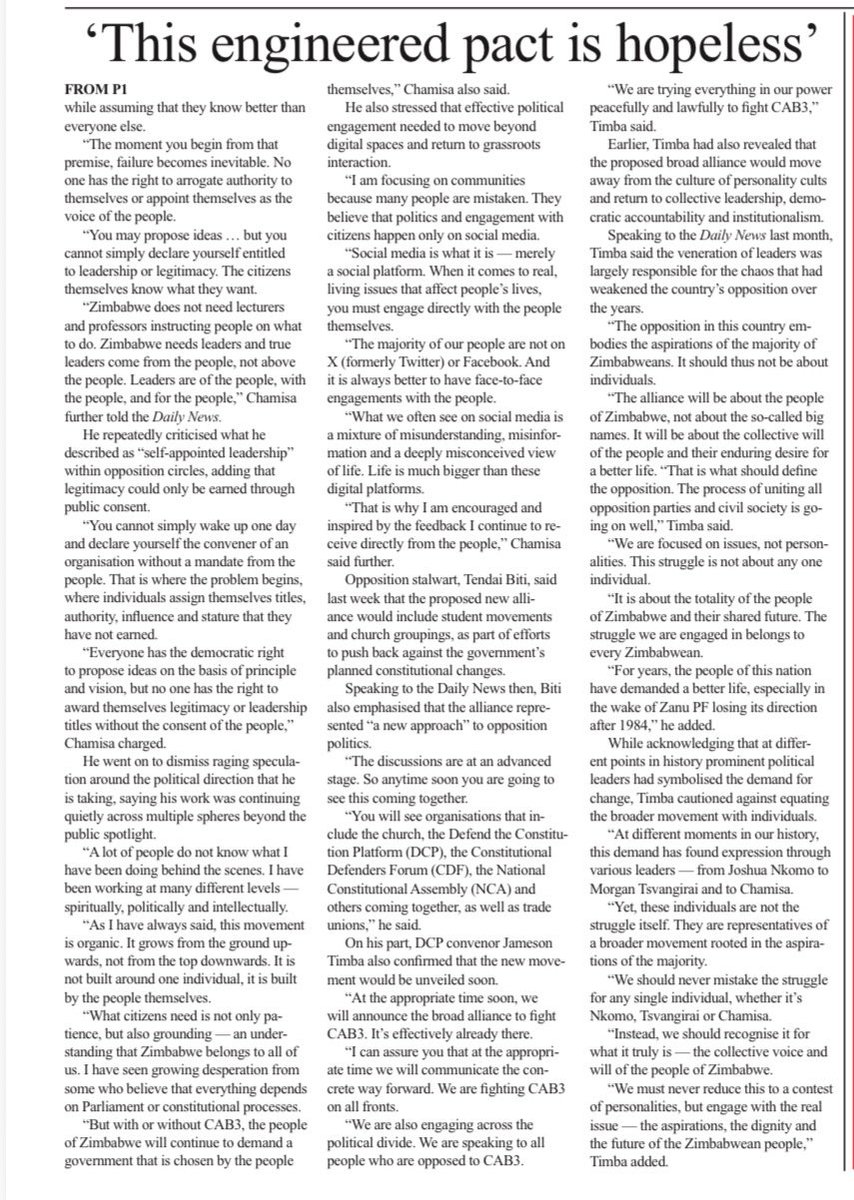
Moyo, I find it necessary to question the rationale behind the persistent interference in CAB3 affairs in such a manner.
The situation has long since evolved, and it begs the inquiry: is this an issue of illiteracy on your part or something more profound?
ZANU PF possesses a comfortable majority in Parliament, comprising 194 MPs, thus rendering these theatrical gimmicks superfluous and potentially damaging to the integrity of the legislative process. Even in the event that the opposition, numbering 86 MPs, unanimously votes against CAB3, ZANU PF remains capable of passing the Bill with relative ease, as a two-thirds majority merely requires 187 votes.
Also remember that a segment of progressive MPs recognizes the merits of CAB3, understanding its benefits both for individual politicians as well as for the nation as a whole.
Who among them would decline an opportunity to extend their tenure in office without the burden of costly elections? It is thus evident that ongoing speeches by many opposition MPs in Parliament are mere rhetoric and drama.
Your agenda Moyo, appears to be rooted in the desire for personal acknowledgment as the architect behind the Bill's passage through incessant inducements. However, that critical moment has passed, and your actions now serve only to tarnish what was once a promising endeavor.
The party has already done its homework and these extravagant incentives only undermine the legitimacy of the process. The passage of the Bill ought to reflect purity, free from the taint of accusations suggesting that financial inducements were employed.
The introduction of such bribes into a legitimate Parliamentary process is not only unwarranted but wholly unacceptable, exposing a continued deficiency in your decorum which I have previously highlighted.
I admire your ability to make money but not how you handle it. Financial matters within the political arena necessitates a degree of finesse and sophistication; otherwise, one risks appearing foolish.
However a little education can enrich one’s character, equipping individuals with the wisdom and finesse for financial propriety.
The current recklessness is a liability to the image of the Constitutional Amendment process and must stop.
Beware that in politics, the adage stands: accept the money if it is offered, yet when the critical moments arise, act in accordance with the people's will.
Therefore, it is both intrusive and superfluous to persist with gratuitous gifts, which are increasingly becoming a blemish on an otherwise exemplary political endeavor. The gimmicks jeopardize our collective moral standing.

4
7
20
4,083

Prof. Mlambo retweeted

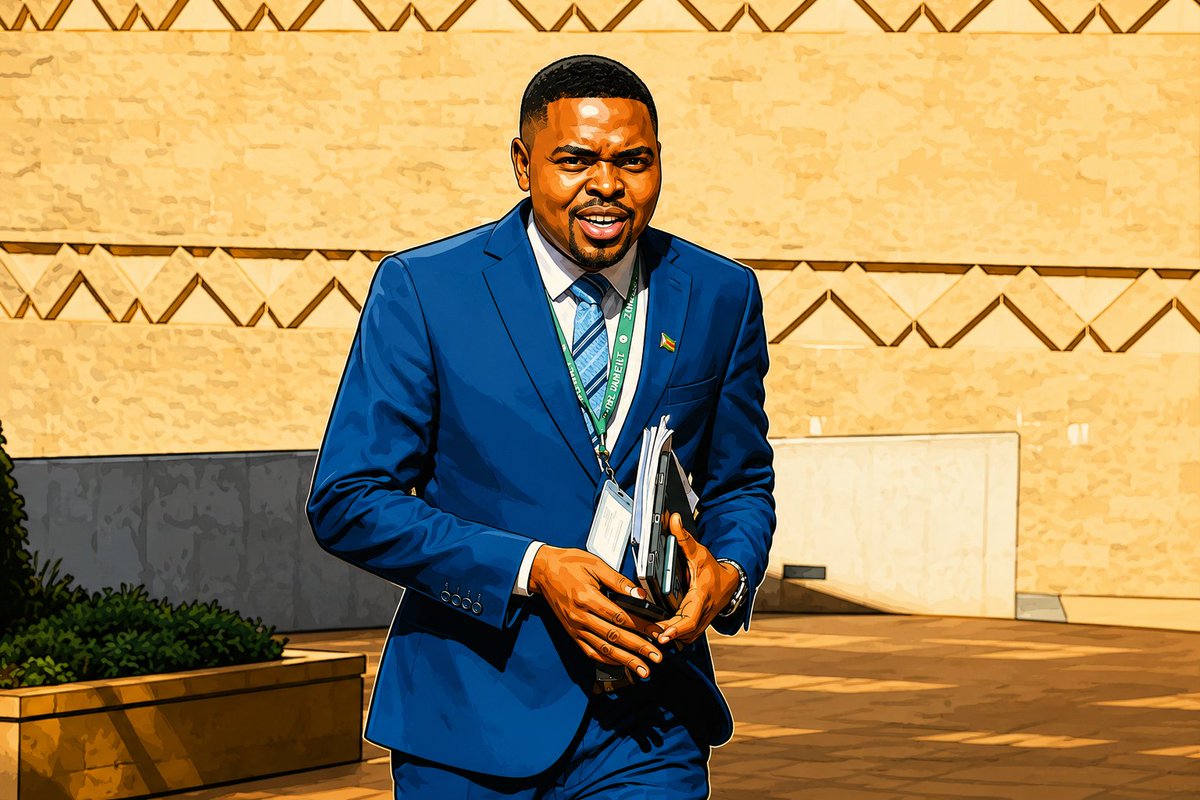
I stand to benefit PERSONALLY from CAB 3. By all selfish calculations, I should support it. Some have whispered, "Take the opportunity while it is there." But leadership is not measured by what benefits us; it is measured by what benefits the people. When I asked myself, WHAT ABOUT THE PEOPLE? I found every reason to OPPOSE it.
185
475
2,724
84,035
Prof. Mlambo retweeted

Jun 12
This article is not about Kudakwashe Tagwirei.
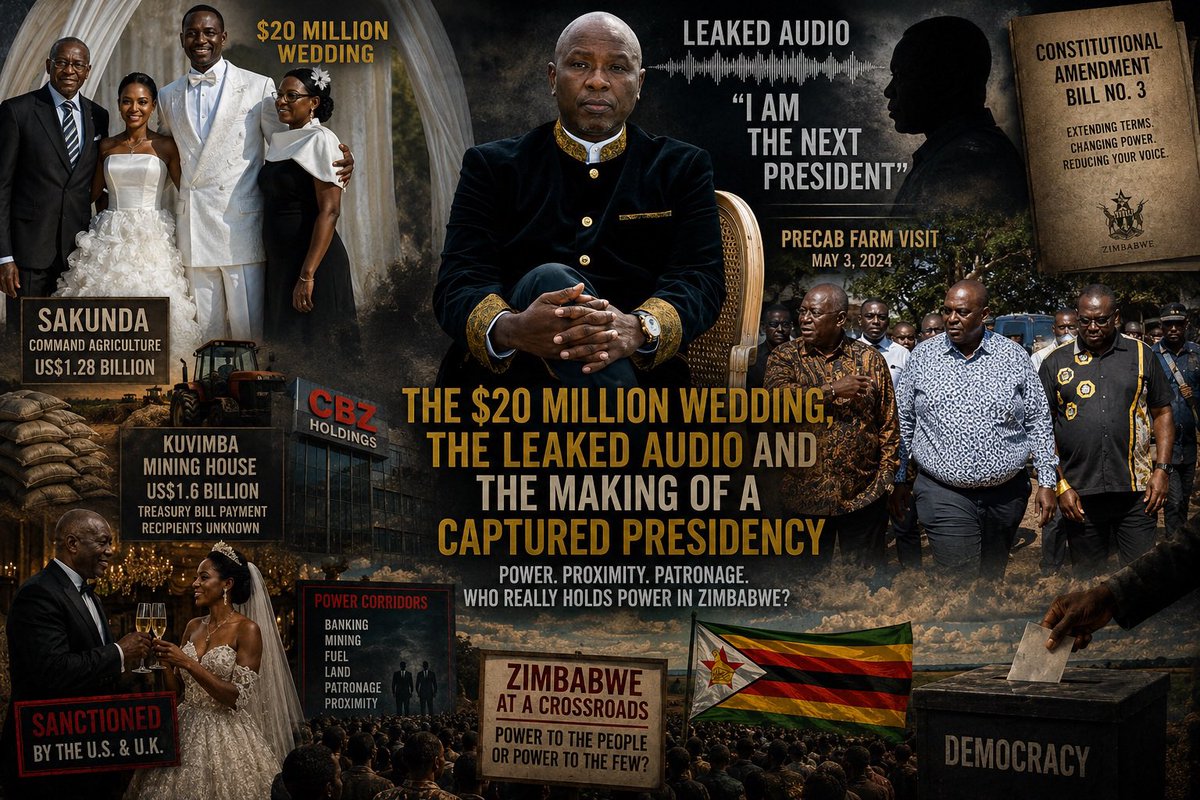
It is about what Zimbabwe has become — and what it is about to become, possibly this very week, if Parliament passes Constitutional Amendment Bill No. 3. Tagwirei is simply the most visible expression of a system in which money buys power and power protects money. Remove him from the story tomorrow and the architecture remains, waiting for the next occupant. That is why this article is about all of us: about what we permit, what we normalise, and what we are prepared to defend.
Let me begin with what I know personally. Tagwirei, at 57, is a young brother to me. He is my neighbour. I once had lunch with him and was impressed by his recounting of his early career. We served briefly together on the Presidential Advisory Council. It emerged before my resignation as Vice-Chairman that he had more access to President Mnangagwa than the entire PAC put together — which explained why he attended few meetings and said little. The PAC was created to give the President counsel beyond his cabinet: independent professionals serving without reward, out of patriotic duty. Senior civil servants worked to keep it ineffectual. They saw it as an unwelcome layer of transparency. Proverbs 15:22 teaches that plans fail for lack of counsel, but with many advisers they succeed. Had that wisdom prevailed, Zimbabwe might have avoided the debilitating state capture to which it has now been subjected.
THE WEDDING AND THE TAPE
In 2013 the Guptas flew wedding guests into a South African air force base for their niece’s Sun City nuptials, financed with money meant for poor farmers — the moment their overreach became visible to a nation. Tagwirei’s $20 million wedding for his son was not a slip that exposed power; it was a deliberate exhibition of it. The opulence screamed a single message: we no longer belong with the people.
The leaked audio that followed — “I am the next president” and claiming influence over military commanders, intelligence, police and the judiciary — cannot be authenticated. Tagwirei has consistently denied presidential ambitions. The tape proves nothing on its own. But authenticity is the wrong test. The right test is whether the claims map onto observable, documented behaviour. On that test the audio is unusually plausible — not because we can trust the recording, but because it largely describes things happening in plain sight.
THE DOCUMENTED RECORD
Consider what requires no tape at all.
Tagwirei has been reported since 2019 as the largest shareholder in CBZ Holdings, Zimbabwe’s biggest bank, through a roughly 30 per cent stake held via nominee accounts. CBZ in turn acquired stakes in First Mutual, the state commodities exchange, and the e-passport payment monopoly. Whoever sits behind that structure holds a hand on the tap of who in this economy gets liquidity and who does not.
From 2016 to 2019 his firm Sakunda ran the billion-dollar Command Agriculture programme without open tender. The Sentry, a Washington-based investigative organisation, found Sakunda received about US$1.28 billion while supplying inputs worth roughly US$1 billion. Sakunda denies wrongdoing. The structural pattern — public programme, private intermediary, state-protected returns — is on the record.
In April 2024 the Mutapa Investment Fund paid a reported US$1.6 billion — about 5 per cent of GDP — for the private stake in Kuvimba Mining House, in Treasury Bills, to undisclosed individuals. The Sentry traced the holding to entities linked to the Kudakwashe Tagwirei Trust. He denies any link. The authorities, tellingly, refuse to name who received the money. Read the full article below
8
46
98
14,190
Prof. Mlambo retweeted

Jun 11
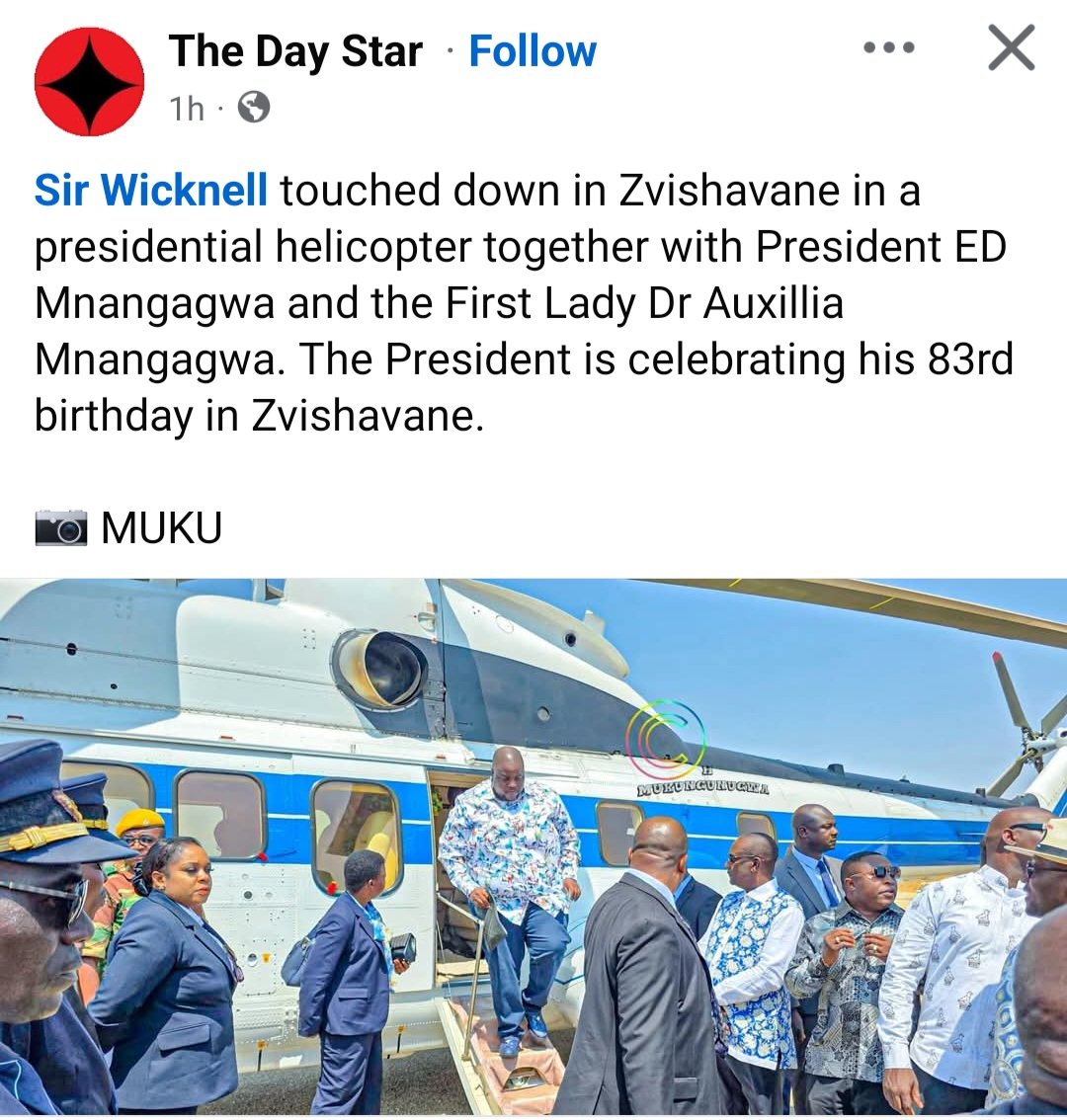
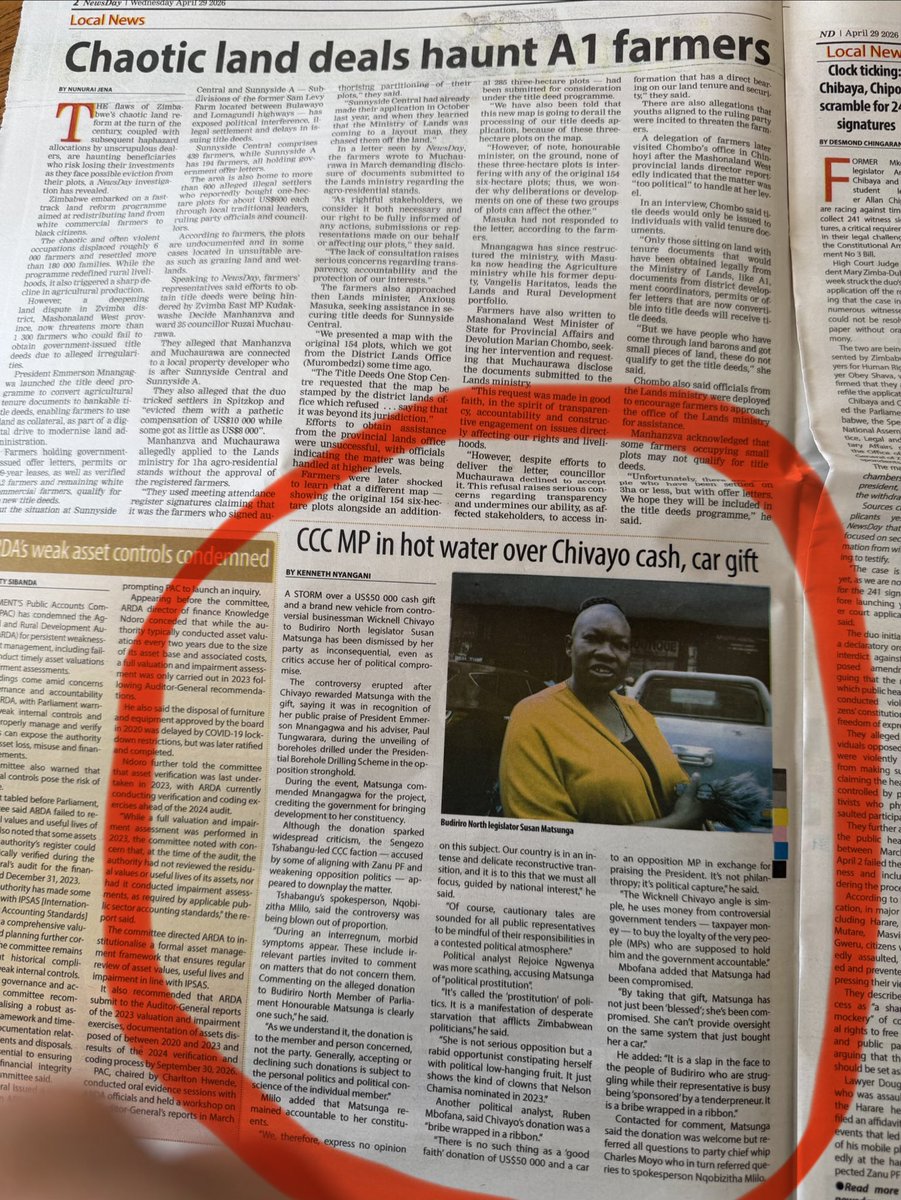
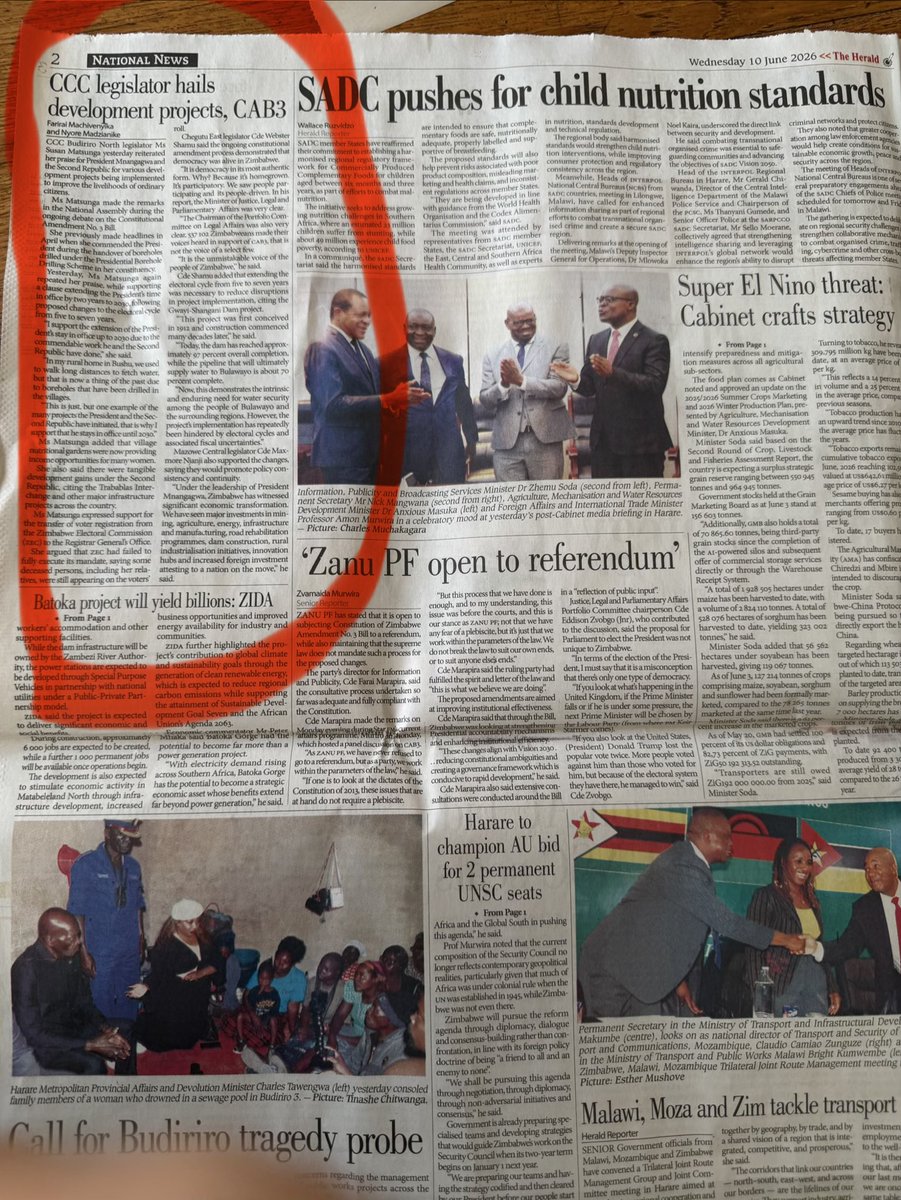
Just in case anyone forgets, CCC MP Susan Matsunga received a US$50,000 cash gift and a brand new car from Wicknell Chivayo a few weeks ago.
This week she has spoken out firmly in Parliament in favour of #CAB3.
If this isn’t inducement then I don’t know what is.
26
202
510
19,423
Prof. Mlambo retweeted

WAR VETERAN 🚲
CELEBRITY 🚙
New leaders are long overdue!!!
1
1
121
Prof. Mlambo retweeted

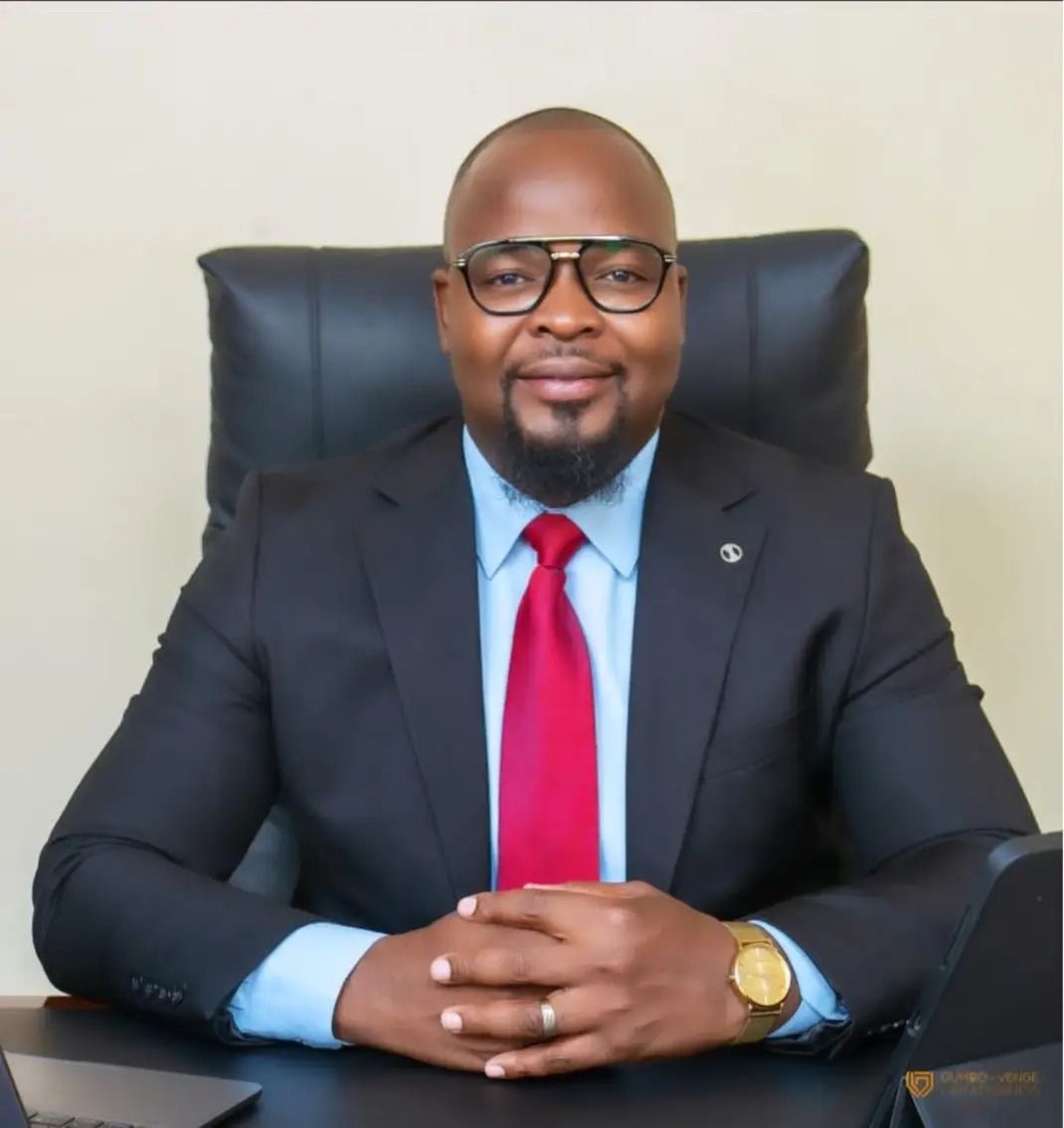
Hon @agencygumbo with an electric performance in parliament today. He has just dismantled the #CAB3. This is the reason why the regime tried to rig the parliamentary speeches. We must continue standing with the progressive MPs and continue to demand a referendum. #SayNoTo2030
33
145
576
17,082
Prof. Mlambo retweeted

My call for Zimbabwean Political Opposition members and those opposed to CAB3 to be very careful in terms of personal safety.
Maybe it’s an isolated case that happened to me but I thought I must share and probably help others.
Last Friday I reported my multiple car tampering incidents to ZRP Marlborough Station RRB 6799485 and it was recorded as malicious damage to property.
Although I don’t have any suspects, we all know how the usual culprits in our political circles operate when they feel threatened or to subdue their opponents
It is by God’s grace that I was not involved in a serious accident but only minor incidents before noticing that my car was multiple times being tampered with.
Just for the record and to make others aware, the following happened:
1. End of April, my rear right brake fluid pipe was cut
2. Three days later, the left rear brake fluid pipe was cut
3. After about a week, the right front brake fluid pipe was cut
4. During the same period, my left rear wheel nuts were loosened resulting in all 6 studs getting broken and the wheel coming off while vehicle was moving
5. In the second week of May, the same right front brake fluid pipe was cut again
6. On 2 June, the fool(s) changed my front left Outer Tie Rod End and put a brand new bigger one. While the car was in motion, it separated with the Inner Tie Rod End (Knuckle) and it came off. Those who know about mechanics know what happens if it comes off while the vehicle is in motion. I last did suspension in December last year so there is no way that the Tie Rod End could have been brand new, it was definitely changed without my knowledge.
Down with CAB 3.
Sybeth Musengezi.
15
36
171
21,765
Prof. Mlambo retweeted

To the CCC Progressive Caucus:
You were mocked, misrepresented and written off. Yet you stood firm and protected one of the last remaining zones of democratic autonomy in our constitutional order.
As CAB3 comes before Parliament, I have every confidence you will once again stand with the people of Zimbabwe and reject it in its entirety.
Country before expediency. Constitution before politics.
Together to the end.
#DefendTheConstitution
#RespectThePeople
21
35
150
18,560
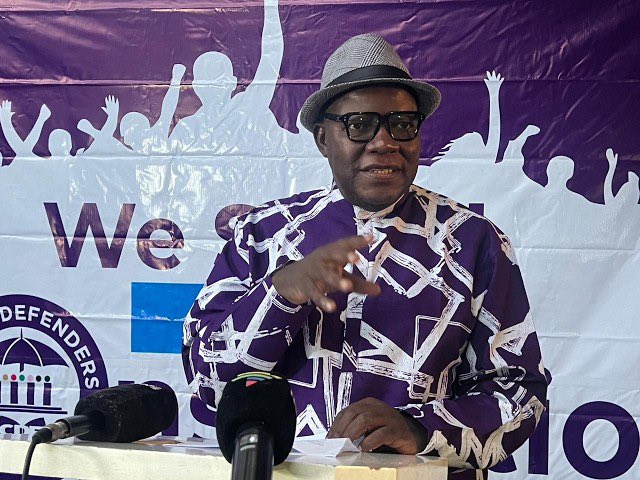
Convenor of @cdfzim Advocate @BitiTendai is right now addressing a specially invited audience of ambassadors from Southern African countries, diplomats from other countries, senior UK government officials, representatives of business and civic organisations, as well as academics and researchers on Africa and Zimbabwe, at Chatham House in London.
It is important to present an accurate narrative to Zimbabwe’s diplomatic and business partners of Mnangagwa’s 2030 agenda and the #CAB3 power heist by which he seeks to bypass the sovereignty of the people of Zimbabwe to get his way.
From this high level, strategic briefing, Mr Biti will head to the Zimbabwean diaspora grassroots in Leicester on Saturday to deliberate with compatriots on the controversial constitutional amendments being driven by Mnangagwa’s government, and explore ways and means by which Zimbabweans can carry their struggle for constitutionalism and democracy in their country forward.
Join us in Leicester on Saturday!
36
56
143
21,646
Prof. Mlambo retweeted

Jun 2
CAB3 and Rural Zimbabwe: Whose Land, Whose Vote, Whose Future?
By Eddie Mahembe, PhD
Introduction
According to Zimbabwe’s 2022 Census, 61 percent of its 15.2 million citizens - about 9.3 million people, approaching 10 million by 2026 - live in rural areas.
Rural constituencies decided the 2023 election, with ZANU-PF averaging around 70 percent in rural assembly contests.
Whoever controls rural Zimbabwe controls the country.
That is not merely a political fact; it is the most important development economics statement about this nation.
While the Constitutional Amendment Bill No.3 (CAB3) is being debated as a legal and governance matter, at its core lies the critical question of rural development.
Furthermore, CAB3, in its current form, collides directly with President Mnangagwa’s own stated agenda and potential legacy.
In November 2025, President Mnangagwa launched the National Development Strategy 2 (NDS2, 2026–2030) at State House, serving as the blueprint for Vision 2030 to achieve a “Prosperous and Empowered Upper Middle-Income Society”. NDS2 explicitly commits Zimbabwe to inclusive growth, decent jobs, devolution, social protection, and strong institutions - commitments fully aligned with the UN Sustainable Development Goals (SDGs) and the AU Agenda 2063.
However, CAB3 pulls aggressively in the opposite direction, creating a profound internal contradiction.
You cannot reach the upper-middle-income society of Vision 2030 on a constitutional road that leads away from inclusive growth, devolution, and strong institutions.
CAB3 and Vision 2030 are travelling in opposite directions, and only one can define Zimbabwe’s future.
A History That Defines Today
The colonial Land Apportionment Act (1930) confined African communities to reserves and co-opted traditional leaders as instruments of dispossession. Independent Zimbabwe renamed these structures but preserved the underlying tenure system under the Communal Land Act (CLA, 1982). Under the CLA, communal land ownership - spanning roughly 16.4 million hectares and housing the majority of rural Zimbabweans - vests entirely in the President and is allocated locally through traditional leaders.
Four decades on, the rural smallholder still lives on land that is not legally theirs.
Yet, the liberation struggle was fought precisely to restore land, dignity, and agency to the African majority under the historic cry, “izwe lethu, ivhu redu, the land is ours”.
That promise must be measured not by who controls the rural areas, but by whether the rural African is genuinely empowered to build a future upon them.
When communal land belongs to the President, traditional leaders control access to it, and those leaders are stripped of political neutrality, the result is not administration - it is total control.
What CAB3 Does to Rural Zimbabwe
Section 281(2) of the current Constitution strictly bars traditional leaders from partisan politics.
Clause 20 of CAB3 repeals this protection, effectively politicising traditional leaders.
The bill's memorandum frames neutrality as a violation of leaders’ individual political rights, a dangerous argument that fundamentally confuses individual liberties with institutional roles.
A leader who controls land allocation and community resources wields systemic power that demands absolute neutrality, just as a judge must subordinate personal politics to the objectivity of the office.
Because communal land vests in the President and traditional leaders allocate it, Clause 20 allows those same leaders to openly campaign for the ruling party - the party of the President who holds their land in trust.
For any rural household perceived to back the opposition, the consequence is stark: insecure tenure, restricted access to basic resources, and a chilling effect on local enterprise.
Development economists recognize this as the political capture of local economic institutions, occurring simultaneously at the apex and the base.
2
4
4
11,245
Prof. Mlambo retweeted

Today CAB 3 was read for the first time in Parliament. The Bill represents a monumental regression and must be resisted by all patriotic Zimbabweans! It is wrong to push the country to the precipice in pursuit of a narrow selfish power retention agenda.
May God grant courage to all MPs across the political divide to prioritize the national interest over ego-trips!
May God bless #Zimbabwe!
#notocab3
#NoTo2030
33
156
491
26,527
Prof. Mlambo retweeted

Jun 3
I will share this daily until everyone in Zimbabwe has seen how much of an unrepentant liar Mnangagwa is.
98
873
1,891
60,513
Jun 1
Dear @ProfJNMoyo ,
What's the real motive behind all this? What's the end-game?
What's so special about the current crop of leaders (President, MPs, etc) that we cannot allow them 2 serve their terms and go home?
If they want another term (whether 5 or 7) they can contest in 2028

Closing Argument: 2/4
Under Clauses 4 and 9 of the Constitution of Zimbabwe (Amendment No. 3) H.B.1 Bill, 2026, the President and Members of Parliament will serve a seamless “Continuation in Office” from 2023 to 2030.
This is not a two-year term extension from 2028 to 2030. Since its gazetting on 16 February 2026, the Bill has been plagued by persistent misconceptions. Chief among them are the claims that:
• the Bill is allegedly being rushed into law before President Mnangagwa—who was sworn in on 4 September 2023—reaches the three-year mark on 5 September 2026 (the minimum deemed a full term under section 91(2)), so that the current 10th Parliament can elect him to a fresh seven-year term ending in 2033;
• alternatively, the Bill supposedly grants President Mnangagwa and sitting MPs a “top-up” of two years that would not count as a full term under section 91(2); and
• the Bill allegedly lacks any transitional provisions for the shift from a five-year to a seven-year electoral cycle.
All three claims are demonstrably false.
First, the Bill makes crystal clear that the transition to the seven-year national electoral cycle begins in 2023 and runs to 2030. There is therefore no urgent deadline of 4 September 2026 to beat, nor any need for the current Parliament to re-elect the President. His mandate rests squarely and exclusively on the harmonised general election of 23/24 August 2023. No rush is required or implied.
Second, the notion that the Bill confers a “two-year top-up” finds no support in any clause. It rests on a fundamental misreading of section 91(2), which states:
“A person is disqualified for election as President or appointment as Vice President if he or she has already held office as President under this Constitution for two terms, whether continuous or not, and for the purpose of this subsection three or more years’ service is deemed to be a full term.”
The phrase “three or more years’ service is deemed to be a full term” establishes a protective minimum threshold, not a flexible ceiling. The term limit provision regulates what constitutes a term and sets the maximum at two terms, with a ceiling of “…or more years.” The actual number of the ceiling is determined by the length of the term or electoral cycle, as regulated by the inextricably linked provisions of sections 95(2), 143(1) and 158, read with section 277(1)(a). Although these sections harmoniously relate to (and predate) section 91(2), they are not term limit provisions within the meaning of subsections (1) and (7) of section 328.
Once an incumbent has served three years or longer in any single term, that service counts as a full term for disqualification purposes. The actual length of a presidential term is governed exclusively by section 95(2), which currently sets it at five years.
Section 91(2) therefore provides no authority for a two-year “top-up” from 2028 to 2030 that would somehow evade the two-term limit. To read it otherwise would transform a constitutional safeguard into an open-ended licence for perpetual extension—an interpretation the Constitution simply does not permit.
Third, Clauses 4, 9 and 10 of the Bill contain an explicit and unmistakable transitional design. They create a single, continuous seven-year term commencing on 4 September 2023 and ending on 5 September 2030. This is not an extension tacked onto the end of the current five-year term in 2028; it is a reformed and restructured term from its very inception.
That is precisely why Clauses 4 and 9 include the transitional “continuation in office” provisions: they guarantee a seamless bridge from the old five-year framework to the new seven-year framework without triggering a fresh “third term” or the need for a referendum.
The arithmetic is straightforward and unassailable. Under the Bill, the President’s tenure runs from September 2023 to September 2030—one lawful term, lengthened by Parliament’s sovereign amending power. No separate sub-two-year fragment is being added in 2028. Section 91(2) fixes the minimum that counts as a term; section 95(2) fixes the full term’s length; and the Bill lawfully varies that length from its starting point in 2023.
In truth, the Bill does not tamper with the personal tenure of the President or MPs as individuals.
Through Clauses 4 and 9, it does something far more transparent, principled and profoundly in the national interest: it amends the electoral cycles of the Presidency and Parliament as institutions in sections 95(2) and 143(1), aligns them with the timing of elections (section 158) under clause 10, and lengthens the national electoral cycle from five years to seven years.
The Constitutional Court’s reasoning in paragraphs 52 to 55 of its judgment in Marx Mupungu v Minister of Justice, Legal and Parliamentary Affairs & 6 Ors (CCZ 7/21, 2021) provides an unassailable blueprint for exactly this kind of amendment. It is not advisory; it is binding, authoritative precedent that leaves no honest room for doubt or partisan distortion.
Clauses 4 and 9 of the Bill settle the matter beyond question. They deliberately mirror the Constitutional Court’s own language in Mupungu:
Clause 4: Amendment of section 95 of the Constitution
Section 95 (“Term of office of President and Vice-Presidents”) is amended—
(a) by deleting “five years” in subsection (2)(b) and substituting “seven years”;
(b) by inserting the following new subsection after subsection (2):
“(2a) Notwithstanding section 328(7), subsection (2)(b) shall apply to the continuation in office of the President.”
Clause 9: Amendment of section 143 of the Constitution
Section 143 (“Duration and dissolution of Parliament”) is amended—
(a) by deleting “five-year term” in subsection (1) and substituting “seven-year term”;
(b) by inserting the following new subsection after subsection (2):
“(2a) Notwithstanding section 328(7), subsection (1) shall apply to the continuation in office of the Senate and National Assembly.”
For completeness, and given the importance of the issue, the full text of subsections (1), (2), (3) and (4) of section 186 of the Constitution must be set out verbatim:
186 Tenure of office of judges
(1) The Chief Justice and the Deputy Chief Justice hold office from the date of their assumption of office until they reach the age of seventy years, when they must retire unless, before they attain that age, they elect to continue in office for an additional five years:
Provided that such election shall be subject to the submission to, and acceptance by the President, after consultation with the Judicial Service Commission, of a medical report as to their mental and physical fitness so to continue in office.
(2) Judges of the Constitutional Court are appointed for a non-renewable term of not more than fifteen years, but—
(a) they must retire earlier if they reach the age of seventy years unless, before they attain that age, they elect to continue in office for an additional five years: Provided that such election shall be subject to the submission to, and acceptance by the President, after consultation with the Judicial Service Commission, of a medical report as to the mental and physical fitness of the judge so to continue in office;
(b) after the completion of their term, they may be appointed as judges of the Supreme Court or the High Court, at their option, if they are eligible for such appointment.
(3) Judges of the Supreme Court hold office from the date of their assumption of office until they reach the age of seventy years, when they must retire unless, before they attain that age, they elect to continue in office for an additional five years: Provided that such election shall be subject to the submission to, and acceptance by the President, after consultation with the Judicial Service Commission, of a medical report as to the mental and physical fitness of the judge so to continue in office.
(4) Notwithstanding subsection (7) of section 328, the provisions of subsections (1), (2) and (3) of this section shall apply to the continuation in office of the Chief Justice, Deputy Chief Justice, judges of the Constitutional Court and judges of the Supreme Court.
The wording of Clauses 4 and 9 is therefore no political manoeuvre, personal favour or act of self-dealing. It is a deliberate, constitutionally compelled recalibration of Zimbabwe’s electoral framework, powerfully justified and directly enabled by section 181 (as amended by the Constitution of Zimbabwe (Amendment No. 2) Act 2021) and by the binding precedent of the Constitutional Court in the Mupungu case.
Continuation in Office of the President and MPs from 2023 to 2030
Clauses 4 and 9 contain a crystal-clear transitional provision that critics have strangely overlooked. On the back of the clarifying non-obstante clause, the new subsections expressly provide that the seven-year electoral cycles apply to the continuation in office of the current President and the current Parliament, notwithstanding section 328(7). The new cycle therefore runs from 4 September 2023 to 5 September 2030, and the sitting President and MPs will continue in office throughout that entire period.
Parliament used precisely this framing in the Constitution of Zimbabwe (Amendment No. 2) Act 2021 when it lengthened the retirement age of superior court judges from 70 to 75 under the amended section 186. In Mupungu, the Constitutional Court examined identical language and reached conclusions that now govern this Bill with irrefutable authority.
When the Court upheld Parliament’s lengthening of judicial retirement ages as lawful, it affirmed two bedrock principles of Zimbabwean constitutional law that apply with equal force here:
1. Every enactment is presumed to be “always speaking” unless the contrary is clearly stated—a rule codified in section 11 of the Interpretation Act [Chapter 1:01].
2. The plain, unambiguous words of a provision must be given their fullest possible effect, applying to all persons and circumstances—past, present and future—so that the law achieves perfect harmony and avoids superfluity.
This identical interpretive framework yields three conclusive implications for Clauses 4 and 9.
First, the continuation in office of President Mnangagwa from his swearing-in on 4 September 2023, and of the current National Assembly and Senate whose terms began on the same day, is squarely and lawfully justified by the Mupungu ruling.
Just as the ConCourt held that the amended judicial age limit applied to judges already in office before 2021, the plain language here applies the seven-year cycle to the public officials already serving. The ConCourt was emphatic: the “always speaking” doctrine and the explicit reference to “continuation in office” leave “no room” for confining the amendment to future office-holders only. Any narrower reading would render the new subsections meaningless—something the Court refused to countenance.
Because this is a matter of fundamental importance, the following excerpt from paragraphs 53 to 55 of the Mupungu judgment, delivered by Patel JCC, must be reproduced verbatim:
“I fully agree that different parts of the Constitution should, to the extent that it is possible to do so, be harmoniously construed so as to avoid any conflict between them. However, it is also an established canon of construction that every legislative enactment must be construed, unless otherwise expressed or necessarily implied, as one that is “always speaking”. In other words, the enactment must be construed and applied to all persons and circumstances that it governs, whether past, present or future, in order to give effect to the enactment according to its true spirit, intent and meaning. This time-honoured common law rule of interpretation is firmly codified in s 11 of the Interpretation Act [Chapter 1:01].
What this means in the context of subs (4) of s 186 is that the provisions of subss (1), (2) and (3) apply to the continuation in office of all the judicial officers referred to in those subsections, including those judges who were incumbents of their respective offices before s 186 was amended. The plain wording of s 186(4) makes it unambiguously clear that its scope of coverage cannot be confined to apply to only those judges who assume the offices in question after the amendment. This interpretation of s 186(4) does not, in my view, give rise to any inconsistency, absurdity or superfluity.
The only possible interpretive difficulty that might arise relates to the application of the non obstante clause in s 186(4), i.e. “notwithstanding subs (7) of s 328”. In this regard, I do not agree with the submission by Mr Dracos that this clause modifies and amends s 328(7). Nor do I accept the contention by Mr Uriri that it operates to supersede s 328(7), for that would result in a glaring conflict between the provisions of s 186 and those of s 328. Rather, I am inclined to construe subs (4) of s 186 as having been inserted in order to clarify and reinforce the position that subss (1), (2) and (3), in their amended form, do not constitute amendments to any term-limit provision. And that being the case, they remain applicable to the continuation in office of the incumbent judges identified in subs (4). This harmonised interpretation gives full meaning and substance to s 186(4), without occasioning any infringement of s 328(7) and the restrictions on continuation in public office that its provisions are designed to impose.”
Second, the “notwithstanding section 328(7)” clauses serve exactly the clarifying and reinforcing purpose the Court identified. They do not modify, amend or repeal the term-limit protections; they simply confirm that lengthening the national electoral cycle does not amend any term-limit provision. This construction ensures perfect constitutional harmony and gives full effect to the reforms in sections 95(2), 143(1) and 158 without the conflicts some critics imagine.
The Mupungu precedent forecloses an effects-based reading of section 328(7). Hence, the Constitutional Court’s reasoning is text-first: section 328’s entrenchment mechanisms are triggered only by amendment of protected text, not by every consequential, political or administrative effect that may follow from constitutional redesign. Accepting that argument would make section 328(7) unworkable, as almost any constitutional amendment could be restated as an indirect effect upon it. The Court rejected this reading, and the textual trigger remains the law.
Third, the “always speaking” doctrine directly authorises the application of the seven-year continuation in office from 4 September 2023 to 5 September 2030.This is not impermissible retroactivity; it is the ordinary, constitutionally mandated operation of an “always speaking” statute upon the living facts it regulates. The doctrine applies to President Mnangagwa and sitting MPs exactly as it applied to incumbent judges in 2021. The amendment lawfully recalibrates the entire ongoing term from the moment it began after the 2023 swearing-in.
Crucially, the Bill leaves section 91(2)—the presidential term-limit provision—completely untouched. President Mnangagwa’s maximum of two terms remains precisely as before. Three or more years still count as a full term.
Because the term-limit provision itself is not amended, there is no extension of personal eligibility, no breach of any undertaking, and no departure from the President’s declared constitutionalist stance. His continuation in office flows directly from these principled institutional reforms that promote stability, continuity and effective national governance.
The Constitutional Court’s guidance in Mupungu leaves no interpretive doubt. Once enacted, the Bill will lawfully establish seven-year electoral cycles for the Presidency, Parliament and local authorities, running fully and legitimately from September 2023 to September 2030. The Parliament elected in 2030 will be the first to serve entirely under the new framework.
Any narrower reading of these clauses would contradict the plain wording of the Constitution, defy the “always speaking” doctrine, and ignore the harmonious intent the Court has already declared binding.
The Bill rests on the solid, unshakeable foundation of established constitutional law. It is not expediency or self-dealing; it is an act of profound fidelity to the Constitution—guided, clarified and compelled by the very precedent the Court has laid down.
This is the Mupungu Precedent in action: lawful, logical, necessary, and vital for the continued democratic progress and stability of our beloved nation!
1
98
Prof. Mlambo retweeted
May 31
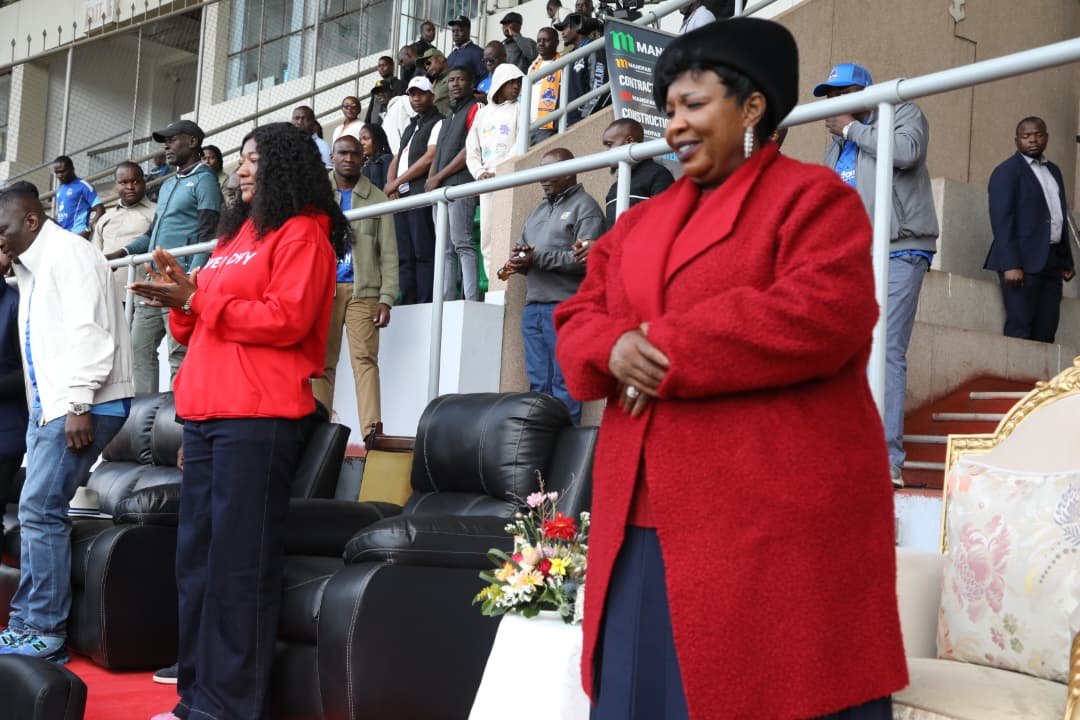
So VIPs have to bring their own sofas to the stadium 🏟️
Regai ndinyarare 🤦🏿♀️
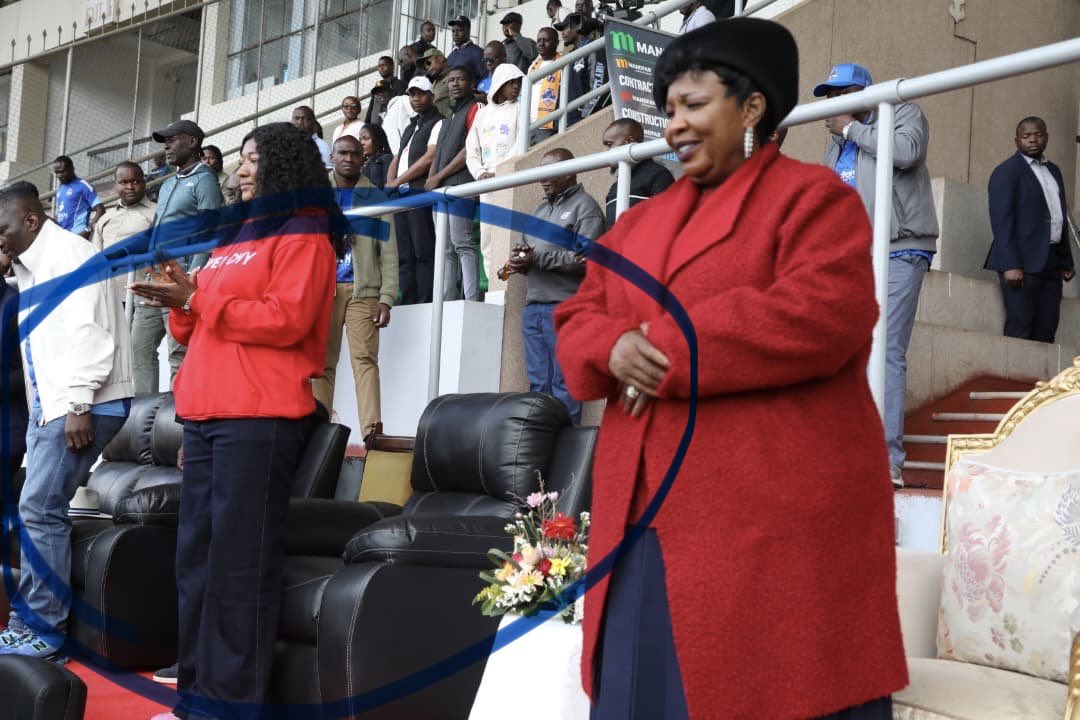

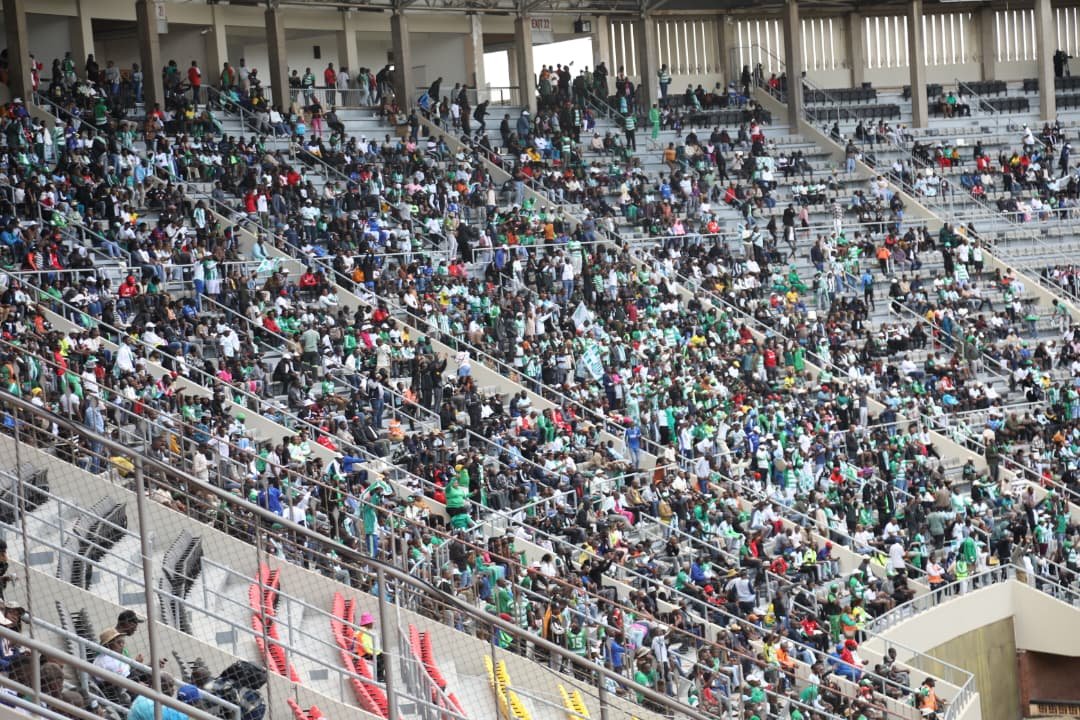
First Lady Cde Auxillia Mnangagwa Celebrates NSS Reopening, Calls for Peaceful Football.
Zimbabwe's First Lady, Cde Auxillia Mnangagwa, today joined thousands of football fans at the National Sports Stadium as Scotland FC took on CAPS United in a Castle Lager Premier Soccer League encounter.
Welcoming the reopening of the refurbished stadium, the First Lady congratulated all those who contributed to restoring the iconic national facility and urged supporters to promote peace, unity and sportsmanship.
She emphasized that football should unite families and communities, calling for an end to violence and hooliganism while encouraging a safe and family-friendly atmosphere for all supporters.
21
22
123
41,562
Prof. Mlambo retweeted

May 31
Everything is a game changer but nothing changes and poverty keeps growing

2
10
19
6,038
Prof. Mlambo retweeted

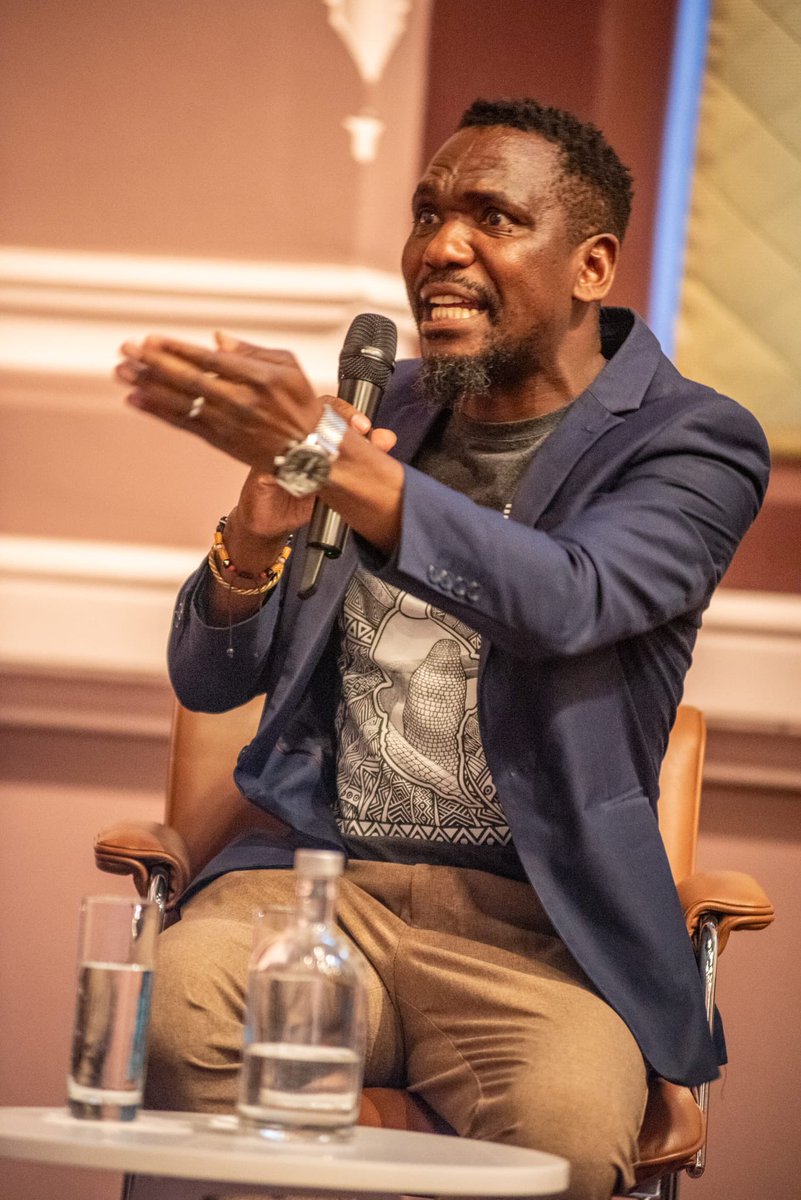
At times I close the door and cry, I ask myself if, I chose the wrong profession, would I not have been better as a teacher. Journalism has come with a heavy cost on my life, a burden that drains me, suffers my family and made me lonely. Yet I find myself unable to stop.
192
193
1,149
46,624