
Joined July 2017
- Tweets 43,323
- Following 577
- Followers 75
- Likes 2
2,655 Photos and videos
Pinned Tweet

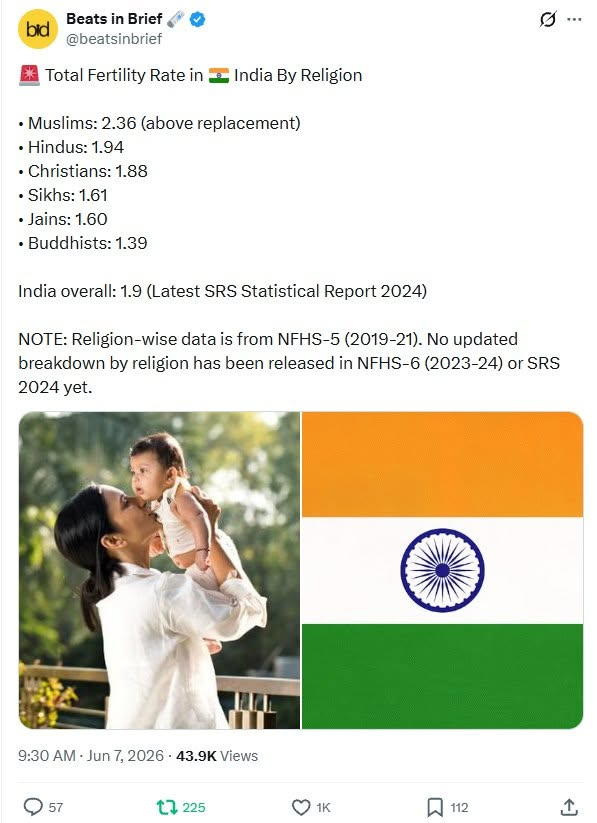
Civilization moving towards extinction. #FertilityRate is the silent killer.
By Year 2061, majority will become minority.
#DemographyChange #TFR
21
Amit Arora ਅਮਿਤ ਅਰੋੜਾ retweeted

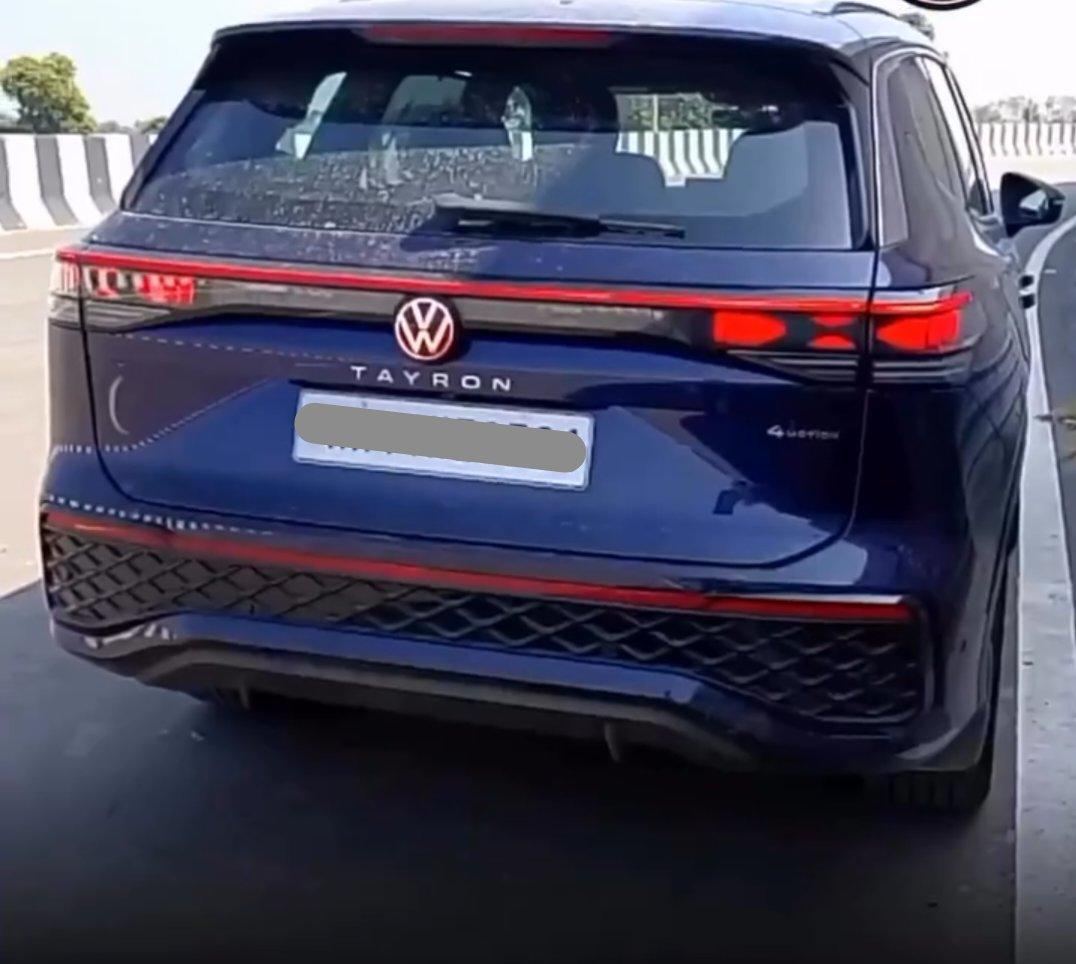
The owner of a Volkswagen Tayron R-Line has asked a question to Mr. Nitin Gadkari.
The car owner says that he purchased the Volkswagen Tayron R-Line, launched in 2026, for around ₹58 lakh.
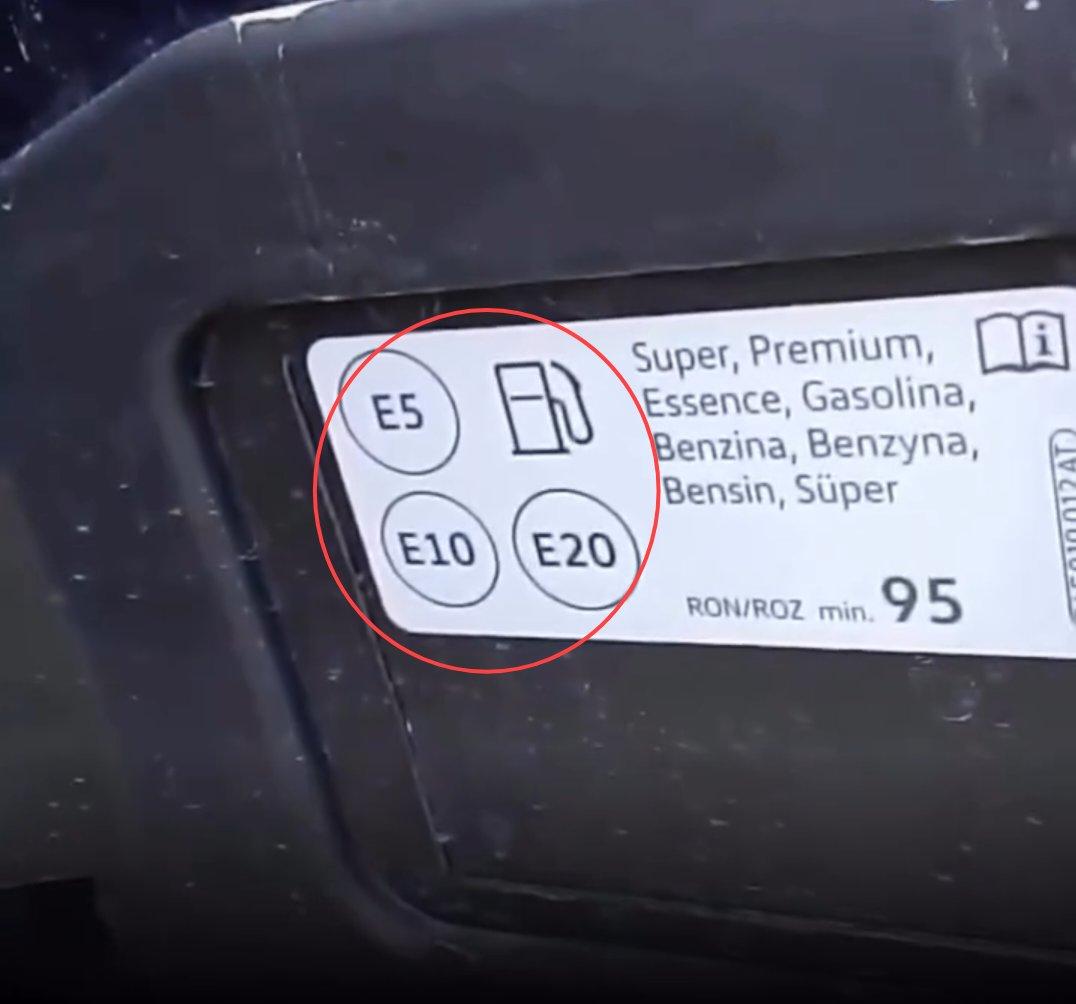
The vehicle's owner’s manual clearly states that it is compatible with E5, E10, and E20 petrol. However, there is now discussion about the possible introduction of E30 fuel.
The owner asks, “Mr. Nitin Gadkari, if E30 fuel is implemented in the future and it causes any technical issues or financial loss to my car, who will take responsibility for it?
Who will compensate for the damage to my ₹58 lakh car?”
33
99
361
43,023
Amit Arora ਅਮਿਤ ਅਰੋੜਾ retweeted

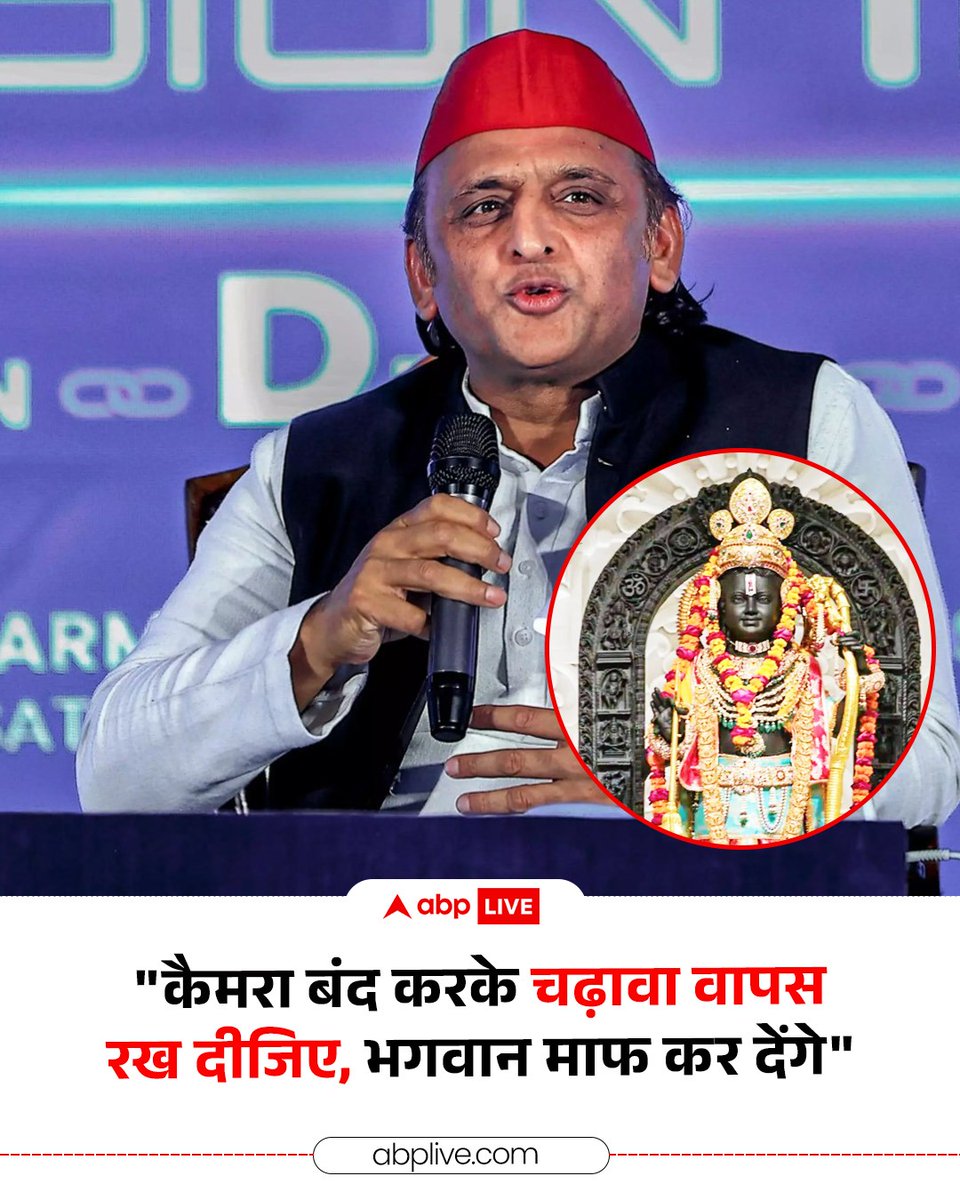
टिन्नू यादव का नाम आते ही सुर बदल गए।

राम मंदिर चढ़ावे में गबन का आरोप लगाने के बाद अब अखिलेश यादव ने दोबारा मामले पर बड़ा बयान दिया है, उन्होंने कहा- "राम मंदिर में चढ़ावे में चोरी के बाद कितना दुर्भाग्य है कि अब राम मंदिर और साधुओं की जांच अधिकारी करेंगे. सनातन धर्म के लिए इससे बड़ा दुर्भाग्य और क्या हो सकता है। यह सनातन धर्म का अपमान है. अगर कोई बात हुई है तो कैमरा बंद करके आपस में बातचीत कर लो और चढ़ावा वापस डाल दो. प्रभु श्रीराम माफ कर देंगे"
#RamMandir #Ayodhya #AkhileshYadav #ABPNews
11
40
158
3,145
Amit Arora ਅਮਿਤ ਅਰੋੜਾ retweeted

Here is the confirmed story behind each of the absentees at Matoshree today. Listen to the ‘Bahana’ made by six of the MP’s of UBT who did not attend the emergency meeting called by Uddhav Thackrey today. It’s interesting :) Looks like this party is well and truly on the road that leads to a MAJOR SPLIT #UddhavThackrey
41
172
783
73,505
Amit Arora ਅਮਿਤ ਅਰੋੜਾ retweeted

Driver को देखकर आपका कलेजा मूँह को आ जाएगा 😲😲😲😲
19
139
1,066
121,141
Amit Arora ਅਮਿਤ ਅਰੋੜਾ retweeted

Congratulations 🎉
Now you norrmal petrol comes with 30% mixed with Ethanol.
20% has been increased to 30%.
I was at the pump to get my car's tank full, the attendant said sir normal petrol now has 30% Ethanol mixed as standard.
It has been increased in last few days.
57
164
1,207
84,464
Amit Arora ਅਮਿਤ ਅਰੋੜਾ retweeted

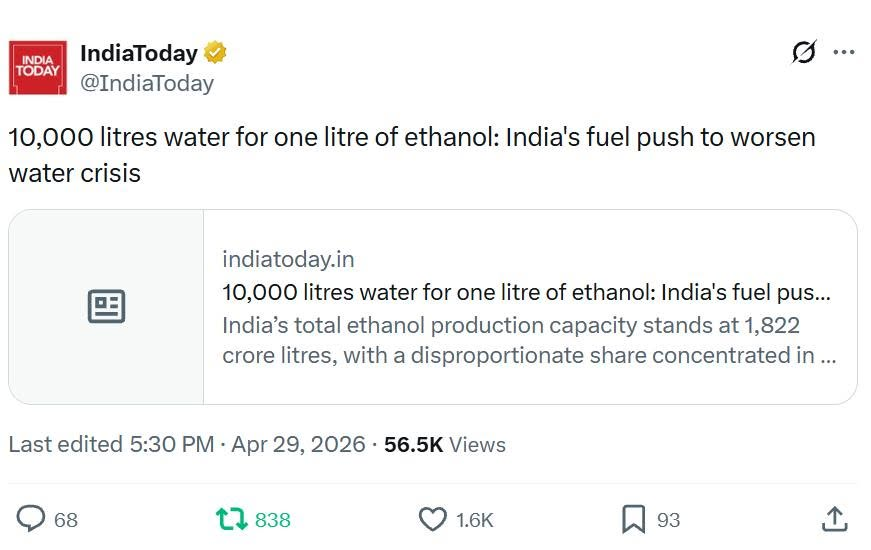
E100 is a bad idea. Not because ethanol is bad. But because this is not how you do it.
Brazil is the only country in the world that has made ethanol fuel actually work at scale.
They started in 1975. It took them thirty years. And the order in which they did it matters. First they built the cars. Millions of them, flex-fuel vehicles that could handle ethanol. The fuel infrastructure came after, once the demand was already sitting in driveways across São Paulo and Rio. By the time Brazilians were filling up on pure ethanol, they had spent decades building the engine technology, the pump network, the supply chain, and the price stability to make it viable. Even then it had rough patches.
India has done it the other way around.
We announced the fuel before the cars exist. The flex-fuel fleet right now is one Wagon R and some Hero bikes. That is not a fleet.
That is a pilot project dressed up as a policy.
This is not just it, other issue are:
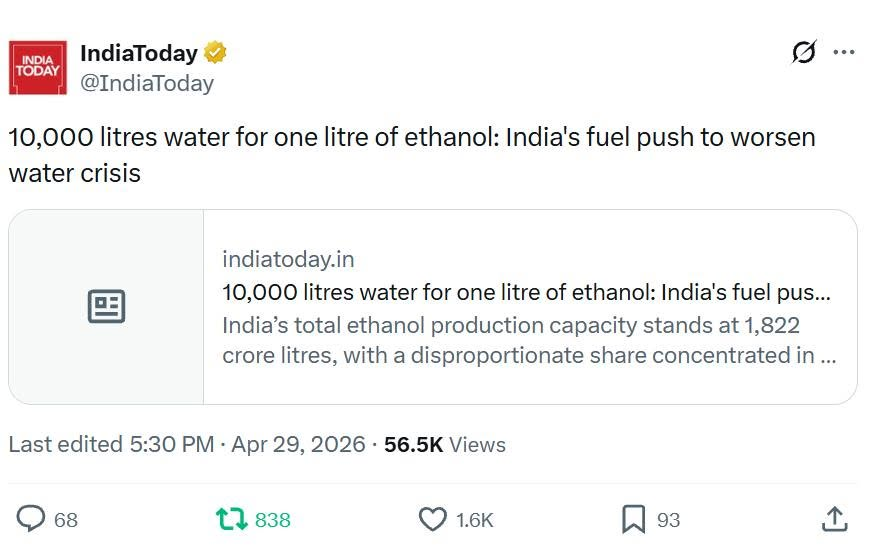
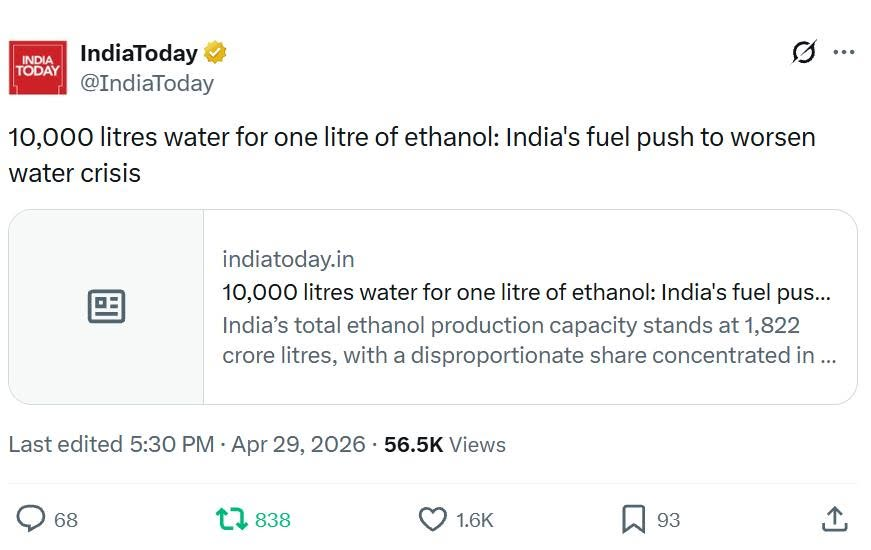
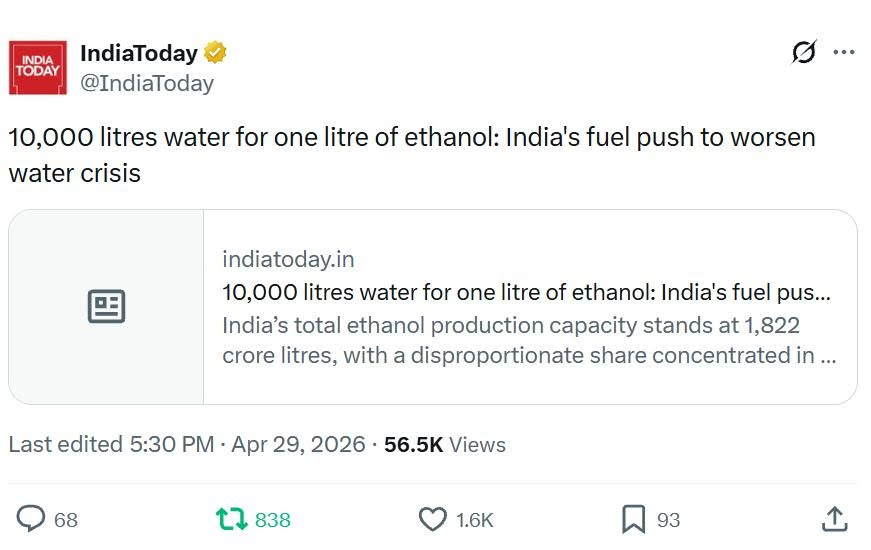
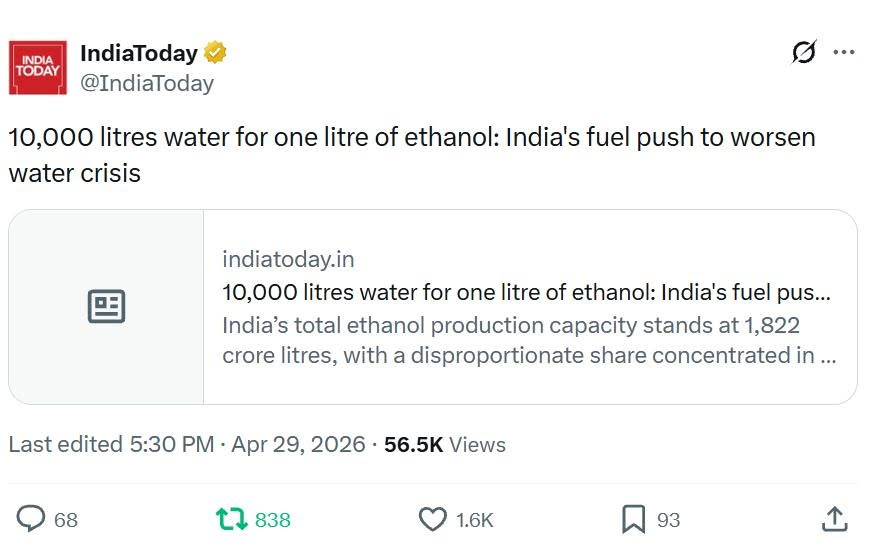
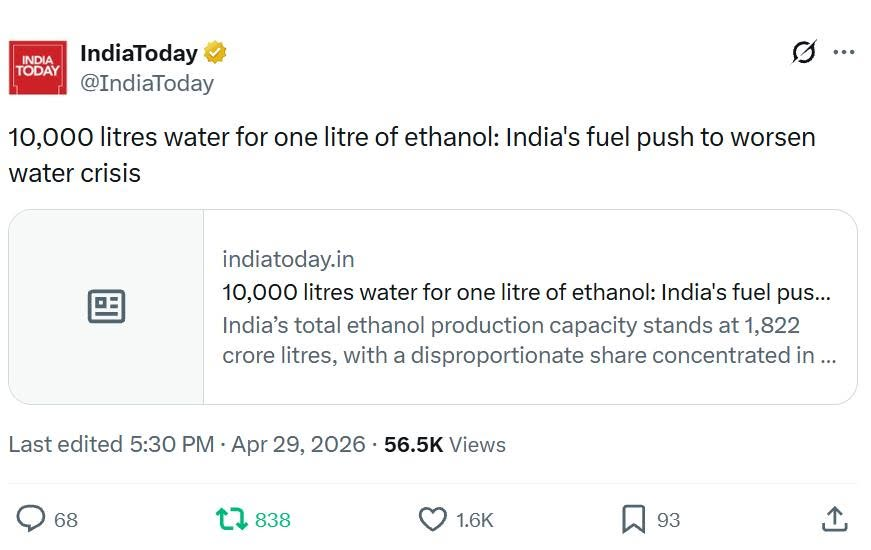
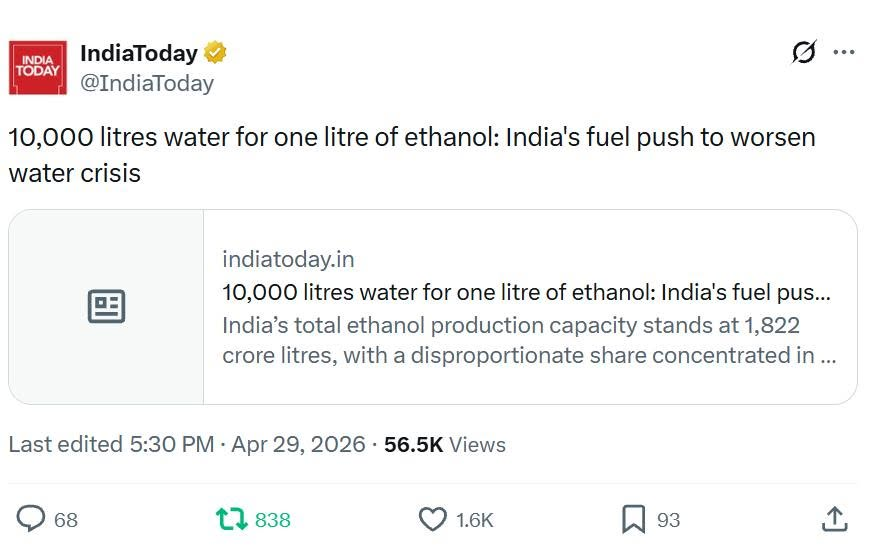
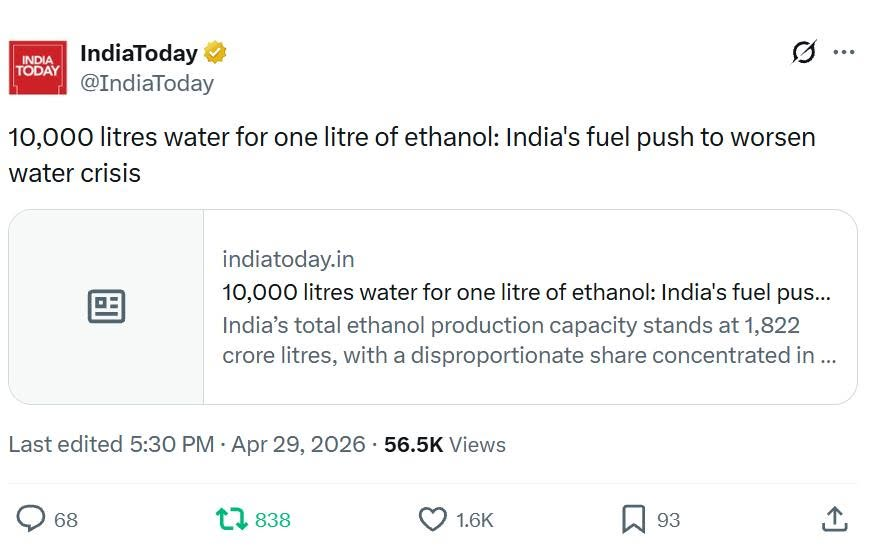
Ethanol in India comes mostly from sugarcane. And sugarcane is one of the thirstiest crops we grow. It needs four to five times more water than most other crops. In Maharashtra, which is our biggest sugarcane state, that has always been a tension that everyone quietly lives with.
Now go to Vidarbha. This is the eastern part of Maharashtra. Cotton country. Drought country. The region where farmer suicides made headlines for years because the rains failed and the debt did not. Water here is not a policy question. It is a survival question. A farmer in Yavatmal or Wardha will tell you that a bad monsoon does not mean a bad harvest. It means a bad year for everything.
Sugarcane is already creeping into this region because the ethanol push has made it more profitable than cotton. And if E100 scales the way the government wants it to, that pressure gets stronger. More farmers in water-scarce land will shift to a crop that drinks water like it is free. The ones who can afford a borewell will go deeper. The ones who cannot will watch their neighbours do it and worry.
Nobody in the E100 announcement talked about this.
The government will say farmers should be free to grow what is profitable. That is fair. But policy that makes one choice significantly more profitable than another is not neutral. It is a nudge. And nudging water-stressed farmers in Vidarbha toward sugarcane is a nudge with consequences that will show up not in a press conference but in a groundwater report five years from now.
Then there is the trust problem sitting on top of all of this. Last April, E20 replaced regular petrol at 90,000 pumps without much warning. Mileage dropped. Repairs came up. A man in Chennai spent close to ₹4 lakh on fuel-related damage. The government's response was essentially that people were spreading misinformation. That is not how you bring people along.
So now E100 arrives and people are not starting from neutral. They are starting from angry.
Here is what would have actually made sense.
Pick three or four cities. Pune, Lucknow, Coimbatore, one more. Build a proper E100 pilot there. Put the pumps in. Work with one or two carmakers to get a few thousand flex-fuel vehicles on the road in those cities. Run it for two years. Measure the mileage honestly. Publish the cost per kilometre in plain numbers. Let a family in Pune tell their cousin in Nagpur that their monthly fuel bill actually went down. That cousin will want in.
That is how Brazil did it. That is how you build a market.
Instead we have a national announcement, a handful of cars, almost no pumps, unresolved water questions, unhappy farmers in the wrong regions growing the wrong crop for the wrong reasons, and a public that has already been burned once and is not in a mood to be told to trust the process again.
E100 could have been a good story. Grow your own fuel, keep the money at home, give farmers a second income, reduce the import bill. All of that is real and worth doing.
But a good idea launched badly does not stay a good idea for long.
It just becomes the next thing people are angry about.

#WATCH | Nagpur, Maharashtra: Union Minister Nitin Gadkari says, “Last night at 8 PM, I signed the file, finalising the regulations to legally authorise the use of 100% ethanol. I am delighted to share that I, along with Hardeep Singh Puri, had the opportunity to launch the 100% ethanol-compatible version of the WagonR—Maruti Suzuki’s best-selling car. Regarding motorcycles, Hero MotoCorp—which accounts for three out of every five motorcycles sold—has launched two flex-fuel models capable of running on 100% ethanol. Following this, companies like Toyota, Suzuki, MG, and Hyundai will launch 100% ethanol-compatible vehicles within the next month and a half. Thus, ethanol will serve as a viable alternative to petrol. People used to laugh when I spoke of this dream, and some friends even criticised it...Soon, we will launch a pilot project in Nagpur featuring a hydrogen pump and two hydrogen-powered buses. The public will be able to ride these hydrogen buses, which will be powered by green hydrogen extracted from water using an electrolyser. That day is now near.”
23
57
157
23,479
Amit Arora ਅਮਿਤ ਅਰੋੜਾ retweeted

Now who did this. Jai Bolo Ethanol Ki
5
30
211
7,724
Amit Arora ਅਮਿਤ ਅਰੋੜਾ retweeted

Days shut in a year:
Hospital: 0
Border post: 0
Police station: 0
High court: 155
Supreme court: 159
293
3,731
16,490
155,927
Amit Arora ਅਮਿਤ ਅਰੋੜਾ retweeted

Wonder what happened to this claim..
337
1,138
4,005
111,983
Amit Arora ਅਮਿਤ ਅਰੋੜਾ retweeted

Jun 13
The difference between whom to date and whom to marry.. 😂
634
7,225
113,104
4,532,938
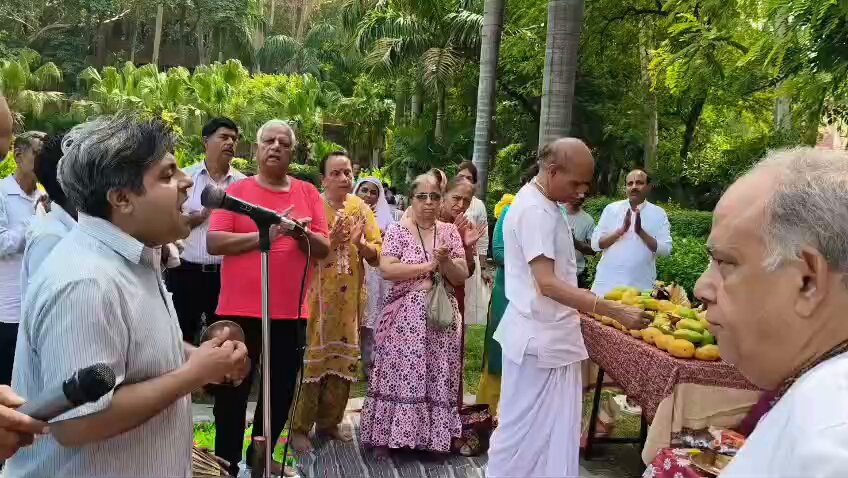
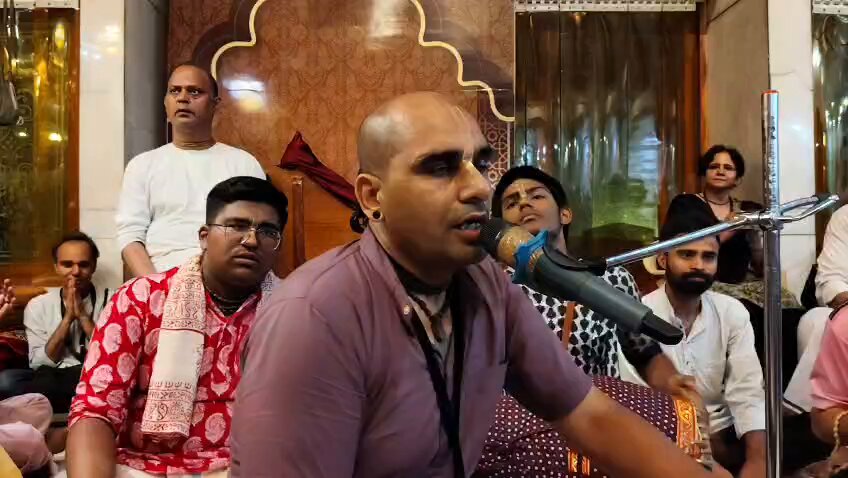
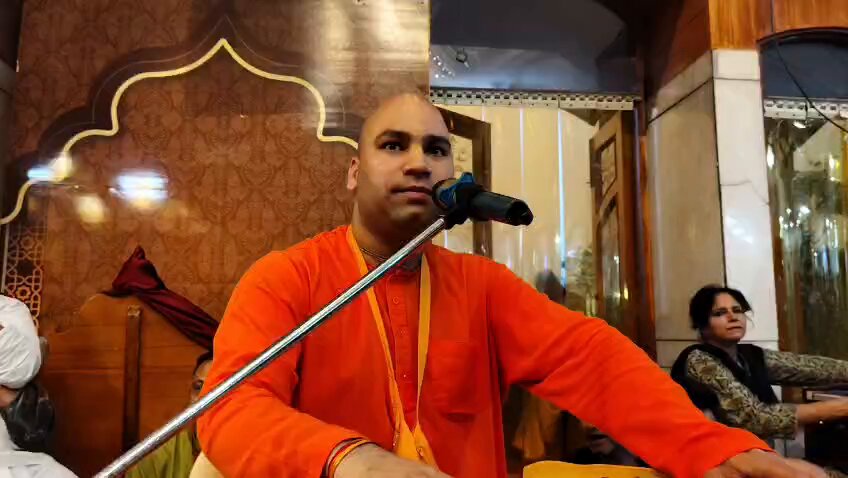
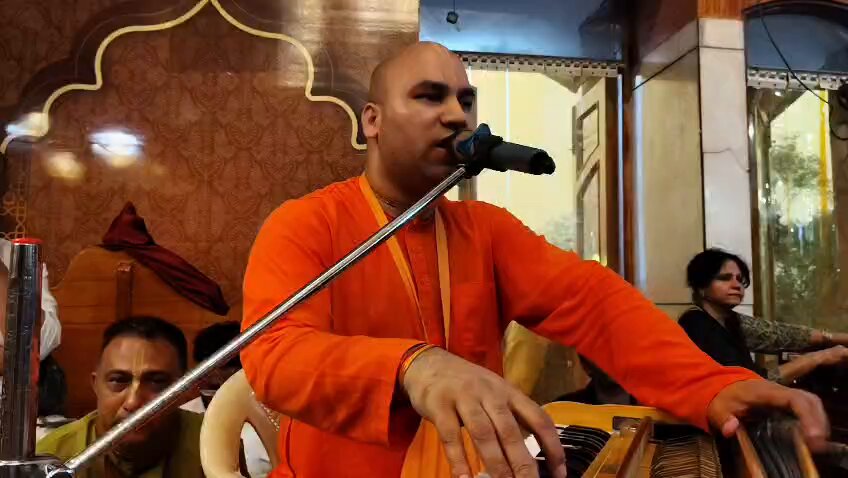
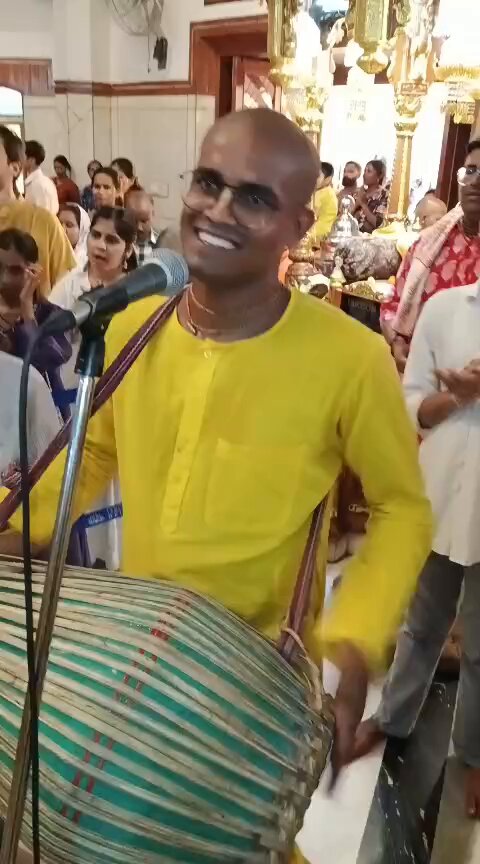
Weekly programme of our neighbourhood Park. This Sunday celebrated as Mango Festival.
हरिनाम संकीर्तन
#Kirtan
9
Amit Arora ਅਮਿਤ ਅਰੋੜਾ retweeted

Jun 13
She wants her mom to choose her first 🤭😂
75
750
17,626
1,209,669
Amit Arora ਅਮਿਤ ਅਰੋੜਾ retweeted

Jun 13
लवकुश मिश्रा के बाप ने भी स्वीकार लिया लवकुश मिश्रा ने राम मंदिर से पैसा चुराया। राम मंदिर के दानपात्र से धन गबन के आरोप में दबोचे गए लवकुश मिश्रा के घर से पुलिस ने राम मंदिर ट्रस्ट के महासचिव चंपत राय की मौजूदगी में 10 -12 लाख रूपये बरामद किये गए हैं।
आरोपी युवक लवकुश मिश्रा (27 वर्ष) राम मंदिर में कर्मी के तौर पर कार्यरत था । वह पिछले 5-6 महीने से राम मंदिर में काम कर रहा था। उसे वहां रवि मिश्रा ने काम पर लगवाया था। ग्रामीणों के अनुसार, लवकुश मिश्रा पहले कार मिस्त्री था और मंदिर में नौकरी मिलने के बाद उसकी आर्थिक स्थिति तेजी से बदली थी।
लवकुश मिश्रा ने अयोध्या में 40 लाख का भूखंड भी ख़रीदा और वहां आलीशान निर्माण भी करवा रहा था। लवकुश मिश्रा के अलावा एक और सेवादार तिवारी भी पकड़ा गया है।
46
200
542
43,385
Amit Arora ਅਮਿਤ ਅਰੋੜਾ retweeted

Multiple crores of donation money allegedly embezzled by Ram Mandir trust and not a single FIR registered in the case.
2
60
145
1,976
Amit Arora ਅਮਿਤ ਅਰੋੜਾ retweeted

Not enough going on in NYC with World Cup and NBA finals, so there's also a Hare Krishna parade because why not
132
366
5,356
321,497
Amit Arora ਅਮਿਤ ਅਰੋੜਾ retweeted

राम मंदिर: महीनों से दान पात्र से निकलता रहा पैसा, पारदार्शिता पर उठे सवाल; नृपेंद्र मिश्र ने साधी चुप्पी
amarujala.com/lucknow/ram-te…
3
20
35
1,936
Amit Arora ਅਮਿਤ ਅਰੋੜਾ retweeted

अयोध्या – राम मंदिर चंदा चोरी मामले में चंपत राय के सहयोगी रामशंकर यादव उर्फ टिन्नू की भूमिका संदिग्ध बताई जा रही है। टिन्नू पहले चंपत राय का ड्राइवर था, अब सबसे खास सहयोगी है।
पूर्व लेखा प्रभारी महिपाल सिंह का आरोप है– "चंदा का पैसा बैंक में जमा कराने की जिम्मेदारी टिन्नू पर थी। दान में आई ज्वेलरी का कोई रिकॉर्ड नहीं है। एक बार जब खुद मैंने गड़बड़ी पकड़ी तो टिन्नू ने मंदिर के 8 महीने के CCTV फुटेज डिलीट करवाए"

Big Update –
अयोध्या राम मंदिर में चंदा चोरी मामले की जांच के लिए UP सरकार ने SIT बनाई !!
IAS विजय विश्वास पंत, IAS नील रतन, IPS किरन एस SIT में शामिल किए। यह SIT 7 दिन में प्रारंभिक और 15 दिन में संपूर्ण रिपोर्ट देनी होगी।
69
306
1,080
91,920
Amit Arora ਅਮਿਤ ਅਰੋੜਾ retweeted

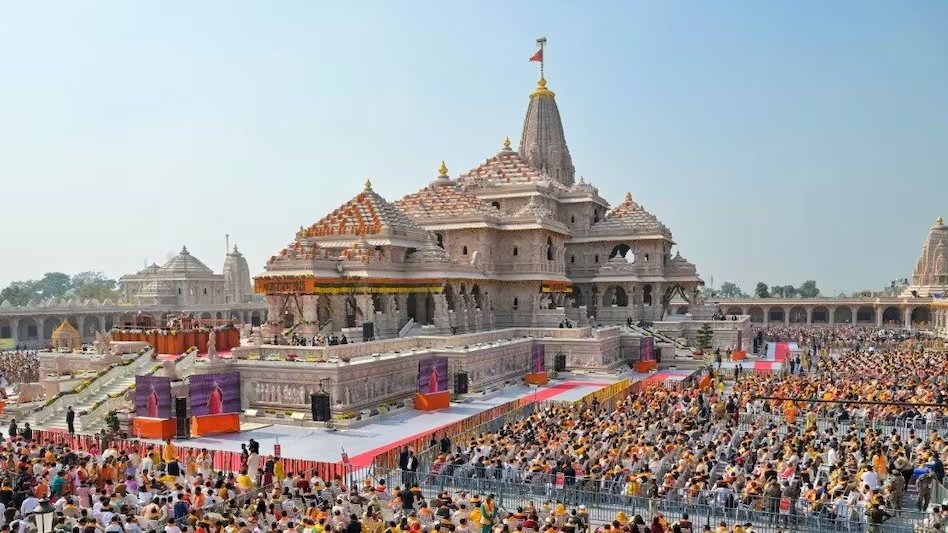
राम मंदिर की दान राशि में गबन के मामले में अब तक 2.98 करोड़ रुपये की रिकवरी की जा चुकी है। यह रकम पकड़े गए संदिग्धों की निशानदेही पर बरामद की गई है।
सूत्रों के मुताबिक लवकुश, अवनीश, अनुकल्प, करुणे और रमाशंकर पकड़े गए हैं। अब तक हुई रिकवरी भी इन्हीं पांचों ने कराई है। चोरी कुबूल भी की है।
इससे ये स्पष्ट हो गया है कि इनकी इसमें भूमिका है लेकिन इतने संवेदनशील जगह से रकम पार करते रहने और पकड़ा न जाना कई सवाल खड़े करता है।
गुपचुप ढंग से चल रही जांच में आठ करोड़ रुपये से अधिक के हेरफेर के संकेत व साक्ष्य मिले हैं। हालांकि जांच पूरी होने के बाद यह राशि घट या बढ़ सकती है।
58
159
567
17,079

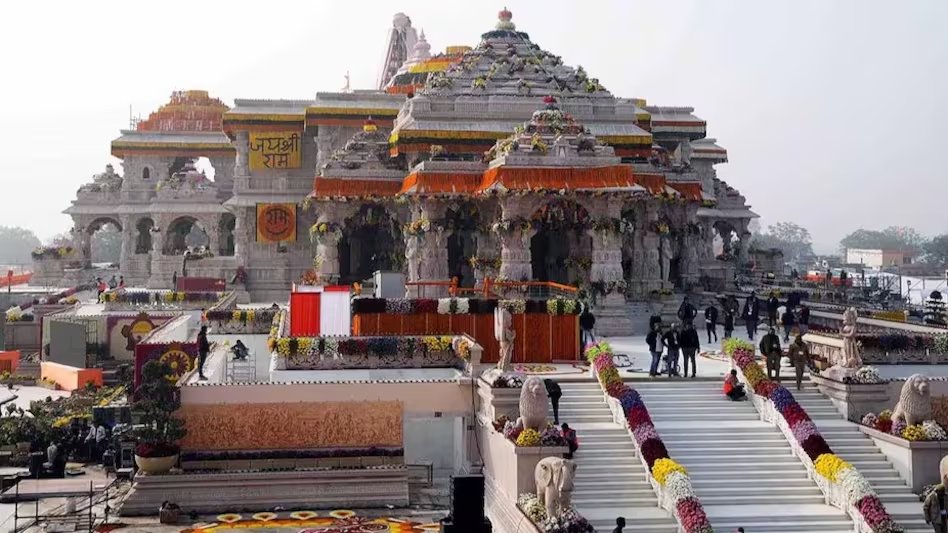
राम मंदिर में 'चंदा चोरी': कैसे खुला मामला, SIT जांच, गोबर में छिपा लाखों कैश... जानें पूरी टाइमलाइन
अयोध्या राम मंदिर में चंदा/दान राशि गबन के आरोपों ने राजनीतिक विवाद खड़ा कर दिया है. ट्रस्ट के ऑडिट और सीसीटीवी जांच में अनियमितताओं के बाद दो कर्मचारियों पर संदेह हुआ और उनके पास से नकदी बरामद हुई. विपक्षी नेताओं ने सरकार पर सवाल उठाए. जिससे मामला सुर्खियों में आ गया. वहीं अब मामले की जांच के लिए SIT गठित कर दी गई है.
पूरी ख़बर: intdy.in/oxix0r
#RamMandir #Ayodhya #DonationTheft #ChandaChori #SITInvestigation #AyodhyaNews
21
73
245
7,836
Amit Arora ਅਮਿਤ ਅਰੋੜਾ retweeted

मुख्यमंत्री @myogiadityanath जी के निर्देश पर एवं श्रीराम जन्मभूमि तीर्थ क्षेत्र ट्रस्ट के अनुरोध के क्रम में ट्रस्ट द्वारा प्राप्त दान राशि में हुई कथित वित्तीय अनियमितता के संबंध में शासन द्वारा तीन सदस्यीय विशेष जांच दल (SIT) का गठन किया गया है।
इस SIT में -
1. विजय विश्वास पंत, IAS, मंडलायुक्त लखनऊ
2. किरन एस, IPS, आईजी रेंज
3. नील रतन विशेष सचिव , वित्त
शामिल हैं।
96
183
1,405
85,718