
Married. Retired. Grandmother. Love Europe, not the EU. Fan of common sense. Anti woke. Army brat. 🇬🇧🏴
Joined November 2011
- Tweets 20,160
- Following 1,369
- Followers 1,222
- Likes 51,531
749 Photos and videos


Carolyne Price retweeted

Jun 14
So let me get this straight:
Leftists want 16 year olds to vote.
They want 12 year olds to be able to consent to sex changes.
But they don’t want those same teenagers to read conservative opinions on social media, only Blue Sky?
Their agenda is pretty obvious.
Jun 14

🚨BREAKING: Bluesky will NOT be blocked for under 16’s as part of UK government’s social media ban
804
14,821
62,337
864,836
Carolyne Price retweeted

Jun 13
Dear restaurants,
Bring back the physical menus. Nobody wants to be scanning QR codes when they're hungry.
Regards: The whole world.
402
3,345
25,960
302,064

'No one believed them!' Vile Bulgarians guilty of attack on schoolgirls which sparked infamous axe video
gbnews.com/news/dundee-bulga…
37
140
591
9,862
Carolyne Price retweeted

Jun 12
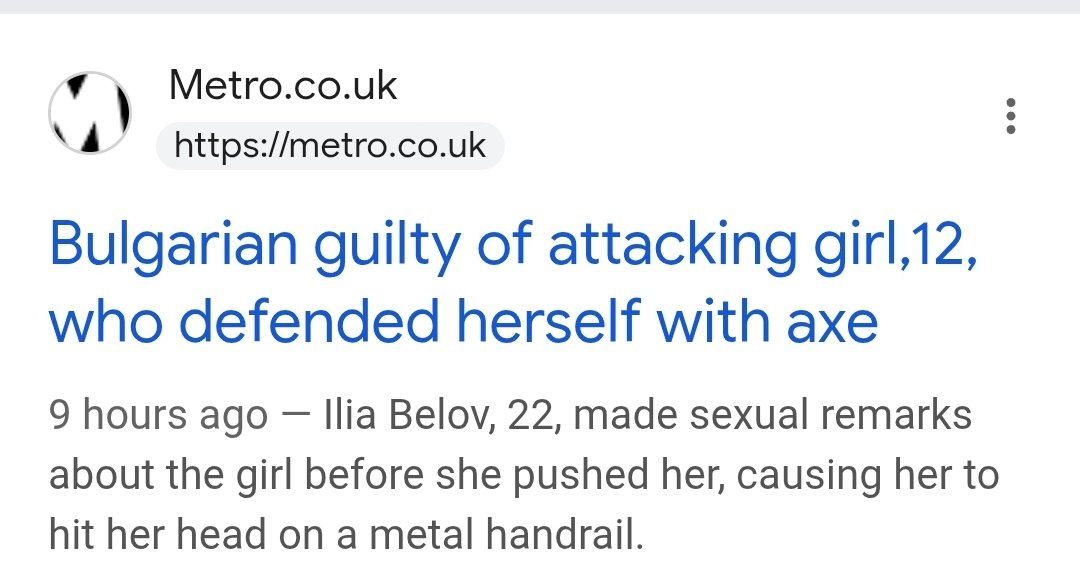
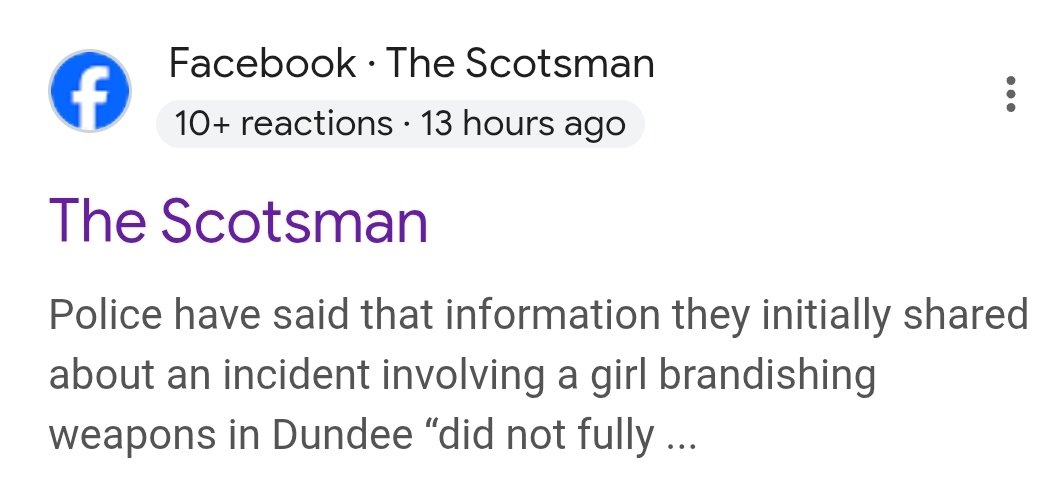
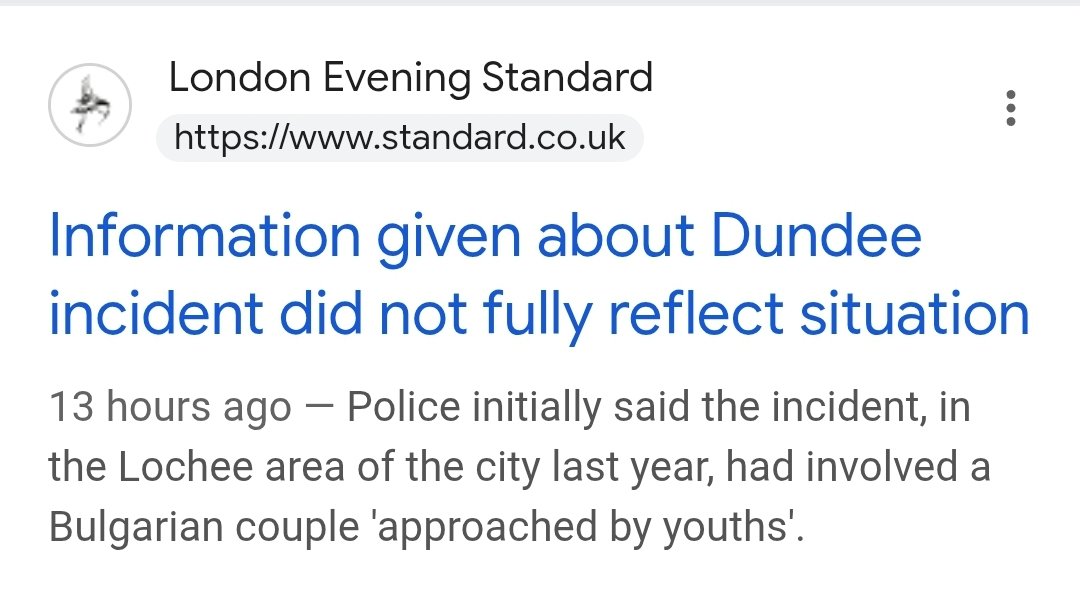
Now: @PoliceScotland misinformation exposed; CCTV they denied existed was found; Bulgarian who described "attack" on himself/wife charged after assault on 12 yr old girls captured Pervert predator and sister convicted.
The two tier truth, but noone @PoliceScotland sacked. Yet!
Jun 12

Then: @PoliceScotland charged Girl, 12 with weapons offences. Confirm she " was only one charged". Had threatened Bulgarian couple with axe. Vile "deliberate misinformation" and "anti migrant hate was spreading online". 😱 Shocking, but 1/2
theguardian.com/uk-news/2025…
5
6
541
Carolyne Price retweeted

Jun 11
The 0.08% rise in defence spending as share of GDP between 2027 and 2030 is all the more unfathomable because Healey reveals the UK intelligence assessment is that Russia could attack a NATO country before 2030. If anything illustrates Starmer is unfit to be PM, it’s that.
Jun 11

Perhaps the grimmest part of John Healey’s brutal resignation letter is that defence spending, projected to be 2.6% GDP by 2027, will only reach 2.68% in 2030. A pathetic 0.08% increase over three years after all that Starmer rhetoric about the dangerous times we live in and how UK would lead the way stepping up to the crease. A real leader would have told Reeves to cough up the dosh and ordered Miliband to hand over a big chunk of his net zero budget. But he’s probably too weak to do either.
115
804
3,649
82,959
Carolyne Price retweeted

Jun 11
Every. Single. Day.
Jun 11

Asylum seeker who raped woman, 18, jailed bbc.in/4vEBre9
2
25
169
3,542
Carolyne Price retweeted

Jun 9
Please remember that you must not express your feelings about the Belfast atrocity until the political establishment has told you exactly how you are supposed to feel. That's how it works now.
325
3,585
20,764
285,777
Carolyne Price retweeted

Jun 5
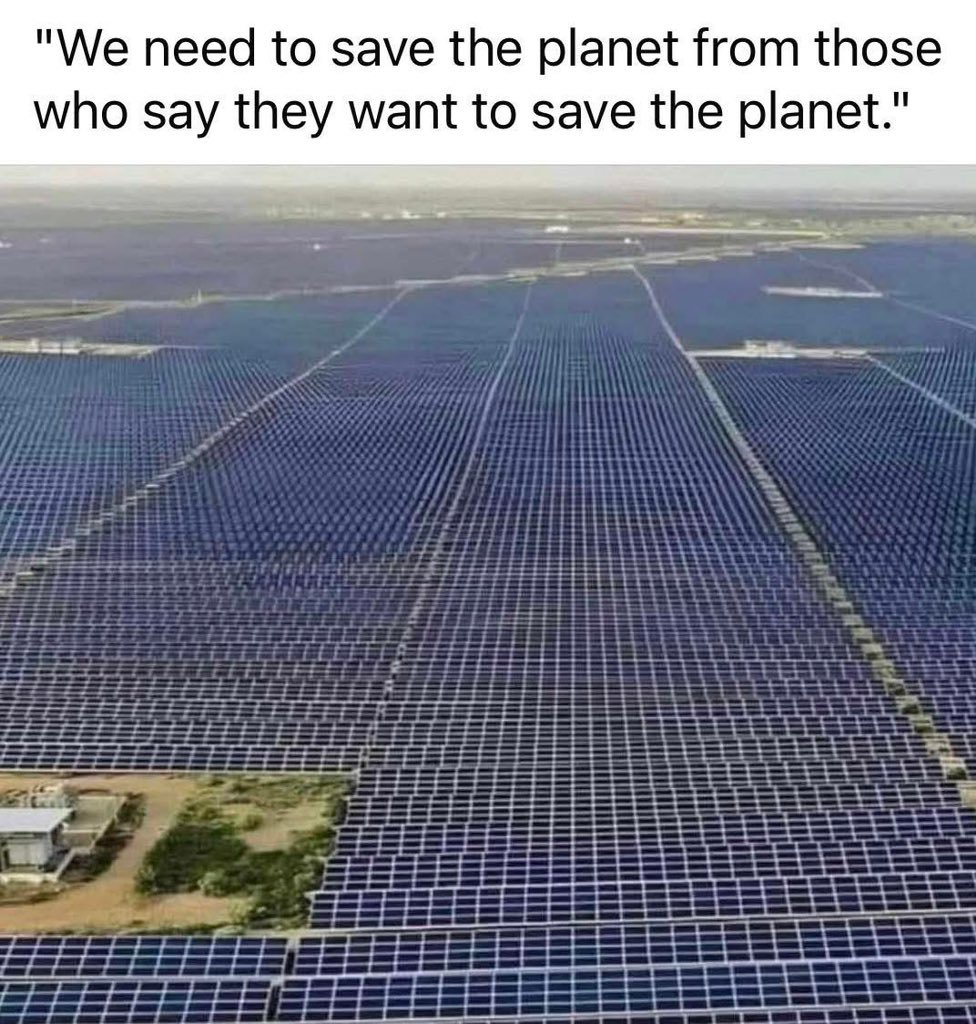
A serious country does not swap its greatest leader on its banknotes for little animals
Imagine India ditching Gandhi for a monkey. Or the USA dropping Washington for a racoon
This is the rot that is eating away at our confidence, identity and cohesion:
Bank dropped Churchill after being told he was ‘elitist’
telegraph.co.uk/business/202…
805
2,222
8,187
93,194

Carolyne Price retweeted

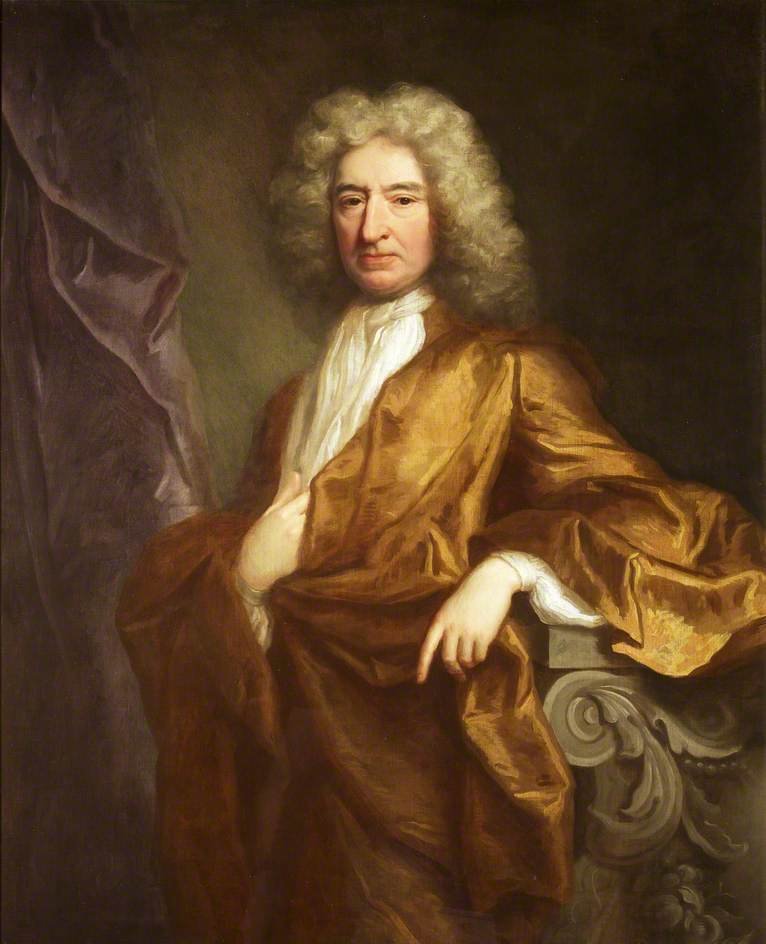
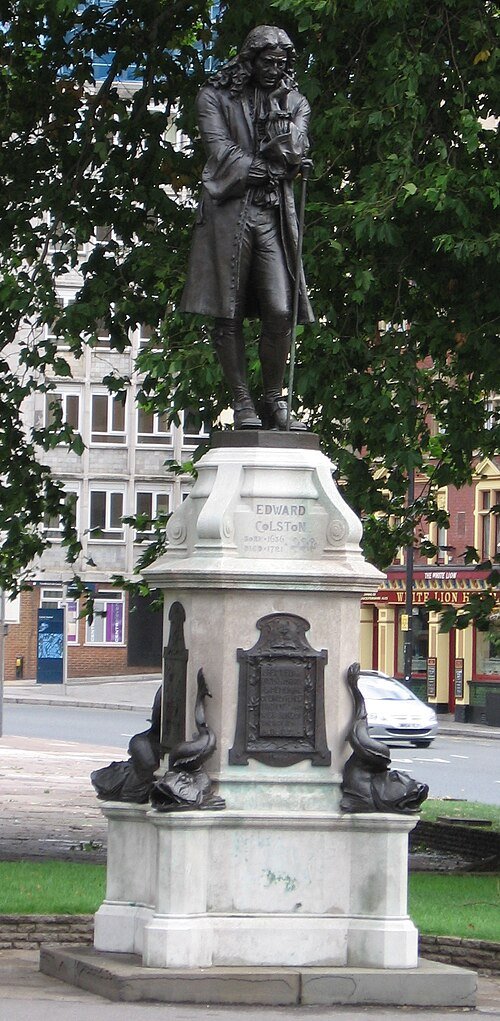
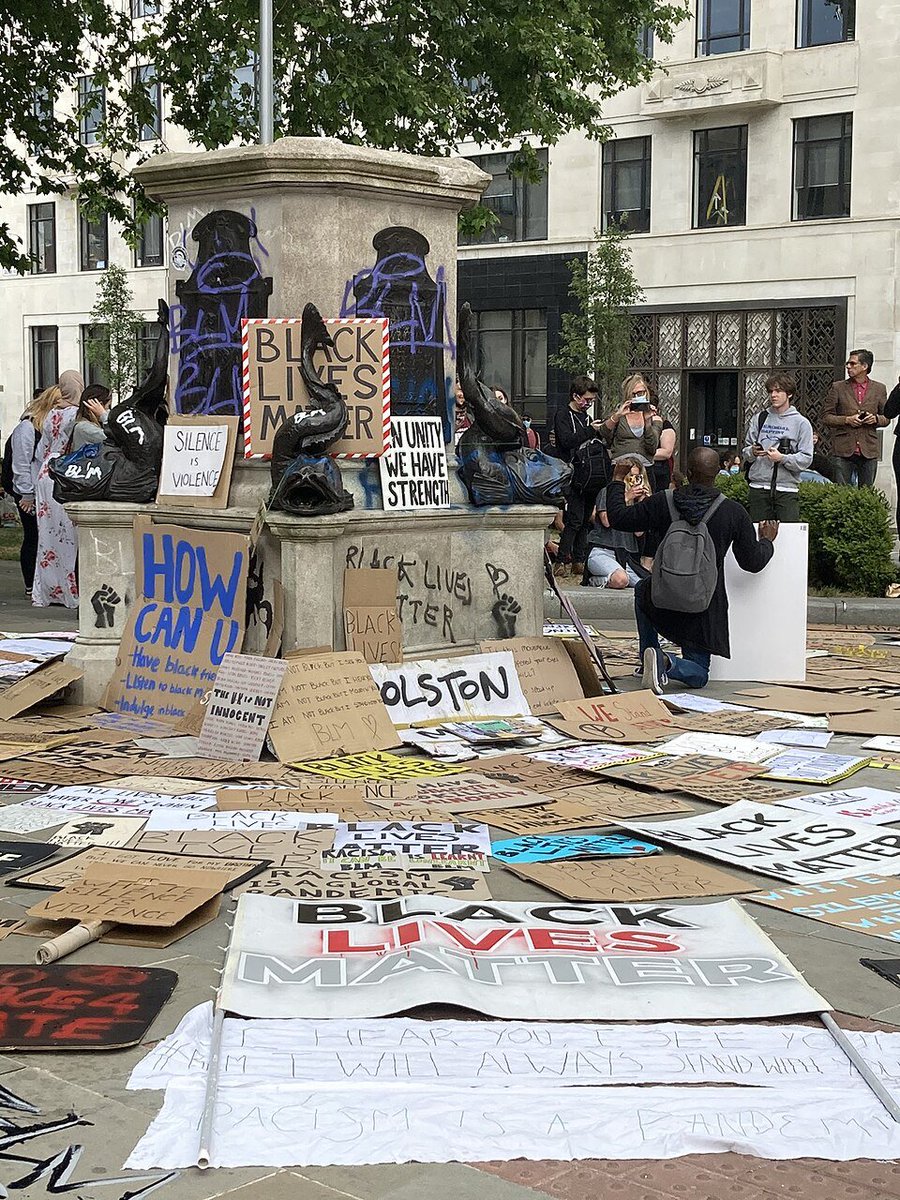
On this day in 2020: The corrupt BLM protests continued worldwide amid widespread unrest, and in Bristol, England, a mob toppled a statue of Edward Colston.
Edward Colston (1636–1721) was a Bristol-born Tory MP, merchant, and philanthropist. He is historically remembered as one of the city's greatest benefactors for his extensive charitable giving.
His philanthropy was rooted in devout High Church Anglicanism and Tory principles. He focused on education (especially for poor boys with Anglican instruction), care for the elderly and poor, church repairs, and moral/social reform. He gave generously during his lifetime and left a large bequest upon his death. Estimates of his total charitable contributions (lifetime will) reach around £71,000 or more; equivalent to many millions (roughly £16 million in modern terms, though exact conversions vary).
In 1691, he founded Colston's Almshouses on St Michael's Hill, Bristol, at a cost of about £8,000 (a huge sum then). This provided housing for 24 poor men and women. He also endowed merchant sailors' almshouses in King Street. Endowed a foundation to clothe and teach 40 boys (with instructions for Anglican-leaning books, "no tincture of Whiggism"). He later spent £1,500 rebuilding the schoolhouse.
Endowed and expanded Queen Elizabeth's Hospital (a school for orphan boys) added places for boys, donated £500 , and proposed further increases.
Built and endowed Colston's Hospital (also known as Colston's Boys' School) on St Augustine’s Back in 1708–1710, at a cost of around £30,000–£41,200. This provided education, clothing, maintenance, and apprenticeships for 100 poor boys. It opened with great ceremony and remains a legacy institution (though sadly renamed in modern times).
Donated to Temple School for Boys (1710) and other educational efforts. His trusts and societies (e.g., via the Society of Merchant Venturers) continued supporting schools long after his death.
Gave regular and substantial gifts for the repair, beautification, and adornment of many Bristol parish churches (e.g., St Michael, St Mary Redcliffe, St Werburgh, St James) and Bristol Cathedral. Supported sermon readings, prayers, and Anglican institutions to promote what he saw as moral stability. Donated to churches in London and elsewhere. During times of scarcity, he sent large sums (e.g., £20,000) to relief committees in London. Lent money to Bristol Corporation and supported civic projects.
Colston was praised in his era and for centuries afterward as a model of "Christian liberality" prudent, extensive, and well-regulated charity. Bristol's Corporation and citizens honoured him with streets, halls, schools, and the 1895 statue (erected explicitly for his philanthropy).
These acts helped many poor Bristolians with education, shelter, and faith-based support at a time when public welfare systems were limited. His endowments created lasting institutions that operated for generations. That said, like many historical figures, his record includes complexities (wealth sources), but his positive contributions, were real, substantial, and widely recognised in his lifetime and beyond, and should be today.
His statue (erected 1895) stood in his honour for over a century. Demonstrators used ropes to pull down Colston's bronze statue, rolled it through the streets, defaced it, and dumped it into Bristol Harbour. Similar protests occurred across the UK (including London) and globally. This was part of a massive wave of George Floyd protests that spread to over 2,000 cities and towns in 60 countries. The unrest involved significant violence, looting, arson, and property destruction. Estimates placed insured damages in the US at $1–2 billion (the costliest civil disorder in insurance history), with Minneapolis alone seeing around $550 million in losses. Over 14,000 arrests occurred nationally, and at least 19–25 deaths were linked to the unrest.
The toppling of Colston's statue was an act of mob vandalism, not reasoned historical reckoning. It exemplified the worst of 2020's protests: selective outrage weaponized to erase parts of the past; a crowd took the law into its own hands, cheered the destruction, and treated a public monument like a piñata. This wasn't isolated. Statues and memorials across the US and UK faced similar fates during the summer; often with little regard for historical nuance.
The death of George Floyd, a man with a lengthy criminal record including multiple drug convictions, theft, and a 2007 aggravated robbery with a deadly weapon (home invasion), became the spark. Floyd's killing was wrong and led to Derek Chauvin's conviction, but portraying him as a flawless martyr while excusing widespread rioting turned a specific tragedy into a blanket pretext for chaos.
The events reeked of the era's woke ideology and critical social justice frameworks; ones that reduce complex history to oppressor/oppressed binaries, encourage collective guilt, and justify destruction as "punching up." Pulling down a 125-year-old statue of a flawed 17th-century figure in England because of a criminal's death in Minnesota wasn't justice; it was performative theatre by activists (and opportunists) treating Western history as uniquely villainous while ignoring slavery's global reality across cultures and eras.
Much of it fed into grift: organisations raised hundreds of millions (e.g., BLM Global Network), with questions later arising about finances, luxury purchases, and limited tangible community outcomes. The "defund the police" push correlated with crime spikes in some cities, while "mostly peaceful" framing downplayed billions in damages to businesses (often minority-owned) and lives disrupted. History isn't a clean slate for rewriting by whoever shouts loudest; preserving statues with context is how societies learn, not by mob erasure that signals "our narrative now rules."
Colston's statue was later recovered, and shamefully left with the damage and graffiti, and is now in a museum. The episode remains a stark reminder of 2020's excesses: riots, cultural vandalism, and ideological overreach that did little for any supposed cause.
10
17
475
Carolyne Price retweeted

Jun 7
SUPERB! Trevor Phillip's BEAUTIFULLY exposes David Lammy and Labour's sickening hypocrisy.
He shows him the receipts of them ALL saying it's ok to feel "fury" and "anger" over George Floyd, while they criticise Farage for saying the same about Henry Nowak.
Satisfying to watch.
2,616
6,671
35,577
636,746

Have never felt inclined to try kebab. Now I know why 🤢
Jun 7

A kebab manufacturer has been fined £500,000 after an investigation found that products marketed as lamb contained little actual lamb and were instead made up largely of fat, skin and other meat products.
5pillarsuk.com/2026/06/07/ke…
66
Wtf!
In a section about British history, instructors told the officers that Caribbean migrants had been forcibly rounded up and marched aboard the now-famous ship the Empire Windrush.
mol.im/a/15879673
1
27
Carolyne Price retweeted

Jun 6
Only the green blob could decide the way to 'save nature' is to wipe out a 3,000-year-old native herd. Dartmoor's wild ponies are now at risk ....
conservativewoman.co.uk/eco-…
65
986
1,887
19,561
Carolyne Price retweeted
Jun 7
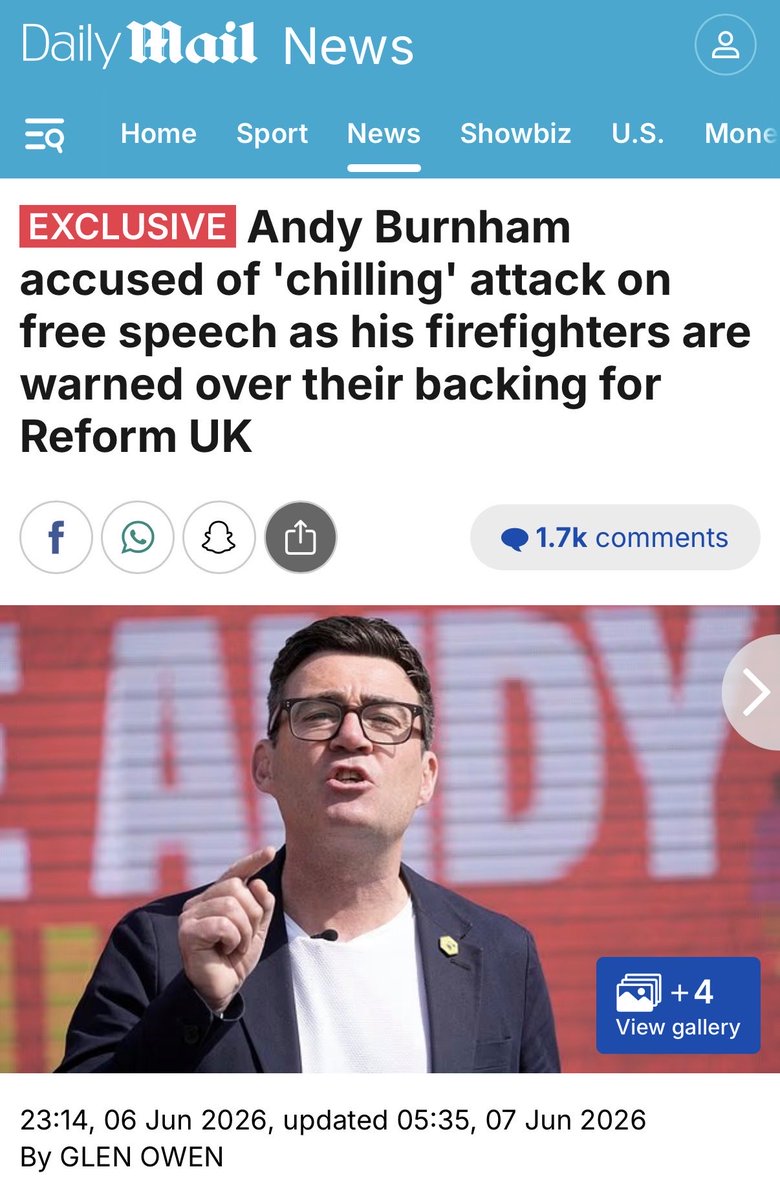
This is deeply troubling. I hope my union - @fbunational - will explain to fire service bosses that firefighters must be free to express their political views without fear of sanction by their employer. @manchesterfire has seriously overstepped the mark here.

Senior figures at Greater Manchester Fire and Rescue Service, under the command of Andy Burnham, have cautioned firefighters who support Reform UK over their political views.
In a further chilling assault on free speech, staff have also effectively been urged in an email to report colleagues who support Reform.
Fire brigade bosses have also said they are seeking legal advice on what to do about firefighters who decide to stand as Reform UK candidates. This is despite the fact that, unlike police officers, there is no legal bar preventing firefighters from participating in national or local politics.
In their email, fire brigade bosses Mr Petch and Ms Ahmed said: ’We are aware that some staff members have chosen to represent Reform UK in their local areas. We know this may cause concern within our network and wider.
’The individuals involved have been spoken to, to make it clear that as members of GMFRS (Greater Manchester Fire and Rescue Service) our core values and professional behaviours must be displayed at all times.
’The service is currently seeking formal legal guidance… to ensure we are protected from all perspectives and that our inclusive culture remains safe.
‘Our priority is and always will be ensuring that every member of this network feels supported, respected and safe at work.’
They also confirmed that they would be consulting the Fire Brigades Union on the matter.
In his role as Mayor of Greater Manchester, @AndyBurnhamGM — who is also tipped by some to be a future Prime Minister if he wins the Makerfield by-election — is also Greater Manchester’s Fire Commissioner, responsible for overseeing the service.
General Secretary of the Free Speech Union, Lord Young of Acton, has now written to Mr Burnham to raise concerns about the chilling effect this has on free speech.
Lord Young said that the ‘clear implication’ of the email from the fire brigade bosses was that ‘representing Reform UK constitutes an inherent threat to the institution’s culture and values and is to be treated as morally suspect’. He also highlighted that no action appears to have been taken against firefighters who support other political parties.
The letter also states: ‘Staff are further invited to report colleagues who support any groups that go against the service’s values, which effectively amounts to an instruction to inform on colleagues for their political beliefs.
’The email will create a chilling effect on the free speech of GMFRS employees who support Reform.
’The practical effect is that a public fire and rescue service governed by you is treating the lawful political activity of your electoral opponents as a reputational risk to their employer.
‘Regardless of whether this reflects your instruction, it reflects your governance; and a public office-holder who permits his institution to demonise or chill the speech and political activity of those who support his principal electoral rival cannot claim to be discharging that office with the impartiality it demands.’
Read more below 👇
352
3,040
9,812
175,817
Carolyne Price retweeted

Jun 7
Calling UK student loans a "loan" is a scam
It's a lifelong graduate tax
Because interest rates are tied to RPI inflation, the balance grows faster than most graduates can ever pay it off
The majority will just watch 9% of their pay vanish every month for 30 or 40 years until it’s written off
It's a permanent drag on young wealth creation
37
37
261
25,868
Carolyne Price retweeted

A chief constable that should be sacked!

Ask yourself: what kind of force drafts an official statement three days after a teenager’s death that effectively paints him as the aggressor — and only rows back when the family’s fury makes it politically impossible?
What kind of chief constable signs off a culture where the priority, in the immediate aftermath of a fatal stabbing, is not “how did we fail him?” but “how do we protect ourselves?”
The IOPC has already confirmed it is investigating the officers’ contact with Henry, including the use of handcuffs and first aid, yet Hampshire briefed The Telegraph that there is “no indication of misconduct” and that all officers are merely “witnesses”.
This looks less like accountability and more like an early attempt to lock in a “nothing to see here” narrative before the watchdog has even finished.
When a chief constable presides over a force that handcuffs a dying boy, drafts victim‑blaming lines, meddles in a live trial, and then rushes out exonerating briefings for his own officers, the problem is not rogue PCs — it’s the man at the top.
1
1
26

Carolyne Price retweeted

Hampshire Police DID NOTHING when they received reports of the Digwas firing potentially illegal weapons in their garden. Now it emerges that even after they arrested Digwa for murder they wanted to release a statement saying Henry Nowak was the aggressor.
324
5,485
19,681
320,202
Carolyne Price retweeted

Ask yourself: what kind of force drafts an official statement three days after a teenager’s death that effectively paints him as the aggressor — and only rows back when the family’s fury makes it politically impossible?
What kind of chief constable signs off a culture where the priority, in the immediate aftermath of a fatal stabbing, is not “how did we fail him?” but “how do we protect ourselves?”
The IOPC has already confirmed it is investigating the officers’ contact with Henry, including the use of handcuffs and first aid, yet Hampshire briefed The Telegraph that there is “no indication of misconduct” and that all officers are merely “witnesses”.
This looks less like accountability and more like an early attempt to lock in a “nothing to see here” narrative before the watchdog has even finished.
When a chief constable presides over a force that handcuffs a dying boy, drafts victim‑blaming lines, meddles in a live trial, and then rushes out exonerating briefings for his own officers, the problem is not rogue PCs — it’s the man at the top.
244
2,533
11,402
118,340