Sterling Professor of Social and Natural Science at Yale. Physician. Author of Apollo's Arrow; Blueprint; and Connected. ::: More active at azure skies.
Joined August 2012
- Tweets 53,638
- Following 731
- Followers 186,606
- Likes 9,548
2,180 Photos and videos


The @SheldrickTrust does such amazing work. Elephants are such magnificent creatures. youtube.com/watch?v=z7bx8Bxd…
2
5
3,268
"Scientists now link friendship to a remarkable range of benefits—both physical and mental: lower blood pressure, stronger immunity, reduced dementia risk, better sleep, and longer life. But technology and the pace of contemporary life threaten our ability to connect."
pbs.org/video/wired-for-conn…
1
2
4
1,786
Our six-part series of short videos on the theme of WORKING HARD on our #HNL vlog, For the Love of Science.
Autonomy
Long Hours
Flow
Science as a Calling
Burnout
Finding a Partner
1
1
2,856
Working Hard in Science
Autonomy youtube.com/watch?v=ieIiRfVh…
Long Hours youtube.com/watch?v=joR-mYD5…
Flow youtube.com/watch?v=6Kjv87x_…
Science as a Calling youtube.com/watch?v=iyWjgSNp…
Burnout youtube.com/watch?v=LJpZMXJJ…
Finding a Partner youtube.com/watch?v=zBV0J6Tq…
FLOS: youtube.com/@NAChristakis
1
2
5,131
Later in 2026, our FLoS vlog will be expanding to include the voices of scientists from around the world talking about what it means to be a scientist and about the craft of science. Some very cool short documentaries are also coming. :-)
2
2,196
Nicholas A. Christakis retweeted

🚨New Publication: @NAChristakis
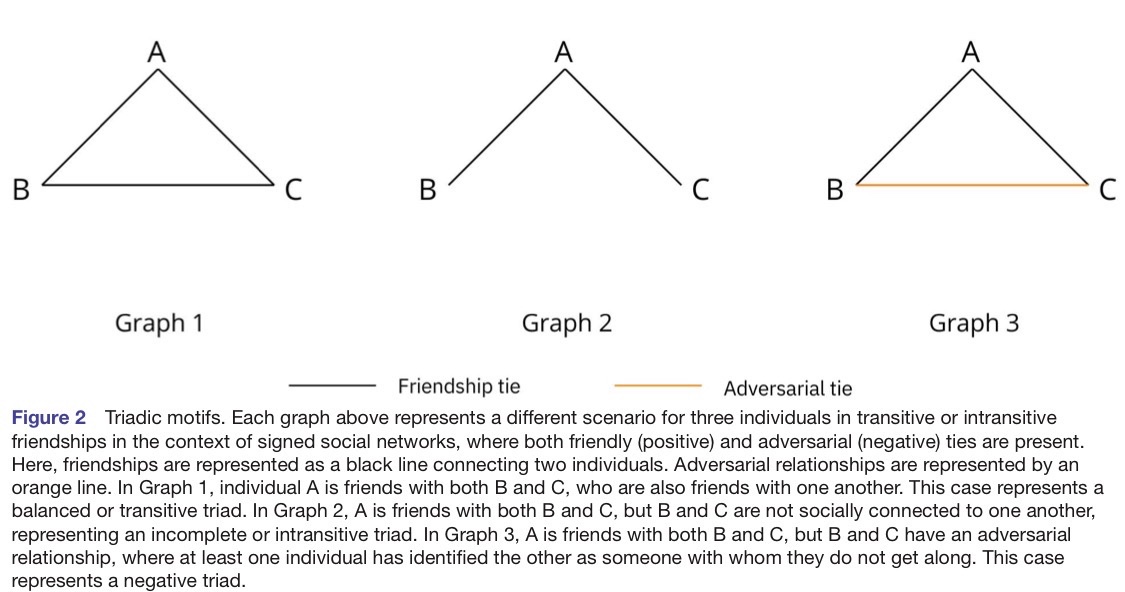
What matters more for mental health: who your friends are, or how they’re connected to each other?
In our new study @BMJ_Open , we map entire village networks in rural Honduras and find interesting insights:
1
4
13
3,433
Scientists are trained to think carefully about the world around them. But what about their personal life? This video (the last in our series on Working Hard) explores why being intentional about finding a life partner is not a distraction from work but rather a key part of a fulfilling life.
youtube.com/watch?v=zBV0J6Tq…
4
2,881
I really enjoyed this interview with Jamin Coller on his "If I'm Really Honest" podcast. Among many other topics, we discussed the deep (social) reasons our faces are so distinctive and why they do not look like our elbows. ;-)
youtube.com/watch?v=GSNVpotm…
1
1
4
4,133
Nicholas A. Christakis retweeted
Working Hard [I]: Autonomy
youtube.com/watch?v=ieIiRfVh…
New For the Love of Science vlog:
One of the best parts of being a scientist is autonomy: choosing your hours, your questions, your path. But that freedom has a cost: the boundaries between work and life can disappear. In this video, we talk about why autonomy can be uplifting when paired with purpose and competence…and why it can feel destabilizing early on when you’re still finding your footing.
2
7
8,357
Nicholas A. Christakis retweeted
On burnout and finding agency and meaning in a demanding career in science.
New For the Love of Science vlog, part of our "Working Hard" series.
youtube.com/watch?v=LJpZMXJJ…

1
3
9
8,678
Nicholas A. Christakis retweeted

Jun 5
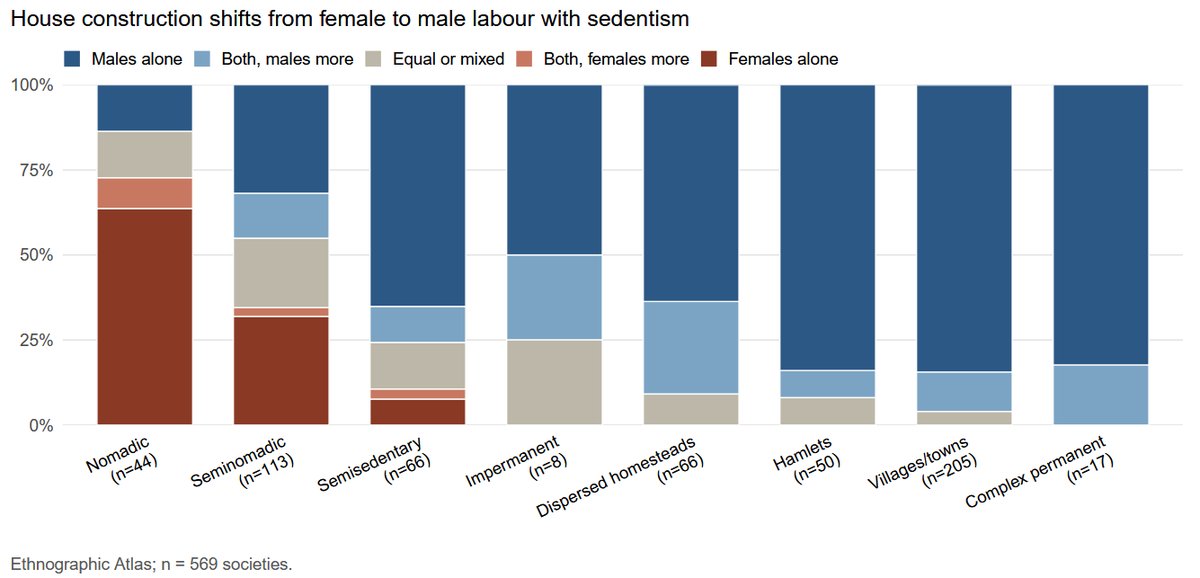
The sexual division of labour regarding house construction shows a very consistent pattern cross-culturally: women usually construct the shelters in nomadic societies, while in sedentary societies men do it.
15
52
450
23,958
Nicholas A. Christakis retweeted
As an early-career scientist, shifting your perspective from "it's a job" to "it's a calling" is a key to avoiding burnout, and a key to finding real meaning in the daily demands of your research.
New FLOS vlog on "Working Hard"
youtube.com/watch?v=iyWjgSNp…
1
3
14
12,001
Nicholas A. Christakis retweeted

Health & Veritas podcast: @thehowie & @hmkyale are joined by @NAChristakis, director of Yale's Human Nature Lab, to discuss his research on social networks, human connection, and the forces that help societies cooperate and endure. Listen now:
yalesom.io/4a9vUUv
4
3
2,898
Nicholas A. Christakis retweeted

I have experienced flow many times, hyper focused on work, as @NAChristakis discusses — most commonly in long neurosurgical cases. The longest case I did was a brain tumor resection that took 17 hours. I remember taking only one short break for bathroom and snack, while the attending kept going. Honestly, I cannot remember him taking a break, as incredible as it may seem.

Science often requires hard work and long hours, but a key joy is that this often prompts a psychological state of flow -- where time stands still and you are totally absorbed by the work you do.
New #FLOS vlog, #3 in a 6-part series on WORKING HARD.
youtu.be/6Kjv87x_6mY
1
17
11,442
I have visited the Kyiv School of Economics, under less severe air raids, and their people are incredible.
"Today we have Prospective Students Day and classes. We are not cancelling any activities. We didn't close in the winter, we didn't close in 2022, we wont' close now."
May 24

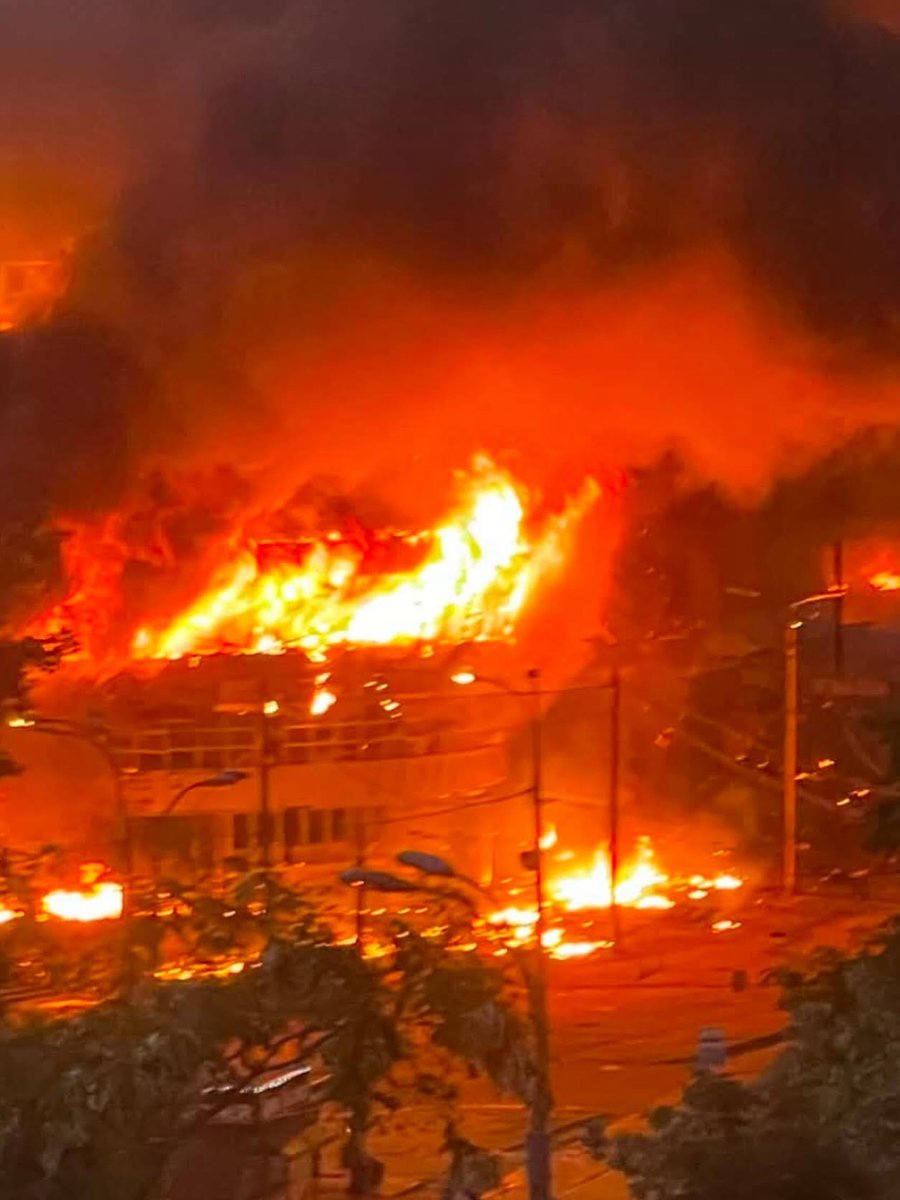
A Russian drone is still outside my window. And air-defense machine guns are working a hundred yards away.
This night Russia attacked Kyiv again.
For the first time, our university KSE, was hit.
One staff member was injured. No one in our community was killed, thank God. 1/
3
11
5,580
Nicholas A. Christakis retweeted
Science often requires hard work and long hours, but a key joy is that this often prompts a psychological state of flow -- where time stands still and you are totally absorbed by the work you do.
New #FLOS vlog, #3 in a 6-part series on WORKING HARD.
youtu.be/6Kjv87x_6mY
6
22
23,660

936 million people have sleep apnea. 80% don't know it.
It's not just snoring. Untreated, it accelerates biological aging, raises diabetes risk 40%, and drives cognitive decline through nightly oxygen deprivation.
For most patients, the answer was CPAP, a machine you strap to your face every night. Half of them quit within a year.
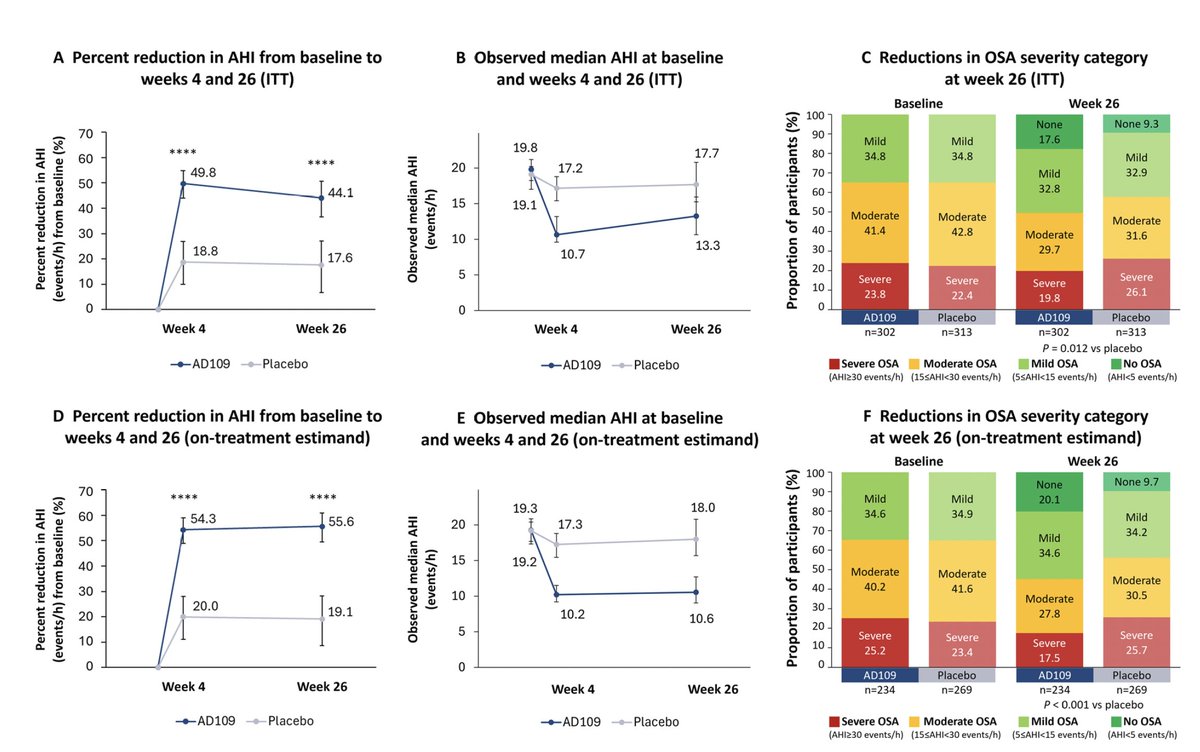
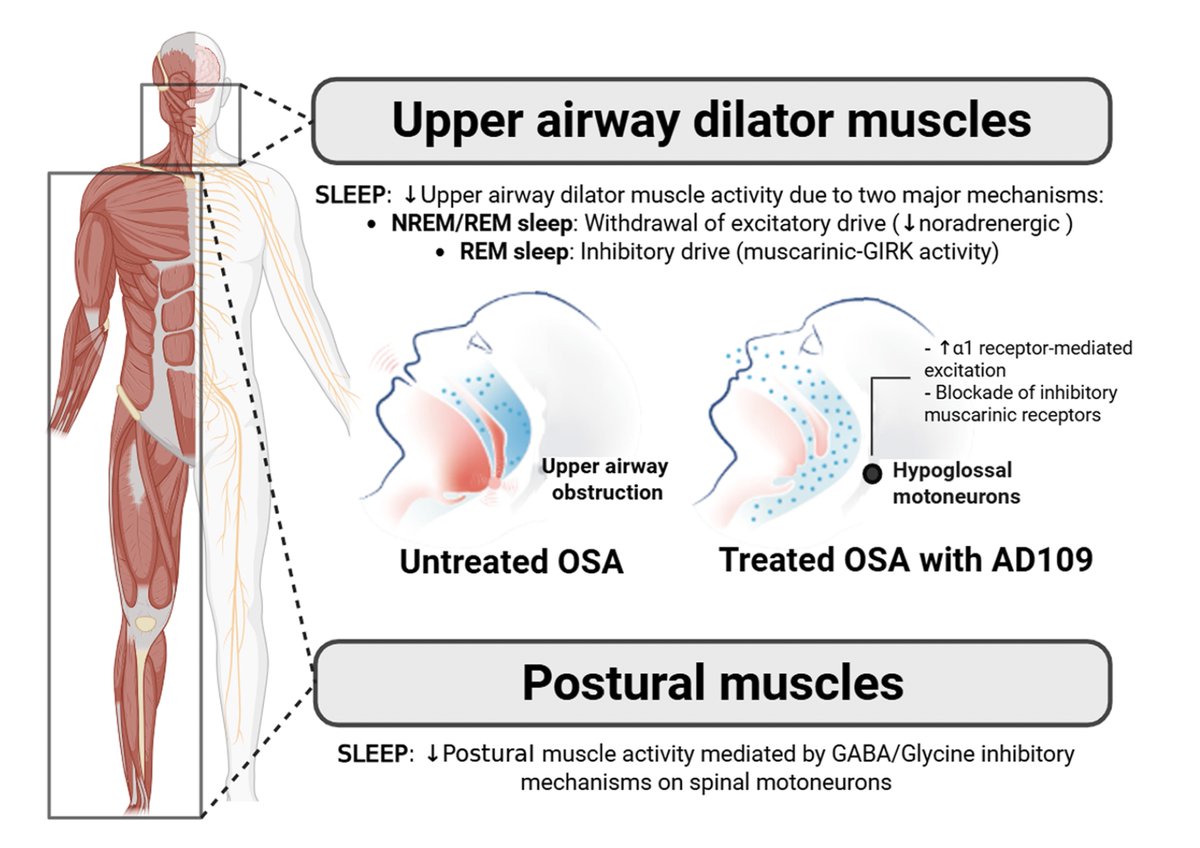
A once-nightly pill cut apnea events 44% in a 646-person Phase 3 trial (SynAIRgy, @apnimed). Works by tightening airway muscles during sleep. No weight loss. No sedation.
Tirzepatide got FDA approval for sleep apnea in Dec 2024 by reducing body weight. AD109 targets the airway directly. Two drugs. Two completely different mechanisms. Both work.
A disease affecting a billion people had no approved drug that treated the apnea itself until last year. It has two now.
May 18

A once a night pill for severe obstructive sleep apnea effective in a Phase 3 randomized trial
academic.oup.com/ajrccm/adva…
academic.oup.com/ajrcmb/adva…
31
132
659
146,446