Studying the origin and evolution of life on Earth to inform the search for life elsewhere in the Universe. Follow @NASASolarSystem, @NASAMars, & @NASAUniverse
This has been the best community on the internet & we've loved every minute of it.
This account is now inactive. Find future astrobiology news and resources on our website at science.nasa.gov/astrobiolog… and by following @NASASolarSystem, @NASAMars and @NASAUniverse.
Stay curious.🖖
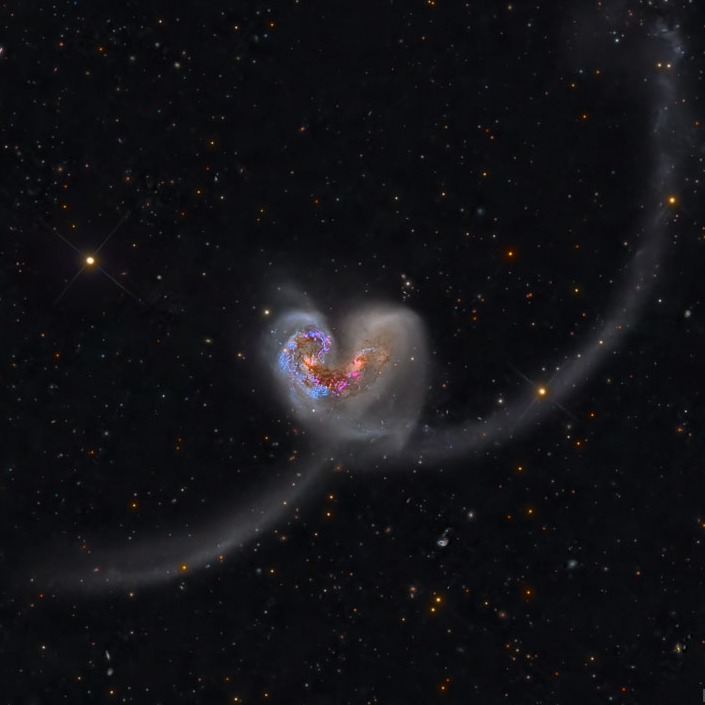
ALT A deep-space image of the Antennae Galaxies, two colliding galaxies with long, sweeping tidal tails extending far into space. The galactic cores glow brightly with blue and red hues, indicating regions of intense star formation. Faint, wispy trails of stars and gas arc across a dark backdrop speckled with distant galaxies and stars.
📢 Important: As part of NASA’s effort to streamline communications, this account will be archived on Sept. 1.
For news, discoveries, and resources related to understanding life and its potential in the cosmos – please follow @NASASolarSystem, @NASAMars and @NASAUniverse.
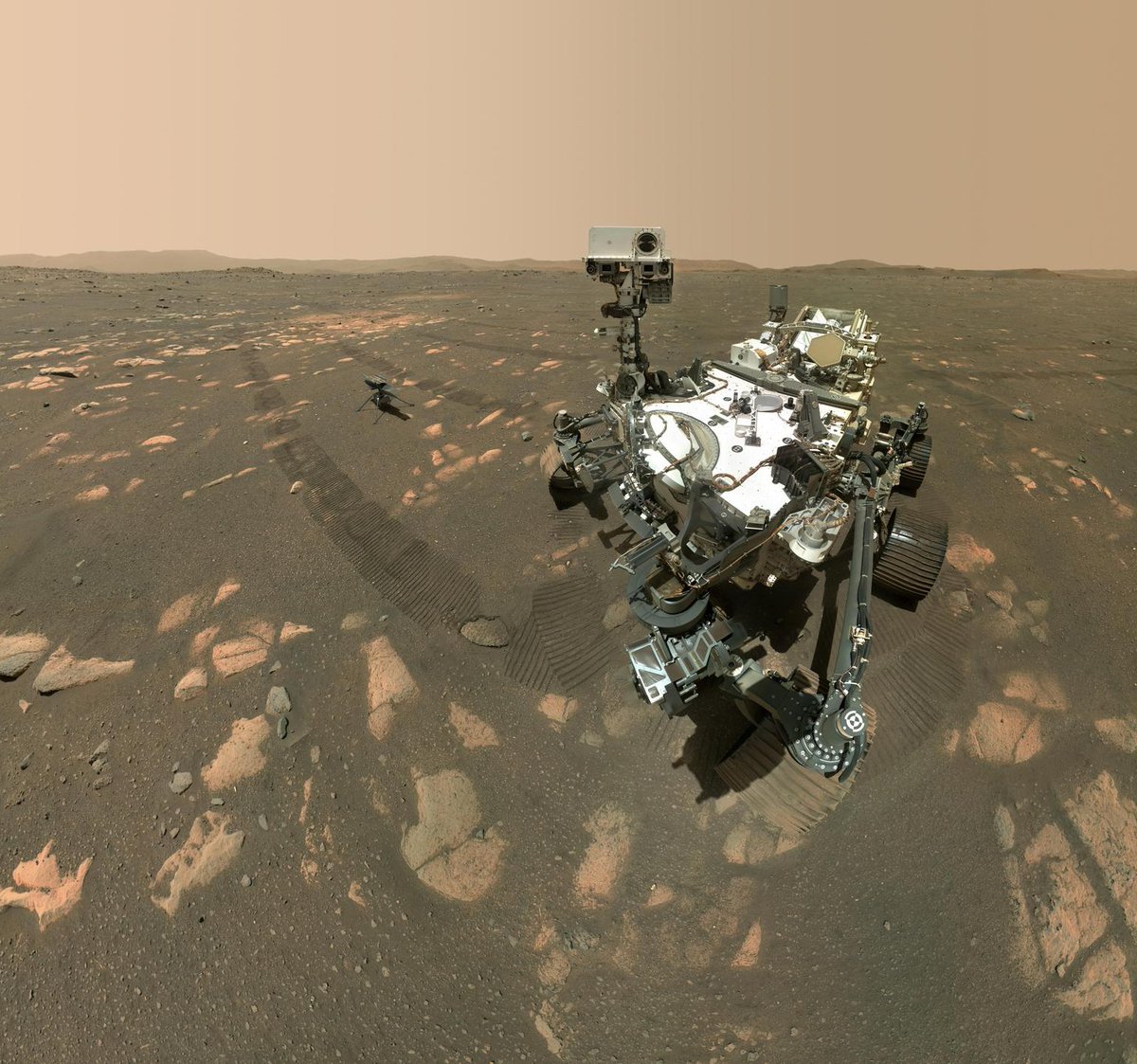
ALT The SUV-sized Perseverance rover took this selfie on April 6, 2021, the 46th Martian day, or sol, of the mission, with its WATSON camera. The rover's tire tracks are visible proceeding into the distance. The small Ingenuity rotocopter is situated on the Martian surface behind and to the left of the rover inside Jezero Crater. Exposed orange-y rocks and dirt cover the surface. The sky is a greyish peach color.
Here's the new breakdown of coverage to ensure you'll never miss a beat:
🪐 Follow @NASASolarSystem for news related to planetary science and ocean worlds
🔴 Follow @NASAMars for news related to Mars
🔭 Follow @NASAUniverse for news related to exoplanets and beyond
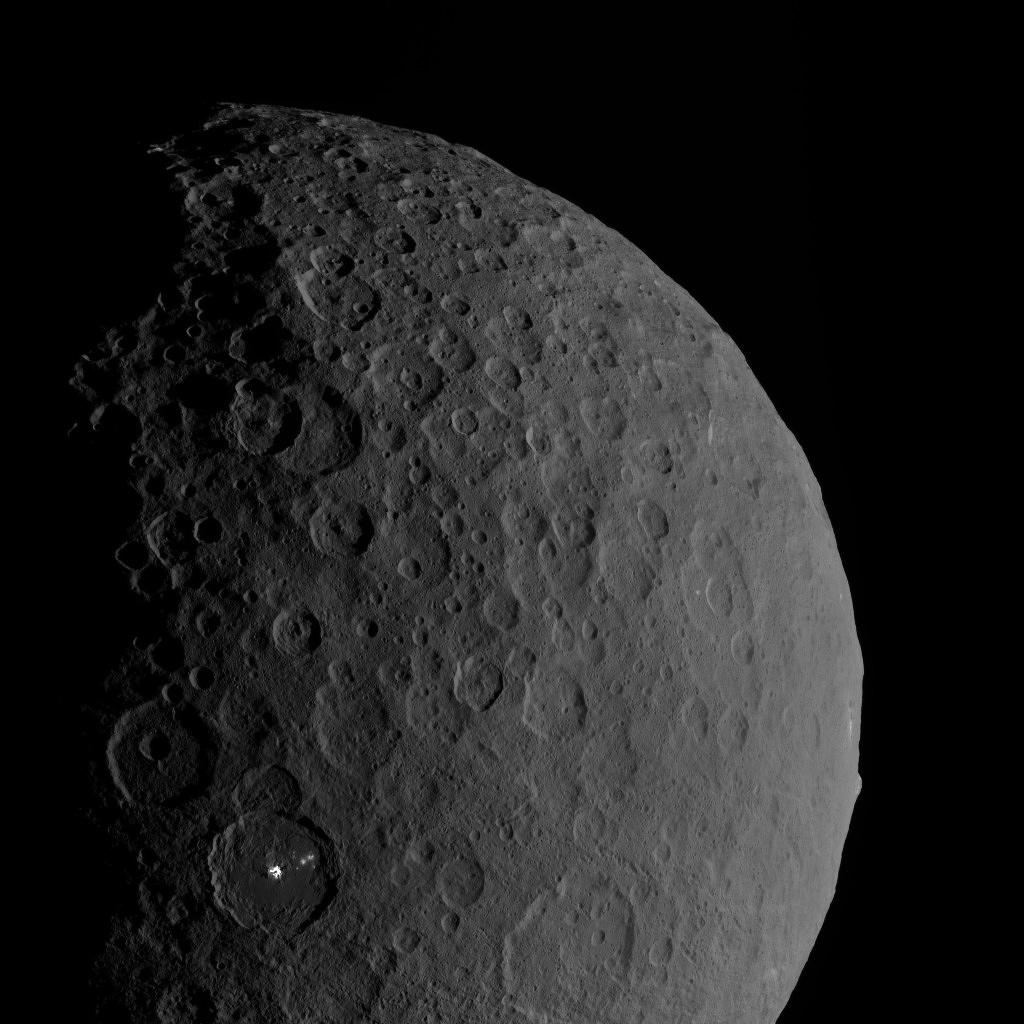
Hot science on a cold dwarf planet: Ceres may be cold now, but new research suggests it once had a lasting source of chemical energy. When combined with the briny water and carbon molecules found in its interior, Ceres may have been habitable. go.nasa.gov/45X1KSO
ALT The gray, cratered surface of Ceres fills most of the frame. Near the bottom left, one crater has small patches of much brighter material.
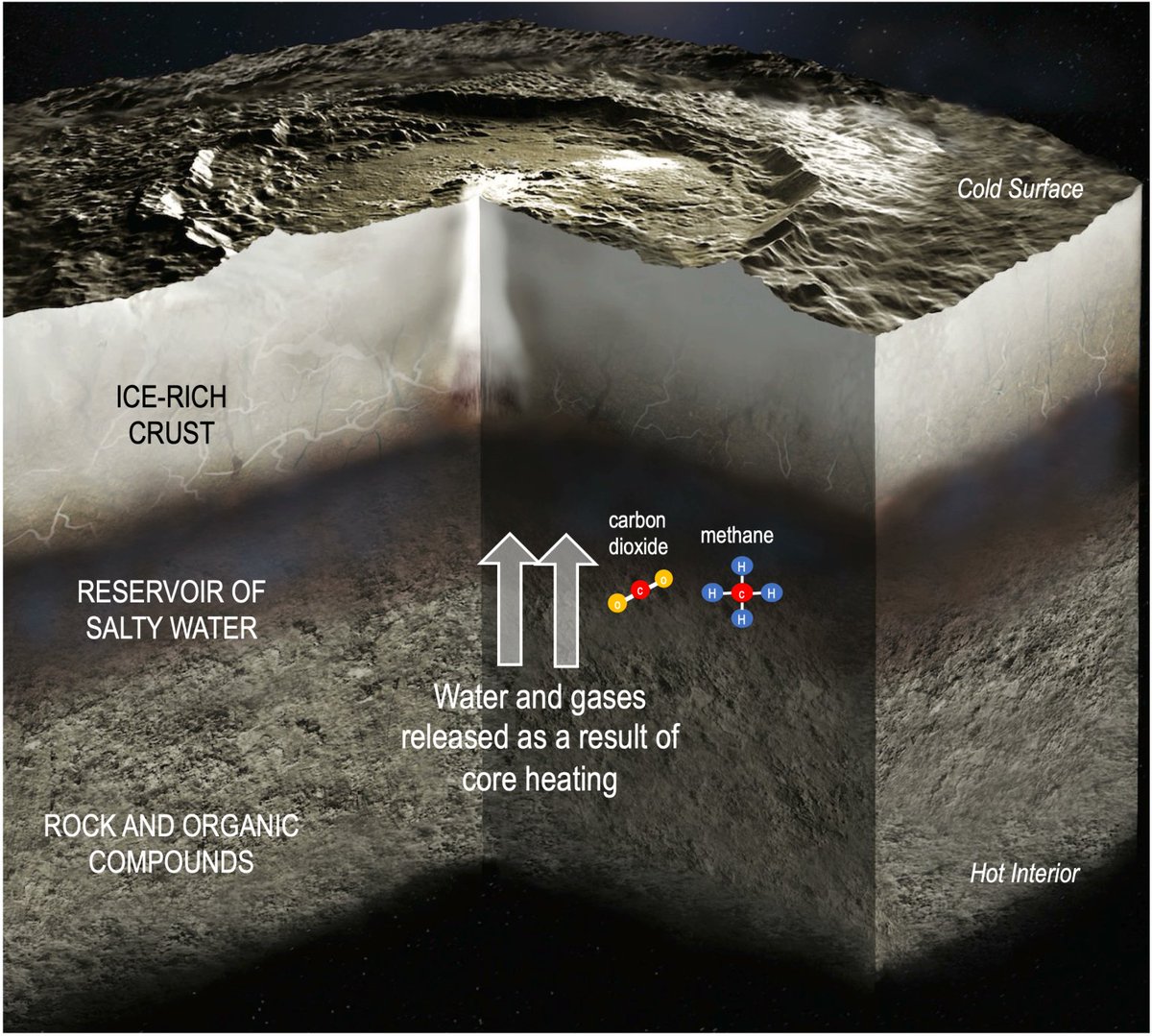
ALT A diagram of interior layers in Ceres. Beneath the cold surface and ice-rich crust is a reservoir of salty water, where water and gases released from the rocky core below mix with the organic molecules methane and carbon dioxide.
Today at 3 p.m. ET — we're talking about artificial intelligence in the search for life and our Habitable World Observatory. Join here to ask questions live: youtube.com/live/xioQbOcjaLo…
What will it take to find life on planets beyond our solar system? Our Habitable Worlds Observatory will be the first mission designed to find out! Share questions for Program Scientist Dr. Megan Ansdell and tune into #AskAstrobio on Aug. 14 at 3 p.m. ET: youtube.com/live/xioQbOcjaLo
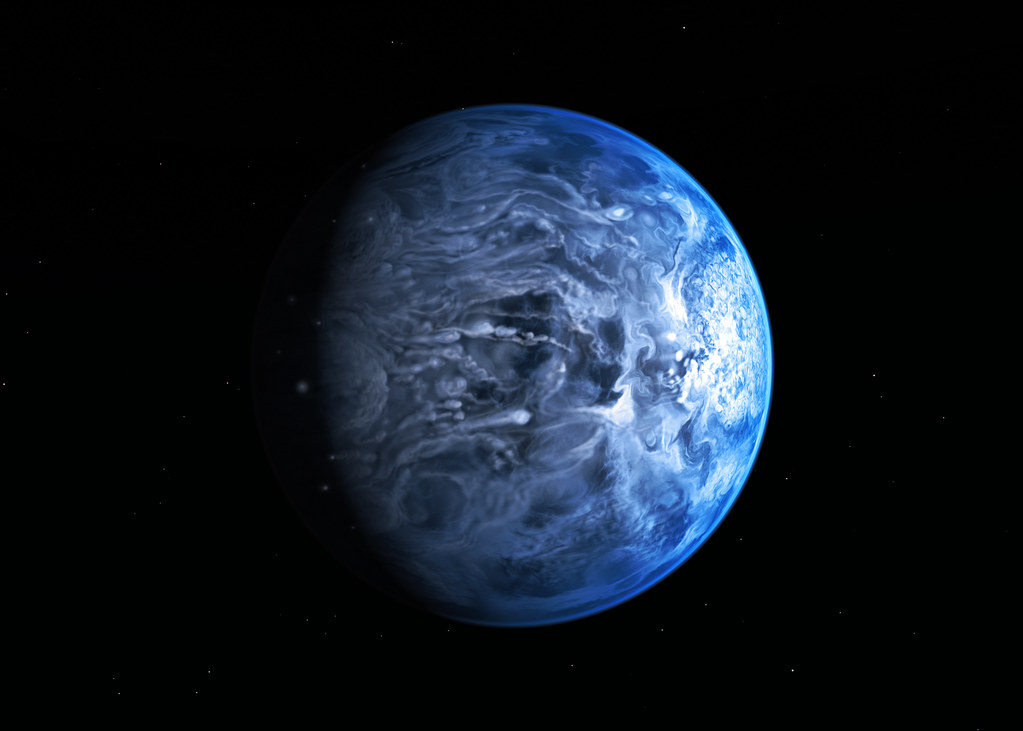
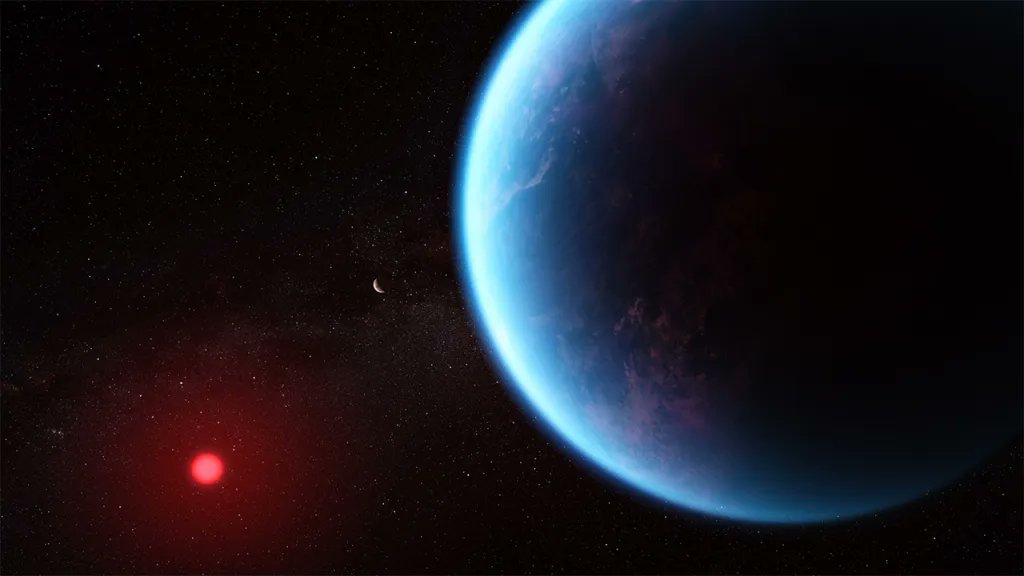
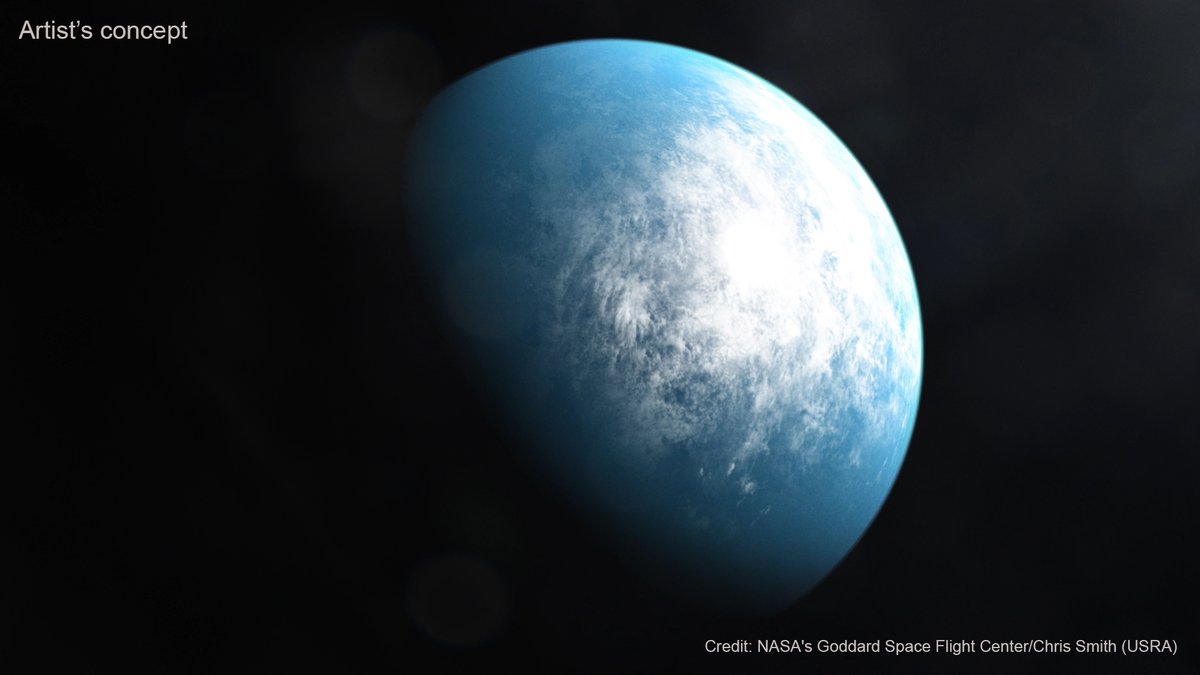
ALT This artist’s concept of exoplanet TOI 700 d depicts a bright blue, ocean-covered world marbled with white clouds. The planet is tidally locked to its star, leaving one side in constant daylight and the other in darkness, fading into the black background. The image is watermarked “Artist’s concept” and “Credit: NASA's Goddard Space Flight Center/Chris Smith (USRA).”
This week on #AskAstrobio we're talking artificial intelligence, exoplanets, and the future of astrobiology. Tune in below and follow @NASAUniverse for astrobiology news from beyond our solar system!
What will it take to find life on planets beyond our solar system? Our Habitable Worlds Observatory will be the first mission designed to find out! Share questions for Program Scientist Dr. Megan Ansdell and tune into #AskAstrobio on Aug. 14 at 3 p.m. ET: youtube.com/live/xioQbOcjaLo
ALT This artist’s concept of exoplanet TOI 700 d depicts a bright blue, ocean-covered world marbled with white clouds. The planet is tidally locked to its star, leaving one side in constant daylight and the other in darkness, fading into the black background. The image is watermarked “Artist’s concept” and “Credit: NASA's Goddard Space Flight Center/Chris Smith (USRA).”
A few interesting sights here:
- The abrasion patch made by the rover is 2 inches (5 centimeters) wide
- These tracks are about 300 feet (90 meters) away
- This peak is 40 miles (65 kilometers) away!
go.nasa.gov/4ooKDAD
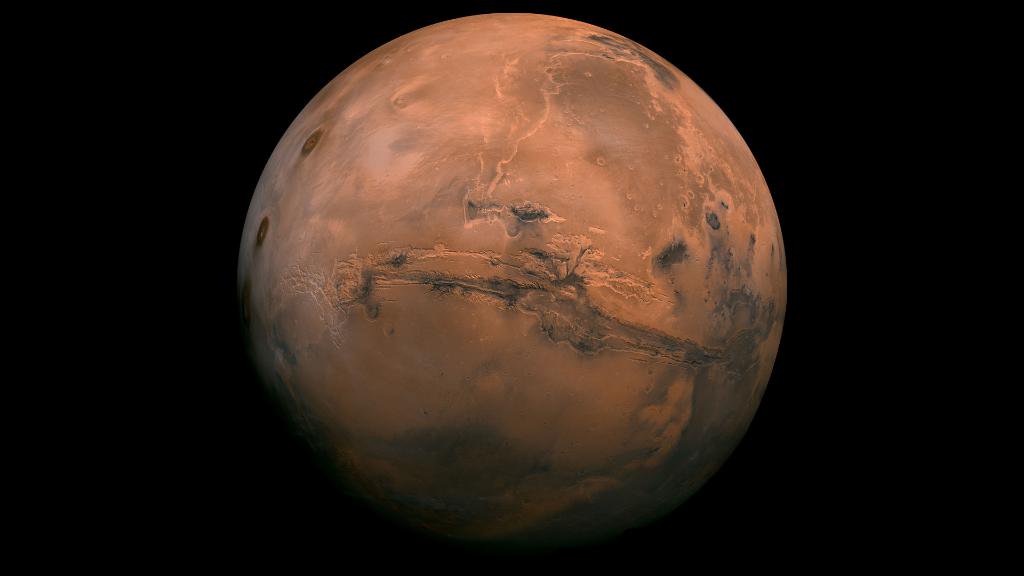
Mars is a dusty place – but every two years, the dust settles. The Perseverance rover's imaging team took advantage of this moment to capture one of the sharpest panoramas of its mission so far!
Explore the full image: go.nasa.gov/4ooKDAD
Our account might be going away, but the science we love continues. 💫 Follow @NASASolarSystem to get continued updates on astrobiology-related missions, science, and discoveries.
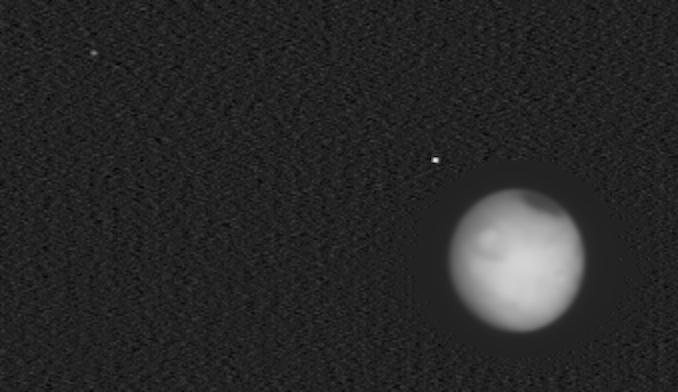
Are there places on Jupiter's moon Europa where water is near the surface? Our Europa Clipper spacecraft will use its E-THEMIS instrument to find out. In March, the instrument went through a test run at Mars: go.nasa.gov/3Uhjylf
ALT Black-and-white image of the disc of Mars against the darkness of space. Two small dots to the left of the planet are two of its moons.
📢 Important: As part of NASA’s effort to streamline communications, this account will eventually be archived. For news, discoveries, and resources related to understanding life and its potential in the cosmos – please follow @NASASolarSystem, @NASAMars and @NASAUniverse.
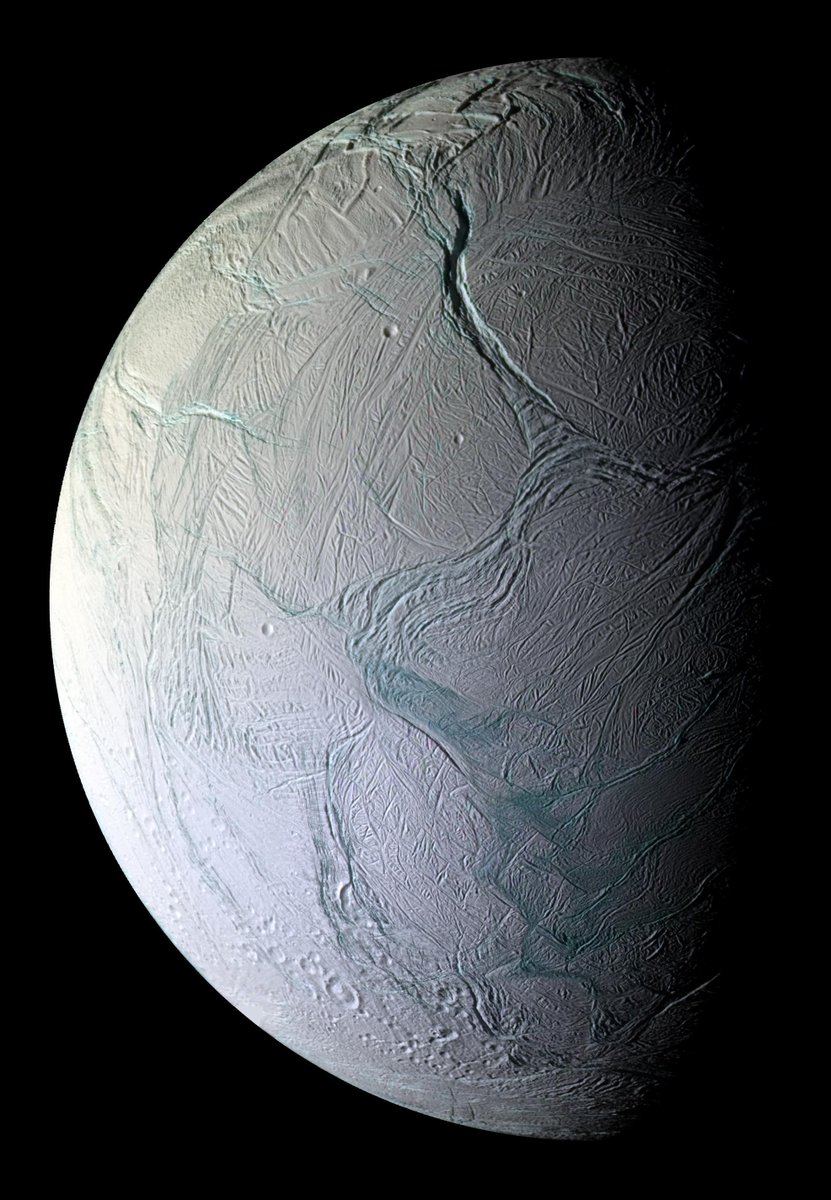
ALT A masterpiece of deep time and wrenching gravity, the tortured surface of Saturn's moon Enceladus and its fascinating ongoing geologic activity tell the story of the ancient and present struggles of one tiny world. Long cracks tear across the white, icy surface revealing ridges that look a light blue. Observations made by the Cassini spacecraft show that this small moon of Saturn has an ice-covered water ocean that erupts into space, forming plumes of material.
Are we alone? To find out, we’re building the Habitable Worlds Observatory. This powerful space telescope uses proven technologies from @NASAHubble, @NASAWebb, and @NASARoman to look for signatures of planets that can support life — and maybe life itself. go.nasa.gov/44KCbT7
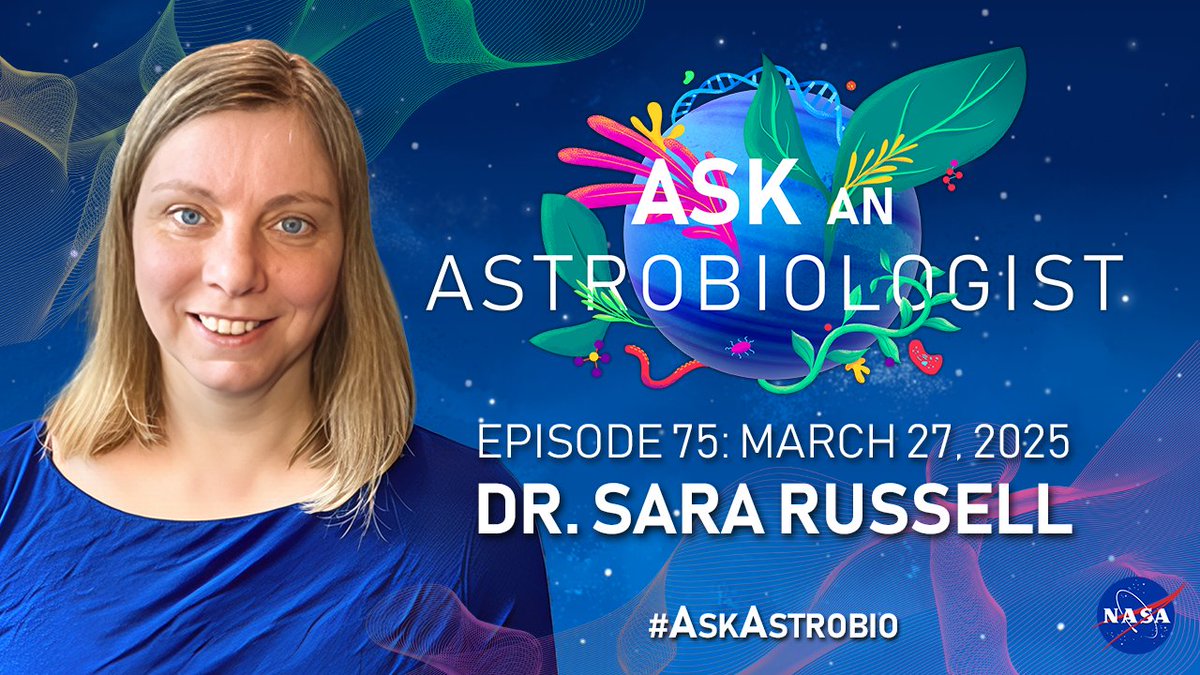
Our next #AskAstrobio guest, Dr. Amber Young, uses climate and photochemical modeling to identify clear signs of life in Earth’s atmosphere—and applies that expertise to develop new strategies for detecting life on distant rocky planets. Join her live Q&A on June 17 at 1pm ET: youtube.com/live/inUtccCIDmY…
ALT A smiling woman with short, curly hair wears glasses and a colorful galaxy-themed scarf. She is posed in front of a vibrant space-themed background that features stars and a nebula, giving the image a cosmic feel.
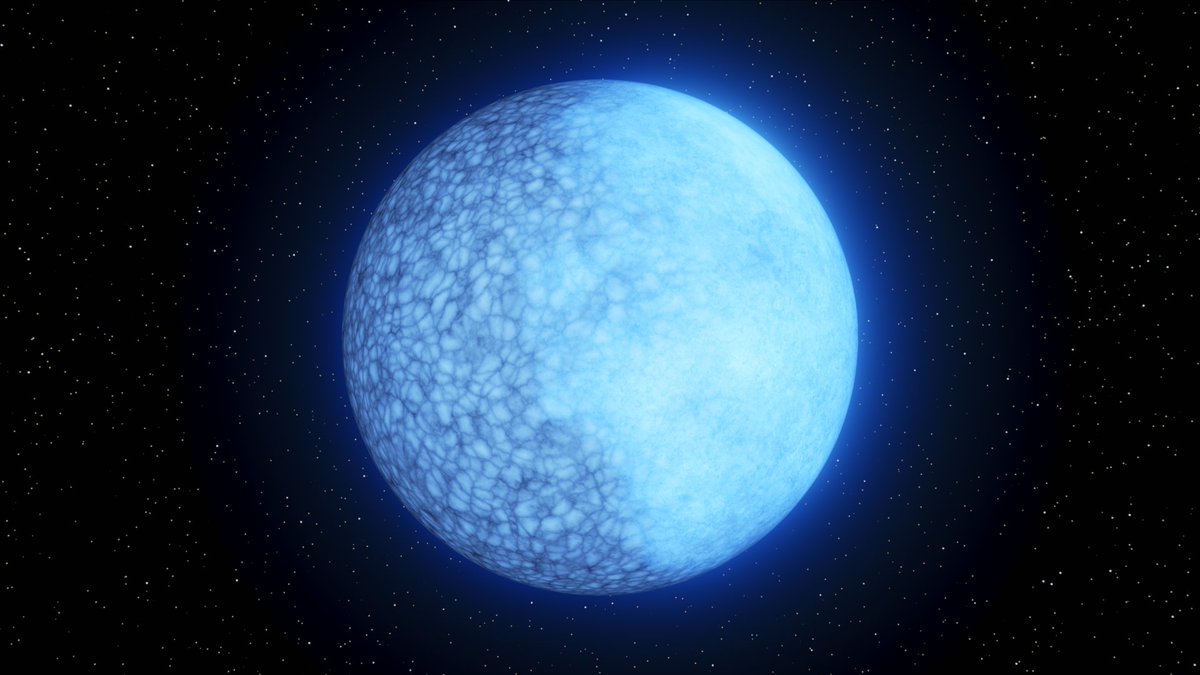
ALT Artist’s illustration of a white dwarf star glowing with a pale blue hue against the backdrop of a star-filled black sky. The star’s surface has a mottled, textured appearance, suggesting intense heat and dense composition.
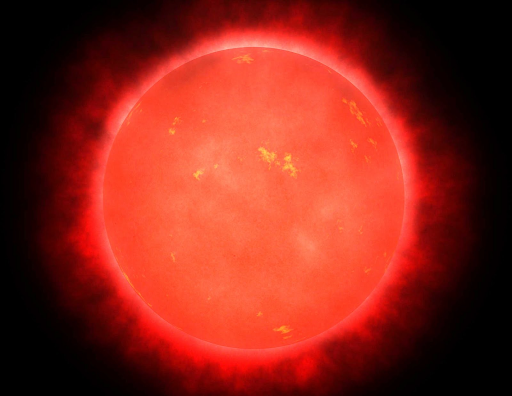
ALT Illustration of a red dwarf star glowing with a deep red hue, surrounded by a faint red corona. The surface appears smooth with subtle yellowish patches, indicating cooler temperatures and minimal solar activity.
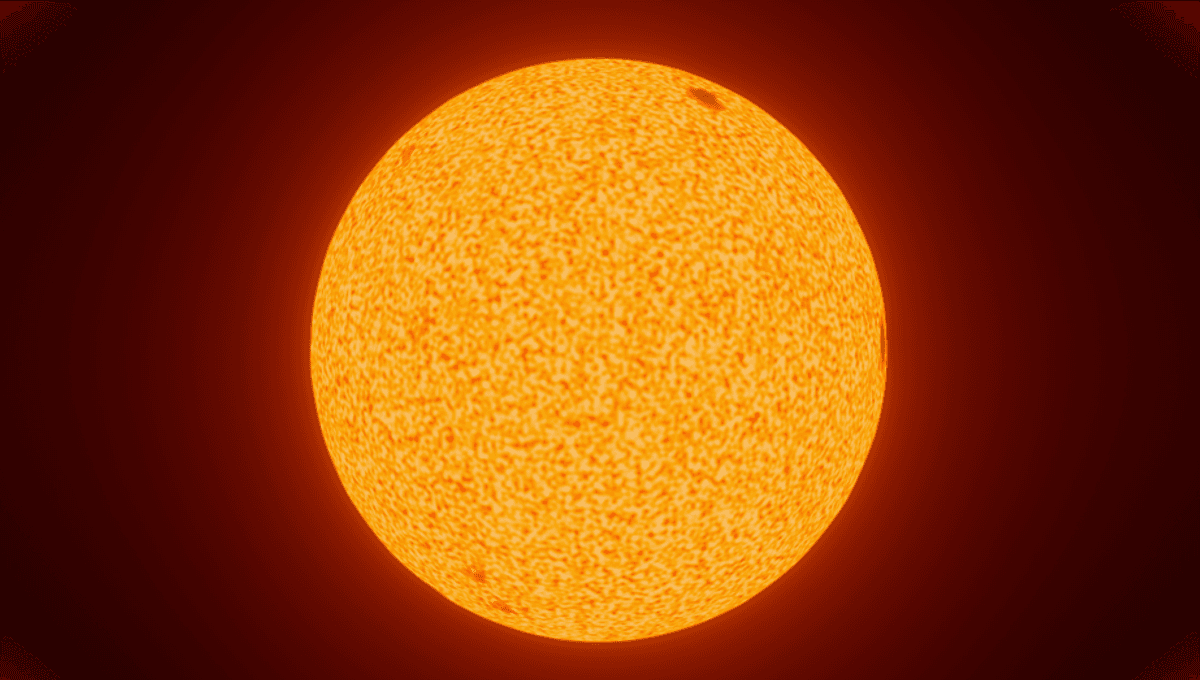
ALT Illustration of a K-type main-sequence star emitting a bright orange-yellow light. The star's surface shows a textured appearance with a noticeable sunspot near the top, suggesting moderate magnetic activity.
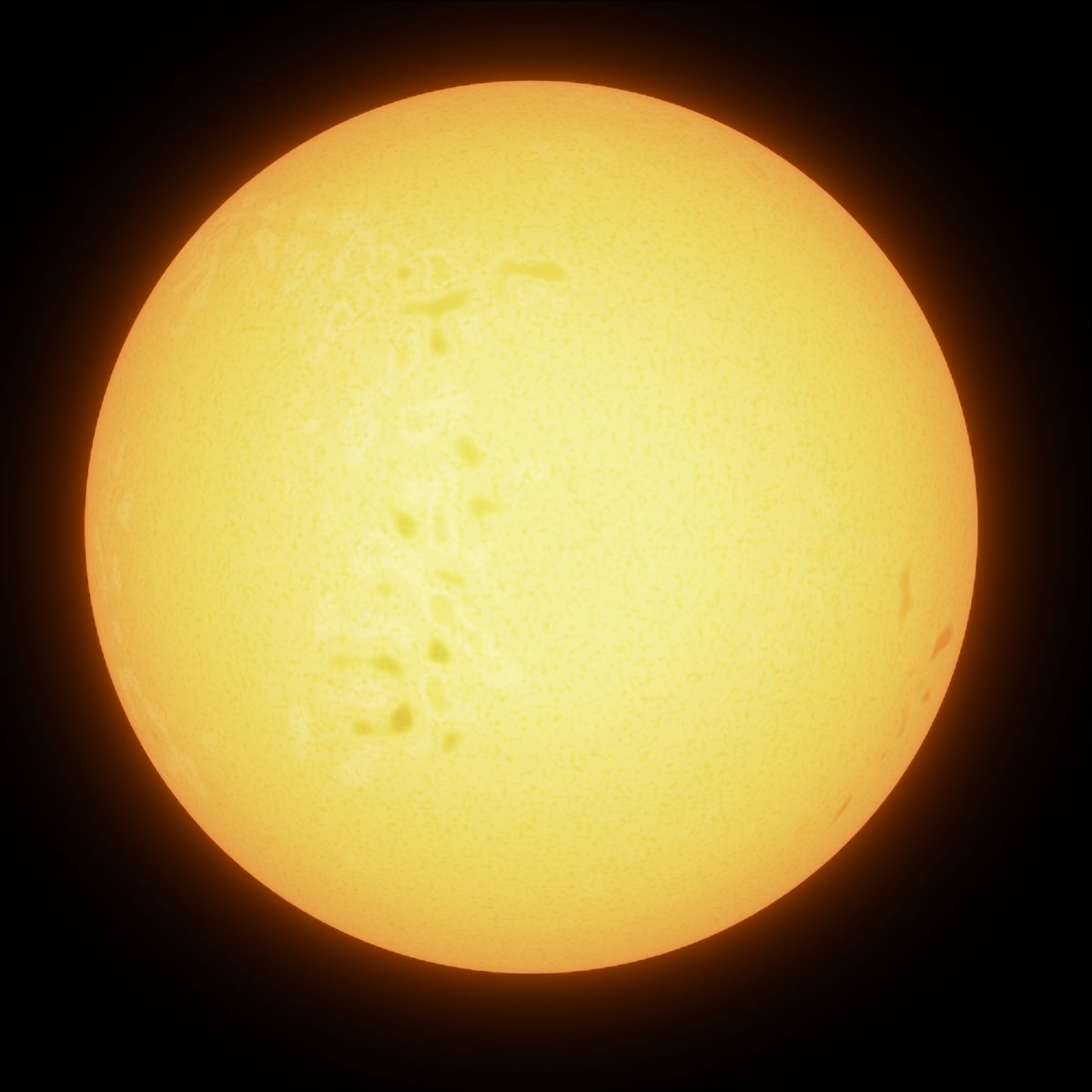
ALT Illustration of a G-type star radiating a bright yellow glow against the dark backdrop of space. Its surface is speckled with faint dark spots, hinting at sunspots caused by magnetic activity.
Our next #AskAstrobio guest, Dr. Amber Young, uses climate and photochemical modeling to identify clear signs of life in Earth’s atmosphere—and applies that expertise to develop new strategies for detecting life on distant rocky planets. Join her live Q&A on June 17 at 1pm ET: youtube.com/live/inUtccCIDmY…
ALT A smiling woman with short, curly hair wears glasses and a colorful galaxy-themed scarf. She is posed in front of a vibrant space-themed background that features stars and a nebula, giving the image a cosmic feel.
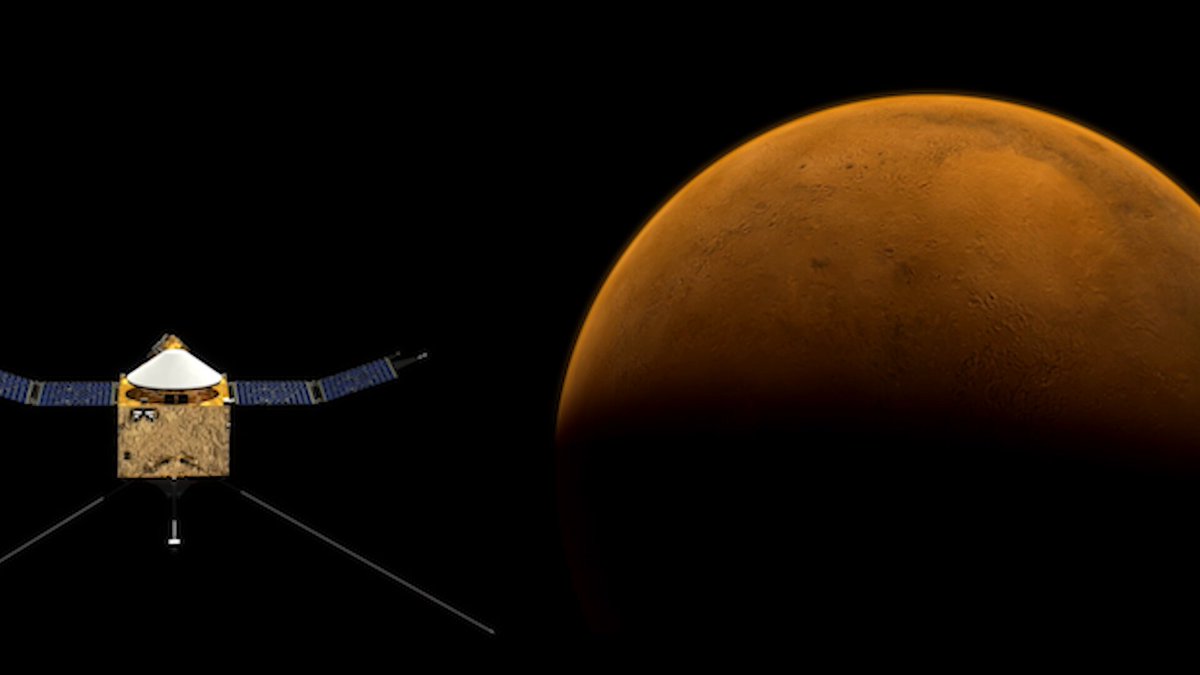
After a decade of searching, @NASAMars' MAVEN mission has directly observed sputtering—an atmospheric escape process where solar particles knock atoms out of the Martian atmosphere. This long-suspected process likely played a major role in stripping Mars of its thick atmosphere. go.nasa.gov/4kXn7bu
This finding helps explain how Mars transitioned from a potentially habitable world—with liquid water on its surface—to the cold, dry planet we see today. It’s a key piece in the astrobiology puzzle of whether life could have once existed on the Red Planet.
Where did Mars' water go? And why?
These questions have long puzzled scientists. Now, after a decade of searching, @NASAMars’ MAVEN has made the first direct observation of an elusive atmospheric escape process known as sputtering, offering new insight into the Red Planet’s mysterious water loss. go.nasa.gov/3Z4oUTB
What if colors hold the key to finding alien life? Get answers straight from the expert!
Dr. Lígia Coelho joins #AskAstrobio live today at 1pm ET to discuss her groundbreaking microbial research and space exploration innovations. Bring your questions & share for a shoutout: youtube.com/live/9Xx06kt8KIE…
ALT A woman takes a selfie on a frozen landscape wearing a teal jacket, blue book bag, teal headband, and tan sunglasses. The sky above her is covered in white, fluffy clouds. The white ground and sky are the a perfect contrast to her bright blue outfit.
Our next guest for #AskAstrobio is Dr. Lígia Fonseca Coelho, an astrobiologist who studies biological pigments of a certain color that she says could expand our list of potential candidates for habitable worlds outside our solar system! What color planets should future telescopes include in their search? Vote here: youtube.com/channel/UC14eJIZ…
ALT An illustration of an orange-red planet, resembling Mars, with a bright flare from a nearby star illuminating the top-right edge. The surface shows various shades and textures indicating terrain variations.
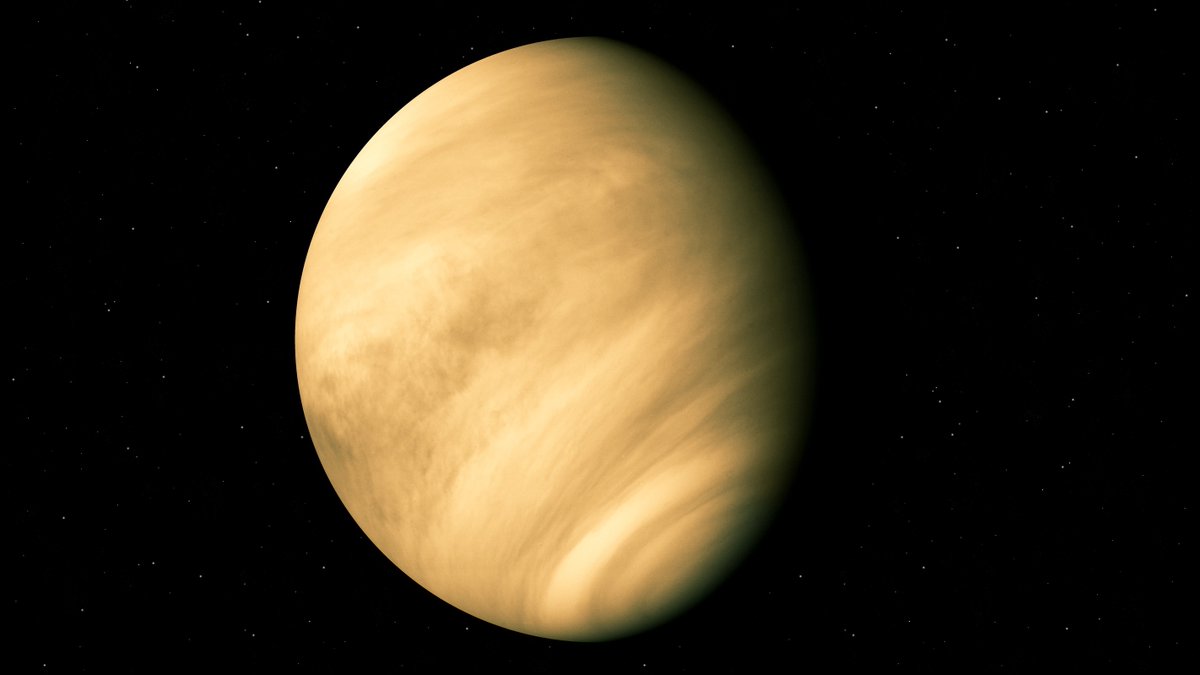
ALT An illustration of a tan, hazy planet set on a black background.
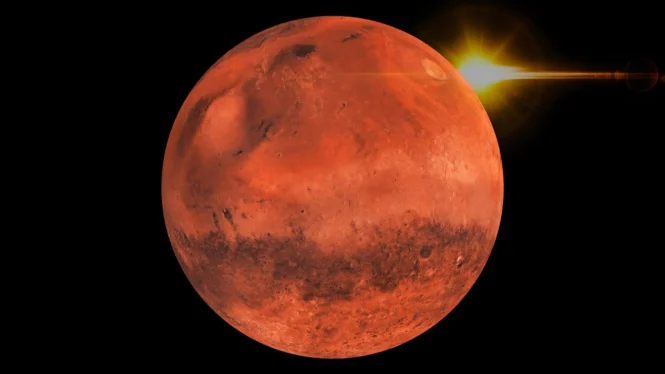
ALT An illustration of an orange-red planet, resembling Mars, with a bright flare from a nearby star illuminating the top-right edge. The surface shows various shades and textures indicating terrain variations.
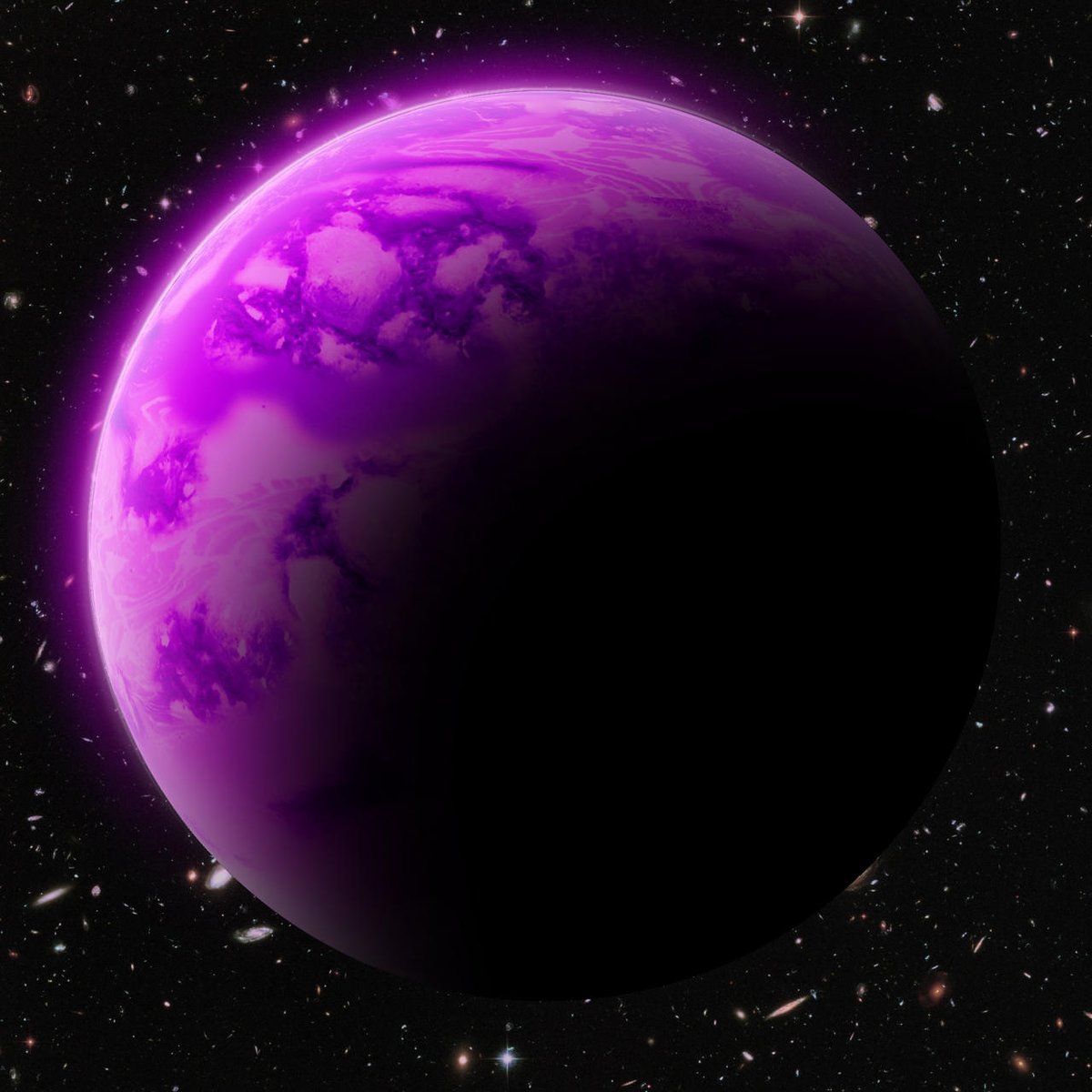
ALT An illustration of a purple planet set on a back drop of space with galaxies glittered in the distance.