
Joined October 2024
- Tweets 18,884
- Following 1,639
- Followers 826
- Likes 26,424
993 Photos and videos














Patriots Day retweeted

The UK government is banning social media for under-16/17s for no other reason than them turning right-wing.
They know if they lose the youth vote, deranged leftism dies forever.
Get a VPN, young patriots. 🇬🇧
24
122
660
5,101
Patriots Day retweeted

All by design and with intent. NYC symbolizes America, symbolizes freedom and the globalists, via a death cult will destroy the city and from there the rest of America. Open borders and mass invasion by incompatible cultures was part of the successful plan, to get this feat accomplished, even in a country as large as America. Mamdani's election (installation) was the symbolic declaration of victory and yet there are still millions who are completely unaware of the bigger picture.

🚨 Rioters not only destroyed school buses in Times Square tonight — they also tried taking over a CITY BUS while the DRIVER was still in it
Broke glass, kicked the door in, and then boarded.
Their faces on camera. But they don’t care, because there will be ZERO CONSEQUENCES
2
6
57


Patriots Day retweeted

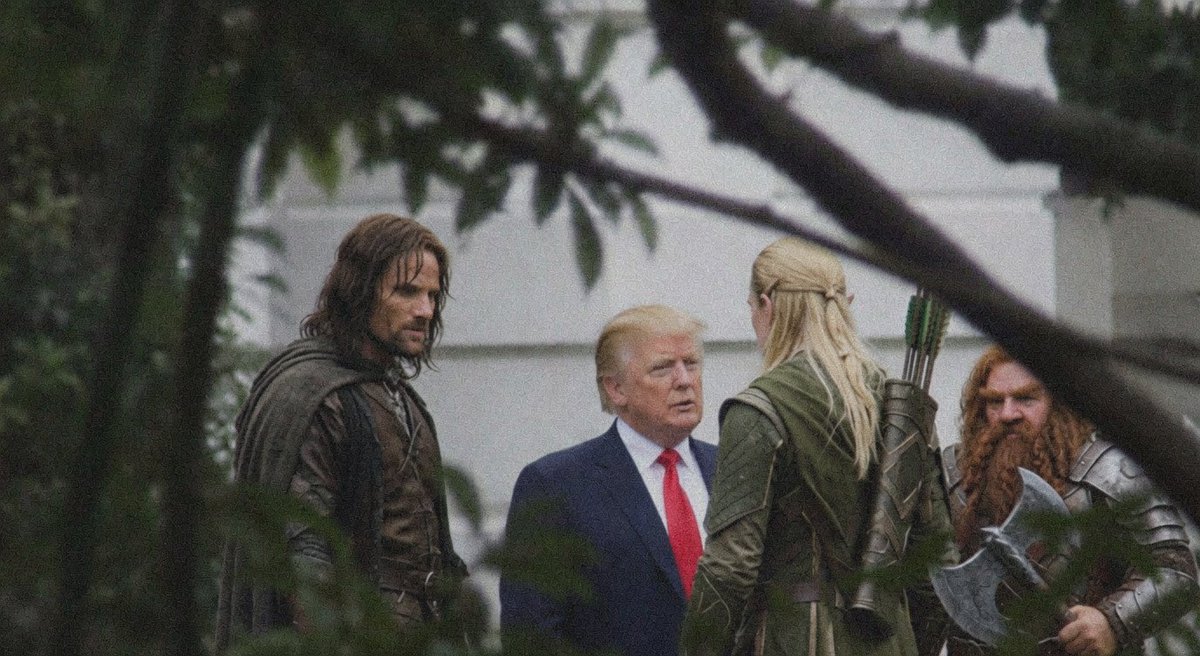
Ahahahahahah this one made my day 🤣

"No, I haven't seen two hobbits. Why would I have seen two hobbits? Hobbits are a tremendous people by the way. They invented golf. Their golf swing isn't as good as mine but they're still very good. Very good at golf."
14
47
900
9,588

A Gun would have solved this problem.

🚨Black Man with Knife Terrorizes Ohio Family Screaming in Name of Allah.
Shocking Ring doorbell video shows a black man aggressively praying, waving a knife, and screaming death threats at an innocent American family in their own driveway. “I’ll kill you in the name of Allah!” the black intruder yells while banging on their door at 1:30 a.m. The terrified family hid inside as this black man circled their home, threatening to murder them for no reason.
This disturbing attack by a black man in Franklin Township, Ohio has left neighbors scared and demanding answers. Why is this black man free to threaten peaceful citizens with violence using Islamic words? Watch the raw footage that proves the danger. America must wake up now!
1
3
29


Patriots Day retweeted

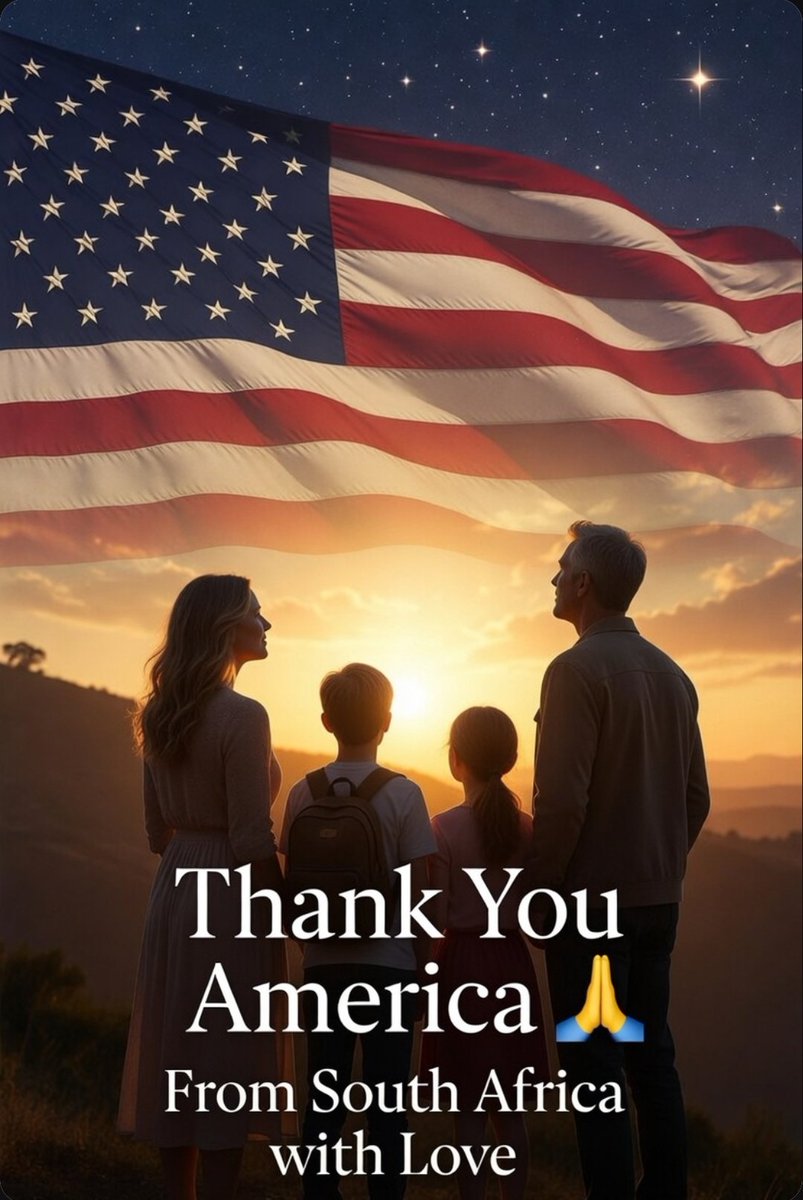
This South African family will be given refuge in the United States. They so want to be here for the 4th.
Give her a follow. When the family lands in the US, we can share in their joy and wonder.

I'm still reading every comment with tears in my eyes…
Thank you, thank you, thank you America.🙏🏼
As a South African mom preparing to bring my husband and our two kids (13 & 10) to the United States, your love and encouragement have overwhelmed us.
We’ve been told we will fly out within the next 2 to 4 weeks. We’ll only know the exact date and landing city 4–5 days before departure when the tickets arrive.
We’re praying we make it in time to experience America’s 250th anniversary celebrations on July 4th! 🎆🇺🇸
We’ll keep you posted every step of the way.
We’re coming ready to work hard, worship freely, raise our children with strong values, and fully embrace Faith & Freedom.
Please keep us in your prayers.
Thank you Family 🫶🏼
98
1,451
11,141
220,273

Patriots Day retweeted

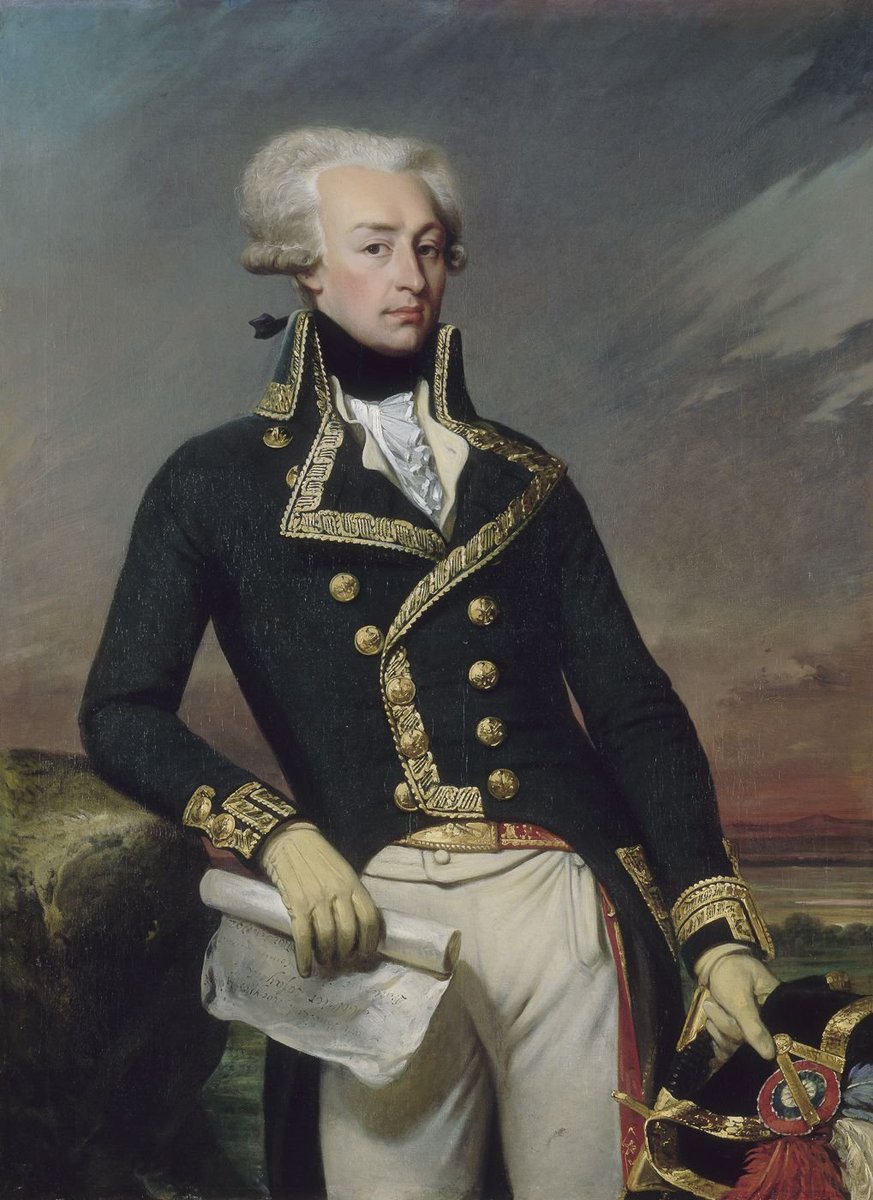
On June 13, 1777, a 19-year-old French teenager landed on a beach in South Carolina, uninvited, to fight in someone else's war. He would become one of the most important men in American history.
The Marquis de Lafayette was one of the richest young aristocrats in France. He had a beautiful wife, a fortune, and zero reason to risk any of it. But he believed in the American cause so fiercely that when the French king forbade him from going, Lafayette bought his own ship and sailed anyway. He literally went AWOL from a life of luxury to bleed for a country that didn't exist yet.
Congress was annoyed at first. Another foreign officer looking for a paycheck? Then Lafayette offered to serve for free and pay his own way. That got their attention.
He met Washington and the two formed one of the great father-son bonds in American history. Washington had no biological children. Lafayette named his only son George Washington Lafayette.
He took a bullet in the leg at Brandywine and kept rallying the retreat. He was instrumental at Yorktown, the battle that won the war. He went home a hero on two continents.
A foreign teenager believed in America before America did. 249 years ago today.
191
2,985
13,724
178,792
Patriots Day retweeted

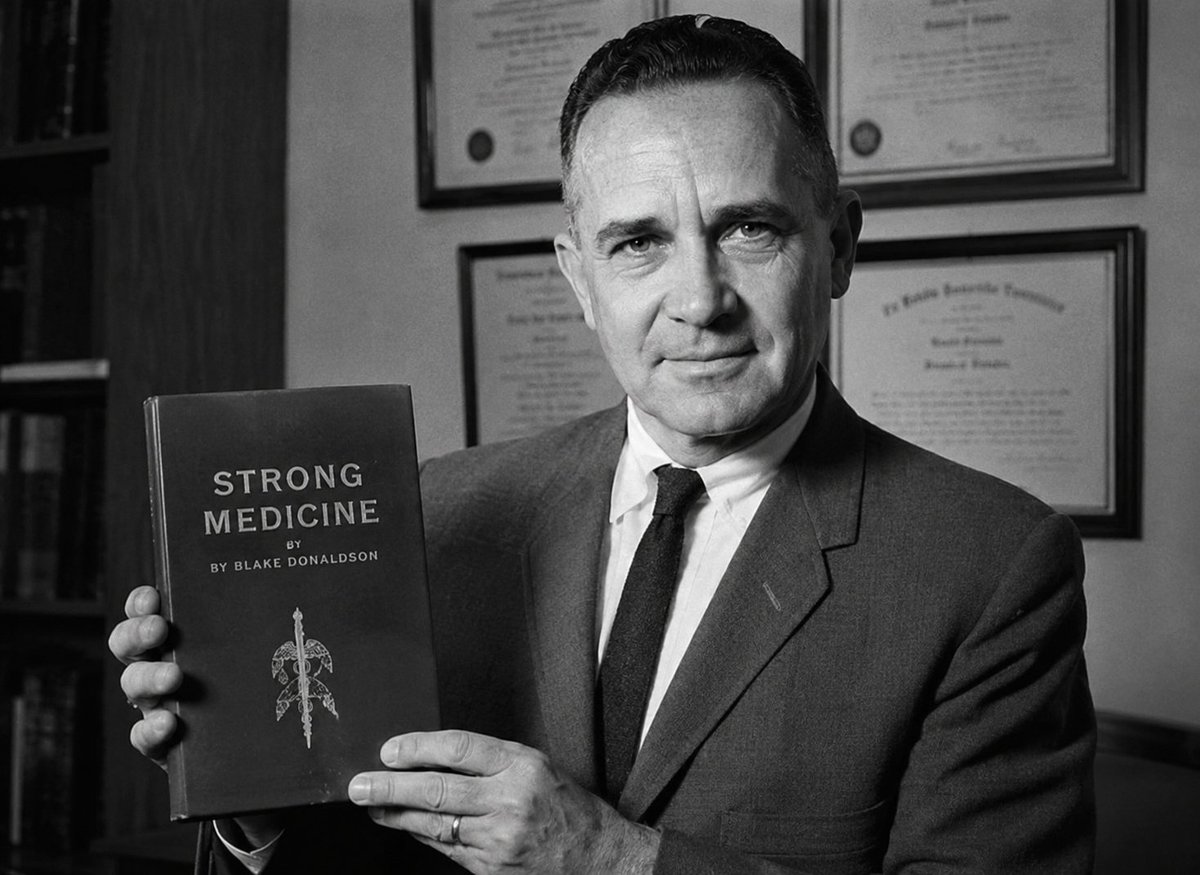
In 1919 a New York physician got so fed up with watching his patients get worse that he went to a museum to ask the dead for advice.
His name was Blake Donaldson. He had a practice full of people who were overweight, ill, and getting steadily worse no matter what the medicine of the day threw at them, and he had run clean out of ideas. So he walked into the American Museum of Natural History, found the anthropologists, and asked them the question no respectable doctor was supposed to ask. What did healthy humans actually eat before all of this?
They showed him the skulls. Ancient ones. Pre-agricultural ones. And the teeth stopped him in his tracks. No decay. No crowding. No abscesses. Rows of clean, strong, untroubled teeth belonging to people who had never met a dentist, a toothbrush, or a sack of flour. The anthropologists told him about the Plains hunters who lived on buffalo, and about pemmican, the dense brick of dried meat and rendered fat that carried men through a North American winter on next to nothing else.
Donaldson went back to his surgery and did something that would get a modern doctor hauled in front of a committee. He put his patients on meat.
Fat meat, specifically. Roughly six ounces of lean with two ounces of visible fat, three times a day, from beef or lamb. Coffee. Water. That was the prescription. He stripped out what he called the worst offenders, the flour and the sugar and the sweet milk, and he watched what happened.
What happened was they got better. The weight came off without hunger, because he insisted they eat enough and eat often. The blood pressure settled. The gallstones, the migraines, the aching joints, the sour stomachs, the whole catalogue of modern complaints he had been failing to shift for years began, quietly, to resolve. He kept going. By the end he had run something like seventeen thousand patients through this regime over roughly forty years, which is a working lifetime of evidence rather than a passing fad.
He wrote it down in a book called Strong Medicine in 1961.
The establishment's response was swift and familiar. One prominent figure pronounced the book hardly scientific. Another filed Donaldson under food faddism and implied he had simply forgotten whatever he once knew about nutrition. A man with forty years of patient outcomes was waved off by people armed with a theory and a grievance, and the profession moved smoothly on to the low-fat advice that has served us so brilliantly ever since.
He was not a guru and never pretended to be one. He thought he was just copying what those museum skulls had been quietly demonstrating for ten thousand years, which is about the most honest thing a doctor has ever said about diet.
The book is still in print. The skulls are still in the case. And the advice that buried him is still printed on the side of the cereal box.
30
433
1,454
23,122
If you don't have a gun in your house You are victim waiting to happen
🚨Savage Black Thug With Gun Goes Full Psycho On New Neighbors!
This wild black man explodes at a peaceful family’s door, screaming death threats: “I’ll kill you and your mf family!” He waves his gun like a madman, spitting pure rage over nothing. No decency, no control—just raw black ghetto violence invading a quiet neighborhood. This is why people lock their doors and arm up. Black men like this turn nice areas into war zones in seconds. Wake up before it’s your family facing the barrel!
2
4
30
Patriots Day retweeted

🚨HOLY CRAP!!!
ANOTHER MASSIVE "teen-takeover" occurred in downtown Houston last night where over 500 "teens" SWARMED downtown...
...AND THEN BEGAN PUNCHING EACH OTHER, THROWING ROCKS, JUMPING ON CARS AND MULTIPLE REPORTS OF SH0TS FIRED!!!!
WHERE ARE THEIR PARENTS?!!!!!!!!
774
1,300
3,888
117,311
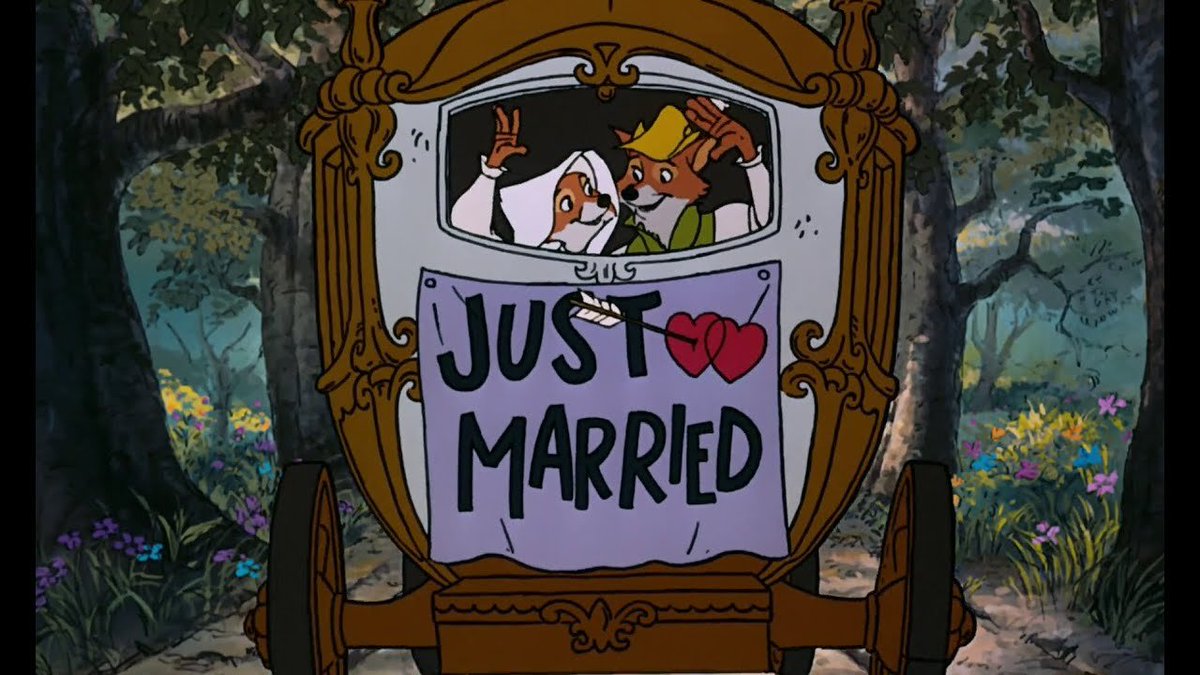
All of this is why the powers that be just had to crap out a new woke version.

>Plot centers entirely around fighting extreme government taxation and overreach
>The Sheriff of Nottingham literally collects taxes from the church poor box
>Friar Tuck gets so fed up with the state disrespecting the Church that he physically throws hands with the Sheriff
>Casts the Crusades in a positive light
>Male protagonist who risks his life for his people
>Unapologetically traditional romance with Maid Marian without any modern subversion
>Climax is literally a raid to break political prisoners out of a corrupt jail
>Story resolves when the rightful, divinely-appointed monarch returns from the Holy Land to crush the corrupt politicians
>Ends with a beautiful church wedding and a happily ever after
We need to make Kid's stories based again

5
Patriots Day retweeted

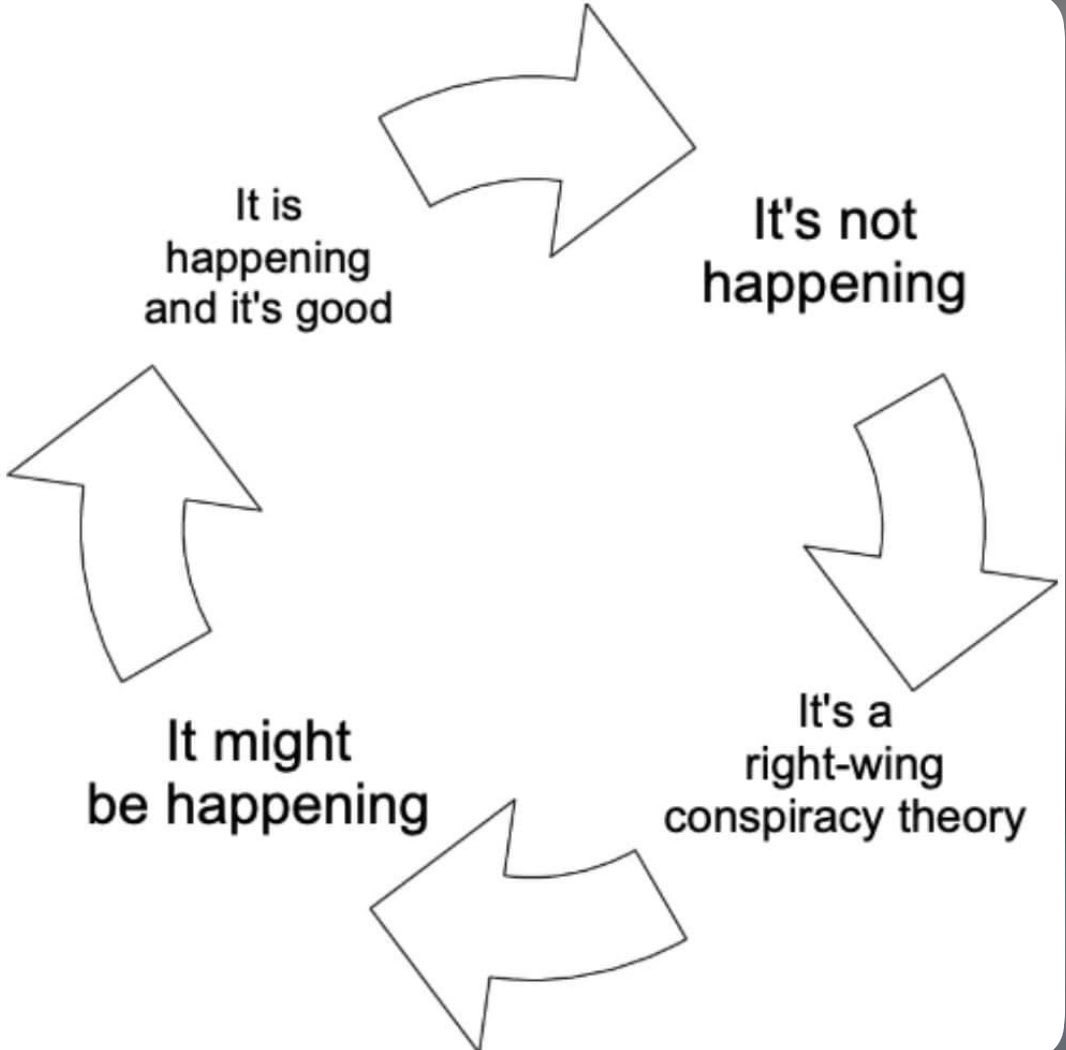
The existence, history, locations and funding of these U.S. funded biolabs was intentionally covered up by powerful people falsely claiming that the labs do not exist and accusing anyone who says otherwise to be foreign assets and traitors to America.
Those lies are still being propagated today by the same powerful people and their allies who wish to see this dangerous research continue with little to no oversight.
105
1,407
4,234
149,655
Patriots Day retweeted

He did the meme
Jun 12

As far as I can tell, Tulsi’s big “secret biolab” bombshell is recycled Kremlin propaganda. These labs were never secret.
The U.S. spent decades funding biosafety and disease-surveillance work abroad under Nunn-Lugar, with the facility lists posted publicly by the State Department and our own embassy in Kyiv.
Russia invented the “secret bioweapons” spin in 2022 to help justify invading Ukraine. Our own intelligence flagged it as disinformation. Now Tulsi is laundering that exact line, while conveniently forgetting the first Trump administration funded this same research.
Nothing was hidden and the only thing being manufactured here is the coverup.
Tulsi, don’t let the door hit you on the way out.
31
306
1,938
52,163
🤔

The biolab story have always been a great tell for who is actually against the deep state and who isn't
Notice the exact same people who were behind the Wuhan lab coverup are attacking anyone who discusses the biolabs
Great litmus test
2
Correct 💯

1
395
Patriots Day retweeted

Jun 13
I look forward to the storm coming Starmers direction from the Polish government now! Well deserved aswell
124
3,086
16,754
320,643

🚨Illegal Muslim Migrant Butcher Rapes and Murders 92-Year-Old Grandma..
Illegal Muslim migrant Reeaz Khan brutally raped and murdered 92-year-old Maria Fuertes in Queens, New York. This savage threw the helpless elderly woman to the ground, sexually assaulted her, and left her to die from the injuries. Despite a prior arrest and ICE detainer, sanctuary city rules let this Muslim killer walk free.
Khan, a Guyanese national with a common Muslim name, turned a quiet neighborhood into a horror scene. This case exposes how soft-on-crime policies protect dangerous illegals over American seniors. No mercy for monsters like this.
945
8,719
16,265
326,344