Science info from NSF NOIRLab: the U.S. national center for ground-based, nighttime optical & infrared astronomy. Main channel is at @NOIRLabAstro
Joined March 2023
- Tweets 776
- Following 46
- Followers 614
- Likes 596
455 Photos and videos


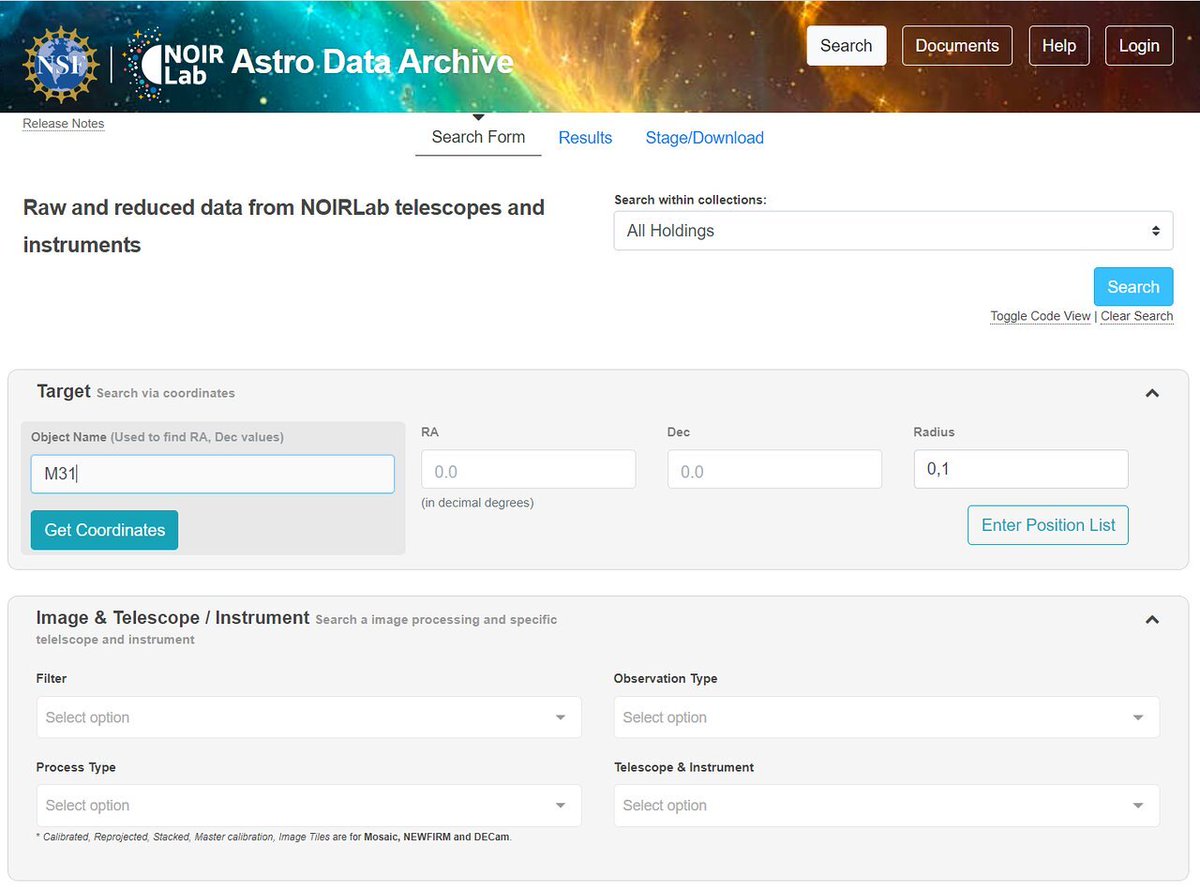
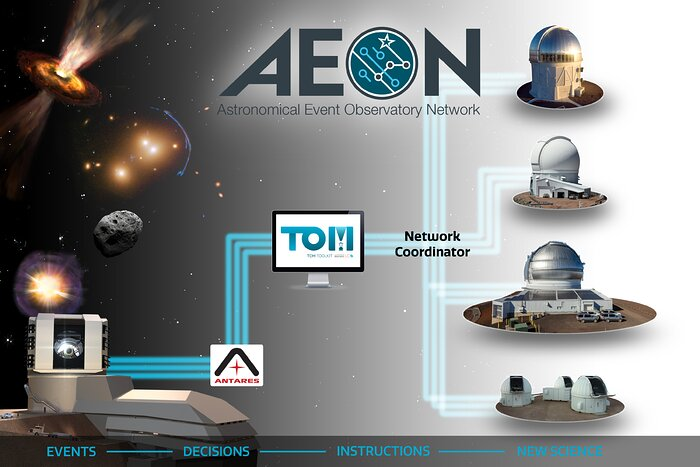
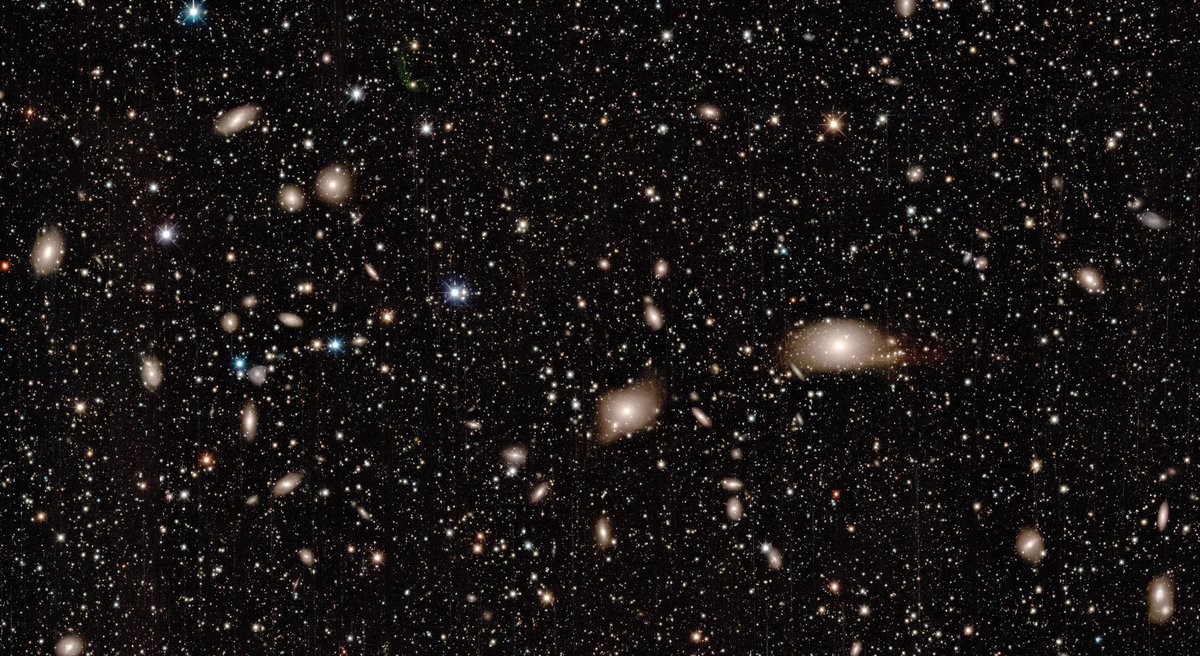


We're excited to see all of you at #AAS248! For the latest scoop on our science talks, open house, iposters, demos, swag & more - stay tuned with us on @NOIRLabScience! Daily updates coming your way! #Astronomy
1
155
For the first time, scientists have measured magnetic activity on planets outside our Solar System using data from MAROON-X on International @geminiobs North, which are actively slowing down atmospheric winds on "hot Jupiters." Full story: noirlab.edu/public/news/noir…
2
2
51
🔭 The June 2026 FT Call is open at the International @GeminiObs 🗓️ Deadline: June 30, 12PM HST.🛠️ Note: Ensure you use the updated PIT (v2026B.2.1.1) and follow DARP guidelines. Details & instrument availability: gemini.edu/news/fast-turnaro…
1
1
61
NOIRLab Science retweeted

Jun 11
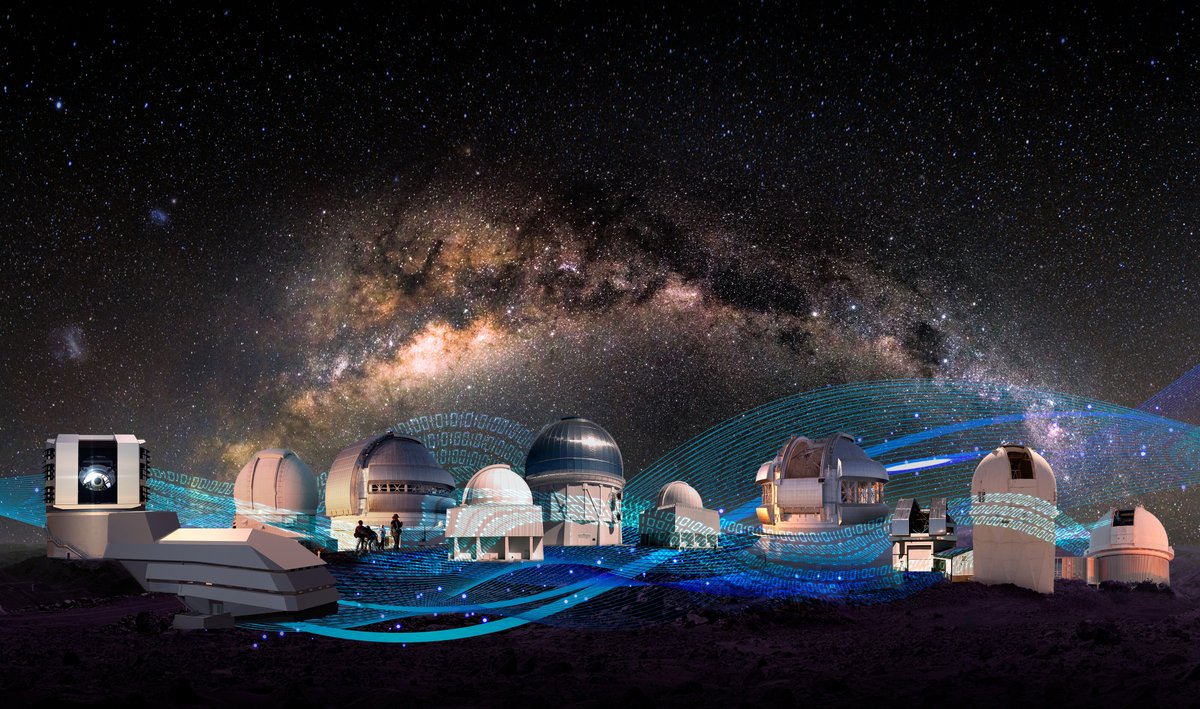
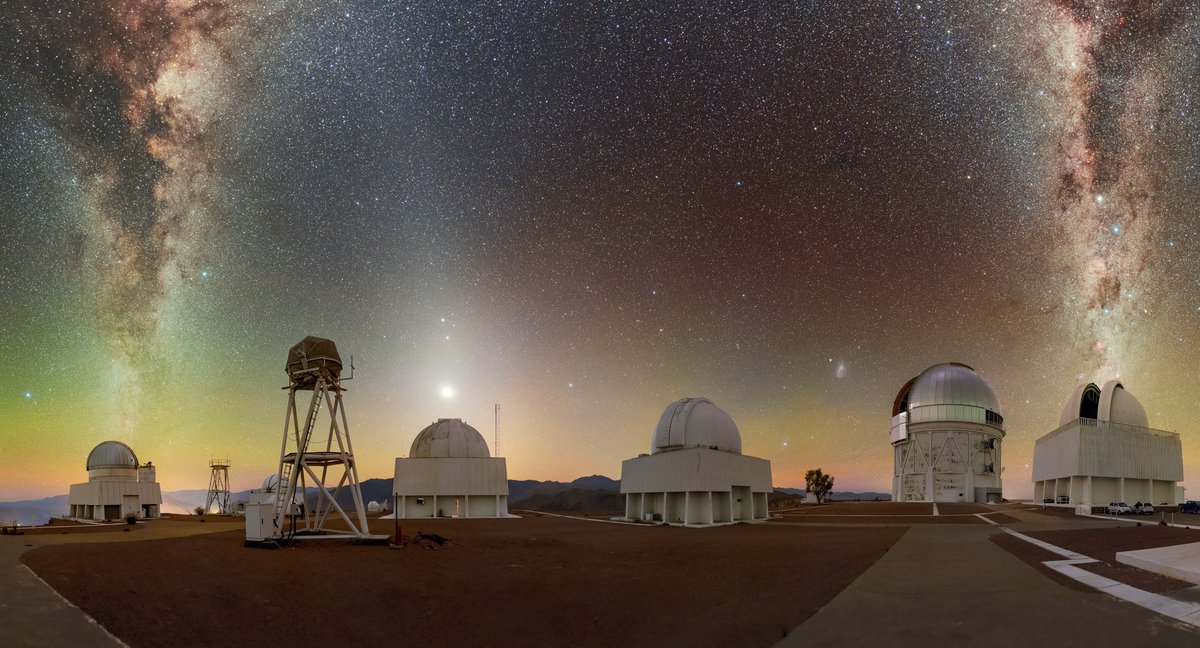
This is just part of what’s on this mountain ✨🔭
For 61 years, NSF @CerroTololo in Chile has been observing the night sky. This panoramic view captures several of its telescopes under a sky split by the Milky Way.
Credit: CTIO/NOIRLab/NSF/AURA/P. Horálek
1
16
39
1,059
NOIRLab Science retweeted
Jun 8
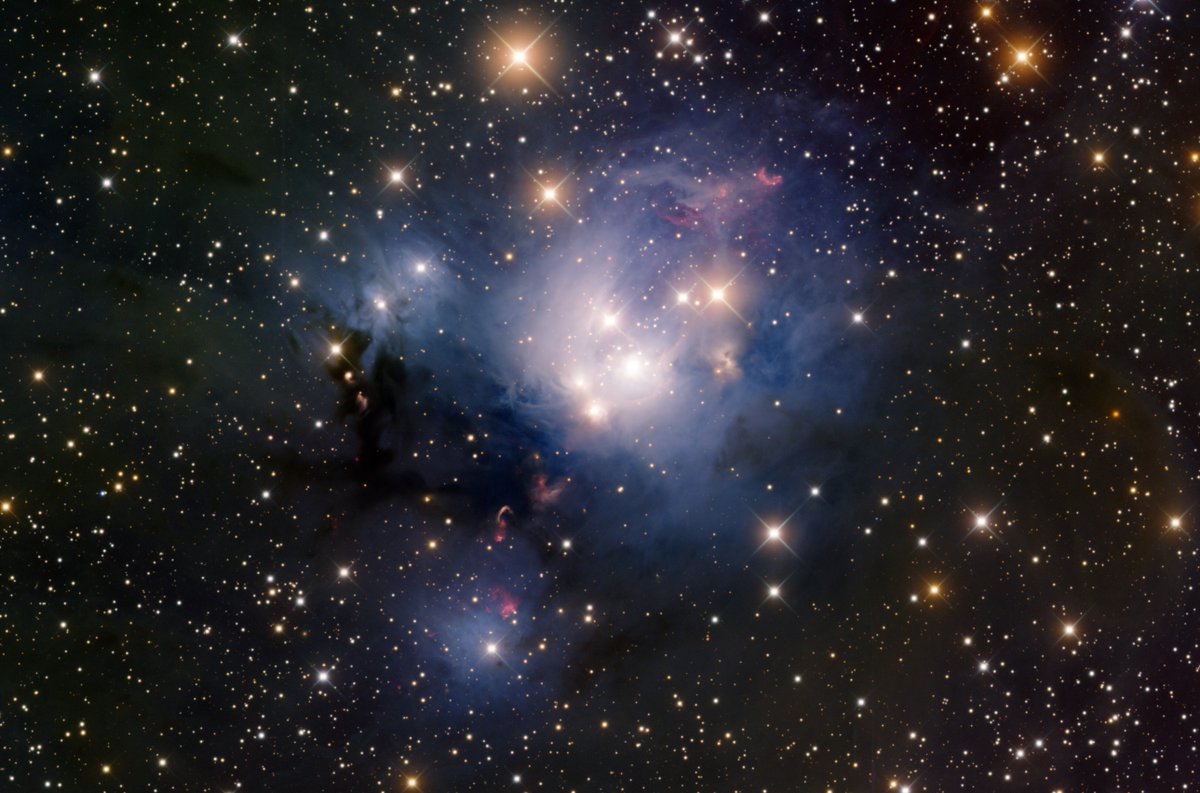
Baby stars ✨🍼
NGC 7129 is a star-forming region and reflection nebula in the constellation of Cepheus. The stars in this nebula are only about a million years old, which is extremely young on astronomical timescales.
📸 WIYN/NOIRLab/NSF/AURA/T. A. Rector & H. Schweiker
1
8
37
861
Citizen science meets next-gen astronomy! 🔭 Check out the NSF-DOE @VRubinObs organization page on @the_zooniverse to participate in cutting-edge space research and help analyze massive data streams 🇨🇱✨
Get started here: zooniverse.org/organizations…
1
1
72
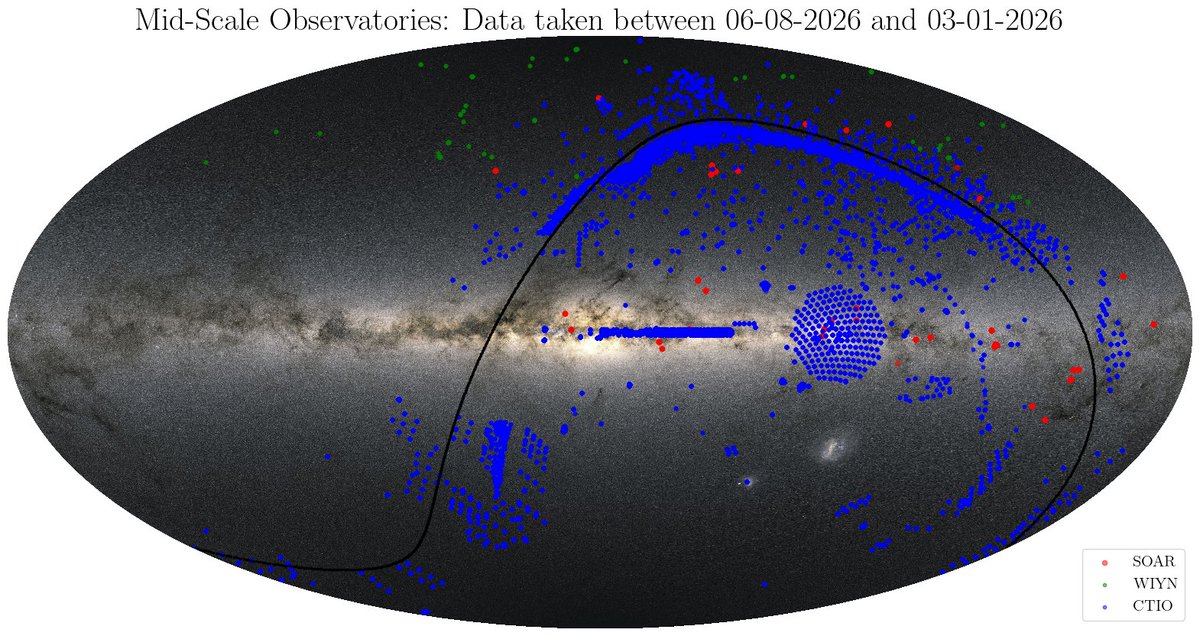
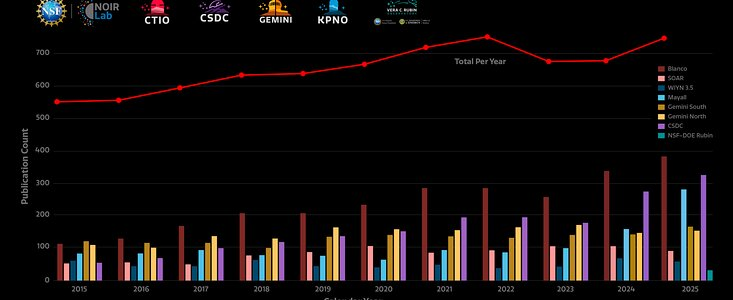
Check out where NSF's @NOIRLabastro mid-scale facilities have been taking data so far this semester
1
3
114
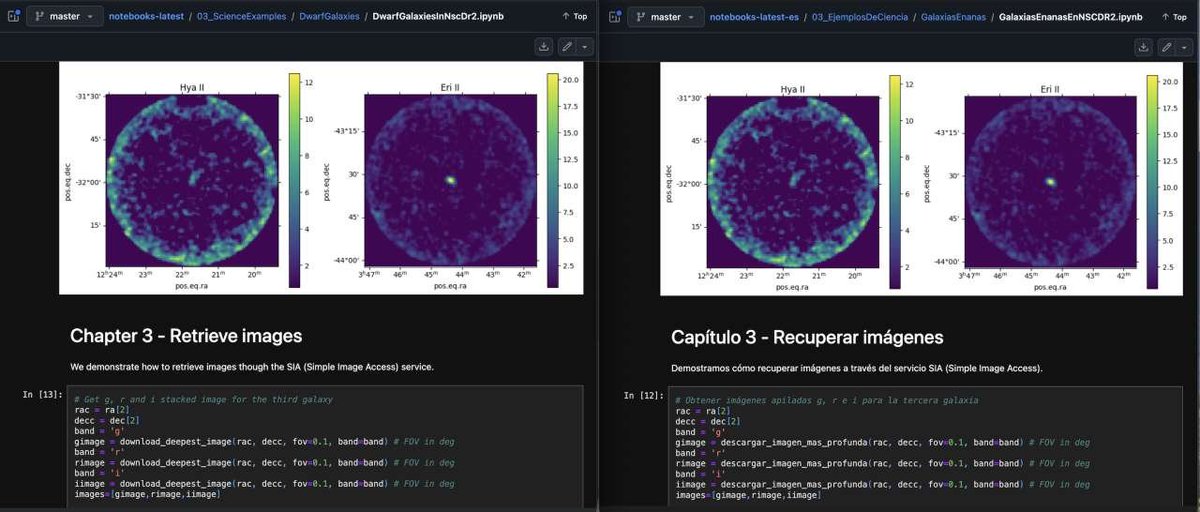
Astro Data Lab goes multilingual 🌎
NSF's @NOIRLabastro now offers 60 Jupyter training notebooks in Spanish—expanding access to big-data astronomy for a growing global community.
Open-source, community-driven, and ready to explore the Universe. 🔭
noirlab.edu/science/news/ann…
1
1
56
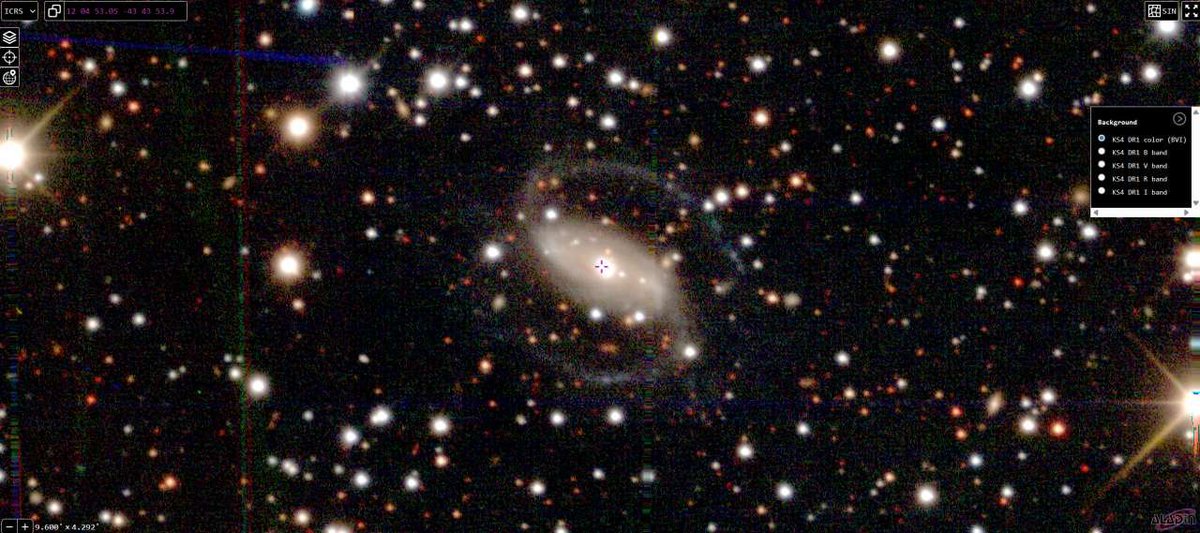
New southern sky dataset relased via NSF's @noirlabastro Astro Data Lab from KS4 (a KMTNet survey) delivers deep, uniform imaging 200M sources-ideal for time-domain astronomy and chasing transients like supernovae & GW counterparts.
Built from 600 nights since 2019. 🌌
1
2
4
153
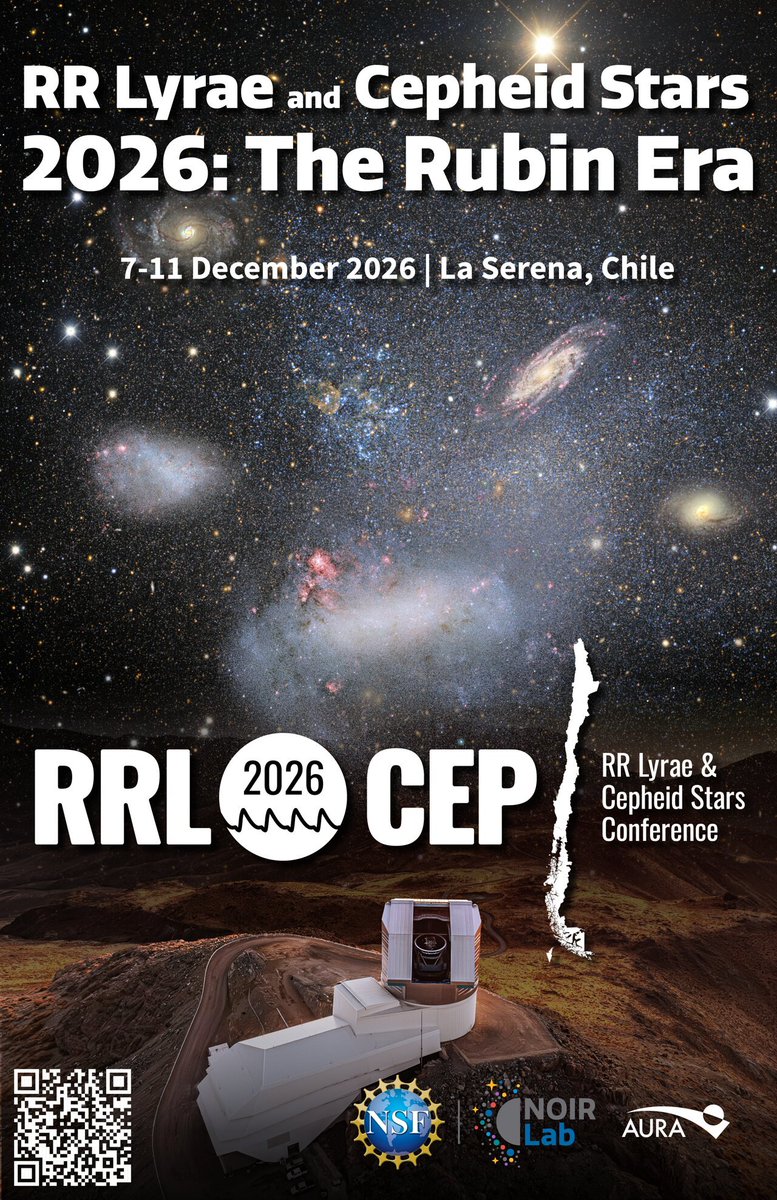
NSF's @NOIRLabAstro conference is to be on RR Lyrae & Cepheid Stars 2026: The Rubin Era 🔭
📍 La Serena, Chile
📅 Dec7-11, 2026
Exploring how the NSF-DOE @VRubinObs will transform variable star science, Galactic structure, and precision cosmology.
Join the next wave of discovery
1
1
3
139
📢 International @Geminiobs Fast Turnaround: May 2026 The monthly Call for Proposals is now open! 🔭 Submit your projects for Gemini North and South by 31 May 2026 (noon HST). Observations for this cycle will run from July to September. 🌌 Apply here: noirlab.edu/science/news/ann…
1
3
119
Dragon has leveled up! 🐉✨NSF's @NOIRLabAstro released DRAGONS 4.2, adding Flamingos-2 support, flux calibration, and better tutorials for Gemini data reduction. 🔭 Automating the stars, one script at a time. 🌌Details: noirlab.edu/science/news/ann…
3
6
213
NOIRLab Science retweeted
May 25
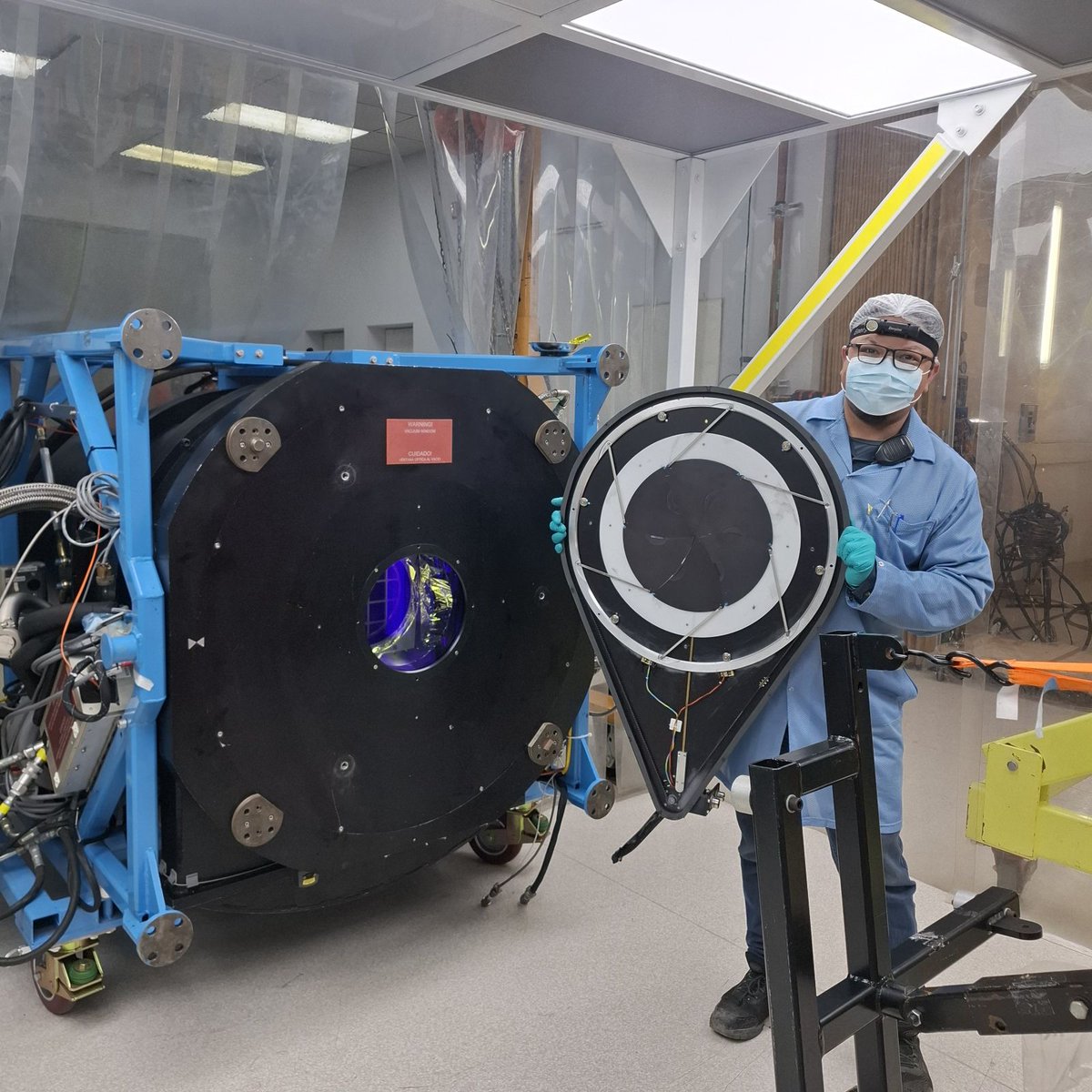
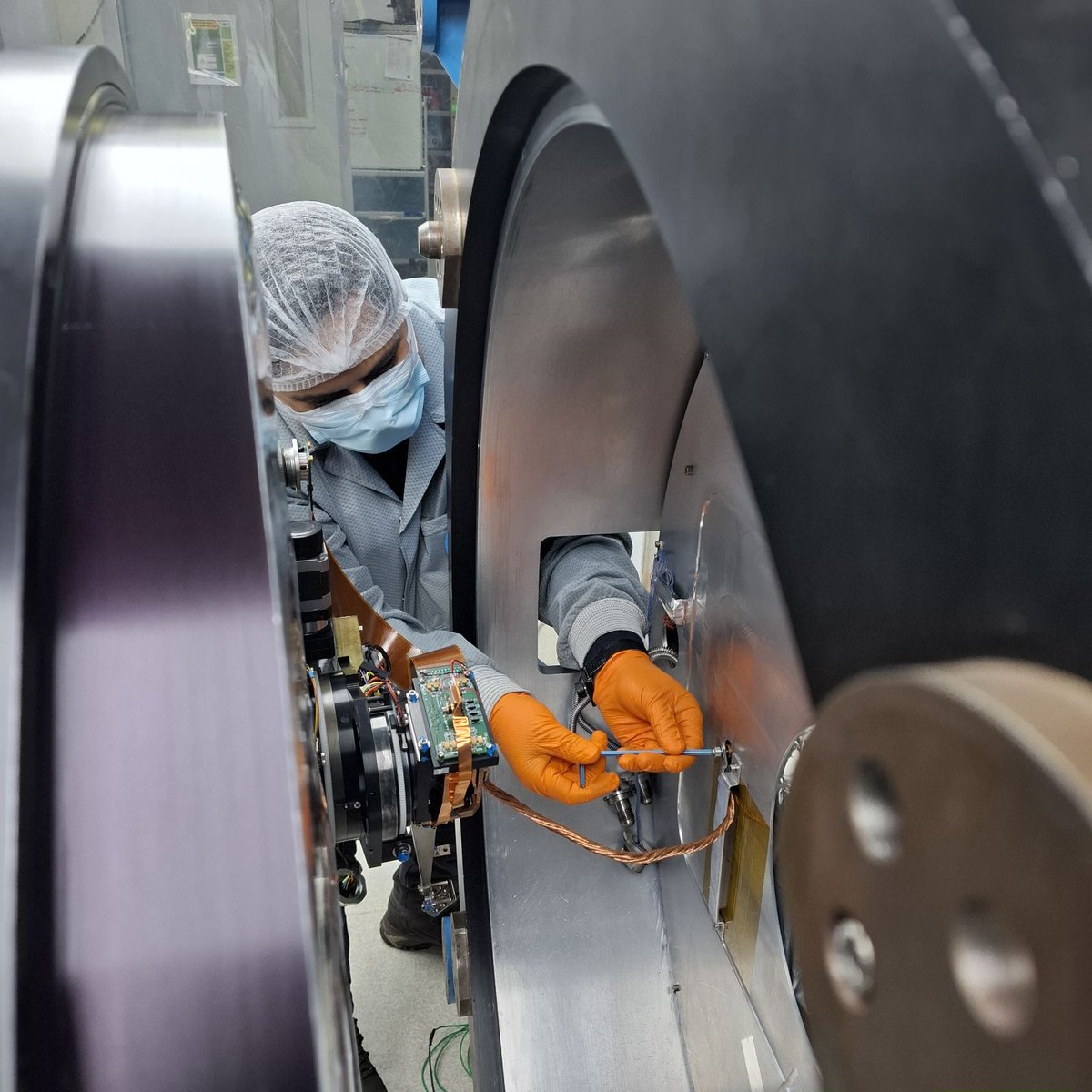
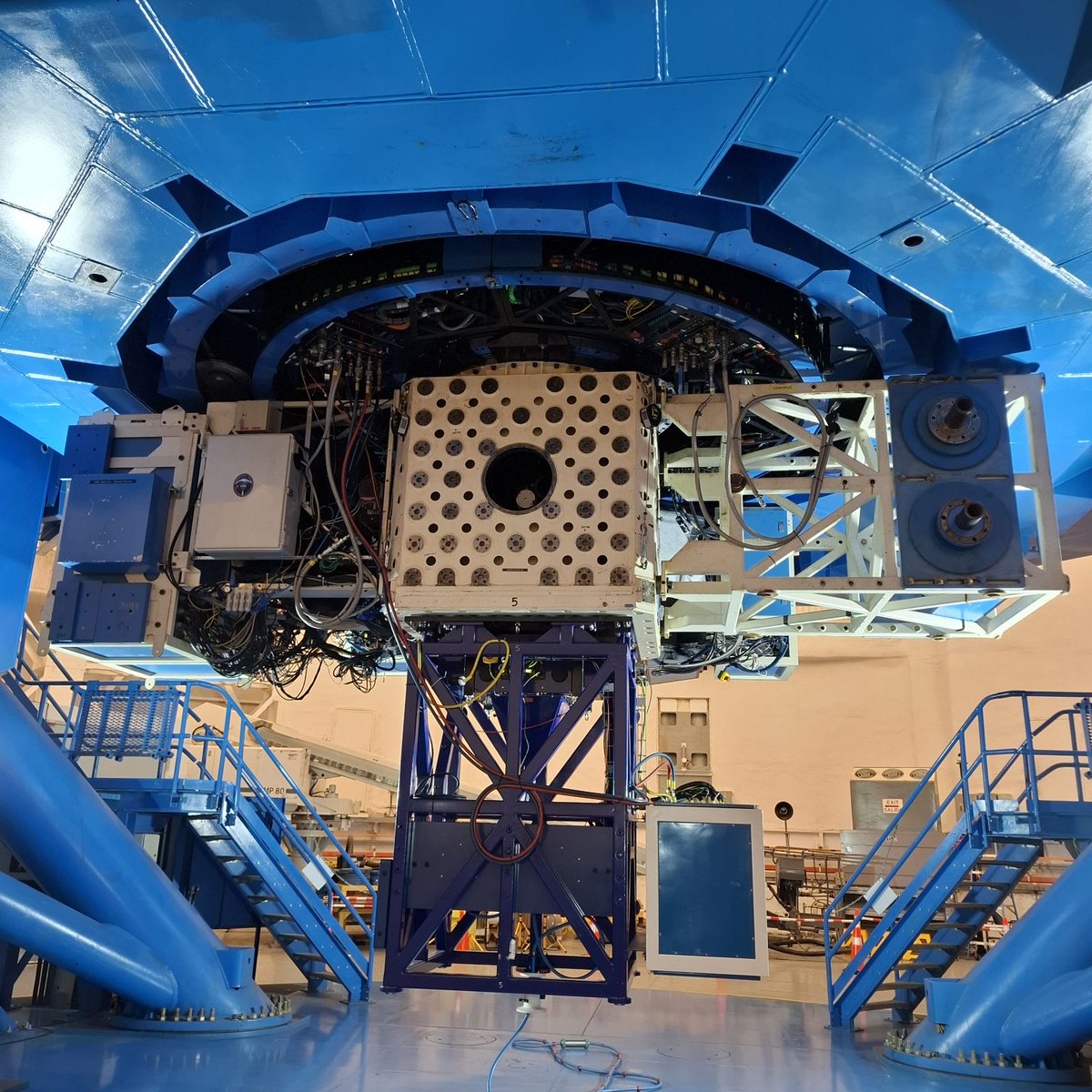
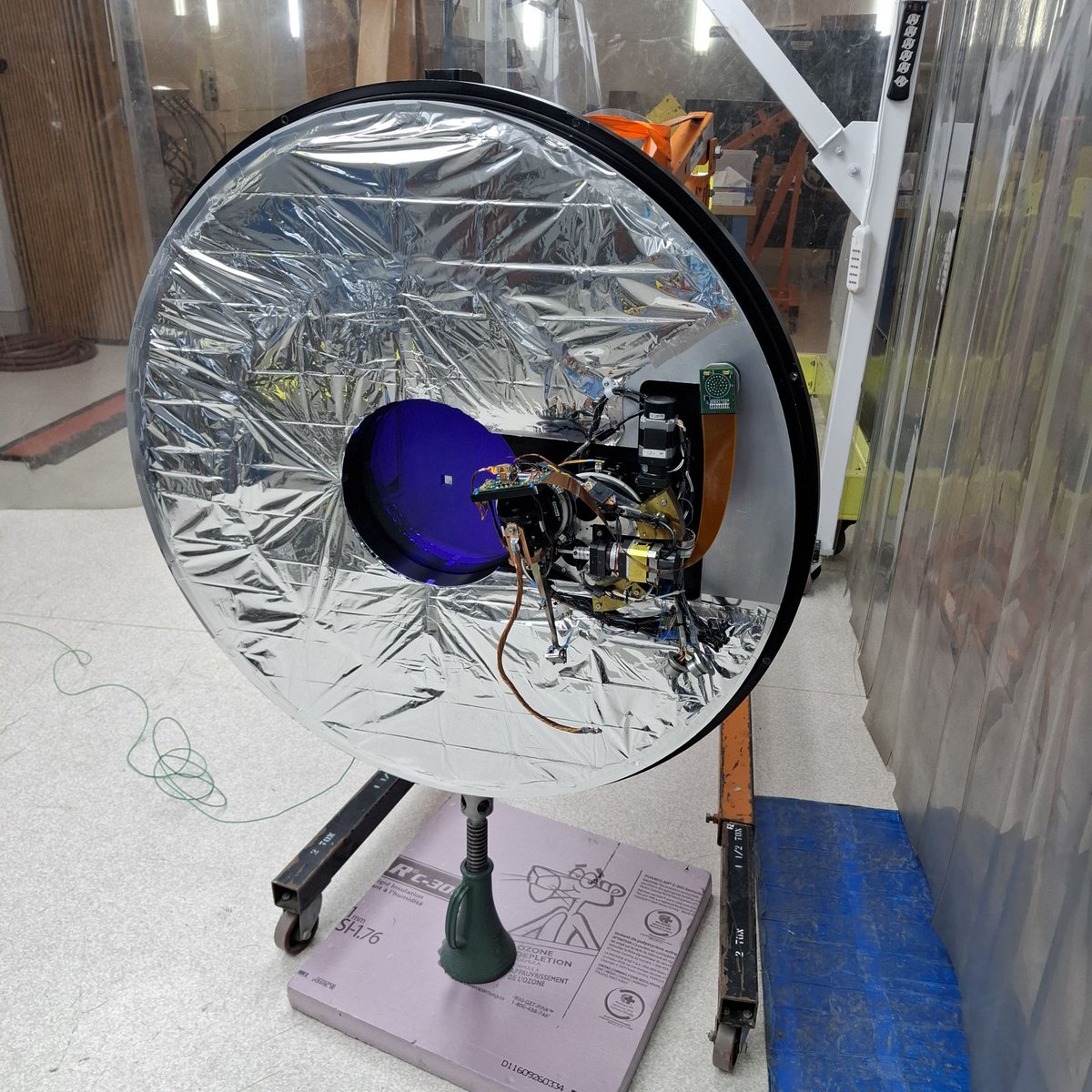
🛠️❄️ Every couple of years, Flamingos-2 comes down for a little maintenance break.
This instrument at the Gemini South telescope is spending a few weeks in the lab for the replacement of its cryocoolers and checks on components.
📷 @GeminiObs/NOIRLab/NSF/AURA/S. Olivares
1
4
14
484
⚠️ Update for the International @GeminiObs community: Gemini North will remain offline until at least Wednesday, May 27, due to a primary mirror control system fault. Remediation efforts are ongoing, and the team will reassess the situation next week. 🔭🛠️ Full details👇
1
2
2
226
35
International @geminiobs data are helping uncover the hidden lives of massive stars 👻✨Using GHOST observations in the Large Magellanic Cloud, astronomers found that true luminous blue variable (LBV) phases may last only ~1,000 years — far shorter than previously thought 🔭 👇
1
1
83
NSF's @NOIRLabAstro new publication The Scope brings the Universe to life with stunning visuals, deep-space discoveries, and the people building humanity’s next era of exploration.
Science communication at cosmic scale 🔭✨
noirlab.edu/public/products/…
2
2
93