Prof. Biology, Brandeis. We study how flies/mosquitoes sense. Grateful to be part of @BrandeisMCB and @BrandeisNeuro. (R. Busby (logo) & C. Zhu).
Joined April 2010
- Tweets 767
- Following 173
- Followers 895
- Likes 980
13 Photos and videos

Paul Garrity retweeted

14 Nov 2024
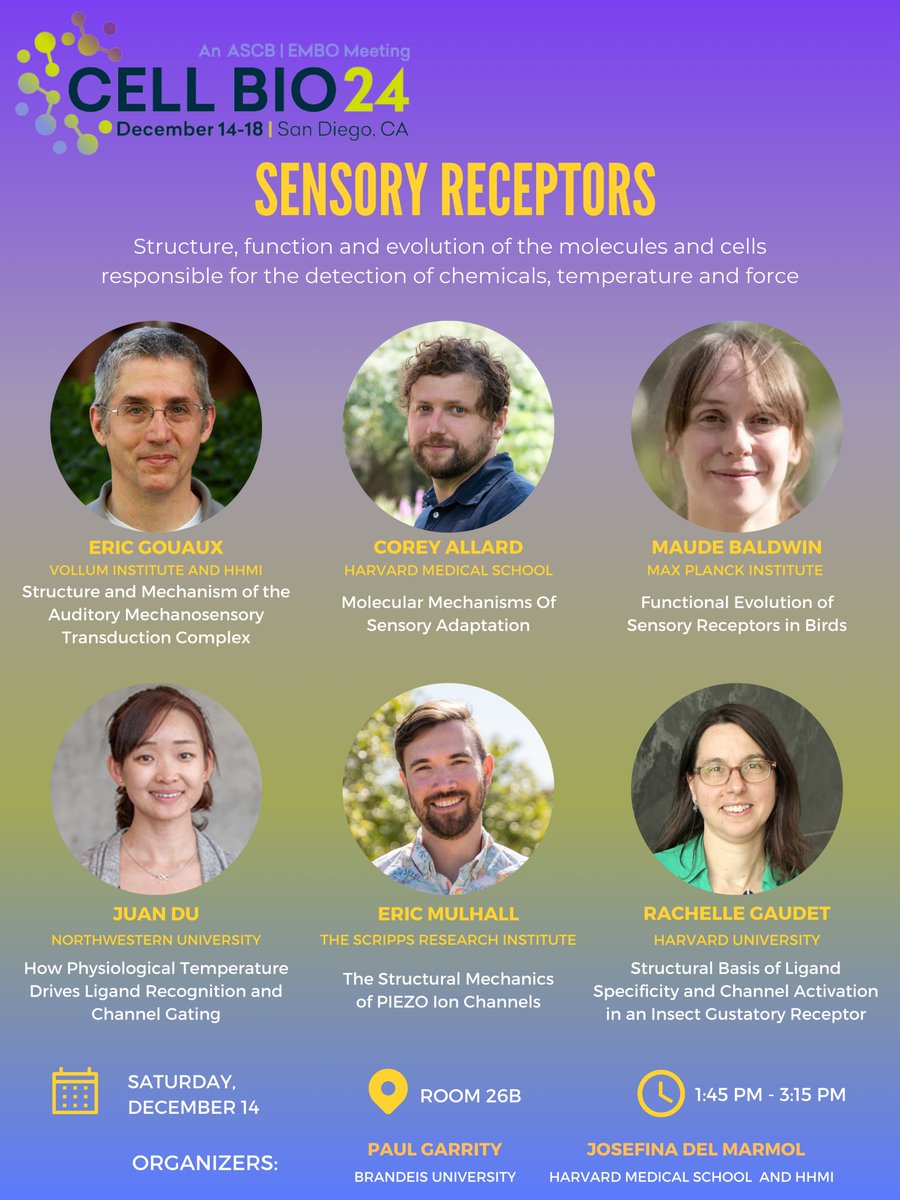
Attending ASCB|EMBO? Join us for a Special Interest Subgroup on Sensory Receptors, featuring @EGouaux15625 @RachelleGaudet Maude Baldwin @MPIforBI Juan Du @DuLuLabs @CoreyAHAllard and Eric Mulhall, co-organized with Paul Garrity @Nemvec @ASCBiology @EMBO #cellbio2024
1
7
1,296

20 Aug 2024
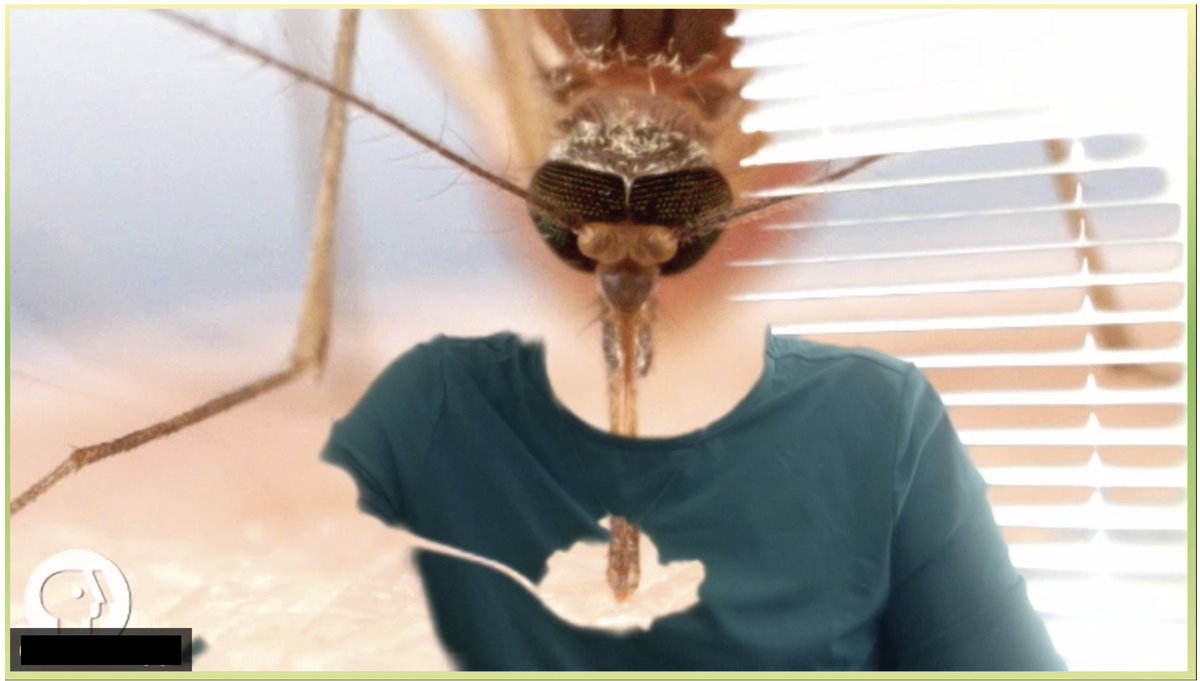
How do mosquitoes find people to bite & places to lay eggs? Turns out, sensing water vapor is key. In new work we (Tang et al.) ID mosquito receptors for dry/moist air. KO'ing them drops blood feeding and renders females unable to find water to lay eggs. pnas.org/doi/10.1073/pnas.24…
6
29
3,305
Paul Garrity retweeted

21 Jul 2024
Ava Towle '26 studies how fruit flies sense temperature through G-Protein Coupled Receptors in the Shapiro Science Center lab, highlighting some of the exciting research on campus this summer. #Research #Brandeis
📸 Gaelen Morse/Staff photographer
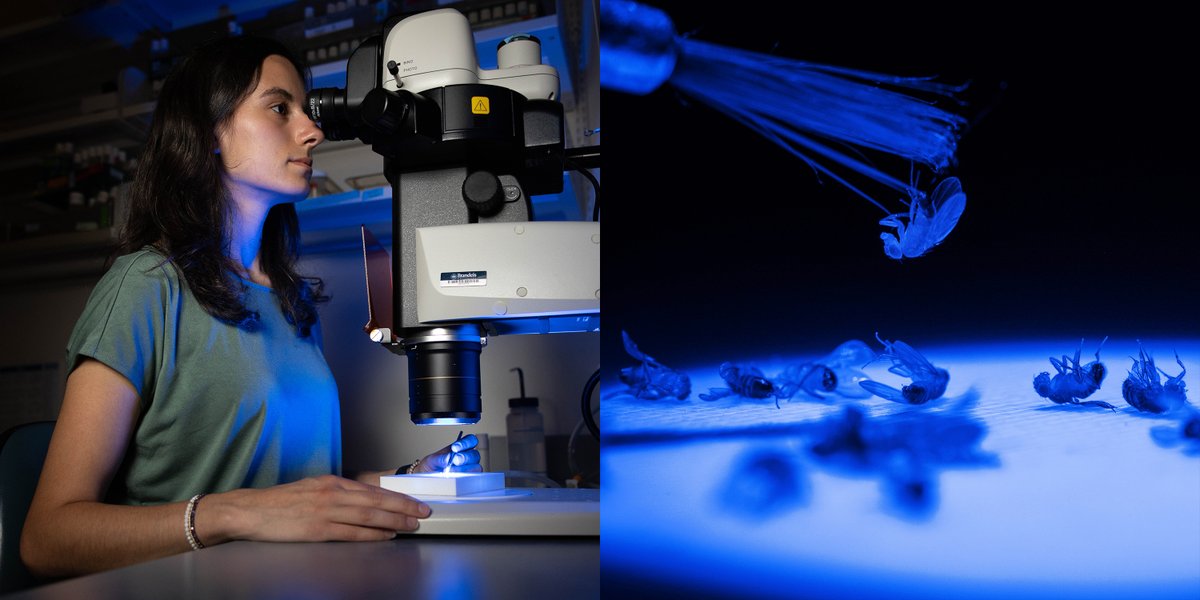
ALT A diptych photo where the left image is that of biology student Ava Towle ’26 looking into a microscope at a lab in the Shapiro Science Center. The right image has a green hue and we see macro shots of fruit flies.
2
5
941
Paul Garrity retweeted

22 Dec 2023
My autobiography is now published on the @NobelPrize website. It covers both my personal and professional life, highlighting the decisions and events that have had the biggest impact. I appreciate the opportunity to tell my story. Hope you enjoy reading it
nobelprize.org/prizes/medici…
31
140
993
155,340
Paul Garrity retweeted

2 May 2024
Sugar detection in 3D: Structure of an insect gustatory receptor dlvr.it/T6K3Fs
1
5
30
7,601
2 May 2024
Now out in final form: Structural basis of ligand specificity and channel activation in an insect gustatory receptor (w/ our collaborators in the Gaudet lab)
cell.com/cell-reports/fullte…
3
14
1,299
Paul Garrity retweeted

8 Apr 2024
Friday's retreat of the Center for Molecular Investigation of Neurological Disorders brought together neuroscientists and related researchers from UP and @PennStHershey with guests like keynote speaker @Nemvec.
See all the pics on our Flickr album: flic.kr/s/aHBqjBkHiL
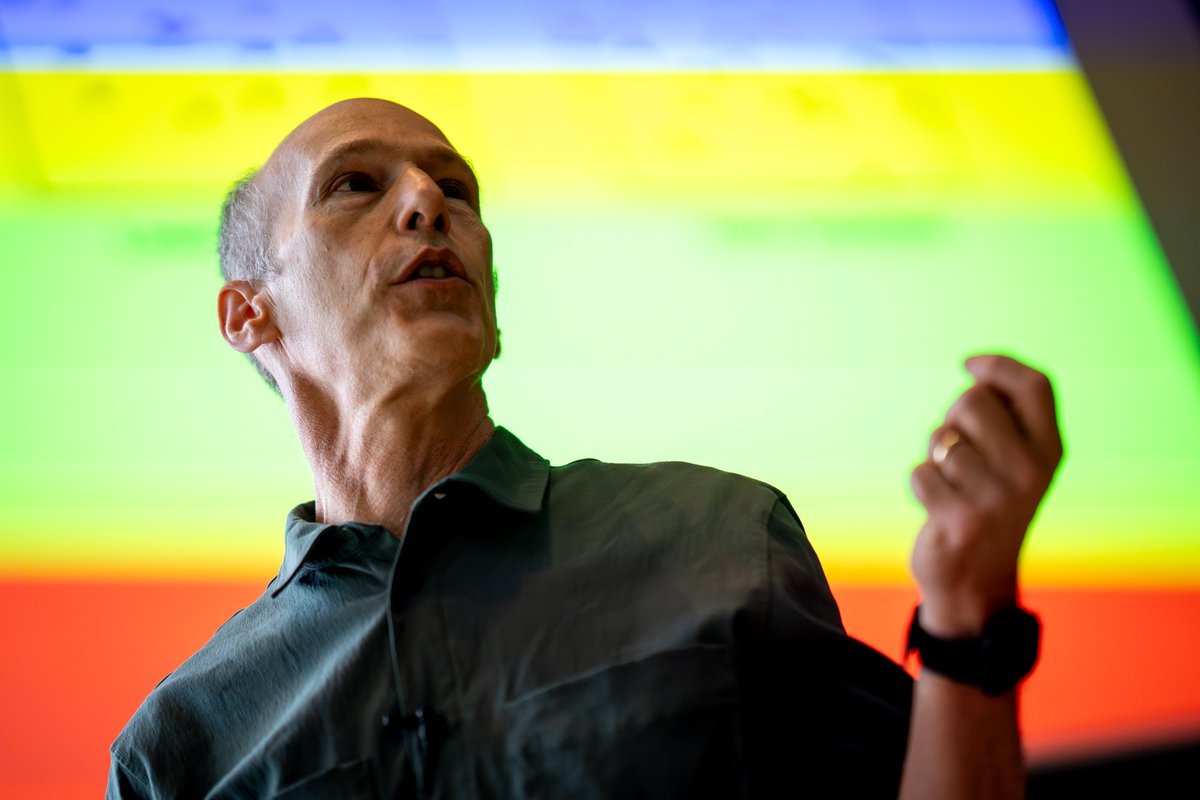
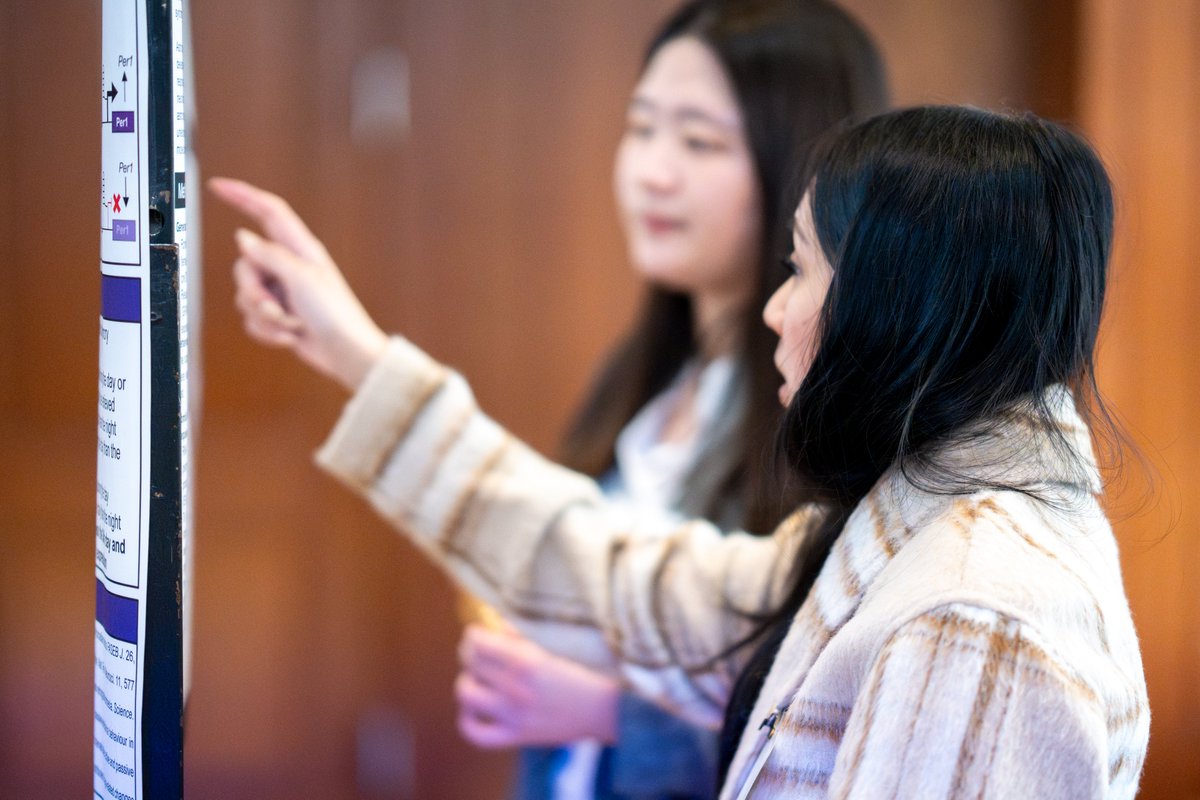
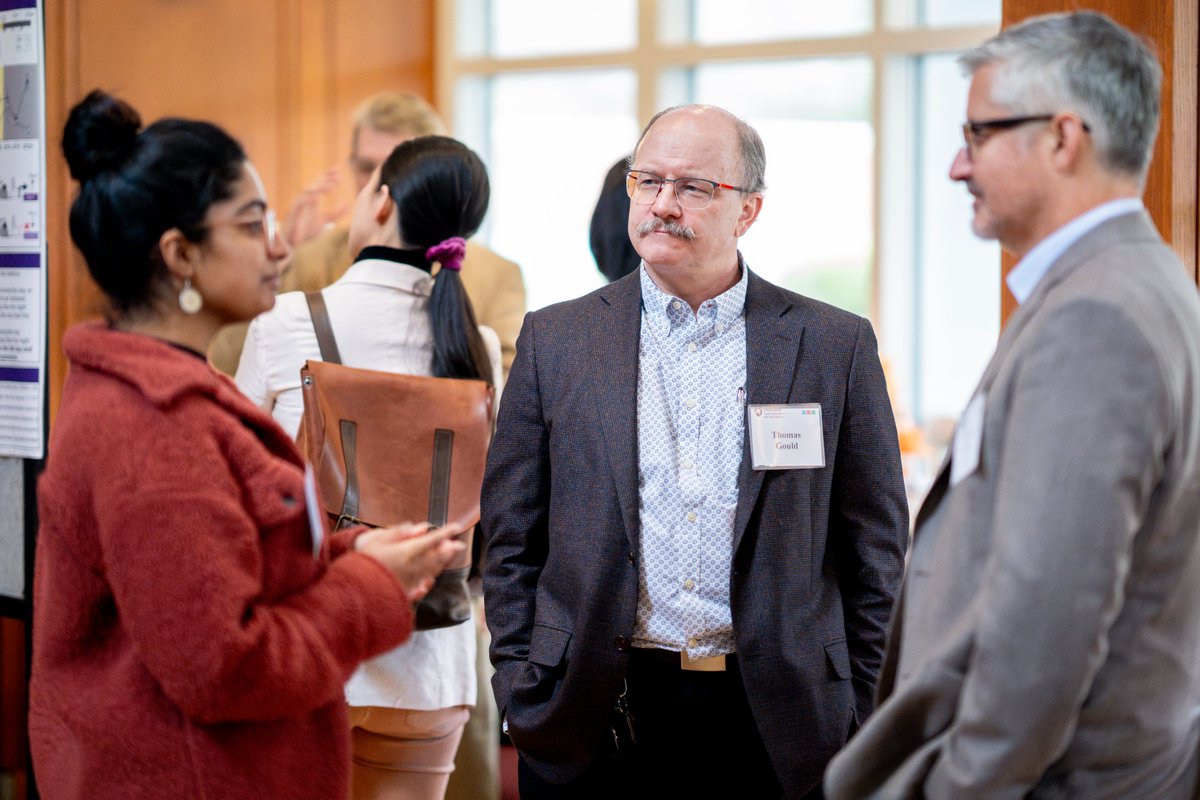
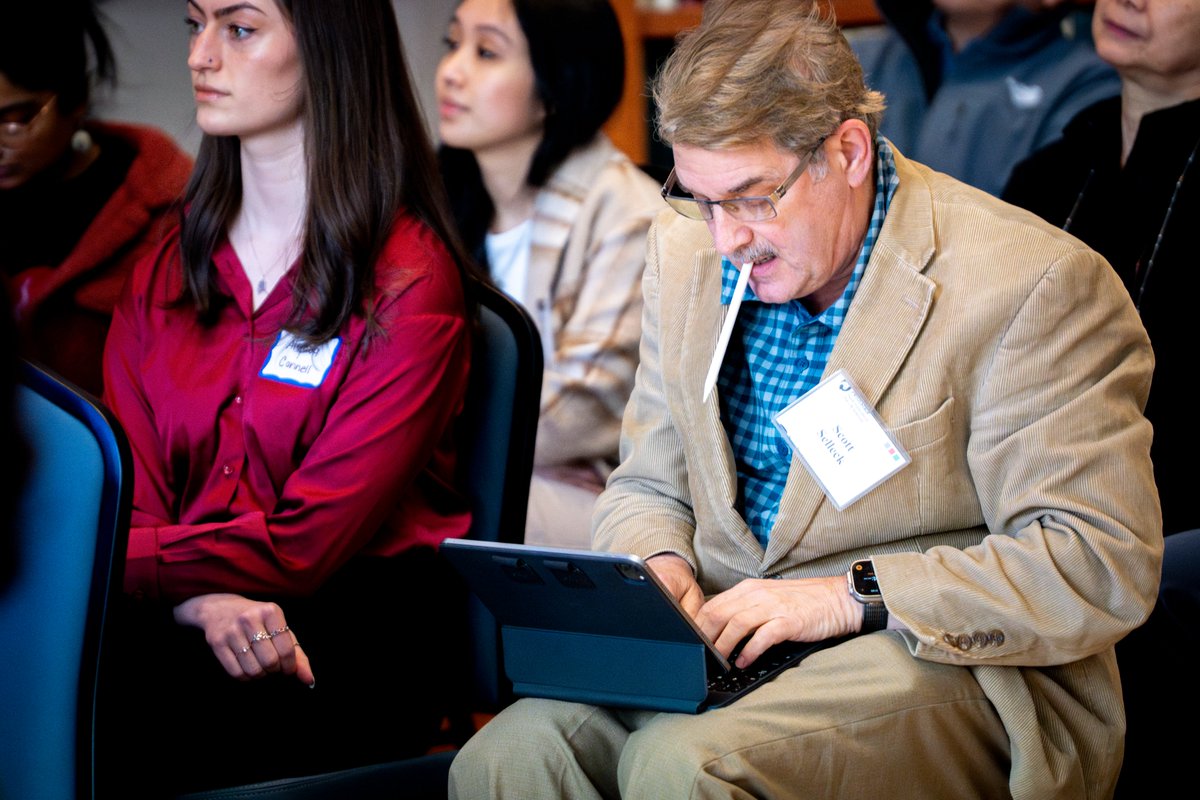
2
3
766
12 Jan 2024
Sad news: John DeModena, long-time tech w/@wormraiserand friend to so many of us, has passed. Demo’s generosity of spirit and enthusiasm for life were inspiring. There will be a celebration of Demo’s life 1/27 in the Morgan library
1
431
20 Dec 2023
Preprint: Structure of an insect gustatory receptor. Heather Frank, Sanket Walujkar, Richard Walsh, Willem Laursen, Doug Theobald, me and Rachelle Gaudet. Collaborative effort 5 years in the making! biorxiv.org/content/10.1101/… 1/4
2
10
45
4,725
20 Dec 2023
Take homes: Unlike known ORs, Gr9’s ligand-binding pocket is larger, solvent accessible and heavy on polar/aromatics. Using structure-based alignments and alphaFold, we leverage this to examine structural and chemical properties of GRs more broadly. 3/4
1
3
251
20 Dec 2023
For GR fans: Signature motif residues (TYhhhhhQF) make specific contributions to pore helix: T helps form hydrophilic path; Y binds lipid head group; QF gates pore entrance. Also new: intersubunit fenestrations of both GRs and ORs are inhabited by pore-penetrating lipids. 4/4
1
4
551
Paul Garrity retweeted

25 Oct 2023
We are back to business! The very first in vivo voltage imaging in Huang lab. Look at how this neuron changes firing mode. This simplistic voltage scope only costs ~$50k, mostly @Thorlabs parts. Let me know if you want a full part-list to build your own one.
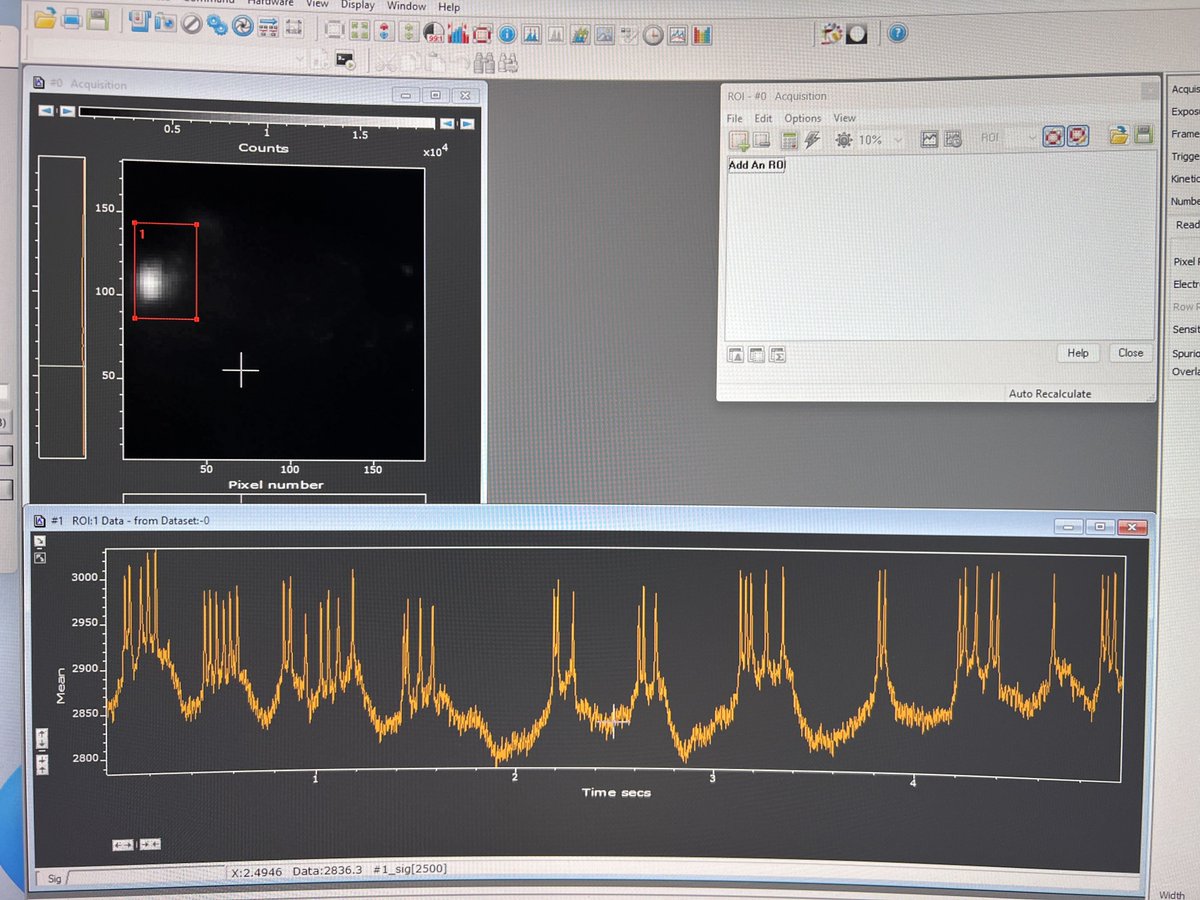
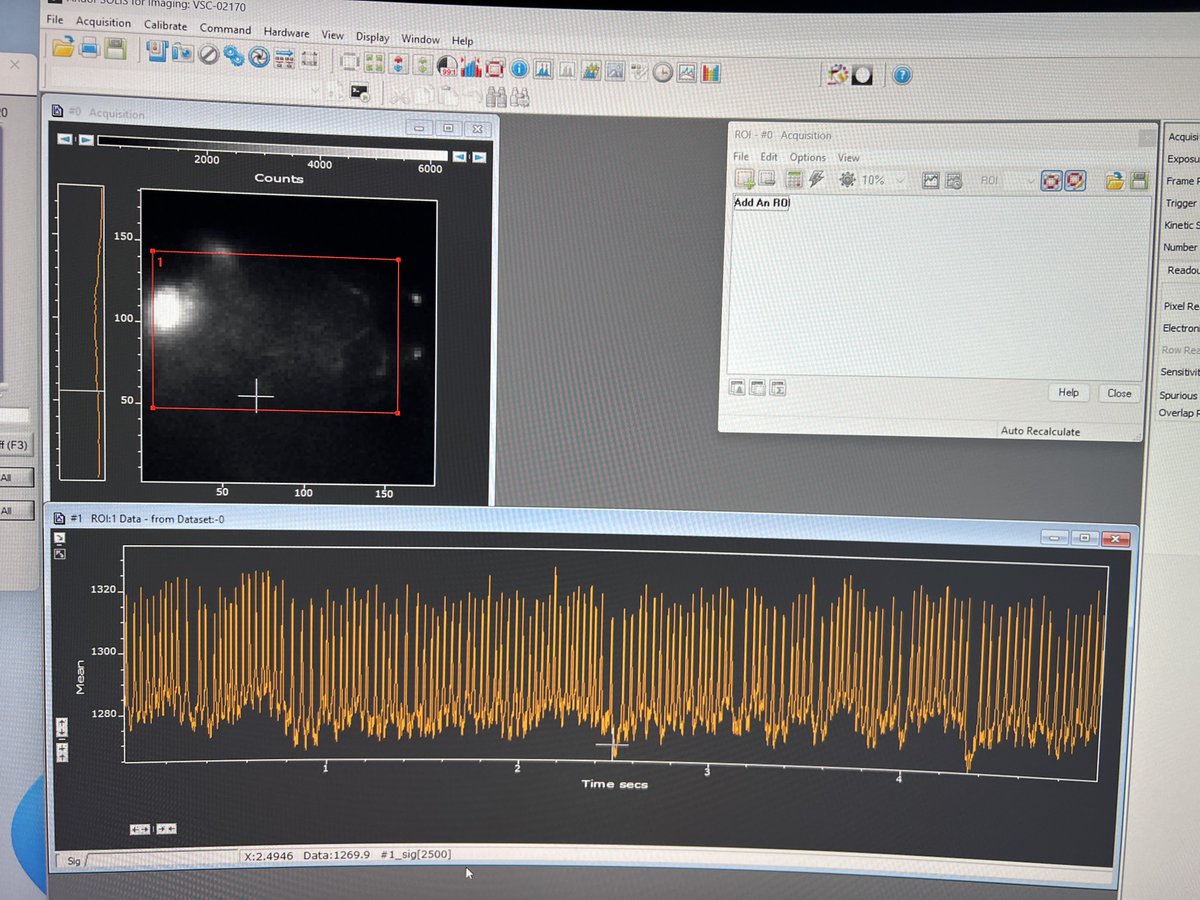
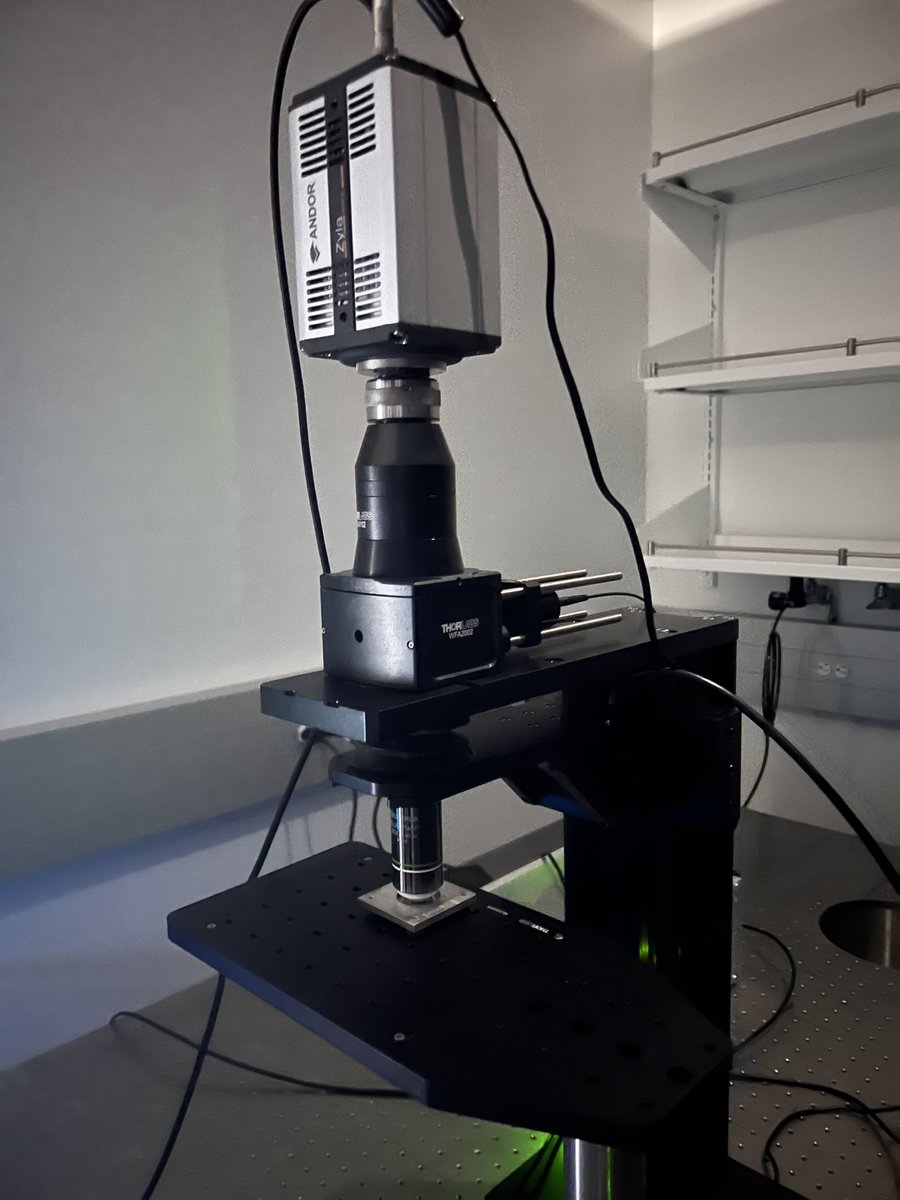
21
31
308
33,192
Paul Garrity retweeted
24 Oct 2023
University Professor Eve Marder ’69 & Professor Emeritus Gregory Petsko have each received the National Medal of Science from President Biden, the highest recognition the nation bestows on scientists & engineers.
brandeis.edu/stories/2023/oc…
8
48
264
44,542
5 Oct 2023
TIL: “Smell ... was long considered “a primitive sense that wasn’t worth studying by neurobiologists,” says xxx, a physicist at IBM Research. “ science.org/content/article/…
2
3
1,388
Paul Garrity retweeted

2 Oct 2023
Please RT: We have a fully funded PhD project to understand the role of piRNAs in mosquito immunity. Come and do your PhD with us! 🦟🦟
findaphd.com/phds/project/fu…
1
41
40
6,681
18 Sep 2023
Our lab @Brandeis (~Boston) now hiring a Research Tech. We study how flies/mosquitoes sense the world using molbio/genetics. Whether goal is PhD/MD program in ≥2 yrs (recent ex-techs in grad programs at UC Berkeley, UVM, BU, USF) or long-term, contact us. brandeis.wd5.myworkdayjobs.c…
7
14
3,326