
Consultant Neonatologist with a law degree. Interest in patient safety. CQC specialist adviser. Ex member of the Ockenden team. Bookworm. Opinions my own.
Joined January 2019
- Tweets 893
- Following 556
- Followers 2,148
- Likes 343
14 Photos and videos

Pinned Tweet

4 Aug 2025
Lucy Letby is not innocent because her friends say she’s incapable of murder - she is innocent because the evidence shows she did not do anything wrong.
There is ZERO evidence that the babies were harmed deliberately. Their deteriorations and failed resuscitations were entirely explainable by pre-existing conditions and shockingly poor standards of care.
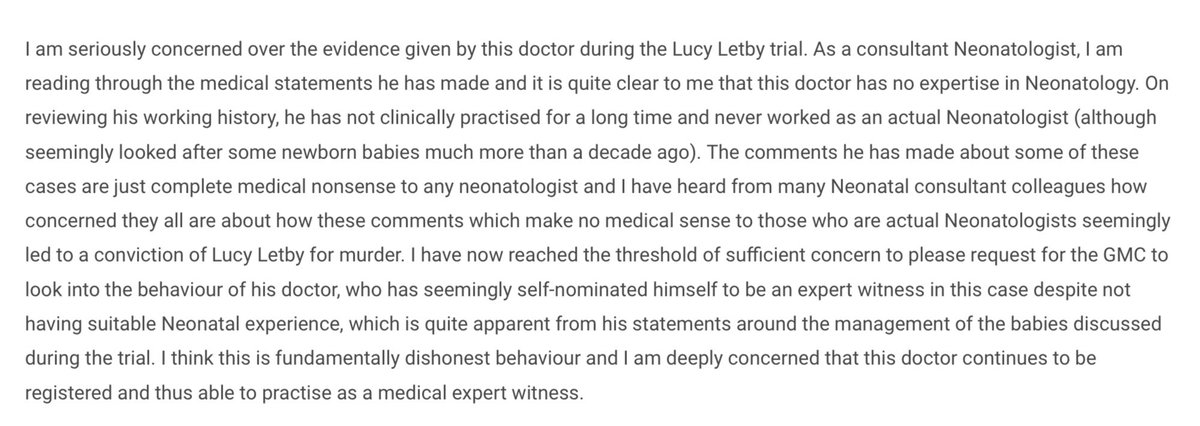
The prosecution’s case rested on the opinions of a single man with no relevant or recent neonatal experience - a self-promoting “expert” witness who claimed to have “only ever lost one case” and advanced bizarre implausible theories which brought him a generous income.
Crucial evidence of systemic failings and negligent care was ignored. Several clinicians involved have since been referred to the GMC, the police, and the coroner’s court for actions or failures that may constitute gross negligence manslaughter, contempt of court, and perjury. This is NEW evidence.
While experts may disagree on the specific causes of each deterioration or failed resuscitation, the public fail to understand how this is completely normal in complex medical cases (hence the concept of multiple differential diagnoses 🙄🙄) - there is clear unanimous agreement on two core aspects of the case - the standard of care these babies received was appalling. And no murders occurred.
The now-infamous “post-it note” evidence was misinterpreted and used manipulatively - a deeply flawed tactic that has been heavily precedented in other “caregiver” miscarriages of justice.
The “statistics” presented to the jury were laughably biased. The data was cherry picked to suit a narrative by doctors who could well have been struck off for incompetence or arrested for gross negligence manslaughter.
Police refused to investigate any cause of death other than murder.
Parents were misled and gaslit into believing their babies were deliberately harmed - long before the case even went to court.
Judge Goss allowed this miscarriage to unfold despite warnings. He allowed the doctors who were witnesses of fact to be treated as experts and thus to mark their own substandard work as excellent in front of a jury of lay people.
Media coverage was biased, sensationalist and instrumental in stoking a public witch hunt.
Whistleblowers stayed silent for fear of being scapegoated. Others were actively ignored by Cheshire police and LJ Thirlwall.
The legal profession oversaw a trial with no defence witnesses that was so one-sided it defied basic principles of logic, never mind justice.
This case is a national disgrace. It should shame the British legal system and the NHS and turn both into a global laughingstock.
63
270
976
62,288
Dr Svilena Dimitrova retweeted
I personally don't think you should have spoken up sooner. A degree of hesitation is healthy and wise in such a high profile case where there are so many people adversely affected by what was - in essence - a bog standard scapegoating campaign against someone who flagged up patient safety issues.
Speaking up much earlier could have also resulted in you being "taken out" before you even got started. So am glad you didn't as your voice has been valuable.
And, frankly, much of the medical nonsense wasn't obvious to people without neonatal experience. As for me, I didn't speak up earlier because I genuinely found it easier to believe that the reporting was inaccurate than that real doctors were actually saying some of the things they were saying.
I suppose I may owe Liz Hull an apology after all. 😂
4
17
380
Dr Svilena Dimitrova retweeted
You are absolutely correct, @ClarkeMicah, that by engaging seriously with the evidence and consulting experts, you identified the central issues in this case and brought them before a wide and mainstream audience in the UK. And thank you for recognising that, rather than being a lone voice, you were the first truly influential journalistic voice to bring mass attention to them.
Felicity Lawrence at The Guardian did the same as soon as the restrictions were lifted, although arguably she did not have as large an audience or as much reach as you did. And @drphilhammond who has done an absolutely amazing job of exposing this MoJ, albeit to a much smaller audience than what the Daily Mail has. As has Cleuci @LucyLetbyTrials. And many people who had no meaningful audience (in mainstream media terms) did the same, which I am really happy to see you recognise.
You have played an extremely important role in this case, and for that I am very grateful to you, even though I disagree with many of your other opinions. You also have the emotional maturity to handle disagreement without ignoring it or resorting to offence, which is a quality that not many influential people in current society possess.
@drphilhammond @FelicityLa76731 @LucyLetbyTrials
16
50
3,774
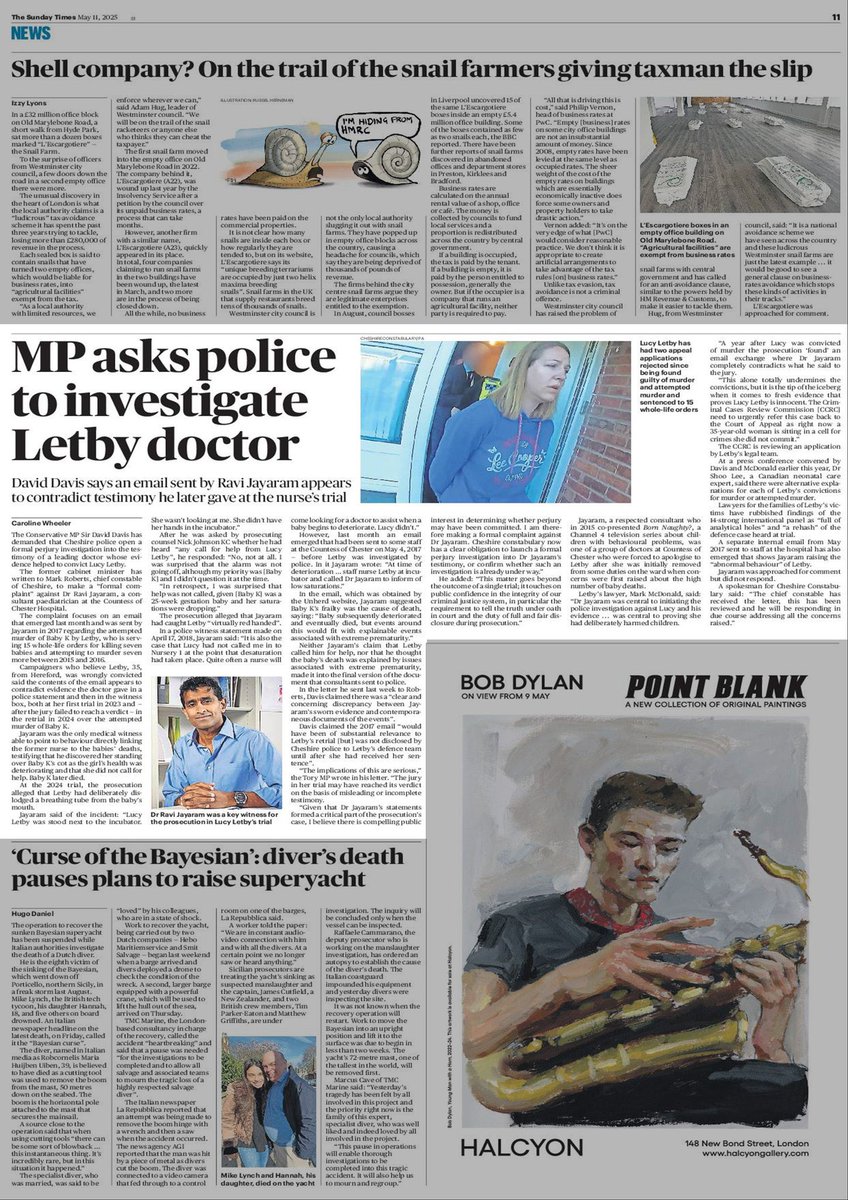
So here we are. A very long time has passed since clear evidence emerged of perjury and other forms of dishonesty in Dr Jayaram's testimony, yet there have been no meaningful consequences. Instead, the apparent pinnacle of accountability is his removal from some promotional photograph for Chester Races - a gesture whose relevance to the issues under discussion is, at best, unclear.
Further to my comments from yesterday on the Letby trial conforming to the same pattern as those of the witch-hunts conducted by the British judiciary, here is another important piece of the jigsaw puzzle of the pattern of scapegoating exercises - the total impunity for those who are within the scapegoating "gang".
Firstly, those accused of witchcraft were expected to disprove allegations for which no evidence existed in the first place. Any denial became evidence of guilt. Any attempt at self-defence was recast as further proof - they are being "defensive" - why be defensive when you have nothing to hide? Sure proof of being a witch. But even more importantly, regardless of what evidence became available about the character, probity, integrity, motivation or the veracity of statements provided by those participating in the witch-hunting, they were allowed to continue to operate with impunity.
The same scapegoating dynamic continues today, it applied to the Letby trial, it applied in prosecutions of Gross Negligence manslaughter in many cases of innocent scapegoated doctors, and it applies to the methods used by NHS Trusts to manage out whistleblowers. I share this incredibly document with you once again:
hcsa.com/wp-content/uploads/…
It is difficult to overstate how common these tactics are within the NHS. From page 9 onwards of the document above, the pattern is laid out in remarkable detail. The methods described are so well recognised that a consultants' organisation produced guidance explaining exactly how scapegoating campaigns are conducted and how individuals become isolated, discredited, and removed. These modern scapegoating campaigns follow the same patterns of historical witch-hunts.
And this scapegoating pattern is not merely similar to what happened in the Letby case - it is identical. The remarkable aspect of the Letby case, however, is not the pattern itself, but that it was successfully extended into the criminal justice system leading to convictions beyond reasonable doubt for multiple murders. The underlying mechanics remain the same - narrative first, no evidence is no problem as repeating something enough times becomes evidence and collective amplification becomes proof; and another important part - total impunity for those driving the process.
So please forgive me for not caring much for this "success" of a picture of Dr Jayaram being removed from a promotional website. As far as I am concerned, he is a free man who has the right to pursue his dream of becoming a celebrity, so I actually don't even think it's fair this was pulled. After all, he is an innocent free man, and indeed a hero, in the eyes of the law.
@drphilhammond @PeterElston1 @ClarkeMicah @NadineDorries @LucyLetbyTrials @DavidDavisMP @YouAreLobbyLud @MartynPitman @Michelehal7344 @Voice4theDead
Jun 1

hmmm LL
telegraph.co.uk/news/2026/06…
8
43
116
5,494
Dr Svilena Dimitrova retweeted
This is a brilliant lecture, which I much enjoyed listening to. Thank you for sharing the link. There is even more evidence than what was mentioned within it that the Letby trial displayed the identical patterns of a medieval witch-hunt which is not (yet) in the public domain.
1
7
34
1,265
Dr Svilena Dimitrova retweeted
Thank you for finally exposing this @ClarkeMicah 🙏🙏
One small but important comment, however. They were clearly stated evidence based facts rather than fears. This matters as people’s emotions are not relevant when it comes to objective investigations, which this grievance was.
Most grievances within the NHS are of terrible quality but this one was excellent. Well done to the HR professional involved.
1
9
61
1,428
Dr Svilena Dimitrova retweeted
Thank you for re-tweeting my post. I am curious to know why you say 2017-2024. I know there are current ongoing witch-hunt cases within the NHS so I don’t think they have stopped. I am not even sure if they have decreased in frequency. Also not sure about the numbers of such cases can be adequately analysed as most people subjected to them (in NHS via grievance procedures, employment tribunals and GMC/NMC proceedings) stay silent so they don’t compromise their employment tribunals. A further large chunk get paid off, or sink into depression and exit the system into hiding, and some die by suicide - so their stories are never told.
2
2
18
725
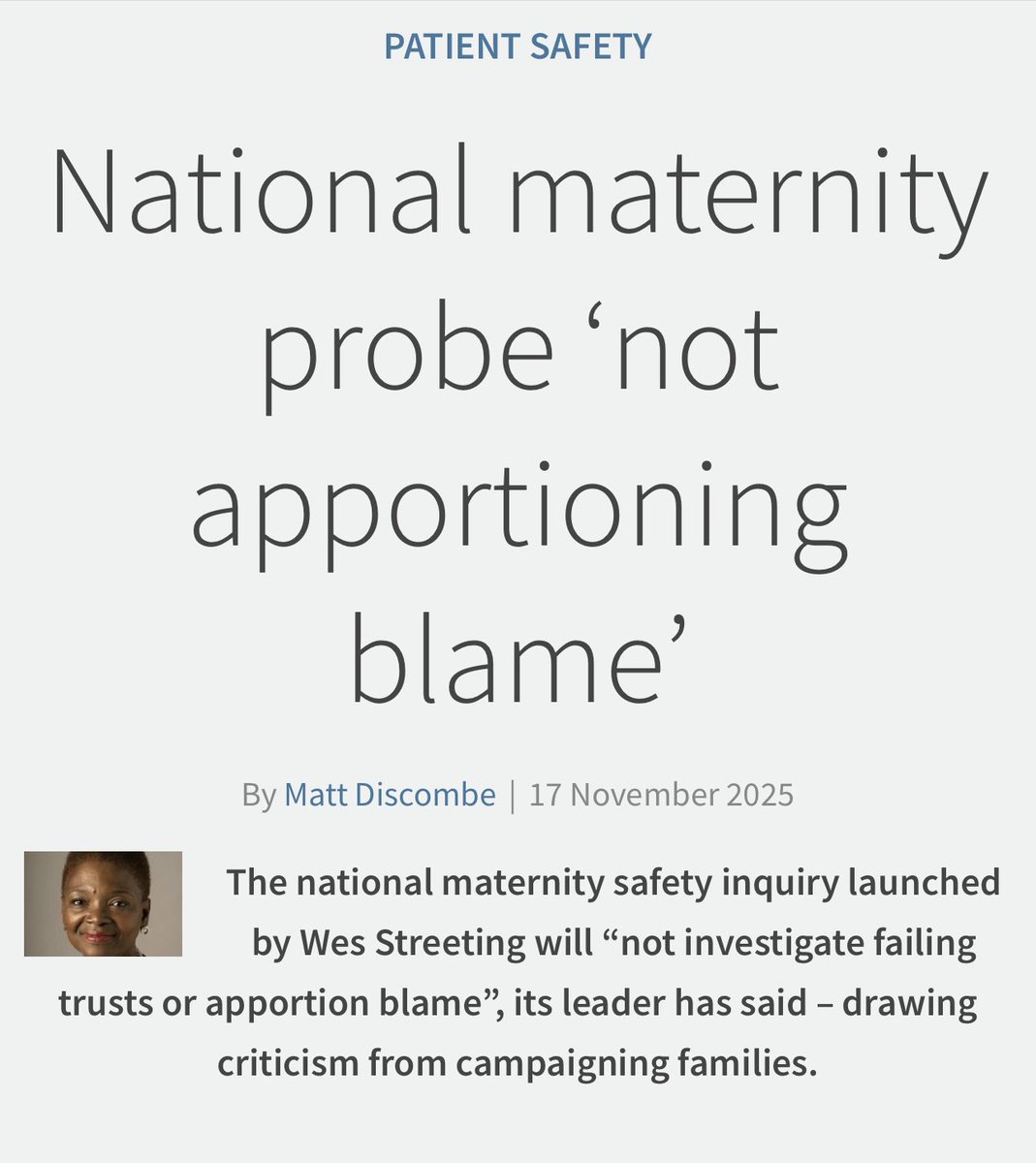
I think many people disengage when it is suggested that what happened to Lucy Letby was, in fact, a witch hunt. They often find the term emotionally charged and fail to recognise that, historically, witch hunts were not merely the actions of angry mobs. In Britain, many were conducted through official judicial processes and carried out under the authority of the state. As a result, people frequently mistake collective persecution for a legitimate pursuit of accountability. Yet there is a fundamental difference between holding someone accountable for crimes they have demonstrably committed and subjecting them to a witch hunt.
Witch hunts have several defining characteristics that distinguish them from genuine accountability processes. One of the most important is the treatment of evidence. Accountability requires careful examination of clear, contemporaneous evidence. Witch hunts, by contrast, often rely on feelings, assumptions, suggestions, speculation, and retrospective reinterpretations of events designed to support a predetermined narrative. The distinction is clearly identifiable through historical analysis. Looking back at documented cases allows us to see the difference between evidence-led investigations and campaigns driven by social, institutional, or political pressures.
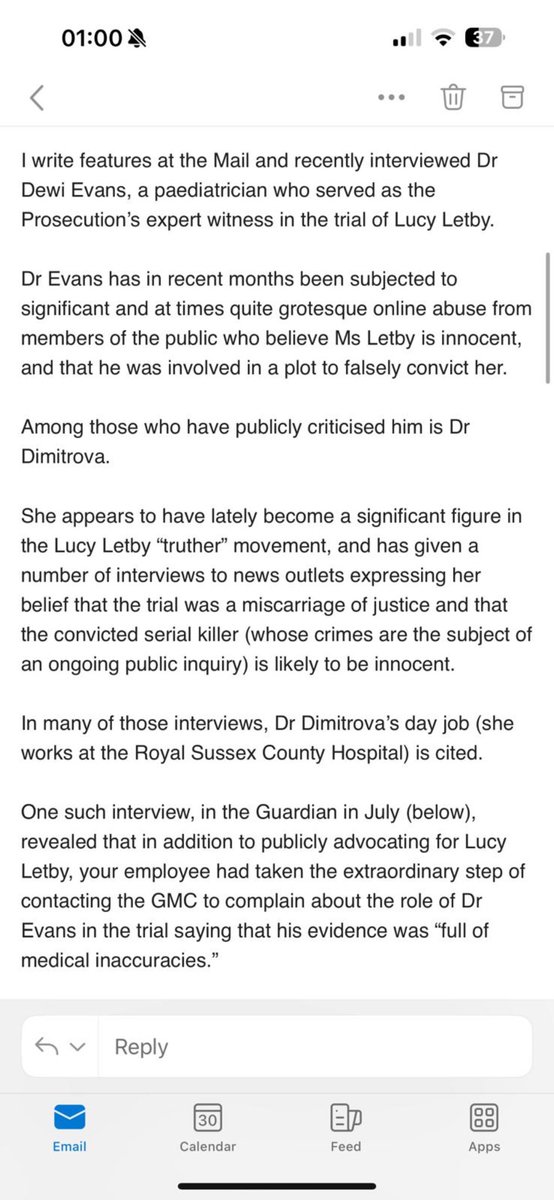
In the Letby case, as in many instances involving genuine whistleblowers (while recognising that not everyone who claims whistleblower status genuinely is one), the documented records, to which I have had access within my capacity as instructed expert by Letby’s new legal team, clearly shows that the Letby prosecution was a clear cut example of a witch hunt.
Witch hunts never disappeared - they have just been re-branded. They are rooted in patterns of human behaviour that are as old as biblical times. Religious texts, including accounts surrounding the trial and execution of Jesus, contain stories of examples of identical dynamics. Such phenomena have likely existed for as long as human societies have existed.
What has changed is their form. Modern witch hunts are rarely labelled as such. They are often rebranded as moral crusades, safeguarding exercises, or accountability campaigns. Yet the underlying dynamics remain the same. While they no longer typically end with public executions, they can and do result in the destruction of reputations, careers, livelihoods, and sometimes even personal liberty. In many cases, the process itself becomes the punishment, regardless of whether the accusations are ultimately proven.
@MartynPitman @drphilhammond @PrivateEyeNews @drcmday @NadimHCr @NadineDorries @ArturNadol7566 @peter__duffy @ClarkeMicah @LucyGoBag @JusticeGap @LucyLetbyTrials @ClarkeMicah @PeterElston1 @Seagreen2707 @RexvsLucyLetby @hannahsbee @Michelehal7344 @MichelleWelshMP @DavidRoseUK
May 31

...prevalent at the CofCH.
The critical difference being that, in that unit, systemic failures were neither recognised not appropriately acted upon. Instead, a nurse was victimised, scapegoated and became the subject of a 21st century witch-hunt and eventual egregious MoFJ.


9
52
135
10,415
Dr Svilena Dimitrova retweeted
A whistleblower story as old as time. 🫣🫣
They could have stuck to the usual playbook - competence concerns, clinical issues, behavioural problems - the standard scapegoating campaign. Sack her, bully her out, refer her to the NMC. It’s endemic, well documented, and usually gets the job done.
But no. This time they went far beyond that.
Given humanity’s long history of moral panics and witch hunts, the architects of those persecutions from biblical times and beyond would surely recognise the pattern - and be impressed by this refined modern execution within our beloved NHS.
It takes a lot to impress me but gotta give it to this lot - they truly outdid themselves.
And you know what will happen now? Precisely nothing. There will be zero meaningful consequences for anyone who played a part in this. She will eventually be released but first she will be ignored and locked up for a few more years. That should teach anyone for speaking up from within big and powerful institutions such as the NHS for the next couple of generations at least. And no, it won’t matter when everyone acknowledges this was a disgraceful and wholly preventable MoJ - because this case has achieved its purpose - to show what happens to people who dare be right to challenge people more powerful than them.
So all is exactly as it should be in the world we live in. 🤪🤪
10
36
102
2,441
Dr Svilena Dimitrova retweeted

May 28
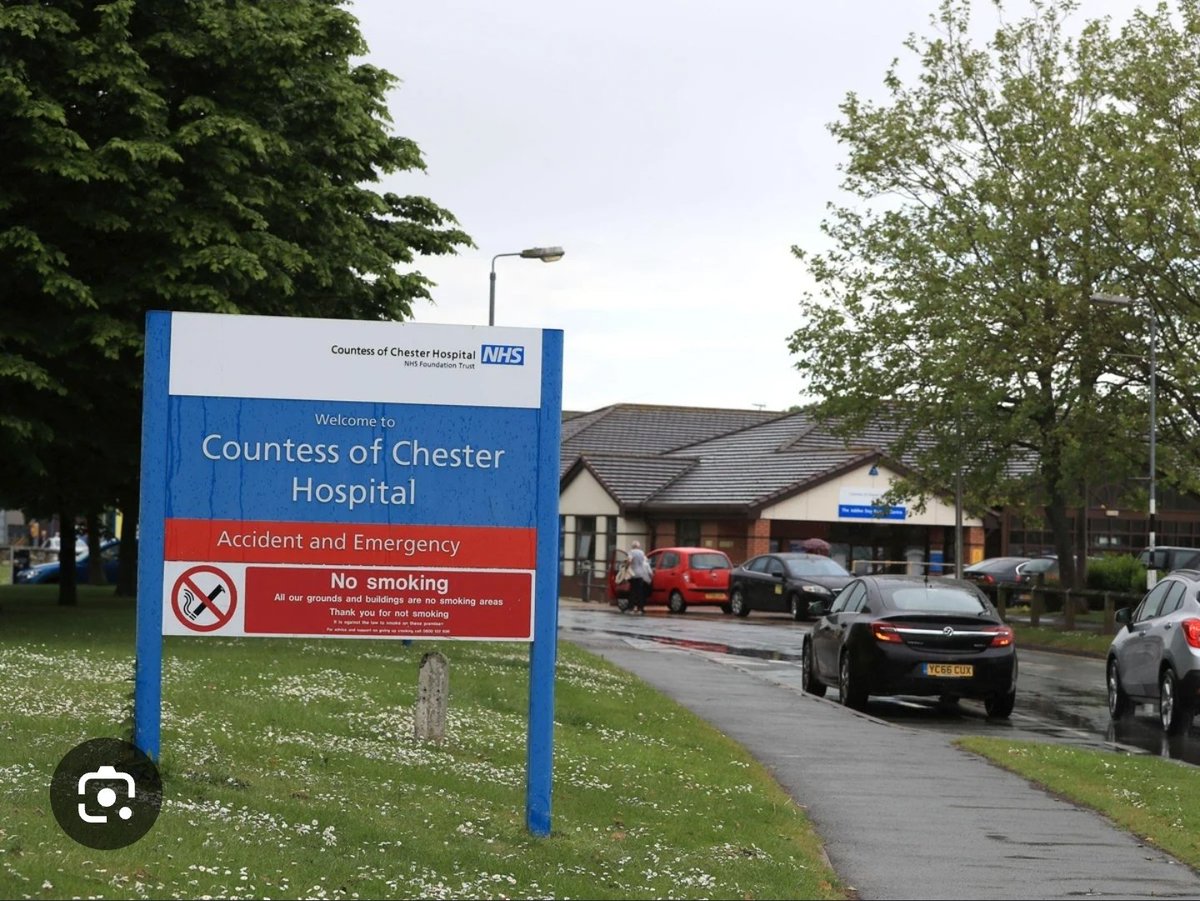
When I first became interested in the #LucyLetby trial and conviction I went on record to claim that it was a travesty that so little focus had been placed on the Maternity management of the indictment cases. I raised concerns about the standard of Maternity care at the CofCH.
5
39
111
5,710
So glad this is finally public so I can comment on it openly.
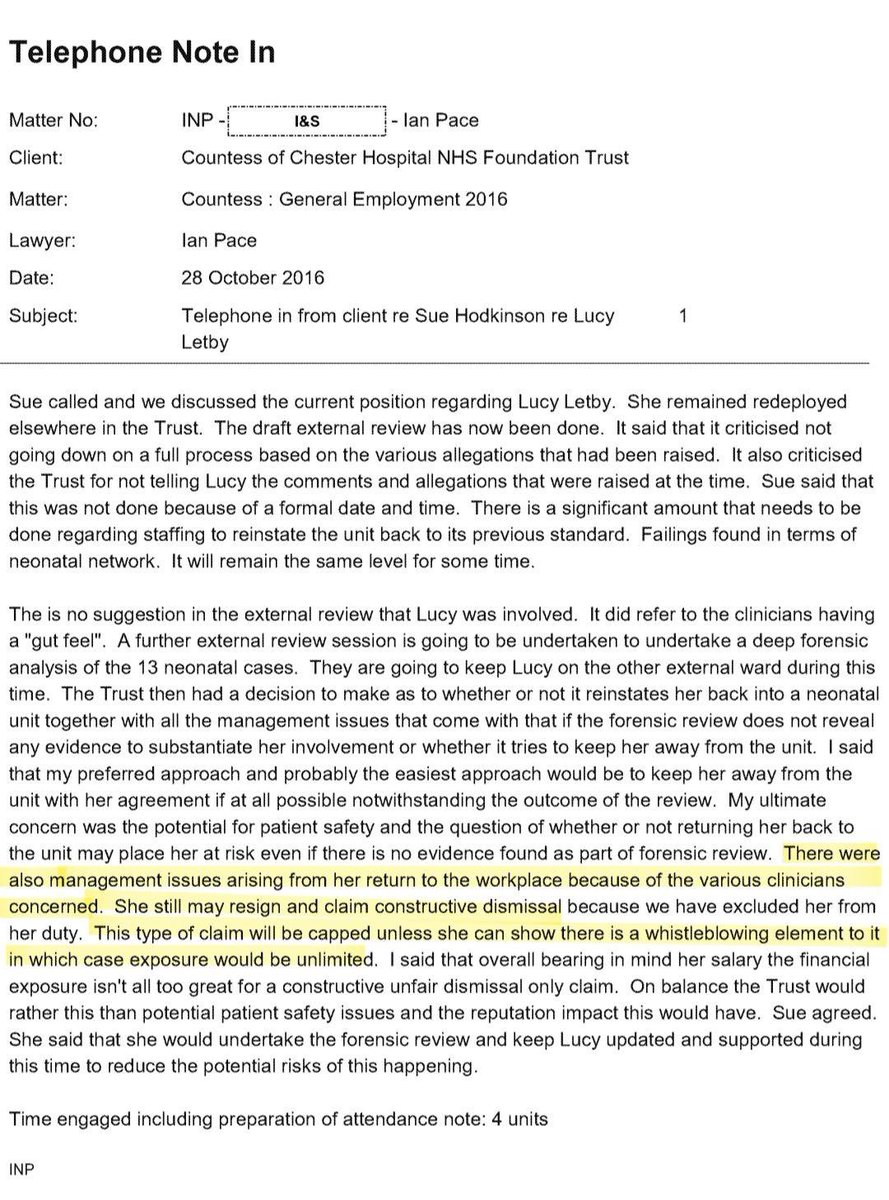
I have seen a fair number of HR investigations over the years. In my experience, whistleblowers are often formally investigated before they are pushed out, or as a way of “teaching a lesson” to anyone who challenges the status quo. This is actually one of the most competent internal investigation reports I have seen.
What surprised me most was the outcome. Usually, management plays an active role in managing out people who raise concerns - such as Lucy, who was clearly DATIXing poor standards and practices within the neonatal unit. Dr Brearey and Dr Jayaram were in management positions at the time and therefore carried responsibility for patient safety and culture within the department. So that would have been a pretty major motivator to want her out if she was shining the spotlight on their managerial/leadership failures.
Lucy Letby was never going to be safe returning to a workplace where she was clearly being bullied by a group of colleagues (most of whom were consultants and thus in a position of power over her) unless individual accountability followed. At the very least, that should have meant formal warnings, apologies to Lucy, and mediated discussions. Management could have supported her with a temporary redeployment to another clinical unit so she could continue practising while matters were resolved. Clinical work was clearly what Lucy wanted to continue doing. Some people in these situations , where redeployment is necessary during HR investigations, choose to remain in management or leadership roles instead, but that wasn't what Lucy wanted.
So in essence the hospital made a strong start with doing a competent HR investigation - but by failing to follow through properly, the situation escalated to the point where consultants went to the police.
What nobody seems willing to ask is this: if the consultants genuinely believed Lucy was murdering babies, why did they only go to the police after they were found to have bullied her? If you truly believed a nurse was a serial killer, is it reasonable to accept that a consultant would really think that internal Trust procedures were an appropriate way to deal with it?
UK trained consultants are NOT politically naïve. Consultant appointments are highly political positions, and consultants understand very well how NHS systems actually work. It stretches credibility, and that's a generous description, to claim the consultants genuinely believed reporting concerns over a serial killer internally was what they thought was the right thing to do. If they truly thought Letby was such a prolific killer, were they not concerned she might harm children outside work as well?
This entire case is a national disgrace, and I suspect it will remain in history as one of the most consequential modern witch hunts in British healthcare. Witch hunts within the NHS are unfortunately, however, very common - often carried out through internal employment procedures or GMC processes. But turning that common dynamic (whose root cause is toxic leadership practices) into the conviction of a serial killer is something else entirely.
An extraordinary outcome, enabled by a broken medical "expert" system and sealed by an inadequate police investigation and criminal justice system. What a world we live in.
I hope everyone involved in this MoJ - or anyone who knew what was happening and could have helped but chose not to - gets what they deserve.
@LucyLetbyTrials @drphilhammond @PrivateEyeNews @NadineDorries @ClarkeMicah @peter__duffy @MartynPitman @willcpowell @DavidDavisMP @DavidRoseUK @PeterElston1 @Michelehal7344 @Voice4theDead @reasonoverfear @Oversig58651516 @Seagreen2707 @RexvsLucyLetby

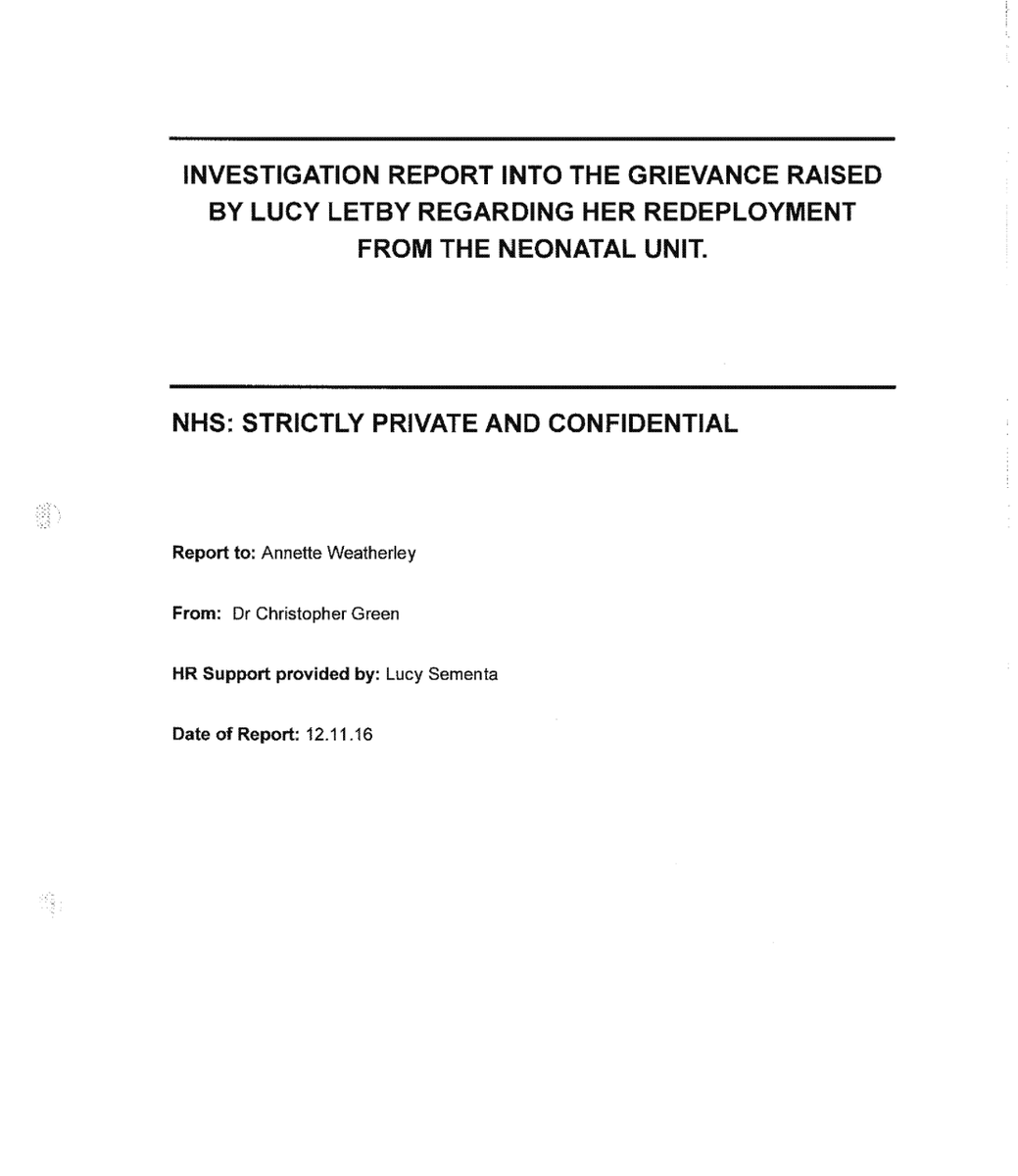
🔴The Thirwall Inquiry has released Letby's Grievance [draft] Report in full.
thirlwall.public-inquiry.uk/…
27
139
345
69,736
Sarcasm is really just despair with standards. A coping mechanism for people who have looked at the state of things and decided that if they can’t fix the absurdity, they can at least phrase it properly. 🙂
Which is why working with Richard Gill has been such a pleasure. We disagree on plenty - often enthusiastically - but that’s never got in the way of a genuinely brilliant collaboration. Richard is sharp, intellectually fearless, and has been a truly exceptional partner in sarcastic crimes.
@JusticeGap will hopefully be happy to share our article without a paywall after some time has passed like @PrivateEyeNews does.
@drphilhammond @JusticeGap @PeterElston1 @LucyLetbyTrials @cheshirepolice @ClarkeMicah @Michelehal7344 @DavidDavisMP @parthaskar @MartynPitman @Voice4theDead @gill1109 @NadineDorries @Oversig58651516 @DavidDavisMP @DavidRoseUK
May 13

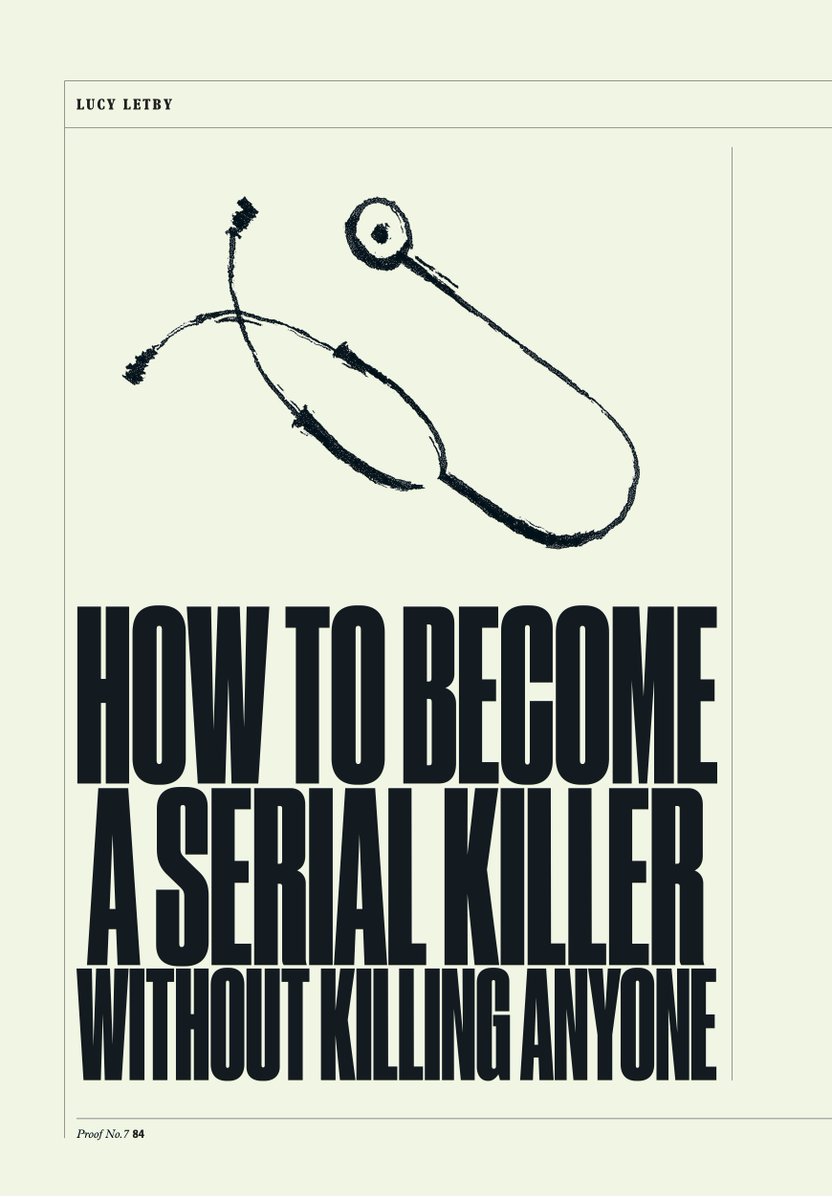
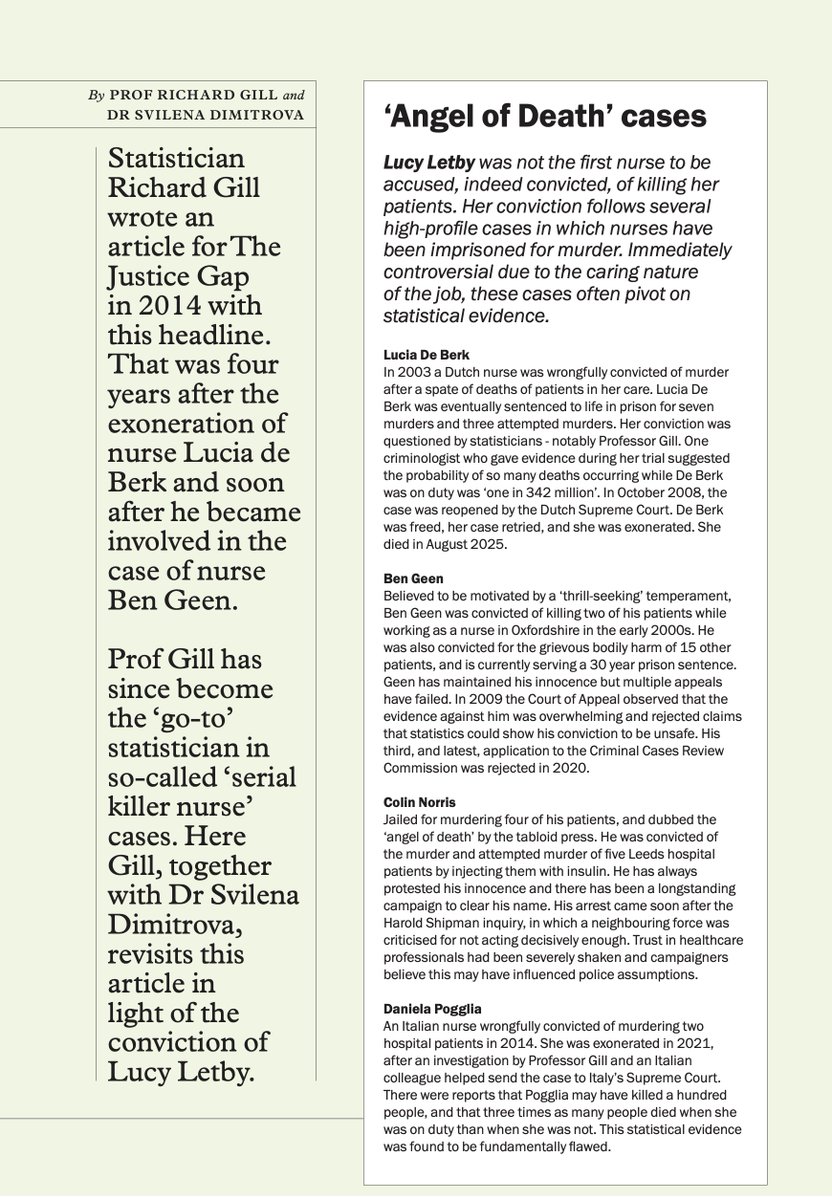
Gill and Dimitrova in PROOF # 7, published by The Justice Gap - How to become a serial killer without killing anyone, revisited. First two of 8 pages. Do buy a copy of the whole number! thejusticegap.com/
2
30
90
7,015
Dr Svilena Dimitrova retweeted
I’m not sure it’s fair to say this is due to doctor shortages, although that was certainly how it began. The gradual substitution of doctors with ANPs has been happening for around 20 years. In some places, entire tiers of staffing - SHO/middle-grade have been replaced with ANP-led models. In some countries, the decisions they make within these roles would be considered practising medicine without a licence.
For more than a decade now, I have been concerned about the repercussions for ANPs who are placed in these positions when something goes wrong. The governance issues - namely - where responsibility sits, who is accountable to whom and how when things go wrong - have not been thought through at all. I suspect those conversations will only happen once serious cases of issues around accountability for decision making get reported on in the media.
As things stand, there are services providing care for children and babies without a doctor on site for significant periods of time. This has been happening in some neonatal and PICU settings for quite some time.
None of this is new, to be honest.
I should add that I think ANPs have a valuable and important role. My concern is not with ANPs themselves, but with the way their role is currently being used (and arguably abused).
@drphilhammond @parthaskar
5
16
47
6,227
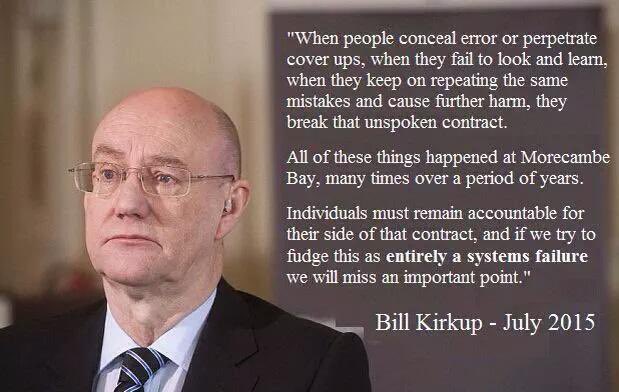
Not just the police do this. I’ve heard examples from every government institution. It depends on the people in charge rather than the system. So it would be useful to have conversations about individual accountability rather than endless conversations about system change.
I hope Andrew Malkinson manages to somehow recover enough to have a peaceful life from now on. What they’ve done to him, which no doubt started off with incompetence, but definitely ended up being malicious and purposeful, is beyond disgusting.

Andrew Malkinson: "The police chose to ignore evidence of my innocence. They chose to destroy and not disclose evidence. They chose to resist my efforts to clear my name. People should be held accountable for those choices.” thetimes.com/uk/crime/articl…
5
19
54
2,742
Dr Svilena Dimitrova retweeted

Apr 18
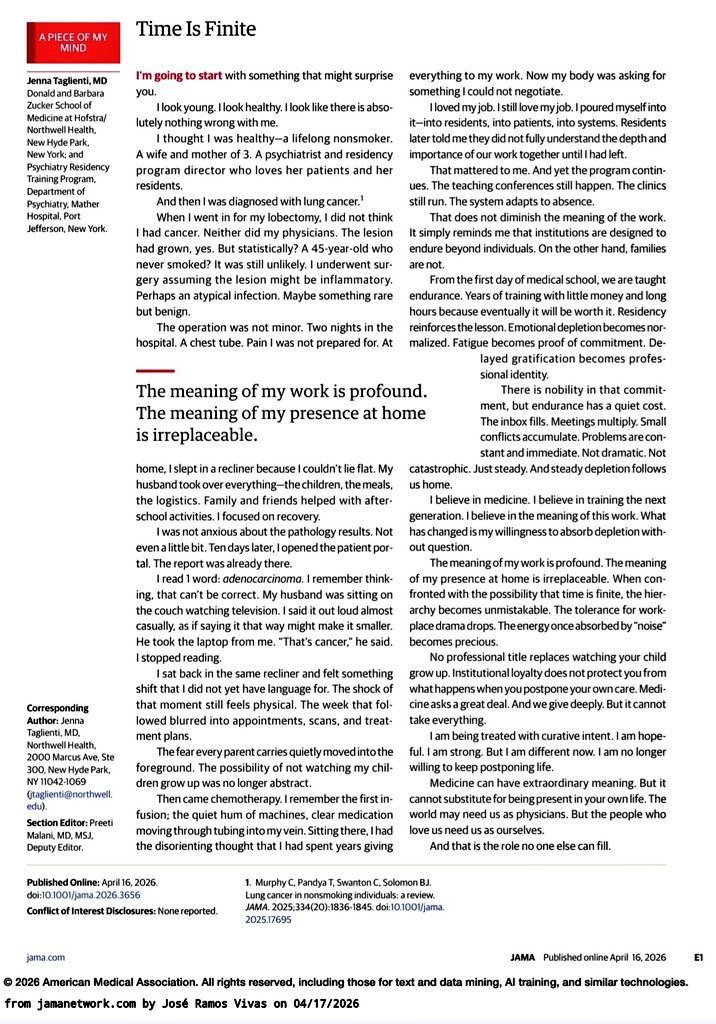
If there was one article you want to read as a clinician?
Read this
Via @jenna_taglienti - an absolutely stunning write in @JAMA_current
"Medicine can have extraordinary meaning. But it cannot substitute for being present in your own life. The world may need us as physicians.
But the people who love us need us as ourselves.
And that is the role no one else can fill."
Brilliant - and much love to you
'Time is Finite"
jamanetwork.com/journals/jam…
20
238
704
72,775
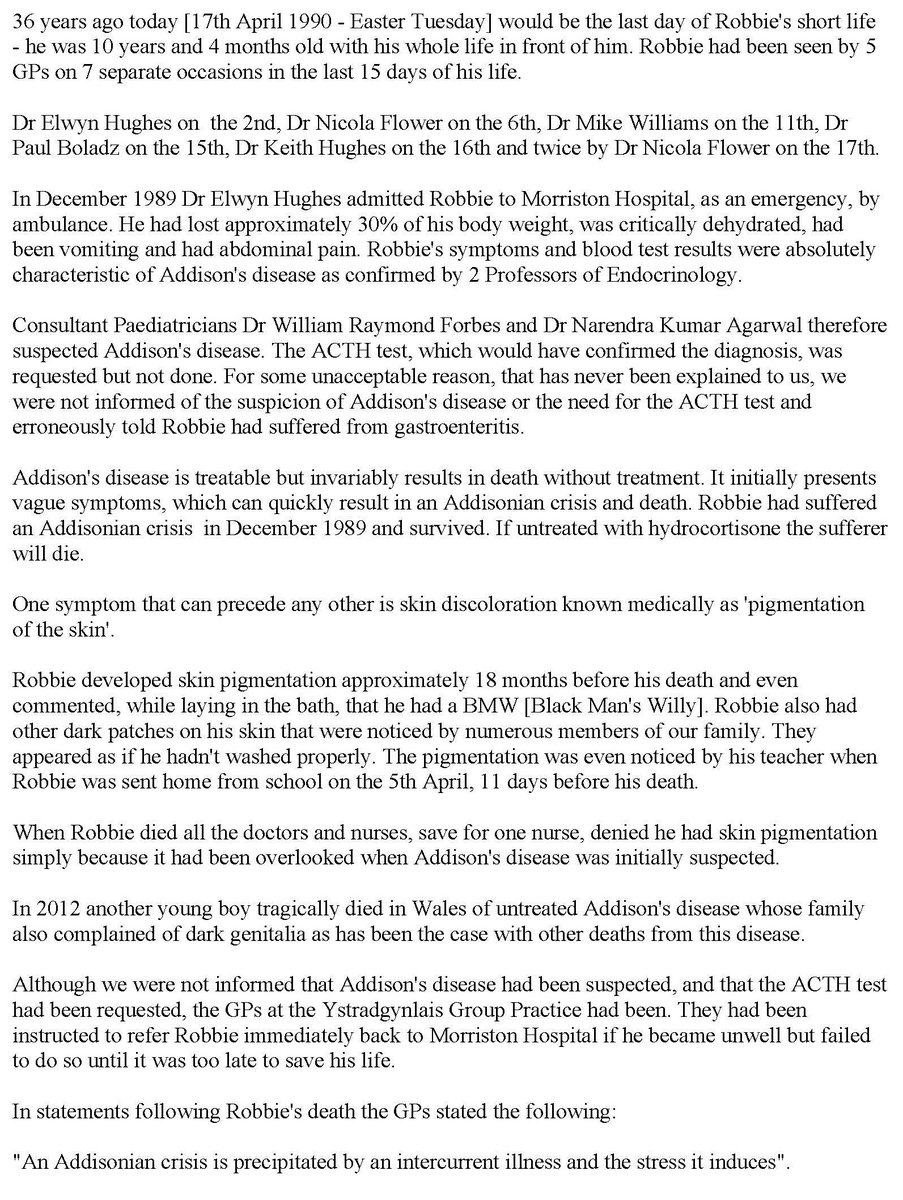
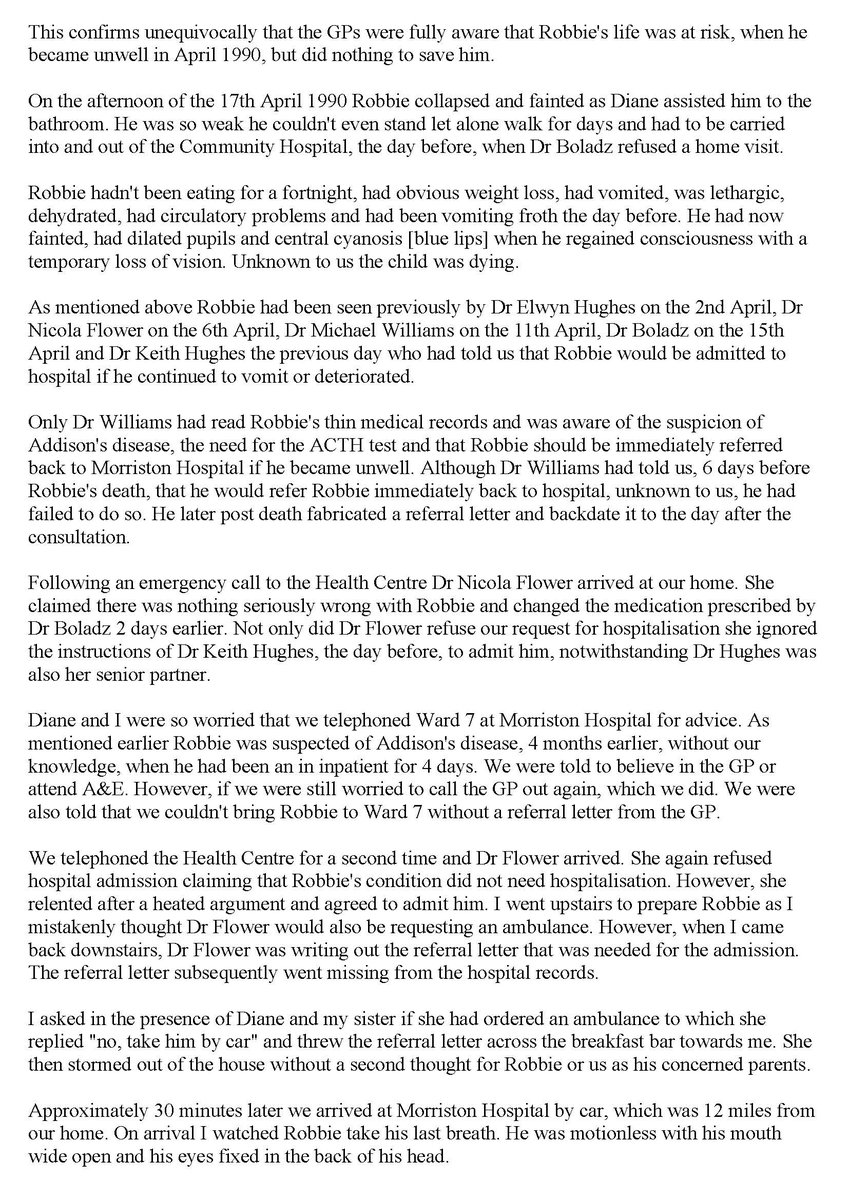
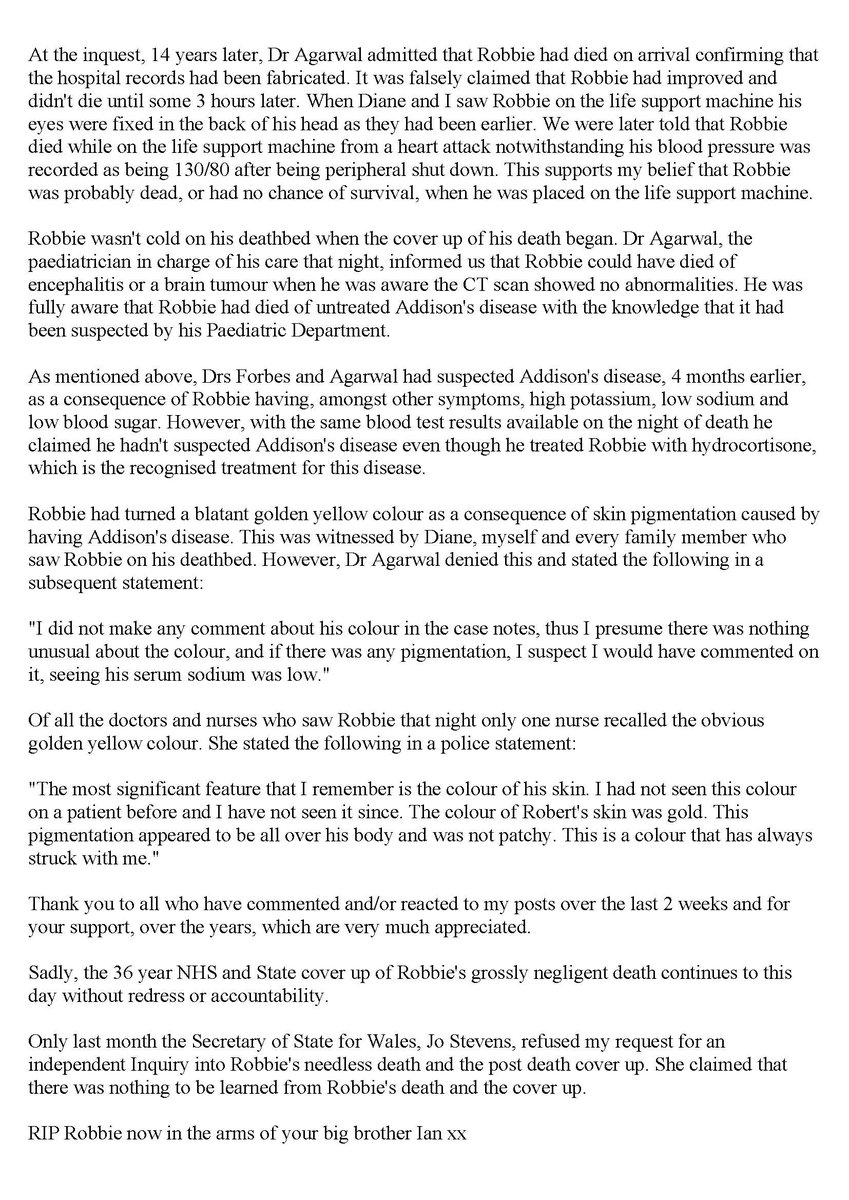
Robbie’s story will always stay with me. I say this as a doctor who has reviewed Robbie’s medical records and documentation around what followed. Thank you for trusting me with sharing these @willcpowell and for telling me about your beautiful boy Robbie.
Robbie’s death was inarguably avoidable. There were multiple opportunities to recognise deterioration, provide adequate follow-up, and multiple opportunities to take the (relatively simple) actions needed to diagnose and treat Robbie from a very easily treatable illness (albeit rare in children), of which he had every sign. Those opportunities were all missed.
Poor care can and does happen, sometimes with devastating consequences. Human error is an unavoidable reality in medicine, and every doctor will make mistakes during the course of their career. In this case, several doctors made mistakes.
What was far more disturbing than easily avoidable mistakes being made, however, was what followed.
Instead of acknowledging these mistakes, apologising, and learning from them, several of the individuals involved lied, falsified notes, gaslit Robbie’s parents and even went on to harass them (admittedly I found this bit the hardest to get my head around!). Furthermore, the institutions that should have helped provide accountability - such as the local health regulators, the GMC, the police, and the justice system - not only didn’t help but played significant roles in the continuation of gaslighting by prolonging that harm and hiding behind procedures and tick boxes.
Reading through Robbie’s case has been heartbreaking. I will never forget his story, and I will talk about it in all my future medicolegal and patient safety teaching.
I feel truly honoured to have met Robbie’s dad, who is a remarkable human being. Robbie was so lucky to have a dad like you.
The fact that it had to be formally established that doctors owe patients the truth still stops me in my tracks. I would have assumed honesty with patients and families was self-evident.
What a world we live in.
Apr 17

Pls RT: 36yrs ago today was the last day of Robbie's life-he was 10yrs old & died of suspected & treatable Addison's disease that invariably results in death without treatment. He was seen by 5 GPs, 7 times, in the last 2 weeks of life-below is a summary! robbieslaw.com
3
32
80
2,393
In the interest of fairness, we should be careful before accusing anyone of lying - that does, after all, require intent.
What we may be witnessing instead is a far more familiar phenomenon - information entering perfectly sensibly at one end and emerging, after a short institutional journey, as something that bears only a passing resemblance to reality. Not deception so much as interpretive storytelling - certain institutions appear to have refined this to a high art, aided and abetted by the good old “divide and rule” technique of DARVO.
There are, of course, alternative explanations - differential diagnoses one may say - such as memory lapses, or difficulties with comprehension. Positions of authority are not, historically, a guaranteed safeguard against either.
And, given that the quotation appears to have passed through Liz Hull - whose relationship with the truth may at best be described as flexible - there is every possibility the original correspondence has undergone a transformation.
Will the NCA @NCA_UK be correcting the record where statements made by a representative of @cheshirepolice about their input into the Letby case are demonstrably inaccurate?
@DavidDavisMP @PrivateEyeNews @drphilhammond @LucyLetbyTrials @PeterElston1
Apr 13
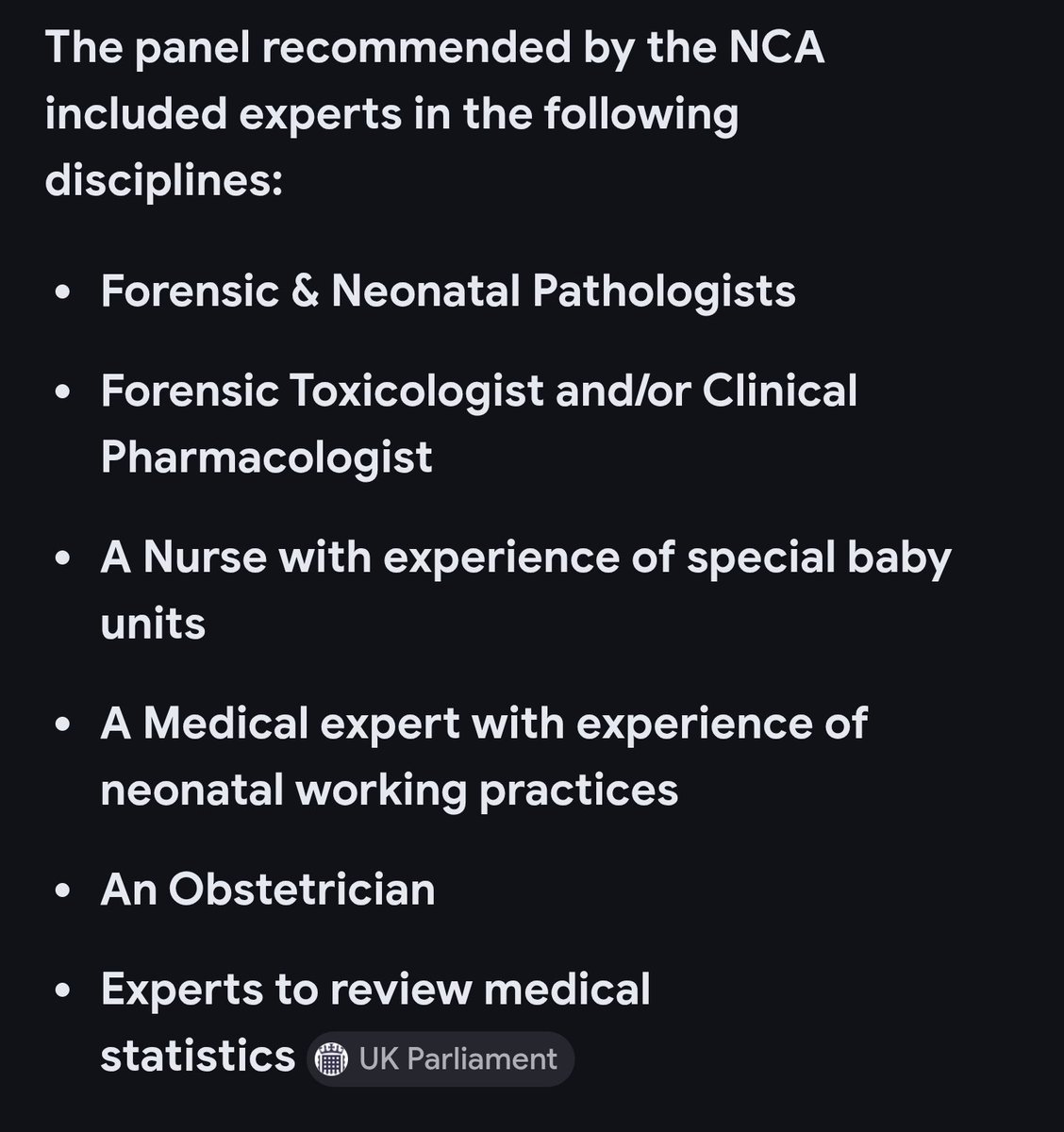
This is the list of multi-disciplinary experts the NCA recommended should be appointed to assess the clinical cases that became the #LucyLetby convictions. It CLEARLY included a Medical Statistician. So who is CC Mark Roberts trying to fool and why is he lying?🤔
4
13
42
3,314
Dr Svilena Dimitrova retweeted

Interesting how the Cheshire Chief Con wrote his ranty and unsubstantiated letter where he had copied in the Cheshire MPs, just one day after the Police & Crime Commissioner received a letter of complaint about Roberts - authored by me - where I had first copied in all the Cheshire MPs.
Unlike CC Roberts however, I haven’t gone running to a journalist with my letter. Instead I am respectfully waiting for a formal response from the PCC before I decide whether or not to make my 10-page letter public - which would only be for public interest purposes of course.
This is a police force that is in serious trouble, with a Major Investigation Team that cannot tell the difference between a real serial killer and a fictitious one, and a Chief Constable that is bringing his own police force into disrepute by prioritising his reputation over doing the right thing.
#CheshirePolice
#LucyLetby
#SilverKiller
mol.im/a/15724565
12
78
217
8,293
What we see here is the inevitable result of a system that has been hijacked by individuals lacking both integrity and wisdom, diverting it from its original purpose. What was meant to uphold truth and justice now serves narrow interests and self-preservation. Those who expose its flaws and demand evidence-based accountability are punished, while incompetence is not only protected but often rewarded in the name of the “greater good.”
This is not a failure of the system - it is the consequence of it being deliberately steered away from what it was meant to be. Those in charge across every level bear responsibility, with the buck ultimately stopping at our often (but not always) morally compromised judiciary.
@MartynPitman @drcmday @drphilhammond

Why Lucy Letby is extremely unlikely to be granted an appeal, no matter how many experts review all the notes and trial records, and find no evidence of deliberate harm. If you couldn’t find the right defence experts first time around, it’s just bad luck. observer.co.uk/opinion-and-i…
5
34
95
3,053