Where are my sons?
Joined September 2025
- Tweets 1,373
- Following 765
- Followers 670
- Likes 49,218
128 Photos and videos
















Pinned Tweet

May 28
"The Anathema. The Anathema cometh. The sun rises."

4
177
1,914
61,269
This is what I was talking about the other day.
Nearly the entire crew you'd go to try to work for is foreign, getting paid cash. Don't speak English.
Then you are expected to be one of the real employees and get paid the same rate, which is less money.
He should be in jail.

Ryan Lamuga, owner of Rhino Roofing and Siding in Bemidji, Minnesota, had 23 of his 30 employees detained by ICE yesterday. The agents reportedly told him they would track him down afterward.
It is a federal crime to knowingly hire illegal aliens. Ryan should be charged and prosecuted to the fullest extent of the law.
3
16
154
Emperor of Mankind retweeted

This post still makes me laugh

AHHHHHHHH DON'T YOU DARE TOUCH OUR BOATS OR WE'LL FUCKING KILL YOU (except for that one time we don't talk about) AHHHHHHHHHH!!!!!!!!!!!

3
4
90
1,089


Emperor of Mankind retweeted

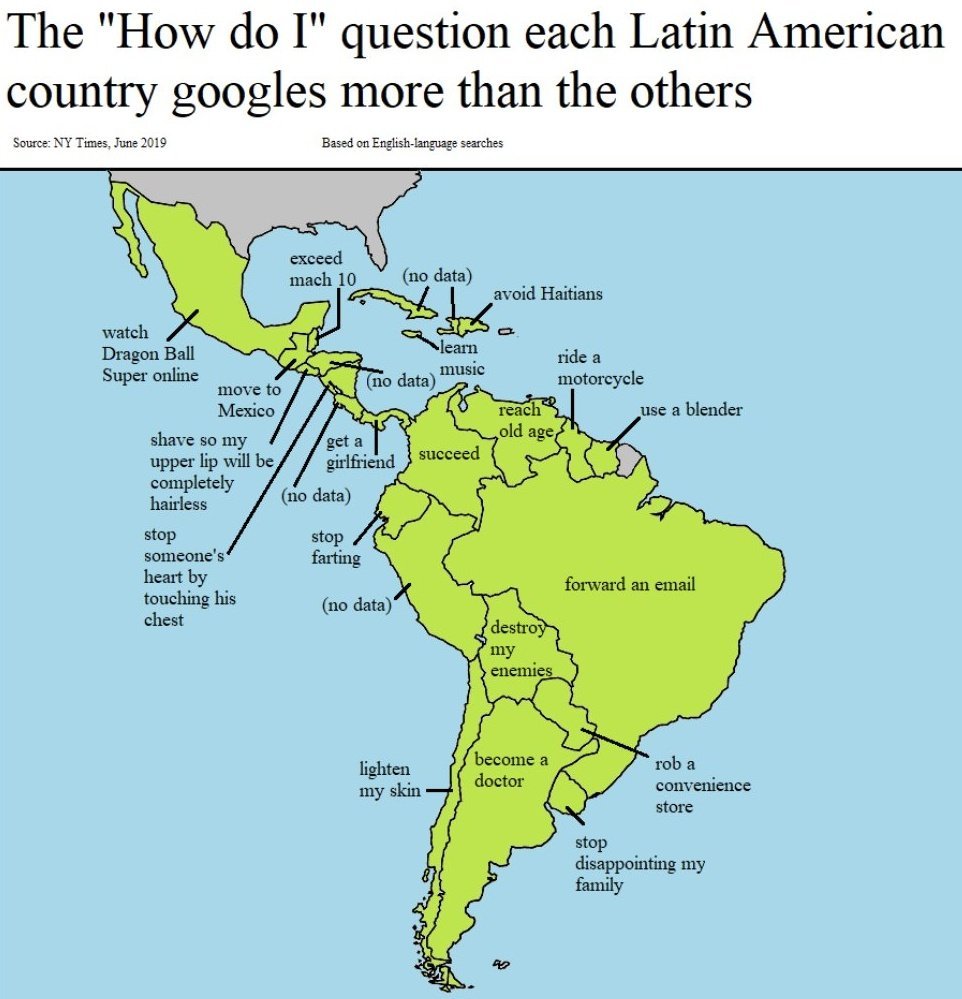
LMAO


12
120
4,095
58,707
Emperor of Mankind retweeted

Take this and get back out there, patriot.


4
3
55
875
People make comments about not working for Christians or White men every day.
I love that they proved his point instantly though.

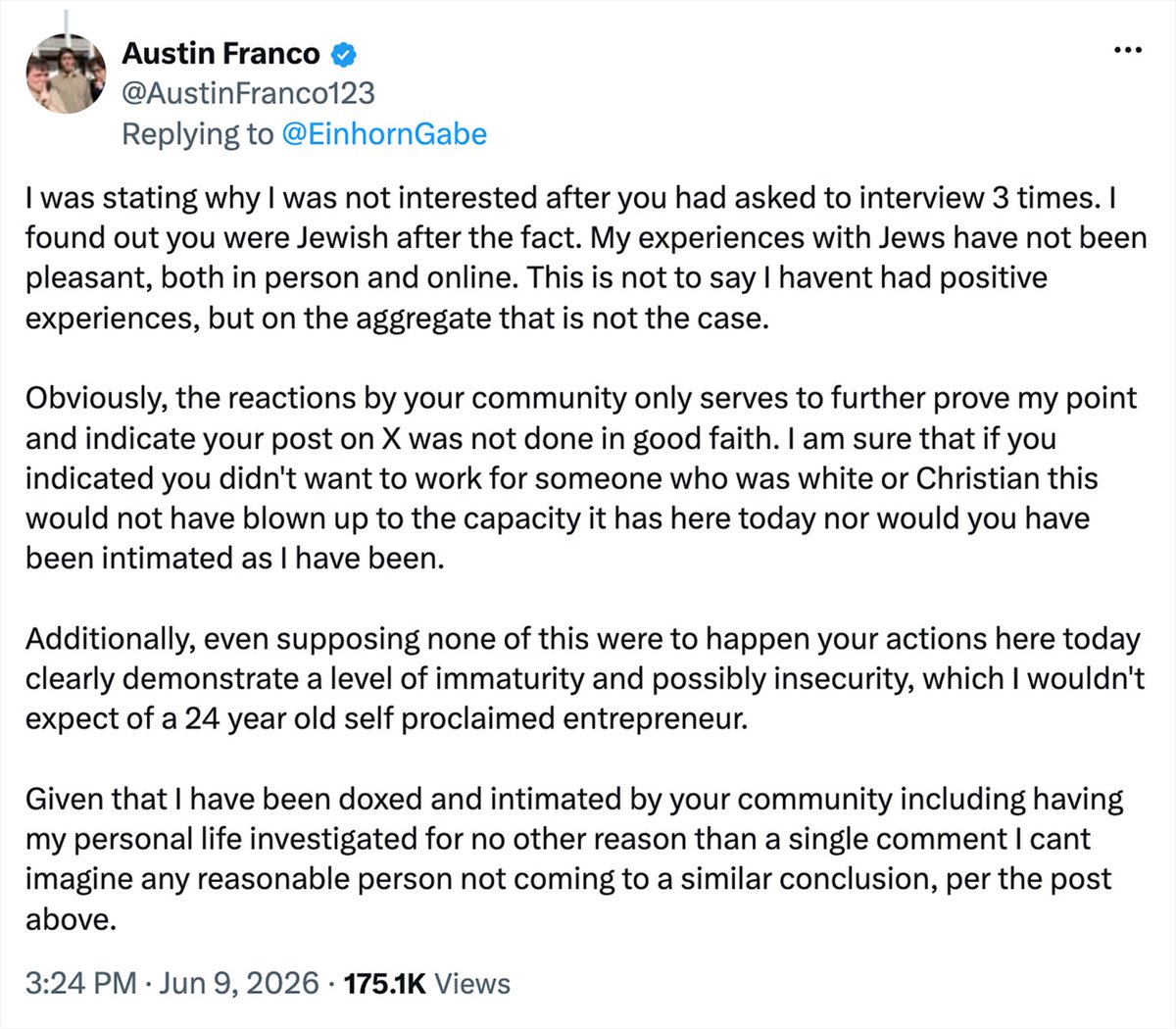
Cornell student Austin Franco was doxxed by Jewish business leaders after explaining that he “didn’t want to work for a Jew,” claiming his experiences with Jews were not “pleasant,” after a NYC startup he had applied to reached out to him three times.
After one of the cofounders, Gabe Einhorn, posted Franco’s reply with his last name blocked out, Franco was quickly identified.
Einhorn said he did not “want to ruin his life,” but wanted to “raise awareness” of antisemitism.
Franco, in a now-deleted post, said that in his personal and professional experiences, Jews were tribalistic and vengeful, and tended to ruin and bully others who opposed them.
Franco stated, “I am sure that if you indicated you didn’t want to work for someone who was White or Christian this would not have blown up…”
Franco claimed that the actions by Einhorn and the Jewish community, posting his reply, doxxing him, and then trying to investigate and uproot his personal life, vindicated his concerns that Jews do not work with others politely.
Follow: @AFpost

4
31
574
Emperor of Mankind retweeted

Jun 13
These are the people the government wants to import to your country btw

6
62
2,184
13,572



Emperor of Mankind retweeted

I have fought the good fight, I have finished the race, I have kept the faith. Finally, there is laid up for me the crown of righteousness, which the Lord, the righteous Judge, will give to me on that Day, and not to me only but also to all who have loved His appearing.
1
1
2
28

i ate a bunch of these as a kid and i haven't been sick in over 20 years. i've never had surgery. never had a cavity. never broken a bone. all 3 balls are fine. never been in a car accident. never been arrested

I want to see the CEO or Founder who made the Big Az Cheeseburger eat it live on camera, I want to see something.

344
3,729
71,644
2,186,167
Emperor of Mankind retweeted

“Whatever country that was we creamed them”


5
16
539
9,773
Emperor of Mankind retweeted

Might have to repost some under appreciated bangers

33
1,076
26,962
219,843
Emperor of Mankind retweeted

Saturday Space Wolves Giveaway!!!
Unopened and sealed Space Wolves Kill Team Box
Wolf Scouts
Elite Space Wolves Prey-Stalkers
To Enter:
- LIKE this post
- REPOST this post
-Follow @imperialvox40k
**US residents only
**Must be comfortable sharing address you’d like it shipped to via X Dm to this page
Winner announced tomorrow (Sunday 06/14) night 9 pm CST




2
7
14
789


Emperor of Mankind retweeted

17h
Yes that is exactly what I want and i will vote for anyone who will do it!
Thank you for your understanding!
411
700
29,713
274,422
Emperor of Mankind retweeted

Jun 13
How a religion reasons is a huge theological confession in and of itself.
Christian reasoning from its foundations is meticulous, internally consistent, and built on shared text.
When the writer of Hebrews wants to argue for the divinity and priestly rank of Christ to wavering Jewish believers, he does not merely assert. He builds. He says: Remember Melchizedek? No genealogy, no traceable ancestry. Yet Abraham paid him tithes.
In Hebrew culture, the lesser pays the greater. You have already agreed, without knowing you agreed, that there was a figure who outranked your patriarch.
Then he drops Psalm 110: "The Lord has sworn... you are a priest forever in the order of Melchizedek." If Melchizedek is greater than Abraham, and the Messiah belongs to Melchizedek’s rank, the Messiah does not share a category with the prophets. He sits above the one your fathers bowed to. That is an argument with no exit. You have to dismantle the text or accept the conclusion.
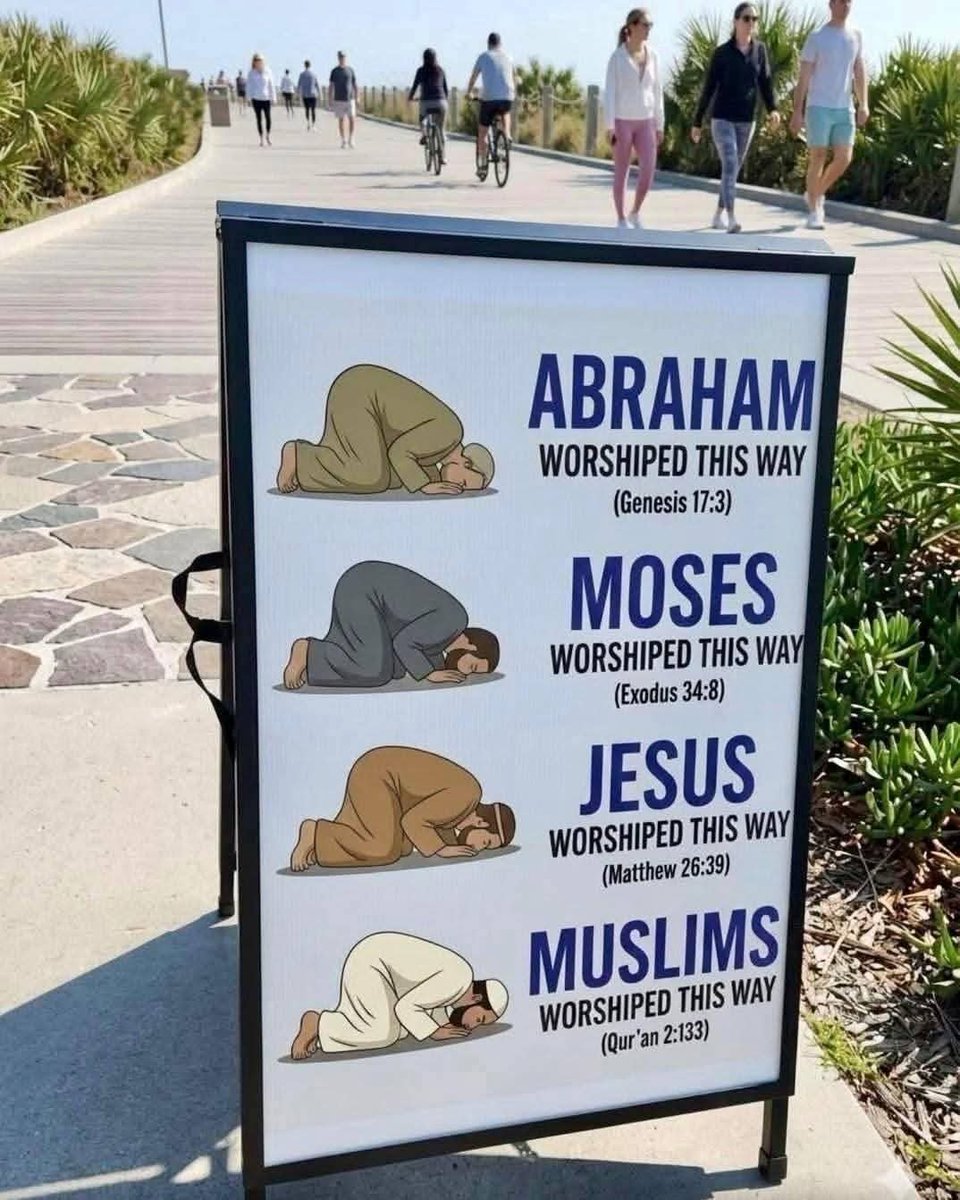
Now contrast that with this example or series of examples you Muslims always point to. Anytime you want to justify bowing five times a day facing a specific geographic location, you drag in Biblical prophets completely at random.
You see Jesus, in a moment of agonizing trepidation in Matthew 26, fall on his face to pray, and you instantly leap to: “Therefore he prayed like a Muslim.”
Do you think through the logic of this? In 2 Samuel, King David "danced before the Lord with all his might." By your exact methodology, should we start a new religion centered around dancing hysterically before God?
God is a Father. Sometimes his children approach him with dancing; sometimes, scared and broken, we lie flat; sometimes we sit. There is no chain of textual consequence in your argument.
There is only a posture and a verdict. It looks like logic until you actually look inside it.
But since you opened the New Testament, for Jesus let us actually look at how Jesus handles prayer. He completely shifts the frame from the external to the internal. He tells his disciples: Go into your room, close the door, and pray to your Father who is unseen. He tells the Samaritan woman that a time is coming when worship will not be tied to a mountain or to Jerusalem, because “God is spirit, and his worshipers must worship in spirit and in truth.”
He does not mention any geographic requirement or rigid ritual performance. It is an intimate, genuine encounter with a personal God.
And if you want to use Jesus's prayers to define him, you cannot stop at the garden. Look at John 17:5. Jesus prays: "Father, glorify me in your presence with the glory I had with you before the world began."
Find me the prophet who prayed that.
Abraham never did. Moses never did. No mere prophet in history ever walked into prayer and claimed pre-creational, shared glory with the Almighty.
The posture of submission in Matthew 26 doesn't undermine Christian theology; it requires it. It proves the Incarnation, the eternal Son genuinely entering human dependence and feeling the weight of human fear. You stopped reading at the physical posture, missed the entire theological foundation, and as usual you think this is a good refutation.
Jun 13

Muslims worship God the same way all the prophets in the Quran and the Bible worshipped God, while Christians have invented their own new religion.
60
278
1,943
189,444
Emperor of Mankind retweeted

The Arbiter is an allegory for St. Paul btw.
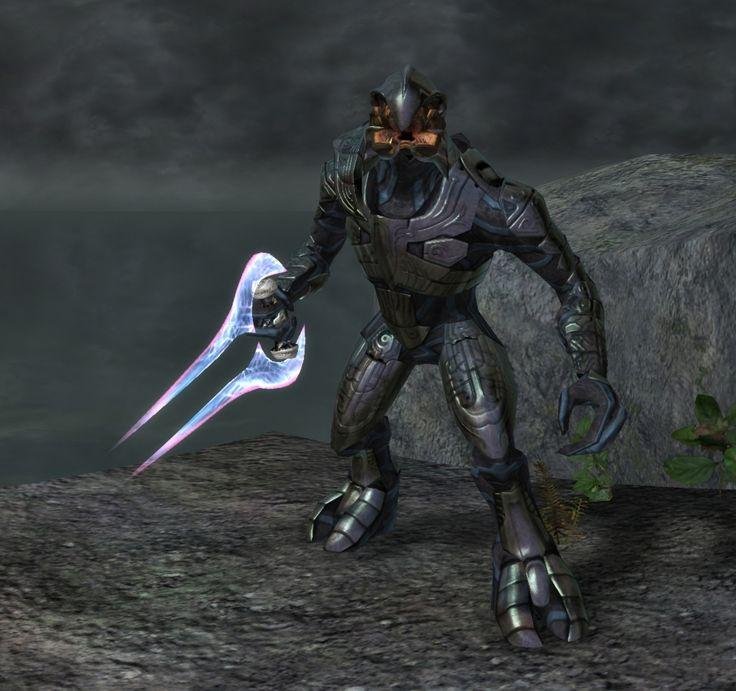
Jun 12

Oh, I'd LOVE to hear your reasoning why Halo is right winged foundationally.
Bad bait btw
81
306
5,734
189,012
Emperor of Mankind retweeted

Jun 13
The Arbiter is an American Patriot
1
9
265
5,671