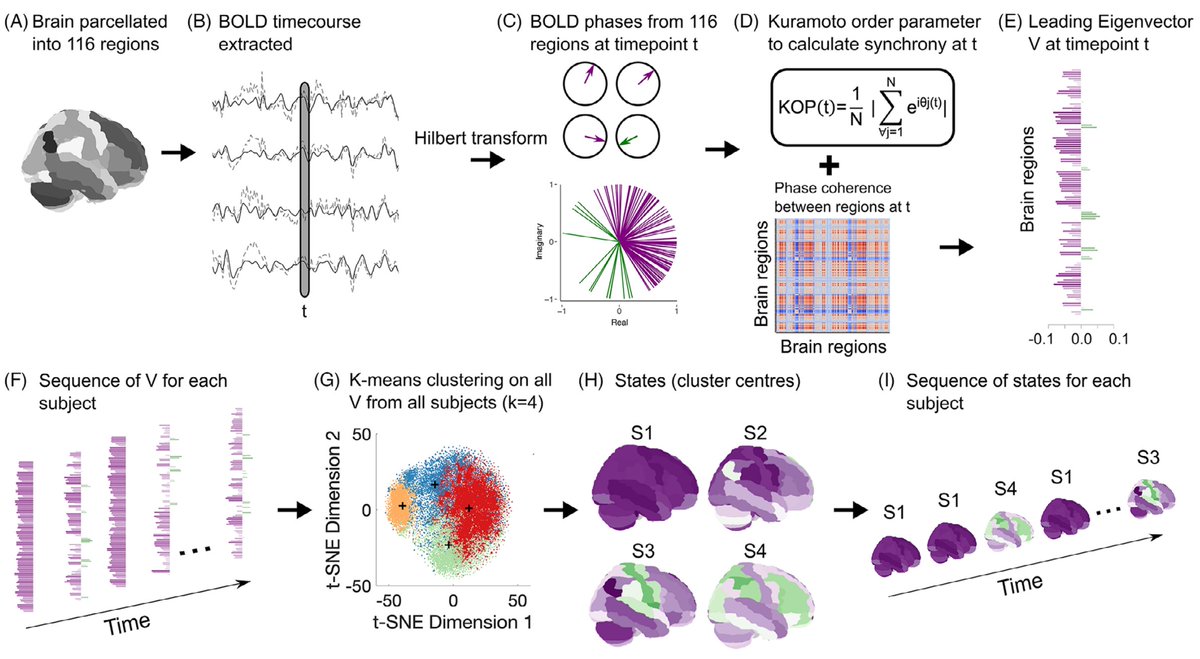
New paper out in Alzheimer's & Dementia š§ We combined resting-state pupillometry-fMRI, neuromelanin MRI of the locus coeruleus, and cognitive testing in 64 people with Alzheimer's and 26 controls to ask how arousal shapes cortical dynamics in AD. š§µ
Why does Alzheimerās disease cause problems with attention?
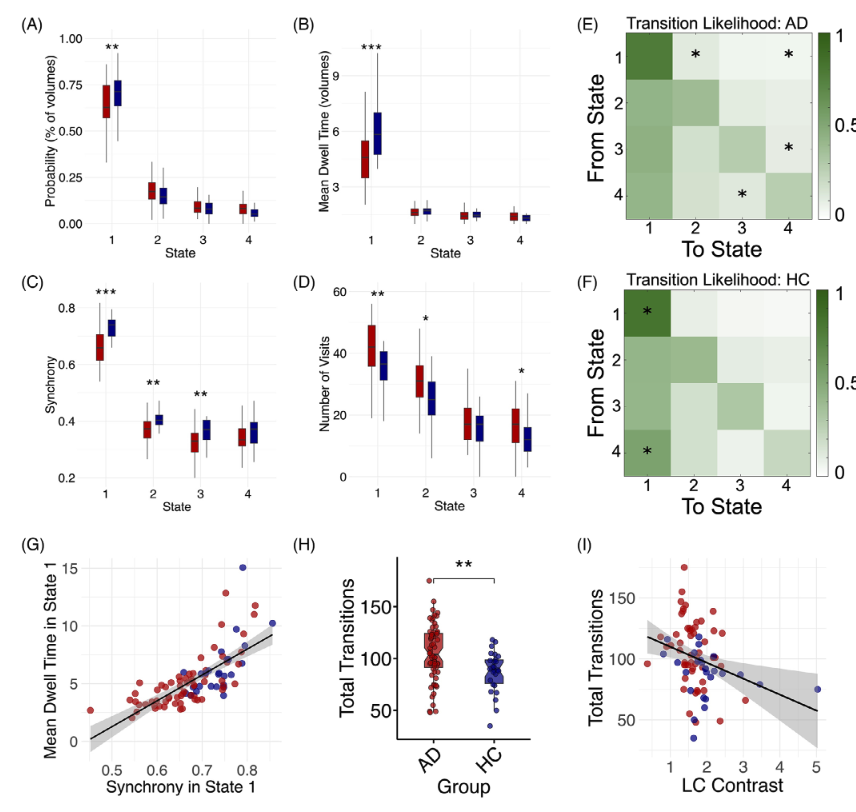
Attention falters early in AD. Our new paper points to the brainās arousal system: as the locus coeruleus degenerates, cortical synchrony drops and the brain canāt hold the states attention needs.
ALT Multi-panel figure comparing brain-state dynamics in Alzheimerās disease (red) and healthy controls (blue). Box plots show controls spend more time in State 1, the global coherence state, with higher probability, longer dwell time and greater synchrony, while people with Alzheimerās make more visits to states and more transitions overall. Transition-likelihood matrices and scatter plots show that more time in State 1 goes with higher synchrony, and that greater locus coeruleus integrity is associated with fewer transitions between states.
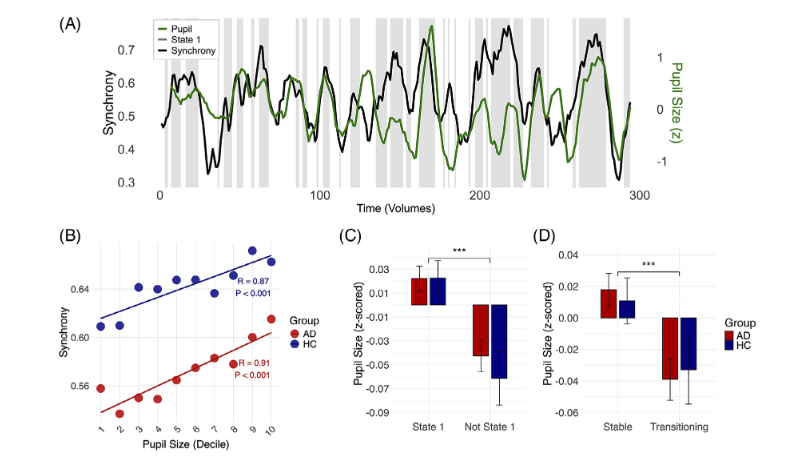
ALT Four-panel figure showing that pupil size, a proxy for arousal, tracks cortical synchrony. An example timecourse shows pupil size (green) rising and falling with synchrony (black) and being higher during the brainās global coherence state. Across participants, higher pupil size is associated with higher synchrony in both the Alzheimerās and control groups, and pupil size is greater during the global coherence state and during stable, non-transitioning periods.
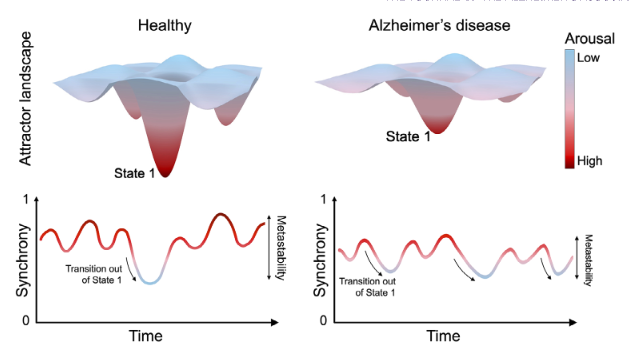
ALT Schematic comparing a healthy brain and an Alzheimerās brain. In health, the brainās āattractor landscapeā has deep wells, so dominant states such as State 1 are stable and synchrony swings widely over time. In Alzheimerās, reduced arousal flattens the landscape, the dominant state becomes shallower, and synchrony is lower and less stable, with more frequent transitions out of State 1. Colour indicates arousal level, from low (blue) to high (red).
Pupil-linked arousal tracked synchrony in real time. A weakened arousal system may flatten the brainās dynamical landscape, raising the possibility that arousal-modulating treatments will be effective treatments. @michaelcbdavid
Open access: doi.org/10.1002/alz.71547
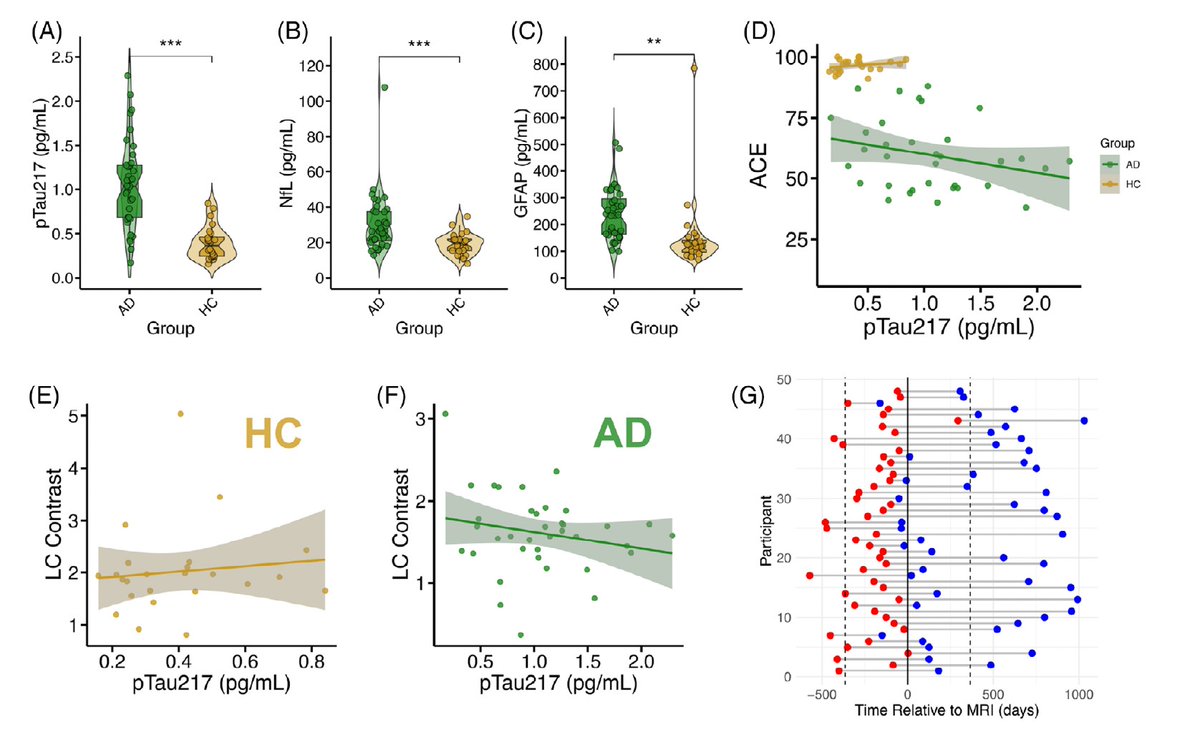
New in Alzheimer's & Dementia: using neuromelanin MRI in people with Alzheimer's, locus coeruleus (noradrenaline) integrity tracked AD pathology, symptoms & rate of decline ā a possible treatment target. doi.org/10.1002/alz.70749
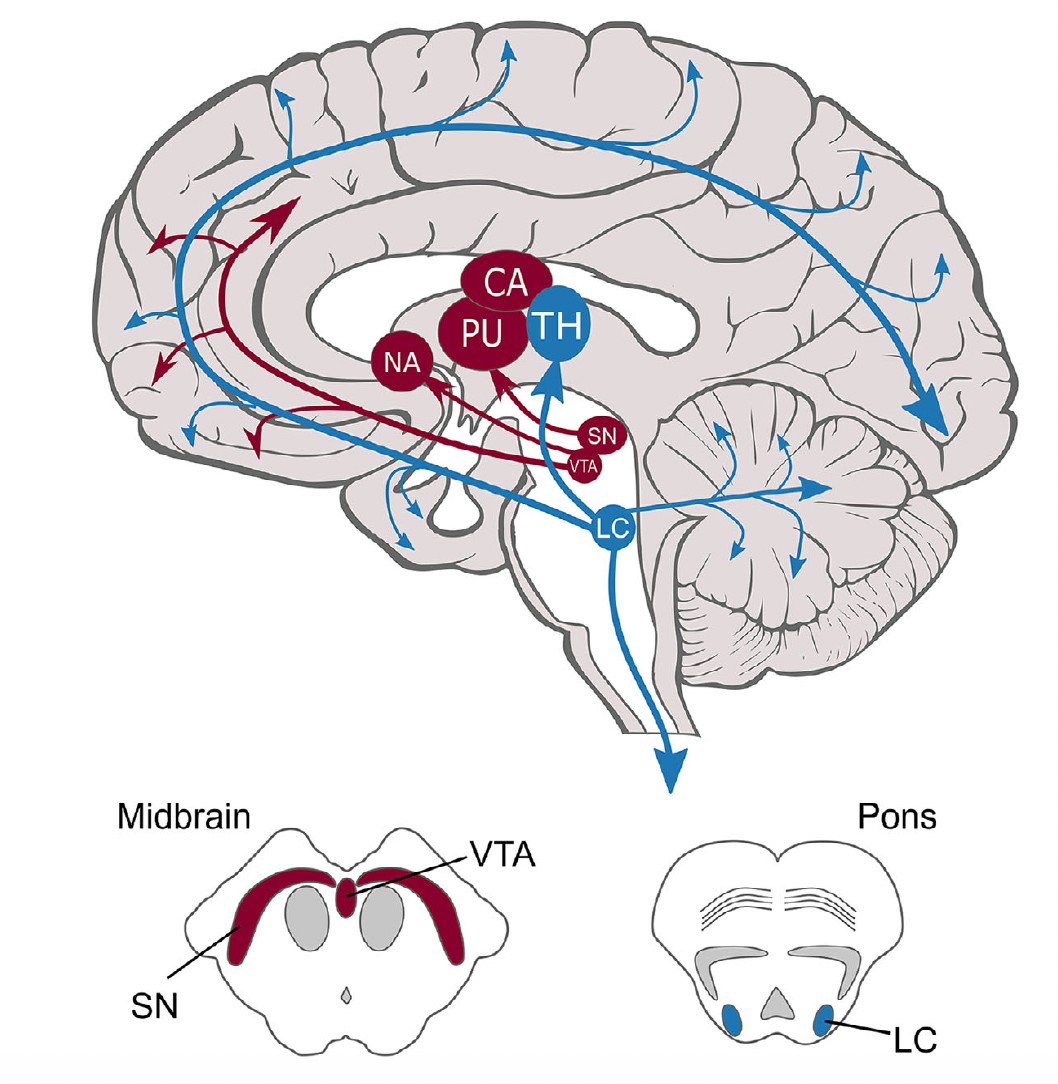
ALT The locus coeruleus (blue) in the pons sends noradrenaline projections widely across the cortex; the substantia nigra and VTA (red) send dopamine projections to deep brain regions. Lower panels show brainstem cross-sections: midbrain (SN, VTA) and pons (LC).
Could focusing on the noradrenergic system change how we treat Alzheimer's? Led by Michael David with @PareshMalhotra and the CR&T team. #Alzheimers#Dementia#UKDRI
ALT Violin plots (AāC) show plasma pTau217, NfL and GFAP are higher in people with Alzheimer's than in healthy controls. Panel D shows higher pTau217 relates to lower cognitive scores in Alzheimer's. Panels EāF show that in Alzheimer's, but not controls, lower locus coeruleus signal is associated with higher pTau217. Panel G shows the timing of blood samples relative to the MRI scan.
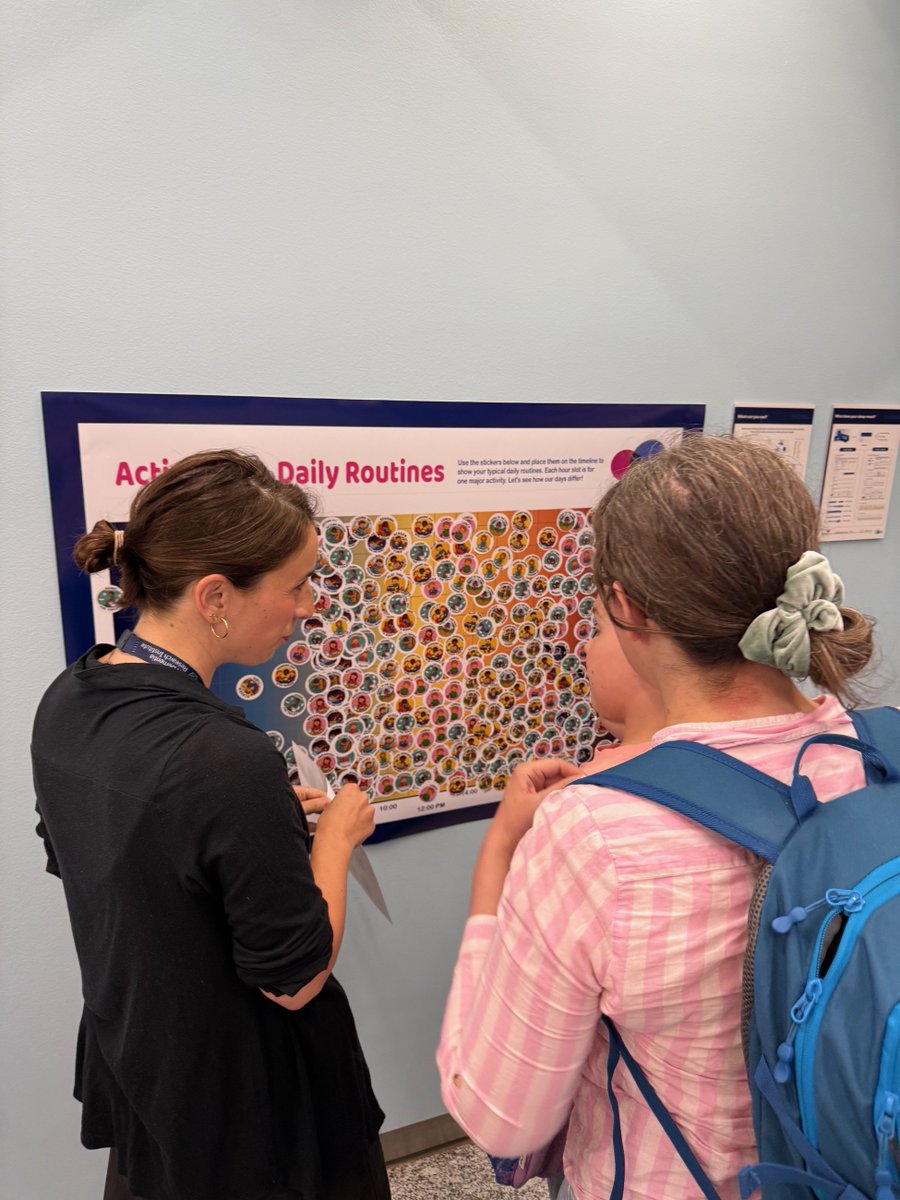
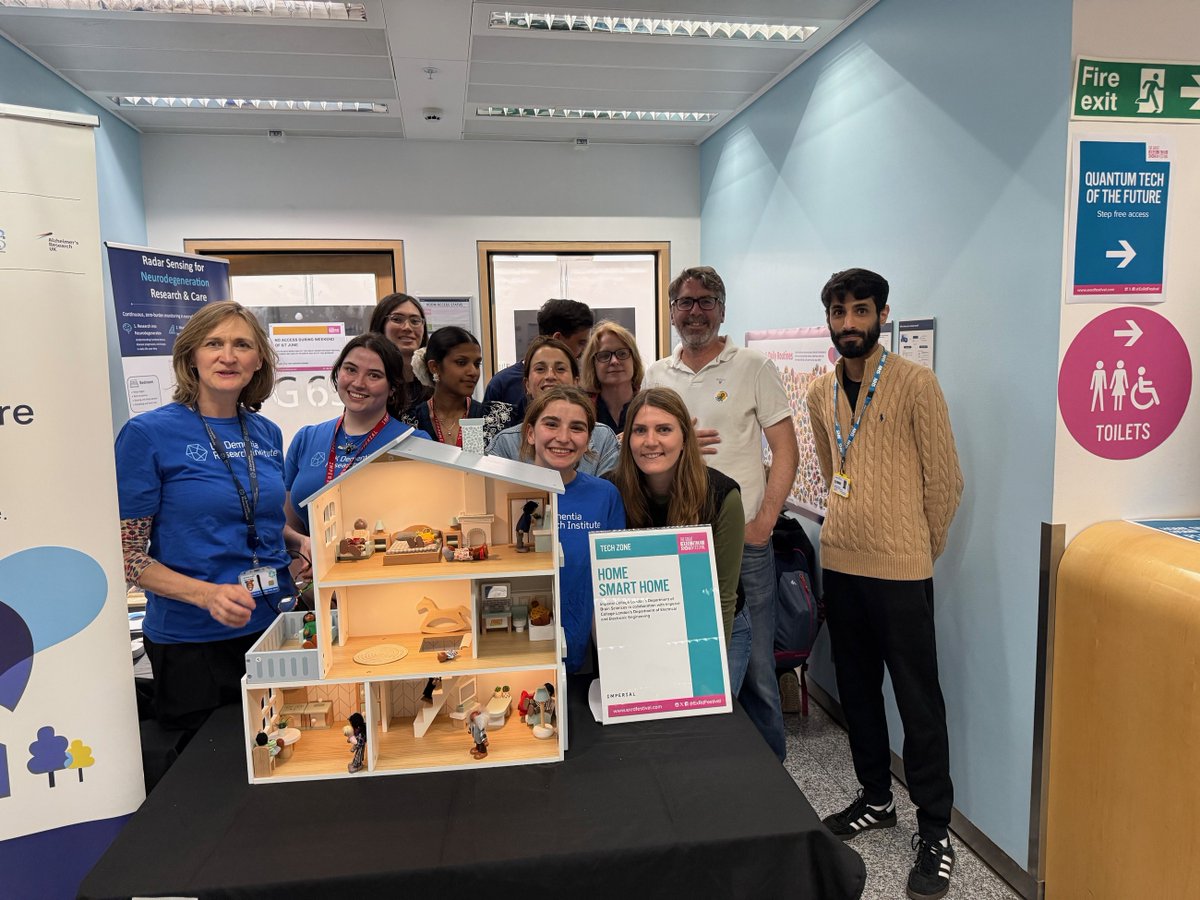
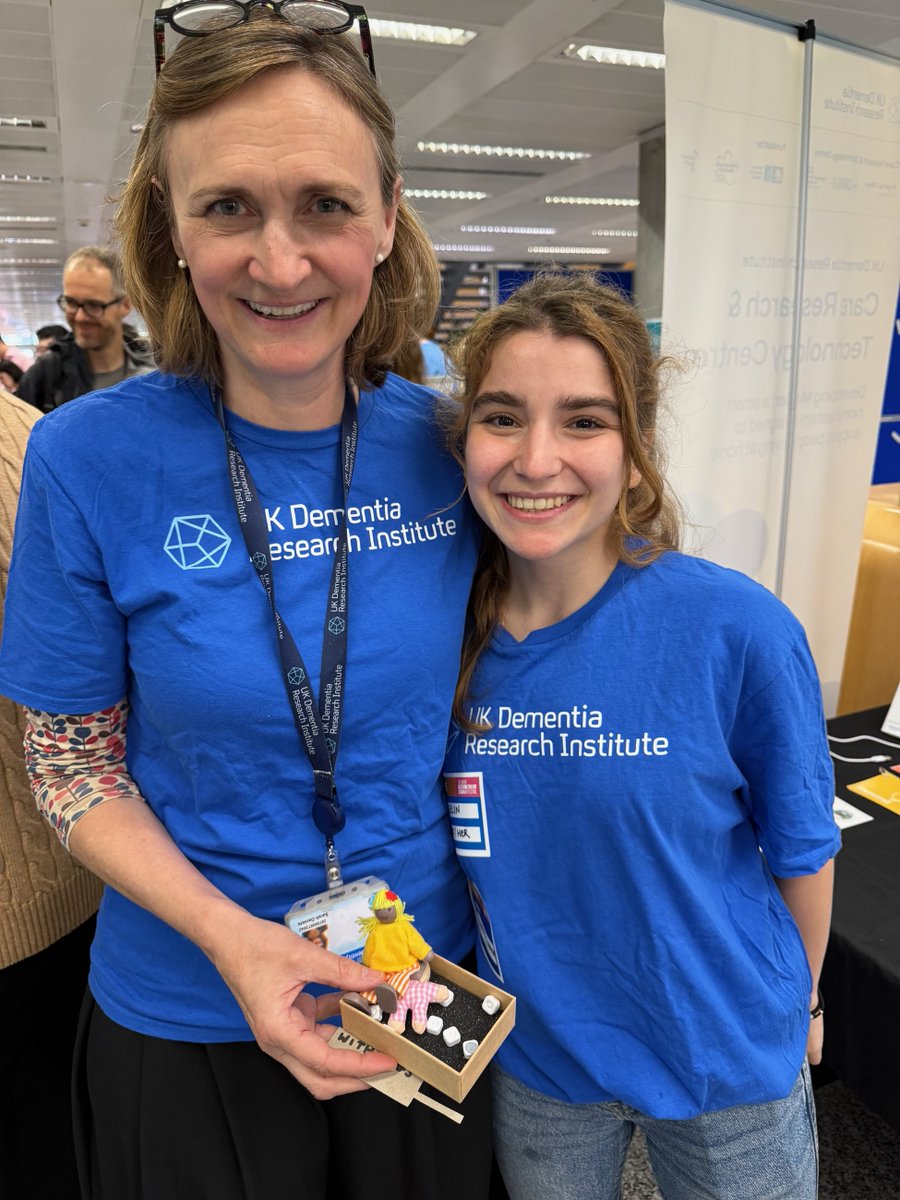
The UK DRI Care Research & Technology Centre team showing our Minder technology at the Great Exhibition Road Festival. Great work everybody showing how we can better care for people living with dementia!
The Centre: ukdri.ac.uk/centres/care-resā¦
Festival: greatexhibitionroadfestival.ā¦
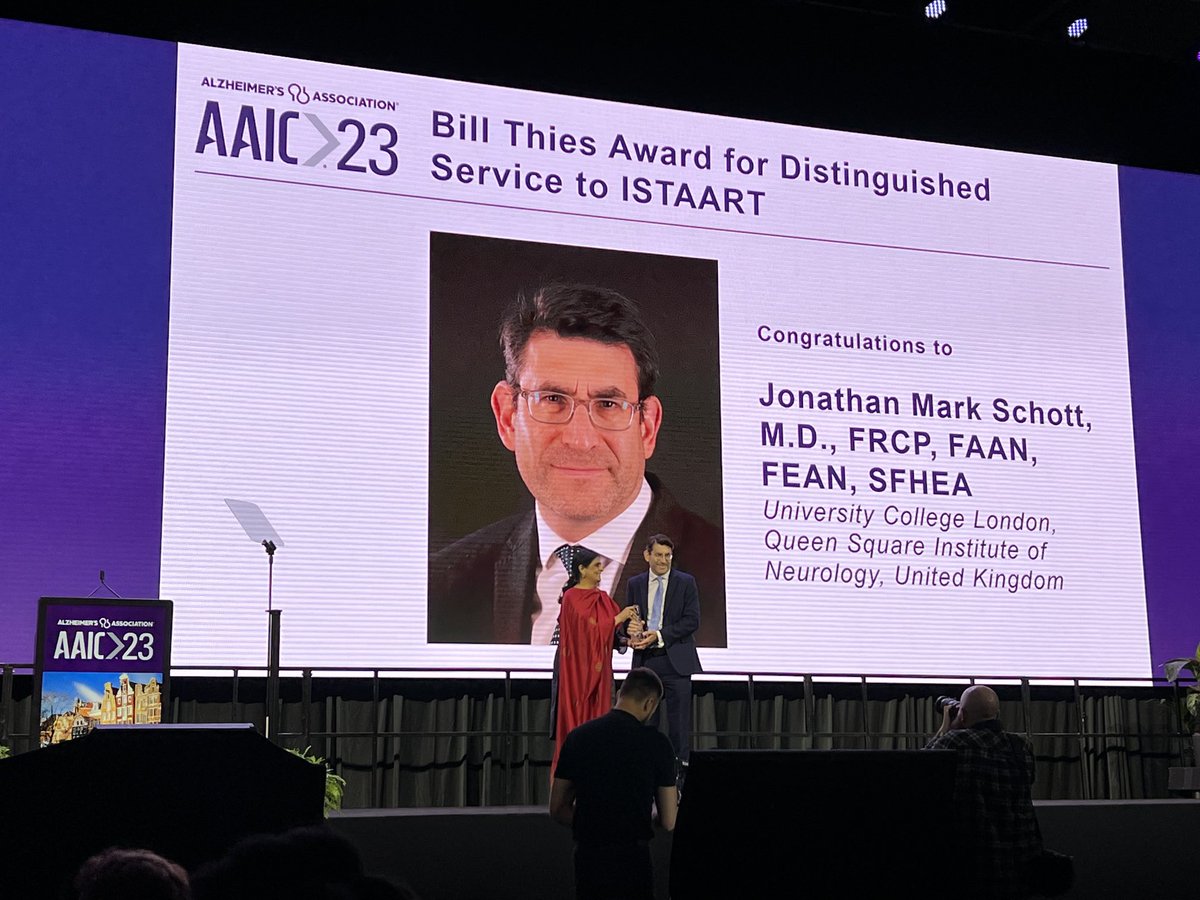
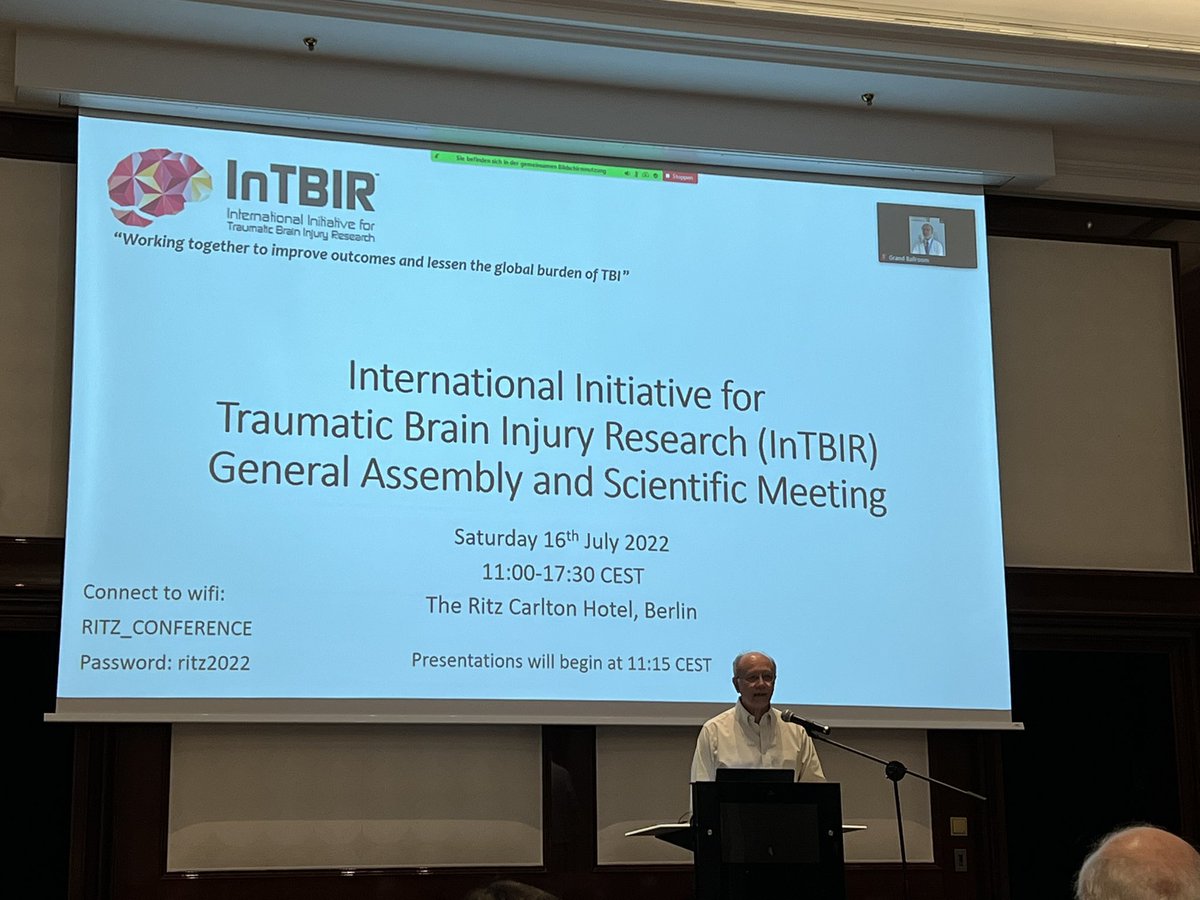
Many congratulations to @IngaKoerte and Nikolaus Plesnila for an excellent @ENONeurotrauma meeting. Great fun, great hospitality and great scientific programme.
Canāt believe itās been a week since our launch of Friendās ofĀ the Care Research & Technology CentreĀ (Friendās of CR&T), fantastic event bringing together those interested in being at the heart of our research, find out more š imperial.ac.uk/uk-dri-care-rā¦
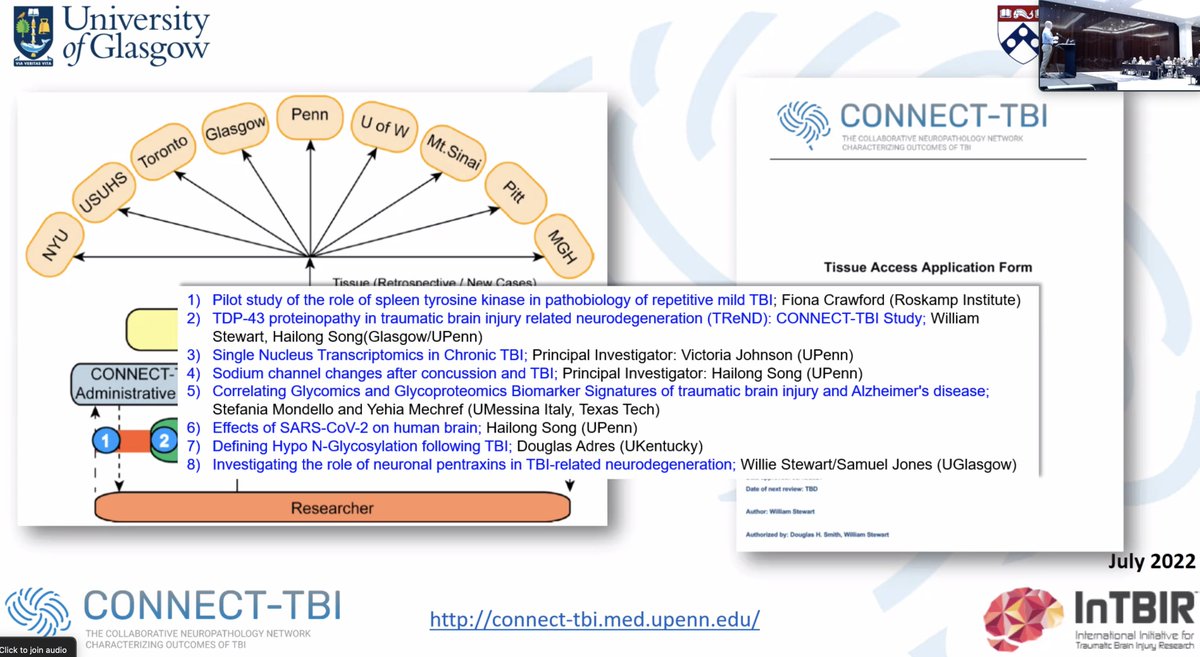
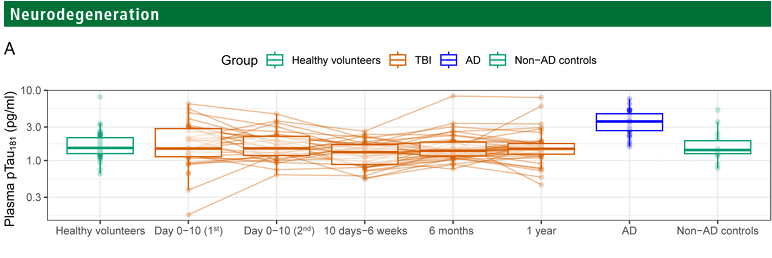
Really interesting! Although traumatic brain injury (TBI) is associated with ā¬ļø Alzheimer's risk and ā¬ļø phospho-tau181, this study shows phospho-tau181 is not elevated in the first year after moderate-to-severe TBI
jnnp.bmj.com/content/early/2ā¦@nsngraham, @jmschott, @neurosharp
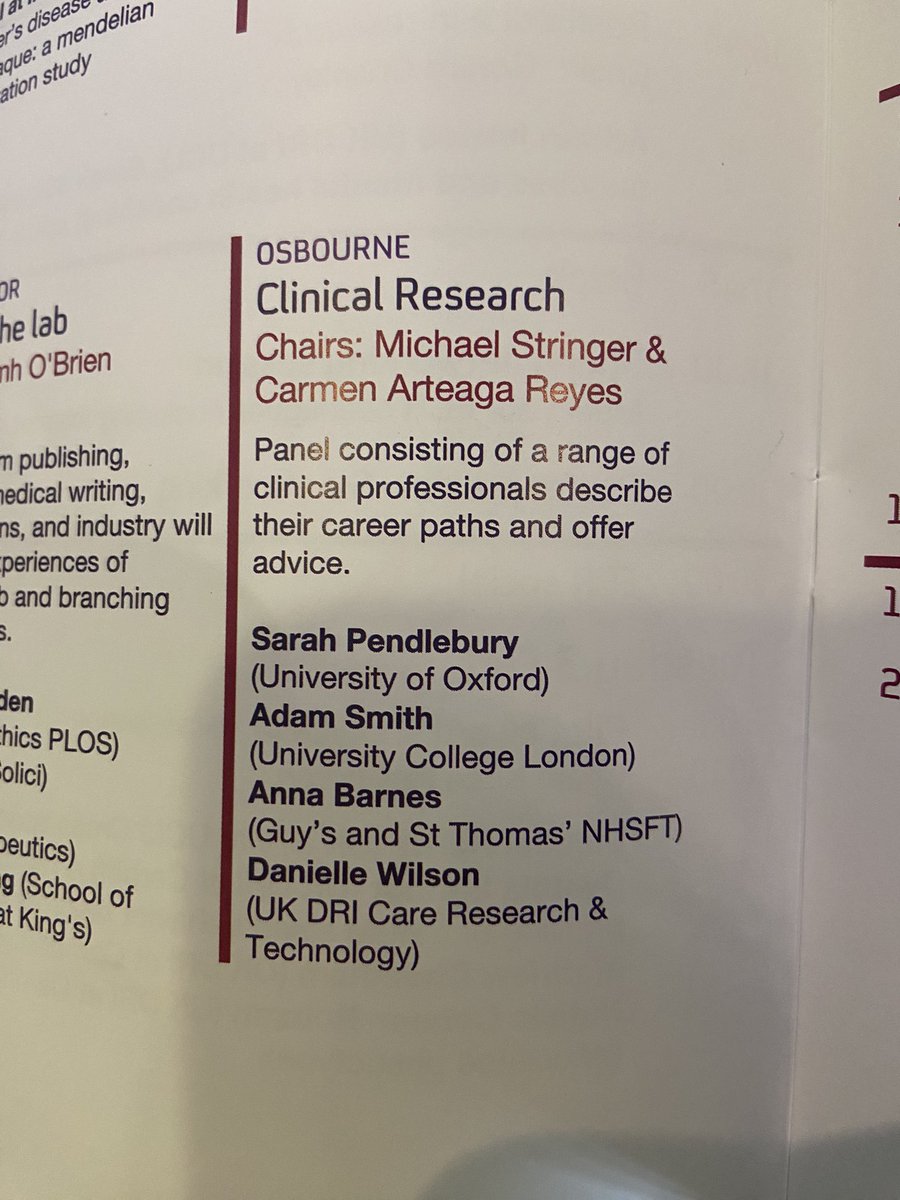
Fantastic to speak at this years @UKDRI Connectome event aboutā¦wellā¦.me. Really enjoyed speaking about my path, the wheel of skills and working in the grey (where the magic happens). Finding out about my panel members was an amazing bonus!
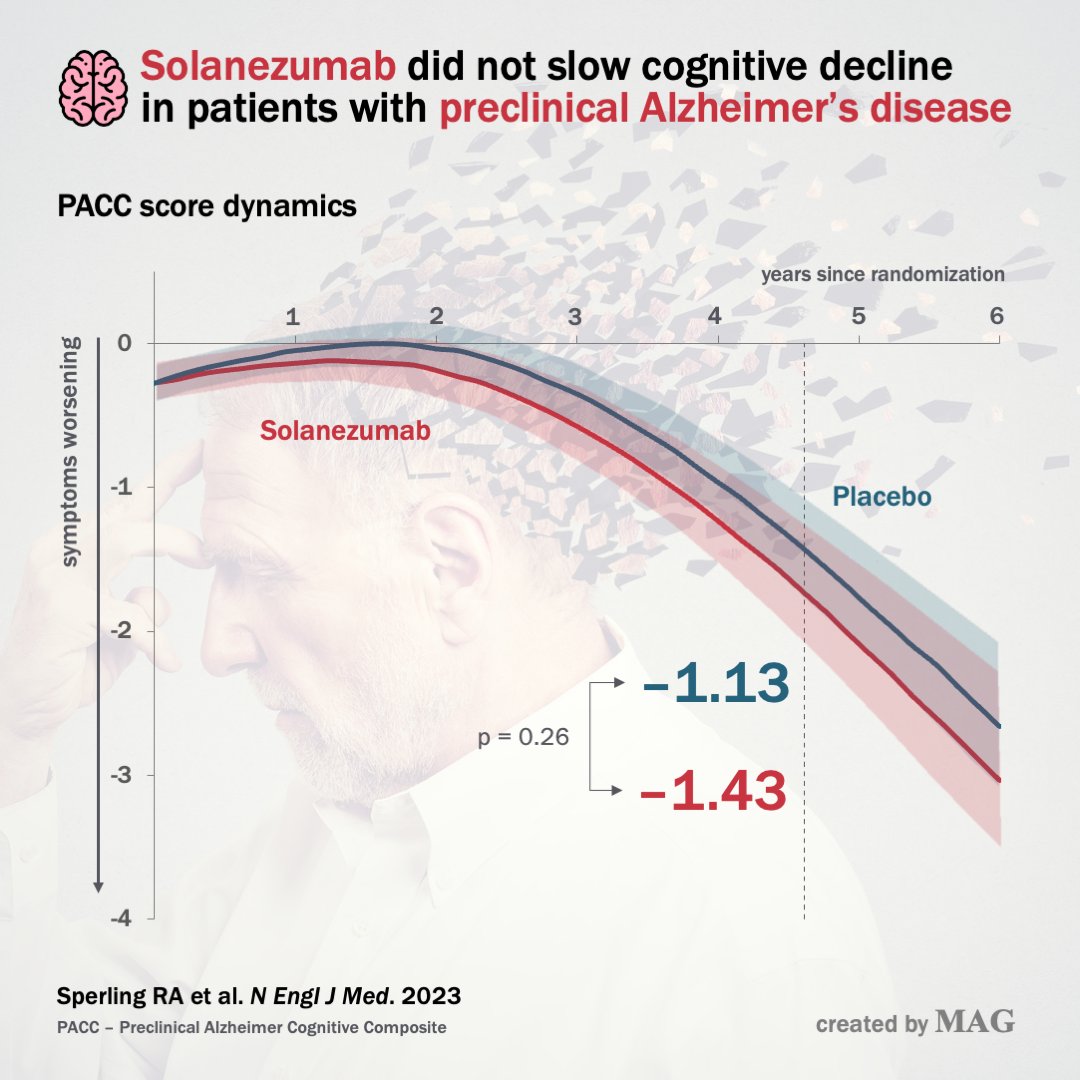
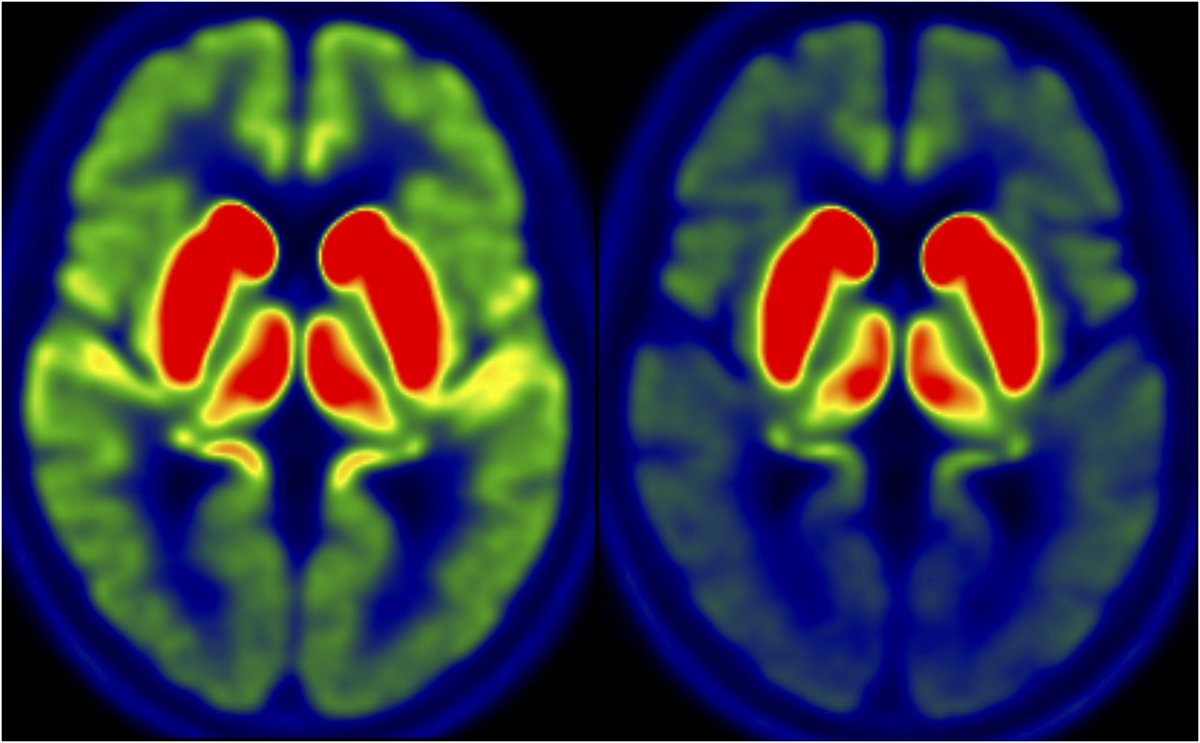
No big deal - solanezumab targeted soluble monomers the idea being to pull amyloid out of the brain like a sponge - but it didnāt clear amyloid. I really donāt understand why the company pursued it so long I would have dropped years ago (easy to say now)
Bad news in #Alzheimer research.. #solanezumab, a drug targeting monomeric amyloid-β species, did not slow cognitive decline in patients with preclinical Alzheimer's in a large cohort of patients.
nejm.org/doi/full/10.1056/NEā¦
Pleased to see this comment with @Neurosharp published looking at the great work of the TRACK TBI team on dynamic patient trajectories years post-injury.
More to be done to understand things at a mechanistic level but key implications for patient monitoring & treatment trials.
Reader in Brain Biomechanics @ImperialDyson@imperialcollege since today. Credit to the past and present members of my team and collaborators. Thanks team for the lovely cake.
This month's @Brain1878 contains a set of important articles on #Parkinsons and #LewyBody dementia, including reviews on alpha-synuclein and bradykinesia, papers on cholinergic loss, mechanisms underlying rigidity, impulse control disorder and cognition academic.oup.com/brain/issue
So much respect for @englandcricket and @CricketAus for raising awareness of dementia in such a powerful way (and for entertaining us with such wonderful cricket all through this Ashes series)
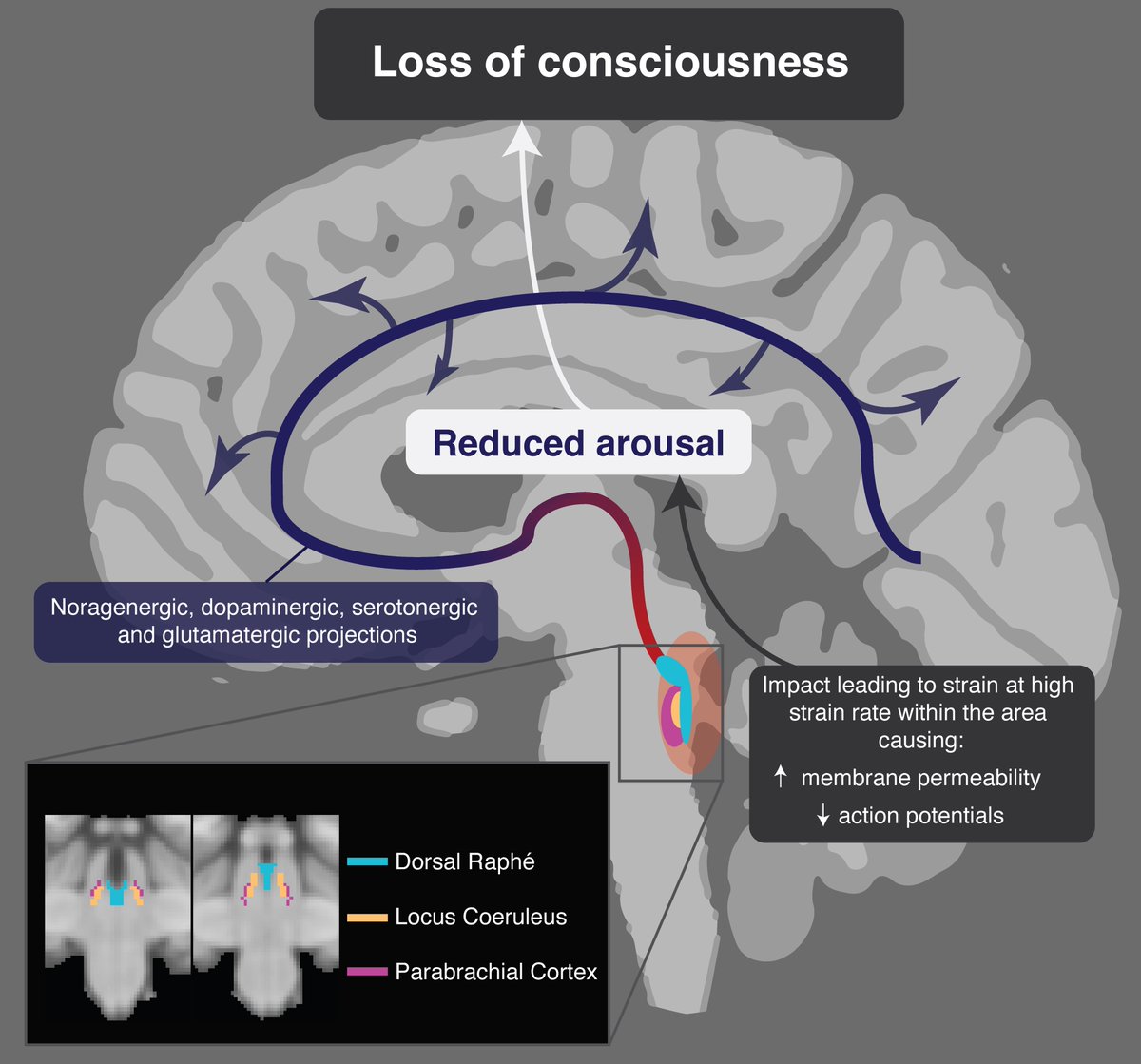
By analysing videos of concussions in professional American football games and modelling the impacts, Zimmerman et al. show that loss of consciousness is associated with deformation in brainstem regions containing nuclei involved in arousal. tinyurl.com/2s4kp6x6
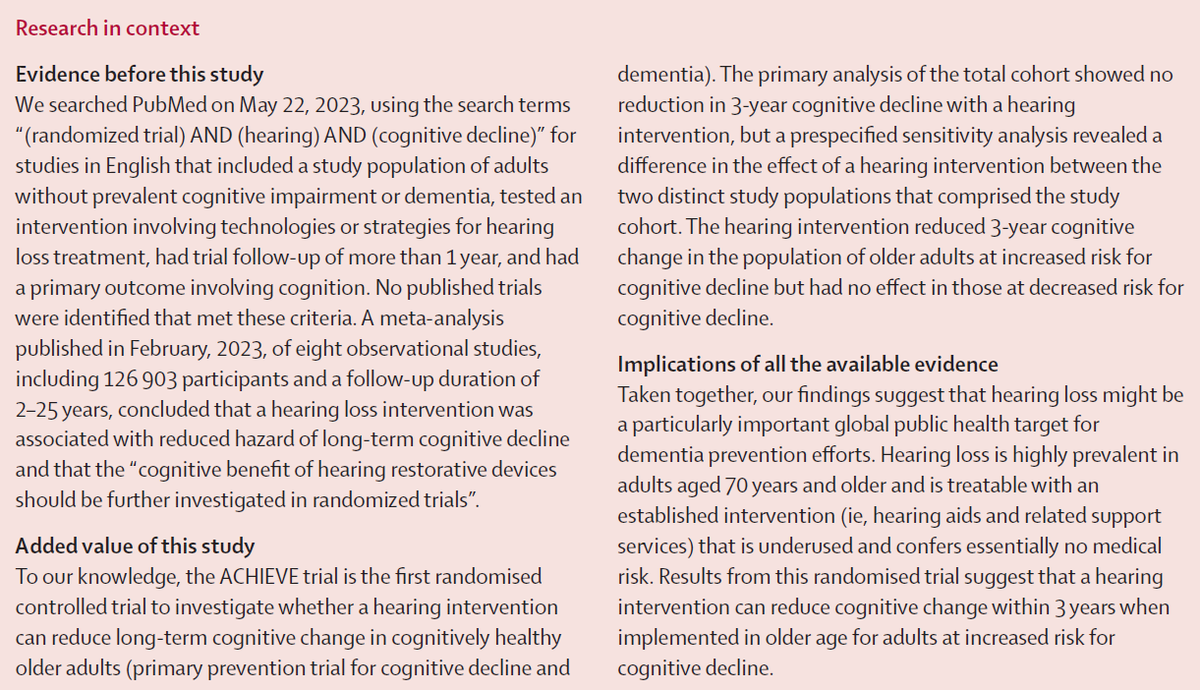
Interesting study need more like this please looking at dementia risk factors. Frustratingly ambiguous findings (primary outcome solidly negative) further targeted trial work needed for hearing aids, but some suggestive benefits in high risk subgroups. More biomarkers/ diagnoses?
#AAIC23 While hearing aids did not have an impact on cognitive decline over 3 years in a general population, treating hearing loss protected against cognitive decline in older adults at greater risk of dementia, finds a new trial: hubs.li/Q01XYp_M0
ALT Research in context panel. Copyright: 2023 Elsevier Ltd. All rights reserved.