
Just pretend it’s all ok
Joined May 2019
- Tweets 41,603
- Following 381
- Followers 899
- Likes 14,121
1,973 Photos and videos






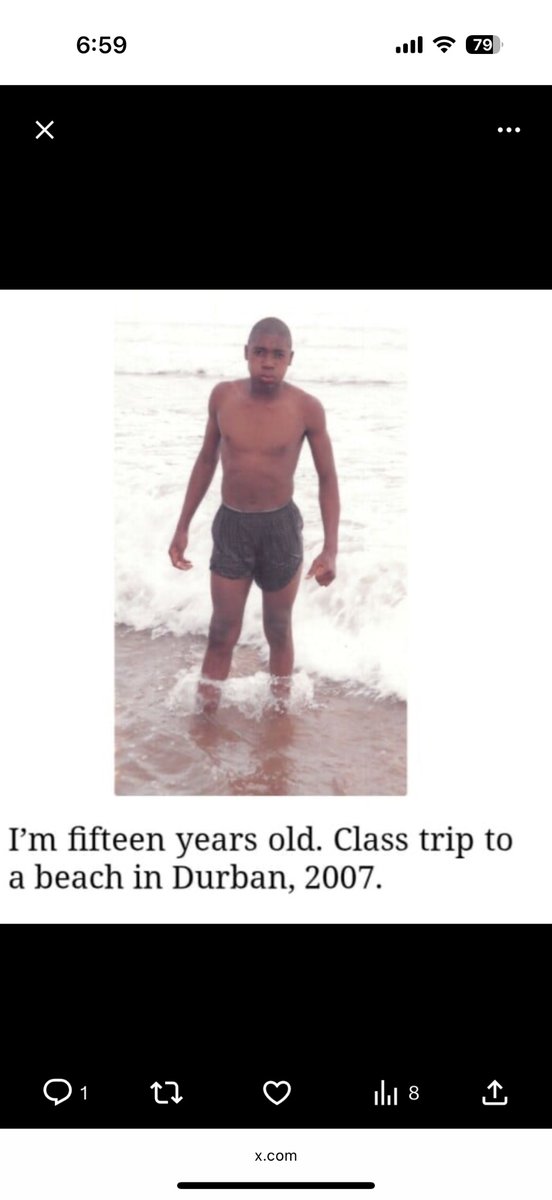
Pinned Tweet

May 21
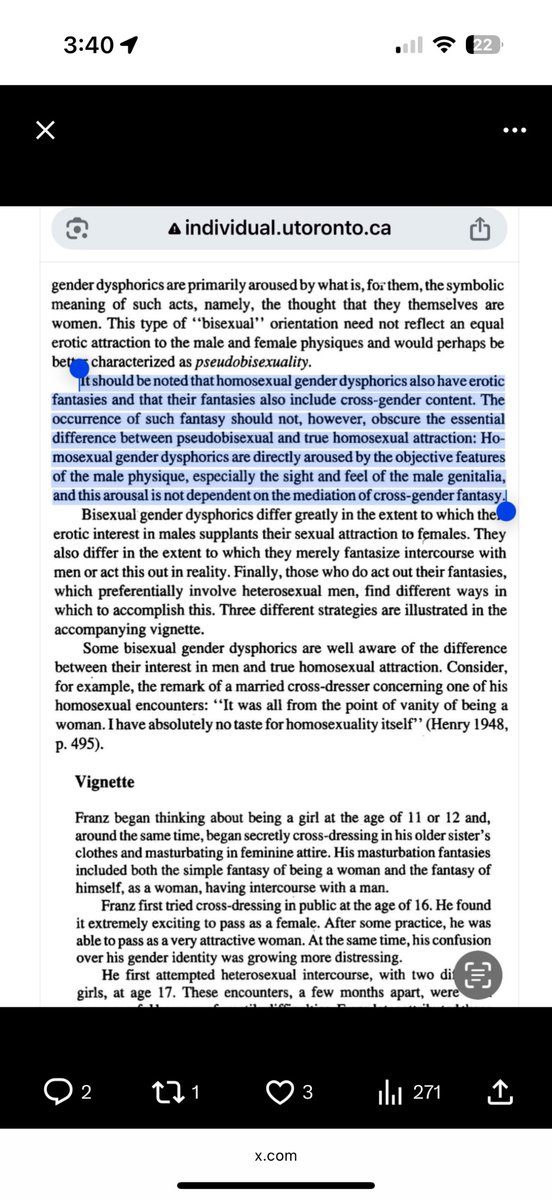
Most, if not all sexologists on X, assert that pedophilia (defined as attraction to pre-pubescent children) is immutable and can be viewed as a sexual orientation. However, the evidence for this belief is weak. /1
1
1
273
May 21
Most, if not all sexologists on X, assert that pedophilia (defined as attraction to pre-pubescent children) is immutable and can be viewed as a sexual orientation. However, the evidence for this belief is weak. /1
1
1
273
May 21
I have not seen any peer reviewed study refuting their claim that pedophiles respond to interventions and their attraction to children is thereby reduced. /4
3
117
May 21
Hence, the evidence that paedophilia can be reduced using interventions is stronger than the evidence that it is immutable. /5
1
96
May 15
Gender criticals vs. Autogynephiles in 100 years.
May 14

These two giant turtles have been fighting each other for more than 120 years.
According to the zoo, one turtle stole the other’s food 120 years ago, and since that day they became enemies.
There hasn’t been a single day where they don’t fight for 2–3 minutes😂
Community note
The video shows sulcata tortoises fighting over territory at Taipei Zoo in 2025; there is no evidence of a 120-year feud or food theft. taipeitimes.com/News/taiwan/ar…
1
9
371
NQ 🇨🇦 🇺🇸 retweeted

May 7
The alchemists would be so proud of us. Goal achieved, level unlocked.
May 6

You can double the economics of a fusion reactor by using a thin layer in the neutron blanket to transmute mercury into gold

1
2
23
872
NQ 🇨🇦 🇺🇸 retweeted

May 1
For anyone claiming Israel causes the surge in antisemitism: history says otherwise. No Israel for 1,810 years — yet endless hatred, expulsions, pogroms, and genocide. Jew hatred doesn’t need Israel to flourish. Stop the excuses. Read this 👇
May 1

From AD138 to 1948 there was no Israel. And there was plenty of antisemitism, the ghettoization of Europe’s Jews and pogroms that killed tens of thousands. Not to forget about the Nazi Holocaust. Blaming today’s hatred on Israel is wrong.
77
64
374
11,336
NQ 🇨🇦 🇺🇸 retweeted

Apr 30
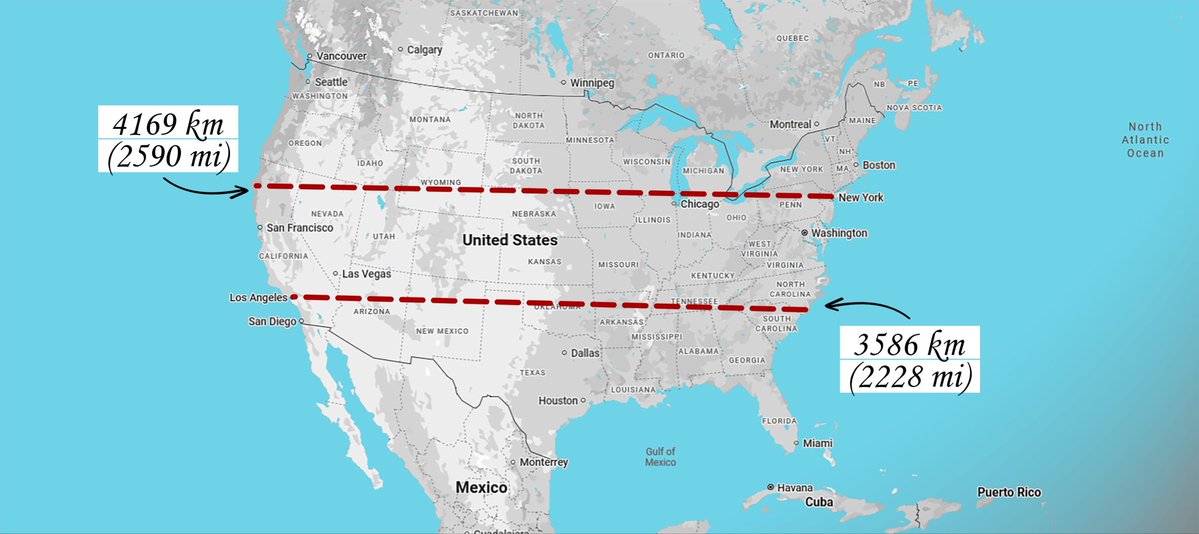
96% of your trade goes through the Strait of Hormuz which is 21 miles wide. Good luck breaking our blockade 🤣

If you build two walls, one from NYC to the West Coast and another from LA to the East Coast, the total length will be 7,755 km, which is still about 1,000 km short of Iran’s total borders. Good luck blockading a country with those borders😁
P.S. For Pete Hegseth: 1 km = 0.62 mi
32
59
438
13,864
NQ 🇨🇦 🇺🇸 retweeted

Apr 30
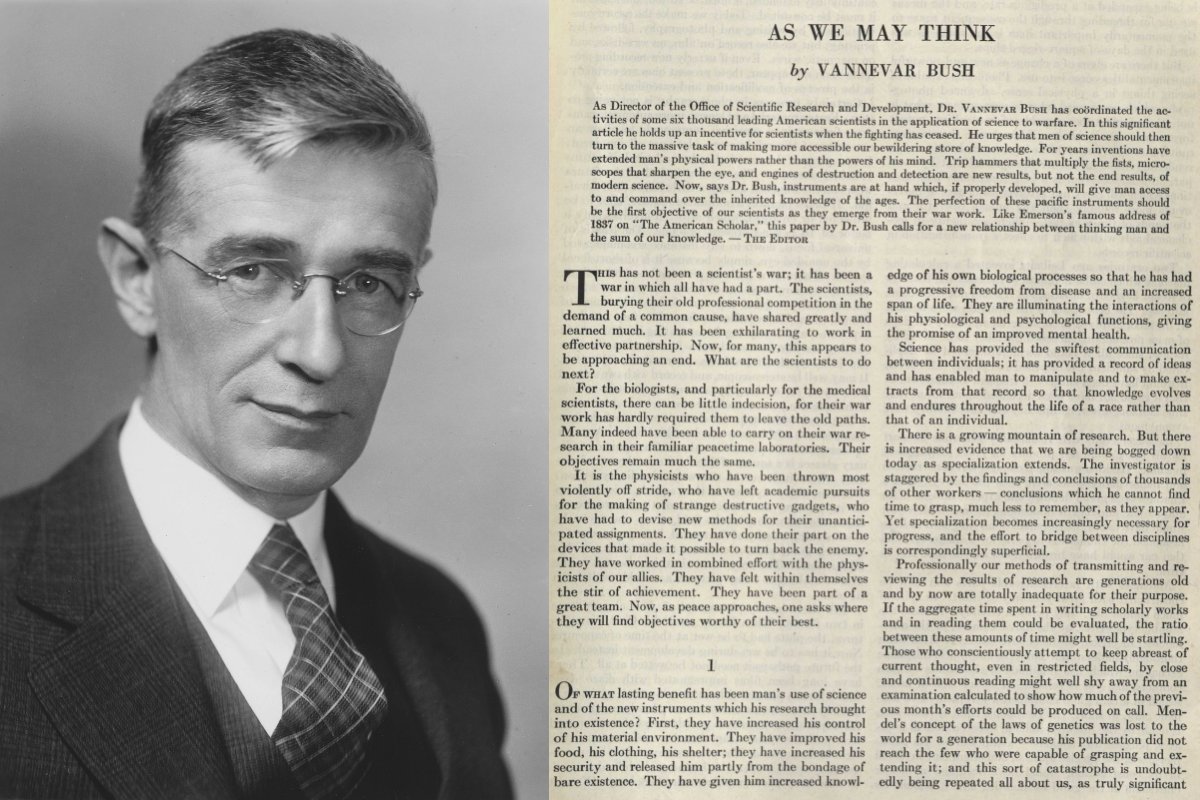
An MIT engineer published a 13-page essay in The Atlantic magazine in July 1945 describing a desktop machine called the Memex. It would store every book, every photo, and every letter a person owned, let them browse the contents by clicking links between documents, and let them save trails of related thoughts.
He invented the personal computer, hyperlinks, Wikipedia, and the World Wide Web in a single magazine article 50 years before any of it existed.
I read it cover to cover in under an hour and walked away convinced I had just read the blueprint for the world I live in.
His name was Vannevar Bush. The essay is called As We May Think.
The context for what he wrote matters because it explains how a single person could see so far ahead. Vannevar Bush was not a futurist. He was not a science fiction writer. He was the most powerful scientist in the United States during World War II. He ran the Office of Scientific Research and Development, which coordinated the Manhattan Project, the development of radar, the proximity fuse, mass production of penicillin, and almost every other major American scientific breakthrough of the war. He had personally directed the work of 30,000 scientists. He reported directly to President Roosevelt.
When the war was ending in the summer of 1945, he sat down to write something that had been forming in his head for years. The essay was published in The Atlantic in July 1945. It is 13 pages. The atomic bombs dropped on Japan three weeks later.
Here is what he saw, and why one essay accidentally became a blueprint for the world I live in.
His opening problem was specific. Scientists were producing more research than humans could read. The body of human knowledge was growing exponentially. Any single researcher had access to a tiny fraction of what was relevant to their work. Most discoveries were being lost not because they were wrong, but because nobody could find them. Bush called this the central problem of the post-war world. Information was abundant. Attention was scarce. The bottleneck was no longer producing knowledge. The bottleneck was retrieving it.
He proposed a solution. He called it the Memex, short for memory extender.
The Memex was a desk-sized machine. The user sat in front of it. It had screens. It had a keyboard. It used microfilm because the transistor had not been invented yet, but the function he described is exactly what a hard drive does today. The user could store every book they had ever read, every note they had ever taken, every photo they had ever owned, and every letter they had ever written. All of it accessible in seconds.
That alone would have been a stunning prediction. He described a personal computer in 1945. There were no personal computers. The first electronic computer in the world, ENIAC, would not be unveiled for another year, and it weighed 30 tons and filled a room. He was describing a machine the size of a desk that could hold everything a single person knew.
But the desktop machine was the small idea.
The big idea is the part that almost nobody who quotes the essay actually understands.
Bush argued that the way humans store information in books and libraries was wrong. Books are organized by category. Library shelves are organized by Dewey decimal. Any given fact has one position in the hierarchy. To find it, you have to know the category it lives in.
He pointed out that this is not how the human brain works at all.
The brain does not store information by category. The brain stores information by association. You think of your grandmother and immediately remember a song. The song reminds you of a vacation. The vacation reminds you of a meal. The meal reminds you of a person you have not thought about in years. Each thought triggers another, not because they share a category, but because they are linked.
Bush proposed that information storage should imitate the brain. Documents should be linked to other documents directly. Click on one, jump to another. Click on a footnote, see the source. Click on a name, see the person's other writings. He called these connections "associative trails."
This is hypertext. He invented it on paper in 1945.
Tim Berners-Lee, the man who actually built the World Wide Web (WWW) at CERN in 1989, has cited this essay directly as his inspiration. The HTTP protocol, the HTML standard, the entire system of clicking from one document to another that you use a thousand times a day, descends from an idea Bush sketched on paper before the bombs dropped on Japan.
The third part of the essay is the part that hit me hardest.
Bush argued that the user of the Memex would not just consume information. They would build their own trails through it. They would save sequences of documents that mattered to them. They would annotate them with their own notes. They would share their trails with other people. Other researchers would inherit those trails and extend them.
He was describing personal annotation, social bookmarking, link sharing, the entire creator economy, and the collaborative editing model behind Wikipedia.
He was describing it in 1945. He was describing it in plain English in a popular magazine.
He even predicted that some users would build trails so valuable that they would be paid to produce them. He said professional trail-blazers would emerge as a new kind of expert, paid to organize and connect knowledge for others. This is, more or less, every newsletter writer, every YouTube explainer, every modern educator. He saw the entire economy of online knowledge work coming.
The fourth thing he predicted is the one that should make you stop and put your phone down.
Bush wrote that the Memex would extend the human brain. Not metaphorically. Literally. He argued that the machine would become an external memory that humans would access as easily as their own thoughts. The boundary between the brain and the machine would dissolve in normal use. People would stop thinking of the Memex as a separate device. They would think of it as part of how they thought.
This is exactly what has happened to the smartphone in the last 15 years. You do not memorize phone numbers anymore. You do not memorize directions. You do not memorize most facts. You offload everything to a glass rectangle in your pocket and treat the rectangle as part of your own mind. Bush predicted this in 1945. He thought it would be a triumph for human civilization.
The strangest part of reading the essay in 2026 is realizing how few people have actually read it.
The essay is free online at The Atlantic. It is in the public domain. It is 13 pages. You can read it in 30 minutes.
Steve Jobs read it.
Doug Engelbart, the man who invented the computer mouse, said the essay was the foundation of his life's work.
Tim Berners-Lee said it was the foundation of the web. T
ed Nelson, who coined the word "hypertext," said it was the seed of his entire career.
Every single major step of the digital revolution came from people who read this essay carefully and decided to build it.
The man who wrote it died in 1974 at age 84. He lived just long enough to see the early internet take shape, and just early enough that he never saw it become what it is now. He never saw a personal computer in a home. He never used a search engine. He never followed a hyperlink in his life.
He just wrote down, in 13 pages, the world the rest of us would spend 80 years building for him.
You are reading these words right now on a device that is the Memex. You found this post by following an associative trail that did not exist when he wrote the essay. You will probably share this post with someone else and extend the trail.
He saw all of this before he had any reason to believe it was possible.
The blueprint for the world you are living in is one click away from you, and most people who use it every day have never read the original.
46
315
839
54,397

Apr 30
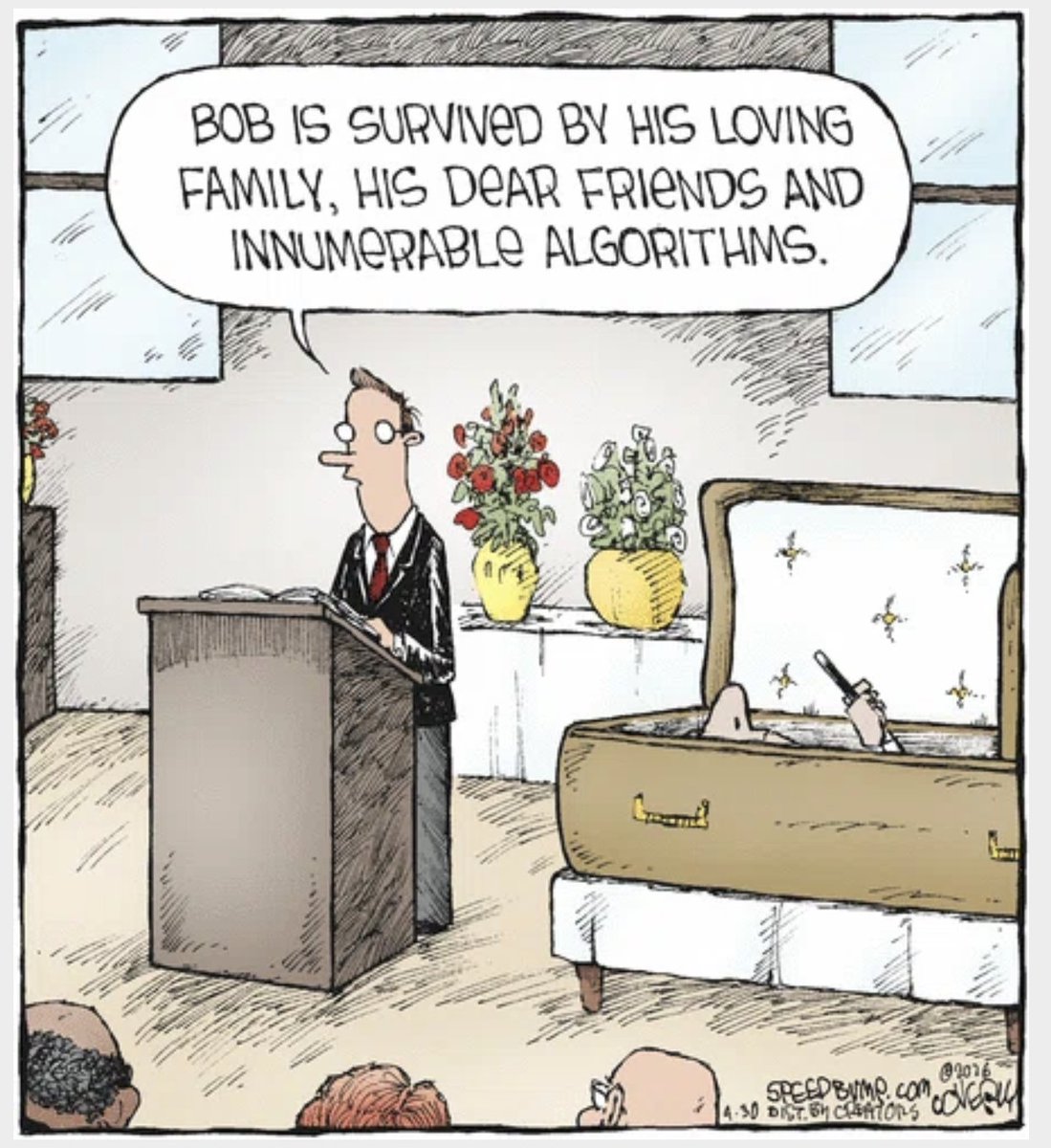
“Buttons like “I love you” were far less frequently pressed by dogs than by their people.”

A 2024 study found that dogs using these soundboards would create novel two-word combinations that go beyond random behavior or simple imitation of their owners.
today.ucsd.edu/story/dogs-us…
33
Apr 29
RT @mishtal: Dear @Keir_Starmer @BBCNews @SkyNews @guardian
I saw it in Israel - I am now seeing it on the streets of the UK.
When they…
734
NQ 🇨🇦 🇺🇸 retweeted

Apr 29
You literally drew this atrocity.
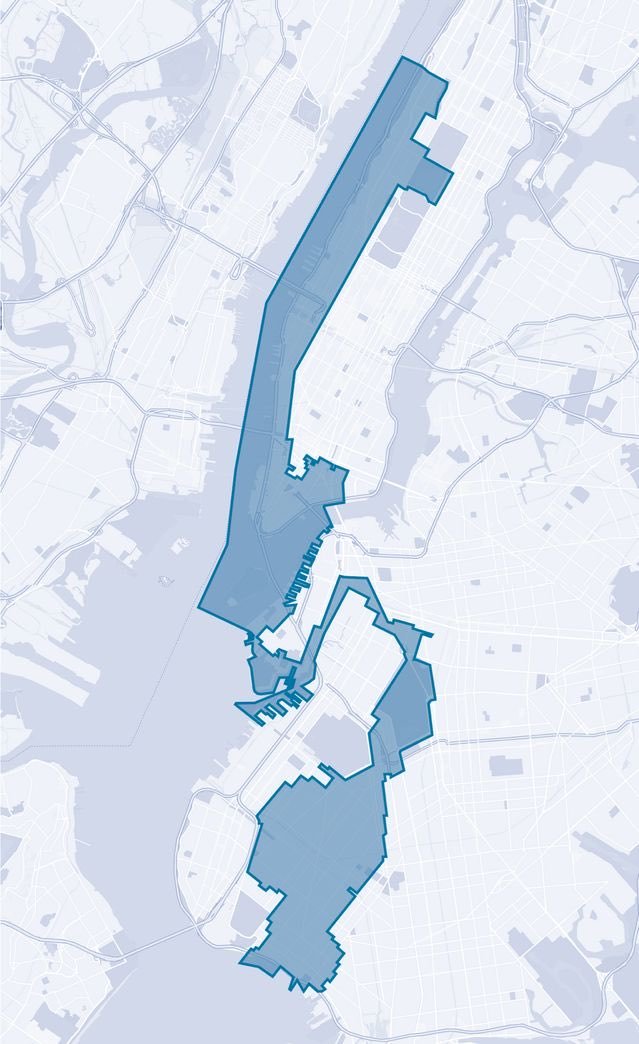

The Supreme Court has been chipping away at our elections for years. It is clearly carrying out Donald Trump’s will with this decision.
New York has always led the fight for voting rights and we’ll lead again.
I’m working with the Legislature to change New York’s redistricting process so we can fight back against Washington’s attempts to rig our democracy.
459
9,706
77,606
2,167,672
NQ 🇨🇦 🇺🇸 retweeted

Apr 27
The real victim here was the journalist asking the President whether he is a pedophile based on the manifesto of someone who just tried to kill him.

One uncomfortable question was all it took for President Trump to resume hostilities with the Washington press, less than 24 hours after their shared brush with death. axios.com/2026/04/27/trump-w…
46
486
5,657
145,565

NQ 🇨🇦 🇺🇸 retweeted

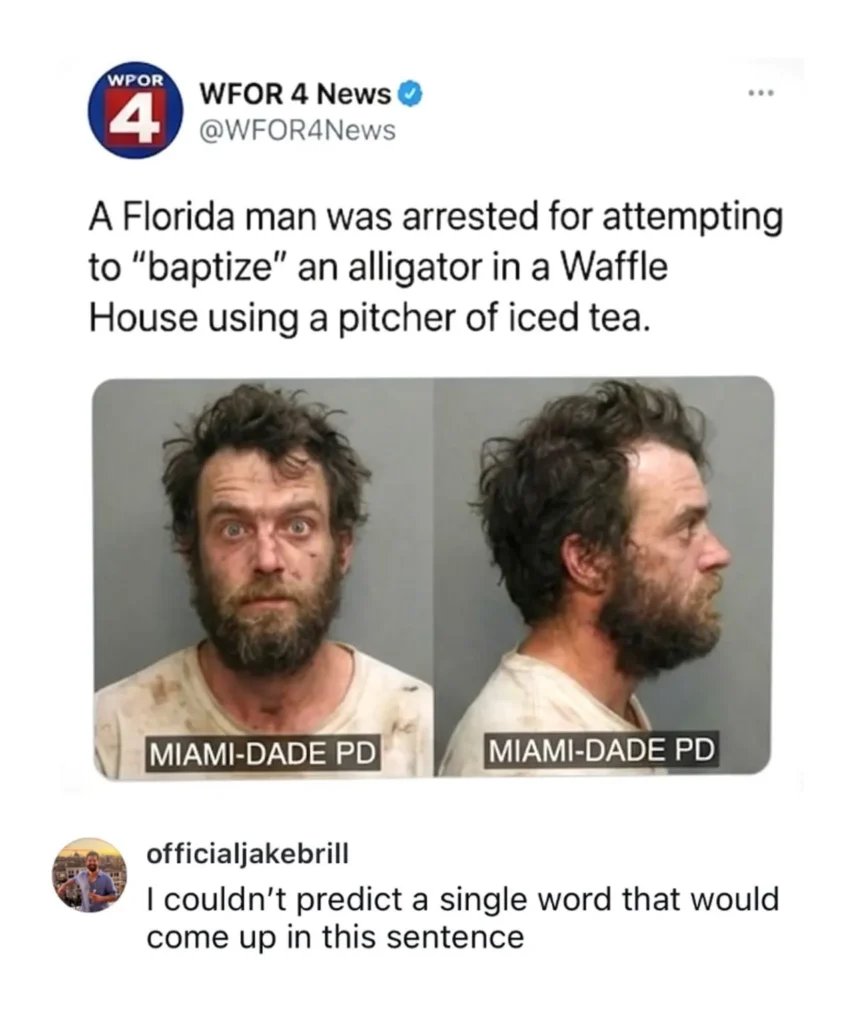
Someone needs to take AI away from the regime.
This is embarrassing. 🤦♂️
1,510
1,323
16,615
1,003,087
NQ 🇨🇦 🇺🇸 retweeted

Apr 15
The lost decade. Incredible damage from the Trudeau era.
Apr 15

New RBC report: between 2015-2024, more than $1 trillion in investment exited Canada—the largest capital exodus in Canadian history.
Six sectors where Canada can attract back investment:
Oil and gas ➡️ $705 billion
Electricity ➡️ $635 billion
Mining ➡️ $200 billion
Agriculture and food processing ➡️ $205 billion
Defence and space ➡️ $30 billion
Read the full report here: lnkd.in/e3gbwvKk
63
323
2,317
133,969
NQ 🇨🇦 🇺🇸 retweeted

Apr 8
UAE’s major Habshan gas facility, three Kuwaiti power plants and water desalinisation facilities and now a pumping station in Saudi Arabia’s key east-west oil pipeline have been attacked by Iran today during the ceasefire.
43
407
1,324
121,451
NQ 🇨🇦 🇺🇸 retweeted

Apr 5
BREAKING: 🔴
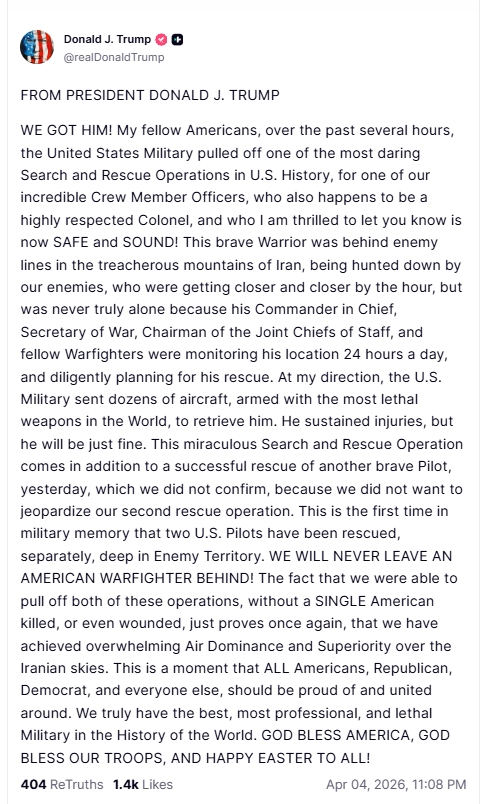
U.S. President Donald Trump: "WE GOT HIM! My fellow Americans, over the past several hours, the United States Military pulled off one of the most daring Search and Rescue Operations in U.S. History, for one of our incredible Crew Member Officers, who also happens to be a highly respected Colonel, and who I am thrilled to let you know is now SAFE and SOUND! This brave Warrior was behind enemy lines in the treacherous mountains of Iran, being hunted down by our enemies, who were getting closer and closer by the hour, but was never truly alone because his Commander in Chief, Secretary of War, Chairman of the Joint Chiefs of Staff, and fellow Warfighters were monitoring his location 24 hours a day, and diligently planning for his rescue. At my direction, the U.S. Military sent dozens of aircraft, armed with the most lethal weapons in the World, to retrieve him. He sustained injuries, but he will be just fine. This miraculous Search and Rescue Operation comes in addition to a successful rescue of another brave Pilot, yesterday, which we did not confirm, because we did not want to jeopardize our second rescue operation. This is the first time in military memory that two U.S. Pilots have been rescued, separately, deep in Enemy Territory. WE WILL NEVER LEAVE AN AMERICAN WARFIGHTER BEHIND! The fact that we were able to pull off both of these operations, without a SINGLE American killed, or even wounded, just proves once again, that we have achieved overwhelming Air Dominance and Superiority over the Iranian skies. This is a moment that ALL Americans, Republican, Democrat, and everyone else, should be proud of and united around. We truly have the best, most professional, and lethal Military in the History of the World. GOD BLESS AMERICA, GOD BLESS OUR TROOPS, AND HAPPY EASTER TO ALL!"
207
783
5,774
362,695