
1,657 Photos and videos

In internal security, tragedies rarely happen because technology fails. They happen when the human intelligence chain weakens.
Pahalgam was a painful reminder of that reality.
There is an important but often overlooked dimension to the debate around leadership in the Central Armed Police Forces (CAPFs), its impact on human intelligence, HUMINT and institutional continuity in internal security operations.
In counter-insurgency environments, technology and surveillance tools certainly matter. But they rarely substitute the value of long-built human intelligence networks.
HUMINT is not created overnight.
It grows slowly…
• through relationships with local communities,
• familiarity with terrain,
• social dynamics and
• the credibility that officers earn over years of working in a particular region.
The CAPFs have historically played a critical role in building and sustaining these networks in conflict-prone areas. Over time, officers develop a deep understanding of local realities, community linkages, emerging militant patterns, over-ground networks and subtle shifts in sentiment that often serve as early warning signals.
This is where leadership continuity becomes important. When an organization develops its leadership internally, it preserves institutional memory and operational experience built over decades.
That continuity helps sustain intelligence networks and ground-level trust, assets that cannot be recreated quickly.
Frequent leadership transitions and short tenures most often disrupt these delicate ecosystems. Intelligence networks depend heavily on trust and familiarity and rebuilding them repeatedly can take years.
This is why *strengthening cadre leadership structures within forces responsible for internal security, particularly in regions where the state police structure has weakened or collapsed, is not merely about career progression; it is about operational effectiveness.*
At a time when security threats are becoming more decentralized, hybrid and locally embedded, the value of deep, sustained HUMINT networks only increases.
Because in internal security, the strongest sensor is not a satellite or a drone.
It is trust built quietly over years on the ground.
9
51
111
8,489

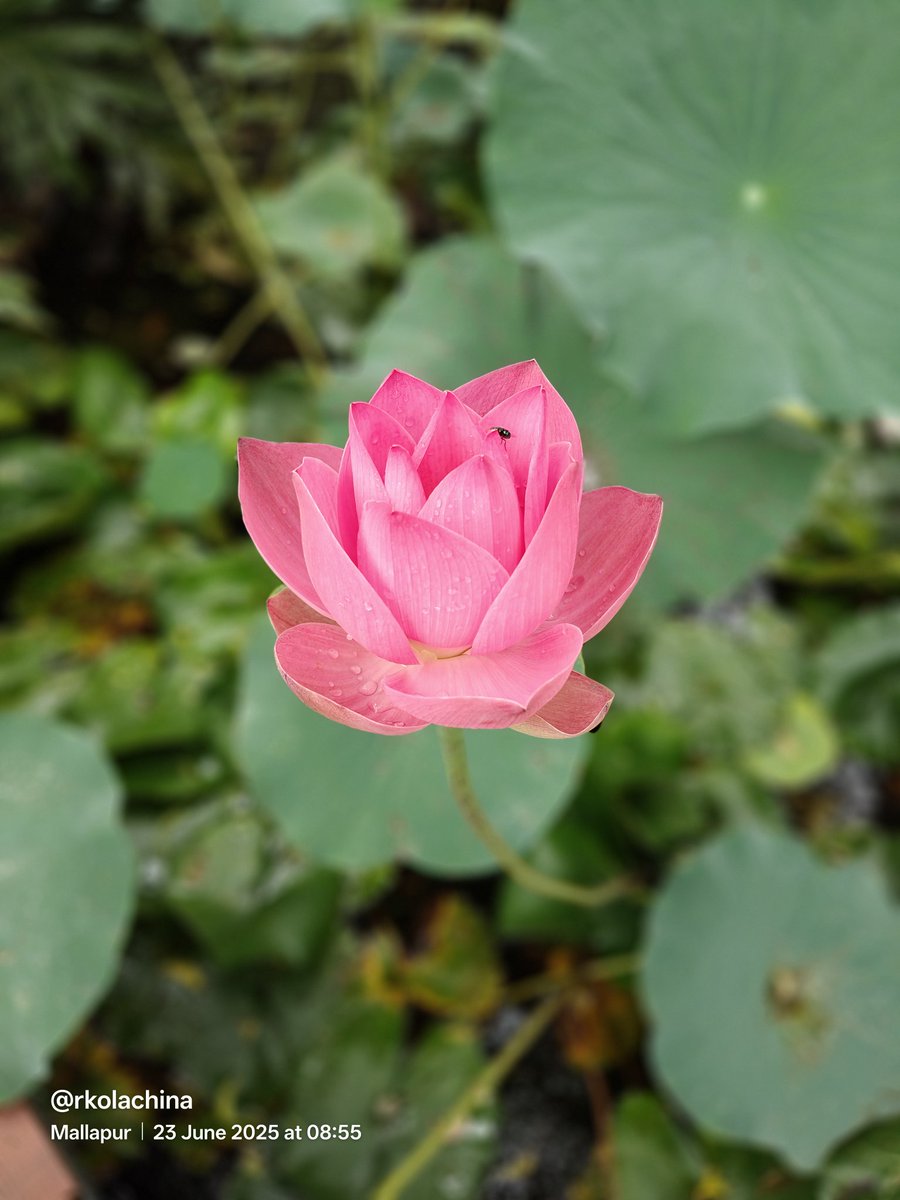
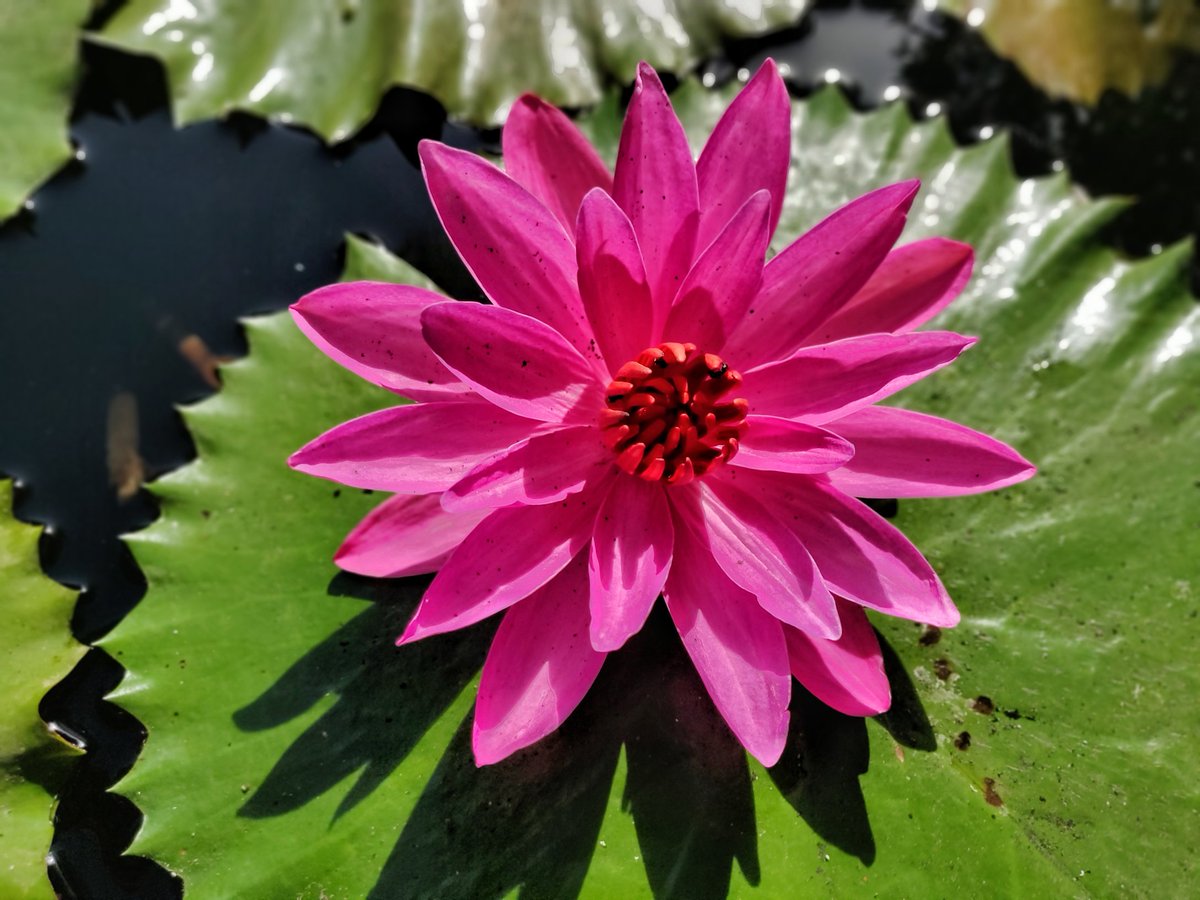
Post something Green & Pink from your gallery 🩷💚
#photography #FlowersOnTuesday

1
2
16
Dr Anu retweeted

ethanol blending is the only & actual masterstroke that even the bhakts have started crying silently
1
5
4
102

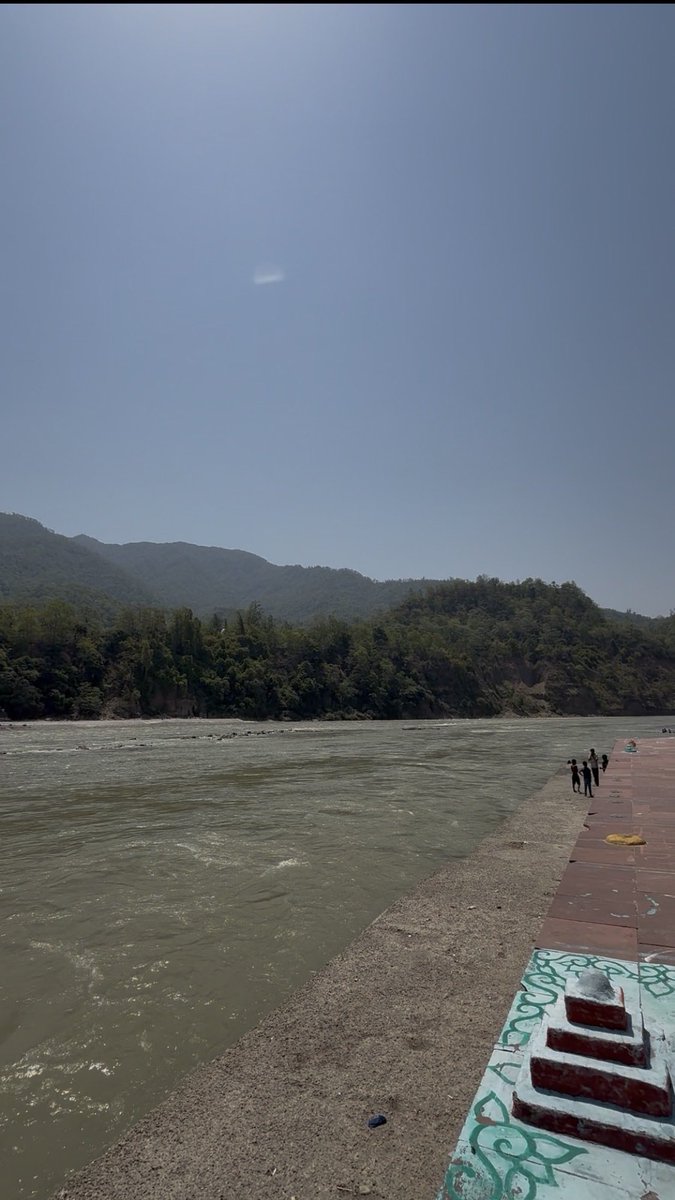
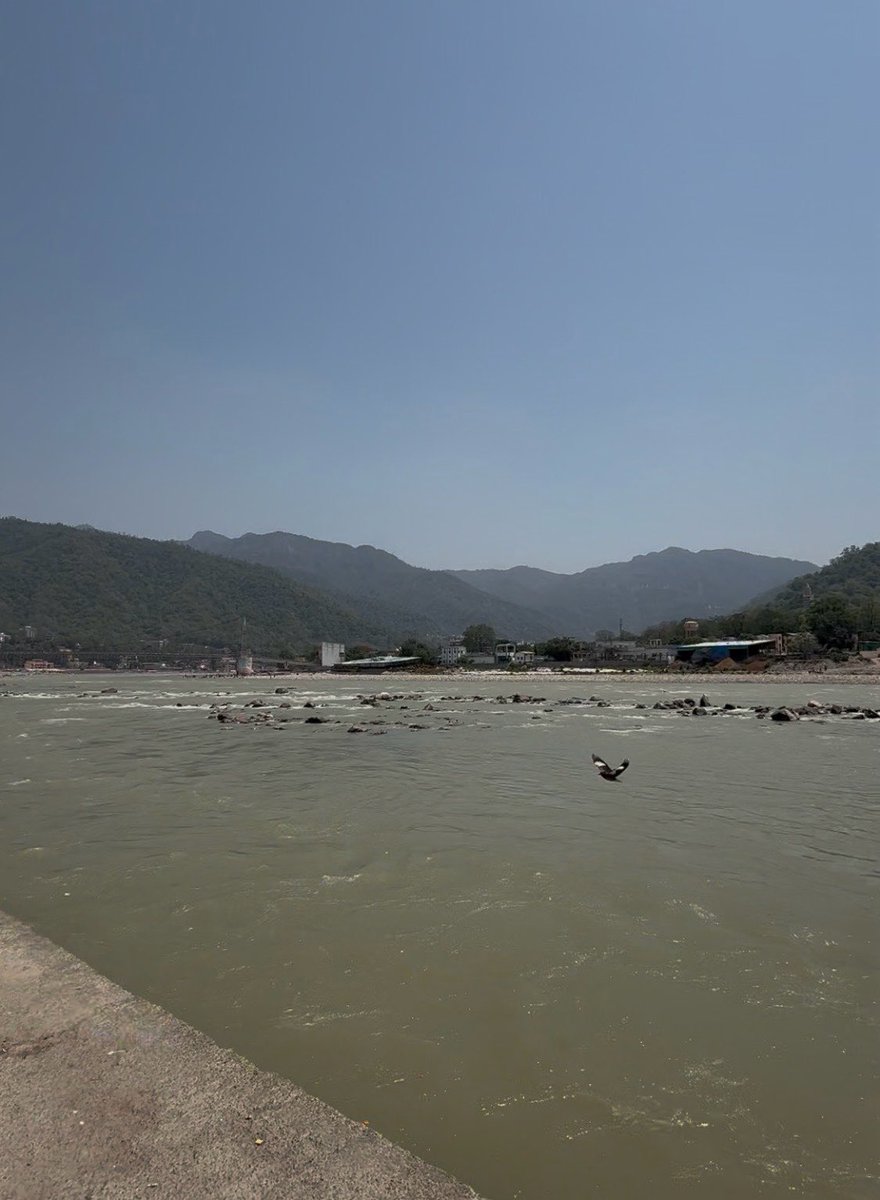
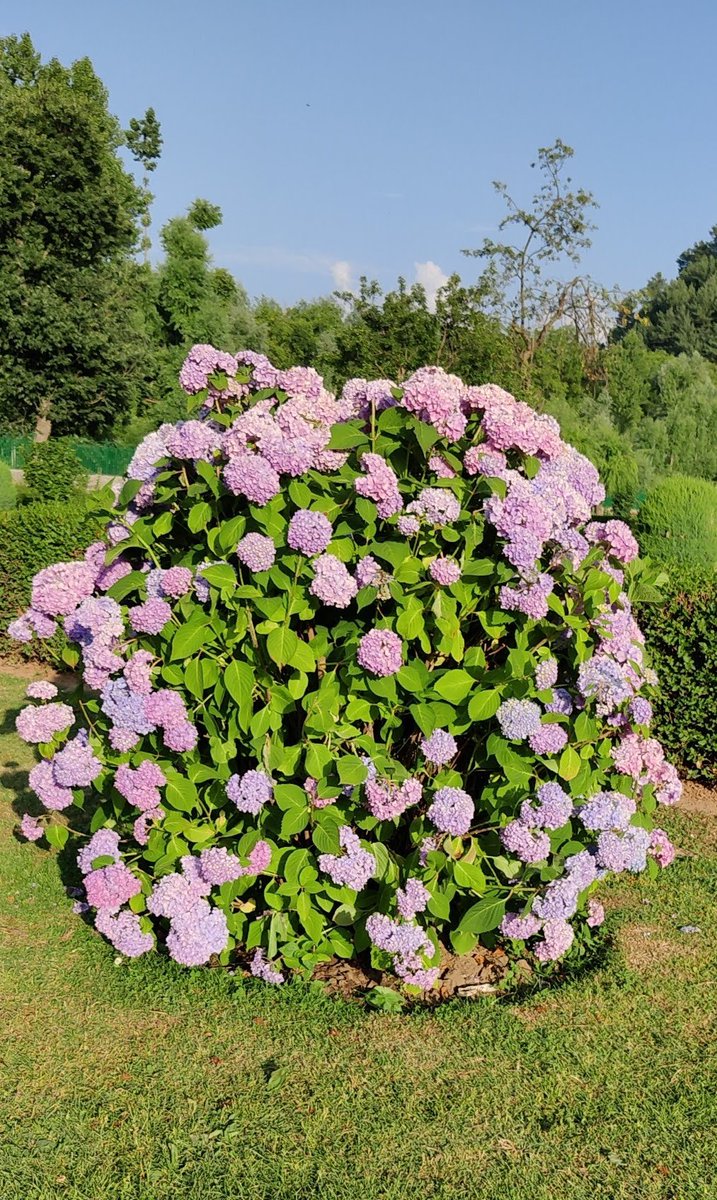
Himalayan herbs and the charm of these flowers...
Am I the only one who finds both somehow reminiscent of Hanuman Ji's search for Sanjeevani?
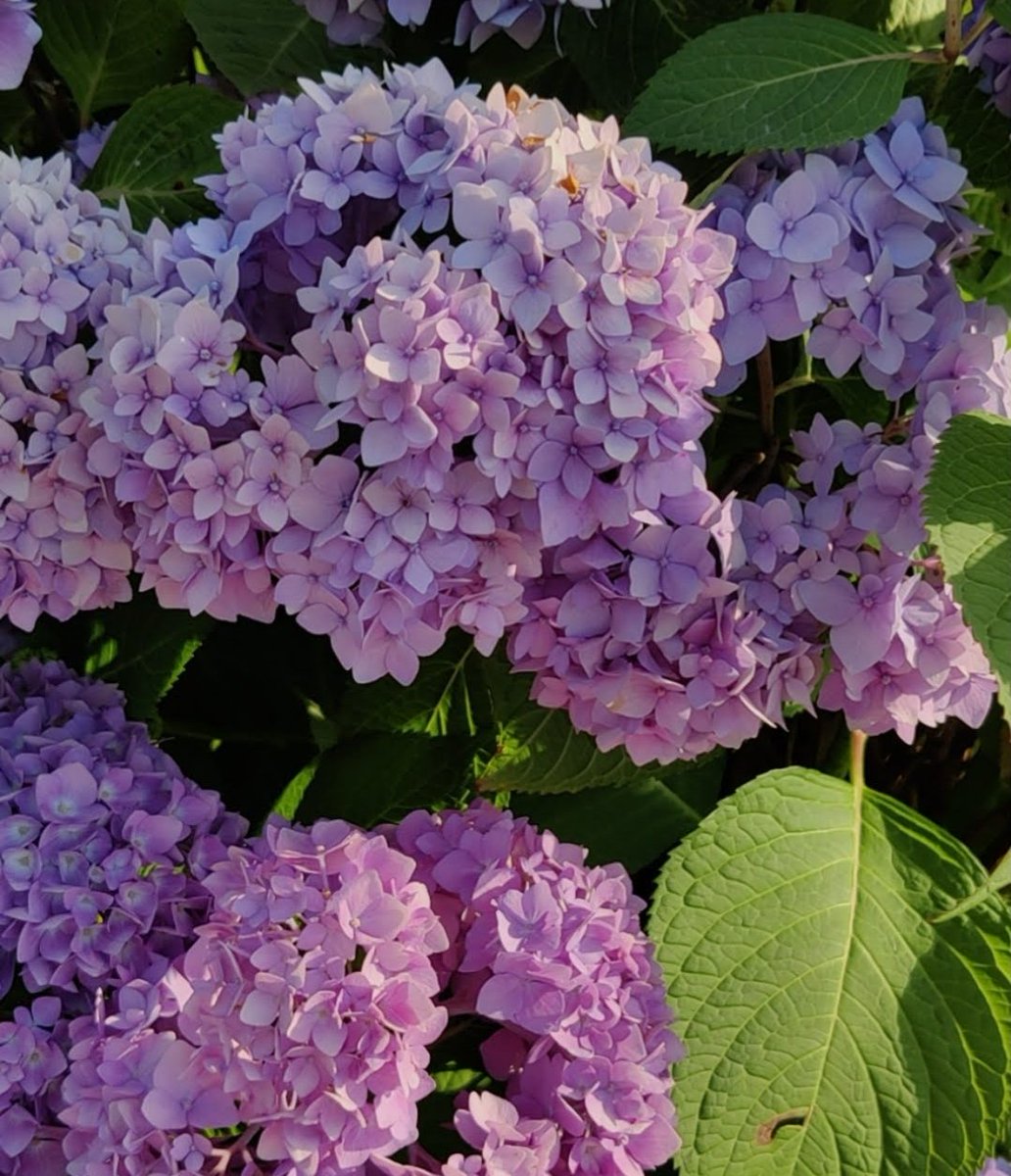
Happy Tuesday morning, all, from amongst these hydrangeas 🌿💜🙏🌸
#theme_pic_world_green
#Theme_Pic_India_flowers
5
1
15
133
Dr Anu retweeted

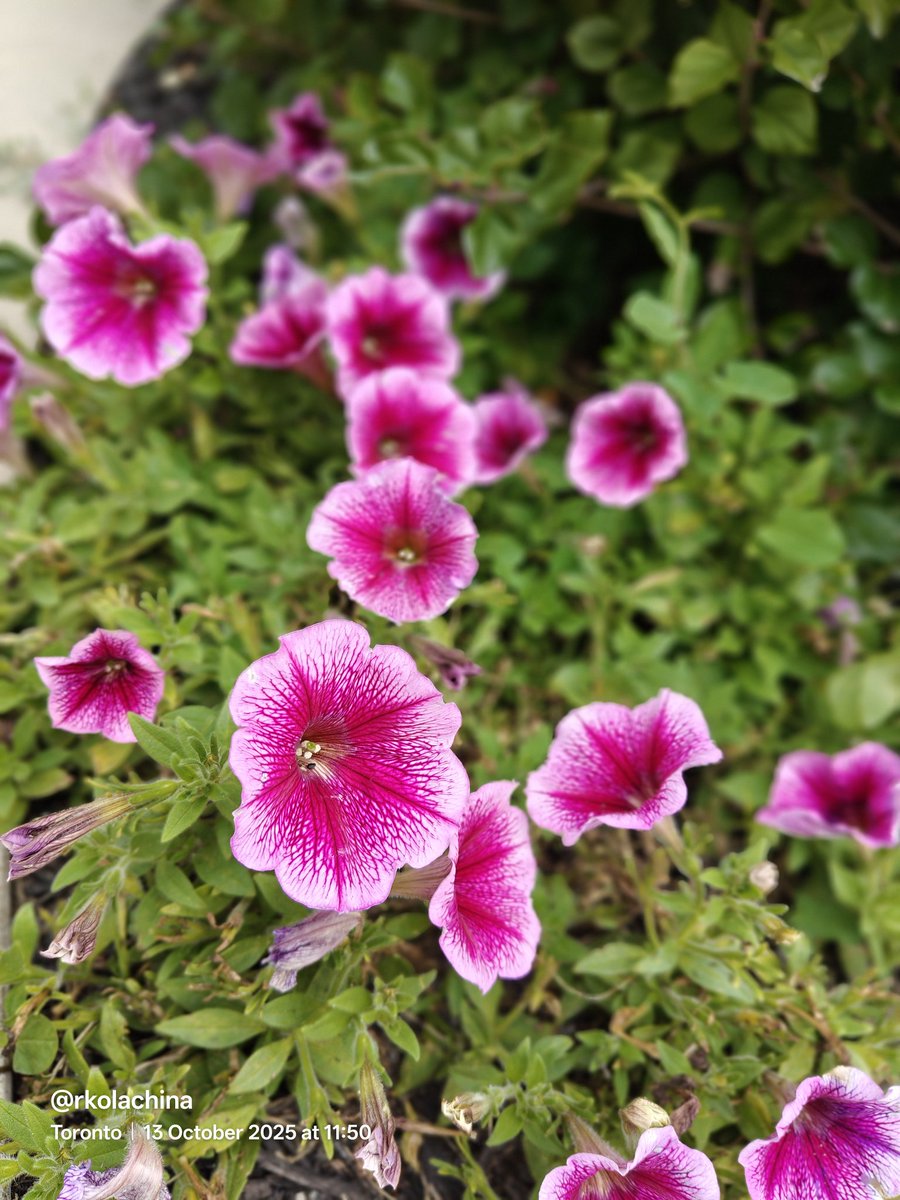
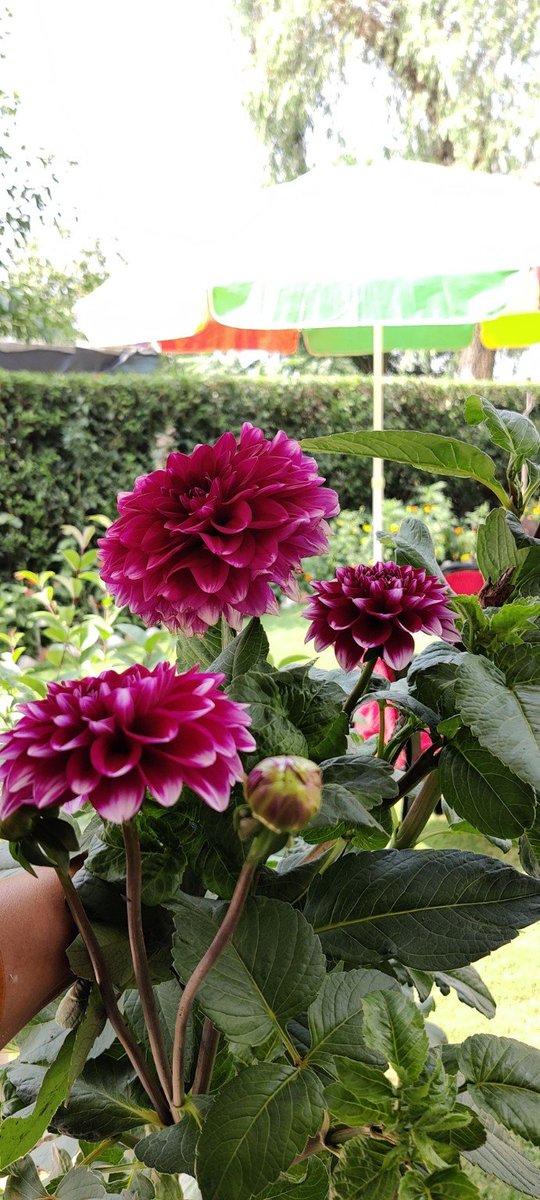
#MagentaMonday 🌺✨
Homegrown raspberry-magenta dahlias with delicately white-tipped petals 😻😊
1
8
107
#MagentaMonday 🌺✨
Homegrown raspberry-magenta dahlias with delicately white-tipped petals 😻😊
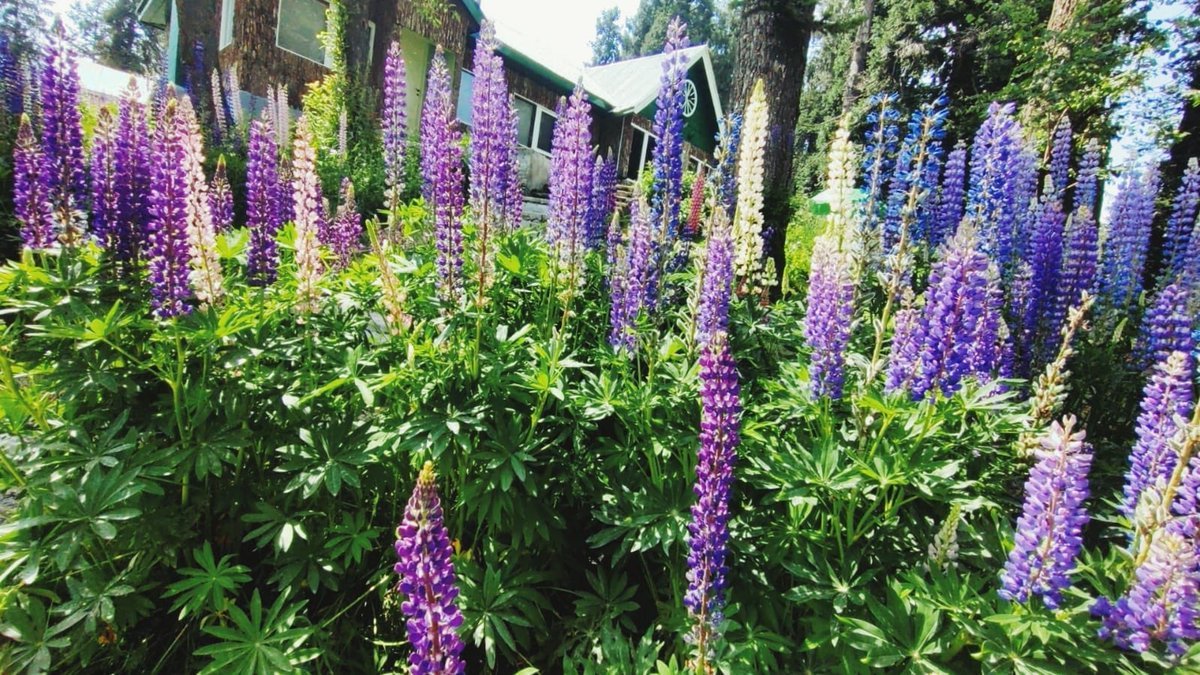
#MagentaMonday
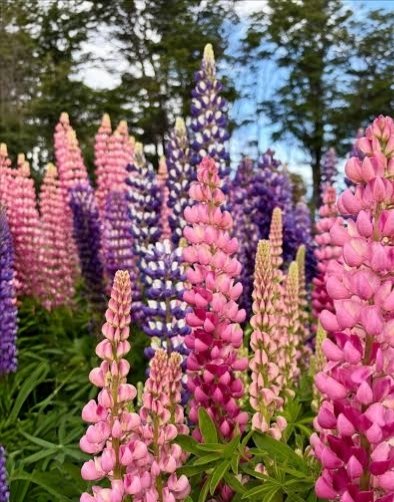
Many think of snow and skiing when they hear Gulmarg 😻😄
Yet its very name means "Meadow of Flowers"
June in Gulmarg , lupines as far as the eye can wander💜🩷❤️
My click @ the iconic Bobby hut
2
1
14
361
Dr Anu retweeted

youtu.be/5ypwcW0vtWw?si=r-p9…
With Arfa Sherwani on 14/6 on killing of indian seafarers & y PM is quiet
@SupriyaShrinate @INCIndia @Supriya23bh @Pawankhera @AnumaVidisha @RahulGandhi @priyankagandhi @priyanka2bharti @yadavakhilesh @MahuaMoitra @Aloksharmaaicc @BDUTT @journo_jitendra
2
3
156
Dr Anu retweeted

Jun 15
Surround yourself with Good people with pure intentions.🌸
4
4
13
407

Dr Anu retweeted

19h
Procrastination is just a high-interest loan you take out against your own potential, and the repayment schedule is always unforgiving.
1
1
3
116
#MagentaMonday
Many think of snow and skiing when they hear Gulmarg 😻😄
Yet its very name means "Meadow of Flowers"
June in Gulmarg , lupines as far as the eye can wander💜🩷❤️
My click @ the iconic Bobby hut
2
2
13
491
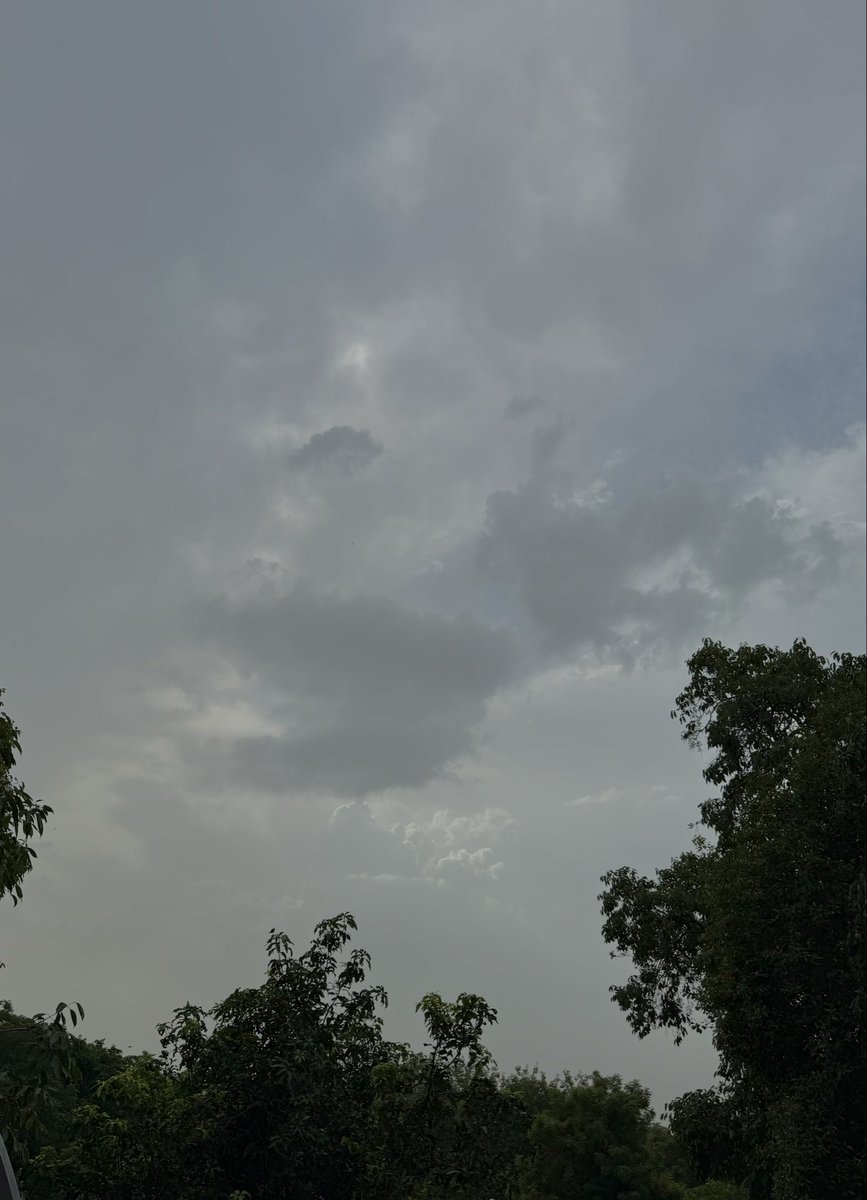
Sky check ✅
Clouds check ✅
… waiting for the peacocks 🦚
Monsoon knock knocks .. 😻😄
क्या कह रहे हैं ये मेघ…☔️
मोरों तुम कहाँ हो भाई?
#theme_pic_india_clouds
#theme_pic_india_skypic
1
3
16
201


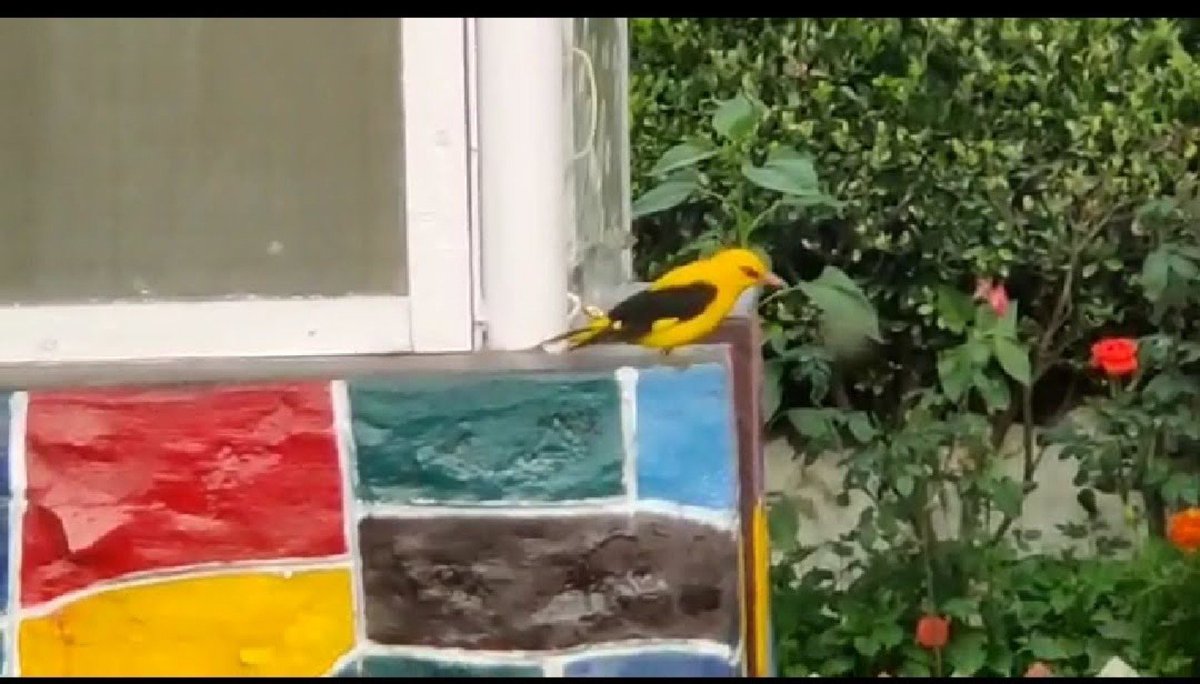
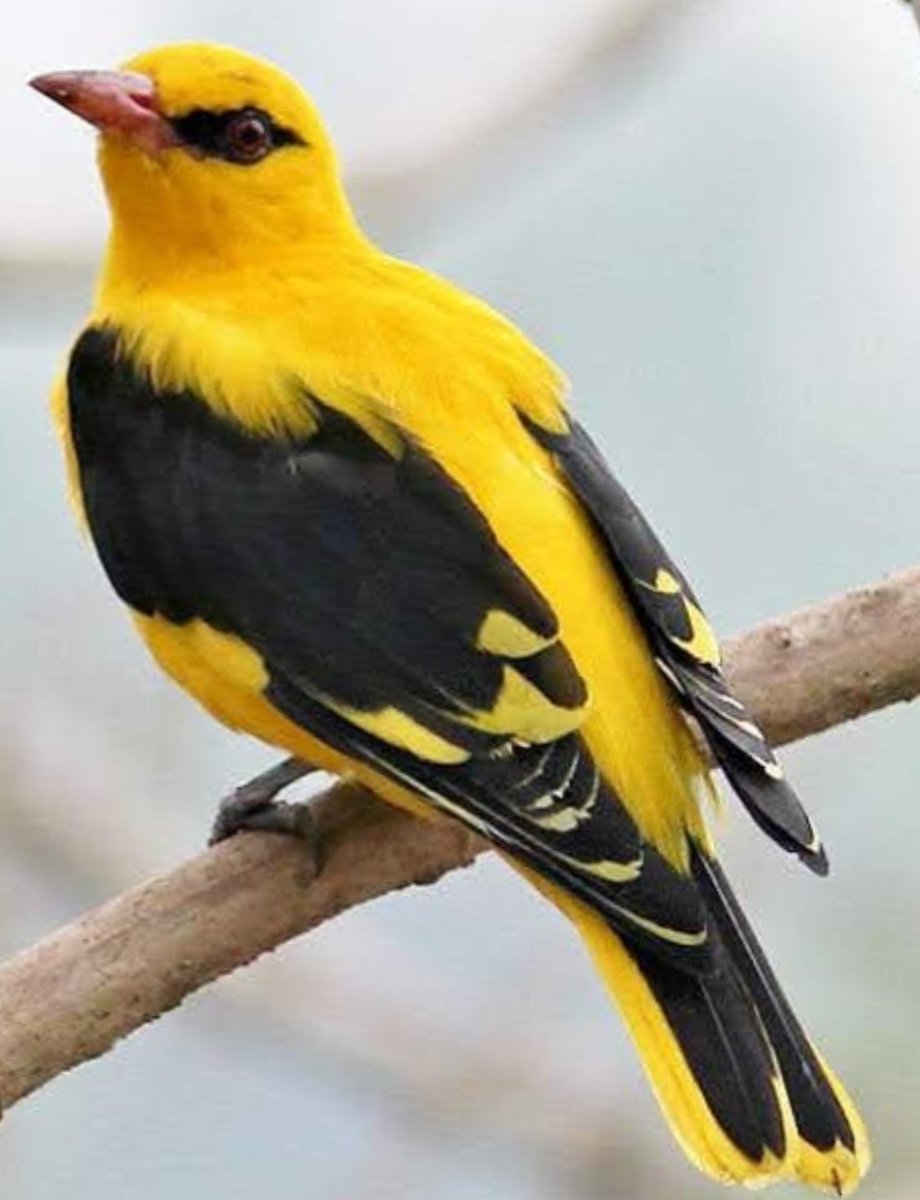
A regular visitor to the garden 💛🐦
Just as I was stepping out, I was greeted by this resplendent splash of gold at my window. So striking, so beautiful, that for a moment all you can do is stand and admire.
And just when you reach for your phone to capture the moment, this sharp-eyed beauty is gone.
Fortunately, Poshnool is a regular visitor, returning time and again to brighten the garden and herald the arrival of spring.
That vibrant yellow has something almost magical about it, enchanting, as children would say., perfectly apt.

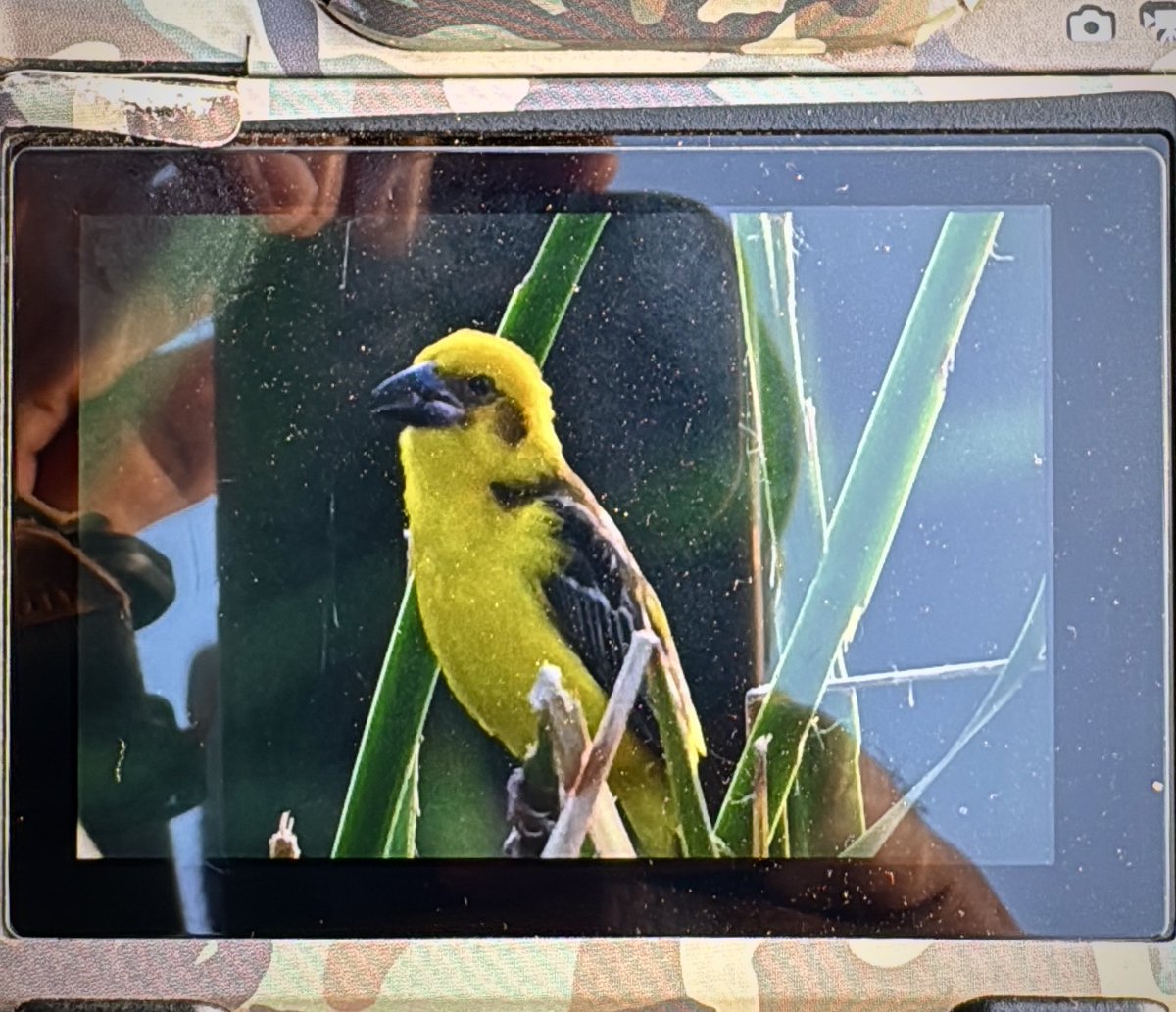
Today I drove early morning and never expected to get this surprise mega lifer
Finn’s Weaver
An Endangered species aka Yellow Weaver native to Ganges and Brahmaputra valleys in India and Nepal.
3
9
303
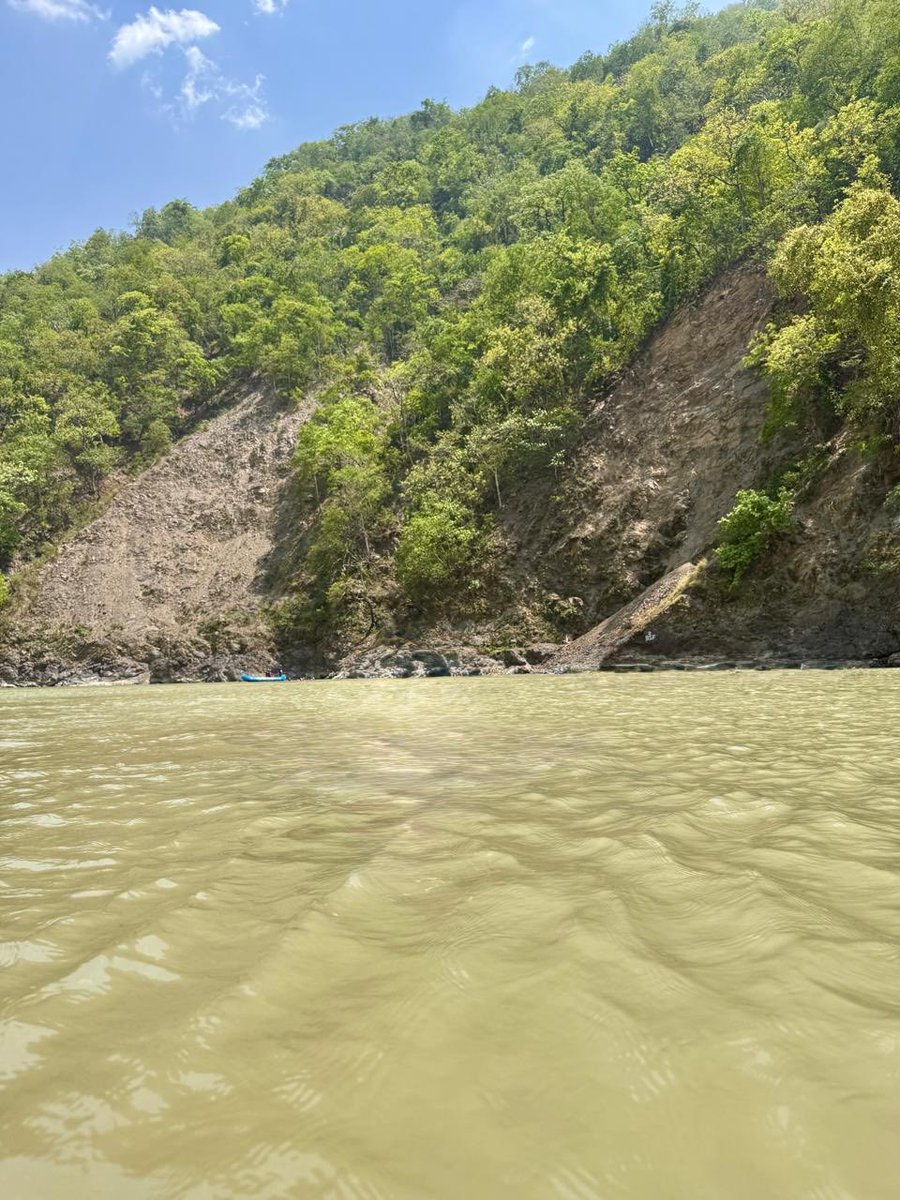
Maybe it’s just me, but among all the Himalayan rivers I’ve seen, only the Lidder and the Ganga near Rishikesh look a very distinct shade of emerald green / jade green 💚
Anyone else? 😊
#theme_pic_world_green
#theme_pic_india_green 💚🩵
3
2
20
400
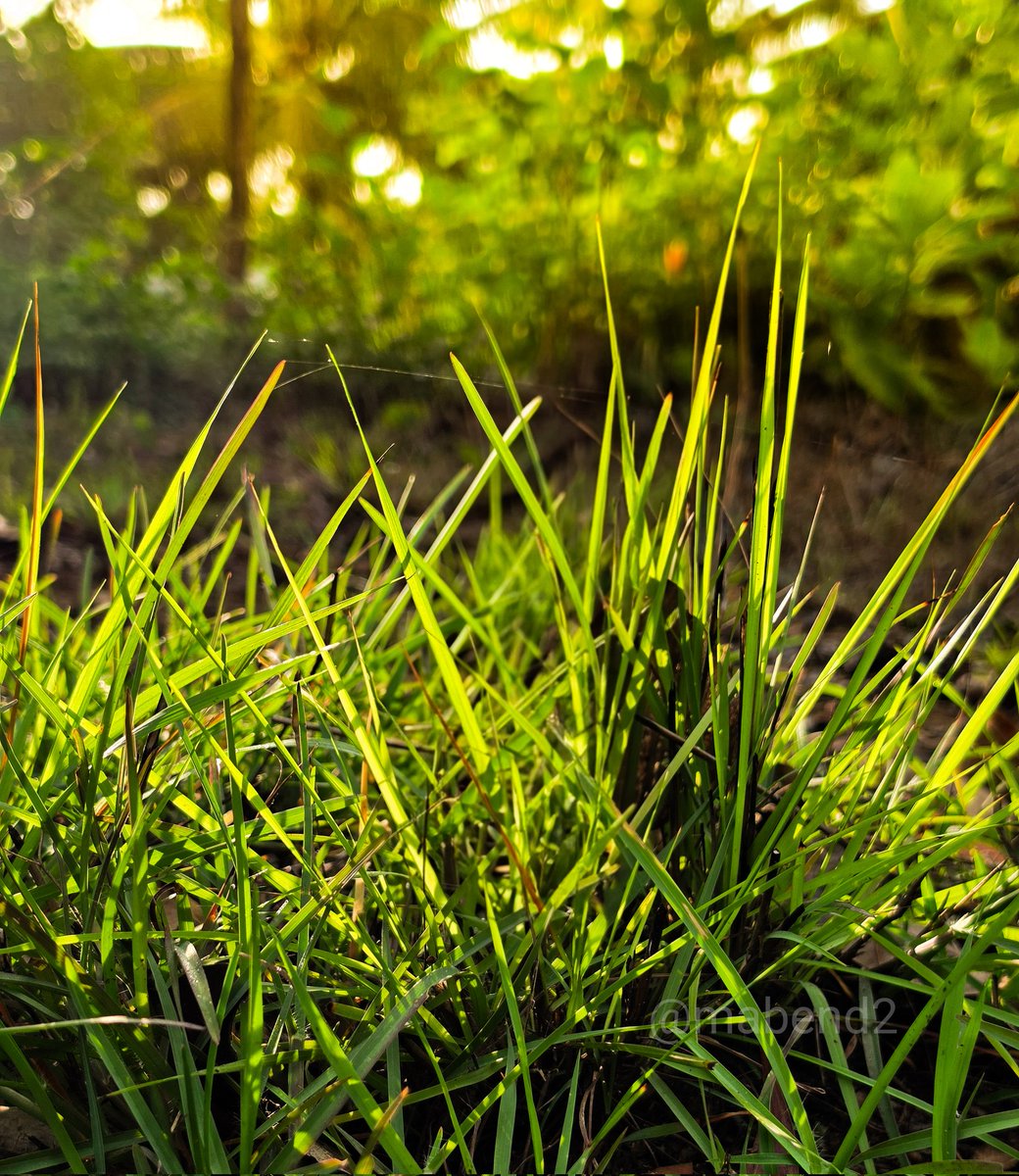
Green 💚 💚
Share anything green! 💚
#theme_pic_world_green

1
16
992
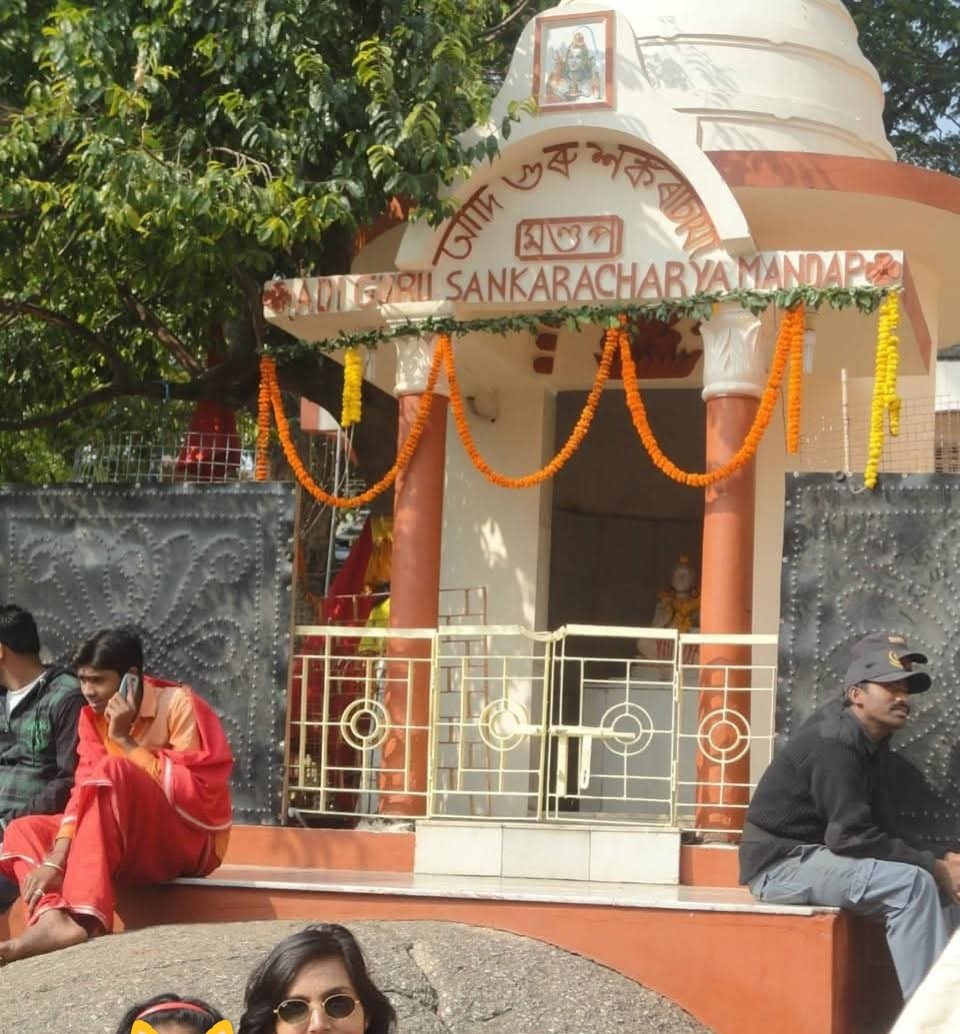
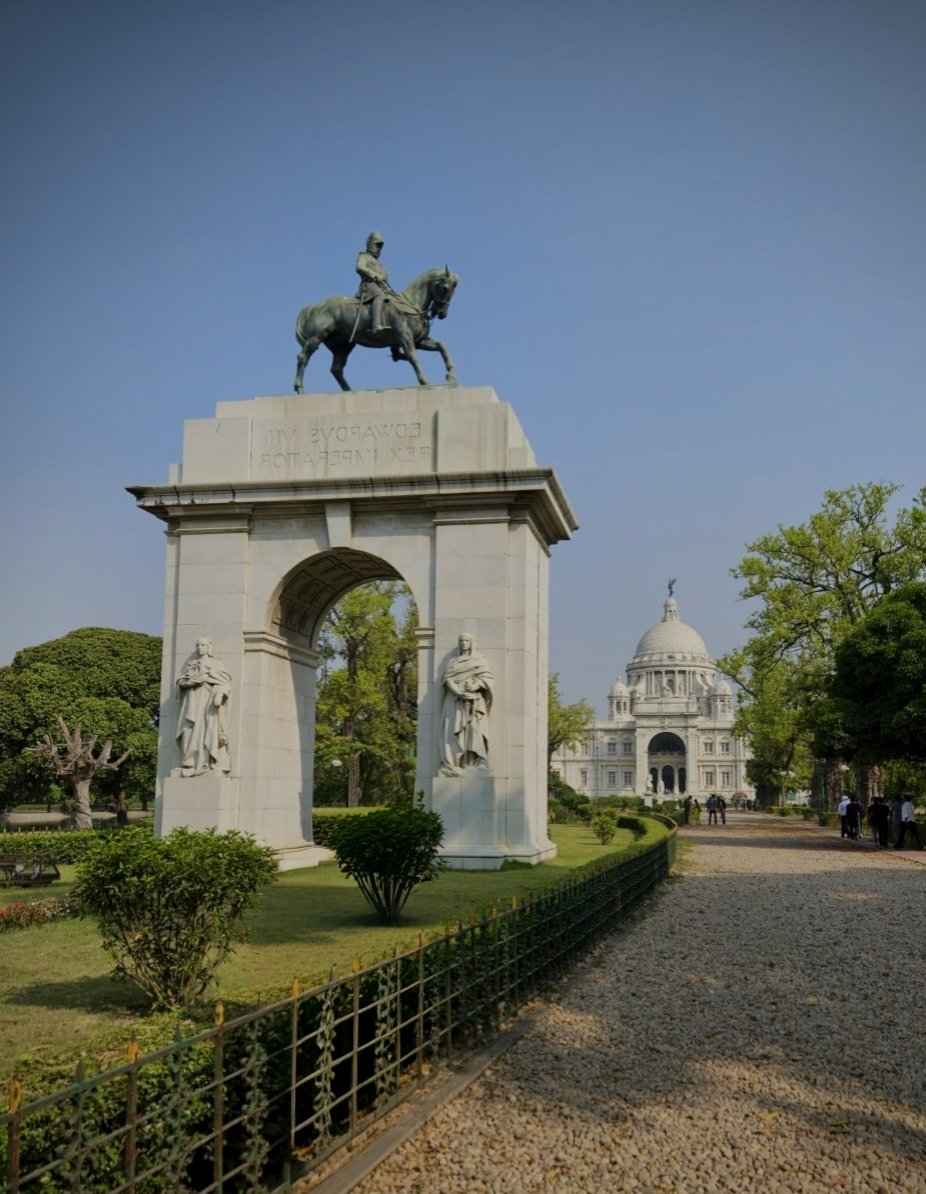
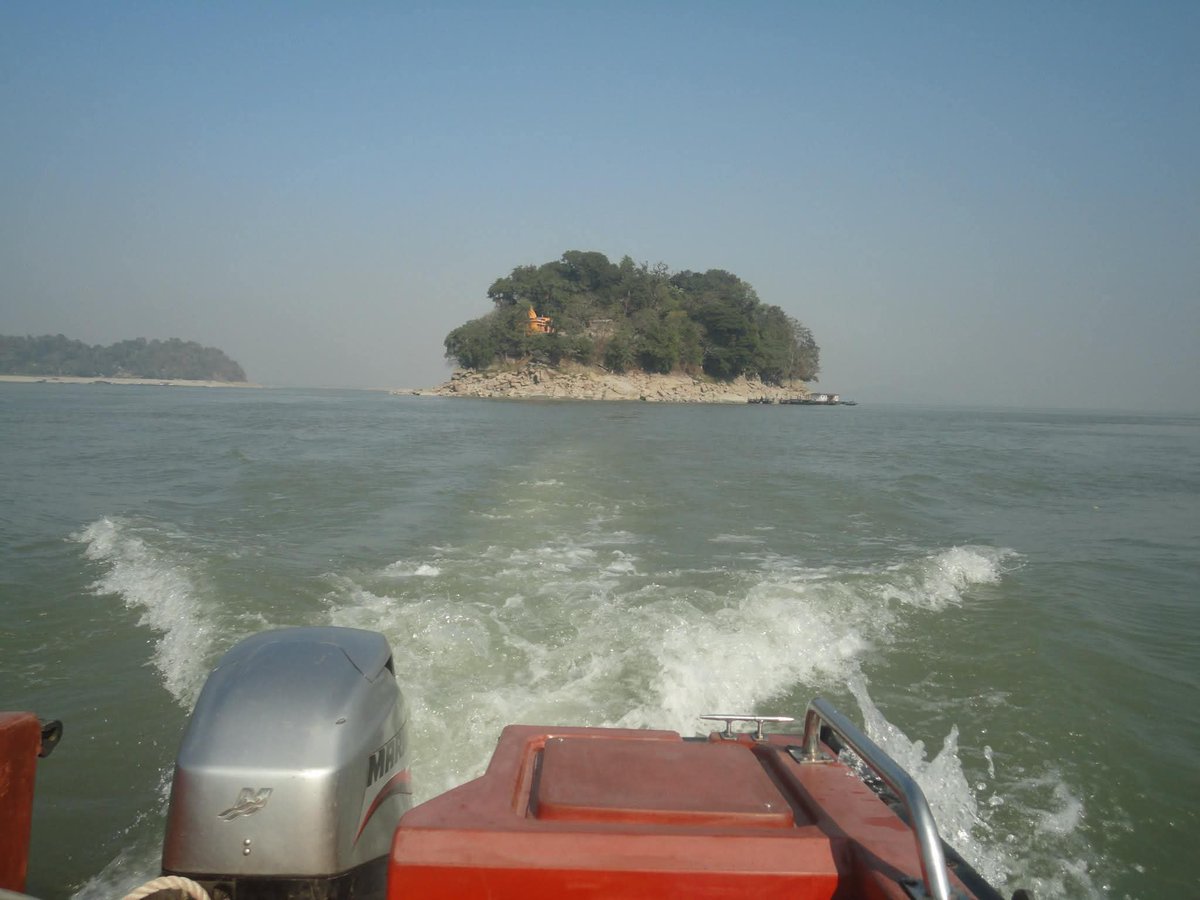
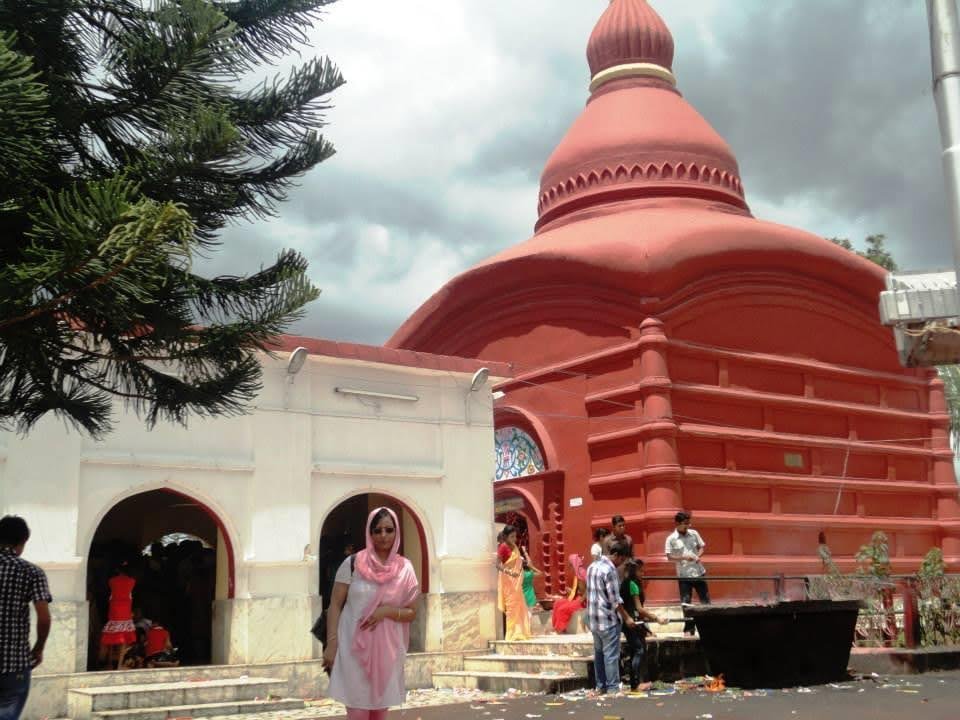
Been to #Assam? Yes
#Bengal? Yes.
And quite a bit beyond too
Tripura,
Manipur,
Mizoram &
Meghalaya😊
Gallery has no shortage of photos from the East
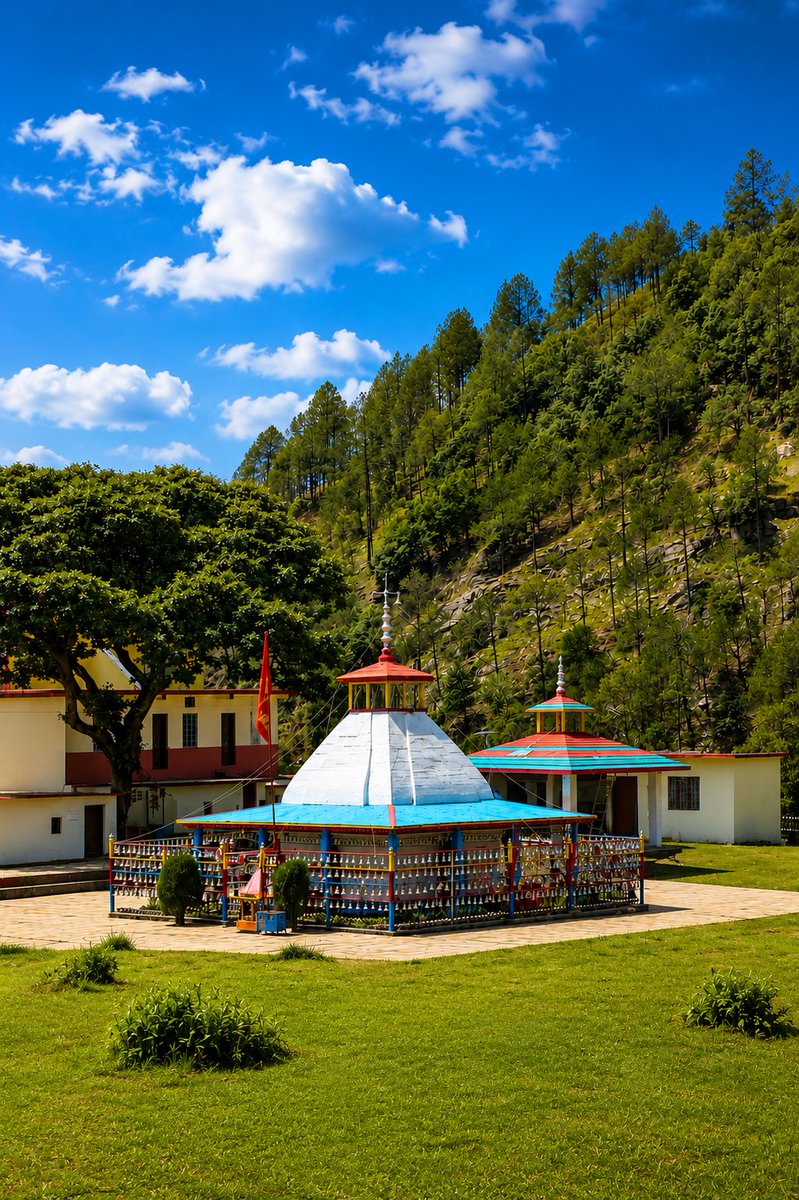
And yes Uttarakhand of course, just until as late or early as yesterday, garhwal kumaun both❣️
#theme_pic_India_bhakti
Jun 14

Never been to #Assam or #Bengal
Anything from #Assam or #Bengal in your gallery?
But I have something from uttarakhand in gallery ❣️
#theme_pic_India_bhakti
4
1
14
486
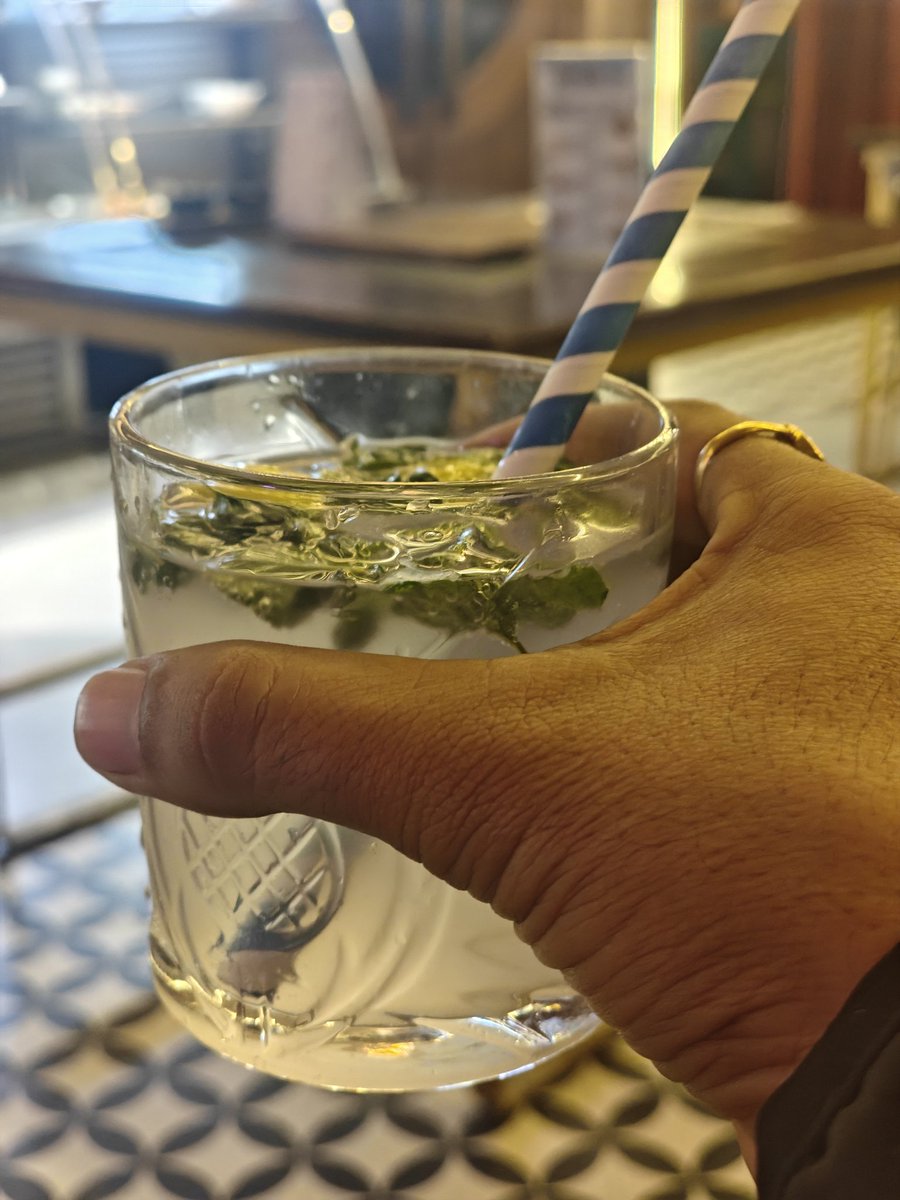
Coffee | Tea | Cocktail | Mocktail
Theme: Drink.
Drop your best drink below. 👇
…..
“कहाँ है गर्मी? गरमी कहाँ है?” 🤣
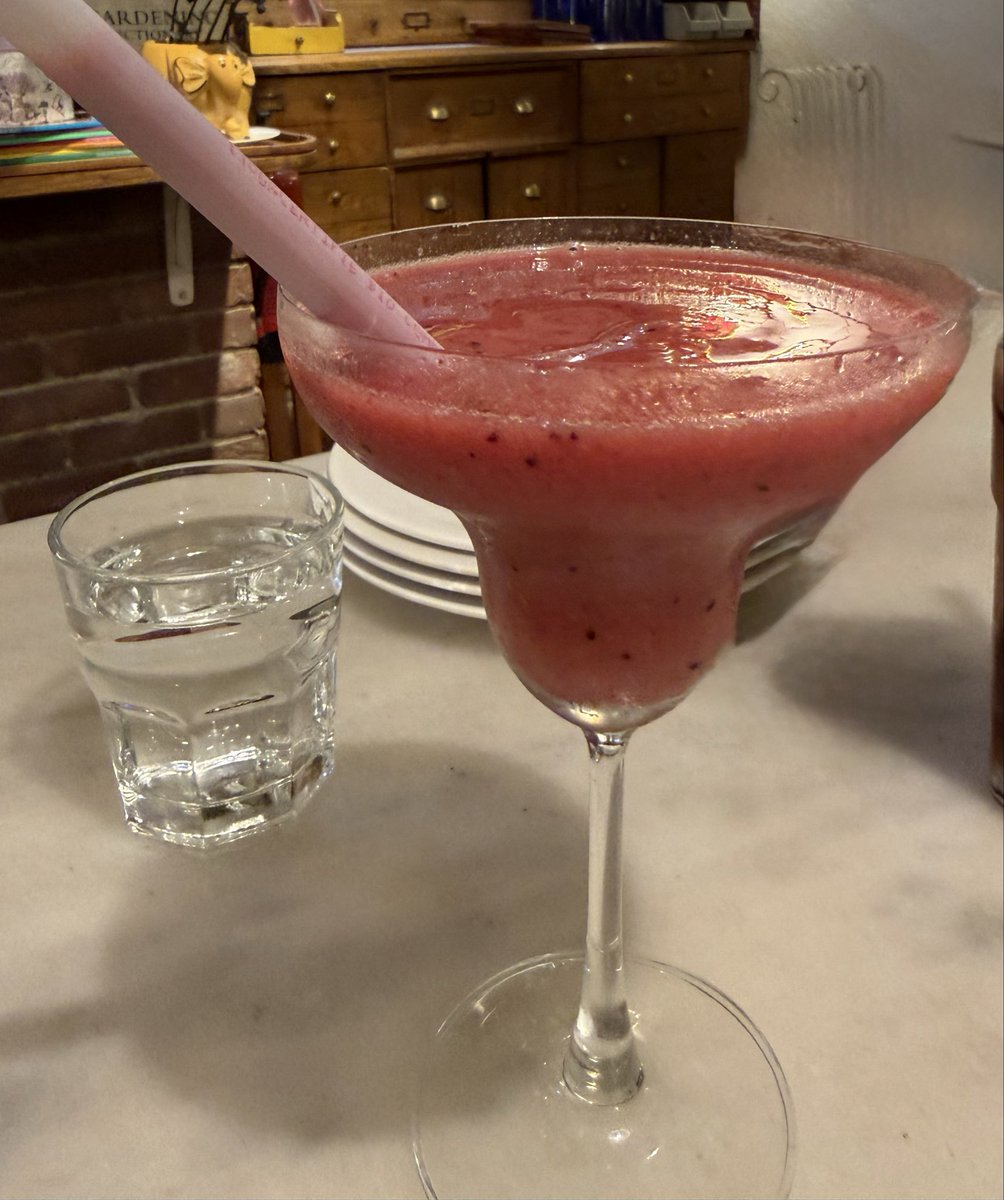
One sip of smoothie. Three litres of perspiration. Balance 😂✌🏻
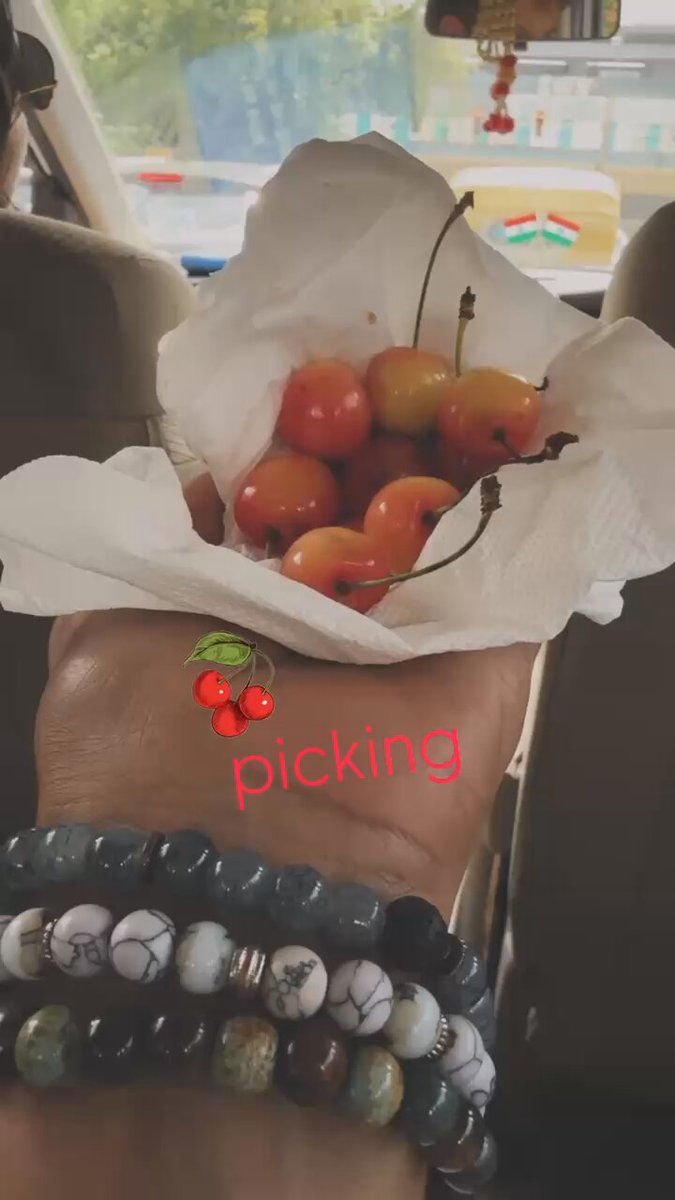
So, relishing the extravagance of summer, its cherries - berries…
and also its reminder that the sweetest things are often the most fleeting 🍒🫐☀️
Hence hold on to the sweetness, and savour the season while it lasts😄✌🏻
Coz anyways at this point, we’re not experiencing summer. Summer is experiencing us 😄🔥
Jun 14

Coffee | Tea | Cocktail | Mocktail
Theme: Drink.
Drop your best drink below. 👇
1
2
9
228