Founder of @OPSNewstandard & @OPSFootball. Co-Host of the @Simplified_Pod & OC @BDSaintsFB
Joined October 2012
- Tweets 5,550
- Following 902
- Followers 841
- Likes 10,881
245 Photos and videos




Jason Russell retweeted

May 31
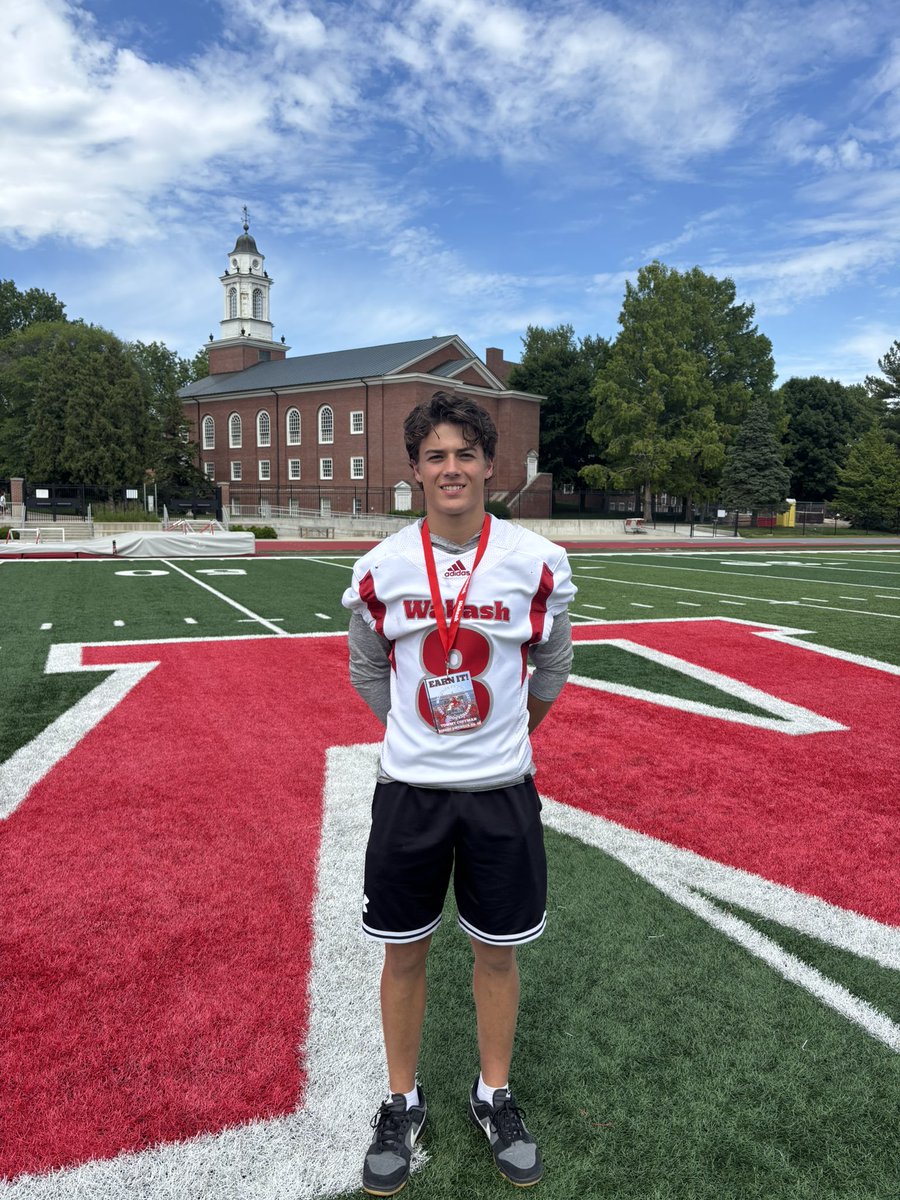
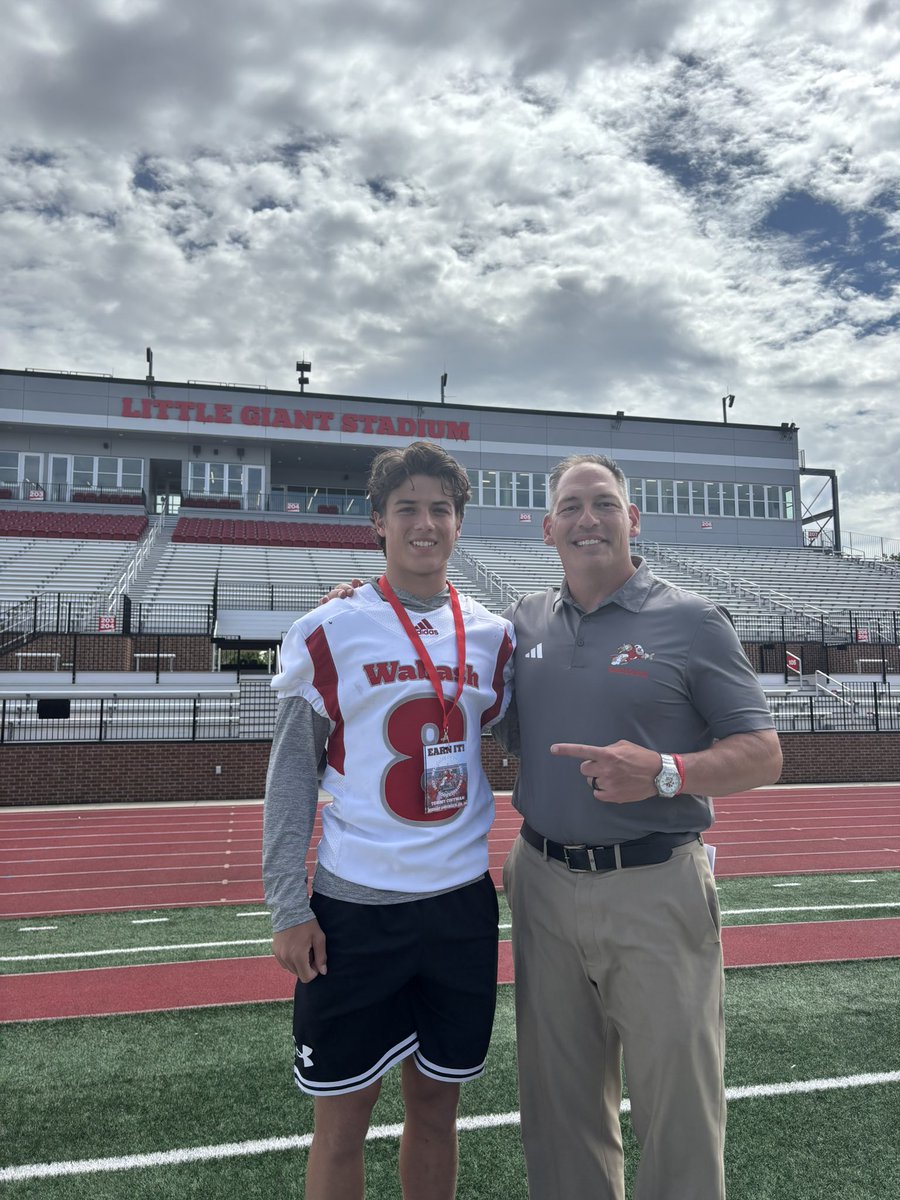
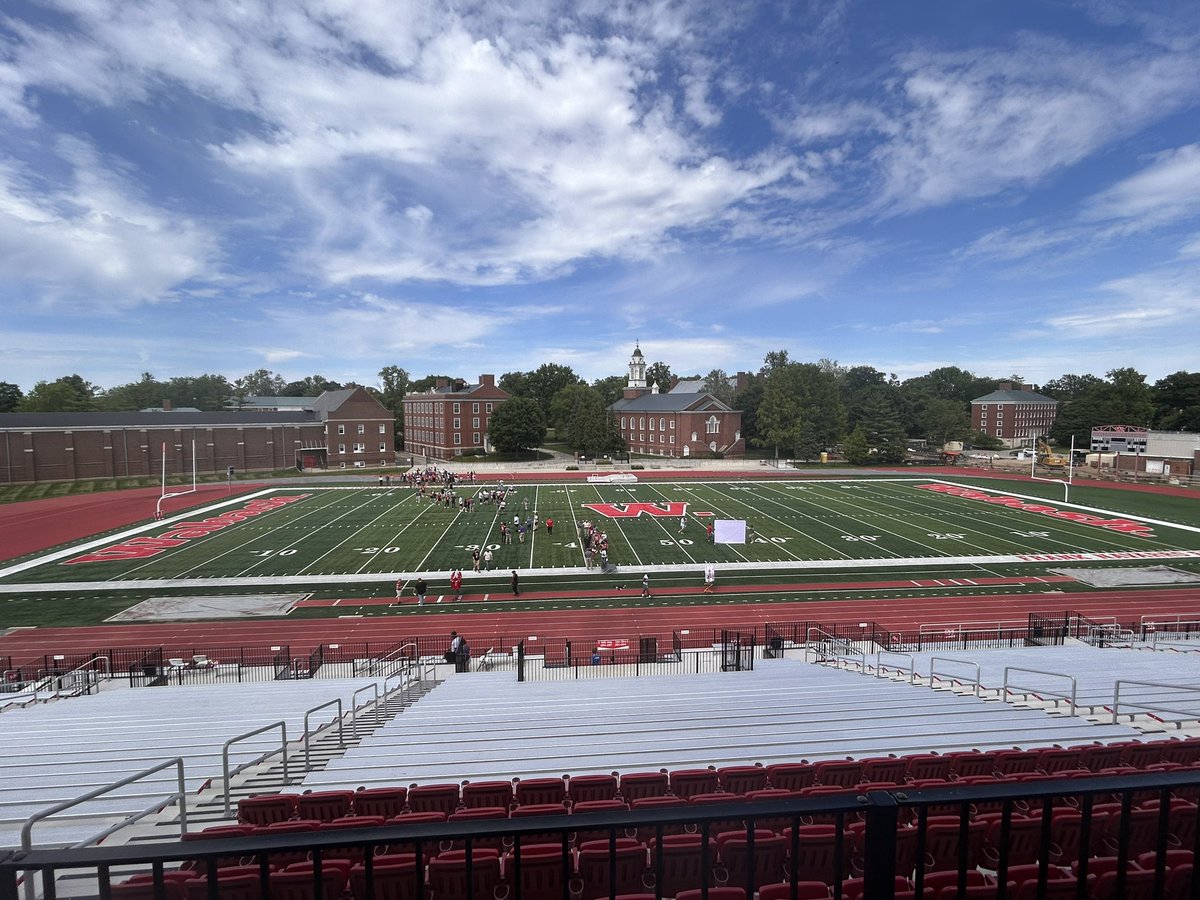
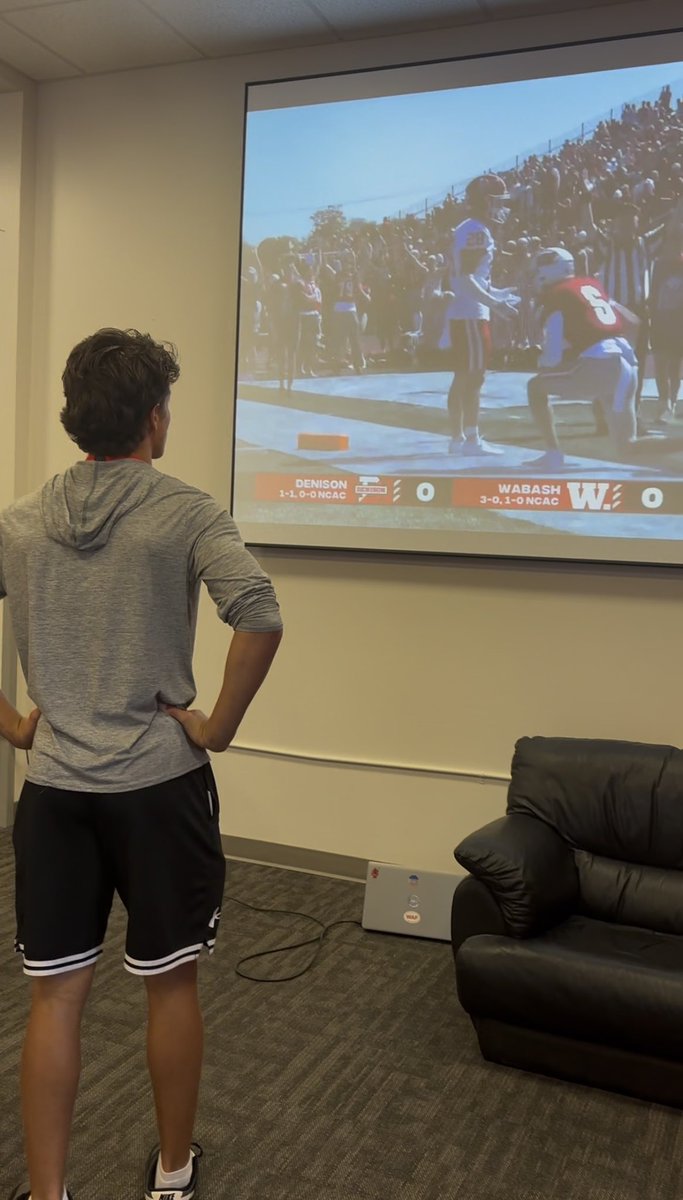
Had an awesome time at @WabashFB visit day! Thanks to @Coach__Reaves for the invite! Looking forward to a Gameday visit!
#WAF
@coachgilbert10 @ken_karcher
@JonnyZolnik @OPSDrRussell @BDSaintsFB @dchendrix @SidelinePreps @CSAPrepStar
1
8
23
2,152
Jason Russell retweeted
May 31
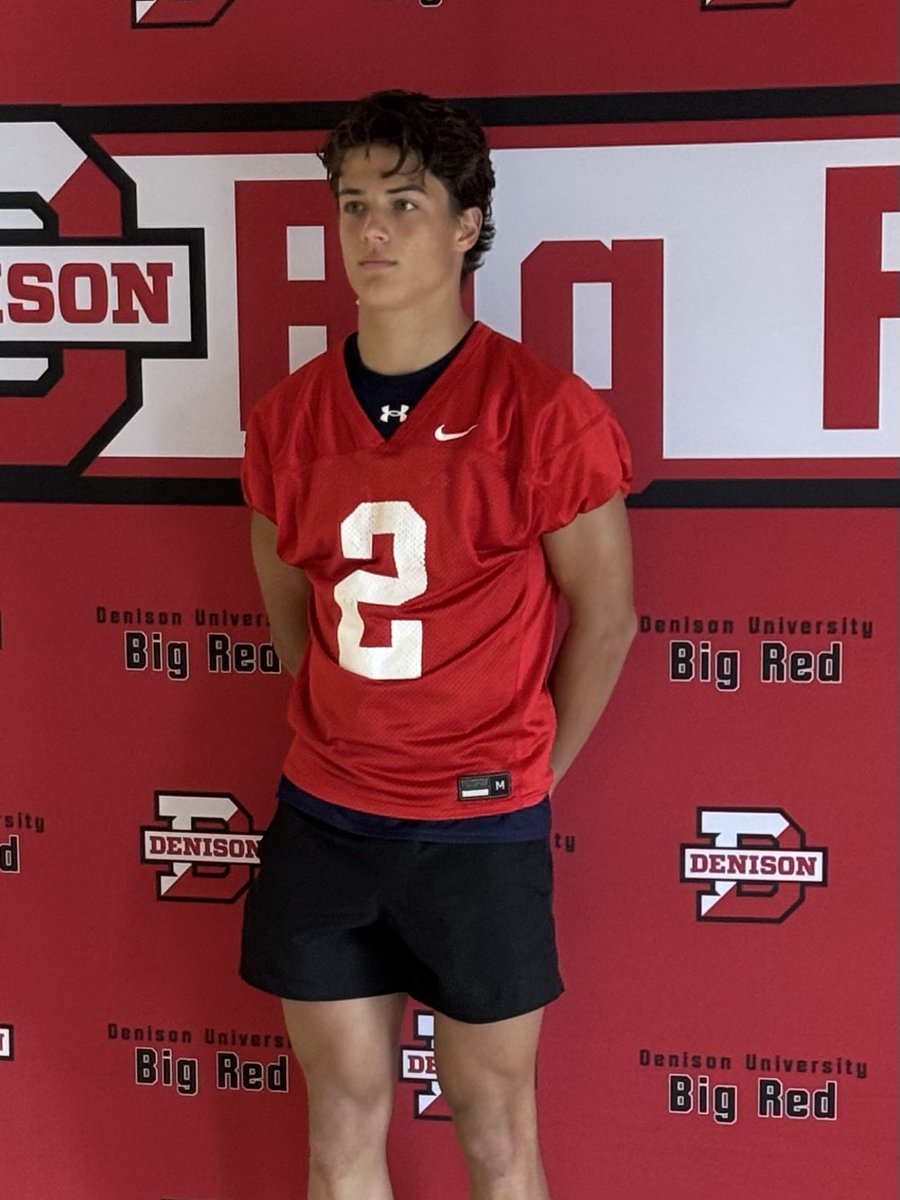
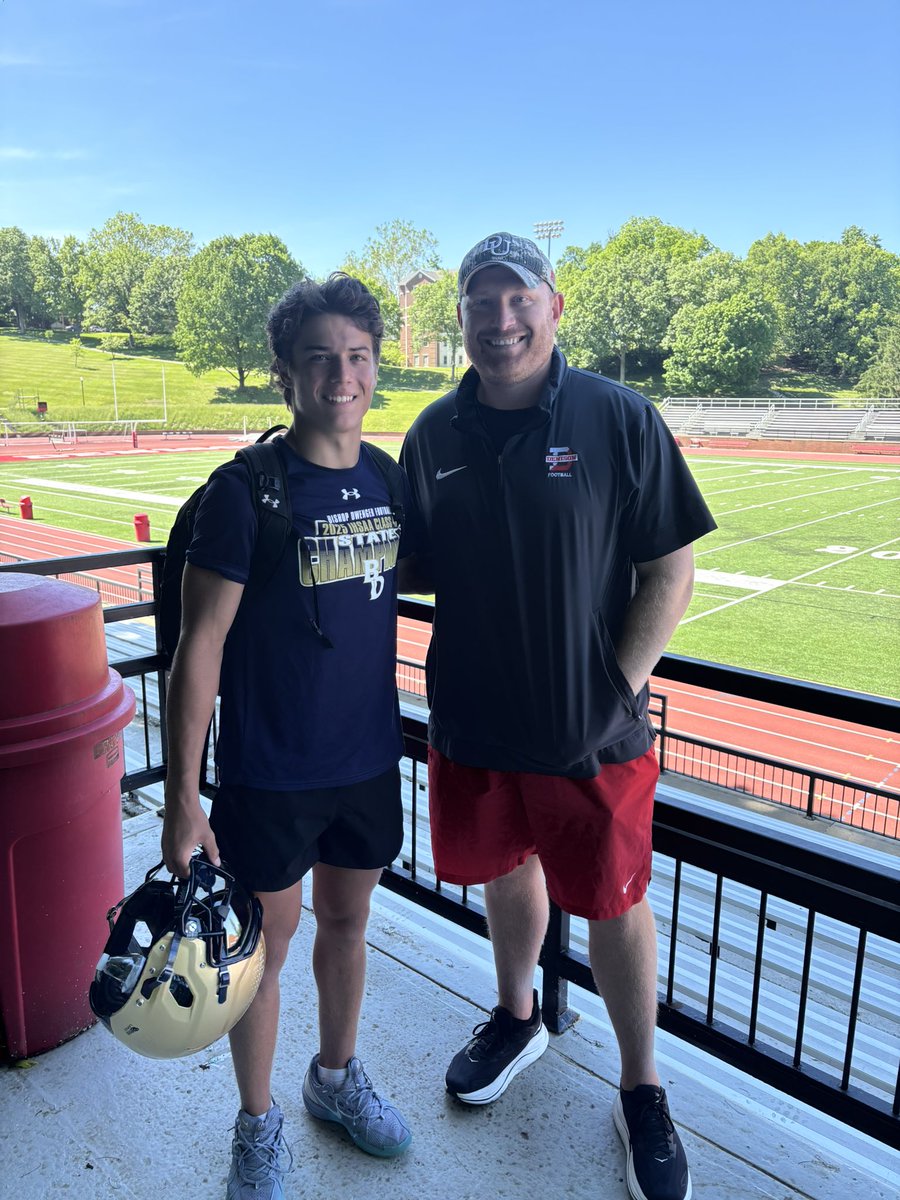
Great day at @DUFootball prospect camp!
Thanks to @coachhatem and @Moses_Adam_86!
#gobigred
@Coach_Bubonics @JonnyZolnik @OPSDrRussell @BDSaintsFB @260sports @SidelinePreps
@CSAPrepStar @dchendrix @BrettRumpSports
8
22
1,366
Jason Russell retweeted
May 31
Had a great time competing at @OhioDominicanFB prospect camp. Thank you @CoachEverhart for the invite!
@JonnyZolnik @BDSaintsFB @OPSDrRussell @dchendrix @260sports @SidelinePreps @CSAPrepStar @BrettRumpSports
6
20
1,811
Jason Russell retweeted
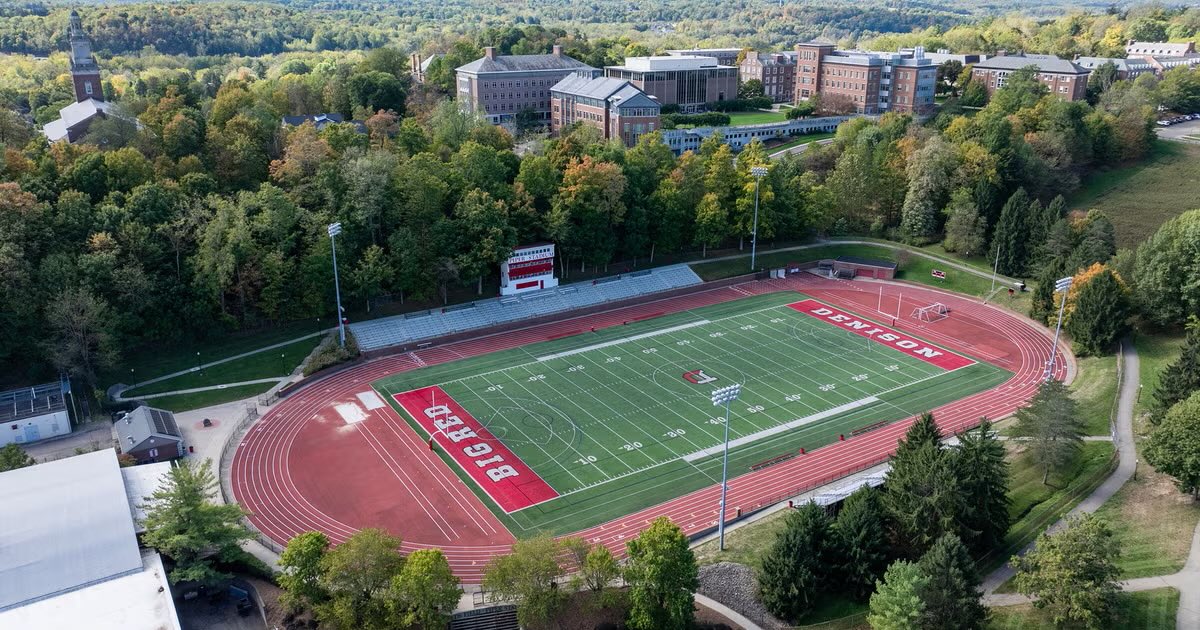
After an awesome conversation with @coachhatem I’m thrilled to receive an offer from @DUFootball @Moses_Adam_86
#gobigred
#d3fb
@OPSDrRussell
@JonnyZolnik @dchendrix @BDSaintsFB @SidelinePreps @SidelineSwami1
11
27
2,038
Jason Russell retweeted
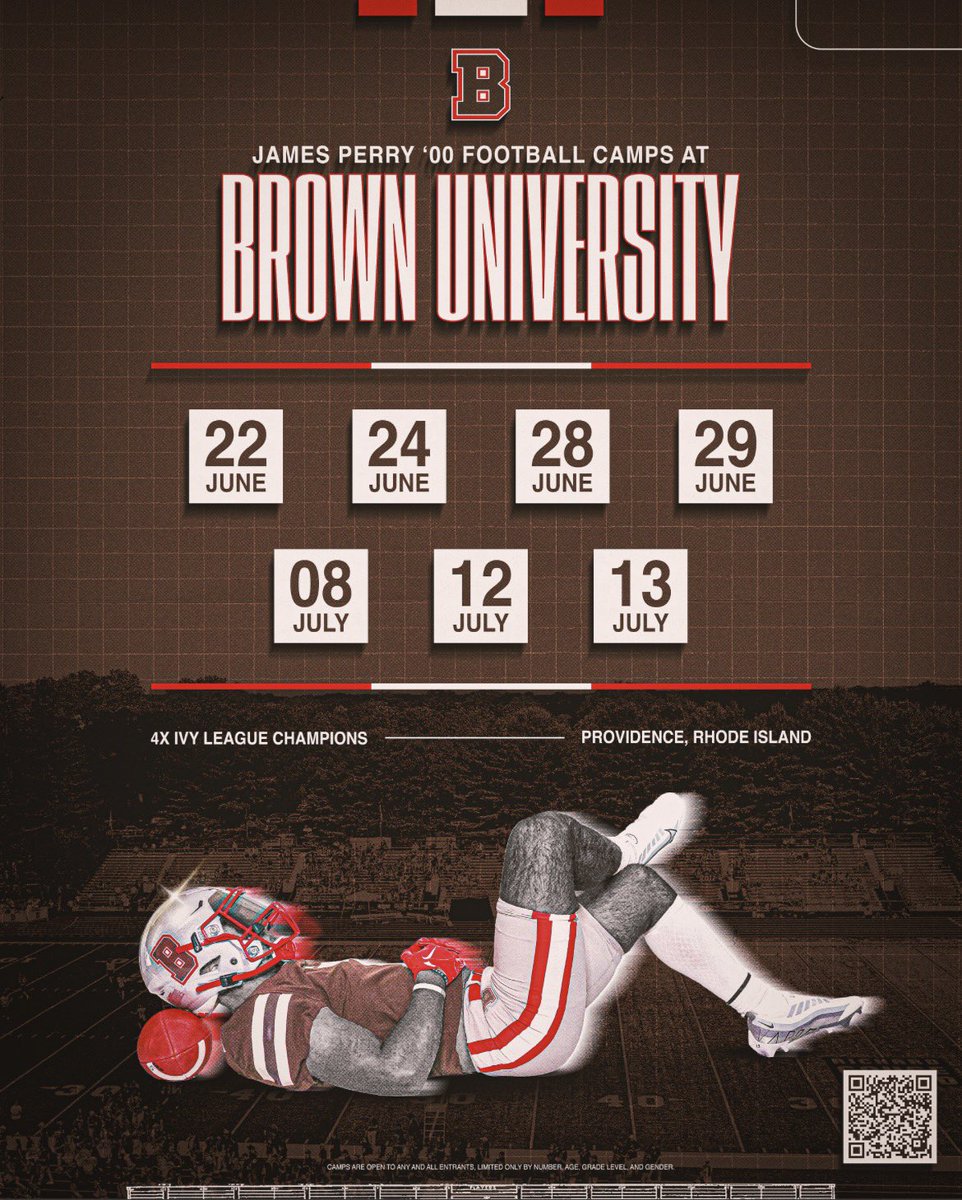
Thank you @BrownHCPerry for the personal invite to @BrownU_Football camp.
@JonnyZolnik @OPSDrRussell @BDSaintsFB @dchendrix @SidelinePreps @CSAPrepStar
5
16
641
Jason Russell retweeted
Apr 15
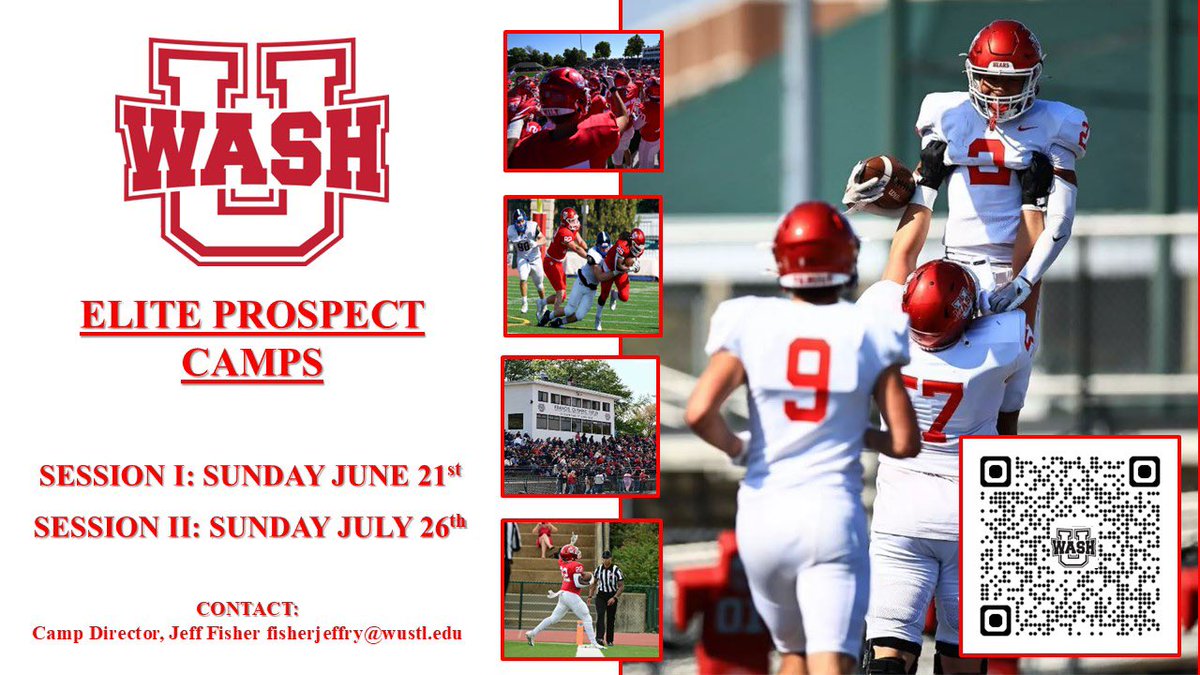
Thank you @MuellerFBCoach for the personal invite to @washufootball elite prospect camp. Looking forward to competing.
@OPSDrRussell @JonnyZolnik @SidelinePreps @CSAPrepStar @dchendrix @BDSaintsFB
4
11
462
Jason Russell retweeted
Apr 15
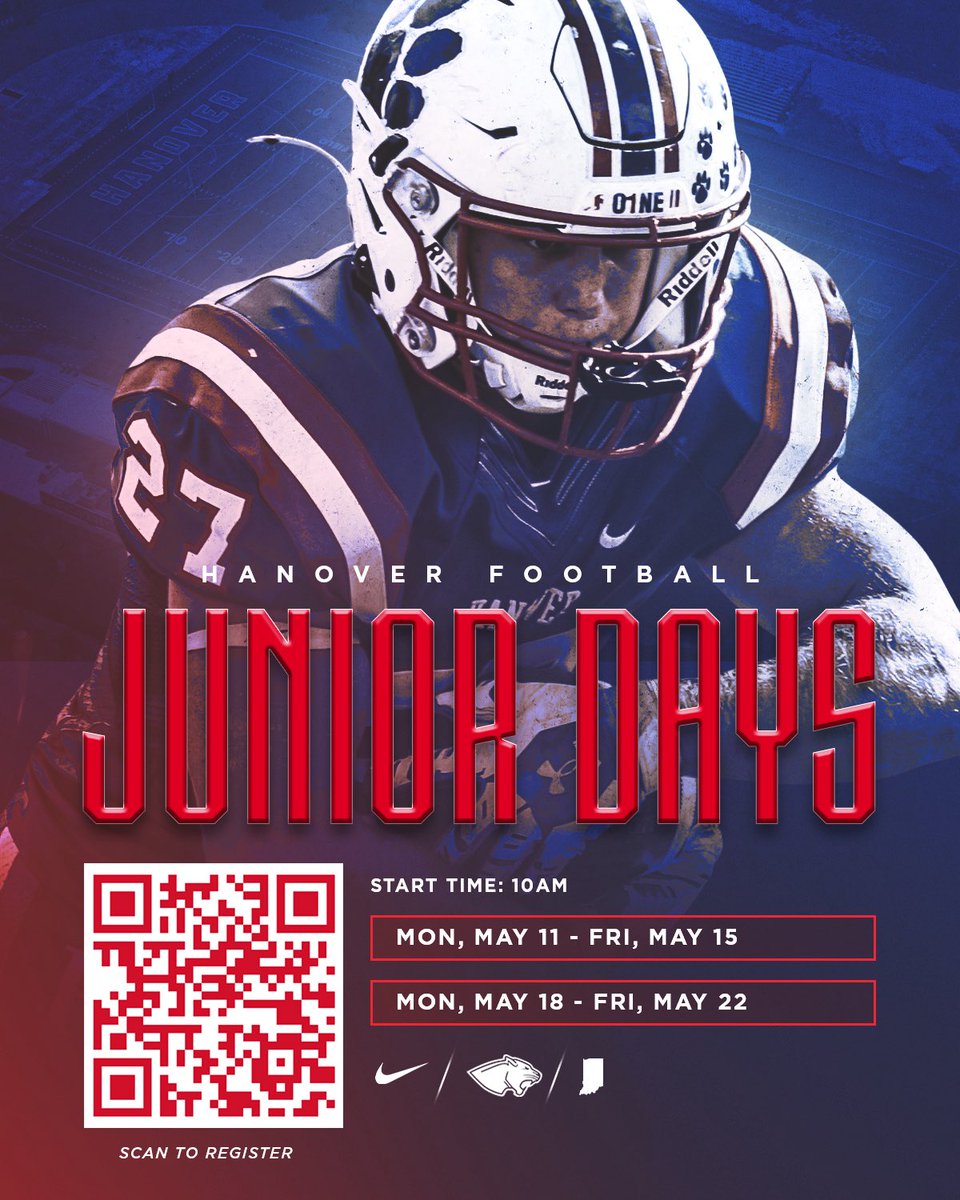
Thank you @DanielBudwah for the junior day invite to @HanoverFTBL Can’t wait to get on campus!
1
6
218

Mar 29
RT @CoffmanTommy12: Had a great experience at @LafColFootball thank you @CoachTJD for the invite.
@NPCoachJeff @SidelinePreps @CSAPrepStar…
7
Jason Russell retweeted

Mar 28
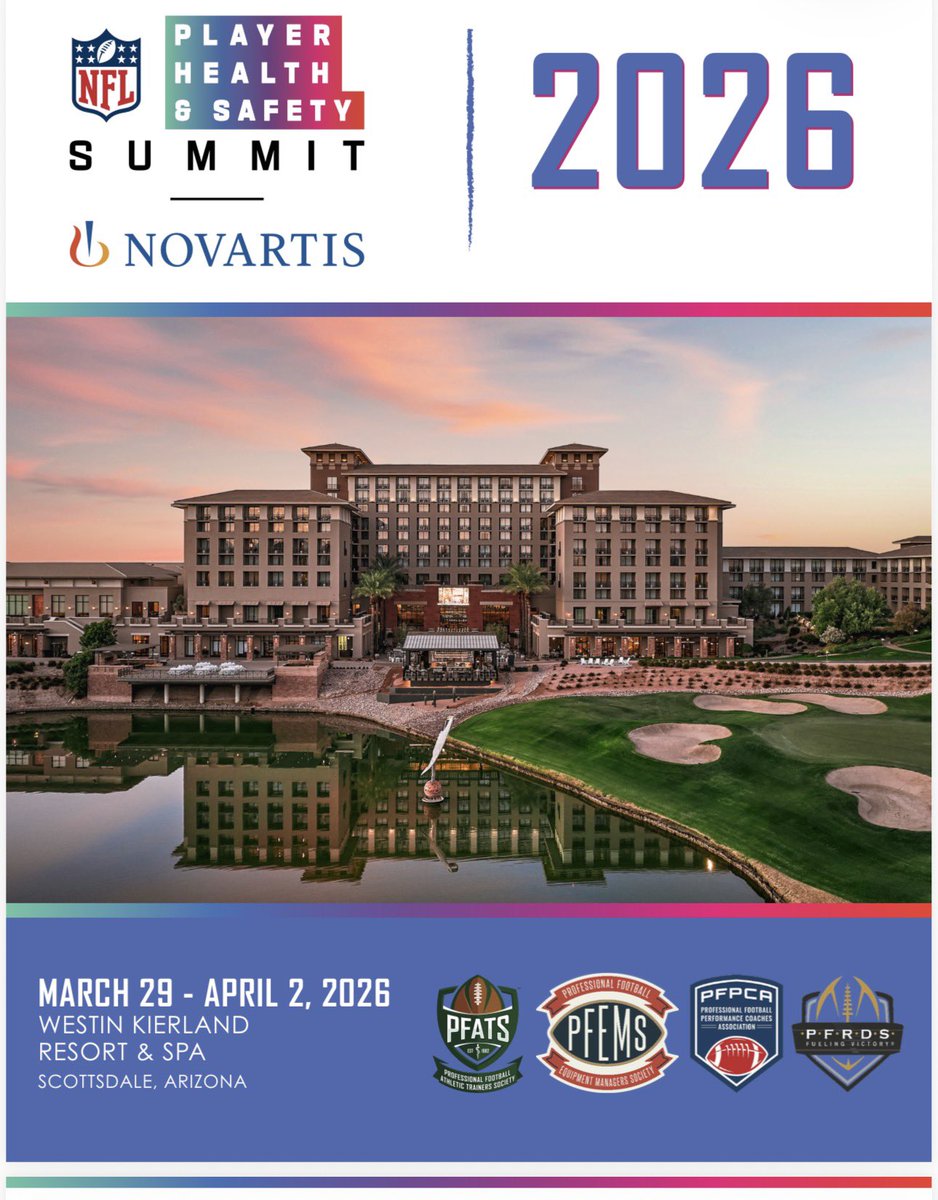
I’m excited to keynote the 2026 NFL Summit in Scottsdale next Thursday for the PFPCA (Professional Football Performance Coaches Association).
Going to talk about building a huge aerobic base in the offseason (NOT). ⚡️⚡️⚡️
#SprintBasedFootball
10
5
71
7,453
Jason Russell retweeted
Mar 25
Excited to be a part of this ambitious program at Augusta Christian (GA).
AC will be the first school to install “Feed the Cats” as the foundation of K-12 PE.
In addition, FTC will be embraced in all sports.
AC wants to become the model for other schools. The April 17th event will be open (and free) to anyone wishing to attend.
14
15
226
31,869
Jason Russell retweeted

Mar 9
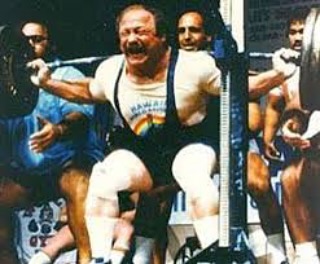
I first heard this 30 years ago at age 17, when my trainer Jay Schroeder DRILLED it into my soul. I still remember the day we met. He told me, “I don’t want you to squat 450 pounds in 3 seconds… I want you to squat 350 pounds in ½ second. THAT’S power.”
To train with him, he forced me to write a daily training log that timed the concentric portion of EVERY rep, EVERY set, EVERY exercise with a stopwatch. I did this for 6 straight months before he allowed me to train at his gym.
It took over an hour daily to write the log, but what I learned about my body and performance was invaluable. Training with this intent changes everything: to move max weights at high speed, EVERYTHING matters. Technique and position must be flawless, no power leaks. You learn to eccentrically LOAD, not just drop with gravity and momentum. My body awareness skyrocketed.
Speed is king. Details and intention matter. I stopped caring about increasing my max and started caring about moving my max FASTER. It’s the primary reason I transformed myself from a walk-on who ran 4.8 to a first-round pick who ran 4.3.
Mar 9

Division 1 football players training in a compensatory acceleration style (CAT) upper body strength regimen were compared to a traditional regimen in their off-season. The CAT group was instructed to perform the positive rep as explosively as possible. The traditional group performed repetitions at a traditional tempo.
At the end of both off-season training programs, both power and strength were assessed. Power was tested with a seated medicine ball throw and a force platform plyometric push-up test. Strength was assessed by a one rep max in the bench press.
Both groups increased strength and power. The group that trained in a Compensatory Acceleration Training (CAT) style improved their bench press by nearly double the amount of the traditional group. Average power, as expected, increased significantly more in the group that trained explosively.
Jones, K. K., Hunter, G. G., Fleisig, G. G., Escamilla, R. R., & Lemak, L. L. (1999). The effects of compensatory acceleration on upper-body strength and power in collegiate football players. Journal of Strength & Conditioning Research (Allen Press Publishing Services Inc.), 13(2), 99-105.
Practical Application
Fred Hatfield was ahead of his time advocating Compensatory Acceleration Training. It is simply superior! Training adaptations are not just a result of weight on the bar. Adaptations from training are a byproduct of tension and duration. You respond to how much force produced, how fast the force was produced, how long you produced it, and how many times you produced it. Force=mass x acceleration. More tension is result of greater bar speed. Maximal strength training and power adaptations can result from lifting weights with maximal force; one more reason to compensatorily accelerate weights.
45
147
2,038
483,726
Jason Russell retweeted

30 Dec 2025
🏈 Tonight on Around the Fort
The GameNight Postseason Team & Award Winners will be unveiled TONIGHT starting at 7:00 PM!
Join SCS Jeff, Jake “The Snake”, Jackson Geiger, and GameNight Editor Casey O’Boyle as we officially put a bow on the 2025 campaign and celebrate the best of Northeast Indiana football. @SidelineSwami1 @SCSJeff @JakeTheSnake260
Around the Fort #067 - 2025 Postseason Show youtube.com/live/ZqXMNud9E6A…
📺 Don’t miss it!
#AroundTheFort #GameNight #NEIndianaFootball #260Sports #PostseasonAwards
1
3
13
3,925
Jason Russell retweeted

3 Dec 2025
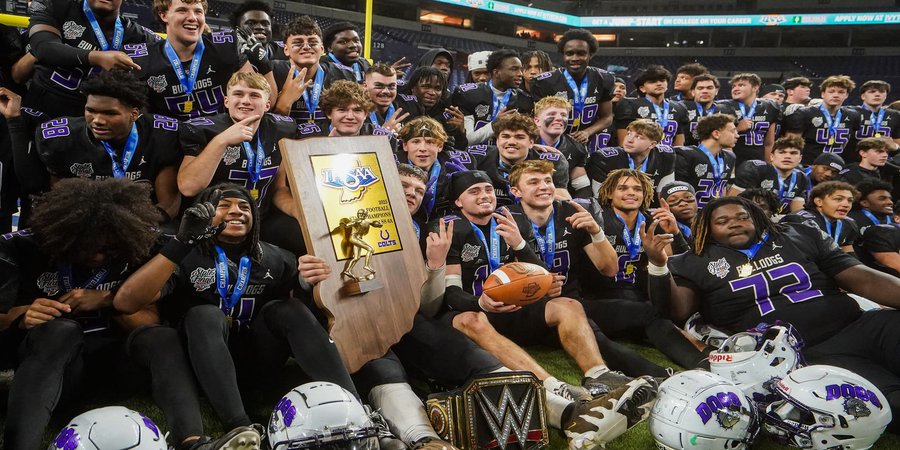
The final IndyStar high school football Super 25. Where to teams fall following the state finals? And a look at how I had them projected in the preseason. bit.ly/48ONxJ1
11
20
14,429
Jason Russell retweeted

29 Nov 2025
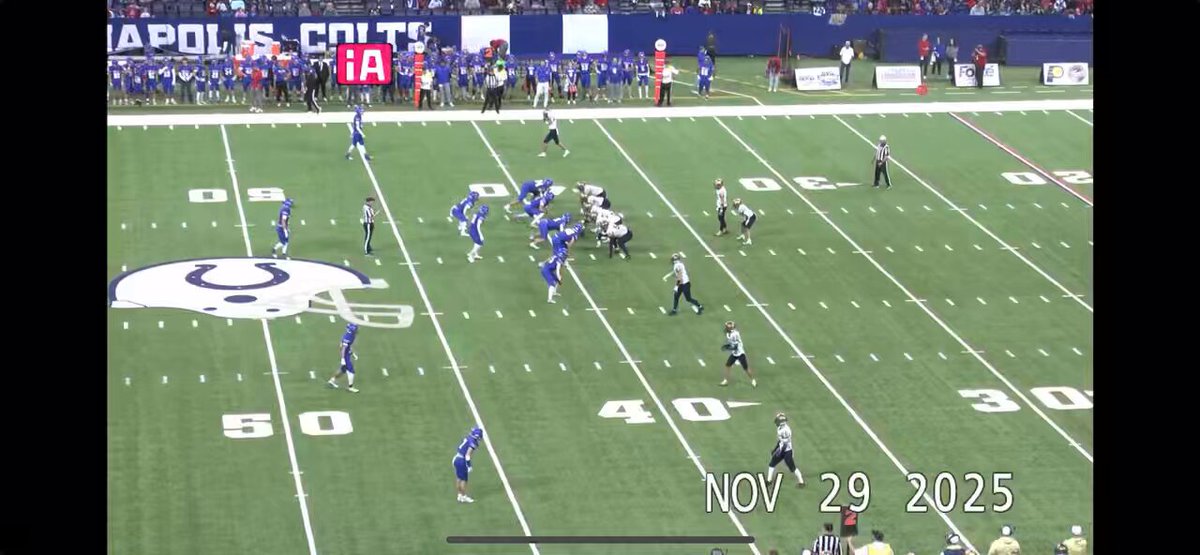
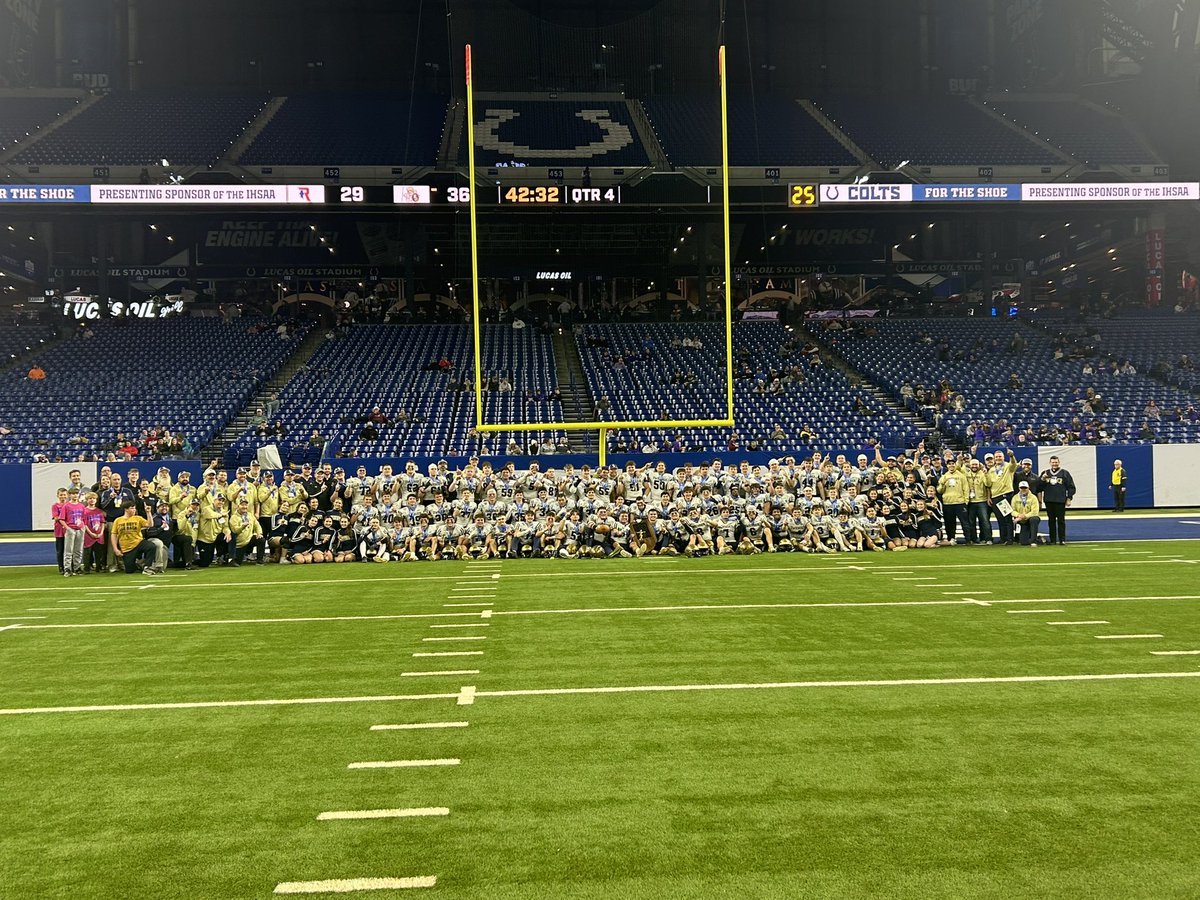
Bishop Dwenger wins Class 4A state championship over Roncalli!
1
15
1,784
Jason Russell retweeted

30 Nov 2025
@PatMcAfeeShow COME ON - FOR THE BRAND!!! @lucas_nguyenK
29 Nov 2025

FAKE FG PASSING TD! Bishop Dwenger with the perfectly executed fake field goal for a touchdown! Tune in on IHSAAtv.org for the conclusion of the 2025 @IHSAA1 4A Football State Finals! #FootballHighlights #HighSchoolFootball #IndianaFootball #SCtop10 @sportscenter @PatMcAfeeShow
4
23
1,261
Jason Russell retweeted

29 Nov 2025
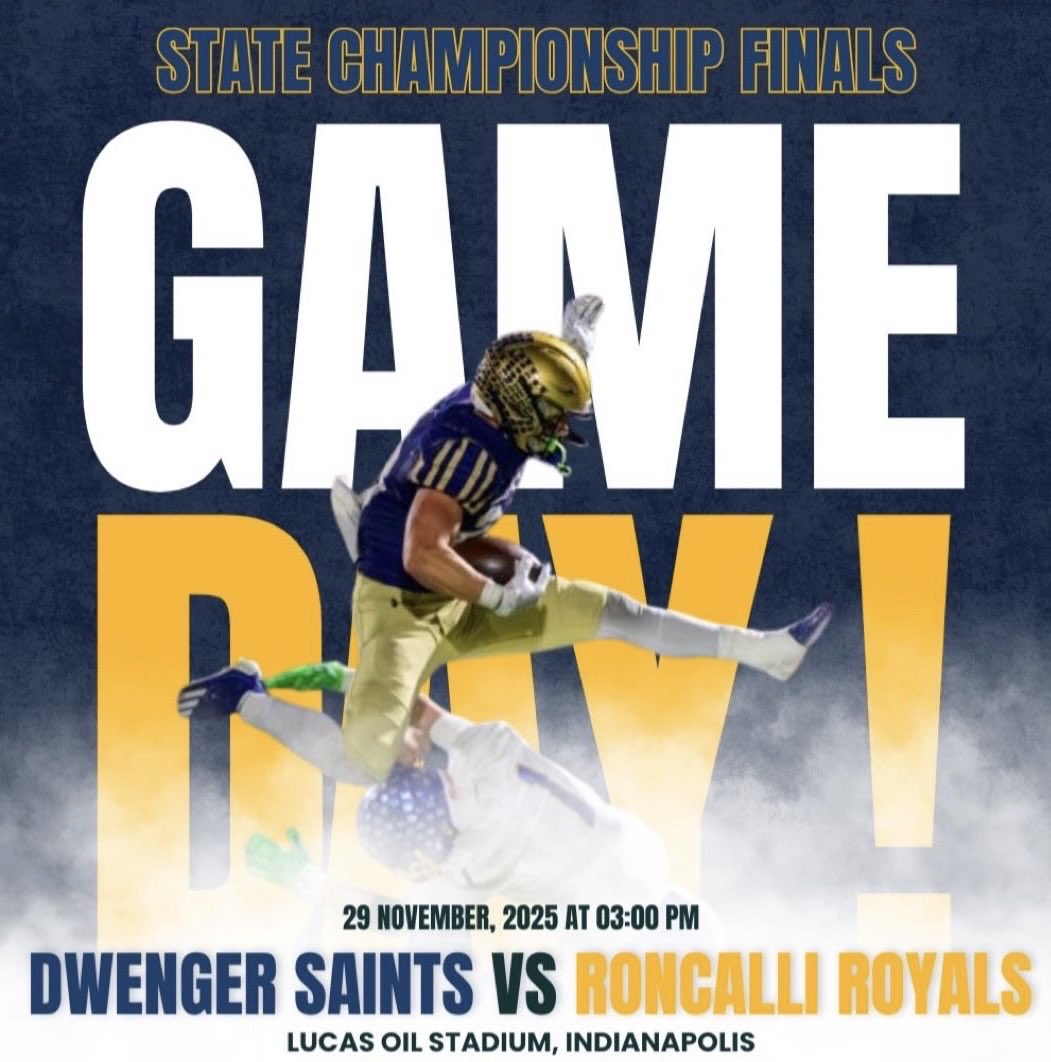
Saints Win State!
#bluerings
Saints 36 - Roncalli 29
5
20
112
9,447
Jason Russell retweeted
29 Nov 2025
State Finals! Go Saints!
12
38
3,837
Jason Russell retweeted
28 Nov 2025
Round 5
Semi-State Champions
1
13
44
2,796
Jason Russell retweeted
22 Nov 2025
Final:
Saints 28 - St. Joe 7
The Saints are going to State!
3
10
53
3,420