
Learning on the way Where there is a will, there’ s a way
Joined December 2015
- Tweets 194
- Following 192
- Followers 22
- Likes 414
23 Photos and videos





May 19
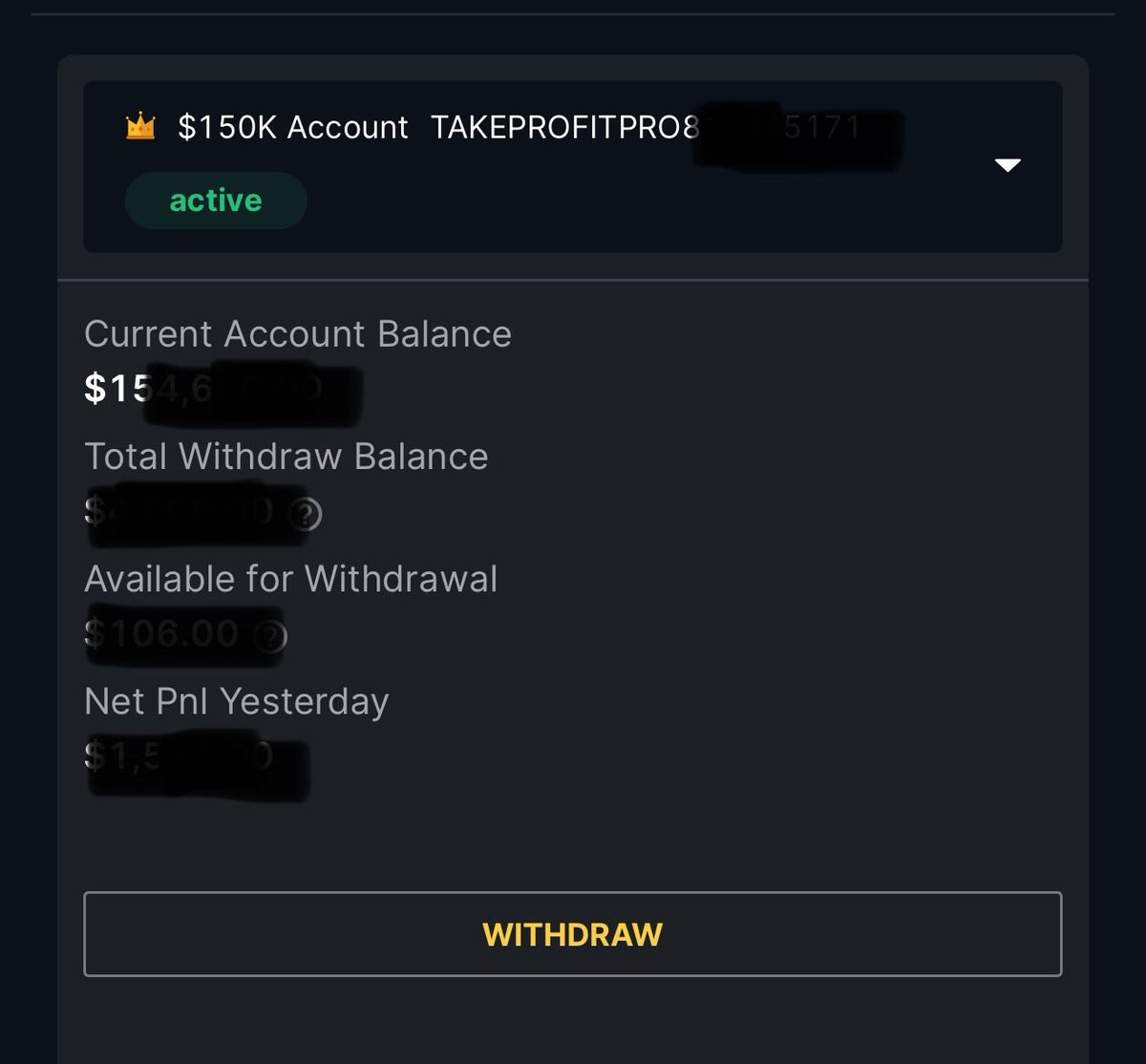
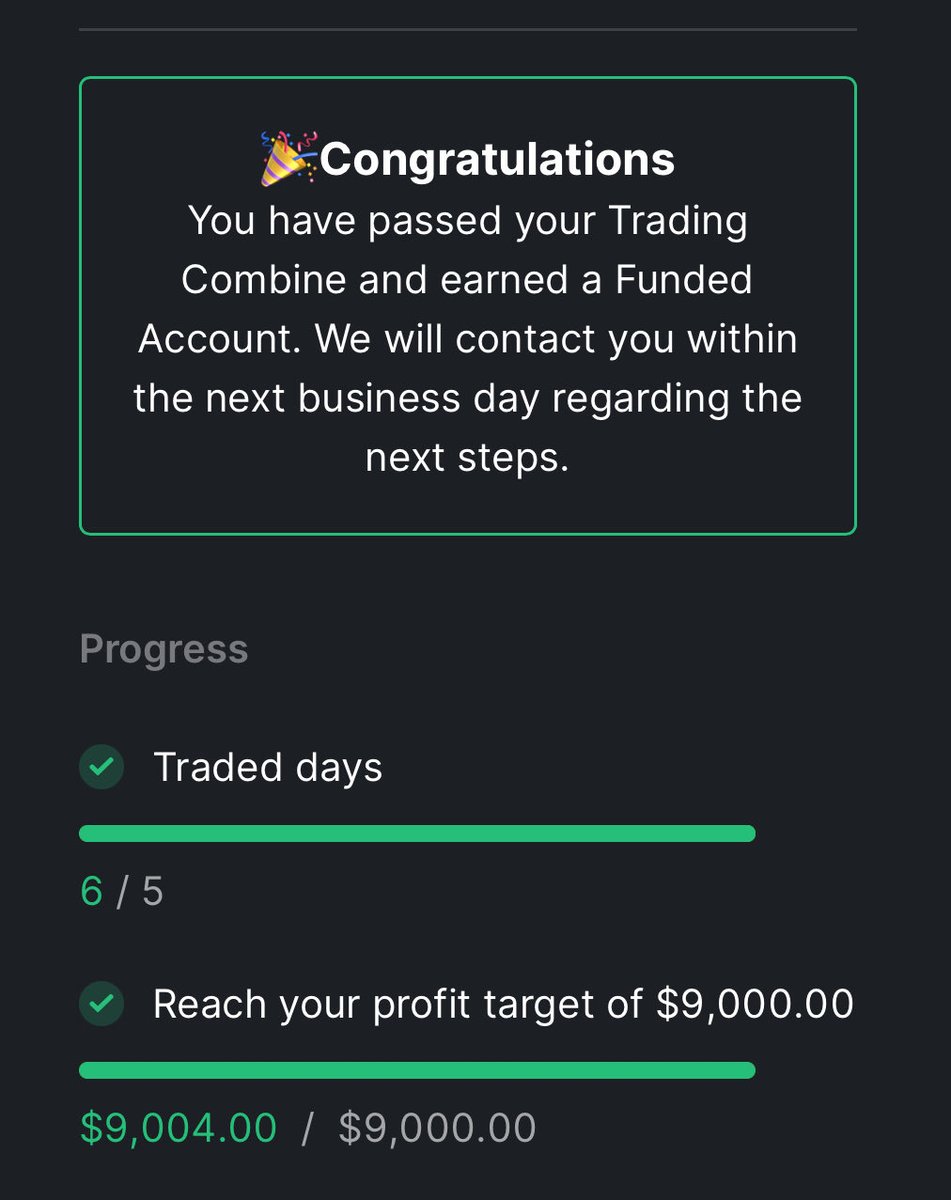
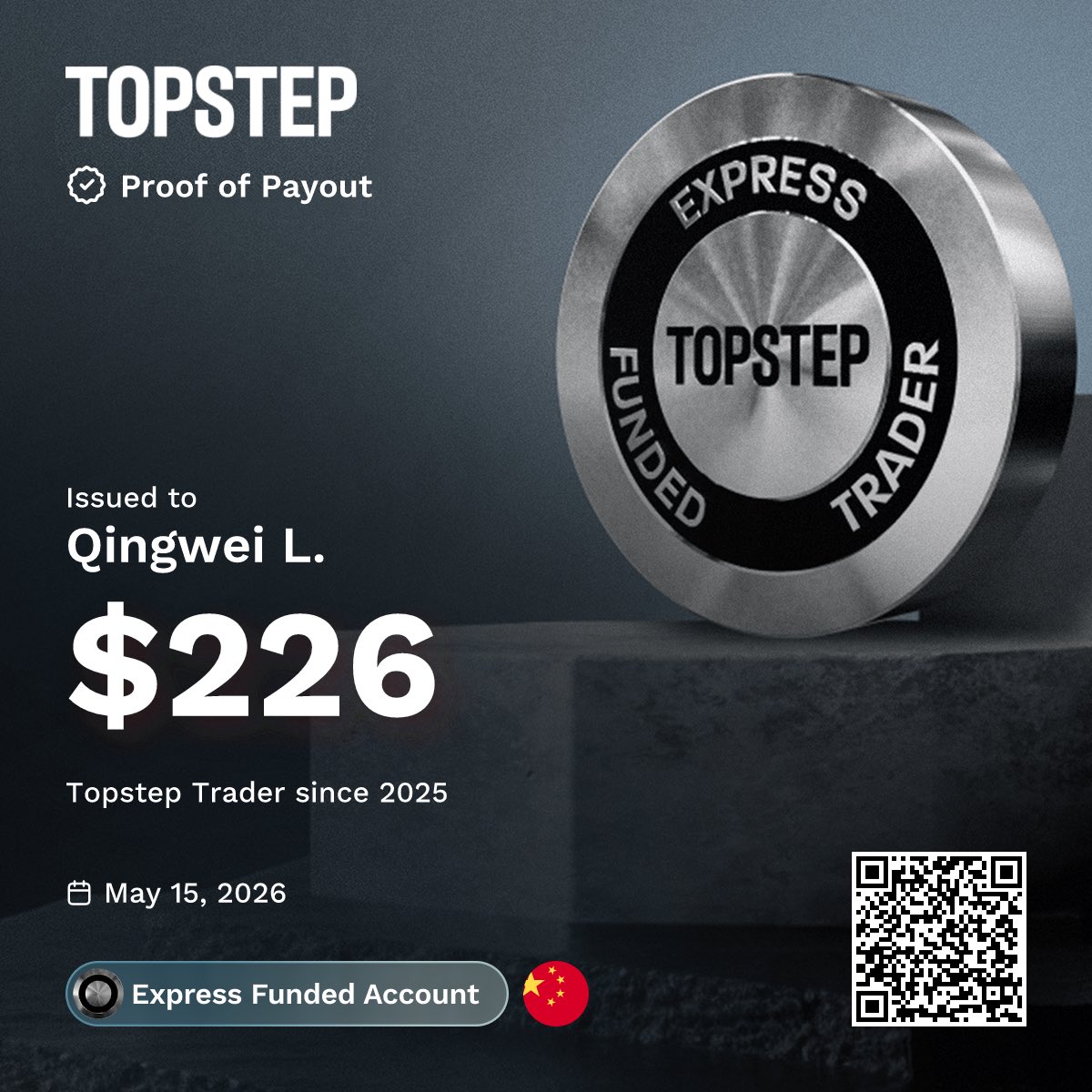
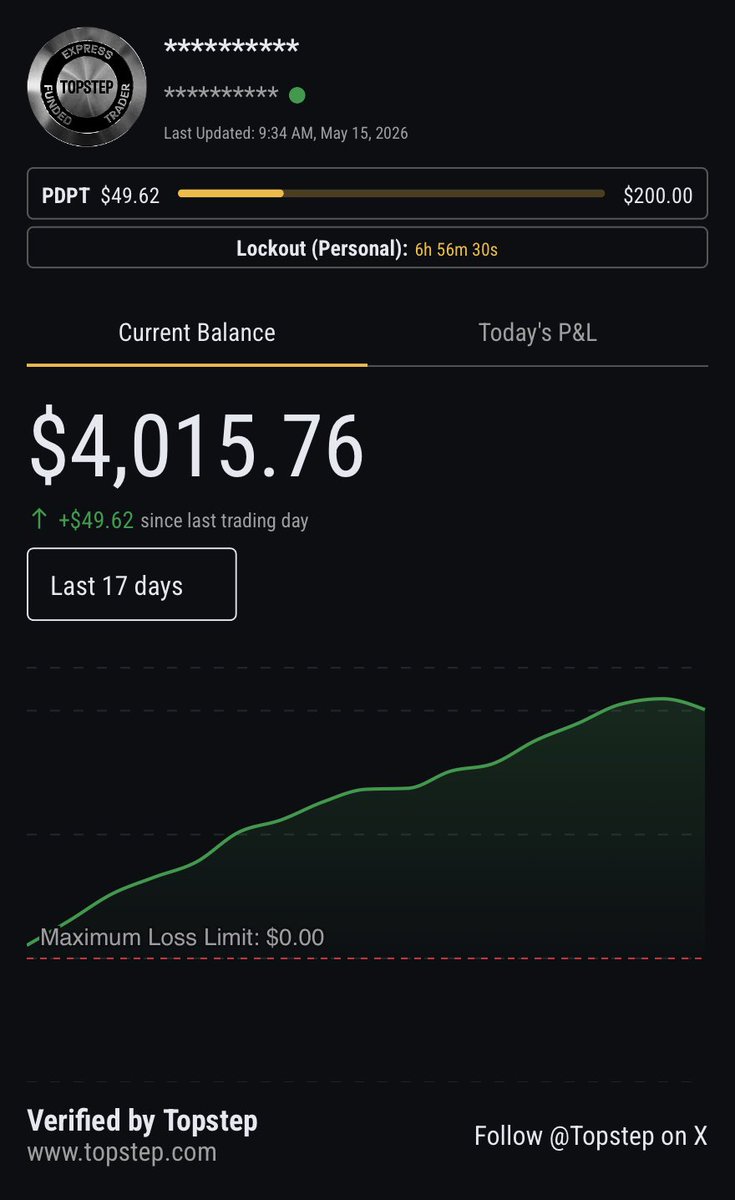
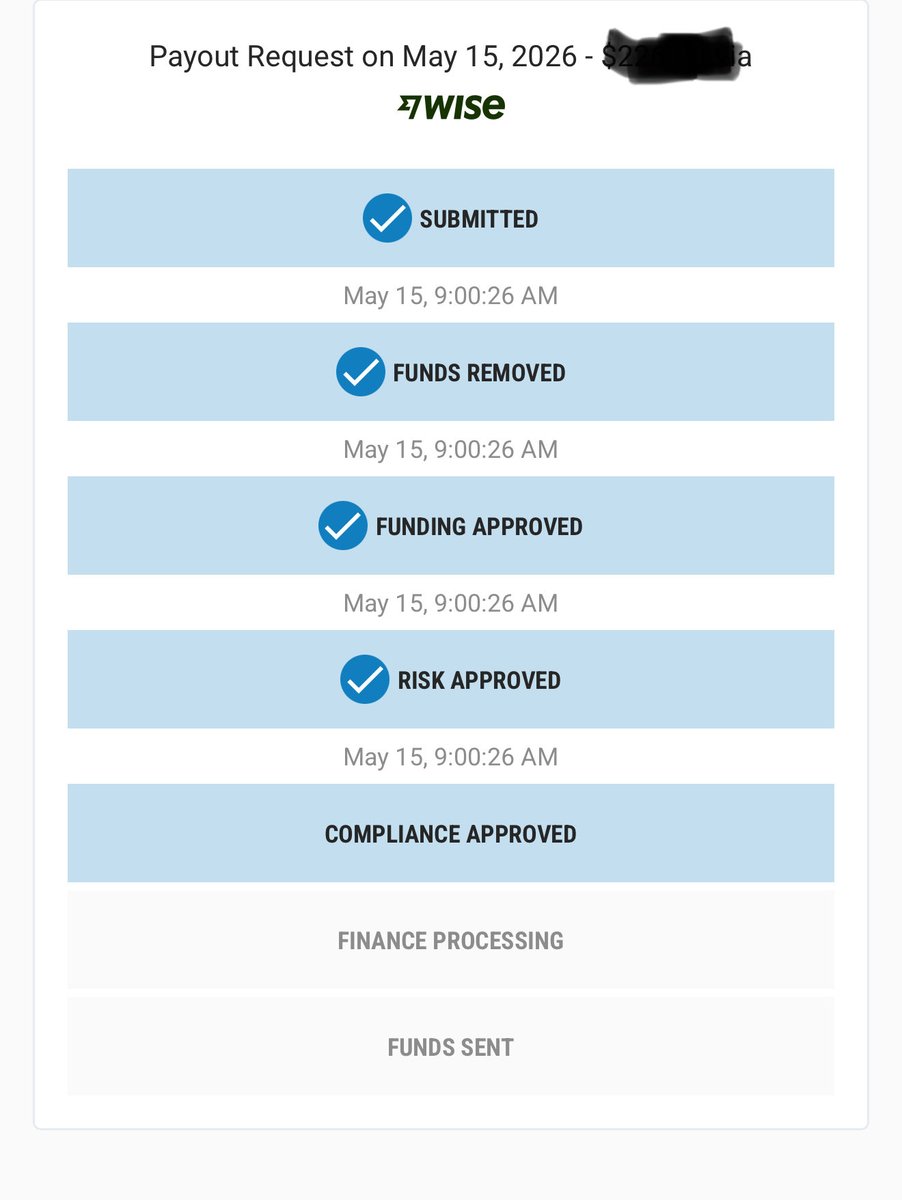
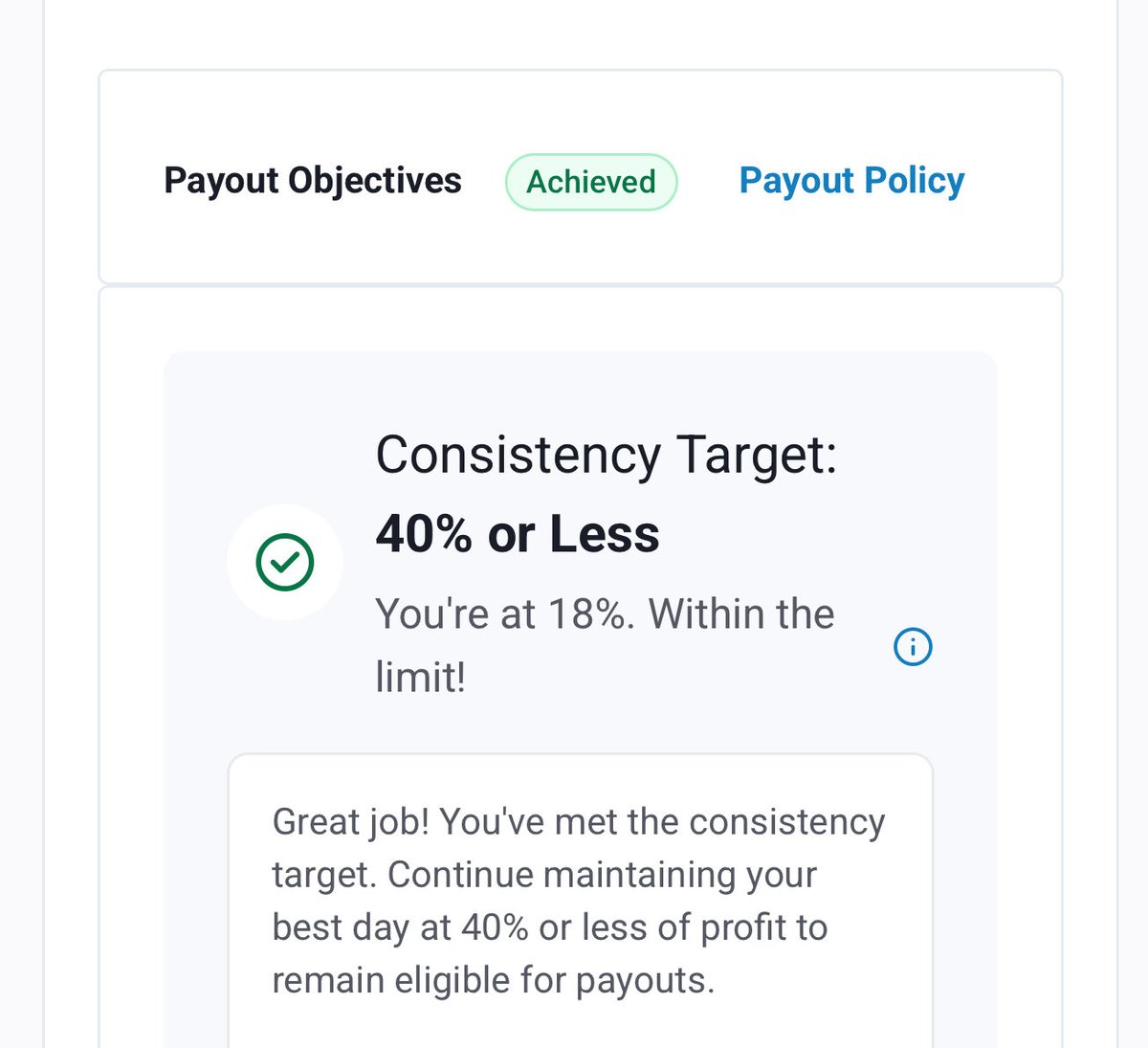
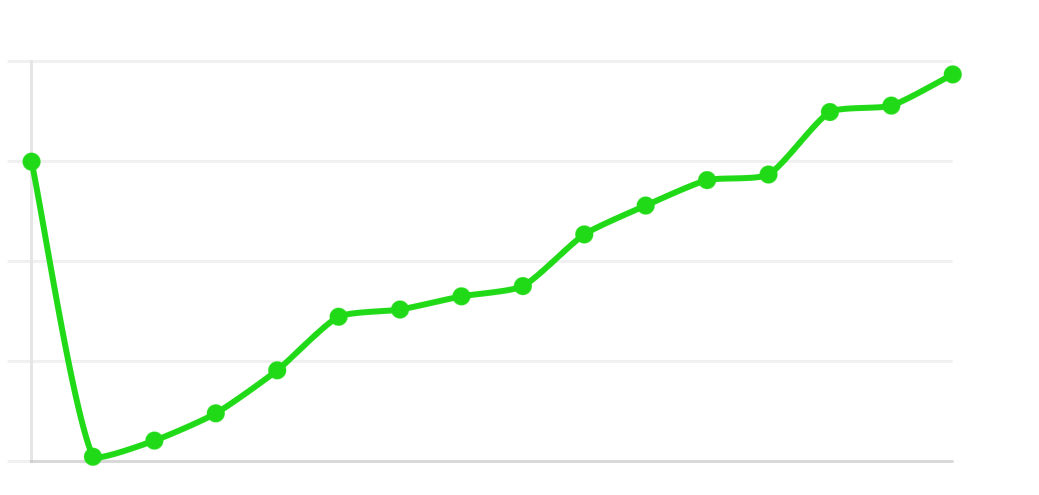
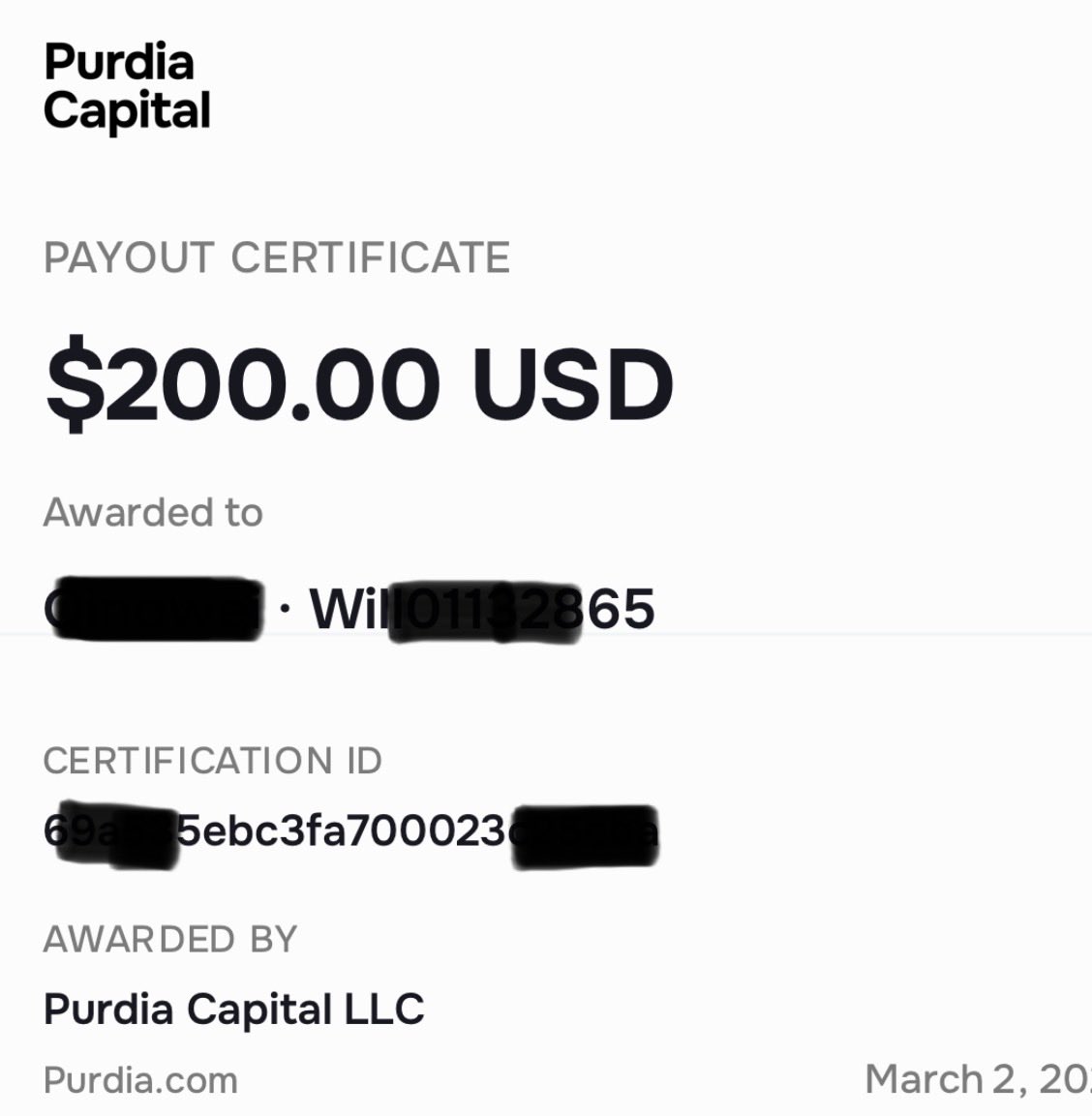
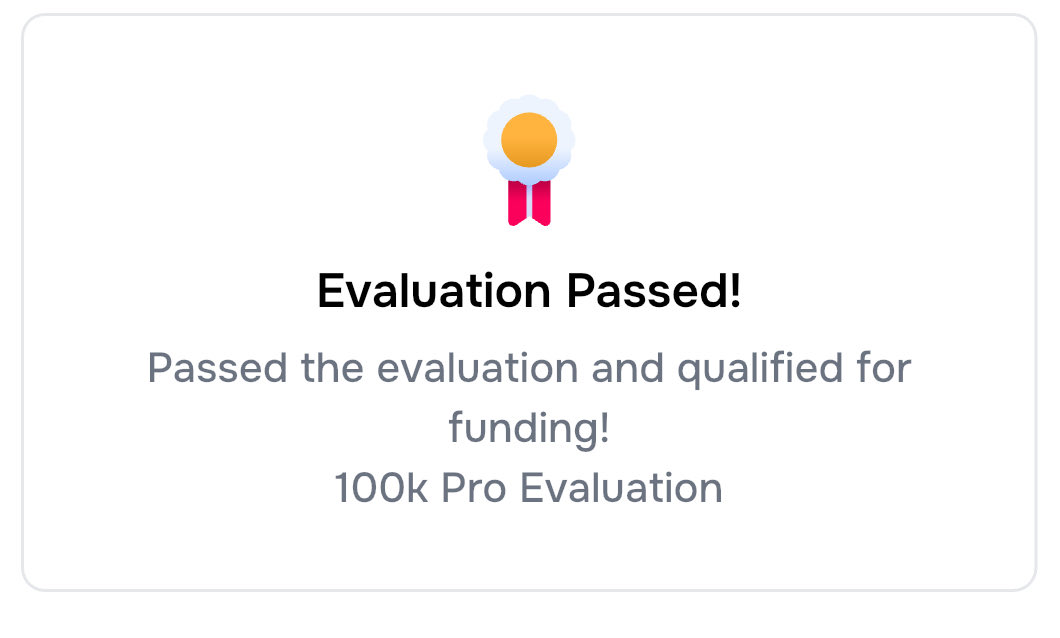
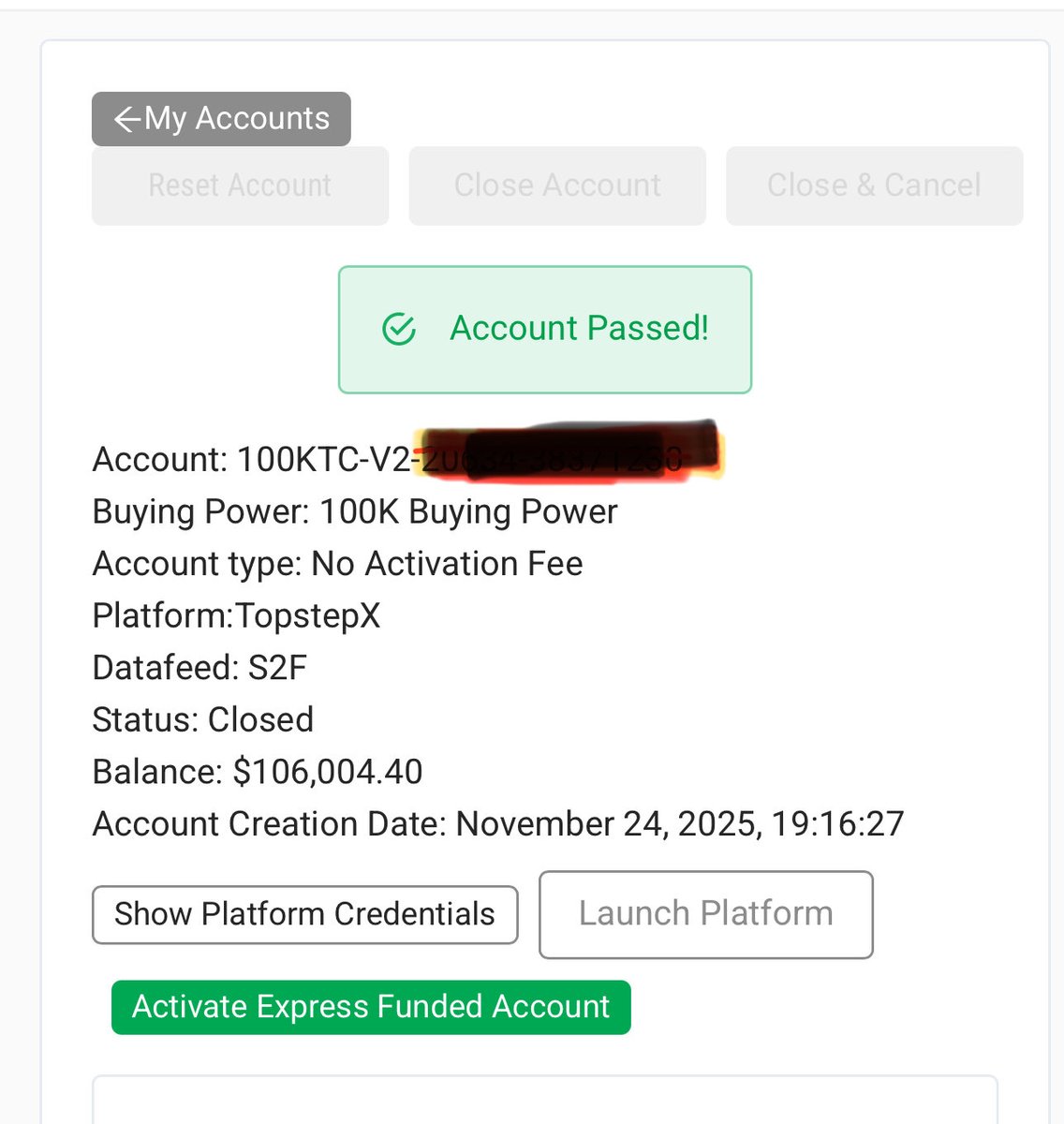
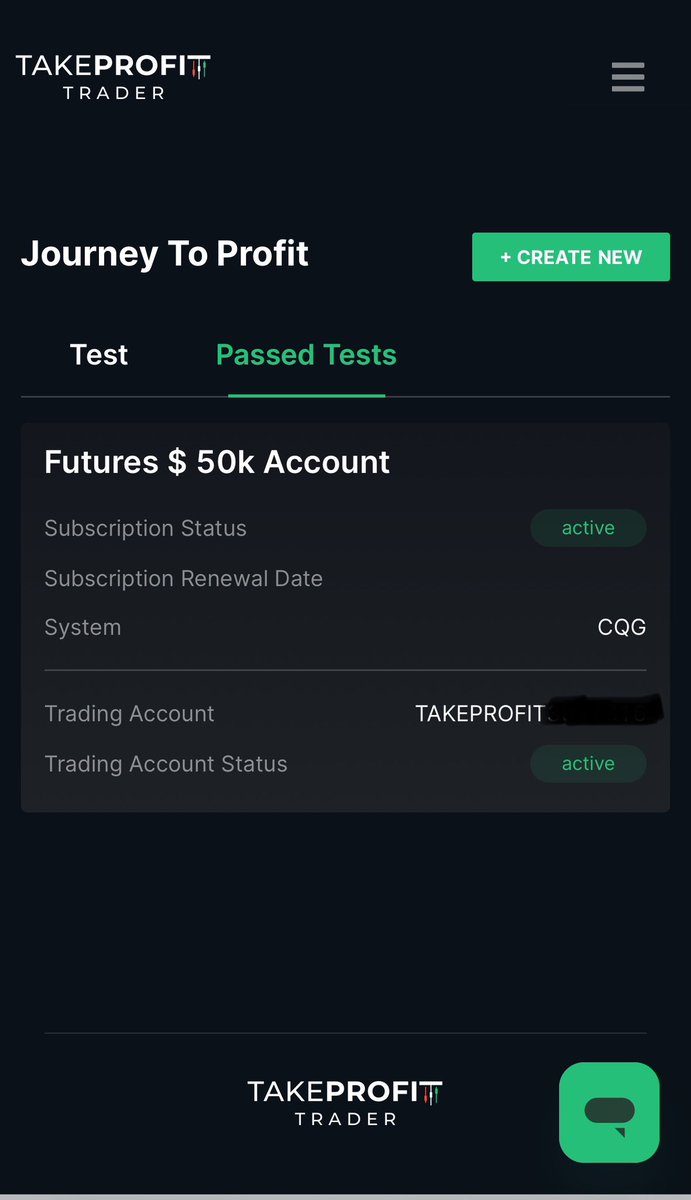
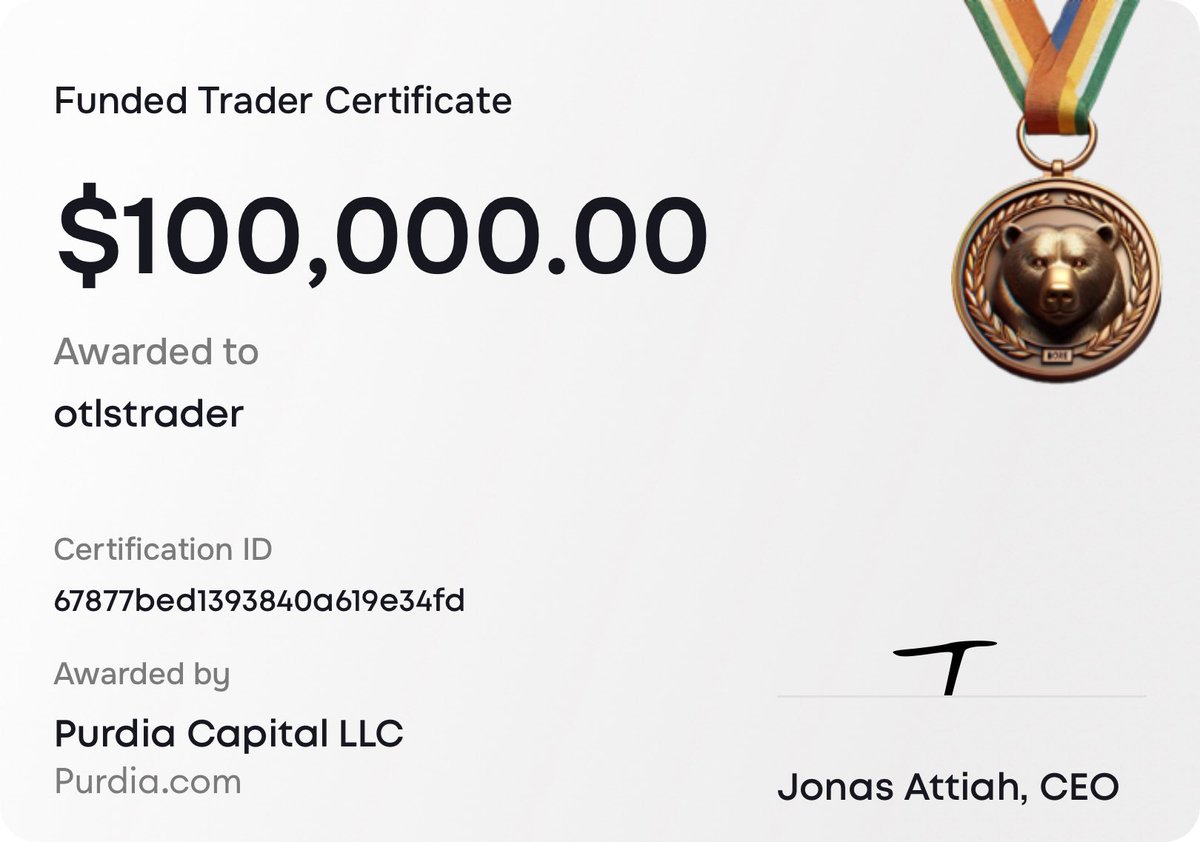
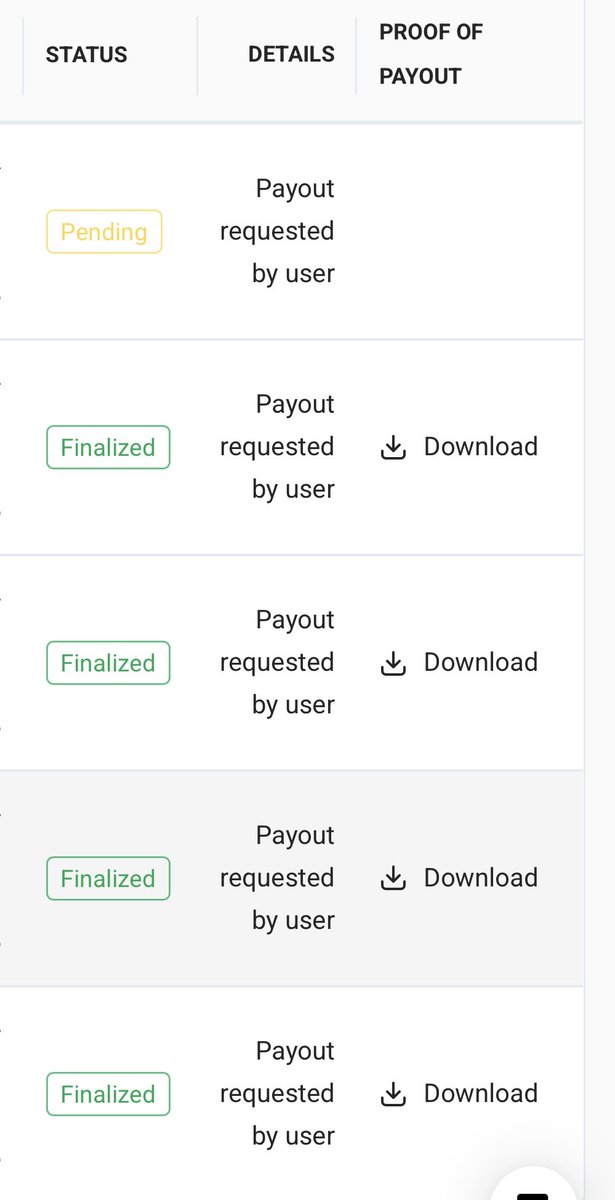
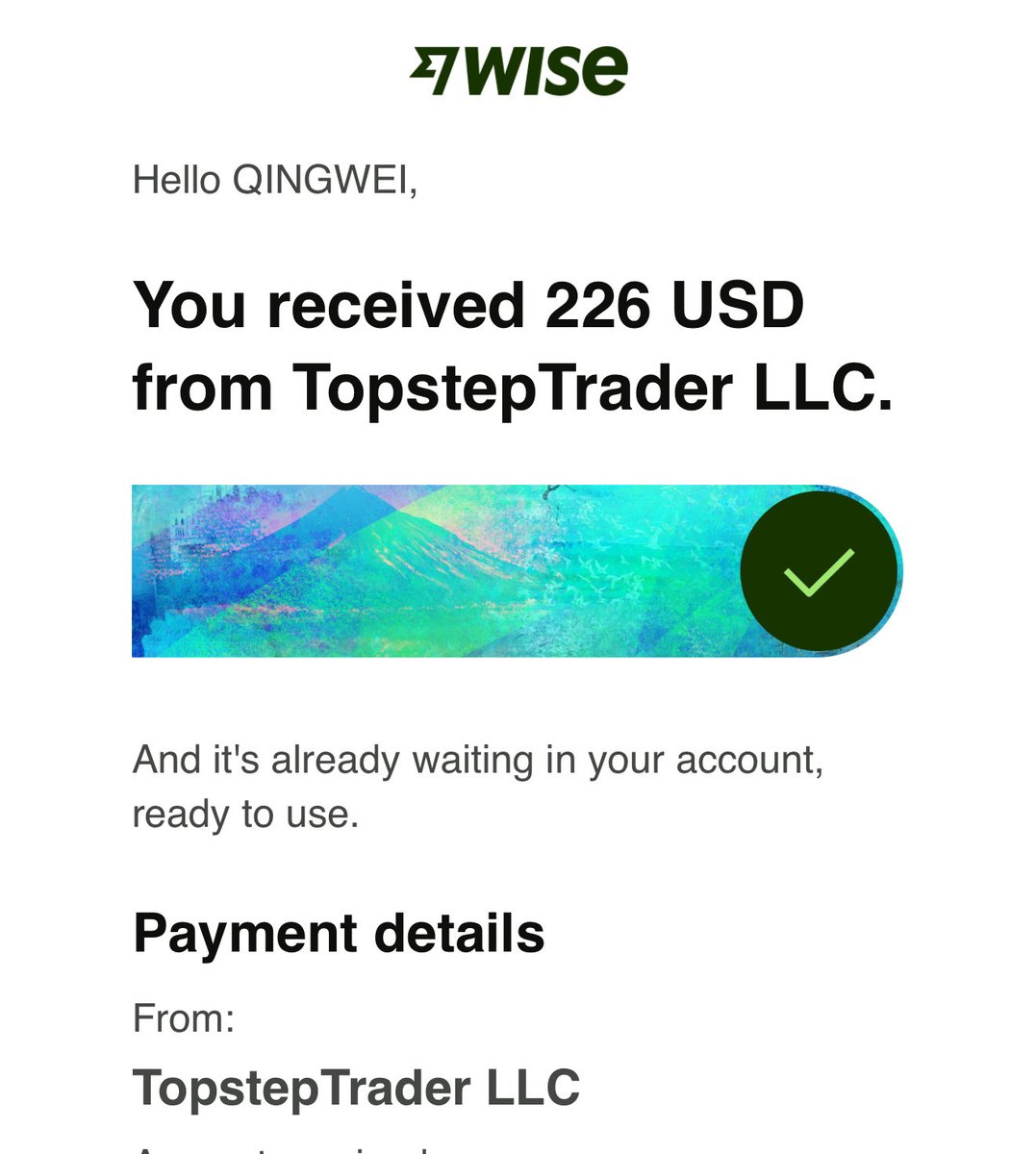
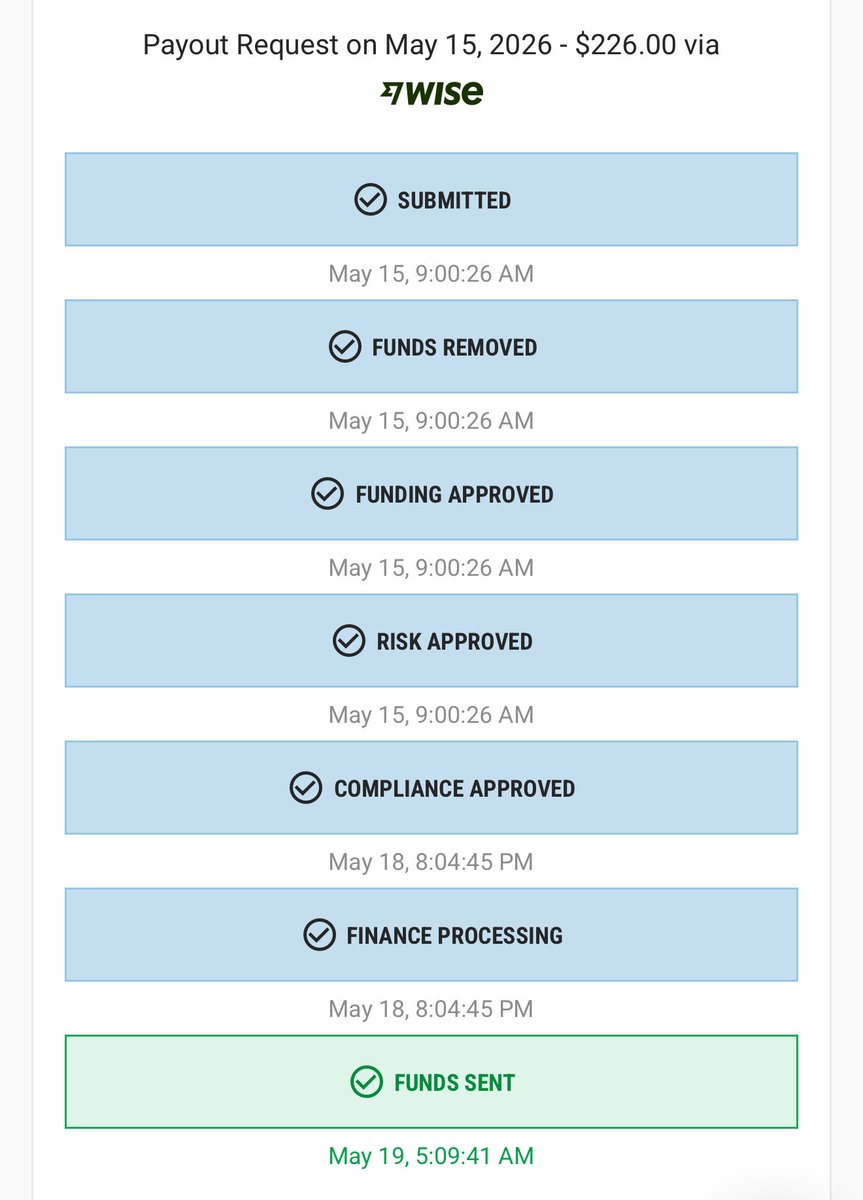
I’m so happy! Yes it’s worth posting. Built it slowly and steadily, got the payout fast and smoothly. First payout, new milestone, keep going.
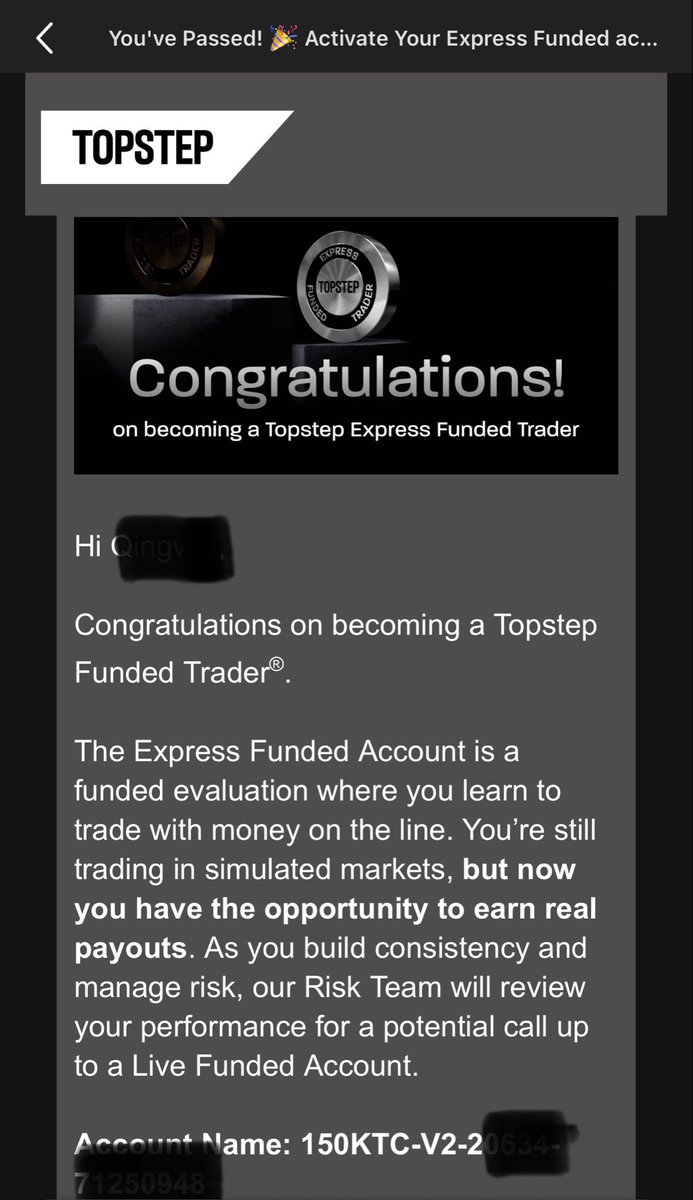
Thanks for @Topstep , thanks for Michael @MichaelPatak , as a very very very long term trader here, only I know what it means to me.
4
Will01132865 retweeted

May 14
Before an unproven trader goes live, the first question should be:
“How do I not lose the account?”
Answer: survival first, profits second.
• Trade smaller than you can
• Set a hard daily loss and stop
• Only take A setups
• Cut losses fast, no hoping
• Protect your mental capital (it’s depleting through the day and you can’t measure it)
Stay alive. Profits come later. Don’t chase the hype.
3
3
33
1,557
Will01132865 retweeted
May 12
This is going to be a much bigger deal than people realize.
As AI credits become commoditized, markets around compute allocation, pricing, and hedging start looking a lot more like energy or traditional commodities.
“GPU risk” is inevitable.
And now retail can even participate in speculation.

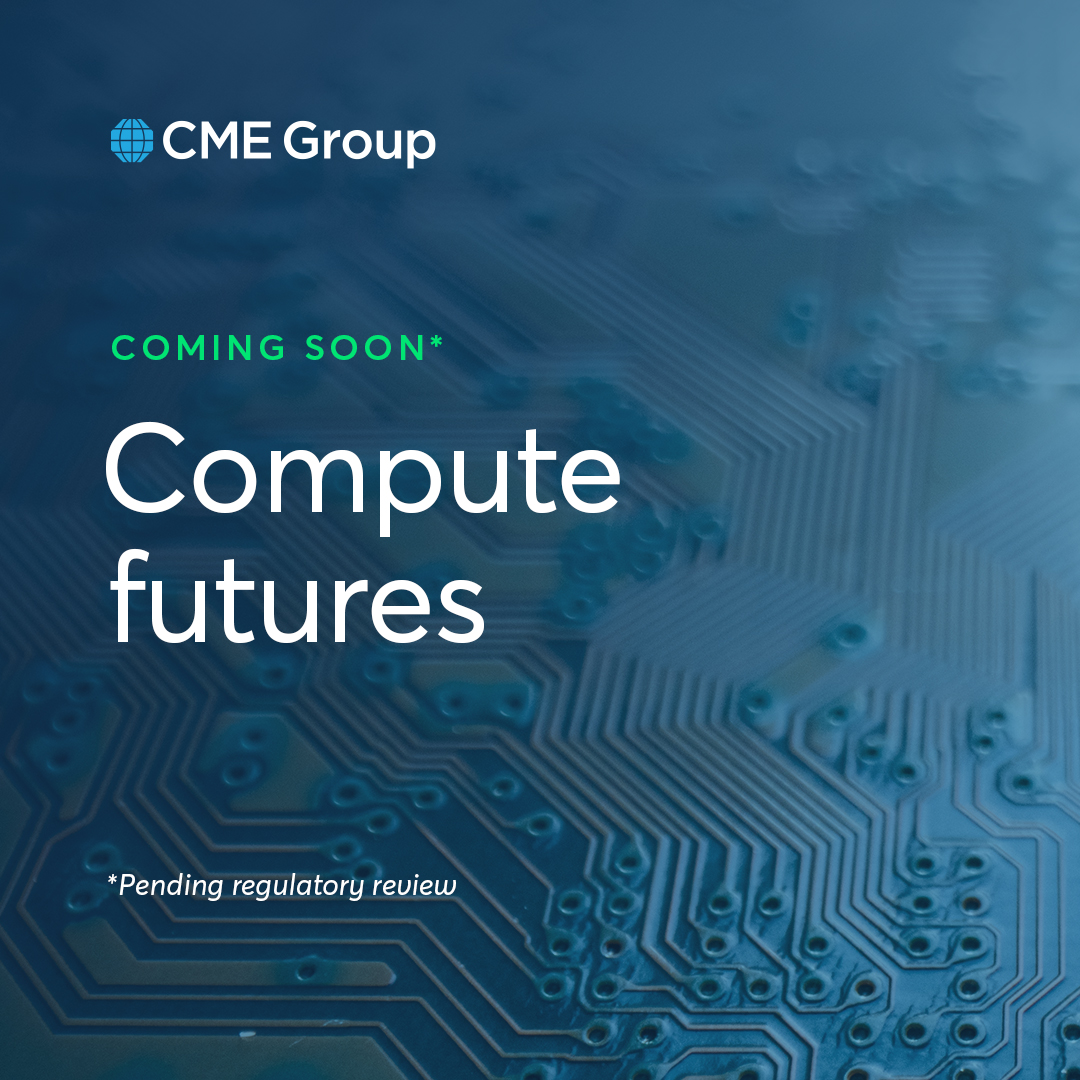
CME Group and @Silicon_Data are launching first-in-class Compute futures later this year. This contract will enable AI builders and cloud providers to hedge the "oil of the 21st century," an emerging asset class in its own right. Get the details. spr.ly/6014BBt460
4
3
19
3,625
Will01132865 retweeted

May 8
"trading is too risky"
you spent 8 hours in a cubicle today asking another man when you're allowed to eat lunch
you gave a bank 30 years of your future income and called it "building equity"
you're $47,000 in student debt for a degree that a hiring manager will skim for 6 seconds before deciding your career
you spent your entire adult life betting your future on the assumption your employer never decides you're expendable
you signed a 30-year mortgage betting that your job, your health, your marriage, and the economy will all remain stable for three decades straight
but risking $500 on a trade with a predefined stop loss where you know the EXACT maximum you can lose before you click the button
that's "too risky"
stop
the problem isn't risk. you take risk every single day. massive, uncontrolled, unquantified risk. you just don't call it risk because you're used to it
the problem is you can SEE the risk in trading
a $500 loss on a screen feels more real than the statistical probability of dying on your morning commute. because the number is right there. red. staring at you. quantified. undeniable
your brain doesn't register risk based on actual probability. it registers risk based on VISIBILITY. the more visible the outcome, the scarier it feels. even when the actual risk is smaller
this is why:
- people think a $500 stop loss is "too much risk" but owe $47,000 on a degree they don't use
- people call trading "gambling" but hand 30 years of income to a bank for a house they'll barely own by 55
- people say "I can't afford to lose money" while spending 84,000 hours earning $25/hour for someone who'd replace them in 2 weeks
the visible risk feels dangerous
the invisible risk feels safe
neither assessment is accurate
here's the real risk comparison nobody makes:
YOUR JOB:
- can be eliminated tomorrow with no warning
- income goes to $0 in one email
- no stop loss. no maximum drawdown. no risk management
- you find out you lost everything AFTER it happens
- recovery time: 3-6 months of job searching while burning savings
- you had zero control
A TRADE:
- maximum loss defined BEFORE you enter
- $500 risk. known. chosen. accepted in advance
- if wrong: lose $500. account still intact. try again tomorrow
- if right: $1,250 on a 2.5R winner
- recovery time: literally the next trade
- you had total control
one has unlimited uncontrolled downside that you can't see coming
the other has $500 of controlled downside that you chose before it happened
and the one with total control is the one you call "risky"
here's what's actually happening in your brain:
loss aversion. humans feel losses 2.5x more intensely than equivalent gains. a $500 loss HURTS more than a $500 gain FEELS GOOD. so your brain says "avoid the thing that causes visible loss" even when the invisible risks in your life are 100x larger
this is why most people never start trading. not because the risk is too high. because the VISIBILITY of the risk is too high. they can handle losing $50,000 in home equity over 18 months because it happens slowly, invisibly, in a quarterly statement they don't open
they can't handle losing $500 on a screen in 4 minutes because they WATCHED it happen
same money. different visibility. completely different emotional response
the traders who make it figured something out:
the $500 loss isn't the risk
the $500 loss is the COST OF DOING BUSINESS
a restaurant pays rent. a lawyer pays for office space. a doctor pays malpractice insurance. those aren't "risks." they're overhead. costs that the business absorbs because the revenue exceeds the expense over time
a $500 trading loss is the same thing. it's overhead. the cost of running a business that produces $5,000-$50,000/month. the loss isn't a failure. it's a line item
the traders who blow up are the ones who treat every loss like a personal attack instead of an expense report
the traders who compound are the ones who budget for losses the same way a restaurant budgets for food cost
expected losses this month: 8-10 trades at $500 = $4,000-$5,000 in overhead
expected wins this month: 12-15 trades at $1,250 = $15,000-$18,750
net after overhead: $10,000-$13,750
that's not risk. that's a business with a 73% gross margin
your job has a 100% margin - until the day it goes to 0% with no warning
which one is actually risky?
you're not afraid of risk
you're afraid of SEEING risk
and that fear is costing you more than any trade ever could
because the riskiest thing you can do is spend 84,000 hours in a system where someone else decides when your income stops
and call it "safe"
(free discord in bio. if you think you're a good fit - DM me "SYSTEM" for 1-on-1 coaching. i only take on 1-2 traders at a time to work with fully private)
2
10
47
3,437
May 5
Thanks Topstep and the offer from TFD! Base hit, slowly and steadily. Keep jabbing!
1
275
Apr 22
No need to be afraid of one loss, even bigger loss could be recovered by steady and slow trading process! Keep patient and brave.
2
Apr 17
2
29
Will01132865 retweeted

Apr 10
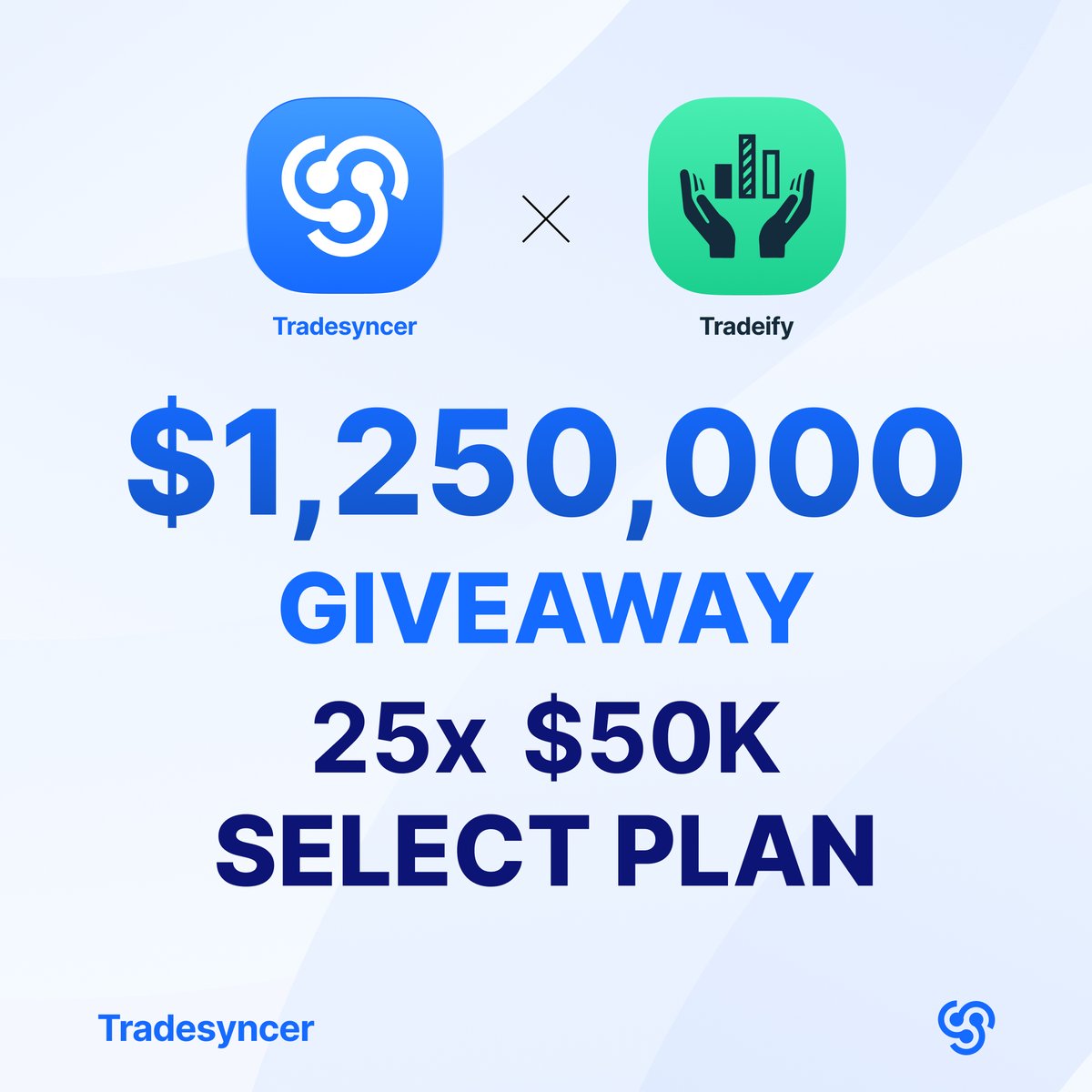
$1,250,000 TRADEIFY EVALUATION GIVEAWAY 🎉
It's time. @Tradesyncer x @Tradeify
We're giving away 25x $50K Select Plan evaluation accounts. Here's all you gotta do:
✅ Follow @Tradesyncer & @Tradeify
✅ Like, Repost & Comment "DONE"
P.S. Tag someone for an extra entry.
Good luck! 💙
3,105
2,385
2,920
96,814
Will01132865 retweeted
Jan 18
I remember thinking $10k/month was the goal
then I hit it
felt nothing
thought something was wrong with me
asked a trader who makes $80k/month about it
"yeah that's normal"
"what do you mean?"
"the number doesn't matter. you think it does until you hit it. then you realize the game was never about the money"
"so what's it about?"
"mastery. freedom. becoming someone who can do what most people can't. the money is just the scorecard"
"so I'm not broken?"
"nah you just leveled up. now you need a new game. the money game is over. you won. now find the next thing"
that conversation rewired me
$10k/month was never actually the goal
the goal was becoming the type of person who could make $10k/month
and once you become that person
the number stops mattering
the growth is the game
everything else is a side effect
31
72
864
63,887
