
Gender critical gay man. Nerd & leftie, alienated by the far-left's excesses. Mostly post about genderist ideology & Hindu lore.
Joined February 2023
- Tweets 3,426
- Following 80
- Followers 105
- Likes 5,491
375 Photos and videos
Chindians, a long-standing & respectable mixed race community in Malaysia & Singapore, have nothing to do with social media wars between mainland China & India. Overly online people need to go outside & touch grass occasionally

Stop making fun of China
China has released a new movie called “Chindians”
😎
8

Jun 12
While the Hindoo sees a manifestation of divinity, the Nazarene sees proof that ammonites were not allowed on Noah's Ark, hence they went extinct 3000 years ago, shortly after the dinosaurs were expelled from Eden.
Jun 11

While the hindoo sees an ammonite fossil as an object of worship, the Christian sees evidence of an orderly creation, thus reaffirming his belief in a just, good Creator.
1
57
Jun 10
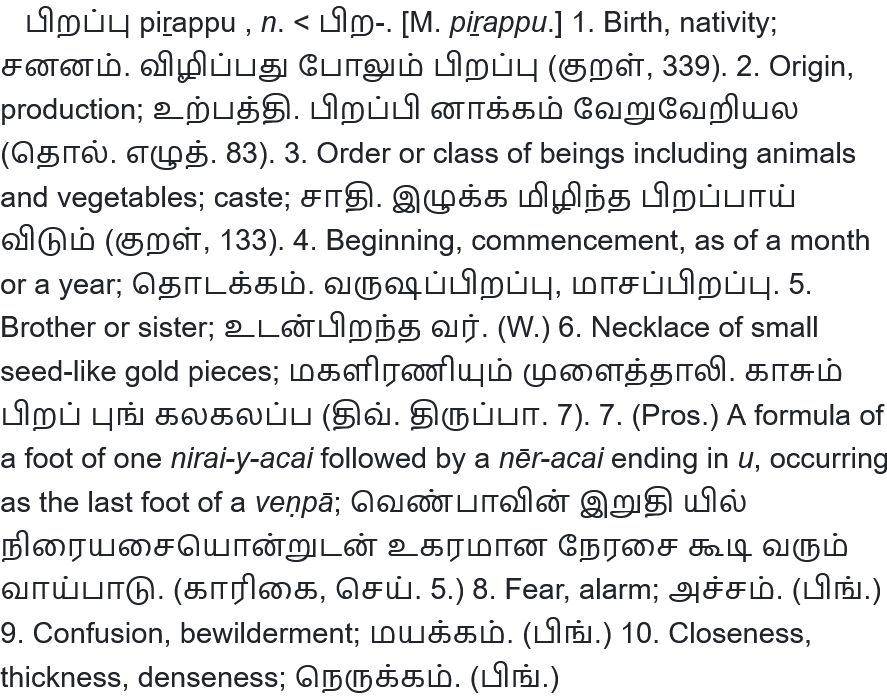
Me, consulting a chart to work out what to call my uncles: Sittappa, Periyappa, Mama, Kannappa
My uncles addressing me: "Boy"
17
Jun 5
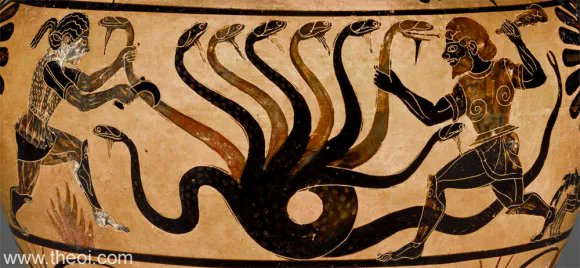
Hercules: half divine, stepmother wants him dead; sent to live w/shepherds; Hera sends monsters inc. a giant crab, many-headed serpent (Hydra) to kill him;
Krishna: half divine, uncle wants him dead; sent to live w/cowherds; Kamsa sends asuras to kill him; wrestles Kalinga...
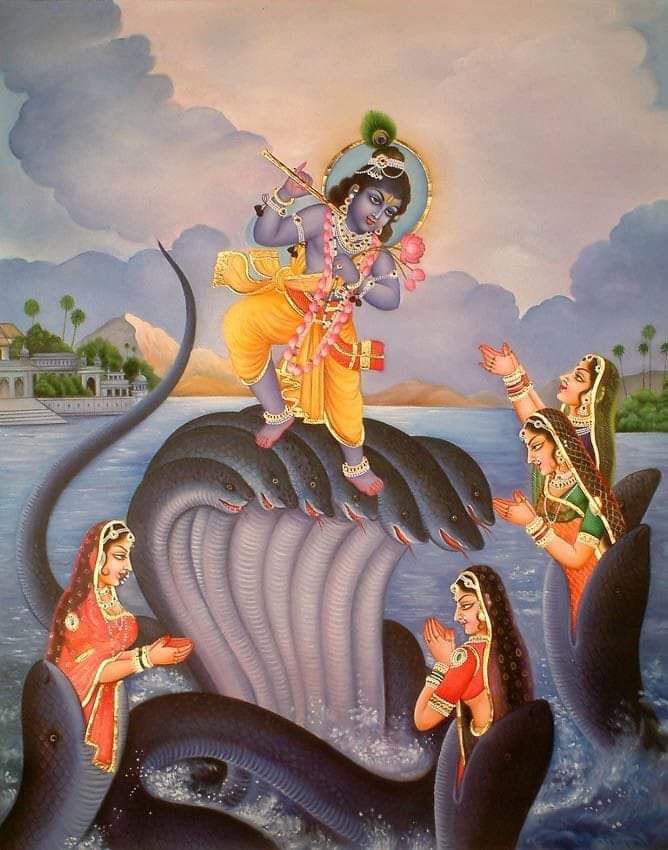

Porus was not a Buddhist.
Although we cannot be absolutely sure of his personal beliefs, he was most probably a follower of Bhagavatism.
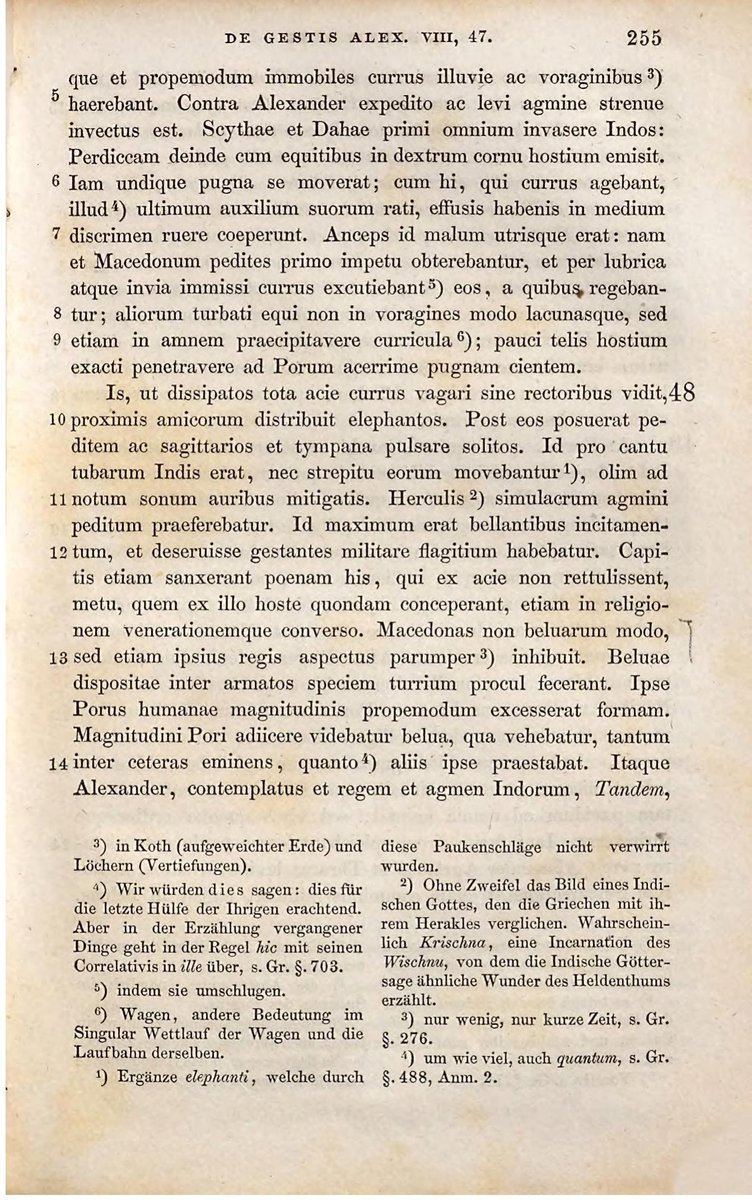
With regard to the army of Porus, Quintus Curtius Rufus mentions:
Hercūlis simulācrum agminī peditum praeferēbātur. Id maximum erat bellantibus incitāmentum, et dēseruisse gestantēs mīlitāre flagitium habēbātur. Capitis etiam sanxerant poenam hīs, quī ex aciē nōn rettulissent, metū, quem ex illō hoste quondam concēperant, etiam in religiōnem venerātiōnemque conversō.
"An image of Herculēs was carried before the ranks of the infantry: this was the greatest incentive to the combatants, and to have deserted those carrying it was considered a military disgrace. They had even sanctioned the death penalty for those who failed to bring it back from the battlefield, as the fear they had once conceived for that enemy had been converted even into religious awe and veneration."
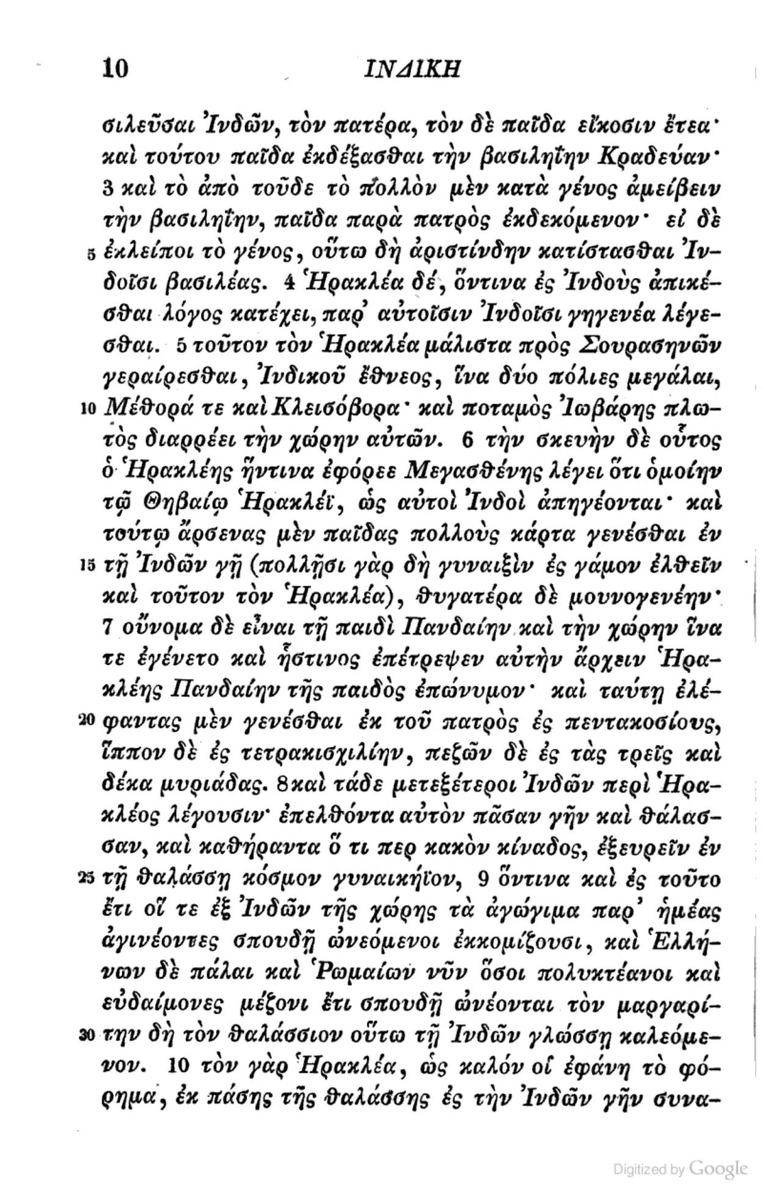
With regard to this Indian Hercules, Megasthenes (quoted in Arrian of Nicomedia) states:
"τοῦτον τὸν Ἡρακλέα μάλιστα πρὸς Σουρασηνῶν γεραίρεσθαι, Ἰνδικοῦ ἔθνεος, ἵνα δύο πόλιες μεγάλαι, Μέθορα τε καὶ Κλεισόβορα· καὶ ποταμὸς Ἰωβάρης πλωτὸς διαρρέει τὴν χώρην αὐτῶν."
"This Hērakles [is said] to be especially honored by the Sourasenoi (Śūrasenas), an Indian people, among whom there are two great cities, Méthora (Mathurā) and Kleisóbora, and a navigable river called the Iōbáres (Yamunā) flows through their land."
4
1
21
4,170
Jun 1
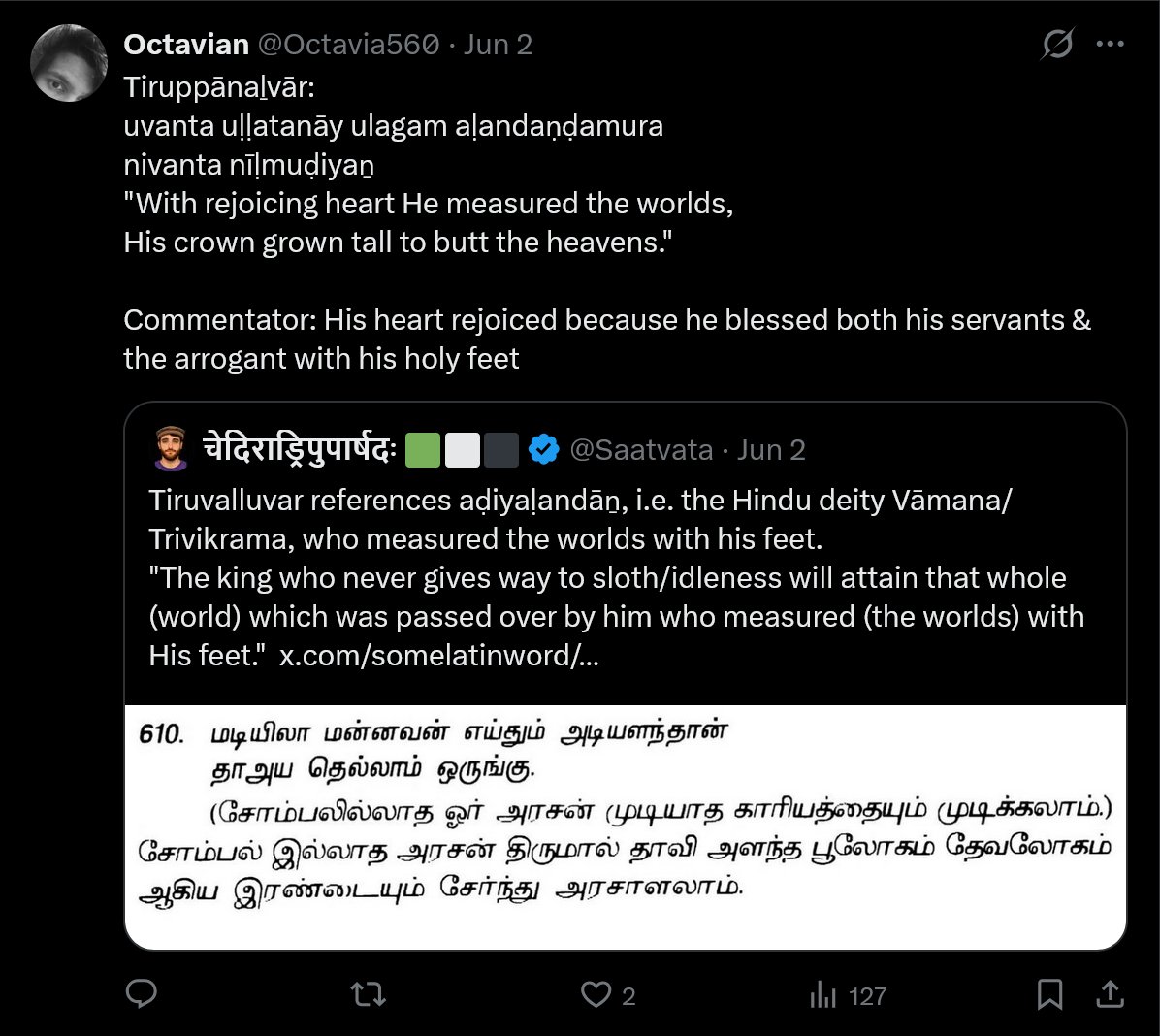
Tiruppānaḻvār:
uvanta uḷḷatanāy ulagam aḷandaṇḍamura
nivanta nīḷmuḍiyaṉ
"With rejoicing heart He measured the worlds,
His crown grown tall to butt the heavens."
Commentator: His heart rejoiced because he blessed both his servants & the arrogant with his holy feet
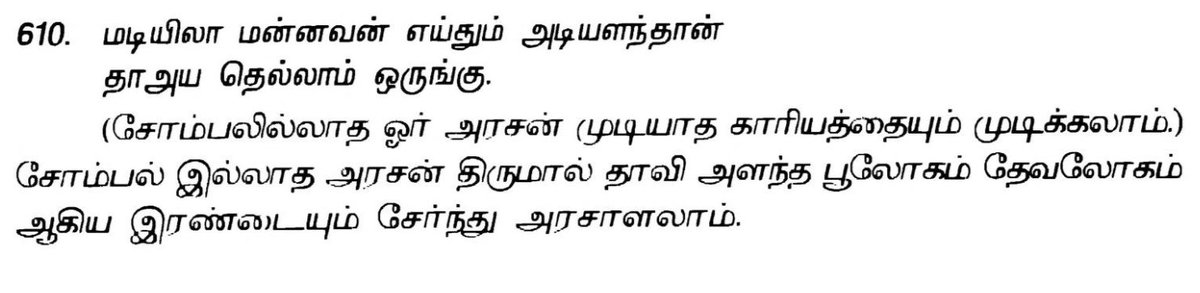
Tiruvalluvar references aḍiyaḷandāṉ, i.e. the Hindu deity Vāmana/Trivikrama, who measured the worlds with his feet.
"The king who never gives way to sloth/idleness will attain that whole (world) which was passed over by him who measured (the worlds) with His feet."
2
167
Jun 1
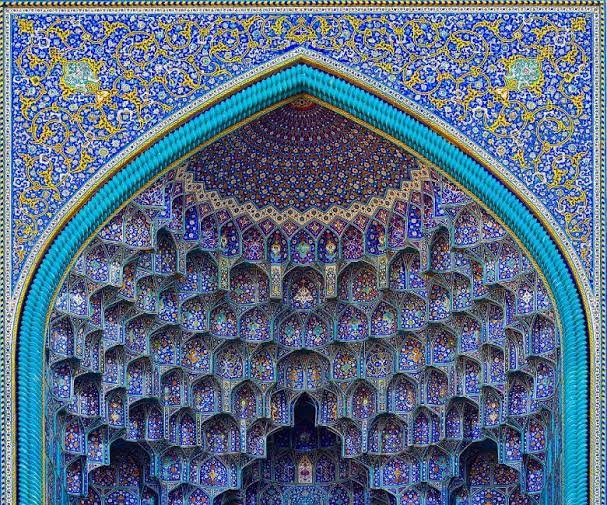
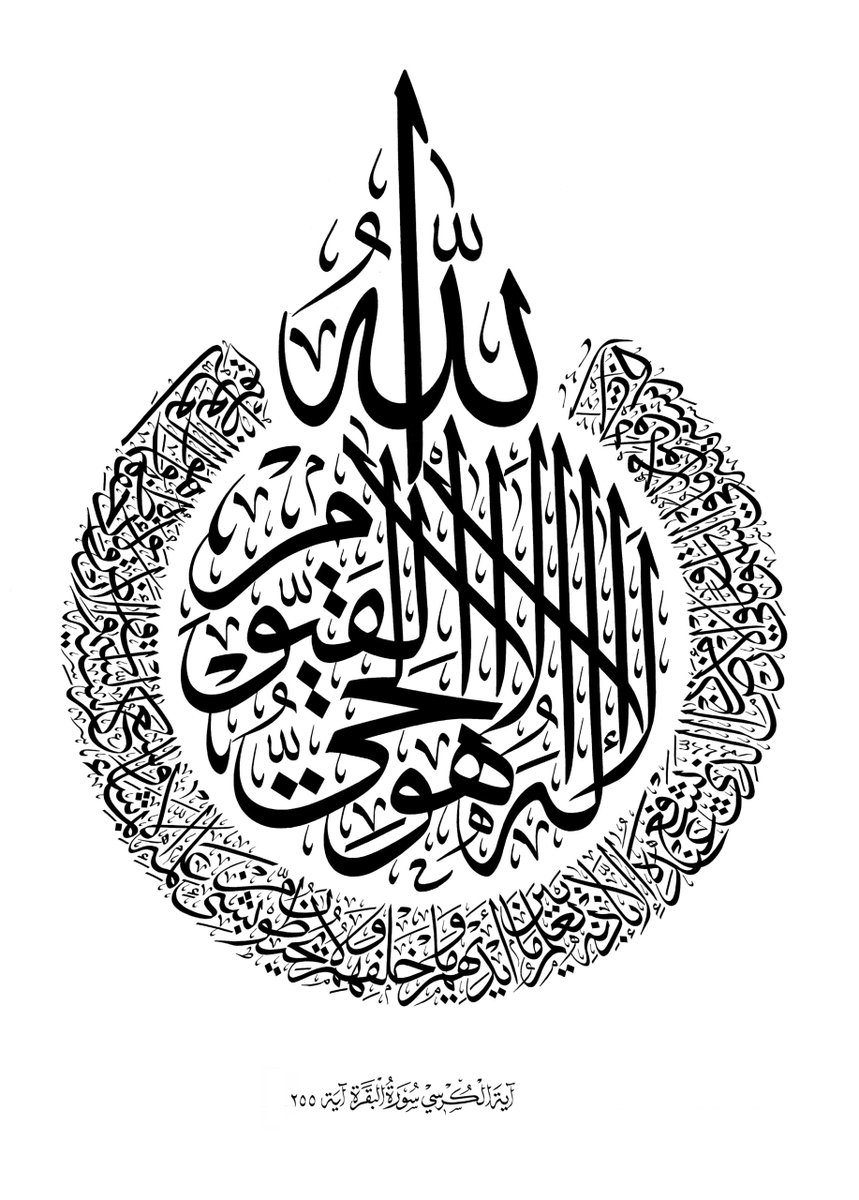
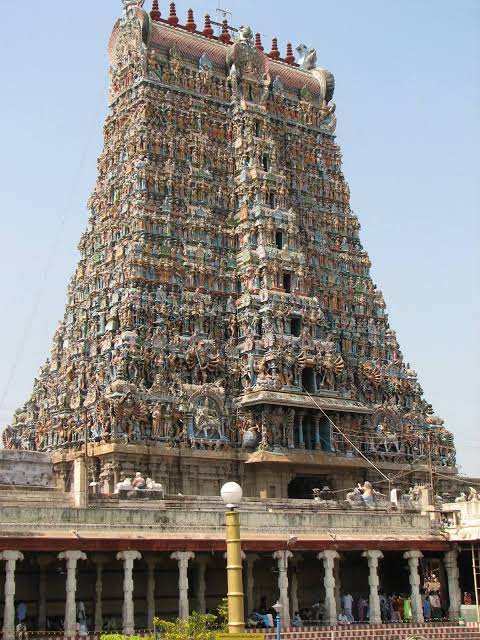
Muslims will literally write a verse of the Quran like this, then accuse Hindus of unnecessary ornamentation, a symptom of spiritual disease in the infidel

The Hindu confuses overwhelming ornamentation w/ aesthetic depth. This impulse crowds every artistic & religious space w/ endless, exhausting contortion. It stems directly from a fractured theological psyche that mistakes a numerical infinity of deities for profound spirituality.
1
6
3,451
May 29
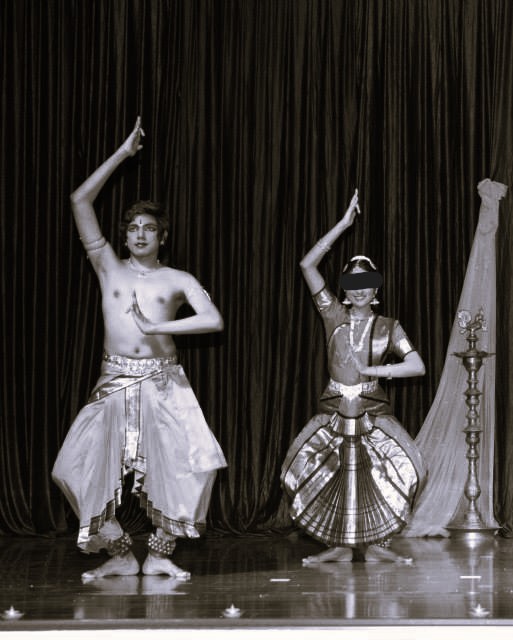
12 yrs ago (note my emo hair), I began my slow return to dance as an adult. My form was very weak, but I felt grateful to debut at a small Sakti Iswari temple. I felt the Lady would look kindly on my humble offering. Certainly more kindly than the boys who bullied me out of dance
1
115
May 29
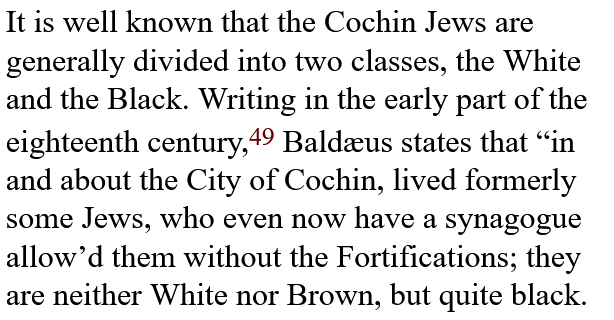
He's referring to one of the many urban legends among Kerala Jews, in which their leader Joseph Raban went to the Chera king & offered to help him fight the Cholas. After the war (in which the Jews were combatants) was won, the Chera king granted Raban land called Anjuvannam 1/

1
165
May 29
This Anjuvannam was made into a Jerusalem of the East. Manna fell from heaven, the land overflowed with milk & honey. Anjuvannam was then destroyed by the Cholas in retaliation, & 40 000 Jews were massacred (of course when they fought the Cholas, they were the most moral army 2/
1
68
May 29
in the world). Setting aside that this urban legend never happened, within its own internal logic, the Jews are not victims. They chose the losing side of a war between two kings. Losing a war is not genocide, as modern Israelis love to tell Palestinians. 3/3
60
May 27
"This is isn't the Eurasian-Dravidian deity Shiva-Paśupati (Auspicious Lord of Animals) in meditative posture. This is likely a Eurasian-Dravidian proto-Elamite deity, 'Lord of Animals,' in meditative posture."

This isn't Shiva. It's more likely adapted from proto-Elamite iconography, showing an Eurasian deity "lord of animals."
Indian history is amazing, wonderful, and fantastic -- It's well worth getting it right.
1
392
May 25
Some have reinvented the colonial clash of civilisations, with the heroic masculine West (Vedic Aryan Sintashta) and passive, effete, decadent Orientals (everything else in India), as its combatants. Meanwhile the Chinese are miles ahead without reviving Mongolian nomad heroism

No group has done more internal damage to Hinduism than these fanatic Vaishnavites. And almost nobody names it.
Here's their operation:
1. Derive all legitimacy from the Vedas. Quote them, garland them, claim continuity and in-group membership.
2. Absorb tribal cults from abhira pastoralists, Narayana traditions, regional folk deities and rebrand them as "avatars" of one Supreme God who barely appears in the Rigveda.
3. Having looted the prestige of the Vedas, turn around and call the Vedas themselves "tribalistic." Discourage study by saying it is all "too vast, too complex, nobody can understand without a guru" and push the Upanishads as the "distillation."
Which is a blatant lie. That's where the Vedic spirit is quietly extinguished and replaced with the self-denying machinery of karma and moksha.
4. Manufacture story after story to defame Indra. Reduce him from civilizational hero to a rotating post. Kill the symbol of aspiration itself.
They hate Indra because they hate excellence. And like Mamata Benrjee threatening anyone who questions her and saying without us one community will finish you, this guy also is threatening that "without us you sissies would have been crushed," the enforcement is always the same: shut up, or we make you the villain.
This is why Indians are trained into dishonesty. We use gaslighting and selective memory to manufacture peace, and call the result "tolerance."
A civilization that runs on a thousand-year-old lie, where the source text says one thing, the marketing says the opposite, and everyone agrees not to notice produces people who cannot tell the truth from lie. And such people who cannot tell the truth never achieve excellence and that is why we rot in this mediocrity.
4
313
May 23
Posts mocking the deficiencies of Tamil script sound like this: Japanese is a stupid language. They pronounce Chinese chán as zen! They can't represent tones! But the Chinese are stupider. Chán is how they pronounce Sanskrit dhyāna!
Meanwhile the Japanese continue mastering Zen
3
127
May 18
They worship a Jew, but put Jews in ghettoes for 2000 years.
They worship an infant god, with no earthly father, but they put single mothers & infants in workhouses and buried them in early graves.
They worship the Prince of Peace, yet they invaded every continent

They worship the tree, but won't put out the fire.
They worship the cow, but the cow will wander on the streets eating plastic.
They worship the river, but the river is a shithole(Literally)
Almost like God's creations(Nature) are not supposed to be worshipped, but taken care of!
1
4
232
May 15
The way Nasrani Christians talk about lower caste Hindus ("our AASIs") as if they're a different species always creeps me out. It was always Nasranis/socialists in Australia who told me, a non-Brahmin Tamil who's blacker than them, how oppressive my Hindu ancestors & religion are
May 15

Even in Kerala it is very easy to distinguish Gangetic and central-eastern AASIs from our local AASIs.
I think it's because every Mallu AASI has a significant Zagrosian gene to some extent.
Whereas Northern AASI would have a mix of Mundaic/Austroasiatic genes.
3
3
352
May 15
My Nasrani friends: we need to acknowledge how we dispossessed the indigenous Dalits of the South
Me: Maybe you did. I look identical to Tamil Dalits, I can't dispossess my own race. You look like a Nair/Nambudri though, don't project your high-caste guilt onto me. Om Muruga
2
128
May 12
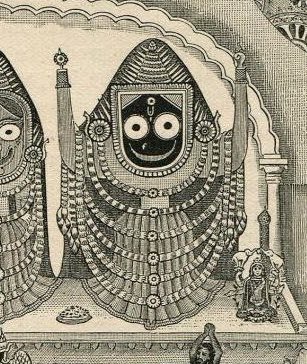
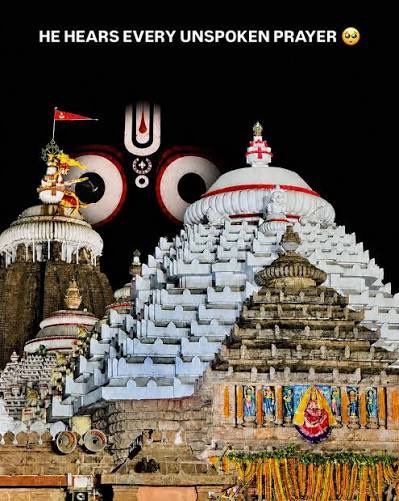
Terminally online users have discovered Jagannatha of Puri, who is apparently the oldest & weirdest Hindu deity. Let's pray they never discover aniconic images of Amman we have in the South, e.g. an anthill with eyes, a snake-mound, an unattached head emerging from the ground
May 10

I'm a fan of the Hindu creepypasta god who predates the entire religion, looks nothing like any other member of the pantheon, and whose name translates to "Lord of the Universe"
1
1
2
187
May 10
According to this account, the ottiyanam or manimekhala, which is used in South Indian wedding jewellery & temple sculpture, has nothing to do w/Hindus bc it's called kamarband in Hindi. Its historical evolution goes Pre-Hindus>[redacted]>Indian Muslims>British aristocrats

Kamarbandh (waist bands/chains) have nothing to do with Hindus, they existed in India centuries before Hinduism was even born.
The British introduced the kamarbandh (cummerbund) into Europe after adopting it from Indiam Muslim aristocracy.

1
4
229
May 9
Gregory's church didn't create the Aryan Invasion Theory. However, Protestant missionaries & linguists like Robert Caldwell, who studied Tamil in order to evangelise, were the first to identify South Indian languages as belonging to a distinct family from northern ones. 1/4

Lololol, which scientific evidence? The academic consensus affirms that Indo-European speakers emigrated to India arind 3500 years ago.
Ah yes, the Church created the Aryan and Dravidian theories. More dumbassery but keep 'em coming.
And no, my ancestors didn't convert. I did. Deliberately, as an adult. And I'm not alone.
1
1
134
May 9
struck by the parallels between Saiva bhakti & Christian devotion. The selfless love for a single deity permeating Tamil bhakti did not accord with the Christian view of pagans as materialist idol-worshippers. Caldwell eventually came to believe that "Dravidians" possessed 3/
1
1
98
May 9
an innate tendency to reverence for the Creator, a noble inclination for monotheism. Caldwell said the Aryans had corrupted the Dravidians by imposing superstitious Brahmanical polytheism on them. Presumably Christian conversion would return the Dravidians to their pure state 4/4
1
92