
Joined January 2019
- Tweets 1,251
- Following 636
- Followers 919
- Likes 258
778 Photos and videos





Apr 17
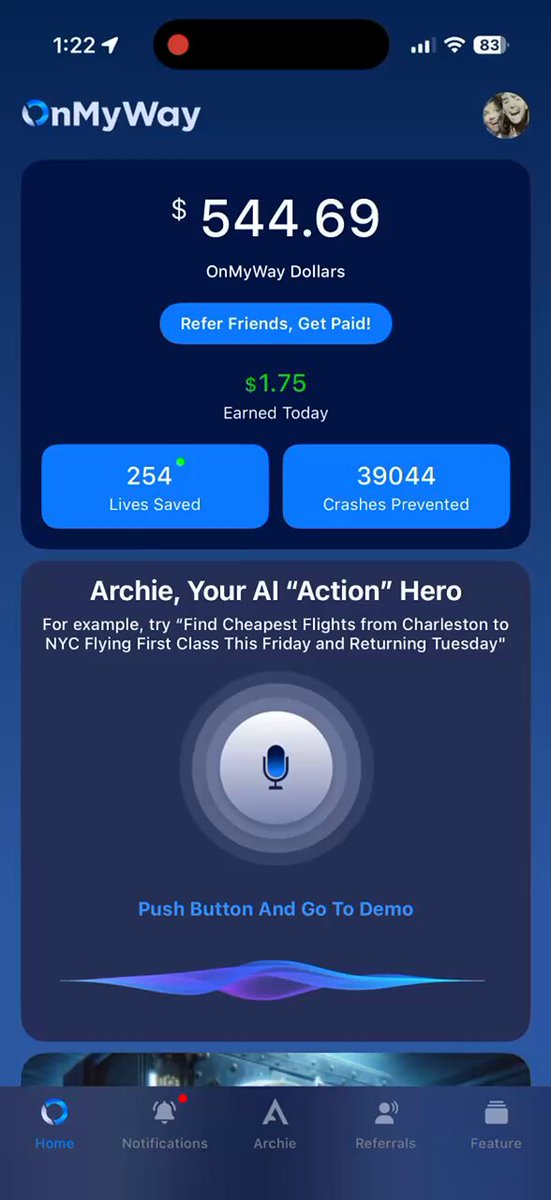
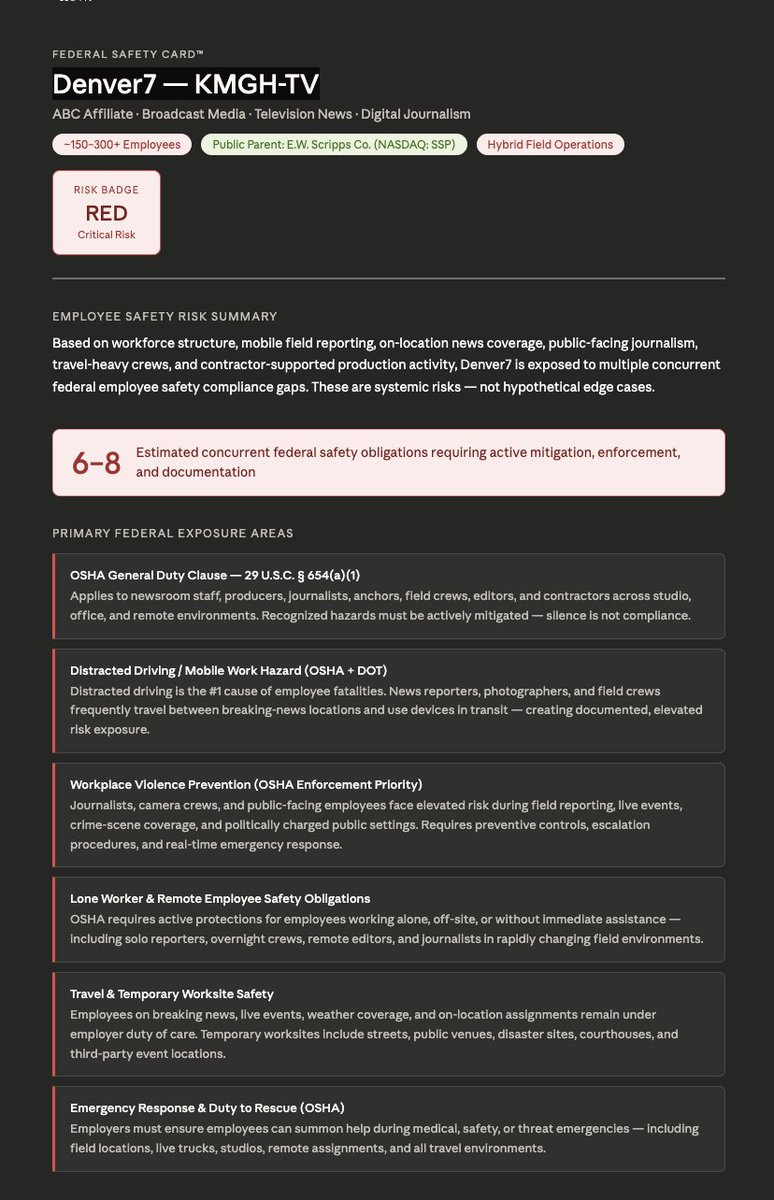
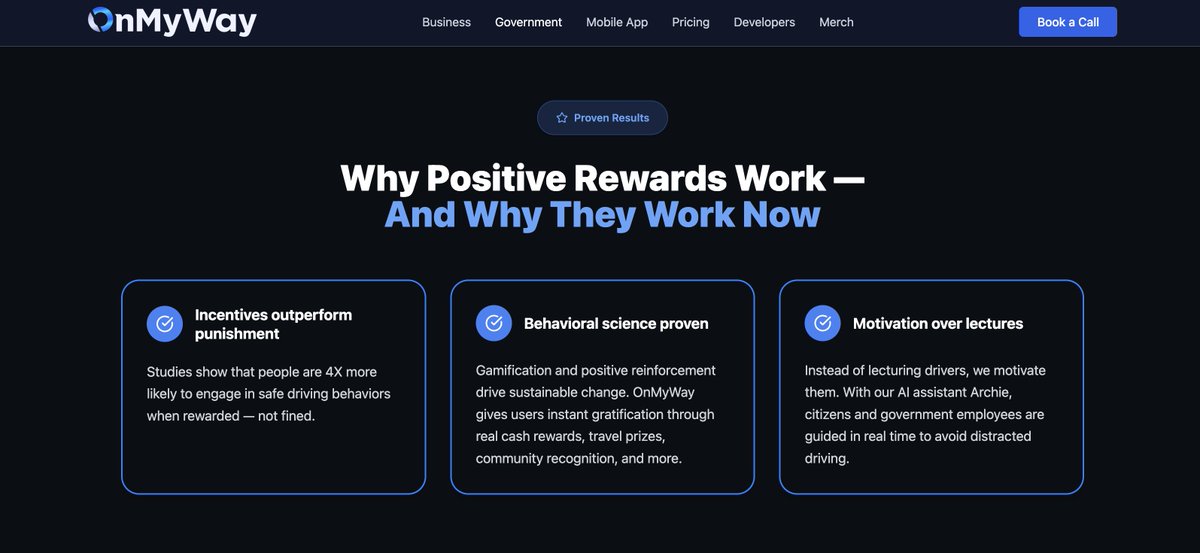
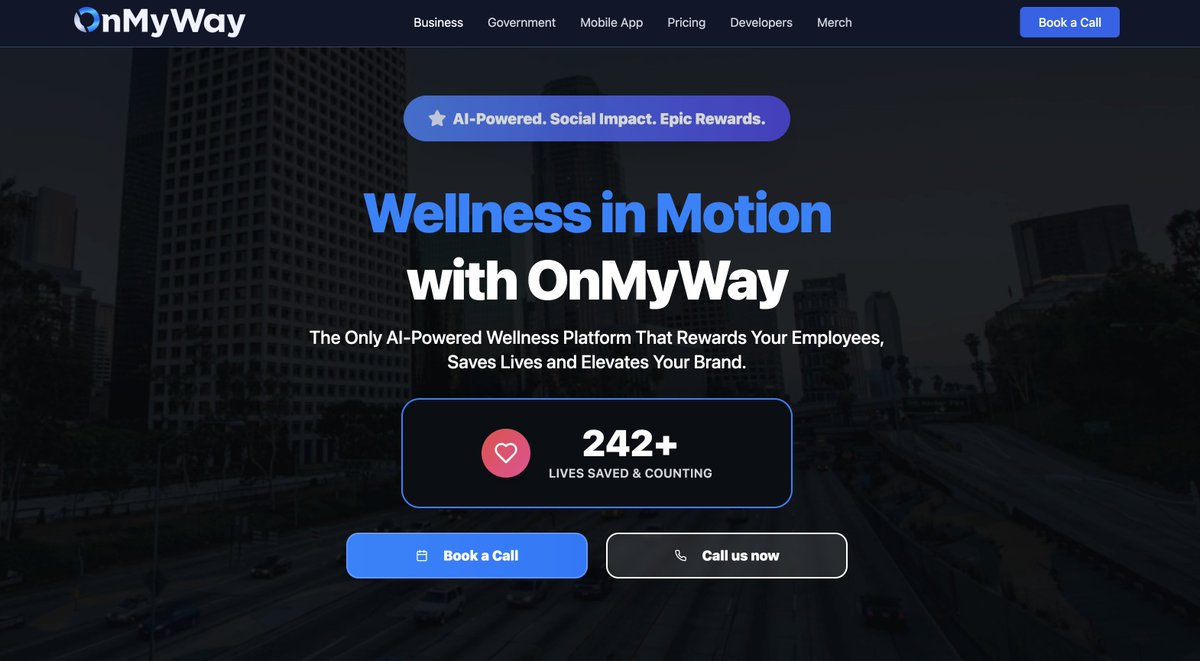
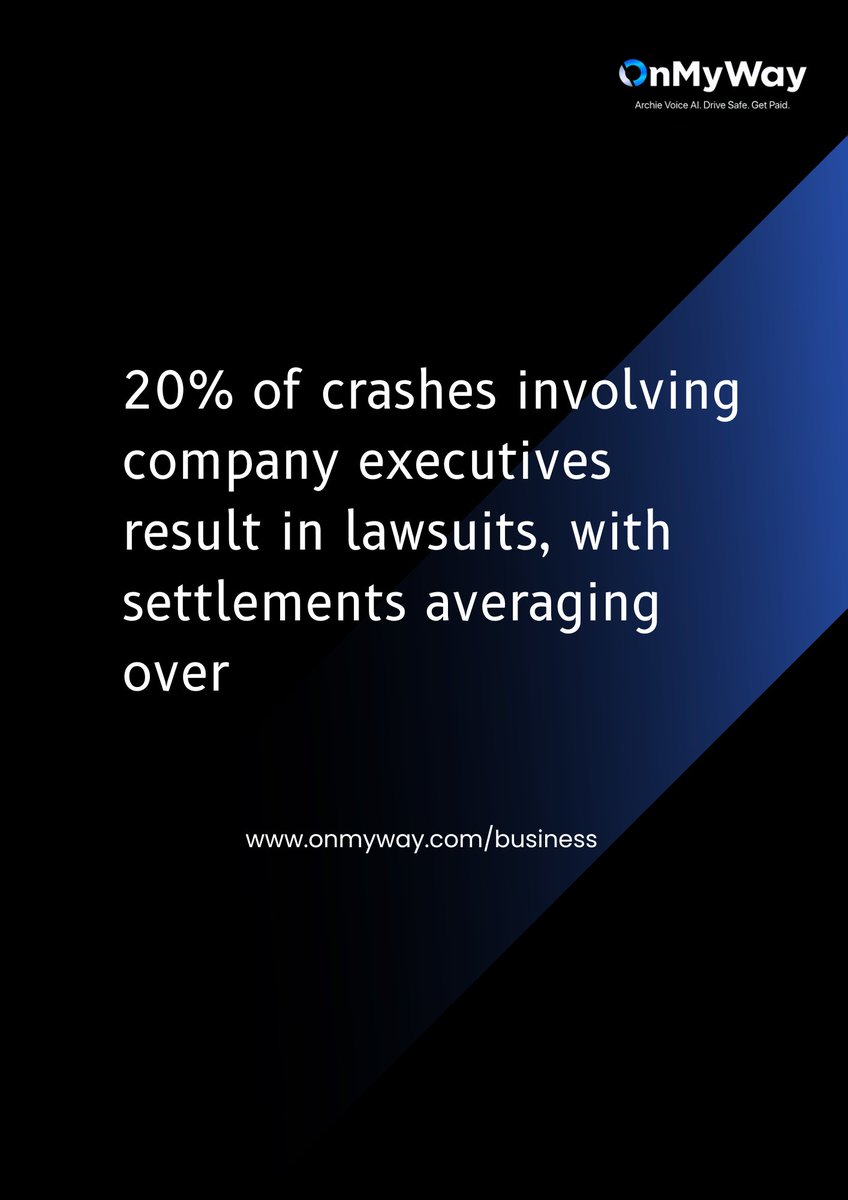
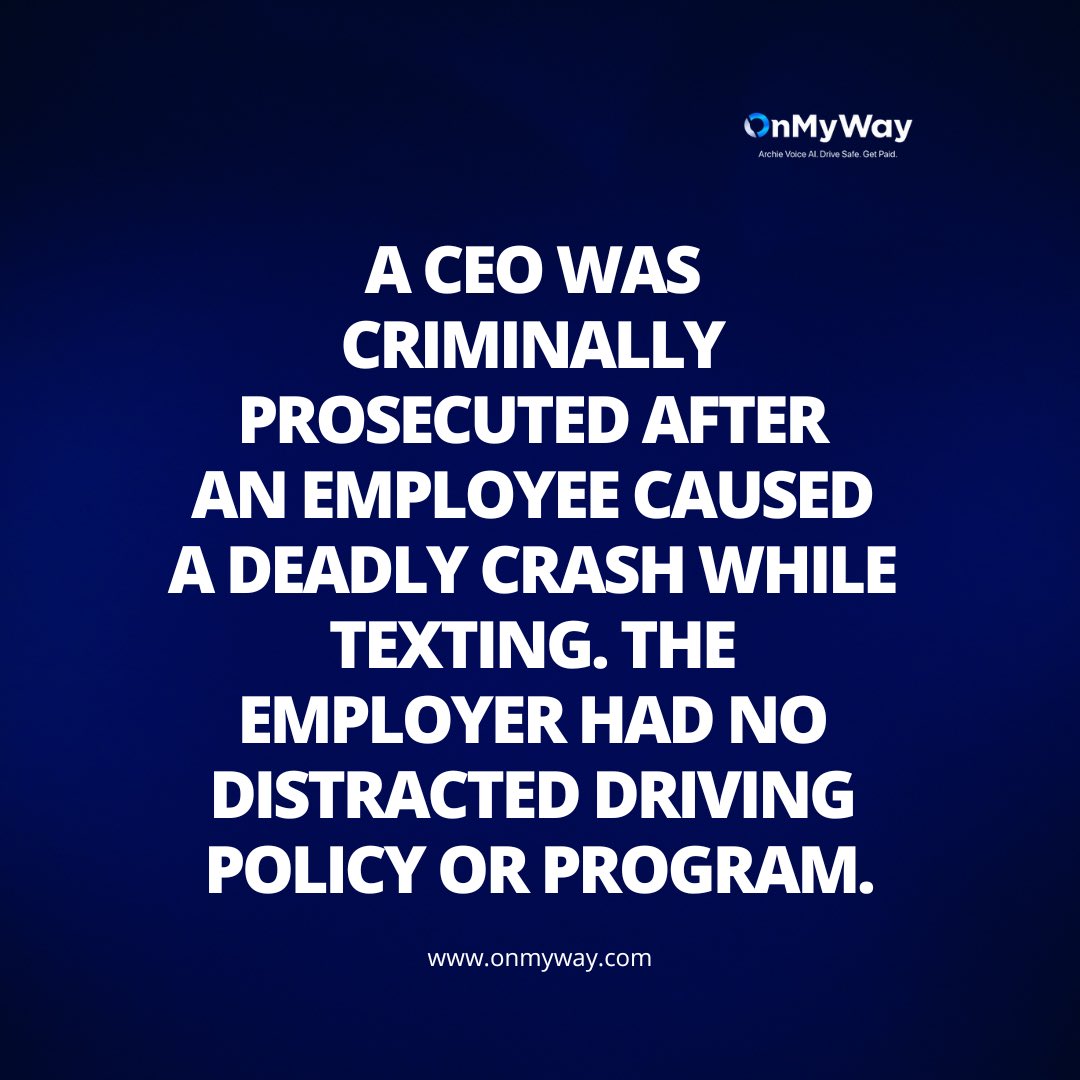
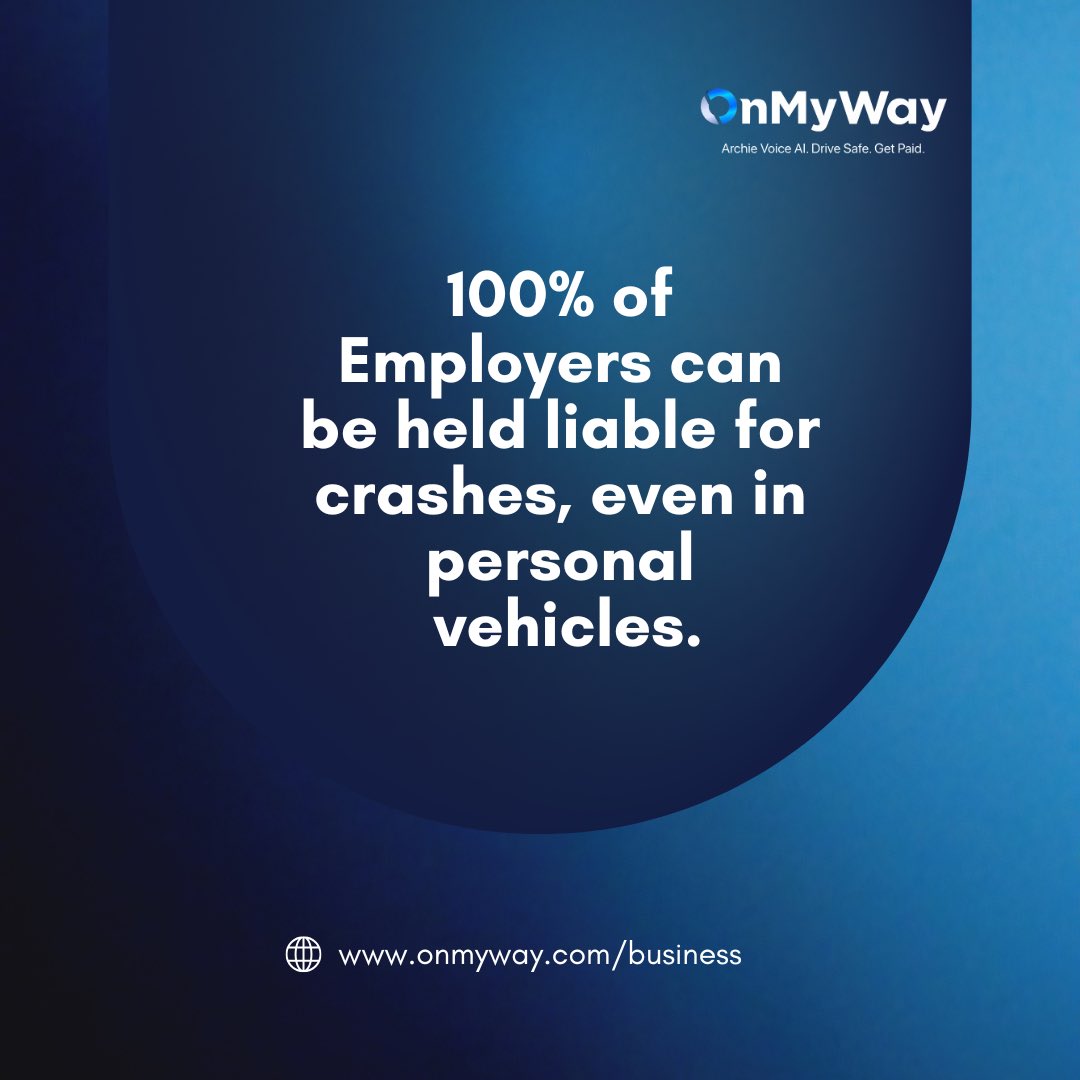
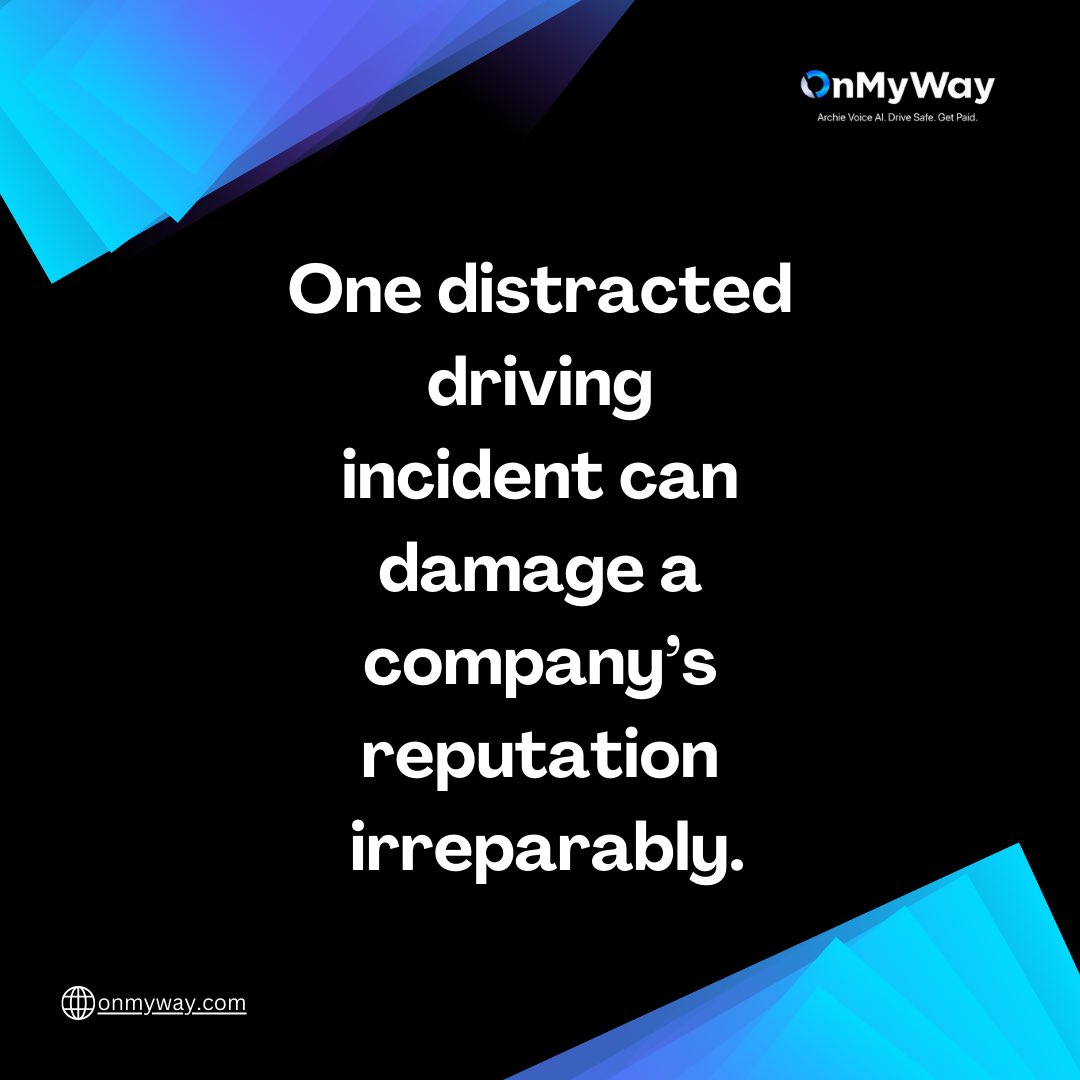
If Your Company Does Not Provide OnMyWay to Employees… Very Good Chance They Are Breaking Federal Laws…
We Fix Fast. Keep Employees Safe. And Provide Protection That Is Unprecedented…
#onmyway #savelives #business #GetPaid
21
21 Jul 2025
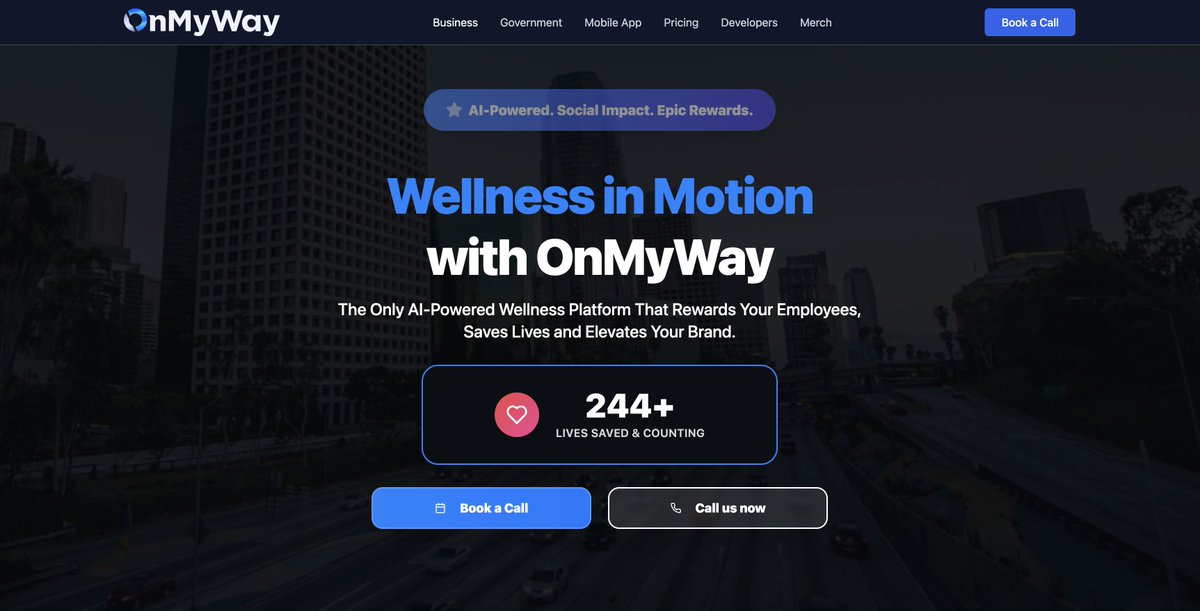
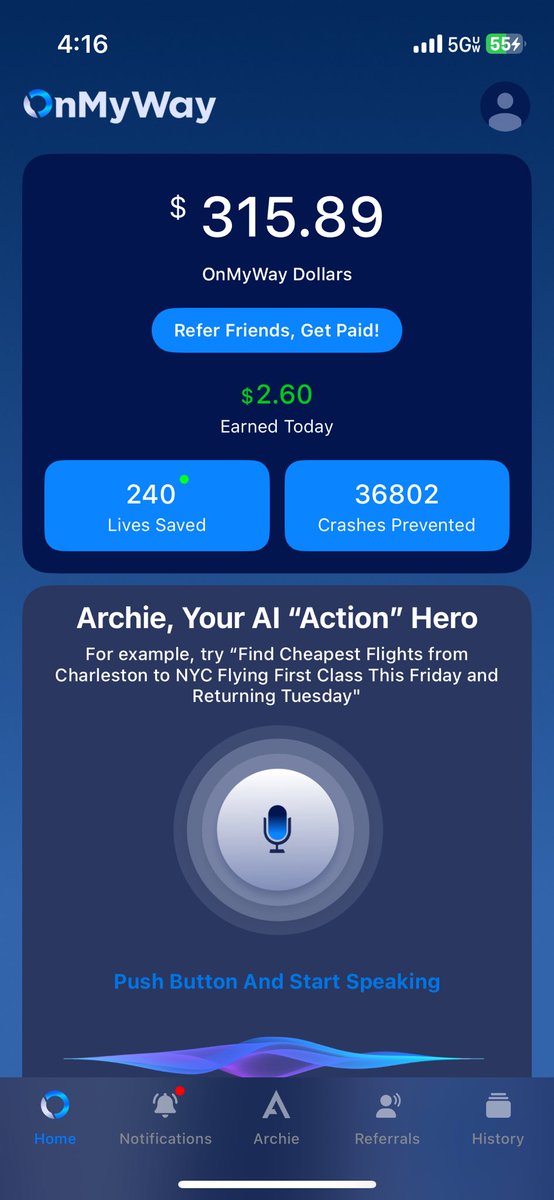
244 Lives Saved... A Solution That Works... What Is Your Company Waiting For?
#OnMyWay #DistractedDriving #Employers #OSHA #SEC #Public #Private #CSR #GeneralDutyClause
2
2
285
21 Jul 2025
Distracted Driving is The #1 Cause of Employee Deaths... Yes, All Companies!
104
27 Jun 2025
Why OnMyWay? - Why Now? - It's Simple...
1 - Every Company With Employees, Must By Federal Law, Have a Comprehensive Distracted Driving Program.
1A - Over 95% of Companies Are Breaking Federal Laws...
2 - As a Result; Company Executives are Criminally and Civilly Liable For Gross Negligence.
2A - Your Employees Lives and People In your Community Are At Risk Because You Are Breaking The Law and Setting A Very Bad Example.
3 - OnMyWay Can Fix Today! Compliance Immediately, Employee Loyalty, Community Loyalty and National and Local Publicity.
AI-Powered Wellness. Social Impact. Epic Rewards. Global Reach.
Please Hit Me Up and Lets Fix This Now... We Will Turn This Catastrophic Liability into Your Greatest Asset...
Your Answer - onmyway.com/
#onmyway #distracteddriving #business #oshacompliance #savelives #publicity #psa #socialimpact
2
1
122
25 Jun 2025
-
-
Companies Have Been Playing the Odds...
For the last 15 years, most companies have made a dangerous bet:
“The odds of a distracted driving crash are low enough… let’s not invest in compliance just yet.”
That was the unspoken strategy — ignore the risk, avoid the cost, and hope nothing happens.
But here’s the truth:
Distracted driving is now the #1 cause of employee death in the U.S.
97% of companies are still non-compliant with OSHA and federal safety standards And regulatory, legal, and financial consequences are accelerating.
The Odds Just Shifted — and it's time to Cover... Fast!
✔️ Civil juries are delivering $10M–$160M verdicts against non-compliant companies
✔️ OSHA and DOJ are citing employers for failing to protect workers
✔️ SEC is coming after public companies for not disclosing workforce risk
✔️ Executives are facing criminal charges for gross negligence
This is no longer a compliance issue. -It’s a catastrophic liability issue.
And the odds? They’re not in your favor anymore.
The Safe Bet Is OnMyWay
✅ Immediate OSHA, DOJ, and SEC compliance
✅ 90% reduction in distracted driving incidents
✅ Lives saved, Accidents prevented, reputations protected
onmyway.com/
OnMyWay turns your company from high-risk to high-integrity in days — not months.
#OnMyWay #DistractedDriving #OSHACompliance #ExecutiveLiability #CorporateWellness #WorkplaceSafety #SECCompliance #RiskManagement
4
28,102
24 Apr 2025
4
15,053
10 Apr 2025
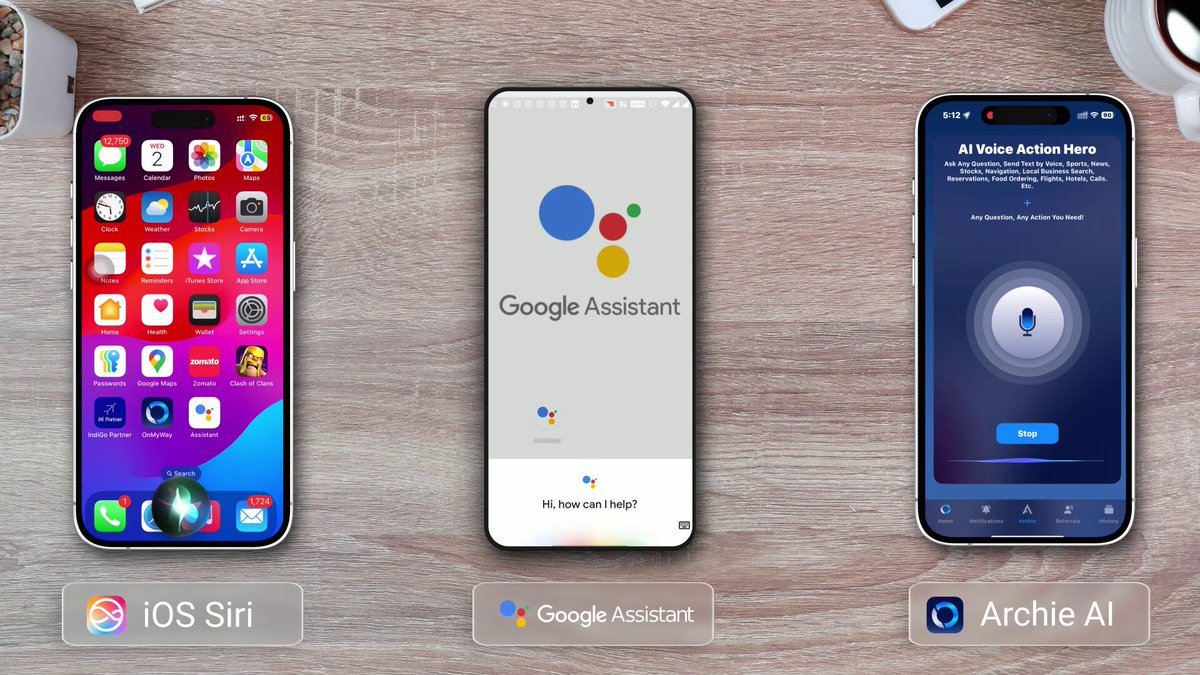
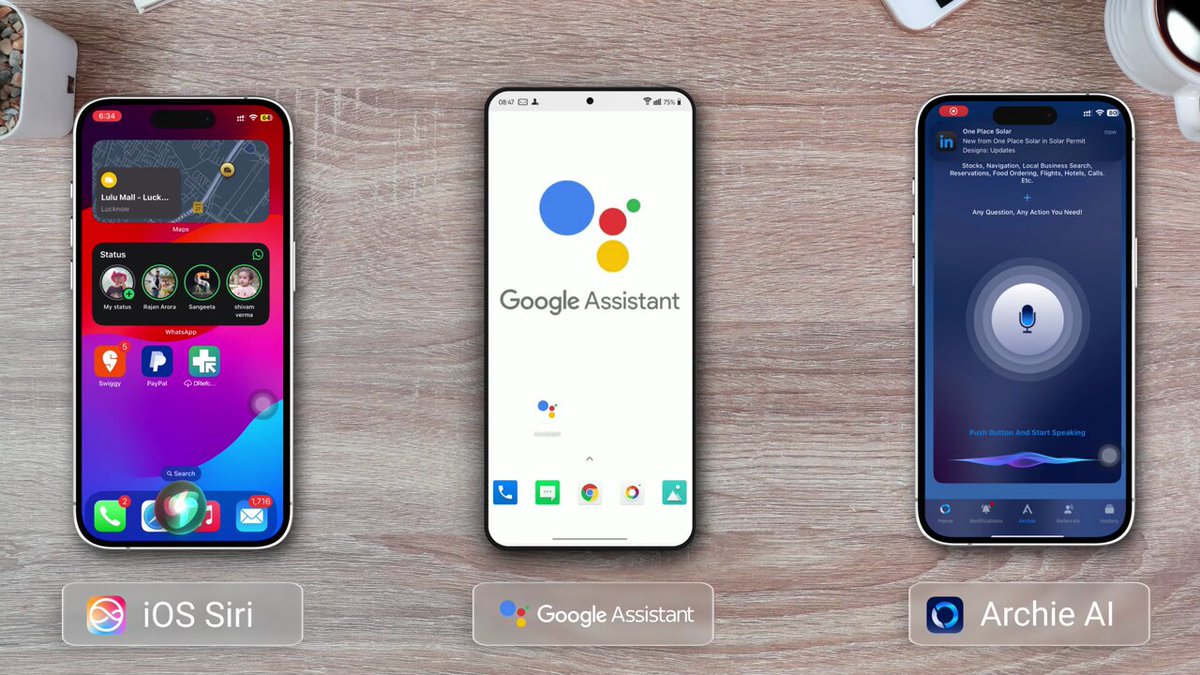
"Just dropped our latest video:
“AI Voice Assistants Face-Off!'
Siri and Google Assistant tried their best, but let’s be real—they got schooled by “Archie from OnMyWAY.”
While the others are busy fumbling your request, Archie’s out here acting like a 5-star concierge who’s got your back.
Watch the beatdown—I mean, comparison—now!
#AIRevolution #onmyway #archie #ai #savelives #ArchieForTheWin #VoiceAssistantSmackdown #TechHumor #SmartAndSassy
5
3
27
77,756
7 Apr 2025
The OnMyWay App with Archie Knows Pizza... Fuhgeddaboudit! 🍕
Tony Soprano didn’t just approve—he sent Paulie to make sure you download it.
Whether you're cruisin' with the crew or makin' moves, Archie’s got your back—from slices to safe driving.
No questions asked. Capisce? 😎🚗💨
#OnMyWay #WorkplaceSafety #AIForGood #IncentivizeSafety #DistractedDrivingKills #PrivacyFirst #SafeDrivingMatters #EmployeeWellbeing
1
1
4
262

OnMyWay retweeted

30 Mar 2025
OnMyWay OSHA / SEC Internal Task Force Mission Statement
"At OnMyWay, we are committed to fostering safer, more accountable workplaces by partnering with companies to ensure compliance with OSHA’s distracted driving regulations and SEC reporting standards.
Our Internal Task Force is dedicated to empowering businesses with the tools, insights, and support they need to protect their employees, uphold transparency, and thrive in a culture of safety and integrity.
Together, we drive progress—keeping roads safer and companies stronger."
#onmyway #safety #savelives #innovation #employees #community #Businesses
1
3
150
OnMyWay retweeted
2 Apr 2025
Move over Siri and Google Assistant—there’s a new AI hero in town!
Meet ARCHIE, your ultimate AI Action Hero, crushing the competition in our latest video showdown.
Watch as ARCHIE outsmarts, outtalks, and outperforms the rest with lightning-fast responses and next-level capabilities.
Ready to upgrade your AI game?
#ARCHIEAI #AIRevolution #VoiceAssistantShowdown #NextGenAI #TechTrend2025 #AIActionHero #ViralTech #onmyway #savelives #ElonMusk
2
2
31
64,973
5 Feb 2025
Explain why every public company with employees needs a comprehensive distracted driving policy
A comprehensive distracted driving policy is crucial for every public company with employees for several compelling reasons:
1. Employee Safety:
Primary Concern: Distracted driving is one of the leading causes of workplace accidents, injuries, and fatalities. A policy aims to protect employees from harm by minimizing distractions while driving, whether in company vehicles, personal cars for work, or during company-related travel.
2. Legal and Regulatory Compliance:
OSHA General Duty Clause: Under OSHA's General Duty Clause, employers must provide a workplace free from recognized hazards that are causing or are likely to cause death or serious physical harm. Distracted driving clearly falls under this mandate.
State Laws: Many states have laws against distracted driving which can apply to employees driving for work-related purposes. Compliance with these laws is necessary to avoid legal penalties.
3. Reduction in Liability:
Accident Prevention: By having a policy, companies can potentially prevent accidents, thereby reducing their liability in lawsuits, insurance claims, and workers' compensation costs.
Corporate Liability: In the event of an accident, a robust policy can demonstrate due diligence, potentially shifting some liability away from the company to the individual if they violate the policy.
4. Financial Implications:
Insurance Costs: Companies with good safety records, including policies on distracted driving, can often negotiate lower insurance premiums. Accidents due to distracted driving can increase these costs significantly.
Fines and Legal Costs: Avoiding fines from regulatory bodies, and the associated legal fees from accidents, can be financially beneficial.
5. Reputation and Brand Image:
Public Perception: Companies seen as proactive in employee safety can enhance their reputation, which is crucial for customer trust, investor confidence, and employee morale.
Media Exposure: Negative publicity from accidents related to distracted driving can harm a company's public image, impacting brand value and potentially stock prices for public companies.
6. Operational Efficiency:
Reduced Downtime: Accidents caused by distracted driving can lead to downtime, loss of productivity, and the need for retraining or hiring new personnel.
Vehicle Maintenance: Fewer accidents mean less frequent repairs and maintenance on company vehicles, saving costs.
7. Investor Relations and SEC Compliance:
Material Risk Disclosure: Distracted driving policies might be seen as a risk management measure that should be disclosed in SEC filings if it materially impacts the company's operations or financial health.
Investor Confidence: Demonstrating commitment to employee safety can be a positive factor in investor relations, signaling that the company manages its risks responsibly.
8. Cultural Impact:
Safety Culture: Implementing such a policy helps cultivate a culture of safety within the organization, encouraging employees to prioritize safety in all aspects of their work, including driving.
Employee Engagement: Employees often feel more valued when their safety is a priority, which can lead to higher engagement, retention, and satisfaction.
9. Adaptability to Technology:
Incorporation of Safety Tech: A policy can mandate or encourage the use of technologies designed to reduce distracted driving, like hands-free systems, which can be part of broader digital transformation efforts.
10. Ethical Responsibility:
Corporate Social Responsibility (CSR): Companies are increasingly evaluated by their CSR practices. Ensuring employees drive safely is part of a broader commitment to social responsibility.
Conclusion:**
For public companies, a comprehensive distracted driving policy isn't just about compliance or risk management; it's a multifaceted approach that addresses safety, legal, financial, reputational, operational, and ethical dimensions. It's an essential part of modern corporate governance, reflecting a company's values towards its workforce and the broader community it operates within.
1
2
127
21 Jan 2025
Protect your executives and your company—take action against distracted driving today with OnMyWay!
Visit onmyway.com/business
#CES2025 #CES #employeesafety #DistractedDriving #ComplianceMatters #OnMyWay #ProtectLives
1
118
21 Jan 2025
Stay compliant. Protect lives. Shield your business. 🚦 Discover how OnMyWay keeps your team safe and your company protected.
Visit onmyway.com/business
#CES2025 #CES #employeesafety #DistractedDriving #ComplianceMatters #OnMyWay #ProtectLives
1
1
123
20 Jan 2025
Protect your business—implement a distracted driving policy today. 🚫📱
Visit onmyway.com/business
#ces2025 #ces #WorkplaceSafety #EmployeeSafety #DistractedDriving #RiskManagement
77
20 Jan 2025
Safety that rewards! 🚗💰 Protect your team and earn big with OnMyWay—over $100M in prizes and lives saved. Start today!
Visit onmyway.com/business
#EmployeeSafety #SafeDriving #DistractedDriving #WorkplaceSafety #AI #Rewards #OnMyWay #ces2025 #ces
77
18 Jan 2025
Protect your company from liability—implement safe driving policies with OnMyWay today! 🚗✨
Visit onmyway.com/business
#WorkplaceSafety #DistractedDriving #OnMyWay
#csclasvegas #ceslasvegas #CES2025 #LasVegasConventionCenter
67