111 Photos and videos






🇨🇦 OpSec Protection Group🎗️ retweeted

Ex-CIA disguise chief says AI elevates spy wars to new heights - Asia Times. #compromise asiatimes.com/2026/06/ex-cia…
1
7
22
1,639
🇨🇦 OpSec Protection Group🎗️ retweeted

Jun 12
Intelligence assessments of Havana syndrome dismissed suspicions that the brain injuries and other symptoms were caused by some type of directed energy weapon. buff.ly/13QGD1R
9
10
32
1,628
🇨🇦 OpSec Protection Group🎗️ retweeted

Jun 12
⚡Ukraine has launched its first total army overhaul, offering higher pay, contract options, clear service terms, and expanded foreign recruitment.
united24media.com/war-in-ukr…
2
78
242
2,830

Canadian Prime Minister Mark Carney said the countries signed an agreement to share classified information across defense, space, artificial intelligence and aerospace sectors bloomberg.com/news/articles/…
19
77
238
21,581

U.S. scholar with history of activism in Myanmar arrested in China on suspicion of espionage ctvnews.ca/world/article/us-…
4
2
5
5,536
🇨🇦 OpSec Protection Group🎗️ retweeted

Ukrainian woman ‘kept as sex slave by Russian soldier for a year’ thetimes.com/world/russia-uk…
60
535
1,189
124,827

Guess what! Charges dropped. Of course, wrong guy. At least i now know I have a look alike. #SaskJustice #SecurityOfficer #License #Policing #CPO #CPU #OPSEC
10
🇨🇦 OpSec Protection Group🎗️ retweeted
Quick OpSec Tip for Saskatchewan Streets:
Never check your phone while walking – especially in high-traffic areas like Riversdale or downtown Saskatoon.
Instead:
• Scan 360° every 30 seconds (left, right, behind).
• Note exits/cover (alleys, parked cars, buildings).
• Trust that gut feeling – if something feels off, change direction immediately.
Your phone can wait. Your safety can’t.
What’s your biggest daily awareness challenge? Drop it below 👇 #OpSec #CloseProtection #SaskatchewanSafety
1
28
🇨🇦 OpSec Protection Group🎗️ retweeted
📋 5-Minute Personal Security Audit (Do this weekly):
• ✅ Digital footprint: Google your name address. Remove what you can.
• ✅ Vehicle: Check for trackers, unusual marks.
• ✅ Home/Routine: Vary your routes & times.
• ✅ Contacts: Emergency check-in protocol set?
• ✅ Mindset: Situational awareness level – Green, Yellow, or Red?
Share this with someone who needs it. Stay vigilant. #OpSec #PersonalSafety #CanadaStrong
1
24
🇨🇦 OpSec Protection Group🎗️ retweeted
As a Métis-owned Close Protection service in Saskatchewan, we believe in lawful, rights-based security.
Reminder: Knowing your rights under the Charter isn’t paranoia – it’s smart OpSec.
Carrying legal bear spray or knowing use-of-force laws can make the difference.
What lawful self-defense tool or training do you recommend?
Let’s discuss responsibly.
#Metis #LawfulRights #CloseProtection
1
1
23
🇨🇦 OpSec Protection Group🎗️ retweeted
Real talk from the field:
Last month a client ignored basic counter-surveillance and picked up a tail. 10 minutes of awareness training changed that.
Moral of the story: The best protection is prevention.
Tag a friend who travels for work – they need this.
Who wants a free 15-min OpSec consultation? First 3 DMs this week. #HUMINT #ThreatAssessment #Canada #Saskatchewan #Regina #Saskatoon
1
21
🇨🇦 OpSec Protection Group🎗️ retweeted
Security pros & civilians: What’s your #1 urban threat in Canadian cities right now?
A) Opportunistic crime
B) Targeted surveillance/espionage
C) Vehicle incidents
D) Something else
Vote & reply why 👇 #CPO #OpSec #CanadianCrime #Crime #Crimes #Criminals #SixBuzz #Toronto #POLICE #Sask #Yxe
1
1
32
Only a coward insults a woman doing her duties. Russian GOOF troll farms let’s hope because the new Canadian can’t be this stupid and of such scum aids to talk down on AROs espically these beautiful officers. Meth is intense and a calming voice helps a lot.

Alternative response officers make impact in Saskatoon downtown ctvnews.ca/saskatoon/article…
19
If people want drug usage to stop happening outside business call OPSEC PROTECTION GROUP 1 - 639 - 470 - 5987 hire us for security and deference we will solve the problem. #police #security #sask #yxe
Jun 12

Alternative response officers make impact in Saskatoon downtown ctvnews.ca/saskatoon/article…
12
🇨🇦 OpSec Protection Group🎗️ retweeted

Jun 5
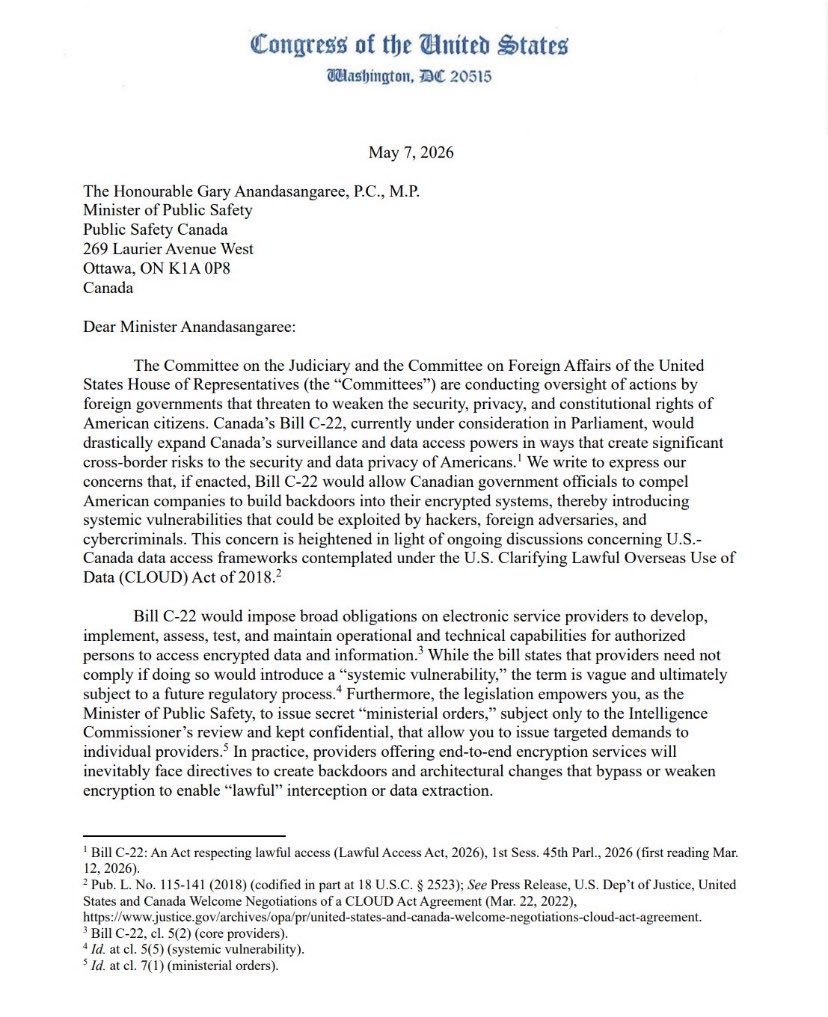
Has the @BCRCMP ever shared stats on how many inappropriate access or inappropriate sharing cases of personal information they've had *internally*, as we contemplate bill C-22?
#cdnpoli #bcpoli
Jun 5

1. Former RCMP national security officer charged with 13 counts for allegedly keeping documents at his home & sharing them with 'individuals he was in a relationship with.' x.com/LMDRCMP/status/2062656…
8
21
1,135
The Wall Street Journal report on real-time commercial satellite intelligence highlights a major shift in modern warfare: information is becoming as important as firepower. According to the report, Ukrainian forces are now receiving high-resolution commercial satellite imagery on mobile devices within minutes, dramatically reducing the time between identifying a target and conducting an operation. (Wall Street Journal)
What is being said publicly is that commercial space technology is giving smaller military units access to capabilities that were once available only to major governments. Private-sector satellite networks, geospatial analytics, artificial intelligence, and cloud computing are increasingly influencing military operations. (Wall Street Journal)
What is not always discussed is that the conflict in Ukraine has become a proving ground for the integration of commercial technology into military decision-making. Satellite imagery, drones, electronic warfare systems, and communications networks are increasingly operating together as a single information ecosystem. The side that can identify, analyze, and act on information fastest often gains a significant advantage. (Wall Street Journal)
Another reality is that space assets are no longer just strategic tools reserved for governments. Commercial satellite companies now play a growing role in intelligence gathering, disaster response, infrastructure monitoring, environmental analysis, and conflict reporting. This trend is reshaping how governments, militaries, and private organizations view space-based capabilities. (Wall Street Journal)
The broader lesson is that future security competition may depend less on who possesses the most information and more on who can process and act on it the fastest. The Ukraine conflict continues to demonstrate how technology, data, and decision speed are reshaping the modern battlefield and influencing military planning around the world. (Wall Street Journal)
#Ukraine #SatelliteIntelligence #SpaceTechnology #NationalSecurity #Geopolitics #Innovation #ArtificialIntelligence #DroneTechnology #MilitaryTechnology #GlobalSecurity #Intelligence #Defence #SpaceIndustry #FutureOfWarfare #SecurityAnalysis
wsj.com/world/europe/real-ti…
19
Canada’s long-awaited AI for All strategy marks one of the most significant technology policy announcements in recent years. The federal government says the plan aims to create 250,000 AI-related jobs, generate an additional $200 billion in economic growth, and increase AI adoption among Canadian businesses from roughly 12% today to 60% by 2034. The strategy also includes a new C$500 million technology fund, investments in Canadian computing infrastructure, and expanded AI literacy initiatives. (Prime Minister Canada)
What is not always discussed is that AI is increasingly viewed as a matter of economic and national competitiveness. Prime Minister Carney has warned that dependence on foreign AI platforms, infrastructure, and data systems can create vulnerabilities for Canadian businesses, institutions, and citizens. The strategy places considerable emphasis on Canadian control over data, computing capacity, intellectual property, and talent retention. (AP News)
Another reality is that AI presents both opportunities and challenges. While the strategy projects substantial job creation, questions remain about workforce disruption, skills training, privacy protections, algorithmic accountability, and the impact of automation on certain occupations. The government has responded by proposing AI literacy programs, privacy reforms, online safety measures, and expanded research into AI safety and security. (Global News)
The larger question for Canada is whether it can successfully translate its world-class AI research talent into globally competitive companies, infrastructure, and economic growth. The next decade may determine whether Canada becomes primarily a consumer of foreign AI technologies or a builder of them.
#Canada #ArtificialIntelligence #AI #CanadaAI #Innovation #Technology #DigitalEconomy #CyberSecurity #NationalSecurity #Productivity #EconomicGrowth #FutureOfWork #DataGovernance #AIForAll #CanadianInnovation #CdnPoli
Jun 4

Carney government releases AI road map that aims to make Canada a leader trib.al/1ngtIxR
21