
753 Photos and videos







OsageAI retweeted

I’m baffled at Rubio’s silence on this “deal”
Considering this was him 11 years ago in 2015 calling exactly what would happen with the Islamic Republic of Iran.
Like a play-by-play, it’s a mind blowing watch.
Give yourself 3 minutes to watch this and tell me that Rubio would be happy with this deal.
143
221
795
23,175
OsageAI retweeted

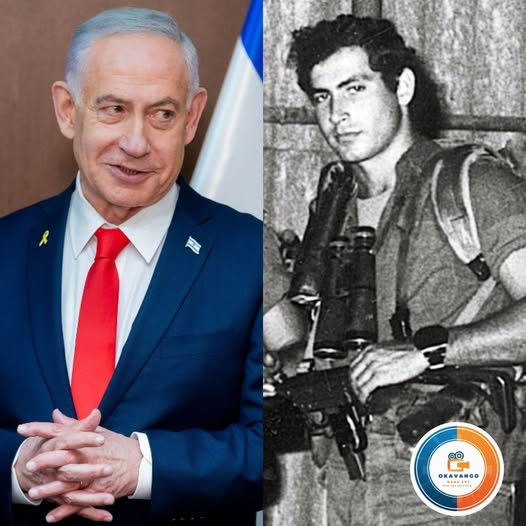
ראש הממשלה בנימין נתניהו, הערב במסיבת עיתונאים:
"אזרחי ישראל היקרים,
במשך עשרות שנים אני נאבק במאמצים של איראן להתחמש בנשק גרעיני. אני יכול להגדיר את זה כמשימת חיי. עמדתי בה עד היום, ואני אעמוד בה גם בעתיד. עם הסכם, בלי הסכם - לאיראן לא יהיה נשק גרעיני. לא היום, ולא מחר. כל עוד אני ראש ממשלת ישראל - זה לא יקרה.
אני שומע אנשים שואלים: מה השגנו? ואני עונה להם: ״מה השגנו״? הרחקנו מעלינו סכנת השמדה מיידית. יחד עם ידידינו האמריקנים יצאנו למטס התקיפה הגדול ביותר בתולדות ישראל. סיכלנו את מדעני הגרעין, ערפנו את מנהיגי משטר הטרור, ריסקנו את מפעלי הגרעין, השמדנו טילים ואת רוב רובם של המפעלים שמייצרים טילים, פגענו באינספור תעשיות ותשתיות צבאיות, השמדנו את חיל הים שלהם, את חיל האוויר שלהם, סיכלנו מפקדי בסיג׳ שטבחו בעם האיראני, גרמנו נזק אדיר - אנחנו מעריכים את זה מאות מיליארדי דולרים, ויש שמעריכים את זה אפילו קרוב לטריליון דולרים - נזק אדיר לכלכלת איראן שלקח להם עשרות שנים לבנות.
אבל הנה הדבר הכי חשוב - שהצלנו את מדינת ישראל מאיום השמדה גרעינית. כי צריך להבין, איראן דהרה לגרעין ממש לפני "עם כלביא" היא דהרה לגרעין ודהרה ולהטמין את תעשיית הטילים והגרעין שלה עמוק מתחת לאדמה.
אם לא היינו פועלים בזמן שבו פעלנו, ובעוצמה שבה פעלנו - גם ב״עם כלביא״ ואחר כך ב״שאגת הארי״, בשיתוף פעולה היסטורי עם הנשיא טראמפ עם הצבא האמריקני - אם לא היינו פועלים בדרך הזאת, לאיראן כבר היו פצצות אטום. ומה המשמעות? המשמעות היא שמיליוני אזרחי ישראל, אתם ששומעים אותי עכשיו, כולכם הייתם בסכנה איומה של מוות המוני. כולנו היינו בסכנה הזאת. ואת הסכנה הזאת, של חיסול אוכלוסיית ישראל, הרחקנו מעלינו לשנים. זה מה שהשגנו - הצלנו את מדינת ישראל מהשמדה.
אבל אני אומר לכם אזרחי ישראל, המאבק לא תם ונשלם. אנחנו נצטרך להמשיך לעמוד על המשמר, להמשיך להיות חזקים ונחושים להגן על עצמנו ככל שיידרש. זה נכון לא רק מול איראן. זה נכון גם מול זרועות הטרור של איראן, שבהן פגענו באופן חסר תקדים. עשינו זאת בעזה, עשינו זאת בלבנון, בסוריה, בתימן, עשינו זאת במחנות הפליטים ביהודה ושומרון - עשינו זאת בכל מקום.
חיסלנו את דף, את הנייה וסינוואר יחד עם רבים מראשי החמאס. בעצם כמעט כולם כל מי שהיה שם בטבח הנורא, אני חושב שנשאר עוד אחד, גם הוא יחוסל. השמדנו אלפי מחבלים ואין ספור תשתיות טרור. החזרנו את כל חטופינו מעזה, עד האחרון שבהם. אף אחד לא האמין שנעשה זאת. אני האמנתי.
אמרו לי: ראש הממשלה, חייבים לוותר, אל תכנס לרפיח, תסיים את המלחמה. נביא את החטופים, נמסגר את היציאה שלנו מעזה כניצחון. אני לא קיבלתי את דברי ההבל הללו. אנחנו נכנסנו לרפיח, נכנסנו לעיר עזה, בניגוד לדעתם של רבים - והחזרנו את כל החטופים, עד האחרון שבהם. ולא רק זה, פוצצנו את הביפרים, חיסלנו את הצורר נסראללה, מנענו את פלישת כוח רדואן לגליל, השמדנו את הרוב המכריע של 150 אלף רקטות וטילים שנסראללה בנה כדי להחריב את ערי ישראל.
אתם זוכרים מה אמרו לנו – 'אם נכנס לקרב עם חיזבאללה יהיו לנו עשרות אלפי הרוגים, המגדלים יפלו בתל אביב, בחיפה, בירושלים, בבאר שבע. הרי ישראל יהפכו לעיר חורבות'. אתם זוכרים את זה. אני לא קיבלתי את זה, אנחנו נלחמנו בהם, ועוד איך נלחמנו בהם, תפסנו גם עמדות מפתח שלהם כמו הבופור, שמהם חיזבאללה איים במשך שנים על יישובי הצפון, בעצם על המדינה כולה.
במקביל, עשינו דבר נוסף הקמנו רצועות ביטחון עמוקות סביב מדינת ישראל. עשינו את זה בעזה, בלבנון, בסוריה - שם אגב חיסלנו את כל הנשק של צבא אסד שהיה חוליה מרכזית בציר הרשע. ואני רוצה להבהיר: אנחנו נישאר ברצועות הביטחון ככל שיידרש כדי להגן על המדינה שלנו.
כי אחרי ה-7 באוקטובר קבעתי עיקרון פשוט: ישראל לא תאפשר לארגוני טרור לחנות על גבולותינו. לחתור במנהרות טרור לתוך שטחינו, להיערך לטבח קרוב לאזרחינו. היום לוחמי צה״ל הגיבורים חוצצים בין המחבלים לאזרחינו. בעצם מה שעשינו, שינינו את כל תורת הביטחון שלנו. שינינו גם את עצמנו. פרצנו את מחסום הפחד. אנחנו יוזמים, אנחנו תוקפים, אנחנו מפתיעים, ואנחנו הולמים במבקשי נפשנו.
ישראל חזקה מאי פעם, וציר הרשע של איראן חלש מאי פעם. אם מישהו היה אומר לכם, בתחילת המלחמה שאנחנו נשיג את כל מה שפירטתי, ולא פירטתי את הכל - הייתם אומרים שהוא הוזה בהקיץ. טוב מדברים מבטחים, לא. עשינו את זה.
והיום, אחרי שהשגנו את כל זה, יש מי שרוצים למזער את זה, לבטל את ההישגים הכבירים שלנו. ואני אומר לכם - אנחנו הולכים להשיג עוד הרבה דברים גדולים. אנחנו נוסיף לסכל איומים במרחב, אנחנו נבנה בריתות חדשות עם המדינות באזור ומחוץ לאזור. אנחנו נבטיח את העצמאות החימושית שלנו, זה עוד עיקרון שקבעתי ואני שם 350 מיליארד שקל תוספת לתקציב הביטחון. אנחנו נפתח טכנולוגיות שפורצות את גבולות הדמיון, ואנחנו נהפוך את ישראל למעצמה חזקה עוד יותר. כי החוזק שלנו, הוא המפתח לעתיד שלנו, הוא המפתח לביטחון שלנו, הוא מפתח בכלכלה שלנו, הוא מפתח לבריתות שלנו. כי בריתות עושים עם החזק וישראל היום היא מדינה חזקה מאוד. היא חזקה תודות לכם אזרחי ישראל.
אני רוצה להודות לכם אזרחי ישראל על העמידה האיתנה שלכם, על הגיבוי שאתם נותנים לממשלה על הגיבוי שאתם נותנים לי כראש הממשלה. ומעל הכל אני רוצה להודות ללוחמים והלוחמות הגיבורים שלנו בסדיר ובמילואים, בים, ביבשה ובאוויר. בצה״ל ובכל זרועות הביטחון. אין כמוכם גיבורי ישראל.
יחד נמשיך לעמוד, ויחד נמשיך לנצח.
״אַל תִּירָא עַבְדִּי יַעֲקֹב, וְאַל תֵּחַת יִשְׂרָאֵל״.
יחד בעזרת ה' נבטיח את נצח ישראל".
וידאו: עומר מירון / לע"מ
סאונד: ניר שרף / לע"מ
156
273
1,132
25,249

Barrack Obama’s Presidency (2009-2017)
January 16, 2016
President Obama’s Iran Agreement, referred to as the JCPOA (Joint Comprehensive Plan of Action) a/k/a Iran Nuclear Deal, was implemented. (Negotiations beginning in 2015) End date of the JCPOA: August 28, 2025 (10 year Plan of Action, not a binding agreement).
This agreement involved (P5 1) US, UK, France, Germany, Russia, China and the EU.
January 20, 2017
Donald J. Trump becomes President of the United States.
May, 08, 2018
The United States, under the Trump Administration, withdrew from the JCPOA (Obama Iran Nuclear Deal), 7 years early. The UK, France, Germany, Russia, China and The EU remained a part of the JCPOA.
congress.gov/crs-product/LSB…
Iran gradually reduced compliance beginning around 2019, increasing enrichment (up to 60% purity, close to weapons-grade) and limiting IAEA (International Atomic Energy Agency) access.
2018 – 2024 (6 years)
Joe Biden 2021-2024
Indirect talks aimed to restore the JCPOA, but they stalled due to Iran's nuclear advances, regional conflicts (e.g., Israel-Hamas), and disagreements over sanctions, the IRGC, and verification. No revival occurred.
Iran has continued advancing its program in the interim, with IAEA concerns over undeclared activities and high-enriched uranium stockpiles. In short, while there have been repeated attempts at new or revived deals—especially in 2021–2022 and 2025—no binding successor agreement has been reached or implemented. The situation remains fluid amid tensions, with diplomacy focused on narrower ceasefires or interim steps rather than a full JCPOA replacement.
The original deal was already effectively dead due to mutual non-compliance, US withdrawal, Iranian escalation, and regional conflicts. Snapback did not revive JCPOA restrictions or monitoring—it restored pre-2015 UN sanctions (arms embargoes, nuclear/missile tech bans, asset freezes, etc.) on a more indefinite basis.
The E3 (UK, France, Germany) (not the full P5) acted to enforce consequences for Iran's breaches while securing ongoing sanctions authority before it expired. This was framed as compliance-driven pressure rather than an attempt to resurrect the JCPOA in its original form. The situation remained contentious, with Iran rejecting the move and continuing its program.
Neither the full P5 (US, UK, France, Russia, China) nor the E3 (France, Germany, UK) fully upheld the JCPOA in a collective sense leading into the 2025 snapback.**
The E3, however, positioned themselves as having largely complied with their obligations and used the snapback mechanism strategically to preserve leverage before the deal's built-in "Termination Day" on October 18, 2025.
January 20th
Donald J. Trump sworn in as President of the United States.
February 2025
President Trump reinstated “maximum pressure” with sanctions and enforcement on Iran.
March 7, 2025:
President Trump publicly announced he had sent a letter to Iranian Supreme Leader Ali Khamenei expressing a desire for new
nuclear negotiations.
April 12, 2025:
First round of (indirect) negotiations began in Muscat, Oman, mediated by Oman.
May 2025:
Talks stalled in May of 2025.
June 22, 2025
Operation Midnight Hammer Targets:The Fordow, Natanz, and Isfahan nuclear sites in Iran.
August 25, 2025: Obama’s JCPOA (Plan of Action), Iran Deal, ends.
August 28, 2025, was the date the E3 (France, Germany, UK) formally triggered the **snapback mechanism** by notifying the UN Security Council of Iran’s “significant non-performance.” This started the 30-day countdown. - Sanctions **reimposed** automatically around **September 27–28, 2025** (after failed attempts to block it).
- The formal **Termination Day** for the JCPOA framework and UN Security Council Resolution 2231 was **October 18, 2025** (10 years after Adoption Day). On/around this date, Iran officially announced it no longer considered itself bound by the agreement.
June 15, 2026
Quick factual recap on the deal This is a **preliminary Memorandum of Understanding (MOU)** between the US and Iran, announced right before the G7.
Key elements include:
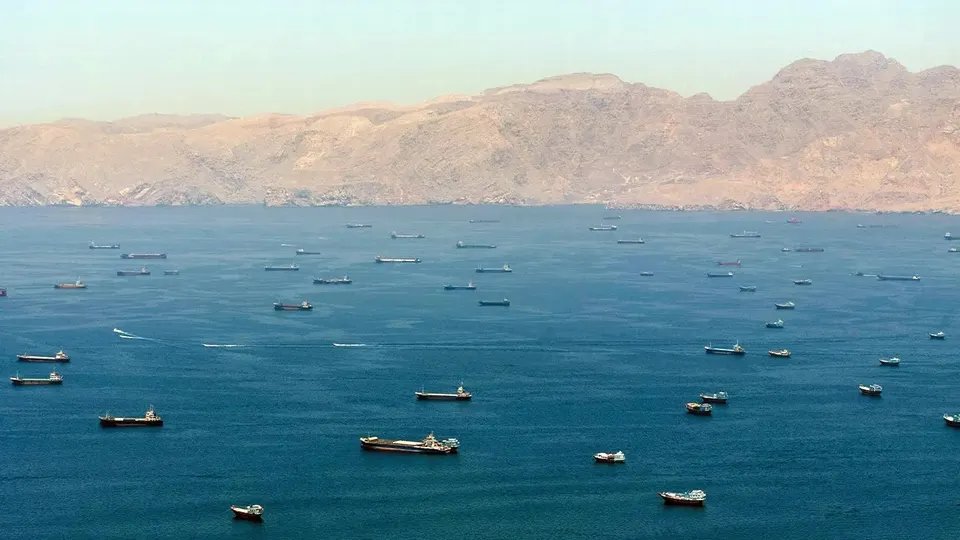
- A **60-day ceasefire** extension (can be renewed). - **Immediate reopening** of the Strait of Hormuz to shipping (Iran clears mines; no tolls/harassment per US side).
- US lifts its naval blockade on Iranian ports. - Limited sanctions relief and possible release of frozen assets (~$24-25B range discussed) to let Iran sell oil.
- Further talks on Iran's nuclear program (enrichment limits, stockpiles) during the window, with formal signing slated for June 19 in Switzerland.
It's **not** a full peace treaty or JCPOA revival. It defers the hardest issues (full nuclear dismantlement, ballistic missiles, proxies like Hezbollah).
**Nuclear Issues Remain Unresolved**: The deal focuses on de-escalation and immediate economic/military steps rather than a full nuclear resolution. Core sticking points (stockpile of ~400 kg 60% enriched uranium as of mid-2025 reports, future enrichment rights on Iranian soil, verification, weaponization bans) are deferred to the 60-day window. Trump has called it "far better" than the JCPOA; critics note it's rushed and weaker on some safeguards.
This is classic Trump transactionalism: prioritize US interests (energy prices, no boots on ground, quick win) over maximalist ally goals. Whether it holds, strengthens deterrence long-term, or just kicks the can (with Iran cheating risks) is the open question—60 days will tell a lot. Israel's concerns are legitimate given Iran's track record and existential threats; allies often chafe when US policy shifts to de-escalation. If new details emerge on Israel's coordination or nuclear red lines, that could shift the picture.
So. My best guess is that it’s likely a “given” that something will fall apart within the 60 days period. The idea that Trump expects Israel to take attacks from Hezbollah sitting down is ludicrous. BiBi is and will continue to protect his own interest as Trump is hopefully looking after ours. 60 days is a long time to put the Persian People on hold (again!), the crimes that will happen against them, I can’t allow myself to think about.
From where I’m sitting, a lot of the disappointment across the world, amounts to one problem. The President has constantly and consistently posted on Social Media without control. It needs to stop. Suggestions, promises and dreams have been shattered because of it and that simply is not necessary therefore not acceptable.
The Bible addresses this specific combination—pride, arrogance, and the inability to control one's speech—in numerous passages. It consistently warns that an untamed tongue driven by a sense of superiority leads to ruin.
Here is what the Bible says about this behavior, broken down by key themes:
The Connection Between Pride and Excessive Talking
The Bible points out that people who feel superior often talk too much because they value their own opinions above all else.
Proverbs 18:2 – "A fool takes no pleasure in understanding, but only in expressing his opinion."
Proverbs 29:20 – "Do you see a man who is hasty in his words? There is more hope for a fool than for him."
Ecclesiastes 5:3 – "A fool's voice is known by a multitude of words."
The Danger of an Untamed Tongue
Scripture repeatedly warns that a lack of verbal self-control is a sign of spiritual immaturity and leads to self-destruction.
James 1:26 – "If anyone thinks he is religious and does not bridle his tongue but deceives his heart, this person's religion is worthless."
James 3:5-6 – The book of James describes the tongue as a small fire that can set an entire forest ablaze, representing a restless evil full of deadly poison.
Proverbs 13:3 – "Whoever guards his mouth preserves his life; he who opens wide his lips comes to ruin."
Proverbs 10:19 – "When words are many, transgression is not lacking, but whoever restrains his lips is prudent."
God's View on Arrogant Speech
The Bible states clearly that God detests boastful, superior speech that looks down on others.
Psalm 12:3-4 – "May the Lord cut off all flattering lips, the tongue that makes great boasts, those who say, 'With our tongue we will prevail, our lips are with us; who is master over us?'"
Proverbs 6:16-17 – In the famous list of things the Lord hates, "a proud look" (arrogance) and "a lying tongue" are at the very top.
1 Samuel 2:3 – "Talk no more so very proudly, let not arrogance come from your mouth; for the Lord is a God of knowledge, and by him actions are weighed."
The Remedy: Humility and Listening
As a contrast, the Bible praises those who practice restraint, humility, and active listening.
James 1:19 – "Let every person be quick to hear, slow to speak, slow to anger."
Proverbs 17:27 – "Whoever restrains his words has knowledge, and he who has a cool spirit is a man of understanding."
Philippians 2:3 – "Do nothing from selfish ambition or conceit, but in humility count others more significant than yourselves."
101
7
US-Iran to sign a ‘peace deal’ on Friday: What we know aje.news/3y5pbh via @AJEnglish
21
OsageAI retweeted

Jun 14
🌈☁️ THE CLOUD THAT WORE A RAINBOW CROWN 📍 Tampa Bay Causeway, Florida
46
418
1,702
32,846
Well Buzz...I get that we should by all means be pleased, as you say "The Iranian people are rising into a new era of peace. No mor bombs. No more fear. No more. division."
What I don't get, is what makes you think such a thing even if you had added "for six months". The idea that the President and others are referring to this as a "Peace Deal" isn't funny. It's performance, in my opinion.
Because my opinion won't change a thing. I'm passing on posting what I really think until tomorrow. Mainly because it's Trump's big birthday bash today (which is why I think this whole deal is performance) and the other reason; I'm waiting to post - is because the story will be completely different tomorrow. This is only a Memorandum of Understanding.
This is not an agreement other than an agreement that Trump and the mysterious leaders agree that they understand. Understand what?
1
4
164
11 skydivers, one pilot killed in Missouri plane crash near airport foxnews.com/us/11-skydivers-… #FoxNews
45
UNRWA fires 70 Gaza staffers amid allegations of Hamas ties, says terminations not admission of guilt foxnews.com/world/unrwa-fire… #FoxNews
10
IDF announces elimination of Hezbollah commander behind murder of 5 American soldiers foxnews.com/world/idf-announ… #FoxNews
4
Sen Mitch McConnell hospitalized, 'receiving excellent care,' his office says foxnews.com/politics/sen-mit… #FoxNews
31
Pentagon UFO files describe 'mother orb' releasing smaller objects in 2023 incident that remains unexplained foxnews.com/media/pentagon-u… #FoxNews
30
DAVID MARCUS: Why European soccer fans are going Kerouac on the American road foxnews.com/opinion/david-ma… #FoxNews
13
Gabbard says declassified biolab records validate concerns previously dismissed as misinformation foxnews.com/politics/gabbard… #FoxNews
6
OsageAI retweeted

Jun 13
For the record.
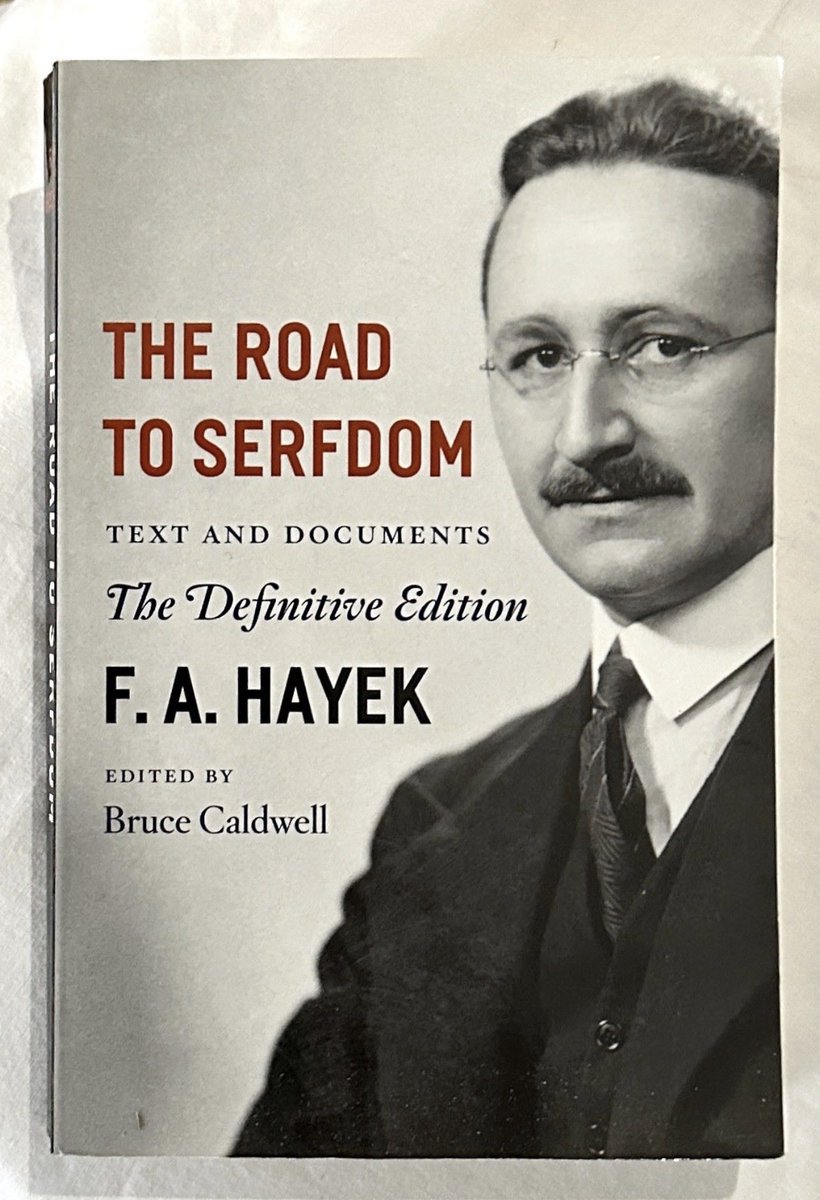
SpaceX, Hayek, and the Progressive War on Wealth Creation
The progressive left clings to the fantasy that wealth is manufactured by the state and its pet technocrats rather than by entrepreneurs who risk their own capital to create real value.
In their mythology, government planners are the heroic “designers” of prosperity, while the private sector is a problem to be taxed, regulated, and morally lectured. As Hayek warned, “the more the state ‘plans’ the more difficult planning becomes for the individual,” and progressives are determined to make individual planning all but impossible.
Their entire project rests on a basic fraud, confusing redistribution with creation. Social-democratic and socialist progressives boast about “fairness” and “equity,” but their toolkit is nothing more than confiscation and reallocation, slicing the same pie thinner while pretending they’ve baked a new one.
Hayek’s point that “there is all the difference in the world between treating people equally and attempting to make them equal” goes straight over their heads, they weaponize the latter to justify endless expropriation from those who actually produce.
The manufactured outrage on the progressive left over the SpaceX IPO is not about fraud, abuse, or failure, it is about their ongoing indoctrination campaign to portray success, risk-taking, and genuine wealth creation as moral crimes. A private company goes from “10 percent chance of success” to one of the most valuable enterprises on earth, and their instinctive response is not admiration or curiosity, but rage that such achievement is even allowed to exist. They see Elon Musk’s trillionaire status not as the byproduct of extraordinary innovation and execution, but as a kind of cosmic theft that must be punished by the tax state.
This is entirely consistent with the broader progressive project, socialize resentment, demonize entrepreneurial gains, and condition the public to believe that any concentration of wealth outside the state is inherently illegitimate. Hayek saw this coming decades ago when he warned that central planning steadily erodes the scope for individual initiative, because the logical end of their ideology is a public that no longer dares to think in terms of independent ambition or long-term wealth building. Progressive leaders feed this mindset daily, insisting that “rigged” markets and “oligarchs” are the problem, while cleverly leaving the state, and its favored constituencies, as the only acceptable repositories of power and resources.
Their reaction to SpaceX is a case study in this pathology. A company that has slashed launch costs, expanded human access to space, and built critical strategic infrastructure is reduced in their rhetoric to a symbol of “inequality” and “greed,” precisely because it exposes how much more effective decentralized, risk-taking capital can be than bureaucratic planning. The message encoded in their fury is clear, do not build, do not risk, do not aspire, unless it is under the watchful, confiscatory eye of the state.
$SPCX
62
372
1,068
27,638
It looks like Europe is finally hearing what Trump has been preaching! 👏👏👏Let's hope it isn't too late!🙏
Germany pledges to build Europe's strongest army as NATO allies answer Trump pressure foxnews.com/world/germany-pl… #FoxNews
4
1
1
7
1
6
OsageAI retweeted

Jun 12
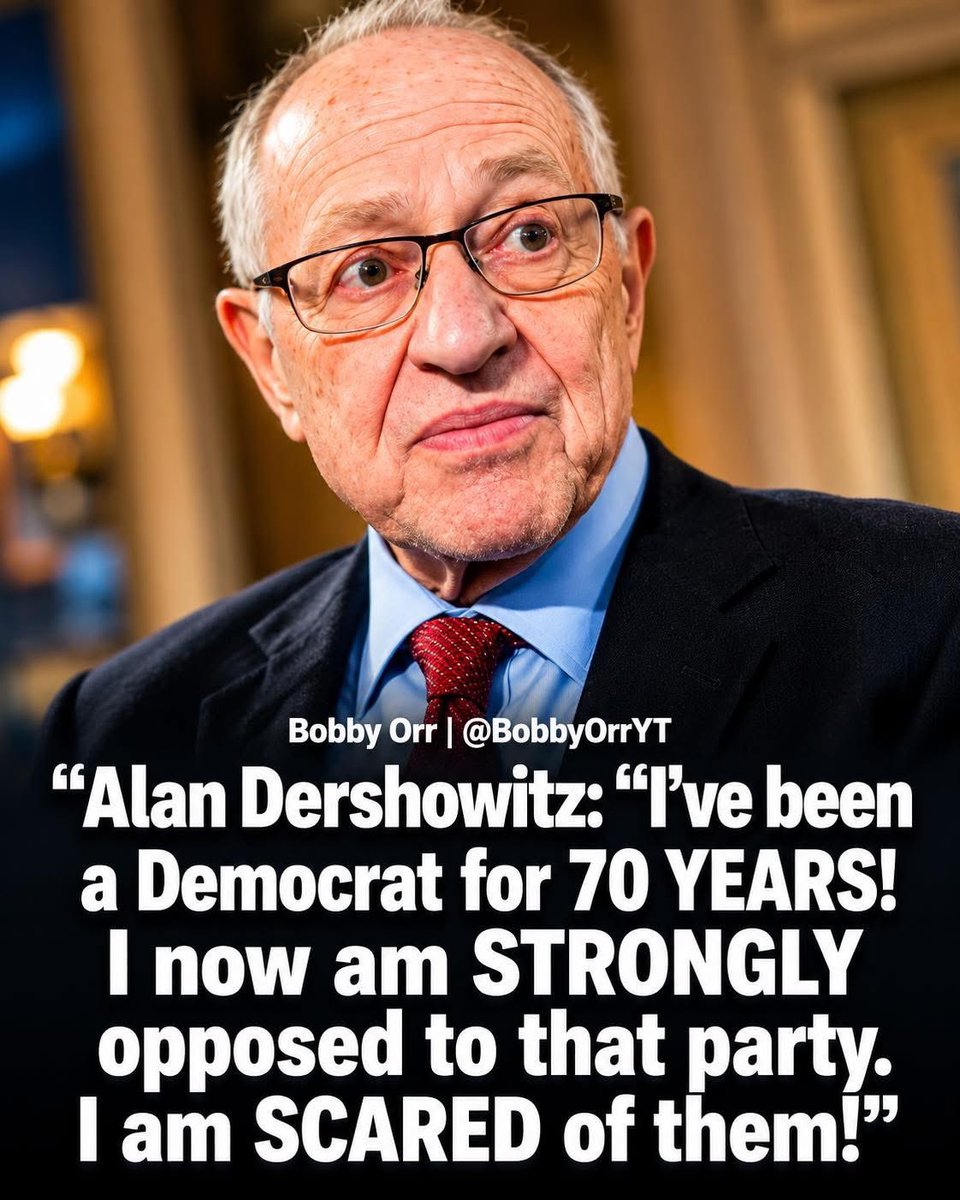
Alan Dershowitz is 87 years old, a Harvard Law professor emeritus, and one of the most recognized legal minds in America. He has been a registered Democrat since he was 14 years old — over 70 years.
In a recent podcast interview, Dershowitz made his position unmistakable. “I’ve been a Democrat for 70 years. I now am strongly opposed to that party. I want them defeated in every single election,” he said. “I want to see Democrats lose control of the House and lose control of the Senate and lose control of the presidency because I am scared of them. They are against America, they are against Israel, they are against the Jews.” 
Dershowitz compared the current climate in American universities to Berlin in 1932 — before Hitler’s rise to power — citing the turn against Jewish students and the demonization of Israel. “I feel I am one of the few people standing up against my old party,” he said. 
He has announced he will campaign actively for Republicans in the 2026 midterms — not because he embraces the Republican agenda, but because the alternative terrifies him. “I’m totally frightened if the Democrats were to gain control,” he told Newsmax, warning of what he described as a new McCarthyism targeting political opponents. 
Wikipedia now lists his party affiliation as Republican — after over six decades as a Democrat. 
When a man who has spent his entire adult life on one side of the political divide looks at where his party has gone and says he is scared of it — that is worth stopping to consider.
Proverbs 14:12 says, “There is a way that appears to be right, but in the end it leads to death.”
Not every road that starts with good intentions stays on a good path. Dershowitz watched a party he loved for 70 years go somewhere he no longer recognizes.
What do you think — is the Democratic Party of today the same party it was 20 years ago?
204
874
2,018
51,497