OserLab @DanaFarber @harvardmed Seeks To Identify New Targeted Therapies For Small Cell Lung Cancer. Tweets/Views are my own.
Joined November 2019
- Tweets 123
- Following 219
- Followers 522
- Likes 547
1 Photos and videos
OserLab retweeted

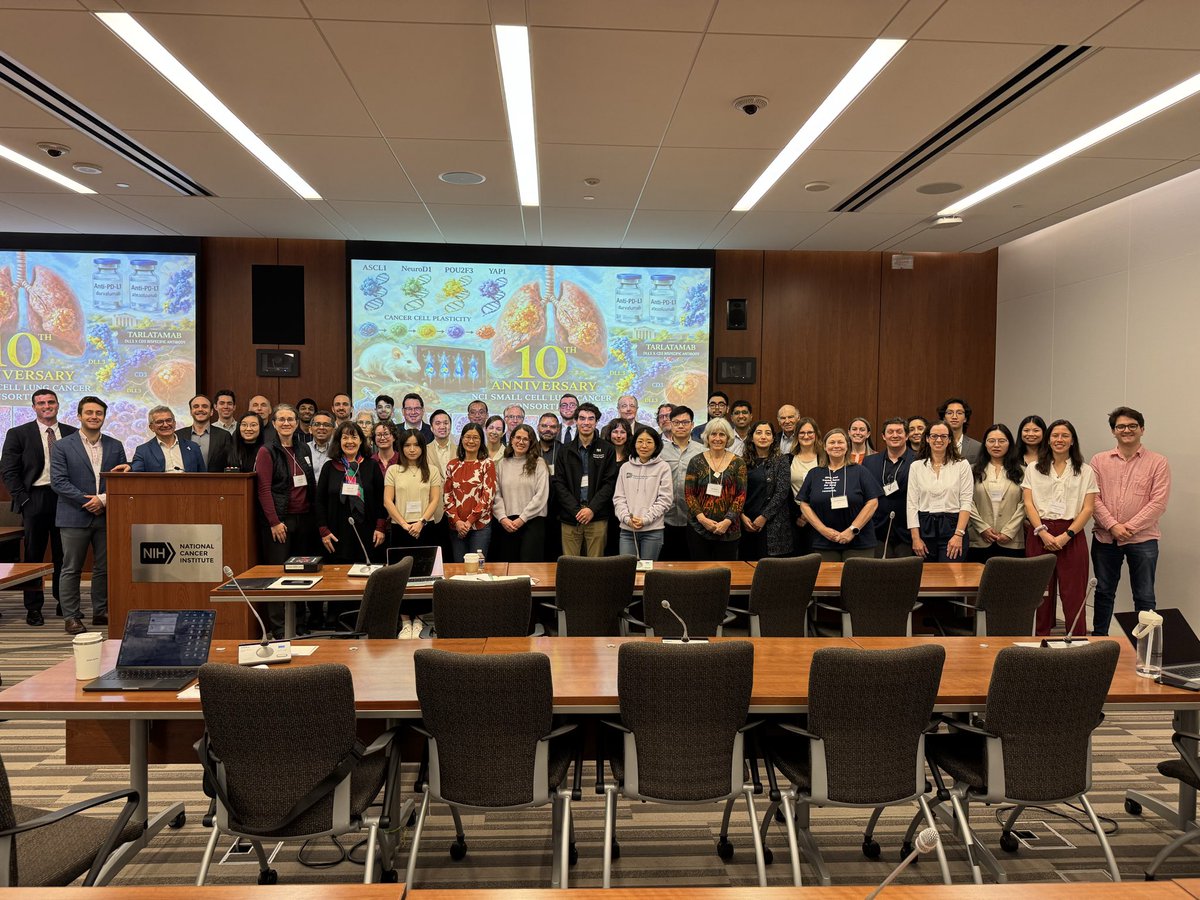
10th Anniversary!! of #SCLC U24 NCI Consortium meeting at @theNCI with @charlesrudin @PTRUJH Dr. John Minna Dr. Trudy Oliver @UTMDAnderson #SCLC #LCSM @UTSWCancerBio @NIH #plasticity #PDXs #SCLCsubtypes @SageJulien
2
4
20
1,100

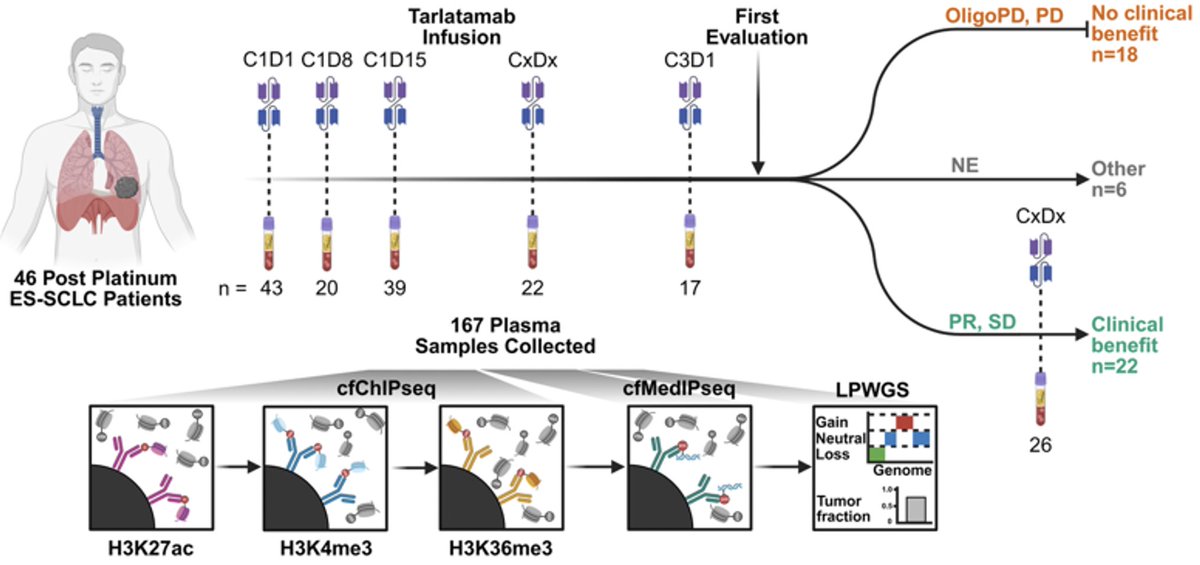
Excited to share our latest preprint, a wonderful collaboration w/ Matt Freedman and Sylvan Baca’s labs. Leveraging cfChIP-seq from patient plasma functional mouse modeling, we uncover how TF subtype shapes response and resistance to tarlatamab in SCLC.
biorxiv.org/content/10.64898…

Our latest collaboration with #MattFreedman and @Oser_Lab on resistance to tarlatamab: biorxiv.org/content/10.64898…. An exciting framework for studying cancer resistance: observations from patients using epigenomic #LiquidBiopsy -> functional validation in mouse models.
5
21
3,213
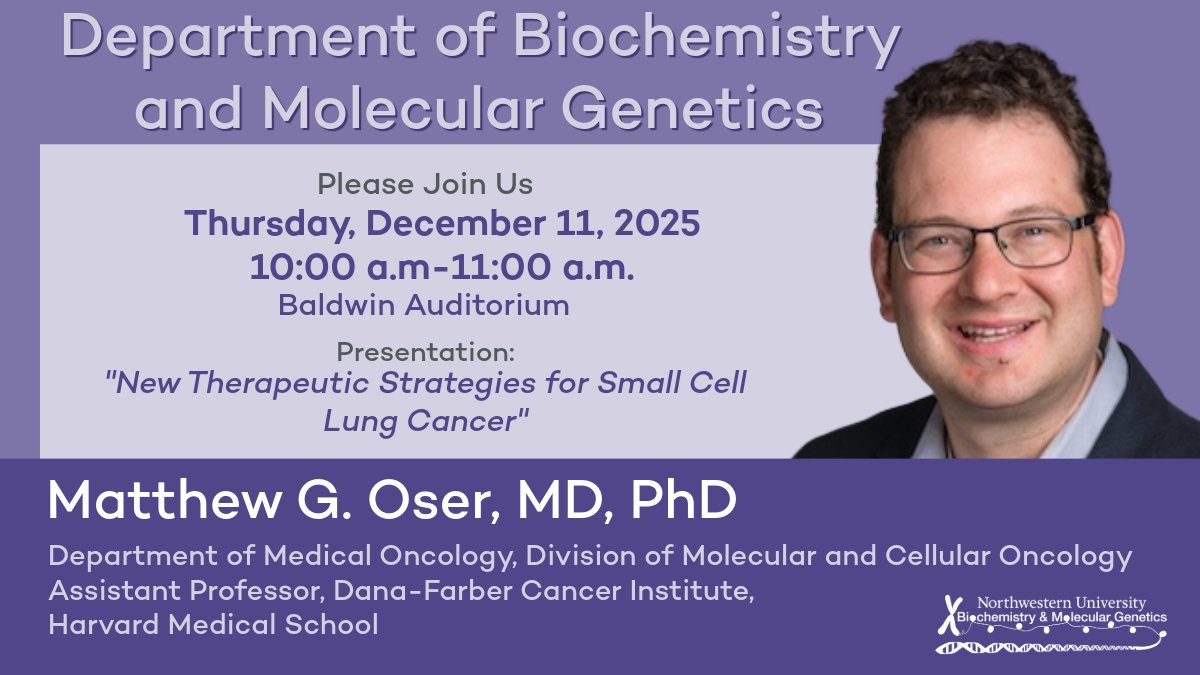
It was wonderful visiting the Northwestern BMG Department today and learning about all the outstanding science going on here. Thank you @LuWangLab for the invitation!
11 Dec 2025

Join us today for the BMG Seminar Speaker Dr. Matthew Oser! @Oser_Lab Hosted by Dr. Lu Wang @LuWangLab #epigenetics #Cancer #LungCancer @NUFeinbergMed @NorthwesternMed @DanaFarber @harvardmed
1
12
628
Excited to share our new work in Dev Cell (authors.elsevier.com/a/1lg4l…), led by my highly talented postdoc Deli Hong! We find that loss of NOTCH2 creates a dependency on TRIM28, highlighting TRIM28 as a potential therapeutic target in NOTCH2-deficient or low-NOTCH2 SCLC.
6
3
20
807
Grateful to all of our collaborators including @yejingge at MDACC.
sciencedirect.com/science/ar…
1
6
273
Thrilled to share our new work published in Nature (rdcu.be/eBCM0). We report an exciting new potential therapeutic strategy with a fascinating mechanism of action for cancers with a compromised G1–S cell cycle checkpoint, including SCLC.
nature.com/articles/s41586-0…
9
23
133
10,579
This study was led by my highly talented postdoctoral fellow Shilpa Singh and was an outstanding collaboration with Circle Pharma and Deepak Nijhawan's lab at UTSW. @DanaFarberNews @DFarberThoracic.
4
456
OserLab retweeted

24 Jul 2025
🧩 New paper out in Nature Communications!
"Unveiling the hidden interactome of CRBN molecular glues"
Huge thanks to our incredible team and collaborators who made this possible!
📖 Read the full open-access article here: nature.com/articles/s41467-0…
1
13
70
7,868
This is the first year I’m riding the Pan Mass Challenge in 2 weeks! I’m riding in honor of both my parents. It will be a deeply meaningful ride for me. All proceeds go toward cancer research at Dana Farber. Please donate if you can (details/link below) profile.pmc.org/MO0250
1
1
11
388
OserLab retweeted

3 Apr 2025
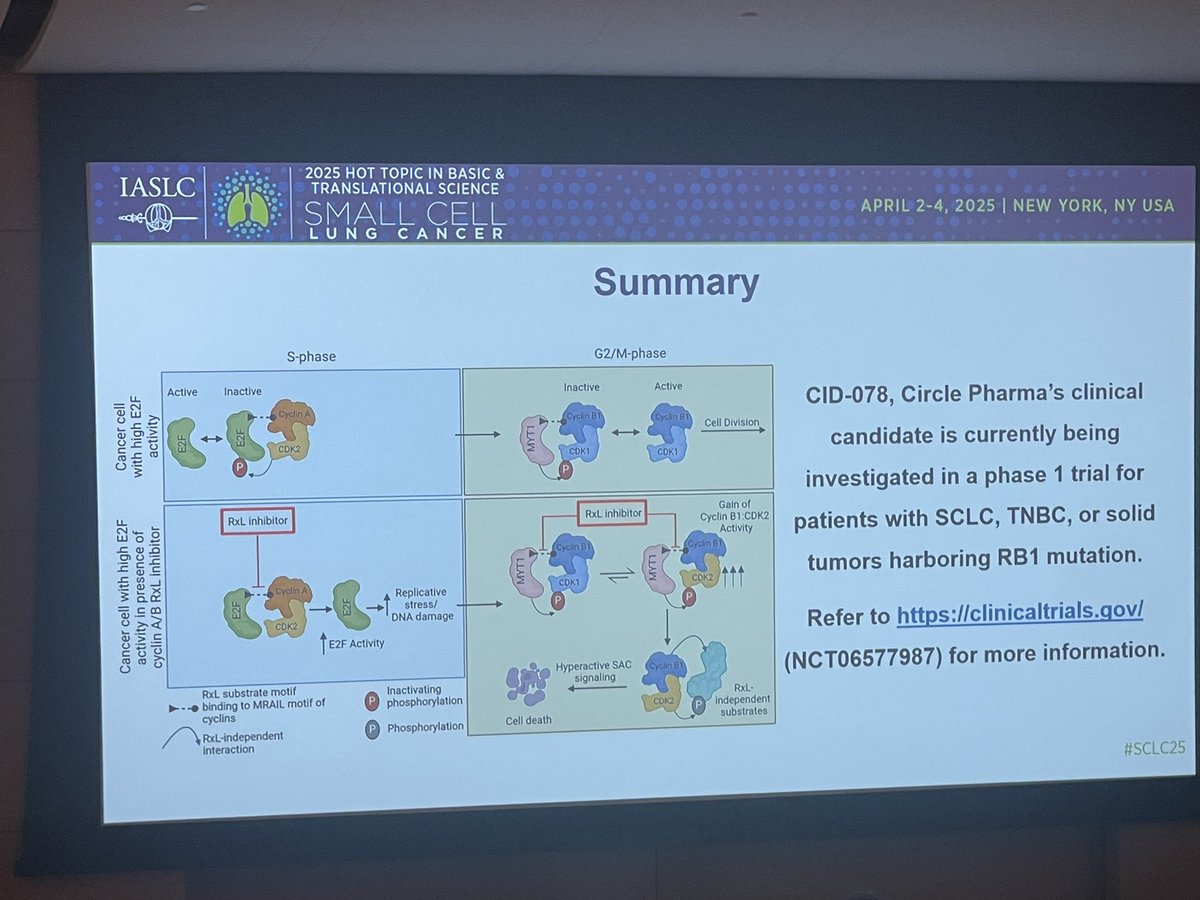
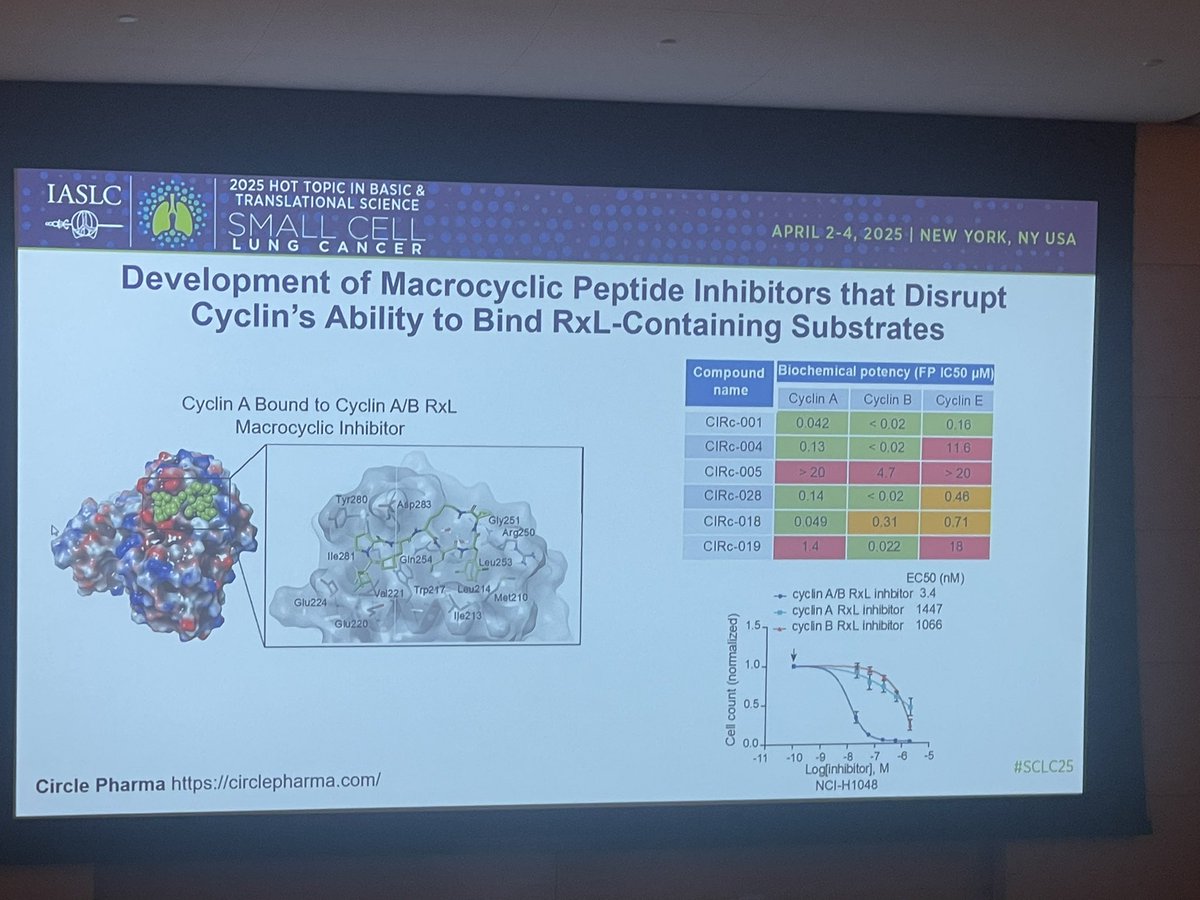
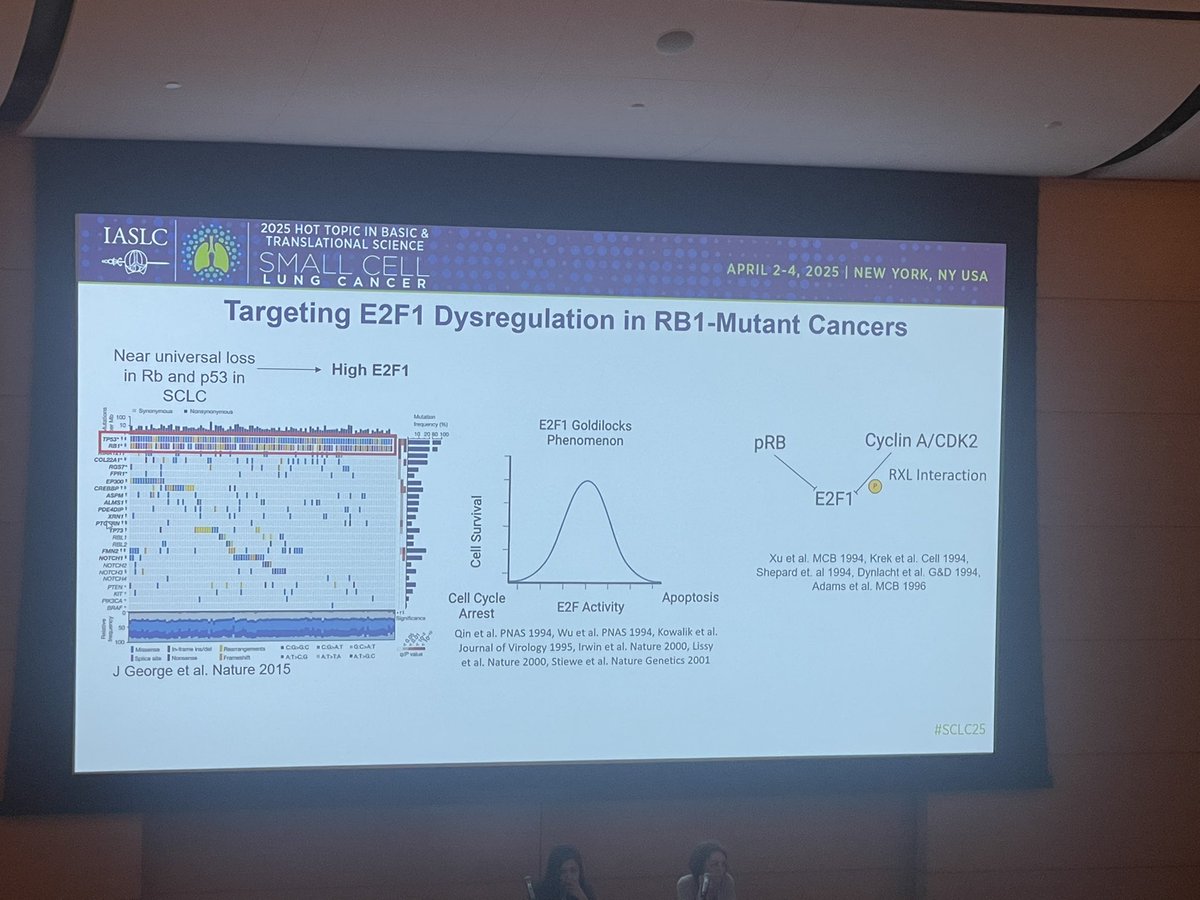
Great talk by Dr. Shilpa Singh @Oser_Lab @DanaFarber looking at Cyclin A/B RxL Macrocyclic Inhibitors in SCLC w/ high E2F activity. Beautiful example of bridging lab to clinical research. Phase 1 trial is recruiting. #SCLC25 @SclcSMASHERS
2
5
8
642
OserLab retweeted

8 Oct 2024
I am very excited to announce that I have started my lab at the Brigham and Women’s Hospital and Harvard Medical School in the Department of Pathology. We are seeking talented, curious, individuals and recruiting at all levels! tsailab.bwh.harvard.edu/
1/2
9
16
217
28,071
OserLab retweeted

17 Sep 2024
Thoracic oncologist Matt Oser @Oser_Lab, and scientist @CKadoch, @kadochlab at Dana-Farber have discovered a way to stunt the function of a driver of small cell lung cancer. The finding points to a potential treatment (cont) ms.spr.ly/l/6012mpPpQ
3
16
2,516
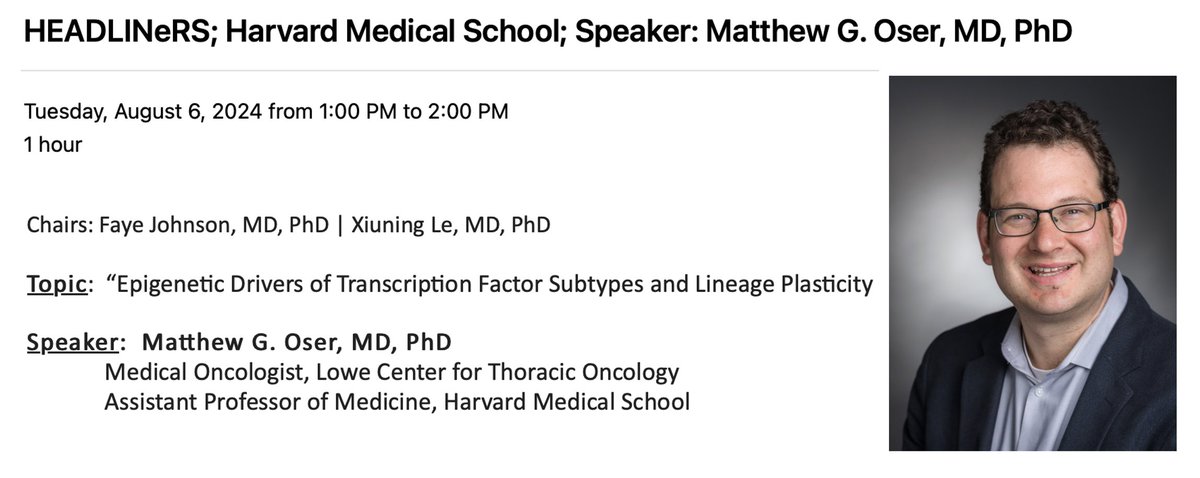
Thrilled to visit @MDAndersonNews next week and present some recent work from our lab on SCLC. Thank you @LeXiuning for inviting and hosting me!
1 Aug 2024

I am excited to host Dr. Matt Oser from DFCI @Oser_Lab as our GrandRound speaker next week! Matt is a prominent physician-scientist, a colleague in thoracic oncology, a peer Damon-Runyon investigator, and a dear friend @DamonRunyon @LaurenByersMD @MDAndersonNews @EGFRResisters
1
1
14
922
OserLab retweeted

22 Jul 2024
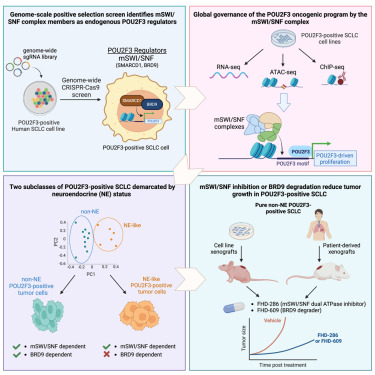
Excited to see our collaborative work with @Oser_Lab @DanaFarber @DanaFarberNews on #SCLC #lungcancer out in @Cancer_Cell, identifying chemically targetable #BAFcomplex chromatin regulatory dependencies and providing foundation for new clinical studies for this aggressive cancer.
18 Jul 2024

Online Now: Mammalian SWI/SNF complex activity regulates POU2F3 and constitutes a targetable dependency in small cell lung cancer dlvr.it/T9n6ZN
2
5
23
10,711
OserLab retweeted

22 Jul 2024
Exciting to see our @kadochlab and @Oser_Lab collaborative study focused on mSWI/SNF chromatin remodeling complexes in small cell lung cancer out in @Cancer_Cell! This is one of 4 studies published/soon to be published highlighting the potential for #BAF disruption in SCLC!
22 Jul 2024

Excited to see our collaborative work with @Oser_Lab @DanaFarber @DanaFarberNews on #SCLC #lungcancer out in @Cancer_Cell, identifying chemically targetable #BAFcomplex chromatin regulatory dependencies and providing foundation for new clinical studies for this aggressive cancer.
8
63
4,193
Thank you @DanaFarberNews for featuring our new work, a wonderful collaborative effort with @CKadoch @kadochlab, published today in @Cancer_Cell. Congrats to Leslie Duplaquet and Kevin So who together led this study and to computational biologist Alex Ying.
18 Jul 2024

A study in @Cancer_Cell, led by Matthew Oser, MD, PhD (@Oser_Lab) & Cigall Kadoch, PhD (@CKadoch) at @danafarber identify SWI/SNF inhibitors as a potential targeted treatment for POU2F3-positive small cell lung cancer, accounting for 12% of cases.
Study ▶️ ms.spr.ly/6016lRrkI
20
963
Thrilled to share our labs latest work, now online @Cancer_Cell where we used positive-selection CRISPR screening to discover that POU2F3 is regulated by the mSWI/SNF complex
cell.com/cancer-cell/fulltex… 1/
8
22
113
14,332
Lastly, thank you to all of our other collaborators as well as our reviewers and editor which greatly improved our paper during the revision process. @DamonRunyon @DanaFarberNews.
3
261