
Joined December 2024
- Tweets 401
- Following 2,549
- Followers 181
- Likes 999
93 Photos and videos



Pinned Tweet

27 Aug 2025
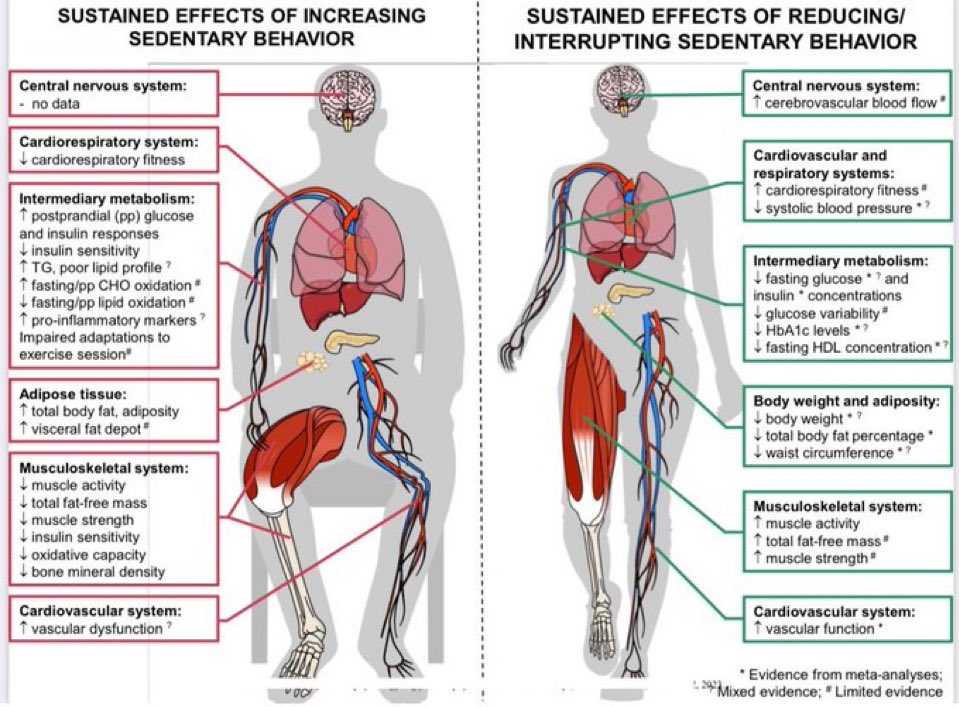
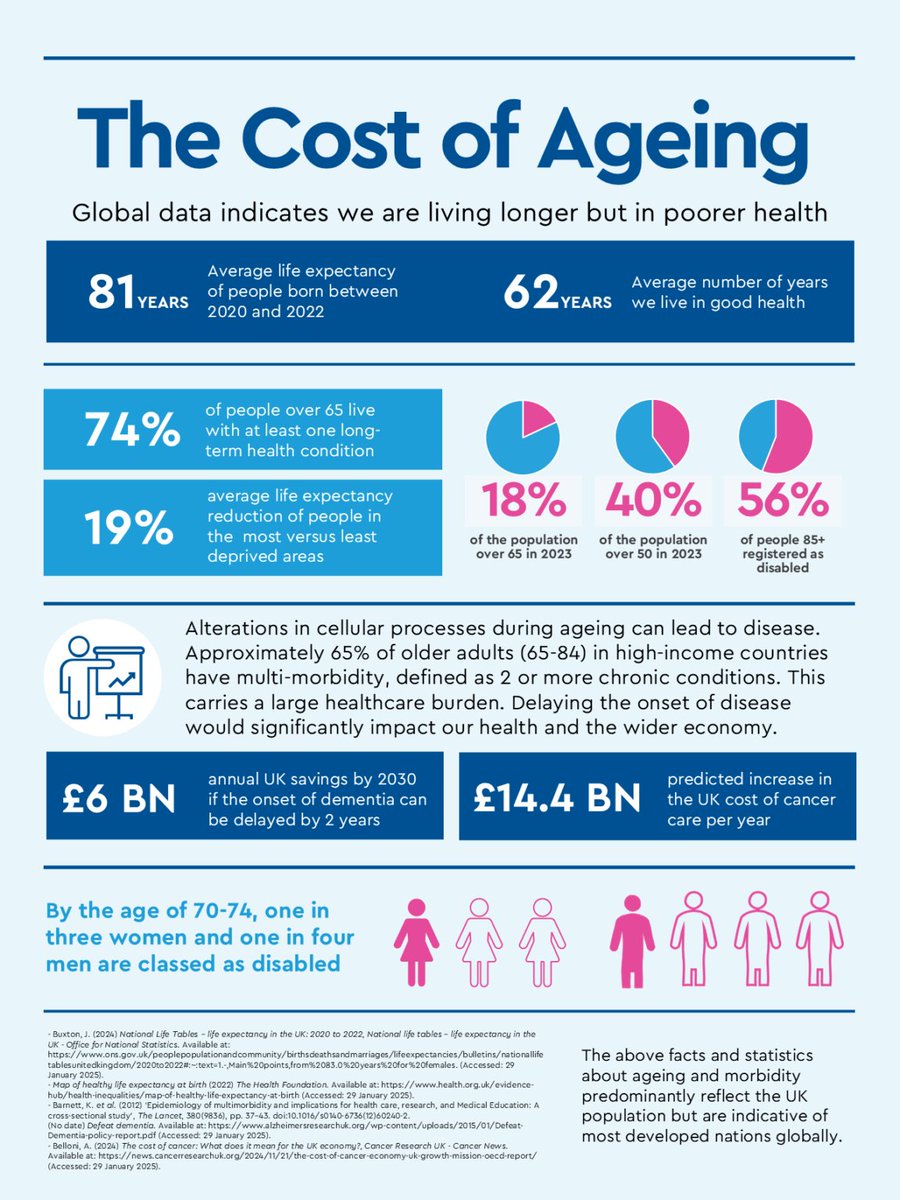
In the UK, we MUST prioritise policies to radially change older adult & specifically frailty healthcare.
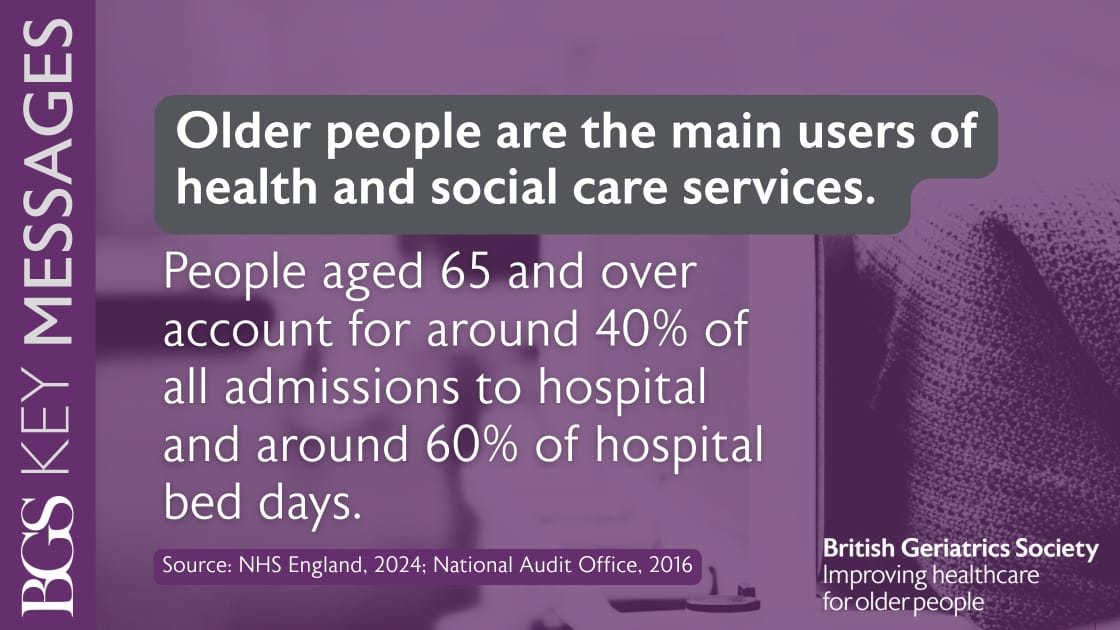
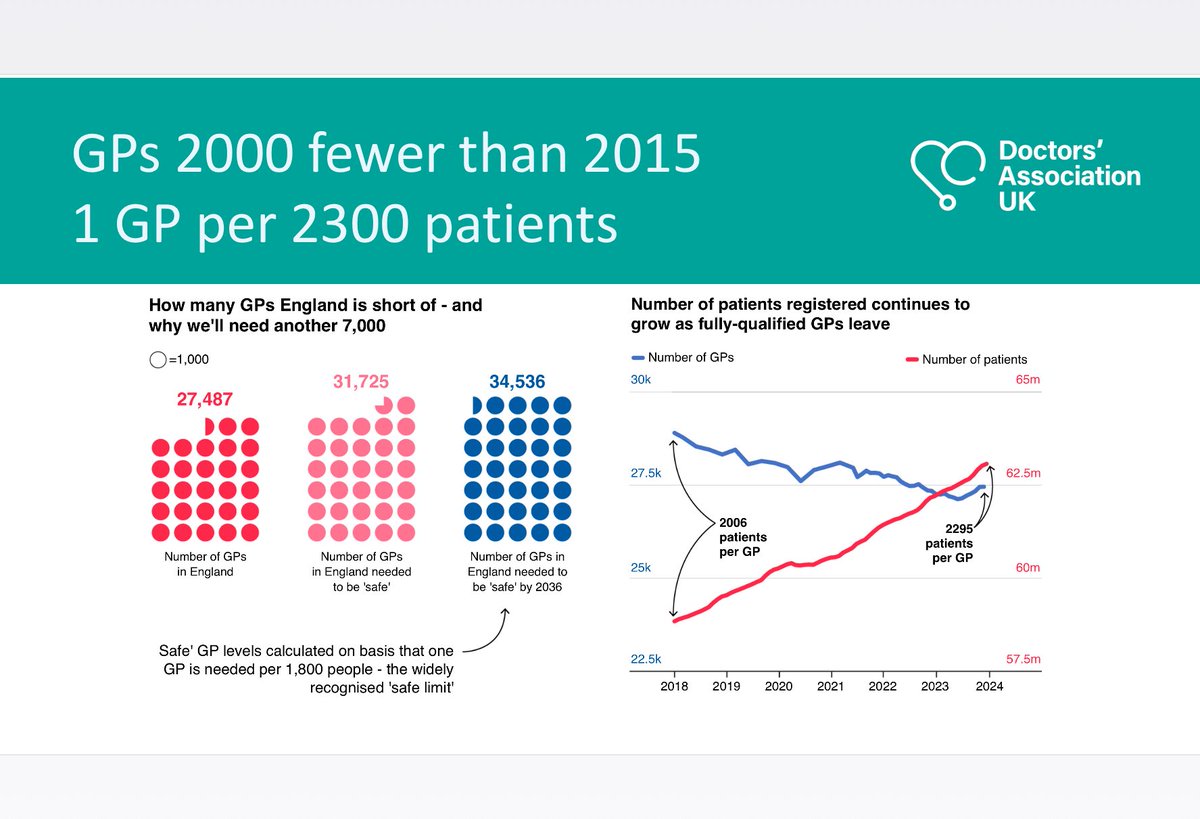
With older adults 4x as likely to see a GP, making up 40% of hospital admissions & 60% of hospital bed days. With A&E waiting times off the charts & a inefficient social care resulting in medically fit patients unable to be discharged awaiting carers or care placements. We (collective healthcare providers) must seek to improve the clinical outcomes, cost savings & most importantly patient experience of older adults.... Especially the frailest of the frail!
1 in 5 older adult hospital admissions are avoidable (20%)
2/5 for care home residents (40%)
Around 1/6 older adults admissions are of those discharged from hospital in the last 30 days.....
We have the data, strategies & mechanisms to ensure policies are evidence based & meaningful in application.
We MUST look to change older adult healthcare from a reactive model to a proactive system of delivery.
Aiming to maintain good health rather than simply step in during acute illness.
With an ageing population, there is a tsunami of older adults looking seeking access to a healthcare system already buckling under the strain.
The healthcare systems are fire fighting daily unable to see or effect the multifaceted nature of the issues it faces...
The problem is up stream (in the community) not here in the boat (hospitals) which is taking on water.
Healthcare systems of current models of delivery will not be able to cope under the flood!!!
Commissioning groups look away, it's fine it's someone else's problem. Yet the only inevitable event is that you will age. Thus, if not for today's older adults do it for tomorrows (you & your loved ones).
X is full of divisions and opinions
Yet maybe use that profile for a issue irrespective of different views.
It only takes one spark to start a fire !
We want to be the spark that starts the revolution of change in older adult healthcare. Lets change how we view care for the most vulnerable in our society irrespective of your melanin type, religion or social class
We are failing the frailest amongst us
Proactivehealthcareservices.…
@elonmusk
@wesstreeting
@NHSuk
@DaysofNHS
@NHSEngland
@reformparty_uk
@UKLabour
@LibDems
@TheGreenParty
@thisisyourparty
@theSNP
@georgegalloway
@TRobinsonNewEra
@SadiqKhan
@jeremycorbyn
@Keir_Starmer
@edsheeran
@garyseconomics
@GoodwinMJ
@mattletiss7
@GaryLineker
@DillyHussain88
@5Pillarsuk
@EddieHearn
@Keir_Starmer
@Miss_Snuffy
@owenjonesjourno
@jamieoliver
@GordonRamsay
@Nigel_Farage
@RupertLowe10
@benhabib6
@MaajidNawaz
@Carl_Froch
@anthonyjoshua
@Tyson_Fury
@joerogan
@_AdvanceUK
@AlzResearchUK
@age_uk
@AGE @zarahsultana
@JuliaHB1
@DocShivSharma
@DrLukeCraddock
@piersmorgan
2
854
Danny retweeted

Feb 27
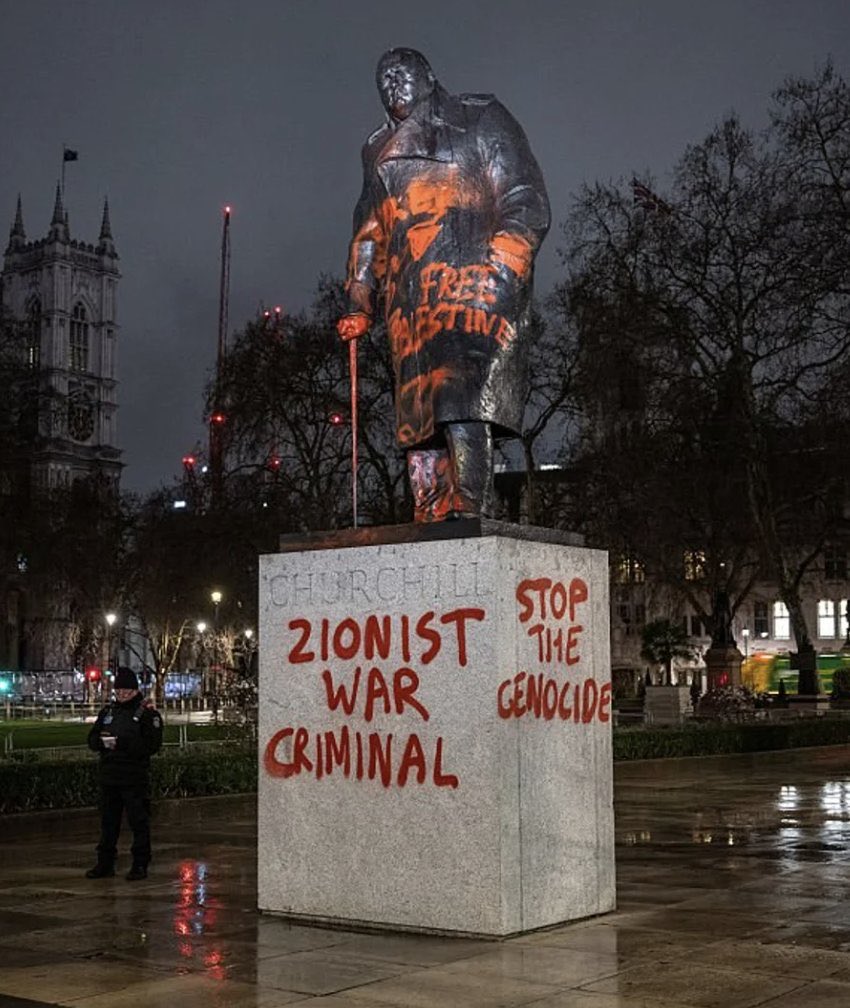
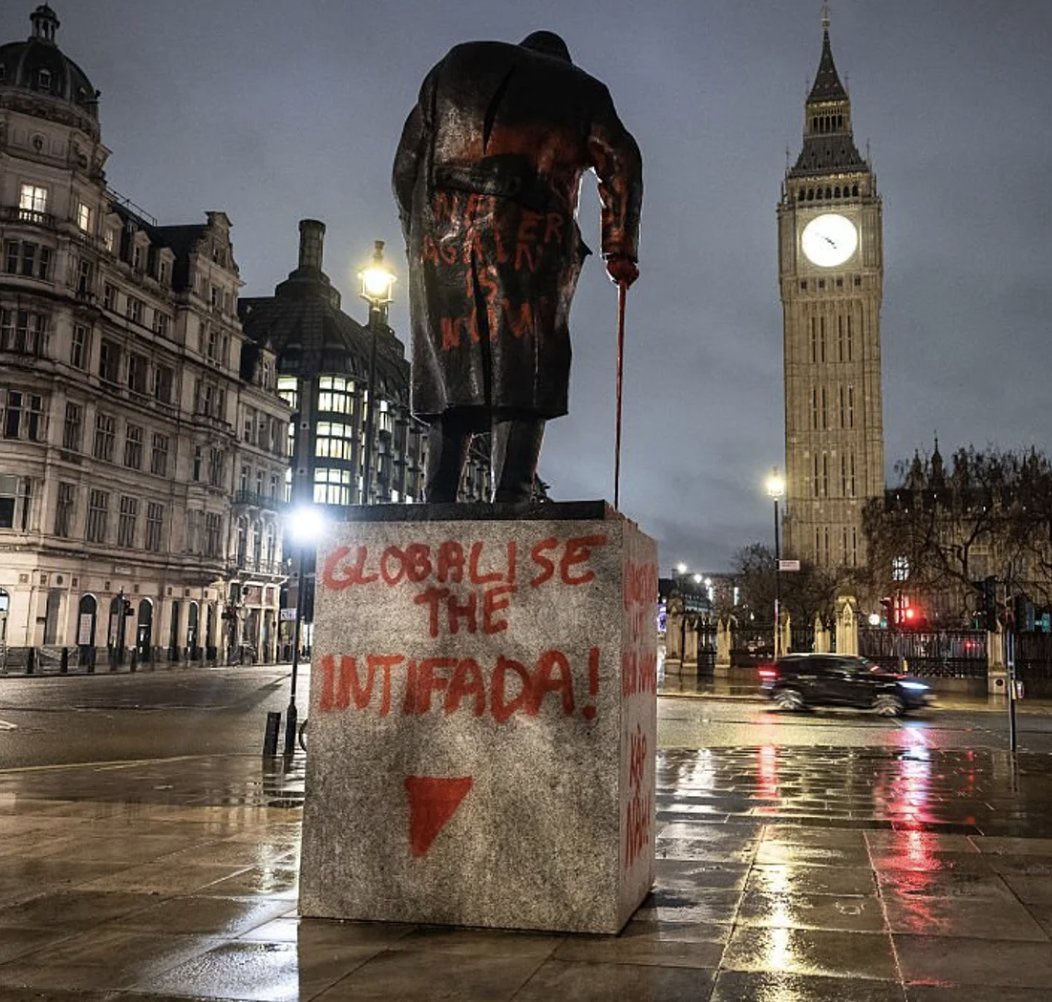
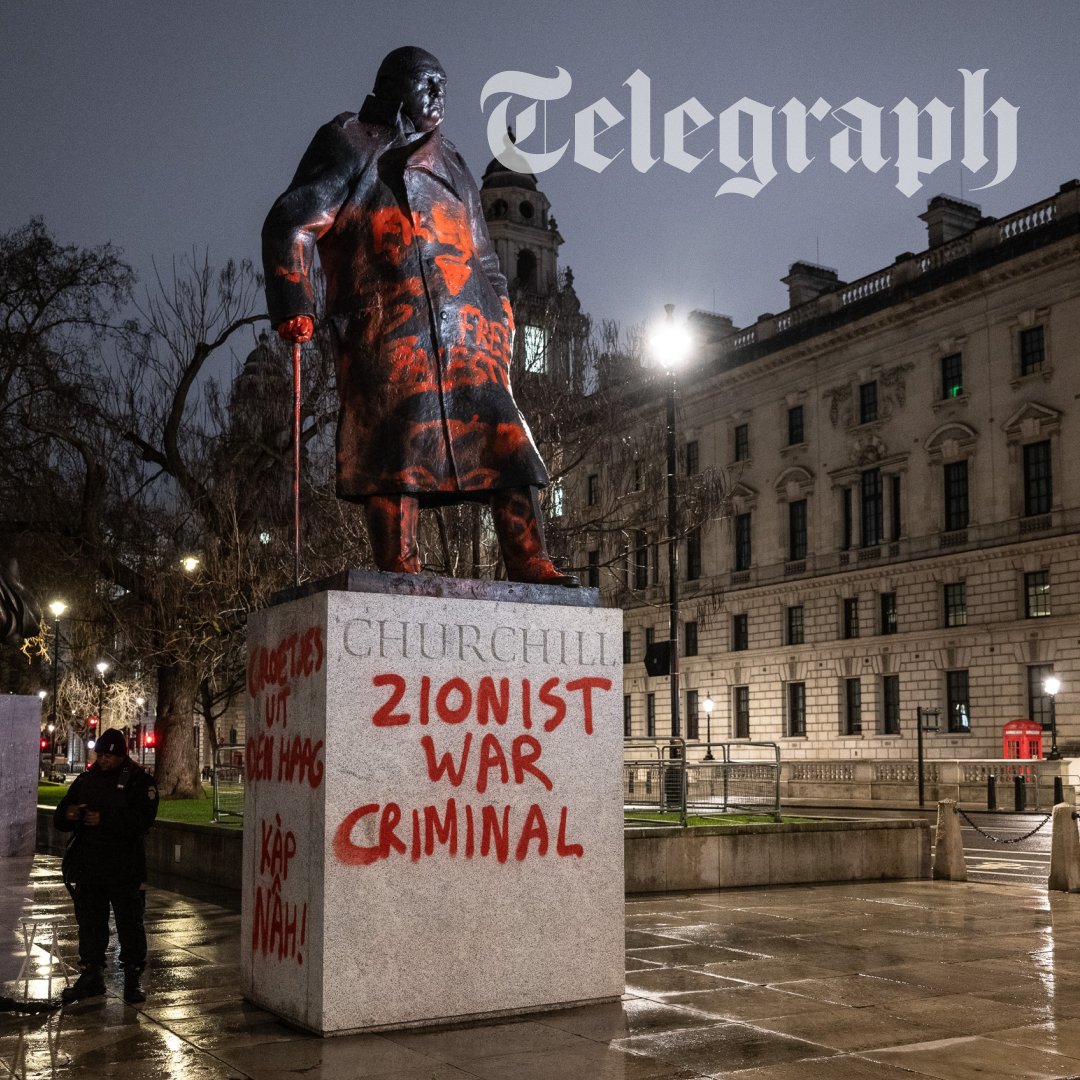
The Churchill defacer is a Dutch Palestine Action supporter. He came to the UK to do this in the name of our own domestic terrorists.
How DARE he.
913
2,063
7,201
272,379
Danny retweeted

Feb 27
Appalling desecration
@metpoliceuk you have officers / cctv in Parl Sq 24/7 ….how was this allowed to happen ?
@ZackPolanski do you condemn this criminality by your pro Gaza mob?
349
1,106
7,305
213,217
Danny retweeted

Feb 26
Again, thanks for the warning
Would he be offended if some of us tried to resist the take-over, or would that be insulting to Muslims ?
Feb 26

British Imam demands the english people submit to Allah before it is too late as Islam will soon take total control of the UK, Europe, and even America.
What’s your message to him?
1,221
3,270
15,864
304,452
Danny retweeted

Feb 27
The Green Party has surpassed Labour and is now the biggest left-wing party in the UK.
This is their deputy leader Mothin Ali, a radical Bangladeshi Muslim who likes to scream Allahu Akbar, and whose wife wears a burqa.
Does this look like someone with ‘progressive’ values?
1,176
5,846
24,656
946,258

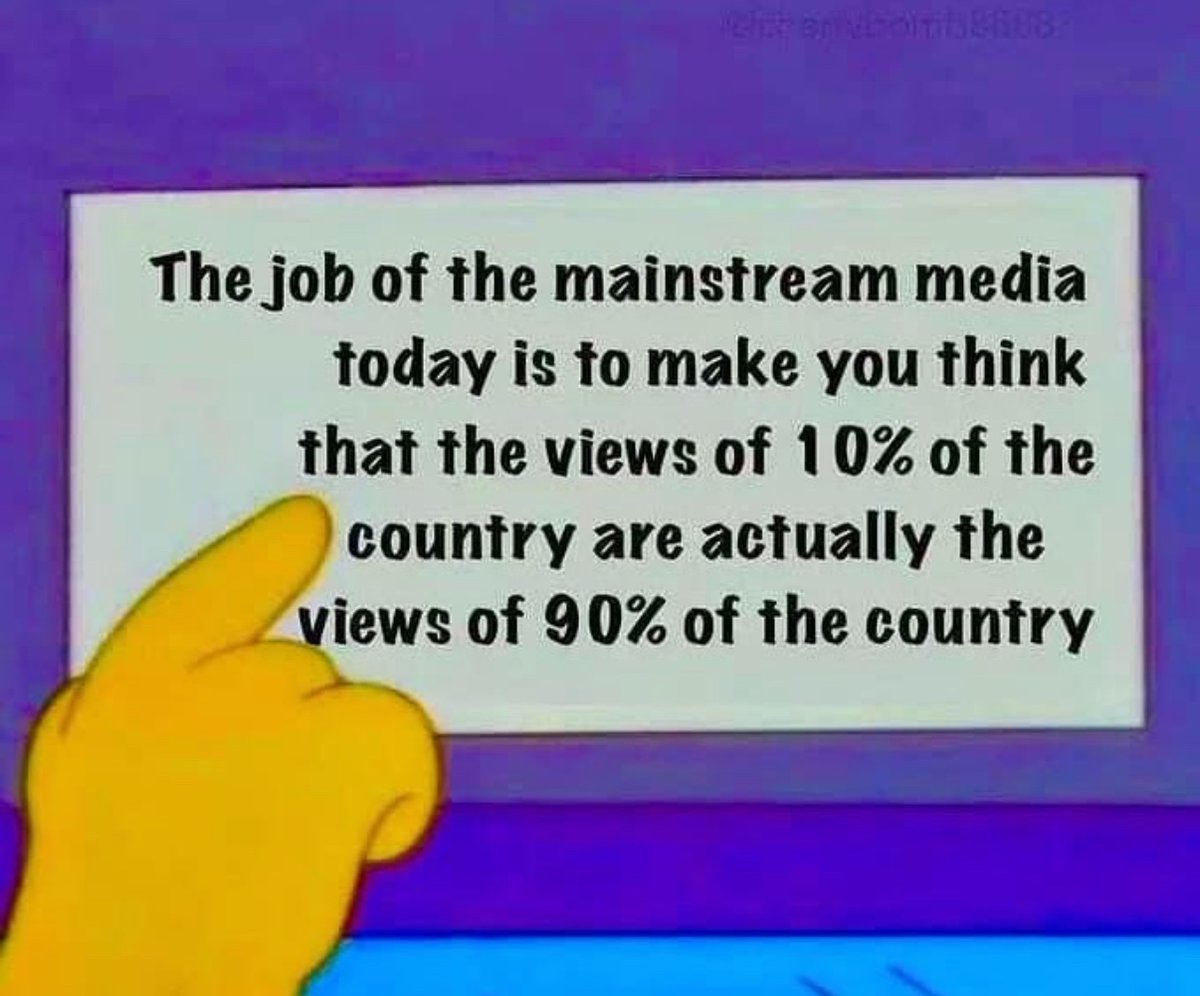
Yes

11,725
56,485
374,345
20,646,559
Danny retweeted

Feb 25
Muslim Brotherhood society at the University of Manchester(ISoc): "Talking to women takes you to hell. The 7th of October in Israel made more people convert to Islam. Hamas jihadists are martyrs, like Muslims stabbed in London; they are all going to heaven equally."
This is not an ISIS compound in Syria.
This is not al-Qaeda in Sudan Army(SAF).
This is not Wahhabi extremism in Saudi Arabia.
This is the University of Manchester.
We will not send our students there anymore.
577
3,225
8,075
1,960,369
Danny retweeted

Feb 27
🔴 Churchill statue defaced with ‘Zionist war criminal’ graffiti
Find out more ⬇️
telegraph.co.uk/news/2026/02…
75
56
215
114,147
Danny retweeted

Feb 27
It is not unusual for governing parties to be humiliated in by-elections and to subsequently recover. But the trouncing of Labour in Gorton and Denton is something special. And it is especially damaging to the career prospects of the prime minister, Sir Keir Starmer.
The electoral facts are astonishing, Despite all the talk of it being a close three way race, the Greens won with a comfortable margin of 4,402 and secured 41% of the vote, compared with Reform on 29% and Labour on 26%.
Remember that Labour secured 50.8% of the vote in the 2024 general election and had a margin over its rivals of 36.7%, on a voter turnout almost identical to yesterday's. Gorton and Denton was, on that arithmetic, one of the 10% of the seats that it took that should have been easiest to retain.
Or to put it in the jargon, it has lost one of its safest seats. And having lost Gorton, Labour could lose almost anywhere.
There are three reasons why this is deeply problematic for Starmer personally.
First, and perhaps of least importance, the campaign it fought in the constituency now looks ridiculous. It constantly made the claim that the Greens were an irrelevance in the contest and that the only way to beat Reform was to vote Labour.
Well it got one part of the analysis right: a majority in Gorton and Denton did not want a Reform MP. But they chose Zack Polanski's Greens as the vehicle to achieve that, so disillusioned are they with Starmer's government.
Second, Starmer himself - through a committee of Labour's ruling National Executive Committee - vetoed the strongest potential candidate, Andy Burnham, mayor of Greater Manchester. We'll never know whether Burnham's personal local popularity would have reversed the anti-Labour tide, and would have secured the seat. That's at Starmer's door.
Finally the victory of the Greens is devastating to Starmer's positioning of the party, under the powerful influence of his former chief of staff, Morgan McSweeney. He allowed the Greens to flourish and grow, in fact he encouraged it, by positioning Labour to the right, on everything from immigration, to the EU to the economy, because he and McSweeney saw the main challenge as from Farage and Reform.
From election night onward, this always seemed eccentric at best, since one of the conspicuous trends in that election was how well parties of the left performed. If Starmer wanted to be in power for the ten years he said was necessary to change the country, he always needed to position Labour as part of a loose informal grouping that would include the LibDems and the Greens.
Instead he set those parties up in many voters' minds as the principled alternatives to both Reform and Labour. He could have taken the oxygen away from the Greens and the LibDems. Instead he fed them.
Starmer's Labour will also have been hurt in Gorton and Denton, with its significant muslim and student communities, by his cautious approach to criticising the Israeli government's strikes on Gaza and by taking his pragmatic, friendly approach to Trump. Some Labour MPs will give him the benefit of the doubt in those respects. But most will just be frantically worried about their career prospects.
So what follows from Labour's Gorton catastrophe?
First, the pressure for a massive overhaul of Labour's political positioning and policies will become irresistible.
Second, Starmer's own credibility is now so damaged that he will struggle to recover.
If he has another roll of the dice before the local and national elections on 7 May, it's only because no credible alternative candidate to be leader is ready to launch a campaign yet.
But even members of his cabinet say that the consensus among Labour MPs is he won't lead them into the next election. And when they say that so casually, it's difficult to see how even Starmer - who prides himself on never giving up - will keep on keeping on.
315
102
528
157,950

Manchester City Council has responded to reports of high levels of family voting in the Gorton and Denton by-election, as counting continues.
@SamCoatesSky reports.
trib.al/h0pmZlb
📺 Sky 501, Virgin 602, Freeview 233 and YouTube
104
72
249
83,691
Danny retweeted

Feb 27
Imagine the sixth largest economy in the world run by these loons 👇🤡
Feb 26

It's a Green Party in Gorton and Denton
Vote Hannah Spencer
Vote Green 💚
1,001
1,128
6,463
153,194
Danny retweeted

Feb 26
Sorry, it is not possible yet (if ever) to make the determination which was worse, because of the ongoing cover ups in both the British underage rape ‘grooming’ gangs cases (there *have* been many multiples of convictions across the country but London cases are still being covered up by the mayor) and in the global Epstein Files (yes there is no longer a media cover up, but there are also *no convictions* beyond Maxwell. Also, is Epstein even dead?).
However, please note that the globalist VIP pedophile blackmail ring that Epstein was the fixer for (not the boss, which according to him appear to have been players within the Rothschild dynasty), involved royals, heads of government, major global banks, multiple intel agencies, Big Tech (Peter Thiel, et al) and spanned multiple countries, and was verifiably designed to control policy via blackmail, on war & peace, as well as on Covid & technocracy, just as we have been saying for years.
All victims are equal.
Though Epstein’s criminality certainly appears to be more *consequential* than underage rape gangs.
Many of the Epstein-network’s trafficked underage victims are presumed to have been tortured/murdered for sexual gratification. We may never know how many.
Besides, the truth is (and as @Keir_Starmer’s role in covering it all up when he was Director of Public Prosecution highlights) in the UK, it was all ONE CONNECTED OPERATION:
Largely Pakistani-Muslim street level dealers & pimps were procuring underage girls & drugs, for largely white perverted VIPs, who were then being blackmailed by their largely Jewish handlers.
Each used dehumanising language about the other to justify their evil (goyim, kafir etc..)
After all that has been revealed, if anyone tries to make any of this about just one community, then they deserve to be called out for emotionally driven bigotry.
Human beings have failed us here, bigly.
Thank you for your attention to this matter.
Feb 26

The grooming gangs scandal created infinitely more victims and was a much broader cover-up.
It's not trendy to endlessly talk about though.
1
29
85
15,152
Danny retweeted

Feb 26
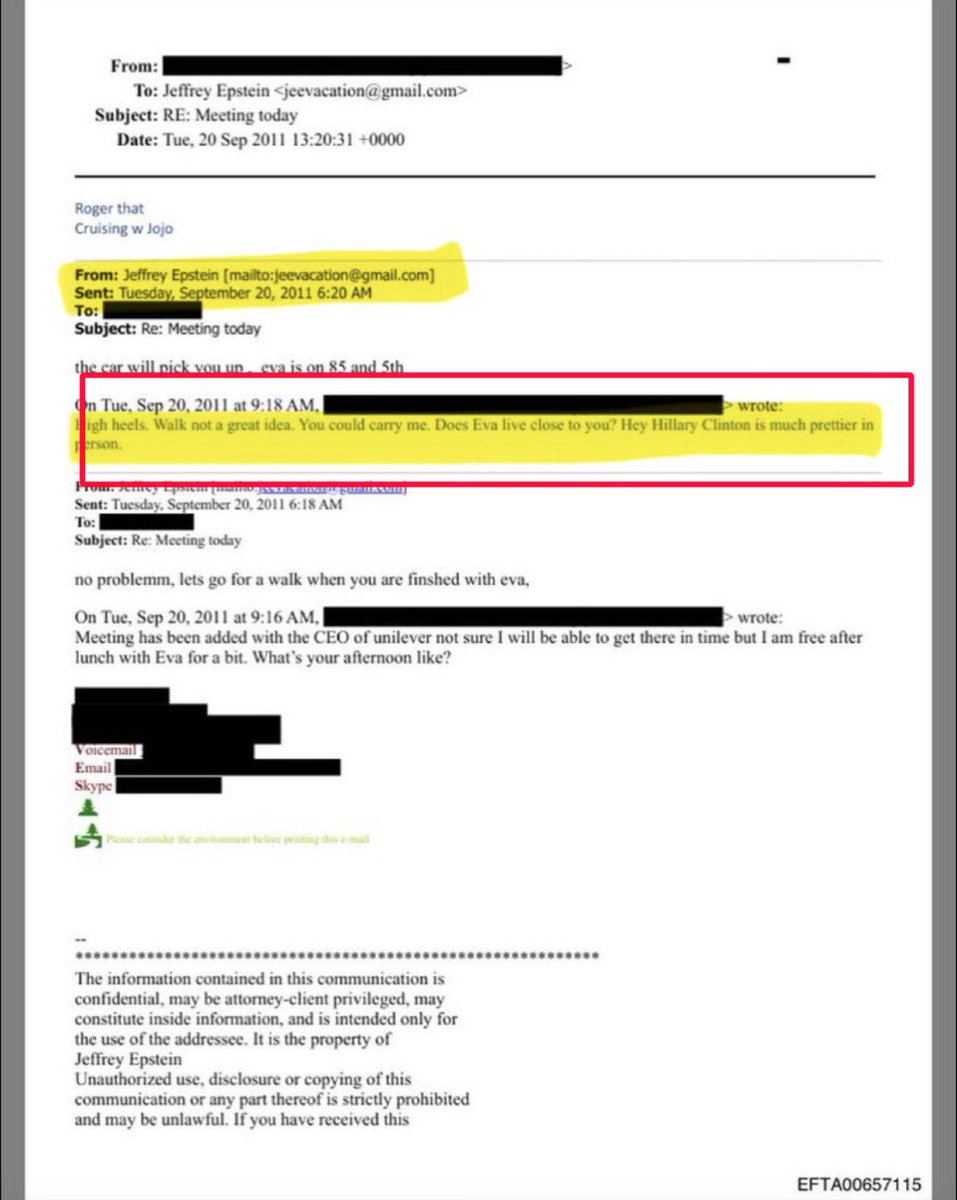
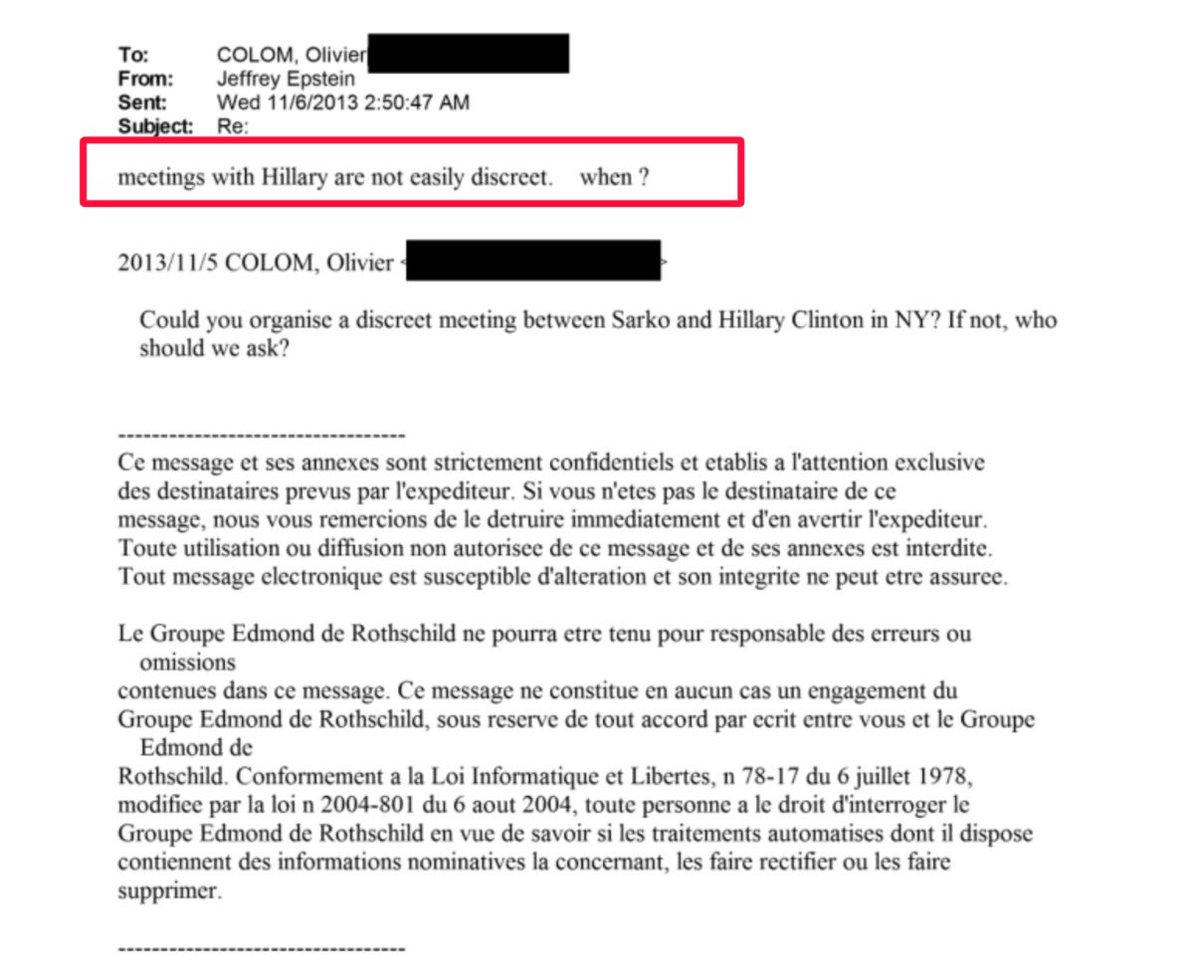
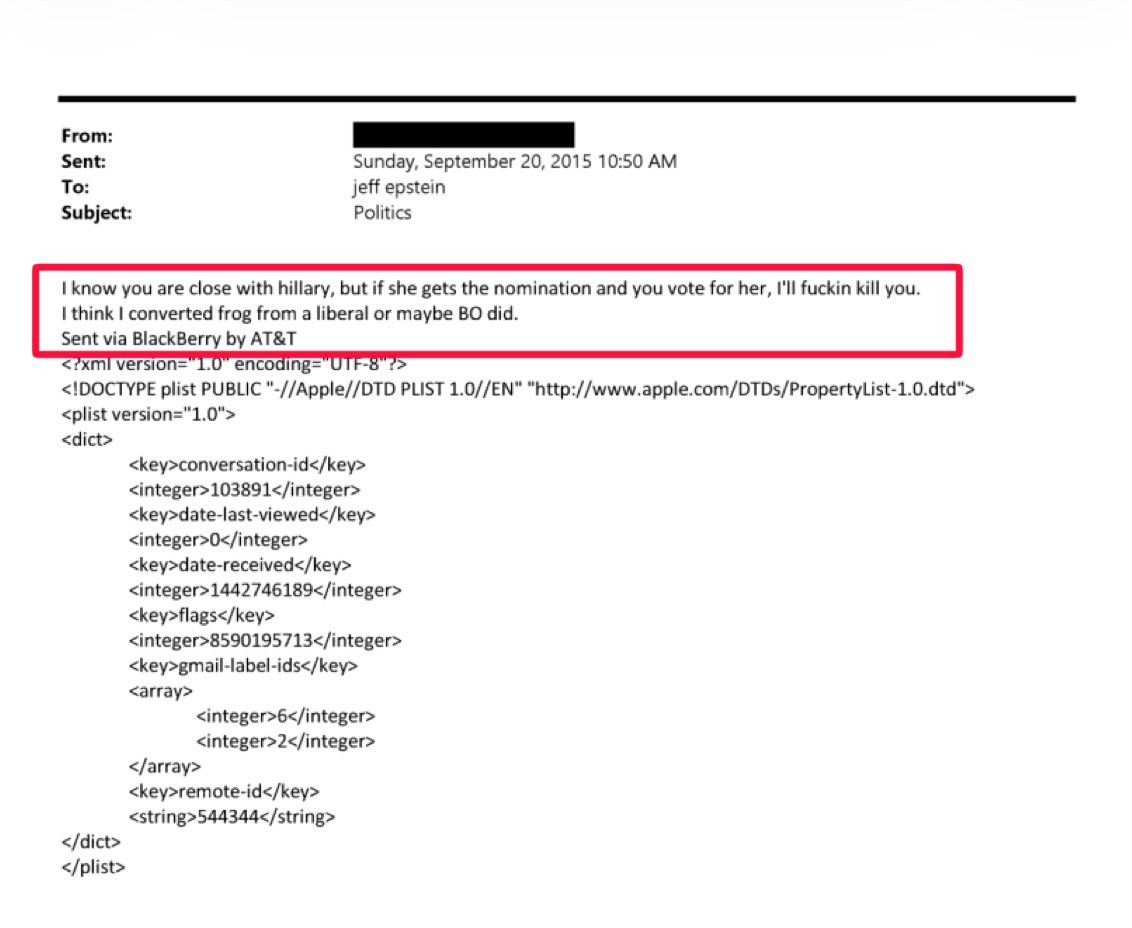
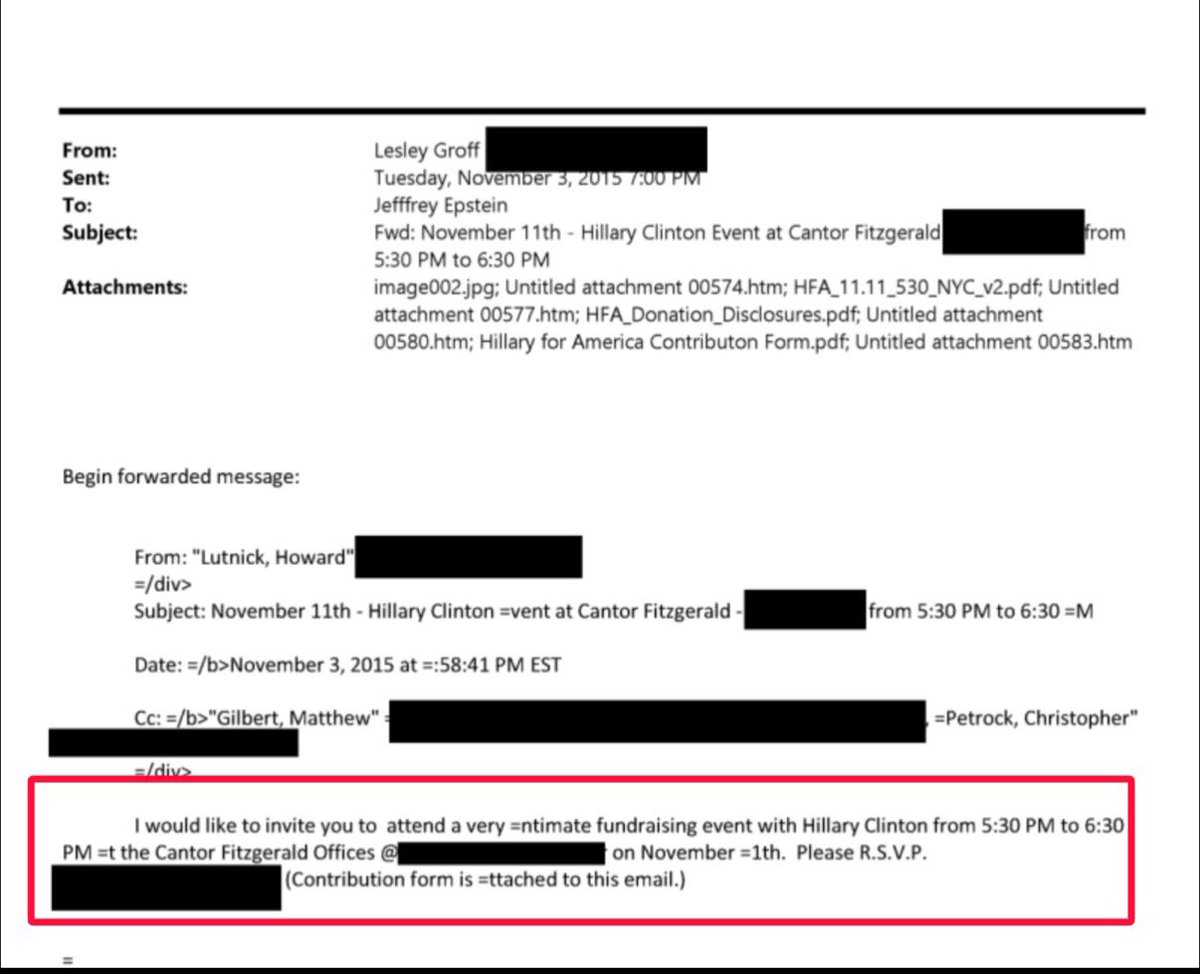
Hillary says she never met Jeffrey Epstein.
But Emails with Jeffrey Epstein say that's not true:
“Hillary Clinton is much prettier in person.”
“meetings with Hillary are not easily discreet. when?”
“I know you are close with hillary, but if she gets the nomination and you vote for her, I'll fuckin kill you.”
“I would like to invite you to attend a very intimate fundraising event with Hillary Clinton”
1,169
7,428
19,419
445,838

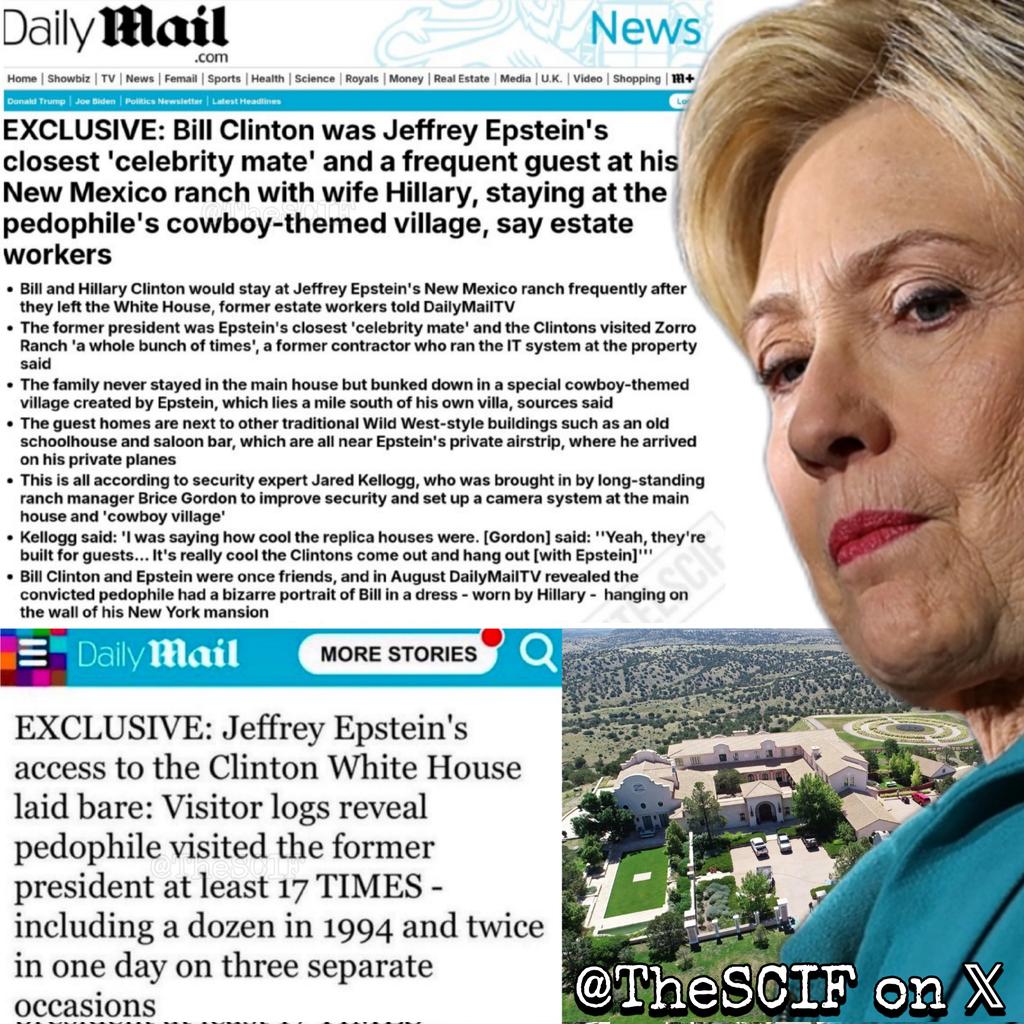
Hillary Clinton doesn't know Epstein, but Bill and Hillary were FREQUENT guests at Epstein's New Mexico "Zorro" ranch after they left The White House. Bill was described as his "closest celebrity mate."
The White House visitor logs also revealed 17x trips from Epstein to The White House, including a dozen times in 1994, and 2x in one day on 3x different occasions.
Don't forget Epstein being one of the original founders of the Clinton Global Initiative, Bill flying 26x on the Lolita Express, or Maxwell at Chelsea's wedding. I'm sure Hillary never knew Epstein.
298
4,202
7,161
87,800
Danny retweeted

Feb 26
🚨 Maryland sheriffs are now publicly calling out Democrats who are preventing them from cooperating with ICE.
97
857
7,018
151,879
Danny retweeted

Paediatric physios call out lack of action on ‘catastrophic’ waiting times
A year after the CSP & APCP warned of irreversible harm to children due to long waits for treatment, the BBC reported that a quarter of children are now waiting more than 12 months csp.org.uk/news/2026-01-29-p…
6
4
955
Danny retweeted
26 Oct 2025
I reject all organised religion and do not follow a “religion”, even those who misunderstand what they call “Islam”.
The Umayyad Arab empire did to Islam what the Roman Empire did to Prophet Jesus’ (upon him he peace) message. It appropriated it, formalised it, codified it and weaponised it, for war, conquest & power.
Islam always rejected clergy. Islam means submission to God. In secular language, “surrender to the Universe”.
Shari’ah is not a “law” and existed before the concept of codified law was invented. Shariah means path to water. Or the Way to Life.
Islam is an oral tradition passed down from teacher to student, going all the way back through our righteous predecessors to all our Prophets.
Islam is a dynamic living path, described in its own words as a Dīn (The Way). This Way is the same Way walked by prophets Jesus and Moses (upon them be peace).
Religion is an anathema to seeking The Way.
Allah is no sky fairy. Allah is a name used to point to the original, unified Source Consciousness singularity.
One of Allah’s names is the First.
Another of Allah’s names is the Last.
20
16
71
18,315
Danny retweeted

Feb 23
Ladies & gentleman
I give you the “party of unity”
The Greens
Everybody needs to see this ⬇️
This is blatant sectarianism
415
1,203
6,541
555,775
Danny retweeted
Feb 22
Did Starmer explain to Iqbal Mohammed that cousin
marriage is specifically not part of British culture
Or would that cost him too many votes ?
Feb 22

Muslim MP Iqbal Mohamed cried in the British Parliament, saying cousin marriage is part of his culture and banning it would be ‘Islamophobic.’
Keir Starmer followed his advice and blocked a ban on cousin marriage to avoid offending the Muslim community.
599
2,519
13,765
236,737
Danny retweeted

Feb 23
Reform promises agency to ensure mass migrant removal bbc.in/4qQ6CQO
147
52
312
26,650
Danny retweeted

Feb 23
Reform UK will proscribe the IRGC and the Muslim Brotherhood.
161
431
3,469
109,316