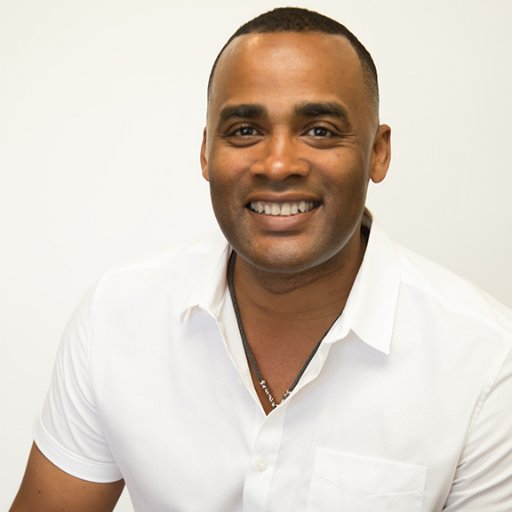
Conservative child of GOD, Son of a Marine, Founder of PSAT Academy, Texas A&M Alumni (Chemistry), MBA, Doctorate Chiropractic, Post-Doctorate (Neuroscience)
Joined September 2016
- Tweets 2,845
- Following 884
- Followers 559
- Likes 3,247
600 Photos and videos


Pinned Tweet

11 May 2023
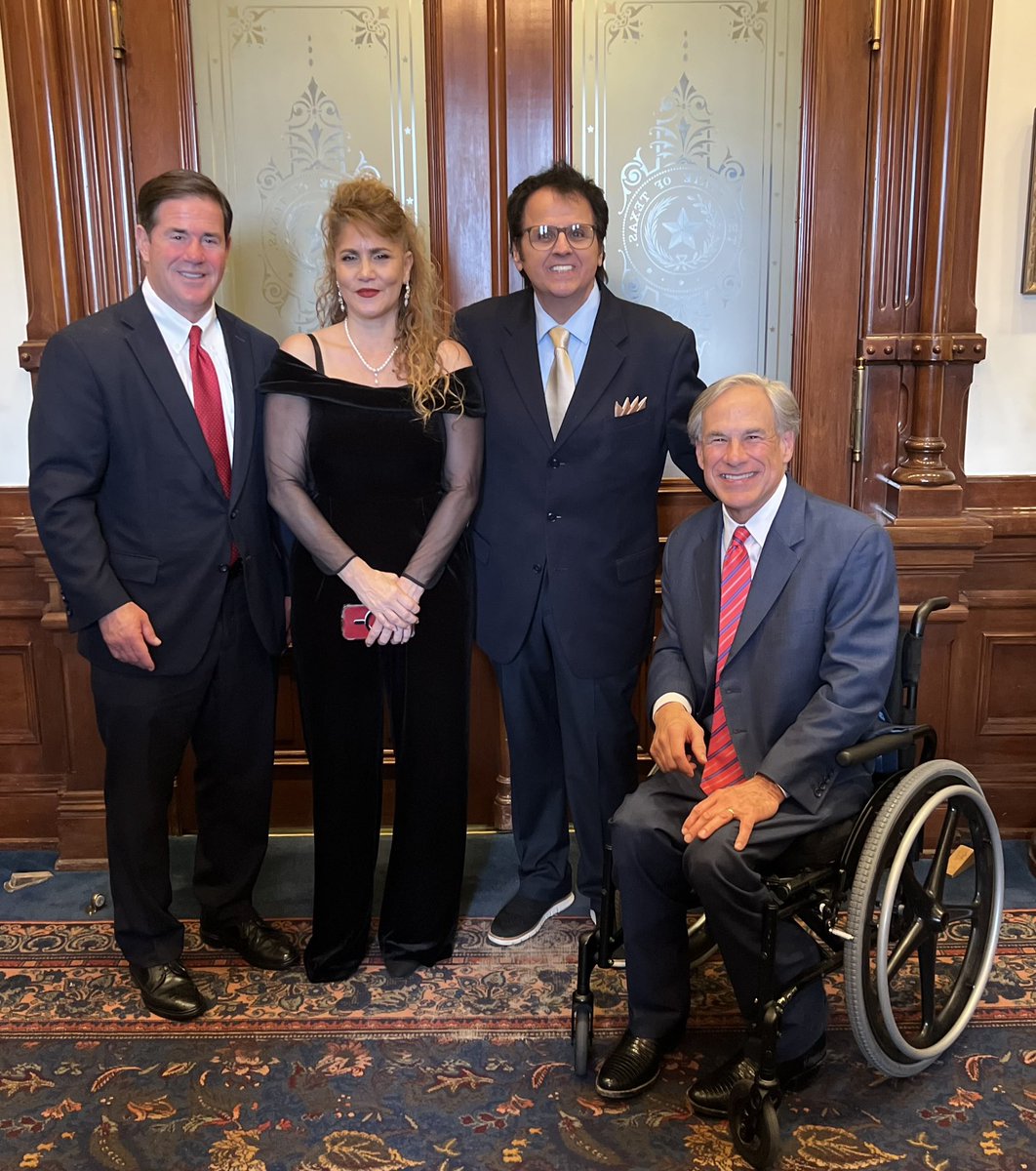
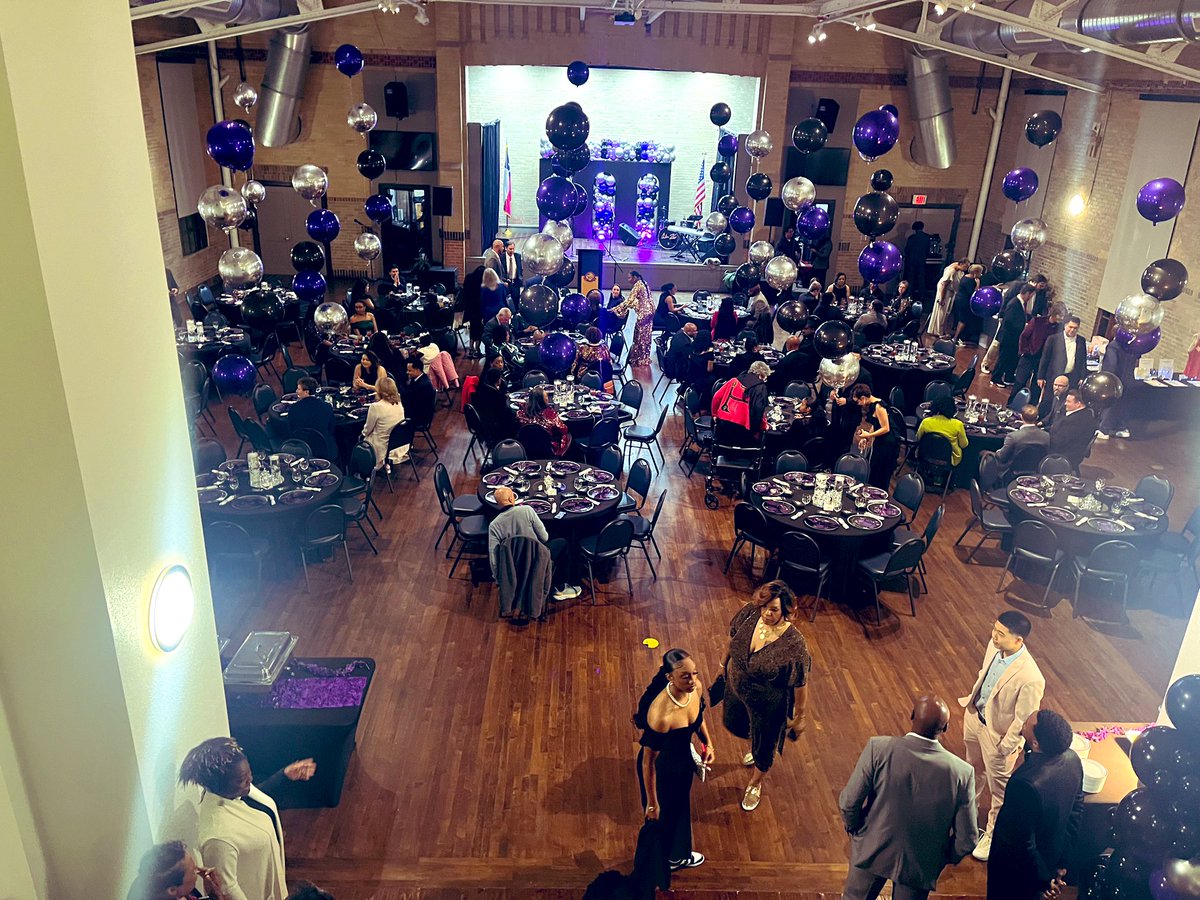
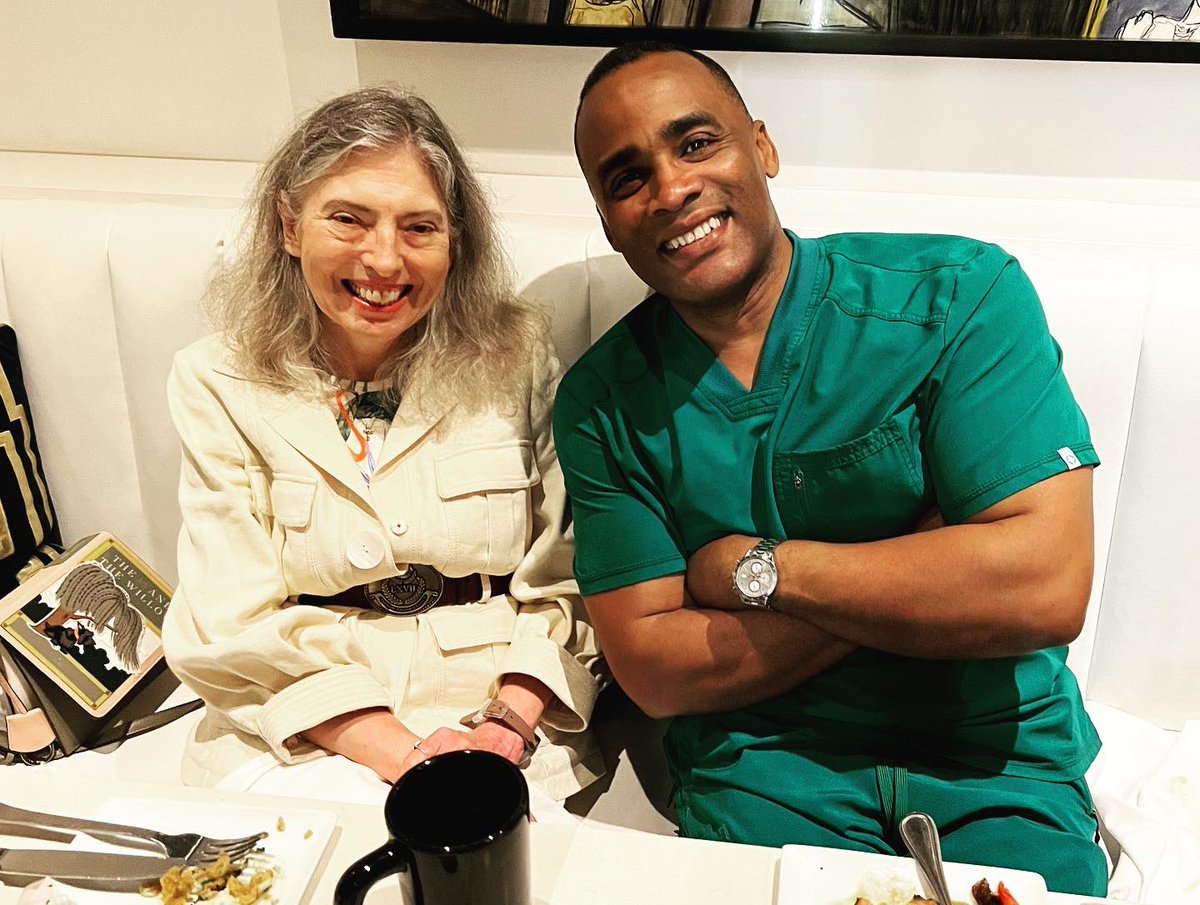
Fabulous dinner with board members and longtime friend and U.S. patent & trademark attorney❤️
@Ruggles_Black
@ChefBruceMolzan
1
5
1,569
Dr. Andrew C. Green retweeted

24 Aug 2025
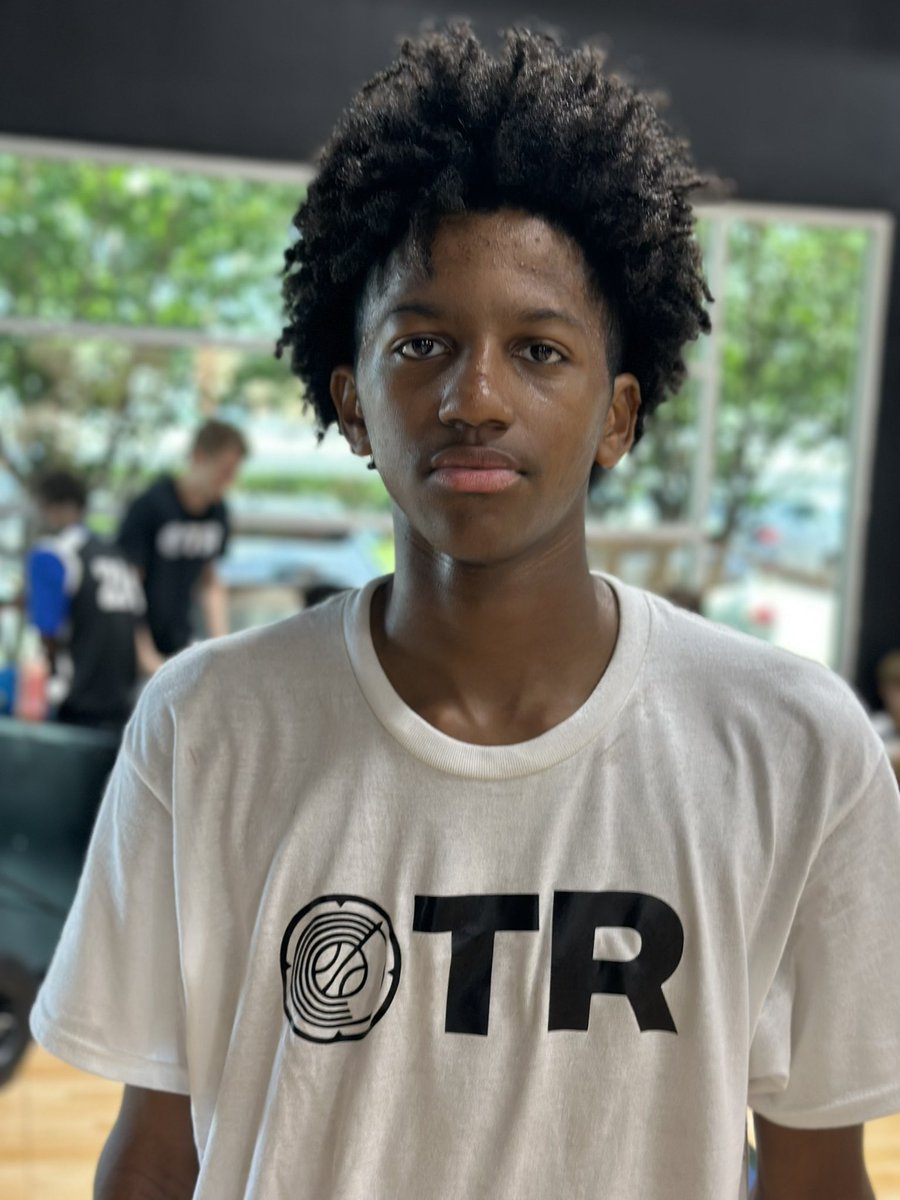
‘29 6’5 Toby Ramarontsoa (@PSATAcademy) Another long wing prospect who showed flashes of a next level player with this quick release and range out to NBA 3. @ExposureOtr #FreshmanOrientation
1
3
10
1,296
Dr. Andrew C. Green retweeted

29 Aug 2025
C/O 2029 CG Toby Ramarontsoa is a versatile ball handler who’s plays with great pace and has high IQ, able to facilitate the floor in order to create his own shots or to create scoring opportunities for his teammates. Also moves great off of the ball to space the floor.
2
2
293
Dr. Andrew C. Green retweeted

11 Sep 2025
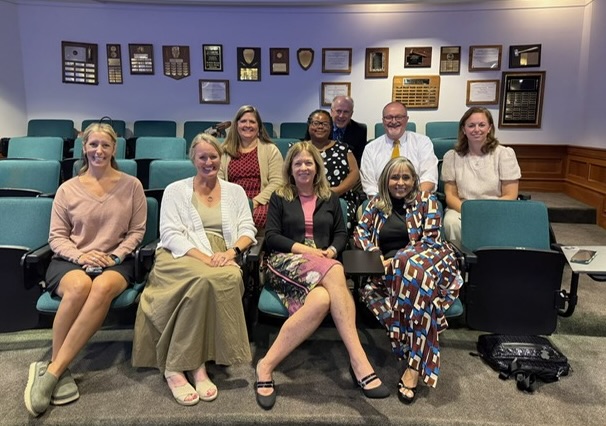
TPSA's Laura Colangelo spent time this week sharing ideas with counterparts from across the U.S. and learning more about federal tax credits at the @capenet State Network conference in Washington, D.C.
#privateschools
1
3
83
Dr. Andrew C. Green retweeted
11 Sep 2025
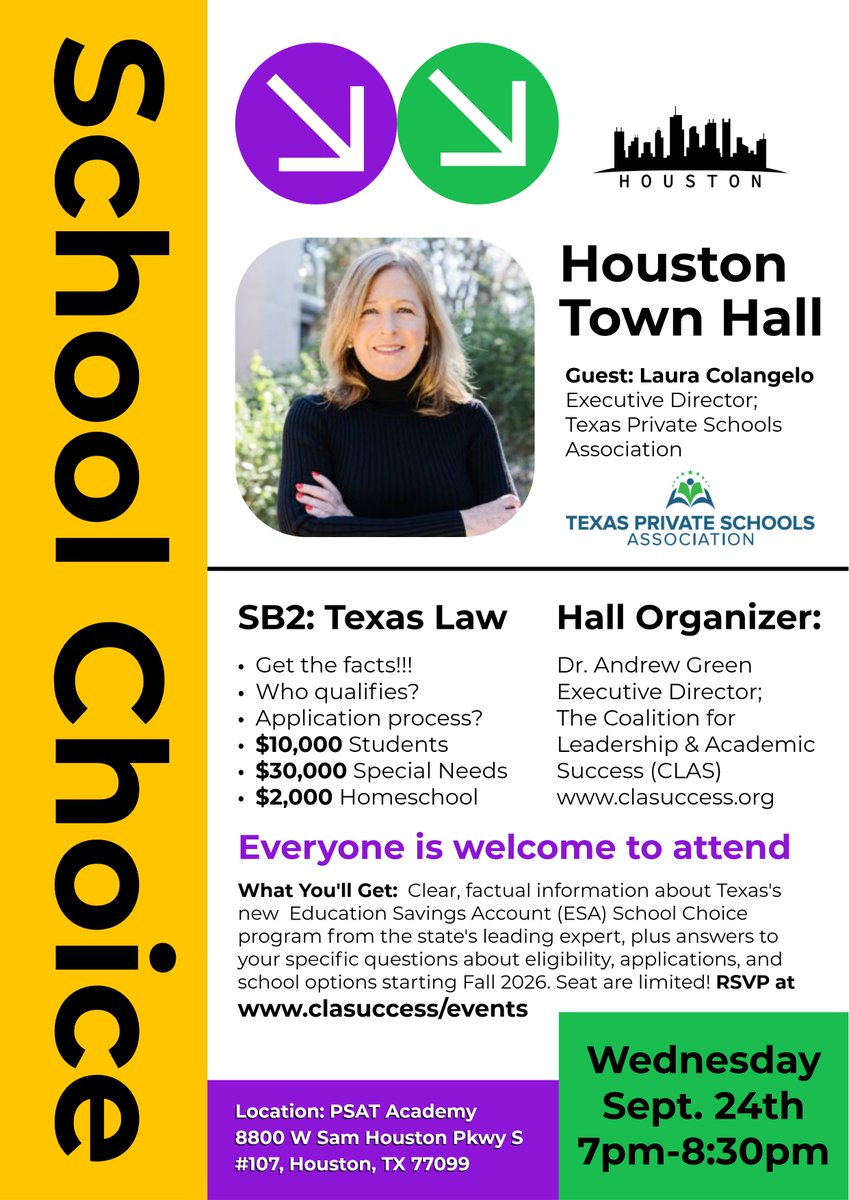
The Coalition for Leadership & Academic Success is hosting TPSA for a Houston Town Hall on the Texas school choice program on Wednesday, Sept. 24, 7-8:30 p.m, at the @PSATAcademy. Information, RSVP and more: clasuccess.org/events
#ESA #schoolchoice #privateschool #txed
2
2
335
6 Sep 2025
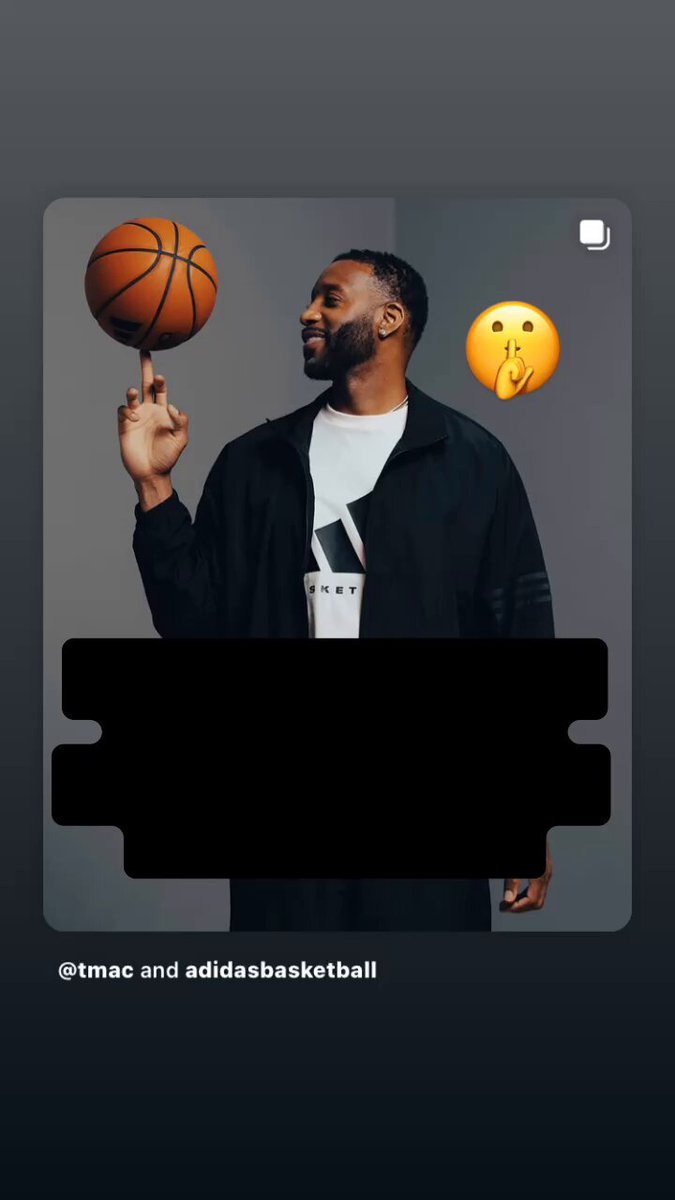
TMac isn’t just a legend — he’s shaping the future of the game 🏀👑
#ABCDCamp #GrassrootsBasketball #tmac #adidasbasketball @Ani_Umana
3
5
892
Dr. Andrew C. Green retweeted

4 Sep 2025
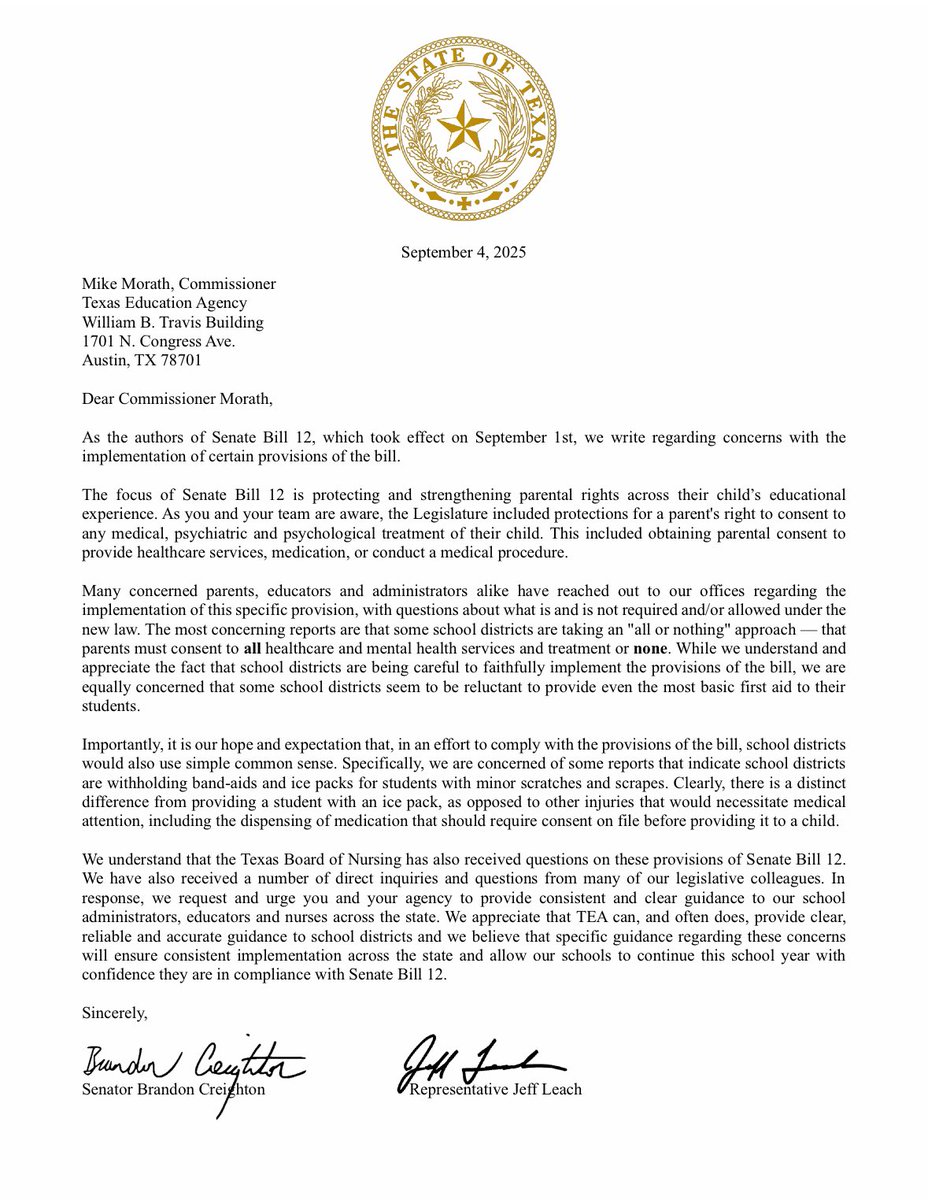
Thank you @leachfortexas and @CreightonForTX for weighing in on this important issue. Common sense must prevail.
4 Sep 2025

Today, @SenCreighton and I, as the authors of SB 12 - the “Parents Bill of Rights” - sent this letter to TEA Commissioner Mike Morath, responding to reports that some educators and school nurses are refusing to render basic first aid to children, like band-aids and ice packs, which is clearly not at all provided for or required under the new law. While we expect our educators to comply with the clear provisions of the bill, we also expect them not to suspend common sense when it comes to providing basic care for the children at their schools. #txlege
6
4
15
2,256
Dr. Andrew C. Green retweeted

1 Jun 2025
This is an instance where playing up pays off, instantly!
2
2
429
Dr. Andrew C. Green retweeted
1 Jun 2025
10th Grade Tourney - One Time Legends 15U def. CMEelite Steady 10th 51-49 - OT #exposurebball
2
2
850
Dr. Andrew C. Green retweeted
1 Jun 2025
🏆 Congratulations to One Time Legends 15U! June Classic 10th Grade Tourney (SUNDAY BRACKET) Champions #exposurebball
1
2
4
1,002
Dr. Andrew C. Green retweeted

7 May 2025
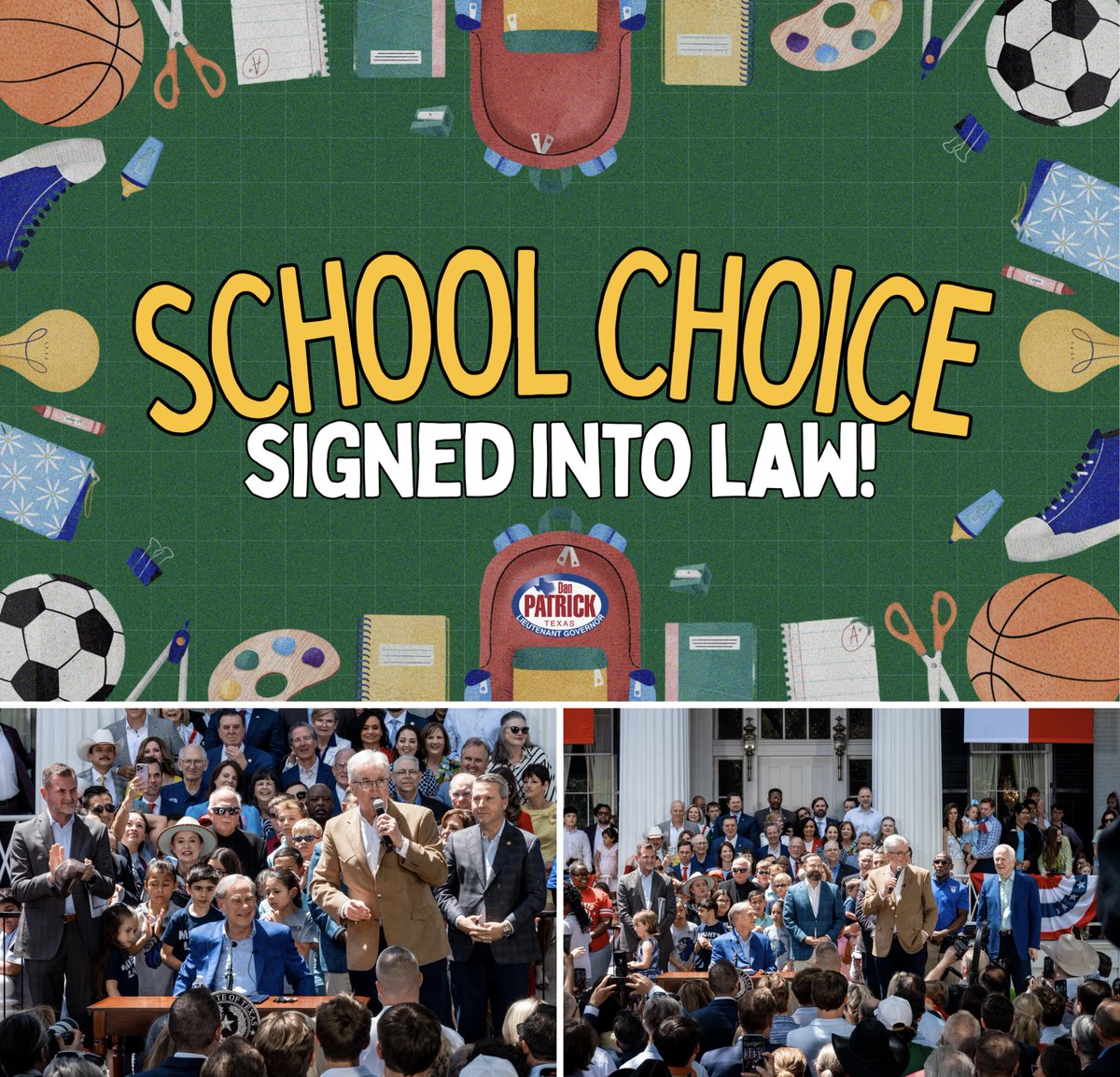
I joined Governor @GregAbbott_TX, Speaker @Burrows4TX, Senate Education Chair @CreightonForTX, Representative @BradBuckleyDVM, and other state and local officials this past Saturday for the bill signing of our historic school choice legislation.
The days of limiting millions of Texas students to a one-size-fits-all approach are over. 𝐒𝐞𝐧𝐚𝐭𝐞 𝐁𝐢𝐥𝐥 𝟐, 𝐒𝐜𝐡𝐨𝐨𝐥 𝐂𝐡𝐨𝐢𝐜𝐞, 𝐡𝐚𝐬 𝑭𝑰𝑵𝑨𝑳𝑳𝒀 𝐛𝐞𝐞𝐧 𝐬𝐢𝐠𝐧𝐞𝐝 𝐢𝐧𝐭𝐨 𝐥𝐚𝐰!
#txlege
25
10
39
4,921
Dr. Andrew C. Green retweeted

3 May 2025
A big day for Gov Greg Abbott’s legacy. He just did what Rick Perry and George W Bush tried to pull off but couldn’t.
7
3
14
8,201
Dr. Andrew C. Green retweeted

3 May 2025
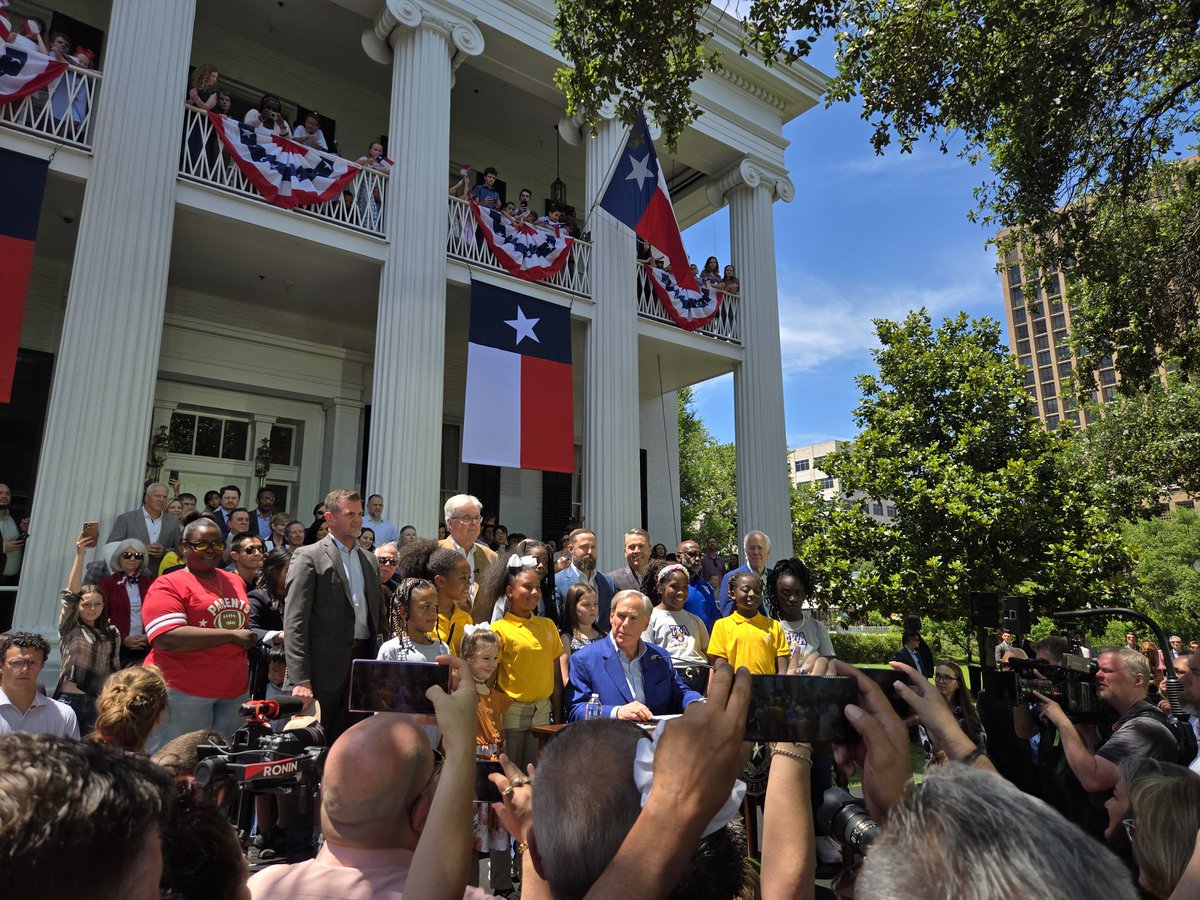
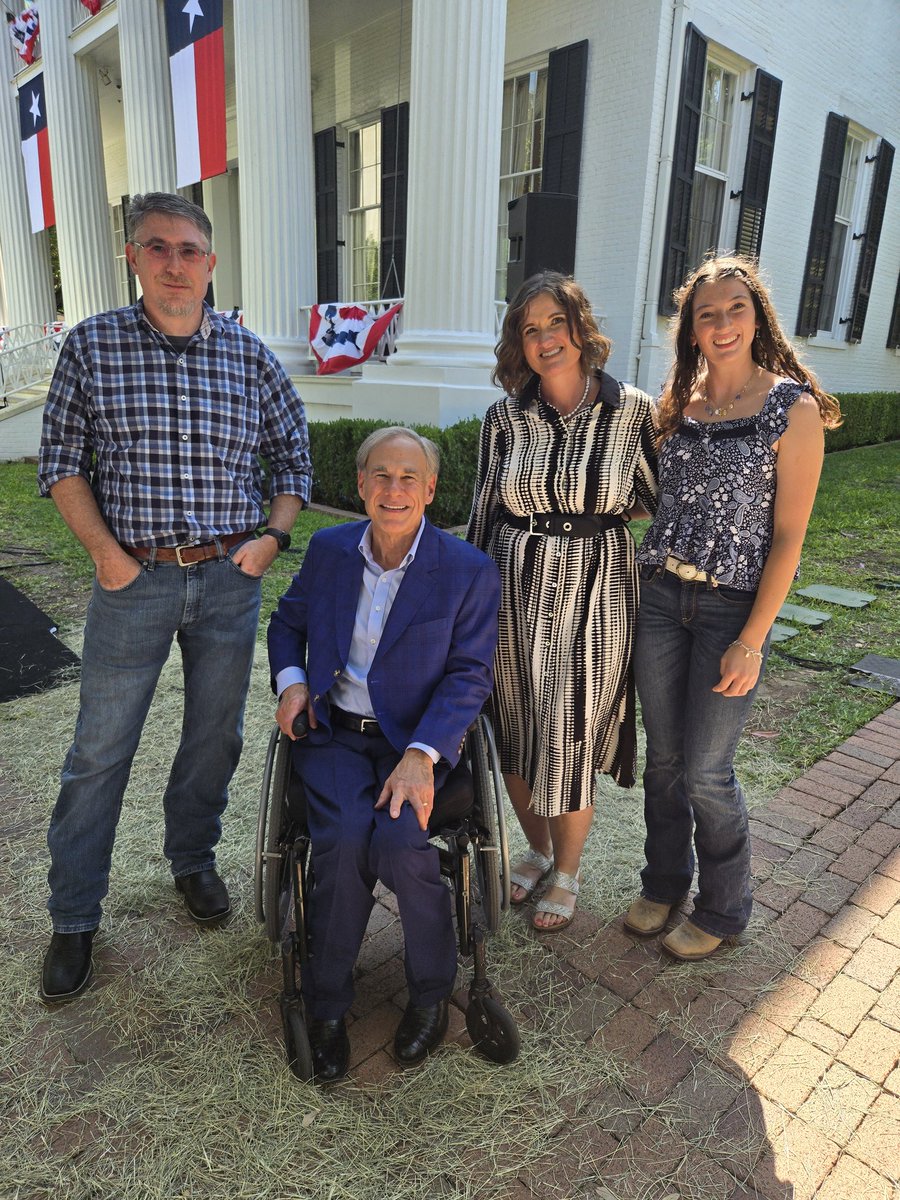
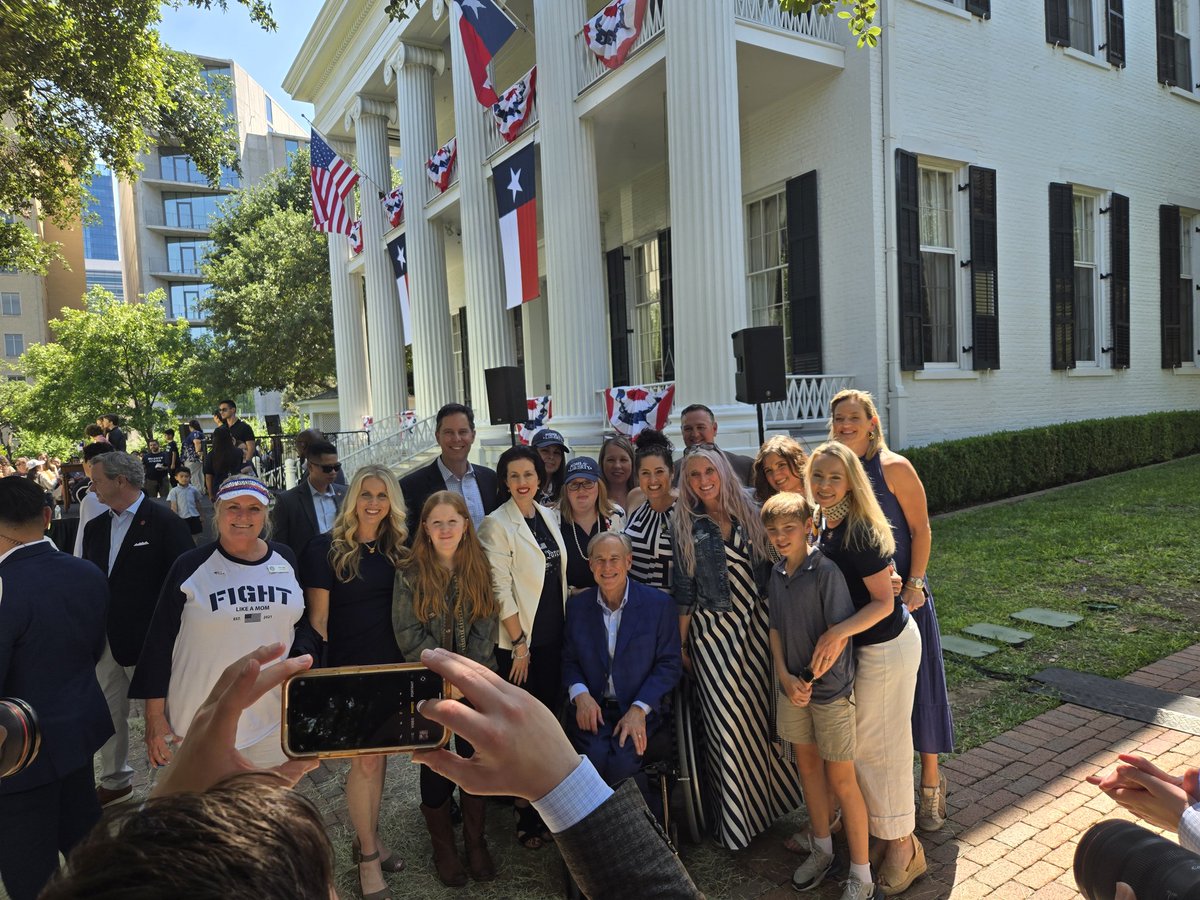
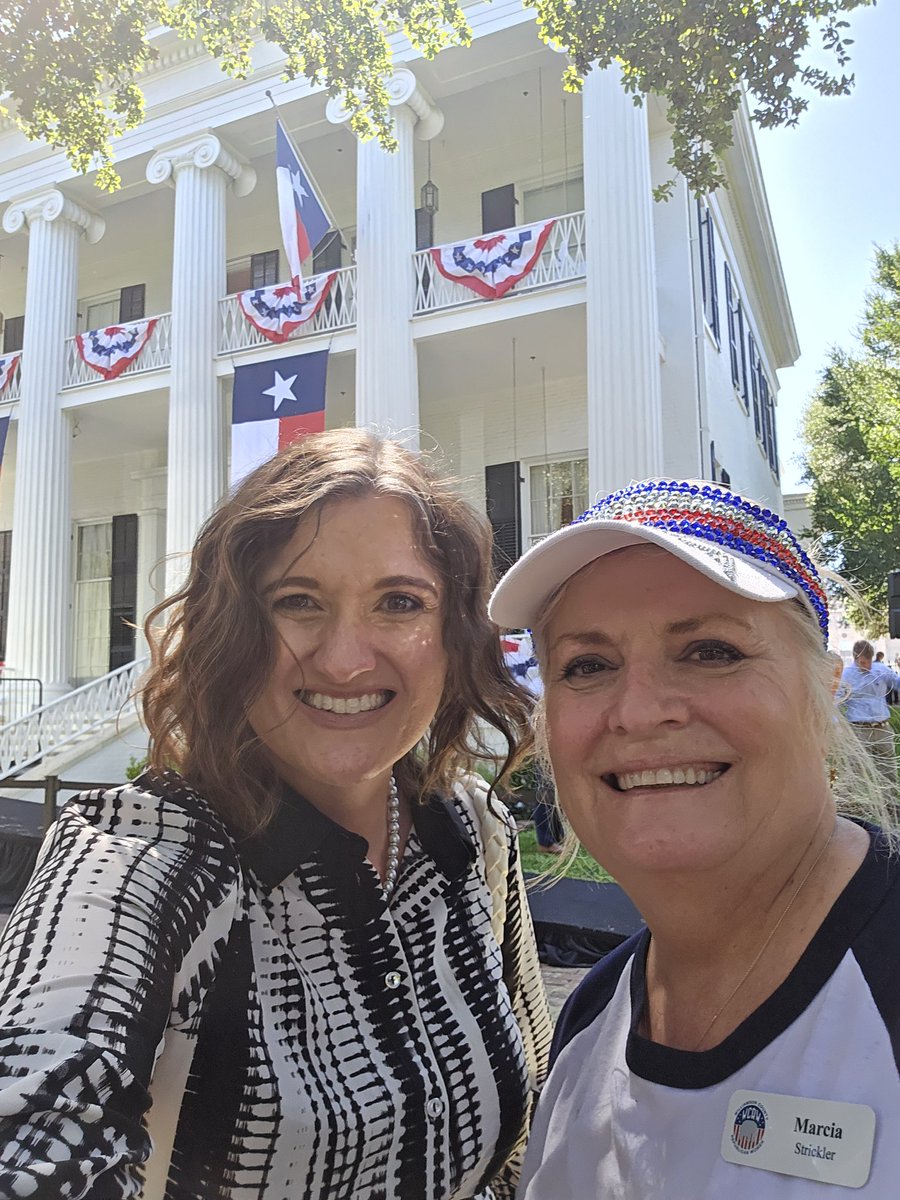
Education Freedom has arrived in Texas. Parents who are ignored by their local school trustees will now be empowered to find a better solution for their children! @CACRClub @M4LWilCoTX
Thank you @GregAbbott_TX and #txlege
6
10
39
1,461
3 May 2025
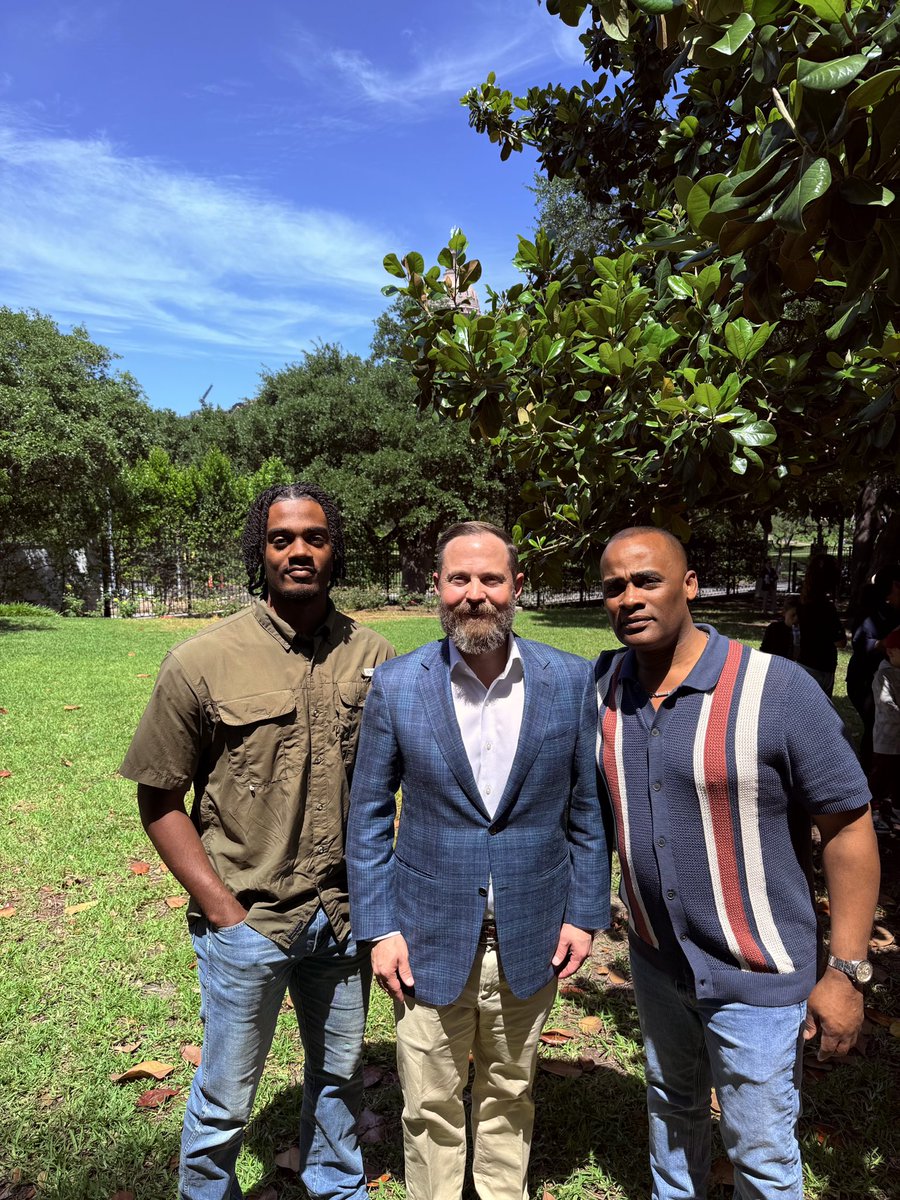
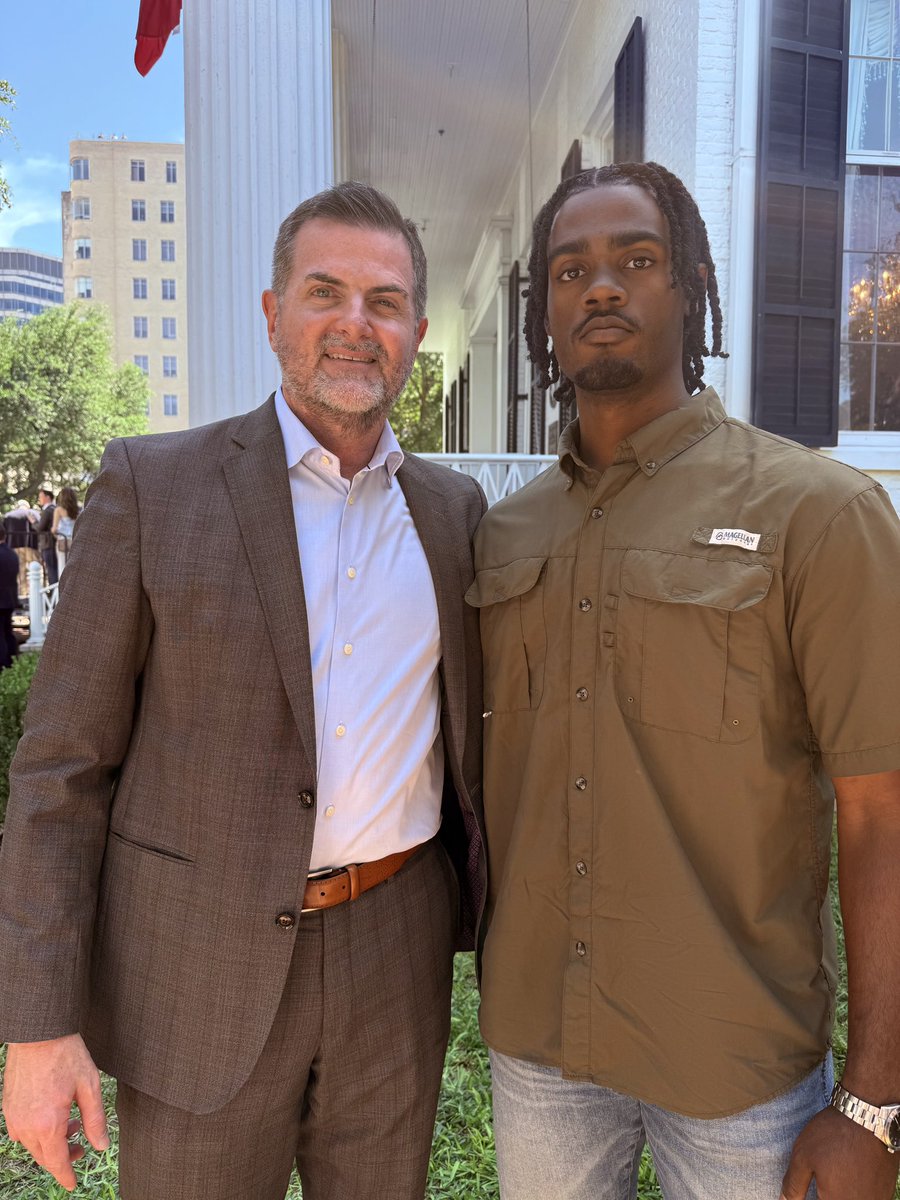
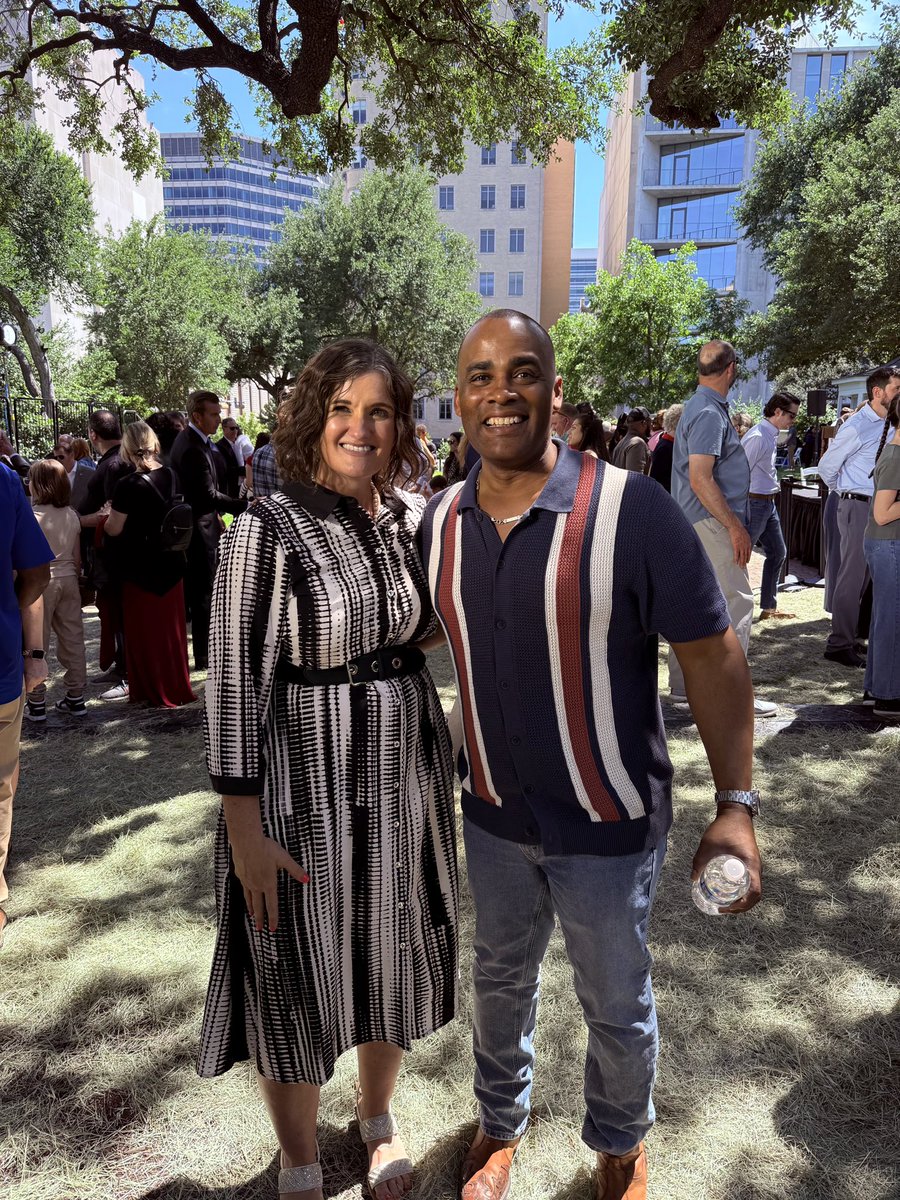
Thankful to @SenCreighton @BradBuckleyDVM @TXPrivateSchool @DanPatrick @GregAbbott_TX and so many more like @drbone4tx for their seen and unseen hard work getting school choice to the finish line in Texas as law. GOD be glorified.
#Texas
#Education
#SchoolChoice
1
6
14
1,022
Dr. Andrew C. Green retweeted

1 May 2025
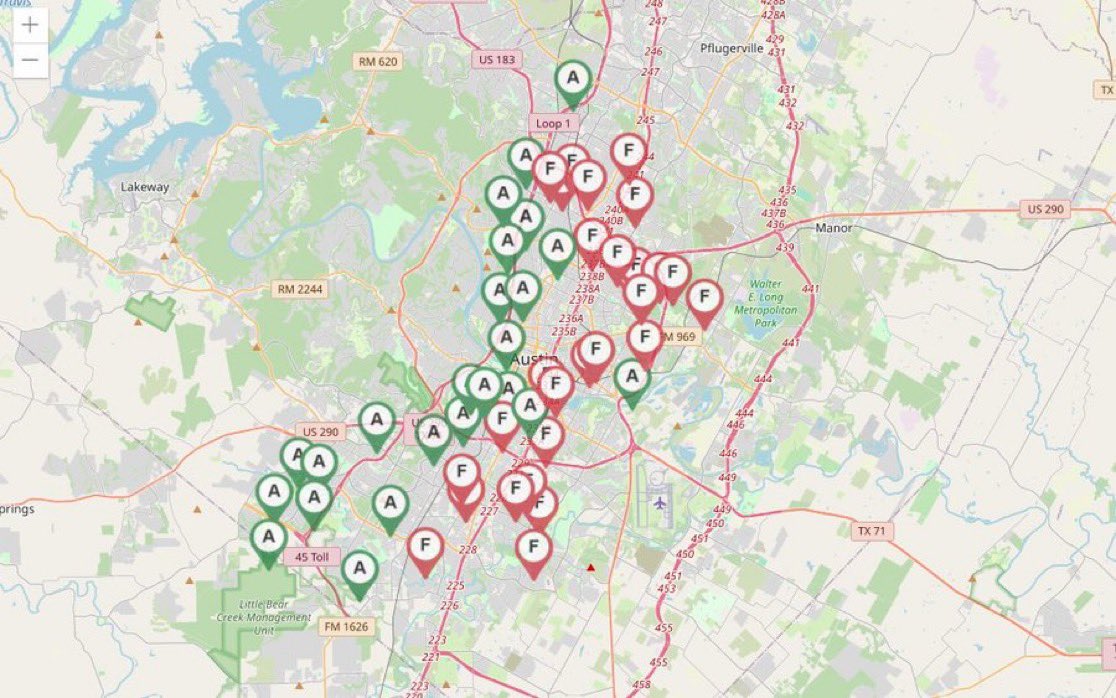
This is the reality of public schools in Texas. No child should be forced to attend a school — or be limited to an education style — that is failing them.
I’m thankful that Governor Abbott and POTUS are taking steps toward building a Texas that serves every child.
5
5
29
1,170
Dr. Andrew C. Green retweeted
1 May 2025
Saturday is the big day! Gov. Greg Abbott will be signing SB 2, the school choice bill, into law at the Governor’s Mansion. You know TPSA will be there to celebrate and represent our member private schools across Texas. #txlege #txed #schoolchoice #history
1
10
303
Dr. Andrew C. Green retweeted
29 Apr 2025
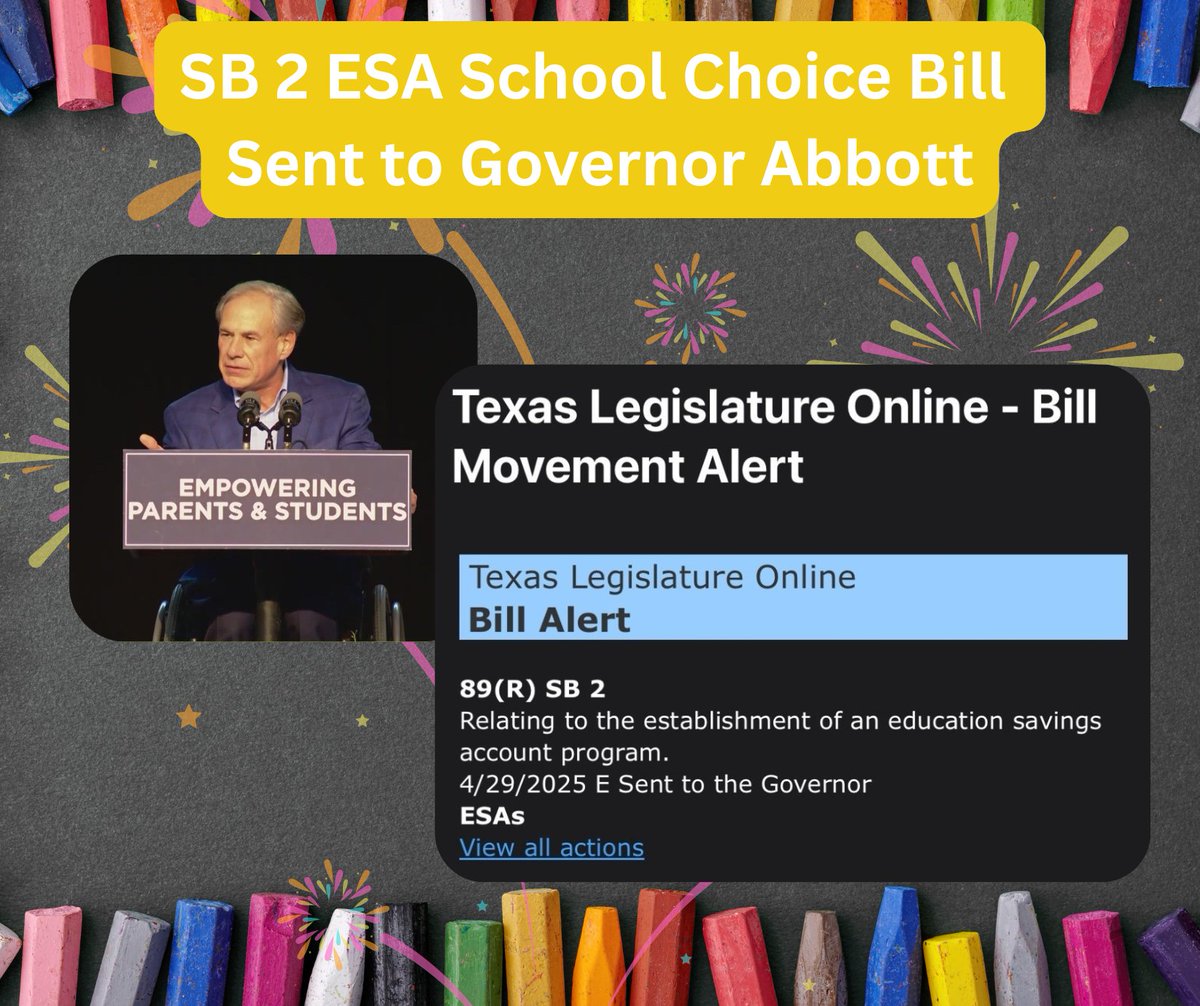
🎉🎉SB 2, the ESA School Choice Bill, is now on the Governor's desk! I expect it to be signed into law this Saturday, May 3rd. This is a major step forward for Texas families seeking better educational opportunities. Education Savings Accounts will offer a vital lifeline to parents whose children are stuck in challenging school situations. I’m thrilled for the positive impact this will have across our state! @GregAbbott_TX @AbbottCampaign
5
7
15
629
Dr. Andrew C. Green retweeted

24 Apr 2025
“School choice has come to Texas”
This is more than policy; it’s a promise fulfilled. A landmark moment for families across the Lone Star State who have prayed, fought, and hoped for the freedom to choose the best education for their children. The future just got a whole lot brighter😎
3
9
38
1,143
Dr. Andrew C. Green retweeted

22 Apr 2025
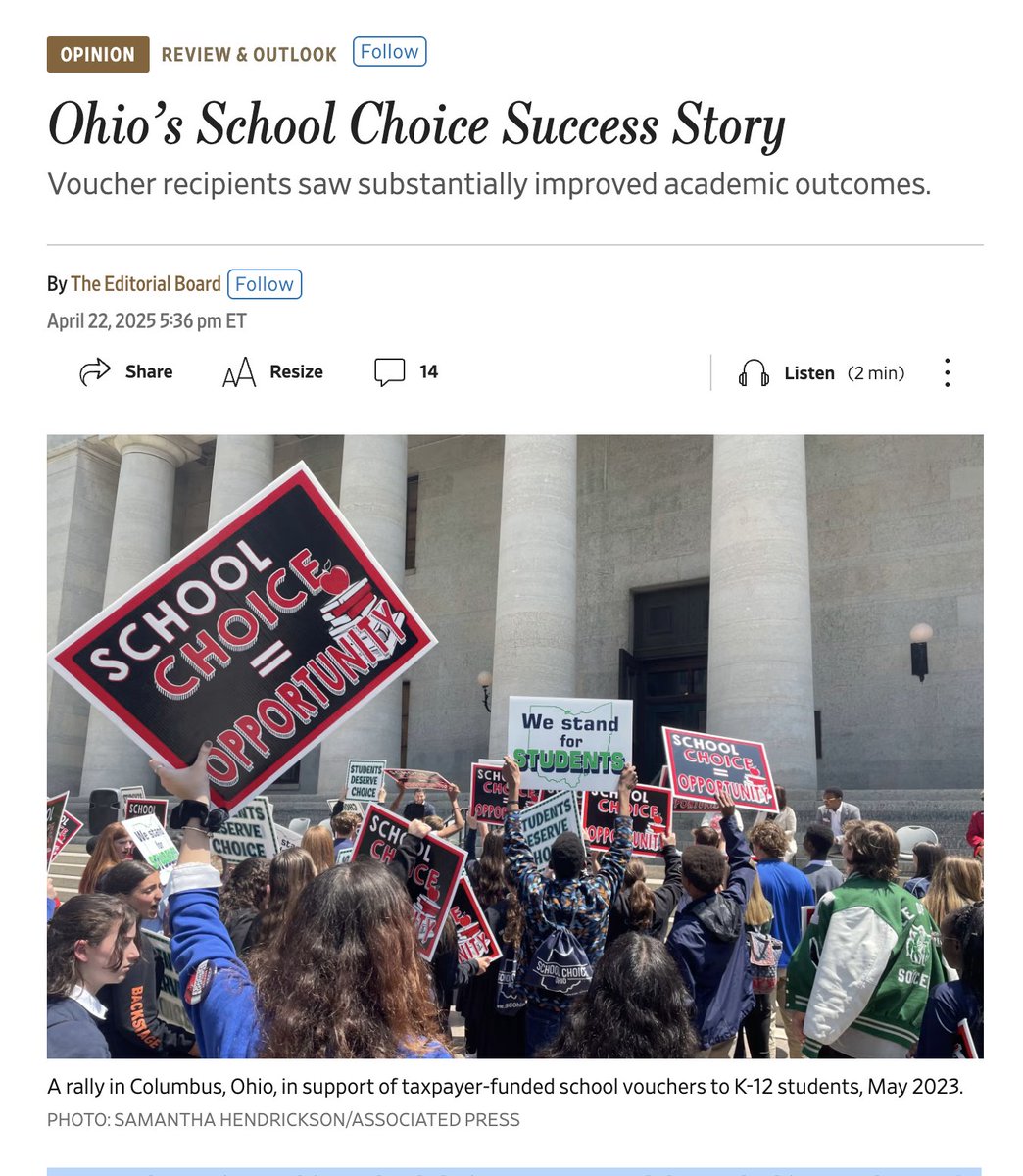
New results are in on Ohio’s school choice program, and they’re looking good. A study released Tuesday by researchers at the Urban Institute found that students who used vouchers to attend private school saw substantially improved long-term academic outcomes.
Ohio’s Educational Choice Scholarship Program began in 2005 as a state-funded voucher program for students in lousy public schools. In 2013-14 it began to serve low-income students regardless of school. Since the 2023-24 school year it’s been open to all students, though more affluent Ohio families aren’t eligible for full scholarships.
Researchers Matthew Chingos, David Figlio and Krzysztof Karbownik studied more than 6,000 Ohio students who first used EdChoice scholarships to attend private schools between 2008 and 2014. They compared this group with more than 500,000 students who remained in public schools, selecting for similar demographics and academic characteristics.
Scholarship recipients were found to be 15 percentage points more likely to attend college than public school counterparts, and nine points more likely to graduate. Students in the program for at least four years—about 60% of participants—had even higher college enrollment and graduation rates.
A previous study found that EdChoice recipients had lower short-term scores on state assessments, but as the authors note, positive long-term outcomes indicate that “state tests might not be an ideal metric for evaluating private school quality, given curricular differences between sectors and different incentives to perform on state exams.”
Groups that benefited the most were blacks, boys, students who experienced long-term childhood poverty, and students with below-median test scores before leaving public school. The rate of college enrollment among black scholarship recipients increased 18 percentage points, compared with 13 points for white students. Students who spent more than three-quarters of their life in poverty saw their rate of college attendance increase 17 percentage points, up to seven points higher than students from less impoverished backgrounds.
Opponents deride school choice programs as the enemy of public education. The data tell a different story. Before EdChoice was made universal, only persistently underperforming public schools were eligible. To capture the effect of the program on public schools, the authors compared outcomes at schools on either side of the eligibility threshold. Students who remained at EdChoice-eligible public schools were three percentage points more likely to attend college—and six percentage points more likely to graduate—than students at ineligible public schools.
It’s not hard to understand why. When public schools face competitive pressure to retain students, their performance improves. Contrary to teachers union narratives, throwing more money at public schools frequently fails to have the same effect. Soaring government education spending hasn’t done much for student math and reading scores. #SchoolChoice
2
4
178
Dr. Andrew C. Green retweeted

14 Apr 2025
In K-12 education, "accountability" often means "test scores."
But the form is related to the measurement tool. Where there is only one form of schooling, there are few ways to measure quality.
The exciting thing about the emerging education ecosystem is that there are many forms, which encourages us to think more creatively about what we measure.
1
4
10
583
Dr. Andrew C. Green retweeted

18 Apr 2025
86% of studies show private choice programs have positive academic, civic, and financial impacts. Miami-Dade is a great example, where 3 in 4 students attend schools outside their zone, driving competition and quality.
@shakamitchell
3
4
417