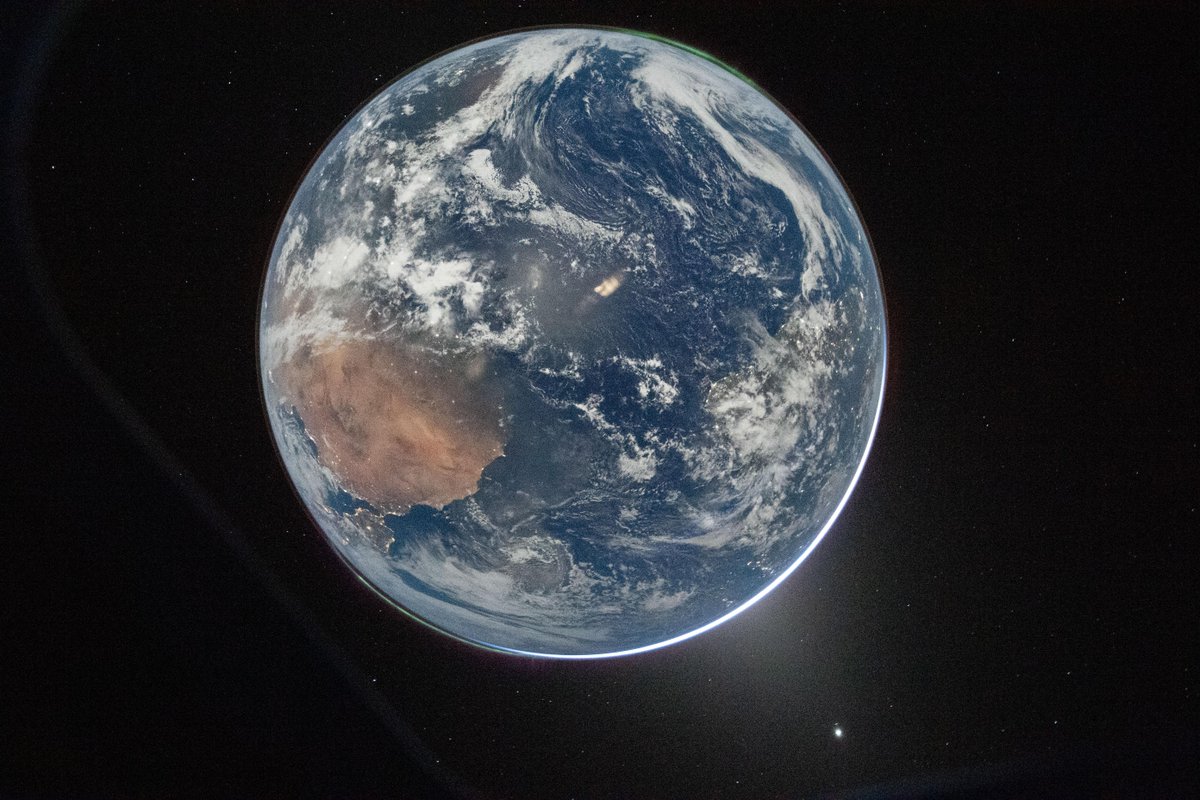
This just in—more images of Earth from Artemis II! 🤩
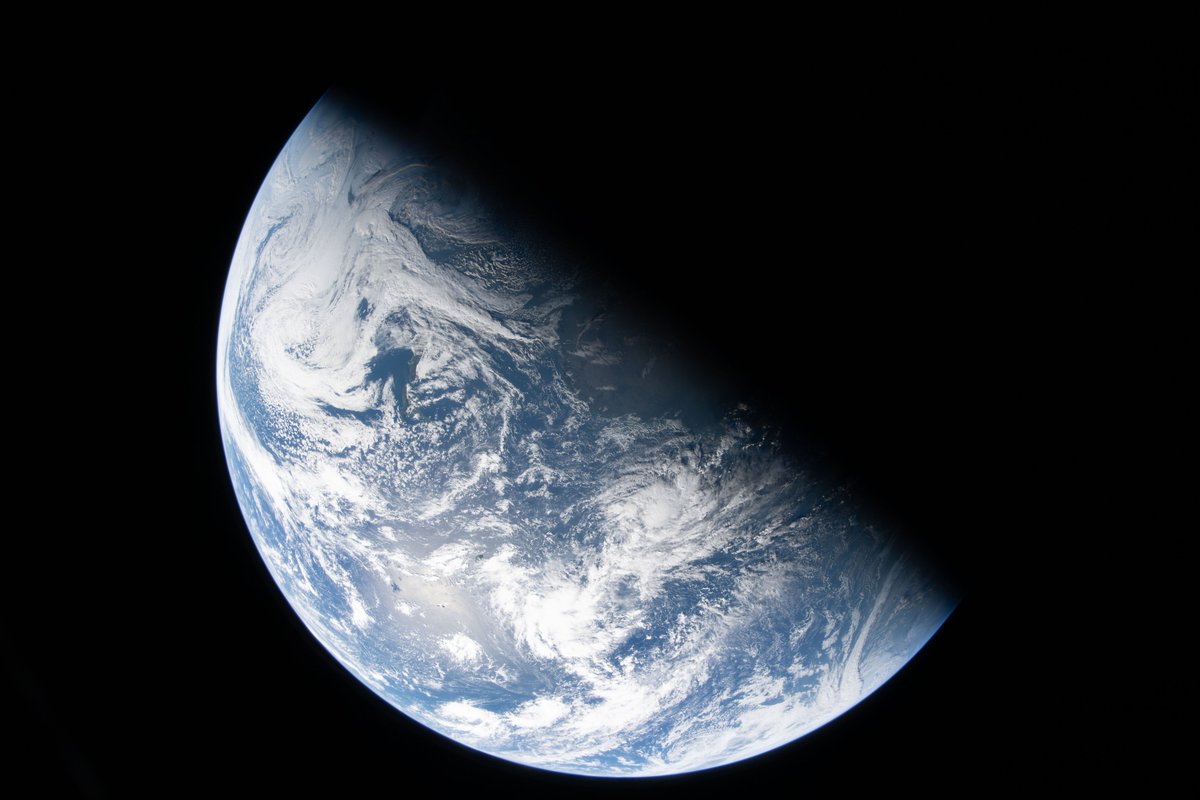
This view from @astro_reid shows the divide between night and day, also known as the terminator, as seen from the Orion capsule.
ALT Earth as seen from the Orion capsule. It is divided sharply in half, with a line running diagonally from the 11 o'clock to the 4 o'clock. The lower left half is a bright pale blue. Its surface is covered with swirly, puffy white clouds, with texture indicating different thicknesses. The upper right half is dark, with no illumination from the Sun. Earth is set against the black of space. Credit: NASA/Reid Wiseman
We see our home planet as a whole, lit up in spectacular blues and browns. A green aurora even lights up the atmosphere. That's us, together, watching as our astronauts make their journey to the Moon.
ALT A full disk image of Earth, as seen from the Orion capsule. The planet is a pale blue, swirling with white clouds and glowing slightly lighter blue in place from reflected light. From about 8 to 9 o'clock, a large brown landmass is Africa, with the Iberian peninsula twinkling with lights just where the planet curves. At the 1 o'clock spot, aurora glow in a thin green glow, just barely separated from the planet's surface. Earth is set against the black of space. Credit: NASA/Reid Weisman
This is special!
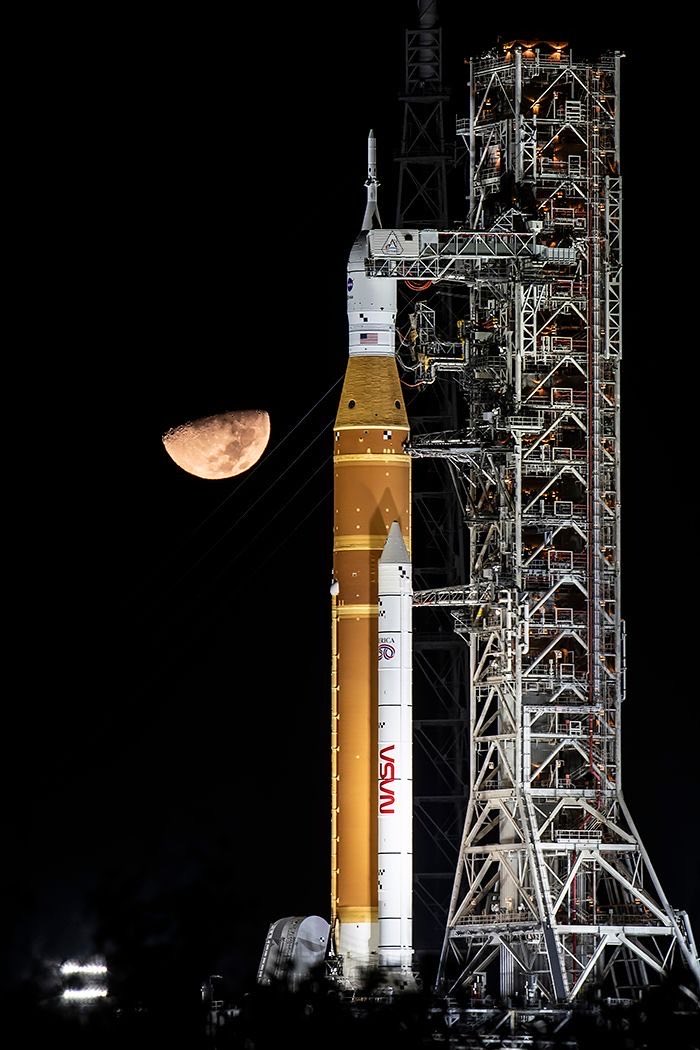
For the first time in over 5️⃣0️⃣ years, we’re sending humans back to the Moon!
@esa provides the Orion spacecraft’s service module (known as ESM), giving essential systems like propulsion, electrical power, air to breath, and water. ⚡️💧
We are going! 🚀🌖
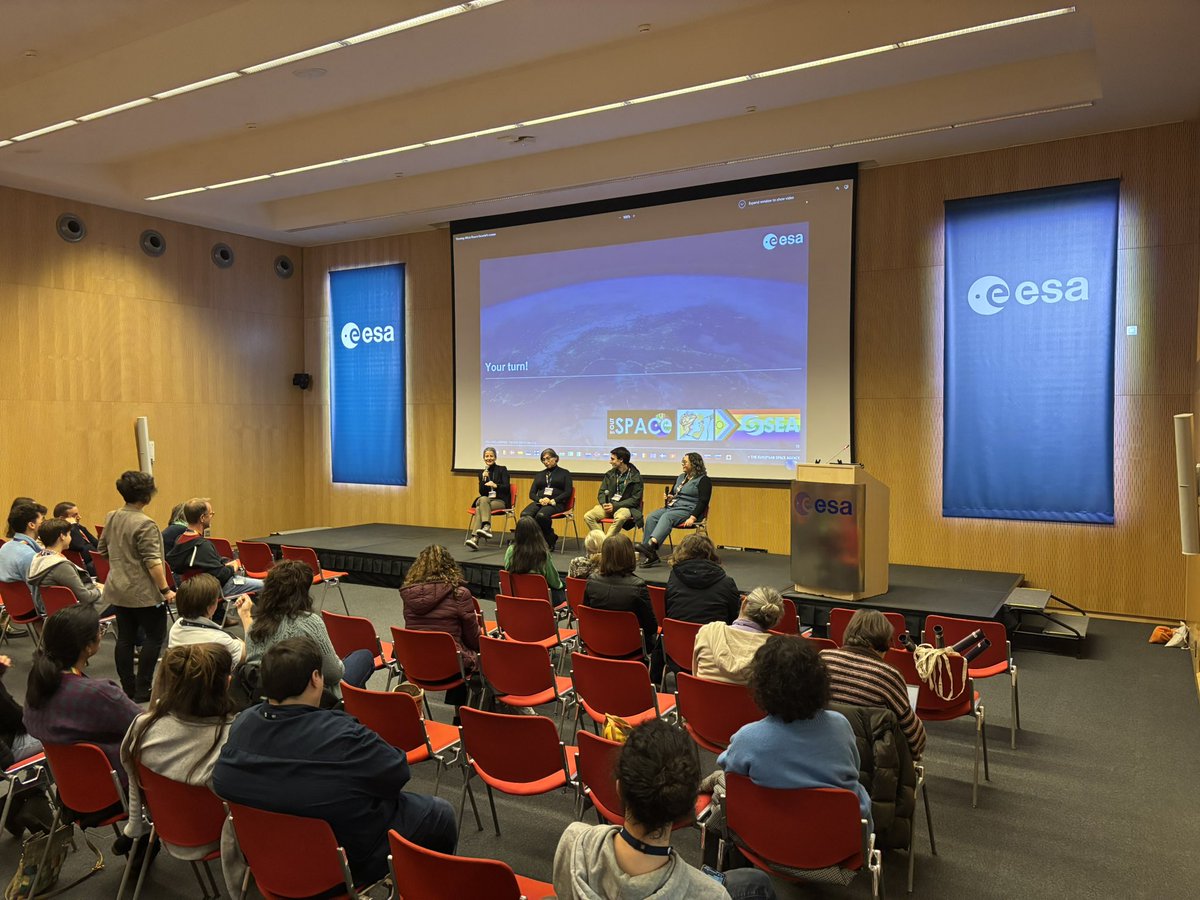
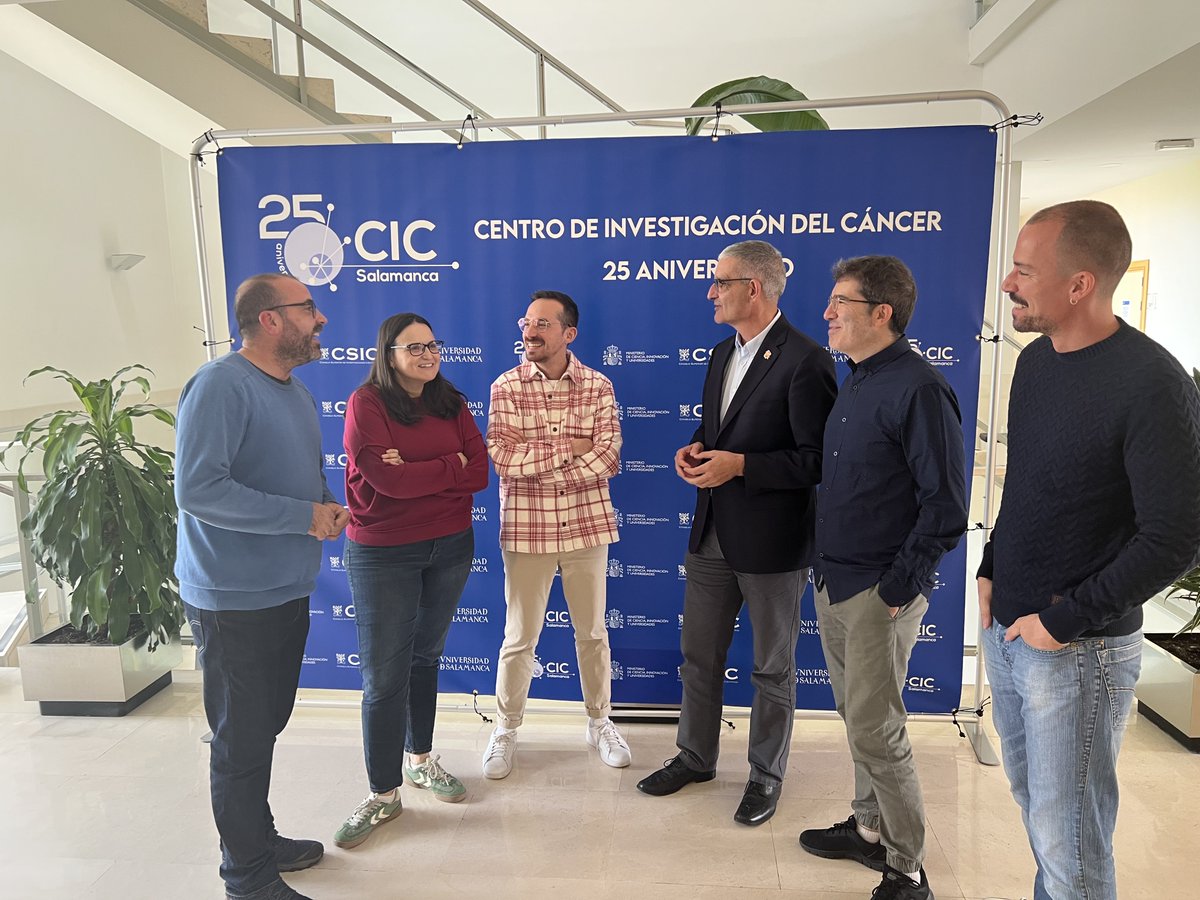
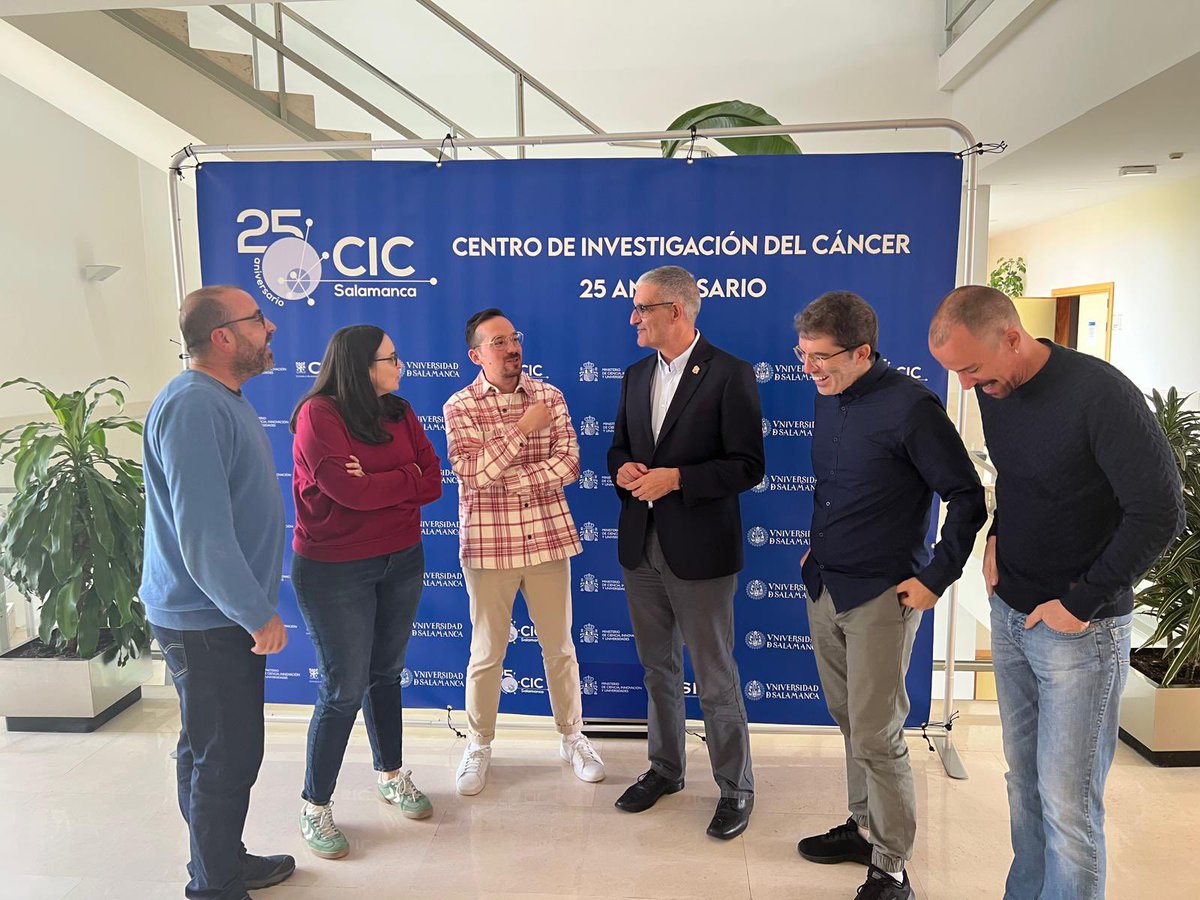
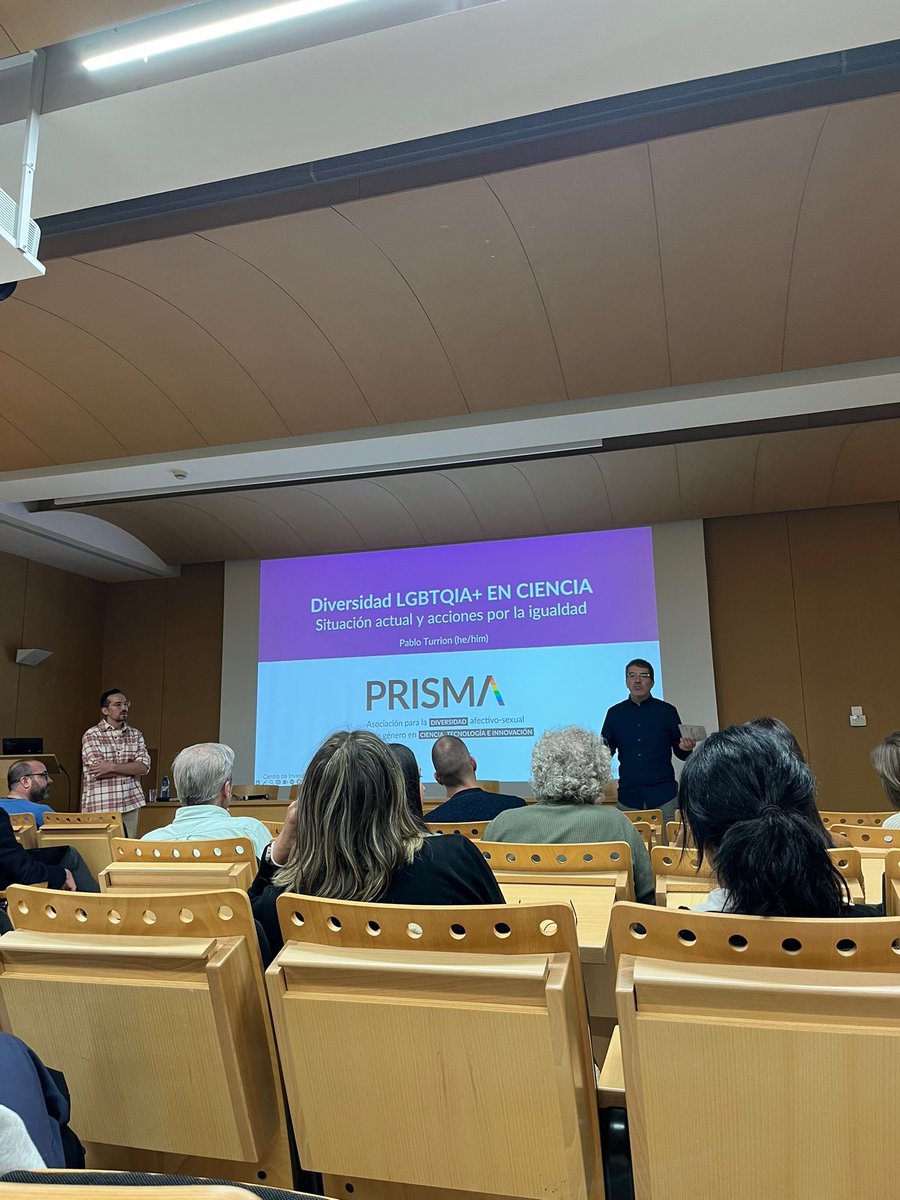
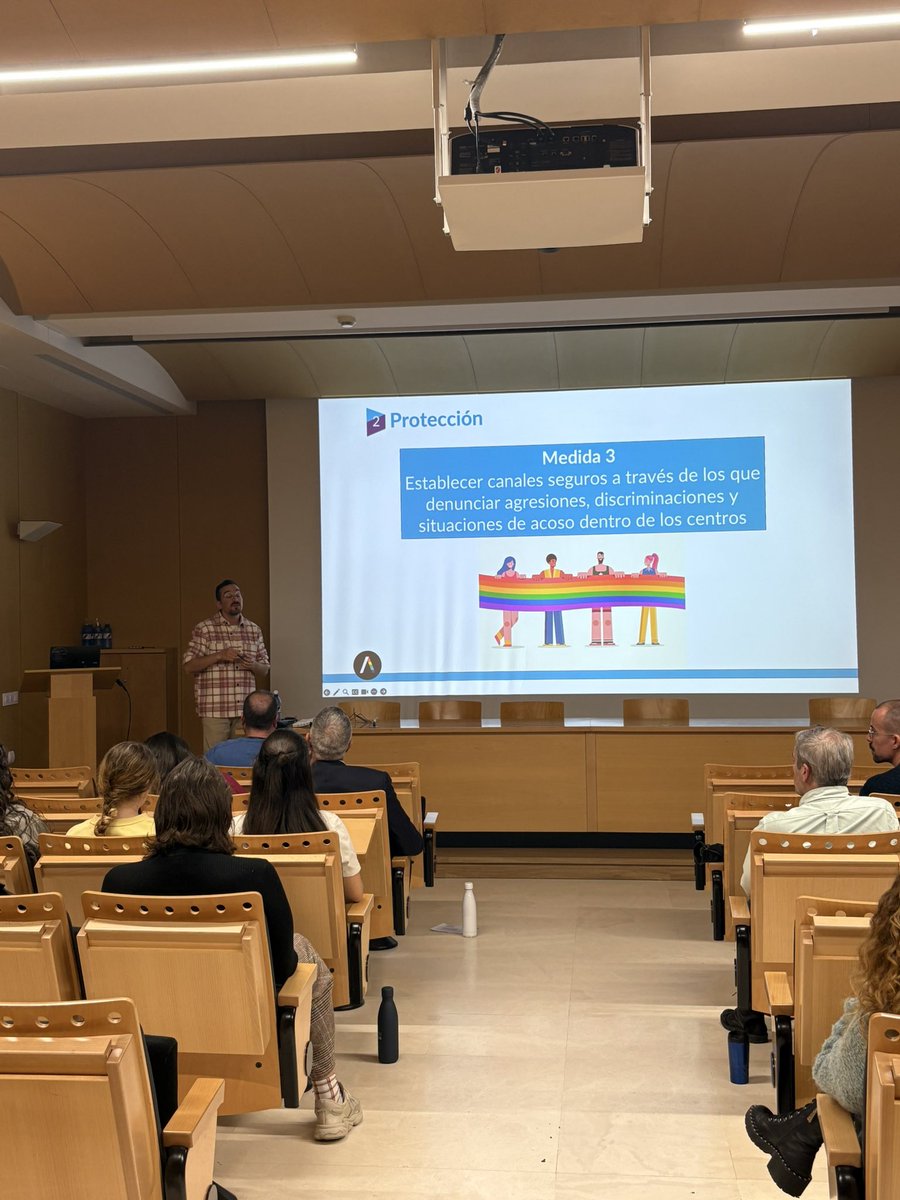
✅ Gracias a @Pablots25 @PRISMAciencia y a la Comisión de Igualdad del @ciccancer por el acto «LGBTQIA equality in research:
PRISMA measures» de esta mañana en el @ciccancer. Seguiremos colaborando para hacer un centro inclusivo y diverso.
Excelente taller el que hemos tenido hoy en @ciccancer hablando de diversidad LGBTQIA en ciencia con @Pablots25 y @PRISMAciencia. Muchas preguntas y mucha participación. Una formación necesaria organizada desde la Comisión de Igualdad del Centro
@Nufediaz@CSIC@usal
Hoy hemos estado en @SERSalamanca hablando de igualdad y diversidad en el ámbito laboral, y del taller que impartirá @Pablots25 y @PRISMAciencia este viernes en @ciccancer. Queda trabajo por hacer. Gracias por la invitación @ricmontilla y dar voz a estas iniciativas 📻 🔊 min 31
Este miércoles en Hoy por Hoy Salamanca:
- Hablamos de obesidad con un endocrino del CAUSA
- Igualdad en el ámbito científico del CIC
- Os presentamos "Un árbol de compañía"
- Música y mucho más
cadenaser.com/audio/ser_aso_… a través de @La_SER
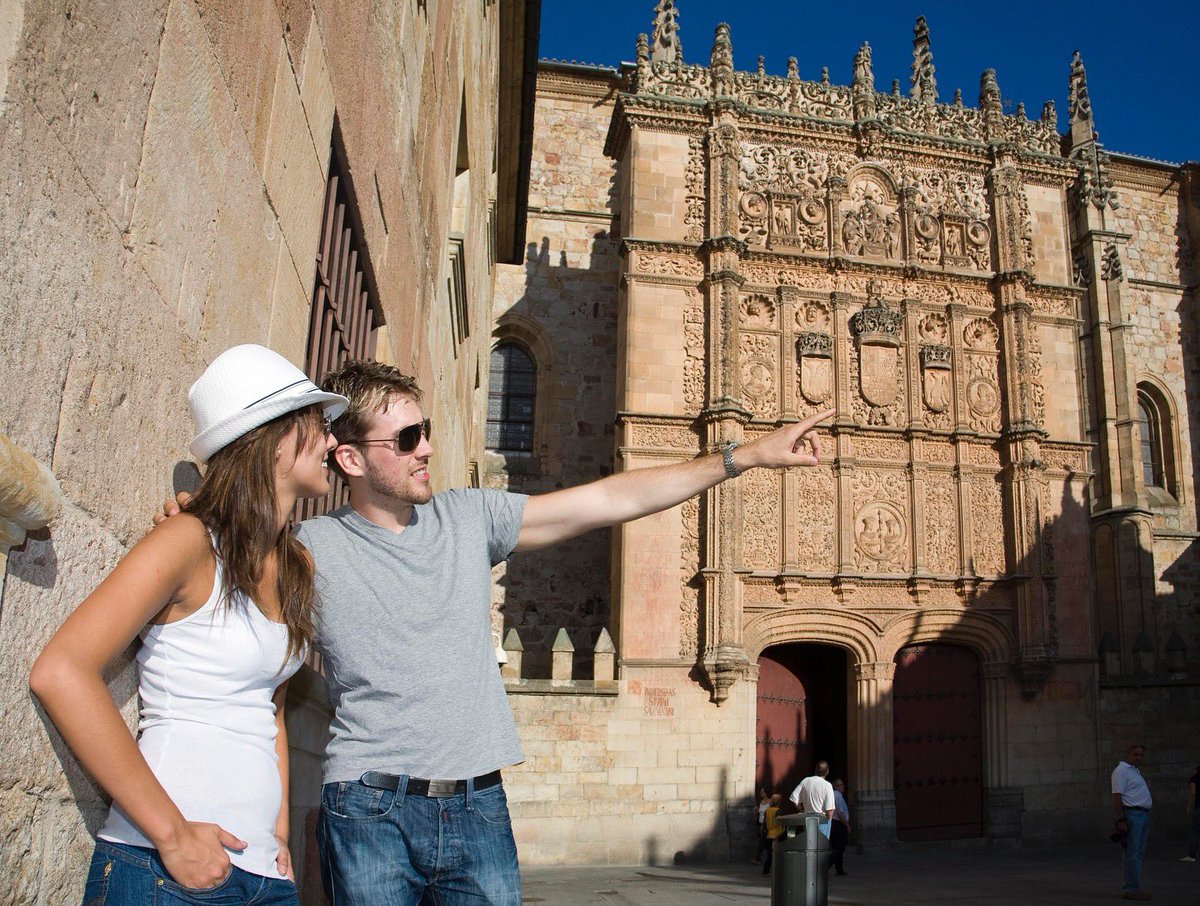
Cuna de saber, refugio de belleza y escenario de recuerdos eternos. Cuantos estudiantes han pasado por aquí y cuántos sueñan con poder regresar...
#UniversidaddeSalamanca#usal#salamanca
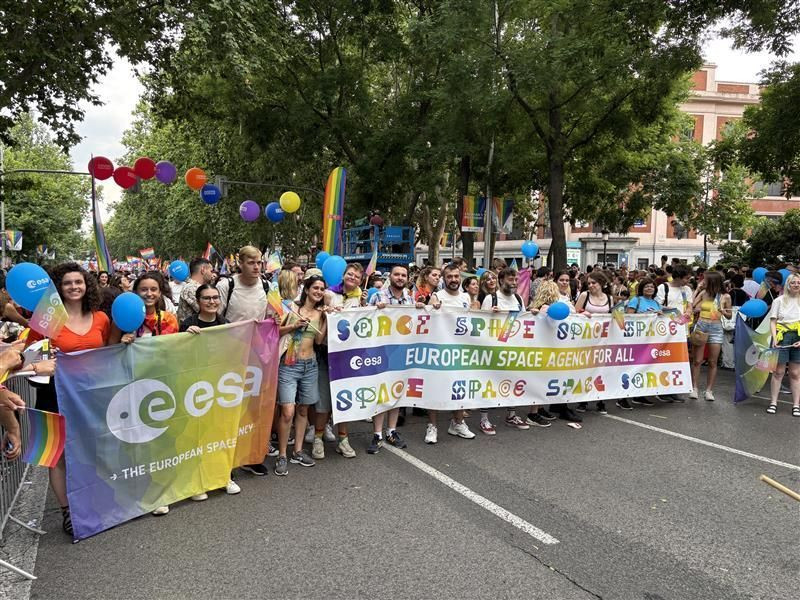
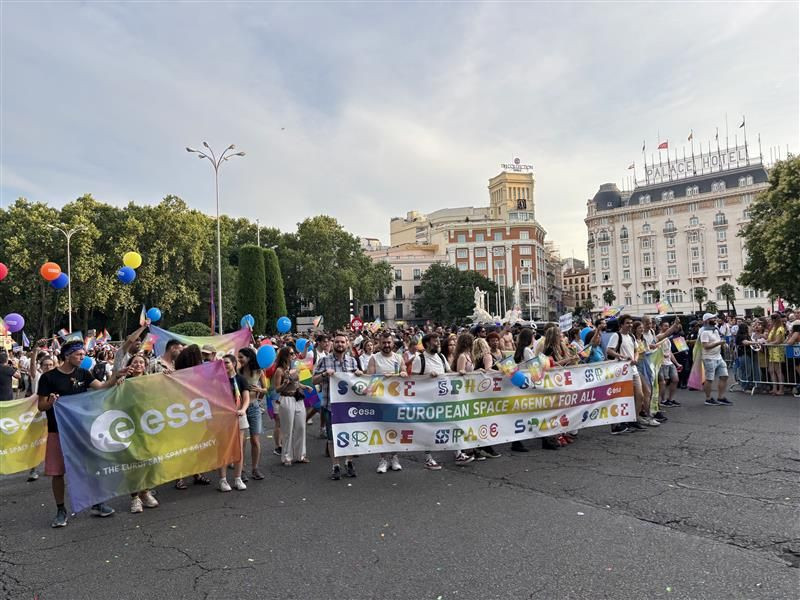
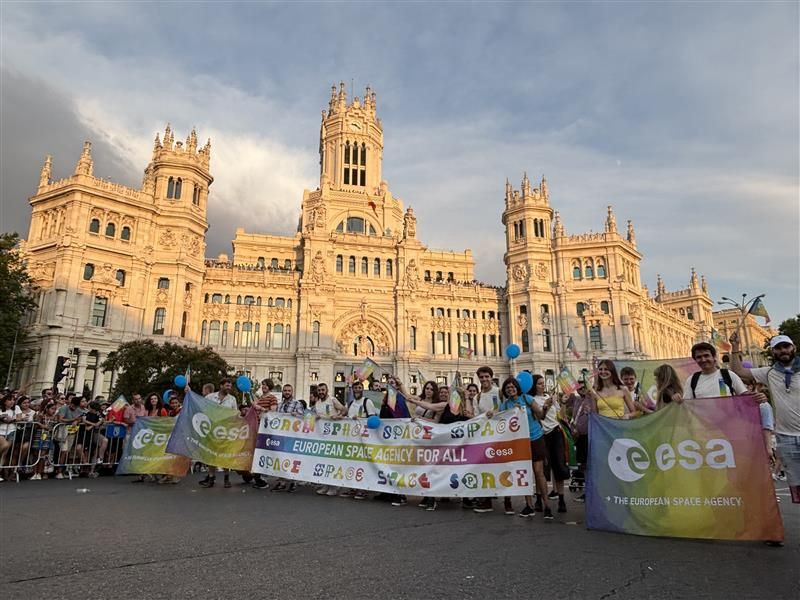
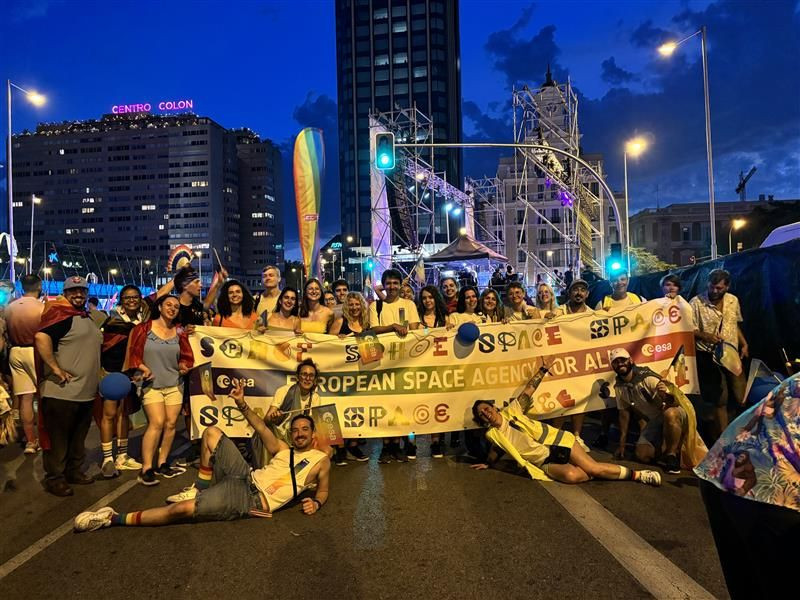
El Centro Europeo de Astronomía Espacial, #ESAC de la @esa en Madrid, participó en #MadridOrgullo2025 , alzando la voz por la diversidad, la inclusión y los derechos LGTBIQA . 🌈 ✨
Para la Agencia Espacial Europea la Diversidad y la Inclusión son una prioridad. 🏳️🌈 🏳️⚧️
.@MADOrgullo
Llevo unos días leyéndoos así:
"Qué mal los incendios de California"
"Pero, ¿eso podría pasar en España?"
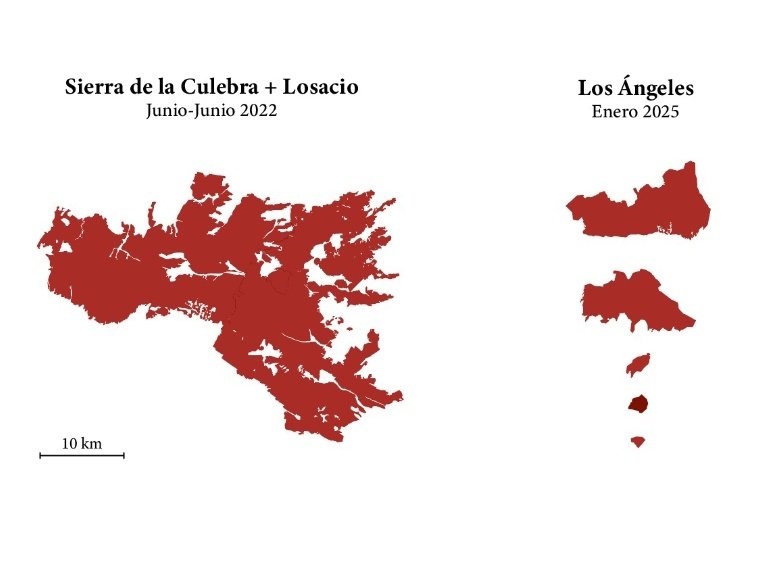
Pues sí, amiguitos, no podría, ya pasó. En 2022 se quemaron en Zamora más de 60.000 ha (15.000 en Los Ángeles)
Aquí la comparación de superficie quemada 🔥👇🏼
This view from @Astro_Suni's helmet camera shows her turning bolts as she replaces the planar reflector, a visiting vehicles navigation device, over 260 miles above the South Pacific Ocean.
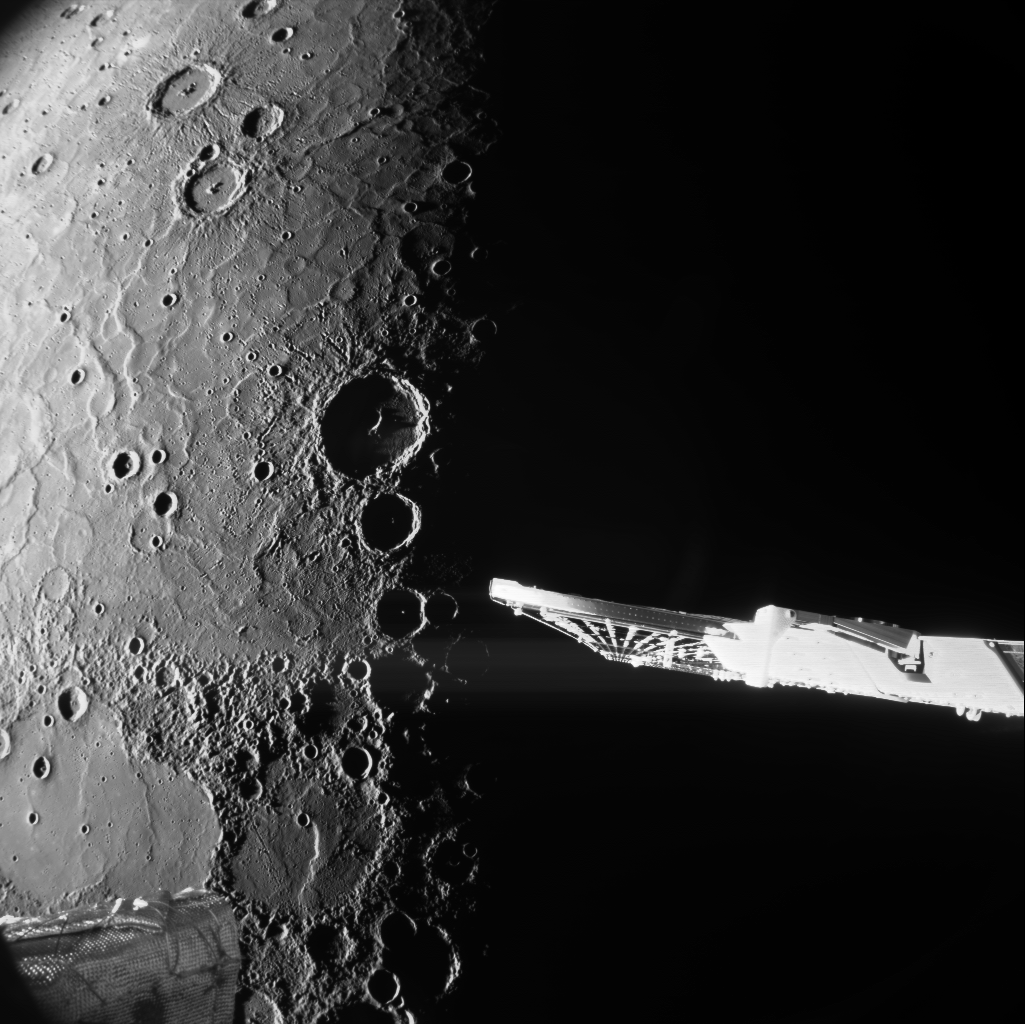
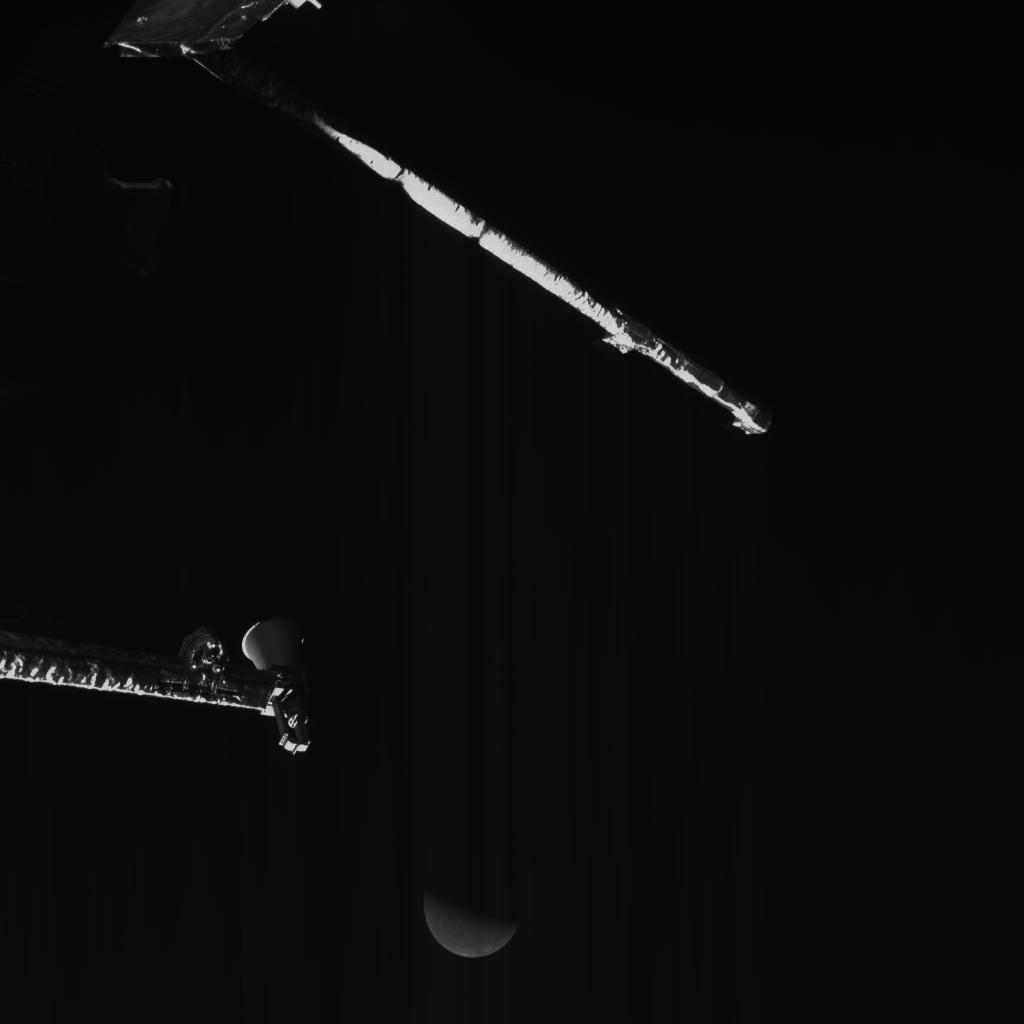
Ya están disponibles las imágenes del sobrevuelo
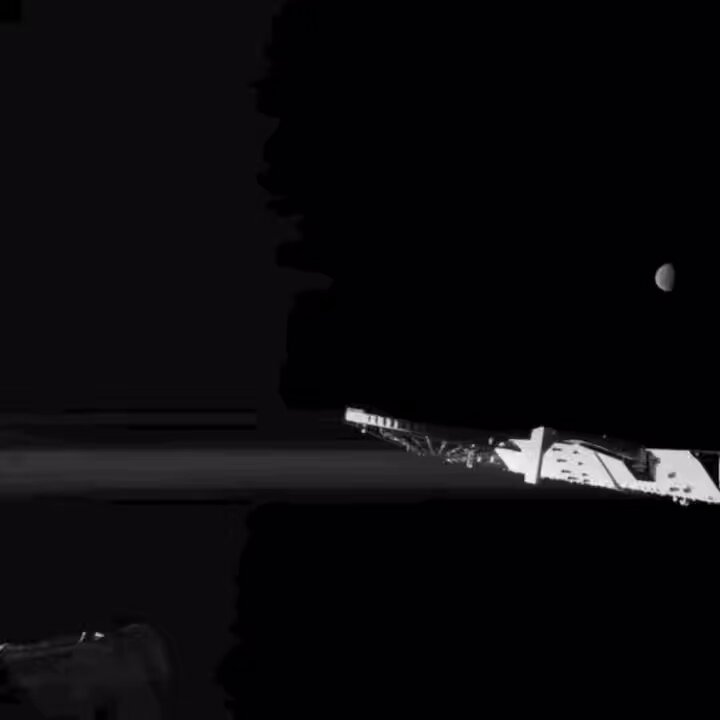
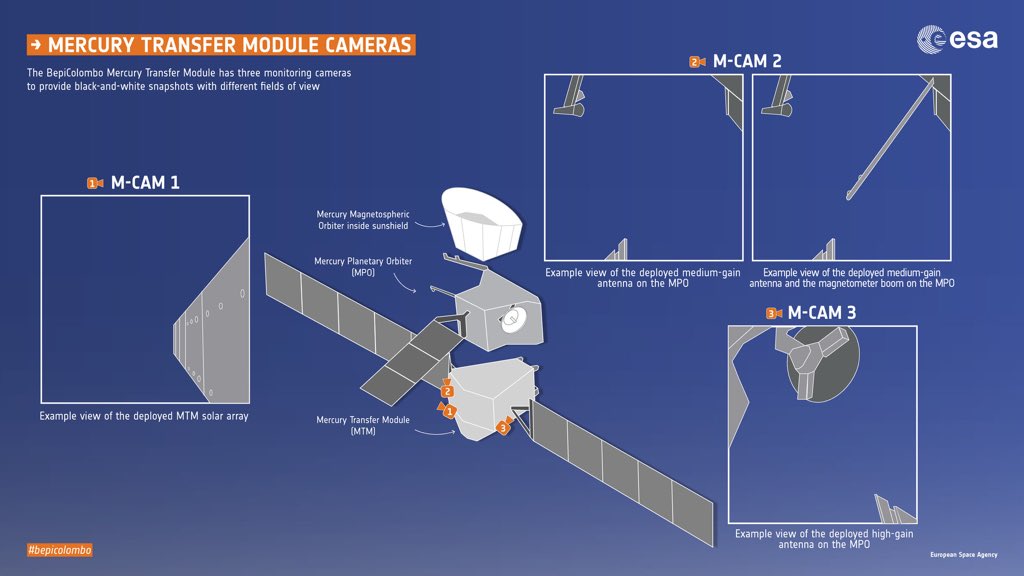
MISSION #BepiColombo#Mercury Transfer Module Monitoring Camera CAM3
2025-01-08 Mercury Gravity Assist 6
psa.esa.int/psa/#/pages/sear…
ESA/BEPICOLOMBO/MTM/j. Roger
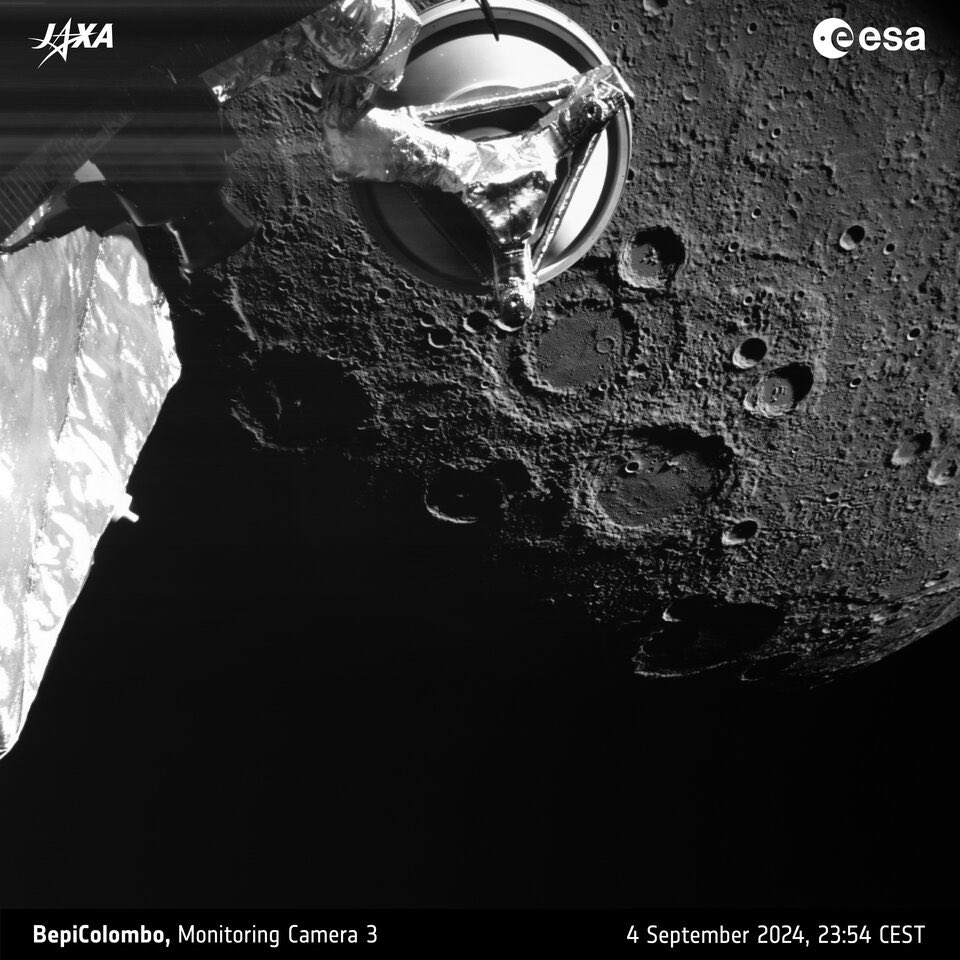
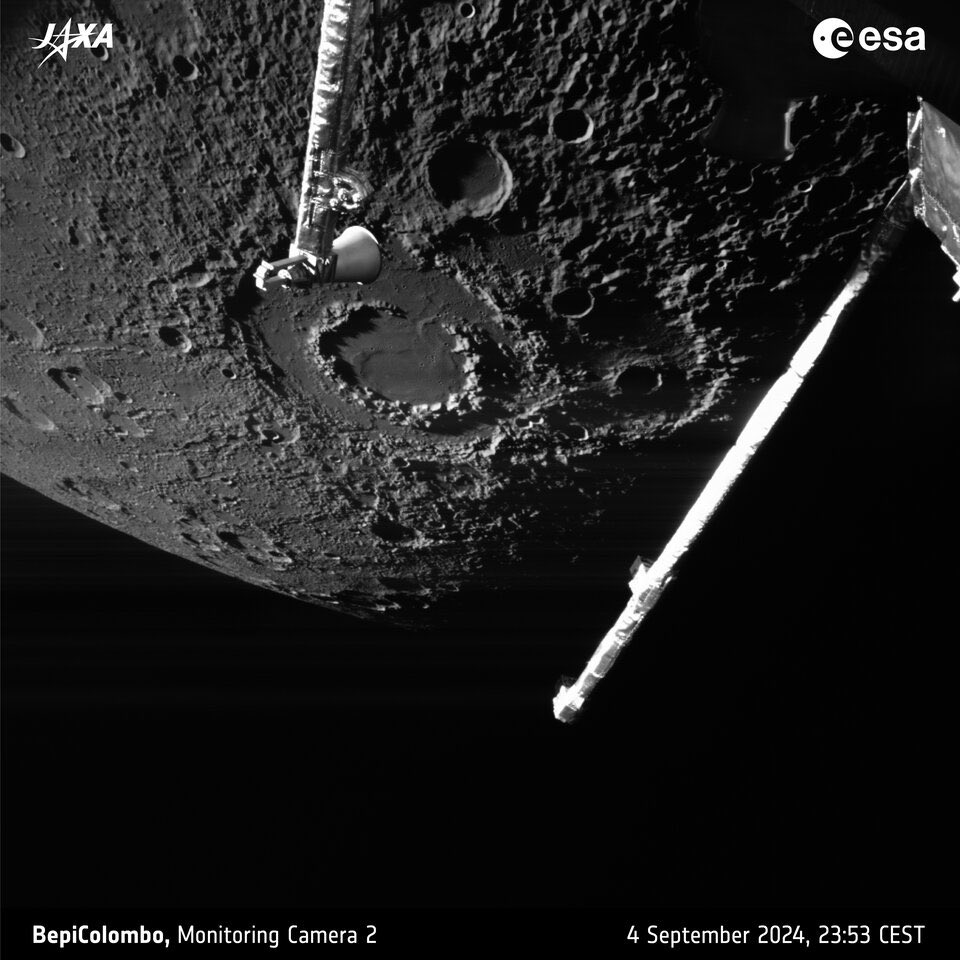
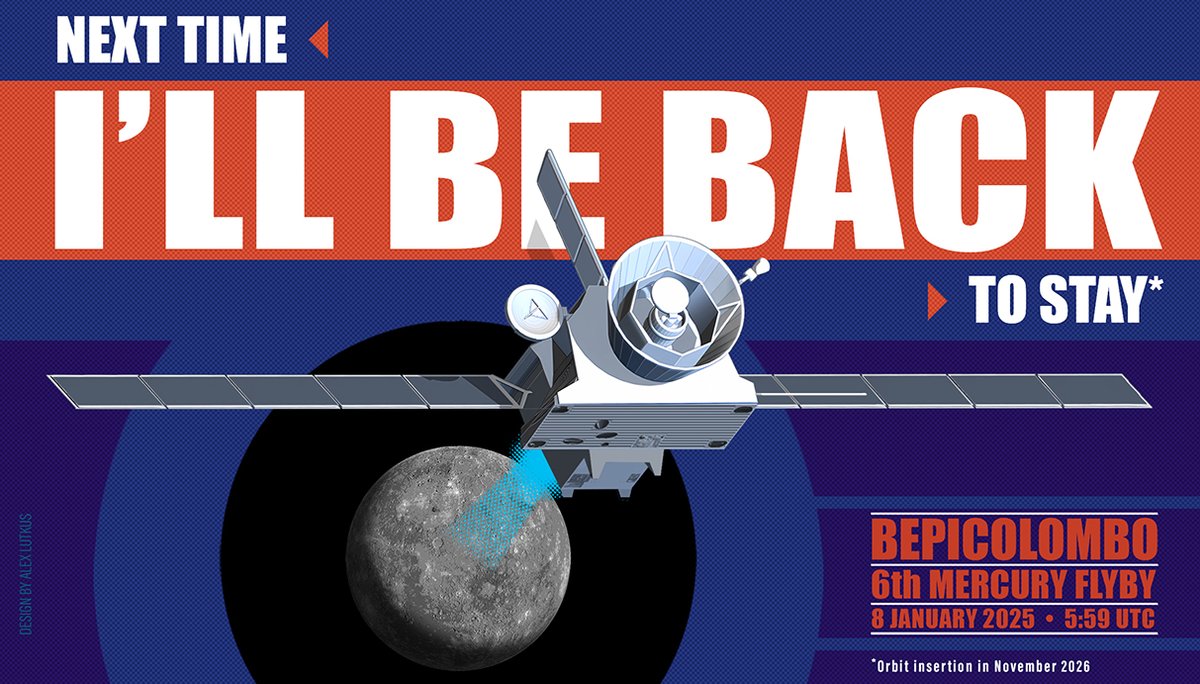
Our top three images from the sixth Mercury flyby are here! 🌗
See what they reveal about the mysterious planet here 👉 esa.int/Science_Exploration/… and in 🧵👇
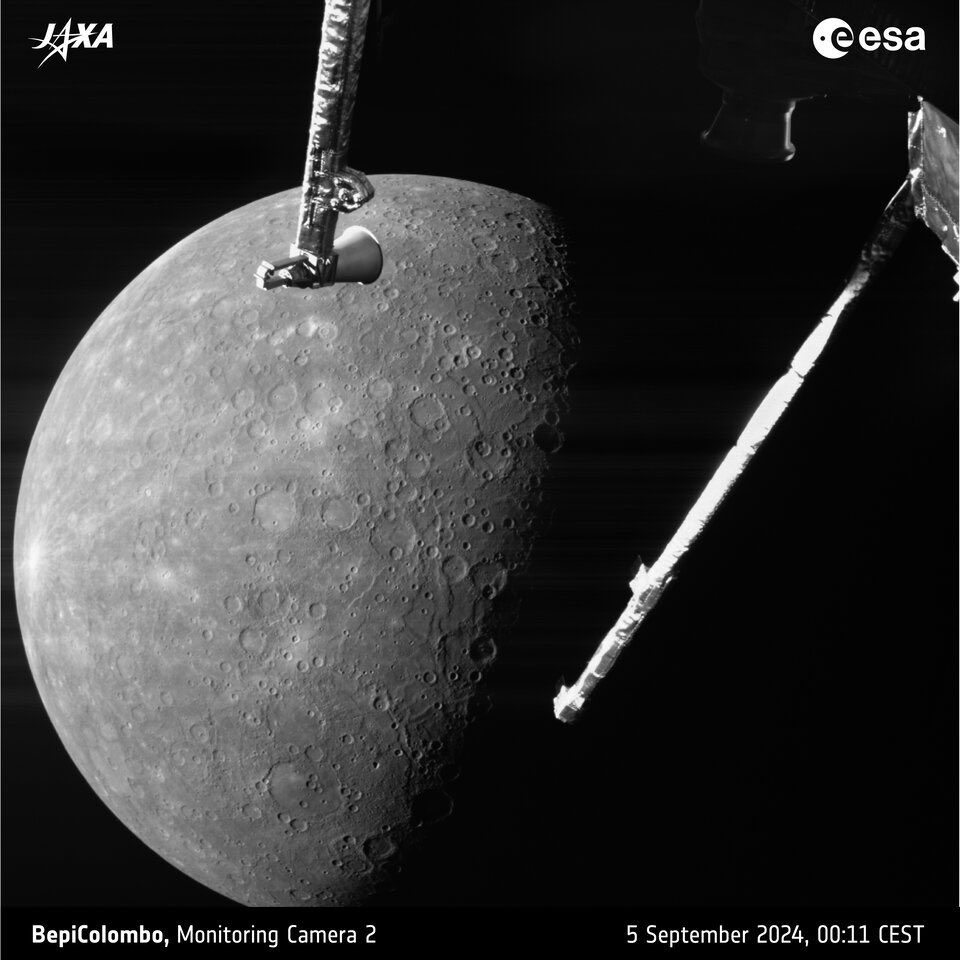
ALT Image taken by BepiColombo during its sixth Mercury flyby. Planet Mercury is visible in the background with its grey, cratered, pock-marked surface. In the foreground are some spacecraft parts.
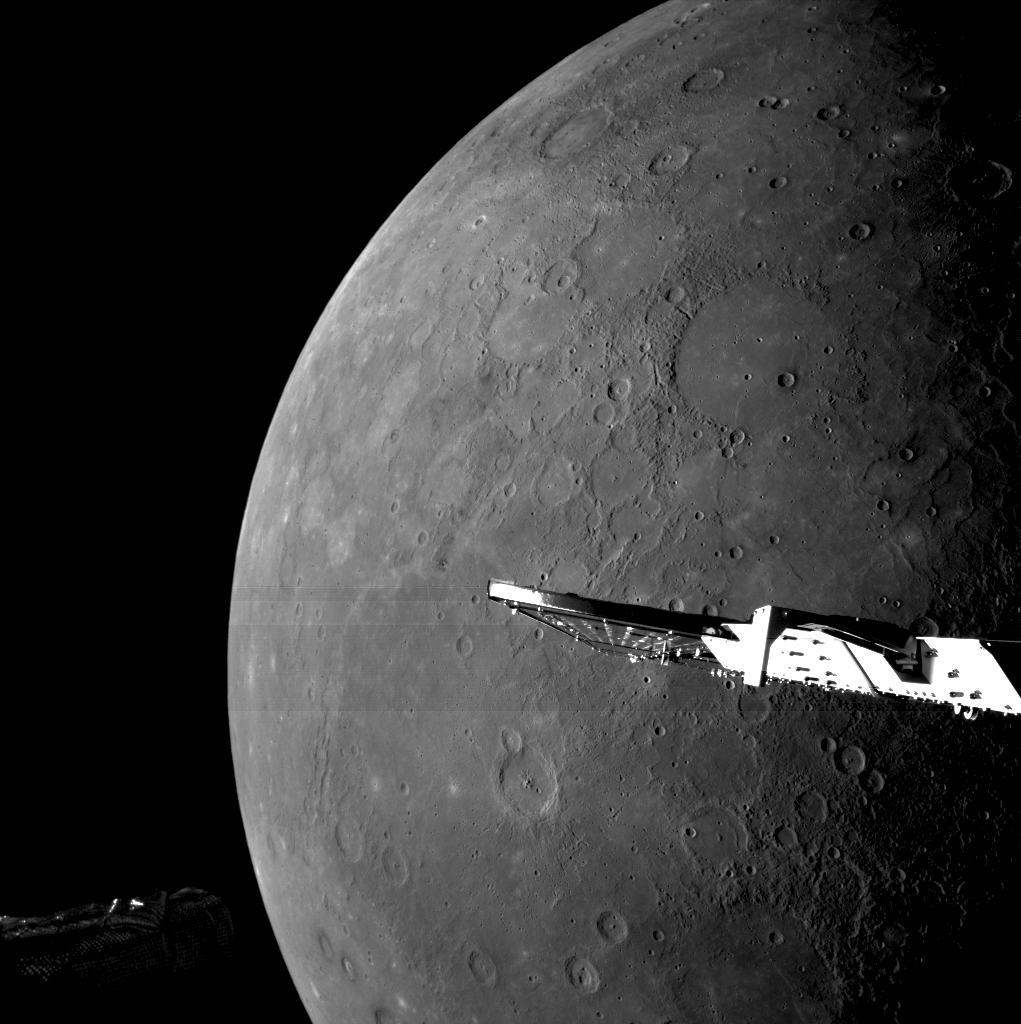
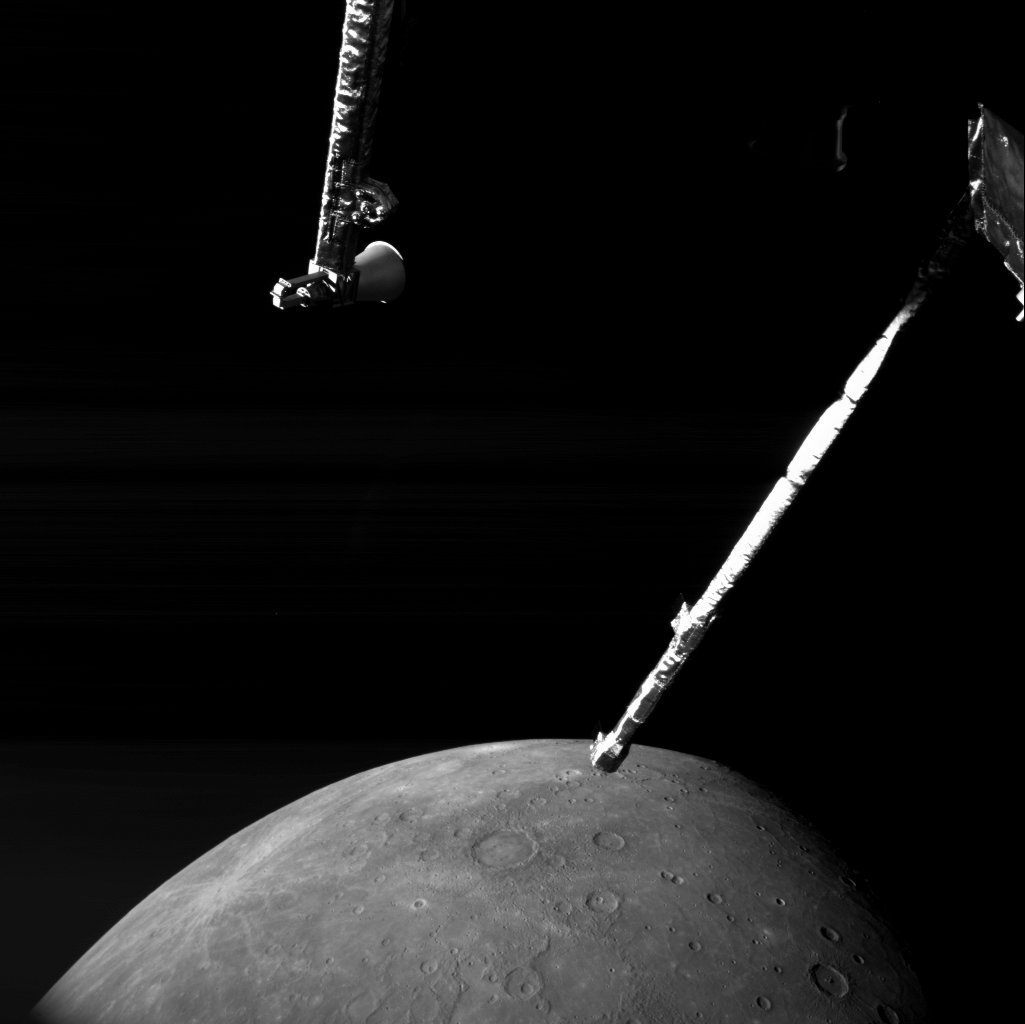
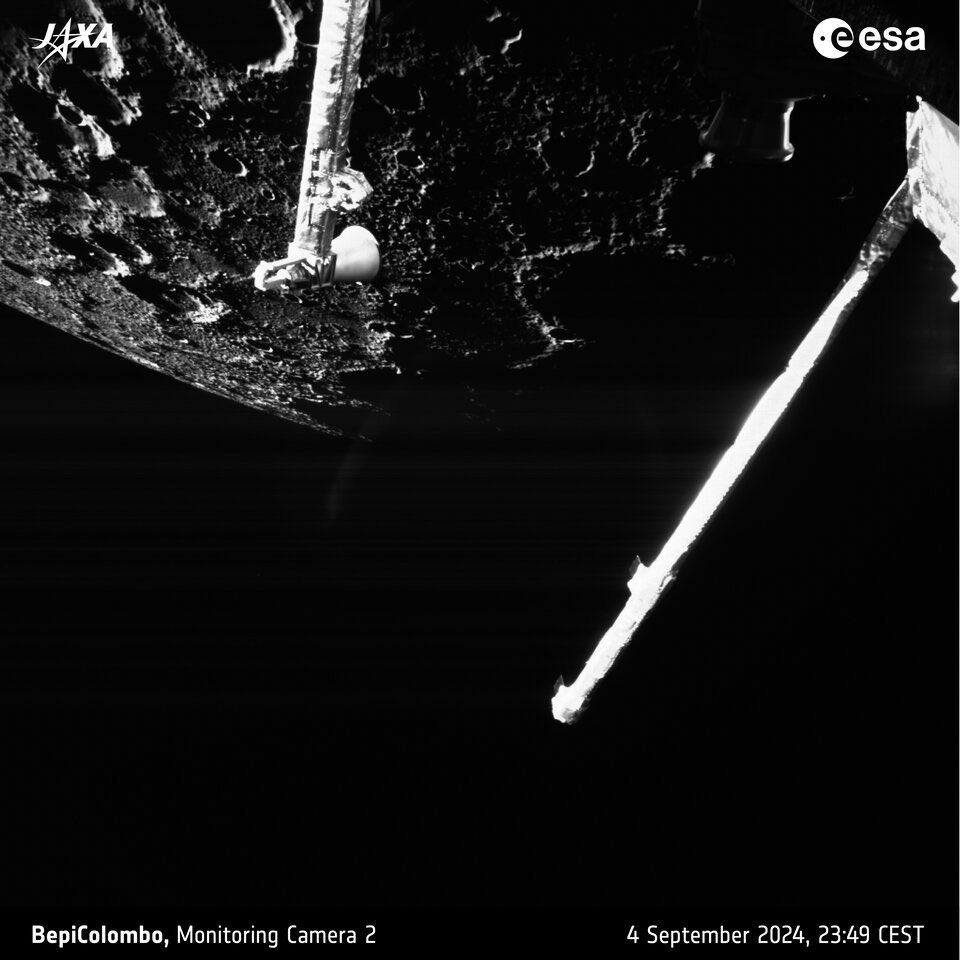
Here's an image taken 5.5 hours before closest approach, when #bepicolombo was 44950 km from Mercury's southern hemisphere. The planet is at the bottom of the picture, below two of the spacecraft's booms.