Raising awareness on the Palestinian Kurds, bringing closer Palestinians and Kurds, RT=/= endorsement
Joined August 2023
- Tweets 423
- Following 11
- Followers 1,180
- Likes 582
178 Photos and videos




Pinned Tweet

Fast comment late at night:
I’ll never ever tolerate any Zionist or Zionist minded comments etc. I’m a Palestinian that’s ethnically Kurdish and so are the rest of the Palestinian Kurds who are proud of both of their heritages.
Downplaying anything that happened since 1917
5
5
43
2,127
Syrian fascists claiming Kurdish cities like Amed, Urfa, Mardin, Cizre and others that have a historic and modern Kurdish presence and history nothing short of delusional and despicable
x.com/hurfedai_/status/20659…


5
13
78
6,300
Palestinian Kurds retweeted

Jun 12
This passage is good evidence that Kurdish groups were present in the Jazira region during the Umayyad period. It shows they were part of the local population in northern Mesopotamia at that time, since they appear directly in the same area where these events and raids took place

2
15
53
1,697
Palestinian Kurds retweeted

Jun 10
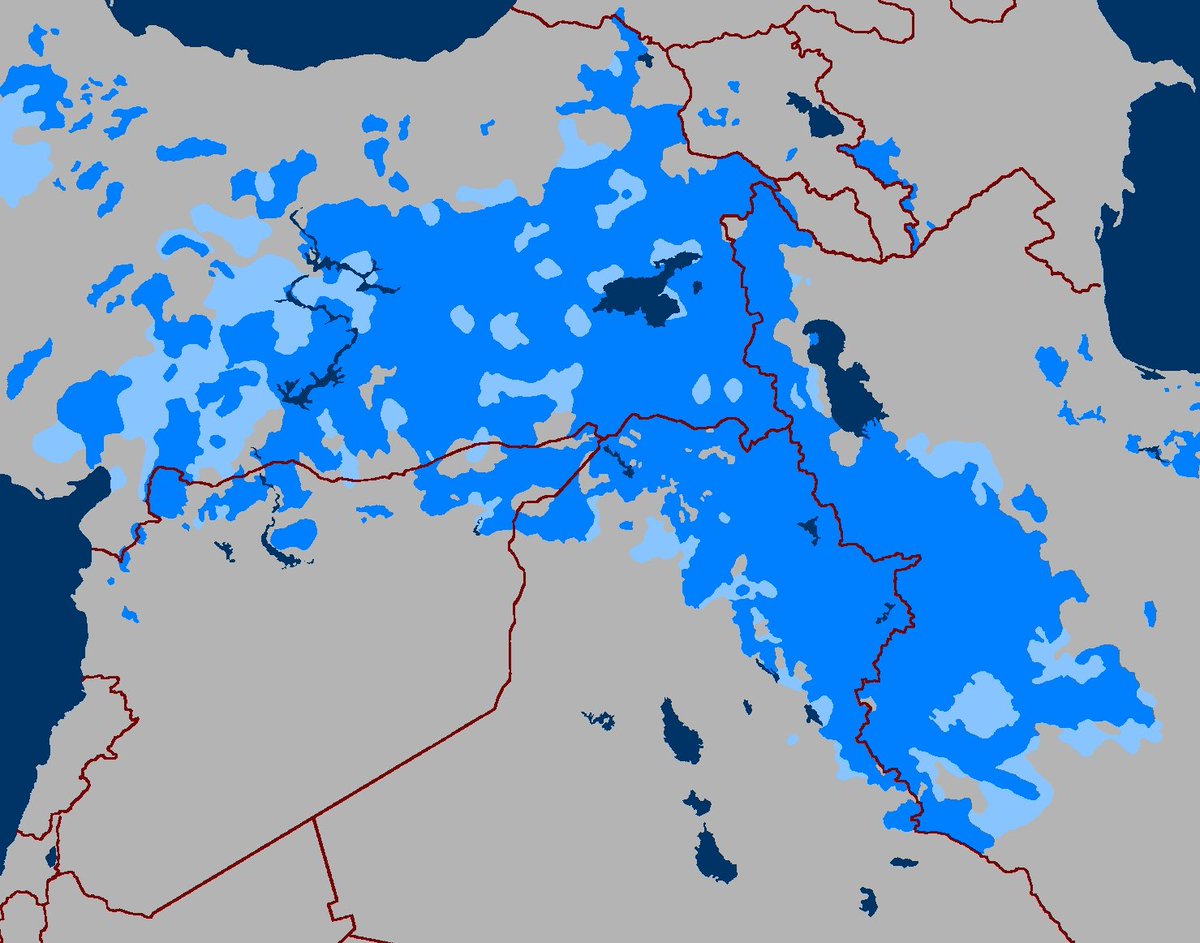
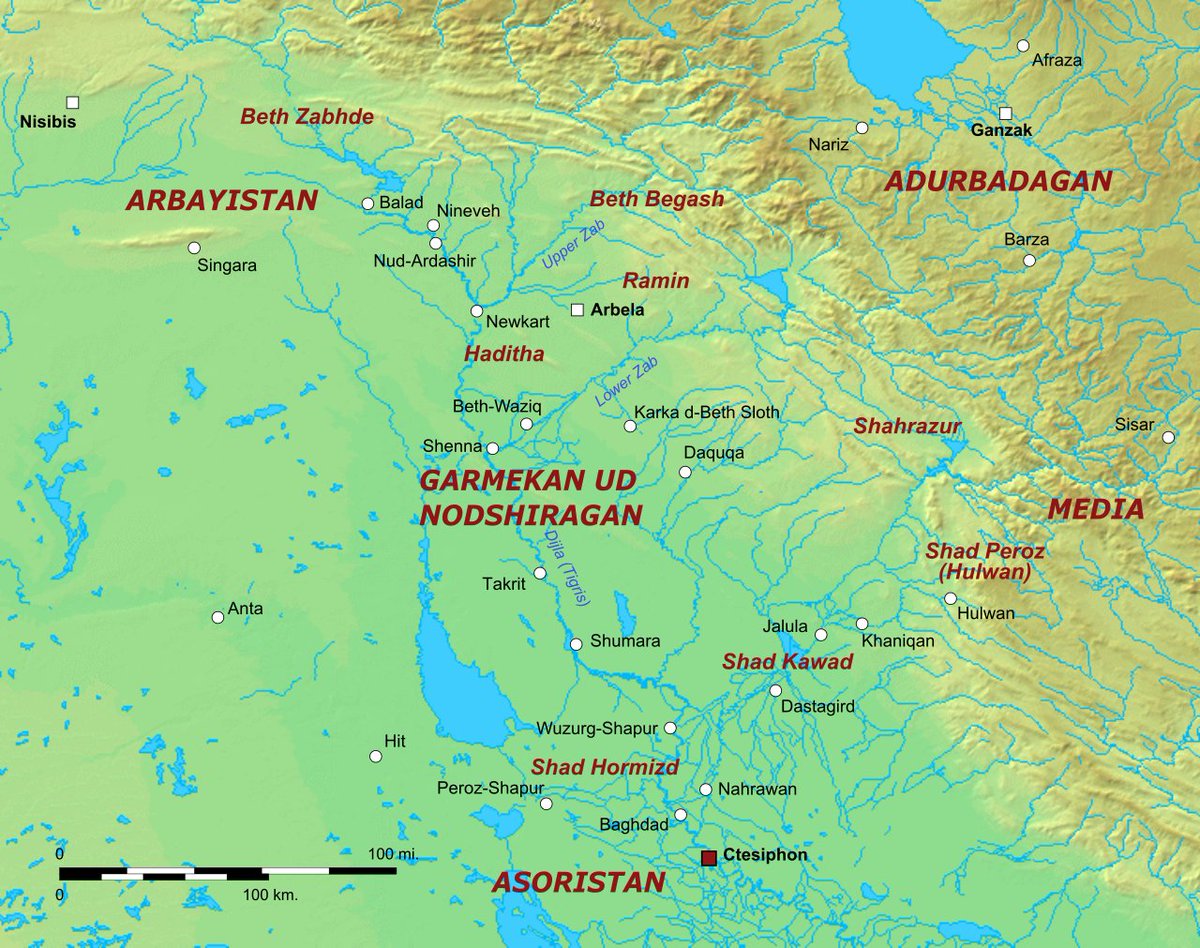
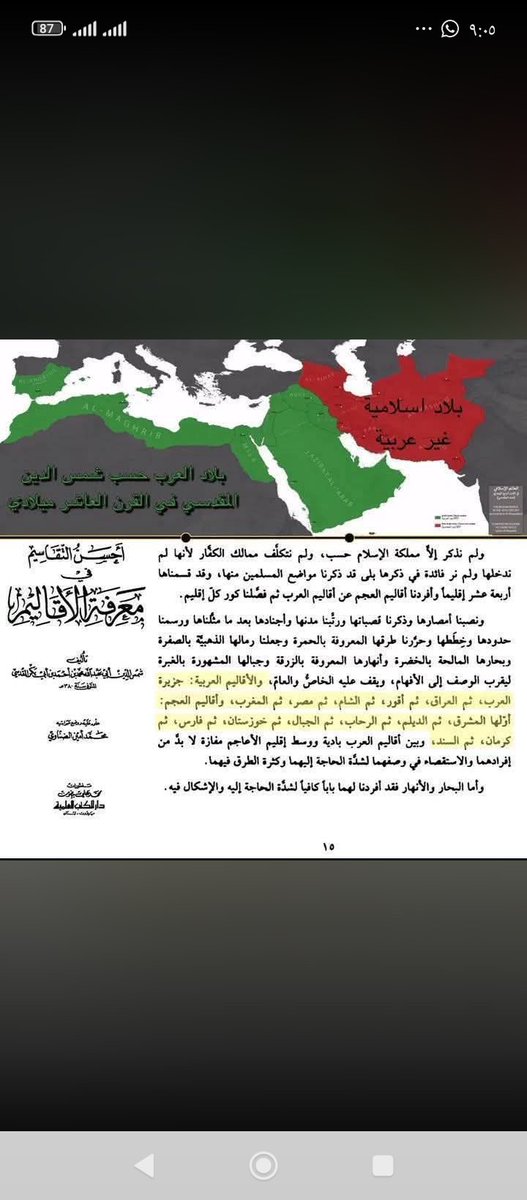
>Before it was called Kurdistan, it was called Arabia
Proceeds to show regions that are largely not part of the Kurdistan claimed by Kurds.
Beth Arbaye (Arbayistan) was a historical region that remained part of successive Iranian empires and not some Arab state.
1
9
52
1,577
Palestinian Kurds retweeted

May 29
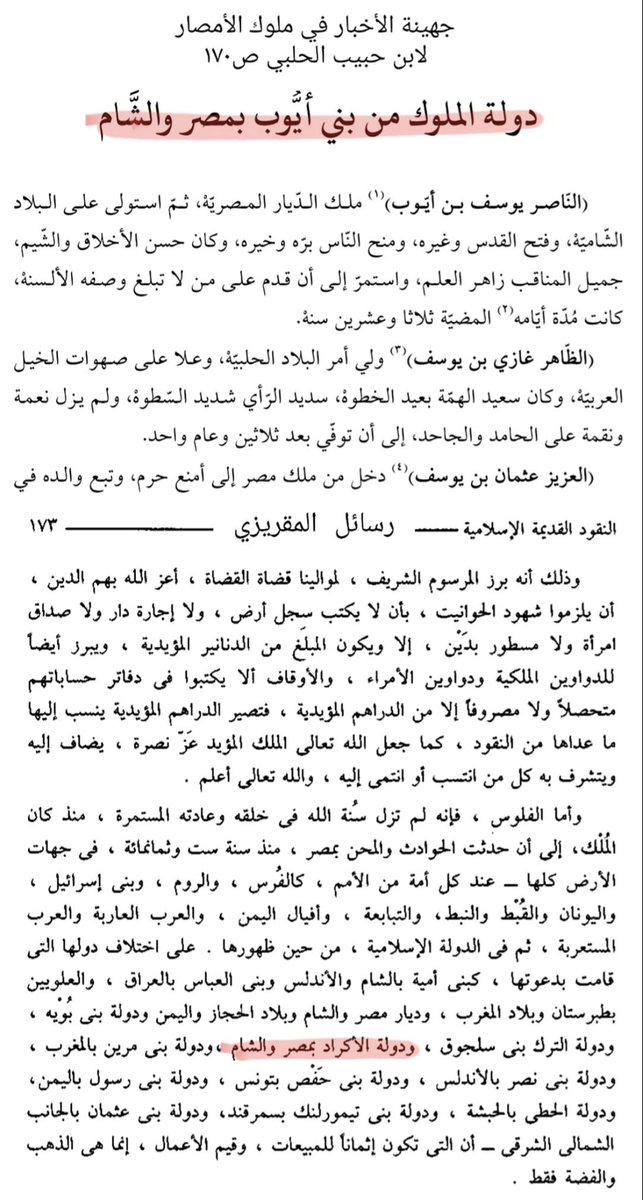
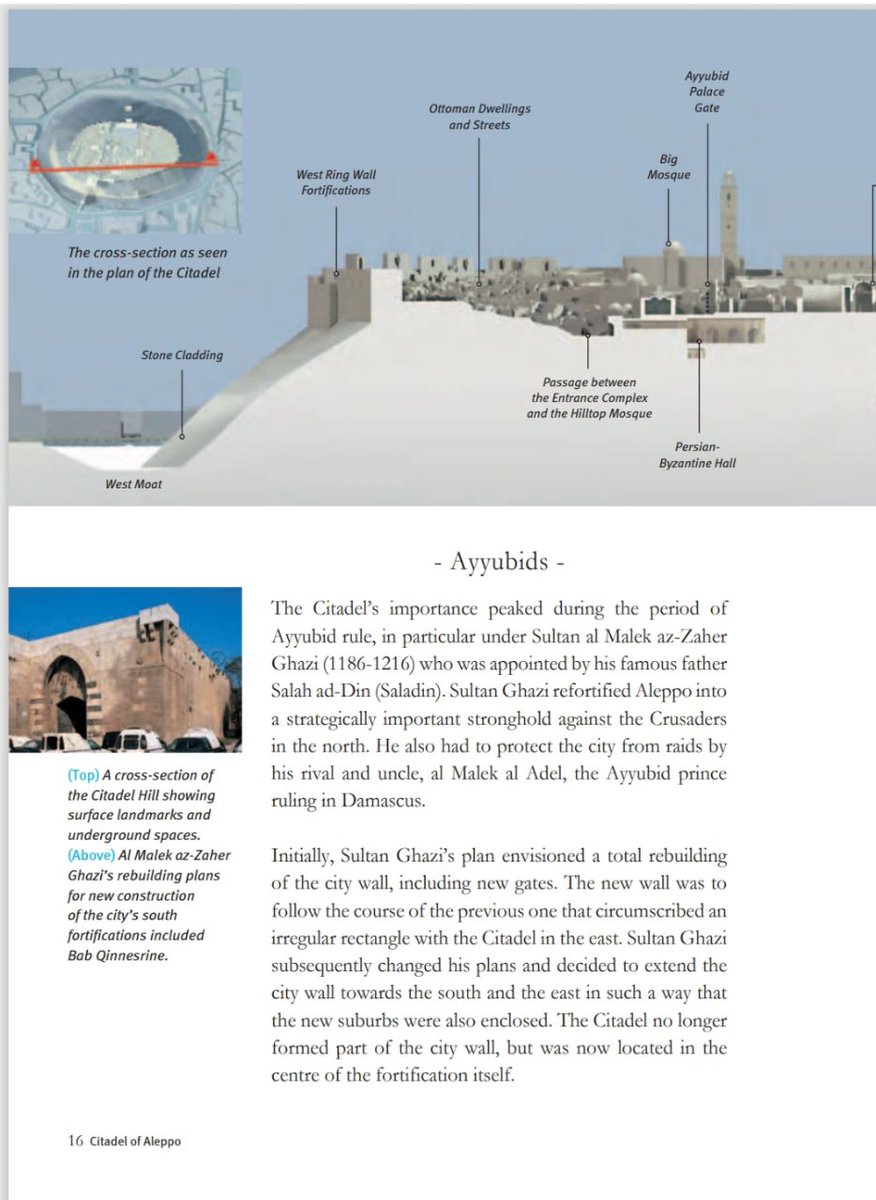
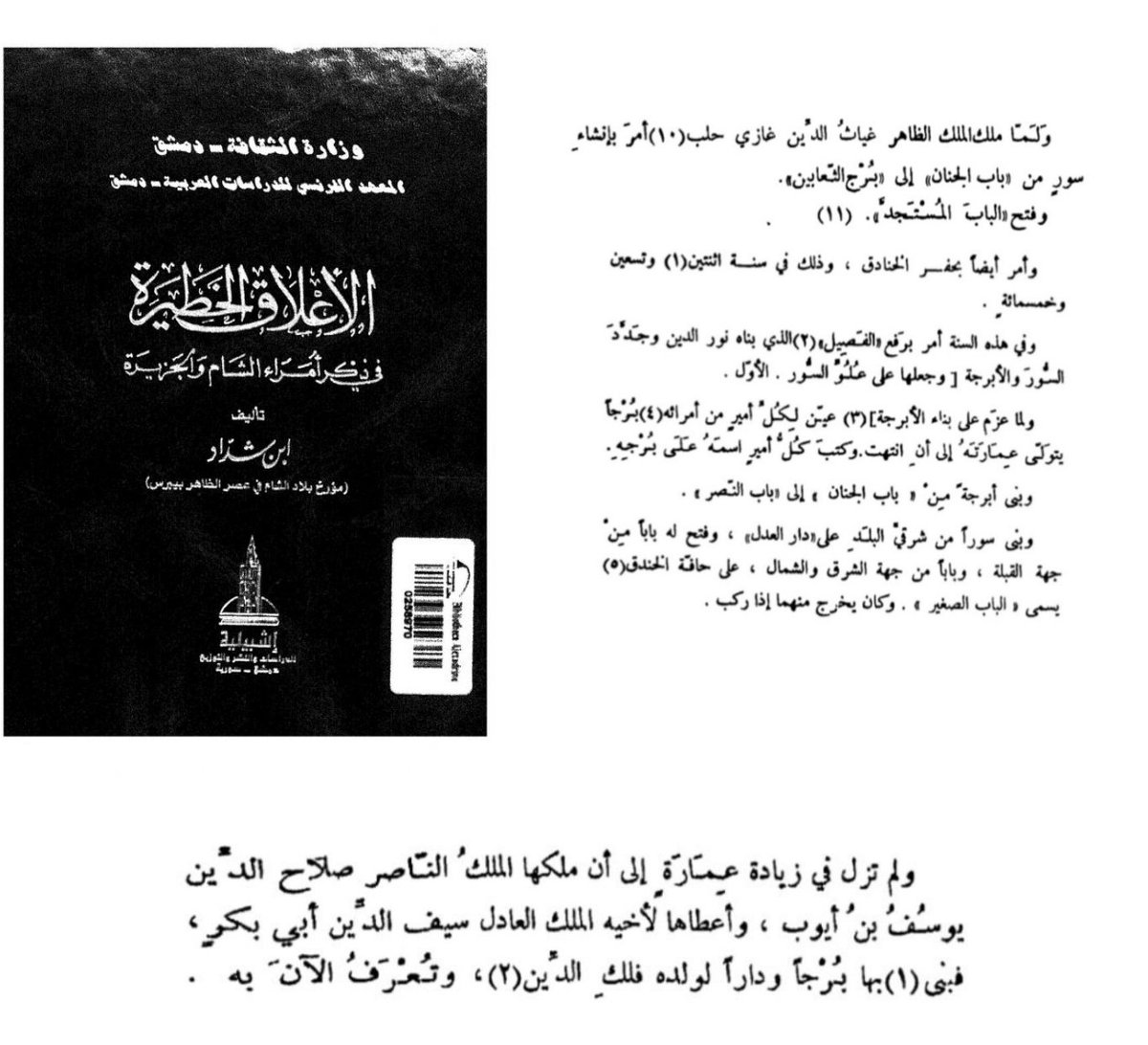
هذا الجاهل لا يعرف ان قلعة حلب تعاقبت عليها حضارات كثيرة من الرومان الى الحمدانيين، لكن التحول الاكبر كان في العصر الأيوبي، خصوصا في عهد الملك الأيوبي الظاهر غازي بن صلاح الدين، الذي اعاد تشكيل القلعة كحصن دفاعي ومركز حكم متكامل..

5
6
60
6,526
Fast comment late at night:
I’ll never ever tolerate any Zionist or Zionist minded comments etc. I’m a Palestinian that’s ethnically Kurdish and so are the rest of the Palestinian Kurds who are proud of both of their heritages.
Downplaying anything that happened since 1917
5
5
43
2,127
to Palestinians regardless of ethnicity and comparing the attempt of complete annihilation of our identity and history warrants losing any relationship from the admins of the page to all friends and followers.
25
447
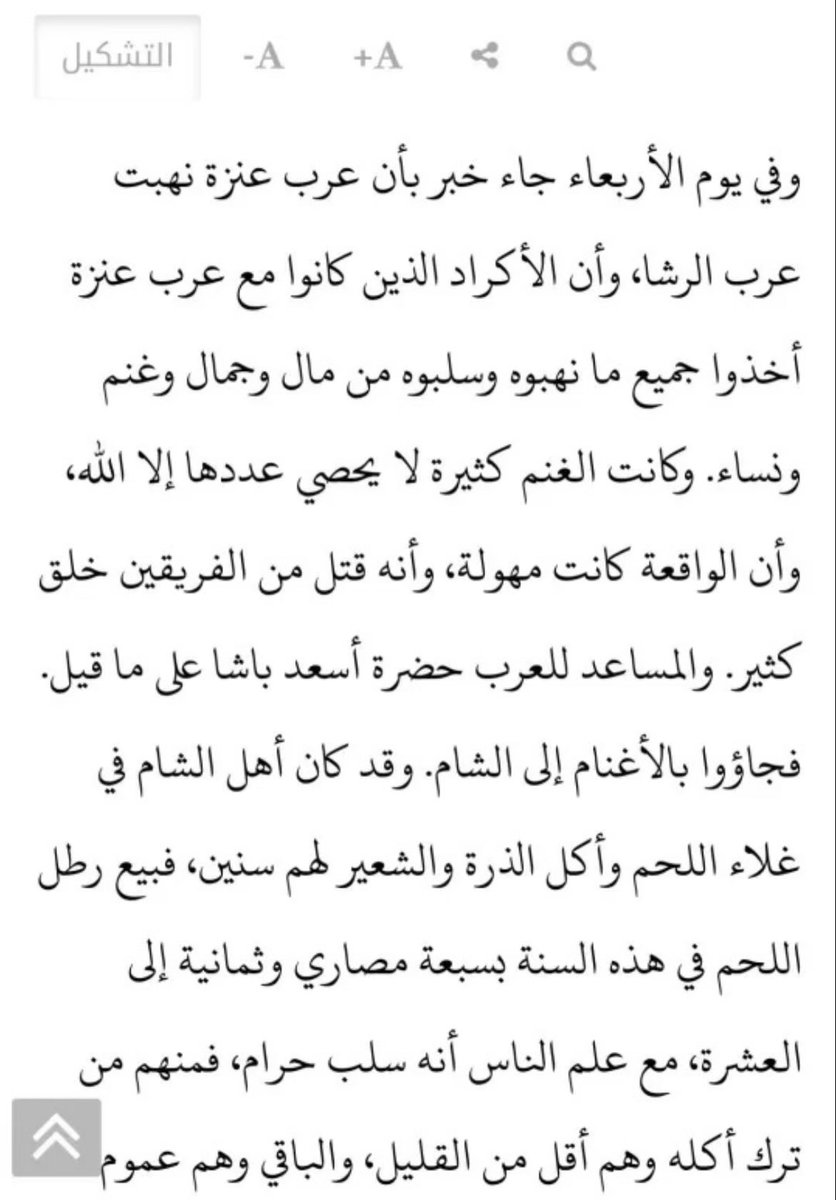
هذا الشاوي لا يعرف ان الأكراد كانوا حكامه قبل ما ييجي الفرنسي يحرره من العبودية البديري الحلاق في سنة ١٧٤٧/١٧٤٨ يذكر ان قبيلة عنزة أعطت غنيمتها منها سبي نساء الشوايا "العرب" لأسياد السوريين الأكراد غير ذلك ذعر الدمشقيين و خوفهم من اسيادهم الأكراد و اضطر الوالي ان يسكت و يشاهدهم

6
17
91
6,920
Palestinian Kurds retweeted
May 25
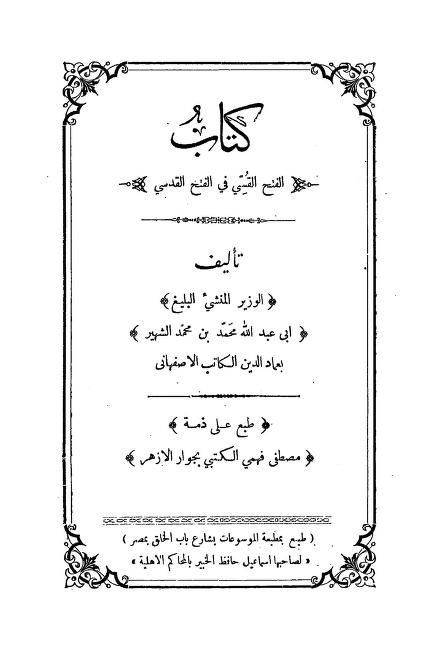
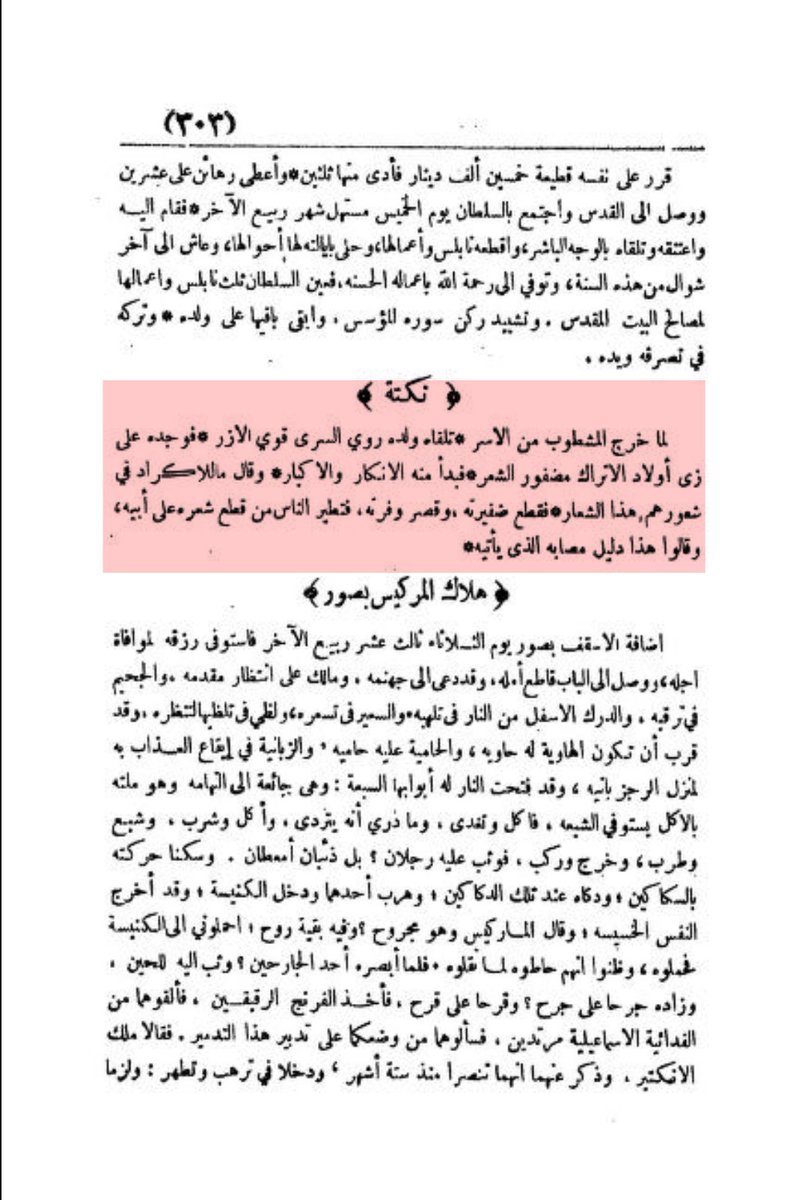
من النوادر التي نقلت في العصر الأيوبي قصة لقاء المشطوب بابنه بعد خروجه من الأسر،
فـ وجده قد اتخذ هيئة أولاد الأتراك بضفيرة الشعر، فـ استنكر ذلك وقال إن هذا ليس من شعار الأكراد، فـ أمر بقص ضفيرته
3
13
68
2,892
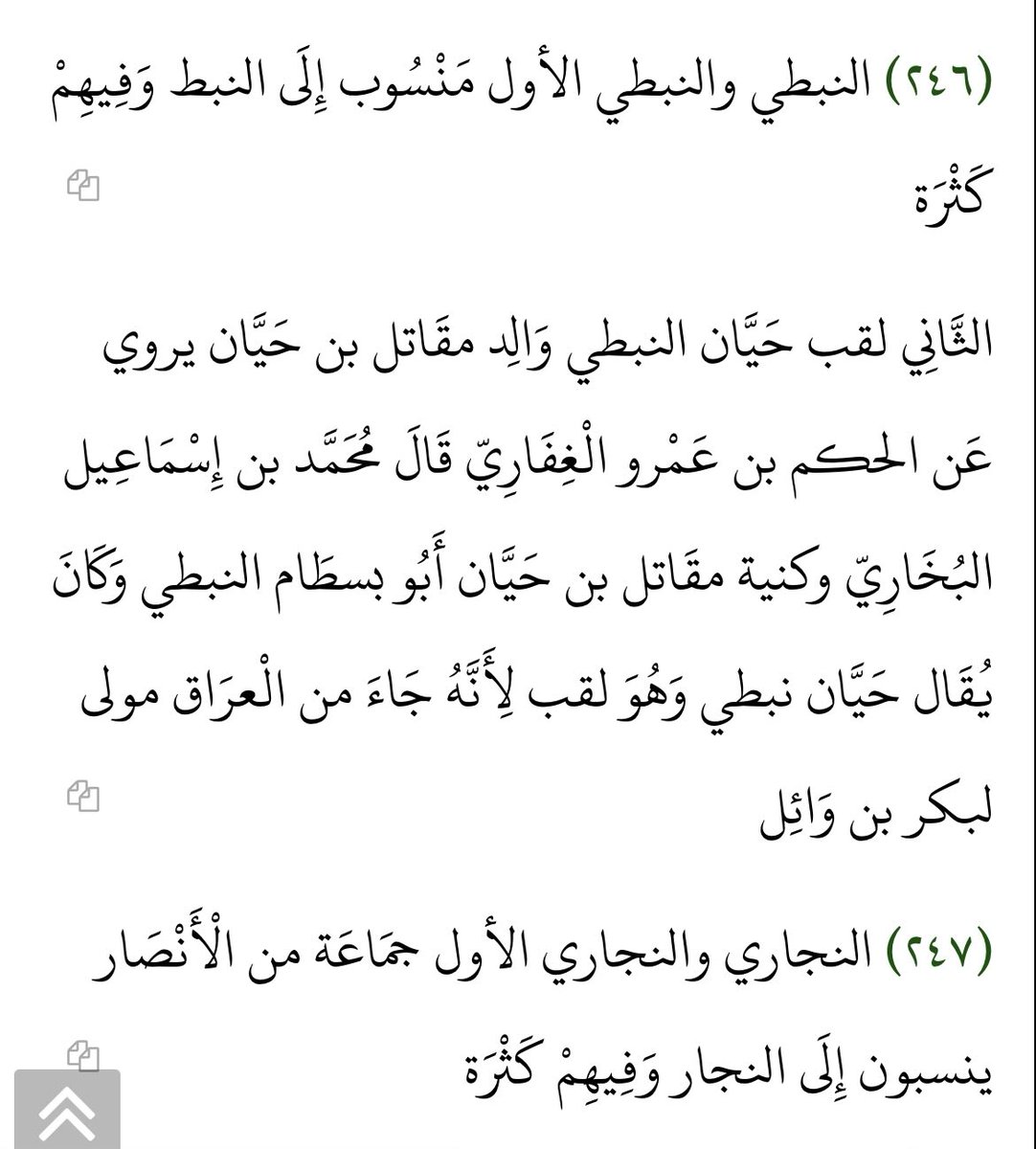
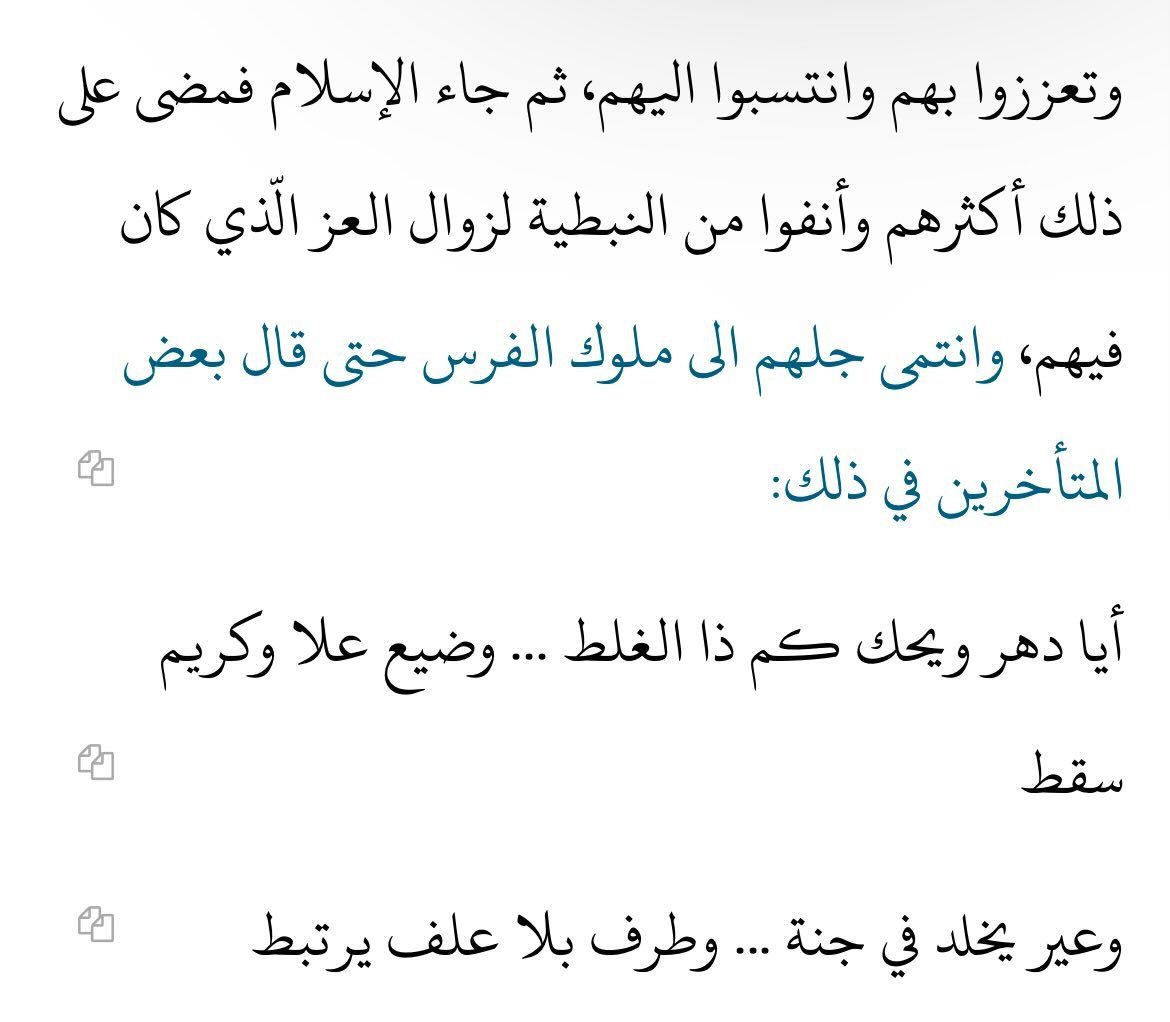
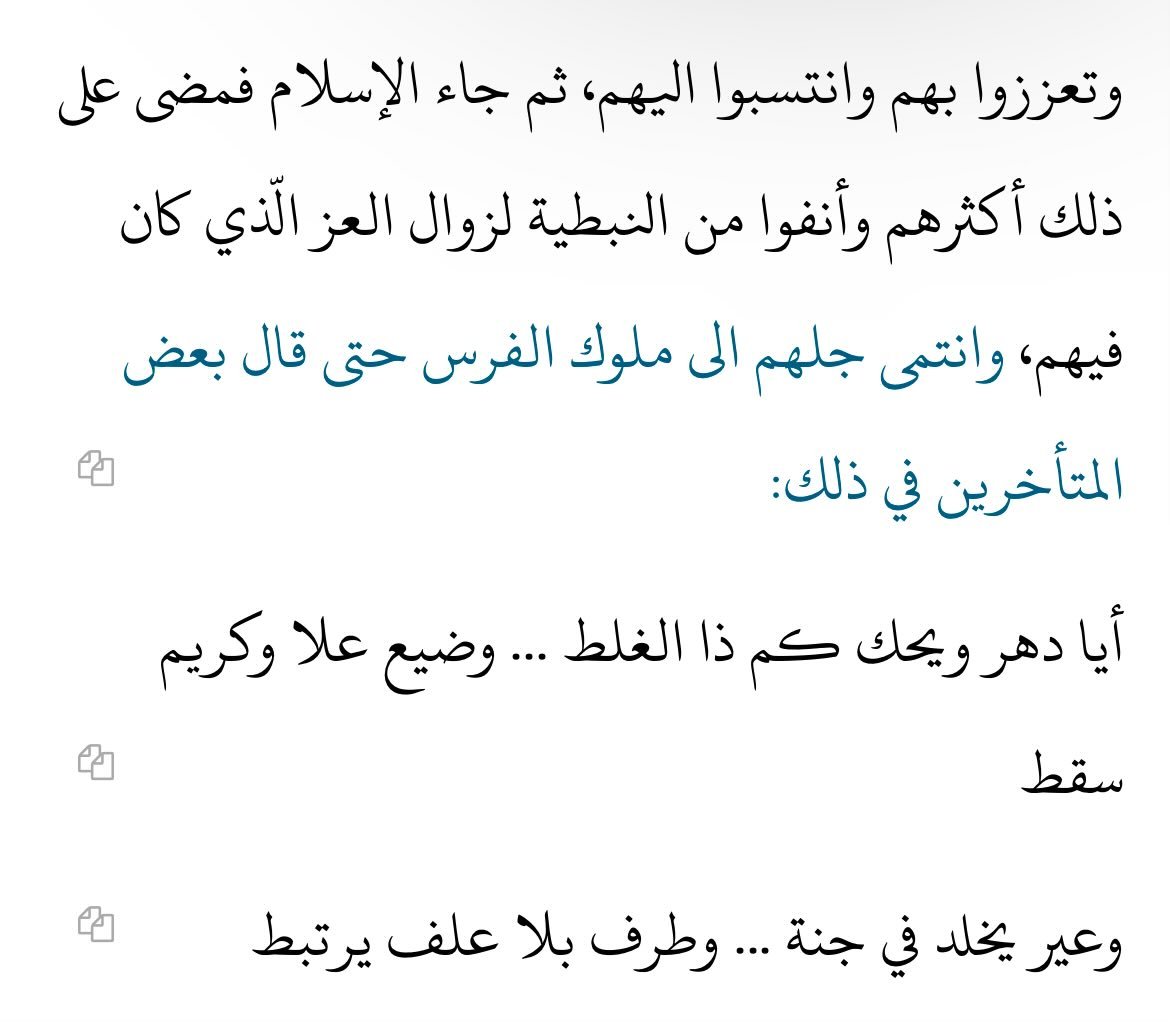
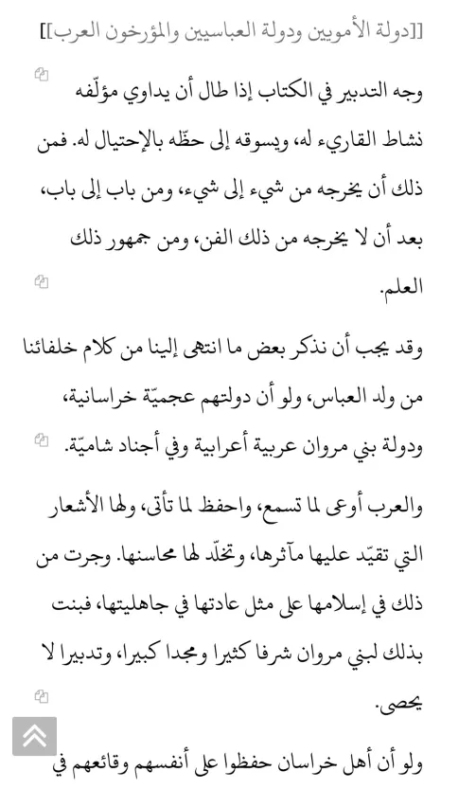
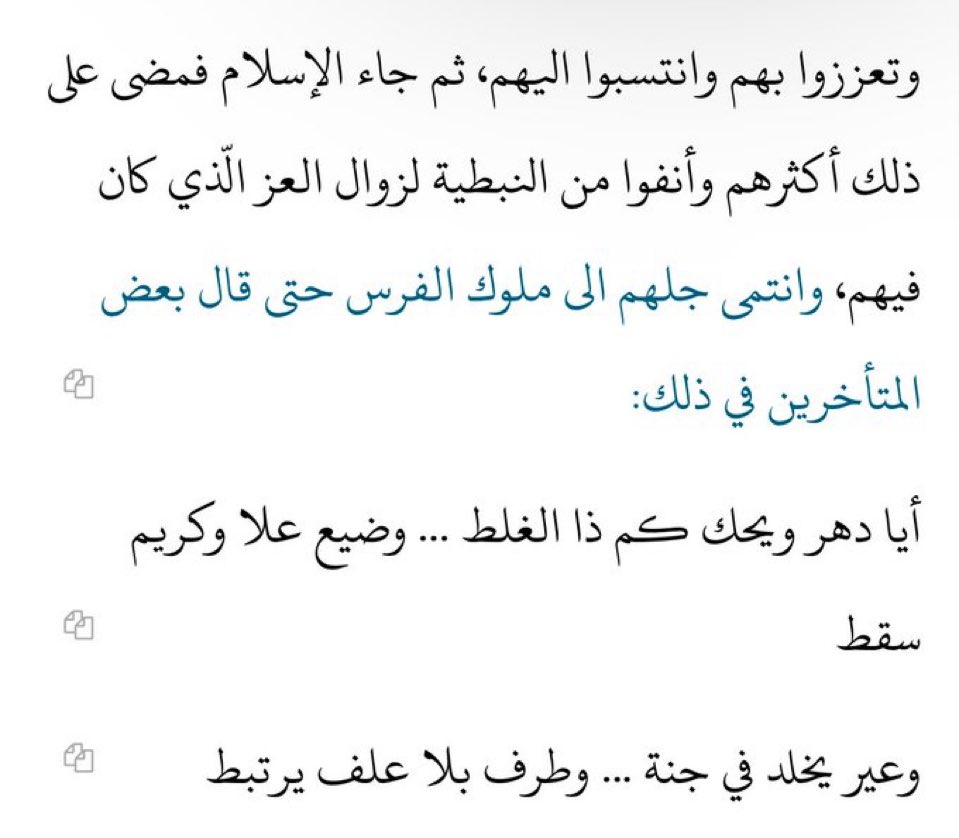
مرحبا اسيد الكذاب اول شيء النبط كانوا الاشد شعوبية في ذلك الزمان و اكثرهم ادعائا بالنسب للفرس و كان احتقار العرب للنبط معروف انما اي محاولة لنشر رواية غير ذلك فهي متؤخرة و لا تصح و دولة بني العباس اعجمية خراسانية بلسان الجاحظ و محمد بن الحسن الشيباني يقول ان من لا ولاء لهم هم
May 25

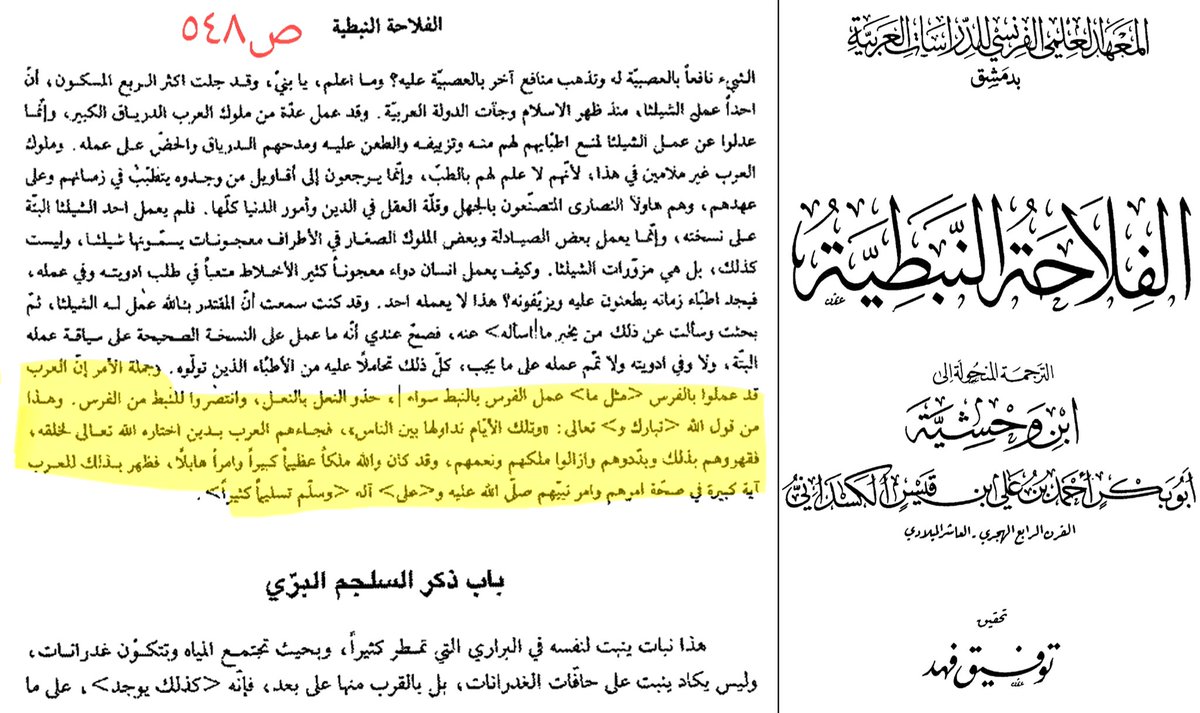
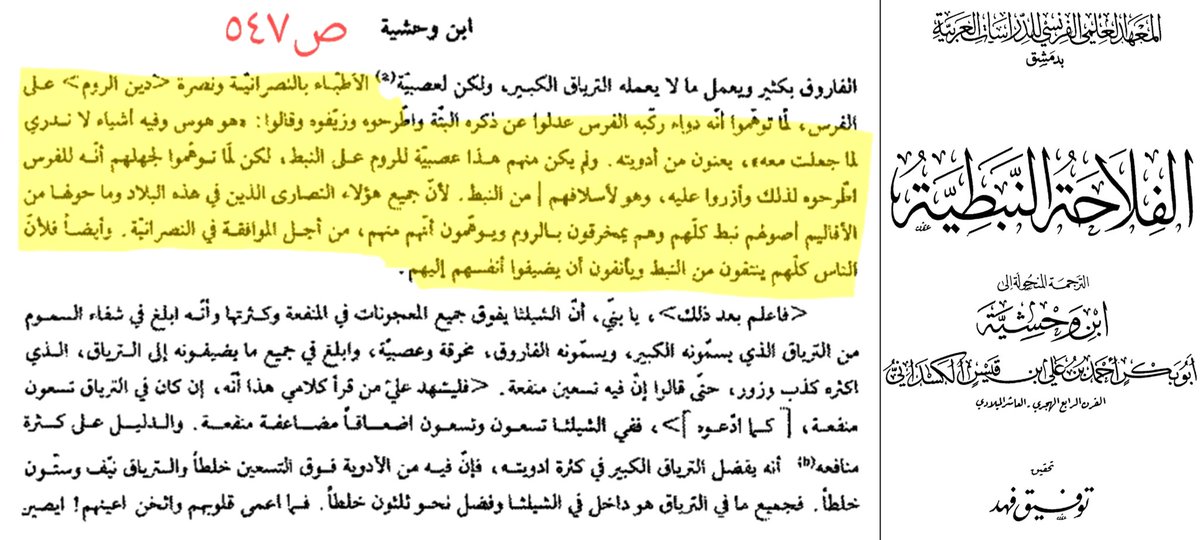
ابن وحشية الكلداني رأى أن العرب ثأروا للكلدان (النبط) من الفرس وأعزوهم لما هدموا مملكة الفرس
ابن وحشية هو من الكلدان الذين رأوا العباسيين دولتهم فقد كان الكلدان منقسمين فطائفة بقيت ترى الساسان دولتها وأخرى ترى العباسيين دولتها لأن كل منهم من عواميد الدولتين الرئيسية لهذا السبب يمدح ابن وحشية العرب وهو يبتغي مدح بني العباس وغيرهم من عرب العراق لأن دولة العباسيين هي دولة كلدان العراق أيضا وليس عرب العراق فقط فجل وزراء بني العباس كلدان كما قال الخوارزمي
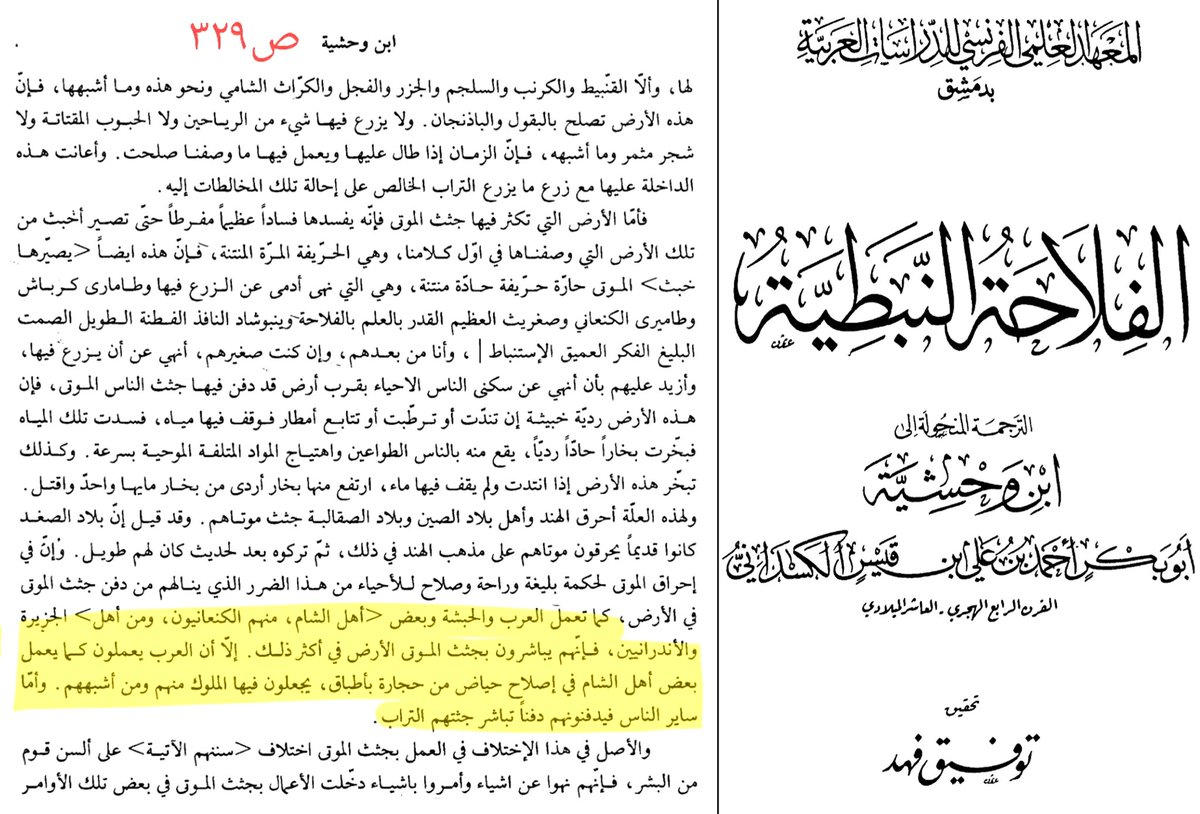
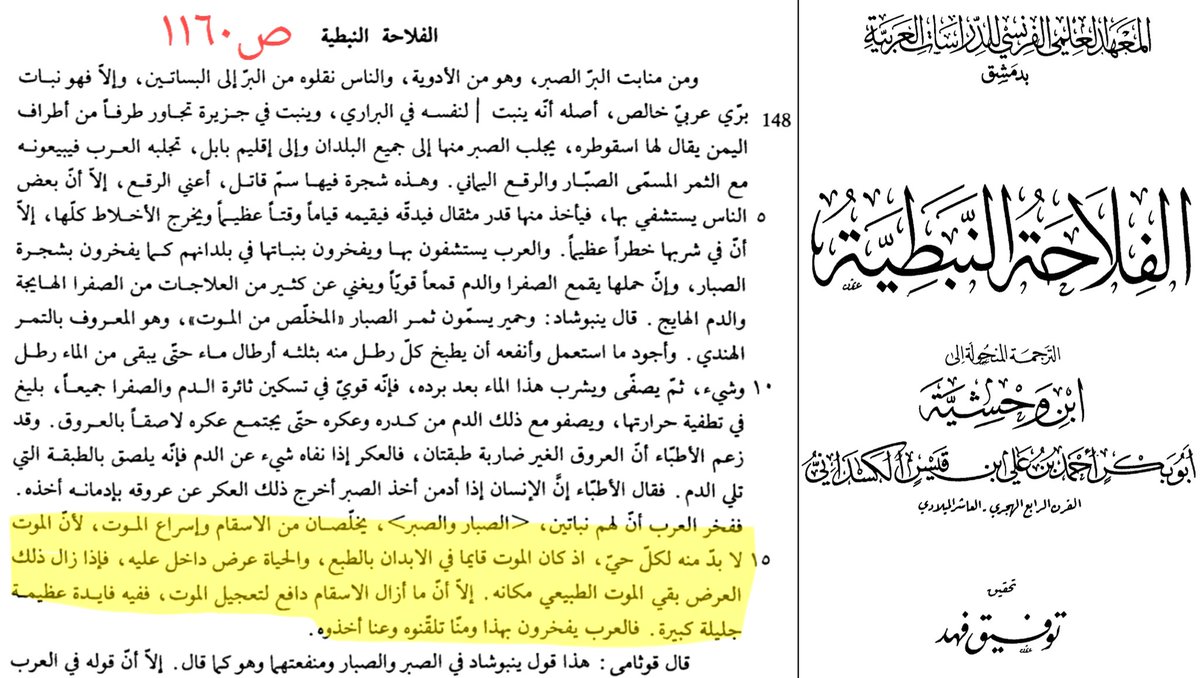
ويذكر ابن وحشية أن العرب يشبهون الكنعانيين في مراسم دفن الموتى حيث أنهم كانوا يقومون بصنع قبور حجرية خاصة للملوك والعظماء بالمناسبة وذكر تعلم العرب منافع كثير من الأعشاب من الساميين القدماء منها منافع الصبار والصبر
وذكر أن بعض مسيحيو النبط كانوا يدعون أنهم من الروم بحجة أنهم مسيحيين وسبب دعواهم هذه لعلها تعود لكونهم من المسيحيين الكلدان المتبعين لمذهب الملكانية
7
5
37
3,282
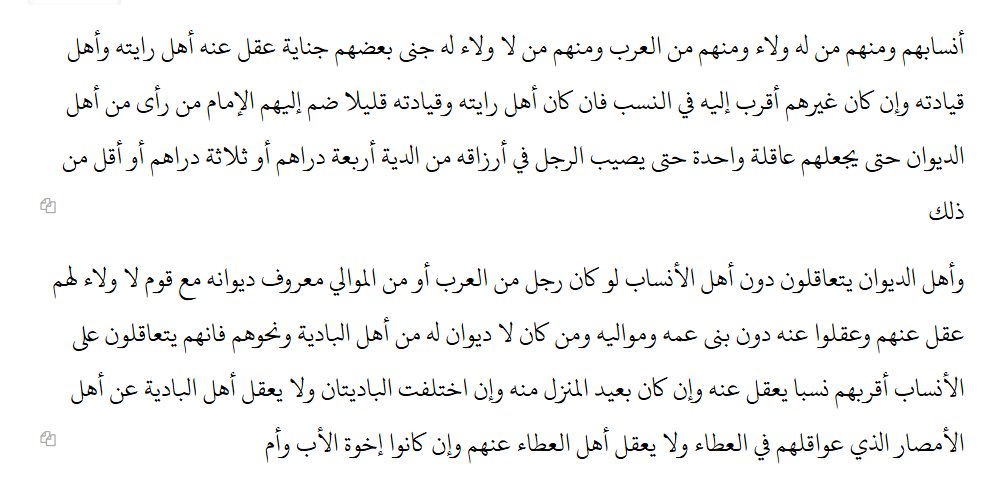
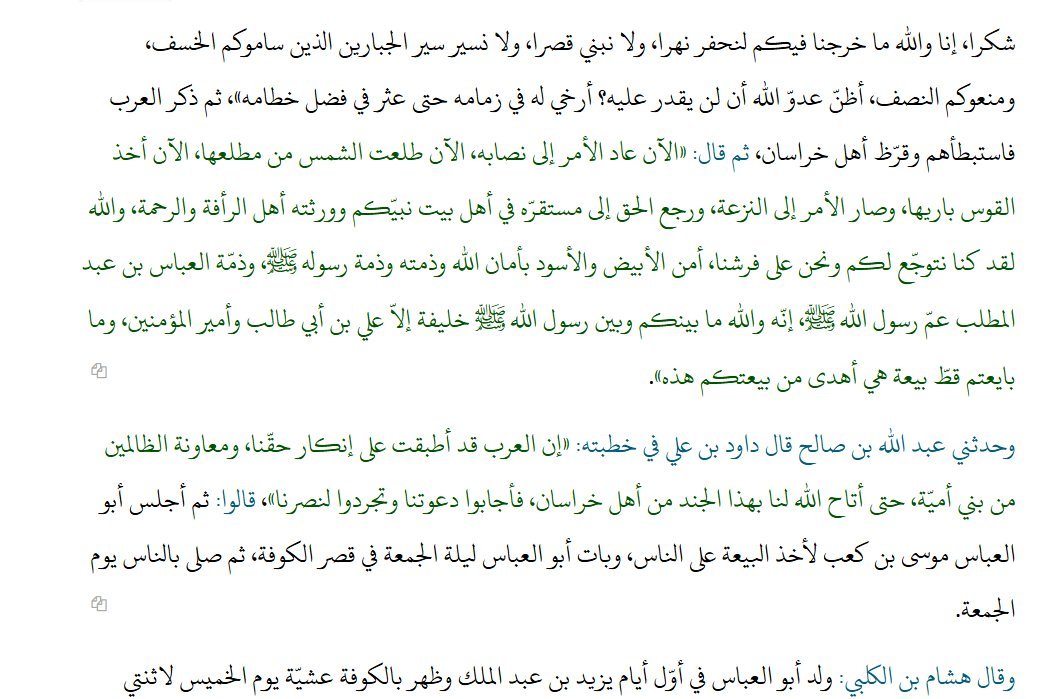
من ركائز ديوان خراسان و ان النسب ليس له اساس في العاقلة او حتى الديوان و غير ذلك ذكر البلاذري لقول داود بن علي ان اهل خراسان هم من نصروهم على العرب و كانوا الاساس فاي دجل يا اسيد النبطي تريد ان تسرد للجهلة الذين يتابعونك؟
2
3
13
489
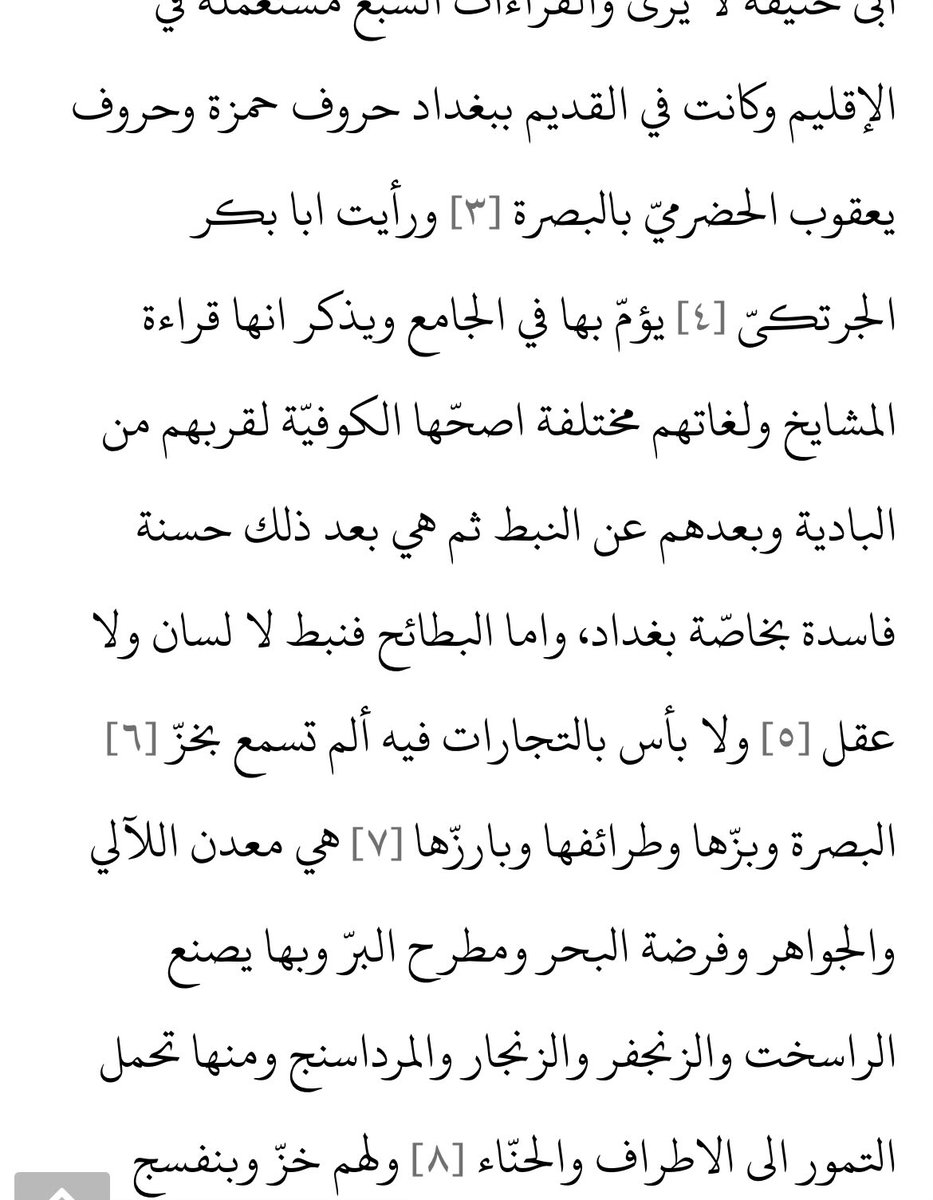
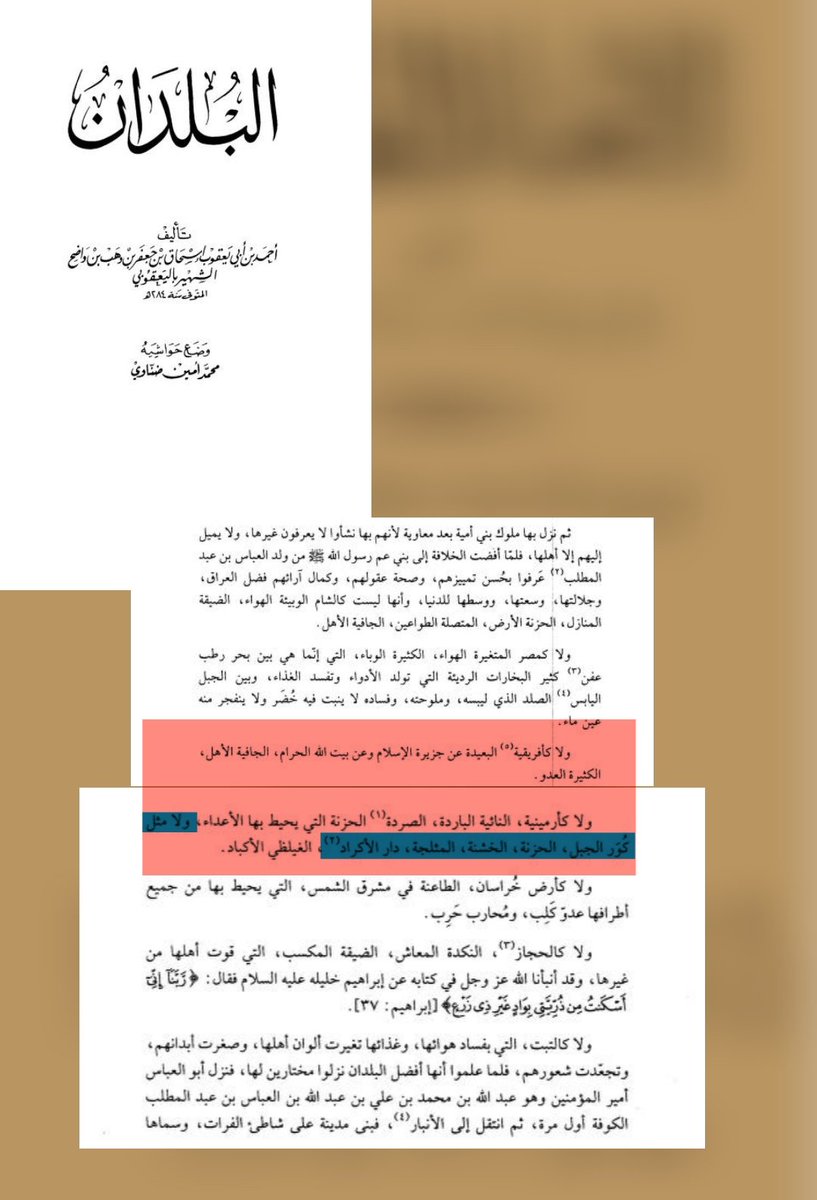
المقدسي يقول ان أهل العراق من النبط بلا عقل او لسان و الادعاء في عصره غلب و هذا في نفس كتاب احسن التقاسيم

كلام بعض المؤرخين رأي وليس قرآنا والمقدسي وصف أقاليم العرب بدقة لأنه عاش تلك الفترة وهي من المسلمات
لكن السؤال أين أنتم من كل هذا ليس هناك ذكر للأكراد وجاي تقلي اطلع من أرض الأكراد 😂
اخر وقت اعجمي يزاحم العرب على أرضهم
3
16
864
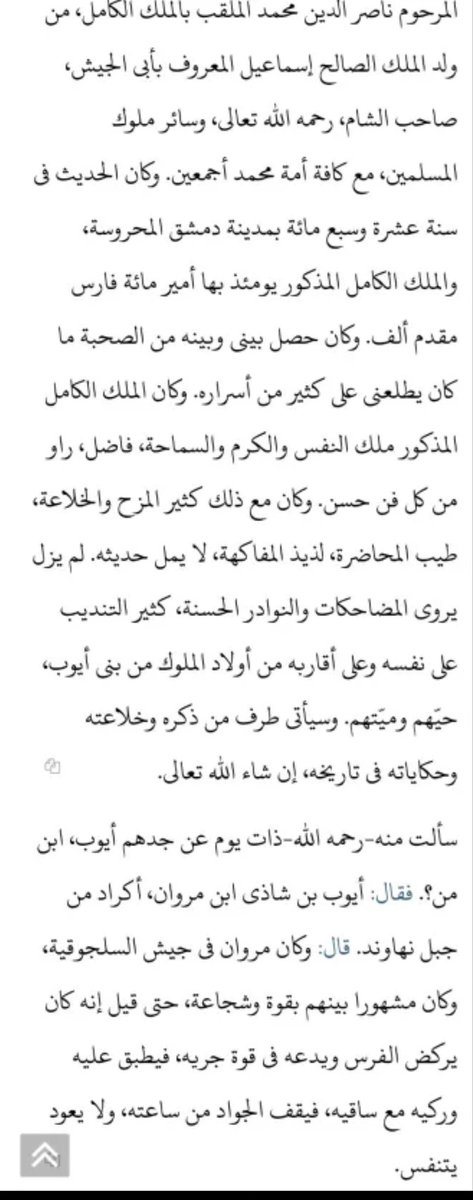
لهذا ابن الدواداري اخذ بكلام ابن الملك الصالح إسماعيل و ابن واصل مؤرخ الأيوبيين و عماد الدين الاصبهاني كلهم يقولون ان الأيوبيين أكراد و ملكهم ملك كردي عكس الشوايا الي ادخلوا على نفسهم أبناء الزط يتزوجوا نساؤهم
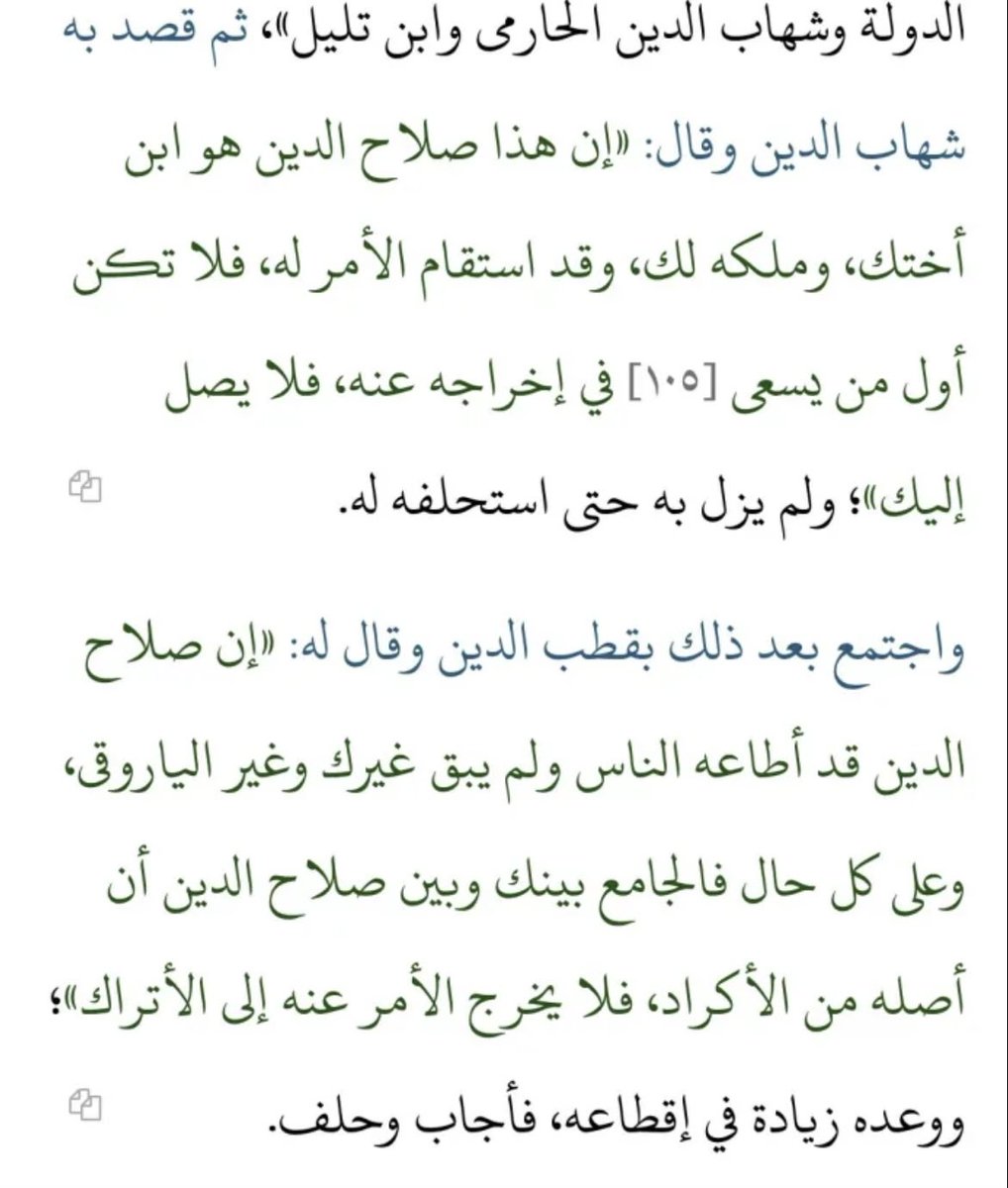
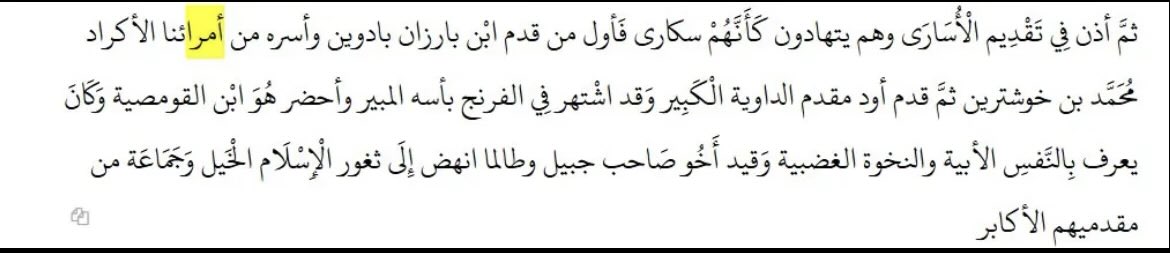
للعلم صلاح الدين الأيوبي عربي وليس كردي
2
3
36
1,590
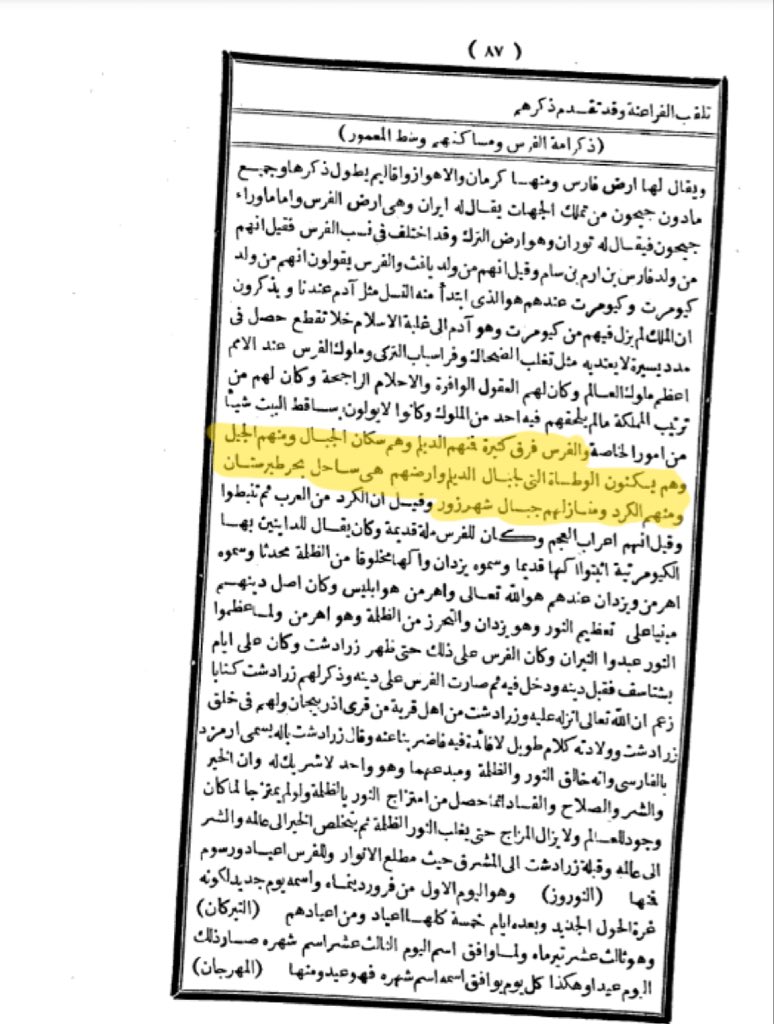
لست في ديار العرب فاما افلح الأرض الي يملكها الكردي و اصمت او ارجع إلى شبه الجزيرة الي رافضتك اليوم بكلام ابن حوقل و حتى ابن تيمية
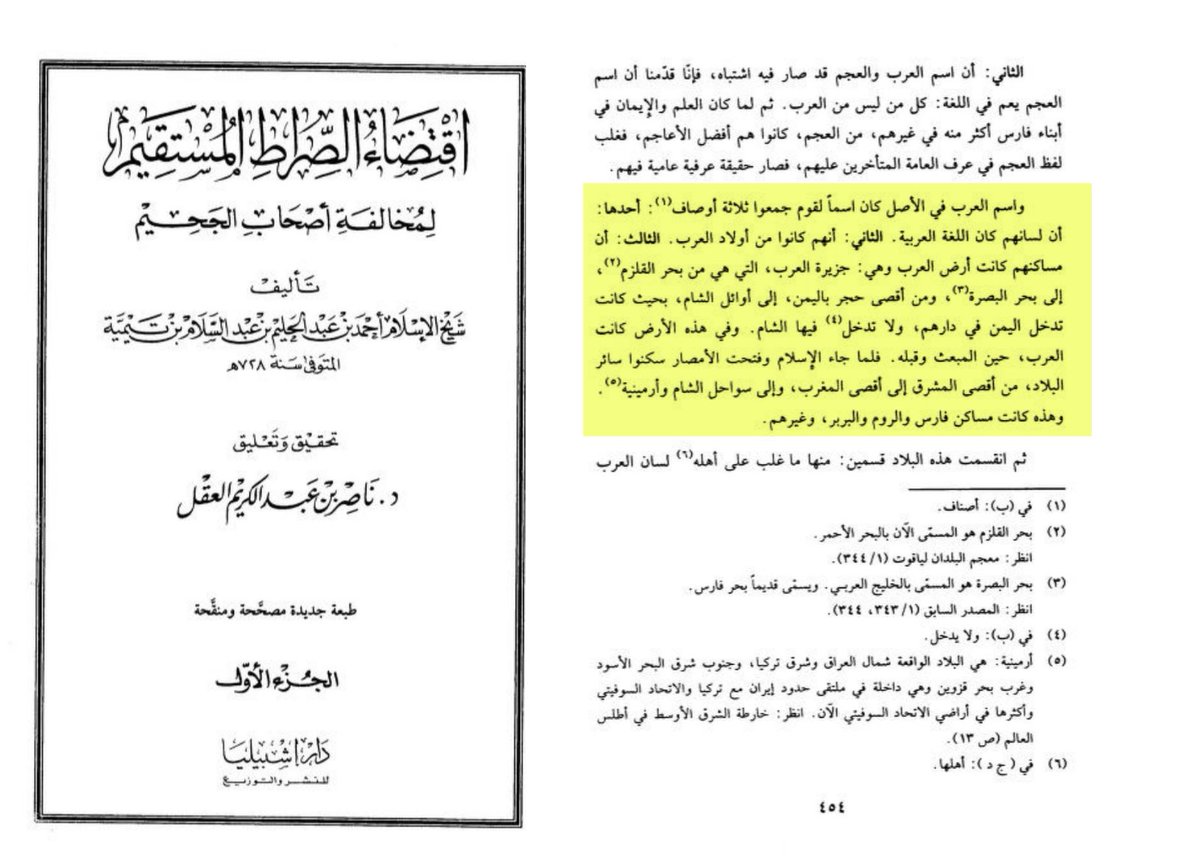
هههههههههههه 😂 عشيرتي معروفة وحافظين نسبنا لستين ظهر قابل إحنا اعاجم مثلكم ما نعرف نسبنا😂
وعشيرتي هاجرت من الشام إلى العراق قبل ثلاث قرون فلا تحاول تخلط الأوراق يول قرباطي
3
1
26
782
هذا الدجال العراقي يستخدم نسخ فيها زوائد من غير كلام المقدسي بل المقدسي يقول ان في النبط الكثرة و ليس العرب و هم موالي حكمهم الفرس فنسبوا انفسهم للفرس زورا لان العرب و الفرس ازدروهم لأنهم اذلاء بدون عز حكمهم عجم خراسان في العهد العباسي بقول الجاحظ
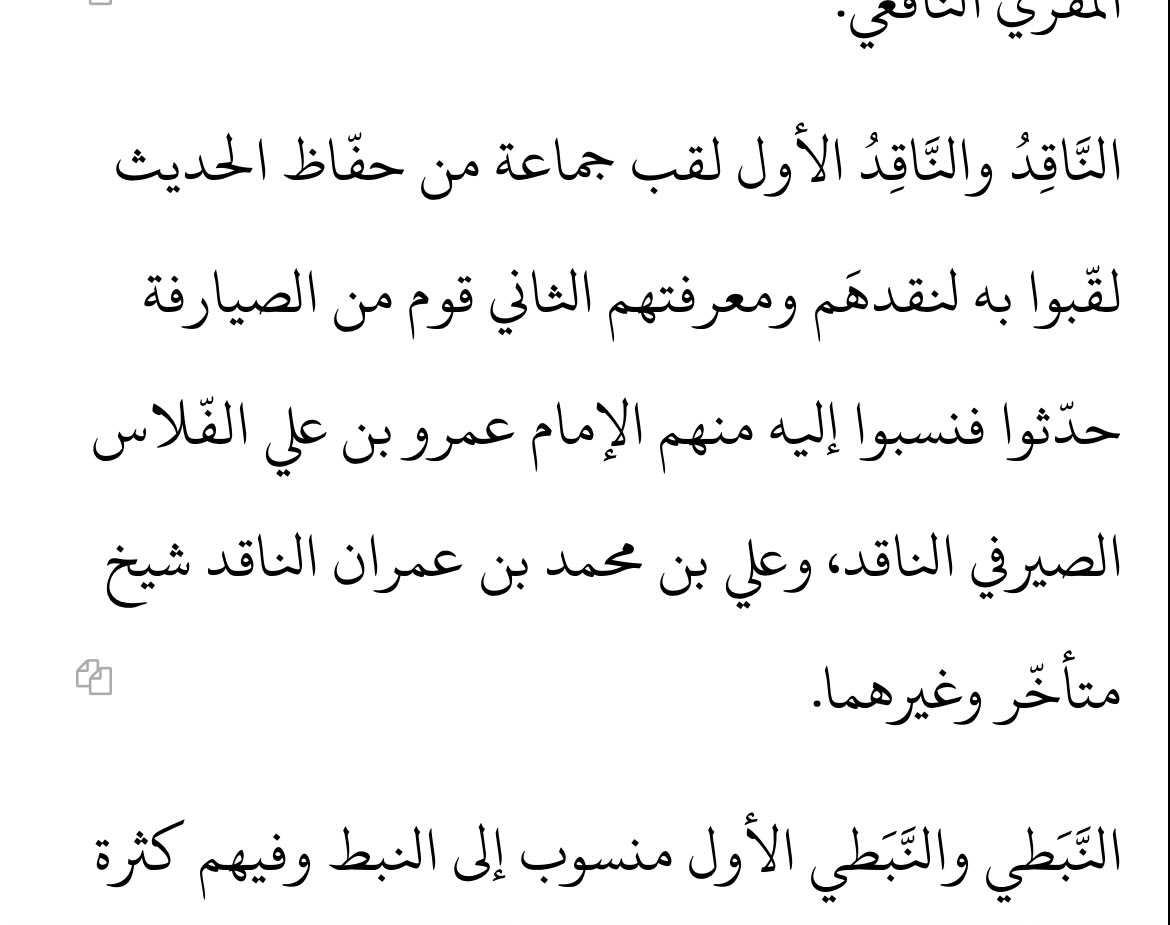
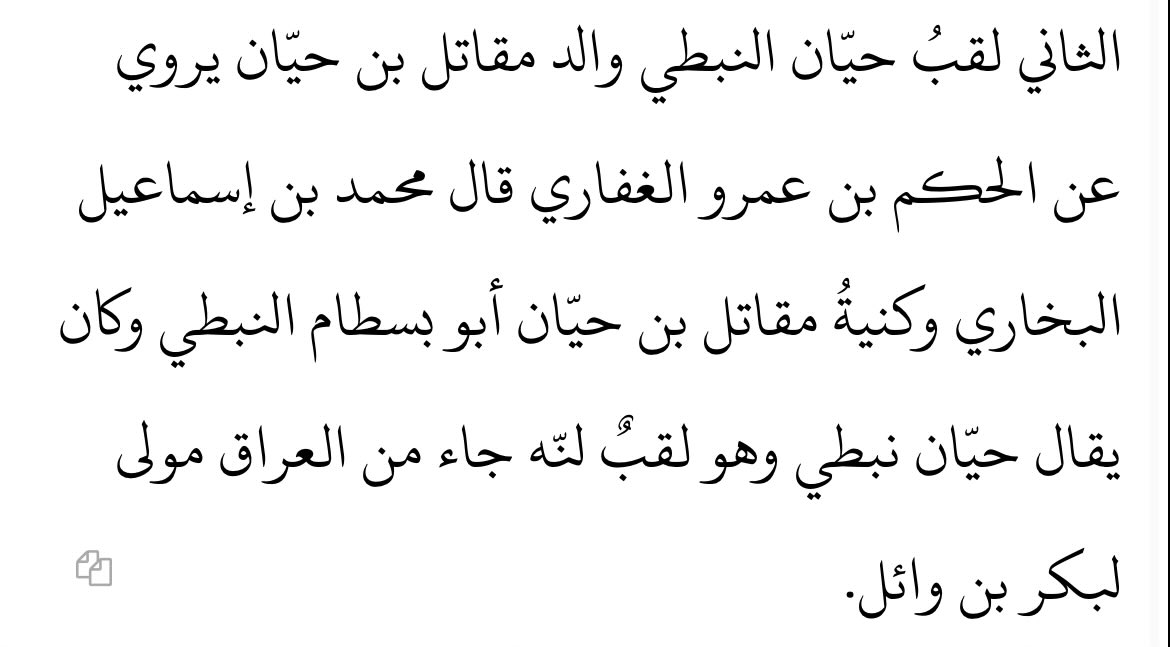
متوهم ديار بكر تقع في إقليم الجزيرة الفراتية وهي إقليم اقور العربي كما يسميه المؤرخين
4
5
39
2,404
Palestinian Kurds retweeted
May 21
حتى المعاجم العربية المبكرة تذكر الاكراد كجماعة بشرية مميزة ومعروفة عند العرب
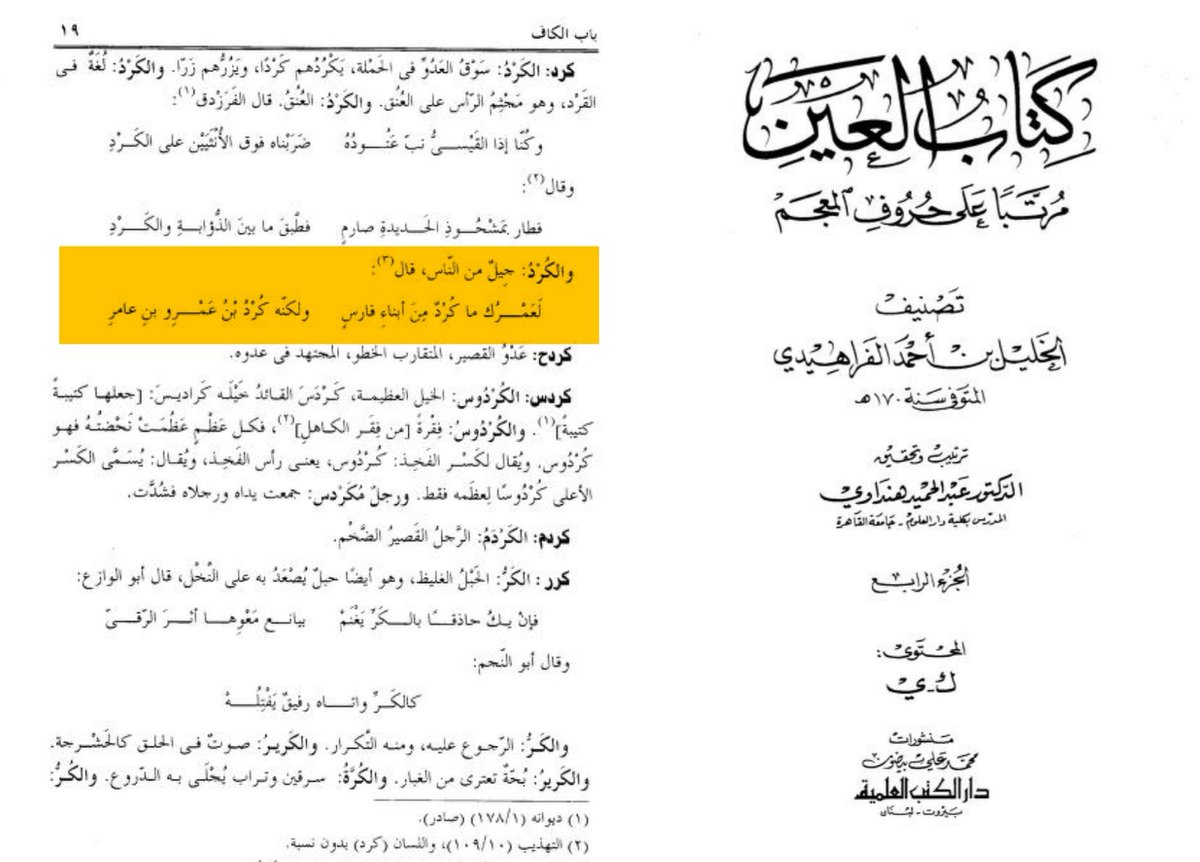
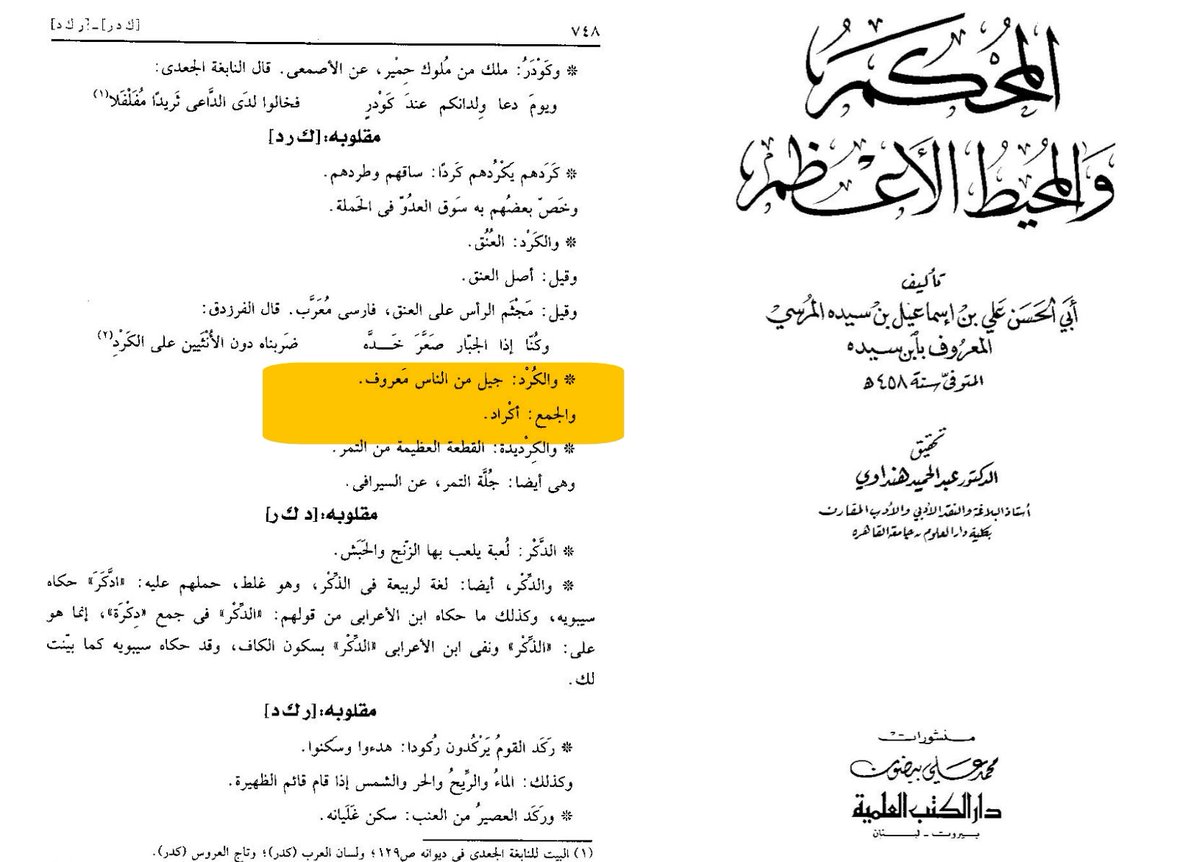
2
3
37
1,134
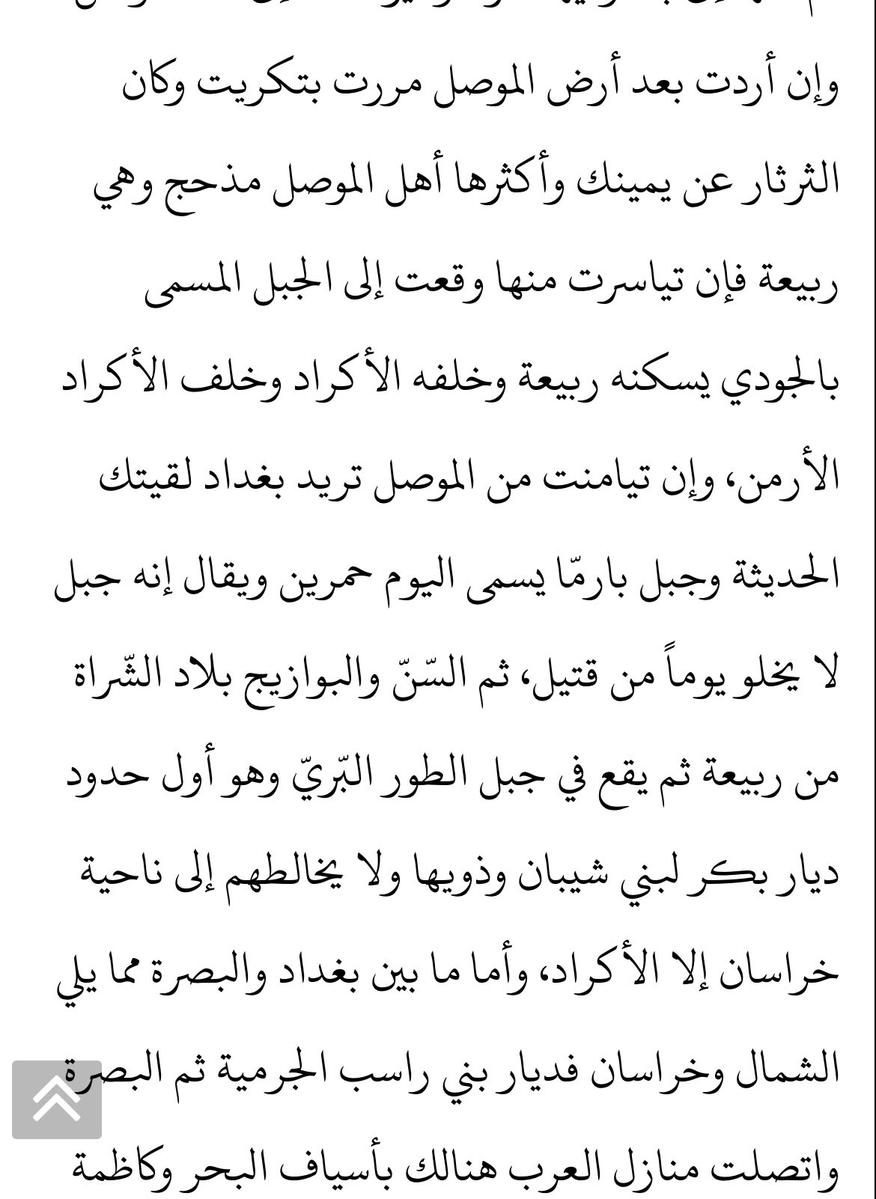
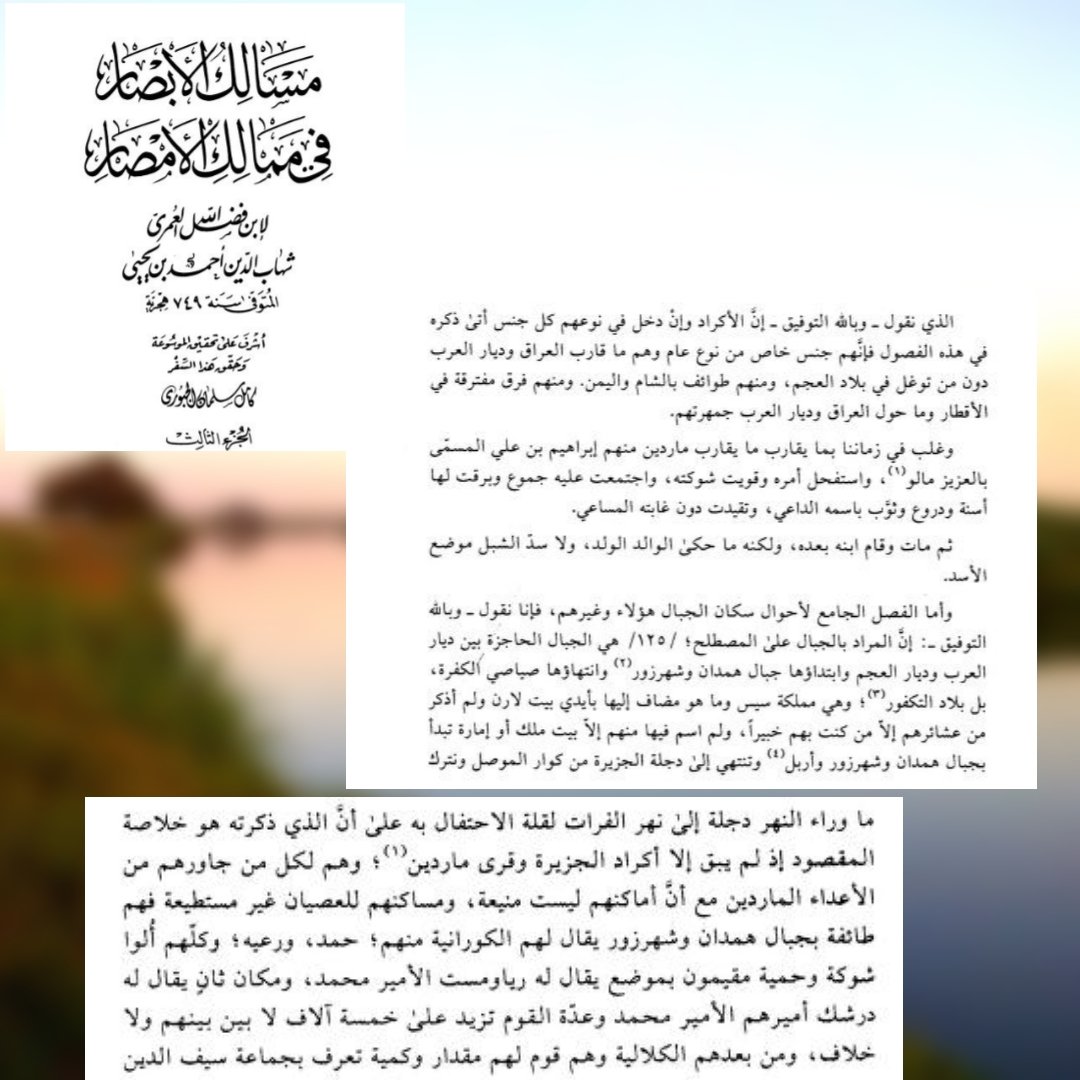
هذا الدعي الحقير تفنده المصادر التي لا طالما استخدمها بلاد الاكراد معروفة من عصر البلاذري و حتى في زمن العمري الذي كان يسكن بالشام و يحترم الاكراد بعكس النبطي الفلاح مدعي امجاد الامم الاخرى و ابن حائط الحمداني و دؤبل الخزاعي متفقين على ان الاكراد جنس
x.com/jamharaa2/status/20571…

May 20
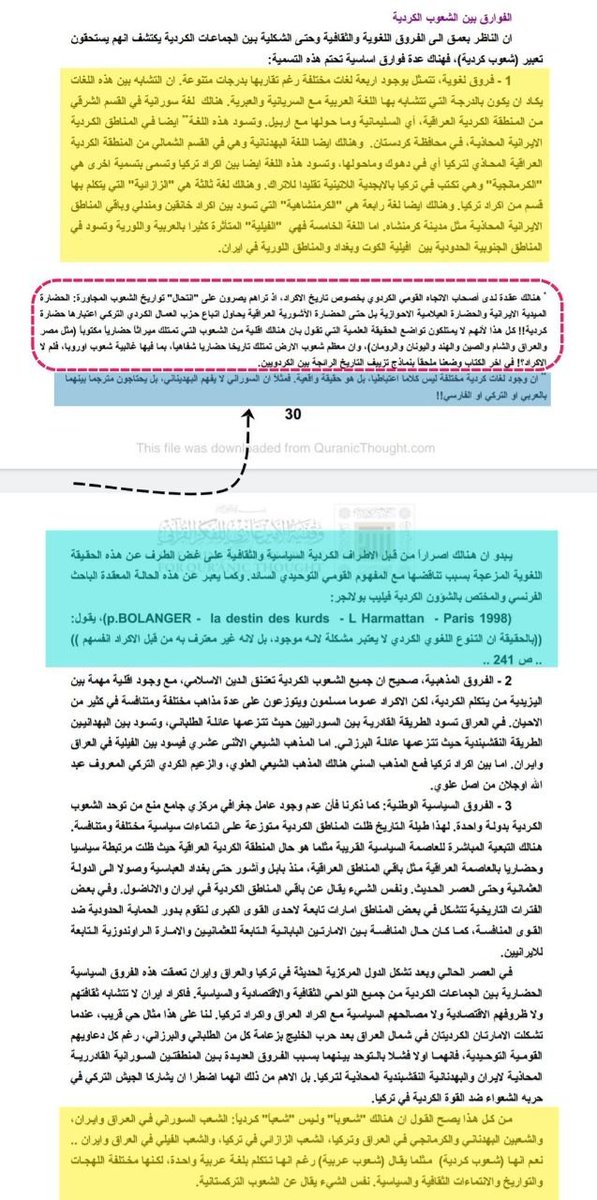
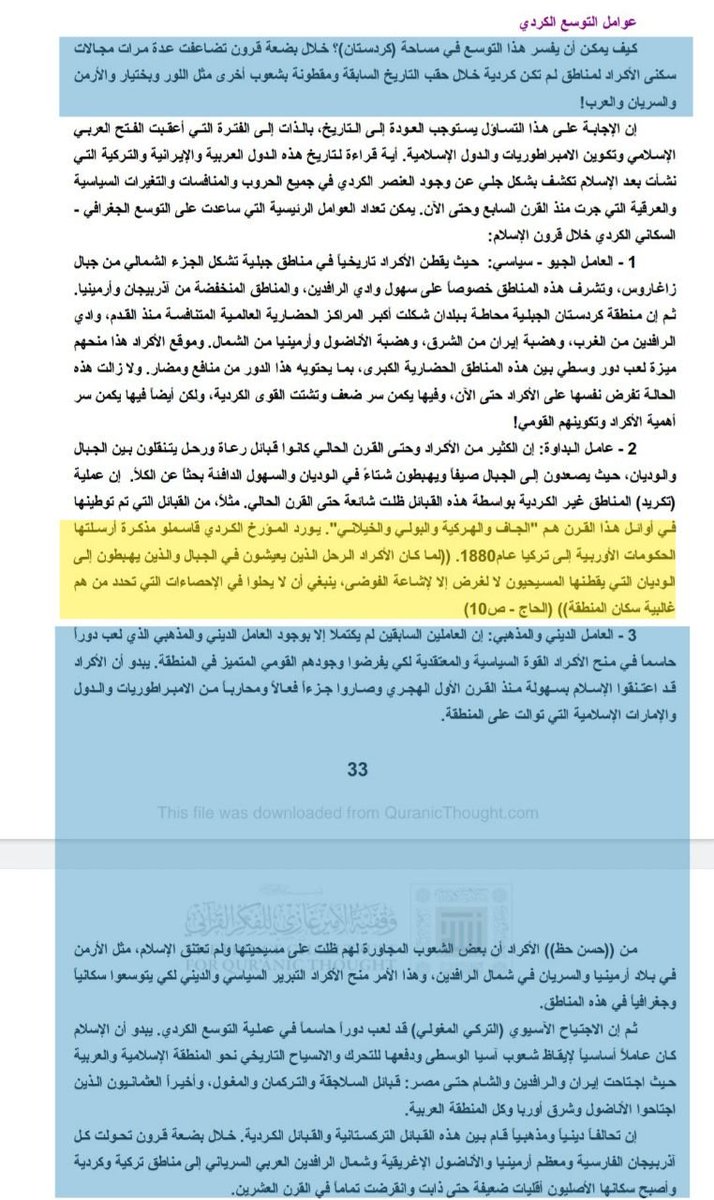
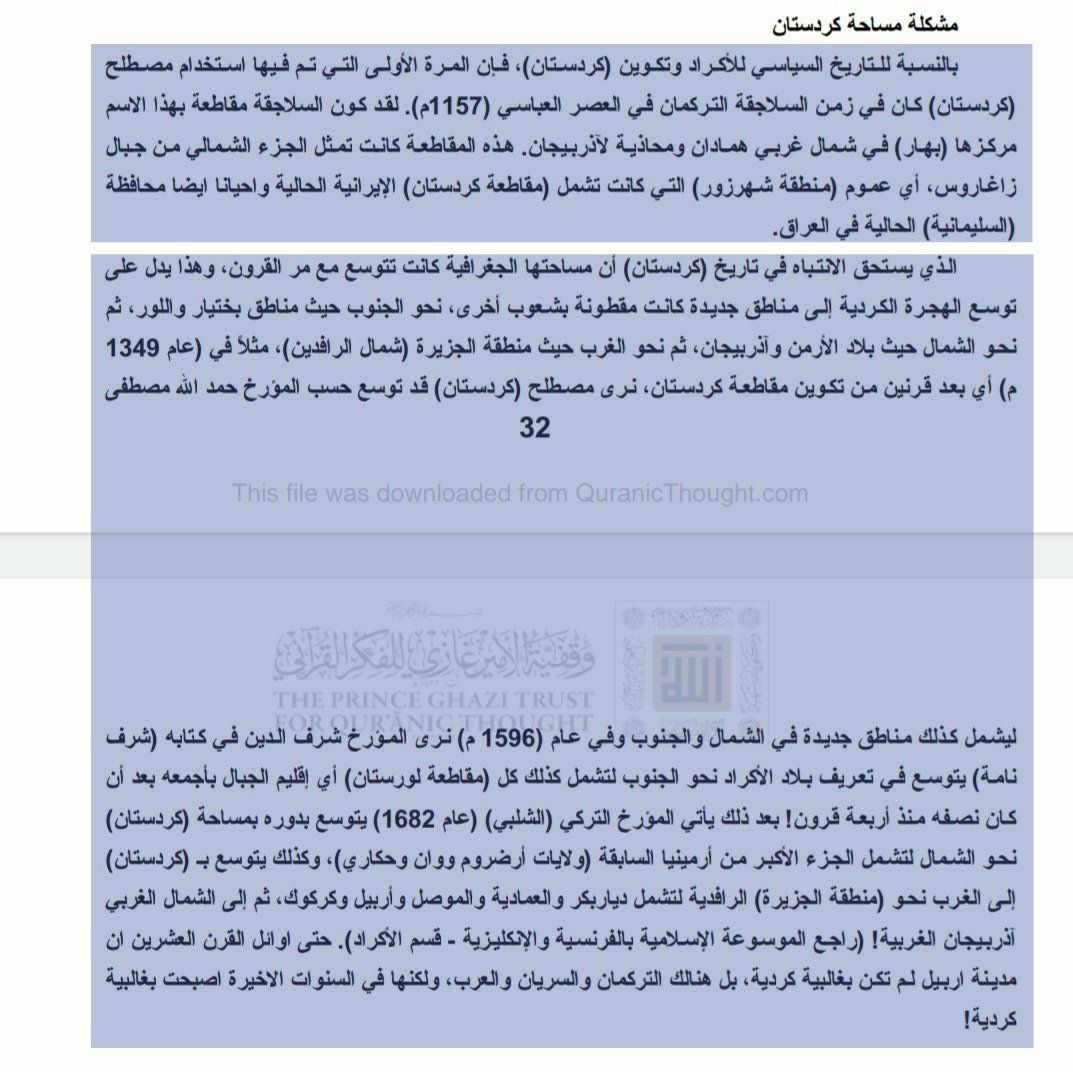
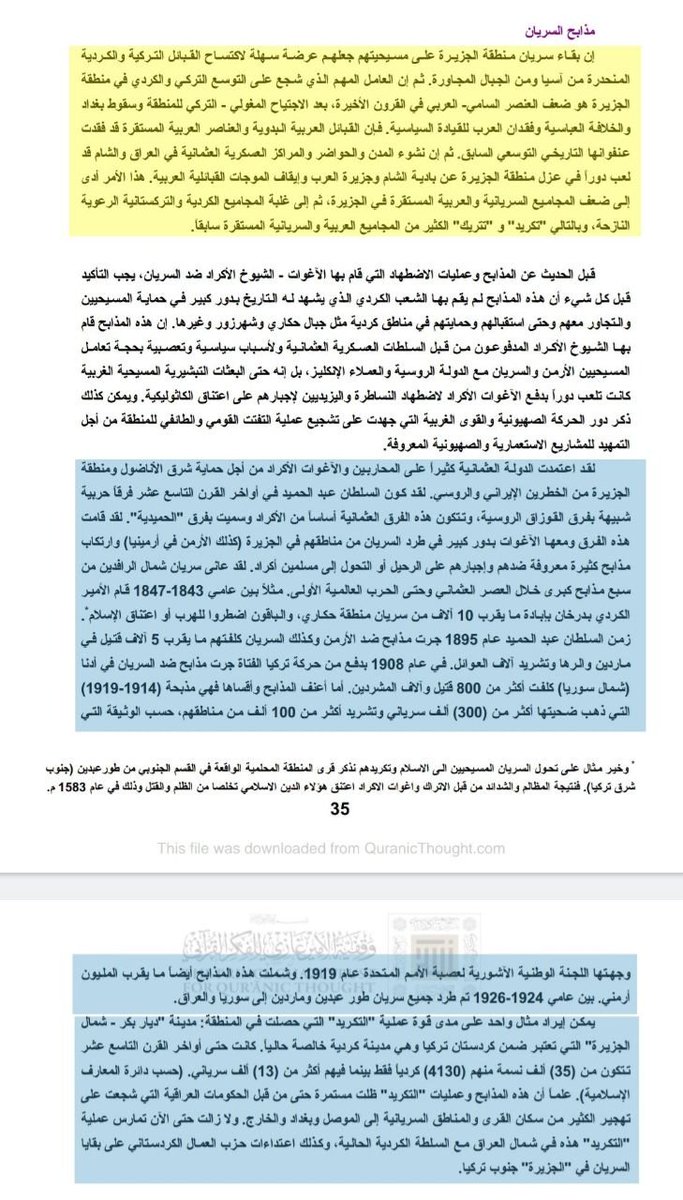
ظهر اسم «كردستان» لأول مرة في العصر السلجوقي، وكان يطلق على جزء محدود من جبال زاغروس، لا على كامل المناطق التي يطالب بها الخطاب القومي الكردي اليوم زورا
اسم «الأكراد» في المصادر القديمة لم يكن يدل على شعب قومي موحد، بل على جماعات وقبائل إيرانية رعوية متعددة، وهو ما يفسر الانقسام اللغوي الكبير بينهم حتى اليوم، حتى أن بعض الجماعات الكردية لا تفهم الأخرى إلا عبر العربية أو التركية أو الفارسية.
توسع النفوذ الكردي غربًا تم تحت المظلة العسكرية والسياسية للدول التركية الإسلامية، خاصة في العهدين السلجوقي والعثماني، على حساب مناطق عربية وسريانية وأرمنية وأذرية دعمها العثمانيين والأتراك عمدا لدحر السريان والعرب عن مواطنهم
9
9
52
4,169
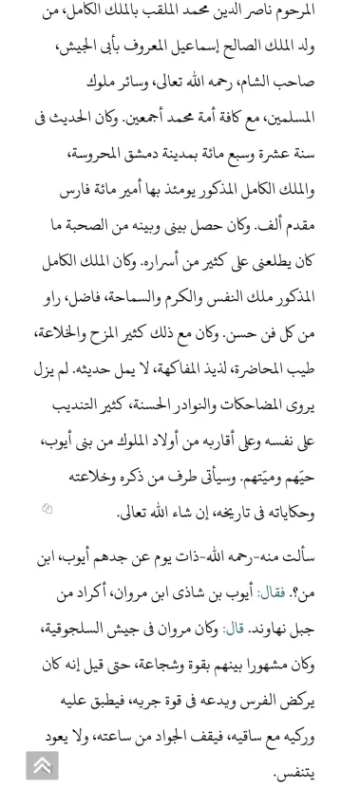
و ذو اراض محددة و هم ابناء عم لاصحاب القوة و المجد الذي ادعى النبط النسب لهم زورا و بهتانا عكس الاكراد الذين احترمهم بني ربيعة و من صلبهم الايوبيين و فخرهم فهم الاكراد الفخورون
2
23
1,014
Palestinian Kurds retweeted

May 13
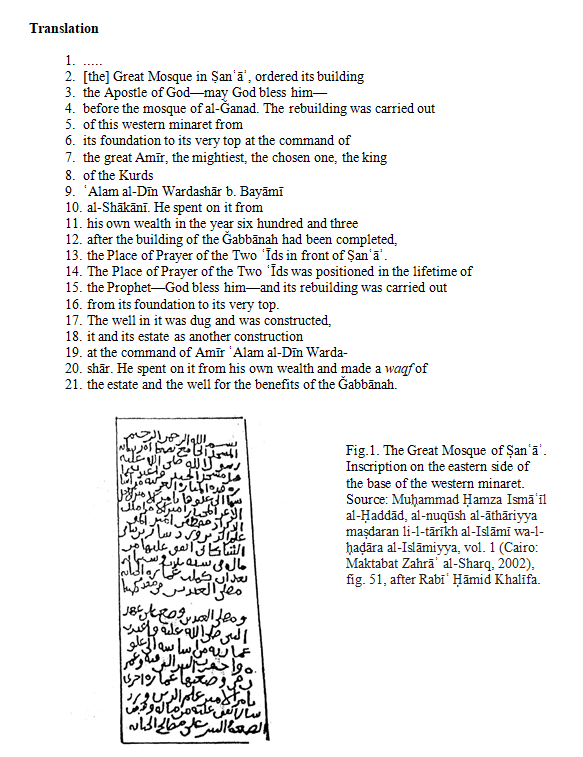
The nisba Al-Šākānī (شاكان) borne by an Ayyubid Kurdish governor in Yemen, Wardashār b. Bayāmī, is one of the many endless arguments against the term Kurd being a generic Iranian nomad term, as this nisba points to a firm connection to the Kurdish tribes in Persis/Fars in south-western Iran bearing the same name. Iranian historian Al-Balkhī attests a constituent tribe of the great Kurdish Shabankara confederacy written as Šakān (شكان), or possibly Šikān. Iranian historian Al-Istakhrī separately lists the Šāhākān(iyyah) (شاهاكان) as one of the Kurdish tribes of Fars.
The difference between Šakān and Šākān is only one of vowel length, as the ا marking the long ā is absent in Šakān, leaving the first vowel short and indeterminate. This is an unremarkable point of difference, and doesn't violate any linguistic rule that would distinguish them as separate terms.
Secondly, we can look into the other example of Šāhākān to Šākān. One might assume there is an introduction of the ها (hā) sound. Although less straightforward than the previous example, there another possible scenario. The ها (hā) sound is in fact more likely a retention of how the original Kurdish tribe was called. Take for example Malikshāhi's tribal reduction to Melkişî. As a quick note the second ā in Šāhākān might be a mistake by the authors, which would then produce Šāh-akān instead, meaning it is not even a ها (hā) sound. Either way, the point stands regardless. The most probable cause of outcome would be Šāh()kān got reduced to Šākān.
Considering these are Kurdish tribes living in Fars, during the same time, the likelihood they are the same is very high. Their connection to the Ayyubid tribal Šākānī, even more so.
To think the term Kurd meant generic Iranian nomads, when pre-Islamic attestations explicitly mention Kurds as a specific tribal organisation within the Iranian populace, and 99.9% of all post-Islamic attestations are also specifically pertaining to the Kurdish ethnicity, is an example of delusions, ignorance, and jealousy. This line of thought is to delegitimise Kurdish roots and heritage, so to incorporate it into other people's history. The Kurds of south-west Iran are indeed related to the Kurds of today.
Moreover, the Kurds of Fars in south-west Iran are exactly where Kurds of Kurdistan came from, and we know this through linguistics, history, genetics, and more. Thinking south-west Iran only had Persian speakers further back in history is kindergarten levels of literacy. Assuming it's not feasible for Kurds to exists in these regions has been thoroughly debunked repeatedly.

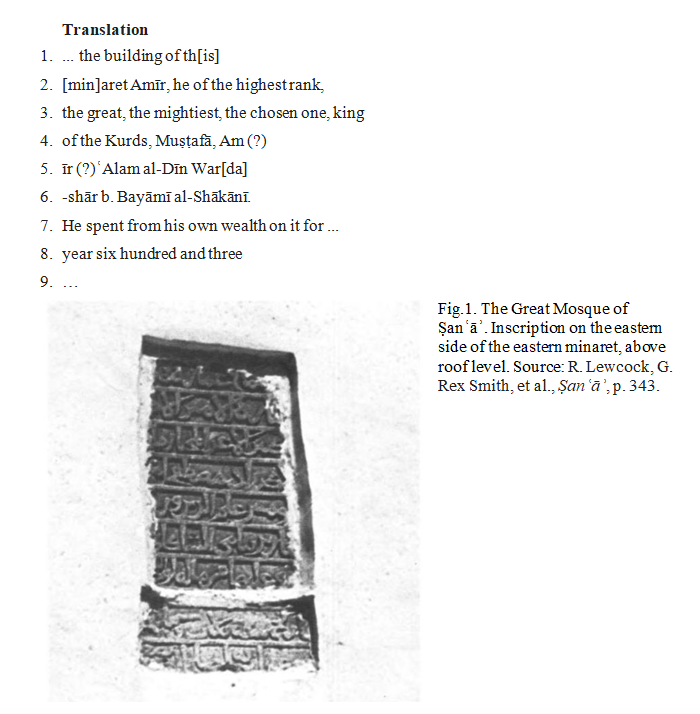
The Ayyubid Kurdish governor in Yemen, Wardashār b. Payāmī, has left two inscriptions in Sanaa dated 603 AH / 1207 CE.
In the inscriptions, he describes himself as:
“He of the highest rank, the great, the mightiest, the chosen one, king of the Kurds.”
2
13
50
5,592
Palestinian Kurds retweeted
May 12
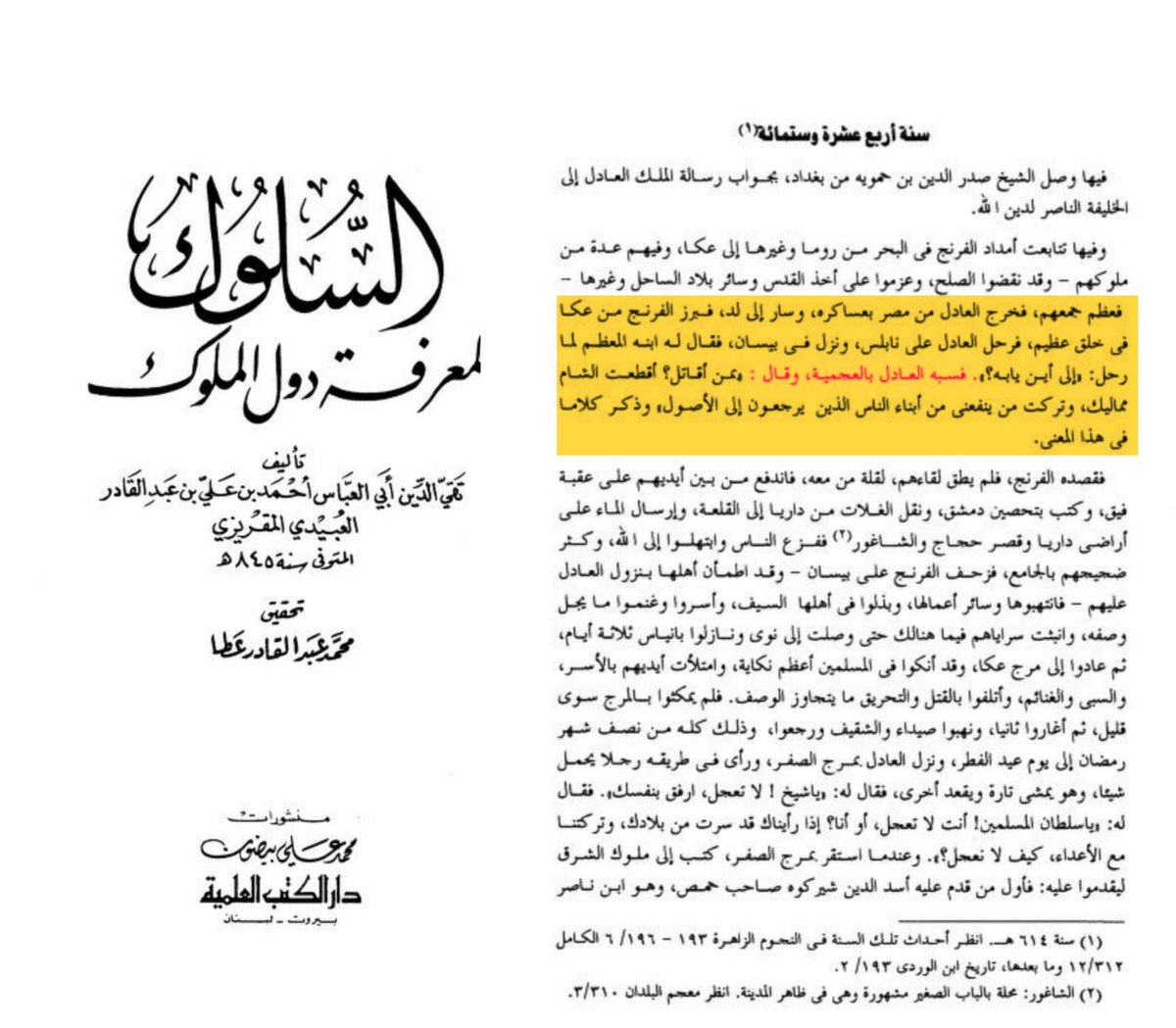
Al-Maqrizi,in Al-Suluk,mentions that"Ajamiyya"was used inside the Ayyubid family, for example when al-Adil got angry at his son al-Muazzam and spoke to him in a language other than Arabic. In this Ayyubid context,Ajamiyya basically refers to their mother tongue which is Kurdish..
May 12

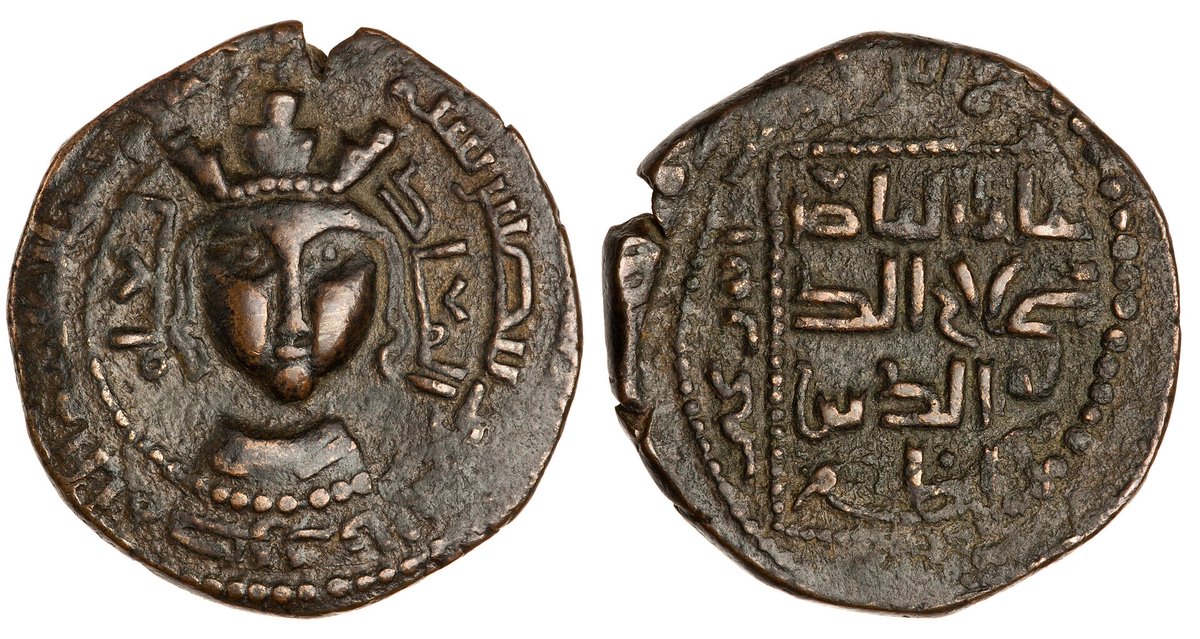
Minted silver coin of the Ayyubid Kurdish Muslim ruler Ṣalāḥ ad-Dīn Yūsuf ibn Ayyūb (Saladin), presenting himself with a Sāsānian-style three-pointed merlon crown, which he used to serve as a powerful symbol of legitimacy, which his pre-Islamic ancestors associated with the Xwarrah (divine glory) of the Iranian king of kings. Particularly against the long standing enemies, the Romans/Westerners world, which re-emerged in Saladin’s time in the form of the Crusaders.
Contrary to what many people assume, the Ayyubids were largely aware of their Kurdish heritage and their deep historical connections to Iran and the Iranian world. While the Ayyubids were staunch patrons and sponsors of Sunni Shāfiʿī Islam, particularly the Ashʿarī creed, and worked from Egypt against remnants of the Shīʿite Fāṭimid regime, they did not abandon their Kurdish and Iranian heritage.
Even though their headquarters was located in an Arab and Egyptian society, they preserved Iranian customs such as the celebration of Nowrūz (the Iranian New Year which had two forms, one Zoroastrian, and one secular in the Iranian world). The Arab historian Abū Shāma Shihāb al-Dīn al-Maḳdisī records that Saladin’s father, Najm al-Dīn, requested his then overlord Nūr al-Dīn Zangī to arrive in Egypt at the beginning of the Nowrūz season so he could go to his son Saladin, and the rest of his family, and dependants as they celebrate.
Despite being based far from Kurdistan, the Ayyubid military and political structure remained heavily dominated by Kurds. This is why some contemporary and later authors, such as Muḥammad al-Khazrajī, referred to the Ayyubids as the “Kurdish State.” The most elite troops in the Ayyubid army were the Kurdish Mihrāniyya corps, who served under Ispahsālārs. The name Mihrāniyya literally means “of Mithra,” referring to the Zoroastrian deity of contracts, oaths, Judications, and a protector of truth. The title Ispahsālār itself is a post-Islamic military rank derived from Middle Persian Spāh-Sālār, which traces back to the old Sāsānian officer rank of Spāhbad.
The only record of an Ayyubid we have that talks about the origins of Kurds as a people, Abū al-Fidāʾ/Abulfeda, a relative of Saladin, explicitly states that Kurds are racially, a group, within the Persian people. Which in Arabic, the language he published his book in, is used interchangeably with what was natively known as Iranian.
4
14
84
6,234
Palestinian Kurds retweeted
May 12
Minted silver coin of the Ayyubid Kurdish Muslim ruler Ṣalāḥ ad-Dīn Yūsuf ibn Ayyūb (Saladin), presenting himself with a Sāsānian-style three-pointed merlon crown, which he used to serve as a powerful symbol of legitimacy, which his pre-Islamic ancestors associated with the Xwarrah (divine glory) of the Iranian king of kings. Particularly against the long standing enemies, the Romans/Westerners world, which re-emerged in Saladin’s time in the form of the Crusaders.
Contrary to what many people assume, the Ayyubids were largely aware of their Kurdish heritage and their deep historical connections to Iran and the Iranian world. While the Ayyubids were staunch patrons and sponsors of Sunni Shāfiʿī Islam, particularly the Ashʿarī creed, and worked from Egypt against remnants of the Shīʿite Fāṭimid regime, they did not abandon their Kurdish and Iranian heritage.
Even though their headquarters was located in an Arab and Egyptian society, they preserved Iranian customs such as the celebration of Nowrūz (the Iranian New Year which had two forms, one Zoroastrian, and one secular in the Iranian world). The Arab historian Abū Shāma Shihāb al-Dīn al-Maḳdisī records that Saladin’s father, Najm al-Dīn, requested his then overlord Nūr al-Dīn Zangī to arrive in Egypt at the beginning of the Nowrūz season so he could go to his son Saladin, and the rest of his family, and dependants as they celebrate.
Despite being based far from Kurdistan, the Ayyubid military and political structure remained heavily dominated by Kurds. This is why some contemporary and later authors, such as Muḥammad al-Khazrajī, referred to the Ayyubids as the “Kurdish State.” The most elite troops in the Ayyubid army were the Kurdish Mihrāniyya corps, who served under Ispahsālārs. The name Mihrāniyya literally means “of Mithra,” referring to the Zoroastrian deity of contracts, oaths, Judications, and a protector of truth. The title Ispahsālār itself is a post-Islamic military rank derived from Middle Persian Spāh-Sālār, which traces back to the old Sāsānian officer rank of Spāhbad.
The only record of an Ayyubid we have that talks about the origins of Kurds as a people, Abū al-Fidāʾ/Abulfeda, a relative of Saladin, explicitly states that Kurds are racially, a group, within the Persian people. Which in Arabic, the language he published his book in, is used interchangeably with what was natively known as Iranian.
5
23
132
33,106