Joined March 2022
- Tweets 4,911
- Following 489
- Followers 1,231
- Likes 51,531
1,473 Photos and videos

Pinned Tweet

14 Oct 2024
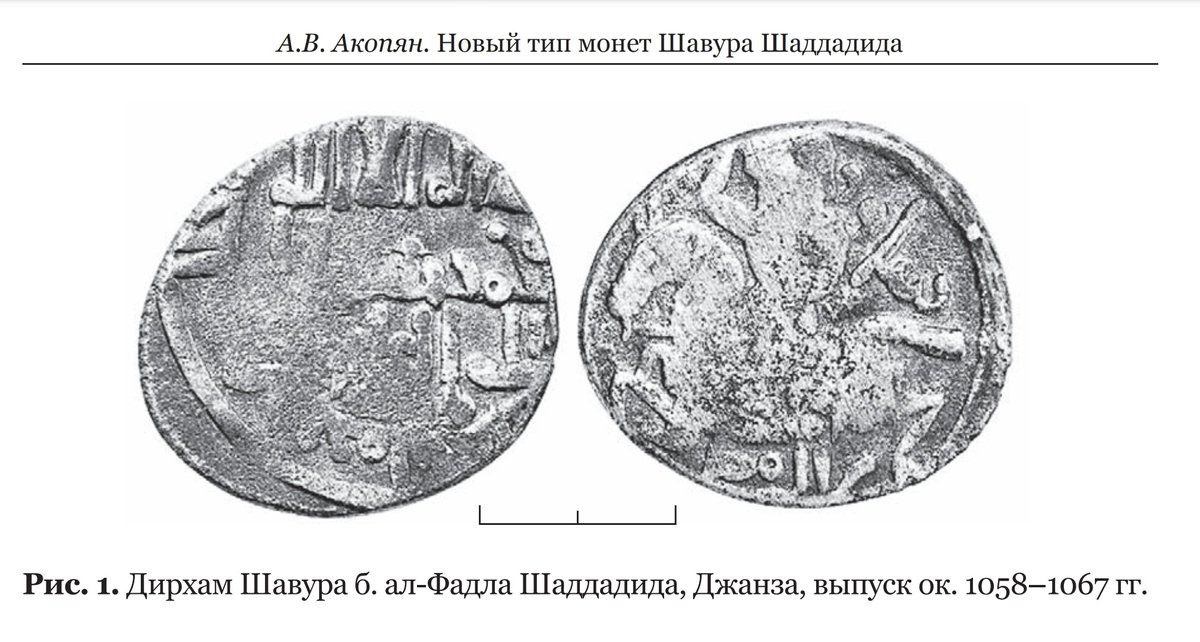
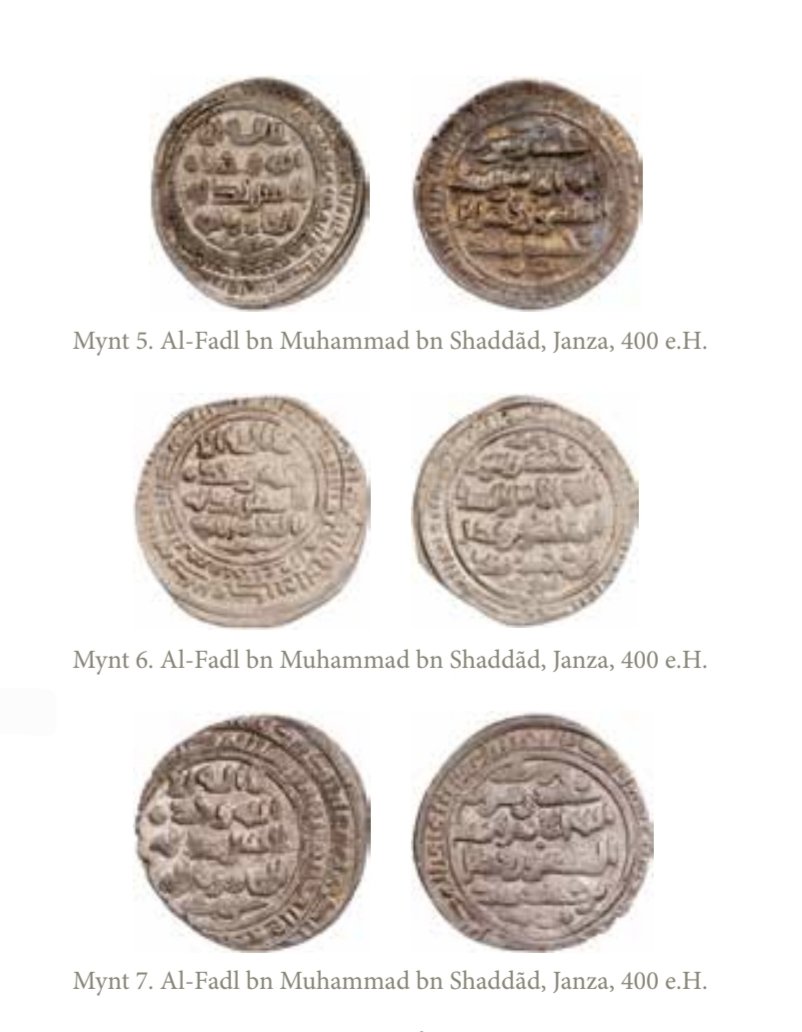
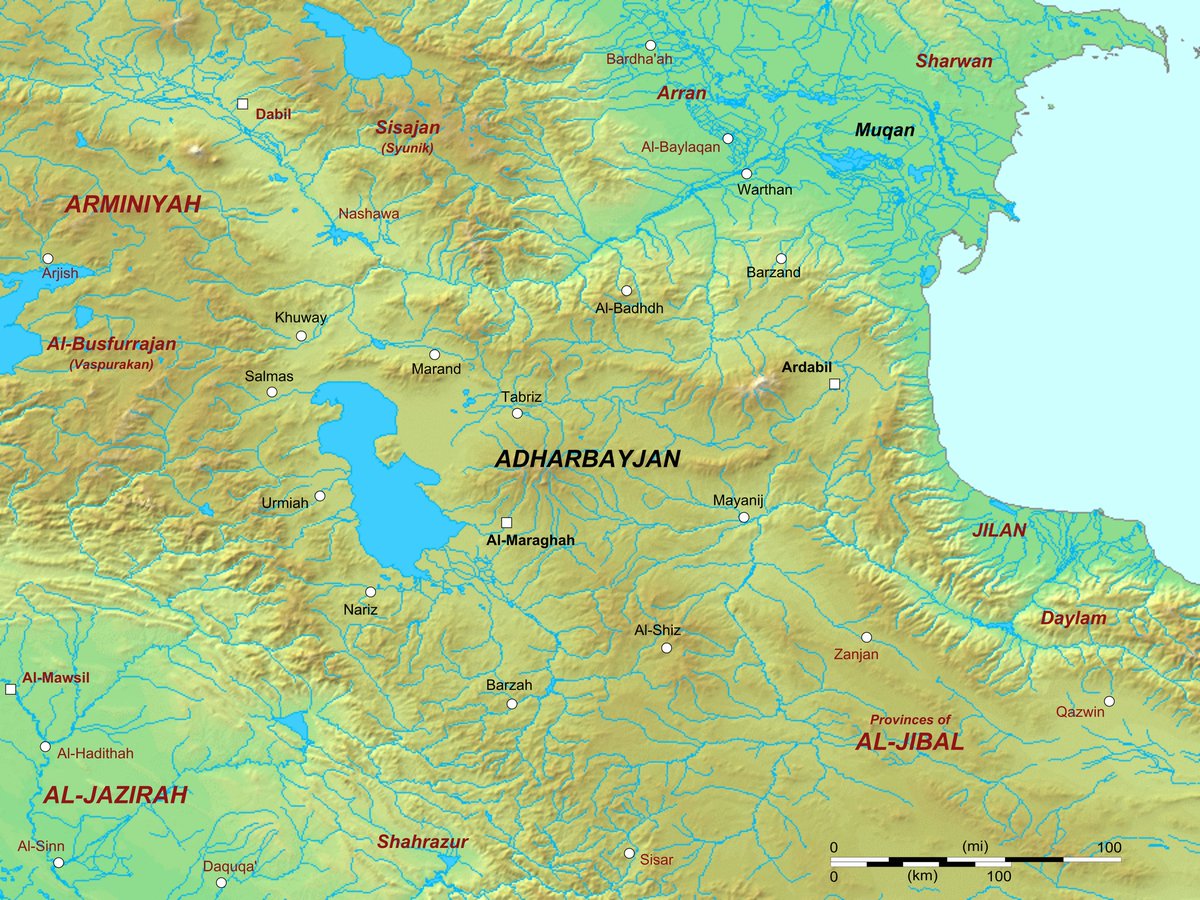
Kurdish coins from the 10th cent. (AD) were discovered a thousand years later on the Swedish island of Gotland.
The coins were minted by Daysam ibn Ibrahim al-Kurdi, the commander of Adharbayjan (938-955) & Fadl ibn Muhammad, emir of the Kurdish Shaddadid dynasty (985-1031).

13
67
345
42,245
Ummān manda retweeted

15h
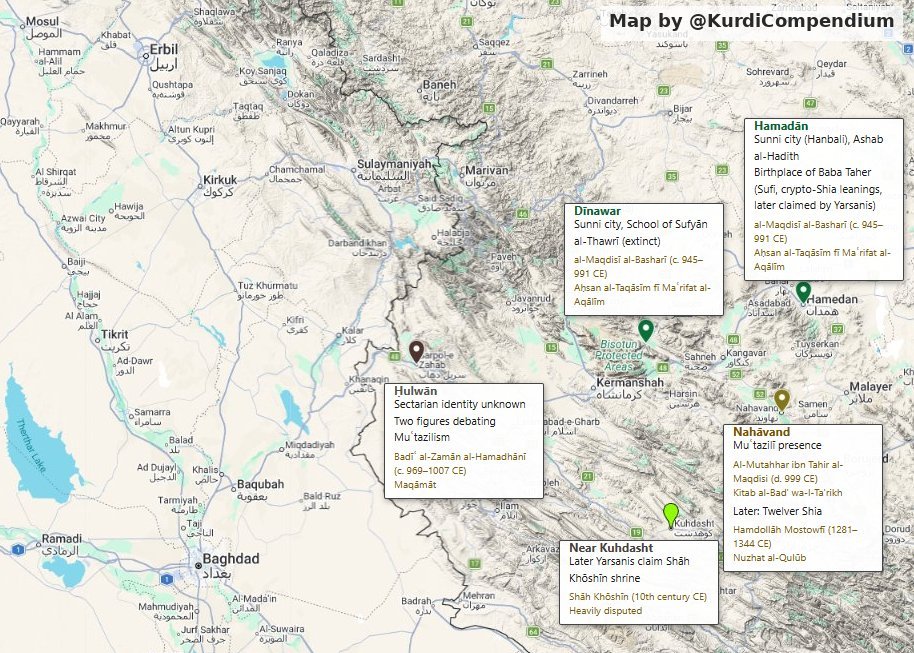
Approximate religious demographics of southern Kurdistan during the high medieval period (900AD - 1300AD).
Southern Kurdistan's traditional association with Shiism is often traced to the rise of the Kurdish Hasanwayhid dynasty, yet Sunni presence appears to have remained dominant in many cities well into later periods. The Mongol conquests shattered central authority in Iran, opening considerable space in which Shia and Shia-influenced movements gained ground, even before the Safavid dynasty's rise. Sultan Sahak, the central figure of the Yarsani faith, supposedly met Timur himself in the late 14th or 15th century and was well received.
Despite Sunni dominance in southern Kurdistan during the high medieval period, some degree of Shiite influence clearly persisted in cities like Hamadan, which was otherwise majority Sunni. Notably, Bābā Ṭāher, a Sufi with crypto-Shiite tendencies, was born into this Sunni environment and was later incorporated as a central figure in the Yarsani faith as well. The historicity of other figures, such as Shah Khoshin near Kuhdasht, remains heavily disputed, and it's unclear whether this represents a later Yarsani invention.
Mu'tazilism during the high medieval period can be traced to multiple locations in southern Kurdistan, such as Hulwan and Nahavand, though it's not entirely clear how prevalent this theological school of thought was.
Conversions to Twelver Shiism from both Yarsani and Sunni communities in southern Kurdistan occurred on a large scale, even into recent times; the Kalhor tribe, for example, underwent a major conversion during the Qajar period (1789–1925).
This map should be considered a first version of the religious demographics of southern Kurdistan. New version will be made in the future if I forgotten to add anything.
1
14
34
2,314

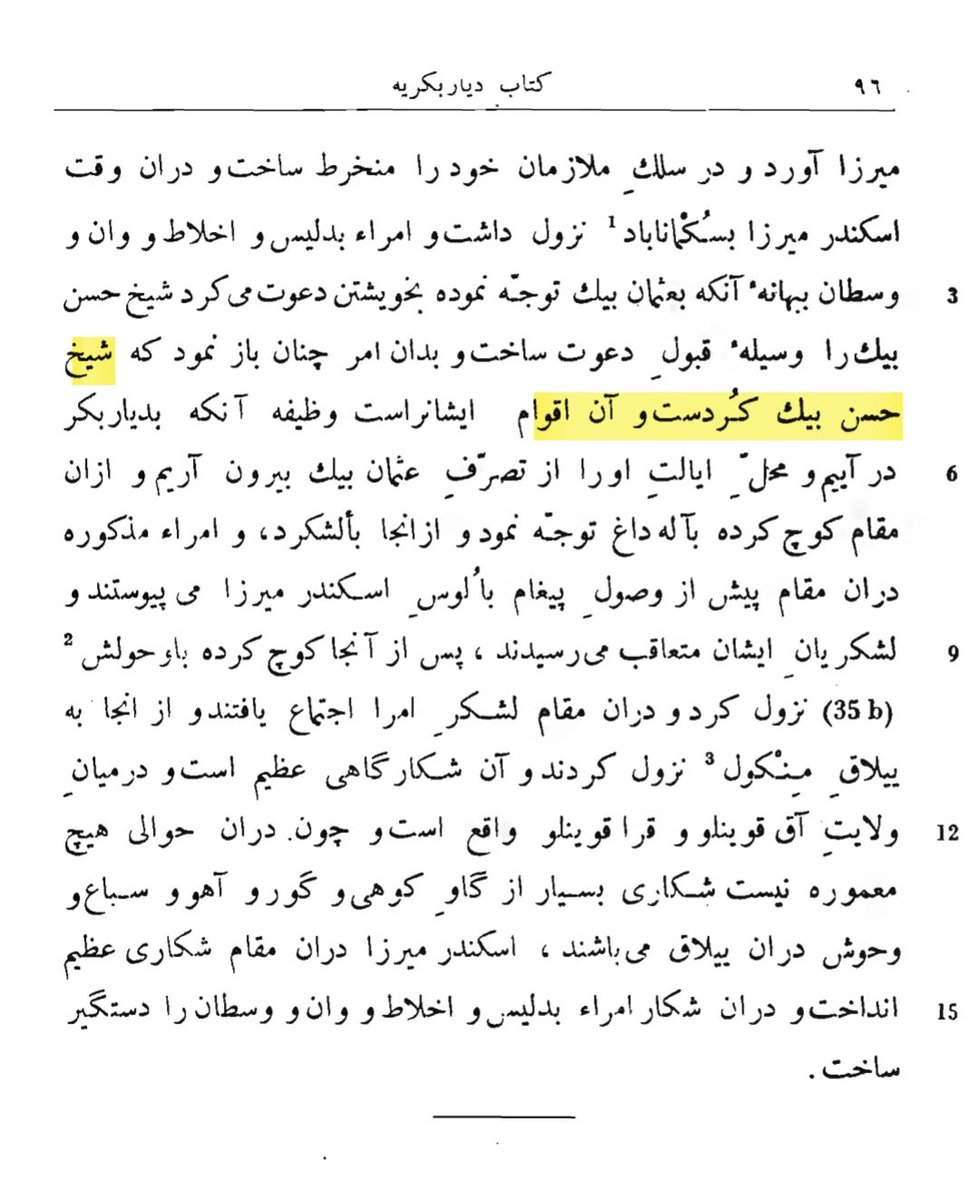
But this makes no sense at all. The text speaks about “kurdish shepherds”.
What do you think the author wanted to say? He grew up among shepherdic shepherds or tent-dwelling shepherds, like who talks that way? Especially when he talks later about a King of the Kurds and he never gave a location when he wrote about Kurds, because authors who used Kurds synonymously with nomad always did.
it’s clear that Kurds in Karnamag are a clear social group that the readers at that time knew who the author was talking about when he mentioned Kurds. So Kurds in the Karnamag were a ethnic or a tribe, I have no full knowledge about if Iranians already were divided into different ethnics.
2
1
11
312
Ummān manda retweeted

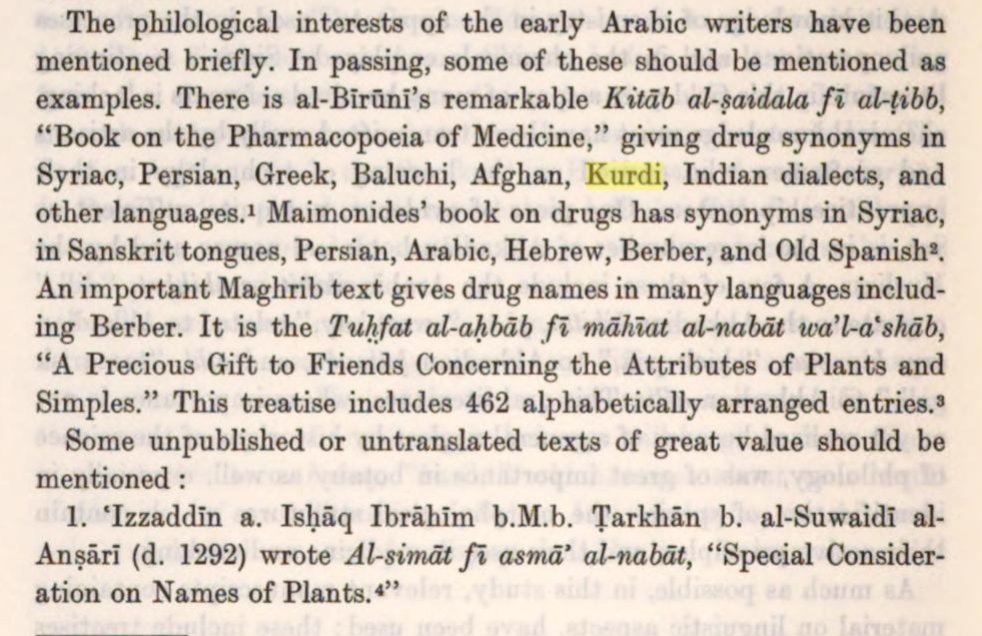
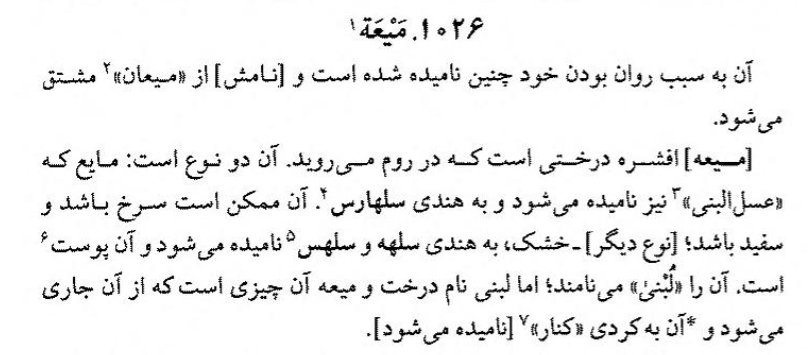
The Iranian polymath Bīrūnī (973–1048) in his work al-Ṣaydana fī al-Ṭibb, mentions the Kurdish word (kurdī) for the storax tree (Arabic lubnā), which produces a fragrant benzoin resin:
“The tree is named lubnā, but the substance that flows from it is called mayʿa, and in Kurdish it is called kinār.”
I'm not a linguist, but I wonder if kinār (modern Kd. kinēr) is related to Persian kondor “frankincense.”
📖 Al-Bīrūnī, al-Ṣaydanah fī al-Ṭibb, ed. and trans. Bāqer Moẓaffarzādeh (Tehran: Farhangistān-i Zabān va Adab-i Fārsī, 1383/2004), p. 951, n. 1026.
2
6
56
1,053
Ummān manda retweeted

Jun 12
This passage is good evidence that Kurdish groups were present in the Jazira region during the Umayyad period. It shows they were part of the local population in northern Mesopotamia at that time, since they appear directly in the same area where these events and raids took place

2
15
53
1,716

Ummān manda retweeted
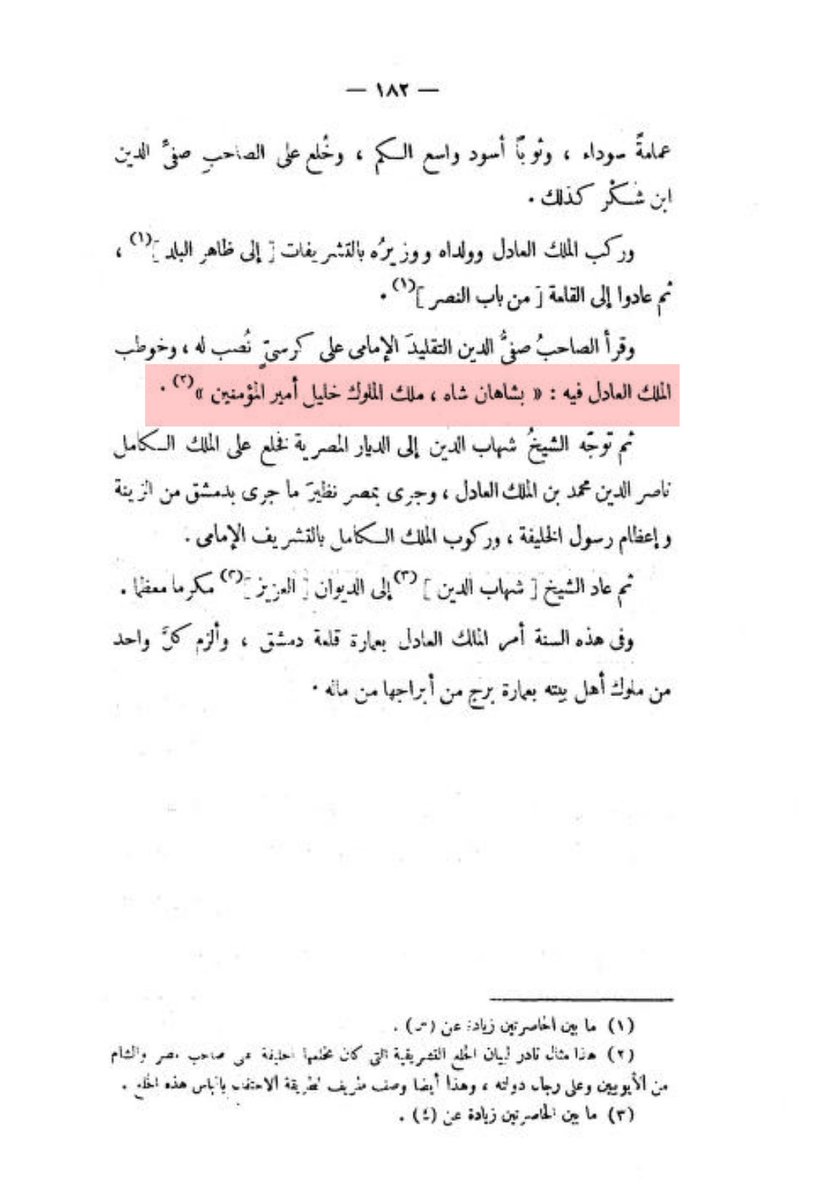
The Buwayhids and Ayyūbids, two powerful medieval Iranian dynasties, revived the ancient Iranian royal title shāhānshāh “king of kings” (Arabic: malik al-mulūk). The ʿAbbāsid caliph Al-Nāṣir li-Dīn Allāh formally addressed the Ayyūbid king al-ʿĀdil as “Shāhānshāh, malik al-mulūk,” using both the Persian and Arabic titles.
1
7
48
1,584
Ummān manda retweeted

Jun 10
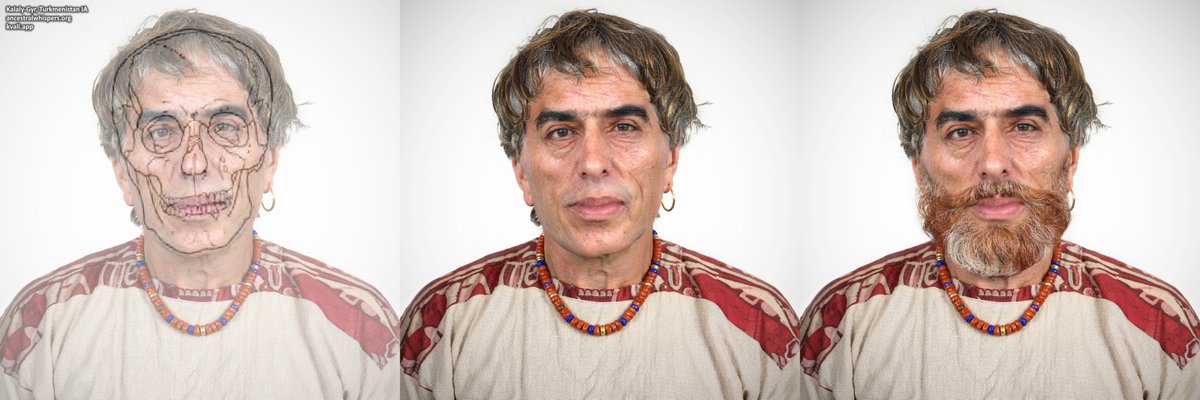
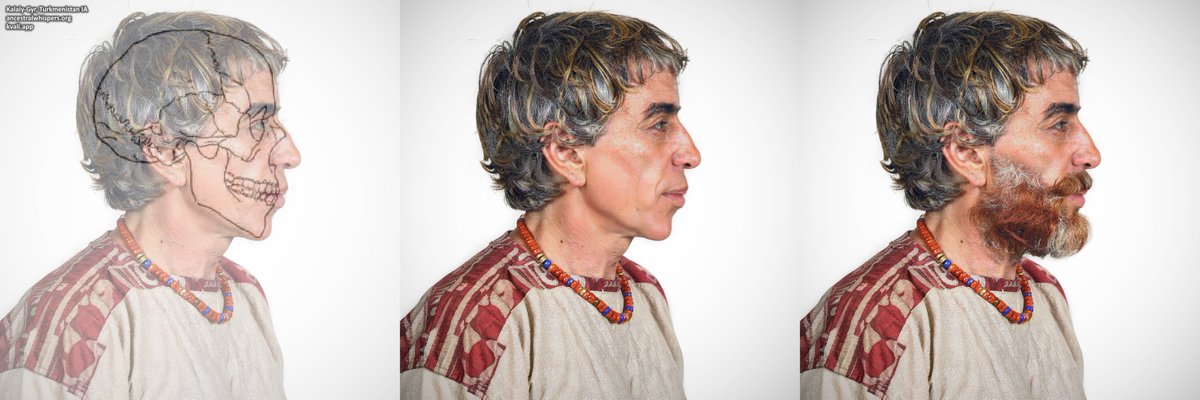
Facial reconstruction of a 2,500-year-old man from Kalalygyr, Turkmenistan
Kalalygyr was an ancient city in northern Turkmenistan that disappeared in antiquity. It served as the second capital of ancient Khwarezm during the 5th-4th centuries BC. According to the Khwarezm Archaeological Expedition, the fortress of Kalalygyr 1, covering nearly 70 hectares, is the largest known settlement site in Khwarezm.
One of the city's fortresses, Kalalygyr 1, was a rectangular fortified settlement measuring approximately 1,000 × 700 meters. Its walls were reinforced with towers and contained four gates protected by complex entrance labyrinths and bastions. The inhabitants lived primarily within long vaulted corridor-like chambers built into the thickness of the massive defensive walls. Near the western wall, on the inner side of the fortress, stood a monumental palace complex.
Construction of both the fortress walls and the palace was never fully completed, and the site was eventually abandoned. The foundations consisted of large pakhsa (rammed-earth) blocks over one meter high, upon which mud-brick masonry of standard ancient dimensions was erected. The palace was square in plan (80 × 80 meters) and contained two internal courtyards and two external courts. Around these courtyards were approximately thirty rooms of various functions. The palace halls had flat roofs supported by columns, some of whose bases survive.
Researchers believe construction of the colossal fortress of Kalalygyr 1 began in the late 5th or very early 4th century BC, during the period when Khwarezm was under the rule of the Achaemenid dynasty. The project may have been part of broader Achaemenid initiatives connected with irrigation and water management, reminiscent of the policies described by Herodotus.
The male skull series from Kalaly-Gyr I is mesocranic (cranial index 79.9) with average length (182.0 mm), broad width (144.7 mm), and notably high vault (138.6 mm). The forehead is slightly sloping, with a well-developed glabellar region.
Facially, the skulls show medium height (72.9 mm) and medium bizygomatic breadth (132.5 mm), with a moderate facial index (54.9). The face is orthognathic, with moderate profiling at the nasomalar angle and slightly stronger at the zygomaxillary region.
Orbits are moderately high, the nose is medium-width (nasal index 48.7), with moderate nasal projection and a relatively high nasal bridge.
Overall, the series is mainly Eastern Mediterranean in type but shows clear mixture. The increased cranial index may reflect both admixture and brachycephalization. Some facial flattening and reduced nasal projection suggest slight Mongoloid influence. There is also evidence of Andronovo-related Europoid admixture, possibly mixed Srubnaya–Andronovo/Tazabagyab, and one incidence of an equatorial-influenced specimen.
The Iron Age and Early Antiquity inhabitants of Turkmenistan belong to the Tkm_IA/Yaz genetic cluster, which is a mixture of BMAC-related and Indo-Iranic Andronovo-related ancestry. This genetic cluster is pivotal in the spread of the Iranic languages; all modern Iranic languages, with the likely exception of Ossetic, ultimately stem from this genetic cluster.
Reconstruction commissioned by @shoresh03 at the request of @asteraex
16
27
212
30,413

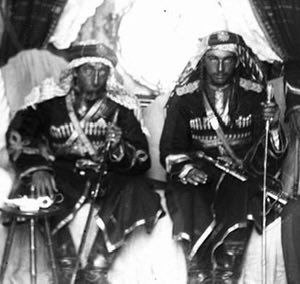
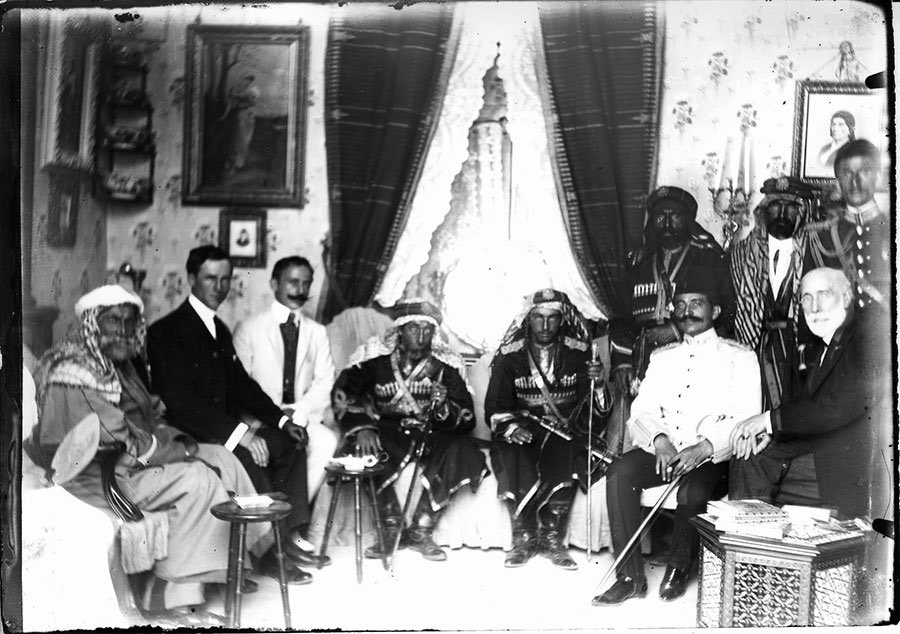
Mirmiran of West Kurdistan Ibrahim Pacha Milli (center) and the consuls of the great powers with Austro-Hungarian consul (far right)
It’s worth noting that in addition to the Kurdish tribe, many military brigades were directly under his command & Arabs used to seek refuge in him
6
16
82
3,577
Ummān manda retweeted

Jun 6
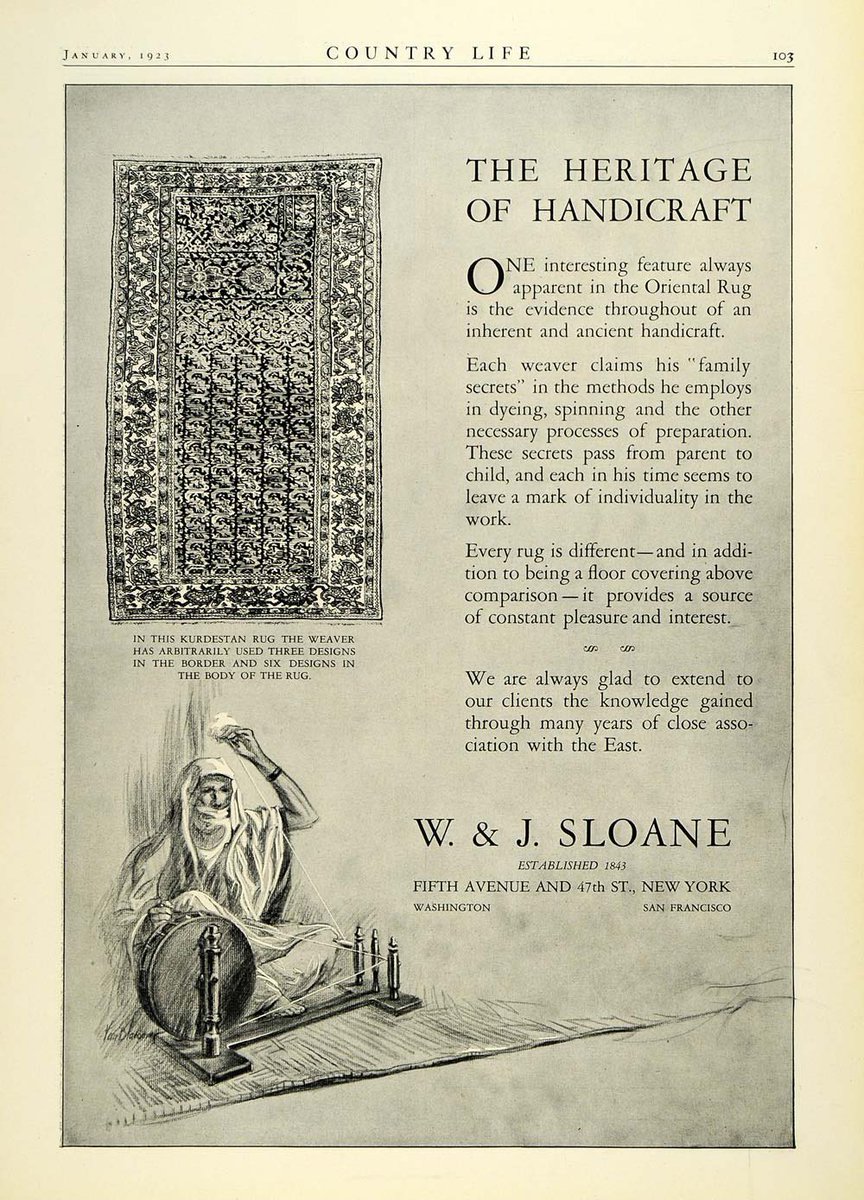
سجادٌ شرقيٌّ يدوي الصنع من شركة دبليو آند جيه سلون، من أرقى منسوجات كردستان
اعلان من عام 1923 في نيوروك 🇺🇸
9
45
1,569
Jun 6
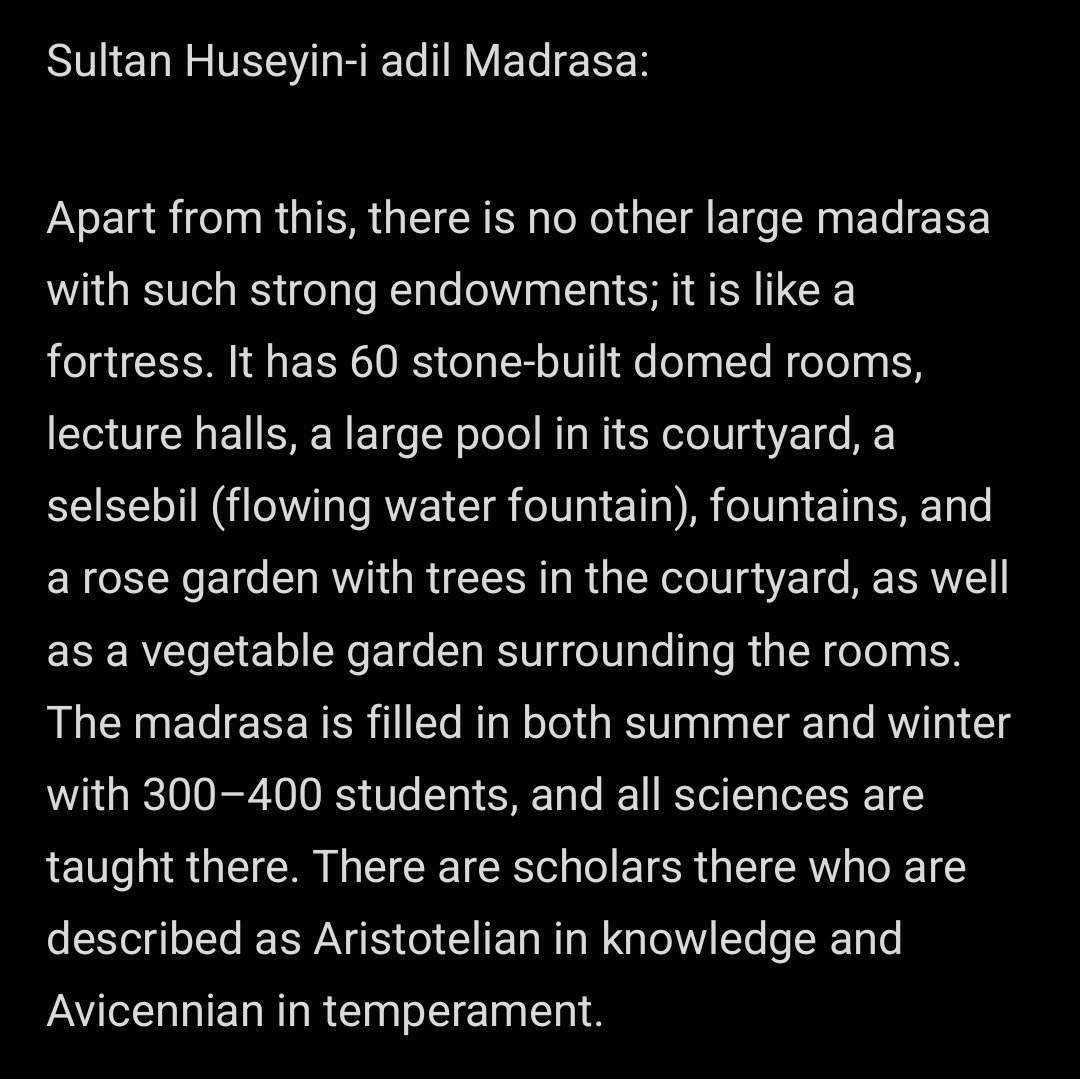
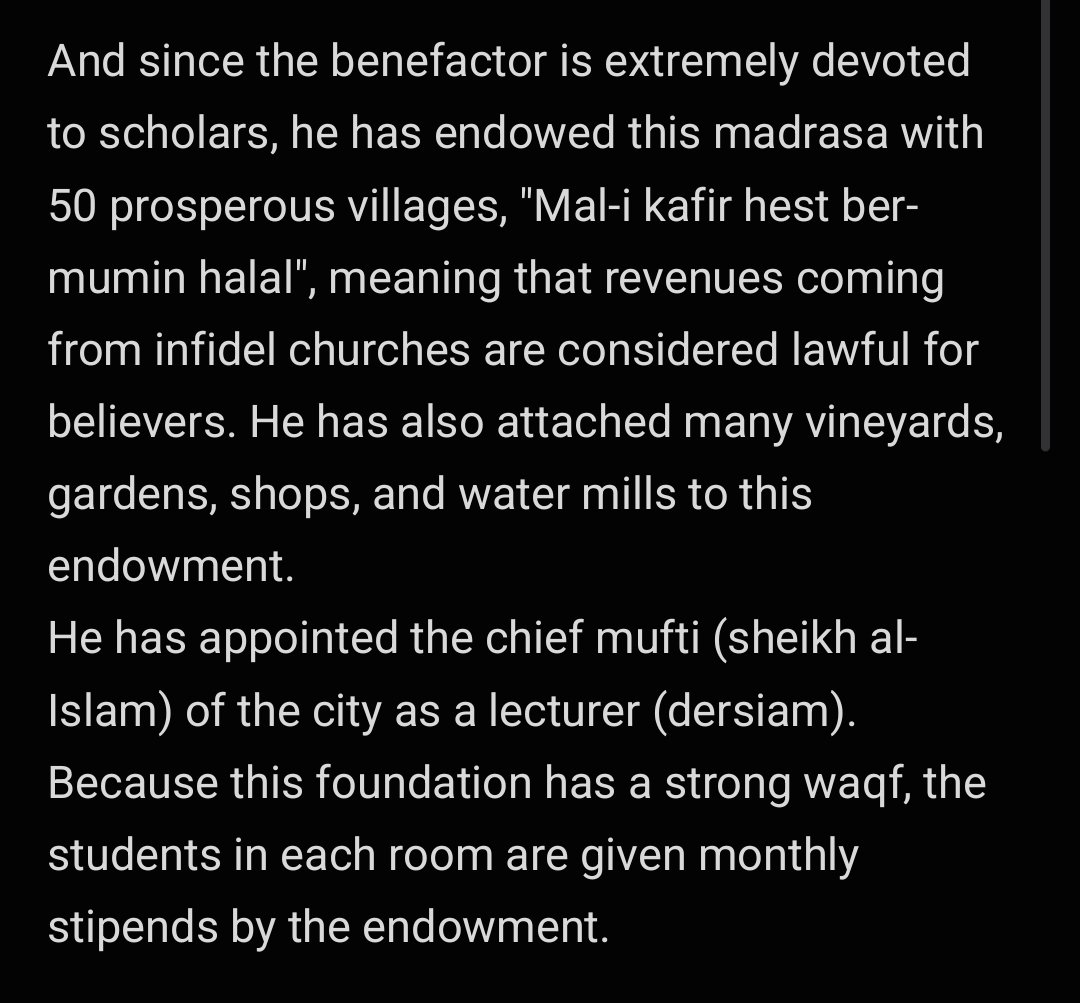
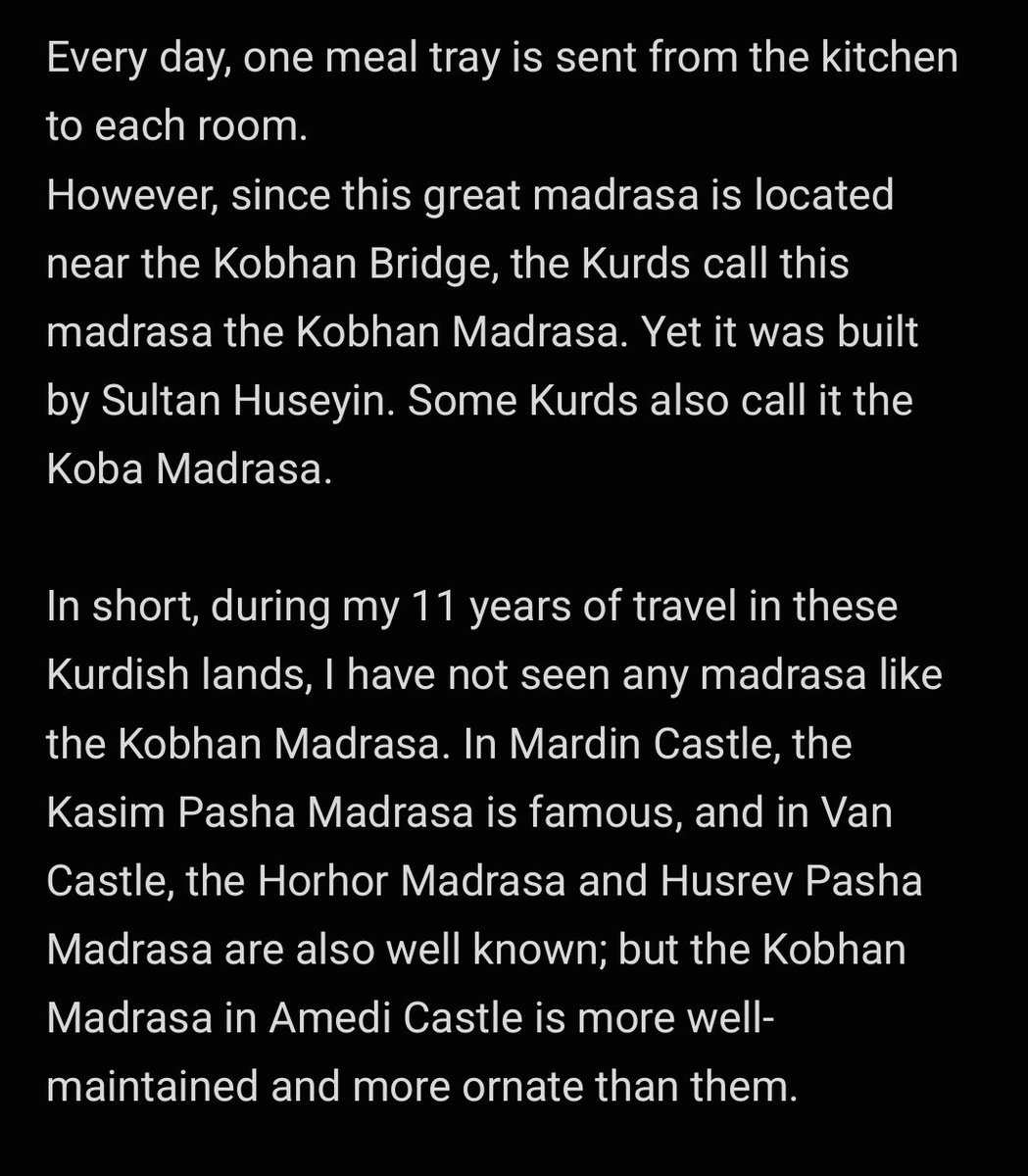
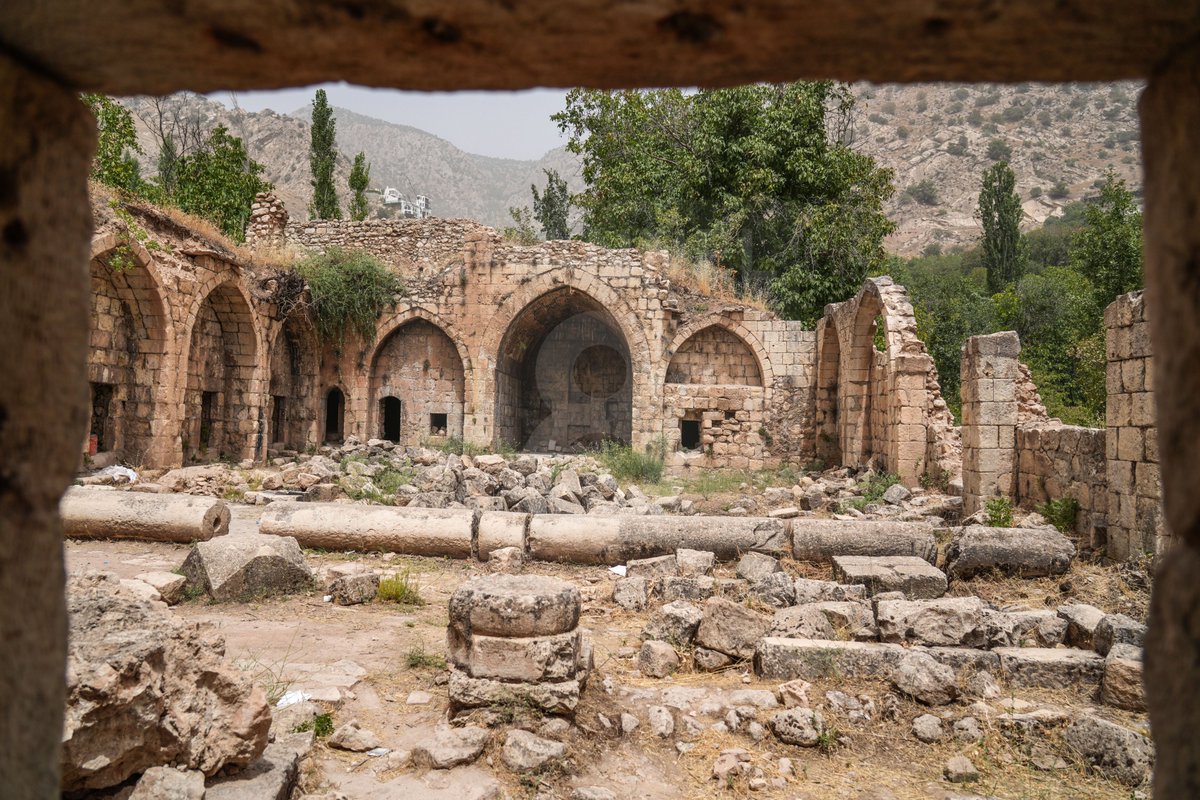
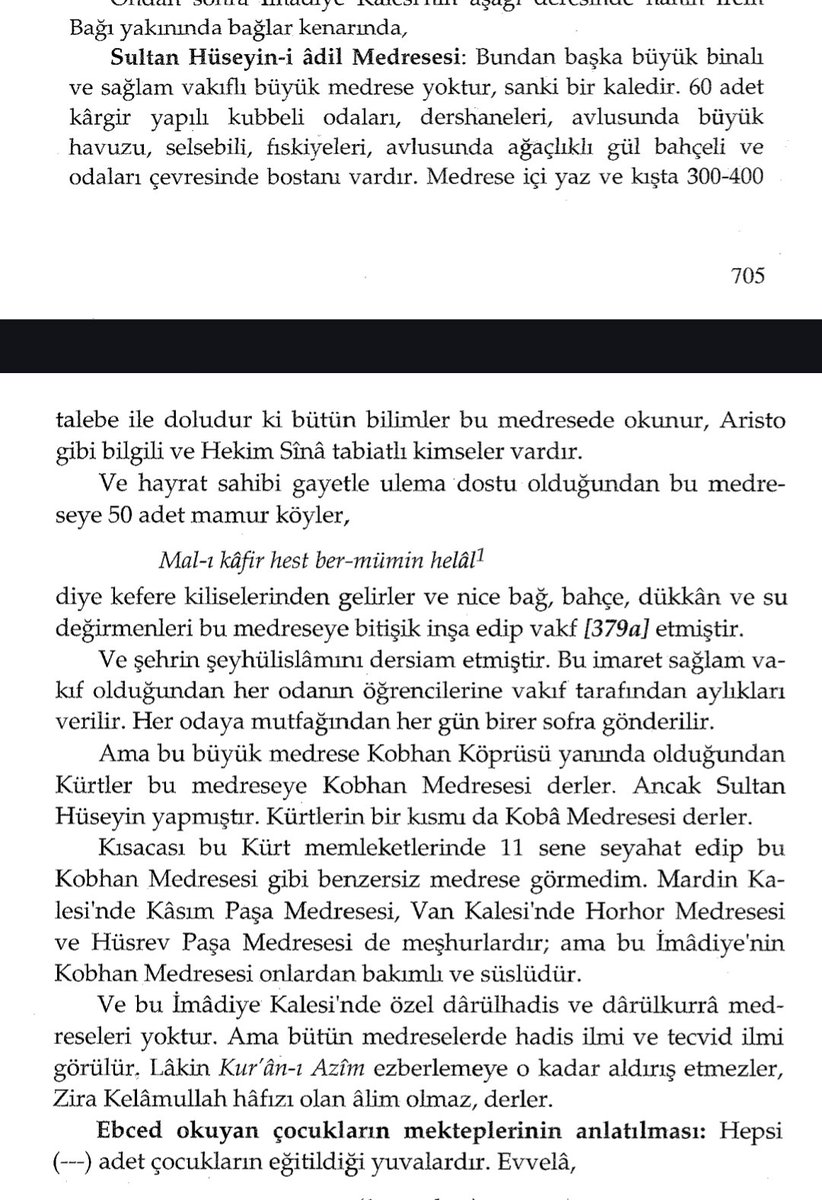
Evliya Çelebi's (1611–1682) account on the Qubehan Medrese of Amêdî, as he traveled through Kurdistan in the 17th century.
19 Aug 2025

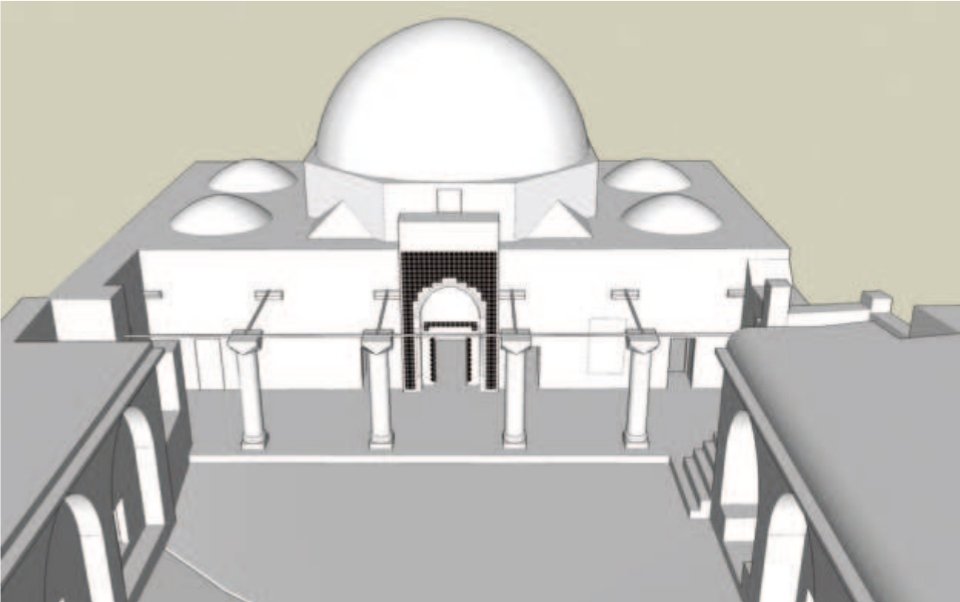
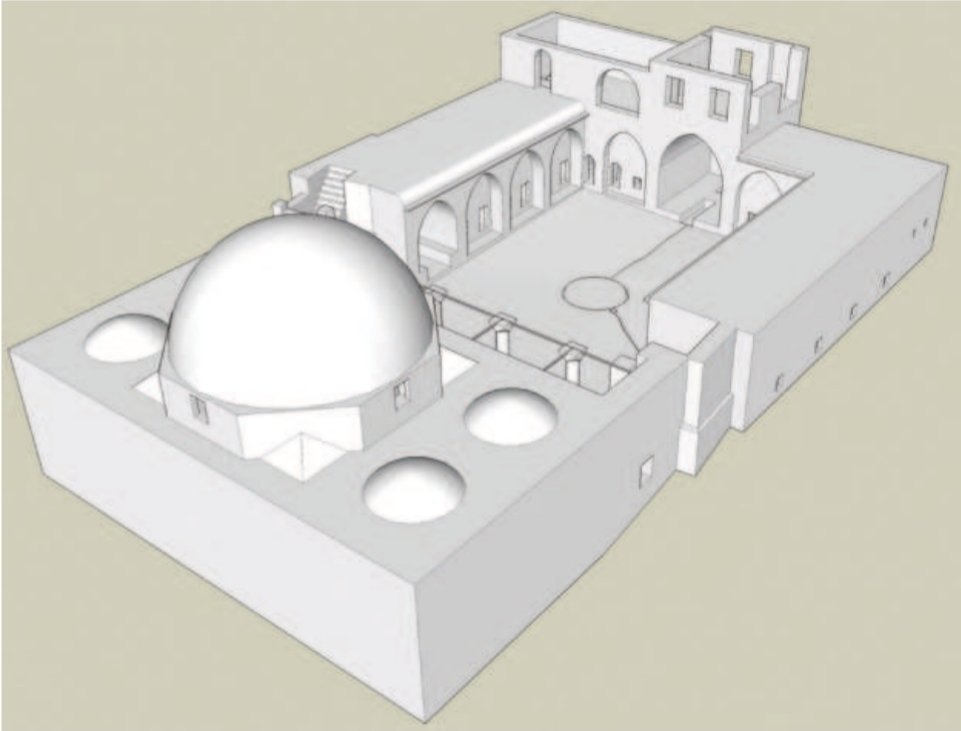
A reconstruction of the Bahdinan Qubehan Medresa (~16th century) in Amêdî, now in ruins.
2
7
35
1,458
Ummān manda retweeted
Jun 5
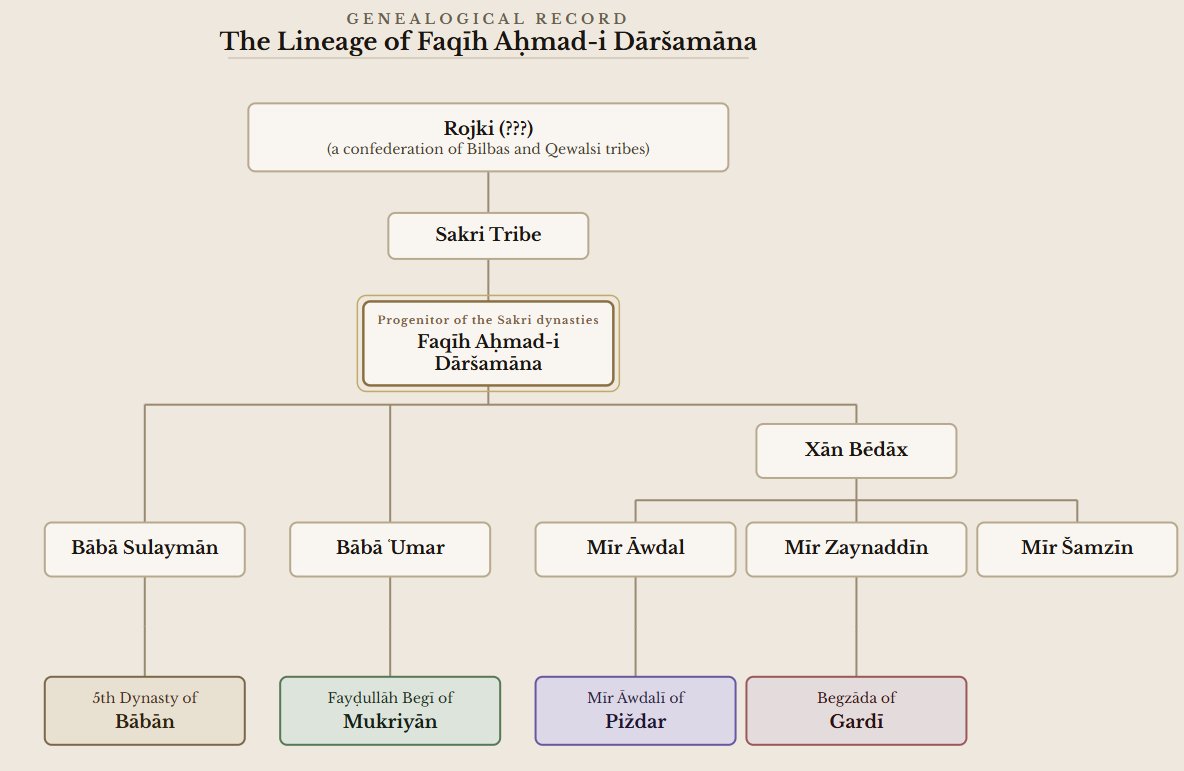
Faqih Ahmad of Darashmana, progenitor of the Sakri tribe (17th century AD), born in a village near Qaladze, is one of the most important figures of recent Kurdish history in genealogical terms, as his descendants contributed towards one of the most extensive linguistic expansions of the Sorani tongue. Not only does the 5th Dynasty of Baban descend from him, but so do the other important dynasties/figures shown in the image. Sorani is of course a modern term, and interestingly its speakers seemingly originally identified under a Kurmanj umbrella and referred to their language as Kurmanji. This is known through European traveller accounts of conversations with the Baban Kurds, who also mentioned that the Gllali (گلاڵی) and Shinki are related to them. The Gllali are notable in their own right, having been recorded by al-Umari as a major confederation in the Kermanshah area, with branches extending into Garmiyan and south of Lake Urmia.
The question of how the Sakri came to be associated with Sorani requires engagement with the Rojaki confederation of Bedlis, though the connection between the Rojaki and the Sakri dynasties that later ruled Baban must be treated with caution, as it remains uncertain. The Rojaki was composed of two tribal confederations, the Belbasi and the Qawalsi, and the Belbasi had Sakris among them. Sharafkhan Bidlisi records two competing accounts of the Rojaki's origins: one naming them after two clans of the Baban tribe, and another attributing their name to two villages in Hakkari. The coexistence of these accounts points to a southern connection, and notably Sharafkhan elsewhere records that the Mukri tribe either derived from a group of the same name living in Sharazur, itself Baban-controlled territory at a later date, or that they was Babans outright. These overlapping affiliations between the Baban, Bilbas, and Mukri suggest a tribal network with deep roots in the same zone. Sharafkhan's mention of Balakayati, the present homeland of the Balaks in southern Kurdistan, in the same context as the Balak among the Rojaki Bilbas further reinforces the interconnectedness of these tribal clusters and their ultimately southern orientation.
Two questions complicate the picture. The first concerns which Sakris are actually ancestral to the later dynasties. Separate Ottoman records from the 16th century attest to a Belbasi presence near Lake Urmia, geographically distinct from the Rojaki Belbasis of Bedlis, and the Sakris within them would therefore also be distinct. It is therefore unclear whether the Sakris who came to rule Baban descended from the Bedlis branch of the Rojaki, or from a branch that was already present in the Urmia and Pizhder area independently. The second question concerns the age of the Rojaki confederation itself. If Sharafkhan is correct that the Rojaki existed since high medieval times, then the confederation is considerably older than the period in which he was writing, which would open the possibility that all Belbasis, and by extension all Sakris, were at some point part of it before dispersing across different regions.
Two interpretations can be advanced. The first is that the Sakris of the later Baban dynasties descended directly from the Rojaki Belbasis of Bedlis, migrating southward at some point and eventually settling in the Pizhder area, from which the lineage of Faqih Ahmad emerged. Under this reading, their adoption of Sorani upon settling near Soran territory would represent either a return to earlier linguistic roots or an assimilation into a locally dominant vernacular. The second interpretation holds that the Sakris of Baban were never part of the Bedlis Rojaki at all, but rather a separate Belbasi-affiliated group already present in the Urmia and Zagros region from an earlier period, with the Bedlis and Urmia branches representing two independent offshoots of a common Belbasi origin. Under this reading, their southern genealogy still holds, but the Rojaki connection becomes a parallel rather than a direct line of descent.
Of the two, the first interpretation carries slightly more circumstantial weight, given the convergence of the genealogical record pointing to a southern Kurdish orbit, the Rojaki's own reported Baban connections, and the pattern of southward migration that the British sources describe for the Baban-Sakri group descending from Pizhder. Nevertheless, the independent attestation of Belbasis near Lake Urmia in the 16th century means the second interpretation cannot be dismissed, and certainty is not available on the current evidence.
Prior to the Sakri consolidation of power over Baban in the 18th and 19th centuries, Sorani had a very limited documentary footprint, with the scarce early attestations coming almost exclusively from the Emirate of Soran. The majority of the population across Garmiyan, Ardalan, and Sharazur spoke Gorani or languages of Lak and Kalhor affiliation, and non-tribal populations in these regions were similarly Gorani-speaking. Sorani's rise to dominance was therefore not an ancient condition but a relatively recent development driven by deliberate policy. Upon ascending to the throne of Baban, the Sakri actively promoted Sorani, referred to at the time as "Kurmanji," a term applied equally to Northern Kurdish in that period, to the detriment of Gorani, which had functioned as the lingua franca of their Ardalani rivals. This was part of a broader political project of differentiation from the Ardalan emirate and its Gorani-speaking elite, and the results were transformative: Sorani displaced Gorani across large stretches of territory between the 17th and 20th centuries.
The dialectological evidence corroborates this history. The northern dialects of Sorani, spoken across the former territories of the Soran emirate through Mukriyan and the intervening regions, show markedly less Goranic influence than those spoken further south and east, with some localities appearing to lack it altogether. The southern and eastern dialects, by contrast, bear heavy Goranic imprints and in some cases Southern Kurdish influence as well. This gradient maps closely onto the historical sequence of expansion and strongly suggests that the Soran-Mukriyan-northern Baban corridor was the original zone from which Sorani spread. When tribes of Goran or Southern Kurdish affiliation are set aside, the tribal substrate of this core zone consists of groups autochthonous to the area, such as the former Rawandi of Rawanduz, alongside tribes connected to three historically significant confederations: the early Baban, the Mukri, and the Bilbas. It is within this triangle that the conditions for Sorani's emergence and early consolidation must be sought.
Theoretically, all these branches should belong to Y-haplogroup E-V13 > BY3880, given that Faqih Ahmad of Darashmana is the progenitor. The result is based on the dynastic descendants of the 5th dynasty of Baban. Many thanks to @ZarbianHerki for pointing out this major connection between all these branches, that had previously gone unnoticed.
2
7
35
9,546
Ummān manda retweeted
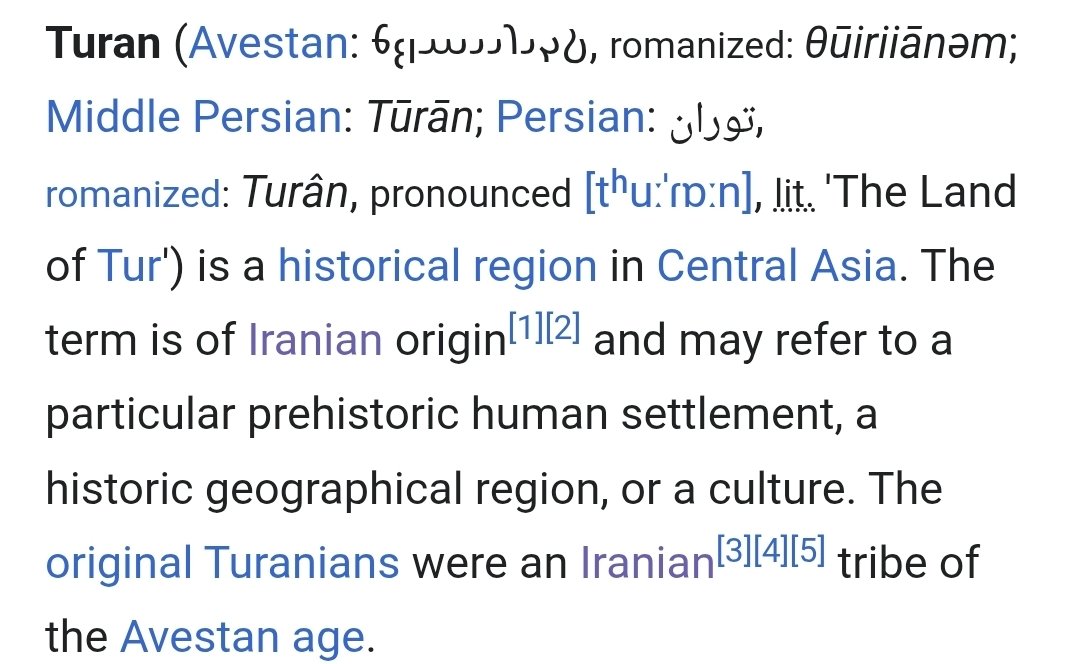
This is also funny because the word tūiriia (Tūrya-) in Awistan was actually an adjective that meant "mad" and/or "crazy". Words like this were used to describe the other Aryans that were deemed and labelled unworthy of the noble status of Aryans by Zoroaster.
The term tūrya still exists in Kurdish as türa (SK) and tūra (CK) and means "mad", "angry".
tūrya- > tūri > tūr > tūr -ak > tūrak > tūra ( > türa in SK)
Anyway, it is a word out of the Iranic culture and the Iranic history and out of the Zoroastrian religion and somehow the turkics have laid claim to this Iranic term that never had anything to do with them.

Will never not be funny that these people stole an Iranian term for other Iranians for their larp, at least for Turks calling them Turanian is fair ig.
But Finns and Magyars using the term are such larpers.
1
4
22
1,271
Ummān manda retweeted

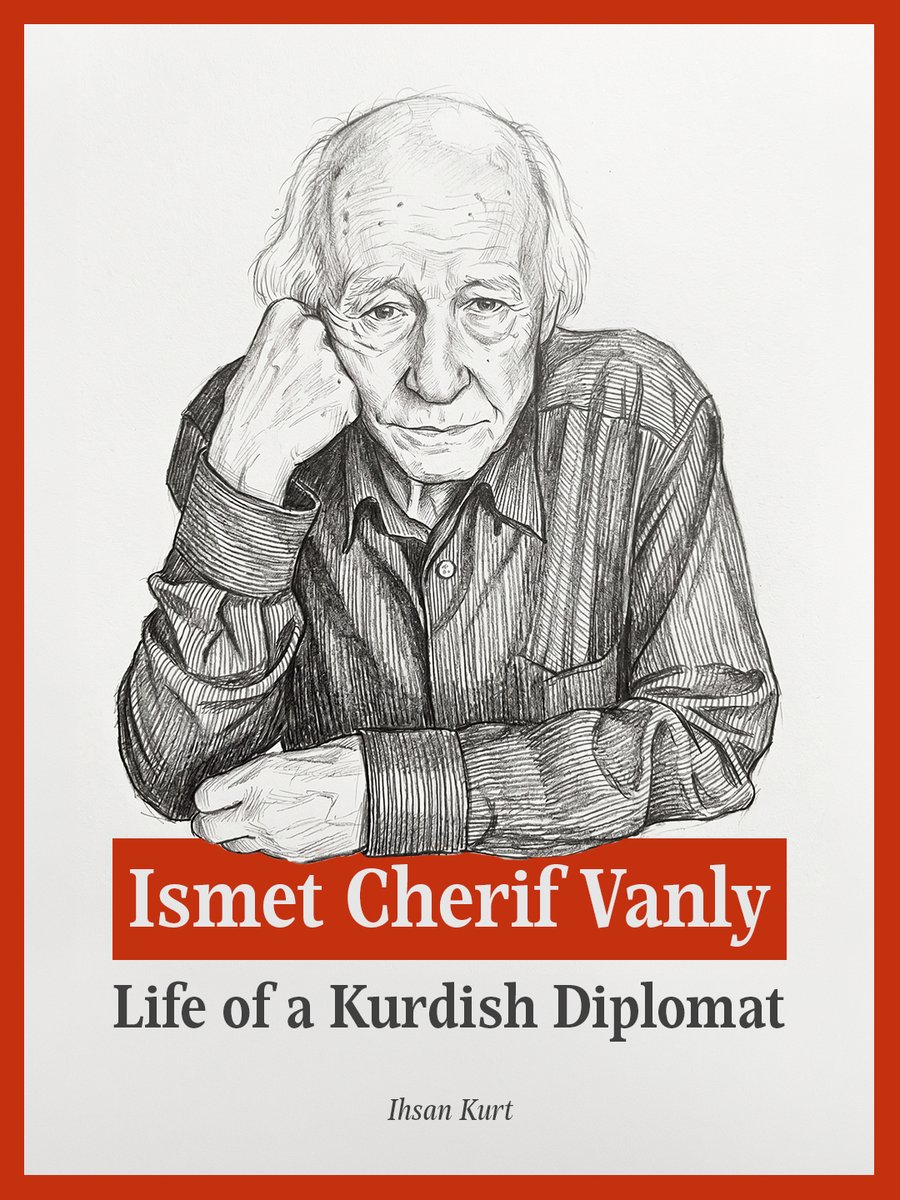
At the age of 17, while still a high school student in Damascus, Ismet Cherif Vanly would tell his friends, “I will go to Lausanne to study law and change the treaty that divided Kurdistan.”
Read more: kurdistanchronicle.com/babat…
9
34
1,691
Ummān manda retweeted

May 29
Asatrian is a man who has spent a lifetime "teaching" Kurdology, all with the intention of rewriting Kurdish history in a way that fits Armenian national interests.
The man has literally dedicated his life to smearing the Kurds, think about that...
May 29

Ermeni akademisyen Prof. Dr. Asatryan'dan dikkat çekici açıklama:
"Türkiye'nin parçalanması ve batımızda bir Kürt devletinin kurulması Ermenistan'ın ulusal güvenliği için ciddi bir tehlike olacaktır"
rudaw.net/turkish/categories…
2
9
58
2,631
May 29
Despite continuing to express anti-Kurdish views, he is still quoted and treated as a neutral academic source on Kurdish history. Ridiculous.
May 29
Ermeni akademisyen Prof. Dr. Asatryan'dan dikkat çekici açıklama:
"Türkiye'nin parçalanması ve batımızda bir Kürt devletinin kurulması Ermenistan'ın ulusal güvenliği için ciddi bir tehlike olacaktır"
rudaw.net/turkish/categories…
1
9
41
2,840
Ummān manda retweeted
May 28
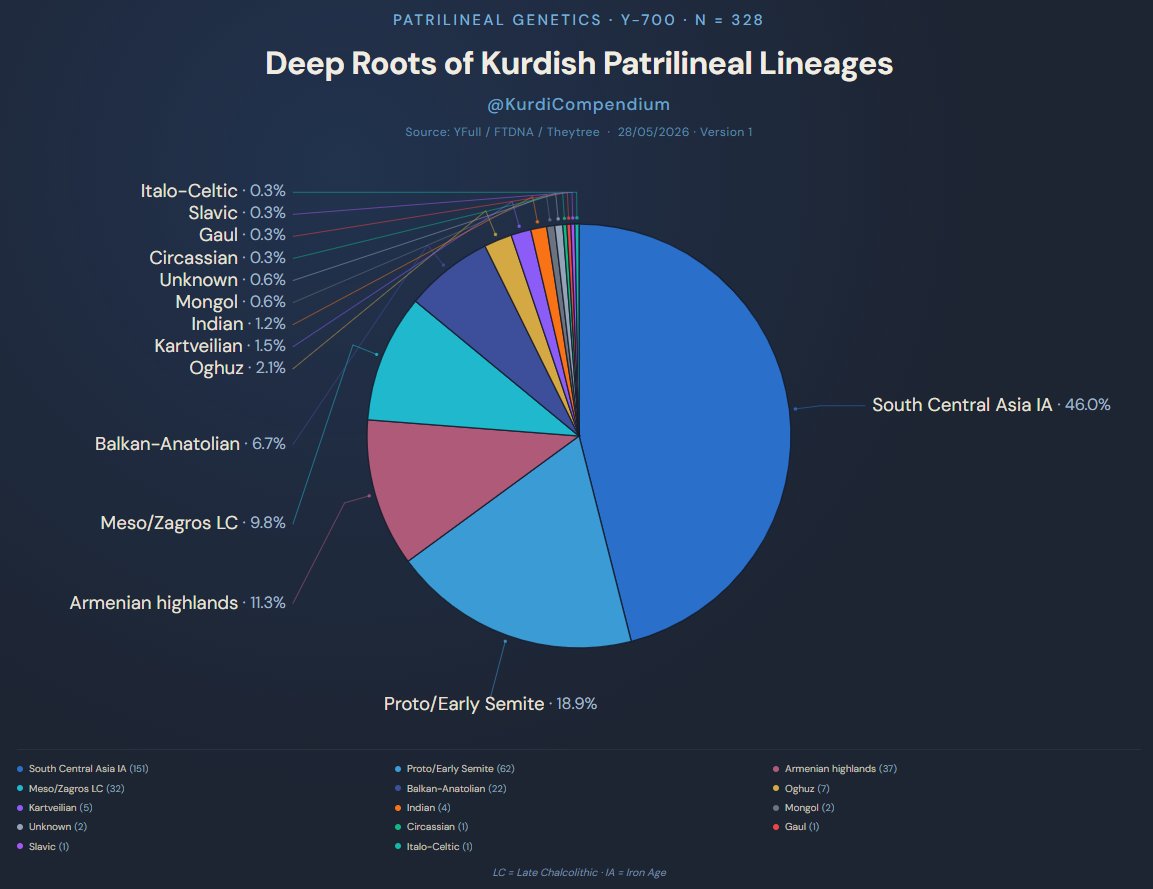
The complete deep origins of 328 Kurdish patrilineal lineages that have been sponsored or purchased through Whole Genome Sequencing (30x or higher), or through Y-700 and equivalent STR-based testing. The following also includes Kurdish samples sequenced through scientific studies to the level of 30x WGS or higher. It does not include haplogroups sequenced to anything below this high level of sequencing, therefore excluding the majority of scientific studies conducted only at Y-17 level, since we require Y-700 level testing.
Based on the current data it can be ascertained that the clear plurality of the founding father population among the Kurds belong to Iron Age Iranians (circa 1500–1000 BCE), who were a hybridised population between Andronovans and local South Central Asian cultures like the BMAC. Most notably the Yaz culture, which scholarship and academics attribute to the rise of the Zoroastrian religion and the rapid militarisation of Iranian society, experienced a massive expansion phase. The so-called "West Iranian peoples" are a syncretised population from these early Iron Age Iranians from Central Asia who moved into the Zagros and plateau and encountered a myriad of different cultures, most notably the Elamites, including populations that were also quite freshly integrating into the Zagros, like the Semitic peoples who were already penetrating deep into the Zagros since the Middle Bronze Age (attested as far as Anshan, the Elamite capital). It is from this milieu that the first attestation of Kurds can reliably be found, dating back to Eratosthenes of Cyrene, who was born in the Ptolemaic Kingdom and was likely relying on an Achaemenid source. Kurds are first attested in the province of Persis in south-west Iran. Indeed, this is what we expect via comparative linguistic studies at the dialectal level. A North-West Iranian language living in a core Persian hub, prior to expansion out of south-west Iran into what is now Kurdistan sometime around the Sassanian era.
Based on the modern haplogroup distribution of Kurds it is quite apparent that the strongest and oldest layers of non-Iron Age Iranian paternal ancestry is in fact attributable to Semites, and not what most people expect, which is various indigenous Zagrosian populations. Typically the Semitic lineages among Kurds date back to around the Achaemenid era. In general there seems to be an influx of Semitic speakers into the Iranian plateau during the Achaemenid period. Based on haplogroup data there is not a single clear case of an indigenous remnant Zagrosian lineage among the Kurds that precedes the Bronze Age. Despite this, 9% is plausibly attributed to some type of local LC Meso and/or Zagrosian populations. The first Kurdish tribes would be comprised of a Semitic, an Iron Age SCA Iranian, and a localised plateau population. Interestingly there is a probable Seleucid Greek founder-effect lineage among modern Kurds that dates a few hundred years after the attestation of the first Kurdish tribes. The overwhelming majority of the remaining lineages I have not mentioned here have mutations attributable to post-Islamic assimilations, which includes the vast majority of the Armenian highland haplogroups, all Oghuz Turkic lines, among many others. Comparing Kurdish autosomal data against haplogroups, it is exceedingly clear that the Iron Age Iranian haplogroups among Kurds have huge male-biased selection. This means the Iranian lineages were the most socially dominant group among the Kurds, who reproduced more than other segments of the population. This makes sense since Kurds are an Iranian ethnic derived population, in a patrilineal based society.
Unfortunately the data disproportionately includes Zaza and Kurmanji speakers who come from Berferati (the most western parts of Kurdistan) speaking regions, since these are the regions that generate the most diaspora. Sponsoring Kurdish clades all across the Kurdistan region is of heavy priority right now. A major issue right now is that the vast majority of DNA kits that are being sponsored are not being used and are being sent back to the labs, despite the fact that these kits cost $449 for a single test. Please DO NOT ask for sponsorship if you are going to waste hard-earned money. This is just shameless and disrespectful of the highest order. If you have gotten your DNA sequenced, you must join a relevant DNA project to secure traceability of where we are sourcing this information from. We encourage you to include all relevant details like tribe, place of birth of paternal ancestors, etc.
18
41
124
27,505
Ummān manda retweeted
May 27
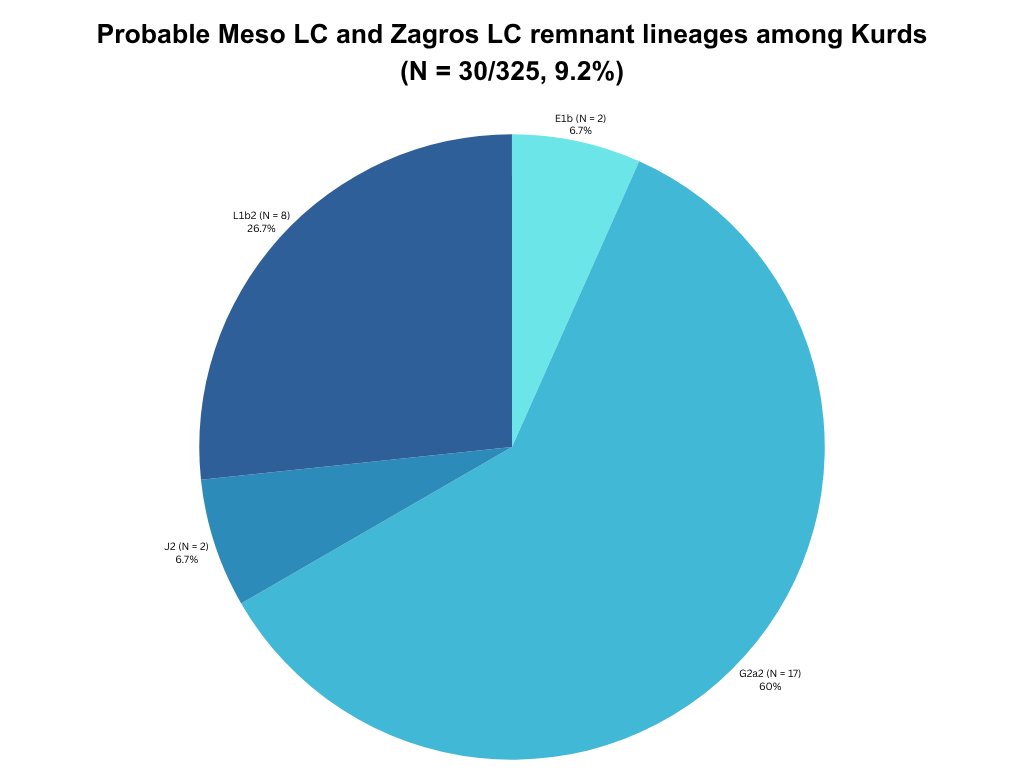
9% of the Kurdish paternal Y-700 lineages that exists among the Kurds are traceable to genetic populations indigenous to late chalcolithic Mesopotamia or Zagros. The leaves 91% of the Kurdish lineages belonging to populations that had moved there from the bronze age and onwards, whether it be bronze age Semites moving out the Levant, Iron age Iranians from south central Asia, etc. This is based on the haplogroup diversity of modern and ancient genetically tested samples that have been sequenced up to a depth of 30x WGS, or an equivalent coverage.
Source: Yfull, FTDNA, and theytree.
5
8
53
10,770
Ummān manda retweeted

May 27
I need to clarify something. The term "adharic" was invented only a while ago and is therefore made up. But the important thing: It is incredibly fallacious.
Obviously we need made up words to categorise anthropological, linguistic and historical tokens. But "adharic" is also truly an unfitting, unjustified and mismatching nonsense term. Adharic is literally the SAME WORD as "āzari". This is like saying Kurtic instead of Kurdi. Not even. As "Āzarbayjān" is written as "ādharbayjān" in the arabic script. Furthermore, to create a label adharic, which is the exact same word as azari which is an innovation and a reduction of the word "azarbayjani" and then describe Eastern Kurdish and Western Kurdish, which aren't even in Azarbayjan and EK never was in Azarbayjan whereas WK may have been located there or to its south 800 years ago, is illogical and a mismatch.
Furthermore, I have seen people use "adharic" like it was an actual common identity... This is far beyond fallacious and wrong.
The actual identity the people of NW Iran had was Median. What this ridiculous and stupid term "adharic" wants to describe is actually reserved for the term "Median". Furthermore, it is more likely that the already mostly extinct Iranic speakers of Azerbayjan were Iranified by the ancestors of the Kirds (Western Kurdish speakers) and haplostudies may lean into that direction too given Kirds have lineages going directly back to Aryans of the BMAC area while NW Iran was full of non-Iranics and pre-Iranics before Iranic speakers came AND even as late as when the Parthians were ruling Erān. Furthermore, the Kirds, like the SCNK, still had the Aryan seminomadic culture even up to the Middle Ages and even up to the recent modern age.
The Talysh are also a proof for the assimilation of people of NW Iran by other Iranic speakers. The Talysh are found in the region of the ancient Cadusii who were known to be different from the Medes and to have led war against them even if within the satrapy of Media. In the end the Cadusii were assimilated by the Medes.
So if anything, you got to call the NW Iranic linguistic group of EWK and Tatic and Talyshi "Madhic" or "Madic" or "Madi" or "Madhi". Median itself already has a reserved meaning as it goes from Kirmashan and Ilam to Azarbayjan to Ray to the eastern and southern corners of Isfahan and therefore is not limited to EWK in this sense. Considering that Greater Media or Proper Media was actually restricted to Kirmashan, Hamadan and somewhat eastward and northward from Hamadan (You see that it you read the ancient sources) it actually looks like EK = Median, but that is another topic for another post.
I herewith, FOR THE MOMENT, propose Madhi as label for EWK, Tatic and Talyshi.
3
1
15
1,584