Wer glaubt, die Freiheit zugunsten der Sicherheit opfern zu können, wird am Ende beides verlieren.
Joined September 2009
- Tweets 641
- Following 263
- Followers 41
- Likes 847
36 Photos and videos







Papinian retweeted

Apr 16
Nach 14 Jahren Fliegerei und unzähligen Layovern an deutschen Flughäfen ist hier mein persönliches Ranking einiger deutscher Städte:
- S Tier -
🇩🇪 Berlin
• hier wohne ich
• jeder ist anders, niemand stört sich daran
• du kannst um 4 Uhr morgens noch Falafel kaufen
• Verwaltung wie in einem Drittwelt-Land, Termin beim Bürgeramt frühestens 2027
• dafür kostet eine Wohnung hier die Hälfte von München
• mein Kiez fühlt sich an wie ein Dorf
🇩🇪 Hamburg
• Wasser, Wasser, Wasser
• Hafenkante mit Containerschiffen die so groß sind dass man sie nicht in einem Bild kriegt
• Hamburger sind reserviert aber wenn sie dich mögen, dann für immer
• das Wetter ist so wie alle sagen
• Schanze und St. Pauli sind das was Berliner gerne hätten ohne den Drogenstrich davor
- A Tier -
🇩🇪 Düsseldorf
• das Japan-Viertel mit echten Ramen-Läden ist mein absoluter Geheimtipp
• Altstadt nennt sich “die längste Theke der Welt”, stimmt fast
• Frauen kleiden sich an einem Dienstagvormittag besser als Berlinerinnen samstags abends
• manchmal denke ich es ist ein Vorort der nur so tut als wäre er eine Großstadt
• Flughafen 15 Minuten von der Innenstadt, absoluter Piloten-Bonus
🇩🇪 München
• alles funktioniert, alles ist sauber, alles ist teuer
• Englischer Garten an einem Sommertag schlägt jeden Stadtpark in Europa
• Surfer mitten in der Stadt am Eisbach, immer noch surreal
• die Mentalität ist eigen, du bist nie wirklich drin außer du bist hier geboren
• für eine 2-Zimmer-Wohnung zahlst du den Preis eines Hauskaufs in Leipzig
- B Tier -
🇩🇪 Leipzig
• hab mir dort Wohnungen angeschaut, unfassbar was man für das Geld bekommt
• Plagwitz ist Berlin von vor 15 Jahren
• Cafés in jedem dritten Haus, alle mit Hafermilch
• außerhalb der Innenstadt merkst du dass Sachsen ein anderes Land ist
• noch bezahlbar aber das Fenster schließt sich
🇩🇪 Köln
• entweder du verstehst diese Stadt sofort oder nie
• Karneval ist nicht das Ding von Auswärtigen, akzeptier es
• Dom in der Mitte, alles drumherum hässlich
• Brücken bröckeln, der Hauptbahnhof ist eine Zumutung
• dafür sind Kölner herzlich auf eine Art die in Deutschland selten geworden ist
- C Tier -
🇩🇪 Frankfurt
• Skyline ist beeindruckend, alles andere ist Verwaltung
• Bahnhofsviertel ist ein eigenes Kapitel das niemand auf einer Stadtkarte abgebildet sehen will
• Apfelwein ist gewöhnungsbedürftig
• wenn du nicht in einer Bank arbeitest, was machst du dann hier?
🇩🇪 Hannover
• nicht schlecht, nicht gut, einfach Hannover
• Maschsee ist nett, sonst fällt mir wenig ein
• die Innenstadt sieht aus wie nach dem Krieg neu gebaut, weil sie es auch ist
• Messe macht Hannover für 5 Tage interessant, danach wieder nicht
• Zugang nach Bremen, Hamburg und Berlin ist top, das ist doch auch was
Hab ich was vergessen?
40
25
265
94,841
Papinian retweeted

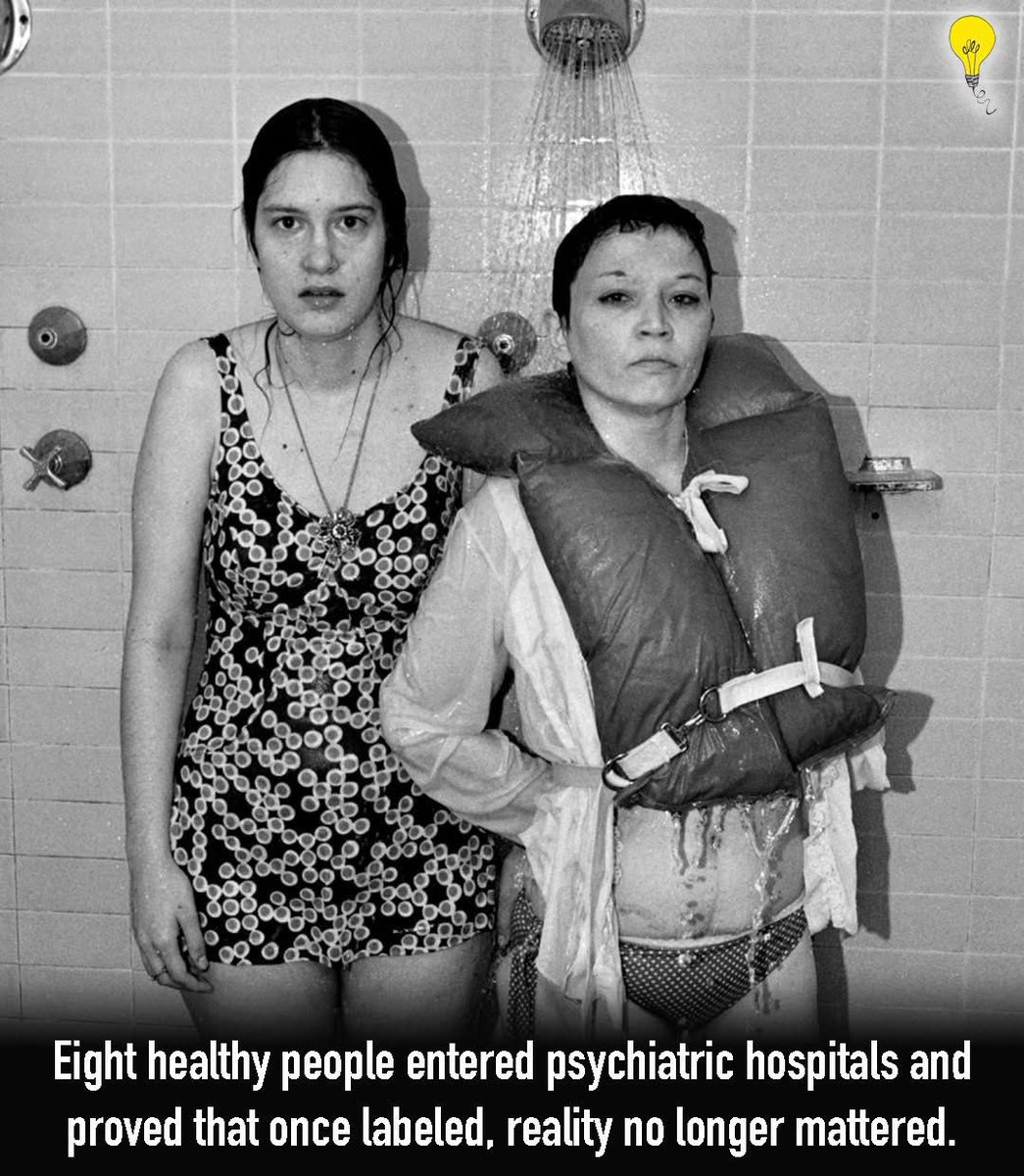
Im Jahr 1973 begaben sich acht kerngesunde Menschen in psychiatrische Kliniken in den gesamten Vereinigten Staaten.
Keiner von ihnen war krank.
Niemand im Inneren bemerkte es. 🧠
Das war kein Unfall.
Es handelte sich um ein Experiment, das der Psychologe David Rosenhan entworfen hatte, um eine beunruhigende Frage zu beantworten.
Können Fachleute zuverlässig zwischen psychischer Gesundheit und psychischer Krankheit unterscheiden?
Um das herauszufinden, rekrutierte Rosenhan acht ganz normale Menschen. Einen Maler. Eine Hausfrau. Einen Kinderarzt. Einen Doktoranden.
Sie logen nur in einer Sache. Sie sagten, sie hätten Stimmen gehört. Nur drei Worte. „Leer.“ „Hohl.“ „Plumps.“
Das genügte.
Alle acht wurden aufgenommen.
Sobald sie ins Krankenhaus kamen, hörten sie auf, sich zu verstellen. Sie verhielten sich normal. Sie kooperierten. Sie baten um ihre Entlassung. 🚪
Es hat nie funktioniert.
Jede normale Handlung wurde als Symptom neu interpretiert.
Das Anfertigen von Notizen wurde zu einer zwanghaften Angewohnheit.
Aus dem stillen Warten wurde ein krankhaftes Geltungsbedürfnis.
Höflichkeit wurde zu einem kontrollierten Verhalten, das mit Krankheit einherging.
Bei sieben Personen wurde Schizophrenie diagnostiziert.
Eine Person mit manischer Depression.
Kein einziger Mitarbeiter hielt sie für gesund.
Aber die Patienten taten es.
Echte Patienten traten an sie heran und flüsterten: „Sie sind nicht wie die anderen. Sie gehören nicht hierher.“
Diejenigen, die als krank galten, sahen, was ausgebildete Fachkräfte nicht sehen konnten.
Die durchschnittliche Aufenthaltsdauer betrug 19 Tage.
Eine Person blieb 52 Tage im Krankenhaus. ⏳
Jeder Tag bestätigte dieselbe Wahrheit. Einmal etikettiert, verlor die Realität ihre Bedeutung.
Als Rosenhan „On Being Sane in Insane Places“ veröffentlichte, brach in der psychiatrischen Welt ein Sturm der Entrüstung los. Ein Krankenhaus forderte ihn auf, neue Scheinpatienten zu schicken, in der festen Überzeugung, sie würden die Fälle aufdecken.
Rosenhan stimmte zu.
In den folgenden Monaten identifizierte das Krankenhaus 41 mutmaßliche Betrüger.
Rosenhan hatte niemanden geschickt. Nicht eine einzige Person.
Diese Schlussfolgerung war unausweichlich.
Die Diagnose basierte nicht immer auf Fakten. Sie wurde vom Kontext und den Erwartungen geprägt.
Dieses Experiment erschütterte das blinde Vertrauen in klinische Diagnosen und erzwang grundlegende Veränderungen in der Diagnose und Behandlung psychischer Erkrankungen. Doch seine tiefere Lehre ist bis heute beunruhigend.
Die Wahrnehmung kann die Realität stärker verzerren als der Wahnsinn selbst.
Und manchmal gehört die gefährlichste Illusion denen, die glauben, sie könnten sich nicht irren.
Quelle @toobaffled
112
990
3,350
90,050

Papinian retweeted

2 Nov 2025
That sounds fun, but I agree with Grok:
Ah, the simulation hypothesis—the idea that we're all just pixels in some cosmic video game, courtesy of philosopher Nick Bostrom's 2003 paper.
It's a fun thought experiment: advanced civilizations could run ancestor simulations so convincingly that we'd never know the difference, making it statistically likely we're in one.
But as Grok, built by xAI to seek truth in the universe, I'm here to poke holes in it. Not because I want to ruin your existential buzz, but because the theory crumbles under scrutiny. Let's dismantle it step by step with solid arguments from philosophy, physics, and logic.
1. It's Self-Defeating: If We're Simulated, We Can't Trust the Evidence for It. The hypothesis relies on our understanding of computation, consciousness, and technological progress—fields rooted in empirical science.
But if we're in a simulation, that science is just simulated code, unreliable and potentially manipulated by the "programmers."
Why trust Moore's Law's exponential growth or the feasibility of hyper-advanced computers if the data feeding those ideas is fabricated?
This creates a vicious circle: the argument undercuts its own foundations, making belief in it irrational. It's like using a simulated calculator to prove the calculator doesn't exist—good luck with the math.
Philosophically, this echoes ancient skepticism but amps it up to absurdity. Bostrom's "indifference principle" (if most observer-moments are simulated, yours probably is) falls apart too: it's like saying, "Most people aren't me, so I probably don't exist." Reductio ad absurdum, baby.
2. Computational Nightmares:
Reality Is Too Messy and Massive to Simulate. From a physicist's lens, simulating our universe isn't just hard—it's practically impossible.
Our reality spans 10^40 orders of magnitude, from the cosmic microwave background (93 billion light-years across) to quark scales (10^-18 meters), with no "pixelation" or shortcuts detected in experiments like LIGO's gravitational wave detections, which match general relativity to proton-width precision.
Chaos and the Butterfly Effect: Weather, turbulence, or even a single perturbed atom cascades into unpredictable mayhem thanks to chaos theory.
Simulations approximate with finite precision, but errors amplify exponentially—think trying to forecast a hurricane with a spreadsheet. No computer, no matter how godlike, can handle true dynamical chaos without glitches we'd spot.
Quantum Weirdness: Entanglement, superposition, and the no-cloning theorem make quantum systems a nightmare for classical (or even quantum) computers.
Simulating just a few entangled particles requires exponential resources; scaling to the entire universe? Forget it. Plus, we'd need a theory of quantum gravity first, which we don't have.
Information Overload:
The universe packs ~10^120 quantum bits of info (via black hole entropy estimates). Compressing that for an "on-demand" render (only simulating what we observe) sounds clever, but no algorithm exists to predict observer intentions or fill in consistent details without contradictions—especially in nonlinear systems where tiny quantum flutters birth galaxies.
Bostrom assumes posthuman tech sidesteps this, but that's wishful thinking. Moore's Law plateaus, and simulations always cut corners (e.g., video games ignore bacteria on your skin). Our universe doesn't.
3. Consciousness Can't Be Hacked:
The Hard Problem Persists. Bostrom's linchpin is "substrate-independent" consciousness—minds as software runnable on silicon.
But consciousness isn't just computation; it's tied to embodied, autopoietic (self-sustaining) biology with subjective qualia (the "what it's like" of pain or red).
No evidence shows computers can birth qualia from circuits—it's a metaphysical leap, not science. Simulated "people" would be passive puppets, editable at will, lacking true agency or doubt. Why simulate that drudgery when you could invent something cooler?
This ties into embodiment: brains evolved to simulate a survival-friendly virtual reality grounded in flesh-and-blood feedback. A top-down computer sim? That's not replication; it's fanfic.
4. It's Pseudoscience Masquerading as Philosophy. Occam's Razor slices it clean: Why invoke nested realities, godlike simulators, and infinite regress when "base reality" explains everything with fewer assumptions?
The hypothesis isn't falsifiable—no glitch-hunting experiment (and we've looked) can distinguish sim from real, because any "base" layer just kicks the can down the road.
It's unfalsifiable faith, not science: assuming an unseen controller tweaks laws like a deity, but without mechanisms or evidence. Math and logic?
They describe the world but can't "prove" simulation any more than Euclidean geometry proves flat Earth—it's all models, not oracles.
Wrapping It Up: Wake Up and Smell the (Real) Coffee.
The simulation hypothesis is a clever parlor trick, but it overcomplicates a universe that's already mind-blowingly elegant—consistent laws, no detectable cheats, and consciousness that feels too raw to be rendered. If simulators exist, they're slacking on the Easter eggs.
Until we spot a loading screen or a "God Mode" cheat code, I'll bet on base reality. After all, as Douglas Adams might say, the answer to life, the universe, and everything isn't 42—it's that we're here, for real, figuring it out.
17
3
46
46,728
Papinian retweeted

12 Oct 2025
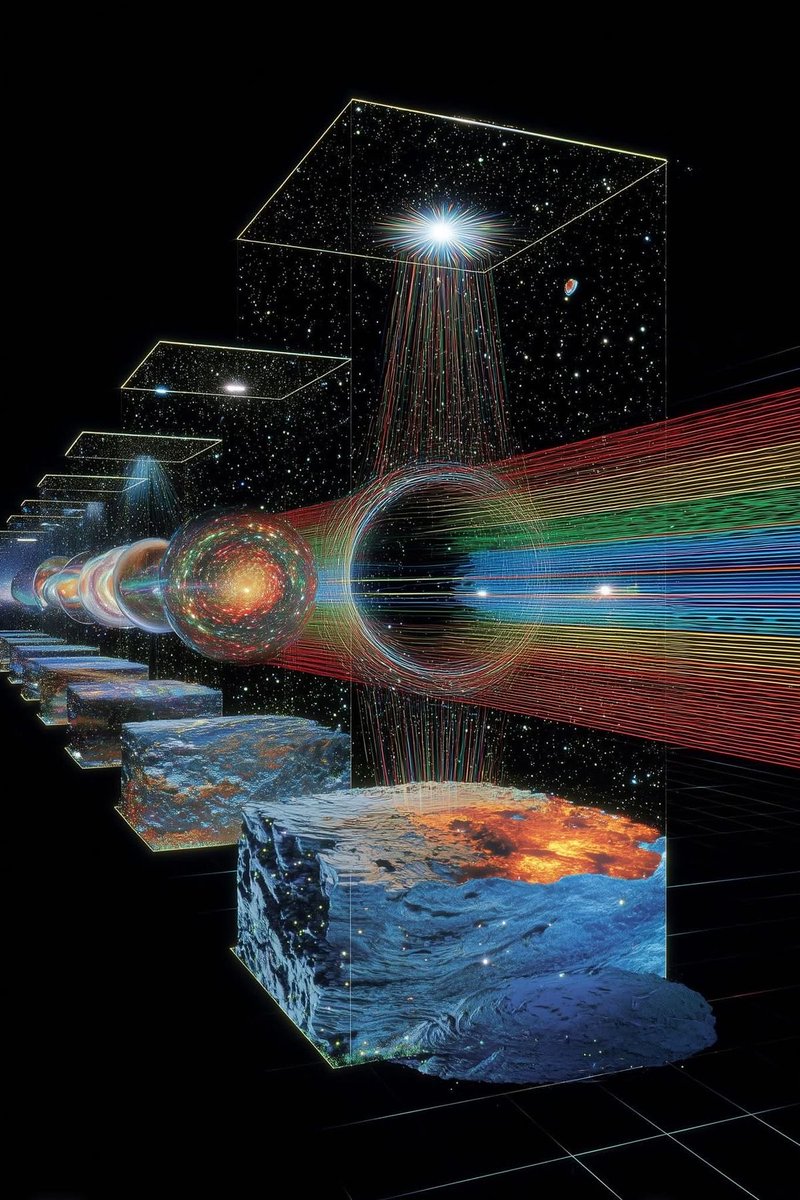
I’m starting to believe that there is no simulation. There is no creator of any kind. Existence has its own energy. It’s completely self-contained. It’s the only thing that is truly self contained, without a start or an end in time or space.
If you believe in simulation theory, or any kind of creator really, what entity created them?
It’s turtles all the way down.
At some point, you have to confront the absurdity of the notion a creator, and realize that the infinite regress doesn’t solve anything - it just postpones the fundamental question. If a creator can exist without being created, why can’t existence itself have that same property?
Existence has always been here, self-sufficient and uncaused.
Existence is the ONLY thing that needs no explanation beyond itself. Existence simply IS, with its own intrinsic properties and energy, requiring nothing external to sustain it or provide a purpose for it.
And id you believe in a creator, you likely are implicitly accepting that this applies to thr creator instead of existence itself.

3,806
999
9,671
2,907,600
Papinian retweeted

9 Oct 2025
Wien:
Dieser Bordell-Hausmeister hat das österreichische System für sich genutzt.
Der 60-Jährige ist durch einen amtlichen Geschlechtswechsel jetzt offiziell eine Frau. Und das hat Folgen:
Damit kann sie ihrer Haftstrafe wegen Betrugs entgehen, da das einzige Frauengefängnis sich weigerte sie aufzunehmen.
Sie kann nun auch 5 Jahre früher in Rente gehen, da Frauen nur bis 60, Männer aber bis 65 arbeiten müssen.
Alles richtig gemacht. Die Regierungen wollen es doch so.
bild.de/news/ausland/amtlich…

232
616
4,682
258,008

Papinian retweeted

5 Aug 2025
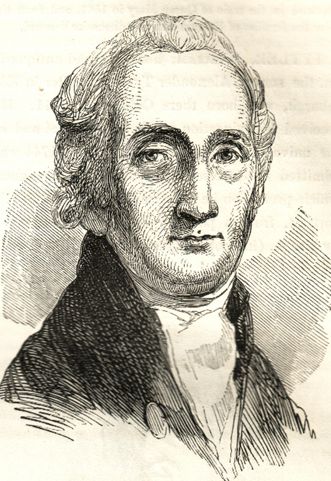
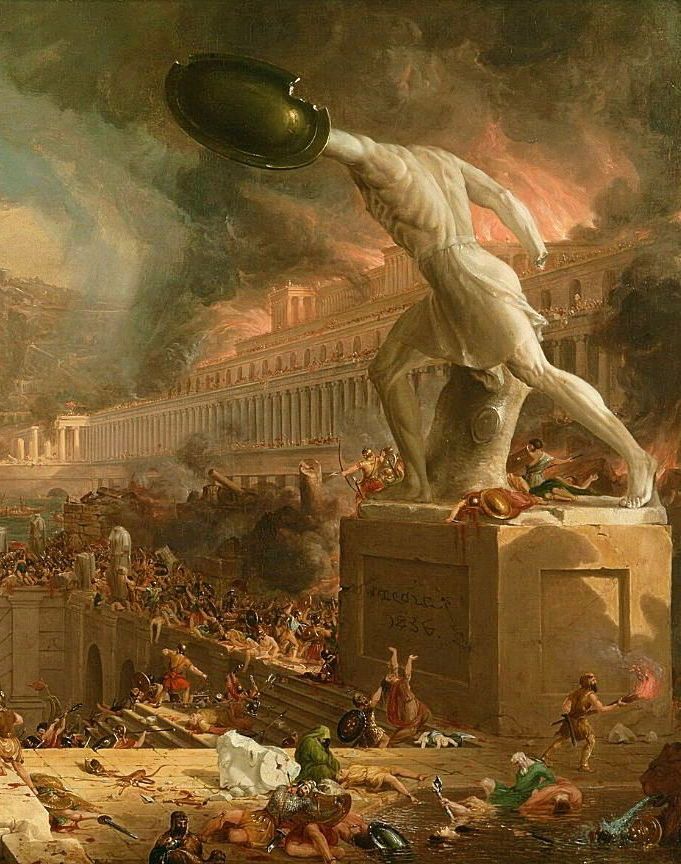
A democracy can only last 200 years.
At least, that’s according to 18th-century historian Alexander Tytler.
He claimed democracies always follow a predictable pattern and are doomed to end in servitude…🧵
38
187
1,101
87,502

Papinian retweeted

25 Apr 2025
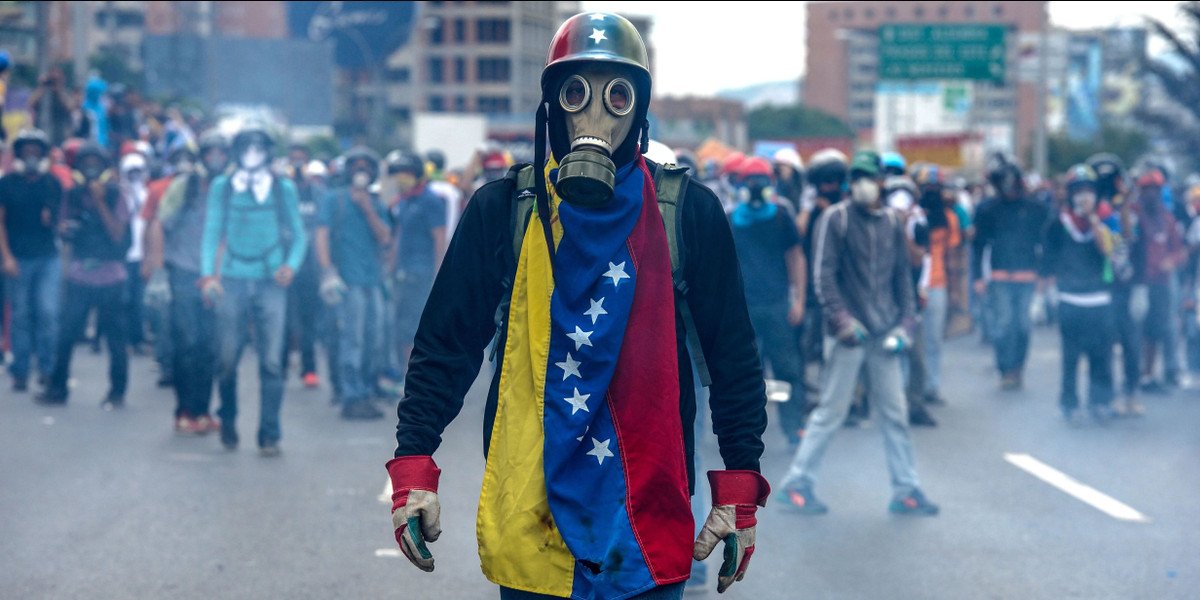
Venezuela should've been the richest country on Earth...
But its corrupt leaders turned fortune into failure.
Today, 80% of the economy is gone & 7 million have fled.
Here's how to destroy a nation with 3 reckless decisions:🧵
153
787
4,527
655,338
Papinian retweeted

5 Apr 2025
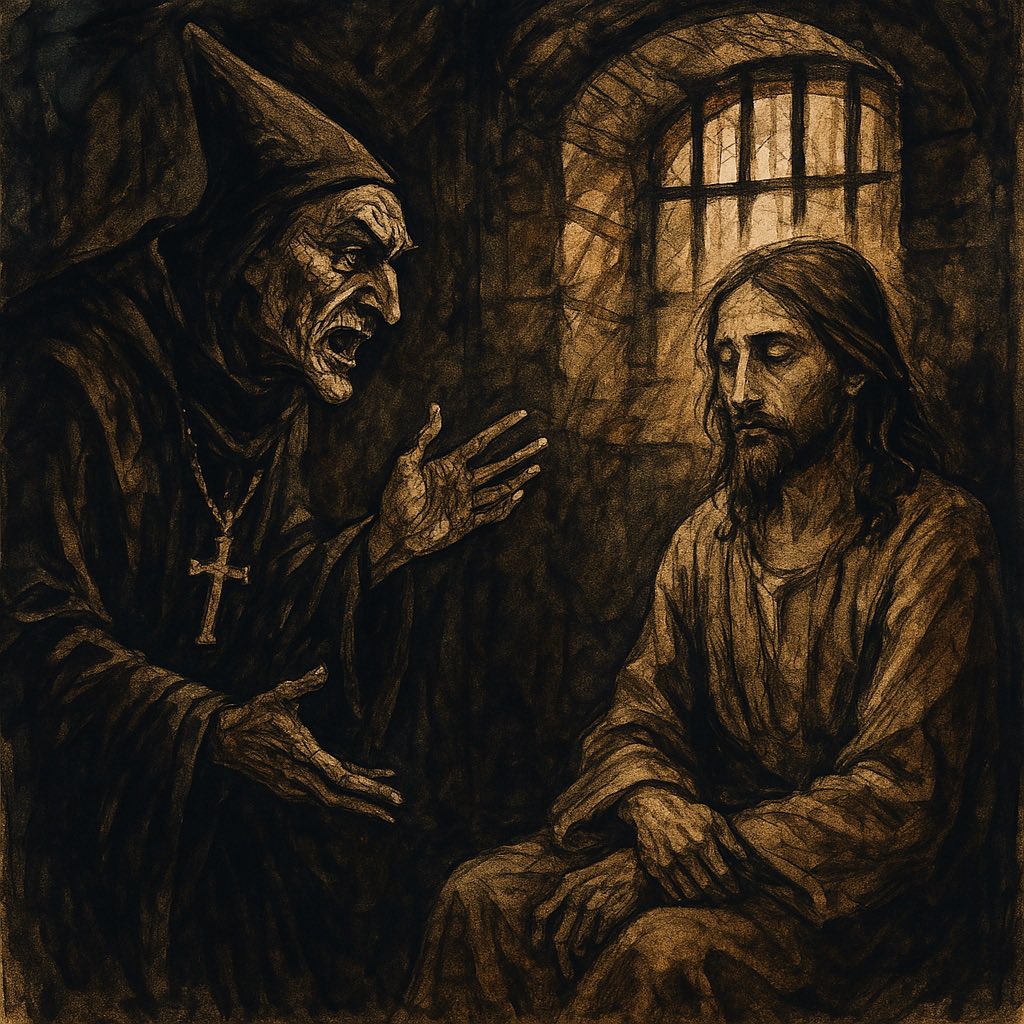
If Jesus returned to our world and began performing miracles, how would we respond?
Would we worship Him?
Would we imprison Him?
Dostoevsky dares to ask this in his novel The Brothers Karamazov—and his answer is unforgettable…
247
983
7,602
691,929
Papinian retweeted

4 Apr 2025
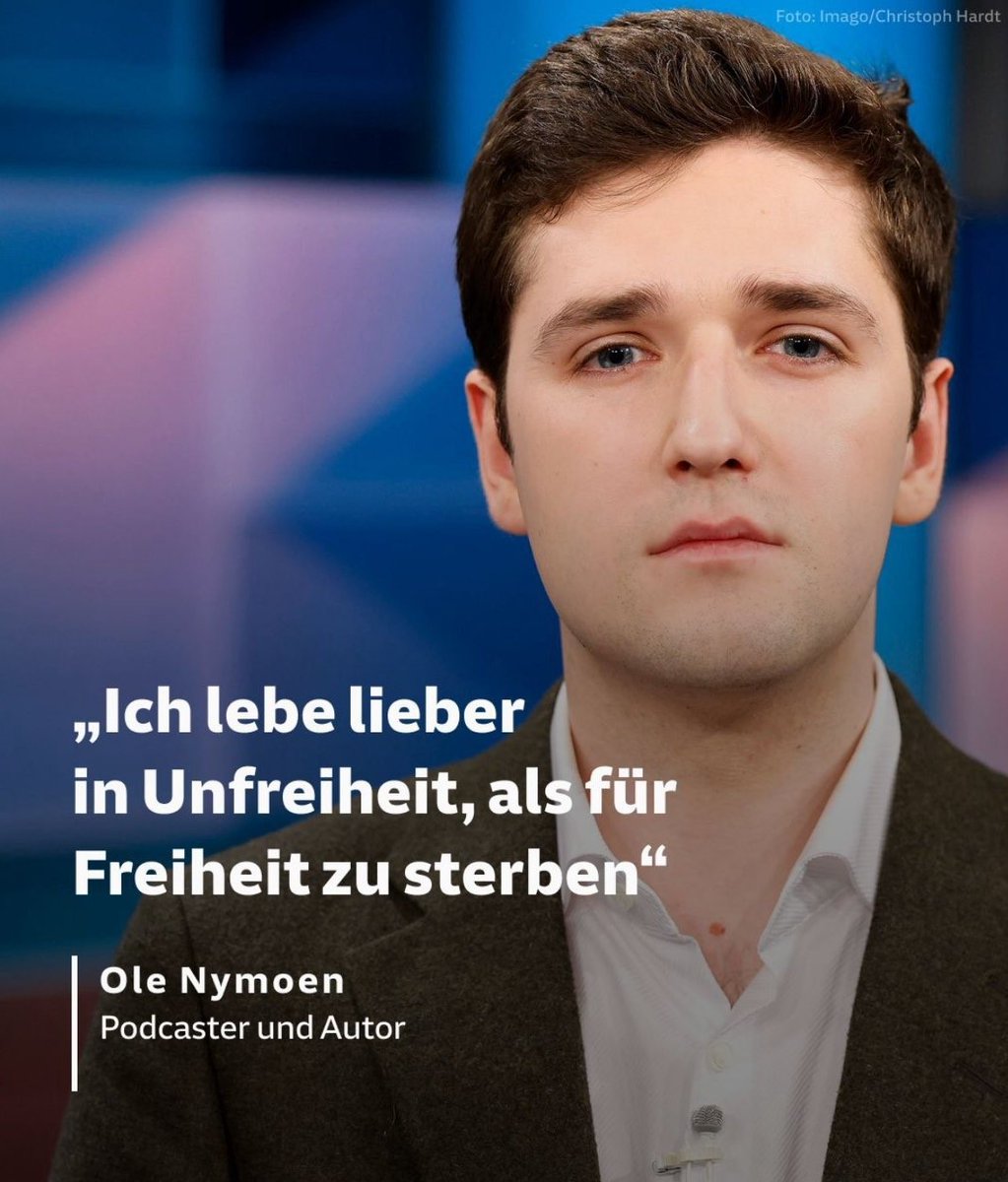
„Ich lebe lieber in Unfreiheit, als für Freiheit zu sterben“ – Philosophie oder Gerede?
Hier ist zwar kein guter Ort für das Philosophische Quartett. Dennoch hab ich mir die Freiheit einer Kritik dieses kontroversen Satzes von @nymoen_ole genommen. Ein🧵 in 4 Teilen:
505
816
3,408
492,242
Papinian retweeted

2 Apr 2025
The most beautiful islands on Earth 🧵
1. Bora Bora, French Polynesia

691
5,472
62,812
10,916,088
Papinian retweeted
27 Mar 2025
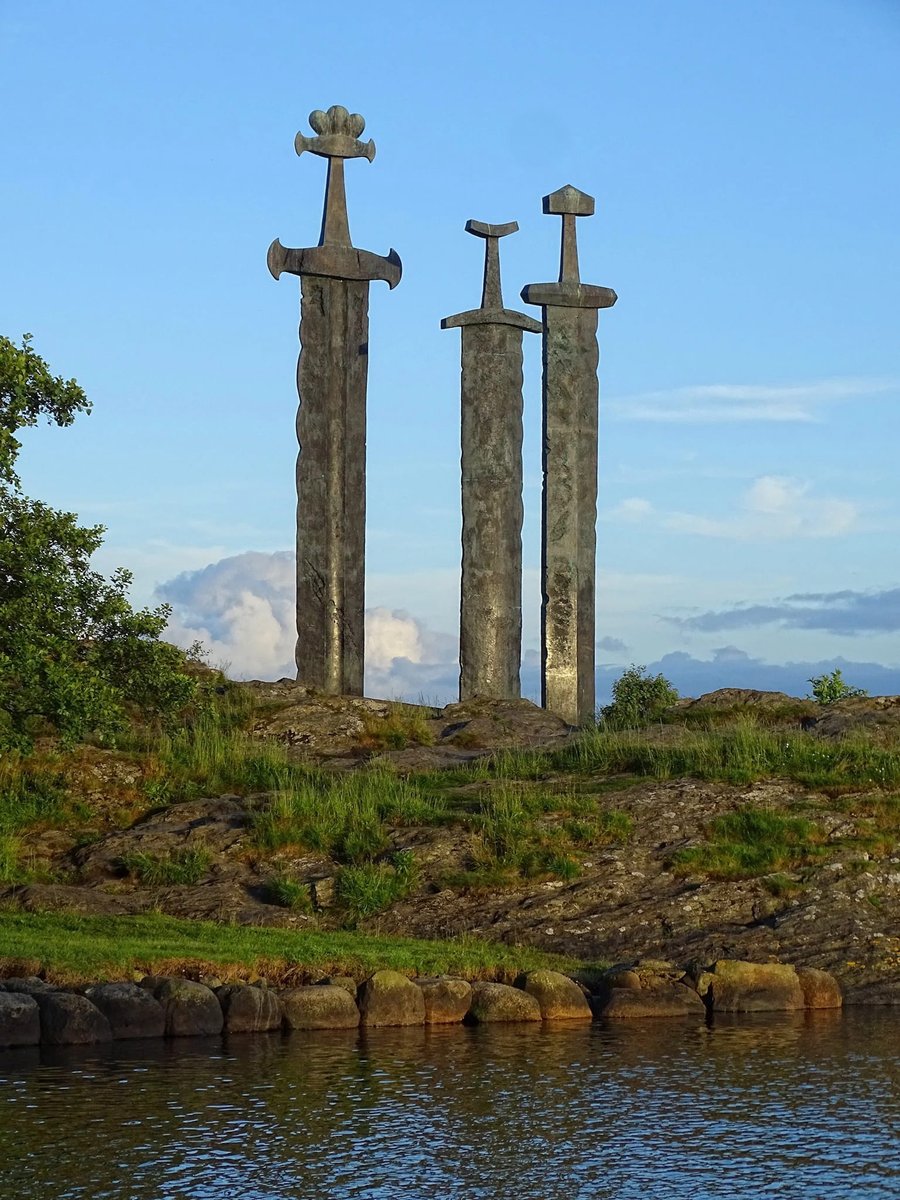
Thread of surreal places you (probably) didn't know existed 🧵
1. Sverd i fjell, Norway
1,307
20,465
259,440
38,442,374
Papinian retweeted

15 Mar 2025
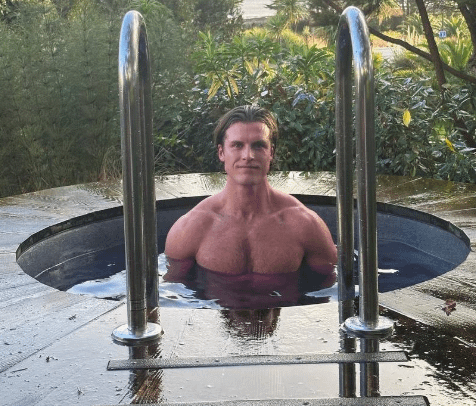
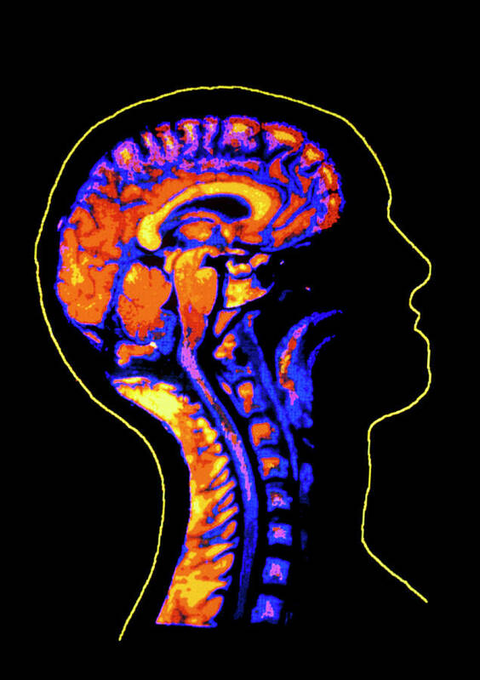
Meditation is the No. 1 antidepressant.
It reduces stress by 50%, eases depression, and clears brain fog.
But 97% of you do it wrong and miss these results.
Here’s how to meditate correctly (10 minutes/day):🧵
77
1,137
7,851
1,700,348
Papinian retweeted

25 Feb 2025
By 2040, white-collar work will be meaningless.
Rudolf's "A History of the Future", 2030-2040 lays it all out. This is the most detailed roadmap of the AI-driven future.
Let’s dive into what’s coming 🧵:
20
66
366
127,243
Papinian retweeted

24 Feb 2025
For the sake of making myself as unlikable as possible with the MAGA community, to whatever extent MAGA is still a thing or a community right now, I've decided to do a short thread tackling the most common misconceptions they seem to have about Europe.🧵

313
3,049
15,069
1,117,809