
Biomedical engineer, permaculture farmer, Camus scholar, Maryland supremacy, husband, and father.
Joined December 2009
- Tweets 31,021
- Following 1,150
- Followers 12,610
- Likes 23,286
4,388 Photos and videos







Pinned Tweet

11 Jul 2025
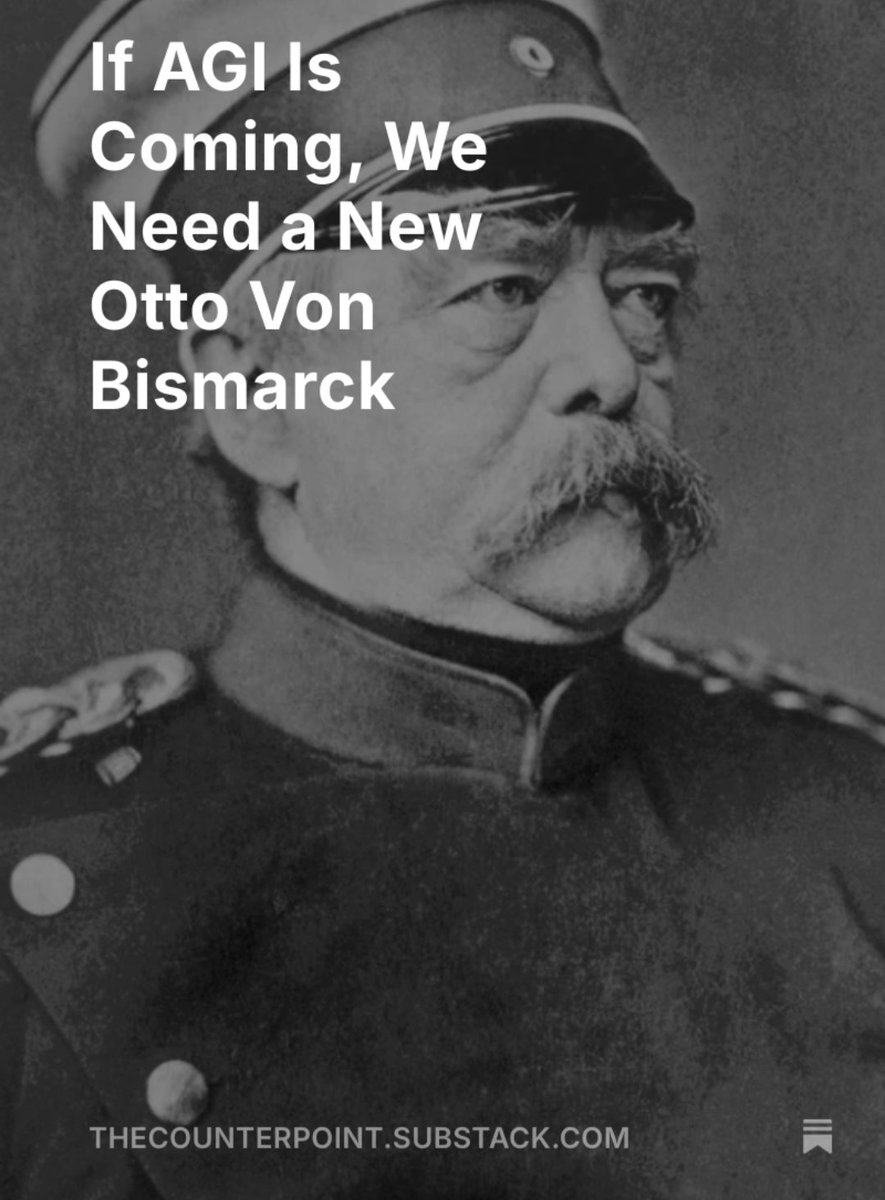
Otto von Bismarck is one of the most impactful people to have shaped the modern world, yet few know anything about him.
I genuinely believe he is one of the most important figures for our age.
Why? Because of artificial intelligence.
Link below:
4
3
27
15,493
I, personally, would consider it immoral for myself to be worth a trillion dollars.
But that doesn't stop me from also believing that, generally, it's possible for a person to ethically create a trillion dollars of value & retain it.
And both are separate from ideal tax policy!

There is no way to morally justify having a trillion dollars
6
13
1,931
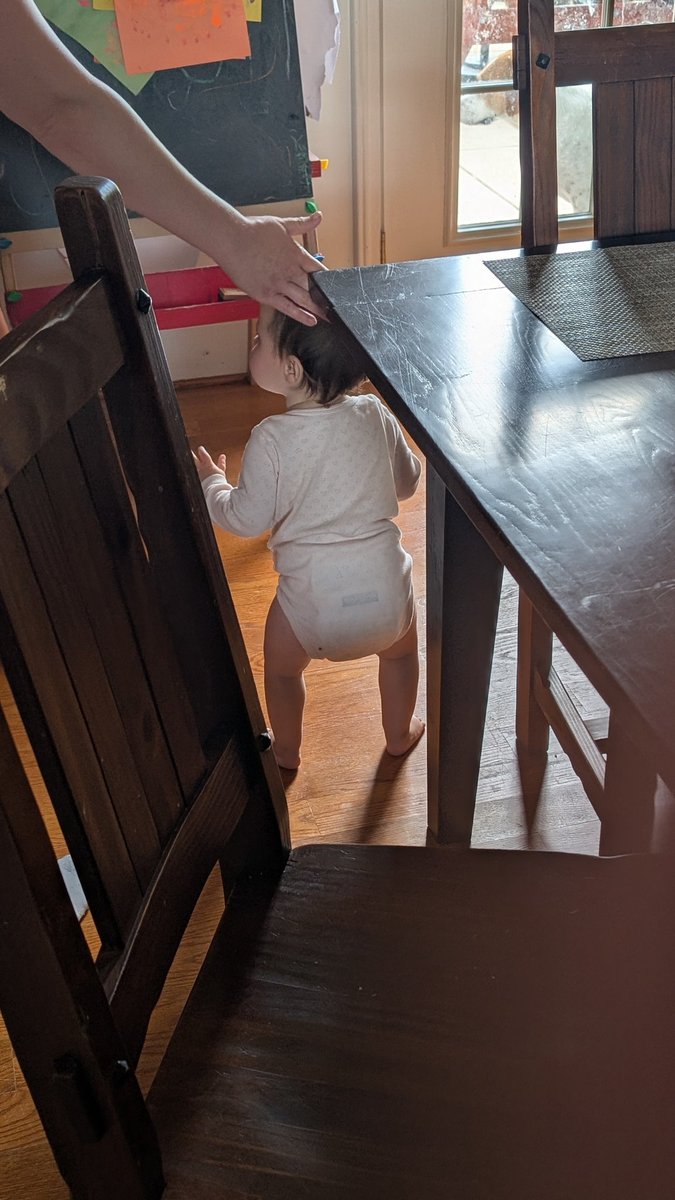
Houston, we have fully-balanced, independent standing!
Look at that pro hand placement by my wife.
2
18
648
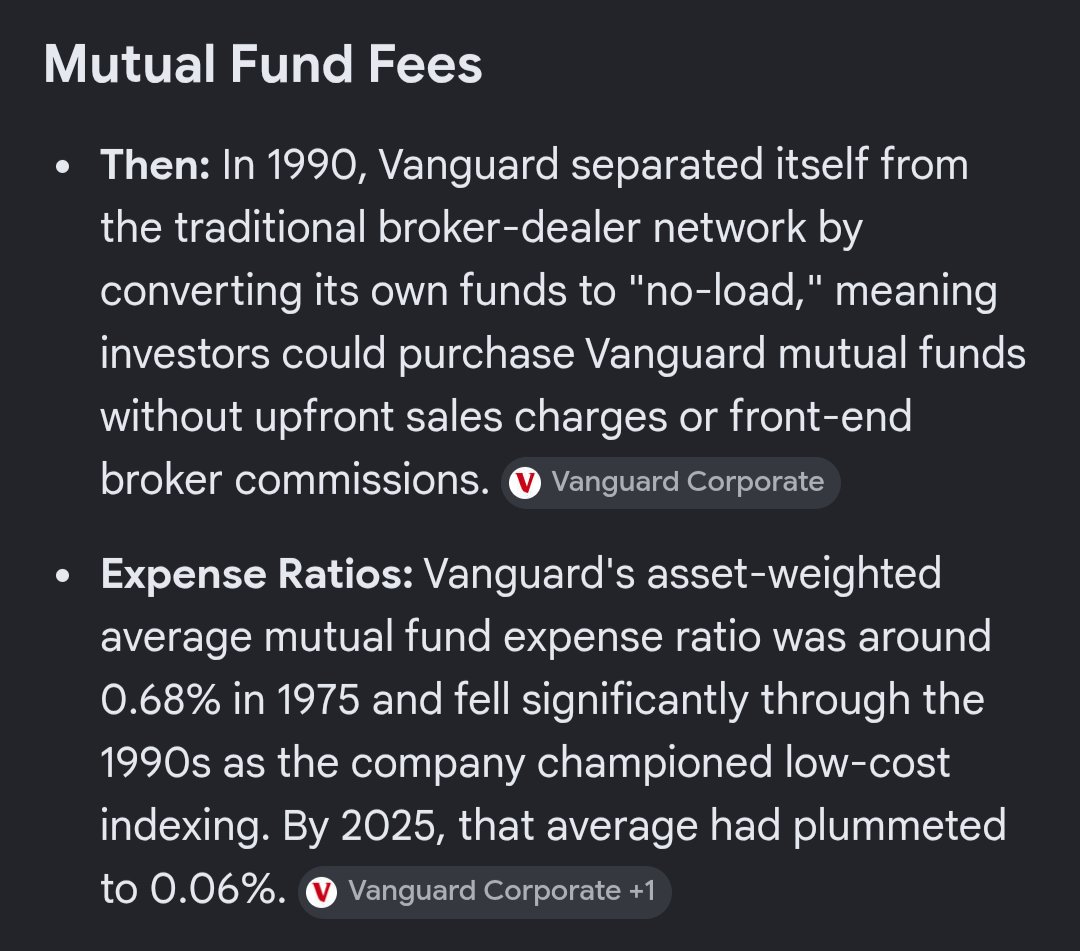
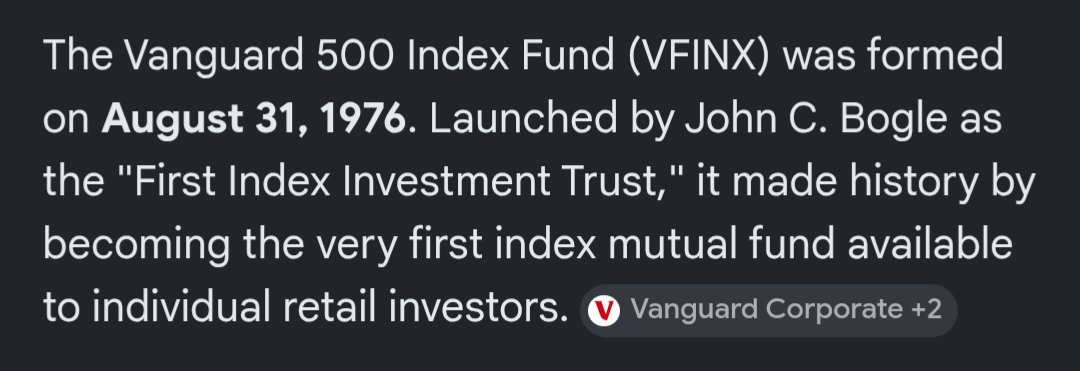
If you put $100/month into the S&P 500 since 1990, you'd have ~$350,000.
Jun 12

I am 52 years old. I have been working since I was 15 years old. I have no savings, no retirement, and will never own a home before I die.
And there is now a trillionaire.
53
51
5,345
730,640
Patrick Heizer retweeted

Tragic when a parent conflates their role with that of a critic. Conflating the practice of a thing, with the practice of practice.
You are held up lovingly inside the frame of a child’s whole world, and you spurn that? The issue isn’t lack of skill it’s lack of reception.
Jun 13

idk why we're expected to lie to kids. like it's very obviously not a good drawing. i know that, im pretty sure he knows that. why would i lie to his face, just because he's 5? if anything it's more important to tell him the truth now so that he has time to get better at it
2
40
2,110
Then you have the idiots like me who work on next-gen GLP-1s and cardiovascular disease during the day, but own and operate a permaculture farm during nights and weekends.
Probably would've just been better to go "all in" on one path.
Jun 12

All of my smartest friends are either
> doubling down on AI and starting companies to create generational wealth as soon as possible
> taking their money to buy piece of land in the middle of nowhere and walking away from society as a whole
Nothing in between

4
7
2,871
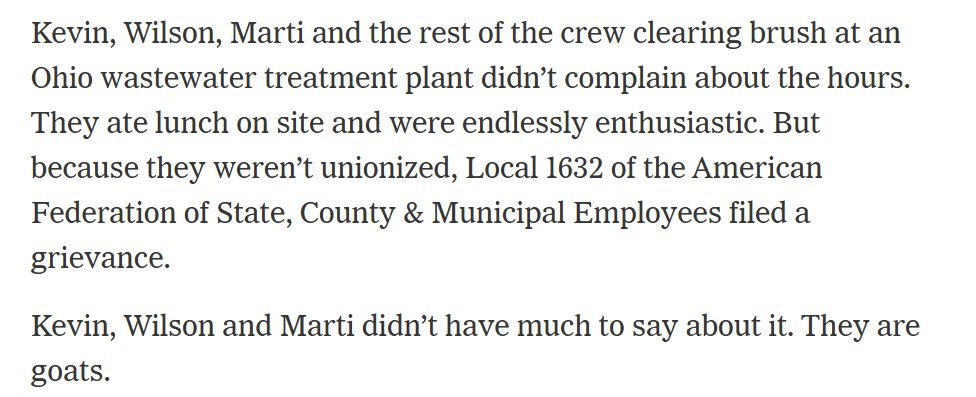
Saving this for my recurring "unions are the problem" bit.

3
13
466
20,908
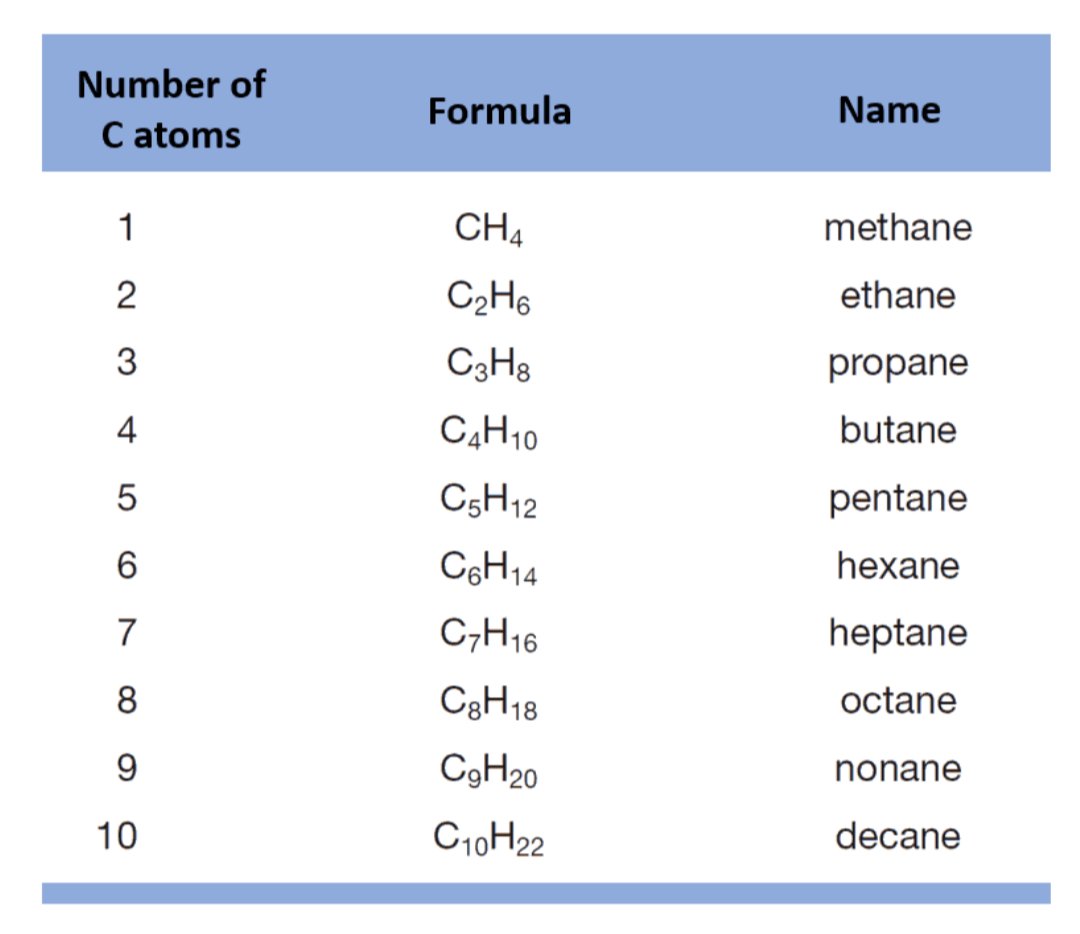
Know your straight-chain alkane nomenclature:
Jun 13

I’m gonna be honest, I don’t really understand what propane is.
4
1
15
1,152
1) Essentially no one supports pure "Capitalism" or pure "Socialism." The argument is over how much of each society should have and in which sectors.
2) It's clear that more socialized healthcare systems produce better results. The US should have some form of universal healthcare (I'd prefer a Bismarckian system).
3) Advocating for universal healthcare isn't mutually exclusive with a general support of capitalism, just as using my local library doesn't mean I can't use Amazon, or how every developed nation (except for the US) has both universal healthcare and a stock market.
Jun 12

Capitalism is better than socialism because one man gets to be a trillionaire instead of everyone having healthcare
18
6
60
6,849
Short, witty, but wrong (so far) prediction: ~80k views, ~1,800 likes
Longer, 'here's what I got wrong' analysis: ~600 views, 3 likes
So is the way with this site, I expected nothing less, but I'll still lament every time.
Jun 12

While I don't think the Strait of Hormuz crisis is "over," with (the latest) deal announcement and today's SpaceX IPO, it seems a good day for a retrospective on this, which has obviously been wrong, at least so far.
1) Inventories and inventory releases: I underestimated both how high global inventories were before the war and also how quickly global reserves would be released. Not only did we start 2026 with very high global inventories (notable, many current oil bulls were bearish pre-war, e.g. Rory Johnston), but The United States, Japan, China, and many more have released hundreds of millions of barrels from strategic reserves. This has helped 'bridge the gap' between the closure and a potential reopening.
2) Le Chatelier effects: whether it was pipelines that had been previously built to route Gulf oil away from Hormuz, the rise of the US petroleum and natural gas industries, or actions by various countries to begin demand destruction, the global energy market has shown much more resilience than I expected. Humanity has succeeded because of our ability to adapt and here, we've done it yet again.
3) The AI capex boom: It was often lamented how large cap companies were purely rewarding shareholders with capital returns, but now, because of the AI infrastructure buildout, they've turned to injecting literally nearly a trillion of dollars into the real economy. The hyperscalers alone are spending hundreds of billions on capex that is flowing from everyone to peripheral technology companies (Cisco, Marvel, Corning, etc.), infrastructure players (Caterpillar, etc.), to laborers (electricians, etc.). Moreover, the wealth effect from the boom in the associated stock prices seems to be real, helping to fuel consumer spending, at least in the upper part of the "K-shaped" economy.
4) The American consumer and psychological shifts: Though inflation is increasing, we may be at the start of a critical psychological shift. The first inflation wave of ~2022 was new; consumers pulled back, "transitory" made some sense, etc. But now that we're seeing a second wave, perhaps the American consumer is just going "all in," accepting that the economy is going to run hot. Consider the rise of the 'gambling/risk' mentality that has so often been written about combined with the rise in the stock market and AI boom is giving people more chips to play. "If you can't stand the heat, get out of the kitchen." It seems Americans are indeed standing the heat.
Now, as I've alluded to in the opening segment, I don't think this crisis is over. Even if the Strait opens immediately, it will take time to get the petroleum products flowing. This will be compounded by the fact that global inventories will have to be refilled while damaged energy infrastructure has to be rebuilt. I believe that this will keep physical energy prices 'much higher for much longer' than pre-war levels. This will continue to place proverbial sand in the engine of the gears of the global economy, as energy prices are an input into everything, feeding into global inflation which central banks will have to respond to with interest rate hikes.
How resilient will the global economy continue to be in the face of this? I would be lying if I said that I wasn't slightly-to-moderately bearish, but hey, I've been wrong before, see the quoted tweet.
Apparently, the Spice didn't need to flow (at least as much, at least for now).
1
8
531
Jun 6
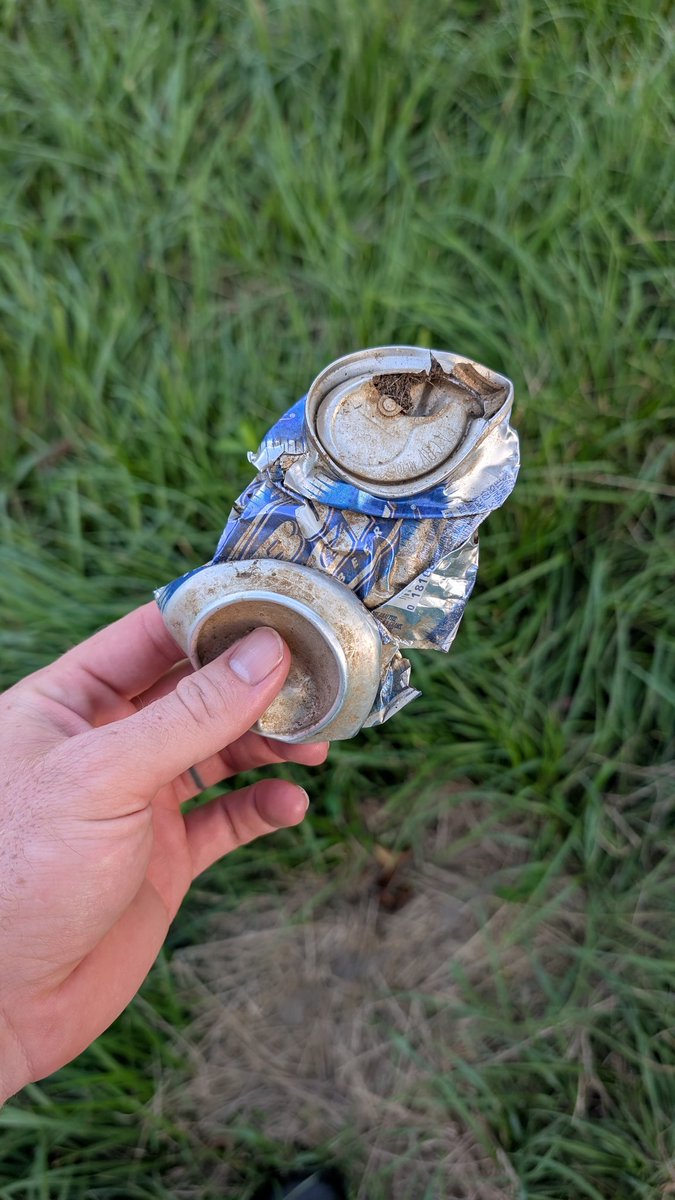
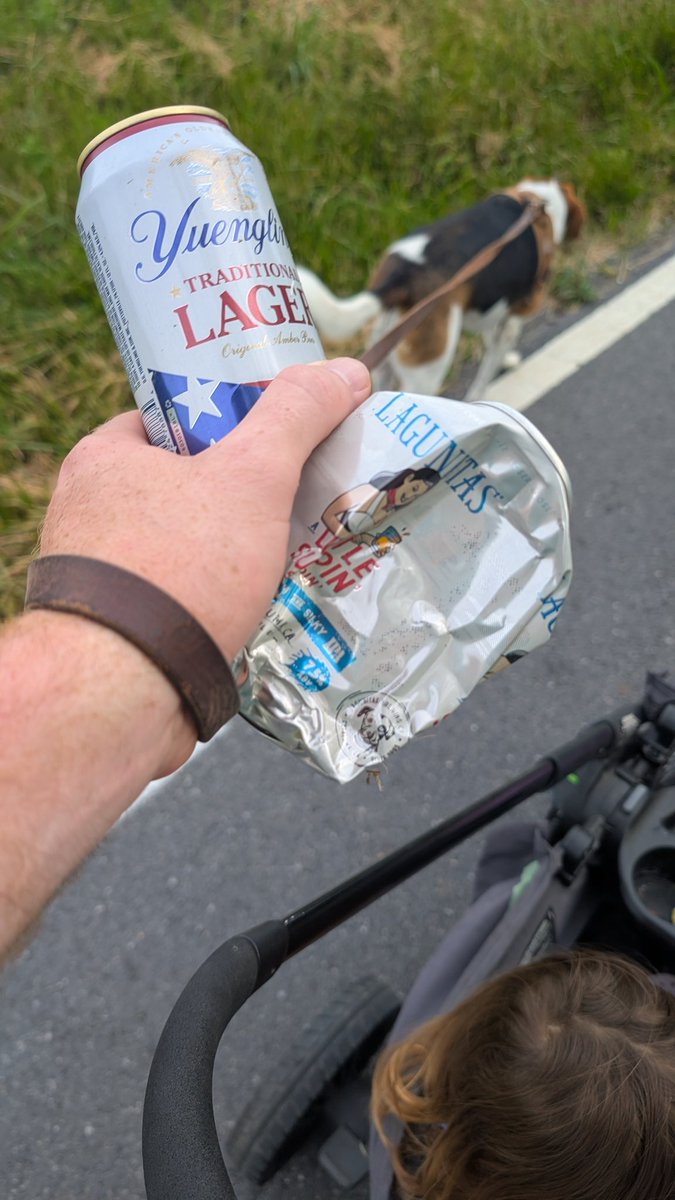
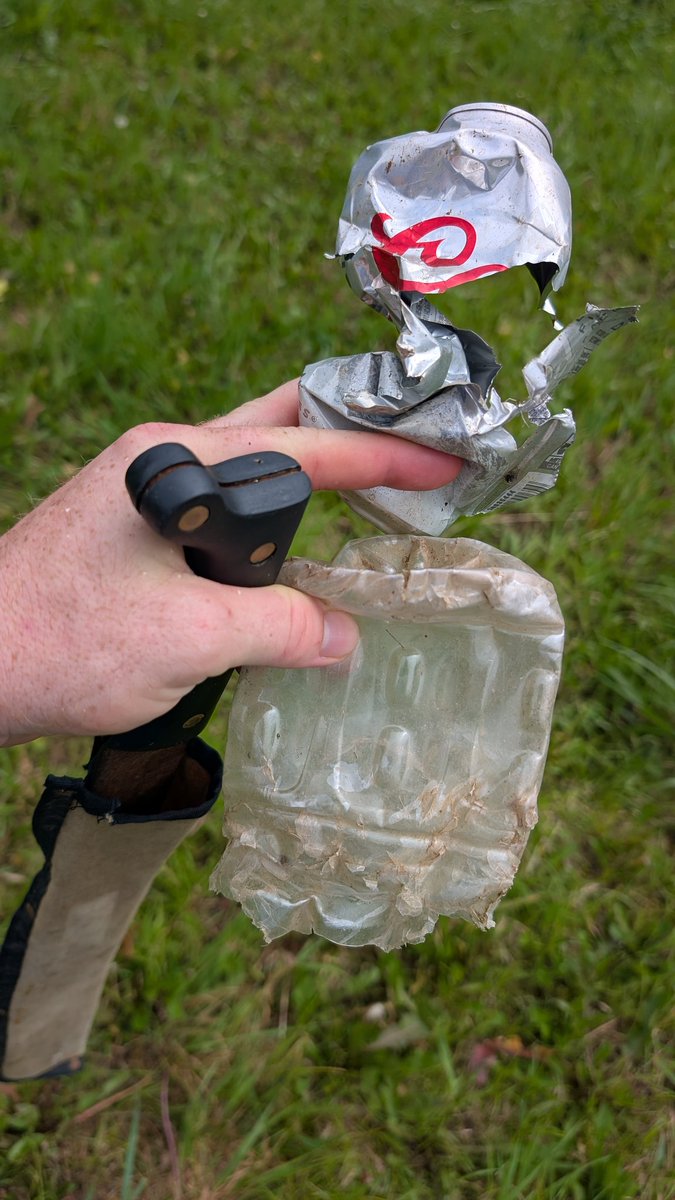
Last year, I started this thread and got up to 79 cans.
New growing season, new thread. Cans littered in front of the farm, 2026 edition:
Can count: 2
1
1
20
3,041
Jun 12
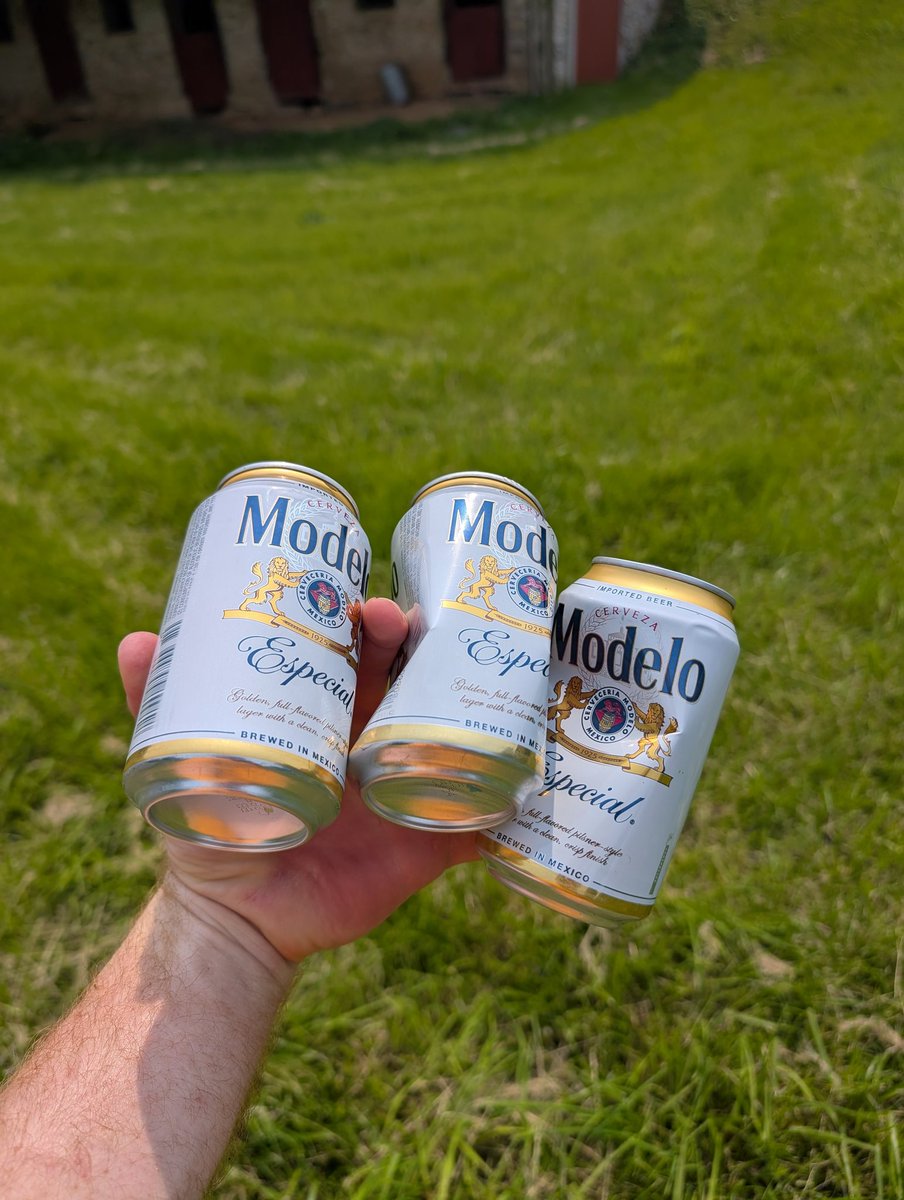
Cans littered in front of the farm, 2026 edition:
Can count: 6
98
Jun 12
My absolute best financial advice:
Win your county's Grand Champion steer in 2008 & invest all the proceeds into the market at a generational bottom.
Then forget about it until you propose to your college sweetheart.
Skip the wedding and marry her on the beach.
Worked for me.
Jun 12

The absolute best financial advice I can offer, solely because it's what I did (and have recently started again):
Open an online investment account.
Set a baseline number for your checking account
Any time you get paid, move all money in excess of that number into investments.
1
10
1,206
Jun 12
This is a truly absurd criticism. @elonmusk has solved more real world problems than essentially anyone.
While Bezos is sailing his yacht, Musk is simultaneously running Tesla, SpaceX, Starlink, to name just a few.
His pinky has solved more real world problems than Zuckerberg.
Jun 12

I really don’t understand true greed. If I was worth $1 trillion, you’d have to physically stop me from solving as many of the world’s problems as possible.
Everyone would have a home, food on the table, proper healthcare, happiness.
I just don’t get it.
6
1
21
1,842
Jun 12
Listen, I, personally, could never be even a billionaire. I'd fund so many awesome people and projects.
But Musk is literally the last person on the Forbes that you should accuse of not solving problems.
1
5
392
Jun 12
I just took both girls to a pediatric appointment. They were busy and we had to wait over an hour.
~75% of parents spent essentially their entire wait on their phones, ignoring their kid.
C'mon parents, do better.
11
2
101
8,790


Jun 12
Eating kiwis with the skin is the first step.
But do you have the courage to eat the entire strawberry?
Jun 11

Years ago a guy told me he eats kiwi with the skin on because the skin is loaded with nutrients. I thought he was out of his mind. Tried it once and never went back. Skin on kiwi is the move and I will not be taking questions.

4
7
1,887
Jun 12
While I don't think the Strait of Hormuz crisis is "over," with (the latest) deal announcement and today's SpaceX IPO, it seems a good day for a retrospective on this, which has obviously been wrong, at least so far.
1) Inventories and inventory releases: I underestimated both how high global inventories were before the war and also how quickly global reserves would be released. Not only did we start 2026 with very high global inventories (notable, many current oil bulls were bearish pre-war, e.g. Rory Johnston), but The United States, Japan, China, and many more have released hundreds of millions of barrels from strategic reserves. This has helped 'bridge the gap' between the closure and a potential reopening.
2) Le Chatelier effects: whether it was pipelines that had been previously built to route Gulf oil away from Hormuz, the rise of the US petroleum and natural gas industries, or actions by various countries to begin demand destruction, the global energy market has shown much more resilience than I expected. Humanity has succeeded because of our ability to adapt and here, we've done it yet again.
3) The AI capex boom: It was often lamented how large cap companies were purely rewarding shareholders with capital returns, but now, because of the AI infrastructure buildout, they've turned to injecting literally nearly a trillion of dollars into the real economy. The hyperscalers alone are spending hundreds of billions on capex that is flowing from everyone to peripheral technology companies (Cisco, Marvel, Corning, etc.), infrastructure players (Caterpillar, etc.), to laborers (electricians, etc.). Moreover, the wealth effect from the boom in the associated stock prices seems to be real, helping to fuel consumer spending, at least in the upper part of the "K-shaped" economy.
4) The American consumer and psychological shifts: Though inflation is increasing, we may be at the start of a critical psychological shift. The first inflation wave of ~2022 was new; consumers pulled back, "transitory" made some sense, etc. But now that we're seeing a second wave, perhaps the American consumer is just going "all in," accepting that the economy is going to run hot. Consider the rise of the 'gambling/risk' mentality that has so often been written about combined with the rise in the stock market and AI boom is giving people more chips to play. "If you can't stand the heat, get out of the kitchen." It seems Americans are indeed standing the heat.
Now, as I've alluded to in the opening segment, I don't think this crisis is over. Even if the Strait opens immediately, it will take time to get the petroleum products flowing. This will be compounded by the fact that global inventories will have to be refilled while damaged energy infrastructure has to be rebuilt. I believe that this will keep physical energy prices 'much higher for much longer' than pre-war levels. This will continue to place proverbial sand in the engine of the gears of the global economy, as energy prices are an input into everything, feeding into global inflation which central banks will have to respond to with interest rate hikes.
How resilient will the global economy continue to be in the face of this? I would be lying if I said that I wasn't slightly-to-moderately bearish, but hey, I've been wrong before, see the quoted tweet.
Apparently, the Spice didn't need to flow (at least as much, at least for now).
Mar 30
Feels like I'm living in the Twilight Zone.
If the Strait isn't opened within two or three weeks, a global depression is coming.
Petroleum enables modern life. The Spice must flow.
2
9
1,325