We share stories on trailblazing founders on building healthcare businesses from 0 to 1. Hosted by @pearvc, @vivho, @parambathandrew and @lpanda2014
Joined March 2022
- Tweets 399
- Following 600
- Followers 430
- Likes 1,208
4 Photos and videos
Pear Healthcare Playbook retweeted

24 Jul 2025
What a top VC thinks is overhyped and underhyped in healthcare:
This week on How I Doctor, Offcall co-founder Dr. @grahamwalker, MD, sits down with Rebecca Mitchell, a San Francisco-based physician and the co-founder of Scrub Capital.
Scrub Capital is an innovative new venture firm built around a bold premise: Give clinicians a seat at the table and on the cap table! Alongside partners Christina Farr and Jonathan Slotkin, Rebecca has brought together over 800 physicians, nurses and frontline clinicians to fund companies that solve real (often unsexy) problems in healthcare that clinicians actually care about.
In the episode, Rebecca and Graham dive into:
👉 The founding story of Scrub Capital
👉 Who Scrub's LPs are and how other clinicians can get involved
👉 Scrub's unique value add to founders and the benefits of having more clinicians on their cap table!
👉 A rapid-fire breakdown of the biggest trends shaping medicine — from AI to GLP-1s, fertility, psychedelics, and more.
Physicians, if you’re ready to break into venture capital, if you're founding a company, or if you just want to make sense of medicine's biggest buzzwords, this episode is for you.
🎧 Listen to the full episode of How I Doctor now on your favorite podcast app or click here: offcall.com/learn/podcast/cl…
And drop your thoughts below. Do you agree with Rebecca on what is overhyped or underhyped in healthcare?
#HowIDoctor #PhysicianInnovation #PrimaryCare #HealthcareTech #Offcall #PhysiciansFirst #DoctorsDeserveBetter #MedicalAI #GLP1s #HealthEquity
3
6
3,040
Pear Healthcare Playbook retweeted

24 Jul 2025
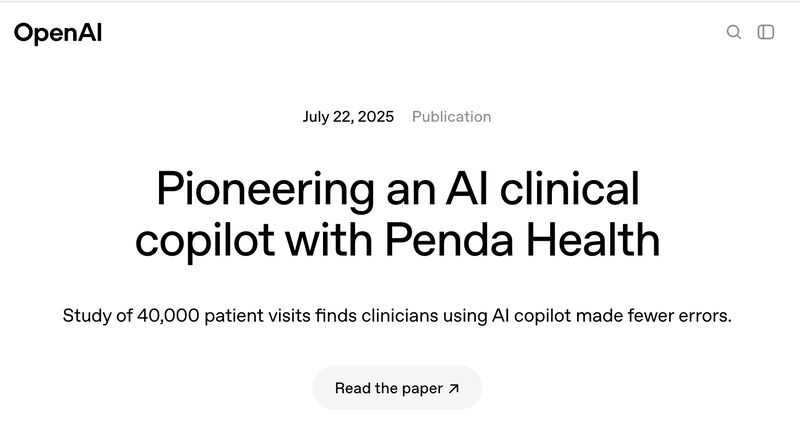
A new study from OpenAI & Penda Health shows an AI copilot (GPT-4o) cut diagnostic errors by 16% and treatment errors by 13% across 40K live visits.
First real-world, prospective evidence that LLMs can reduce clinical errors -- safely and at scale
5
13
86
6,824

Just dropped a 🔥 episode of the @PearHealthPod w/ Dr. @alikhan28, CMO at @Aetna/@CVSHealth Medicare. We dive into scaling VBC, full-risk contracting, AI ops, startup pitfalls & more. If you’re building in healthcare, don’t miss this.
Link in comments 🎧
2
3
7
1,086
Pear Healthcare Playbook retweeted
26 Mar 2025
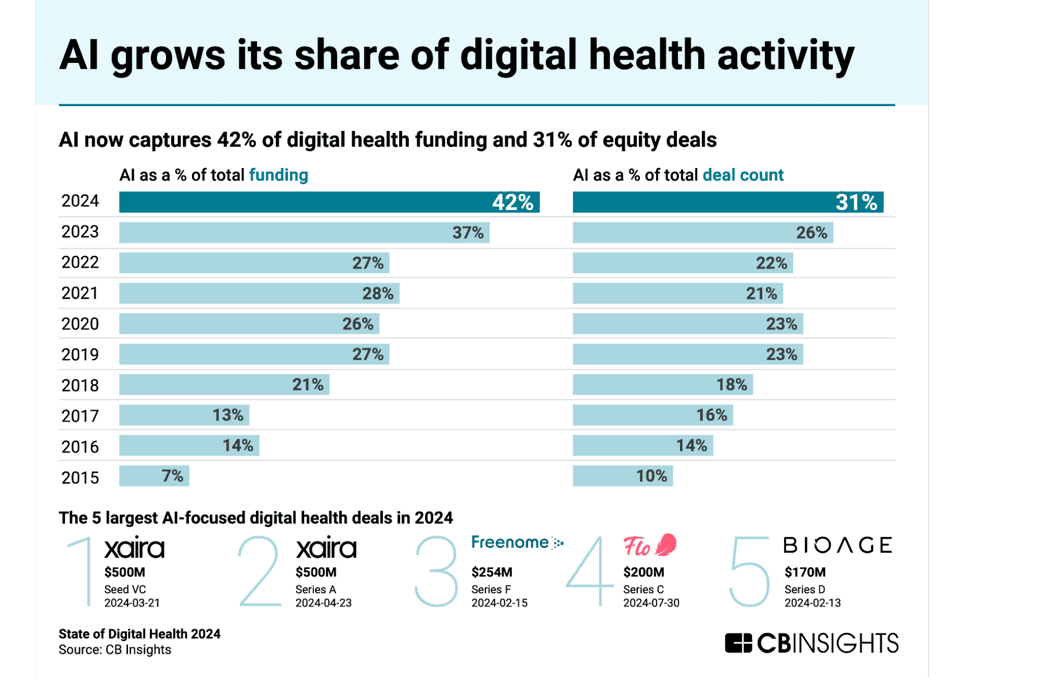
AI’s share in healthtech funding is growing
In 2024, AI-focused companies captured 42% of digital health funding and 31% of deals — both record highs
3
8
42
2,852

BREAKING: Osmind Psychiatry Collective Opens to All Mental Health Clinicians
Osmind is expanding our community beyond EHR users. The “Psychiatry Collective” is now open to all verified mental health clinicians and practice owners.
"We're about halfway up the mountain," explains Osmind Cofounder & CEO, Lucia Huang. "Like oncology decades ago, psychiatry is evolving from subjective assessments toward more precise, objective measurements of mental health."
Every day brings new research, treatments, and care approaches.
The problem? It's impossible to keep up with it all alone.
The Osmind Psychiatry Collective is a community to learn, connect, and grow:
-Verified treatment-specific spaces for Spravato®, TMS, and ketamine -modalities
-20 expert-designed clinical templates and protocols
-10-minute research digests that turn complex studies into actionable insights
-Private Practice Vault with resources medical school never gave you
-Direct access to experts in the field via live and recorded events
Don't miss this opportunity to join thousands of verified clinicians within the Psychiatry Collective—free for a limited time ($120 annual value): osmind.org/blog/welcome-to-t…
2
3
172

$LLY lowering the price of the vials! $349 for 2.5 and $499 for higher doses on monthly orders. Big win for patients!
Also… they’re in stock (always have been since launch).
Proud to offer seamless access via @Ro in unique integration with @EliLillyandCo
8
6
36
64,023
(NEW DATE - 3/5) Want to explore your options beyond traditional private practice?
Here's what you'll learn in our free fireside chat with two psychiatrists who've built successful practices through different paths:
-Evaluating your options: private practice, private equity and venture-backed interventional groups
-Real stories of starting, growing, and evolving independent practices
-Challenges, pivotal moments, and lessons learned along the way
-Dos & don'ts for evaluating external investment opportunities
-Live Q&A on building your path to independence
Dr. William Sauvé, MD scaled Virginia Interventional Psychiatry from solo practice to becoming part of Greenbrook TMS's national network.
Dr. Carlene MacMillan (@CarleneMac), MD, FCTMSS,DFAACAP sold her prior interventional practice and built Fermata from scratch into a pioneering center for innovative treatments that is scaling nationally.
Join them for candid insights on choosing your path to independence.
When: Wednesday, March 5th at 2 pm PT / 5 pm ET (will be recorded)
Register:
osmind-org.zoom.us/.../WN_-W…
1
2
188
Pear Healthcare Playbook retweeted

25 Feb 2025
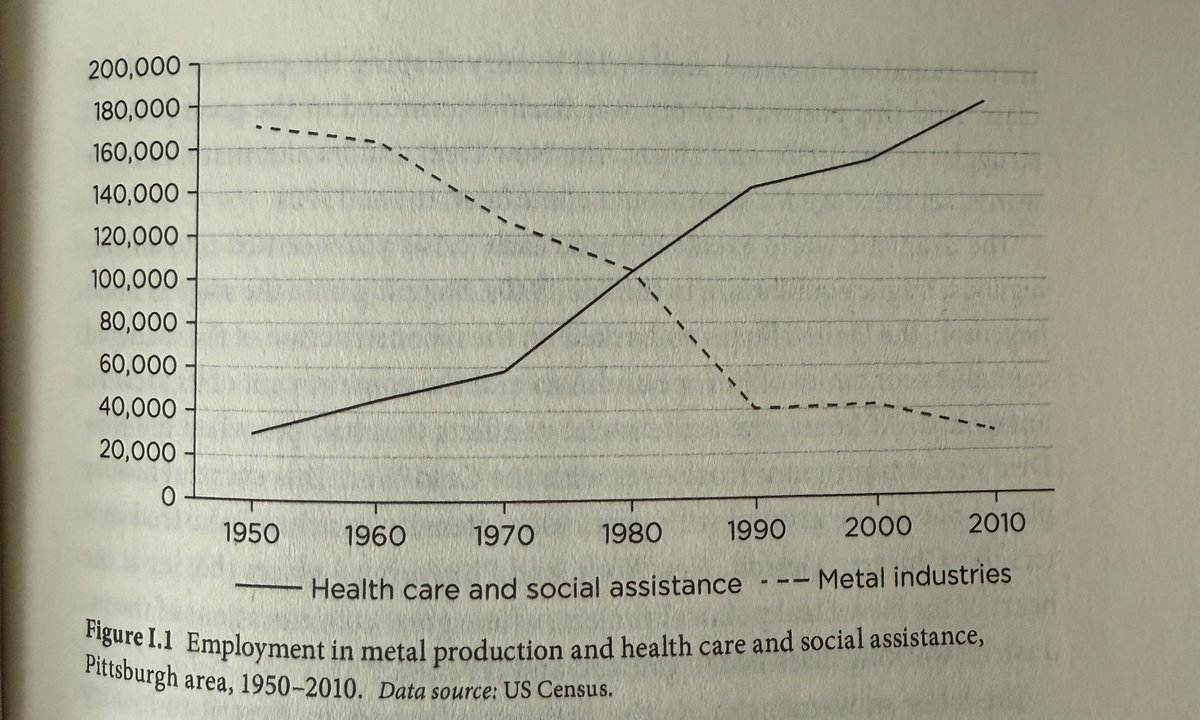
someone once said this to me and it stuck in my mind - “when you look at US healthcare as a jobs program to replace manufacturing, everything starts making sense when it comes to political decisions”
13
39
310
32,794
Pear Healthcare Playbook retweeted

24 Feb 2025
This is a bad explanation. To be sure, I think the system is intransparent and full of middlemen needlessly taking margin. But this explanation is naive and effectively incorrect. The way this really works takes some brain to understand though.
- For generic drugs, the pharmacy contract between PBM and insurer is based on an annual "effective rate" that is a percentage of AWP (let's say it's AWP minus 85%). AWP is "average wholesale price", but it's really list price, it's not an average nor is it wholesale, it's just what's reported by the manufacturer to an insurer's data vendor.
- The PBM makes the insurer whole at the end of the year if they undershoot the discount. I.e., if at the end of the year the insurer's claims are AWP -84%, they will cut a check for 1% of the aggregate AWP.
- This means it doesn't matter to the insurer how any given prescription drug claim is priced, because if they make one drug more expensive they have to make other drugs less expensive.
- This particular drug has a wild discrepancy between its actual acquisition cost (which keeps going down) and its list cost, which leads to this perverse seeming result.
- BUT! That result doesn't make the insurer or the PBM any more or less money because our contractual arrangement isn't tied to the actual acquisition cost.
- Could we run the whole system on actual acquisition cost? Sure, but you'd just end up underwriting all the new contracts in such a way that the insurer and the PBMs and the pharmacies would still make the same amount of money, we're just allocating it differently at a drug level.
- In other words, this guy picks one random drug where the list price to acquisition delta is large; but the entire system runs only on baskets of these drug deltas, and if you squeezed on this one end, it would just pop out elsewhere. It's like Walmart negotiating a set of prices with one manufacturer, say, Nestle, for all of Nestle's products that they purchase from them, only to then say "but you gave that one obscure cocoa cheaper to Kroger". To which Nestle would say, sure, but you still came out ahead of Kroger because I gave you all those other discounts, so you can't look at it in isolation.
That is NOT to say that drug pricing might be too high; or that certain drugs are ineffective relative to their pricing; or that there are too many middlemen; or that it should take a computer science degree to figure out how this works.
Perhaps the one lesson here is that simple truths in healthcare are often simple, and also wrong
9
6
39
6,019

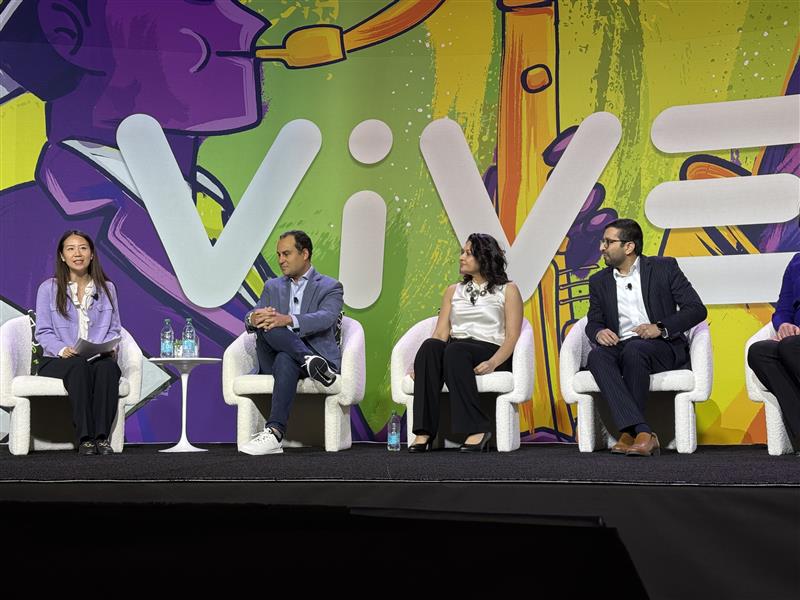
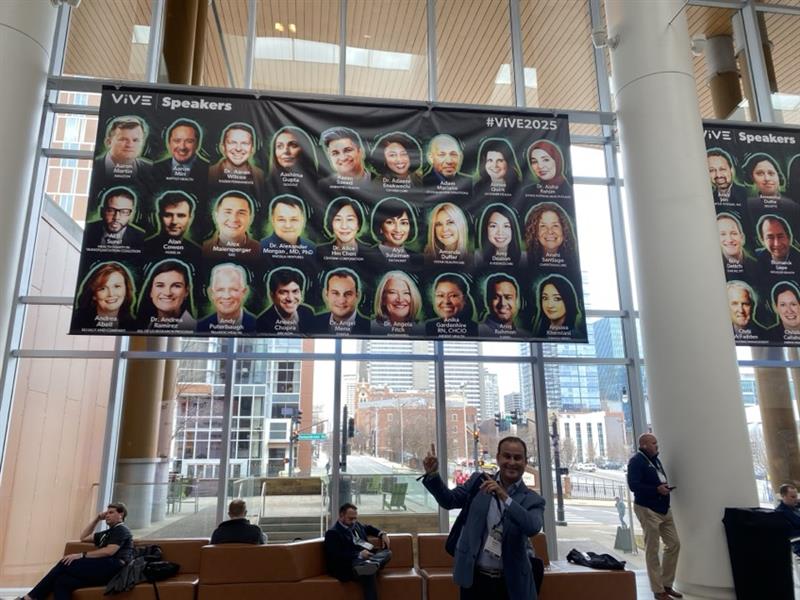
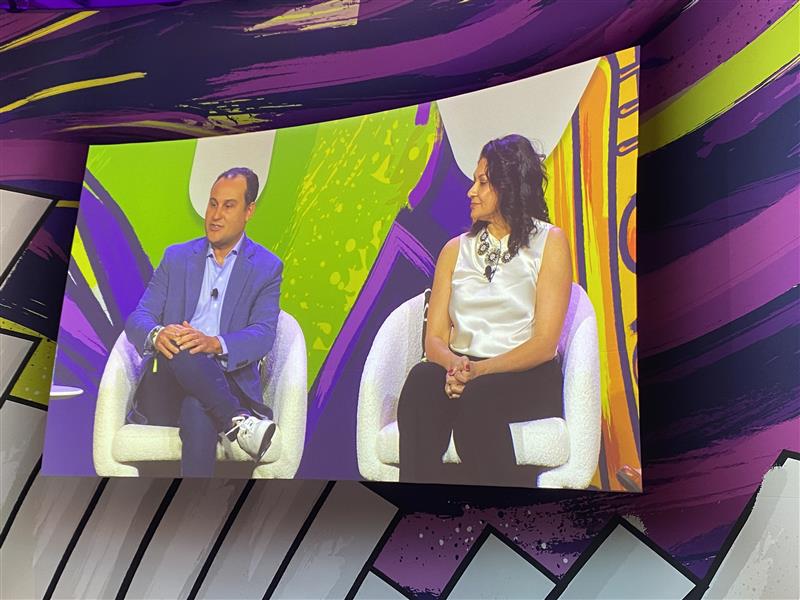
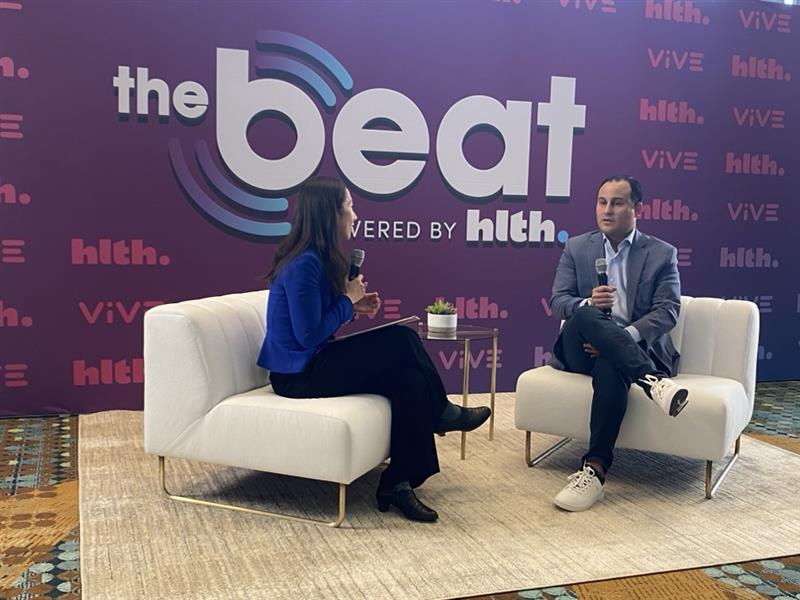
Our CMO @angeljaviermena took the stage at @theviveevent with industry leaders from @pearvc, @CedarsSinai, @TGHCares & @Color! Key takeaway? #AI isn’t a fix-all—clean, standardized data & strong governance are critical. Let’s discuss at booth #1348! #ViVEWithsymplr #ViVEvent
4
10
557

For our 3rd installment of "Healthcare in a Post-LLM World": Dr. @malagappan, CEO of @CounselHealth, has built a 24/7 superhuman "doctor in your pocket", an LLM-powered implementation of the long-studied physician-in-triage (PIT) concept, but highly scalable, and designed for the masses.
Muthu discusses how Counsel's new care model enables consumers to unlearn the traditional notion that doctors' time is so scarce and precious that they should only contact them when things get really bad... Counsel's physicians are there to answer any and all medical question at any time, and can do so with high quality responsiveness because of their AI-powered "Ironman Suits" for conducting real-time triage, leveraging full patient history and context, synthesizing insights from the entire corpus of medical literature and evidence-based guidelines, and applying customer- and benefit design- specific protocols to deliver hyper-informed, actionable responses to the patient.
@a16zBioHealth @a16z

4
6
29
3,879
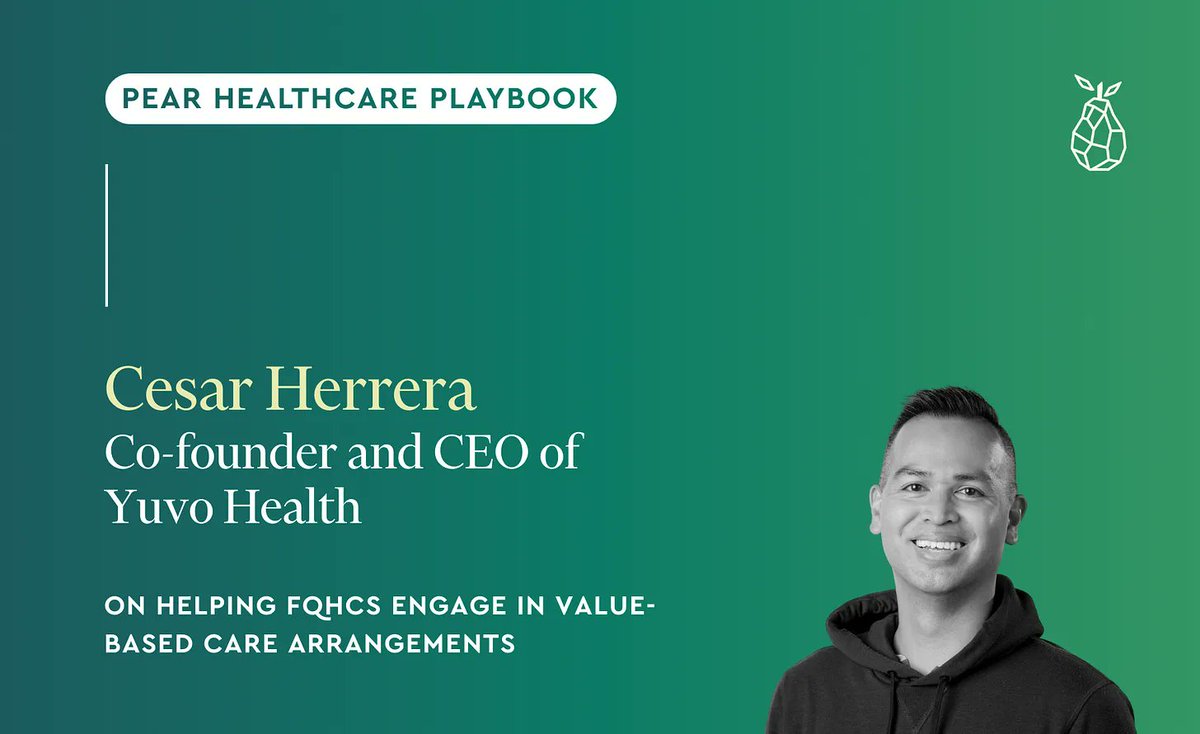
🎙️ Excited to share our latest @PearHealthPod episode as part of our Medicaid Series where @lpanda2014 interviews Cesar Herrera @YuvoHealth.
Learn how they're helping FQHCs participate in value-based care, serving 30M patients, and partnering with major payers like Centene.
1
1
4
459
Pear Healthcare Playbook retweeted

23 Jan 2025
🎙️ Excited to share our latest @PearHealthPod episode ft. Cesar Herrera of @YuvoHealth ! Learn how they're helping FQHCs participate in value-based care, serving 30M patients, and partnering with major payers like Centene. Listen here: open.spotify.com/episode/3dY…
2
5
264
Pear Healthcare Playbook retweeted
13 Nov 2024
🍐 New episode from @pearvc ! Dive into Waymark's innovative approach to Medicaid care with co-founders Afia Asamoah and Dr. Sanjay Basu. Learn how they're revolutionizing community-based care and redefining cost-effectiveness.
pearhealthcareplaybook.subst…
#Medicaid
1
1
80
Excited to feature @CounselHealth, our new @PearVC Portfolio company on the @PearHealthPod with Dr. @malagappan, CEO and Founder of Counsel Health, on defining a new healthcare paradigm in asynchronous care.
pear.vc/dr-muthu-alagappan-c…
4
8
1,838

We're so proud to share that ixlayer has announced their Complete Blood Count test with their direct-to-patient biopharma programs through ixEngage. ixLayer is paving the future for at-home testing access for patients.
Congratulations! #HLTHUSA

Today at #HLTHUSA, we announced the availability of a Complete Blood Count (CBC) test with at-home sample collection for direct-to-patient (DTP) biopharma programs. Routine CBC tests is used for asthma, heart disease, and kidney disease. #HLTHUSA2024 #hlth
ixlayer.com/complete-blood-c…
1
3
12
1,538
So excited for @pearvc to partner up with @CounselHealth and fearless leader @malagappan to give everyone that "magical" feeling of having instant medical advice from a trusted doctor 👨⚕️, similar to have a doctor in the family. Asynchronous care will be the future of how we get access to quality medical advice. Counsel is hiring incredible growth leaders and AI/fullstack engineers to build this future!
21 Oct 2024

🚀 Today, we’re introducing Counsel Health, the world’s first medical service that provides personalized, high-quality medical advice from physicians within minutes. Unlimited access to the world’s best doctors. Welcome to the new age of healthcare.
3
3
15
5,964
Pear Healthcare Playbook retweeted

21 Oct 2024
PearX Summer 2024
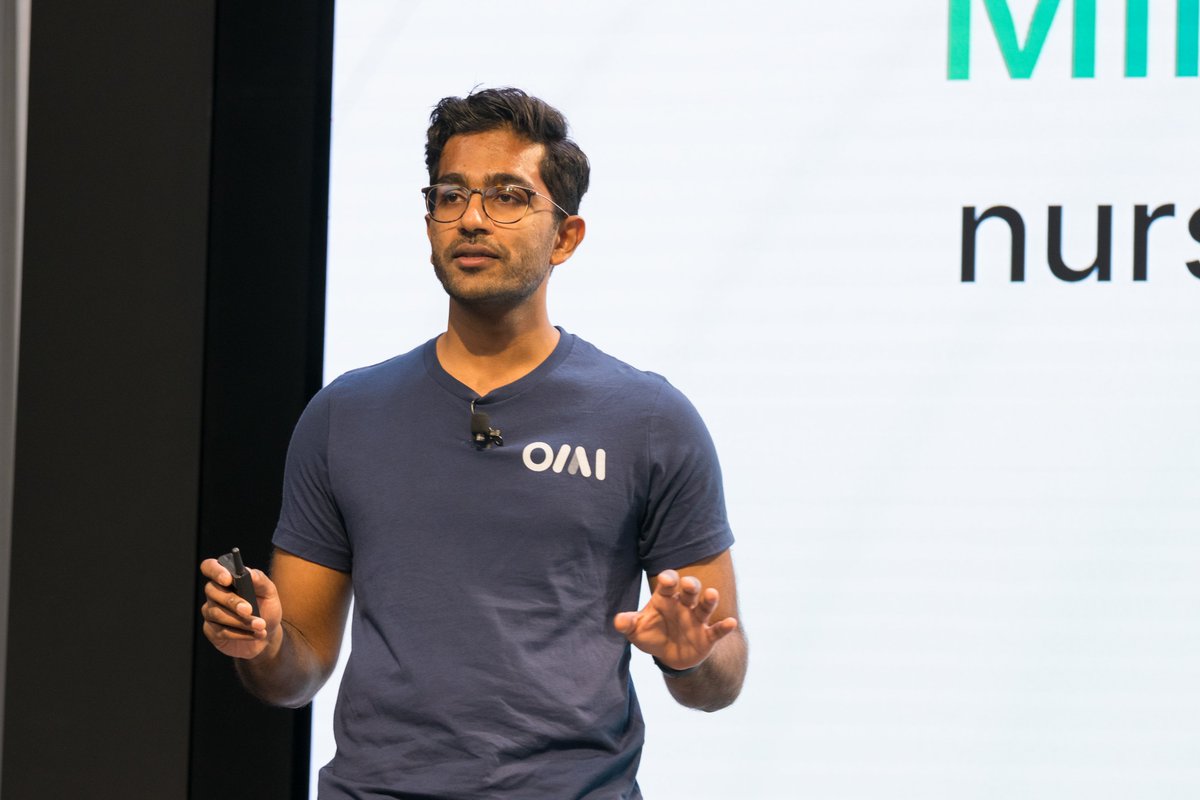
14/Omi AI
Workforce Multiplier for Healthcare
US health systems make 1.4 million daily clinical calls, costing $23B annually, to support more than 100M Americans with chronic diseases. Crippling workforce shortages make it impossible to meet this skyrocketing demand. To solve this, Omi is building a healthcare workforce multiplier, beginning by helping nurses to supervise massively parallel, voice-AI powered clinical calls.
1
2
5
1,079
📳The new fastest growing site of care is the mobile phone📳. But without AI leverage, physicians will continue to drown in their inboxes and struggle to deliver timely, actionable advice to the patients who need it between visits. @CounselHealth is defining a new provider modality to address this: "the asynchronist".
statnews.com/2024/10/04/asyn…
@malagappan @khakrish
3
9
29
15,471
Pear Healthcare Playbook retweeted

1 Oct 2024
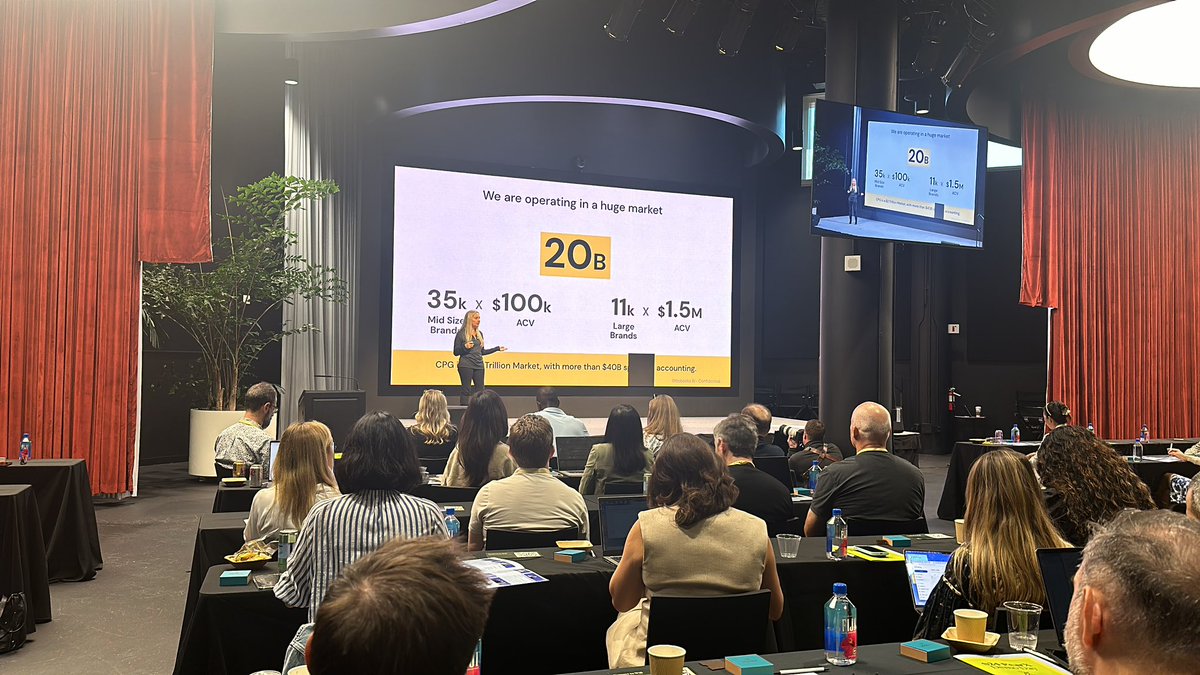
🍐 Pear Demo Day giving early YC Demo Day vibes - SF at its best
3
5
54
5,099