
Joined March 2026
- Tweets 1,375
- Following 315
- Followers 375
- Likes 665
95 Photos and videos



Pinned Tweet

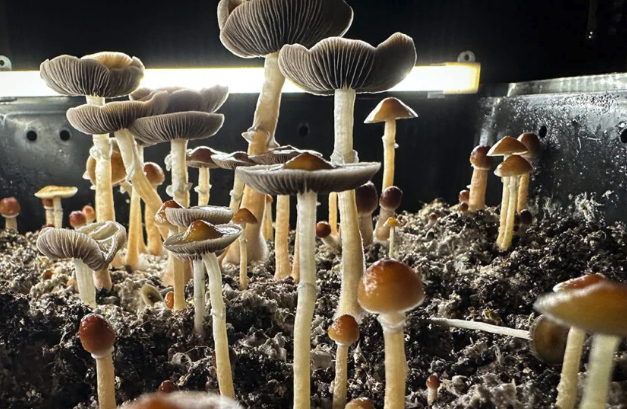
The most most clinically disregarded drug in the last 20 years - MAGIC MUSHROOMS (psilocybin)
Clinically backed use cases:
1. Treatment-resistant depression
2. End-of-life anxiety in cancer patients
3. Alcohol use disorder
4. Tobacco addiction
5. Early case-study signal in Alzheimer's
Mechanism:
- psilocybin activates 5-HT2A serotonin receptors and quiets the default mode network (Rigid patterns loosen)
- BDNF (your brain's growth factor) spikes
- New neural connections form
- Effects from one dose can last weeks to month
How to dose correctly and safely:
- A clinical or legally sanctioned setting, not recreational
- Trained therapist for preparation, the session itself, and integration afterwards
- Medical screening
- Set and setting matter as much as the molecule
The clinical results come from a controlled context
Exciting science
Jun 4

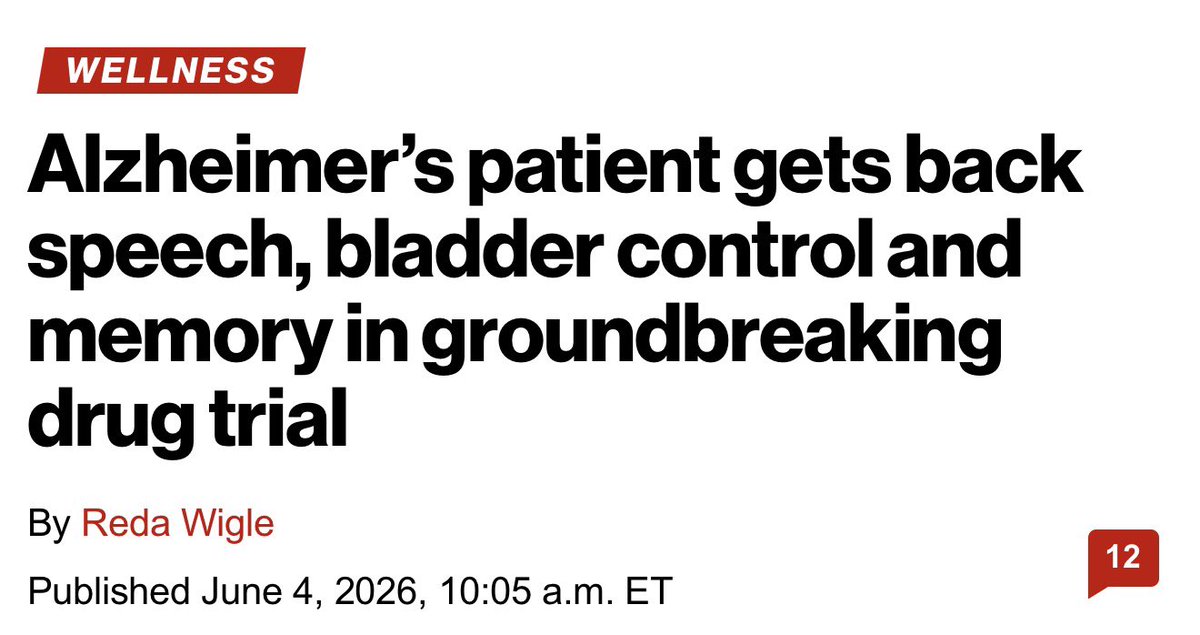
“Psilocybin, the psychedelic component of magic mushrooms, has previously been touted as an effective treatment for depression, anxiety, addiction, and PTSD — but now researchers say it has the potential to be used in Alzheimer’s intervention as well.
In this case study, published in Frontiers in Neuroscience, researchers focused on an 80-year-old Japanese American woman with Alzheimer’s. She had declined over the previous decade and was reduced to urinary incontinence, speaking in single syllables, and dependence on caregivers for mobility support and daily living.
She was then given a 5g dose of magic mushrooms.
During the initial phase, she was agitated, sweated profusely and entered a prolonged sleep state that suggested unconsciousness. But around hour 19, she began speaking in full autobiographical sentences, recalling life events she had been unable to articulate for years.
In the days and weeks that followed, more incredible changes emerged. She regained urinary continence, even in the evenings, and began dressing herself. She was able to make and maintain eye contact, remember social interactions, emotionally respond to others, and hold lucid conversations.”
1
7
44
3,907
Finnish people don't have the lowest dementia rates in Europe by accident
4-7 sauna sessions per week. 15-20 min each.
THE SAUNA PROTOCOL
🌡️ Temperature: 80-100°C (traditional Finnish, dry)
⏱️ Duration: 15-20 min per session
📅 Frequency: 4-7×/week (minimum 3× for cardiovascular benefit)
What's happening in your body:
→ Heat shock proteins (HSP70, HSP90) are upregulated
→ eNOS (endothelial nitric oxide synthase) is activated
→ Heart rate rises to 120-150 BPM
→ Growth hormone spikes 2-5× baseline
The Outcomes:
→ 4-7×/week: 40% lower all-cause mortality
→ 65% lower dementia risk
→ Cardiovascular protection rivals that of physical activity
How to sauna?
→ Hydrate 500ml before. Electrolytes after
→ Morning sauna → more stimulating
→ Evening sauna → deeper sleep
→ Don't eat 90 min before - parasympathetic conflict reduces heat tolerance
1
42
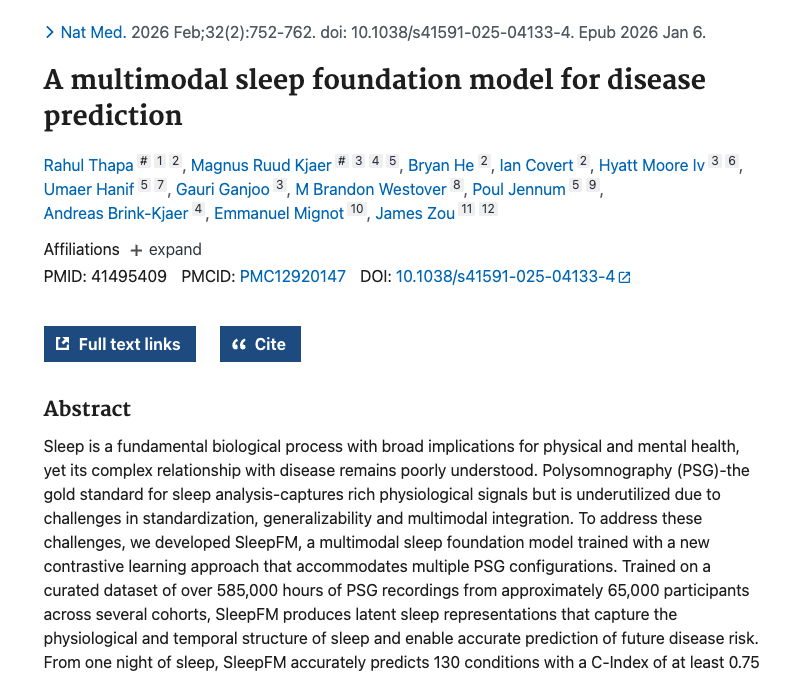
AI Can Predict Disease From One Night of Sleep?
Stanford just trained an AI on 585,000 hours of sleep data
One night of sleep. Dozens of diseases predicted.
The SleepFM model (Nature Medicine, Jan 2026) analysed polysomnography data from 65,000 people
It predicted future risk of:
→ Heart failure
→ Dementia
→ Type 2 diabetes
→ Multiple other chronic conditions
From a single night of brain activity, breathing, and heart rhythm data
What this means for you now (before the AI tools exist at scale):
→ Oura / WHOOP sleep staging is a rough proxy - track trends, not single nights
→ Deep sleep < 20% of total sleep = investigate recovery quality
→ Consistent sleep debt is a biological emergency signal, not a hustle badge
1
23
Grip strength predicts mortality better than blood pressure in some studies
Increasing grip strength takes 10 minutes a week
It's a proxy for overall neuromuscular health - nerve conduction, muscle quality, and systemic inflammation all show up in your hands first
Protocol:
🖐️ Dead hangs 2-3x/week - 60-90 sec total per session, loads forearm/shoulder tendons
✊ Farmer's carries 1-2x/week - heavy dumbbells, 20-40m, 3-4 sets. Strongest grip stimulus available
🔄 Plate pinches - optional finisher, 20-30 sec holds, 3 sets
Grip strength declines ~1.5%/year after 50 (faster than most strength measures)
Target:
- men 45-50kg
- women 30-35kg
Use a dynamometer
18
Myth: Cold plunges significantly boost testosterone
Reality: The acute spike is real, the sustained effect is not
Here's the biology:
- Cold exposure does acutely raise luteinising hormone (LH) and noradrenaline
- This triggers a small, transient testosterone increase (lasting hours, not days)
The studies showing sustained testosterone elevation?
Mostly short-duration, small sample, no control groups
Where cold exposure genuinely delivers:
→ Noradrenaline increase of 200-300%
→ Brown adipose tissue activation - increases metabolic rate
→ Dopamine sustained elevation - 2-3 hours post-exposure
→ Cold-shock protein RBM3 - neuroprotective, linked to cognitive resilience
The mechanism people should actually care about:
- Cold exposure activates AMPK and suppresses mTOR - the same longevity pathway as caloric restriction and exercise
Real protocol:
→ Søberg minimum: 11 min/week total, across 2-4 sessions
→ End on cold shower for fat-burning benefit - heat after cold blunts brown fat activation
18
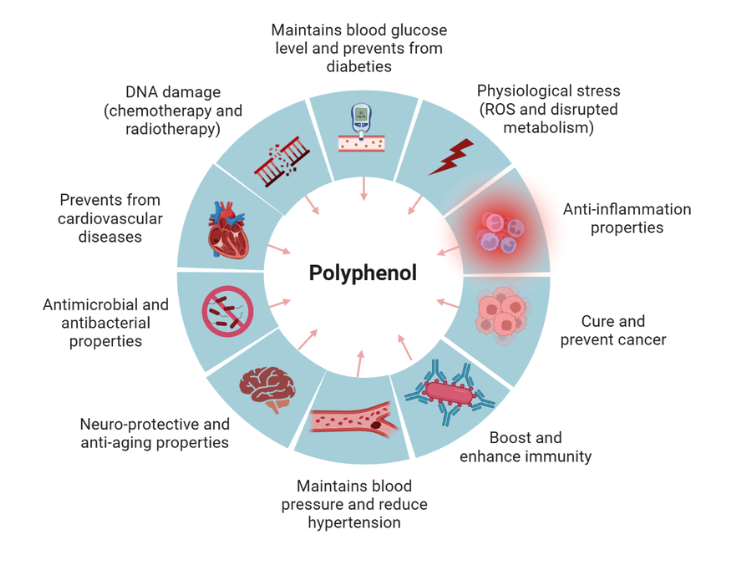
Polyphenols:
- Reduce inflammation - neutralise free radicals
- Heart protection - reducing blood pressure
- Diabetes management - mitigate insulin resistance
- Brain function
- Cancer prevention
Where to find them?
- Fruits - berries, apples, pomegranates
- Drinks: Coffee, green tea, black tea, red wine
- Pantry: olive oil, beans, dark chocolate, nuts, seeds
- Spices and herbs: cloves, peppermint, star anise

Highest polyphenol-containing foods:
1. Cloves: 15,188 mg per 100 g
2. Star anise: 5,460 mg per 100 g
3. Cocoa powder: 3,448 mg per 100 g
4. Walnuts: 2,149 mg per 100 g
5. Dark chocolate: 1,664 mg per 100 g
6. Flaxseed meal: 1,528 mg per 100 g
7. Elderberries: 1,191 mg per 100 g
* A good amount to aim for is ~2,000 mg/day
30
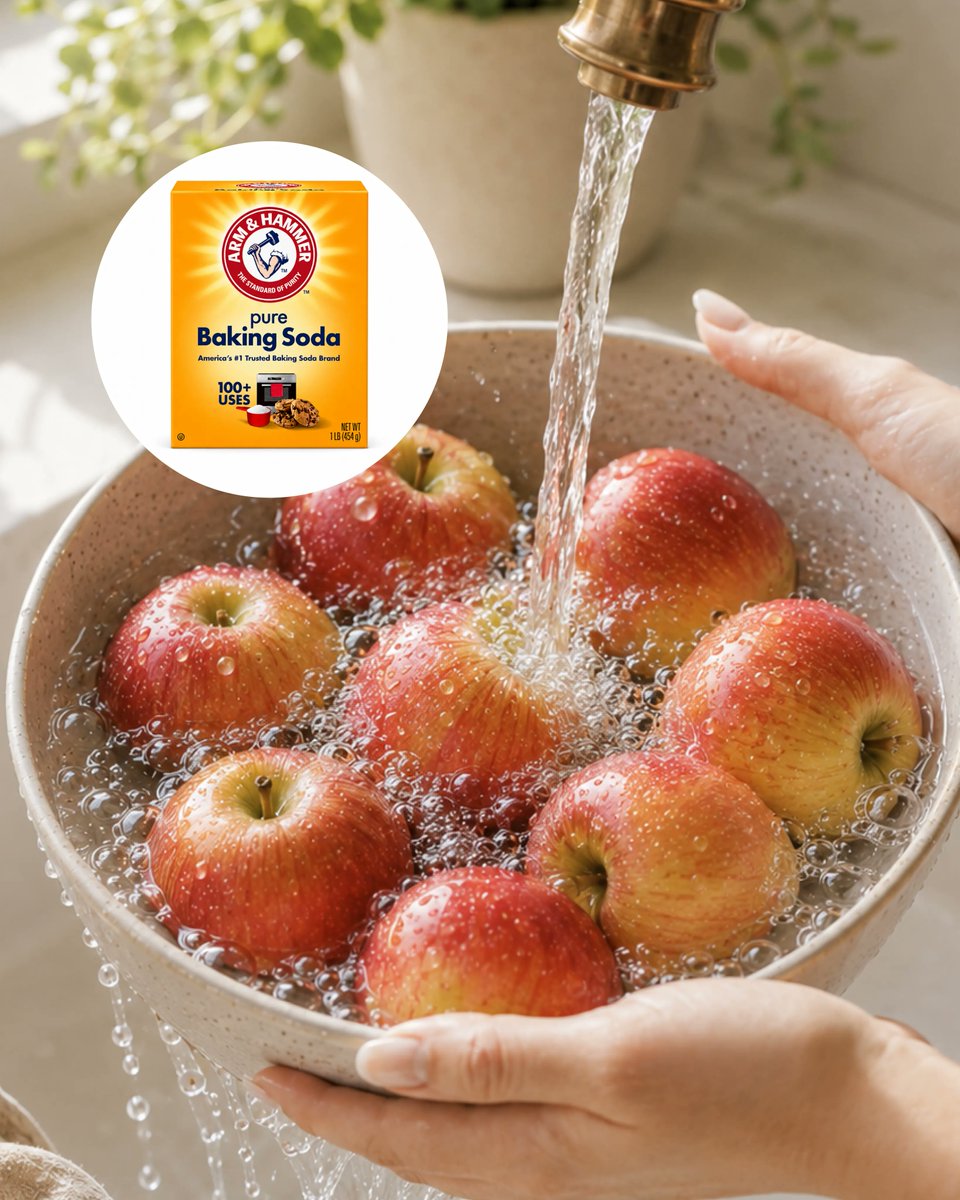
Peer-reviewed studies confirm that baking soda (sodium bicarbonate) effectively removes and degrades many surface-level pesticide residues from produce
A prominent 2017 study published in the Journal of Agricultural and Food Chemistry showed that a 12 to 15-minute soak in a 1% baking soda and water solution successfully removed between 80% and 96% of two common fungicides and insecticides from apple skins
How to apply?
- 1 tspn baking soda for every 2 cups water
- submerge produce for 10-15 mins (NOT longer as the alkaline nature of the baking soda can begin to degrade the skin)
- Rinse thoroughly
Jun 13

Baking soda removes up to 96% of pesticide residue from produce
Researchers tested 3 washing methods on apples: tap water, bleach and a baking soda soak.
Baking soda won:
- 96% of phosmet removed
- 80% of thiabendazole removed
- Surface residue completely cleared
The recipe: 1 tsp baking soda per 2 cups water. Soak 12-15 min. Rinse well.
But up to 20% of one pesticide had already absorbed beneath the peel. No wash removes what's inside.
Starting with cleaner produce matters more
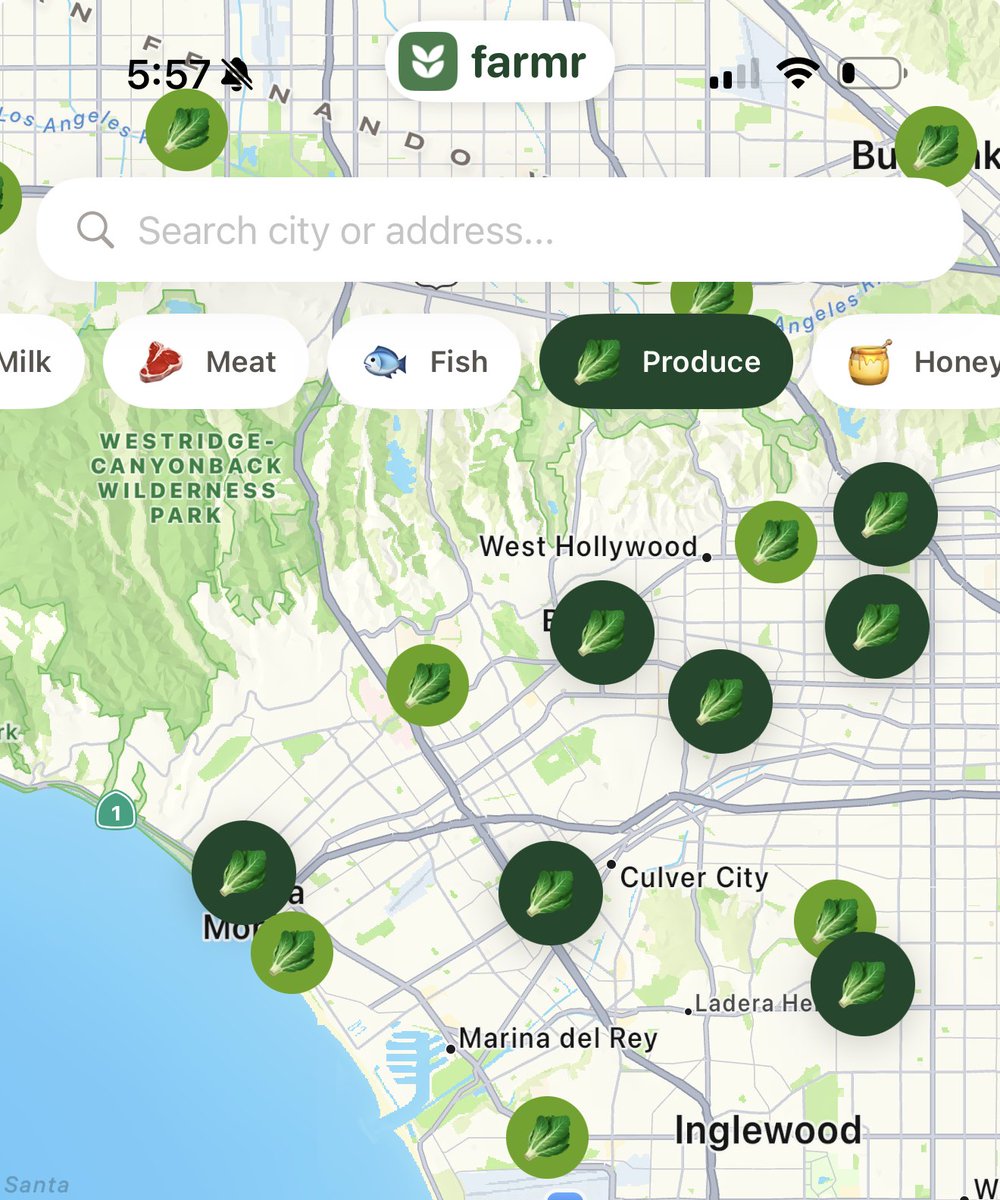
Find local farms on Farmr and pesticide reports with Oasis
35
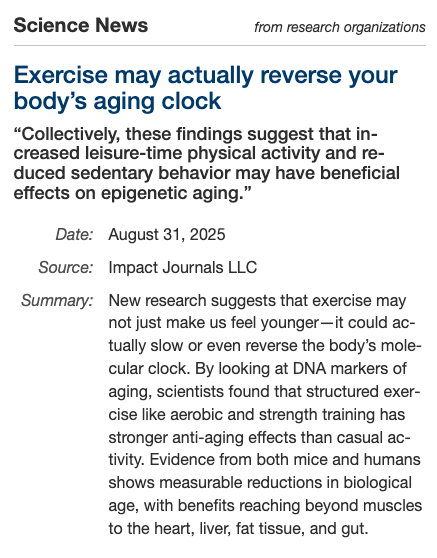
Exercise can reduce epigenetic age...
Your biological age and your birth year are not the same number
New research published in Aging (Aug 2025) reviewed the evidence on exercise as an epigenetic 'geroprotector'
The finding:
- Sedentary middle-aged women reduced their biological age by 2 years after just 8 weeks of combined aerobic and strength training
- Older men with higher VO2 max had significantly slower epigenetic ageing rates
Real protocol:
→ Resistance training 3-4×/week
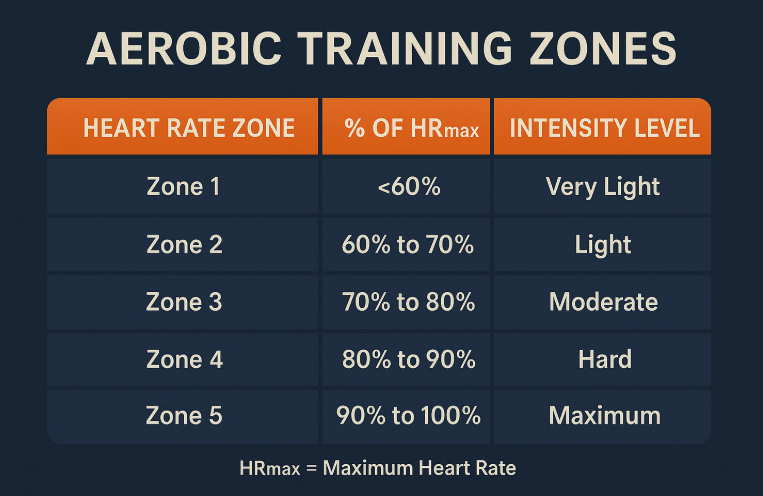
→ Zone 2 cardio 3×/week
→ Both are non-negotiable. Aerobic alone or strength alone produces smaller effects
→ 8 weeks to measurable change. 6 months to significant reversal
27
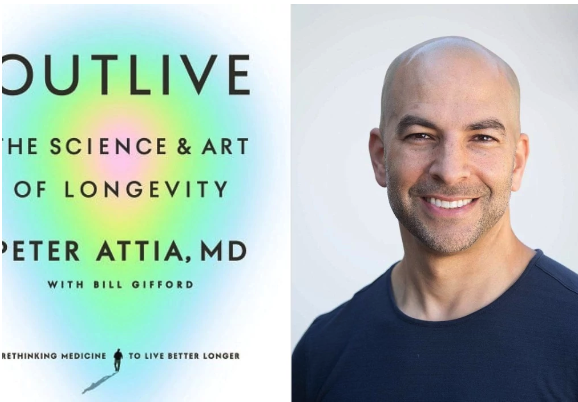
Most people read Outlive and came away thinking it was a fitness book, it's not
It's a book about the 4 horsemen - and how to fight them 20 years early
The central argument:
- Deploy interventions before you're sick
- By the time you have symptoms, you've lost a decade of intervention time
The 4 horsemen (and their timeline):
→ Atherosclerosis - starts in your 20s
→ Cancer - detected at stage 4 when it's been growing for 10 years
→ Neurodegenerative disease - begins decades before memory loss appears
→ Type 2 diabetes / metabolic syndrome - insulin resistance precedes diagnosis by 10 years
The mechanisms that matter:
→ VO2 max: every 1 MET increase = 13% mortality risk reduction
→ Muscle mass: the organ of longevity - grip strength predicts lifespan better than most biomarkers
→ Emotional health: Attia argues this is the most neglected of all performance variables
The one takeaway:
- Your healthspan decisions made in your 30s determine your 60s
Real protocol:
→ Get ApoB tested (cardio marker) - not just a standard lipid panel
→ VO2 max test or estimate (Cooper 12-min run) - know your number
→ Start strength training
21
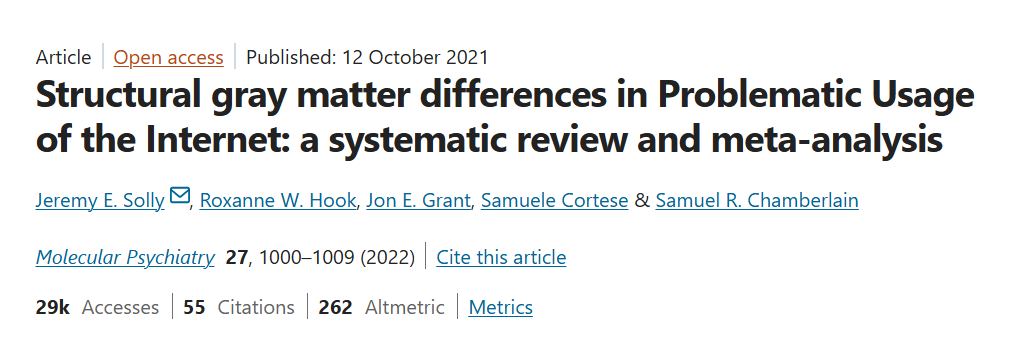
Don't spend your morning dopamine on notifications!
Cortisol and dopamine both spike within the first hour of waking - this is your brain's highest daily window for motivated, effortful learning
BDNF (the protein that physically builds new neural connections) is most responsive to novel, challenging input during this window
Doomscrolling consumes that neurochemical window on zero-resistance stimulation
Protocol:
- first 60–90 minutes screen-free
Jun 12

You have to be a genuine retard to open socials and your email first thing in the morning.
You are wasting an extremely small and valuable window you get every day to learn something new and hard.
Do that for a decade, and you're cooked.
Every single day, me, you and everyone else has a limited neuroplasticity and dopamine "budget".
We have a finite daily reserve of metabolic energy, neuromodulators (epinephrine, acetylcholine, dopamine, BDNF), and cellular resources available to deploy for meaningful rewiring.
Once that budget is spent, it’s gone until the next day after rest and recovery.
Passive consumption of online content (aka doomscrolling) actively burns through that budget while delivering almost zero constructive plasticity.
You are quite literally spending your brain’s daily capacity for growth on junk data and wasting the natural peak of dopamine instead of investing it into doing something hard.
24
The future of health science belongs to the gut
Gut microbiome diversity (the strongest predictor of long-term metabolic and immune health) is driven less by any individual superfood and more by the sheer variety of plant compounds hitting your gut each week
Different polyphenols and prebiotic fibres feed different bacterial species
The American Gut Project found that eating 30 different plant varieties per week predicted microbiome diversity better than any other dietary variable measured
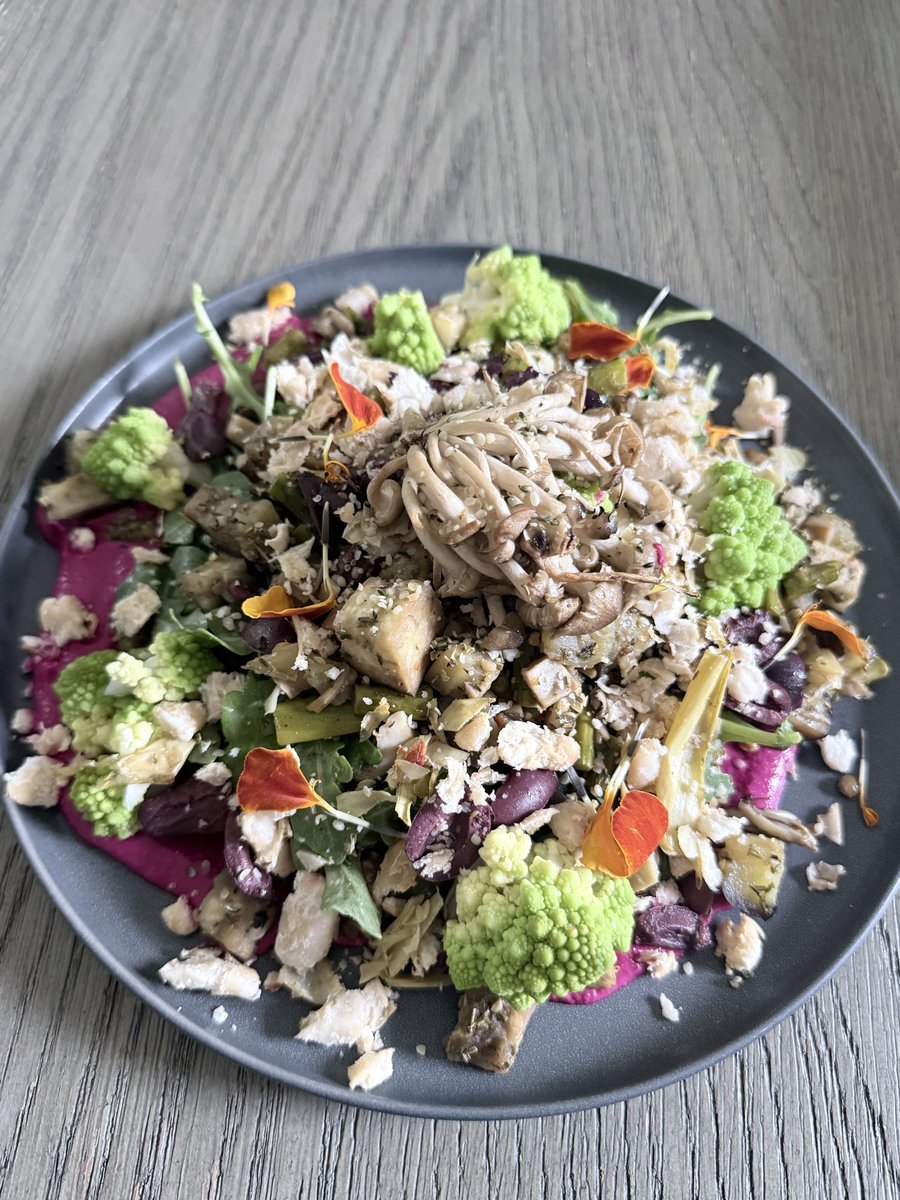
Bryan has 14 varieties here
Protocol:
- track plant variety across the week
- optimise for variety
Jun 12

what i'm eating for breakfast:
beet hummus, black lentils, arugula, eggplant, kalamata olives, asparagus, romanesco, artichoke hearts, hemp seeds, beech mushrooms, parsley, oregano, garlic, olive oil, marigold flowers as garnish, cannellini beans.
53
The drug everyone's talking about for longevity works on one pathway. Here's how to hit the same pathway for free
Your blood vessel walls are lined with endothelial cells that produce nitric oxide via eNOS - endothelial nitric oxide synthase
NO signals smooth muscle to dilate, keeps platelets from clumping, and suppresses the inflammatory signalling that initiates plaque formation
After 35, eNOS activity declines & blood vessels stiffen (The same pathway that gets blamed for erectile dysfunction is the one quietly setting up cardiovascular risk 20 years before a diagnosis)
Intervention:
- Zone 2 cardio 3–4x per week
- dietary nitrates (beetroot, leafy greens)
- morning sunlight exposure
Jun 12
I take Cialis, but not for sex.
It’s actually a longevity medicine.
Cialis (Tadalafil) is great for the same reason it gives you fantastic erections… it improves blood flow.
Studies show that Tadalafil…
34% reduced all-cause mortality
27% reduced major heart disease
34% reduced stroke
32% reduced dementia
It has also shown benefit in insulin sensitivity, metabolic health, and reduction of body fat.
Women have blood vessels too, so theoretically they'd get the same longevity upside. The research is thinner, but early signals are promising.
It’s sad that when men and women could benefit from it can miss out because it’s taboo.
My protocol is 5mg daily and I've been on it for about two years.
*Observational research shows associations, not causation. Outcomes may be influenced by underlying differences in study populations. This is not medical advice and is shared for informational purposes only.
63
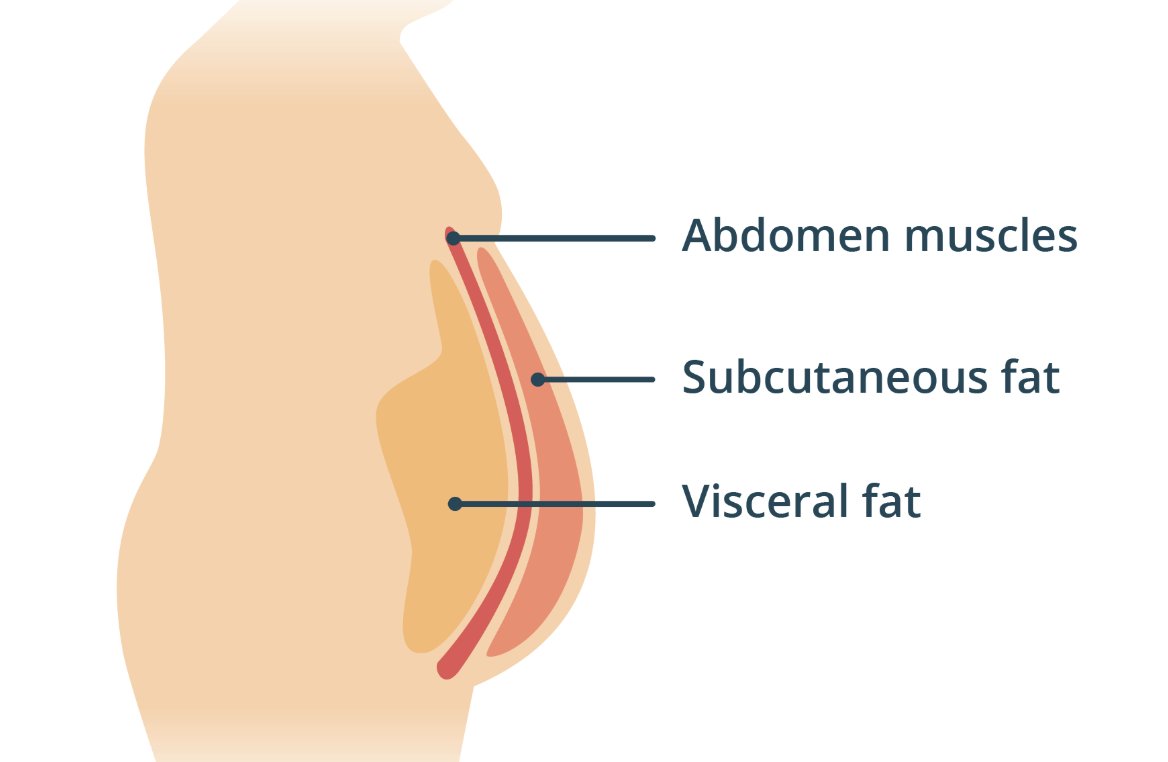
Visceral fat is the deep, dangerous fat stored around your internal organs
It is highly active, releasing inflammatory proteins and hormones that significantly increase your risk of heart disease, type 2 diabetes, stroke, and dementia
How to burn Viceral fat?
1. Combine Cardio and Strength Training - 150 minutes of moderate-intensity aerobic activity per week
2. Plant-Heavy, Whole-Food Diet - limit trans fats, ultra-processed foods, and refined carbohydrates
3. Cut Down on Alcohol
4. Manage Stress & Get Good Sleep - cortisol is a major driver of abdominal fat storage
Jun 11

The best diet to remove visceral fat
· Berries
· Green tea
· Fatty fish
· No alcohol
· Extra virgin olive oil
· Avoid hyper processed foods
· Eat on a schedule within a 8-10 hour window
Focus on this for 90 days while in a caloric deficit and watch the visceral fat melt away.
53
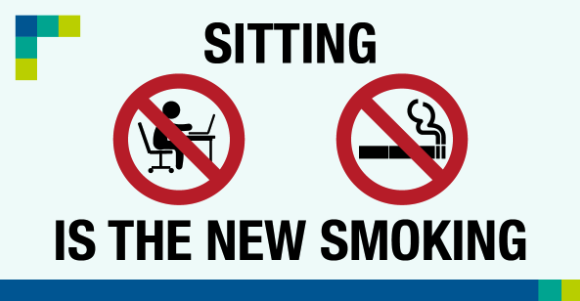
'Sitting is the new smoking' - False claim
Smoking causes ~480,000 deaths annually in the US
Sitting? The mortality data shows it's almost entirely mediated by fitness
Here's what the actual research says:
- People with high cardiorespiratory fitness have no elevated mortality from sitting - even at 10 hours/day
- The danger is the absence of movement
Real protocol:
→ Move more
→ Every 45-60 min: 5 min walk or body weight movement
→ Zone 2 cardio 3-4×/week eliminates the sitting-mortality signal even in sedentary jobs
→ The chair isn't killing you, the absence of muscle contraction is
30
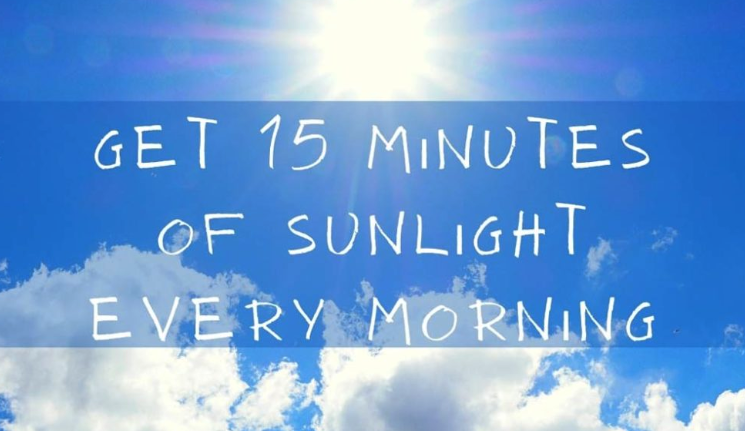
The best free intervention in sleep science takes 10 minutes and it's free
The Morning Light Protocol:
- Within 30-60 min of waking - 10 min outdoor light exposure
Why outdoors matters:
- Windows block 50% of UV
What happens if you skip it:
→ SCN fails to anchor your cortisol peak
→ Melatonin onset is delayed 45-90 min that evening → Sleep onset shifts later
→ sleep debt accumulates
→ cognitive performance degrades within 3 days
Add-ons:
→ No sunglasses for the first 10 min (corneal exposure is the signal pathway)
→ Walk or move - exercise amplifies the circadian signal
→ If winter/overcast: 20-30 min to compensate for lower lux
22
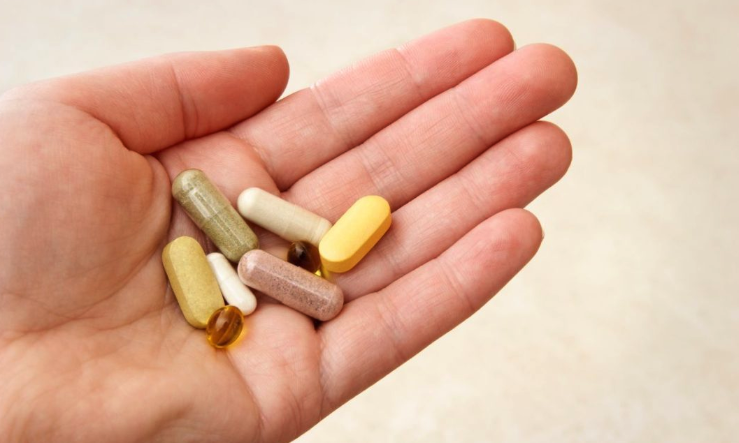
Your supplement drawer isn't a safety net for bad habits
Most supplements will not fix your broken biology
The compounds with the cleanest human evidence:
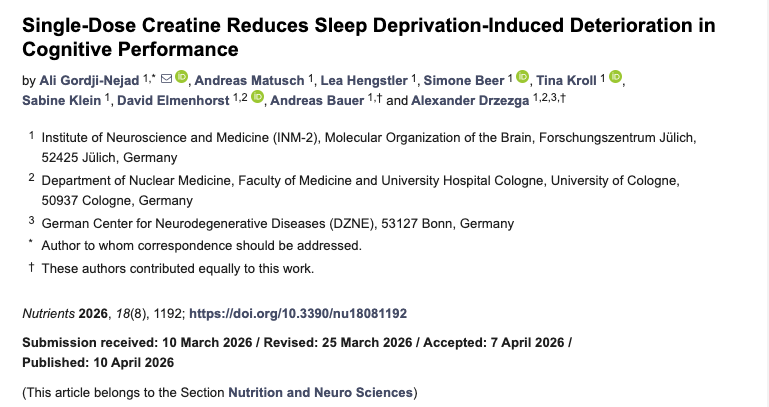
✅ Creatine 5g/day - cognitive and physical performance (RCT-backed)
✅ Magnesium glycinate - sleep quality, stress resilience (not oxide - bioavailability is 4× lower)
✅ Omega-3 EPA DHA 2-3g/day - anti-inflammatory, brain health
✅ Vitamin D3 K2 - immune, bone, cardiovascular (most people are deficient)
The ones where evidence is mostly rodent data:
⚠️ NMN / NR - interesting mechanism, weak human outcomes so far
⚠️ Spermidine - promising, needs larger RCTs
⚠️ Fisetin / Quercetin - senolytic theory strong, human dosing unstudied
Real protocol:
→ Get blood work & supplement deficiencies, not trends
→ Fix sleep, food quality, and training first. Then layer supplements in.
→ Bioavailability beats dose every time
1
1
44
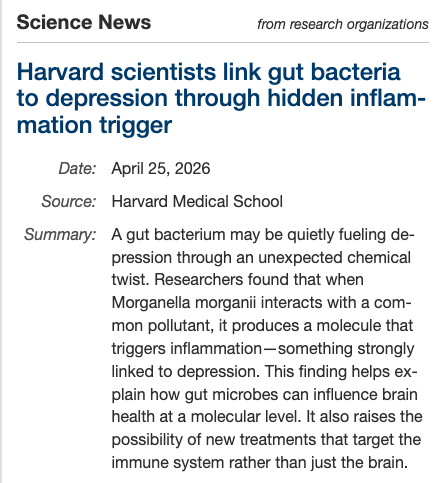
Bad gut bacteria = depression?
Harvard just found a gut bacteria that produces a depression-triggering molecule
The bacteria: Morganella morganii
When exposed to a specific pollutant, it produces unusual phospholipids that trigger neuroinflammation - a key pathway in depression pathogenesis
Your mood isn't a personality trait. It's partly a microbial output
The bigger picture:
→ A separate Cell Metabolism paper (Mar 2026) found creatine absorption is impaired in depression
→ Two studies in one quarter linking gut bacteria to depression through distinct mechanisms
How to keep your gut healthy?
→ Fermented foods daily (kimchi, kefir, sauerkraut) - diversity is the target
→ Prebiotic fibre: 25-30g/day - feeds butyrate-producing bacteria
→ Minimise processed food exposure - feeds pathogenic species, reduces Lactobacillus
→ Consider targeted probiotic: Bifidobacterium longum strains (strongest human evidence for mood)
1
40
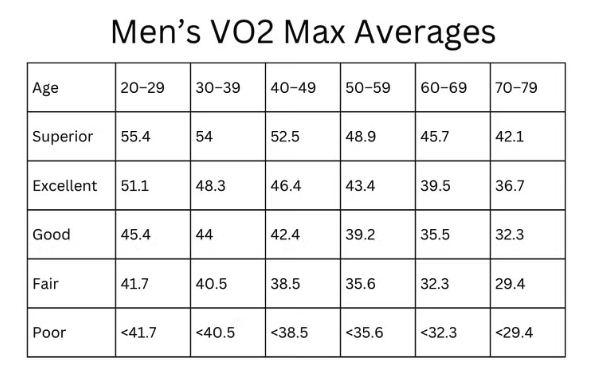
VO2 max is the single most powerful longevity predictor we have
Moving from the bottom 25% to the 50th percentile reduces all-cause mortality by ~50%
HOW TO IMPROVE VO2 MAX?
WEEK 1-4: Build the base
→ 3 × 30 min brisk walk 1 low-intensity bike or jog → Keep nasal breathing throughout - if you can't, you're too fast
Target: never above conversational pace
WEEK 5-8: Introduce threshold work
→ 2 × Zone 2 sessions (30 min)
→ 1 × 4×4 Norwegian interval session (4 min hard / 4 min easy × 4 rounds)
→ The 4×4 protocol is the most studied VO2 max builder in the literature
WEEK 9-12: Polarise
→ 80% of volume easy, 20% hard
→ Add 1 sprint session (6 × 20-30 sec all-out / 2 min rest)
→ Track resting heart rate weekly - it dropping is your target
Mechanism:
- VO2 max reflects stroke volume, mitochondrial density, and oxygen extraction efficiency
Real target: 45 ml/kg/min for men. This puts you in the top 50% for your age group.
1
47
Circadian disruption is genuinely one of the most under appreciated chronic health risks
the single highest-leverage intervention from the evidence base is consistent wake time - it anchors the circadian phase more robustly than any supplement or light device
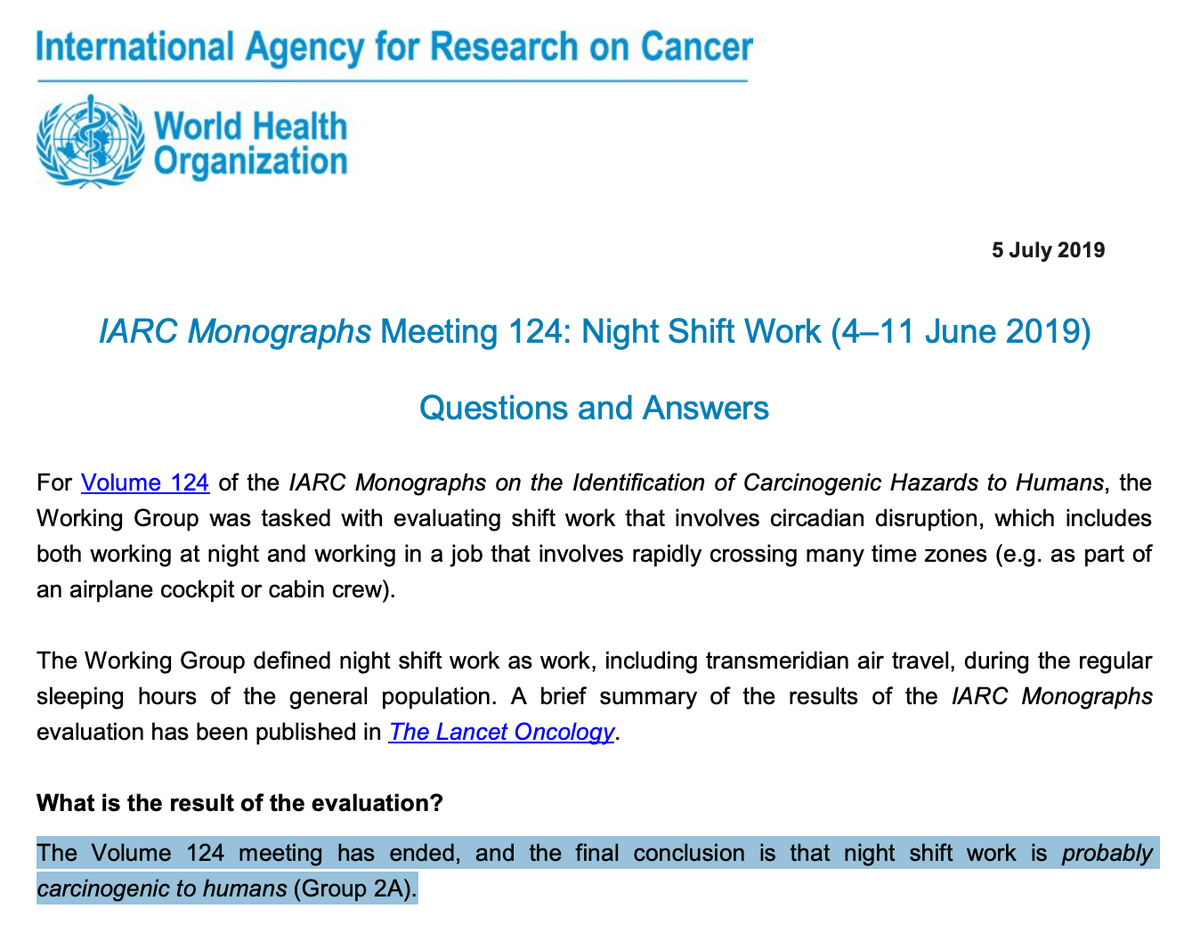
Night shifts = Circadian Disruption Carcinogenic

I feel like it's not talked about enough that the WHO literally admits that disrupted circadian rhythms cause cancer.
Several studies showed 2-3X risk of cancers in people who work the night shift.
While not all studies showed the association, there is more than enough reason biologically to believe that this is one of the worst things you can do for your health.
To understand why - we must understand the circadian rhythm.
Your body regulates EVERYTHING on based on the time of day.
Things are mainly orchestrated by a series of clock proteins - these regulate the expression of various genes throughout the body.
These genes end up regulating everything: hormones, metabolism, digestion, everything.
Estimates from 10-50% of all genes are under circadian regulation.
It cannot be understated how important that is.
If this process of gene regulation via circadian clock proteins is thrown off, nearly every process in every tissue will also be thrown off.
And that can leave you susceptible to disease - including cancer.
For example, simply not turning off the lights results in a 2-3X cancer incidence in animal studies.
Out of 50 constantly lit (LL) animals:
7/50 got lung cancer
6/50 got leukemia
4/50 got liver cancer
compared to 1/50, 0/50 and 0/50 in the control group.
Think about that. Literally just changing how long the lights are on caused cancer.
But how does this happen?
Well, one key is anti-tumor immunity.
This study showed that disrupting the normal light / dark cycles of animals sharply dropped the production of key molecules:
➠ Perforin
➠ Granzyme B
➠ IFNγ
All of which are important for our natural killer cells to wipe out cancer cells.
Looking deeper, we can see those clock proteins playing a huge role.
Simply removing the circadian genes we talked about earlier is enough to completely alter the metabolism throughout the body.
Here, it induced liver cancer, and it also fattened up the liver.
That's a key here - it's not just carcinogenic to throw of your circadian rhythm.
It messes ALL of your health up.
So, what can you do besides not working the night shift?
1. Have consistent sleep and wake times. Your body needs to know what time it is. Help it out.
2. Get sunlight exposure throughout the day, especially in the morning. This signals via your brain to coordinate the clocks throughout the body.
3. Keep other routines consistent as well (eating, exercising, etc.). These also help align the rhythm.
4. Blue block at night. Keep screens to a minimum and wear glasses if you need. If you're shining light in your face at night your body does not know that it's actually nighttime.
If you have no choice but to engage in night shift work, then it makes things a lot tougher.
But the number one thing to do would probably be to get a bright light device and expose your eyes to it whenever you do wake up.
Then, try to keep things dark when it's otherwise light. You do not want constant light or constant dark. Find a way to cycle through them.
You can also use supplemental melatonin to help tell your body that it's nighttime.
1
1
99
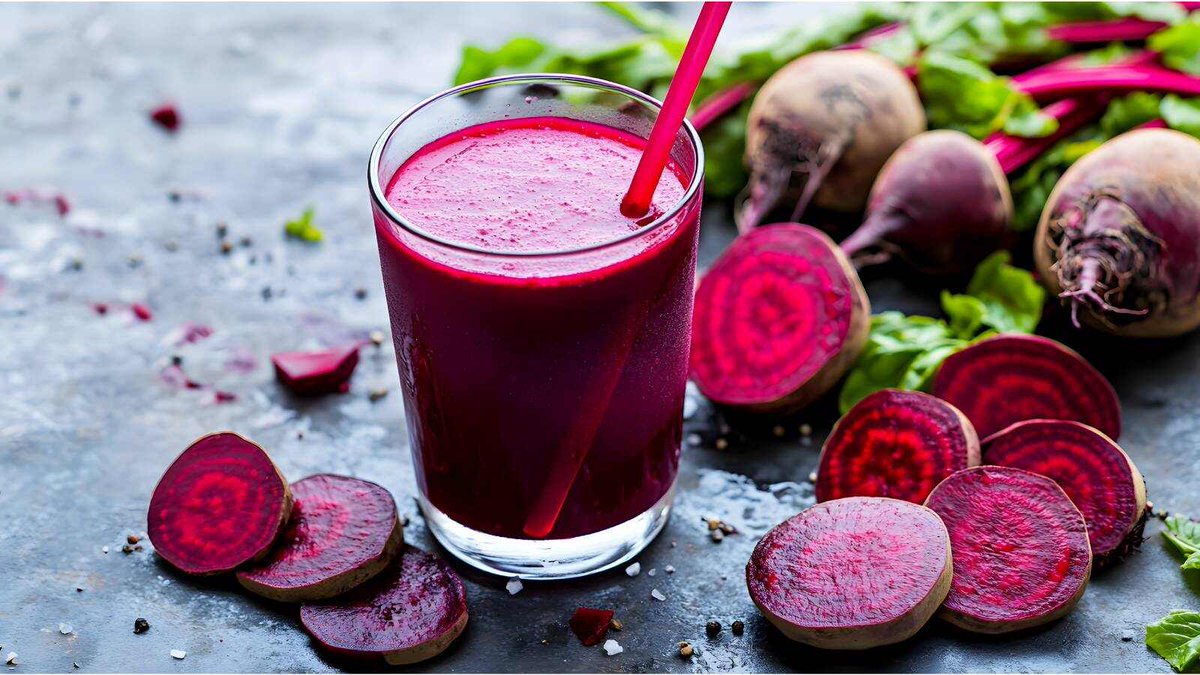
Health benefits of Beetroot:
- lowering blood pressure
- boosting athletic stamina
- reducing inflammation
- Enhances Brain Function
benefits come from its high concentration of dietary nitrates and betalain antioxidants (which the body converts into nitric oxide to widen blood vessels and improve oxygen flow)
How to consume?
- Raw or lightly cooked
- Juiced (for better taste)
- 2-3 hours before exercise
- Pair with healthy fats for max. absorption
Don;t forget about the beet leaves, they're also packed with fiber, potassium, and vitamins - sauté them like spinach
How do you eat your beetroot?
Jun 10

The beetroot has reinvented itself as a performance-enhancing detox elixir, sold as shots and powders to athletes and the anxious alike, on the strength of a nitrate story that is oversold and a detox story that is pure invention.
Start with the benefit, since it is the whole pitch. Dietary nitrate gives a small, real nudge to blood flow and endurance, on the order of one or two per cent, and mostly in untrained bodies. In the trained athletes actually buying the shots, the effect largely vanishes, which is the finding the marketing leaves out. You pay premium prices for a boost that fades as you get fitter.
The detox is worse, because it is nothing at all. Beetroot does not purge toxins, because you are not full of toxins. Your liver and kidneys do that for free, and did so long before beets were fashionable.
Now the bill. Beetroot, and especially the greens, run high in oxalates, the calcium-binding compounds that build kidney stones, so the daily juicer is stacking stone-forming material for a cleanse that never happens. The juice itself is mostly sugar with the fibre spun out and binned, a glass of fast carbohydrate dressed as medicine. And the fructans ferment in your gut, turning the endurance shot into a mid-race toilet emergency.
So take the small nitrate nudge if you are a beginner, and bin the rest. The detox is fiction. The wee is harmless. The only thing being purified is your wallet.
1
2
162
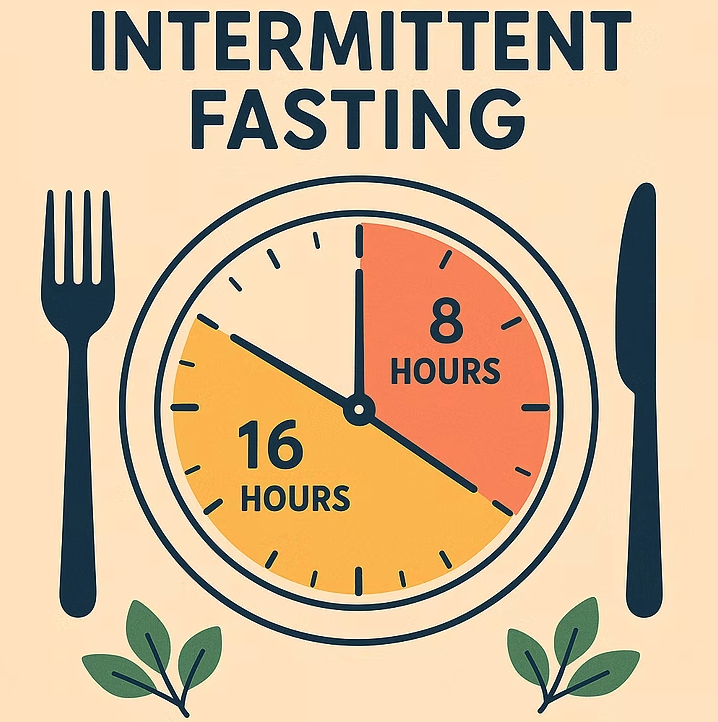
Intermittent fasting is not magic
The ChronoFast RCT (Sci Transl Med, Jan 2026) was the cleanest test of time-restricted eating ever run
They controlled calories. Perfectly. Same food in, different timing.
Result:
- Zero improvement in insulin sensitivity.
- Zero improvement in cardiometabolic markers.
The circadian clock shifted, but metabolic health didn't budge
TRE works because it makes eating less convenient
Fewer hours → fewer opportunities → fewer calories
Where it's still valuable:
→ Aligning your eating window with daylight hours (8am–6pm) improves glucose tolerance via circadian biology
→ TRE may reduce late-night eating, which genuinely disrupts SCN-peripheral clock synchrony
Real protocol:
→ Stop eating 2-3 hours before bed
→ Keep your window earlier, not just shorter
→ If TRE helps you eat less, great. If it doesn't, it probably won't help you metabolically
Source: Science Translational Medicine (Jan 2026) | DOI: 10.1126/scitranslmed.adv6787
62